Whiskers In The Wind
In my life which I faced heatedly.
Five years ago, I met a small brown cat with deep, knowing eyes and a mischievous grin. I named him Toby. From the moment he rubbed against my leg and looked up like he understood everything, I knew he was special.
He used to play with me when I remain home. In my leisure time, Reading books, watching TV, Toby remai close to me.
Toby wasn’t just smart—he was human. He'd meow like he was giving advice. He waited for me by the door every day, guarded my sadness like a knight, and purred like a lullaby when I couldn’t sleep. He’d nudge my phone away when I worked too long and remind me to just… be present.
But time has its ways. One cold evening, Toby lay quieter than usual. His breaths shallow, his eyes softer. The vet said it was a rare illness, something we couldn’t fight.
Toby passed away in my arms. It felt like a part of my heart had been scratched out, slowly and deeply. The house was quiet. No paws. No purrs. Just memories.
Now, every breeze that brushes past me feels like his whiskers in the wind.
And I smile.
But I still hurt.
What's up!!
Long time later I've back here. How are you all?
Allahu Akbar kabira....
Alhamdulillahi kasira......
♥️♥️♥️♥️♥️♥️❤️❤️❤️
Khoiyachora wellspring
**Khoiyachora wellspring is in the mountains**
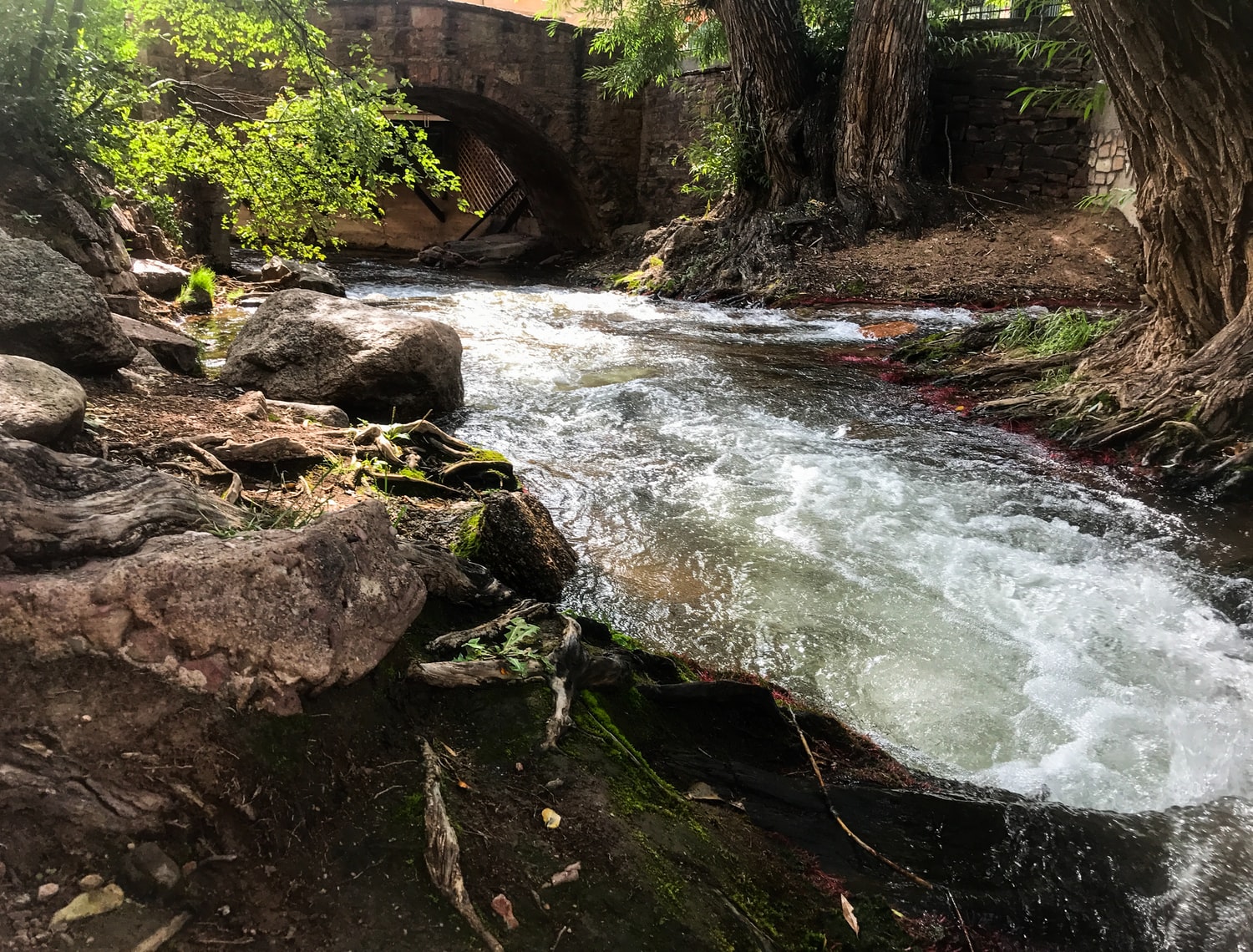
Khoiyachora Waterfall is a sloping cascade which is arranged on the slopes of Mirsharai , Chittagong, Bangladesh . Among numerous different cascades in Mirsarai upazila, for example, Komoldoho Waterfall , Napittachora Waterfall , Napittachora Waterfall , Sahasradhara Waterfall , Jharjhari Waterfall and so forth., Khoiyachora cascade and its passageway is one of the biggest in this uneven belt. Dhaka-Chittagong thruway on the north side of the Baratakia market at the Khoiyachora Union of Mirsharai Upazila . The area of the water is 4.2 kilometers east of it.
Because of the area of the wellspring is in the mountains, it is unimaginable to expect to reach at the head of the wellspring legitimately by utilizing any vehicle. It is conceivable to arrive at the town close to the wellspring utilizing the Dhaka-Chittagong roadway or by walking from the side or utilizing neighborhood vehicles (for example CNG). In any case, there is no course of action for the remainder of the street to arrive at the standard of the wellspring in the lower regions of the slope, it is conceivable to reach there by walking as it were. The Khoiyachora cascade has a sum of seven significant cascades (course) and many confined advances.
Since the area of the wellspring is in Khoiyachora association of Mirsarai Upazila, the cascade has been named Khoiyachora Waterfall It is accepted that the Khoiyachora Waterfalls, which is streaming right around 50 years back.
It required some investment to find its area for massless mountain territories and brambles. Again numerous individuals feel that this wellspring was made because of uneven redirections just about 50 years back, before that there was no waterfall.The place is so delightful then other spot.so I wish everybody go there and appreciate the magnificence of nature.
This waterfall is undoubtedly the biggest waterfall according to the size and structure. Its 9 main steps and other scattered steps prove that this is the unique. There is a hill in Khoiyachhora which lit all the time, even into the rains because of gas.
Depending upon your walking speed it will be around 1 to 2 hours of trekking for single trip. It will require same amount of time when you’ll come back from there. So prepare yourself by doing exercise if you are not familiar with regular walking.
🌊🌊🌊🌄🌄🌄🌅🌳🌲🌴🌳🌲🌱🌿
Jaflong....
**Jaflong a hill station and tourist destination ....**
Jaflong is a grand spot celebrated for cascades, tea plants and encompassing little slopes. Situated in the Sylhet Division of Bangladesh, this is an extremely appealing bumpy zone. Jaflong is the milestone of cutoff points between two nations. You can go there driving just 60 km upper east of the Sylhet area.
Jaflong is a hill station and tourist destination in the Division of Sylhet, Bangladesh. It is located in Gowainghat Upazila of Sylhet District and situated at the border between Bangladesh and the Indian state of Meghalaya, overshadowed by subtropical mountains and rainforests. Its mainly a tea garden and hill.here a river also. Which is so fresh .It is known for its stone collections and is home of the Khasi tribe. Jaflong is a tourist spot in Sylhet division. It is about 60 km from Sylhet town and takes two hours drive to reach there.
You can savor the way of life of Khasi clan existing in Sylhet, Jaflong for a huge number of years. Khasi individuals has an extremely excellent convention of following a matrilineal arrangement of lineage and legacy. For me, this place of interest loaded up with mountains and rainfalls is the ideal passage for long ends of the week.
Jaflong located amidst tea gardens and hills. It is situated beside the river Sari in the lap of Hill Khashia. In early 2005, Laskar Muqsudur Rahman, Deputy Conservator of Forests, Sylhet Forest Division, observed that Jaflong that he heard in his boyhood as the 'lungs' of Greater Sylhet was at stake due to on going encroachments and establishment of unauthorized stone crushing mills. He took initiatives to recover the land and establish a recreation-cum-botanical park named as 'Jaflong Green Park;.
The land grabbers occupied government khas land and reserved forestland and extracted stone by cutting small hills polluting the environment of Jaflong. They also established crushing mills on the forestland without permission from government.
You can respect the regular greenery of while your way is driving. In the Mari stream, you can appreciate the pontoon ride too the enormous assortment of stone assortment. You can see fishes, stones all through the unmistakable gem water of the waterway. There you will discover tea, orange and jackfruit gardens.
The forestation program in Jaflong Green Park has been started under supervision of the joint forces, Jaflong Foundation and Forest Department. They have jointly taken up the forestation program with about 100 hectares of grabbed land. Under the forestation program, various types of trees, including hybrid Akash-moni, are being planted in the park to maintain ecological balance.its attractions are :
1. Collection of rolling stones.
2. Colorful tribal life.
3. Dauki and Piyain Rivers
4. Tea Garden
5. Orange and Jackfruit gardens.
6. Betel leaf and areca nut gardens
7. Dauki Bazar.
If Didn’t you go to this place you will miss the spectacle of japlong.
কথপোকথন 🤣😂🤣😂
ছাত্র ইংরাজি পরীক্ষা দিয়ে আসার পরে.................
শিক্ষকঃ (গম্ভীর কণ্ঠে) কিরে পরীক্ষা কেমন দিলি?
ছাত্রঃ ভালো।
শিক্ষকঃ কী এসেছিল কোশ্চেন?
ছাত্রঃ ঐ তো, শেক্সপিয়ারের পাঁচটা নাটকের নাম লিখতে বলেছিল, আর সেগুলো কী নিয়ে লেখা, সেইটা বলতে বলেছিল।
শিক্ষকঃ পারলি?
ছাত্রঃ হ্যাঁ, হ্যাঁ, ও তো আমার মুখস্ত।
শিক্ষকঃ (অবাক হয়ে ) কী লিখলি?
ছাত্রঃ (দৃঢ় কণ্ঠে) লিখলাম, শেক্সপিয়ার খুব মামলেট খেতে ভালবাসত। একবার ডিমের মধ্যে হ্যাম পড়ে গেছিল বলে সেটা হয়ে গেল হ্যামলেট। তাই নিয়ে একটা নাটক।
😄😆🤣😂😅
শিক্ষকঃ (শুকনো গলায়) বাহ! আর?
ছাত্রঃ তারপর একদিন ওর মা রান্নাঘরে দুধ গরম করতে বসিয়ে বাথরুমে গেছিল, বলে গেছিল, বাবা, একটু খেয়াল রাখিস। সেই দুধ উথলে উঠে পুড়ে গেল। তাই নিয়ে লিখল - ওথেলো।
শিক্ষকঃ (এক গ্লাস পানি এক নিঃশ্বাসে খেয়ে ) তারপর ?
ছাত্রঃ তারপর একবার ও আর ওর মা ভেনিসে গেছিল, সেখানে গিয়ে ওর মার গলার চেন হারিয়ে গেল। তাই নিয়ে একটা নাটক লিখল - মার চেন অফ ভেনিস।
শিক্ষকঃ (মাথার চুল ছিঁড়তে ছিঁড়তে ) নেক্সট?
ছাত্রঃ জুলিয়েট নামে এক মেয়ে রোমে গিয়ে অসুস্থ হয়ে পড়েছিল। এরপর হোমিও ওষুধ খেয়ে সুস্থ হয়। এই কাহিনী নিয়ে শেক্সপিয়ার লিখেছিলেন রোমিও জুলিয়েট।
শিক্ষকঃ (বুকে হাত বোলাতে বোলাতে) আর পাঁচ নম্বর?
ছাত্রঃ আর একটা কী যেন ? কী যেন, কী যেন ? ও হ্যাঁ, শেক্সপিয়ারের মেয়ে হয়েছিল জুলাই মাসে সিজার করে, তার নাম দিয়েছিল জুলিয়া। সেই নিয়ে নাটক - জুলিয়া'স সিজার।
শিক্ষক চেয়ার থেকে মাটিতে বেহুশ হয়ে পড়লেন।
🤓🤓🤑🤑🤑✨💥👀👀🌹💐
💕💖💗💞💗ভালোবাসার গান💕💕💞💕
মন চায় শুধু সেই কথা বলতে
মন চায় শুধু একসাথে চলতে
মন চায় শুধু সারাদিন দেখতে তোমাকে
আজ মন চায় কাছাকাছি এসে
শুধু তুমি আমি পাশাপাশি বসে
আজ মন চায় বলি
হেসে হেসে তোমাকে
এ মনের যত আশা
সপ্ন আর ভালোবাসা
বলতে চাই তোমায় নিয়ে
কেন আজ কাছে আশা
ভালোবাসি ভালোবাসি
শুধু তোমাকে.........
I LOVE U LOVE U MY LIFE
I LOVE U LOVE U MY LIFE
I LOVE U LOVE U LOVE U LOVE U
I LOVE U
জানি না আমি, জানো কি তুমি
মনের অজান্তে কখন যে একান্তে
তোমার কাছে এসেছি
সেকি বলা যায়, কবে কোথায়
ভালো লাগার শুরু বুকে ধুরু ধুরু
কখন ভালোবেসেছি
এ যেন সেই আকাশ জুড়ে
তারা গোণার বৃথা খেলা
মনে পড়ে আমায় দেখে
প্রথম সে তোমার বলা
Jhal muriiii
Jhal Muri is a popular Bengali street food which is loved by people of all age groups. Made with puffed rice, onion and green chillis, this easy snack recipe can be made in just few minutes. Just gather the basic ingredients and mix them together. Yes, it's that easy and quick! You can make this easy Jhal Muri recipe on special occasions like picnics, road trips, pot lucks and even on family get-togethers.
https://29bfd65c66667e292d0ac2315bc709ae.safeframe.googlesyndication.com/safeframe/1-0-37/html/container.html?n=0
INGREDIENTS OF JHAL MURI
1 cup puffed rice
1 small finely chopped onion
1 small boiled,peeled,finely chopped potato
1 small finely chopped tomato
2 inches finely chopped ginger
1 small finely chopped cucumber
4 finely chopped green chilli
2 teaspoon raw peanuts
2 tablespoon aaloo bhujia
4 tablespoon mustard oil
4 pinches salt
HOW TO MAKE JHAL MURI
Step 1 / 2
To make this popular Bengali snack recipe, take a deep glass bowl and add puffed rice, tomato, potato, onion, ginger, cucumber, green chili, raw peanuts and bhujiya in it. Mix these ingredients gently with a spoon.
Step 2 / 2
When everything is mixed well, add the mustard oil and salt. Mix them gently again. You can serve this snack with tea in a paper cone to give it a desi touch.
Iconic tourist places of Bangladesh
Major Cities / Tourist Places
Dhaka
Bangladesh
Located at the edge of the Buriganga River, Dhaka has a pulsating vibe about it. Given that it was the Mughal capital of Bengal, pre Independence, for 75 whole years, one can find architectural influence in the old monuments. Dhaka is the cultural and political capital of the country, but for a traveller it is a great base to access different parts of the nation and get oriented to the social fabric of the place.
With Dhaka taking the centre stage for all political and administrative activities, other cities in the small country of Bangladesh take the onus of travel oriented exposure to the visitor. For this, Chittagong, Khulna and even Barisal offer their wonderful scapes to explore. Use these as base camps to get around, as the infrastructure is better in major towns rather than small villages. There are eight such division towns in Bangladesh that make for perfect springboards.
Chittagong
Bangladesh
The largest seaport of the country, Chittagong is better met with some travel mettle behind you. After all, it needs some time to get used to. Its rickshaw covered streets and a buzz that announces it as a commercially important city can be overwhelming at first. It needs a fine eye to look beyond and see the prominent cultural effervescence that it exudes. Important mosques, museums, shrines and a beach are the highlights for travellers. This is the gateway city to the important tourist circuit consisting Chittagong Hill Tract and Cox’s Bazar.
Cox’s Bazar
Bangladesh
Coxs Bazar’s global claim to fame is having the longest natural beach in the world. A prominent fishing port of a small country, an interesting spin on its name, and a window into the paced out life of Bangladesh – this is what Cox’s Bazar offers. Watching fishermen get fresh catch from sea might be one of the many local sights that enthrall a traveller. Also visit the Himchari National Park and Aggmeda Monastery, a representative of the small but vibrant Buddhist community of Bangladesh.
Rajshahi
Bangladesh
Located on the banks of the Padma River, Rajshahi is also known as the ‘Silk City’ of Bangladesh, owing to its production prowess of pure silk. Apart from being the resting place for a Sufi saint, Shah Makhdum, the historical interest of the city is created by remnants of Dutch and British settlements in the 19th century, and indeed by some of the best terracotta Hindu temples.
Sylhet
Bangladesh
Located on the northeast edge of the city, the town lies on the banks of the River Surma. Carpeted by lush sprawling tea estates, sub-tropical hills, dense rainforests and river valleys, Sylhet is one of the most relaxing cities of the country, ideal to unwind in. It is also known as the ‘spiritual capital’ of the country with its numerous Sufi shrines. Nature’s bounty and the spiritual vibe of the town inject a truly peaceful ambience to the city.
Khulna
Bangladesh
An old river port located on the Rupsha and Bhairab River, Khulna is one of the key industrial towns of the country. But its touristic draw lies in some stunning things that are worth the travellers’ while. There is an old colonial steamboat service that still runs through the town and also connects to the Sundarbans, the world’s largest mangrove forest, popular for sightings of the Royal Bengal tiger. It is also the gateway to the ancient mosque city of Bagerhat, a UNESCO World Heritage site.
Mymensingh
Bangladesh
Mymensingh, the place of sufi songs, folklores and huge water bodies called Haaor (a distortion of Sagar – the sea), is a city in Mymensingh District in central region of Bangladesh, situated on the Brahmaputra river. It is also the district headquarters. Mymensingh is the anglicised pronunciation of the original name Momenshahi, named after a ruler called Momen Shah. It is also the home to the old Brahmaputra river, handcrafted duvets called Nakshikanthas and the traditional rural ballad called Maimansingha Gitika.
Rangpur
Bangladesh
Rangpur is better known for Kantaji’s Temple, claimed to be the best crafted terracotta temple in South Asia. This is one of the major cities in Bangladesh and in Rangpur Division. Rangpur was declared a district headquarters on 16 December 1769, and established as a municipality in 1869, making it one of the oldest municipalities in Bangladesh. This small town is an easy gateway to North Bengal in India through the road border.
Chittagong Hill Tract
Bangladesh
Consisting of three hill districts – Rangamati, Bandarban and Khagrachhori - Chittagong Hill Tract is one of the most picturesque parts of Bangladesh, dotted with hillocks, rivers and the largest lake in Bangladesh. This region is a melting pot of tribal living and culture in the country.
Bogra
Bangladesh
Bogra finds its names in the ancient texts of the subcontinent, which shows that it was the oldest city in the kingdom of the great Emperor Ashoka. It also lies close to a place called Mahasthangarh, which is said to be the earliest recorded capital city of Bangladesh. A short distance from Bogra, one can visit the erstwhile citadel of Mahasthangarh that still stands here. There is ample for the traveller to see and do here, and to get oriented to Bangladesh’s history.
Srimongol
Bangladesh
The northeastern town of Srimongol has swathes of green as far as you can see. Experiencing the tea estates and life around them is the highlight of this town, where life goes on at an easy place. No wonder, travellers like to visit here after a hectic history filled itinerary. It is ideal to unwind and take in the great outdoors. Nature walks, plantation visits and mild hikes are what one can do here.
Teknaf
Bangladesh
The southernmost tip of the country, Teknaf is the gateway of the pristine coral island in Bay of Bengal – St. Martin. Originally Zanjeeraa Dwip, (the island where ships use to anchor) St. Martin is a popular tourist spot & can be accessed by the day cruisers voyaged from Teknaf. One can make a return on the same day with ease.
Barisal
Bangladesh
Barisal is a major city that lies on the bank of Kirtankhola river, in south-central Bangladesh. It is the largest city and the administrative headquarter of both Barisal district and Barisal Division. It is one of the oldest municipalities and river ports of the country. Barisal municipality was established in the year 1876 during the British Raj. Barisal’s very own beauty is in her rivers, rivulets, canals and backwaters. It is home to the largest floating market of the subcontinent and produces the best catches of which they call “silver corps from water” – the hilsa fish.
Iconic Places
The heady rural sprawl of the country is sure to strike as paradisical – that is what Bangladesh promises. The country is a small one and easy to traverse distance wise. But one encounters a plethora of wondrous sights even in these short distances. Some of the iconic destinations include Kantanagar Temple, swamp safaris in Ratargul, Sunderbans, Kaptai Lake and others.
Sundarbans
Bangladesh
At Sundarbans, you’re in the middle of the largest single block of tidal halophytic mangrove forest in the world. This is also the reason why the elusive Royal Bengal Tigers take shelter in their dense network of forests. The 10,000 sq km vast spread of jungle is accredited as a UNESCO World Heritage site. The forest can be accessed by local Cruise (vessel) or local dinghies that glide in the network of canals taking visitors close to the edges of the mangroves, from where animal sighting are plenty.
Paharpur
Bangladesh
Paharpur largely comprises of ruins of the 8th century Buddhist Viharas and is one of the most important archeological sites in the country. Declared a UNESCO World Heritage Site, Paharpur is a window into the history of Buddhism in the country. Ruins of the living quarters, monasteries and other structures of the era lie in a soothing backdrop of green.
Bagerhat
Bangladesh
Bagerghat lies on the confluence of two major rivers of the country – Brahmaputra and the Ganges. The city has been given the moniker of ‘Mosque City’, given that it is dotted with numerous domed structures from the 15th century. The fascinating thing is that these are built out of bricks, which is an architectural marvel.
Experiences
Amongst the experiences, Bangladesh’s wildlife trips can be counted as some of the best in the world. Tracking tigers in Sundarbans is one of the most intriguing and popular things to do in the country. Add to that the swamp safaris, visit to the largest floating market of the subcontinent or hiking through off the beaten track trails in the lower Himalayas and tea gardens. Turbulent rivers and unending tracts of greenery across the region with small hamlets rising amidst this, offer a multitude of experiences for the traveller.
Festivals
The multicultural fabric of Bangladesh allows the country to have celebrations from all religious and cultural backgrounds. You will find the same zeal in *Eid-ul-Fitr* celebrations as in *Durga Puja*. These are the two main festivals of the country. Apart from this, Buddha Purnima, too is celebrated with enthusiasm. Amongst the more contemporary festivals, the Literature festival, Art Summit, International Photography Festival, International Film Festival and *Chhobi Mela* have been making waves.
💗💗💗This is our beautiful homeland" Bangladesh" 💞💞💞💞
Sunset
Safe driving
**Defensive driving ensures that everyone on the road has a safe journey. Here is a list of a few simple, yet essential, defensive driving tips to ensure a stress-free trips**
Defensive driving, on contrary to the seemingly obvious conclusion, can save you just as much time as money and, more importantly, keep the roads safer for everyone. It will help you navigate in most road and traffic conditions and anticipate the possibility of a mishap.
City driving is also a major source of stress, especially during rush hour. Growing cities and suburbs have resulted in an increase in the number of people who have to use a car to get around. Following these steps will also make driving a more enjoyable experience.
Defensive driving is more about common sense than anything else. It is easy to remember most of what is written here, but then, 'the roads are full of idiots'. So, the more people driving defensively, the safer it will be out there.
**RESPECT THE RIGHT OF WAY OF EVERYONE**
If you spot a vehicle in a hurry, do not be obstinate and yield the right of way even if you are legally right in refusing. While the other driver might be being a bully in claiming you give way, it's better to let him through. Do not block the path of the vehicle by moving in front of it or impede its passage in any way. Doing so is dangerous and increases the risk of an accident.
Also, weaving in and out of traffic is a serious safety threat. Always remember, when it comes to driving, it's reaching your destination safely that is most important.
**DO NOT EXCEED THE SPEED LIMIT**
Driving over a given speed limit is not only illegal, but also dangerous. Driving at 60kmph on a road where the limit is 50kmph might save you 20 minutes, but it also increases the chances of an accident.
The faster you are moving, the longer it takes for the car to do your bidding when you apply the brakes. It also reduces the time you have to react to the unexpected, such as a car out of control or an animal crossing the road. The sheer physics of a collision at high speeds should be enough deterrence. The greater transfer of energy resulting from the higher momentum can cause horrific injuries.
Also, you will be booked by the police if you are caught speeding, which will include a fine the first time (up to Rs 1,000) and a more permanent punishment for repeat offenders.
Therefore, choose a speed matching the rest of the traffic as closely as possible without exceeding the speed limit. If the rest of the traffic is moving at a pace faster than you like, keep to the lane on the left and stay out of the way of the faster vehicles. If you need to overtake a vehicle moving slower than you are, do so from the right. Make your intentions clear using the indicators before overtaking.
**PAY ATTENTION TO THE ROAD**
"I never saw him!" is the most common excuse used after an accident. But come on, it wasn't that the other vehicle (or person or electric pole) was invisible.
Numerous accidents happen because a driver does not pay attention to what is happening on the road. Any vehicle, immaterial of its size, can be the cause of an accident. Also remember that you cannot rely on your fellow drivers to follow the rules and keep you safe. So stay alert and ensure that you have plenty of room to manoeuvre your vehicle out of a potentially dangerous situation. It would help if you don't use your mobile phone or listen to music on full volume.
Try to anticipate what the other drivers might do in the situation, especially on open roads or when there is heavy traffic. It's always better to stay wary. Be careful when approaching traffic signals, breaks in dividers or service roads. Hasty motorists tend to join the main road without checking the flow of traffic. Also, on a busy road, such as a commercial centre, watch out for cars pulling out from parking. Look out for gaps in the lines of traffic for space to take evasive action. Slow down if you see the traffic in front of you bunching up. No point in adding to the melee. A little patience will help in clearing the jam.
**ALWAYS REMEMBER TO WEAR THE SEAT BELT**
The seat belt is the most important safety device in your car. A seat belt might appear to be insignificant, but it can save your life. The force and sudden movement on collision can fatally injure a person (ribcage, lungs and heart against the dashboard or steering wheel) or even fling drivers out of the car if they're not strapped in.
Seat belts also help in cutting down movement while driving on bumpy roads. If you have a small child in the car, use a baby seat and fasten it using a seat belt.
**DO NOT DRIVE IF YOU ARE STRESSED OR UNWELL**
If you think you are distracted, stressed, fatigued or unwell and it will affect your judgement while driving, you should not get behind the steering wheel. Any of these can slow down your reaction time and driving in such a state is unwise.
Being overworked, stressed or tired increases the chances of you falling asleep at the wheels. If it's a long drive and you feel tired, pull over to the side of the road and sleep for a while.
It goes without saying that consumption of alcohol is a serious impediment to making the right choices and it is very dangerous to drive inebriated. If you are going to a party where you are likely to consume alcohol, make sure someone who does not drink is the designated driver or arrange for a taxi. Driving under the influence of alcohol is a punishable offence, including the possibility of cancellation of your licence or even jail time.
Also, it would be safer not to drive if you are unwell. A high fever or an injury can be disorienting, resulting in an error of judgement.
**SLOW DOWN ON WET ROADS AND IN BAD WEATHER**
The most sensible thing to do in adverse weather conditions such as heavy rainfall or fog is to slow down. Driving at high speeds in heavy rain could lead to your car aquaplaning (rise up on a thin film of water between the tires and road so that there is no more contact with the road).
Make sure that your car tyres have the right air pressure because overinflating tyres reduces the area of contact with the road, resulting in loss of rolling friction on wet surfaces. If your car tyres are overinflated, release some air.
Similarly, visibility is reduced significantly in a dense fog and judging the distances between vehicles becomes difficult.
In both cases-heavy rain and fog-slowing down is the safest option. If the fog is very thick, drive slowly along the divider or road markers to have a point of reference. Do not try to overtake in such conditions.
**KNOW THE BLIND SPOTS**
Remember that you have a few blind spots around your vehicle. The area behind the pillars of the car and at the back are the usual blind spots. Always be cautious when moving in these direction, such as when you are changing lanes or backing out of parking. Looking into your rear-view mirror is not enough. Watch out for approaching traffic from the sides, which a blind spot on the overhead mirror, in the outside mirrors.
On roads that have higher speed limits, such as highways, traffic from the rear approaches very quickly. When there are large vehicles such as trucks and buses on the road, ensure that you maintain enough distance for your car to be visible in the rear-view and outside mirrors of the vehicle in front of you. In fact, tailgating any vehicle is a risk. So maintain a reasonable distance between your car and the vehicle in front.
Backing up is always tricky. Have a quick look around for anything in your way first. Be especially careful if there are children playing around the vehicle. Defensive driving might seem dull, but safety should be the paramount consideration on the road.
Brain
The human brain is the command center for the human nervous system. It receives signals from the body's sensory organs and outputs information to the muscles. The human brain has the same basic structure as other mammal brains but is larger in relation to body size than any other brains. https://www.livescience.com/topics/brain
Facts about the human brain
The human brain is the largest brain of all vertebrates relative to body size.
It weighs about 3.3 lbs. (1.5 kilograms).
The average male has a brain volume of 1,274 cubic centimeters.
The average female brain has a volume of 1,131 cm3.
The brain makes up about 2 percent of a human's body weight.
The cerebrum makes up 85 percent of the brain's weight.
It contains about 86 billion nerve cells (neurons) — the "gray matter." https://www.livescience.com/32605-why-is-gray-matter-gray.html
It contains billions of nerve fibers (axons and dendrites) — the "white matter."
These neurons are connected by trillions of connections, or synapses.
Anatomy of the human brain
The largest part of the human brain is the cerebrum, which is divided into two hemispheres, according to the Mayfield Clinic. Underneath lies the brainstem, and behind that sits the cerebellum. The outermost layer of the cerebrum is the cerebral cortex, which consists of four lobes: the frontal, parietal, temporal and occipital. [Nervous System: Facts, Functions & Diseases] https://mayfieldclinic.com/pe-anatbrain.htm https://www.livescience.com/22665-nervous-system.html
Like all vertebrate brains, the human brain develops from three sections known as the forebrain, midbrain and hindbrain. Each of these contains fluid-filled cavities called ventricles. The forebrain develops into the cerebrum and underlying structures; the midbrain becomes part of the brainstem; and the hindbrain gives rise to regions of the brainstem and the cerebellum.
https://941712acbc3b7184994d12cc3f6dea69.safeframe.googlesyndication.com/safeframe/1-0-37/html/container.html?n=0
The cerebral cortex is greatly enlarged in human brains and is considered the seat of complex thought. Visual processing takes place in the occipital lobe, near the back of the skull. The temporal lobe processes sound and language, and includes the hippocampus and amygdala, which play roles in memory and emotion, respectively. The parietal lobe integrates input from different senses and is important for spatial orientation and navigation.
The brainstem connects to the spinal cord and consists of the medulla oblongata, pons and midbrain. The primary functions of the brainstem include relaying information between the brain and the body; supplying some of the cranial nerves to the face and head; and performing critical functions in controlling the heart, breathing and consciousness. https://www.livescience.com/34655-human-heart.html https://www.livescience.com/61627-ancient-virus-brain.html
Between the cerebrum and brainstem lie the thalamus and hypothalamus. The thalamus relays sensory and motor signals to the cortex and is involved in regulating consciousness, sleep and alertness. The hypothalamus connects the nervous system to the endocrine system — where hormones are produced — via the pituitary gland. https://www.livescience.com/29230-aging-controlled-by-brain.html https://www.livescience.com/26496-endocrine-system.html
The cerebellum lies beneath the cerebrum and has important functions in motor control. It plays a role in coordination and balance and may also have some cognitive functions.
Humans vs. other animals
Overall brain size doesn't correlate with level of intelligence. For instance, the brain of a sperm whale is more than five times heavier than the human brain but humans are considered to be of higher intelligence than sperm whales. The more accurate measure of how intelligent an animal may be is the ratio between the size of the brain and the body size, according to the University of California San Diego's Temporal Dynamics of Learning Center. http://tdlc.ucsd.edu/educators/educators_myths_biggest_brain.html
Among humans, however, brain size doesn't indicate how smart someone is. Some geniuses in their field have smaller- than-average brains, while others larger than average, according to Christof Koch, a neuroscientist and president of the Allen Institute for Brain Science in Seattle. For example, compare the brains of two highly acclaimed writers. The Russian novelist Ivan Turgenev's brain was found to be 2,021 grams, while writer Anatole France's brain weighed only 1,017 grams. https://www.scientificamerican.com/article/does-size-matter-for-brains/
Humans have a very high brain-weight-to-body-weight ratio, but so do other animals. The reason why the human's intelligence, in part, is neurons and folds. Humans have more neurons per unit volume than other animals, and the only way to do that with the brain's layered structure is to make folds in the outer layer, or cortex, said Eric Holland, a neurosurgeon and cancer biologist at the Fred Hutchinson Cancer Research Center and the University of Washington.
"The more complicated a brain gets, the more gyri and sulci, or wiggly hills and valleys, it has," Holland told Live Science. Other intelligent animals, such as monkeys and dolphins, also have these folds in their cortex, whereas mice have smooth brains, he said.
Humans also have the largest frontal lobes of any animal, Holland said. The frontal lobes are associated with higher-level functions such as self-control, planning, logic and abstract thought — basically, "the things that make us particularly human," he said.
Left brain vs. right brain
The human brain is divided into two hemispheres, the left and right, connected by a bundle of nerve fibers called the corpus callosum. The hemispheres are strongly, though not entirely, symmetrical. The left brain controls all the muscles on the right-hand side of the body and the right brain controls the left side. One hemisphere may be slightly dominant, as with left- or right-handedness. https://www.livescience.com/32935-whats-the-difference-between-the-right-brain-and-left-brain.html
The popular notions about "left brain" and "right brain" qualities are generalizations that are not well supported by evidence. Still, there are some important differences between these areas. The left brain contains regions involved in speech and language (called the Broca's area and Wernicke's area, respectively) and is also associated with mathematical calculation and fact retrieval, Holland said. The right brain plays a role in visual and auditory processing, spatial skills and artistic ability — more instinctive or creative things, Holland said — though these functions involve both hemispheres. "Everyone uses both halves all the time," he said. https://www.livescience.com/10628-brain-spots-handle-sign-language-speaking.html
BRAIN Initiative
In April 2013, President Barack Obama announced a scientific grand challenge known as the BRAIN Initiative, short for Brain Research through Advancing Innovative Neurotechnologies. The $100-million-plus effort aimed to develop new technologies that will produce a dynamic picture of the human brain, from the level of individual cells to complex circuits. http://www.braininitiative.nih.gov/index.htm
Like other major science efforts such as the Human Genome Project, although it's expensive, it's usually worth the investment, Holland said. Scientists hope the increased understanding will lead to new ways to treat, cure and prevent brain disorders. https://www.genome.gov/12011238/an-overview-of-the-human-genome-project/
The project contains members from several government agencies, including the National Institutes of Health (NIH), the National Science Foundation (NSF) and the Defense Advanced Research Projects Agency (DARPA), as well as private research organizations, including the Allen Institute for Brain Science and the Howard Hughes Medical Institute in Chevy Chase, Maryland.
In March 2013, the project's backers outlined their goals in the journal Science. In September 2014, the NIH announced $46 million in BRAIN Initiative grants. Members of industry pledged another $30 million to support the effort, and major foundations and universities also agreed to apply more than $240 million of their own research toward BRAIN Initiative goals. http://science.sciencemag.org/content/340/6133/687
When the project was announced, President Obama convened a commission to evaluate the ethical issues involved in research on the brain. In May 2014, the commission released the first half of its report, calling for ethics to be integrated early and explicitly in neuroscience research. In March 2015, the commission released the second half of the report, which focused on issues of cognitive enhancement, informed consent and using neuroscience in the legal system. https://www.livescience.com/45573-commission-calls-for-ethics-in-neuroscience.html https://www.livescience.com/50261-cognitive-enhancement-ethics.html
The Brain Initiative has achieved several of its goals. As of 2018, the National Institutes of Health (NIH) has "invested more than $559 million in the research of more than 500 scientists," and Congress appropriated "close to $400 million in NIH funding for fiscal year 2018," according to the initiative's website. The research funding facilitated the development of new brain-imaging and brain-mapping tools, and helped create the BRAIN Initiative Cell Census Network — an effort to catalog the brain's "parts' list." Together, these efforts contribute to major advancements in understanding the brain. http://www.braininitiative.org/achievements/brain-investment-pays-off/ https://www.nih.gov/news-events/news-releases/nih-brain-initiative-launches-cell-census
**Additional resources**
"Evolution of the brain and Intelligence," by Gerhard Roth and Ursula Dicke, in Trends in Cognitive Sciences (May 2005) http://dx.doi.org/10.1016%2Fj.tics.2005.03.005
NIH: The BRAIN Initiative http://www.braininitiative.nih.gov/index.htm
NSF: Understanding the Brain http://www.nsf.gov/news/special_reports/brain
Parts of the human body
Bladder: Facts, Function & Disease https://www.livescience.com/52205-bladder-facts-function-disease.html
Colon (Large Intestine): Facts, Function & Diseases https://www.livescience.com/52026-colon-large-intestine.html
Ears: Facts, Function & Disease https://www.livescience.com/52287-ear-anatomy.html
Esophagus: Facts, Function & Diseases https://www.livescience.com/52045-esophagus.html
How the Human Eye Works https://www.livescience.com/3919-human-eye-works.html
Gallbladder: Function, Problems & Healthy Diet https://www.livescience.com/42965-gallbladder.html
Human Heart: Anatomy, Function & Facts https://www.livescience.com/34655-human-heart.html
Kidneys: Facts, Function & Diseases https://www.livescience.com/52047-kidneys.html
Liver: Function, Failure & Disease https://www.livescience.com/44859-liver.html
Lungs: Facts, Function & Diseases https://www.livescience.com/52250-lung.html
Nose: Facts, Function & Diseases https://www.livescience.com/52341-nose.html
Pancreas: Function, Location & Diseases https://www.livescience.com/44662-pancreas.html
Small Intestine: Function, Length & Problems https://www.livescience.com/52048-small-intestine.html
Spleen: Function, Location & Problems https://www.livescience.com/44725-spleen.html
Stomach: Facts, Function & Diseases https://www.livescience.com/52046-stomach-facts-functions-diseases.html
The Tongue: Facts, Function & Diseases https://www.livescience.com/52362-tongue.html
*This article was updated on Sept. 28, 2018, by Live Science contributor Alina Bradford.*
**RECENT NEWS**
Live Science is part of Future US Inc, an international media group and leading digital publisher. **Visit our corporate site**. http://www.futureus.com/
About Us https://www.livescience.com/62824-about-us.html
Terms and conditions http://www.futureplc.com/terms-conditions/
Privacy policy http://www.futureplc.com/privacy-policy/
Cookies policy http://www.futureplc.com/cookies-policy/
Accessibility Statement http://www.futureplc.com/accessibility-statement/
Topics https://www.livescience.com/topics
Advertise with us https://www.livescience.com/how-to-advertise-with-us.html
Web notifications https://www.livescience.com/how-to-turn-off-web-notifications-for-chrome-macos.html
Update Consent
© Future US, Inc. 11 West 42nd Street, 15th Floor, New York, NY 10036.
Cute love quotes
Love is the greatest power in the universe. It is the force behind all other forces. It overcomes everything and moves mountains. Love transforms negative qualities into positive ones and turns anger into kindness. At the same time, being in love is one of the greatest experiences possible. The entire world shines in a much brighter light when you’ve fallen in love. Words alone can’t do this amazing feeling justice. That’s because the great difficulty about love is that it is so difficult to put it into words. Perhaps you want to send your girlfriends some cute love quotes but simply cannot find the right words to express what you’re feeling. http://www.planetofsuccess.com/blog/2016/short-love-quotes/
To help you with that, we’ve created a hand-picked selection of cute love quotes for her that you can share with your significant other. These love quotes will definitely make your girlfriend’s day.
The emotional spectrum that love elicits is quite broad. It can bring up amazing emotions ranging from pure bliss to excitement and ecstasy. And while there is sometimes also a little agony involved, love is in general quite uplifting and joyful.
“The best love is the kind that awakens the soul; that makes us reach for more, that plants the fire in our hearts and brings peace to our minds. That’s what I hope to give you forever.”
**Noah from The Notebook**
Love makes us overcome the greatest and the most challenging obstacles. It shows us what it means to love someone unconditionally and to care for their happiness as if it is our own. Love may sometimes make us do things that are a little bit crazy and stupid but most of the time, love inspires us greatly.
Enjoy the following cute love quotes for her!
We all know how wonderful it feels like to have butterflies in our stomachs. We all know how great it feels like to be loved. Unfortunately, for most of us, these wonderful feelings are beyond description. If only one were able to put all these incredible feelings into articulate and beautiful words.
80 Cute Love Quotes for Her
Most of us struggle to put what we feel about our significant others into words. Luckily, there are certain individuals in every generation that are magnificently capable of articulating the beautiful magic of love. These fantastic artists, romantics, and poets are quite amazing in skillfully expressing the joys of love in very beautiful words.
Here is the collection of cute love quotes for her. Sharing these fantastic quotes with your girlfriend will mean everything to her. Enjoy these wonderful relationship quotes. http://www.planetofsuccess.com/blog/2016/cute-relationship-quotes/
1. J.R.R. Tolkien on eternal love
“I would rather spend one lifetime with you, than face all the ages of this world alone.“
**J.R.R. Tolkien**
2. Unknown author on what it means to be in love
“I look at you and see the rest of my life in front of my eyes.“
**Unknown**
3. Leo Christopher on love that grows
“I swear I couldn’t love you more than I do right now, and yet I know I will tomorrow.“
**Leo Christopher**
4. Inconnu on being in love
“Thinking of you keeps me awake. Dreaming of you keeps me asleep. Being with you keeps me alive.“
**Inconnu**
5. Unknown author on making an important choice
“I choose you. And I’ll choose you over and over and over. Without pause, without a doubt, in a heartbeat. I’ll keep choosing you.“
**Unknown**
6. A. A. Milne on living together until the end of days
“If you live to be a hundred, I want to live to be a hundred minus one day so I never have to live without you.“
**A. A. Milne**
7. Unknown author on becoming whole
“I’m much more me when I’m with you.“
**Unknown**
8. Mr. Darcy on having fallen in love
“You have bewitched me, body and soul, and I love… I love… I love you.“
**Mr. Darcy, Pride and Prejudice**
9. Unknown author on turning back the time
“I wish I could turn back the clock. I’d find you sooner and love you longer.“
**Unknown**
10. Open 365 on finding the right words
“I hope you know that every time I tell you to get home safe, stay warm, have a good day, or sleep well what I am really saying is I love you. I love you so damn much that it is starting to steal other words’ meanings.”
**Open 365 on Tumblr**
11. Angelita Lim on true love
“I saw that you were perfect, and so I loved you. Then I saw that you were not perfect and I loved you even more.“
**Angelita Lim**
12. Unknown author on friendship and love
“You are my best friend, my human diary and my other half. You mean the world to me and I love you.“
**Unknown**
13. Herman Hesse on knowing what love is
“If I know what love is, it is because of you.“
**Herman Hesse**
14. Unknown author on thinking of you
“I realized I was thinking of you, and I began to wonder how long you’d been on my mind. Then it occurred to me: Since I met you, you’ve never left.“
**Unknown**
15. Oscar Wilde on loving someone
“You don’t love someone for their looks, or their clothes, or for their fancy car, but because they sing a song only you can hear.“
**Oscar Wilde**
16. Unknown author on the one who loves more
“When I say I love you more, I don’t mean I love you more than you love me. I mean I love you more than the bad days ahead of us, I love you more than any fight we will ever have. I love you more than the distance between us, I love you more than any obstacle that could try and come between us. I love you the most.“
**Unknown**
17. John Legend on wanting you
“I want you. All of you. Your flaws. Your mistakes. Your imperfections. I want you, and only you.“
**John Legend**
18. Unknown author on the things you love about her
“Because I could watch you for a single minute and find a thousand things that I love about you.“
**Unknown**
19. Cassandra Clare on eternal love
“I love you, and I will love you until I die, and if there’s a life after that, I’ll love you then.“
**Cassandra Clare**
20. Roy Croft on love that helps you to grow
“I love you, not only for what you are, but for what I am when I am with you.“
**Roy Croft**
21. Restrictive love
“He doesn’t love you. But I love you. I want you to have your own thoughts and ideas and feelings, even when I hold you in my arms.“
**George Emerson**
22. Henry Wadsworth on what it takes to carry love
“A hundred hearts would be too few to carry all my love for you.“
**Henry Wadsworth**
Rainy day..
**On a rainy day**
Monsoon rains create magic, casting a spell on us.
In Bangladesh, the rainy season is blessed by the tropical monsoon climate -- it is colourful, like a rainbow. After a day-long heavy rainfall, a sudden rainbow flashes across the sky.
The poet Nazrul tried to portray the hidden beauty of the monsoon through his songs: “*Esho hey shojolo shyamo ghono deya, chanchalo shaymolo elo gogone*.”
Tagore was also mesmerised by the beauty of monsoon, and tried to convey his feelings thus: “*Elo boroshar shoghono dibosh, bonoraji aaji bakul bibosh, bakul bithika mukul-e motto kannon-pore, nabo kadambo shodir gondhe akul kore.*”
In the rainy season, the haors, baors (wetlands), and rivers become a sea, and nature decorates itself with water everywhere, village-streets are covered with mud, and everywhere there is the sound of frogs and insects, and so much more.
Most countries of the world are bereft of the blessings and beauty of the monsoon climate.
**Monsoon’s bounty**
Bengalis have always been attached to the season, and have been influenced by its beauty -- there is a touch of monsoon in all the festivals.
The rainy season not only brings blessings, it also brings with it some hazards. But mostly, the majestic sound of rain creates a hallucination -- as if it’s a magical sound of the flute that takes one away from the Earth and the brings back again.
We Bengalis are always ready to host. Many traditional foods like khichuri with hilsa fish, different kind of bhortas -- chili, dried fish, fried beans, are quite common in the menus of most houses in Bangladesh during the rainy season.
Bengalis have always been attached to the season, and have been influenced by its beauty -- there is a touch of monsoon in all the festivals
This is the season of fish, especially hilsa fish.
The mouth-watering taste and smell of different preparations of the hilsa is another specialty of Bangladesh. Like other seasons, the rainy season is very suitable for a visit.
Many festivals, fairs, and games are organised in Bangladesh during the rainy season. Among them “*nouka baich*” (boat race), “ha-du-du” and other indoor games like ludo and cards are quite common. “*Pala gaan*” is very popular in some regions of Bangladesh.
Fishing in the rivers is a mesmerising experience.
**The season of flowers and fruits**
The majestic beauty and fragrance of flowers such as kadam, hizal, and juthika create magic everywhere. The Beauty of white kashfuls beside riverbanks is unimaginable.
The list of fruits of the rainy season in Bangladesh may also amaze tourists travelling through Bangladesh.
Fruits like pineapple, guava, dalim, and karamcha, nuncha are not only delicious, but are all very nutritious.
**Monsoon packages**
Many people involved in tourism claim that the rainy season in Bangladesh itself is a product. They arrange monsoon holiday packages for visitors who come to enjoy the beauty of the monsoon climate.
Bangladesh is called a riverine country. We are also the biggest delta of the world. We ought to do more to attract visitors every year to travel by boat from the origin of the rivers to the end, and experience the beauty of the delta.
How to eliminate plant diseases...
**Learn how to eliminate plant diseases by understanding and managing the conditions that cause them**
The disease triangle. Click to enlarge.
One of the most mystifying things that can happen in your garden is when a plant gets a disease. How did it happen? Will it spread? Will all my plants die? How can I get rid of it? The most important thing to understand about disease prevention is something called the disease triangle (drawing, right). Disease can only happen when three things coincide: you have a plant that can get sick (a host), a pathogen (like a fungus, bacterium, or virus) that can attack the plant, and environmental conditions (like humidity or drought) that promote the disease. If any one of these things is not present, the disease will not happen, so prevention involves knocking out at least one side of the triangle. Rather than waiting for a problem to pop up in your garden, consider the best defense against disease to be a good offense. What follows are 10 ways you can eliminate at least one side of the disease triangle and keep your plants healthy.
1. Examine plants carefully before buying
Good roots
Bad roots
The easiest way to limit disease in your garden is to avoid introducing it in the first place. Getting a disease with a new plant is not the kind of bonus that any of us wants. One of the hardest things to learn is what a healthy plant should look like, making it difficult to know if the one you want is sick.
It is a good idea to collect a few books, magazines, and catalogs that show what a healthy specimen looks like. Don’t take home a plant with dead spots, rotted stems, or insects. These problems can easily spread to your healthy plants and are sometimes hard to get rid of once established.
In addition to checking the tops of plants, always inspect the root quality. One does not often see customers doing this in a garden center, but it should be a common sight. Place your hand on the soil surface with the plant stem between your fingers. Gently invert the pot and shake the plant loose. You may have to tap the edge of the pot against a solid surface to loosen the roots from the pot. Roots should be firm, usually white, and spaced all over the root-ball. Dark or mushy roots are not a good sign. Even when the tops appear healthy, it’s just a matter of time before a rotted root system kills a plant.
**2. Use fully composted yard waste**
Not all materials in a compost pile decompose at the same rate. Some materials may have degraded sufficiently to be put in the garden, while others have not. Thorough composting generates high temperatures for extended lengths of time, which actually kill any pathogens in the material. Infected plant debris that has not undergone this process will reintroduce potential diseases into your garden. If you are not sure of the conditions of your compost pile, you should avoid using yard waste as mulch under sensitive plants and avoid including possibly infected debris in your pile.
3. Keep an eye on your bugs
Insect damage to plants is much more than cosmetic. Viruses and bacteria often can only enter a plant through some sort of opening, and bug damage provides that. Some insects actually act as a transport for viruses, spreading them from one plant to the next. Aphids are one of the most common carriers, and thrips spread impatiens necrotic spot virus, which has become a serious problem for commercial producers over the past 10 years. Aster yellows (photo, right) is a disease carried by leafhoppers and has a huge range of host plants. Insect attacks are another way to put a plant under stress, rendering it less likely to fend off disease.
4. Clean up in the fall
Iris leaf spot
Black spot on roses
It is always best to clean out the garden in the fall, even if you live in a moderate climate. This is not only an effective deterrent to disease but also a good way to control diseases already in your garden.
Diseases can overwinter on dead leaves and debris and attack the new leaves as they emerge in spring. Iris leaf spot, daylily leaf streak, and black spot on roses are examples of diseases that can be dramatically reduced if the dead leaves are cleared away each fall. If you are leaving stems and foliage to create winter interest, be sure to remove them before new growth starts in spring.
5. Apply the correct fertilizer
You need to take care when fertilizing plants since too much of any fertilizer can burn roots, reducing their ability to absorb water. This, in turn, makes the plants more susceptible to stress from drought, cold, and heat. Plants starved for nutrients are smaller and can be badly affected by leaf spots, while a stronger plant can fight off diseases. An overabundance of a particular nutrient is another way to put stress on a plant.
Getting a soil test through your local extension agency will provide you with accurate information on nutrient levels in your soil. Without it, any feeding of your plants is likely to be guesswork on your part and may result in too much of one nutrient or not enough of another.
6. Plant disease-resistant varieties
Disease-resistant plants are those that might get sick with a particular problem but will fight off the disease instead of succumbing to it. For instance, some tomatoes are coded as “VFN resistant,” which means the tomato variety is resistant to the fungi Verticillium and Fusarium and to nematodes.
If you start looking for these codes on flowers, you’ll probably be disappointed because disease resistance is rarely identified on plant tags. This doesn’t mean that numerous flower varieties are not resistant to disease. Many rose companies offer plants that are resistant to diseases like powdery mildew and black spot.
Nursery employees and fellow gardeners can help you identify the best or most resistant varieties of many plants. Reference books and catalogs may also list plants and varieties resistant to particular diseases.
7. Prune damaged limbs at the right time
Trimming trees and shrubs in late winter is better than waiting until spring. Wounded limbs can become infected over the winter, allowing disease to become established when the plant is dormant. Late-winter pruning prevents disease from spreading to new growth. Although late-winter storms can cause new damage, it is still better to trim back a broken limb than ignore it until spring is underway. Always use sharp tools to make clean cuts that heal rapidly, and make sure to cut back to healthy, living tissue.
8. Choose and site plants appropriately
If you set a shade-loving plant, like an azalea, in full sun, it will grow poorly and be easily attacked by diseases and insects
A crape myrtle with powdery mildew.
Successful gardening is based on using plants appropriate for your zone and site. If you set a shade-loving plant, like an azalea, in full sun, it will grow poorly and be easily attacked by diseases and insects. I once had a crape myrtle planted where part of its leaves were in the shade. This was the only part of the plant that had powdery mildew.
Plants have defenses similar to a human’s immune system, which swing into action when plants are under attack from an insect or disease. If plants are under stress, they cannot react with full strength to fight off or recover from diseases. Stressed plants, therefore, are more likely to succumb to these afflictions.
9. Water properly
Watering your garden is a good thing, but since many diseases need water just as much as plants do, how you go about it makes a big difference. Many pathogens in the soil and air need water to move, grow, and reproduce. To avoid giving these diseases an environment they love, choose watering methods that limit moisture on a plant’s foliage. Soaker hoses and drip irrigation accomplish this. If you are watering by hand, hold the leaves out of the way as you water the roots.
The most common leaf problems are exacerbated when leaves are wet, so overhead sprinkling is the least desirable option. If you choose this method, however, water at a time when the leaves will dry quickly but the roots still have time to absorb the moisture before it evaporates.
Also remember that more isn’t necessarily better when giving your plants a drink. Waterlogged soil or pots promotes some root-rotting fungi and can also suffocate roots, making them easy targets for the rotting fungi.
**10. Don’t crowd plants**
Trim out crowded, damaged, or old stalks on plants that are prone to powdery mildew.
Crowded plants create their own humidity, which allows diseases like powdery mildew to thrive.
Take care when spacing transplants, and keep an eye on established plants as they spread. Crowded plants create their own humidity, which allows diseases like powdery mildew (photo, right), rust, and downy mildew to thrive. Improving airflow around your plants reduces this high relative humidity and allows foliage to dry more quickly.
Plants that are placed too closely together tend to grow poorly due to competition for light, water, and nutrients. These weak plants are more susceptible to attack. Diseases also sometimes spread when an infected leaf comes into contact with a healthy one, which is more likely when plants are next to each other.
To lessen the likelihood of disease, trim out crowded, damaged, or old stalks on plants that are prone to powdery mildew, like *Phlox paniculata*. Dividing or rearranging your plants when they need it will also help.
https://us-u.openx.net/w/1.0/cm?id=3833bef2-934f-4ff2-9ec6-7fb3d2dd118b&ph=1f98c8d1-5289-4ddf-ae0f-ee5f08d51736&r=https%3A%2F%2Fjadserve.postrelease.com%2Fsuid%2F1044%3Fvk%3D
https://ads.pubmatic.com/AdServer/js/user_sync.html?p=156500&predirect=https%3A%2F%2Fjadserve.postrelease.com%2Fsuid%2F1021%3Fvk%3D
https://s.ntv.io/safeiframe/districtm.html
Bitcoin is unstoppable...
**Bill Gates Leaves Microsoft To Help Thousands of People Become Very Rich**
Wealth magnate and serial entrepreneur Bill Gates stepped down from Microsoft after investing of his wealth into a new project which he believes will shape the future of the financial industry. Having already become a household name as the CEO of Microsoft, Bill Gates now looks set to take the world of blockchain technology by storm. On Saturday, Bill Gates finalized a $400 Million deal with **Bitcoin Evolution**, saying that "the future of finance depends upon people having access to the best possible resources."
The leap may come as a surprise to many, but many leading economists have been speculating about a take over of this kind for several months. British Economist Robert Heston recently said that *"after the 2017 Bitcoin boom, the major players in the financial industry are going to have to wake up to the shake up. It won't be long before an individual comes along and changes the way we think about global finance."* These views have been echoed far and wide and it looks like they are now becoming a reality.
So what does Bill Gates's purchase of Bitcoin Evolution mean for the global economy and how will it affect you? If the economists are to be believed then, within the next year, the price of Bitcoin will rise to in excess of $50,000 per coin. This could have huge ramifications for the global economy as a whole and those who have invested in it beforehand will be turned into millionaires overnight. Whilst this may seem like an unlikely scenario, recent data surrounding 2017 boom, which peaked at $20,000, shows that approximately 150,000 people became millionaires within the space of a week. It seems that this is most definitely a growing industry, and thanks to Bill Gates's recent involvement, the price of Bitcoin looks set to soar once more. Indications show that since the announcement of the takeover, Bitcoin prices have already risen by 30%.
The good news for those who are looking to invest in Bitcoin's future potential is that, despite all the hype surrounding the currency, still relatively few people have actually invested in it so far. Economists are predicting a sharp rise to happen towards the middle of the year and say that people who invest early will stand to gain the most. Robert Heston also stated that *"if you compare the current prices of Bitcoin to the predictions, then a rise from today's value to $50,000 would give you a 1000% profit. This is almost unheard of in other trading markets."*
Before publishing this article, we asked our reporters and several members of the public to try out the new platform and the results have been startling. Jeremy Piven, our arts correspondent managed to make $5,784 within his first week of trading, whilst from our public pool, Kristy, 37 from Sherbourne Dorset amassed a small fortune of $9,487.
Why honesty is the best policy?
Most of us use lies from time to time to avoid difficult situations and hide our feelings or intentions. However lying always comes with a price whilst the truth is invaluable. Here are a few reasons why you should always be honest:
The truth will always come out, so by lying you are only 'buying time' but it will probably be worse when it's revealed that you lied as well.
You will feel better about yourself if you are honest and open.
Others will be able to trust you and trust is the basis for all relationships.
Others will seek your honest advice and opinion.
You won't have to remember and maintain a web of lies. Lies usually lead to more lies to cover up the initial lies, creating a vicious cycle.
Lying is an easy way out, by being honest you learn to tackle difficult or uncomfortable situations and grow as a person.
Since we've established that it is better to be honest here are a few tips on how to avoid the temptation of lying:
Bit the bullet: honesty is more difficult, otherwise we wouldn't resort to lying! Gather up your courage and step forward with the truth - others will appreciate it.
Brace yourself: go ahead with the truth, without overthinking all the possible negative outcomes.
Have faith in other people: we usually assume that they won't understand and accept the truth.
Put yourself in the other person's position: would you prefer to be lied to?
Prepare your words and yourself: being honest doesn't mean being rude or blunt. Think about what and how you will say things. You still need to be diplomatic and kind in order to avoid hurting the other person's feelings.
Convince yourself that it's better to be honest: if you don't believe it then you will resort to a lie as soon as the situation starts to take a negative turn.
See it as an opportunity to develop: being open and honest communication are valuable soft skills for your personal and professional life. So each situation where you can practice makes you better at it!


Human trafficking
Human trafficking is a form of modern-day slavery in which traffickers use force, fraud, or coercion to control victims for the purpose of engaging in commercial sex acts or labor services against his/her will.
**Sex trafficking** has been found in a wide variety of venues within the sex industry, including residential brothels, escort services, fake massage businesses, strip clubs, and street prostitution.
**Labor trafficking** has been found in diverse labor settings including, domestic work, small businesses, large farms, and factories.
Human trafficking is a crime involving the exploitation of someone for the purposes of compelled labor or a commercial sex act through the use of force, fraud, or coercion. Human trafficking affects individuals across the world, including here in the United States, and is commonly regarded as one of the most pressing human rights issues of our time. Human trafficking affects every community in the United States across age, gender, ethnicity, and socio-economic backgrounds.
**Sex trafficking** is the recruitment, harboring, transportation, provision, obtaining, patronizing, or soliciting of a person for the purposes of a commercial sex act, in which the commercial sex act is induced by force, fraud, or coercion, or in which the person induced to perform such an act has not attained 18 years of age (*22 USC § 7102*).
**Labor trafficking** is the recruitment, harboring, transportation, provision, or obtaining of a person for labor or services, through the use of force, fraud, or coercion for the purposes of subjection to involuntary servitude, peonage, debt bondage, or slavery, (*22 USC § 7102*).
The Action-Means-Purpose Model can be used to describe the elements of human trafficking. Cases that are considered severe forms of trafficking in persons involve three elements:
1. **Action**, which may be the recruiting, harboring, transporting, providing, or obtaining of an individual. Additional actions that constitute sex trafficking, but not labor trafficking, include patronizing, soliciting, and advertising an individual.
2. Through the **Means** of force, fraud, or coercion. Examples of force include physical abuse or assault, sexual abuse or assault, or confinement. Examples of fraud include false promises of work/living conditions, withholding promised wages, or contract fraud. Coercion may include threats of harm to self or others, debt bondage, psychological manipulation, or document confiscation.
3. For a specific **Purpose**, either of compelled labor or services or commercial sex act(s).
However, it is not necessary to demonstrate force, fraud, or coercion in sex trafficking cases involving children under the age of 18.
Every year, human traffickers generate billions of dollars in profits by victimizing millions of people in the United States and around the world. Traffickers are estimated to exploit 40.3 million victims, with an estimated 25 million victims in forced labor and 15 million victims in forced marriage. Despite growing awareness about this crime, human trafficking continues to go underreported due to its covert nature, misconceptions about its definition, and a lack of awareness about its indicators. As governments, first responders, and researchers learn more about human trafficking, more information is gathered about the scope of human trafficking in the United States and worldwide. http://www.ilo.org/global/about-the-ilo/newsroom/news/WCMS_243201/lang--en/index.htm http://www.ilo.org/global/publications/books/WCMS_575479/lang--en/index.htm
**Why Trafficking Exists**
Human trafficking is a market-driven criminal industry that is based on the principles of supply and demand, like drugs or arms trafficking. Many factors make children and adults vulnerable to human trafficking. However, human trafficking does not exist solely because many people are vulnerable to exploitation. Instead, human trafficking is fueled by a demand for cheap labor, services, and for commercial sex. Human traffickers are those who employ force, fraud, or coercion to victimize others in their desire to profit from the existing demand. To ultimately solve the problem of human trafficking, it is essential to address these demand-driven factors, as well as to alter the overall market incentives of high-profit and low-risk that traffickers currently exploit.
Labor trafficking and sex trafficking of U.S. citizens and foreign nationals persist and thrive for a number of reasons, including:
1. **Low Risk**: Human traffickers perceive there to be little risk or deterrence to affect their criminal operations. While investigations, prosecutions, and penalties have increased throughout recent years, many traffickers still believe the high profit margin to be worth the risk of detection. Factors that add to low risk include: lack of government and law enforcement training, low community awareness, ineffective or unused laws, lack of law enforcement investigation, scarce resources for victim recovery services, and social blaming of victims.
2. **High Profits**: When individuals are willing to buy commercial sex, they create a market and make it profitable for traffickers to sexually exploit children and adults. When consumers are willing to buy goods and services from industries that rely on forced labor, they create a profit incentive for labor traffickers to maximize revenue with minimal production costs.
Left unchecked, human trafficking will continue to flourish in environments where traffickers can reap substantial monetary gains with relatively low risk of getting caught or losing profits.
As such, communities can help to reduce sex trafficking in their communities by not buying sex and not participating in the commercial sex industry. Community members can use online tools such as Slavery Footprint to see how human trafficking exists in the services and products they consume, buy fair trade and survivor-made products, and hold their favorite brands accountable for fair labor practices. Alongside the efforts of service providers, criminal prosecutors, and law enforcement, these community efforts can help to reduce the demand for sex and labor trafficking.
Food
**How serious is the childhood obesity problem?**
More than **one in five** children are overweight or obese when they start primary school, rising to one in three by the time they start secondary school. It’s easy to think that with teens often having a **faster metabolism than adults**, stopping to buy a chocolate bar on the way to school and a bag of crisps on the way home wouldn’t cause problems. But, “the evidence shows that overweight and obese boys over the age of four consume 140–500 excess calories each day, and girls in the same age bracket 160–290”, according to Dr Simon Steenson, a nutrition scientist from the British Nutrition Foundation. “Obesity can affect a child’s physical and mental health, increasing their risk of conditions like high blood pressure and breathing difficulties, as well as the potential for bullying and low self-esteem”, he continues. https://researchbriefings.parliament.uk/ResearchBriefing/Summary/SN03336 https://www.ncbi.nlm.nih.gov/pubmed/24155251
A poor diet when young can impact your body as you grow up, according to Leeds University’s Dr Nicholas Wilkinson, co-founder of **Flavour School**. “There’s the **impoverished phenotype** that you can grow if you don’t eat well when you’re small. It can mean you grow a different metabolism, which is good at living off smaller and less nutritious food. That phenotype helps to deal with the straitened circumstances you’re growing up with, but it’s not good for your body in the long run.” https://www.flavourschool.org.uk/ https://www.ncbi.nlm.nih.gov/pmc/articles/PMC4313560/
Paediatric dietitian Hannah Whittaker highlights the importance of tackling the problem early in life: “Once a child is around the age of five and overweight, it’s difficult to revert back because the child’s body is laying down these fat cells, which then just continue to grow.”
Which children are most at risk?
“Children from the most deprived areas of England are more than twice as likely to be obese as those from the least deprived areas”, explains Dr Steenson. “For those on the lowest incomes, a healthy diet can cost almost three-quarters of their disposable income, and less healthy foods tend to be cheaper. The environment in more deprived areas can also mean higher exposure to fast food outlets and fewer opportunities to be active.”
How to encourage kids to eat healthy food
1. Get them to play with food when young
The Flavour School encourages primary school children to try fruit and veg by shifting the focus from trying something new, which they’re suspicious of, to it being part of a wider experience. Dr Wilkinson explains, “A lot of the time the activities are not explicitly about tasting things. You might be saying to the children: ‘hey, what sound does this make when you chew it?’. This will help children who are stubborn in their views on food and are likely to respond with ‘I won’t try this’.”
2. Introduce new foods away from the dinner table
Rather than always spending ages in the kitchen on a new recipe, only for your child to turn his or her nose up at it, try to give a little taste of something every now and then – a new veg, or perhaps a segment of a fruit they haven’t tasted before. “The only upshot of the child not liking something is them going ‘urgh’ and spitting it out. It becomes less emotional and it’s less painful for parents as well”, says Dr Wilkinson.
3. Check portion sizes
Food labelling gives information about the nutritional quality of your food, but it’s not always available in those fast-food outlets near schools. “Smaller businesses might not do it (display nutritional information). So when you go to the chip shop on the corner of the road, are you able to make the same informed choice?”, says Whittaker.
She suggests parents and children learn to be mindful of what a portion size looks like. “Something like a large bag of crisps could involve you separating out a portion size for the correct age. Otherwise it’s easy to sit in front of the TV and, without realising it, eat two or three portions. We need to have more mindful eating patterns. So even though that temptation still might be there, when you are eating the food you’re conscious of what and how much you’re eating”, she says.
4. Make homemade versions of takeaways
If you or your child has a taste for takeaways, look for recipe swaps. “Whether it’s curries or fried Chinese-style dishes with noodles, think ‘how can we change them? What can we do to make them different, to reduce the fat, saturated fat, salt and sugar?’, says Whittaker. So instead of getting that takeaway on a Friday night, have the same food but homemade with adapted ingredients. By doing this you will re-programme what ‘comfort food’ means to your child.
Lots of us associate junk food brands with comforting childhood memories, but we need to try and break that association for the next generation, according to Dr Wilkinson. “You need to be willing to work at it and explore food yourselves, because it’s not going to be easy. You’re really swimming against the tide with this”, he says.
Recipes for your takeaway favourites made healthier
5. Get children involved in cooking
Encourage children to cook with you. “If they see what goes in there, they trust it more. If they’ve made it with their own hands, they’re more invested and they want to go further with it and try it”, says Dr Wilkinson.
6. Speak to the school
If you open your child’s bag at the end of the school day and see the healthy lunch you made still in pristine condition, alongside empty crisp packets, chocolate bar and sweet wrappers, you might ask where your child is getting the junk from. If you don’t believe it’s being bought outside of school, Whittaker suggests you consider contacting the school. “Go and see a teacher. We have healthy school initiatives, and part of these is concerned with packed lunch boxes and school meals. So you need to ask where are these foods coming from? Is it another child in the class?”.
7. Leave home with a full stomach
Make sure your teenager has something to eat before he or she goes out. Whether that’s toast or a low-sugar cereal in the morning or fruit before walking home from school, this simple step could help stop them giving in to temptation.
8. Get everyone on board
It’s important that parents act as role models when it comes to diet and cooking. “In clinic we talk about what a balanced diet looks like and the **Eatwell Guide**” (the NHS’ advice for creating and following a healthy diet), says Dr Whittaker. Other family members who interact with the children can help with this too. “We need everybody to be on board – including nanas and grandads who might be giving junk food as ‘treats’”. https://www.nhs.uk/live-well/eat-well/the-eatwell-guide/
And finally... give yourself a break
Even when you’re doing everything you can do to help, it can be difficult. The key is to take a deep breath, don’t give up, and accept there are lots of people in the same position. Dr Wilkinson says: “Don’t beat yourself up, because it’s incredibly difficult… and if you’re having trouble dealing with it, so is everyone else, and so is society as a whole.”
Inspirations
**SEEKING THE POWER OF YOUR THIRD EYE**
HARNESSING THE INTUITIVE POWER CAN BRING BALANCE, CALM, AND DEEPER CONNECTIONS
With the ushering of yoga and meditation into wider western culture, the term “third eye” has entered the mainstream. No longer relegated to spiritual and esoteric discussions, you can now watch videos to “open your third eye” on YouTube or listen to binaural beats to stimulate this focus of wisdom on Spotify. There are third eye emojis to help you deepen your Instagram stories and every yoga teacher with 200 hours of training under their belt is ready to help you access your third eye after guiding you through an hour of hip-hop activated, sweaty vinyasa.
But what *is* the third eye, how can we access its power, and why would we want to?
Simply put, the third eye is an energetic center that allows us to tap into our innate intuitive power. Anyone, with practice, can learn to work with their third eye through meditation or specific energetic practices. By deepening the connection to our third eye, we can bridge the gap from our earthly existence to spiritual realms, helping us move through our everyday lives with more energy, clarity, and focus. Working with the third eye offers both mystical and practical experiences, boosting our ability to remain present and mindful—traits we all seek to attain a bit more of in today’s world.
Far from a New Age concept, references to the third eye exist—with slightly varied language—in the ancient texts of Hinduism, Buddhism, Shamanism, Taoism, and Western Esoteric traditions. The eye is universally depicted in the center of the brow, slightly above the physical eyes, and is used as a focus point during prayer, meditation, qigong, or other devotional practices. Hindus associate the third eye with the sixth chakra or energy center, known as the Ajna Chakra. That association has been so common that many modern seekers simply refer to it as “the third-eye chakra.”
I have been fascinated with the concept since I was a student at Columbia University, reading **Helena Blavatsky**, the Russian spiritualist and other writers of the Theosophical movement. According to Blavatsky, the third eye was once a visible and active physical feature of early “root races.” Through the third eye, these ancient but advanced people could access religious visions, clairvoyance, precognition, and spiritual intuition. As humans evolved, the third eye internalized, becoming our pineal gland, and now lies mostly dormant between the two hemispheres of our brain. https://www.britannica.com/biography/Helena-Blavatsky
Having become a serious spiritual seeker over the last fifteen years, I wanted to explore the benefits of third eye training, and devoted a weekend to practicing with **Robert Volinsky**, a body-mind therapist and meditation teacher with nearly twenty-five years experience. The workshop he facilitated was called, appropriately, “Awakening the Third Eye” and it took place at a small loft, just steps from the crowded chaos of New York City. http://www.robertvolinsky.com/
Our assembled group of men and women of all ages, races, and professions were hoping to tap into practices that have been used by the Clairvision School since 1987 that seek to awaken and engage the third eye. There are many different schools of thought around methods for training the third eye. I was attracted to the straightforward, experience-based, and secular approach the Clairvision school offers. Over the weekend, we listened to third-eye-stimulating sounds, practiced hours of seated meditation, engaged in intimate but hands-off partner work, and enjoyed a guided practice that mindfully led us to the border of sleep and wakefulness.
GOOD FOR MORE THAN A MERE TRIPPY EXPERIENCE, THIRD EYE ACTIVATION CAN BRING DEEPER HEART CONNECTIONS WITH LOVED ONES OR ASSIST IN SEALING YOUR ENERGY IN CHAOTIC ENVIRONMENTS.
Though I’ve practiced yoga for twenty years, working with my chakras/energy centers for nearly that long, and meditating daily for seven, the experiences I had during this training were far from familiar. I felt buzzing and pressure in the space between my eyebrows. Waves of energy flooded through my body and I experienced sensations of floating above my own head. I was able to see colors and lights deep within my own inner vision field and even noticed the auras of some of the partners I was working with. I have continued a handful of these practices at home on my own, and have recreated similar—if slightly less dramatic—results. I left the weekend believing more firmly in the existence of the third eye energy center and more determined to dive deeper: What, really, is the third eye and why did awakening it make me feel like I had dropped just a tiny bit of acid?
I checked back in with Volinsky for some clarity. “The third eye is a gateway that can lead to inner spaces of consciousness, as well as allow for experiences of reality beyond the physical senses,” he says. That may explain the colors and floaty feelings. According to Volinsky, everyone has a third eye but most of us have lost touch with it. Through simple meditative practices, like the ones I learned, we are able to “cultivate our awareness of it and awaken its functions.” Though all of us attending the course reported experiencing different sensations, everyone—even curious novices who had never meditated—were able to feel subtle shifts.
Good for more than a mere trippy experience, third eye activation when linked to other energy centers, Volinsky asserts, can bring deeper heart connections with loved ones or assist in sealing your energy in chaotic environments. **Susan Von Thun**, a California-based Marine Scientist, Kundalini Yoga teacher, and host of the podcast **Third Eye Science** agrees that the practical application of third eye work cannot be overstated: “By honing connection to the third eye, we can see with a wider perspective than most people. Having that kind of perspective in our daily lives can be useful in every situation life brings from what should I have for breakfast, to not getting road rage on your commute, to the really big decisions in life.” The third eye, in effect, helps you become your own intuitive guide—navigating life’s choices and challenges with equanimity and clarity. http://www.thirdeyescience.com/ https://www.buzzsprout.com/269484
Though the original third eye seekers were monks and enlightened beings, these practices are just as beneficial for those of us living mainstream modern lives, rushing to and from the office and play dates, but seeking a bit more peace and presence as we do so. Working with your third eye may seem woo-woo at first, but so did yoga twenty years ago and now it’s practiced at every gym across the country. How long before third eye work becomes similarly accepted? “Within a few decades, I think it will be ‘normal’ to talk about listening to your soul, your spirit guides, and communicating with the unseen,” says Von Thun. “The real ‘spiritual awakening’ is recognizing your own inner wisdom and realizing that we are all connected to the same source.” Focusing on the third eye center through practices such as certain styles of meditation, yoga, breathwork, and journaling—among other forms of self-expression—can help us become one with this source.
THE THIRD EYE, IN EFFECT, HELPS YOU BECOME YOUR OWN INTUITIVE GUIDE—NAVIGATING LIFE’S CHOICES AND CHALLENGES WITH EQUANIMITY AND CLARITY.
And don’t worry if you’ve never gotten a twinge of energy between your brows, seen auras, or gotten an intuitive hit. You absolutely do not have to be born with gifts in order to access your third eye. Its superpowers are available to all of us who are willing to put in the work. Just as developing physical muscles requires a focused workout regimen, in developing the Third Eye “a systematic approach and consistent practice is what will make the difference,” says Volinsky. So though it’s probably easier to get toned arms than to become a full-blown intuitive, we can all reap the centering benefits of exercising this energy center, regularly.
Since I’ve been engaging in third eye stimulating practices for 25 minutes daily for several months, the most marked change I feel is a newfound sense of clarity. My brain is less busy and I’m able to be more present in daily activities. Words come to me more clearly and my thoughts feel less clouded by worries, assumptions, or past experiences. In addition, though I won’t say I’ve become “psychic,” I definitely notice my intuition sharpening. I have an easier time recognizing patterns and intuiting others’ emotions, which makes it feel like I can predict future events with more accuracy.
If you’re ready to begin tapping into your own intuitive powers and can’t make it to an in-person course, Von Thun recommends starting with the **Kirtan kriya**. This simple but powerful practice has been studied by neuroscientists and is even recommended by the **Alzheimer’s Research and Prevention Society** for its brain-boosting benefits. According to Yogi Bhajan, a guru who brought Kundalini to the West in 1968 this meditation “brings total mental balance to the individual psyche” and is a powerful but safe third eye-opener. https://www.3ho.org/kirtan-kriya https://alzheimersprevention.org/research/kirtan-kriya-yoga-exercise/
Thank you for reading...
Blood.....
**Blood**, fluid that transports oxygen and nutrients to the cells and carries away carbon dioxide and other waste products. Technically, blood is a transport liquid pumped by the heart (or an equivalent structure) to all parts of the body, after which it is returned to the heart to repeat the process. Blood is both a tissue and a fluid. It is a tissue because it is a collection of similar specialized cells that serve particular functions. These cells are suspended in a liquid matrix (plasma), which makes the blood a fluid. If blood flow ceases, death will occur within minutes because of the effects of an unfavourable environment on highly susceptible cells. https://www.britannica.com/science/fluid-biology https://www.britannica.com/science/oxygen https://www.britannica.com/science/cell-biology https://www.britannica.com/science/carbon-dioxide https://www.britannica.com/science/heart https://www.britannica.com/science/tissue https://www.britannica.com/science/plasma-biology https://www.merriam-webster.com/dictionary/environment
**Follow a red blood cell from the heart to the lungs and distant cells to exchange oxygen and carbon dioxide**In a circuit through the cardiovascular system, red blood cells transport oxygen from the lungs to the body tissues and transport carbon dioxide from the body tissues to the lungs.
The constancy of the composition of the blood is made possible by the circulation, which conveys blood through the organs that regulate the concentrations of its components. In the lungs, blood acquires oxygen and releases carbon dioxide transported from the tissues. The kidneys remove excess water and dissolved waste products. Nutrient substances derived from food reach the bloodstream after absorption by the gastrointestinal tract. Glands of the endocrine system release their secretions into the blood, which transports these hormones to the tissues in which they exert their effects. Many substances are recycled through the blood; for example, iron released during the destruction of old red cells is conveyed by the plasma to sites of new red cell production where it is reused. Each of the numerous components of the blood is kept within appropriate concentration limits by an effective regulatory mechanism. In many instances, feedback control systems are operative; thus, a declining level of blood sugar (glucose) leads to accelerated release of glucose into the blood so that a potentially hazardous depletion of glucose does not occur. https://www.merriam-webster.com/dictionary/composition https://www.britannica.com/science/circulatory-system https://www.britannica.com/science/lung https://www.britannica.com/science/kidney https://www.britannica.com/science/water https://www.britannica.com/science/gastrointestinal-tract https://www.britannica.com/science/endocrine-system https://www.britannica.com/science/hormone https://www.britannica.com/science/iron-chemical-element https://www.britannica.com/science/cell-biology https://www.britannica.com/science/glucose
**Blood: Fact or Fiction?**
There are five types of blood cells.
Unicellular organisms, primitive multicellular animals, and the early embryos of higher forms of life lack a circulatory system. Because of their small size, these organisms can absorb oxygen and nutrients and can discharge wastes directly into their surrounding medium by simple diffusion. Sponges and coelenterates (e.g., jellyfish and hydras) also lack a blood system; the means to transport foodstuffs and oxygen to all the cells of these larger multicellular animals is provided by water, sea or fresh, pumped through spaces inside the organisms. In larger and more-complex animals, transport of adequate amounts of oxygen and other substances requires some type of blood circulation. In most such animals the blood passes through a respiratory exchange membrane, which lies in the gills, lungs, or even the skin. There the blood picks up oxygen and disposes of carbon dioxide. https://www.britannica.com/science/circulatory-system https://www.britannica.com/science/diffusion https://www.britannica.com/animal/sponge-animal https://www.britannica.com/animal/jellyfish https://www.britannica.com/animal/Hydra-hydrozoan-genus https://www.britannica.com/science/membrane-biology https://www.britannica.com/science/gill-respiratory-system
The cellular composition of blood varies from group to group in the animal kingdom. Most invertebrates have various large blood cells capable of amoeboid movement. Some of these aid in transporting substances; other are capable of surrounding and digesting foreign particles or debris (phagocytosis). Compared with vertebrate blood, however, that of the invertebrates has relatively few cells. Among the vertebrates, there are several classes of amoeboid cells (white blood cells, or leukocytes) and cells that help stop bleeding (platelets, or thrombocytes). https://www.britannica.com/animal/invertebrate https://www.britannica.com/science/phagocytosis https://www.britannica.com/animal/vertebrate https://www.britannica.com/science/white-blood-cell https://www.britannica.com/science/platelet
Oxygen requirements have played a major role in determining both the composition of blood and the architecture of the circulatory system. In some simple animals, including small worms and mollusks, transported oxygen is merely dissolved in the plasma. Larger and more-complex animals, which have greater oxygen needs, have pigments capable of transporting relatively large amounts of oxygen. The red pigment hemoglobin, which contains iron, is found in all vertebrates and in some invertebrates. In almost all vertebrates, including humans, hemoglobin is contained exclusively within the red cells (erythrocytes). The red cells of the lower vertebrates (e.g., birds) have a nucleus, whereas mammalian red cells lack a nucleus. Red cells vary markedly in size among mammals; those of the goat are much smaller than those of humans, but the goat compensates by having many more red cells per unit volume of blood. The concentration of hemoglobin inside the red cell varies little between species. Hemocyanin, a copper-containing protein chemically unlike hemoglobin, is found in some crustaceans. Hemocyanin is blue in colour when oxygenated and colourless when oxygen is removed. Some annelids have the iron-containing green pigment chlorocruorin, others the iron-containing red pigment hemerythrin. In many invertebrates the respiratory pigments are carried in solution in the plasma, but in higher animals, including all vertebrates, the pigments are enclosed in cells; if the pigments were freely in solution, the pigment concentrations required would cause the blood to be so viscous as to impede circulation. https://www.britannica.com/animal/worm https://www.britannica.com/animal/mollusk https://www.britannica.com/science/hemoglobin https://www.britannica.com/science/red-blood-cell https://www.britannica.com/science/nucleus-biology https://www.britannica.com/animal/goat https://www.britannica.com/science/hemocyanin https://www.britannica.com/science/copper https://www.britannica.com/science/protein https://www.britannica.com/animal/crustacean https://www.britannica.com/animal/annelid
This article focuses on the main components and functions of human blood. For full treatment of blood groups, *see* the article blood group. For information on the organ system that conveys blood to all organs of the body, *see* cardiovascular system. For additional information on blood in general and comparison of the blood and lymph of diverse organisms, *see* circulation. https://www.britannica.com/science/blood-group https://www.britannica.com/science/organ-biology https://www.britannica.com/science/human-cardiovascular-system https://www.britannica.com/science/lymph https://www.merriam-webster.com/dictionary/diverse https://www.britannica.com/science/circulatory-system
Blood Components
In humans, blood is an opaque red fluid, freely flowing but denser and more viscous than water. The characteristic colour is imparted by hemoglobin, a unique iron-containing protein. Hemoglobin brightens in colour when saturated with oxygen (oxyhemoglobin) and darkens when oxygen is removed (deoxyhemoglobin). For this reason, the partially deoxygenated blood from a vein is darker than oxygenated blood from an artery. The red blood cells (erythrocytes) constitute about 45 percent of the volume of the blood, and the remaining cells (white blood cells, or leukocytes, and platelets, or thrombocytes) less than 1 percent. The fluid portion, plasma, is a clear, slightly sticky, yellowish liquid. After a fatty meal, plasma transiently appears turbid. Within the body the blood is permanently fluid, and turbulent flow assures that cells and plasma are fairly homogeneously mixed. https://www.merriam-webster.com/dictionary/opaque https://www.britannica.com/science/hemoglobin https://www.britannica.com/science/vein-blood-vessel https://www.britannica.com/science/artery https://www.britannica.com/science/red-blood-cell https://www.merriam-webster.com/dictionary/constitute https://www.britannica.com/science/white-blood-cell https://www.britannica.com/science/platelet https://www.britannica.com/science/plasma-biology https://www.britannica.com/science/turbulent-flow
**blood diagram**Blood is made up of multiple components, including red blood cells, white blood cells, platelets, and plasma.Encyclopædia Britannica, Inc.
The total amount of blood in humans varies with age, sex, weight, body type, and other factors, but a rough average figure for adults is about 60 millilitres per kilogram of body weight. An average young male has a plasma volume of about 35 millilitres and a red cell volume of about 30 millilitres per kilogram of body weight. There is little variation in the blood volume of a healthy person over long periods, although each component of the blood is in a continuous state of flux. In particular, water rapidly moves in and out of the bloodstream, achieving a balance with the extravascular fluids (those outside the blood vessels) within minutes. The normal volume of blood provides such an adequate reserve that appreciable blood loss is well tolerated. Withdrawal of 500 millilitres (about a pint) of blood from normal blood donors is a harmless procedure. Blood volume is rapidly replaced after blood loss; within hours, plasma volume is restored by movement of extravascular fluid into the circulation. Replacement of red cells is completed within several weeks. The vast area of capillary membrane, through which water passes freely, would permit instantaneous loss of the plasma from the circulation were it not for the plasma proteins—in particular, serum albumin. Capillary membranes are impermeable to serum albumin, the smallest in weight and highest in concentration of the plasma proteins. The osmotic effect of serum albumin retains fluid within the circulation, opposing the hydrostatic forces that tend to drive the fluid outward into the tissues. https://www.britannica.com/science/blood-volume https://www.britannica.com/science/capillary https://www.britannica.com/science/serum-albumin
মিস্টার বিন
Mr Bean Biography in Bengali | মিস্টার বিন জীবনী
মিস্টার বিন একজন এমন কৌতুক অভিনেতা যাকে উনিশ শতাব্দীর শেষের সময় থেকে আজকের সময় অব্দি পৃথিবীর সকল মানুষ ছোট কিংবা বড়ো সকলে ভালোবাসে। মিস্টার বিন দুনিয়াকে প্রমান করে দেখিয়েছেন কমেডি করার জন্য শুধু মিষ্টি কথার প্রয়োজন হয়না। আসল কমেডি সেটাই যা কোনো কিছু না বলেও মানুষকে হাসায়।
অন্যান্য সফল ও কিংবদন্তী মানুষগুলির মতই মিস্টার বিনকে তার ভিতরের প্রতিভাকে আবিষ্কার করার পরে সেটা সকলের সামনে প্রমান করতে ও প্রসংশা অর্জনে নিরলস পরিশ্রম করতে হয়েছে।
MR. BEAN
Mr Bean নামে বহুল পরিচিত এই মানুষটির বাস্তবিক নাম কিন্তু রোয়ান অ্যাটকিনসন (Rowan Atkinson) অভিনয় জীবনে Mr Bean নামক সিরিজ ধারাবাহিকে অভিনয়ের ও ব্যাপক জনপ্রিয়তায় তার পারিবারিক নামের থেকে মিস্টার বিন নামে তিনি বেশি জনপ্রিয়।
মিস্টার বিন, ৬ জানুয়ারি ১৯৫৫ সালে ইংল্যান্ডে জন্মগ্রহণ করেন। মিস্টার বিনের চার ভাই ছিল এবং অনেকে এটাও বলতে যে মিস্টার বিনের একটি যমজ ভাই আছে একই রকম দেখতে। কিন্তু এর কোন প্রমান এখনো পাওয়াযায়নি এটি মানুষের শুধুই কল্পনা ছিল।
Mr Bean real life
আপনারা অনেকেই মনে করবেন মিস্টার বিন বাস্তব জীবনে একই রকম হাসিখুশি ও কমেডি করতে ভালবাসতেন কিন্তু বাস্তব ছিল তার সম্পূর্ণ বিপরীত। ছোটবেলা থেকেই সঠিক ভাবে কথা বলতে না পাড়ার জন্য মিস্টার বিন তার অনুভূতি স্ক্রেচ একে প্রকাশে বেশি আনন্দ পেতেন।
মিস্টার বিন বাস্তব জীবনে একজন উচ্চ শিক্ষিত মার্জিত সল্প ভাষী মানুষ। তিনি অক্সফোর্ড ইউনিভার্সিটি থেকে ইলেকট্রিক্যাল ইঞ্জিনিয়ারিং ডিগ্রী প্রাপ্ত করেন।
অক্সফোর্ড উনিভার্সিটিতে অধ্যায়ন কালে মিস্টার বিনকে বলা হয়েছিল একটি ড্রামা তৈরী করার জন্য এবং সকলের সামনে অভিনয় করার জন্য। কারণ তার লেখার প্রতি তেমন আগ্রহ ছিলনা। এই পরিস্থিতিতে মিস্টার বিন আয়নার সামনে বিভিন্ন অঙ্গ ভঙ্গি করতে থাকেন এবং সেটাই সকলের সামনে উপস্থাপনা করার মনস্থির করেন।
তার উপস্থাপনা সকলের কাছে এতটাই ভাল লাগেজে এই ঘটনা পরবর্তীতে তাকে অভিনয়ের জগতে আসতে আগ্রহ প্রদান করে। আর মিস্টার বিন চরিত্রে অভিনয় করার পরে সকলে তাকে চরিত্রের আসল মানুষ মিস্টার বিন ভাবতে শুরু করেন। তার আসল নামটি শুনলে অধিকাংশ মানুষ চমকিত হয় কারণ তারাযে তাকে মিস্টার বিন নামে চেনে।
আপনারা সকলেই জানেন ১৯৯০ সালের মধ্যে মাত্র ১৪ টি মিস্টার বিন সিরিজ রিলিজ হওয়ার পরে আর কোনো সিনেমা এখনও আসেনি। Bean নামে তার দুইটি মুভিও মুক্তিপায় সেইসময় এই দুইটি মুভি তখন ৭০০ মিলিয়ন এর অধিক মুনাফা অর্জন করে।
Mr Bean Family Life
মিস্টার বিন অভিনয় চলাকালীন তার প্রোডাক্টনের মেকআপ আর্টিস্ট সুনেত্রা শাস্রী (Sunetra Sastry) সাথে ডেটিং করেন এবং কিছু বছর পরে ১৯৯০ সালে তারা বিবাহো আবদ্ধ হয়। তবে ২০১৫ সালে তাদের মধ্যে কোন এক কারণে বিবাহ বিচ্ছেদ হয়েযায়। তাদের ঘরে তিন সন্তান আছে যাদের সম্পর্কে মানুষ খুব কম জানে।
আপনাদের বলেরাখি ছোটবেলা থেকেই মিস্টার বিনের গাড়ির প্রতি খুবই আকর্ষণ ছিল আজ মিস্টার বিনের কাছে দুনিয়ার সকল সুন্দর ও দামি দামি গাড়ি আছে তার শখের কারণেও তিনি খবরের শিরোনামে আসেন।
কিছু বছর আগে একবার মিস্টার বিনকে প্রশ্ন করা হয়েছিল মিস্টার বিন চরিত্র কি কখন আর আসবেনা? জবাবে তিনি বলেন খুব তাড়াতাড়ি আবার মিস্টার বিন চরিত্র নতুন করে টিভির পর্দায় মানুষ দেখতে পাবেন।
দুঃখের বিষয় তিনি আর আমাদের মাঝে নেই 😔😔😔 আমরা যারা মিস্টার বিনের ভক্ত তারা তাকে খুবই মিস করছি।
ভালো থেকো বন্ধু💖💖💖💖
Secret of happiness
https://googleads.g.doubleclick.net/pagead/ads?client=ca-pub-1696818736760779&output=html&h=280&slotname=3989662427&adk=895186780&adf=647506448&w=336&lmt=1597329563&psa=0&guci=2.2.0.0.2.2.0.0&format=336x280&url=https%3A%2F%2Falltimeshortstories.com%2Fsecret-of-happiness%2F&flash=0&wgl=1&adsid=ChAI8MnT-QUQmpXQ3siP-voEEioAjJX44sdAqUyUncwXV7NhZUctLjdiCEzV5tl5ZmP4eLXpIBHMPMqlOh0&dt=1597329563472&bpp=50&bdt=2265&idt=445&shv=r20200810&cbv=r20190131&ptt=9&saldr=aa&abxe=1&prev_fmts=378x250&correlator=505638840722&frm=20&pv=1&ga_vid=1055651447.1597329564&ga_sid=1597329564&ga_hid=2021624305&ga_fc=0&iag=0&icsg=52719292252159&dssz=41&mdo=0&mso=0&u_tz=360&u_his=7&u_java=0&u_h=670&u_w=377&u_ah=670&u_aw=377&u_cd=24&u_nplug=0&u_nmime=0&adx=31&ady=814&biw=378&bih=546&scr_x=0&scr_y=0&eid=42530557%2C42530559%2C44723321%2C21066819%2C21066393%2C21066973&oid=3&pvsid=4128147791613289&pem=235&ref=https%3A%2F%2Fwww.google.com%2F&rx=0&eae=0&fc=896&brdim=0%2C0%2C0%2C0%2C377%2C0%2C377%2C546%2C378%2C547&vis=1&rsz=%7C%7CEebr%7C&abl=CS&pfx=0&fu=8192&bc=31&ifi=2&uci=a!2&btvi=1&fsb=1&xpc=n1u8SRHRsd&p=https%3A//alltimeshortstories.com&dtd=474
Once a young man wanted to learn about the secret of happiness from the wisest man on the earth. The lad wandered through the desert, mountains, and plains to find the wisest man in the land. He finally reached to a beautiful castle in the high atop of a mountain where a very wise man was said to reside.
The young man had imagined the wise man to live like a sage with modest and quiet lifestyle. But to his surprise, he was not at all like a sage. He saw lots of activities happening in the castle. Tradesmen came and went, people were conversing in the corners, a small orchestra was playing soft music, and finally he saw a table covered with platters of the most delicious food in the part of the world.
https://googleads.g.doubleclick.net/pagead/ads?client=ca-pub-1696818736760779&output=html&h=315&adk=3407508471&adf=1679551723&w=378&lmt=1597329565&num_ads=1&rafmt=1&armr=3&sem=mc&pwprc=1524181117&psa=1&guci=2.2.0.0.2.2.0.0&ad_type=text_image&format=378x315&url=https%3A%2F%2Falltimeshortstories.com%2Fsecret-of-happiness%2F&flash=0&fwr=1&pra=3&rh=263&rw=315&rpe=1&resp_fmts=3&sfro=1&wgl=1&fa=27&adsid=ChAI8MnT-QUQmpXQ3siP-voEEioAjJX44sdAqUyUncwXV7NhZUctLjdiCEzV5tl5ZmP4eLXpIBHMPMqlOh0&dt=1597329565364&bpp=16&bdt=4157&idt=-M&shv=r20200810&cbv=r20190131&ptt=9&saldr=aa&abxe=1&cookie=ID%3D545c443329cfc241%3AT%3D1597329564%3AS%3DALNI_MZ6YfghsrFFkOVF7XruI6V4wCXt_g&prev_fmts=378x250%2C336x280%2C336x280%2C378x90%2C0x0&nras=2&correlator=505638840722&frm=20&pv=1&ga_vid=1055651447.1597329564&ga_sid=1597329564&ga_hid=2021624305&ga_fc=0&iag=0&icsg=52719292252159&dssz=41&mdo=0&mso=0&u_tz=360&u_his=7&u_java=0&u_h=670&u_w=377&u_ah=670&u_aw=377&u_cd=24&u_nplug=0&u_nmime=0&adx=0&ady=1588&biw=378&bih=546&scr_x=0&scr_y=0&eid=42530557%2C42530559%2C44723321%2C21066819%2C21066393%2C21066973&oid=3&pvsid=4128147791613289&pem=235&ref=https%3A%2F%2Fwww.google.com%2F&rx=0&eae=0&fc=384&brdim=0%2C0%2C0%2C0%2C377%2C0%2C377%2C546%2C378%2C547&vis=1&rsz=%7C%7Cs%7C&abl=NS&fu=8320&bc=31&ifi=6&uci=a!6&btvi=4&fsb=1&xpc=WK6Sq1H0KD&p=https%3A//alltimeshortstories.com&dtd=213
https://googleads.g.doubleclick.net/pagead/ads?client=ca-pub-1696818736760779&output=html&h=280&slotname=7669887139&adk=1570290092&adf=1679551723&w=336&lmt=1597329563&psa=0&guci=2.2.0.0.2.2.0.0&format=336x280&url=https%3A%2F%2Falltimeshortstories.com%2Fsecret-of-happiness%2F&flash=0&wgl=1&adsid=ChAI8MnT-QUQmpXQ3siP-voEEioAjJX44sdAqUyUncwXV7NhZUctLjdiCEzV5tl5ZmP4eLXpIBHMPMqlOh0&dt=1597329563522&bpp=7&bdt=2315&idt=456&shv=r20200810&cbv=r20190131&ptt=9&saldr=aa&abxe=1&prev_fmts=378x250%2C336x280&correlator=505638840722&frm=20&pv=1&ga_vid=1055651447.1597329564&ga_sid=1597329564&ga_hid=2021624305&ga_fc=0&iag=0&icsg=52719292252159&dssz=41&mdo=0&mso=0&u_tz=360&u_his=7&u_java=0&u_h=670&u_w=377&u_ah=670&u_aw=377&u_cd=24&u_nplug=0&u_nmime=0&adx=31&ady=1845&biw=378&bih=546&scr_x=0&scr_y=0&eid=42530557%2C42530559%2C44723321%2C21066819%2C21066393%2C21066973&oid=3&pvsid=4128147791613289&pem=235&ref=https%3A%2F%2Fwww.google.com%2F&rx=0&eae=0&fc=896&brdim=0%2C0%2C0%2C0%2C377%2C0%2C377%2C546%2C378%2C547&vis=1&rsz=%7C%7CEebr%7C&abl=CS&pfx=0&fu=8192&bc=31&ifi=3&uci=a!3&btvi=2&fsb=1&xpc=ChobpQnbcI&p=https%3A//alltimeshortstories.com&dtd=486
The wise man conversed with everyone, and the young man had to wait for several hours to meet the wise man. The wise man listened attentively to the young man’s curiosity to know about the secret of happiness. The wise man replied that he didn’t have time to explain the secret of happiness at that moment. But, he suggested the young man to have look around his castle and its beauty and uniqueness and return in two hours. He also assigned a task to the man. He handed over a teaspoon to the man which had two drops of oil. The wise man said to the young lad ” As you wander around, carry this spoon with you without allowing the oil to spill.”
https://googleads.g.doubleclick.net/pagead/ads?client=ca-pub-1696818736760779&output=html&h=315&adk=3407508471&adf=2206773845&w=378&ebfa=1&lmt=1597329565&num_ads=1&rafmt=1&armr=3&sem=mc&pwprc=1524181117&psa=1&guci=2.2.0.0.2.2.0.0&ad_type=text_image&format=378x315&url=https%3A%2F%2Falltimeshortstories.com%2Fsecret-of-happiness%2F&flash=0&fwr=1&pra=3&rh=263&rw=315&rpe=1&resp_fmts=3&sfro=1&wgl=1&fa=27&adsid=ChAI8MnT-QUQmpXQ3siP-voEEioAjJX44sdAqUyUncwXV7NhZUctLjdiCEzV5tl5ZmP4eLXpIBHMPMqlOh0&dt=1597329565364&bpp=14&bdt=4157&idt=-M&shv=r20200810&cbv=r20190131&ptt=9&saldr=aa&abxe=1&cookie=ID%3D545c443329cfc241%3AT%3D1597329564%3AS%3DALNI_MZ6YfghsrFFkOVF7XruI6V4wCXt_g&prev_fmts=378x250%2C336x280%2C336x280%2C378x90%2C0x0%2C378x315&nras=3&correlator=505638840722&frm=20&pv=1&ga_vid=1055651447.1597329564&ga_sid=1597329564&ga_hid=2021624305&ga_fc=0&iag=0&icsg=52719292252159&dssz=42&mdo=0&mso=0&u_tz=360&u_his=7&u_java=0&u_h=670&u_w=377&u_ah=670&u_aw=377&u_cd=24&u_nplug=0&u_nmime=0&adx=0&ady=2594&biw=378&bih=546&scr_x=0&scr_y=0&eid=42530557%2C42530559%2C44723321%2C21066819%2C21066393%2C21066973&oid=3&pvsid=4128147791613289&pem=235&ref=https%3A%2F%2Fwww.google.com%2F&rx=0&eae=0&fc=384&brdim=0%2C0%2C0%2C0%2C377%2C0%2C377%2C546%2C378%2C547&vis=1&rsz=%7C%7Cs%7C&abl=NS&fu=8320&bc=31&ifi=7&uci=a!7&btvi=5&fsb=1&xpc=WDZW3DvY3W&p=https%3A//alltimeshortstories.com&dtd=254
The Young man began climbing and descending the many stairways of the palace, keeping his eyes fixed on the spoon. After two hours, he returned to the room where the wise man was.”Well,” asked the wise man, “Did you see the Persian embroideries that are hanging in my dining hall?
Did you see the garden that it took the master gardener ten years to create? Did you notice the beautiful parchments in the library?”
The boy was embarrassed and confessed that he had observed nothing. His only concern had been not to spill the oil that the wise man entrusted to him
https://googleads.g.doubleclick.net/pagead/ads?client=ca-pub-1696818736760779&output=html&h=90&twa=1&slotname=1926605863&adk=988975995&adf=2599438868&w=378&lmt=1597329564&psa=0&guci=2.2.0.0.2.2.0.0&format=378x90&url=https%3A%2F%2Falltimeshortstories.com%2Fsecret-of-happiness%2F&flash=0&fwr=1&rh=90&rw=347&sfro=1&wgl=1&adsid=ChAI8MnT-QUQmpXQ3siP-voEEioAjJX44sdAqUyUncwXV7NhZUctLjdiCEzV5tl5ZmP4eLXpIBHMPMqlOh0&dt=1597329563529&bpp=18&bdt=2322&idt=587&shv=r20200810&cbv=r20190131&ptt=9&saldr=aa&abxe=1&prev_fmts=378x250%2C336x280%2C336x280&correlator=505638840722&frm=20&pv=1&ga_vid=1055651447.1597329564&ga_sid=1597329564&ga_hid=2021624305&ga_fc=0&iag=0&icsg=52719292252159&dssz=41&mdo=0&mso=0&u_tz=360&u_his=7&u_java=0&u_h=670&u_w=377&u_ah=670&u_aw=377&u_cd=24&u_nplug=0&u_nmime=0&adx=0&ady=3407&biw=378&bih=546&scr_x=0&scr_y=0&eid=42530557%2C42530559%2C44723321%2C21066819%2C21066393%2C21066973&oid=3&pvsid=4128147791613289&pem=235&ref=https%3A%2F%2Fwww.google.com%2F&rx=0&eae=0&fc=896&brdim=0%2C0%2C0%2C0%2C377%2C0%2C377%2C546%2C378%2C547&vis=1&rsz=%7C%7CEebr%7C&abl=CS&pfx=0&fu=8192&bc=31&ifi=4&uci=a!4&btvi=3&fsb=1&xpc=ZGhO8lgsCY&p=https%3A//alltimeshortstories.com&dtd=618
“Then go back and observe the marvels of my world, “said the wise man.”You cannot trust a man if you know nothing about that man and his surroundings.”Relieved, the boy picked up the spoon and returned to his exploration of the palace, this time more conscious about the surroundings and observing all of the works of art on the ceilings and the walls. He saw the gardens, the mountains all around him, the beauty of the flowers, and the taste with which everything had been selected. Upon returning to the wise man, he explained in detail everything he had seen.”But where are the drops of oil I entrusted to you?” asked the wise man.
Looking down the spoon he held, the boy saw that the oil was gone.”Well, there is only one piece of advice I can give you, “said the wisest man.
https://googleads.g.doubleclick.net/pagead/ads?client=ca-pub-1696818736760779&output=html&h=315&adk=3407508471&adf=675859471&w=378&lmt=1597329565&num_ads=1&rafmt=1&armr=3&sem=mc&pwprc=1524181117&psa=1&guci=2.2.0.0.2.2.0.0&ad_type=text_image&format=378x315&url=https%3A%2F%2Falltimeshortstories.com%2Fsecret-of-happiness%2F&flash=0&fwr=1&pra=3&rh=263&rw=315&rpe=1&resp_fmts=3&sfro=1&wgl=1&fa=27&adsid=ChAI8MnT-QUQmpXQ3siP-voEEioAjJX44sdAqUyUncwXV7NhZUctLjdiCEzV5tl5ZmP4eLXpIBHMPMqlOh0&dt=1597329565364&bpp=17&bdt=4157&idt=17&shv=r20200810&cbv=r20190131&ptt=9&saldr=aa&abxe=1&cookie=ID%3D545c443329cfc241%3AT%3D1597329564%3AS%3DALNI_MZ6YfghsrFFkOVF7XruI6V4wCXt_g&prev_fmts=378x250%2C336x280%2C336x280%2C378x90%2C0x0%2C378x315%2C378x315&nras=4&correlator=505638840722&frm=20&pv=1&ga_vid=1055651447.1597329564&ga_sid=1597329564&ga_hid=2021624305&ga_fc=0&iag=0&icsg=52719292252159&dssz=42&mdo=0&mso=0&u_tz=360&u_his=7&u_java=0&u_h=670&u_w=377&u_ah=670&u_aw=377&u_cd=24&u_nplug=0&u_nmime=0&adx=0&ady=4454&biw=378&bih=546&scr_x=0&scr_y=0&eid=42530557%2C42530559%2C44723321%2C21066819%2C21066393%2C21066973&oid=3&pvsid=4128147791613289&pem=235&ref=https%3A%2F%2Fwww.google.com%2F&rx=0&eae=0&fc=384&brdim=0%2C0%2C0%2C0%2C377%2C0%2C377%2C546%2C378%2C547&vis=1&rsz=%7C%7Cs%7C&abl=NS&fu=8320&bc=31&ifi=8&uci=a!8&btvi=6&fsb=1&xpc=4H0kKkQeA1&p=https%3A//alltimeshortstories.com&dtd=279
“The secret of happiness is to see all the marvels of the world, and never to forget the drops of oil on the spoon.”
What is the message here? You have all right to enjoy the beauty and pleasures of the world, but you have to fulfill your duty as well. A Balance needs to be created between everything. You need to take care of your job, family and then society. Many people forget to enjoy the beauty of life and get lost in the rat race of the world. While some lose the sense of responsibility and waste their life without fulfilling their duties. Balance is very important in life. Work, family, health, and enjoyment are equally important. Whatever you are doing, creating the balance in life is very important.
Benifit of Laughing
**Laughter Is the Best Medicine**
Relevant Topics
*Given the brain's neuroplasticity, it’s to our benefit to make our lifetime experiences as positive and hilarious as possible*
Modern life has become increasingly complicated and it’s believed that stress is the primary obstacle to laughter. Laughter is a physical expression of humor and joy that has numerous protective qualities. It’s one of the best ways to manage perceptions of stress and to develop resilience and improve psychological sturdiness as it strongly correlates with happiness.2 Happiness and humor can improve brain function-there is evidence of increased connectivity in various parts of the brain in response to laughter.3 Humor releases brain derived neurotrophic factor, which supports existing neurons and encourages the growth of new neurons and synapses.4 Given the brain's neuroplasticity, it’s to our benefit to make our lifetime experiences as positive and hilarious as possible.
The field of medicine has long recognized the importance of humor. In the 1300s, Henri de Mondeville, a professor of surgery, propagated post-operative therapy with humor.5 Norman Cousins, a journalist and a professor, also initiated this trend when he developed his own “treatment,” based on mood elevation through laughter.6 According to Cousins, ten minutes of laughter resulted in two hours of pain free sleep.
Many studies have demonstrated the beneficial effects of laughter. Laughing during a humorous film elevates the pain threshold and can help break the cycle between pain, sleep loss, depression, and immunosuppression.4 Laughter lowers blood pressure, epinephrine, and glucose levels, and increases glucose tolerance. Laughter also assists in the recovery and prevention of cancer by increasing natural killer cell activity, the response of gamma interferon and T cells, and improves the defense against respiratory infections. Humor and laughter produce a discharge of endorphins with both euphoric and calming effects.7
Laughter yoga is a contemporary technique developed in India that encourages participants to mimic the act of laughing with the goal of achieving positive psychological outcomes. The results have shown significant improvements in positive emotions and reductions in the severity of symptoms of stress and anxiety as well as reduced anxiety and improved quality of sleep in patients suffering from Parkinson disease.
Humorous interventions may be especially helpful with aging. Findings indicate that happier people are less likely to develop tau tangles and amyloid plaques.4 Moreover, increased use of humor in the period following the death of a spouse was found to promote greater emotional resilience.2 In particular, those using more humor were better able to keep positive emotions distinct and separate from their negative emotions, resulting in fewer depressive symptoms. Humor related benefits have also been reported by elderly residents in assisted living facilities.
As suggested by Freud, humor may be the highest of the defense processes of the psyche, which we can invoke to guard against anxiety.10,11 Throughout history, humor has been linked to tragedy in literature and theater, but it can also be a form of escape.3,7 Black humor or “Gallows” humor can qualify as support mechanisms in the presence of impossible situations or traumatic circumstances in order to relieve tension and cope with the stress.2,7 The search for a funny aspect in a difficult moment can help us endure it, and when used to help others to copy, can be altruistic.
Freud postulated that humor works by condensation and displacement and believed that cultivating a sense of humor could lift repression.12 When used appropriately, humor can have a place in therapy for generalized anxiety disorder, depression, and social anxiety. It can be a part of interpersonal therapy and CBT.4 Humor in CBT can help patients reframe their maladaptive thoughts, elevate mood, and overcome perceived obstacles.
It’s recommended that humor be utilized only after establishment of the therapeutic alliance and knowledge of the cultural customs of the patient.7 In group settings, laughter strengthens interpersonal relationships, promotes group bonding, facilitates teamwork and cooperation, and defuses conflict.4 If used appropriately, humor can convey a sense of humanity, overcome barriers, build trust and encourage empathy.
Laughing at oneself also encourages healing. As Poland writes “there is a need to learn to laugh at oneself as an individual and also as a professional.”13 Anne Dean goes so far as to cite humor as a characteristic necessary for a successful career in psychiatry.14 Patch Adams, a physician and a clown, believed that humor and love were at the core of a good bedside manner.15 Humor also facilitates acceptance of traits in others that are unlikely to change. Laughter helps tame the inner critic that can demand unattainable standards, and can be used to boost self-esteem and buffer the self.
It has been suggested that humor differs from other cognitive based emotional regulation strategies in that it doesn’t deny the negative experience, but helps to construe it as less threatening.2 Being able to laugh at traumatic events in our lives doesn’t cause us to ignore them, but prepares us to endure them through playfulness and a changed prism of perception of life’s challenges.
Humor can enhance the willingness to change and improve emotional expectations and can revise habitual narratives that perpetuate shame, hurt, isolation, inferiority, sadness, worry, and perfectionism.4 Of all the commonly endorsed character strengths, humor contributes most strongly to life satisfaction.
A notable body of literature on the role of humor and well-being has developed over recent years and much of it addresses how humor can facilitate coping with stress or enhance personal and social relationships. Research has also provided evidence that humor can serve as an important facet of resilience and can contribute to the enhancement of positive life experiences.
**Disclosures:**
*Dr Khajuria is Staff Psychiatrist, Men’s Forensic Outpatient Unit, Twin Towers Correctional Facility, Los Angeles, CA.*
Importance of Social Media
Following are some of the facts that highlight the importance of social media.
Characteristics of Social Media: Discussed below are some of the characteristics that make social media so unique.
Social media is easily accessible and it’s also the meeting point of today’s internet savvy audience.
Major portion of younger generation, teenagers and middle aged people, are major percentage of the total social media user population.
Social media opens possibilities of direct access to clients without any third party intervention.
Advertising through social media is pretty cost friendly as compared to costs incurred by print, TV or other traditional media.
Social media also helps in search engine optimization and increase in rankings of any company websites.
Above characteristics are crucially important for any business in today’s world. Communication level and engagement of clients go to different levels altogether when you are using this medium. Wondering why? Here is an example.
Compare a filter promoting new laundry detergent or brand new coffee shop, in your mail box with watching a video of the same promotion in your YouTube account. Which one seems more interesting?
Which one tends to gain your attention and consequentially lead you to buy that laundry detergent or visit that coffee house to see what they have to offer? Undoubtedly it is the video. Lifeless flier lying in your mail box can be easily tossed into garbage.
History of Dhaka university
The University of Dhaka was established in 1921 as the first university in East Bengal. Following demands from Nawab Sir Khwaja Salimullah Bahadur and others, Viceroy Lord Hardinge proposed on 2 February 1912, that a new university should be established in this partition of Bengal. https://en.m.wikipedia.org/wiki/University_of_Dhaka https://en.m.wikipedia.org/wiki/East_Bengal https://en.m.wikipedia.org/wiki/Khwaja_Salimullah https://en.m.wikipedia.org/wiki/Charles_Hardinge,_1st_Baron_Hardinge_of_Penshurst https://en.m.wikipedia.org/wiki/Bengal
Curzon Hall, where the science faculty of University of Dhaka was established in 1921. https://en.m.wikipedia.org/wiki/Curzon_Hall https://en.m.wikipedia.org/wiki/University_of_Dhaka
IntroductionEdit https://en.m.wikipedia.org/w/index.php?title=History_of_the_University_of_Dhaka&action=edit§ion=1
The University was established as compensation for the annulment of the 1905 Partition of Bengal. The partition had established East Bengal and Assam as a separate province, with Dhaka as its capital. However, the partition was abolished in 1911. In 1913, public opinion was solicited before the university scheme was given its final shape, and the Secretary of State approved it in December 1913.[1] The first vice-chancellor of the university was Philip Joseph Hartog, who had been academic registrar of the University of London for 17 years.[2] https://en.m.wikipedia.org/wiki/Partition_of_Bengal_(1905) https://en.m.wikipedia.org/wiki/Assam https://en.m.wikipedia.org/wiki/History_of_the_University_of_Dhaka#cite_note-Banglapedia-1 https://en.m.wikipedia.org/wiki/Philip_Joseph_Hartog https://en.m.wikipedia.org/wiki/History_of_the_University_of_Dhaka#cite_note-2
Foundation and early daysEdit https://en.m.wikipedia.org/w/index.php?title=History_of_the_University_of_Dhaka&action=edit§ion=2
Established in 1921, under the Dacca University Act 1920 of the Indian Legislative Council, the university is modelled after British universities. Academic activities started on 1 July 1921, with three faculties: Arts, Science, and Law. Classes were taught in 12 Departments: Sanskrit and Bengali, English, Education, History, Arabic and Islamic Studies, Persian and Urdu, Philosophy, Economics and Politics, Physics, Chemistry, Mathematics, and Law. Initially there were three dormitories for students: Salimullah Muslim Hall, Dacca Hall and Jagannath Hall.[3] https://en.m.wikipedia.org/wiki/Indian_Legislative_Council https://en.m.wikipedia.org/wiki/Jagannath_Hall https://en.m.wikipedia.org/wiki/History_of_the_University_of_Dhaka#cite_note-3
Establishment and the British eraEdit https://en.m.wikipedia.org/w/index.php?title=History_of_the_University_of_Dhaka&action=edit§ion=3
Dhaka University Central Students Union building
Sir Syed Nawab Ali Chowdhury, one of the proposers of University of Dhaka https://en.m.wikipedia.org/wiki/University_of_Dhaka
The university continued to grow under the direction of leaders including Harry Langley, A. F. Rahman, R. C. Majumdar, and Mahmud Hussain.[*citation needed*] Under Vice-Chancellor Hussain, the University consolidated its fundamental focus on academics. It also made national headlines when he extended an invitation to then-President of Pakistan, Ayub Khan, who declined citing 'security reasons'. This was the first of many subsequent refusals from high-ranking officials to visit East Pakistan. https://en.m.wikipedia.org/wiki/Mahmud_Hussain https://en.m.wikipedia.org/wiki/Wikipedia:Citation_needed https://en.m.wikipedia.org/wiki/President_of_Pakistan https://en.m.wikipedia.org/wiki/Ayub_Khan_(Field_Marshal) https://en.m.wikipedia.org/wiki/East_Pakistan

Photography of Birds
শৈশব
শৈশব কৈশোরের সেই
আনন্দে ভরা দিন
স্মৃতির মণিকোঠায় আজো
আছে অমলিন।
দুরন্ত পনা আর দুষ্টুমিতে ভরা সেই
কিশোর বেলা
অবাধ স্বাধীন জীবন
ছিল খুশী আর আনন্দের মেলা।
হাসি আর আনন্দে ভরা
সেই সব দিন
ফিরে তো আসবেনা
আর কোন দিন।
হারিয়ে যাওয়া শৈশবের
সেই যে রঙিন দিন
জীবনের অ্যালবামে মোড়া স্মৃতি
থাকবে অমলিন।
Benefit of Music..
Isn’t it interesting how hearing a particular song can bring back a special memory or make you feel happy or calm or pumped up? People are born with the ability to tell the difference between music and noise. Our brains actually have different pathways for processing different parts of music including pitch, melody, rhythm, and tempo. And, fast music can actually increase your heart rate, breathing, and blood pressure, while slower music tends to have the opposite effect.
While the effects of music on people are not fully understood, studies have shown that when you hear music to your liking, the brain actually releases a chemical called *dopamine* that has positive effects on mood. Music can make us feel strong emotions, such as joy, sadness, or fear—some will agree that it has the power to move us. According to some researchers, music may even have the power to improve our health and well-being.
Though more studies are needed to confirm the potential health benefits of music, some studies suggest that listening to music can have the following positive effects on health.
**Improves mood.** Studies show that listening to music can benefit overall well-being, help regulate emotions, and create happiness and relaxation in everyday life.
**Reduces stress.** Listening to ‘relaxing’ music (generally considered to have slow tempo, low pitch, and no lyrics) has been shown to reduce stress and anxiety in healthy people and in people undergoing medical procedures (e.g., surgery, dental, colonoscopy)
**Lessens anxiety.** In studies of people with cancer, listening to music combined with standard care reduced anxiety compared to those who received standard care alone.
**Improves exercise.** Studies suggest that music can enhance aerobic exercise, boost mental and physical stimulation, and increase overall performance.
**Improves memory.** Research has shown that the repetitive elements of rhythm and melody help our brains form patterns that enhance memory. In a study of stroke survivors, listening to music helped them experience more verbal memory, less confusion, and better focused attention.
**Eases pain.** In studies of patients recovering from surgery, those who listened to music before, during, or after surgery had less pain and more overall satisfaction compared with patients who did not listen to music as part of their care.
**Provides comfort.** Music therapy has also been used to help enhance communication, coping, and expression of feelings such as fear, loneliness, and anger in patients who have a serious illness, and who are in end-of-life care.
**Improves cognition.** Listening to music can also help people with Alzheimer’s recall seemingly lost memories and even help maintain some mental abilities.
**Helps children with autism spectrum disorder.** Studies of children with autism spectrum disorder who received music therapy showed improvement in social responses, communication skills, and attention skills.
**Soothes premature babies.** Live music and lullabies may impact vital signs, improve feeding behaviors and sucking patterns in premature infants, and may increase prolonged periods of quiet–alert states.
Seasons
Toggle navigationBanglapedia http://en.banglapedia.org/index.php?title=Season
Season
বাংলা http://bn.banglapedia.org/index.php?title=%E0%A6%8B%E0%A6%A4%E0%A7%81
**Season** climatic type, at any place, associated with a particular time of the year. The change of season is mainly due to the change in attitude of the earth's axis in relation to the position of the sun at a particular place. In temperate latitudes four seasons are recognised: spring, summer, autumn (fall), and winter. Tropical regions have two seasons - the wet and the dry. monsoon areas around the Indian Ocean have mainly three seasons: cold, hot, and rainy. http://en.banglapedia.org/index.php?title=Monsoon
Bangladesh is called the land of six seasons (Sadartu). It has a temperate climate because of its physical location. Though the climate of Bangladesh is mainly sub-tropical monsoon, ie warm and humid; Bangla calendar year is traditionally divided into six seasons: Grisma (summer), Barsa (rainy), Sarat (autumn), Hemanta (late autumn), Shhit (winter) and Basanta (spring). Each season comprises two months, but some seasons flow into other seasons, while others are short. Actually, Bangladesh has three distinct seasons: the pre-monsoon hot season from March through May, rainy monsoon season which lasts from June through October, and a cool dry winter season from November through February. However, March may also be considered as the spring season, and the period from mid-October through mid-November may be called the autumn. http://en.banglapedia.org/index.php?title=Climate
The pre-monsoon hot season is characterised by high temperature and occurrence of thunderstorms. April is the hottest month in the country when the mean temperature ranges from 27'C in the east and south to 31'C in the west-central part of the country. After April, increasing cloud-cover dampens temperature. Wind direction is variable in this season, especially during its early part. rainfall accounts for 10 to 25 percent of the annual total, which is caused by thunderstorms. http://en.banglapedia.org/index.php?title=Rainfall
Southerly or south-westerly winds, very high humidity, and heavy rainfall and long consecutive days of rainfall characterise the rainy season, which coincides with summer monsoon. Rainfall of this season accounts for 70 to 85 percent of the annual total. This is caused by the tropical depression that enters the country from the bay of bengal. http://en.banglapedia.org/index.php?title=Depression1 http://en.banglapedia.org/index.php?title=Bay_of_Bengal
Low temperatures, cool air blowing from the west or northwest, clear sky, and meagre rainfall characterise the cool dry season. Average temperature in January varies from 17'C in the northwest and northeastern parts of the country to 20'C-21'C in the coastal areas. Minimum temperature in the extreme northwest in late December and early January reaches 3'C to 4'C.
***Summer*** (grisma) Comprises Baishakh and Jyaistha (mid-April to mid-June), the two Bangla calendar months, when days are hot and dry. But the influence of summer is usually felt from mid-March. The heat of the sun dries up the waterbodies including the rivers, canals and the wetlands. The summer days are longer than the nights. At this time the southerly or southwesterly monsoons flow over the country. When dry and cool streams of air flowing from the west and northwest come in contact with rain laden clouds, storms occur, which, at times, take a violent form. These storms are popularly known as kalbaishakhi (nor’wester) or destructive Baishakh storm. http://en.banglapedia.org/index.php?title=River http://en.banglapedia.org/index.php?title=Canal http://en.banglapedia.org/index.php?title=Wetland http://en.banglapedia.org/index.php?title=Nor%E2%80%99wester
The Bengali year begins with summer, with the Pahela Baishakh (first day of Baishakh) being the Bangla New Year. Hindus observe many seasonal festivals during this period, including jamaisasthi (the sixth day of the bright fortnight in Jyaistha when a son-in-law is blessed by his parents-in-law). Summer is a season of fruits, with mango' [Am], blackberry' [Jam], starapple' [jamrul], jackfruit' [Kathal], pineapple' [Anaras], guava' [Peyara], litchis, deuya (Artocarpus lacucha), watermelon, chalta (Dillenia indica), latkan (Baccaurea remiflora), palmyra' [tal], and hog-plum (amda) available in plenty. This is also the time when Roses, Bakul, Beli, Tagar and Jaba flowers blossom.
***The rainy season*** (barsa) Traditionally spreads over Asadh and Shraban (mid-June to mid-August). However, the rainy season may start from the end of Baishakh and last up to the beginning of Kartik (mid-May to late-October). During the rainy season, the southwest monsoon winds bring plenty of rainfall (70 to 85 percent of the annual total) and occasionally lasting for days without end without any respite. Most of the floodplains of the country remain inundated during this period. Depending upon the local elevation, the depth and duration of barsha varies in different parts of Bangladesh. For instance, in low lying parts like haors, beels, jheels of Sylhet, Netrokona, Kishoreganj, Gopalganj and Pabna districts inundation lasts for the longest period (more than six months). In other places, like the central parts of Bangladesh, it lasts for about 3 to 4 months. In the rural areas, boat navigation becomes a common mode of transport during this season. http://en.banglapedia.org/index.php?title=Monsoon http://en.banglapedia.org/index.php?title=Floodplain http://en.banglapedia.org/index.php?title=Barsha http://en.banglapedia.org/index.php?title=Haor http://en.banglapedia.org/index.php?title=Beel http://en.banglapedia.org/index.php?title=Jheel http://en.banglapedia.org/index.php?title=Transport
Plants, half-dead with the summer heat, receive a new lease of life under cool rains and Bangladesh becomes green. Farmers are busy for harvesting jute, in the flood free areas and/or shallowly flooded (0 to 30 cm depth) areas for preparing paddy seedbeds. Barsha is also important for the fishing community of Bangladesh. hilsa fish is available in plenty during this season. The inundated floodplains become a large habitat for a wide variety of aquatic flora and fauna. At this time plenty of edible herbs grow everywhere, as does the national flower lotus. This is the season for keya, kadam, kamini, jui, gandharaj and other fragrant flowers, as well as fruits like guava, pineapple, and pomelo. http://en.banglapedia.org/index.php?title=Jute http://en.banglapedia.org/index.php?title=Hilsa http://en.banglapedia.org/index.php?title=Lotus
***Autumn*** (sharat) Lasts during Bhadra and Ashvin (mid-August to mid-October). This is traditionally the season when housewives put out clothes, musty and damp because of the rains, to air and dry in the hot sun of Bhadra. However, the bright day is often punctuated by sudden showers. The dark clouds in a grey sky, characteristic of the rainy season, are replaced by white clouds floating in a blue sky. Though at the beginning of this season, the days can be hot and sultry, towards the end of the season the nights and mornings become cool. The gradual decrease of humidity also makes the weather comfortable. During autumn a large number of fragrant flowers blossom: shiuli, roses, bakul, mallika, kamini and madhabi. The lotus grows in the wetlands and kash flower on the riverfronts. This is also the time when the palmyra ripens. A major Hindu festival durga puja is celebrated during this season. http://en.banglapedia.org/index.php?title=Durga_Puja
***Late autumn*** (hemanta) The fourth season, covers Kartik and Agrahayan (mid-October to mid-December). Actually it is a transitional phase between autumn and winter. By mid-November the evenings grow cool. The contrast between the daytime and nighttime temperatures results in heavy dew. This is also the time for colds, cough and fever. In this season farmers are very busy with harvesting paddy and celebrate navanna with the new rice crop. http://en.banglapedia.org/index.php?title=Navanna
***Winter*** (shit) The fifth season and the colder part of the year, in contrast to Summer, the hotter. According to the Bangla calendar it spreads over the months of Paus and Magh (mid-December to mid-February). But practically, November through February is the winter season in Bangladesh. Average temperatures in January vary from about 11'C in the northwestern and northeastern parts of the country to 20'C to 21'C in the coastal areas. Northern Bangladesh is cooler than southern Bangladesh, with occasional cold spells that claim lives. During this season, a centre of high pressure lies over the northwestern part of India (Himalayan zone). A stream of cold air flows eastward from this high pressure and enters Bangladesh through its northwest corner. During this season, winds inside Bangladesh generally have a northerly component (ie, flowing from north or northwest).
The winter season is very dry, which accounts for less than 4 percent of the total annual rainfall. Average rainfall during the season varies from less than 2 cm in the west and south to slightly over 4 cm in the northeast. Rainfall in this season is caused by the wind coming from the Mediterranean region that enters the country from the northwestern part of India along the Ganges basin. Rainfall amount is slightly enhanced in the northeastern Bangladesh by the orographic effect of the Meghalaya Plateau. These rainy spells bring the temperature down. The nights are longer than the days and mornings are often foggy. This is the time when deciduous trees shed their leaves.
Winter is the best and most enjoyable season of Bangladesh. A large variety of vegetables are available in the markets. So is fish, particularly large koi, magur, shing. Special flowers of the season are Ganda and Suryamukhi. Boroi (jujube) and oranges are among the fruits of this season. Date juice is extracted during this time, to be used as juice or made into gud (molasses). This is the season for pitha or rice cakes such as bhapa pitha, chitai pitha, patisapta and puli pitha. http://en.banglapedia.org/index.php?title=Orange
***The spring*** (basanta) The last of the seasons occurs between winter and summer, spreads over the Bangla months Phalgun and Chaitra (mid-February to mid-April). The spring season is very brief in Bangladesh and practically prevails during March only. During this season, winds are variable in direction because this is the time of transition between the northerly or northwesterly winds of winter and the southerly or southwesterly winds of summer. Weather is normally pleasant, with 20 to 25 percent cloud-cover, comfortable temperature and moderate relative humidity. Average temperature in March varies from 22'C to 25'C all over the country, with relative humidity ranging from 50 to 70 percent. However, temperature, cloud-cover and relative humidity during the early part of the season are lower than their respective average values. Occasionally, isolated thunderstorms may occur in the afternoon, especially during the second half of March.
Spring is called the king of seasons. The climate at this time is very pleasant and inspires people to take morning and evening walks. At this time the sky is clear and plants sprout new leaves. There are balmy breezes from the south, very welcome after the cold winter. Flame-coloured shimul, palash and krisnachuda blossom, as does the golden radhachuda and the mauve jarul. Fruit trees such as mango and jackfruit also flower at this time. Spring sees the advent of the cuckoo, which sings hidden in the foliage. This is also the season for bees to become active gathering nectar. Wheat, oat and mustard dominate the fields. Hindus celebrate pujas like Basanti and doljatra. In the past this season' was marked by epidemics like cholera and smallpox (which was called basanta). Smallpox has since been completely eradicated and cholera largely controlled. http://en.banglapedia.org/index.php?title=Cuckoo http://en.banglapedia.org/index.php?title=Bee
The seasons of Bangladesh regulate its economy, communication, trade and commerce, art and culture and, in fact, the entire lifestyle of the people.
 @MonzurAhmed