What are the Effects of Education on Society?
Education, in its broadest sense, is the transfer of knowledge from one person to another. In this respect, education can be seen as a catalyst for a developed society. People learn and grow through education.
The Effects of Public Education on Societies When one caveman taught another how to use the wheel, carts were built and made transportation easier. This reduced workload freed up time for other activities such as drawing. It also connected one group to another. Therefore, only the transfer of knowledge caused society to turn into civilized grouping.
After writing was developed, human societies created an education system that was the precursor to what is known today as public education. Public education or government-provided education is widely offered around the world. Elementary schooling is compulsory in the United States, and individual states set the legal school leaving age (16 youngest per National Center for Education Statistics) and required credit limits. Ergo, public education is a huge government expense, as almost every child deserves. It is because of its theorized societal benefits that governments go over the bill for public education.
One of the main arguments of public education is that as individuals in a society become more knowledgeable, the entire population becomes more knowledgeable. As students socialize with each other and participate in team activities, they learn to work together and be for the benefit of the group. This prepares them to work towards community goals. In a report prepared for the Education Law Center, its effect on society as a whole was called the spillover effect. As individuals benefited from education, so did society. One of the most compelling benefits to splash into society is a reduced crime rate. There is substantial evidence that the relationship is causal.
Another important societal benefit is better health. Public school systems encourage healthy eating habits and healthy personal habits such as hand washing, and discourage negative habits such as smoking and recreational drug use. This led to a statement published by the World Health Organization saying that public education directly contributes to the overall health of society. Public education is thought to increase the acceptance of diversity and the possibility of civic participation later in life.
Impacts of Higher Education on the US Society There is also a relationship between higher education (tech/community college or university) and outreach. Higher education leads to innovation and critical thinking that benefits U.S. society by increasing their gross domestic product as well as improving lives through technological advances in countless industries. Also, populated communities with higher levels of education tend to have lower rates of poverty and infant mortality. These adults generally do better jobs, are less likely to use social safety net programs, and are more likely to increase taxpayer income. The public is also more likely to vote and participate in civic events, according to the College Board.

How Does Education Benefit Society?
Education provides economic benefits to society in many ways; because well-educated citizens are better equipped for important economic production. However, the benefits are not just for society as a whole, education also benefits individuals and families.
Education can improve the future for everyone involved. As children learn to count, write and read, their futures and the futures of their families and countries begin to evolve and the world gradually becomes a better place. Education benefits society in many ways, including the following five notable areas.
Increased Employment and Earnings Employers in a society are affected by the supply and demand of skilled workers. Higher general education levels mean more qualified employees compete for positions, and employers can put more talented people into key roles. Better organizational performance ensures stable employment and income flowing back into society.
Increased Earning Potential The higher the individual education, the higher the earning potential of each person. The greater the earning potential of each person, the greater the amount of money flowing into society. Earning a higher degree does not guarantee a higher income, but research shows a direct relationship between earning a degree and the amount of money people earn. For example, a non-high school graduate earns an average of $475 a week, while a high school graduate averages closer to $650 a week. For those with a college degree, weekly pay can be $775 with a two-year degree, $1,100 with a four-year degree, and $1,700 or more with a postgraduate degree.
Improved Health: People with higher levels of education tend to have jobs with better health benefits plans. Access to affordable healthcare makes it possible for people to get help with sickness and disease, which contributes to reducing the potential for epidemics in the community. Educated parents are more likely to vaccinate their children. They are also able to feed their children better, which reduces the disease and growth problems associated with malnutrition. Additionally, children born to mothers who can read have a 50 percent greater chance of surviving past their fifth birthday, and mothers who have completed primary education are 66 percent less at risk of maternal mortality.
Improved Economic Stability, A stable economy benefits society. If a country's education system is functioning well, you can be sure that its economy will almost always follow. For example, home prices often stabilize as individual earning potential increases and more money is withdrawn into society. A stable business system is another economic benefit.
The Link of Education to Happiness and Confidence Education improves the lives of individuals, families and communities. Although money can't buy happiness, there is a correlation between education and longer, happier lives. People with a solid education are more likely to participate in social activities and are more likely to have skills that support their mental and emotional health. All these also increase the level of unity and trust of the society. In general, the more educated people are, the more in harmony with society and a sense of togetherness they feel. In short, the more educated the society, the more progress and progress the society has.


How to Teach Values Education and the Concept of Courtesy to the Child
The most important goal is to teach students the values and behaviors that are essential for a humane life. The rules of courtesy approved by the society should be given to the child without coercion. This is possible by being a model for the child with our best behavior. The delicacy and sincerity in the relations within the family will spread to the society. Courtesy and respect should be embraced by all members of the family. Children who are treated kindly by their parents are easier to learn etiquette.
Don't embarrass your child about being polite in public. Such behavior undermines your child's self-esteem and respect for you. It serves no purpose other than embarrassment and anger. Etiquette should be taught to him by example. If there is a situation that must be warned, the child should be gently put aside and spoken without embarrassment.
The topics listed below should be taught to the child in the family without forcing them with rehearsals according to their age. You can have your child introduce himself in his own words. (It can be taught with the child starting to speak.) At this age, although the child does not know the meaning of the greeting, he is socially accepted with this behavior. This both supports the child's self-confidence development and these behaviors become the behavioral characteristics of the child. Why and how to apologize? (It can be processed from 3 years of age.) How should table manners be? (Can be processed from 3 years of age.) How should the guests be welcomed and sent off? (It can be processed from the age of 4.) How should the door knocking style be? (It can be processed from 3 years old.)
Your child's pranks increase, especially between the ages of 4-6 and provoke you with their stubborn behavior. This is a process in the child's development. With such behaviors, the child forms his/her personality by controlling your disciplinary boundaries and learns the limits and prohibitions. Your child's learning of these limits and prohibitions depends on your attitudes. If you laugh at the child's pranks and provocations and attribute such behaviors to his intelligence, the child will set his own limits. If you meet these behaviors of the child with strict discipline and violence, this time, personalities who have grown up with a culture of strict obedience, who are not self-confident and who are afraid to seek their rights and who cannot distinguish what the social limits are in respect and obedience will emerge. The appropriate approach is to make the child realize what is wrong and what he should not do, and what is right and what he should do, with a common attitude of parents and a consistent authority.
When expressing your expectations, tell the child what you expect them to do, not what they should not do, and appreciate their good behavior. For example; Instead of “Don’t eat with your hands”, “Can you please use the fork?” Phrases such as “How politely you hold your fork” and “How nice it is to have your meal in front of you” encourage your child to act kindly.
However, we are sure that it is impossible for us to achieve this without the support of you, the families.
Importance of Education
Education; It is known as “helping new generations to acquire the necessary knowledge, skills and understanding and develop their personalities to take their place in social life”. Education is a very important issue for our future. Education helps us overcome the challenges we face. We should not underestimate education and should not underestimate education. Many of us are taught in our schools by our teachers.
While our teachers are trying to give us the best of education, we must fulfill the tasks they give us without interruption.
While studying, we should think of it not as an obligation, but as an achievement and work actively. While studying, we should not deal with things that will distract us and we should study carefully. Educational stages are divided into four. The first of these, namely pre-school education; starts in kindergarten. Kindergarten is the step where children start their first education. After that, it continues with Primary School. In primary school, students finish the kindergarten and move on to primary school. Secondary school is above primary school. After secondary school comes high school and after high school comes university. University is the last step. After university, students now have the chance to take the exam and have a profession.
Individuals who do not receive education when they are young become a little more difficult to receive education when they grow up. That's why training starts at a young age. Consequently; The saying "The tree bends when it is wet" is an example of this. Education is not just the school subjects we know. Apart from these, it is included in the trainings taken from life. The lessons we learn from life teach us new things. For example, as a result of an event where we made a mistake, we realize that it is a bad behavior and we are careful not to make this mistake again. For this reason, we should take into account not only our school lessons, but also the lessons we take from life and act accordingly.
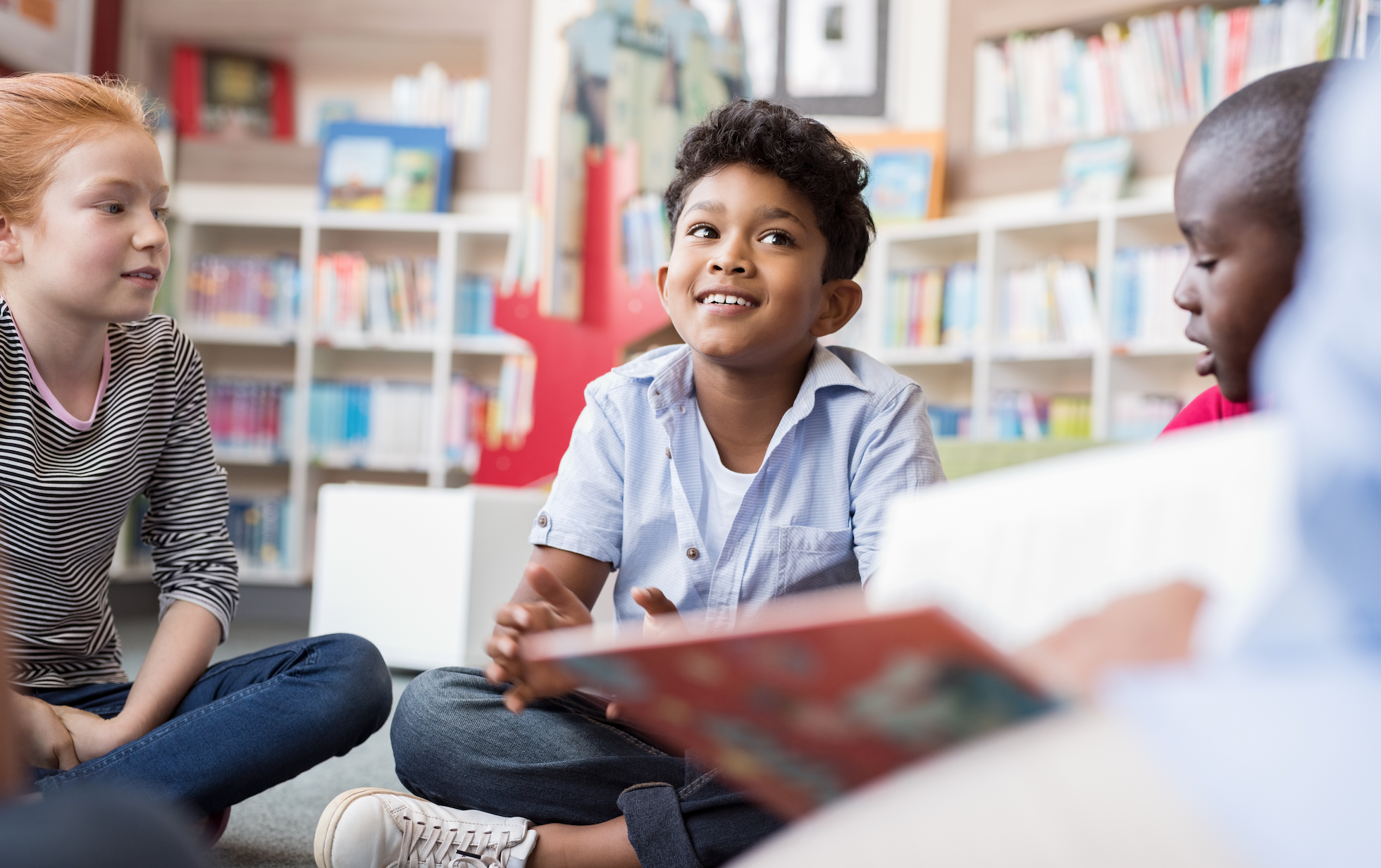
Benefits of Reading Books
When was the last time you read a book or an article published in a journal? Is your daily reading habit limited to tweets, Facebook updates, or kitchen product instructions? If you are one of the many people who do not have a regular reading habit, there is something you are missing: Reading has many benefits, and some of these benefits are listed for you below.
**1. Mental Arousal**
Various studies over the years have shown that mental arousal keeps your brain active and busy, preventing it from losing its power, slowing the development of conditions such as Alzheimer's and Dementia, and even protecting you from these ailments. Like all the muscles in your body, your brain needs exercise to stay strong and healthy. For this reason, when it comes to your mind, it is very appropriate to use the phrase "Use it or lose it". Doing puzzles like reading a book and playing various games like chess will also be beneficial for your mind in this sense.
**2. Stress Reduction**
No matter how much stress you have experienced at work, in your personal relationships, or many other issues you encounter in your daily life, it all goes away when you lose yourself in a great story. While a well-written novel takes you to other realms, an article you enjoy will distract your mind, relieve tension and allow you to relax.
**3. Information**
Everything you read will fill your brain with new information, and you never know when that information will come in handy. The more you know, the better equipped you will be and the stronger you will be in the struggles you will face throughout your life. And you should remember that you may lose your job, your money and even your health, but the information you gain can never be taken from you.
**4. Expanding Vocabulary**
The more you read, the more words you will learn and you will start using these words in your daily life. Being able to express your thoughts comfortably and speaking well will help you in all kinds of business areas and increase your self-confidence and self-esteem. Mistake; Speaking better, having knowledge on various subjects, following the agenda and literature will also help you rise in your business life.
Reading books is also necessary for learning a new language. Because as you read a book, the number of words you learn and your command of that language increase. This will increase your speaking and writing skills.
**5. Development of Memory**
While reading a book, you need to remember the characters in that book, their backgrounds, enthusiasms and wishes. Every memory you create creates new gateways in your brain and strengthens existing ones. This helps strengthen your memory.
**6. Stronger Analytical Thinking Ability**
Have you ever read a mystery novel and solved the mystery before you even finished the book? If you can, it shows that you can do critical and think analytically from the details. In addition, as your ability to analyze details increases, you can easily understand whether the language of a book is good or bad, whether the characters are placed correctly, and whether the flow is in place. You can also express your views clearly when discussing the book with others, since you have carefully read all the phases.
**7. More Enhanced Concentration Ability**
There are many factors that can distract us in our daily lives. In just 5 minutes, a person can work on a job, check their email, check their phone, and talk to their coworkers. This causes our stress level to increase and our productivity to decrease. When you are reading a book, all your attention is on the book. You can try reading a book for 15-20 minutes before going to work one day and see how you can focus better when you arrive at the office.
8. Better Writing Skill
Your writing skills will be positively affected as you read more well-written books, see the writing styles of other authors, and expand your vocabulary. Just as musicians and painters are influenced by each other, writers are inspired by other writers.
**9. Tranquility**
In addition to the relaxation of a good book, it is possible that you can gain a great deal of inner peace with the subject of the book you are reading. Reading spiritual content can lower your blood pressure and bring calmness, while self-help books can support the reader with mood disorders or mild mental disorders.
**10. Free Activity**
Many of us may like to buy and hoard books, but it is costly. If your budget is tight, you can go to local libraries or exchange books with your friends. In addition, you can find the books of some libraries in PDF format on the internet. However, there are many resources online where you can download free books.
**11. A Chance to Know Different Cultures**
What Exercising is to the Body, Reading is to the Mind!
As can be seen from the items listed above, reading helps you have a healthier mind and a more developed imagination, a larger vocabulary, more knowledge about the world, and a less stressful life. In addition, reading more books will allow you to be more involved in discussions, to be more interesting to your environment, to solve problems easily, and to protect yourself from anxiety in modern life.
Classic literature, poetry, biography, religious sources, youth series, personal development, science fiction, comics, essays, horror-thriller, detective, epics, screenplays or romantic novels, you will surely find something that will pique your interest and feed your imagination. All you have to do is get away from your computer, television or smartphone and get lost in the pages of your book.


The Secret to Teaching Children to Think
One of the biggest challenges for teachers is encouraging children to think. All that is done is to teach the children in the classrooms and to complete the lessons satisfactorily by writing down the answer to what is actually taught. This disgusting method does not teach thinking.
The saddest thing missing in today's schools is to teach the basics by rote. For example, basic arithmetic needs to be learned by rote and then given tools for the child to think. This may sound boring, but every kid prides himself on knowing the syllabus by heart. Every child is also excited to be able to voice the words they see on the pages of the book because they have learned the main syllables of the language.
A new teaching method, introduced in the sixties, sought to eliminate the need to memorize the foundation. But it was also hoped that children would learn to memorize. Children who were successful in the education system learned key concepts more at home, and as a result, school came very easily to them. Those who did not get their basics outside of school had no hope of learning in school, and thus fell behind children who had the chance to get a lot of pocket money from home.
The idea was that people didn't need to learn syllables to understand the meaning of words. Along with the fact that it is not necessary for a person to learn syllables in order to learn the meaning of a word, what was evident was that without learning syllables, spelling standards fell. Learning syllables gives confidence in pronouncing words, reading and using learned words.
Marva Collins is a famous educator who has perfected students who are considered impossible to train; she helped kids progress five grades in one year. He believes it is necessary for a teacher to read what a student is taught and to discuss each new word and teach its pronunciation, usage and spelling before the children can read the lesson themselves. His approach is basically common sense.
Marva Collins often says, 'During my thirty years of teaching, I have met several learning-disabled students. However, I have known a student who has been the victim of many, many teaching disabilities.
One of the first things that struck me when I read Marva Collins was that, during Ronald Reagan's US presidency, he encouraged more advanced students to tell what they had learned to those who had not yet understood the lesson.
When someone learns something, he has to tell others what he has learned, understanding what is being said suddenly becomes a bigger thing, because the student has now become the teacher. This in turn strengthens the learning experience and provides a form of self-discipline for the student who is now a teacher.
If all teachers took Marva Collins' approach, no child would need to be encouraged to think. It would be like lightning starting a forest fire.
Understanding the learning process is not that difficult. Even adults can be transformed by the renewal of their minds, they will look at life with a more open mind and see how to deal with the many difficulties that plague them; Even those who prevent them from getting the treasure that life has for them.

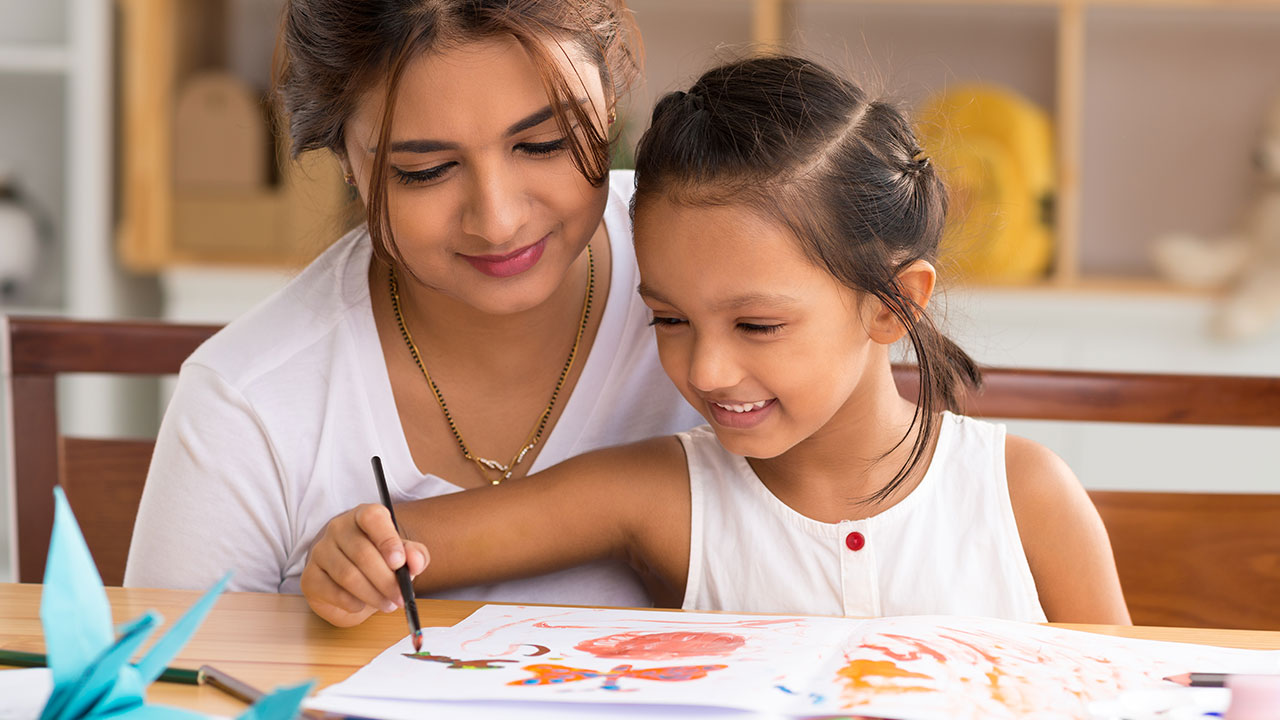
What is Exam Stress and How to Get Over it?
Exam stress is a reality for every student… The thought of sitting in front of a desk full of mysterious questions can make your heart beat faster. You may feel your body sweating. You can overcome those fears and exam stress with simple methods. We advise you to consider our recommendations!
Ways to Beat Exam Stress
Being able to cope with exam stress helps you be more successful in your academic career. Don't forget to give yourself the breaks you need to keep your mental health in a positive place. Working hard will not give you the success you want in the exam. So, what else can you do?
Remember the simple art of breathing! Take a few deep breaths and let your mind relax with your exhale. It is a simple matter; but it is easily forgotten when exam panic arises.
Think positive things! The best thing that will prevent you from getting good results on the exam is to panic by speaking negatively. Focus on the positive things. Convince yourself that you can do this. Also, consider that if you don't get 100 out of 100 in the exam, it won't be the end of the world.
Take time to exercise! A very good way to improve brain function is to improve blood flow in that part of your body. Exercise is a great way to do this. Exercise also helps reduce emotional stress by increasing the level of endorphins in your body.
Do not overwork! While experiencing exam stress, don't study every spare minute you can find. You want to make sure you've got all the basics and are learning the subject by heart. The problem with this is that if you don't give your brain a break then the process of moving information from short-term memory to long-term memory will be affected. If your brain gets tired, its functions will weaken. You can endow yourself with brain power by programming the study time into shorter sessions. Plan while you have time so you have the time you need to study.
Join a study group! Places where you can take additional lessons such as private teaching institutions or study centers, study groups you have created at school, or an additional program you will attend with the guidance of educators can provide your self-confidence before the exam. If you don't have such a training activity, try creating a study group yourself. If you are unsure of effective study method, it may not make much sense to train in a study group or with a tutor. Make sure your brain matches the “things you need to understand” for group work.
Get a friend who knows the subject! In fact, you might find it a little difficult. Not every hardworking student can study with everyone. A friend who is good at studying, is smart, and can use textbooks and materials well can help you overcome exam stress. If you say "I am the hardest worker in the class", you need to try other methods!
Students, School Life, Exam and Suggestions
There are things that students deal with on a daily basis. Finances, friendships, roommates, romantic relationships, family issues, and lots of lessons and assignments… Educators always want to be at the forefront of it all. Your high school or college life can turn into a nightmare if you don't do well in your logical studies. Even if you are training for 24 hours, if you do not receive an effective training, the time you spend with your books can be a source of stress for you. For this reason, you must first deal with "academic stress"!
If you are not good with your lessons, you may not be able to meet your educational goals. This simple equation should provide enough motivation to help you prioritize your goals as you begin to feel a little out of control of your stress levels. If you don't have enough time to fulfill your non-educational responsibilities, only make time for your essential needs. For example, if you spend time with your friends for your lessons, none of your friends will object!
Things that should always be done, such as a healthy diet, regular sleep, personal care, sports or exercise, and taking care of physical appearance, can give you an unpredictable result to reduce your stress during and before the exam. Think about it; How would you feel if you did a little exercise after a good night's sleep, took a shower and had a healthy breakfast? You forgot your stress, right?
If a course, a professor, or a teacher adds stress to your pre-exam stress, ask other students how they would react in such a situation. You are not the first student to have to deal with such a situation! Other students said that the literature teacher gave them better grades; he can say that the art history professor only cares about male students. You determine a position related to that educator. If you have a problem with a course, you can try to take advantage of a senior student's experience with that course to reduce your stress.
What should be done during the exam week?
Exam stress makes itself felt in the last week. It increases in intensity every day. You need to do something different for the last week.
Be alone: Everyone you know at school is preparing for exams. Take time for yourself and be alone for a while. Go for a walk on your own. Treat yourself to a coffee in a stress-free place where you can be alone with nature. At least you can get rid of the thought of exam week for a few hours.
Charge yourself: Put aside all communication devices, TV and computer. Listen to your own voice in a quiet environment. Meditate, pray! Or do whatever is comforting to you at that moment. Your purpose; Let it be to calm and recharge your soul and mind, even for 5-10 minutes.
Have fun: What is fun before the exam, you might ask? Don't worry, it may be enough to just have fun for 15-30 minutes. Doing a different and fun activity for the efficiency of your brain can give unpredictable results for stress. For example; read a funny magazine, watch funny and funny videos, video chat with a friend who can make you laugh.
Do sports: Sport, which is a rescuing activity for all kinds of stress, can also be applied for exam stress. We're not talking about going to the astroturf game. Try sports that you can always do, such as walking, cycling, and running. If possible, you can do it in a natural environment, if not, you can do it in gyms. Sports will relax you and give you energy.
Watch a sporting event: You can watch a football or basketball match during the finals week. The challenge of players can help you develop tactics to combat stress, have fun and reduce the boredom of textbooks.
Take notes: Use your time efficiently by taking notes about your daily work. Prepare a list. When will you wake up, when will your meal times be, when will you tidy your room, when will you rest? If you make a plan in writing, your stress will be forgotten between that plan.
Find solutions: Along with school and exam stress, you may have to deal with many different problems. You may need to find study materials, read, manage your time, be productive, do research, take care of your family and if you are romantically involved with your partner. Think about all the challenges you faced and then come up with specific solutions. What special method will you use to tackle everything? This is the question to be answered…
Manage your time: Recognize that your time is limited. Decide what you are going to study and how much time you should devote to each topic. You will likely need to devote more time to some topics than others. Therefore, plan your study time according to the importance of the lessons and subjects!
One final note: Every exam can be a source of stress. Plus, if it's a tough class and you need to get a good grade, your stress will be multiplied. Put all that aside and think that you are more important than exams. Also, not every exam is a "herald of the apocalypse"!


How Can Families Increase Children's Achievement?
Success and personality, happiness cannot be achieved by chance.
1. You should realistically identify the reasons for your child's failure.
2. Benefit from guidance and counseling services when you feel inadequate in this regard.
3. Don't let your child feel the shame of failure.
4. Encourage him to strive instead.
5. Set the right goals with your child according to their abilities.
6. Make sure your child has a goal so that he or she can have a good place in society.
7. Explain that this goal requires regular and hard work.
8. Be with your child in his efforts to reach the right goals.
9. Set an example for your child to use his time correctly.
10. Do it in moderation as you advise him or her to exercise moderation in traveling or watching television.
11. Speak to your child in a very smooth and complete language.
12. Ask him/her to speak to you in a clear manner.
13. Pay close attention to your speech, language, and views in environments where your child is present.
14. Take great care to be a role model to your child.
15. Find a behavior in your child that you can appreciate every day.
16. Praise him often.
17. Don't always give a monetary reward after success.
18. Make her understand that her success is "a reward in itself."
19. Give age-appropriate „responsibilities“ from a young age.
20. Make them gain the ability to solve their own problems.
21. Check if you are being critical and impatient with the child because of the troubles in your own life.
22. Allow your child to express their feelings and thoughts.
23. Talk to your child very often and regularly.
24. Chat with him.
25. Have him tell you about his own lies and dreams.
26. Do not fulfill his duties and responsibilities.
27. Set a working time together.
28. Turn off the television at that hour, do not accept phone calls, and do not allow him to be involved in anything other than class.
29. At that time, one of the parents can be at home and help the child when necessary.
30. You should not allow your child to enter his room and close the door during working hours.
31. Even if the child does not study, he should be deprived of all other things during that hour.
32. Parents should be determined and patient in applying this method in order to get an effective result.
33. Prepare a room or a corner for the child to study.
34. If he has a younger sibling at home, avoid disturbing your child who is studying.
35. Do not act negatively when comparing him to his siblings or other peers.
36. Your child is in the right environment; Try to be with the right and exemplary people.
37. Always observe your child's behavior, speech, habits and clothing.
38. What kind of person is your child on his way to becoming?
39. How and to what extent can you as a mother and father help him in this regard?
40. Do not pick up your child while studying or reading a book, and do not ask him to do a job.
41. Make her understand that it is in her best interest to make the most of her time.
42. Reward his effort rather than his grades.
43. Make her understand that her efforts will also result in good grades.
44. Take initiatives so that the subjects that are left behind in the lessons are learned immediately.
45. Ensure that he receives additional lessons as needed.
46. You may not understand your child's lessons.
47. But you can provide opportunities to help and support him in understanding his lessons.
48. Your child will understand very well the sacrifices you will make in this regard.
49. Tell your children a lot about your own past, family and stories.
50. The realistic picture we will draw will be useful in maturing your child's personality.
51. Tell your children about your own work, profession and daily work.
52. Share your dreams and hopes with your children.
53. It will help them integrate with their families and enter into solidarity.
54. Your child should understand the importance of family very well.
55. He should know that he is very important in his family.
56. Accordingly, they should be able to understand that they have duties and responsibilities.
57. Make him understand that he has to work hard today to have a good life in the future.
58. Your child should be able to understand from all your actions that the future of everyone in the family is for each other to lead a better life one by one.
59. His future will be your future too.
60. As the parents of your children who will have a happy and successful future, you will also live your old age more comfortably and happily.
61. Exchange information with your child, discuss with him, read interesting things together.
62. Ask him to tell you his thoughts.
63. Talk to your children about everyday events.
64. Get them to perceive events and their consequences accurately and healthily.
65. Guide them well while sharing their feelings and thoughts.
66. Ensure that your child's daily life is conscious and planned.
67. You must make him realize that an unconsidered and unplanned waste of time is harmful.
68. For this, you should know very well where, with whom and what you spend your free time.
69. You should provide your child with space and opportunities in this regard.
70. Encourage them to engage in activities such as sports and art.
71. Get him to get little curiosities.
72. What can you do together?
73. Make sure your child always and regularly reads books that are appropriate for their age. (novel, short story, poem…)
74. Definitely ask him to show you what he has read.
75. Allow time for him to explain his views on the book.
76. Visit her school often, talk to her teachers.
77. When problems arise, try to take immediate action.
78. Do not delay in applying to people and institutions where you can get help for problems that are beyond you.
79. Evaluate your results.
80. Strive to provide the best education and training for your child.
81. All the sacrifices and investments you make on this path will only determine its future.
82. The basis of life is education.
83. Education requires planning and regularity; requires investment.
84. A child's future depends on the importance given to him, the investment made in him, and the environment he is in.
85. Your child can be anything.
86. Only you can enable him to acquire from the best and become one of the best.
87. We should want to do this too.
Things to Do Before the Exam
Everyone has faced tests in their life. We are talking about school or course exams. Those who deal with the exam are always excited, stressed and inevitably tense. Even the most cold-blooded people can give wrong answers under stress, feeling various pressures. Exams, in some cases, cause restlessness, speed up the heartbeat, and cause shortness of breath. Such negative effects can be seen, especially on the dates close to the exam. Some things to be applied before the exam can prevent all of this!
**What should be done before the exam?**
Time passes quickly and the exam day is approaching. Stress and panic increase. A person who thinks that other participants or students are better prepared than he is and therefore has no chance, means that he is starting the exam 1-0. At the same time, these thoughts trigger stress. For this reason, there are some things that can be done both before and during the exam to avoid failure, stress and tension! Here are the most important ones…
Above all, trust yourself. Confidence is the key to almost everything. Thanks to self-confidence, failure can no longer be fear.
Regardless of the content of the exam, the work on the subject related to the exam should be stopped the night before. Giving the brain something to remember until the very last moment can cause all information to be lost.
The body and mind should rest 1 or 2 days before the exam. A tired body will stretch more and failure may be inevitable.
Take a warm shower before going to sleep the night before the exam. The shower will help you relax.
For a healthy sleep, the right time and place should be chosen. Sleeping by trying to get away from all kinds of negative thoughts is an important step for success.
Before the exam, it is necessary to avoid television programs, people you do not like, and conversations that will demotivate or demoralize you. Talking positive things with loved ones will increase your morale and motivation, and will trigger you to be successful.
If you are going to take a university exam, the place of the exam should be learned exactly. Finding the school to take the exam a few days before the exam will prevent the stress of looking for an address and being late on the exam day.
Attention should be paid to the preparation of the clothes to be worn on the exam day in advance and that these clothes are comfortable and convenient.
Before the exam day, it is necessary to stay away from greasy, heavy and very cold foods that will cause the metabolism to react that day.
It is important for precaution to leave the house a little earlier on the morning of the exam, taking into account the traffic on the road.
The person's mouth may become dry due to excitement and stress in the exam. Therefore, it is necessary to take the exam with water. However, one should not drink excessive water. In addition to water, light foods such as chocolate, biscuits and nuts that can give energy can also be consumed during the exam.
Take deep breaths if you feel nervous just before the exam. Try to calm down by repeating this a few times.
When starting the exam, make sure that you write your personal information correctly on the exam paper.
Do not constantly check the clock during the exam. This both increases your stress and leads to a waste of time.
Focusing on the same question for a long time is a waste of time. If you get stuck on one question, jump right into another. Look again at the questions you skipped later.
Take a short break in your seat when you experience distraction. Doing breathing and eye exercises will help you refocus.
Motivational Quotes for Exams
Butterflies in our stomach before the exam? You are not sure of yourself. You believe you will fail again. You think this test is the last test of your life. You will never get into the school of your dreams; You will never pass this course! Because you think you can't be successful. Silence these contradictory voices inside you! Motivational suggestions based on the famous words of some famous names can increase your self-confidence.
Don't give up: “Your greatest weakness is giving up. The way to succeed is always to try one more time.” It is Thomas Edison who invented the light bulb. He was a failing student and his teachers thought he was stupid. He tried "a thousand times" to invent the light bulb. It was successful, as we know and appreciate. Don't give up on the thought that you will get the score you want!
Make no excuses: Florence Nightingale, a British nurse who was the founder of the modern nursing profession and who served in the Crimean War, followed her own advice: "I never made any excuses. I attribute my success to that." he said. Every excuse like "I don't have time", "I didn't study well" is a stone that gets stuck in your foot.
Be patient: Harriet Beecher Stowe, the famous US author known for her anti-slavery books, said, “Never give up; because this is where the tides will turn and this is the hour…” So wait, be patient, don't give up on your studies! Only take a break when the going gets tough.
Anticipate problems: Famous philosopher Alfred A. Montapert said, “Wait for problems and eat them for breakfast!” he said. There will always be problems. Anticipate them, block them. Someone may disturb you, the room may be too cold, you may be hungry and bored, you may be distracted. If you can find a way to overcome them, there's no reason why you shouldn't be successful.
Find a way: "I'll either find a way or make a way" is a quote from a book by Philip Sidney, one of the leading Elizabethan writers. It's a very important motto for exams. Maybe you couldn't find a way to study efficiently. A different way right away try or find a new way. If a group work doesn't work for you, come up with new solutions. In any case, your task is to keep going until you pass the exams!
Walk towards your goals: As the American author, poet, philosopher, and naturalist Henry David Thoreau said, "What you get by reaching your goals is not as important as what you get by reaching your goals." this is a word that describes this succinct phrase exactly to our topic. Well; success leads to success. Reach your small goals first. Walk towards your goals until you achieve success. You will eventually build confidence in yourself.
If you fail, try again: "Have you ever tried; you failed, get it, try again, fail again!" by Irish novelist and playwright Samuel Beckett. Beckett failed at first. He couldn't find a publisher for his work. He succeeded by learning from his mistakes. If you fail the exam, try again and do better next time. Generate success from your own mistakes!
**Practical Tips**
If you think you have done your part, review yourself and what you did the day before and the morning of the exam. Your exam performance will be a reflection of your hard work, no matter how hard you study. Let's also share some practical tips for maximizing your performance on test day:
Get up early in the morning so you don't have to rush for breakfast and prep.
Check the venue and time of the exam to make sure that the day, time, and location of the exam are not confused.
Have a balanced breakfast, do not eat risky foods. Eating bananas for breakfast may be a logical choice.
Make sure you have everything you need to have for the exam before you leave home. Materials such as ID, pen, exam paper are important…
An unexpected event may happen on the way and you don't want to be late! For this reason, it would be better to set off earlier than the usual time.
If there are people around you who panic, avoid them. They're not doing you a favor!
Go to the bathroom before the exam starts. Exams can take a long time.
Do not forget to write your name on the exam paper. You wouldn't believe how many people forgot this!
Read all questions carefully before you begin and quickly plan how much time you need to devote to each.
Start answering questions you are sure of. You do not have to answer the questions in order!
If your brain stalls, just start typing something. After a while you will start to remember more details.
Do not spend more time than you planned on a particular section and question. You may waste time trying to answer other questions. Also, don't answer any questions you're unsure of.
Use every minute of the exam. If you have time left to answer the questions, review your answers before handing in the answer sheet.
Keep calm, you have finished the exam and as you can see you have nothing to fear!


Being able to read, even for four minutes
I rushed out of the house. While I was running towards the subway, I was planning the lesson I was going to give to the students, while trying not to get wet in the drizzle. I went down the escalator to the metro station. Two or three minutes were left for the train to arrive. If I missed this train, I would have to wait another ten minutes and I would be late for my class. I started to tighten my steps, almost to run. If I didn't have a bag, maybe I would run.
In the subway, the sound of "tack, clack, clack" coming from the long stick in the hand of someone walking in the same direction as me, made me forget my anxiety and thoughts in my head. Obviously, he was in a hurry, too. With his big bag on his back and his staff in his hand, he was walking almost as fast as me. After looking carefully, I realized that this person was a woman and also a 'visually impaired'. I said to myself, “I wonder why his fuss is?” I asked. Perhaps he had never seen the world. Although he advances alone with his disability; His demeanor and gait gave him the appearance of a very confident person. Was he in a hurry?
For a moment I forgot everything. It started to move as if everything was in slow motion. Perhaps it was a sign of his determination to live, that he could understand the obstacles that might come his way by controlling his left and right with his stick, and paving the way for himself. I felt we were approaching the stairs. “I wonder if I should help him down the stairs?” As she thought, she began to descend the stairs. He came to the end of the stairs as if the world was flat and there were no obstacles in his way. I wonder if there was something on the tip of her stick that was guiding her, or was this lady playing a joke? While I was trying to gather my thoughts, I realized that the subway had come to a stop.
My curiosity drew me to this lady and I got into the same compartment as her. Once she settled into her seat, she folded up her staff and quickly placed it in the front of her bag. She tried to pull out something large by opening another compartment of her bag. While I was wondering if he was going to pull out a radio or something like food and drink, I felt pity rising in my heart. Maybe how badly she wanted to see the world; trees, houses, vehicles, people and eyes… There was so much to see…
For that moment, I felt very privileged. The eye was a window to the world and I did not appreciate them much. But she was telling me how much they meant.
I was snapped out of my thoughts when I noticed something like a book that the lady took out of her purse. I was going to say if it was a catalog he had published, but it occurred to me that he was blind. As she said she, she stopped in one place, flipping through the pages, probing with the tips of her fingers. She had found the page she was looking for anyway. Immediately she began to run the index and middle fingers of her right hand over the raised marks.
He was reading a book… But he did not see that… I was immersed for a few seconds… Wasn't reading a book only for those who see? I understood… Now he was reading with his heart, emotions and soul, not with his eyes… And I was ashamed of myself. I thought of the book I've been carrying in my bag for months and haven't read much except for three or five pages, and those who haven't read a book for years.
I wish they, too, could have witnessed this sight that makes people think and even embarrass them.
There are millions of people in the world… But reading… Why me… I was suddenly snapped out of my thoughts. He had finished reading one page and had moved on to another page. The way he deftly ran his fingers over the raised markings showed that he was adept at the job. So he was a good reader.
But what could he read? It was perhaps not possible to prepare thousands of books, magazines and newspapers for the visually impaired on a daily or weekly basis.
With the warning of the announcement, I realized that I had come to the stop where I was going to get off. Only four minutes had passed and it was very important to read a book even in such a short time. The blind woman who taught me this lesson was getting ready to put her book in her bag and get off at the bus stop. Soon the train stopped. I waited for him to land first. She was advancing with her staff with the voices of “tack…tack…tack…” among all the people. I looked behind him for a few seconds and it was as if those knock-knocks coming out of the stick were echoing in my brain, “read… read… read… and be thankful”…


Children Beginning School and the Adaptation Process
Children, like adults, have a process of adapting to new environments and situations encountered for the first time. The length of this process depends on the child's social intelligence, temperament (desire for independence and freedom), sense of trust (caregiver and therefore himself), level of adjustment. Some children tend to be more extroverted and more social, while others prioritize recognizing and examining their environment first.
Some children worry about separation from their parents. This anxiety is usually due to the distrust experienced against the caregiver (mother, father, grandmother, nanny, etc.). The child who thinks that he will be abandoned by the caregiver, of course, is worried when entering an environment where he will be alone. Therefore, it is very important to establish a trusting relationship with the child. One of the biggest mistakes parents make is to leave the environment without seeing the child to avoid crying.
However, the important thing is not that the child does not cry, but that he understands the situation and is comfortable. Babies who have not been able to trust their parents enough and have not been able to fully separate are likely to cry. Therefore, children may need to use a transitional object during the decomposition process. Such objects should not be forcibly taken from the child, they should not be washed, and if possible, they should be brought to school with them. Parents should respond to the child's needs as quickly as possible in order to instill confidence in the child. If the child's physical or mental needs are not immediately met, the child may feel unworthy and unworthy of attention. This thought, which is placed in the child's unconscious, affects his adult life and relationships with people. For example, if what the child needs is breast feeding or formula, the caregiver should analyze this need correctly and respond as quickly as possible after the baby starts to cry. The child, who trusts his parents enough, can also trust in different environments. It is normal to be worried at first, but the trust that he will establish with his teachers over time, finding his mother or father at home in the evening and understanding that he has not been abandoned will make the situation easier.
For older children, the situation is not much different. Children in the 3-6 age group are separated from their parents and begin to see themselves as separate individuals from the caregiver. However, children whose sense of trust is not well developed may react such as crying and being silent in the first days of school. The important thing here is that the family behaves consistently and confidently. The constant use of phrases such as "Our child always cries when he goes to school", "He can't get used to it", "What are we going to do now!", "We're starting again" next to the child causes more anxiety in the child.
The child conditioned by these sentences starts to cry even if he is not going to cry. The reason for this is that she understands her parents' anxiety and wants to give an appropriate response to this anxiety. This will make the job more difficult and start to attract more attention. Here, it is very important how determined the family is and how consistent it is with their child. It is wrong to think that everything that worries us in our adult life will manifest in the same way in children. While the child is not worried, the undecided and anxious attitude of the family also changes the child's feelings. That's why you need to analyze well whether your child is at a level to start kindergarten. If necessary, it would be appropriate to seek help from an expert in this regard. Children should not be sent to kindergarten until they are at least two years old, unless you absolutely have to. In order to give to kindergarten, the child should be expected to enter the process of separation from the caregiver. It is possible to see that a child who has lived and completed this process safely can adapt to kindergarten more quickly and be happier.
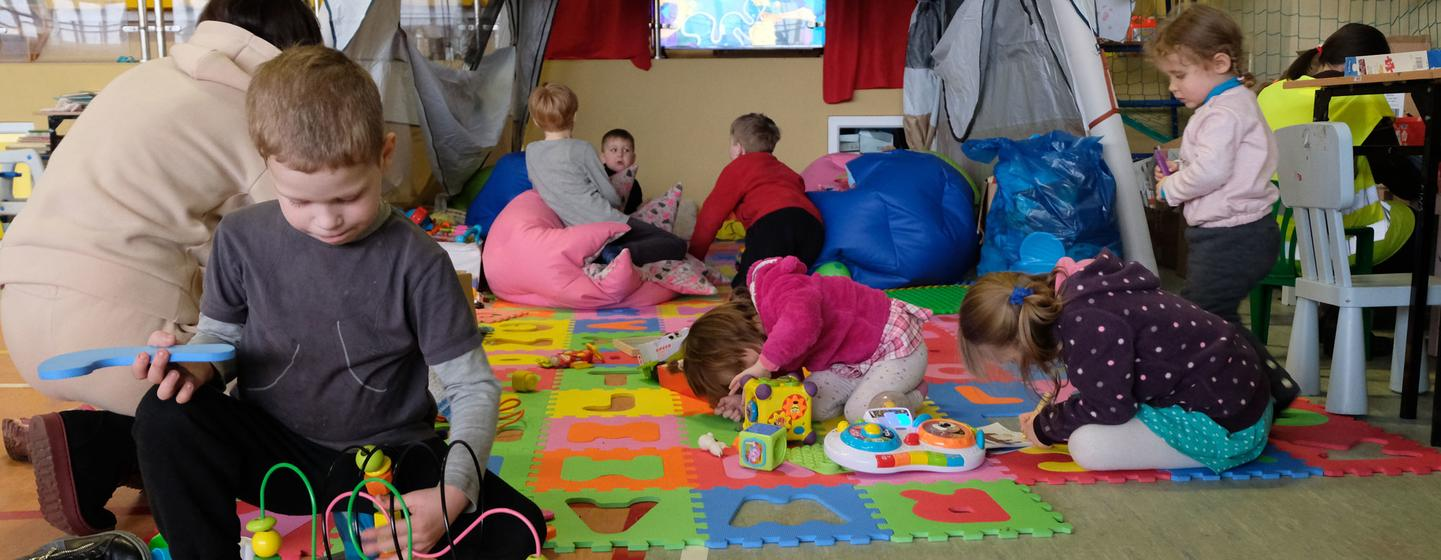
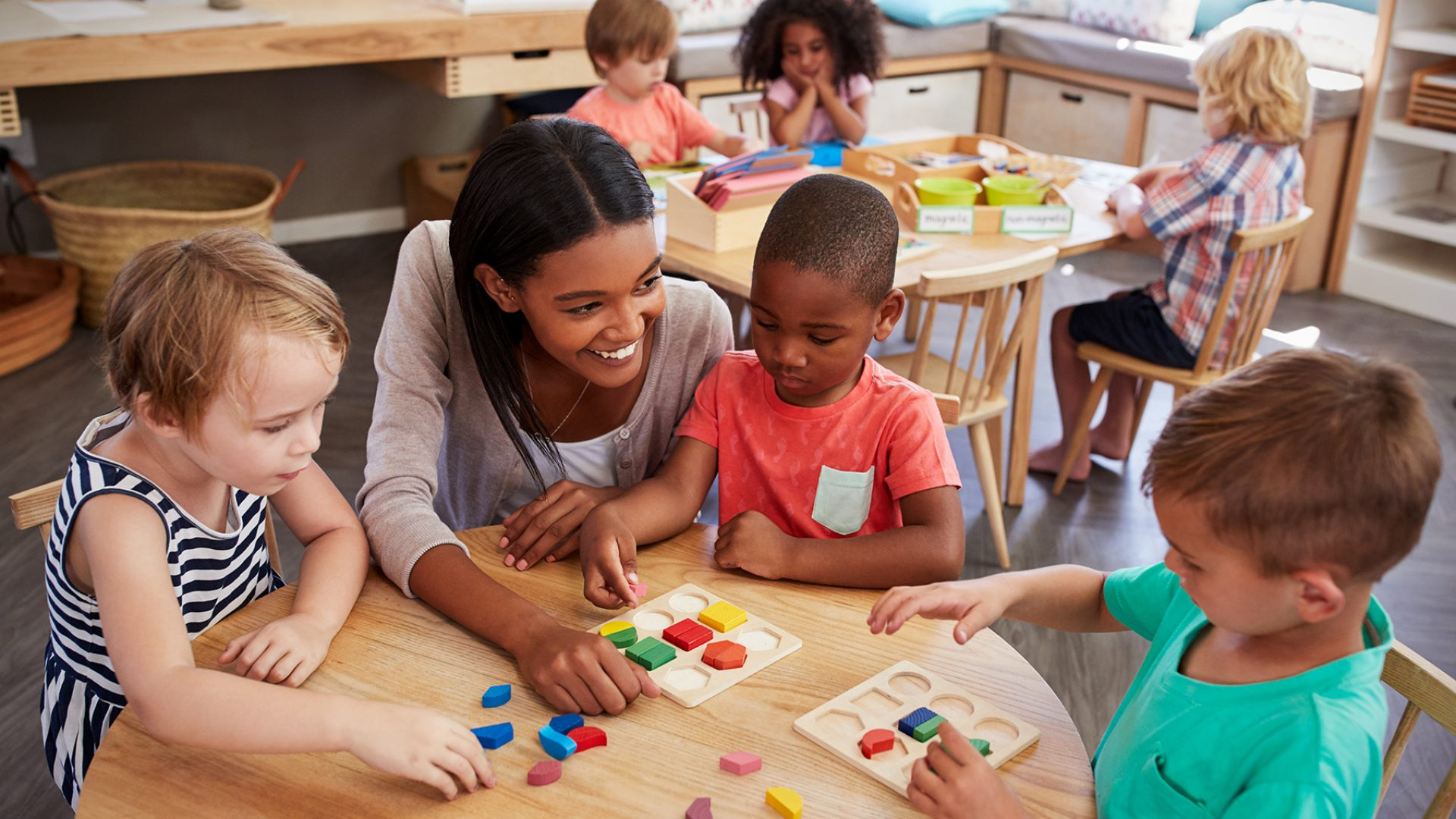
Why do people resist learning?
Man is the only creature that cannot live without learning and without someone different from yesterday. Animals stop learning except for the basic skills to live and act on their instincts. But man is not like that; In order to improve his life, he has to somehow put learning at the center of his life and be open to learning.
Even universities have started to spread learning throughout life by opening post-teaching lifelong learning centers today. In these centers, it provides trainings to further develop and improve professionals with certificate trainings. This is because of the principle that human problem-solving skills are constant and “if they don't improve, they can't improve”. Secondly, “whatever we know, after a while all we know is useless after a while.” There is no other option but to constantly learn and improve ourselves, what I know, our competencies and abilities.
To this truth; Although we are in the information age and the one who knows will make a difference, people resist learning and glorify being ignorant; Not reading, not knowing, denying and denying the truth is not befitting human beings, and glorifying these behaviors is another mistake.
In reality, learning is a solitary action. Information providers, such as teachers, philosophers, scientists, researchers, etc., are simply information transmitters and information providers. Learning, on the other hand, is what the individual needs to deal with interest, curiosity and life problems and is done alone. No one can teach anyone anything, it just “helps.” Therefore, the only thing an individual can do is be open and hungry for learning and take responsibility for learning himself in order to improve his life.
The system, namely the environment, makes information important and valuable in order to facilitate learning; It should make reading, knowing, learning, researching attractive and glorifying, that is, making it an attractive situation. “What will happen when you read it, what will it change to consciousness, what happened when that person read it?” such as the creation of an environment that belittles and devalues reading, knowing, learning and research, which are called thought viruses – are great obstacles to learning. It will create the perception that learning is the monopoly of only a few selected people, which glorifies and makes learning valuable, and if we do not make trades about not learning or not knowing, that is, ignorance.
In short, while removing the barriers to learning, it should elevate and develop learning, knowing, understanding, reading and working; we should even build the merit with a total mobilization to bring the learner and knower to the best situation so that we can reach modernity and civilization as individuals and as a country.


Importance of Family in Education
Education, student, teacher, parent, school, lesson etc. Today, these concepts have changed so much, they are perceived so differently that sometimes the right is wrong and sometimes the wrong is right. Where to start? Let's take a look at the education journey together.
A parent wants their child to be the most successful, a son wants to be successful both to make himself happy and to make his parents happy. A teacher can do all of these…
Parents, children, teachers… They all want success, but what do they do in return? That's the point. Unfortunately, in today's conjuncture, we just want it. In return, he usually does not do anything, does not want to do it, if it will be effortless, but we want the best. There is no food without effort. If a parent wants their child to be successful, they should spill what is in their skirts and give their children what they can.
Today, schools, course centers, private teaching institutions, etc. Since it has lost some of its functions and focuses on the majority rather than the individual, it is often indifferent to the differing characters and learning styles and levels suitable for this character, and cannot notice them. Here, in order for parents to give their children the appropriate education, they need to take private lessons through teachers who will understand them, become students like them at the time, teach them lessons, make friends and shape their education life.
If a parent cannot make a direct contribution to their child in terms of education, they should make up for it through their teacher. Here too, choosing the right teacher is mentioned, she. After choosing the right teacher, parents should trust the teacher in every sense, and observe the change that will occur in their child by showing patience for a certain period of time. This change will not be instantaneous like the hocus pocus of a magic wand, it will take place after a certain period of time. Even a plant needs water, fertilizer, etc. to grow. After their needs are given, they are expected to grow patiently. How can a person (student) learn everything at once? That's why we should give time to our children, support them morally and wait for their change.
Since parents receive lessons through the teacher, they should not leave their children completely alone, they should always be role models for them. In other words, a parent expects success from their child. “Study hard, get the highest scores!” If he says, he will study like his child and control him like his teacher. So how does a parent study? Very simple. At least, his son may not watch TV or play on the phone while studying, maybe on top of that, he opens and reads a book. And even if he doesn't understand much from time to time, he can ask and listen as if he knows or understands the subjects his child has learned. Reading is very important in this process. Examinations in recent years (LGS, YKS) have revealed how important it is to read books.
Finally, training is a process and teamwork. Student, teacher, and parents must all fulfill their duties. If one of them is missing, the result will be as incomplete. As a human being, we should do something as much as we want from the other person.


The Place and Importance of Mathematics in Education
The education process, which starts at home and continues with school, and where our personal, spiritual, social and knowledge base develops, covers an important part of our lives where personal differences emerge. It is an undeniable reality that every lesson in the education process contributes to the development, future and opening of the horizon of the person.
Maths; It is one of the most important lessons that has the feature of being at the very center of life. Contrary to popular belief, mathematics is not just about numbers and symbols. They simply express the language of mathematics. Mathematics is actually a branch of science that gives us a different perspective, improves our ability to evaluate events, and enables us to establish a cause-effect relationship.
When this is the case, the importance of mathematics comes to the fore both in the process of obtaining the achievements in life and in the construction of the future.
Our parents, who are aware of this and attach importance to the fact that their children can establish the future, act with the awareness of this situation, raise their children's awareness on this issue, and warn them about giving the necessary importance to mathematics in their education at school. However, since the Mathematics course has the feature of being a cumulative course, the lack of infrastructure of the students can unfortunately lead the process to negative results. Because the existing deficiencies make it almost impossible to grasp new information, a vicious cycle of avoiding mathematics, then fear and dropping grades is constantly reached, and the same point is constantly reached.
Now, in this process, mathematics course reinforcement becomes mandatory. One-to-one private lessons, taking into account the situation and characteristics of the lesson and the student, at the right time and place; Students should be brought together with a teacher who has communication, understanding, patience and tolerance. In this process, the student's prejudices against mathematics should be broken, and self-confidence should be instilled by gaining the emotion and behavior that he can do the lesson.
As a result of these gains gained over time, the student begins to enjoy the lesson and to be able to answer questions. Then it becomes inevitable to achieve certain success.
We wish all of our students to evaluate the education process in the best way, to achieve maximum gain and to prepare their future in the best way...


What Really Was Education?
Books, author education as “desired behavioral change in person”. Reduced to just behavior; It is not written much about which behaviors are missing, who and for what questions are missing, and who will decide this. Therefore, although it is a one-sided and memorized acceptance, everyone perceives a change in their minds due to its ambiguous content and creates its own content.
Alfred Adler, who is considered to be the founder of individual psychology, defined the individual as work, spouse and social environment.
( friend) says that there are 3 basic problems in life and says that a happy person has to deal with these three basic problems. Different thinkers have placed different burdens and responsibilities on us by saying that people create themselves, add meaning to their lives and get to know themselves.
Life is complex for a person, it is difficult, bumpy and just as problematic. Man has to deal with so many things that although he knows that there is death in the end in this journey, he still has to do a lot and tries to overcome life's difficulties instead of surrendering to it.
It is difficult to say that a thinker is wrong when he says "life is not a struggle, the struggle itself is life". In this context, to the question of what is education; in addition to surviving the difficulties of life, shaping the person, reaching his own higher existence, creating civilizations; In short, it can be defined as developing problem solving skills.
In addition to the problem of work, spouse and friends, people also have the responsibility to become conscious of existence and to carry themselves to the highest level. He has not to defeat life, but to create a life in harmony with it and to lead himself to a healthy, successful and happy self.
Schools do not only transmit knowledge, they should also prepare the person for life. People cannot create themselves with memorized notes. Teachers have also turned into a memorization mechanism. There are many professionals who graduated from all kinds of so-called good and expensive schools, but could not manage themselves and could not solve their business, spouse and friend problems. The majority of people are unhappy, unsuccessful and unhealthy. Not being sick is not being healthy.
Unfortunately, millions of people who are married, have a job and have acquaintances are not very happy and have not been able to solve the basic problems in life. So, what good is schools or education? If a person is not healthy, successful and happy; If one cannot find a solution to the problems brought by life, is it not necessary to question the education itself? Those who talk about education, what education are they giving? Can a strong country and society be created from young minds squeezed between a test and a toast? How can a society emerge from people who cannot have fun, who are unhappy, angry, resentful, dishonored, disgraced or marginalized?
While there is an African proverb that says "An unloved child burns a village", an education without love and unable to find a solution to life's problems is not education. There is a rapid need for a new idea that will reconsider the phenomenon of education and find solutions to fundamental problems.
How Is Efficient Studying?
Studying is perhaps one of the hardest jobs in the world. Sitting at a desk and studying for 2-3 hours without getting up! Especially if you have moving, unstable features, your job will be even more difficult. No matter how hard it may seem to study, it is the labor and efforts that guide us in determining our profession in the future that carry us to success. It would be beneficial for students who have just started to study, to study at short intervals and then gradually extend their study period.
The ideal working time is 40 minutes of lessons and 10 minutes of break. You must have daily and weekly work plans. If you have difficulty in adjusting your plan and program hours, you can get support from your teachers. Having only the books and notebooks on your study desk will keep your attention and concentration for a long time. Even if there is no laptop, telephone or television in the room where you work, it would be better for you not to have it out of sight.
Studying while lying down or lying down causes you to fall asleep or be distracted after a while. It is recommended that you sit on the chair at a 90 degree angle. The light coming from the back of the table will make you tired later. It is necessary to meet our personal needs and rest our brains during breaks. Watching TV for a long time or spending time on the phone will reduce the efficiency of the lesson we are studying. While planning the lessons, better results will be obtained if we do it in the form of daily lesson repetitions, homework and the last test solving.
Trying to do homework or taking a test on a subject that is not well learned will lower your self-confidence by making us wrong, getting bored with the lesson and saying that I can't do it against the lesson. It is not right to study for hours only on exam days. If we do our subject repetitions, homework and tests every day, you will be more successful with short repetitions the day before the exams. Making short summaries while studying and underlining the important sections with dark pencils will keep the information in our memory for a long time. You can't study every lesson with the same style. The working methods of numerical and verbal courses should be different. Strive to study in the form of a numerical and verbal lesson while working daily.
Never be afraid of classes and study.
Spend more time on lessons you don't understand.
Stay away from words like I can't, I can't understand and I can't work!!
Always try to keep your self-confidence and motivation high. Remember, lessons and exams are not as important as you.
*****If you want a different tomorrow, WORK harder than yesterday!!!*****
What Hours Are Efficient Study Hours?
Effective lesson hours differ from person to person. Some students can work productively in the morning, while others can work productively at night. So, how can a person learn how to work productively?
While studying during the day, a person can study at various times and find out at what times he understands the subjects better. He can understand between which hours he is distracted and accordingly his lesson is inefficient.
Certainly, the working hours of another person should not be taken as an example or the hours obtained from the internet should not be adhered to. As I mentioned before, a person should find productive study hours himself.


Education of the Future in the Digital World
As we know, as of March, when the Covid-19 epidemic began to be seen, many individuals and institutions tried to include the courses and trainings they gave in the online process. In this process, not only education and training, but also all guidance activities and personal life coaching processes were tried to be made online. In the process, the adaptation of the teacher to the program, learning and continuing his education in this way was more difficult than the quality of the education, but over time, the adaptation was completed and both the teacher and the student got used to the process.
The Covid-19 outbreak in the education sector actually provided a great advantage for both parents and students. Especially in the field of personal private lessons, private online education, online question solution, online private lessons, online trials, and time and transportation costs have been reduced, which relieved both the student, the teacher and the parent. The only requirement was the internet whenever the teacher and the student were available, and today the number of students who do not have an internet connection at home is much less than in the past. Except for the first experience of online education inexperience, education will be faster and more cost-effective in the future; personal development, even psychological support interviews will be fully integrated into the online medium.
In this process, our duty as educators will be to reach the individual rather than collective education by becoming more individualized, and to concentrate on student-specific education and training services by grasping briefly whether the deficiency is from knowledge or from a person. In this way, the training will be delivered only to the group that wants to receive it, and this will increase the quality of this group.
The fact that exam systems consider all students as competitors and separate them necessitates that the educational activities of the students must be specific to the student. In this context, online software that resets all borders and transportation in cases of epidemic or transportation systems will be a great advantage for all educators. The future of education will be more individual, more innovative, more integrated, more online.


Why Are You Studying?
Dear students, as you know, many of you do not like to study. Let me tell you why you study;
1) If I don't do the homework, my family will know and I will be ashamed of them.
2) If I get a low grade in the exam, I will be ashamed of my family and I can be disgraced in the classroom.
3) I love my teacher very much, I will be upset if I don't do my homework.
vs. vs.
So, have you ever asked yourself why I don't like studying? Actually, there are several reasons for this.
1) Aimlessness: If we do not have a goal for the future, that is, the profession we want to be is not clear or where you want to come in life is not clear, studying can be very repulsive, boring, even disgusting.
2) Not believing the goal: OK, you have a goal, but it's just a goal you just say with your mouth. When you are asked what you want to be, you can say that you want to be an engineer, for example, in this case, studying can be boring for you.
However, when you say you have a goal you believe in, I am talking about a goal that you not only say with your mouth, but feel, don't get me wrong, imagine the days in that profession, or stick a poster about that profession on the walls in your room and get motivated as you look at them. If you have such a goal, studying becomes not boring but enjoyable for you. I want to give an example from myself, when I was in high school, we were sitting as a family for a dinner. Everyone got up from the table and went to the living room, only my father and I remained at the table. My father asked me what I wanted to be in the future and I said I don't know, Dad, I could be an engineer.
When my father saw this disbelief in me, he said he would not disappear. He said, "Son, be a teacher, you will receive a prayer for your benefit to the country and the nation." I said what teacher should I be, dad. He thought for a while, then he said, 'You are a numerist, be a math teacher. That's when I decided to become a math teacher. But how do I go to school, I go to the blackboard and teach my friends so that my writing can be improved (my writing still hasn't improved :) I even got so angry that our teacher is telling the question, wait, let me explain a little bit, I say we are considered colleagues. At that time, I was a student who was just above the average, my teachers, my friends, and everyone except my father looked at me as if it would go out soon.
Needless to say, if you fully believe, what you need to do on the way to your goal will not be boring for you. For that reason, the beginning of everything is FAITH.

Why Do You Want to Learn a Foreign Language?
You may want to enjoy traveling more, connect with people from other cultures, or be closer to friends and family members.
There is an important distinction. Most people focus too much on learning theory and get frustrated when they can't speak the language.
Speaking a foreign language is like swimming. Some theories may improve your technique, but if you want to get better at it you need to get your feet wet.
When starting to speak a foreign language;
At first, you'll need to learn some basics to know what to say when you start speaking.
Build a foundation.
If you're starting from scratch, you don't need to reinvent the wheel!
A good starter book or a clean notebook where you can learn and write basic phrases will come in handy. Try to use these sentences you have learned during the day, it goes without saying, even if you use them in your mind, you will see that it will work for you.
No need to spend money on courses to build a foundation. You can do this with individual lessons rather than group lessons, or by yourself. Make choices that may be beneficial to you when you need help individually at a certain level.
**Be selective -Find out what you want to say-**
Sometimes language courses tend to focus on vocabulary lists, such as sports and animals, that are not helpful at first. When was the last time you talked to people around you about volleyball or elephants in a casual conversation in a foreign language?
It is up to you to determine the topics you need. Language courses do not want to leave their programs rather than these needs and argue that it is the right thing. Take control of your own learning and prioritize words and phrases you know you will need in conversation. How do you know if a word is worth learning? Pay attention to how much you use that word in your daily life.
Remember public conversations
Hello nice to meet you.
Where are you from?
What do you make your living with?
As I said sentences such as taking notes in notebooks and putting them into practice means checking the foreign language. Most conversations are pretty much the same, especially with people you first meet. If you can memorize frequently asked questions and answers, you can have your first simple conversation pretty quickly. Here are some examples of typical questions that come up in conversations:
Where do you live?
Are you on vacation?
Did you like it?
Are you working or are you a student?
Why are you learning this language?
Are you a fan? (questions about sports)
But remember, you're probably the expert on your conversations! Personalize your learning according to your own situation and focus on the words and phrases you want to say. You can situate these statements with individual help.


Contribution of Private Lessons to Student Psychology
The concept of psychology plays an important role in our daily life and in every aspect of our lives. However, there is no reason for the student's learning problem to arise. The environment in which the students are successful in the lessons is one of the most basic factors in the success of the child in psychology, no matter how important the education, environment and opportunities are.
Students, especially students aged 12-18, cannot concentrate easily while listening to lectures at school. They cannot complete their education at school in a quality and efficient manner by being exposed to both crowded classes and the speeches and noises of their friends. Due to the crowded classrooms, teachers cannot show enough attention to their students. Because there is not enough class time to take care of everyone. Most of the time, students are afraid of the reaction of their friends or the teacher and cannot ask again about the things they do not understand in the lessons.
In order to overcome all these and save the student from this situation, it will be a very appropriate step to direct the student to a private lesson related to the subject or course he is missing. Private lessons will save the student from the psychology of not asking questions, as it is done individually and in places where the student will feel the safest and most comfortable. At the same time, the students will listen to a more enjoyable lesson because the teachers who give private lessons approach the student individually as an older sister. You will have fun and learn at the same time. The teacher who gives private lessons can explain the subject that the student cannot understand in a non-crowded environment, in a way that the student can understand, until the student can fully understand it. most importantly, it will give a student preparing for the high school or university exam the ability to solve tests that he could never do at school.
Considering all these, it is obvious that private lessons have a relaxing effect on student psychology. The student's psychological openness to learning is one of the biggest keys to success. In this context, private lessons are the most effective education model that keeps the student in the lesson all the time and focuses only on the lesson.
Geography Teaching Techniques in the Digital Age
In its most general definition, geography is a science that describes the earth. In this respect, it would not be wrong to say that geography is equivalent to the history of humanity. Because the desire of human beings to know and make sense of the environment and the fact that knowing the spatial distribution of facts and objects is indispensable for all living things is the most important proof that this science actually started with humanity. Technological developments have simplified this most important feature of geography, its ability to reveal spatial distributions. Computer software, which can be used by almost everyone from seven to seventy, can easily show the earth distribution of each element.
When the stages that the science of geography has gone through in the historical process, we see that the identity of only descriptive science is left behind, and today's geography performs an important function in order to ensure the balanced relationship between man and nature. The most important problem for geography today is not the human, physical and economic distributions, but the interaction of these distributions. All kinds of natural and human events that affect or can affect people are in the field of geography.
While the current state of modern geography is like this, what is the state of our education system that will pass it on to new generations? Technological developments, especially the findings and applications in the field of computers and internet, have been widely used in the planning and operation of the education system, but have been more effective on teaching methods. We have come to a period where many information can be answered within seconds, from the periods when it was necessary to go through books for days in order to obtain information. Therefore, the perception of the geography course, which they have to memorize constantly, is not very positive in the eyes of the students. This negative perception alienates students from the course, hence from geography education.
Here, the most important duty of the educators is to determine the attitudes of the students towards the geography lesson and to take the necessary measures to correct the negative attitudes. Geography science, which has a basic function such as revealing the relationship between human and nature and minimizing possible human harm, should be taught by geography teachers correctly, since the science of geography is learned by young generations.

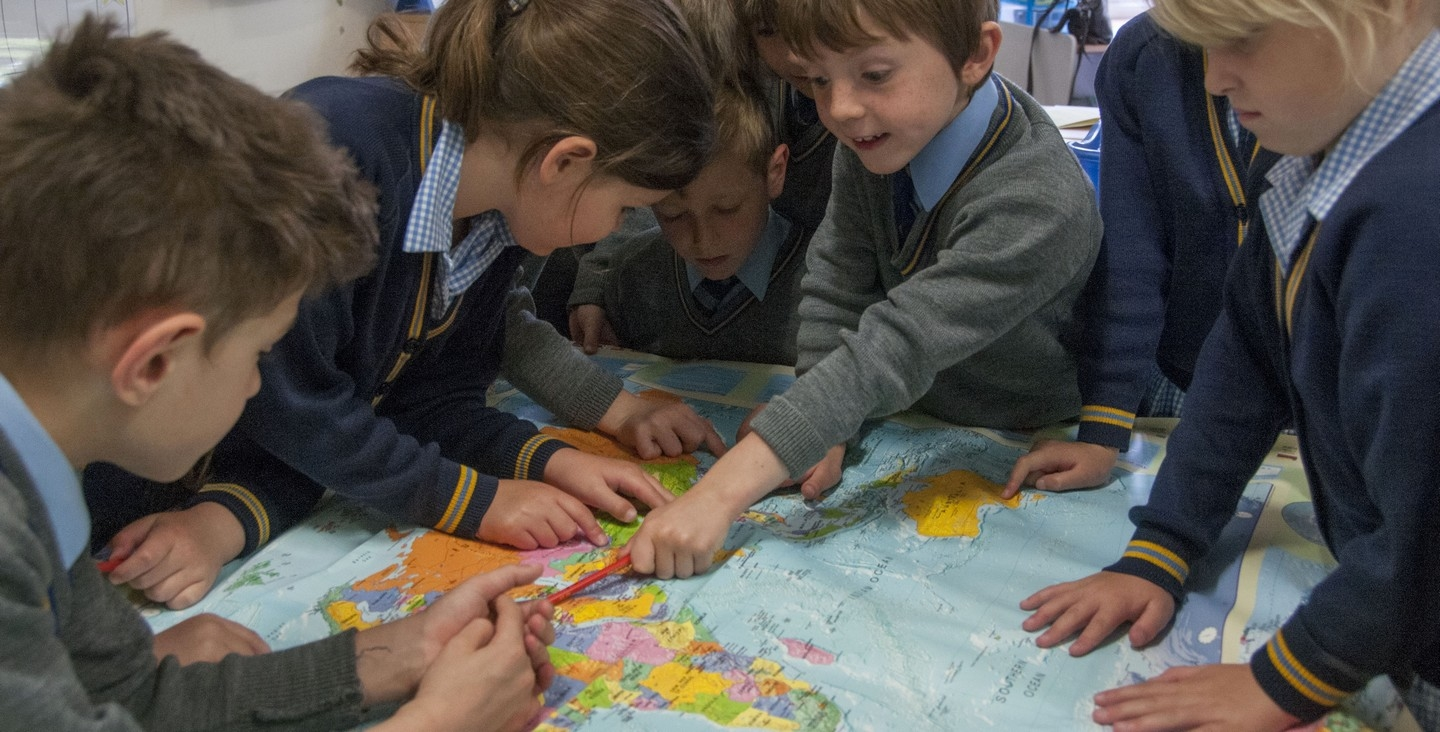
The Importance and Benefits of Private Lessons in Education
Education is the job of gaining and developing knowledge and skills in a certain branch and a certain subject. Unfortunately, in today's conditions, many students feel the need to take private lessons because the classes are crowded and permanent education cannot be provided in most schools. Thanks to the private lessons taken, a student can easily improve himself in the lessons or subjects that he does not understand in school lessons and may have learned the subject in a permanent way. However, one of the important issues that should not be forgotten here is the person you will take the private lesson from is very important in this regard.
One of the most important points of private lessons in education is that the lesson is only on the relevant subject. So for example; In order to learn a subject in mathematics that he does not understand, a student does not need to reinforce what he knows and understands over and over again. Of course, this should not mean that other issues should not be covered. The teacher, who gives private lessons, goes over all the subjects that the student should know about the relevant subject and comes to the main subject quickly. In short, it is useless to explain the subject of sets to a student who does not understand speed problems. Therefore, since the private lesson is a direct point-and-shoot solution, the student will soon understand the issues he does not understand and start solving questions.
In addition, since the private lesson given will give a permanent result to the student, you may have eliminated the problem of the student having problems about these issues again. When we look at the budget, you can get yourself or your child private lessons at prices that are suitable for every budget and will not force you too much.
And of course, the important thing is, considering the approach of the exams, thanks to the private lesson you will take, you will understand the topics that you do not understand permanently and you will be fully prepared for the exams.
The best advice we can give to students or parents about private lessons is to get private lessons from the right person. If you want to take private lessons from the right people who are experts on the subject you are missing and want to eliminate all your deficiencies, you can contact the relevant people. Or, you can make the most appropriate filtering and request lessons from the appropriate teachers on the private tutors page.
Use of Social Media in Education
Today, Web 2.0 technology is advancing rapidly, as a result of which every individual has at least one social media address. Although social media is a threat for X and Y generations for some reasons, we can sometimes use it for education. If we examine social media in the field of technology in education, many online tools can meet this need. If we start this business with a social media that is suitable for you and your students, the first question we should ask ourselves is "Which is the most reliable media for my students?" should be. The answer to this question can be Google +, Edmodo, Facebook, Twitter, Youtube and Instagram. As one teacher said: “Okay. The school is not just a place surrounded by walls on all four sides, with a roof on top. School is everywhere. During a forest, during a mountain top. Every place where learning and knowledge exists is school.” Where does learning and knowledge exist for you? If we were to choose an example platform, let's take Google+. (It is not an existing social media tool at the moment.) You can review it as an example.
If you want to study with Google+, you can become a Google School first. As a Google school, you can open an education account for all your students and allow them to use Google+ with this education account. If you are not a Google school, each student must have a gmail account and be 13 years or older. After each of your students has a gmail account, a Google+ account is created automatically. The first thing you need to do is create an environment related to your class in accordance with the Google+ logic. You can name this circle however you want. For example: Let's say we created a class name in the form of 11 - A Science. As with all social media platforms, you can share photos, videos, gifs and files via Google+. After sharing any file, you have to choose which circle you will appear in. In the Google+ structure, only the circle you share sees your sharing. It means that you have started to use social media in education, which is the first stage of using technology in education. After that, it's up to you. If you want, you can assign homework to your students, share an article or share a photo of an activity you have done with your students.
If you are teaching your students online in online teaching platforms, you can gather your students on Google+ and create an educational environment with them. Thanks to the private lesson area, you can create a network with the students you meet and continue your lesson with them on social media after your lessons. You can realize the independence of time and space, which is one of the biggest advantages of online education, with social media. You can also return to us about the use of educational technology and the benefits of educational technologies. I think that technology is used at the highest level for education during the pandemic period.


The Importance and Correct Use of Technology in Education
In the 21st century, technology now occupies a very large part of our lives. It is possible to find a technological application in every imaginable place, from our daily life to our business life. Our understanding of education is changing with the contribution of technology.
It is a fact that technology has positive features in many areas of our lives when used consciously; It positively affects our lives in many different areas, such as facilitating our lives, making information much more easily accessible, thus making children curious about different areas of interest, contributing to their cognitive development. In addition to these, technology has many negative effects on children when used excessively and unconsciously. The fact that children spend most of their time with technology in an uncontrolled way during the play age affects them both physically and psychologically.
Technology has come to cover a large area of our lives. Ignoring, imposing a ban, pretending that they do not exist do not make children acquire a permanent behavior. Instead, we should teach our children to use these communication tools correctly. We must control the usage times and contents, and ensure that computers and televisions are used in the common areas of the house. We must ensure that they use the time they spend with technological devices in a more valuable way.
It is very important that our children do not look at the internet and social media as social life. It should be viewed as a tool that makes life easier. We should be able to use it to improve ourselves and let it go when necessary. It should be prevented from using technology for the purpose of relaxation in their spare time and that our children spend hours in front of these screens. However, other than that, it is equally useful to use to contribute to education and personal development.
It is possible to come across an instructive application in the field of all kinds of art and education in the smart phones we use. Today, assistive applications developed especially for learning foreign languages are used seriously. That's why it's important to use our technology correctly. We can also use the time we spend playing games or randomly browsing internet pages to help with our education. Not just phones. Smart boards, which became widespread in schools, helped us save time effectively in lessons. Of course, this reflects positively on our students.
From the point of view of educational institutions, even Technology has saved time, allowing us to handle our students' exams and your skills quickly, but also more thoroughly. It can be said that our communication skills have improved at the same rate.
Accessing active content, supporting the subject described in graphics in conveying visual and auditory elements are just a few of the priorities we deal with in technology.
Let's not forget that technology and all the opportunities provided by it can turn into an excellent educational tool under appropriate conditions, if attention is paid to prevent waste of time and internet addiction. The more we use it correctly, the more we will benefit ourselves.

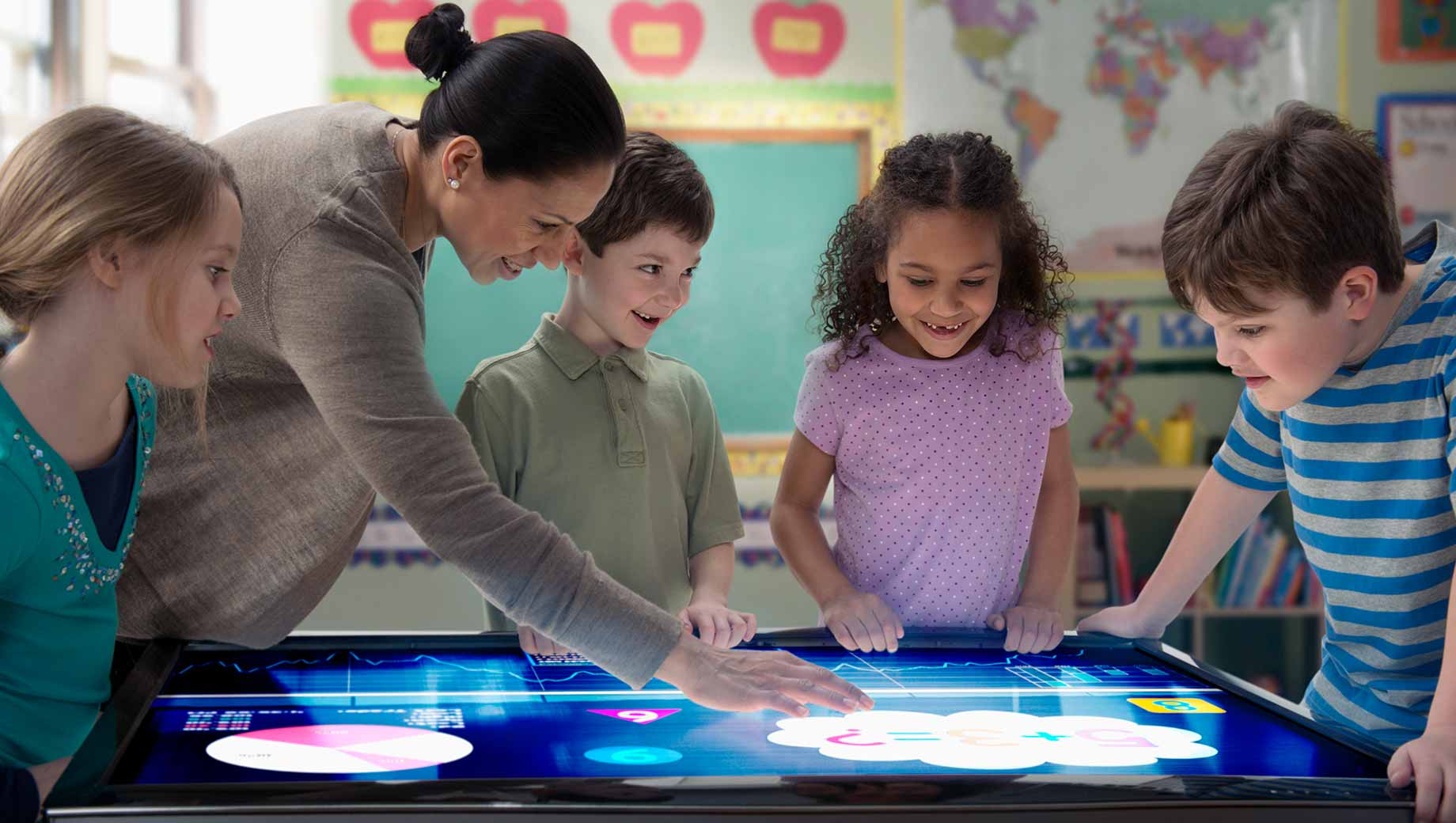
Efficient Study Methods for After School
In order for the student years, which are the building blocks of the future, to be more productive and successful, we have to make planning a lifestyle. Effective and efficient study is one of the most important factors that will lead a student to success. In this new era, there are millions of students who promise to work better and more planned for them. In order to achieve our goals, we need to learn what efficient working methods are and adapt them to our lives.
In order to be successful, a clear and clear definition of the purpose must be made and the person must believe in it. Goals initiate behaviors, and results are achieved by the effect of these behaviors. The plan is not made just to plan study periods, as it is thought. The most important function of the plan is also to take time for yourself. After thinking about which lesson, when and how you should study, it's time to plan. When making a plan, you should determine which course you will study at which intervals, how much time you will spare for rest, and the time you will sleep and wake up.
It is very important to make daily, weekly and periodic plans in order to make the most of your time and reach your goals. Make plans for the topics you aim to finish a day in advance, a week in advance, and months in advance. You should determine in advance by what date the topics should be finished. Topics piled up to the last moment will only stress you out and greatly reduce your productivity.
Everyone is different from each other in terms of their physical, mental and emotional structures, interests and abilities. The student must first know himself. The student who knows himself will be easier to implement the plan because he knows how often he will study which lesson while creating the plan. In order to pass the time efficiently, he should include activities such as sports, entertainment and rest in his plan, along with working hours at the place of only studying for the day.
Many factors, from the temperature of the room where you work to sleep patterns, anxiety, telephone and social media, will reduce your efficiency while studying. For example, if you have a 40-minute study window in your schedule, nothing should distract you other than the course you will study for that 40 minutes. For this reason, one should be free from negative factors mentally and physically.
Humans can be distracted at any time. You should equip your working environment with materials that will attract your attention. For example, you can hang papers with your goals on the wall. Also, you should not keep a phone or food on the desk, these are the most distracting factors.
While going to school, course or private lesson, your job will be greatly facilitated as it will be enough to go prepared, understand and focus on the subject you will study.
It is very important that your head is tidy as well as your desk. Trying to focus on more than one lesson in the same time period will reduce your efficiency, make you bored and do not want to study.
Be sure to leave the subjects you have studied in the evening. It is an important activity to repeat what you have learned on the same day in order to be embedded in permanent memory. Especially if you have an exam that you are preparing for, it will be beneficial for you to repeat the topics you have studied regularly.
It will be almost impossible to focus on the lesson when you are hungry. When your stomach is full, you feel a weight on you. If you need a toilet half an hour after eating, you should go to the desk like that.
Studying for hours is one of the biggest mistakes made. After a while, your time will be wasted as you will have completely lost your efficiency. Take breaks every 40 minutes, not too long.

Social Skills to be Acquired by Children
Social interaction is an indispensable part of human life. Healthy social interaction has a great role in the harmony and happiness of people who live in a network of relationships.
Depending on the language development, the child can understand more complex information about social activities and learn to look at events from the perspective of other people by enriching his communication. Language development and vocabulary are factors that positively affect children's social skills. During the summer vacation, you should be in environments with your children's peers, chat with them a lot, complete a story, guess the word, etc. You can also support the process with events.
Give your child the chance to choose their own friends. This allows them to develop an independent personality. It is very valuable for the child to make new friends and to do this with their own choices; because each friend of the child will be a separate experience for him.
Listen when he tells you about his friendship problems, but don't solve his problems right away. Support him to solve it. Ask him what he can do for a solution during the conversation and look for solutions together.
Children who play frequently with their parents have more advanced social skills to communicate with their peers. According to the observations, parents of children with high social skills are those who smile more often, do not criticize the child during the game, and are sensitive to the child's ideas. In a game that is played equally and in which sensitivity to the child's ideas is essential, the child learns to play in the same way as their peers and gives the child a positive perspective on playing with their peers.
Children who talk more frequently with their parents about their relationships with their peers are those who are liked more by the children in their class and who are found to have higher social skills by their teachers. These conversations, which are made as a part of daily conversation, should not be like giving lessons, but should be in a way that the child likes. These conversations allow the child to exchange information.
Parents do not have to know the answers to all their children's problems or solve them. When your child tells you about a problem with his friends, you can help him see various solutions and perspectives by talking about it. In the researches, the children of parents who talk about possible solutions with their children are the ones who can offer different alternatives in problem solving and solve their problems more easily. That's why it's so helpful for children to learn to think about their relationships and weigh the consequences. Children who are encouraged to consider the feelings and needs of others develop better relationships with their peers.
Being accepted by their peers and forming friendships broadens children's horizons. It helps them gain experience of the outside world and develop high self-esteem. As parents, support your children in gaining social skills, set realistic expectations, see their efforts and small improvements, and encourage them. The greatest reward for your children's efforts will be the friendships they form.
Eisenhower Matrix Effective Time Management Technique in Education
Effective time management techniques are important. We all complain about lack of time and not being able to complete our work, and we get stressed due to time pressure. We witness that even people who can fit more than one job in a day, who we think use their time efficiently, talk about the lack of time. All day long we talk about the urgency and importance of our work and at the end of the day we feel the pain of not being able to finish most of it. However, a day consists of 24 hours and the potential of the works that can be planned and completed for one day is clear. When the time of a day is so clear, why do we not keep up with our work and why do we put too many things to do in a certain time?
If you are not good at time management, we will teach you some time management skills that you can perform. By following these, you can use your time more efficiently. So what is time management? Why is time management important? What are effective time management techniques? In the rest of our article, we will discuss time management in detail for you.
We know that the day is 24 hours, 7 days a week, and we have a total of 168 hours of 24 hours each. If we are working or a student, we know our working hours and class hours. We know how many hours we sleep on average per day and how many hours we spend on the road. In other words, we are aware of all our responsibilities and needs, which waste our time and are not under our management. So why can't we make use of the remaining time?
We can start with the Eisenhower Matrix technique, which is a practical and enjoyable method to use for effective time management techniques. This technique was developed by the former US president Dwight D. Eisenhower. A coordinate divided into 4 quadrants is drawn to determine the urgency and importance of the work to be done according to this technique. The jobs that need to be done are categorized as non-urgent-unimportant jobs, urgent but unimportant jobs, non-urgent important jobs, urgent and important jobs, and put in order of priority.
Non-Urgent - Junk Jobs
Works outside of our areas of responsibility, for which we do not feel time pressure, and which we mostly do for pleasure, fall into this group. Spending time on social media and the internet, playing games, talking on the phone are non-urgent and non-vital jobs that can be included in this group. Being busy with this kind of work has a time-destroying effect, especially during periods when we need to use our time more effectively. They are jobs that do not move us forward academically or have no financial return.
Urgent-Non-Important Jobs
Jobs that we often fail to say no to, and where the requests and requests of others divide our time, can be included in this group. E.g; Your friend calls you when you have important things to take care of first and wants to meet you for coffee an hour later. If you cannot say no, you need to prepare for an interview that will take place in 1 hour. Moreover, when the time you will lose on the way and the time that will pass during the interview is calculated, you will have much less time left for your important work waiting for you when you return home. It is a time management skill to be able to say no and to postpone non-vital tasks to other times in such situations.
Non-urgent-Important Jobs
The university exam to be taken after 1 year is important. But it is not urgent to prepare for this exam now. However, the fact that it is not urgent does not mean that it is of permanent deferrable importance. Starting from today, studying in a planned manner and completing the deficiencies are the necessary preparations to be successful in the exam.
Urgent- Important Jobs
The works collected in this category are mostly our last-minute and important works, since we cannot manage time well. In business life, requests from our managers can sometimes fall into this category. With effective time management, these tasks can be prevented from being left to the last minute. However, if our working conditions are open to such surprises, it would be useful to leave gaps in our time plan for such works in order not to experience stress.

Children's ability to make sense of the behavior of people around them in communication
The most basic problem in every society stems from communication. The development of communication skills starts from the moment a person is born. Although it varies according to conditions and possibilities, this skill development continues with the acquisition of different methods and features in every moment of life. Although many societies living in the world in the past gained different communication skills and developed on different methods of communication, the effort of people to establish relations with each other has always been one of the common aspects of all humanity.
Although every age can be supported by experts for the development of communication skills, early ages and childhood are both a more favorable period for the development of communication skills, and babies and children need such training more. Although it varies according to the societies and personality traits they live in, every child goes through the communication education process in order to adapt to social life. The points to consider here are; focusing on the different characteristics, disabilities or disorders of the child, providing a healthy social environment for the child, applying for expert guidance and establishing a continuous skill development training program.
The age period of the child and the level of development of communication skills form the basis of the communication skills training program. Communication education of the child begins early, when he cannot develop his speaking ability and most of them are deprived of physical competence. During this period, children should be given the ability to communicate through gestures and facial expressions. Thus, the child develops the ability to focus on communication and the ability to make sense of the behavior of the people around him.
At this age, children learn by observing effects and results. For this reason, directing them to first establish eye contact and then make a descriptive sound or movement in order to reach the result will make important contributions to the formation of basic communication skills in the child. The language education process begins with the development of understanding and reaction activities in children. Language has an important place in the transition phase from the life of small and close groups of people (family, etc.) to social life. In order not to encounter problems while taking part in the society, individuals should not experience big differences with their peers in terms of educational skills.
During language skills training, it is aimed to develop children's vocabulary. In this way, the child begins to express himself more easily and to take part in his social environment more easily. He becomes able to cope with his problems more easily and there is a noticeable increase in his self-confidence. Regardless of personal difference, disorder or disability, each individual can educate himself and develop a healthy thinking practice by taking part in society. For this reason, the development of communication skills should be maintained in social life and natural spaces, even if it is supported by training in special conditions. Individuals whose intellectual development lags behind individuals with normal development or who have physical problems can return to their original level of communication education for a certain period of time, but their communication with their peers should not be broken. In these and similar cases, help from experts should be sought, auxiliary training programs should be used, and skill development methods such as "playmate" should be applied.
Education should be continued with the transfer of information that will be most useful in daily life. Thus, people in the education process both get the chance to repeat the information they have learned and start to benefit directly from the education. A strong communication habit that can be established in this process enables the deficiencies to be noticed quickly. It creates the chance of early intervention and prevents the trainees from getting away from the process.
Individuals can maintain their existence in society by expressing themselves and understanding the expectations of the other party. For this reason, a comfortable life can only be achieved by establishing a healthy communication process.
Conscious Parenting in Education and Buddy Parenting
The concept of being a conscious parent has come up a lot in recent years. Conscious parents, who have an idea about the physical and mental development stages of children, observe their relationship with their child well. Conscious parenting, which comes from the concept of "mindfulness", which has become popular recently, means having a high awareness of the child's behaviors and words. Conscious parenting, which advocates that children should react calmly and thoughtfully to their positive or negative behaviors, is a parenting approach that aims to strengthen the parent-child relationship in a positive way. Being a conscious parent supports taking a more moderate attitude when faced with undesirable behavior instead of getting angry and shouting.
There are various models in many roles in life. In parenting, there are authoritarian, democratic, permissive, and disinterested parenting models in the literature. Many of these combine with the parenting that parents see and model from their own parents, what they see from the environment, and their own ideal parenting, resulting in a unique parental model. In fact, although there are models, each child's cognitive areas, social emotional aspects and interests are strong, and the parenting model is different and unique from each other. When environmental and educational factors come into play, a unique parent model emerges in itself.
Let's consider together the concept of "friend-parenting", which is frequently mentioned today, which is also related to the concept of conscious parenting, which includes features from modern, democratic and permissive parenting models. Let's first consider the basic responsibilities of a parent; unconditional love, trust, order, healthy living and development conditions. So what concepts are included in the definition of a friend? Love, sharing, attention and approval.
The two different roles also have common features; attention and love! Both conscious parenting and friend parenting say that since each child's interests and strengths are different, it may be a good start to try to recognize his temperament and accompany him to the games he enjoys in order to create a good relationship with our child. Every child loves to play games. Play is a tool that unleashes our imagination, gets excited and socializes many times.
If a parent does not teach the order and boundaries to the child and waits for the child to discover, as a result, an unhappy child may be encountered who feels unsuccessful in the negativities he encounters and is excluded by his environment because he does not know his limits. Like every individual, children, due to disorder and uncertainty, worry and need boundaries, even though they cannot make sense of it in this way. Our friends don't set limits on us, so it shouldn't be surprising to find a child whose parents act like friends in that sense and get angry when they set limits. Of course, as in all matters, it is not what we do that makes the difference, but how we do it. While drawing the boundaries, determining the needs with our children, asking their opinions, being democratic but determined will lead us to a healthy relationship. It is important to analyze needs with our children when setting boundaries.
Listening: Listening and observing carefully while communicating with children allows us to have a better idea of the child's needs. While this enables the parent to obtain the information they need, it also contributes to the child's self-confidence level.
Getting rid of Prejudices: Parents should approach their children's attitudes towards a certain situation or event without prejudice. Reflecting the expectations and prejudices about the child to the child may adversely affect the child's behavior.
Emotional Awareness: Parents, like all people, can sometimes succumb to their emotions and react emotionally. Communicating with the child without emotional and unfiltered reactions and being aware of the feelings helps the child to gain emotional awareness.
Self-Control Skill: Self-control skill is directly related to emotional awareness. At this point, the parent becomes aware of their own feelings and takes care of their feelings instead of reacting emotionally. He thinks before he reacts.
Compassion: It is important to make the child feel that we are always there for them, both in conscious parenting and in friend parenting. Approaching the child with empathy and compassion nurtures the relationship of trust.
Conscious parenting allows you to do this with children while drawing boundaries in the peer-parenting relationship. It is possible through conscious parenting to set boundaries to know the child, to know his needs, and to benefit both the parent and the child. The dimensions of conscious parenting are very important for a healthy and balanced relationship between the child and the parent.
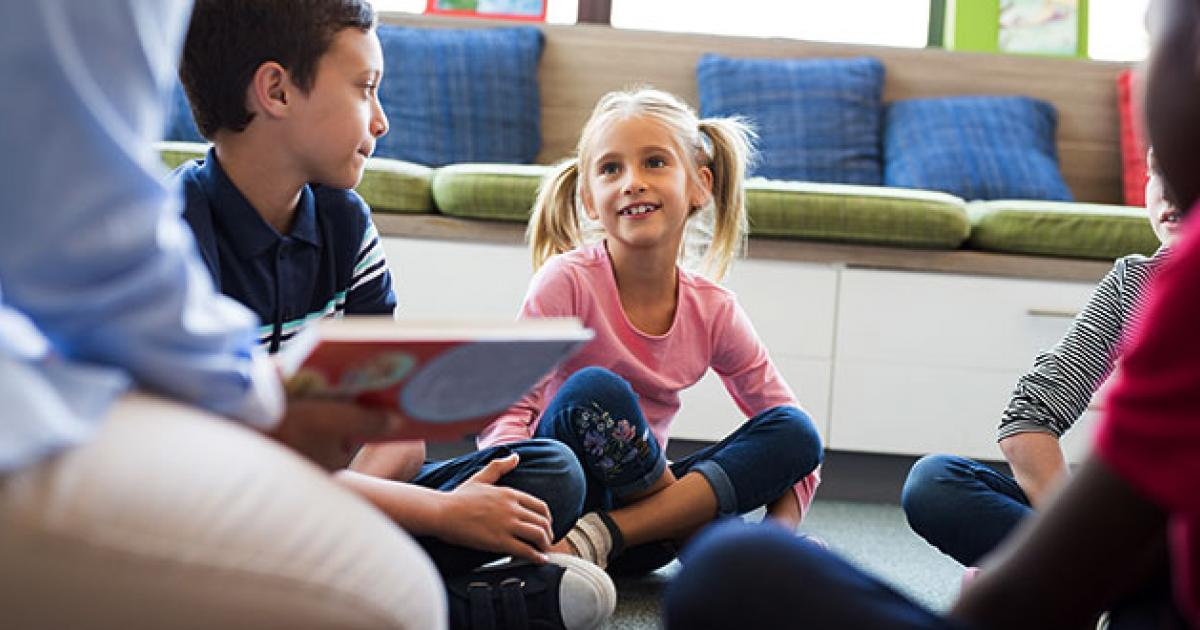

Importance of society and etiquette education in children
Parents are closely interested in the mental, psychological and physical development of their children from birth. However, a healthy development includes social development as well. However, parents may not be too concerned about this need of children until they have problems at school age, and children who can adapt to social environments with the support of their parents at a younger age may experience great difficulties with their school enrollment.
Not knowing the rules of society and etiquette and not acting according to them is one of the situations that affect social communication the most. Because the individual can take part in a society and be accepted as a result of applying these unwritten rules. Society and etiquette, like other rules, should be taught from a very young age. The child will continue to develop and use these gains in every period of his life. These rules, which are learned from an early age, will help individuals to adapt more easily to the communities they live in and to be approved and accepted. Although there are rules that may vary from society to society, etiquette in general forms the basis of interpersonal communication.
Like any basic education, society and etiquette education begins in the family. It will help the family at this point to remember that children carefully record what is happening around them. In order to teach their children the rules of society and etiquette, the best way of teaching is that parents know these rules and act accordingly. In studies on social adaptation, the importance of parents' behaviors has emerged. Children who are brought up in a democratic environment, within the framework of love and respect, are not only respected and respected in the future, but also grow up as individuals with healthy human relations and high self-control skills. The behavior of children in society will be close to the attitudes and behaviors of their parents. For this reason, it is important for their parents to behave in the same way they want their children to behave in the society.
Teaching the rules to the child is accomplished by supporting positive behaviors and correcting negative behaviors as well as being a model. It should be consistent, and directing the child to positive behaviors should be considered together with exhibiting exemplary behaviors. In addition to these, it is important for parents to be consistent among themselves when teaching these rules to their children. The overlap of parents' responses or rewards will help the child set clearer boundaries on what he can and cannot do.
While teaching your child etiquette, you should also take care not to embarrass him in public. If there is a situation that really needs to be warned, it would be best to explain it to your child on the sidelines, not in public. Otherwise, your child who is embarrassed and angry may turn to do the opposite of what you want.
**We can list the basic etiquette rules that children should follow as follows:**
Sitting at the table with the family and not playing the game at the table.
Saying 'Health to your hands' after eating.
Thanking and apologizing.
Saying good morning and good night.
Not talking with a bite in your mouth.
Covering your mouth when sneezing or yawning.
Treating guests well means welcoming them.
Not to litter or pollute places outside
Do not speak loudly in public.
Not making fun of people.
Learning to share with friends and being compatible.
Waiting for someone else to finish speaking while they are talking. If you have something urgent to say, start by saying "Sorry".
When entering a closed room, knocking on the door and waiting for an answer from inside.
Sometimes the child will try to exhibit different behaviors other than what they have learned from their parents. In this way, he tries to measure how much his close environment can tolerate him. This will give the child important clues about what behaviors he can take part in social life.
As a result, as in all other knowledge and skills, the foundations of society and etiquette should be laid in the family from an early age. The etiquette rules that parents apply both among themselves and in their social circles will be a reference point for children to learn these rules. When appropriate, explaining the correct behaviors with their reasons will help children learn these rules.
 @LifetoLife