The Importance of Therapy in Childhood Education
Childhood is one of the periods when personal qualities mature and improve in the best way. At this point, it is always necessary to provide children with gains that will enable them to direct their lives in a good way, both physically and mentally.
At this point, it is very important to deal closely with their problems and always understand them in the best way. One of the best ways to help children with various issues is through therapy from a professional perspective.
With child therapy and practices, children can become individuals who feel more self-confident. Studies to be carried out in the company of specialists or clinical psychologists can help children easily get rid of the problems they experience in life.
In childhood, emotions are just starting to mature and take on in some way. In general, personal attitudes and behaviors of each child may differ from each other. However, if there is a problem despite everything, it must be solved within the framework of an appropriate approach.
Some socialization problems
Too much hyperactivity
Hyperactivity or attention problems
The problem of being constantly jealous of your brother,
Poor performance and achievement at school,
Tendency to violence
Adaptation and adaptation problems to school,
In general, these and similar problems in childhood can often occur in children today. With child therapy and professional practices, such problems can be overcome quite successfully.
In child therapy studies, there may be applications of different nature and different structures in general. Understanding children and trying to create positive changes on them through play is one of them.
Since children love games and playing games in general, it is possible to meet them on a common ground more easily within the framework of this activity. This practice not only helps to overcome many problems, but also supports children's self-knowledge processes.
We must fulfill our humanitarian duty to provide you with treatment and guidance in the diagnosis, diagnosis and treatment of all kinds of mental or mental problems that may occur in every stage from prenatal to death.
Within the scope of therapy practices in children, it is seen that various kinds of games such as intelligence tests and such are very beneficial for them. Children who gain the ability to solve problems mentally have the chance to overcome the problems they encounter in life more easily. Within the scope of Change Therapy, professional support can be obtained for children in this direction.


Developing leadership skills of the child from an early age
When we look around us, many different leaders immediately catch our eye. We meet leaders in every field, in every subject. What we need to deduce from this is that leaders are a part of social life. So who are these leaders? What do they do? How do they live? What qualities make them leaders?
When looking at the characteristics of leaders and leader person, it is useful to say that each of them has strong communication skills. Other characteristics of leaders include being prone to teamwork, strong observation skills, high self-confidence, and being a good speaker. And it will be important at this point to say that basically all these features are acquired from an early age.
Individuals with leadership skills begin to acquire and exhibit the above-mentioned characteristics from a young age. The reflections of these characteristics can be easily seen in their relationships with their friends, in the games they play, and in their dialogues with their parents. For this reason, parents' ways of raising their children are very important in terms of gaining the foundations of leadership skills at a young age, as in many areas.
Whether they are aware of it or not, families use different methods while raising their children. Each of these creates different effects on children's characters. Therefore, parents should know that every word they say and every behavior they practice has an echo in their children's personal development, and they should always act by considering this situation.
So what can parents do to help a child develop leadership skills from an early age? The first step would be to give responsibility. Giving responsibility for the personal development of children is very important. Of course, what is mentioned here is not big responsibilities, but smaller responsibilities that concern their autonomous areas. For example, collecting toys after the game is over. Although this responsibility may seem small, it will be an important step for him. Leaders are people who take responsibility and make an effort to fulfill them completely. Therefore, this behavior should be supported by parents from a young age. A second step can be taken to support his relations with his friends and to increase his tendency to group activities.
We know that in the developing world, we have become individuals living in their own shells. In daily life, socialization areas have narrowed even more. For this reason, parents can take their children to activities where they can socialize, play group games, and get to know different people to make friends. While these socialization environments allow their children to work in groups and communicate, they also enable them to gain experience through social transfer. Children experience a different socialization environment by coming together with different individuals other than family members. The third step is to support children's self-confidence development.
The issue of supporting the development of self-confidence, which we will focus on as one of the most challenging issues for parents, is very important for children. Because it is not only the leadership skill, but also the basis of many skills. With a protective instinct, parents often distance their children from situations they see as risky and prevent them from experiencing this situation. At this stage, unfortunately, they instill the concept of 'you can't' in the child. The frequent repetition of this situation may negatively affect the development of self-confidence over time, and may become an obstacle for individuals in the coming years. The fact that parents gain experience by instilling the feeling of "can do" in their children will support the development of self-confidence and leadership skills.
As a result, individuals need to have more than one supporting feature in order to be a leader. The development of traits starts from a young age. Parents appear to be important mechanisms of influence in development. For this reason, they should support their children with the right methods in the acquisition of all their skills, especially leadership skills.
Pedagogical Approaches in Early Childhood Education
There is general agreement that quality early childhood education and care has powerful effects on children's development and learning. Many international studies reveal that quality early childhood education and care is beneficial for the development of language, reading, mathematics and socio-emotional skills that form the basis of school success in the future.
Early childhood education, which also has important implications for disadvantaged children, has been associated with a 2.8-fold increase in high school completion rates for these children.
These data indicate that the practices that will support the development and learning of children are directly related to a qualified early childhood education. In this respect, it is important what the components of quality are in early childhood education and how they are handled. Quality in general; "structural quality", which consists of dimensions such as existing physical conditions, material resources and human resources, and "process quality", which includes children's interactions with teachers and peers.
There are many studies that reveal the relationship between both structural quality and process quality and the quality of early childhood education. Most of these studies focus on variables for structural quality that are relatively easy to measure, such as student-teacher ratio, class size, or teacher training. There is limited research on process quality, which is closely related to the nature of pedagogical interactions. However, in order to help children become lifelong learners with a deep knowledge and a wide range of social skills, it is necessary to understand how pedagogical approaches and practices affect learning in early childhood.
The purpose of this review is to evaluate the pedagogical approaches and practices that are effective for a qualified early childhood education and care that will support children's well-being, contribute to equal opportunities, and facilitate their preparation for school and life. For this purpose, firstly, the importance of early childhood education and care will be discussed and prominent pedagogical practices and approaches in early childhood will be examined. Then, pedagogical approaches applied in different countries will be compared, and in the next section, the relationship between pedagogy and education programs will be discussed.
The first five years of human life are critical for the development of cognitive, social and emotional skills that are fundamental in childhood and adulthood. Although the human brain continues to develop throughout life, "learning and development" is not as rapid in any period of life as in the first years. By the age of six, the brain reaches about 90% of its adult volume.
This pace of development in early childhood means that investments in children, both through their families and through access to quality early childhood and care services, will have strong personal, social and economic returns. Effective early childhood education contributes to positive well-being in adulthood, including general well-being, physical and mental health, educational attainment and employment. In particular, it has important implications for at-risk children from disadvantaged families.
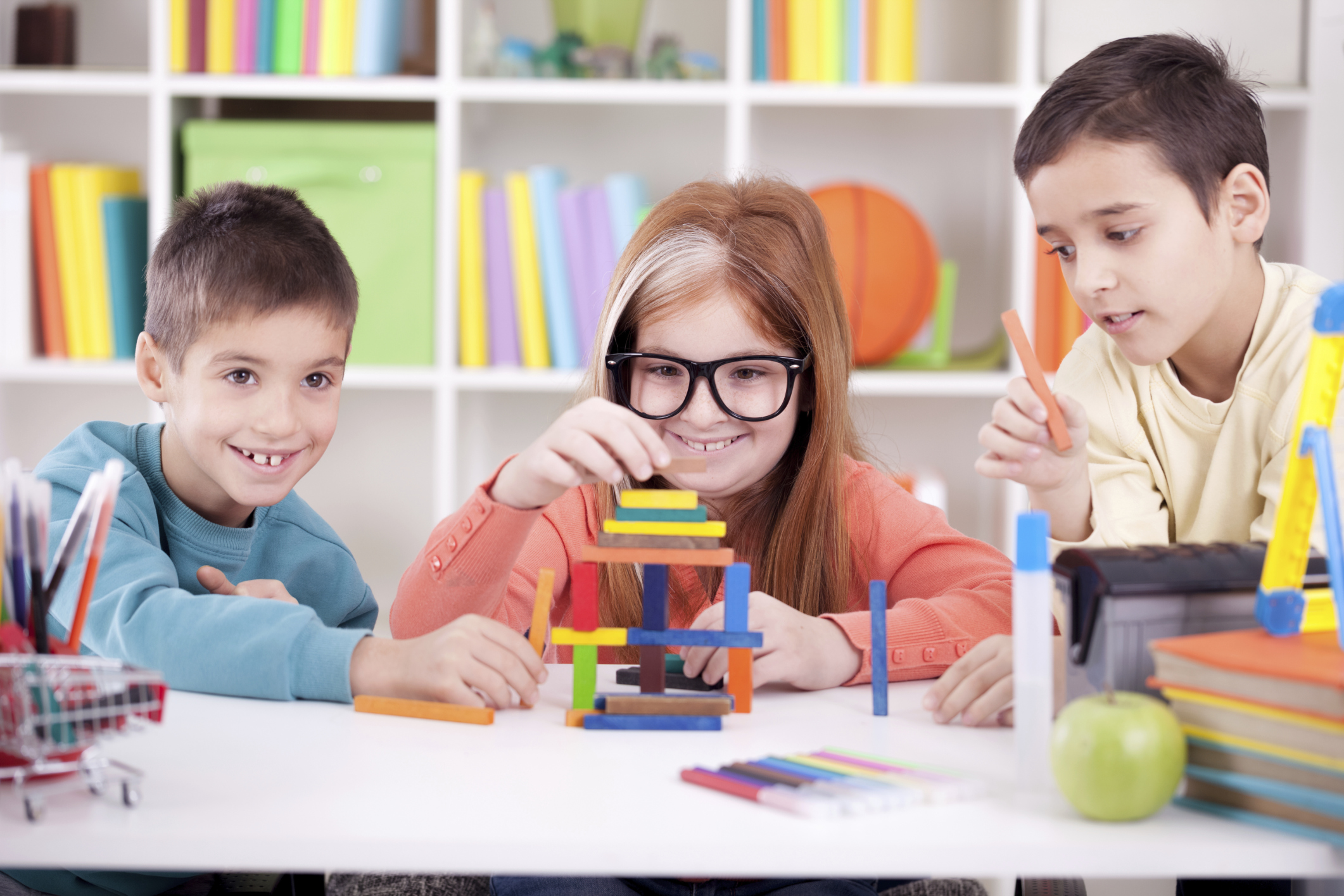
Children in education are not a vessel to be filled
Children are not things to be shaped,
They are individuals who will be scattering.
The most precious jewel you can carry around your neck is your child's arms.
One of the reasons for all the massacres, fears, hatreds, grudges and wars is unjust sharing, in other words, injustice. It can be said. all beings in the world have to share all the blessings in the world fairly.
We share water, air, food, clothing, knowledge, emotion, skill, thought, job, institutions, home, home, neighborhood, district, province, region, country, world, cosmos with all beings. Life can have meaning when it is a consistent sharing.
No matter what happens, if the feeling of receiving and possessing becomes a passion, there is no end to wars and suffering. The feeling of receiving always brings selfishness in those who do not know how to share. This attitude leads people to loneliness and unhappiness. Sharing is enjoying life.
In the years when I was a teacher, daily events were discussed before starting the lesson. In this ten-minute episode; We used to share the news in the village and school sincerely and with value. We would take care of students with pain, distress and sadness. We would try to eliminate the causes. We shared it with those who were happy. We would celebrate their birthdays with a simple ceremony, even if it was symbolic, and increase their joy. We used to visit the sick with the students. To the students who returned to school after regaining their health; We would express our longing and good wishes sincerely, and we would indicate the value we give by paying close attention.
One day, I was skeptical when there was no sound coming from the 5th grade classroom next to my principal's office. I opened the door of the classroom, "I wonder if the teachers took their students on a collective visit, I didn't know." As soon as he opened it, all the students suddenly stood up. I walked in, their teacher resting quietly with their heads on the table.
Hey teacher, is there something wrong? Said.
He said he was a little uncomfortable.
When I returned to the blackboard, I saw a huge sentence written in chalk:
Friends, our teacher is sick, please do not disturb
I understood the reason for the silence. The students were reading quietly so as not to upset their beloved teacher. Our teacher's illness was a mild cold. But his students' display of affection was an enviable sight.
On important days, we organized performances, choirs and theaters at the school, ensuring the participation of students and their families. Every family would bring holiday candy when they came to the ceremony. The collected candies were offered to all the public and students by the officials.
At the end of each academic year, we used to have a graduation and farewell day. I still have tape tapes that I recorded from those years. From time to time, religions get emotional. Dozens of my students and their fathers still call me from this village where I worked in 1976, asking me about my situation, helping me to renew my memories and contribute to my happiness.
The counter-arguments made by the students in the educational environment should be listened to patiently, without anger, without ridicule, and with tolerance; Reinforcement should be given to the student proving his argument and the teacher should give up his own view. If the student cannot prove his argument, he must persuade him; must get right as a class; but opposing views should not be ignored.
Student; may show unexpected, inconsistent, undesirable behaviors that are contrary to general moral principles. The reason for such situations should be investigated, the student should find his mistake, convince him, and help him to show consistent and desired behaviors.
The student should never be handed over to the disciplinary committee. He should not say insulting, frightening, threatening sentences; should not hold grudges, should not hate.
This behavior is not correct; I did not expect this from you. Why did you do? I want to help you; It should say sentences like can you explain it to me, it should go to the solution of the problem. If the problem cannot be solved by the teacher, the school should engage the guidance service or other institutions.
There are differences between the cognitive, affective and psychomotor readiness levels of each student. Education should enable each person to know himself, to develop his abilities and to realize his existence. Not every person can develop knowledge, skills and feeling at the same level in each lesson.
Another purpose of education is to identify and develop the latent powers of human beings at the youngest age and in the shortest time possible. Intelligent, disabled and gifted children suffer the most from the activities aimed at raising a single type of person.
As a result, many people are wasted in the education system. Development and change without differences; Without similarities, there would be no harmony and order. Each student should be given sufficient time to acquire the desired behavior. Be sincere and kind to the student; make him feel that all activities are for him.
In love; There is no place for feelings such as lies, cheating, hypocrisy, disloyalty, deception, revenge, grudges, and unforgiveness.
Getting Rid of Coercion in the Education System
In the past educational institutions, beating was seen as a good way of education. However, there was no room for beating in the smart system. In systems that do not encourage education, fail to do so, and do not think about it, beating has been seen as the most easily resorted education tool.
We are the generation that does not know the place and importance of the regiments in the old states. Now we can see it in the memories written about that day. It gives us a lot of information about it. As we see these stories, we understand that the philosophy of education is completely different from today's. This ceremony, which is performed for the first child who starts education, makes him the love of education, the education that starts with this ceremony is done with full love and enthusiasm, and it becomes a lifelong pleasure.
However, the child who starts education today is stuck in the prison in the cold school corridors with the pain of leaving home, and this first impression chases him for life. So what should be done? To start education in a special ceremony with a festive atmosphere is to turn it into a festival.
This initial positive impression would be made to last a lifetime, and education was becoming a pleasure enjoyed, not a boring, hated act. This makes the student the subject of education, not the object, and envisages treating the student as an individual rather than an object.
In addition, it is imperative to make education individual, not mass. Mass education destroys the human individual, denies differences, and ignores personal self and abilities. The group of students who are stuck in a classroom are forced to learn like Pavlov's dogs, the education, which has become tasteless and colorless, boring and tormented, becomes useless from the beginning, deviates from its purpose and turns in the opposite direction.
In this massive, oppressive and forced education, the balance of reward and punishment cannot be established well, and brute force is reached by going excessively in punishment. When trying to give an award, universal criteria cannot be found, it is distributed emotionally and biasedly, and it deviates from its purpose.
The student does not know what he has learned and why, the purpose part is never convincing, education remains in a vague building without a foundation.
In addition, the theory and practice balance cannot be established well in education, and students' minds are constantly filled as a knowledge store. This pushes students to different paths, and cheating enters the circuit as a savior.
Education detached from life and events transforms students into individuals who cannot find a place in life and who are looking for a job to have a job. An individual who is not at peace with life enters into war with himself, and an individual who is harmful to himself and his environment emerges.
This is how a mass hostile to drug use and its environment is formed, and instead of raising people who are beneficial to the country and the nation, harmful and hostile individuals and the masses formed by them are formed.
This leads to the formation of herds to be driven for purposeful internal and external outbreaks. At the slightest opportunity, these masses are manipulated, and these herds, who do not know what they are doing, can be led to actions that can be considered treason for the society and the state, thanks to this education system.
In this system, the state raises its own enemy, cuts the branch it is on, and shoots itself. What needs to be done is the revision of education with a new understanding.


Symptoms of Civilization Disease in Modern Education
The way for nations to preserve their culture and civilization is through raising their new generations based on their own values. This requires a systematic education that will shape young generations and channel them in the desired direction.
The changing and developing environment of man makes it necessary to emphasize the stimulation and training of intelligence in the modern age.
Concepts such as honesty, honor, responsibility, purity, heroism, friendship do not make sense for today's generations. Sincere devotees are not as respected as museum objects. There seems to be no other life condition other than pleasure for modern people. Social relations have changed. The breakdown of the family leads to the upbringing of a restless generation. People look at the child as a nuisance and a nuisance. This is how the west ends itself. The preference of scientific data over intellectual whims in the shaping of social life and the victory of ideologies caused the defeat of civilization.
The symptoms of the disease of civilization are mixed. The individual could not keep up with the moral climate that modern democracy forced him to live in.
Despite the progress in medicine, hygiene and pedagogy, the level of intelligence could not increase. When irresponsibility, disobedience, and indulgence became a way of life, intelligence and physical strength declined. It is noteworthy that the expenditures made for education in the USA did not give the expected result. According to the mental health committees, the number of children who are too retarded to follow the lessons can reach hundreds of thousands.
The importance of research-based knowledge in modern life has increased even more today. The development of the free, creative and unique individuality becomes impossible when the oppressive factors of the environment and an unconscious education break the formation of new aspirations, ideals and goals, or when the repressive discipline of any absolute power or the stereotypical aims of a strong state are imposed on the citizens.
The main purpose in a real education is to create a strong awareness in the various relationships of a teacher's students with their environment, and to encourage the formation of new and creative goals.
While leading the educational transformation, “The old is not thrown away because it is old, it is thrown out because it is useless. New is not bought because it is new, it is bought because it is useful.'' is very enlightening about what we can get in the education of today's society and is important about what we should buy.
It is possible for people to continue their existence for centuries, not by remaining individual, but by becoming an Islamic Ummah. This is possible only on the condition that there is a generation capable of transmitting the heritage of civilization to the next generations in each era and this transfer process is carried out in each generational change. We must be moralized with Islamic moral values and hold fast to Islamic civilization. There is a very deep and tight bond between faith and morality. The existence of one requires the other. It is not possible for us to progress, develop and lead the world with a morality other than the morality of the Qur'an. The extent of the damage that Western civilization has caused in the Islamic society does not end with counting. It is not possible to ensure the moral continuation of a society in which all kinds of harams are committed. The sins that have darkened the heart over time, the multitude of sins committed now causes the deviations to increase. No holiness binds the person anymore.
We should especially express that teachers, who are kneaded with the culture of Western civilization, do whatever they can to confuse the minds and hearts of students. We all know the policies of the past governments that still try to impose the secular mentality on the society by force. The dangerous dimensions of the spread of treachery, then, in a country where the plague of treason and abuse of power spread and affected thousands of citizens, many people did not hesitate to sacrifice their religion, belief, trust and homeland for the sake of their personal interests. We can see that the main source of treason is due to the deficiency in the education system, and especially in cases of bribery, deception and treason, it is perpetrated by the most multicultural people.
Modern education is based on price, not value. He does not have a problem with knowing the truth of things, he covets the use of things. Human beings aspire to the benefit and pleasure of knowledge, not its good. Never in human history has information been stored so much. But there has never been a time when it was so infertile. The increase in immoral knowledge did not bring the increase in virtue, but the "Taught Savage" did. Knowledge has become worldly, knowledge has been cut off from morality. Obtaining knowledge has become a job and a profession. Declaring man the measure of everything is in fact tantamount to saying that there is no measure of anything.
In general, our happiness or unhappiness is a reflection of the attitudes and behaviors of our ancestors to our present state. We will have the same impact on the lives of future generations after us. The value of tomorrow's society will be what we and our children are worth. Each age is the heir or victim of the previous one.


If Children Are Different, Education Should Also Be Different
What is the Source of Our Difference? Various ideas have been put forward as to why people differ in personality.
Gender
Effects of the moment of birth
Attitudes of parents
Traces of early childhood
body physiological structure
The social and cultural structure into which he was born
The education he received
Evaluations were made under such headings. If attention is paid, it is seen that these are various physical and external factors. Although all these factors are important, the first beginning and determinant of difference is the temperament structure that comes with existence. According to other factors, temperament is our most central and most decisive aspect.
Temperament,
It is the whole of the unique perception and realization tendencies that begin with the existence of the individual and continue throughout life. It is a structural core that has the potential to turn into positive or negative consequences. It consists of an individual's basic needs in life at a psychological level, basic perspectives and basic pursuits of realization. It contains all the emotional, cognitive and behavioral characteristics that the individual tends to exhibit. All environmental factors such as family attitudes, education, culture, lived events are perceived and evaluated according to the temperament structure.
The processes of perception, interpretation and processing of information differ according to temperaments. Even though we are dealing with the same environmental conditions, the reason why we perceive and evaluate them differently is because of our different operating systems. It is a personalized package program that does not change in essence. It can be said that it is a structural ground, a seed or a kernel, whose possible consequences are predictable. It is the main operating system that shapes the temperament, character and personality in terms of perceiving the ecosystem it is in and the feedback it gives to it.
Personality
It is the whole of the individual attitude that emerges as a result of the interaction of the unchanging temperament structure and the changing external conditions. Personality is the whole of the individual's temperament core's way of revealing itself by being influenced by its environment through emotional, cognitive and behavioral channels. Any internal or external factor cannot create a result completely independent of temperament. By ignoring the temperament structure, it cannot be accurately predicted what kind of personality will be formed in the individual by the external factors affecting the person.
Character
Personality traits that are settled, clarified, continuous and repetitive form the character. It is highly resistant to change. Emotionally, cognitively and behaviorally, it gains strength at the rate of repetition. It is the personality traits that become evident and fixed in the person to the extent that they are repeated and approved.
In summary, if we compare the psychological structure of man to a tree;
TEMPERATURE: Core
PERSONALITY: The whole of the seed as a tree
CHARACTER: The hard and thick branches of the tree
It can be thought of as
When viewed from this angle;
An individual is born with a unique temperament type from birth. Temperament type does not change throughout life. Personality takes shape from the interaction of temperament and environmental factors. Although the temperament structure is fixed, the personality structure also varies depending on the change of internal and external factors according to time. Individuals are unique because of different temperament types and infinitely different environmental factors. No temperament type is superior to the other. We are not equal, but we are equal.
What is the Enneagram model and what are its application areas, how is it applied?
The Enneagram is a personality model that centers on the subject of temperament, which is our innate psychological structure. It is a powerful approach that can provide multidimensional, detailed and very consistent data about the individual. Enneagram knowledge, unlike other personality theories, has a practical structure that does not have a theorist, is based on ancient knowledge, and has taken its current form with the studies of modern scientists.
The scope of application is very wide. Fields such as education, communication, business life, spousal harmony, human resources, individual development, cinema and literature are the things I can say quickly. In fact, we can say that every area of human existence is the study area of Enneagram knowledge.
Learning takes a path from concrete to abstract over time
No matter what job you're considering or doing, over time you realize some serious things. These awarenesses are not only limited to the intricacies of your work, but also make themselves felt on different floors of life. At this very moment, you confront yourself with the knowledge, skill, or behavior you have learned.
Remember the day you first met school and your first teacher. How do you like his name, manners, boundaries, tone of voice, way of presenting the lesson and more according to you; you coded it in your mind, in your imagination. It was like hitting the ball your way, even though you can't hit the ball with the air of a professional football player. Essentially, other students had integrated those teachers into their lives in their own way. Nor is it important to integrate the following. This is understanding, predicting and fully internalizing something.
The "+" symbol, which is used while learning to add in the teaching of mathematics, takes its life-related function from numbers and the unique abstractions between them. In the minds of the students, this symbol evokes increasing, multiplying, the situation that needs to be added, the meaning of addition, and similar situations. First, exercises or problems about addition that start with words or groups of words, then give themselves to the "+" symbol, which is accepted as a common meaning.
The same is true in the subtraction process, which echoes in the ear with meanings such as decrease, decrease, loss, shrinkage and is reinforced by its visuals. He surrenders himself to the "-" symbol, by alone facing all the expressions that he finds meaning and evokes in his mind. It is possible to multiply examples in this regard. The path followed in learning is that it evokes something unique to us in our minds. Indeed, learning is considered to have taken place if one or more of the right things connotes. From the point of view of presenting and benefiting from knowledge and skills in learning, the relationship of utilitarianism turns into behaviors, words, symbols, drawings, etc., which we call "output". The degree of success is also determined through these outputs. The purpose of the effort, time and energy spent in this hierarchy is to bring about permanent behavioral change. In short, we call this "learning".
Over time, our learning life takes a path from concrete to abstract. We try to embody what is told, shown and presented by constructing in our minds. The faster and more realistic this is, the faster our learning speed will be. Things don't always go well and we cannot internalize some laws and concepts quickly. This situation, which has many reasons, is also caused by the stereotypical approaches of our education and unfortunately by its practitioners who try to mold it. This place is really important. The more different ways a topic or concept or even a term can be presented, the easier it is to learn. To impose knowledge and skills with the patterns of the time they learned means to sign the failure in the learning-teaching environment from the very beginning. A student who can solve a math or science problem in an alternative way other than the ways in the book should be applauded. When viewed with a stereotypical approach, this attitude towards breaking the stereotypes makes our students, who have ingenious solutions, offended science, science and even art and sports.
The main thing to consider is the fact that in your opinion there is no single way to solve a problem, situation or problem. There is more than one path to knowledge and to learning to obtain it. Of course, it is possible to describe the same reality in different ways. The concept of "gravity", which is expressed in different approaches, should be accepted as true as long as its essence is the same. You define a body as "thing that has mass and volume". Why would it be wrong to define the same concept as "matter with a unique shape, the existence of which we can understand and measure with our senses"? Isn't it enough to come up with different definitions from different windows and to agree on the essence of the definition?
Children Should Feel Loved in the Family and School
In education without love there is hatred, boredom and failure. Where there is love, there is joy, happiness, peace, success and productivity. Love plays an important role in a person's growth, development and success. For this, love must be present in the family, at school and in every environment.
Love is an elixir that brings people closer together, solidifies, helps and integrates. It is the foundation of society. For this, love should be enough wherever there is human society.
It is extremely important to receive love from two sources, such as “parents” in childhood. This love is the most basic need of the child's physical and spiritual development. It is the most important factor in the success of the child in life. The child who receives enough love food from his family will be successful and happy in school and later in business life. For the child to feel loved in the family and at school:
In the family and at school, the child should feel that he is cared for and loved.
-The child's effort should be respected, his achievements should be praised and rewarded.
-Success should be expected from the child in line with his/her abilities and strength.
-The child's needs should be met, his personality should be respected and he should be approached with constant love.
-Extreme pressure, lack of love, family quarrels, indifference and punishments push the child away from home and into the streets and bad environments. This attitude should be avoided.
- Create an atmosphere of love for children at school. School administrators and teachers should take care to be loved and respected people, not feared people.
They should approach students with love and provide adequate guidance.
All kinds of problems should be resolved within the framework of this love by creating a chain of love between the school-family and student trio.
- In addition to the child's work in the family and school, his needs for rest and play should also be met.
- Children should never be beaten, they should be loved. Beating makes the child shy and blunts his ability to attempt. Instead of beating, he should guide by showing tolerance and love.
- Love should not spoil the child and neglect his responsibilities. The love shown must be within the framework of a measure of discipline. He should fulfill his duties and responsibilities at home, at school and in the environment.
- The sharing of love between children should be moderate. Making it clear that you love some more than others can lead to jealousy and strife.
The child needs to love and be loved. Parents and teachers should educate children by endearing and loving themselves. Learning in such an environment becomes a pleasure.
There is no door that love, respect and affection will not open. Hardness, anger and viciousness get nowhere. We should open our doors of love, respect and conversation to children and educate them in this environment. Then we can clearly see how successful and efficient they are.
We can easily notice that plants planted and developed with love and animals trained with love show a different development than others.
Schools should be removed from being "cold places" formed by people who are indifferent to each other and where certain disciplines and rules are applied. Among teachers, students, administrators and other employees; interest, sensitivity, open-mindedness, responsibility, etc. A loving and peaceful family atmosphere should be created at school by developing beautiful features such as
Therefore, when appropriate in the educational environment; “sharing feelings and thoughts”, “being tolerant”, “helping the person to know himself and improving his skills”, “being transparent”, “being one of the important needs of people”, “not putting anything in the center”, “having consistent knowledge”, The concepts of "refining and enriching knowledge and emotion" should be taught to students.
In this context; “In love; there is me, you, and us.” For that reason; love must be in the educational environment. So how can love and freedom be given to students? What should the teacher do in the classroom so that he can provide love and freedom?


Educational Teacher-Student Relationship
When education puts love in its center, it should also educate people about the dimensions of love and perceptions. Such an education will enable the globalizing world to live together in peace, tranquility, trust, solidarity and brotherhood.
The provision of humane conditions and the protection and development of mental health are only possible in an environment full of love, peace and trust.
Especially in today's world that is getting smaller and smaller, the emergence and proliferation of conscious love in education is essential for the happiness of individuals.
It is possible for education to take its place, role and importance in the regional and universal scale, if it puts the love that all humanity needs in its main center. Otherwise, education cannot go beyond being a tool of dominant powers and systems. The main goal of education is to make peace, humanity, solidarity and tranquility prevail in the world.
Human; If he is devoid of consciousness, love, belief, trust, thought, perception and understanding, he cannot realize himself as a human being. Man must realize that his being is in love, that is, he loves and is loved. In this way, he gets the opportunity to understand that love is unique, unique and irreplaceable.
The atmosphere of love in the school is the biggest factor that connects the child to the school and motivates his success. The child who loves his school learns the subjects that are wanted to be taught to him fondly. The love of school and the love of learning show parallelism.
The child who hates the school environment also hates learning. It fails. Doesn't show interest in class. Does not do homework or is reluctant. He gets along with his classmates. He does not want to accept school and teacher discipline.
It is messy and disorganized. He kills time by chipping or gnawing pencils, playing with miscellaneous items, talking to or disturbing friends during class. He cannot concentrate on his lesson. He is grumpy and anxious. It makes too much absenteeism. Sometimes he misses school. When her parents force her to go to school, she doesn't want to come home either. Love binds the child to school, and lovelessness drives him away from school.
The love and interest that the teacher shows towards his student binds the student to himself. This love and attention keeps the learner in the position of a permanent receiver in learning. The teacher should show that he loves his student with his actions. He should not be cold and sullen towards them. He should learn their names and call them by their names. When they ask questions, they should answer with a smiling face.
For a balanced interest and love, the teacher should know the student well. A teacher who does not know his/her student adequately cannot be beneficial to him/her. Although it is essential to show love to the child, some scholars have suggested that the teacher should be in a moderate structure.
Teachers should put their students in their child's shoes. He should show them fatherly love and affection. The attitudes of school administrators and teachers towards students, especially at the beginning of the academic year, are important. Behaving harshly, irritably, angry and sullenly to these students who are new to the school may alienate the student from the school and push them into an unsuccessful situation. Students, who are welcomed with love, compassion and sympathy, feel as if they are a part of their school. They like school administrators and teachers. They learn with passion throughout the school year. They are not satisfied with success.
Every child needs an environment where they can feel emotionally and socially secure, overcome their fears and insecurity, and where their teacher and friends won't laugh at them. Only then can the child begin to overcome their fears and insecurity and succeed in school.
The teacher should motivate his student with love. He should highlight the successful aspects of the child rather than his failures and repair him by praising or rewarding each positive success. Such a behavior in an environment of love will make the student more successful.
The teacher should be a loved and respected person, not a feared person. It should not be forgotten that fear abducts, love brings closer. It is not the fleeing student, but the approaching student who learns. The teacher should make his students love learning as well as the loved one. Teacher love, student love and love of learning are the dynamism of success.
I Think Education Is The Foundation Of Sports
Escaping or chasing the enemy also required running. They had to run fast so as not to waste time to deliver urgent news, good or bad, to the neighboring tribe.
Isn't almost all of our games in our own childhood about running?!. Handkerchief snatch, hooded hide-and-seek, steel-rod, blindfold and many of our games that have sunk into oblivion were perhaps the first sports steps for us.
When we look at its real meaning, sports also includes bodily movements, various games, and the social associations that these games gradually turn into competitions and matches.
The world of sports is a multifaceted and diverse phenomenon. Without thinking much, demonstration sports, mass sports, summer or winter sports, personal sports, wellness sports, sports for the disabled can be counted as the first prominent main groups.
Sport is part of the real world of our emotions. An athlete realizes himself within certain rules while running, jumping and throwing the shot put. If the competition, the fight in football or boxing leads to illegal scuffles and dramatic images such as fight-fight, the meaning and purpose of the sport will be violated. In such encounters, it is difficult to talk about "Additional Value" beyond financial gain. Such behaviors and images can destroy the visual appeal of those sports branches and negatively and greatly affect the viewing pleasure.
When the spectators and competitors are unhappy, the sport loses its aesthetic beauty, it does not give pleasure to watch, it creates stress and tension. In all these developments, the cultural level and education of the society to which the participants and spectators belong prevents sports from shifting to the negative.
Individual and group sports such as football, volleyball, basketball, wrestling, motocross, sailing races can be counted as "Award Winning" sports. Athletics and swimming involve a wide variety of colorful performances in themselves. There are social and economic regulations and basic principles that will govern all these wide-ranging activities. This is where education and culture come into play, especially in this regard. Education and culture advance sports, develop it, add quality and make it a universal value.
Sport trains a person's psychology and behavior patterns as well as his body, and he files his ego. Sports, for example the Olympics, is the only environment where all the states of the world can come together. From this togetherness comes unity, peace, tranquility and happiness. If managed well!
Today I can repeat again that education is the starting point, cornerstone and indispensable element of sports. As education is important for sports, sports are as important for education. However, education is the key that carries people, society and civilization up in steps. An educated person's view of sports is ethical, tolerant, helpful, understanding, able to accept defeat, and not proud of victory. For this reason, training is essential for sports to be performed at a high level, and technique raises the bar of performance and quality.
Sport is a lifestyle. It is a source of mobility, joy and happiness that directly affects human health, prevents and even cures many diseases. Today, WALKING, which is the most widely accepted and recommended method in the world, is the first sportive method that is good for the human body and soul. It's like the secret to longevity. Sport, whether individually or collectively, enables the person to be elevated in features such as strength, patience, speed, endurance and mastery.
Sport basically serves us and our way of life. We shape the sport first. Its existence comes to life with the absolute dominance of man. The human being is trying to put his personality and relationships on a harmonious and solid foundation at every stage of life. It tends to coexist and thus becomes society.
For the future of the sports world and youth, I would like to underline that first of all, we must adopt approaches that prevent intolerance, educate the athlete, and are open to innovation. Only in this way can we make progress in preventing violence and racism in sports.
Education in sports has a personal and social dimension. Athlete training, trainer training, referee and manager training and even spectator training are in question. These trainings are an indispensable way to increase the technical, aesthetic and performance level of sports. Education and sports cooperation can change people's behavior in a positive way. According to scientists, it can give them the ability to appreciate beauty, act naturally, establish healthy relationships, accept others as they are, be alone when necessary, and enjoy it.
A person recognizes his own abilities by doing sports, learns to appreciate others by accepting defeat, to show humility when he wins, to use time in the best way when competing with nature and his opponent. When we truly and fully embrace the principles of honesty, fairness and tolerance, it is not difficult for us to rise personally and socially in every branch of sports. In order for us to have a say in this field, our aim should be to accept and implement the cooperation between education and sports at a mobilization level.
Beyond social and personal development, the economic power, social power and media power of sports cannot be ignored. And sports will take the most important role in the revival of the concepts of "FRIENDLY, PEACE, BROTHERHOOD", which is sorely missed in today's world. If we use our minds!..

Positive Psychology Complementary to Traditional Psychology in Education
Psychology is a science that has been accepted for centuries and its main purpose is to make sense of human behavior. Psychology, which has developed in the historical process and has changed the way it handles human, evaluated human as an organism when it first emerged; Over time, it has given human beings the attribute of an entity that exhibits free and independent behaviors. Because of this change, psychology, which was a central point of view, had a positive-centered perspective. This is how positive psychology emerged and has become a psychology concept that still exists today.
To answer the question of what is positive psychology, as the name suggests, it provides positive development in individuals; It is a branch of psychology that helps them reveal their positive and strong characteristics efficiently and effectively.
According to Martin Seligman, the founder of positive psychology, three paths to happiness are among the concepts of positive psychology: Living meaningfully, living for pleasure and living well. These concepts include the theories necessary for a good life by seeing the good in life.
In positive psychology, there is an application that goes beyond the daily struggle of the individual and enables them to build their lives on a purpose and meaning. Unlike pathological psychology, instead of focusing only on diseases, it focuses on how the individual can spend his life more fully and happily.
**What is the Purpose of Positive Psychology?**
While pathological psychology uses the traditional disease model; The positive psychology approach uses the health model. The purpose of psychology in the disease model is to bring the individual from -8 to neutral (0). On the other hand, in the health model, individuals are tried to be brought from the neutral state to the +8 state.
According to the definition made by WHO (World Health Organization), it is not enough to say that a person is healthy, just the absence of disease or weakness; In addition to this, the individual must be in a state of complete well-being in terms of social, mental and physical well-being. In this context, both WHO and positive psychology meet at the same health model center.
Positive psychology, by investigating what makes life worth living, improves the joy of life of individuals and ensures their psychological well-being. Positive psychology emerges as one of the newest branches of psychology that seeks answers to the questions of happiness, goodness and good life. In this context, the purpose of positive psychology is to help people find the meaning of life and happiness in their lives.
**Let's Talk About the Importance of Positive Psychology**
Among the branches of psychology, positive psychology is often confused with personal development and spirituality movements. Although the happiness of the individual is one of the goals of positive psychology, it is possible to say that positive psychology provides a more holistic and broad spectrum field to the individual.
Positive psychology provides many benefits to clients. In general, to give examples of the importance and benefits of positive psychology:
• It is a branch of psychology that is complementary to traditional psychology.
• It is a psychology that reveals and gives meaning to the positive nature of human beings.
• With its preventive function, it protects psychological health and helps to prevent the recurrence of disorders.
• It supports the restoration of the individual's relationship with himself and others.
• It helps the person to find his/her own life purpose and helps him/her to have a more balanced and happy soul unity.
• It is a supportive psychology branch in reducing the tendency of the 21st century to think loneliness, negative and pessimistic.
With this result, positive psychology sessions help the individual to be happier, more peaceful and in a state of well-being.

The Importance of Periodic Translations in Education
Translation studies, which emerged as a separate science in the world in the 70s, takes its roots from linguistics. However, it is known that translation exercises were carried out even before they began to be studied scientifically and that these were based on certain traditions. It's important to page through the past to see how modern practices have gotten to this point. Thus, we can always set goals for the future one step further. Translation has gone through multiple processes throughout history and each process has brought a new feature to it. We will encounter more than one view in this translation archive, which stretches from Antiquity to the Middle Ages. Here is the history of translation, ancient and medieval translation studies…
**Translation in Antiquity**
In this period, translations were not made by considering cultural values or logical facts as they are today. Even beyond the habit of translating word for word, there was an attitude based on structures. While excessive dependence on the resource was observed, even the smallest units of the resource were tried to be protected. Since the structural differences between languages were translated without considering other planes, intertextual communication could not be achieved. Another expert was needed to analyze the translated text.
**Ancient Roman Translations**
The extreme dependence on the source observed in Antiquity was not valid for Rome. Because there were approaches that could be considered close to today's translations. Being a military and powerful state, Rome made Greek translations under its own dominance and translated them as Roman texts. The Source is ripped from its essence and the warrior side of Rome is often brought out. Loyalty to the source is unimportant and even names are romanized. Even if such translations are observed today, these translations can be studied more under "adaptation" as they change the course of events. Since there is a high level of freedom, the texts are seen as original works. Since Latin literature was weaker in this period, it was fed from Greek literature. For example, Cicero translated Plato's dialogue into prose and followed a goal-oriented approach. According to Cicero, fidelity to the meaning of the source text is important, not formal fidelity.
**Translation in the Middle Ages**
Rome was destroyed and 3-10. Between the centuries, civilizations in the West began to weaken. This indicates that we have entered a dark period. The church began to dominate from the 10th century, and scholastic thought was gradually spreading. Therefore, translations come under the authority of the church and are made in monasteries according to the ideology of the church. Since most of the people are illiterate, those who benefit from these translations and books are intellectuals affiliated with the church. Translation expectations are offered by the Vatican. Therefore, most of the translations are censored and controlled. Since the translated texts are generally about religion, the sources are holy texts and the translations are auxiliary texts.
Hieronymus, who was an important translator of Bible translations during the Middle Ages, translated the Vulgate. This translation was accepted by the Council in 1546 as the closest translation of the Bible to the truth. It is faithful to the source because it is a sacred text; however, it tends to convey meaning rather than a formal fidelity like Cicero.
Martin Luther translated the Bible into German in the 16th century. The Renaissance and Reformation movements began in Europe during the Lutheran era. Many problems such as the authoritarian state, limited education and institutional pressures began to collapse in these periods. The important thing in this period is to reveal the value of the human being again. The use and spread of the printing press paved the way for the monopoly of the information to come out of the church. Controls are reduced and the human mind begins to liberate. Martin Luther questions a new understanding of religion, opposing the church's exploitation and humiliation of the poor and uneducated. For this, he translated the Bible into the vernacular. He did the translation into plain languages, and the principalities supported Luther rather than paid the Vatican. The foundations of a national identity and language consciousness were laid.


The Search for a Model in Education According to Me
The search for a model, which is frequently on our agenda and which is essentially never-ending, floats around in the minds. As an educator, I sometimes cannot understand the reason for this passion for the new. This discourse, of course, should not lead to the conclusion that we are against models that are more functional, more efficient and in line with the realities of the age. Changes sometimes make them necessary, and they impose themselves on you.
The main issue that I am trying to articulate is with what data and who will decide how and according to what criteria. If a comprehensive reform related to agriculture is required, we have the criteria that will be the basis for this reform; The hands working in the field should evoke criticism from other stakeholders regarding the structure of the soil, climatic conditions, the food chain, and moreover, production-consumption. Is this how things work in our education system? Are the participants in the regular meetings really capable of assimilating the job, qualified experts in the complicated world of education? When we do our questioning in many ways, to what extent do the opinions of the teachers working in the field, guidance and psychological counselors, administrators, students and parents, and even other out-of-school stakeholders who can contribute to the decision table take place? If we give the answer enough, how can we explain the statistically qualitative decline in our education? If our answer is no, don't we get the impression that congresses, councils and similar high-level meetings that take part in the decision-making mechanism are only held for political concerns?
If I were to buy a dress, I would first question why I needed it. I would find answers to questions such as whether this dress should be a sweater, jacket, cardigan or a winter product. Of course, I should also check that this object, which fits my body size and is really essential for me in my daily life, conforms to my material criteria. In short, it is reasonable and logical to choose the one that is compatible with the needs and the criteria that can meet that need. In the search for models in education, there may be endless models such as the so-called Swedish Model, Japanese Model, and American Model. However, these models exist because they are suitable for the people, lifestyles and socio-cultural textures of their own countries. This situation, which expresses the national side of these models, does not mean that there are no universal aspects in those models. However, despite the fact that the manufacturer offers oil criteria suitable for your vehicle, it also means that if you stubbornly choose a different option, you will get into trouble.
The problem of searching for models, the answer to its own geography; Unless we take it from historical, cultural background, lifestyle, economic realities and social dynamics, I think it would be something emptied out. Remember, we have used technological products produced by other nations in many fields for years. In most of these, we also faced problems that were not in the account and that prevented the stable operation of those products. This determination he has shown in producing his own national defense products is like a fundamental answer to the above questions. Technologies that are produced by taking the experience of their own people in the field as a criterion, of course, work more smoothly and stably.
Unless the design of a serious and long-lasting education model is freed from political considerations, it can neither be national, nor local, nor come to life. In today's world, where it is not possible to stay on the same ground without taking a step forward, shouldn't we urgently question our view of education with unchangeable criteria? As a matter of fact, what is sought in human, which is the focus of education; Well-equipped, knowledgeable, in line with the realities of the age, self-confident, conscious of history, having a vision for the future and a vision of the day, who can cope with difficulties, who can solve problems by facing them?
I hope that one day, by re-blending these overlooked criteria and facts, a more tangible and longer-term functional model will be brought to our education life.
The effect of our emotional transportation desire for purpose on education
Expectation!
I won't go over definitions!
Expectation builds on what is preferred or hoped for!
The hungry chicken seeing itself in the millet barn is its positional expectation! It can be evaluated in terms of positive or negative results!
Expectation and target are not the same! The goal is like following the path to reach the goal. Expectation, on the other hand, is rather an emotional desire to reach the goal.
Expectations can also be developed as goals! When the goal is, the expectation drops!
The expectation is based on current or probable! The target is already planned through the probable! The unlikely is not targeted, but the prospects need not be probable!
I will try to explain the issue with a simple example. It is asked of someone who can scarcely find his food; "What do you do when you're rich?". Reply; "I eat molasses!". Someone wealthier; "I travel the world!" may reply. Someone much wealthier may want to rule the Earth. It can even go up to the claim of "Man is God"!
Man is as much as his goal! The expectation develops on the target!
The target of those whose expectation is "molasses" is molasses! A new expectation and target is formed after molasses!
Expectations are formed about what is present or probable! That is, about eating, drinking and emotional-physiological satisfaction! The expectation to meet all tastes with unlimited food and drink has been determined based on current needs! That's how it is in general! The crazier ones develop after the satisfaction of the first stages! As it's possible...
The main source of the expectations created for the future is the "Past", that is, living the past more positively or more comfortably, and this is the goal. However, the expectation that is intended to be productive for the future should be independent of the constraints of the past! The expectation built on a more comfortable repetition of the past cannot be about a new situation!
Right now, we humans are struggling with this first. So we're looking for social warmth. And we always hope by keeping the hopes given by our optimism for the coming days.
In George Orwell's novel "Animal Farm", in anticipation of the "Honey Almond Land" in the sky for horses, there was sugar cubes and unlimited pulp and straw! A scenario created about the expectation of horses! The past needs of horses also form their expectations for the future! However, the possibility or expectation of being a "Human" could have occurred for the horse, but it does not occur! These past needs are also valid for human beings. This is how the future expectation is formed! Whatever his need is, his unlimited satisfaction! This is everything! A superhuman development is not even expected; can't enter!
In the final analysis; The expectation is based on actual or probable! The target is also developed on the expectation! The result does not exceed expectation! That is as much as human expectation! It will not be on the target, as it does not add to its expectation of a possible development that it does not know or see! I think the subject is understood and I will cut it short.

Generation Z is in search of maintaining the partnerships in education life
Today, I share my ideas about the Z generation of education. They are very brave in saying what they feel. They ask why. They are questioning. They love to be known. They cannot bear to be ignored, they are offended. There is tremendous resistance. But when they feel love, they are stunned. How? They look at his face as if to say, they try to perceive it. When they are sure, they become like cotton. Like sunflowers that turn their faces to the sun, complete surrenders. But they are also very prone to breakage.
Some are obvious as obvious targets, some just the opposite. They think they are wearing an invisibility suit, when they are noticed, they feel like they have been hit, they can't make sense of it. They make room for themselves among the many ideas they cannot understand. They get bored quickly, they consume quickly. When we look at it from here, we adults are uneasy, but they do not forget when they are processed from the right place. They have big big sentences that come at unexpected moments, they don't hesitate to say it. A student of mine said, "Master, your shirt is related to the past. Even if you don't, you hide it. If we don't get it, we don't wear it, that's all. You have to leave it be.
It sounds like you're going to be lecturing that we were the ones with those weights, but when you stop and think about it, you agree. Oddly enough, they can worry about the same problems as you. They were born out of necessity into the heart of technology, they played with technology. They are aware of everything, they are in the part where they work. But when you catch it from somewhere, you can speak the same language. You're a kid, you don't understand, it can look funny for this group. Sometimes they are forced. There you take refuge in the identity of a teacher. It is necessary to pay attention to these children who were born in the middle of busy life in the rush of life. It has to be processed finely, without getting tired. No way is easy to say.
A quality and effective education is one of the issues that this generation attaches importance to. Educational institutions are also in search of being able to maintain their association with the Z generation in education life without breaking them away from the lifestyle they are accustomed to. With the new investments they will make in the communication infrastructure, they aim to make the communication of the Z generation with each other and with the lecturers more effective and performance. In this pursuit, integrated communication platforms come up against educational institutions.
When we say unified communication systems, I am talking about communication systems that combine real-time and non-real-time communication methods on a single platform. Unified communication solutions provide gains in different dimensions and aspects in the world of education as well as the business world. If I were to list a few prominent benefits that unified communication solutions provide for educational institutions:
Support for multiple devices (such as smart phone, tablet PC, notebook, desktop phone) so that students can access each other and lecturers with a single number
Status information where people in the educational institution can see if each other is busy at the moment.
Possibility to use instant messaging, which is the communication method used by the Z generation, in the educational environment.
Increasing communication performance with video call, screen or file sharing support
Providing a reduction in the communication costs of the educational institution, free calls between users and campuses
Ability to integrate student parents into the system and provide free communication between parents and users
Integrated operation of the system with distance education software or automation software used in-house
With BYOD support, students' smartphones and tablets can be integrated into the system.
Due to the leverage effect provided by these and many more features, educational institutions have started to use integrated communication solutions by renewing their communication infrastructures; I see that they are trying to take the communication experience between students, lecturers and parents to a different dimension.
It is said that those who have the courage to teach should not stop learning. If we showed that courage, we have to touch these children here as well. It is necessary to change the method. They do not understand what the ancients said with a scowl when they entered the classroom with a wooden ruler.
The best way to break resistance is love. Could there be a better bond between generations than this?
It is important for the student to be aware of the human inside
As an educator, I attach the utmost importance to child psychology in education. Educational awareness and capacity of the child sprouts in the early ages, that is, in kindergarten, and this consciousness is formed in primary school. A child's education is like a tree. In my opinion, kindergarten teachers sow the seeds of a good education.
Primary school teachers ensure that this seed sprouts, and our secondary and high school teachers undertake great tasks in raising and spreading it in the best way. An educator should pay attention to how he will approach the child and how he will behave. How can I better warm him up to school instead of taking him out of school? How can he feel safe? How to get a better education? We should focus on questions like these. An educator should be able to ask himself such questions.
Child psychology genetics, environmental factors, social development and personal development, physical development, cognitive development, emotional development, etc. depends on factors such as It is affected by such factors and it develops along with it. Research shows that; Not only internal reasons but also many external factors (culture, environment, social relations etc.) are effective in this situation. Such factors play a major role in the development of the child. The development of the child can be evaluated in many ways.
Being able to take the right approaches for children is a very important behavior. In child psychology; Major problems such as fear-anxiety disorder, adjustment-behavior disorder, toilet habits, bedwetting, oppositional disorder, learning-speech difficulties, hair pulling and nail biting may occur. In fact, what the educator will do is not to ignore such situations and problems, but to try to correct them. It is very important to stay in touch with a child who has an anxiety problem, to make him feel safe, and to educate him as healthy as possible. It should not be oversimplified. In order to achieve more positive results, we need to improve ourselves more in this area.
Every situation or event that takes place in the child's subconscious will take place in his future. It's not about showing a child's teeth, not training or punishing a child for misbehaving. Not everyone is locked inside while playing games outside. This will create an adverse reaction in the child and will close him in. It's not like hitting your hands with a ruler and scolding in public. This is great destruction. You may not even be aware of the trauma these events cause in children. Or how it affects the psychology of the child. This will cause him anxiety and will make him angry. Not to mention all the events we witnessed in the news. Violence against children is practiced in schools. No one can exercise power over children when even their parents shouldn't. It cannot cause any anxiety disorder or psychological problems.
The psychological problems experienced by the child cause some destruction in him. This can also create self-confidence problems. The child's alienation from school will lead to great problems in his education life. These are terrible things. In the face of such events, go to the path of empathy. Children should not pay for your own internal problems. We are also faced with such a problem. It is useful to think about such problems.
It is important for an educator to be aware of the human inside the student. Always be on the side of goodness, beauty and hope. Be constructive, not destructive. Become so that better generations can grow. Believe me, it's all in our hands. If they feel good, we'll be okay too.
 @LifetoLife