 @Jane
edited
more from that month
@Jane
edited
more from that month
Life Experiences Living In A Nipa Hut (Bahay Kubo) **October 5, 2020** https://read.cash/@Jane/life-experiences-living-in-a-nipa-hut-bahay-kubo-ca779ef8 This article is in connection with my latest article about **Where It All Started** wherein I tackled about home. While writing that article, I remember our first house which was "***Nipa hut***" during the time my mother and father were just starting to have a family. So I decided to share my life story living in that nipa house. My parents don't own a house back then. My father is from a landlocked province in the Northernmost section of the Cordillera Region while my mother is from Eastern Visayas. They have met each other in Samar where my father was designated. He was one of the troops of soldiers designated near our village during that time. I remember my mother's story about their love story when they were younger. She said that my father brought her to their camp without my grandparent's permission. Then when they get back, my grandparents were so angry and so they have decided to let them be together. During the old times, once a lady slept with a man, the parents of the lady won't allow them not to be together as husband and wife, regardless of the personal decisions of involving parties. It was once a traditional marriage customs in the Philippines during old times. Since my father was a soldier and was always designated to different places, they didn't build their own house yet. For more than five years, we don't have our own house. Either we live at my father's camp or in our grandparent's house. It was difficult for my mother's part to travel from time to time carrying a bunch of kids, and since we were growing up, we need to be in a permanent place to study. And so my grandfather decided to let my father build a house at a vacant lot outside the village. The land was owned by our rich relatives and it was my grandfather who was looking after it. With the help of my grandfather, my father was able to build a **nipa hut** or "**Bahay Kubo**" in our dialect. It was crafted of timber from bamboo trees raised on four posts which were buried a few meters below the ground to create a buffer that prevents water from rising during floods and often used as storage. The floorboards made from bamboo as well were fitted between joints and wide windows on the opposite sides. And the roof and walls are made from nipa leaves. That is why we call it nipa hut, however, not all Bahay Kubo used nipa materials.
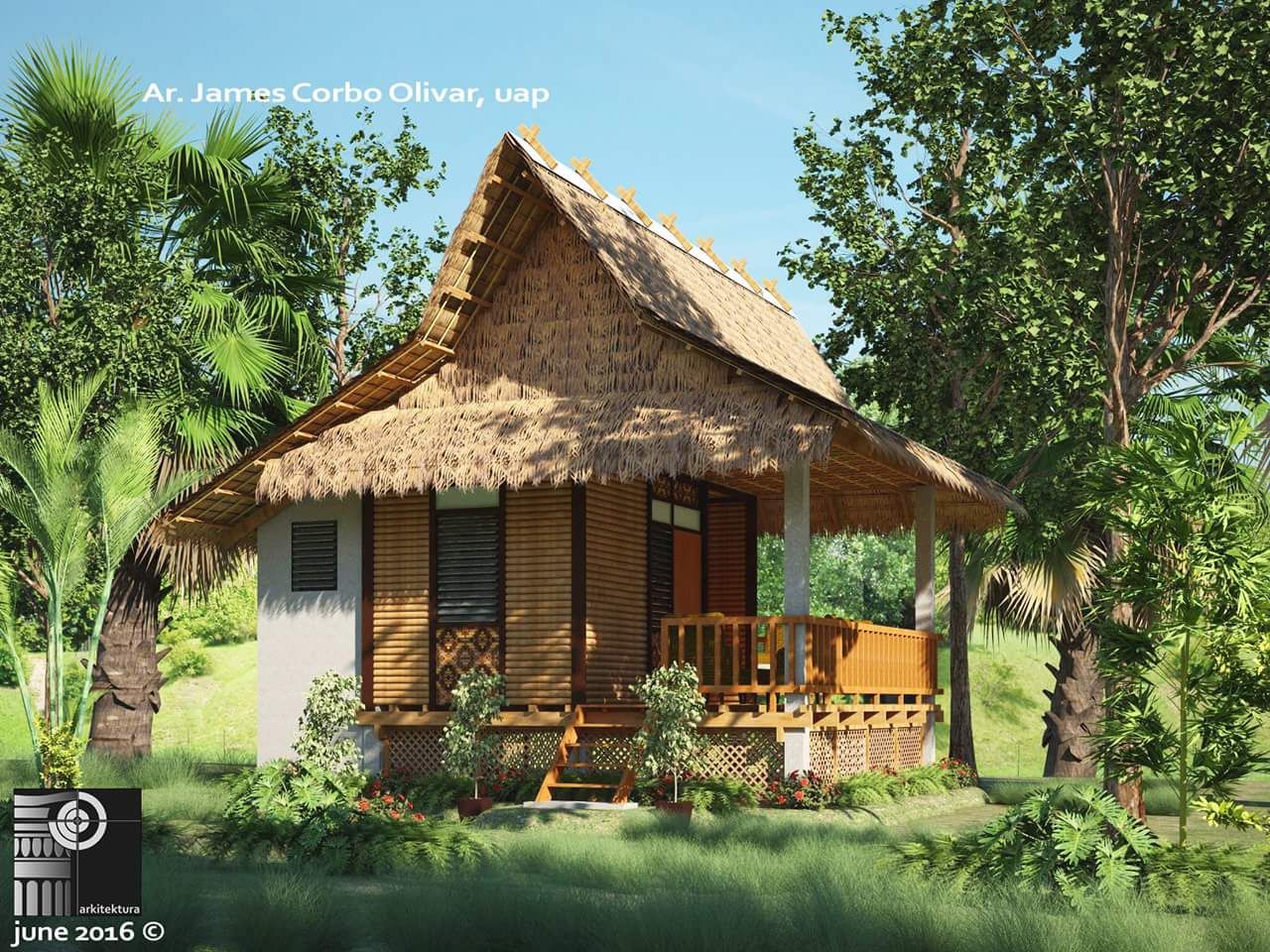
A **nipa hut or "Bahay Kubo**" roughly means "***Country House***" is a traditional stilt house of indigenous people of the Philippine that rose before the Spaniards arrived. This type of house has become the leading municipal architecture in the past but still used until now especially in the rural areas. There are different variants of "Bahay Kubo" in the Philippines. This is also one of the Philippine culture's icons which represents the Filipino value "**Bayanihan**." Reference: https://en.m.wikipedia.org/wiki/Bahay_kubo So going back to my story, we lived in that nipa hut for a few years. I was 3 or 4 years old if I'm not mistaken when we moved to that house. Our life was simple yet memorable. Our house wasn't as big as others but we were happy during those years. It was surrounded by plants such as flowers and vegetables and some fruits like banana, guava, mango, and coconut trees. Since our house was located outside the village, our father with a green thumb planted those plants which became one of our sources of food. And a few meters from our house was a river where my father seldom fetched some fish.
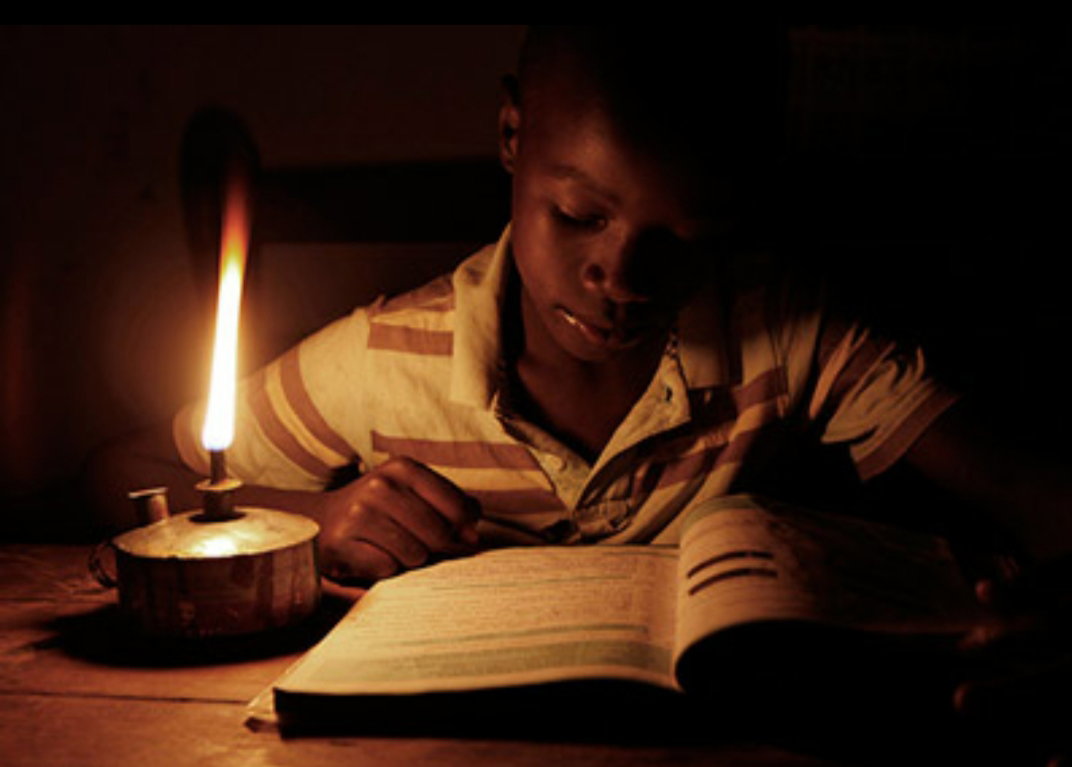
The nearby village doesn't have electricity at that time and so as our house. We only used a lamp wich uses kerosene as fuel. It was a personalized kerosene lamp from a used liquor bottle with a strip of cotton core from an old cotton shirt. Sometimes, our mother taught us how to write and read under the glowing lamp, it was kind of a struggle but it was fun at the same time. We even played with the fire of the lamp by abruptly touching it without burning our fingers, just a small patch of ash leaving on our fingers.
And since we don't have television to watch some entertainment, with the help of the light coming from the lamp, we sometimes played *pet shadowing* with our hands forming a shadow of a butterfly on the wall or other forms of animals like dog, bird, rabbit and more.
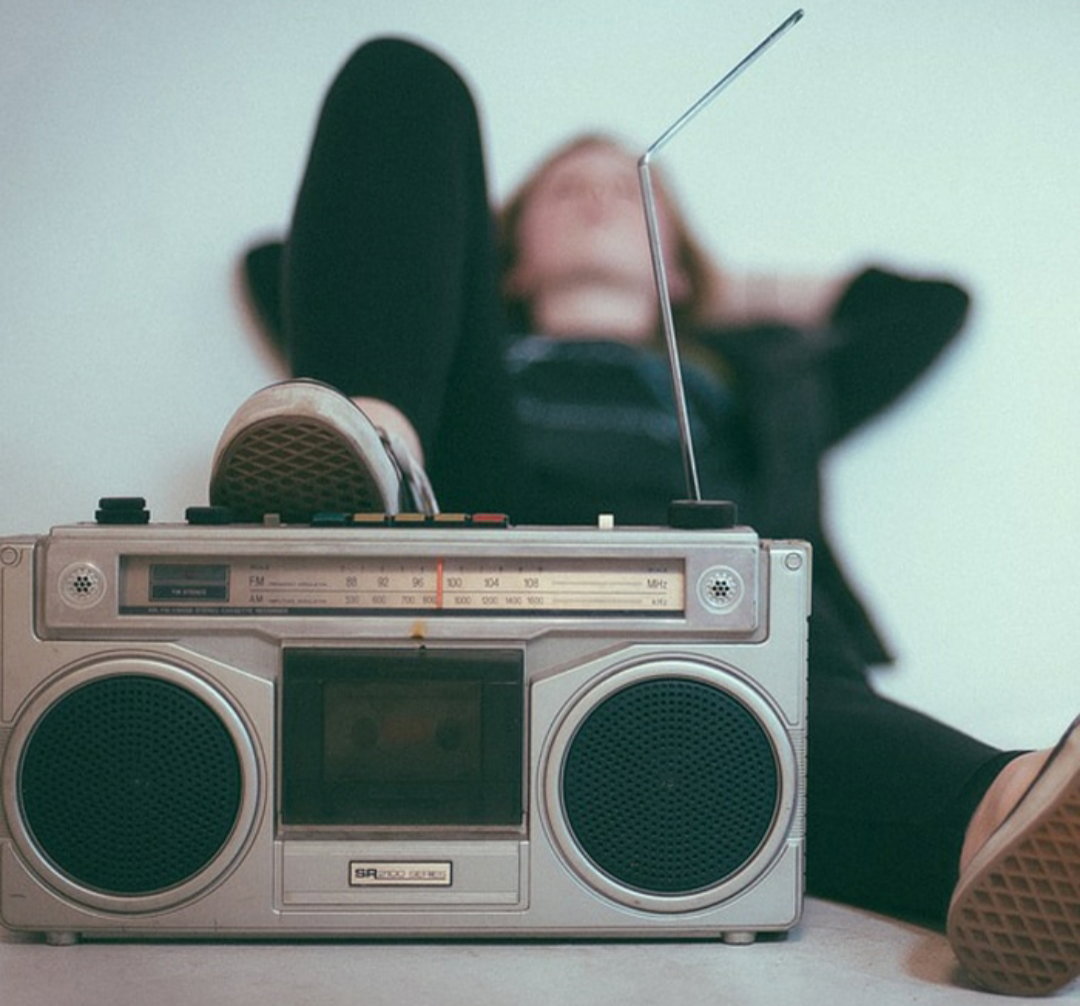
During that time, we only have a radio which we used to listen to music and drama. I remember my mother always turned it on at night and listen to a radio drama and programs. She likes listening to a segment entitled "**gabi ng lagim**" or "**a night of horror**" in English which always made me feel scared every time I heard that intro with the howling of a dog, "gabiii ng lagiiim....awooohowoowooo...". With that creepy voice of the man dubbing on the radio, and the cricket's and frog's sound from outside, and the fact that our house is away from the village, who won't gonna scared of that? I later found out that it was my mother's way of sending us to sleep because we don't want to listen to a horror story on the radio, we force ourselves to fall asleep or we slept before that radio segment started. And every time our father is away, my mother always put a knife or a bolo near her just in case intruders try to enter our house at night. Luckily, it never happened.
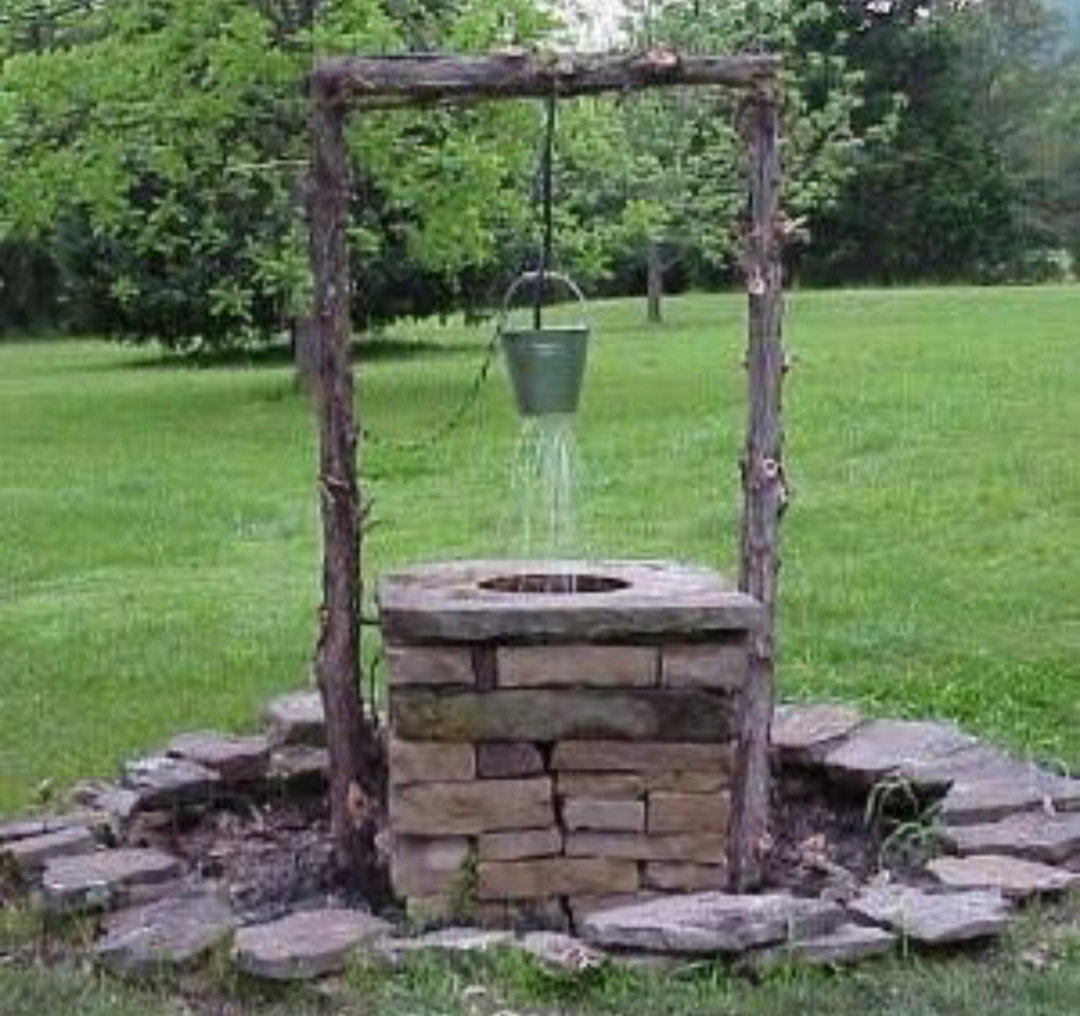
If the village doesn't have a source of electricity, then it doesn't have a source of water too. So my father dug a deep hole on the ground near our house and made water well. It became our source of water used in washing clothes and dishes, bathing, and watering the plants. We used a bucket tied on a long bamboo stick to fetch water from the well. We just need to throw the bucket onto the water then draw it up. But the water isn't safe for drinking and cooking, so my two elder brothers well go to the near village with containers on their hands and fetch water from a "poso" or new kind of water well. And since our brothers are still young and don't have that muscles to carry a container of water on their bare hands, our father made a single bamboo cart-like with a wheel which helps them carry the containers of water easily. Sometimes I accompanied them in fetching water and they often allow me to hop on that cart on our way to the village to fetch water. We aren't studying yet at that time, so our routine was just eating, playing, doing some house chores, practising in writing and reading, then sleeping. Sometimes we help our mother to sweep the dried leaves outside our house, fetch water from the well, water the plants or wash the dishes then playing around our house. The land was wide, even wide enough to build up to ten nipa huts. And since we were surrounded by trees and plants, we seldom saw a snake in the area.
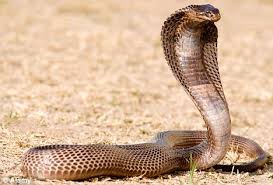
One day, while my mother was sweeping dry leaves at our yard, she saw a snake, a cobra to be specific, and since our father wasn't there, we tried ways to shoo the cobra away. My mother throws things on it but it just made the cobra became alert and furious. As it hisses and rears its head up, with the tongue poking out, it sent fear and goosebumps to my body. We were only young and my mother is not that strong to fight the cobra. We all went inside our house and through our open window, we throw things on it again, including our "*lampaso*" (a coconut husk broom used to clean the floor), a broomstick, and more until the cobra leaves our yard. We exclaimed a heap of relief when we successfully drove out the snake. It was my first time to encounter a snake and was my first time to see a helicopter closely in that place as well. One day, a huge helicopter hovers over the ground near our nipa hut, and when we checked it, my father was climbing down from it. He said they were from a mission and so the captain decided to drop him before heading back to their camp. But our life living in a nipa hut didn't last that long. Just a year after, our grandparents moved to another part of the same village because their current place undergo construction which is now a subdivision. Then our grandfather inherited the larger portion of the land to my mother which gave us the opportunity to build a new and bigger house and own a lot. And from that new house, a new chapter and changes in my life started. We may don't have a big house and much money at that time, but I considered myself lucky. We have a wide yard surrounded with different flowers, vegetables, and fruits, we have our simple yetcosyhousee, and we have our loving mother and supportive father. If I can only go back to the past, I would rather choose to go back to that place and live there again. Living in that kind of place is healthy and toxic-free, away from loquacious neighbours, and chaotic situation, and being surrounded with greens is stress relieving and healthy to our mind.
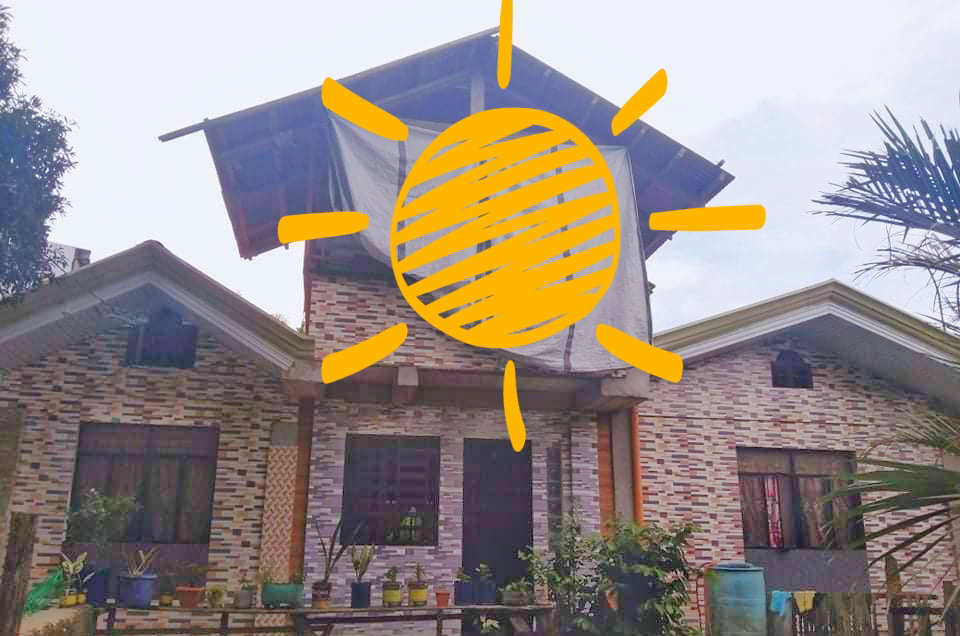
**"Home is where love resides, memories are created, friends and family belongs and laughter never ends"** `Now the place has been occupied by the real owners of the land but I found out that our water well is still existing. One day, I will visit that place again.` `Until now, my memories of living in our nipa hut are still in my mind and will treasure it forever, because only that time I have experienced true happiness with my father before he turns into a monster.` **Written by: @Jane** https://read.cash/@Jane/life-experiences-living-in-a-nipa-hut-bahay-kubo-ca779ef8
28 comments
Living in a life of simplicity in a provincial area is more peaceful and stress free, but when you begin to live in an urban area life begins to be complicated and slowly adapt their ways which sometimes confusing. That is why you described monster. In simple living you can find true happiness.
The monster means my father became so cruel and strict unlike when we were living in that nipa hut. Were not living in an urban place still in the same village.
Oi bahay kubo din dati bahay ni mama, kagigiba lang noon noong nakaraang taon tapps nagpagawa nang bago, butas butas na kasi, tapos yung bubong ay gawa sa yung mga dahon ng niyog ayon, tapos ng bata din kami mahilig din sa radyo yon, alam mo Ba yung program na si Tiya Deliii, yun haha. Mga pagsasadula, ahh, nakakamiss talaga ang nakaraan ano, sarap balik balikan 🤧😍
True...haha sarap balik balikan yung mgandang memory ng pagkabata.. Dun lng tlga ako masaya.. Sa new house in dun na nagstart yung hndi magandang memories.. Naging masam si papa, etc..
Oo nga, pweo bakit kasi naging ganon papa mo, baka naman may inapag daanan laang sya, alam mo na ang mga soldier, baka may trauma o something ba.
Ganun cguro experience sa pagiging sundalo, paparay ng kalaban, epekto ng putukan sa giyera at masamang influenced ng mg kasama sa camp
Oo, yan yan talaga. Parang nawalan na sila ng puso, tumigas na ang damdamin, naging malamig na dahil siguro sa mga naranasan nya noon
Pro asawa ng auntie ko sundalo din, mga kuya ko sundalo dn.. Hndi naman nagbago ugali nl..
Eh, 🤔 baka nagbago lang talaga si papa mo dahil gusto nya 😅,
Influenced ng mga ksama dn sa camp
What do you mean by "before he turned into a monster"
Our first house is also not concrete. Tawag dito samin non e sawali but our roof was made of yero na 😄 Our comfort room was like a Japanese type of CR, dimo na kailangan magflush. Panghugas nalang iigibin mo nakalagay sa galon ng minola hahaha. Here in our place, theres no well. We only have poso but I experienced to get water from the well in Batangas haha. And the gasera 😄 Until now I show to my son the pet shadowing when there's no light in our room. Nakakamiss yung simpleng buhay no. Yung talbos lang ng kamote talo talo na. Hays
Haha..lutuan namin yung may kahoy ano tawag dun sa english ? Ha ha..d ko nilagay d ko alam name,... Tama mas mganda buhay na ganun, simple pro masaya..at healthy pa ng vegetables na kinakain sa hapagkainan.
Diko din alam hahaha. Basta lahat non simple lang no. Hindi pa uso mga appliances
Tama...hndi man mayaman, pro mayaman naman sa good experiences and memories.. Ibang iba sa panahon ngayon
I can totally relate, nipa hut, kerosene lamp and we don't even have stove and iron back then. But it was totally a great and memorable experience😍
Lutuan yung may kahoy? Haha.. Masarap pa nga lutuin ang kanin sa kahoy kesa sa stove
Oo sis ung kahoy ang gamit taz hinihipan pag nawawalan ng apoy..hrhr Totoo ka jan sis! Tsaka ung mga lutuan na gawa sa clay ba un..basta yung color terracotta 😁
Oo meton dn kmi nun.. Yung uling ang gamit.. Pro yung sa kahoy yung may 3 stands iwan ano tawag jan..haha
The Bahay Kubo is one of the most illustrative and recognized icons of the Philippines. The name of the primitive Nipa hut is actually based on the Spanish phrase Cubo, meaning cube, probably because of its rectangular appearance and Bahay is the Filipino word for house. By tradition this type of village dwelling is constructed out of organic materials, a perfect example of a totally green structure, a showcase of extreme simplicity and sustainability that has been around for a very long time. The construction of a Bahay Kubo is totally based on the local needs and conditions. Fabricated with the ever dependable bamboo or kawayan and banded together by tree strings with dried coconut leaves or cogon grass. Walls are made of nipa leaves or bamboo slats and the floor is made of finely split resilient bamboo. The typical structure is raised with thick bamboo poles, one to two meters above the ground, depending on the area where the shelter is constructed, providing the inhabitants a safe shelter from wild animals, snakes and protecting them against torrential rains and floods. Bamboo is strong, lightweight and flexible; it has diverse, functional and traditional uses. It holds and mirrors much of the Philippine culture and it is part of many ceremonies, beliefs and traditions.
Dis you copied this from the internet? 😅
Ohh i never got to experience living in that kind of house before. My granpa always said that it felt as if they were in an airconditioned room every night because of how cold it gets in those huts
Yes, its cold there especially that we've been surrounded with trees.. It's like a secluded area...no neighbours, only us..haha
Ohh saya naman :"" i want to experience because city life sucks and it's hot like hell most of the time
That's why i don't want to live in a city.. i rather stay at our province. many trees, not so hot.
Ahh i wanna try living in a provincceeeee!!! But i don't think i have one :"" so I'll just go visiting some people
If youre only near our province, i wil surely invite you to our farm, we also have bahay kubo there 😊
Can i visit your place when you go back here? ;;-;; i really wanna try sleeping in one