Stuck in the Memories of Yolanda
A brown ocean of water, the rain pouring mercilessly along with the strong wind knocking down any thing that comes his way. The faint sound of children crying and women panicking echoes from afar.
Fear crept up her spine as she watched in horror the terrible scene, tears started to build up as she imagined what might happen after a few days, hours or even minutes. Hope slowly faded and was replaced with terror of tomorrow.
Her eyes hastily opened from a deep sleep, catching her breath as sweat dripped from her forehead and heart beat ing faster than its usual rhythm as her whole body quivered with fear.
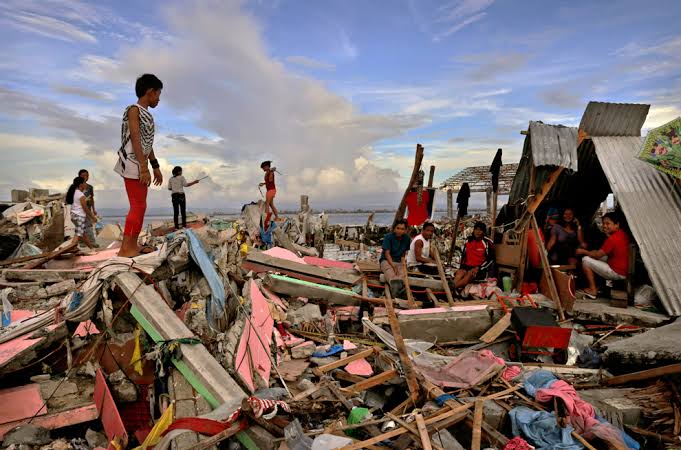
She just had a terrible nightmare, a dream that hunted her ever since "Yolanda", the super typhoon that hit her hometown, Tacloban, two years ago.
You may say that two years is long enough to forget but her surroundings say otherwise. How can she forget if everything she sees bears the memory of the past?
She looked around their make-shift home. Bamboo being the pillars and "tolda" as its roof are the only things that protect them from the heat of the sun and from the rain. She looked at their small table only to realize that they won't be having breakfast. Their family still suffers from severe poverty even after two years.
Moments after, rain started to pour, as soon as it fell, her siblings started sobbing and saying random things. She came closer and asked what was wrong. *"Mabaha na naman,"* her five-year old brother siad as tears fell continuously into his already wet cheeks. She stared at his innocent eyes which obviously bear fear and weariness. Even children still carry the burden of yesterday. Trauma is as strong as it is before.
Then she lamented at the distress ing and obvious scenario set before her eyes.
The whole province might have recovered but many are still left behind. The government may help them for a moment, but as soon as the issue is forgotten, their helping hands and concerned promises are buried to oblivion.
The issue may be ancient but for her the pain still hunts them and always brings back the memories of their dark past.
Yolanda may have already been down to history, forgotten by time but the footprints it left still remain in her heart.
My cousin, stuck in the memories of Yolanda.
Through time
She opened her eyes from an afternoon nap and stared at the ceiling blankly. And she slowly recognized the sounds of crickets signaling everyone that the night is approaching.
After having a hard time standing due to old age, my grandmother looked through the window to have a good view of the dominating darkness of the night. Memories of her childhood rushed into her mind thinking that it was not the same as today.
Flashbacks of how they spent the night time, long before the advent of technology and when they were still ignorant of electricity, were so vivid in her mind. Back in her years, when the sun started to disappear in the horizon, they would gather anywhere they want so they can play "bantay-lata."
During daytime, especially on summer days, you will see them busy constructing makeshift houses for the "balay-balayan" activity. Shrieks of innocent children are heard everywhere the moment someone acts as "Nanay" while the other male playmate becomes the tatay.
At times, children would also play "shall go" and "luksong tinik" to the delight of their cheering parents. During full moon, "tubig-tubigan" and "law-itan" would be the names of the games. When the moon was in its full form, the elders would frighten them that "asuwang "might abduct them. So far the best strategy to drive their children home.
She would also narrate chronologically how simple the way of living in our municipality back then. No complex things to worry about just like today's.
As time passes by, technology and human perceptions modify most of our old customs and practices. San Jacinto, along with the whole world is transformed by modernization.
Along with the comfort brought by this modern world, come its side effects. People tend to feed their hunger for some thing new and the desire to defeat curiosity.
In contrast with our old habits, the generation of today spend their nights strolling the paths of our community as if they were tourists in their own hometown. Eyes travelling from places to another as if they've laid their eyes on the sight for their first time.
I can already see 14 or 15 years old hiding in the shadow along with white smoke that exists their young lips which are quivering with ecstasy.
Teens drinking liquor as if its water, their youthful eyes dancing with drunkness. Not minding the danger they might face with every shot they devour.
Young girls that are dressed in clothes that attract both men and mosquitoes wonder around streets. Not paying attention to the consequence of what they think is fun.
But on the other hand, the beauty of the night is best appreciated these days. Despite the bad effect of modernization, it also became the instrument to improve San Jacinto.
Luxurious houses, expensive cars and successful businesses are everywhere, a picture of wealth portraying the prosper ity that San Jacinto savor these days.
The conversion of San Jacinto from a simple and modest town to a complicated and prosperous place has become so fast and only few can adapt to such changes. An it noe brings our town to the peak of its success and everyone is held of a big contribution to its glorious days now and forever.

Characteristics and Uses of Moringa oleifera Seed
*Moringa oleifera* is a genus of 14 species of flowering plant in the family Moringaceae. It is also called “nebeday” or the tree that never dies. *Moringa oleifera* is a multipurpose and fast-growing tree. It tolerates a wide range of soils and rainfall conditions. It easily reaches three meters in height, just ten months after planting. It is now extensively cultivated and has become naturalized in many locations in the tropics (James, 1983). *Moringa* is one of the most useful trees in the world, with a huge amount of benefits. It is used as a micronutrient to treat many diseases. Every part of *Moringa oleifera* is used in a variety of traditional medicines.
**Characteristics of** ***Moringa oleifera*** **Seed**
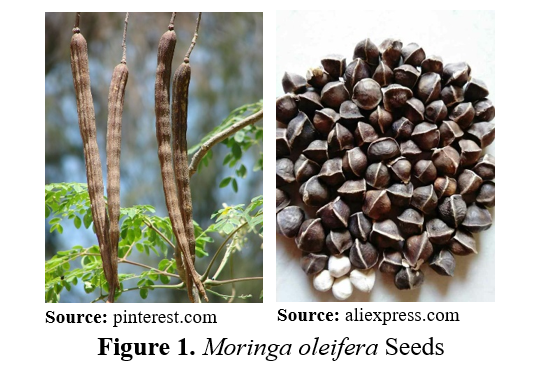
*Moringa oleifera* seeds shown in Figure 1 consist of a brownish semi-permeable seed hull with a round shape. The hull consists of three white wings at 120-degree intervals, running from top to bottom. About 15,000 and 25,000 seeds/year can be produced by each tree. The average weight/seed is 0.3 g and the kernel to hull ratio is 75: 25 (Makkar and Becker, 1997).
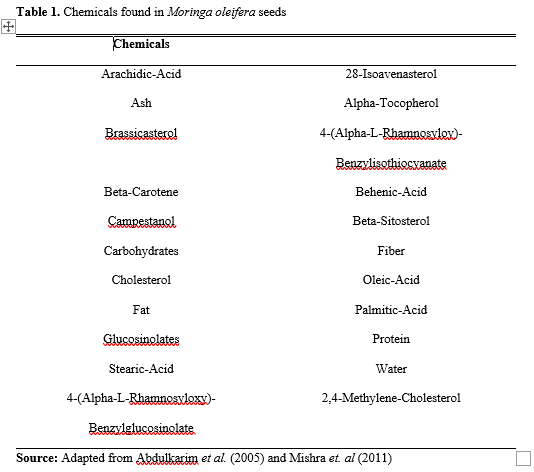
*Moringa oleifera* seed just like other parts of the tree is found to be medicinal with numerous uses. Mature pods of the tree are edible and they form a part of the traditional diets in many countries and subtropics of the world (Anhwanye et al., 2004). The leaves and seeds of *Moringa oleifera* are good source of protein, vitamin A, B, C and minerals such as calcium and iron (Dahot, 1988). *Moringa oleifera* seed is among the most useful, nutritious botanical product with high economic values. It is also recognized as medicinal and herbal remedies; and have been used in industrial and agricultural field because the presence of some chemicals it contains as tabulated in Table 1. Seeds are edible in fresh, dried or with the seed pods. The seeds medicinal properties are well documented and supported by the experience of the traditional Ayurvedic practioners (Amagloh and Benang, 2009). The seeds extract is natural coagulant, mostly used at household for water purification in some villages in Africa such as Sudan. This overcome up to 95 % of water turbidity problem, although it often depends on the initial turbidity level (Katayon et al., 2006). As reported by Hegazy et al., 2011; the seeds show similar effect as alum and less effective in low turbidity water. The seeds contain proteins which are essential in antioxidant properties and water purification. It possesses the capability to remediate water pollution and numerous arrays of illnesses (Amagloh and Benang, 2009). The National Charity for Organic Growing reported that Moringa oleifera seeds are proficient medical treatment to rheumatism, sexually transmitted diseases, urinary infections, epilepsy and gout (Amagloh and Benang, 2009; Sengupta et al., 2012).
*Moringa oleifera* seed can be processed into powdered state which can be traditionally used as coagulating agent in water purification (Folkard et al., 2002, Anwar et al., 2007). *Moringa oleifera* seed also contains a significant amount of oil which is commonly known as Ben oil or Behen oil. This was erroneously reported to be resistant to rancidity and used extensively in the effleurage process (Nolabigengeser and Narasaih, 1998).
The characteristics of *M. oleifera* seed oil can be highly desirable especially with the current trend of replacing polyunsaturated vegetable oils with those containing high amounts of monounsaturated acids (Corbett, 2003). In recent times, increased attention has been focused on the utilization of under-exploited locally available agricultural products and by-products for food/ fibre processing in developing countries. Due to the facts that M. oleifera is harvested and collected manually by handpicking, there are always unwanted materials in all the harvested seeds which necessitates the need for the cleaning of the seeds. For further processing of the harvested seeds, there is a need for the determination of engineering properties, such as physical, chemical and oil properties among others. The knowledge of these properties is highly relevant to agricultural engineers due to the increasing economic importance of food materials, together with the complexity of modern technology for their production, handling, storage, processing, preservation, value addition and utilization (Adebayo and Nwankwo, 2013).
A rational approach to the design of agricultural machinery, equipment, and facilities involve the knowledge of the properties of the agricultural product concerned. The need for comprehensive information on its properties is of importance, as these properties influence the design and evaluation of the processing/ handling of the product. Considering this, the knowledge of the engineering properties of agricultural seed materials are important in designing the equipment for harvest, transport, storage, processing, cleaning, hulling and milling (Niveditha et al., 2013)
**Uses of** ***Moringa*** ***oleifera*** **Seed**
**Culinary Uses.** The immature seed pods of the Moringa tree, popularly known as drumsticks in India, are used in various dishes. The seeds can be extracted and eaten as "peas" (boiled or fried) when still green. The dry seeds are apparently not used for human consumption, perhaps because the bitter coating becomes hardened (Moringa Products, n.d.).
Cold pressed Moringa oil extracted from Moringa seed has traditionally been used for cooking and in other food preparations. The bright yellow oil with a pleasant taste has been compared in quality with olive oil both having large amounts of oleic acid, however the Moringa oil does not lose its nutritional value when exposed to high heats, like olive oil does, because of its exceptional oxidative stability (Moringa Products, n.d.).
Moreover, Moringa oil is a great alternative in recipes that needs a nutty flavor. It is also a healthy choice to put in stir fry dishes and marinades. It can also be used as dressing for salads and vegetables (Moringa Products, n.d.).
Besides the high content of oleic acid, Moringa oil is rich in vitamins A and C and unsaturated fatty acids. Small amounts of Moringa oil added to the diet of young children can provide them with a more varied and nutritious diet (Moringa Products, n.d.).
**Medical Uses**. The properties of the oil possess a variety of health benefits such as improving cardiac and circulatory function, cholesterol lowering, having antioxidant, anti-inflammatory, anti-tumor, anti-epileptic, antipyretic, anti-ulcer, antispasmodic, anti-diabetic, antibacterial and antifungal activities, and diuretic properties. These properties are indicated in the study of Herbanext Laboratories Inc. at Negros Occidental. With the assistance of the Department of Science and Technology, Herbanext Laboratories Inc. processes raw materials, extracts oil through different types of extraction, researches for pharmaceutical work, chemistry and microbiology work (Retrieved from: https://www.herbanext.com/laboratory-services).
**Uses in Cosmetics.** Moringa oil is considered as one of the greatest cosmetics oils ever discovered since it degrades the free radicals in the skin and slowing the aging process down. This is because of its properties such as antioxidants, anti-aging, emollient which has skin moisturizing properties, and exfoliate which removes dead skin cells. The oil is used in the production of soaps, shampoos, body washes, and make-ups.
The Japan-Philippines Malunggay Eco Farm Inc. located at Laguna extracts and sells moringa seed oil. The company indicated that their product is directly applied to skin which balances and nourishes all skin types. A popular cosmetic brand in America, Kjaer Weis owned by Kirsten Kjaer Weis includes this oil in the formula of Kjaer Weis’s body oil which supports elevated microcirculation and improve the appearance of skin’s tone and texture (Retrieved from: https://www.google.com/amp/s/www.allure.com/story/what-is-moringa-oil-skin-care-ingredient/amp). A traditional Chinese medicine practitioner and acupuncturist Annee de Mamiel, founder and formulator of British skin-care brand de Mamiel, also uses moringa oil in the line’s Restorative Cleansing Balm to soothe inflammation and balance acneic skin because of its antibacterial properties.
**References**
Adesina, B. S., Asiru, W., Omotade, S., & Samuel, D. (2013). *Some Physical Properties of Moringa oleifera Seeds.* Retrieved September 16, 2020, from Research Paper: https://www.ijser.org/researchpaper/Some-Physical-Properties-of-Moringa-oleifera-Seeds.pdf
Fakayode, O. A., & Ajav, E. A. (2013). *PHYSICAL PROPERTIES OF MORINGA (Moringa oleifera) SEEDS IN RELATION TO AN OIL EXPELLER DESIGN.* Retrieved September 8, 2020, from https://www.ajol.info/index.php/agrosh/article/view/93735#:~:text=The%20average%20surface%20area%20was,of%20repose%20was%2021.44o.
*Global Moringa Meet 2019 demonstrates advancements in production application of moringa.* (2019). Retrieved September 17, 2020, from https://www.eco-business.com/press-releases/global-moringa-meet-2019-demonstrates-advancements-in-production-application-of-moringa/
*Malunggay (Moringa) Oil Specification.* (2012). Retrieved September 18, 2020, from Philippine National Standard (PNS/BAFPS 110:2012): http://bafs.da.gov.ph/2017-10-12-00-46-55/standard-formulation/philippine-national-standards?download=128:pns-bafs-110-malunggay-moringa-oil-specification&start=120
*Moringa Products*. (n.d.). Retrieved from weebly: https://moringaproducts.weebly.com/blog/moringa-culinary-uses
Munirat, A. I., Mohammed , S. J., Ademola , M. H., & Parveen, J. (2016). *Moringa Oleifera Seed Extract: A Review on Its Environmental Applications.* Retrieved September 17, 2020, from https://www.ripublication.com/ijaes16/ijaesv11n6_12.pdf
Determination of Shape of Agricultural Commodities
https://www.commodity-line.com/agricultural-commodities/
Knowledge on physical characteristics of plant and animal food materials are of great importance in its processing, handling, storage, and transportation. These are important to engineers, processors and food scientists, plant and animal breeders, and other scientists. The knowledge on these properties is highly relevant to agricultural and biosystems engineers due to the increasing economic importance of food materials, together with the complexity of modern technology for their production, handling, storage, processing, preservation, value addition and utilization (Adebayo and Nwankwo, 2013).
Size and shape are some of the physical characteristics of agricultural commodities that need to be determined to describe them satisfactorily. These properties are important for the screening, grading, and quality control. They are also important in fluid flow and heat and mass transfer calculations, like drying, dehydration, pneumatic separation, screening, etc. The shape and size of the materials can be determined by graphical methods, dimensional measurement, projected area method, or electronic inspection systems.
The materials that are commonly used in the determination of the overall shape of agricultural commodities are the following: 1) graduated cylinder; 2) beaker; 3) container; 4) caliper; 5) knife; 6) water; 7) ruler; 9) tabulation sheet; 10) pen**.**
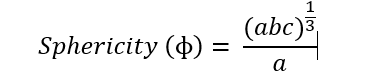
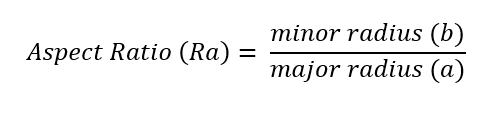
Prior to the conduct of the laboratory activity, samples of different varieties of agro-commodities must be purchased from the nearest local market. During the conduct of the experiment, a specific number of samples for each type of commodity must be selected randomly. The size of the samples can be determined using projected area method wherein three characteristic dimensions will be defined such as (a) major diameter (the longest dimension of the maximum projected area); (b) minor diameter (the shortest dimension of the minimum projected area); and (c) intermediate diameter (the minimum diameter of the maximum projected area or the maximum diameter of the minimum projected area. These dimensions shall be measured using a caliper which is a simple instrument used to measure distances between surfaces.
Meanwhile, the shape of the selected samples can be determined through its longitudinal section, cross-section, and their computed sphericity and the aspect ratio. The sphericity can be calculated using the triaxial formula while the aspect ratio can be calculated using the ratio between the minor radius and the major radius. The formulas that can be used were as follows:
**References**
Calpe, E. A. (2020). ABE 51-Properties of AB Materials Modules and Lecture Notes.
*Engineering Properties of Agricultural Materials.* (n.d.). Retrieved October 18, 2020, from Research Gate: https://www.researchgate.net/publication/330533752_Engineering_Properties_of_Agricultural_Materials
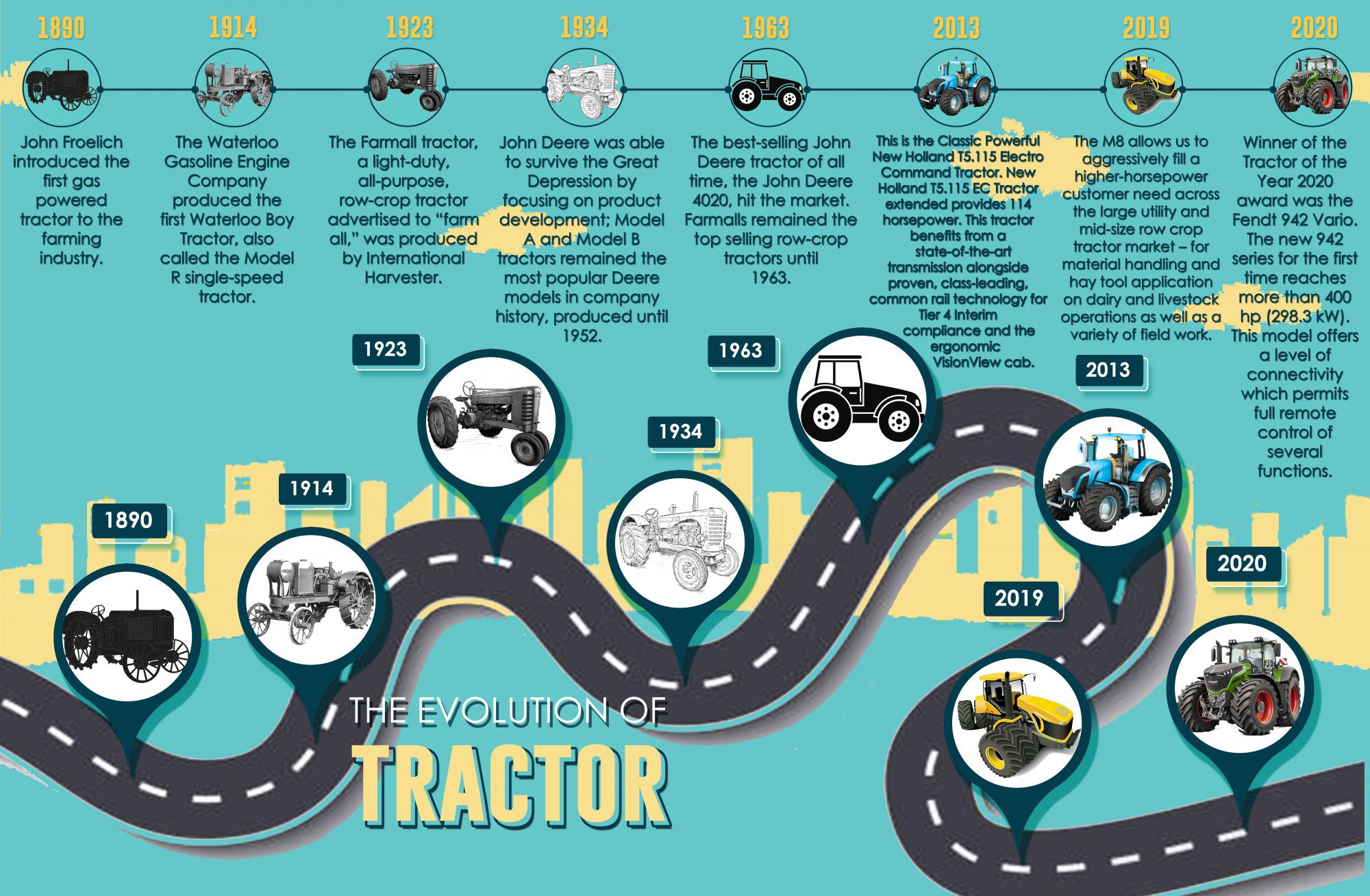
The Evolution of Tractor
**1890**
John Froelich introduced the first gas powered tractor to the farming industry.
**1914**
The Waterloo Gasoline Engine Company produced the first Waterloo Boy Tractor, also called the Model R single-speed tractor.
**1923**
The Farmall tractor, a light-duty, all-purpose, row-crop tractor advertised to "farm all," was produced by International Harvester.
**1934**
John Deere was able to survive the Great Depression by focusing on product development; Model A and Model B tractors remained the most popular Deere models in company history, produced until 1952.
**1963**
The best-selling John Deere tractor of all time, the John Deere 4020, hit the market. Farmalls remained the top selling row-crop tractors until 1963.
**2013**
This is the Classic Powerful New Holland T5.115 Electro Command Tractor. New Holland T5.115 EC Tractor extended provides 114 horsepower. This tractor benefits from a state-of-the-art transmission alongside proven, class-leading, common rail technology for Tier 4 Interim compliance and the ergonomic VisionView cab.
**2019**
The M8 allows us to aggressively fill a higher-horsepower customer need across the large utility and mid-size row crop tractor market – for material handling and hay tool application on dairy and livestock operations as well as variety of field work.
**2020**
Winner of the Tractor of the Year 2020 award was the Fendt 942 Vario. The new 942 series for the first time reaches more than 400 hp (298.3 kW). This model offers a level of connectivity which permits full remote control of several functions.

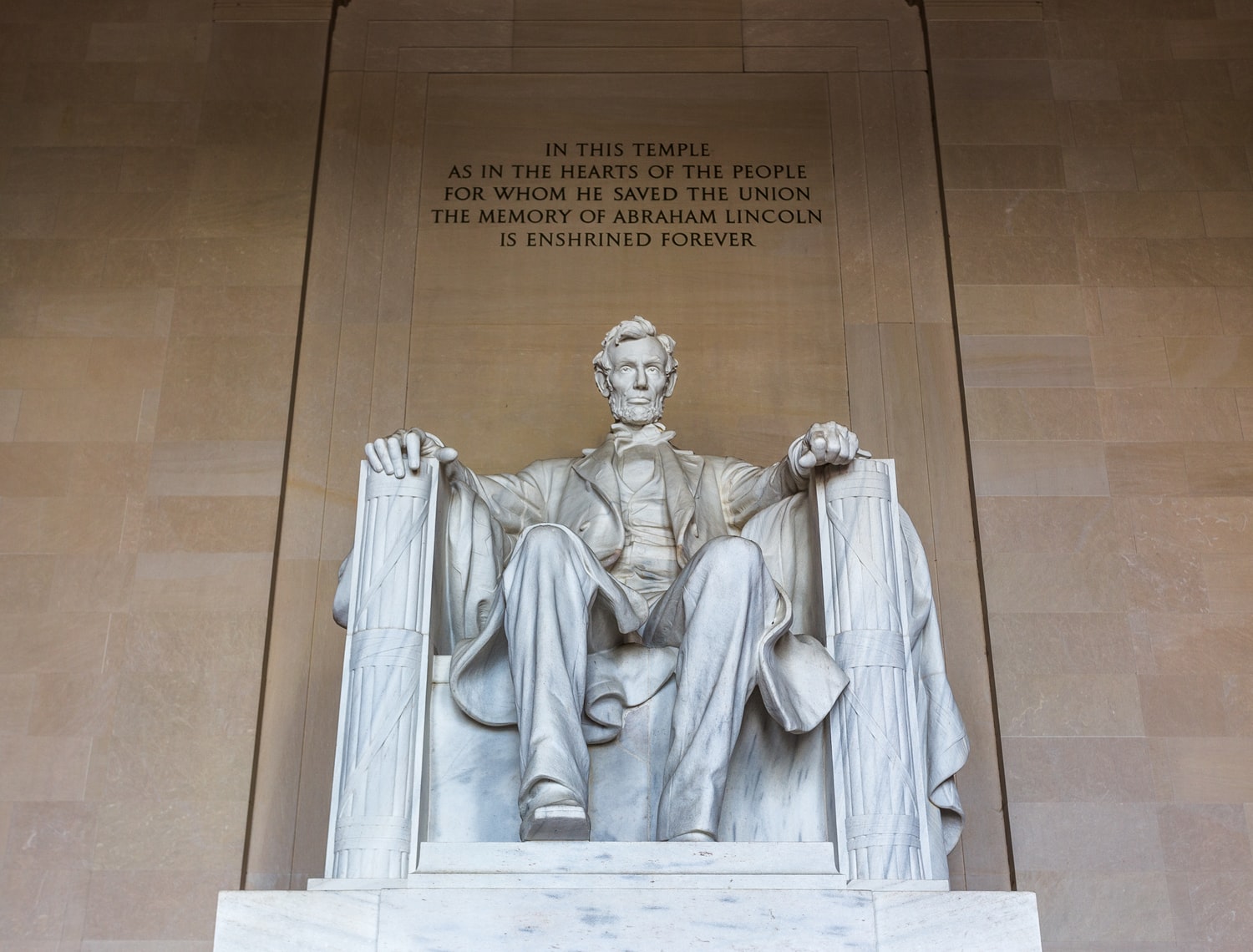
"Art as an Assurance of the Past"
Is it possible for us to take the full effect of a craft we made? Can we appreciate the masterpiece we worked so hard on in an instant? Can we prove that it is worth it? The answer is no; we can’t instantly appreciate something we completed without the recognition of other pair of eyes. How can we be fulfilled by that something we made if there’s no approval of others? In reality, we can be satisfied by something we created, but entirely so---- if others say so, too.
Preservation of artworks, sculptures, and other forms of art is widely done since the oldest of times when history is deemed significant and relevant for the present. Thousands of years ago had birthed a lot of art forms that became part of the history, showcasing the evolution of how arts had influenced the rich culture of the diverse eras.
There were no gawkers before, no anthropologist, no museum-enthusiasts. The quality of art before was not deemed to please, but to create. We can see it on the artifacts on the museums; a somewhat deformed rock, a complicated pattern of a completely black and white painting is an art. No matter what form of art it is, if it came from thousands of years ago, it is art and has different interpretations and meanings.
Different movements were formed in order to uplift and promote art engagements, The Arts & Crafts movement grew out of several related strands of thought during the mid-19th century. It was first and foremost a response to social changes initiated by the Industrial Revolution, which began in Britain and whose ill effects were first evident there.
Britain’s rich culture was still evident until the present times. The monarchy system was still alive in the present, despite the modernization and evolution of human government systems. So no doubt that they are the ones who started the movement.
To this day the movement continues to influence many craft makers, designers, and town planners. Its thinkers, chief among them William Morris (1834–1896), enjoy revived fame today.
Born in 1834 in East London, Morris spearheaded the resistance to mass-produced items. Along with a few other influential figures - like mathematician Charles Faulkner and civil engineer Peter Paul Marshall - Morris helped found the firm and interiors company Morris, Marshall Faulkner & Co.
If this great force of movement was never formed, patronization of art forms will never probably as strong and influential. These people who helped formulate the movement helped shaped a century and the essence of art would never probably be as widely encouraged today in the present times.
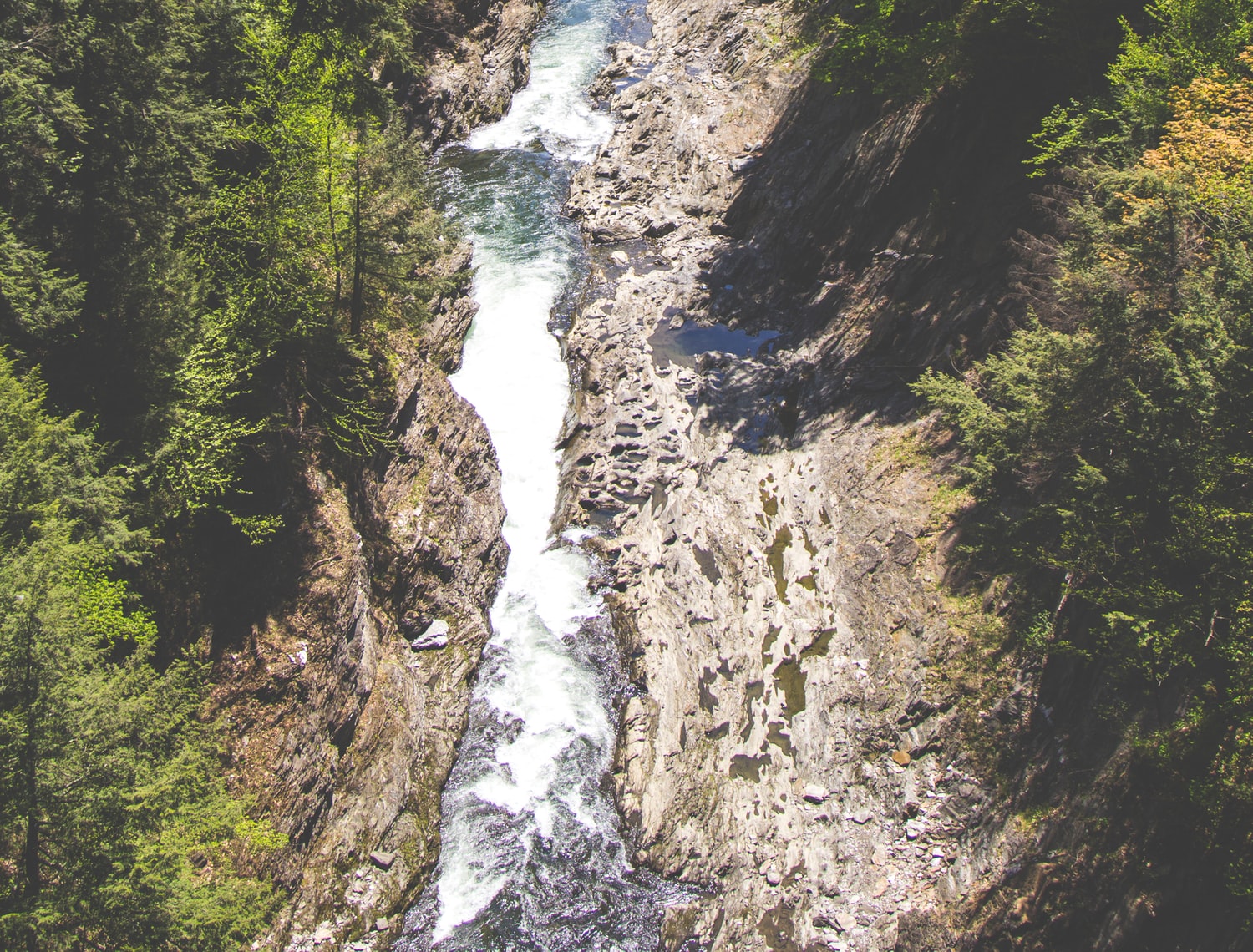
Conserving our Watersheds
**Watershed** or **basin area/catchment area** is the basic unit of hydrological analysis. It is a geographical unit in which the hydrological cycle and its components can be analyzed. It is an important physiographic property that determines the volume or runoff to be expected from a given rainfall event that falls over the area (Bedient et. al., 2013).
**10 Activities that can Negatively Affect our Watersheds**
1. Extracting too much water both from surface waters and groundwater. It brings negative consequences for example, lower water level and depleted resources.
2. Pollution can harm water resources and aquatic ecosystems. Major pollutants include for instance organic matter and disease causing organisms from waste water discharges, fertilizers and pesticides running off from agricultural lands, acid rain resulting from air pollution, and heavy metals released by mining and industrial activities.
3. Climate change appears to increase existing pressures, for example in areas already suffering from water shortages. Land and mountain glaciers are shrinking more rapidly in recent years. Extreme weather events stemming from global warming, such as storms and floods, are likely to become more frequent and severe. However, based on current knowledge, scientists can only make general predictions about the impact of climate change on water resources.
4. Activities such as farming, clearing forests, building roads, and mining can put too much soil and particulate matter in rivers. This sediment can harm plants and animals by carrying toxic chemicals into the water, smothering fish eggs and small organisms used by fish as food, raising water temperature, and reducing the amount of sunlight penetrating the water.
5. Urban development – replacing farming communities with cities excessive non-permeable surfaces such as roads allows runoff to sweep chemicals easily into lakes and streams, collection of more waste in landfills, that can leak Increase in the extraction of groundwater.
6. Deforestation – leads to increased erosion, which could lead to an increase of waste materials that end up contaminating the freshwater supply
7. Sewage discharge, even pet waste can affect the health of rivers and streams
8. Excessive use of pesticides can create serious problems if materials wash away into water bodies.
9. Debris, such as grass clippings dumped into stream channels, robs water of oxygen and slows the flow.
10. Diminishing plant cover can cause erosion that harms water quality and destroys fish spawning beds.
**10 Activities that can Promote the Health of our Watersheds**
1. Conserve water every day. Take shorter showers, fix leaks & turn off the water when not in use.
2. Don’t pour toxic household chemicals down the drain; take them to a hazardous waste center.
3. Do not over apply fertilizers. Consider using organic or slow release fertilizers instead.
4. Recycle yard waste in a compost pile & use a mulching mower.
5. Use surfaces like wood, brick or gravel for decks & walkways, which allows rain to soak in and not run off.
6. Never pour used oil or antifreeze into the storm drain or the street.
7. Pick up after your dog, and dispose of the waste in the toilet or the trash.
8. Drive less—walk or bike; many pollutants in our waters come from car exhaust and car leaks.
9. Replace asphalt driveways with pavers. This allows for better drainage.
10. Add plants and trees to prevent erosion and use plants native to the area to reduce the need for fertilizers and pesticides, which can seep into the ground and water supply.
**Watershed-Related Study**
**Watershed Protection: A Project Focus**
**August 1995**
The Watershed Protection Approach is a strategy for effectively protecting and restoring aquatic ecosystems and protecting human health. This strategy has as its premise that many water quality and ecosystem problems are best solved at the watershed level rather than at the individual water body or discharger level. The Watershed Protection Approach has four major features: targeting priority problems, a high level of stakeholder involvement, integrated solutions that make use of the expertise and authority of multiple agencies, and measuring success through monitoring and other data gathering.
The Watershed Protection Approach accommodates the management and protection of ecosystems and human health at three levels: the state, the basin, and the watersheds within each basin. Some issues are best addressed at the watershed level, such as controlling nutrient loading to small lakes or restoring headwaters riparian habitat quality. Other issues may be best addressed at the basin level, such as phosphate detergent bans, wetlands mitigation banking, or nutrient trading. Still other activities and solutions are best implemented at the state level, including policies on toxics control or the operation of permit programs.
This document focuses on individual watershed projects. Watershed projects can be important components of the statewide approach that many state water quality programs use. These states have organized their traditional activities, such as permitting, planning, and monitoring, so that all water quality problems are dealt with in the context of very large drainage areas (river basins). Typically, each basin is studied, and a watershed plan developed, on a 5-yearcycle. A companion document, Watershed Protection: A Statewide Approach (EPA1995) discusses this way of doing business.
The EPA Office of Water prepared Watershed Protection: A Project Focus to promote watershed-level planning as envisioned under the Watershed Protection Approach. The document describes a logical process for planning and implementing watershed projects and presents some lessons learned in previous projects. The document emphasizes ecological integrity in watersheds by addressing chemical, physical, biological and habitat stressors in addition to the more traditional goal of protecting human health through chemical water quality criteria. It also encourages the targeting of watersheds for action and pooling resources and expertise with other government agencies and citizen groups.
**References**
Biodiversity. (n.d.). Retrieved September 6, 2020, from Clearwater:
https://www.clearwater.org/wp-content/uploads/2009/09/Section-3.3-Biodiversity-12.30.pdf
Conservation. (n.d.). Retrieved September 6, 2020, from How Stuff Works: https://science.howstuffworks.com/environmental/conservation/issues/watershed2.htm
Protect our Water and Land. (n.d.). Retrieved September 7, 2020, from nature.org: https://www.nature.org/en-us/what-we-do/our-priorities/protect-water-and-land/land-and-water-stories/how-we-protect-watersheds/
Watershed. (n.d.). Retrieved September 7, 2020, from Allenis: https://www.allenisd.org/cms/lib/TX01001197/Centricity/Domain/1400/Watershed%20Kiser%202015.pdf
Watershed Protection. (n.d.). Retrieved September 7, 2020, from https://repositories.tdl.org/tamug-ir/bitstream/handle/1969.3/27856/11363-Watershed%20Protection-A%20Statewide%20Approach.pdf?sequence=1
Historical Development of Hydrology
**Why did Chow call 1930-1950 as period of rationalization for hydrology?**
Chow called the period from 1930-1950 as the Period of Rationalization because it produced a significant step forward for the field of hydrology, as government agencies began to develop their own programs of hydrologic research.
**What were the important research outputs during this period?**
Sherman’s unit hydrograph (1932), Horton’s infiltration theory (1933), Theis’s nonequilibrium equation (1935), and Gumbel’s extreme-value distributions for frequency analysis of hydrologic data (1958) are some of the important research outputs during the 1930s to 1950s. These outputs advanced the state of hydrology in very significant ways.
The unit hydrograph (originally named unit-graph) which was first proposed by Sherman (1932) is a simple linear model that can be used to derive the hydrograph resulting from any amount of excess rainfall.
The Horton’s infiltration theory (1933) has been developed for use in mathematical rainfall-runoff modelling which indicates that if the rainfall supply exceeds the infiltration capacity, infiltration tends to decrease in an exponential manner.
The Theis’s nonequilibrium equation (1935) introduced a groundbreaking tool for determining the hydraulic properties (transmissivity and storativity) of non-leaky confined aquifers. Analysis with the Theis method is performed by matching the Theis type curve to drawdown data plotted as a function of time on double logarithmic axes.
The use of extreme-value distributions for frequency analysis of hydrologic data which was proposed by Gumbel (1958) has served as the basis for modern statistical hydrology.
**What agencies in the US made significant contributions in hydrologic theory and the development of a national network of gages for precipitation, evaporation, and stream flow measurements?**
The U.S. Army Corps of Engineers (ACOE), the NWS within NOAA, the U.S. Department of Agriculture (USDA), and the USGS made significant contributions in hydrologic theory and the development of a national network of gages for precipitation, evaporation, and stream flow measurements.
The NWS is largely responsible for rainfall measurements, reporting and forecasting of severe storms, and other related hydrologic investigations. Meanwhile, the U.S. ACOE and the USDA Soil Conservation Service (now called the Natural Resources Conservation Service [NRCS]) made significant contributions to the field of hydrology in relation to flood control, reservoir development, irrigation, and soil conservation during this period.
Moreover, the USGS has taken significant strides to set up a national network of stream gages and rainfall gages for both quantity and quality data. Their water supply publications and special investigations have done much to advance the field of hydrology by presenting the analysis of complex hydrologic data to develop relationships and explain hydrologic processes. The NWS and USGS both support numerous websites for the dissemination of watershed information and precipitation and streamflow data from thousands of gages around the country.
**Advancements in the Field of Hydrology for the following Period**
**1950s-1960s**
During the 1950s to 1960s, the tremendous increase of urbanization following World War II in the United States and Europe led to better methods for predicting peak flows from floods, for understanding impacts from urban expansion, and for addressing variations in storage in water supply reservoirs. Water resource studies became an everyday occurrence in many rapidly developing areas of the United States, tied to the expansion of population centers in the southern, southwestern, and western states.
The decade of the 1960s witnessed the birth of computer revolution and hydrologic modeling took a giant leap forward. The computer provided the power for doing computations that was not available before. As a result, a new branch of hydrology, called digital or numerical hydrology, was born. Another branch that came into being was statistical or stochastic hydrology that often required analyses of large volumes of data.
**1970s-1980s**
In the 1970s and early 1980s, the evaluation and delineation of floodplain boundaries became a major function of hydrologists, as required by the Federal Emergency Management Agency (FEMA) and local flood control or drainage districts. In order for communities to be eligible for flood insurance administered by FEMA, they are required to delineate floodplain boundaries using hydrologic analysis and models. This function has taken on a vital role in many urban areas, as damages from severe floods and hurricanes continue to plague the United States, especially in coastal and low-lying areas.
In 1973, Mein and Larson developed a model for computing infiltration under steady rain. In 1975, Freeze presented a stochastic conceptual analysis of one-dimensional groundwater flow in nonuniform homogeneous media. In 1979, Gash developed an analytical model for infiltration loss by forests. The field of groundwater has since expanded dramatically.
**1980s-1990s**
In the 1980s, the simultaneous simulation of water flow and sediment and pollutant transport was undertaken; likewise, simultaneous simulation of different phases of flow, such as liquid and gaseous, was done (Bear and Verruijt 1987; Charbeneau 2000).
In 1987, Fok summarized developments in infiltration and its application. In 1990, Singh and Yu developed a generalized framework for infiltration and derived several popular infiltration models as special cases.
In the years that followed, computing prowess increased exponentially and hydrology began maturing and expanding in both depth (vertically) and breadth (horizontally). Tools from fluid mechanics, statistics, information theory, and mathematics were employed and became part of hydrology (Bras and Rodriguez-Iturbe 1985; Clarke 1998; Gelhar 1993; Mays and Tung 1992; Singh et al. 2007; Tung and Yen 2005). Furthermore, computer also made the development of user-friendly software possible , and tools for date acquisition, storage, retrieval, processing, and dissemination (Croley 1980; Hoggan 1989).
**1990s-2020**
In recent years, remote sensing tools, such as radar and satellites, came into being that made possible to acquire spatial data for large areas (Engman and Gurney 1991; Hogg et al. 2017; Lakshmi 2017; Lakshmi et al. 2015).
The development of the Stanford Watershed Model (Crawford and Linsley 1966) was followed by the umpteen watershed models that were developed all over the world (Singh 1995; Singh 2002 and Frevert 2006). The optimization or operations research techniques were also developed, which formed the basis for reservoir management and operation as well as river basin simulation. Some of these techniques were also used for calibrating hydrologic models (Beven 2001; Duan et al. 2003).
Moreover, two- and three-dimensional modeling was made possible because of advances in numerical mathematics. Consequently, two- and three-dimensional models of groundwater as well as of infiltration and soil water flow were developed (Bear 1979; Pinder and Celia 2006; Remson et al. 1971).
Another area that mushroomed subsequent to the pre-computer era is instrumentation. New instruments which were more accurate and sophisticated were developed for measuring all kinds of hydrologic variables, such as velocity, soil moisture, water and air quality parameters, fluxes in porous media, energy fluxes, and so on. Further, instrumentation for data transmission from place of measurement to place of storage, processing, storage, retrieval, and dissemination became highly robust and accessible (Liang et al. 2013; Sivakumar and Berndtsson 2010).
**Computer Advances in Hydrology since 1960s to Present**
The introduction of the digital computer into hydrology during the 1960s and 1970s allowed complex water problems to be simulated as complete systems for the first time. Large computer models can now be used to match historical data and help answer difficult hydrologic questions (Singh and Frevert, 2006).
Hydrologic computer models developed in the 1970s have been applied to areas previously unstudied or only empirically defined. For example, urban stormwater, floodplain and watershed hydrology, drainage design, reservoir design and operation, flood frequency analysis, and large-river basin management have all benefited from the application of computer models.
Single-event models such as HEC-HMS are used to simulate or calculate the resulting storm hydrograph (discharge vs. time) from a well-defined watershed area for a given pattern of rainfall intensity. Continuous models such as the Hydrological Simulation Program—Fortran (HSPF) and the Storm Water Management Model (SWMM) can account for soil moisture storage, evapotranspiration, and antecedent rainfall over long time periods. Statistical models can be used to generate a time series of rainfall or streamflow data, which can then be analyzed with flood frequency methods.
Newer distributed hydrologic models (i.e., VFLO and the MIKE series of models) can handle input, output, and data manipulation at the watershed level. Unquestionably new digital approaches combined with distributed terrain modeling have revolutionized hydrology in recent years, just as the original wave of models did in the decade of the 1970s. Also faster computers and available datasets have been instrumental in advancing the field.
The data revolution in hydrology and geographical information systems (GIS) have made available newer and more accurate datasets on topography, slope, rainfall, soils, land use, and channel characteristics for many areas. Moreover, most hydrological and meteorological data may be retrieved online from agencies such as the USGS and NWS, and various county and municipal sources. These datasets, combined with existing simulation models in hydrology, if applied correctly, provide the most accurate approach to understanding complex water resources systems, and a new era in the science of hydrology has begun this decade. New design and operating policies are being advanced and implemented that could not have been realized or tested before without the aid of sophisticated computer models linked with digital data.
**References**
Bedient, P. B., Huber, W. C., & Vieux, B. E. (n.d.). Hydrology and Floodplain Analysis (Vol. Fifth Edition). PEARSON. Retrieved August 2020
Bulu, A. (2010, May). Retrieved August 30, 2020, from hidropolitikakademi.org: https://www.hidropolitikakademi.org/uploads/wp/2019/01/Historical-Development-of-Hydrology.pdf
Charles Vernon Theis. (n.d.). Retrieved August 29, 2020, from http://www.aqtesolv.com/theis.htm
Singh, V. P. (2018). Springer Link. Retrieved August 30, 2020, from https://link.springer.com/article/10.1186/s40562-018-0113-z?fbclid=IwAR2LMq1UAFcimg0Qbl6yaw1xJmRDinAppEou_6CUt2IO8uOp90s-MU7n440
Unit Hydrograph – Advanced Hydrology. (n.d.). Retrieved August 31, 2020, from https://nptel.ac.in/content/storage2/courses/105101002/downloads/module3/lecture4.pdf
I don't dream high, I dream deep
*/from the perspective of a good friend/*
How I wish my legs
Could grow some scales
and turn into a tail
I would swim into the deepest,
farthest undiscovered part
of the unknown ocean
And stay there
Swimming incessantly
Where it is preferable to feel the strong
Crushing current
Than to feel the pressure
of living in the surface
Where I would roam in the dark channels
of the ocean
Instead of living in the gloom of the earth
Deep down,
I would follow the current
And fly through the waters
Where it is much better to be swallowed
By huge waves rather than being crushed
In everyday battles
On the surface
Deep down,
I'll create endless adventures
On the wide, wide ocean floor
I would dive fearlessly into trenches
Soaring deep as mountains
I'll be eating planktons
And seaweeds
And pearls and not those hurtful things
Abundant in the world
And how I wish there could be somehow,
Seaweed once eaten,
Could erase memories
Even if my memories all consists of planktons
And seaweeds
And pearls
And clams
And so I'll consume the seaweed everyday
So that everyday will be new
And my adventures will always be through
And that it all could be endless,
And as free
As the ocean
One where I wouldn't drown ---
But one where I could breathe

I'm Baaaack!
Greetings from the Philippines! 😁
For several months, i have been inactive and decided to take a break from this platform due to some personal reasons.
These past few months, I have been very busy due to school works, school activities, etc. Every day is really a struggle with this new normal situation. For a person who is used to face-to-face interactions, this whole new thing-learning from a laptop screen or a smartphone can be so stressing. I don't even know if we are still learning or just pretending that we are, for compliance and because of the need to adjust and finish our college degree on time.
Well, what can we do? **This is reality**-not a bed of roses but more like a survival of the fittest.
Anyway it's really good to be back here! I really missed posting random articles and interacting with anonymous users on this platform! 🤣
**I hope you are all doing fine. Have a great day ahead ppl! ❤**
Why I love read.cash?
Being here in read.cash is quiet unexpected. I have no idea about the existence of such platform until one of my blockmates sent me a link. That was I think ... a week ago. He told me everything I need to know about read.cash and guided me here since day 1. Honestly, I did not love the platfrom at first sight. It confused me at first. And I'm really not fund of using the browser instead of an application. But as I explore read.cash, I discovered a lot of things, it made me realize that it's more than just an earning site. It will also help you grow as a person and improve as a writer. I love how I can freely express myself and my thoughts here without being judged by anybody. Everyone supports and respects each other. I think that's one of the many reasons of why I fall in love with read.cash. I hope for the success of this platform even in the years to come.
Now another generous read.cash user is giving a sponsorship. Please check this link for the details: https://read.cash/@Allesh12/sponsor-230311bb
Sunrise
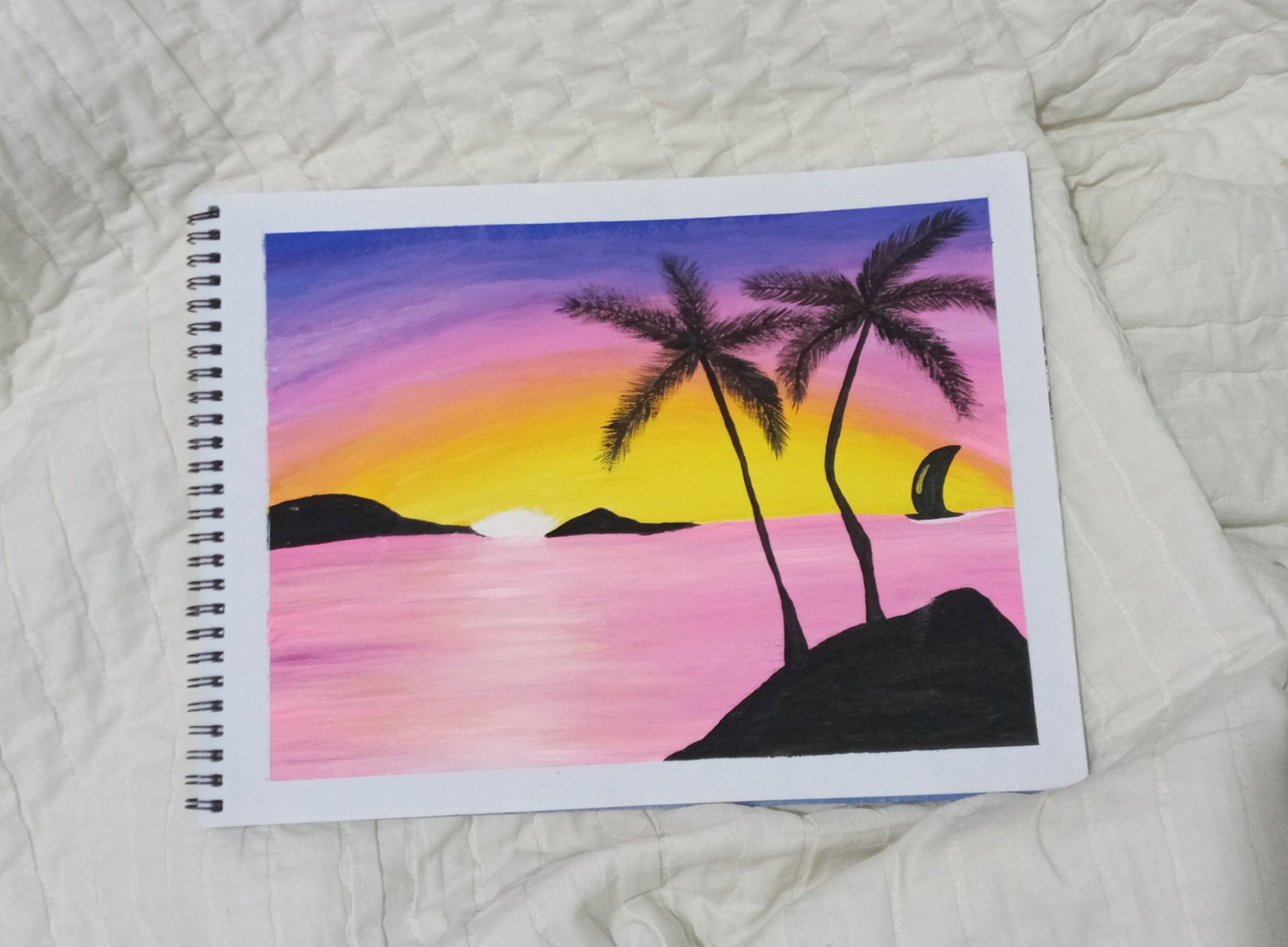
Hi everyone! I just wanna share with you one of the paintings I made months ago. 😊 This is really not my forte but you know, I love exploring things and challenging myself to do new things from time to time. You should also try, it's fun. 😁
As you can see, I have painted a sunrise. I have always been inlove with the beauty of sunrise ever since I was a kid. I can still remember when I would go to a beach early in the morning just to watch it. It's one of my favorite routines as an islander. It reminds me that every morning is a new beginning and a new hope for everyone. So never give a room for hopelessness and giving up. Just the fact that we are still waking up every morning is already a big blessing which we should be thankful for. Let us continue to live our purpose on Earth. *Sending positivity from Masbate, Philippines to wherever you are*
I'm so glad to be part of **"Get Sponsored** community. The idea of this community is to sponsor quality content creators and reward community members for their activities. Join if you want to **"Get Sponsored** https://read.cash/c/get-sponsored-2a0b
My special thanks to @Ashma for inspiring everyone here on read.cash to write more quality articles and to continue in improving ourselves everyday. Keep helping and motivating people ❣
I also want to thank my sponsors @Bestie and @Apple_Lonio for supporting me in my read.cash journey. Continue to inspire and support people. 😍

Want sponsorship? Another generous member of read.cash is about to give it for free. Just continue to do your best and create more quality articles.
Feel free to check this link for the details: https://read.cash/@Bestie/im-giving-out-sponsorship-9a4e8397
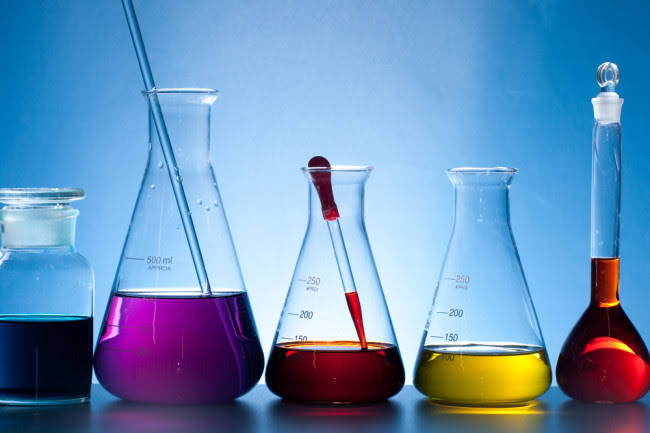
Chemistry for Engineers
Hi everyone. 😁 How are you? I hope you are all doing fine. Allow me to share my experience and the learnings I have gained from the subject *Chemistry for Engineers* during my 1st year in college.
To my fellow aspiring engineers out there, I would really be glad to read your experiences on this subject.
To my fellow writers here on read.cash, I hope you'll also take some time to appreciate the beauty of chemistry and how big its contribution is to the world.
What is Chemistry for Engineers?
**“Chemistry for Engineers deals with the study of composition, structure, properties, and reactions of matter which aid engineers in choosing the right materials for a particular application and which give them the right knowledge about different substances and matter which they will need as they pursue their engineering profession”**, that is how the subject **Chemistry for Engineers** is usually defined. But as I take up the subject, I realized that it is way more than that typical definition. For months, I have learned so much from it, to the point that it exceeded my expectations from the subject. It gave me knowledge not just on the composition and properties of matter, not just on the structure of different substances and the reactions taking place between them which was the typical lessons being taught in high school, but, I was able learn something new and more practical lessons. **The subject has showed me the bigger picture of chemistry; the real life applications of every reaction between substances, and the appropriate uses of every matter or substance depending on its composition and classification.** And more than that, the subject has showed me the importance of Chemistry to my chosen profession which is the field of Agricultural and Biosystems Engineering, which before, I’m not aware of.
**What have I learned?**
I gained a lot of new lessons which my high school education has failed to give. The subject gave me a better understanding on the rules of oxidation numbers, and the different chemical reactions especially redox reaction. Although a part of it was already taught in high school, it was not really explained well. It is the subject chemistry for engineers which really gave me a clear picture of what these reactions look like, and where do these occur in real-life situations.
In addition, the subject also taught me the principles behind thermochemistry, if what is thermochemistry, what is specific heat, what is heat capacity, what is the difference between these two, and how to compute solving problems involving heat (heat gain and heat lost).
Aside from that, I have also learned some of the important concepts of oxidation-reduction chemistry of natural waters, particularly: dissolved oxygen, biochemical oxygen demand, chemical oxygen demand, decomposition of organic matter in water, sulphur compounds in water, purification of water, and contamination of ground water and remediation.
From these concepts, I have learned that dissolved oxygen is affected by altitude, the higher the altitude is, the lesser the oxygen which can be dissolved.
Moreover, I have also gained knowledge about the decomposition of organic matter in water and the different ways to purify or disinfect a polluted water. Aside from the chemistry of water, I have also learned about the chemistry of the atmosphere, chemistry of air pollution, chemistry of the soil, soil pollution and how to mitigate it, crystal structures, the difference between amorphous solids and crystalline solids, the different bonding in solids, band theory of metals, metallurgy, metal properties and reactions, and the different polymers which comprises almost all widely used products and materials being sold in the market. The learnings which I have just mentioned are just a summary or a brief overview of all that I have actually learned during our 6-hour lecture, discussions, and laboratory activities every week.
However, among all the learnings which I have gained from the subject may it be academically or in terms of real-life applications, **I think the most significant which it embedded in me is the application of chemistry to my chosen career, if how important chemistry is in engineering, and how will I utilize my learnings from the subject if the time comes that I’ll be working as an engineer.**
What is the Significance of Chemistry to Agricultural and Biosystems Engineering?
What is really the significance of chemistry to Agricultural and Biosystems Engineering? That is my biggest question just before the subject Chemistry for Engineers gave me the answer.
**Agricultural and Biosystems Engineering is defined as the application of engineering science and designs to the processes and systems involved in the sustainable production, post production and processing of safe food, feed, fiber, timber and other agricultural and biological materials and the efficient utilization, conservation, and management of natural and renewable resources in order to enhance human health in harmony with the environment.** Agricultural and biosystems consist of crops, forestry and other plants, poultry, livestock, fisheries and aquaculture resources and other animals, wildlife and other living things. **Meanwhile, chemistry deals with compounds, both organic and inorganic, and agriculture deals with the production of organic products using both organic and inorganic inputs. Thus, chemistry forms an integral part of agriculture from molecular to organ level.** It plays an important role starting from the photosynthesis to the utilization of agricultural products. The advancements in this practice is all because of the active research carried out in chemistry and its applications in making agricultural lands more productive and at the same time protecting it from deterioration and misuse.
Furthermore, chemistry also play an important role in irrigation which is one of the specializations of ABE. The plastic pipes being used in irrigation engineering was actually derived from chemistry. This has developed irrigation massively which results in a better environment for the crops to prosper in. Chemistry is also part of storage and preservation of agriculture products - sulfur dioxide is used to keep grain fresh and useable for a longer period of time, food preservatives like sodium benzoate and salicylic acid are also used for longer shelf life and new generation of refrigerators have been developed.
Even in food processing which is part of food engineering – another specialization of ABE, we can find chemistry, it is the branch of science which is responsible for the development of Saccharin and sweeteners, Vitamins and minerals. Food packaging has also advanced due to the material produced by advancements in chemistry. Agricultural chemistry has increased the diversity of the human diet and has led to a greater overall availability of food. Consumers have benefited from new technologies that have enhanced the flavor, appearance, availability, and nutritional value of their food.
The advancement in Chemistry has also resulted in the development of technologies to produce a variety of chemicals from agricultural waste products. Indeed, chemistry does not only play a significant role in the works of Agricultural and Biosystems Engineering, but it also helps in reducing and recycling the amount of agricultural wastes being produced by agricultural farms and facilities.
**Chemistry has indeed been and is still closely linked to the progress in the agricultural field. It provides innovative new ways to widen the boundaries of agriculture and to combat potential problems and thus increasing productivity and quality of agricultural products.**
P.S. My special thanks to @Ashma for inspiring everyone here on read.cash to write more quality articles and to continue in improving ourselves everyday. Keep helping and motivating people ❣ https://read.cash/@Ashma
I'm also glad to join **"Get Sponsored** community. The idea of this community is to sponsor quality content creators and reward community members for their activities. Join if you want to **"Get Sponsored** https://read.cash/c/get-sponsored-2a0b

Agriculture in the 21st Century
**“21st century”** is deemed as the **century of change**, the century of modern technology, and the era when almost everything’s being made easy.
How Technology has Transformed the World
Over the years, **technology has transformed our lives into something bigger than we ever imagine.** Science, technology, and engineering have made almost everything possible and have developed solutions to numerous problems worldwide. Technology has created amazing tools and resources, putting useful information at our fingertips (“Technology,” 2019). It has paved the way for multi-functional devices like smartphones, laptops, printers, etc. Moreover, computers and machineries become increasingly faster, more portable, and higher-powered than ever before. With all of these transformations, our lives also become easier, faster, better, and more fun.
**It seems that nowadays people can no longer live without these hi-tech inventions.** They become strongly dependent on technology. Who wouldn’t be if everything becomes easier with it? Technology is indeed becoming more intuitive with each passing day. Today, almost everywhere, there are traces of products of science and technology. Even in the agricultural industry, the modernization of technology has brought great influence in different aspects (e.g. agricultural practices, structures, machineries, pesticides, fertilizers, crops, animals).
The Integration of Technology to Agriculture
**In the agricultural industry, technological innovations have indeed played an important role in making agricultural works easier and faster.** Just like how it improved our way of communication, our transportation, etc., technology has also made a big transformation and developments in the traditional farming. Machineries, farm structures, and other agricultural equipment have been improved and are continuously being improved by technology for easier and more quality products.
In the 21st century, agriculture has received its fair share of advancement. **For the past years, a lot of contributions for the betterment of this industry have been developed.** One of these is genetic engineering. It is a process by which the genetic makeup of an organism is altered by inserting, deleting or changing specific pieces of DNA. This process is being used today in agriculture to solve problems especially on pests and climatic conditions. With the use of genetic engineering, it is now possible to grow crops in deserts (Ramey, 2012). Plants have been engineered to survive in drought conditions (Ramey, 2012). Scientists have managed to introduce traits into existing genes with a goal of making crops resistant to droughts and pests (Ramey, 2012). Aside from that, some crops have also been modified to become pest-resistant just like the famous BT corn. It is a genetically modified corn which contains *“Bacillus thuringiensis”* – bacteria making proteins that are toxic to some insects when eaten, but is not toxic to humans because, like all mammals, we cannot activate them.
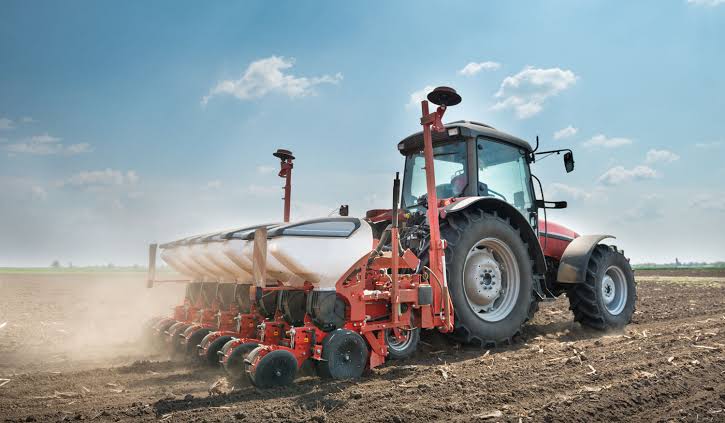
Moreover, **newly-improved agricultural machineries have also come to existence in this modern era.** These machineries (e.g. planters, weeders, harvesters, etc) have made possible for farmers to cultivate acres of land with less labor, cost, and time. In agriculture, time and production are very important; planting must be on time as well as harvesting and delivery.
Aside from the improvement in the agricultural machineries, **modernization also made transportation of agricultural products a lot better**. Today, it is made possible for agri-products like fruits and vegetables to maintain its freshness even when being transported for many hours. Furthermore, transporting of fertilizers and other farm products has also become easier and faster with the aid of these modern transportation technology facilities.
Cooling facilities have also been introduced to agriculture which keeps the freshness of perishable crops like tomatoes while being transported to markets. These cooling facilities are installed in food transportation trucks so crops will stay fresh upon delivery. Furthermore, farmers have also embraced technology for irrigation. Today, advanced water sprinklers are being used to irrigate big farms. It helps the crops get enough water which is essential for their growth. Aside from that, there are also several new techniques discovered for better irrigation especially now that the effects of climate change are getting more intense.
**Indeed, it is in the 21st century when almost everything is made possible.** **It is with no doubt that modernization has made our lives easier.** **However, behind these transformations happening, let’s always be mindful of how we’re going to let it affect us.** **Let’s not allow technology to become a hindrance in our development especially as a person. Use it wisely!**
**References**
Karehka Ramey. (2012). Use of Technology in Agriculture. Retrieved from https://www.useoftechnology.com/technology-agriculture/
Anonymous. (2019). Technology in our Life today and how It has changed. Retrieved from https://www.aginginplace.org/technology-in-our-life-today-and-how-it-has-changed/
How I hope the agriculture in the Philippines will also thrive and be able to keep up with the agricultural advancement in other countries.
Feel free to comment down your thoughts about this article. 😁
P.S. My special thanks to @Ashma for inspiring everyone here on read.cash to write more quality articles and to continue in improving ourselves everyday. Keep helping and motivating people ❣
I'm also glad to join **"Get Sponsored** community. The idea of this community is to sponsor quality content creators and reward community members for their activities. Join if you want to **"Get Sponsored** https://read.cash/c/get-sponsored-2a0b

How I Met your Mother
**Hi guys, I just wanna share with you a line from a series which I really love. It's a bit old but it will always be one of my favorites.**
*Being in a couple is hard. And commiting, making sacrifices, it's hard. But if it's the right person, then it's easy.*
*Looking at that girl and knowing she's all you really want out of life, that should be the easiest thing in the world, and if it's not like that, then she's not the one.*
- Marshall, HIMYM Season 1
This is from the series *How I Met your Mother-Season 1.* I really love this series, it's full of lessons along with its funny scenes.
**Have you watched it already? Can you share with me your favorite lines? And realizations from the series? I would love to read them. 😍 Have a nice day!**
My Island Life
**Salty hair. Sandy toes. Tanned skin.**
*This is the life i will never trade for anything else in this world. A life of simplicity and tranquility. This is where my heart belongs. This is my comfort amidst life's complications, my resting shoulder, and my source of peace in this world of chaos.*
This is my home.
Welcome to **Ticao Island, Masbate! 🌊**
**Ticao Island** is an island with a total land area of (334 km2 or 129 sq mi). It is one of the three major islands of **Masbate Province** in the **Philippines**. It is separated from the **Bicol Peninsula** by the **Ticao Pass**. The other two major islands are **Masbate** **Island** (3,290 km2 or 1,270 sq mi) and **Burias Island** (424 km2 or 164 sq mi). *Source:**https://en.m.wikipedia.org/wiki/Ticao_Island**)*
Living an Island Life
For me, growing up in an island is such a blessing. **Sunny shores, sandy beaches, turquoise seas, swaying coconut palms, and delicious seafoods - your dream tropical vacation**. But, i tell you, our island is so much more than just the beach and the shorelines.
Our island is a place where everyone knows each other and treats like their own family. We called everyone's mom *tita/auntie,* and everyone's dad *tito/uncle* although we're not related by blood. During birthday celebrations or even during normal days, we usually give a part of the food we cook to our neighbors to simply share our blessings. This is a place where everyone cares for each other and sharing is an everyday thing. We also value respect so much that until today we still do our traditional *'pagmamano'* and 'po/opo' to pay respect to elders.
Despite the advancement of technology, you can still see here, children playing on the streets 'til the sun goes down. 🤼♀️ They play teks (it's different from the 'text' that the younger generation knows nowadays), sipa 👣, patintero, luksong tinik, luksong baka, chinese garter, jolens (marbles), basketball 🏀 , bahay-bahayan (where someone pretends to be mom, dad, and children), and many more. They also make bubbles from a detergent soap or even shampoo mixed with gumamela crushed flowers to make it more slippery.
We don't usually eat fast foods.🍟🍔 Instead we eat freshly home-made food and freshly picked fruits from our backyards.
We love ice cream🍦, but not the ice cream you usually see in supermarkets. Our ice cream is from a man who rings a bell while passing the streets or sometimes we also eat home-made ice candies straight from our freezer.
We love the sun, the sea water, the sea breeze, the sand, the seafoods, the trees, and everything this place has to offer. This is our kind of paradise, an island far from the over-populated and polluted cities.
This is the place where I grew up and made memories worth remembering. This is where I was honed that made me who I am today. I have been to several places already, but I always find myself coming back to my home, Ticao Island.
*Wherever life brings me, being an* ***island girl*** *will always be a part of me.*
Good Day everyone! It's Monday again. 😁 I hope you are all doing fine.
Pay it Forward
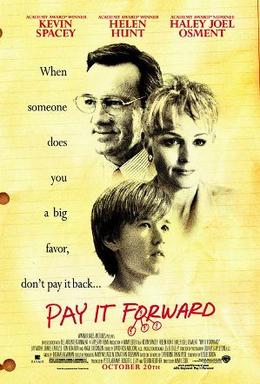
Hi everyone. I just wanna share with you a movie that made me realize a lot of things. If you haven't watch this movie yet, i encourage you to watch it, i tell you it's worth watching. 😁 So let me share to you my realizations from the movie.
**Pay It Forward** is a 2000 American drama-romance film based on the novel of the same name written by **Catherine Ryan Hyde.** The film was directed by **Mimi Leder and written by Leslie Dixon**. It displays a 12-year-old school boy in Las Vegas, Nevada named Trevor McKinney (Haley Joel Osment) which was given a class project to complete by his social studies teacher Eugene Simonet (Kevin Spacey), a man with terrible burn scars on his face and neck. His task is to think of a plan that will change the world through direct action. ***On his way home from school later that day, Trevor notices a homeless man named Jerry (James Caviezel) whom he decided to help in the best way he can. Trevor then comes up with the plan to "pay it forward" by doing a good deed to three people who must in return do good deeds also to three other people, creating a charitable pyramid scheme. And that was where the “pay it forward” movement began which aims to change the world in a better way.***
Even before I watched the movie, it is already a big question to me if is it really possible to change the world? Is it possible to make the world a better place to live in despite all the negativities which are surrounding us? Those questions were always leaving me in a deep thought and in the end, I’d just come up with a single-word answer, **“IMPOSSIBLE”.**
But, the moment I watched ‘pay it forward’, those questions which I thought would only be answered with that same 10-letter-one-word answer were then answered with a different phrase. Somehow, the film made me realize that in this world, there’s no such thing as impossible. Yes, changing the world may be one of the hardest thing we could ever accomplish but it’s possible as long as we have the courage and initiative to do so.
The film is just a visual representation of the famous saying ***“In order to make a change, the change must first begin from within us”.*** Indeed. Because how can we change the world, if we can’t even change ourselves for the better. So, we must first develop in us even just a small act of kindness, concern for other people and a sense of responsibility in every action which we are doing just like how young Trevor in the film decided to change the world through small acts of kindness. And instead of asking or accepting something in return from those people which he have decided to offer his helping hands, he told each of them to help another three people which led to the movement’s growth nationwide. It only shows that change can be possible and it may begin even from the simplest action.
Another thing which I realized from the film is that ***“sometimes, we are way better with someone’s absence and not all things would turn out the way we want it be”.*** Trevor’s family situation is just a proof that sometimes we are way better without a particular person and that person refers to his father. Yes, having a complete family is everything but if it doesn’t do any good, and instead it ruined us, then I think I can also consider a broken family better. The thing is being better must not only be associated with how the world define it because the truth is, no matter how imperfect our life is in the eyes of others, as long we are happy with our life, then we are better that way.
Another character also caught my attention in the persona of Mr. Eugene Simonet who is Trevor’s teacher in Social Studies. His character made me realize that mistakes in the past or whatever bad memories we have had in the past must not hinder us from moving forward in life. ***Just because we have a worse past, it doesn’t mean that we are not allowed to accept people who are willing to give us genuine happiness. What’s in the past will remain in the past, it must not affect neither our present nor our future, because its role is just to give us lessons and make us realize that it’s not yet too late to make things right and become better the next time around.*** ***We should not imprison ourselves from the mistakes and darkness of the past.***
Hi again 👋😁 I hope you learned something from this article. I would really be happy to see your realizations in the comment section.🙏😍 And if you also want to read my other published articles, just visit my account and I would also appreciate if you'll subscribe on my ID. I promise to return the favor. Thank you so much 😁

Hi everyone. Happy Sunday 😇 How are you? I hope you're all doing fine amidst this pandemic that we are facing today. Be strong every day and never lose hope. You may be full of uncertainties at this point of your life but I hope you never lose your faith along the way. God bless every one. Keep smiling 😁
For those want a subscription and support from me, please subscribe first on my ID, then comment down below so that it will be easy for me to return the favor. Thank you so much. 😍
Promote Read.cash
**Hello everyone. This is eymteen and this is my 3rd day using read.cash** 😁
I just wanna share **how happy I am today** for getting **my very first earning** from **read.cash**. Maybe for some, it's just a very little amount but for me, it's more than enough to make my heart flutter.
Joining this platform is really unexpected. 3 days ago was actually the first time i have heard of this kind of website. It was introduced to me by my blockmate. At first, I'm having second thoughts whether i'll register or not, because i have this doubt that maybe this is some kind of a scam. But my blockmate assured me that this one is legit (he even sent me proofs of how legit read.cash is), so out of boredom, I just found myself visiting the link he sent me, then, look who's here now.
For 3 days of exploring this platform, I learned a lot of unfamiliar things which triggered my curiousity. **For days, I've become interested on how bitcoins work, what is cryptocurrency, and anything related to it.** Everything about it really amazed me. I've been to social medias for many years now but this is the first time i encountered such. **I hope you could help me satisfy my curiousity regarding those so that i could also help in promoting it in our country.**
Going back to my experience here in read.cash, I just wanna say I'm really enjoying my stay here. Everyone is nice and always willing to help and give suppport in every way possible. If you're reading this, thank you so much for being part of this platform. I hope we could make read.cash grow bigger in the years to come.
Well, what else can I say? Read.cash is indeed worth promoting so from this day onwards, I will support this platform and promote it in every way possible. Thank you so much for a wonderful experience. Let us continue to grow and improve ourselves everyday. 😊❣
Feel free to comment down your experience here on read.cash and let us all be inspired and motivated to create more quality articles. You can also suggest topics which you want to see on my list of articles. 😁
***I will also greatly appreciate if you'll subscribe on my ID. Goodnight everyone! Keep Safe 😇***


Hi everyone! 😁 @dangerous_fly is giving out $1.0 to 100 persons. What are you waiting for? Go follow his ID now and be one of the lucky 100.
For the complete mechanics, here's the link:
For https://read.cash/c/any-post-are-allowed-c2a0/post-333e6c7d
I Wonder
***I wonder***
***Who really am I?***
*I hear them calling my name*
*I see the difference –*
*Of how they utter my name*
*Seems like they all can see me*
*But through different ways*
*I’m confused*
***Who really am I?***
*Full of uncertainties*
*But slowly,*
*I’m figuring all out.*
***Who really am I?***
*I know I’m human*
*I know that I’m a woman*
*I know that I wake up in bliss*
*And sleep at night in peace*
*I know I’m jolly*
*I smile so widely*
*Laugh so loudly*
*And love so deeply*
*Not everyday’s a good day*
*Sometimes I cry,*
*Tears pour like rain*
*Pain so excruciating*
*But full of positivity,*
*I always bounce back*
*Stronger than most*
***Who really am I?***
*I know I am someone’s daughter*
*Not a perfect one*
*But not a worse one*
*I know I am someone’s friend*
*Not the best friend*
*But the* ***“always there”*** *kind of friend*
*I know I am someone’s lover*
*Not the picture-perfect*
*But the most patient*
***Who really am I?***
*I know I am a child of God*
*With strong faith and love*
*Surrendering my whole unto him*
***I know he knows me,***
***More than I know myself***
God Bless Everyone! 😇 It's been a long day. I hope you are all doing fine. Just feel free to comment down how your day went. I'd love to read them. 😁
Keep safe 😉

Hello everyone. How are you doing? 😁
Connection Lost | A Reflection on Sherry Turkle's TED Talk
*“The devices inside our pockets are so psychologically powerful that they don’t only change what we do, they change who we are.”*, a profound line from Sherrie Turkle’s TED talk Connected, but Alone which I think left a great impact on me, as a youth of this modern generation. Going back to her talk, she shared her insights and observations about how technology invaded the Earth, hence affecting almost every aspect of our lives especially the way we communicate. She accentuated the mere fact that we are allowing the smallest of devices to control us, and change who we really are. People now are way too invested in their devices to the point that they use it everywhere and in almost everything they do like on board meetings, classes, presentations, and sadly, even in funerals. Turkle also shared the idea of the *“Goldilocks Effect,”* which means, people want to remain not too close but also, not too far from others, just right. Most individuals today like having someone at a distance which they can control. Meanwhile, on the later part of the talk, Turkle made again a strong point that the reason behind why we expect more from technology and less from each other is because technology has always been there especially during our most vulnerable stages. Moreover, it gives us three things to look forward to: attention when we want it, ears when we need it, and sense of assurance that we are never alone. Turkle ended the speech encouraging everyone to learn how to be alone without seeking for the false empathy of technology.
**| We must learn how to live the reality of life, rather than the beautiful fantasies technology is giving us.**
While I listen to Sherry Turkle’s speech, I realize a lot of things which before, I don’t even pay much attention to. I realized how much technology affected everyone already, how technology changes the way we are supposed to live, and how people became dependent to the different products of technology. Indeed, the life we live today is very much different from that of before. Technology has conquered almost every aspect of our lives including the way we communicate with each other. Let me quote Turkle’s short but precise description of today’s communication trend, *“Connected but alone”, “Together but not Together”*, technology has made us this way, we always seem to be connected with everyone without noticing that we are actually slowly drifting apart from each other. I often see group of people who are physically together but mentally and emotionally apart because they are too busy pressing their smart phones, updating everyone on the internet of how they’re doing, forgetting that they actually have people just in front of them whom they can share random things. Most of us today prefer texting, chatting, posting online rather than communicating personally. We find it convenient; we learned how to embrace its benefits, while we neglect to recognize how it may affect our relationship with other people. I’m not against these things, we can’t deny the fact that they’re already necessities today, however we shouldn’t let it hinder our chances of communicating personally. The connection we have through these small devices is nothing compared to the connection we can have through talking and sharing talks personally with others.
Meanwhile, I can’t blame people from being too hooked to technology because even me, I won’t deny the fact that sometimes, I also find communicating using my phone more convenient rather than talking personally. Chatting allows me to think rationally first before sending a message unlike when talking in person, there’s no delete or edit button once you already conveyed your message. I think that is one of the reasons why some people are afraid of actual conversations, just like what Turkle said on her speech *“people are afraid of conversation because it’s in real time and you can’t control what you’re going to say”. “Texting, email, posting let us present the self as we want to be, we get to edit, and that means we to delete, and we get to retouch - the face, the voice, the flesh, the body, not too little, not too much, just right”*, another line from the speech which sounds accurate that’s why people are very fond of social media rather than personal talks.
Technology has made us dependent like we start believing that we always need someone to be there for us. We started hating being alone, it makes us feel anxious. This fear of aloneness is a problem we don’t talk enough about (Arndt K., 2018). Being alone feels like a problem that needs to be solved so people try to solve it by connecting through social media. It often gives us the feeling that we’re not alone, that a lot of people are willing to listen to what’s bothering us. We neglect to think outside the box, I agree with Turkle’s stand on this that maybe this connection is more like a symptom rather than a cure. *"It expresses but it doesn’t solve an underlying problem”.* It only gives us a temporary satisfaction of being able to express what we feel at the moment but it doesn’t really cure what’s hurting inside of us and doesn’t really fill the emptiness we are feeling.
*“We are lonely but we’re afraid of intimacy”,* this is a line from Turkle which tells another fact about the people today. There are times when we feel lonely and alone but we won’t choose to have a deep talk with someone because we are afraid of intimacy. Instead of having an actual conversation with someone, we usually choose to share it on our social media accounts maybe because according to Turkle *“It gives us the illusion of companionship without the demands of friendship”.* And I think that’s the problem, we keep on nagging on social media of how life sucks, of how unfair the world is, of how life could be this lonely, when in the first place, we are the one pulling ourselves to that kind of misery. Now, ask yourself, who really is to be blamed?
At this point of our lives, we can all feel how technology is rapidly redefining our human connection. However, we can still do something about it. Why not we try reconsidering how we use it and how we let it affect us? Why not we start learning how to make real conversations with other people? Why not we learn how to share and listen personally? Why not we spend more time with our family and friends rather than spending almost all of our time updating our social media accounts? Is it that hard to make these things possible? I hope no!
**While we still have the chance, I hope we find time to talk and develop a more self-aware relationship with each other, and with ourselves.** ***“Focus on the many ways technology can lead us back to our real lives, our own bodies, our own communities, politics, and planet. They all need us.”*** **What a great talk Madam Sherry Turkle!**

A Tale of Struggle
**Tiktilaok! Tiktilaok!**
The crackling sound of the roosters filled the silence of the dawn indicating a new morning. A man yawned and sighed after, *"another tiring day it is."* He got up from bed and starts preparing to earn for a living. He took a quick bath, wears his usual faded denim pants topped with his favorite sweater. With the necessary tools on his backpack, he then went out of the house and took a quick glance on the sky as he stepped on the muddy field of a farm. That sums up the usual morning routine of a 56 year-old farmer I know. He has been into this work for many years. This has become his source of income to raise his family.
Every morning, just before the sun rises, he'll be out to work on a muddy farm, plowing the field from dawn to dusk. Under the hot blistering sun, the soft, cold mud covers the soles of his feet. The heaviness of the load he pushed is nothing compared to the despair of unfinished work and empty stomach. This made him push, push the load of a plow, push the little of what was remained on his strength and push his family's needs. Regardless of the sticky mud swallowing his bare feet, he never sinks. Continuing pushing forward while he still can.
Rain or shine, he still needs to go on. The outstretching field is somewhat extending just like the never ending needs of his family he needs to provide. This is the nature of being a farmer, hard, tiring, consuming, never ending.
Despite the pain he feels from head to toe due to every tiring day, despite his lack of sleep, despite the struggle of plowing hectares of land and despite the numerous beads of sweat poured from his body, he still manages to work hard and enjoy what he does to earn and support the endless needs of his family.
Early Rise Early Ride
**Early rise early ride.** In their carabaos there they lied. All day, they strive to gain grains, to gain living and to fight the microcity of hope and diligence. They were an everyday hero, to their family and to all of us. They say they were all born unfortunate, but the truth is... they are actually fighters. Our beloved farmers who bore their lives at the field plowing and loving. Struggling and surviving.
A farmer is someone not to be ashamed of. He is also a father, a parent, a friend and a best friend who ignores the aches and believes in true living. They were under field survivors, but sometimes, no one ever notices their worth, their chance and their privilege. Beneath their arrows are the waves of humanity and simplicity which cannot be estimated by the rags they wear nor the muds they're dwelling everyday. The sweat that fills the stomach and the love for their family. That is how a simple farmer becomes a man.
An engineer, doctor, architect, astronomer nor president may be considered as heroes. But the one that sustains the living and obtains the picture of simplicity and humbleness are the farmers who engaged their lives with the art and the privilege that GOD has made.
***"For them the world is as big and wide as a field, the world is full of colors that makes their hopes and humor as a simple bit terrible part of beings.***
Beyond Price
Hi everyone! I'm Tine and I'm a newbie here. I am very excited to share with you random thoughts and information 😁
I registered here yesterday with one goal and that is earning money. But, today, as I explore this platform, I realized that this is way more than just earning money. This has so much to offer that is beyond price. Earning is just a bonus.
I'm just very happy that I got the chance to explore something like this where you can learn while expressing yourself freely. I am looking forward to an amazing interaction with all of you. *Warm Smile* 😁
 @Eymteen