Burning leaves
Burning fallen leaves used to be common practice throughout North America, but because of the air pollution it creates, most municipalities either prohibit or discourage the explosive practice. The good news is that many cities and towns now provide curbside pickup of leaves and other waste from the yard, which is then turned into compost for park maintenance or commercial sale. And there are also other solutions that are burn-free.
Burning leaves may start health problems
They tend to burn slowly due to the moisture that is usually trapped in the leaves and thus generate large amounts of airborne particles, fine bits of dust, soot and other solid materials. These particles can reach deep into lung tissue, according to Wisconsin's Department of Natural Resources, and cause coughing, wheezing, chest pain, shortness of breath, and sometimes long-term respiratory problems.
Hazardous chemicals such as carbon monoxide, which can bind with hemoglobin in the bloodstream and lower the amount of oxygen in the blood and lungs, can also be found in leaf smoke. Benzo(a)pyrene, which has been shown to cause cancer in animals and is suspected to be a significant factor in lung cancer caused by cigarette smoke, is another noxious chemical typically found in leaf smoke. And while breathing in leaf smoke can irritate healthy adults' eyes, nose, and throat, small children, the elderly, and people with asthma or other lung or heart disorders can actually be harmed.
Usually, intermittent individual leaf fires do not cause any significant emissions, but multiple fires can cause air pollutant concentrations in one geographic region that exceed federal air quality standards. U.S. according to The Environmental Protection Agency (EPA) can cause air pollution rivaling that of factories, motor vehicles, and lawn equipment by multiple leaf and yard waste fires simultaneously burning in a specific locale.
Composting leaves is more eco-friendly
Market horticulture specialist Rosie Lerner from Purdue University says that composting leaves is the most environmentally friendly alternative to burning. Dry leaves alone will take a long time to break down, she says, but the process will be improved by adding in green plant materials, such as grass trimmings. Nitrogen sources will also aid, such as animal manure or commercial fertilizer.
She says, "Mix the pile occasionally to keep a good supply of air in the compost," adding that a compost pile should be at least three cubic feet and, depending on conditions, can produce soil conditioner within weeks or a few months.
Mulch leaves than burning
Another choice is to shred leaves or to help protect garden and landscape plants for use as mulch for your lawn. Lerner recommends applying no more than a two to three-inch layer of leaves around plants that are actively growing, first cutting or shredding the leaves so that they do not mat down and prevent air from reaching the roots.
As for using leaves as mulch for your grass, with the lawnmower, it is just a simple matter of sewing right over the leaves and leaving them there. This will have many advantages, including weed control, moisture conservation and soil temperature moderation, as with leaves used for garden mulch.

Deodorants are cause of cancer?
The sweating rate rises during summer, at elevated temperatures. As a result, to prevent an unpleasant smell, others often use deodorant to avoid the uncomfortable feeling created by excessive sweating. There have been further hypotheses and claims recently that appear to relate breast cancer to the use of deodorants. Are deodorants, especially breast cancer, really the cause of increased cancer rates?
Due to the proximity of the breast to the armpit, where deodorants are frequently applied, the explanation why many researchers have related breast cancer to the use of deodorants is. There is, however, no empirical evidence supporting this assumption so far.
Aluminum is the main ingredient of deodorants; it acts to close the ducts of the sweat glands to avoid the leakage of sweat to the surface of the skin. This is in addition to Paraben, which is used in a wide variety of industries, such as cosmetics, pharmaceutical formulations, food manufacturing, and deodorants.
Some assumptions, including the ongoing absorption of composite aluminum, which ends up accumulating in breast tissue, revolve around the hypothesis that ties breast cancer to the use of deodorants. As such, the toxic concentration rises and the rate of oxidation in cells also increases. There is also estrogen, much like aluminum and Paraben; it is a female hormone formed by the ovaries naturally. However, this hormone promotes the development of cancerous cells when it reaches the normal level.This statement is based on the discovery of Paraben within certain breast cancer tissues. In addition, composite aluminum moves from under the armpit to the lymph nodes and, since the sweat ducts are blocked, the body does not get rid of them. Cells undergo a kind of mutation after that, which transforms them into cancer cells.
In support of the hypothesis that connects breast cancer to deodorants, no definitive study has been done. We obviously can not prove that the body only uses deodorants to directly consume all these amounts of composite aluminum; a small cut in the skin can transfer a variety of toxins and carcinogens into the body.
For decades, aluminum has been part of any kind of industry, the most common kind of which is food containers. No one, however, has ever discussed a similarity between aluminum and estrogen before, and there is no evidence that there is such a similarity. Finally, the lymph nodes are not linked at all to the sweat glands and aluminum does not penetrate these lymph nodes or the mammary glands in some way.
As such, doctors recommend avoiding known carcinogens that have been shown to be associated with elevated rates of cancer, such as smoking, alcohol, and obesity. Changing the lazy and gloomy lifestyle, a balanced dietary regimen focused on the variety of minerals and vitamins, and daily exercise are also favored.
In order to get rid of sweat, there are many natural and herbal recipes used, such as coconut oil and baking powder. Alum, however, is the most common inherited formula for preventing sweating, by far. Alum is a natural stone that does not need production; it is known for its ability to destroy bacteria and microbes, as well as being inexpensive. It is easy to use the stone; it is moistened for a little while with water, then rubbed on the sweaty area.
As there are no known studies to prove otherwise, deodorants are clearly innocent of being a cause of cancer. To get rid of sweat, it is often preferable to use natural recipes; they are less costly, cleaner, and a better option for protecting the environment.
Urban Trees
The color green is commonly associated with positive connotations; it symbolizes nature, the climate, development and fertility in general. If you were born in the 1980s, then you mostly recall Safaa Abo-popular Elsaud's song that connects the green color of plants with the notion of good and supply. In Louis Armstrong's iconic song What a Wonderful World!, green trees were also stated as a facet of the beauty of nature.
Indeed, nothing is more beautiful and peaceful in the countryside than sunny mornings? However, 55% of the world's population currently inhabits towns, with 15% more projected to migrate from rural to urban areas by 2050. As such, to break the dullness of concrete, stone, steel and asphalt, the rising populations of cities need more green elements.
Ideally, three forms of infrastructure should be included in cities: (1) grey, representing houses, highways, and parking areas; (2) blue, representing rivers, reservoirs, and water channels; (3) green, representing streets, gardens, and parks with grass, trees, and shrubs. The interaction between the three is important, according to urban planners and landscape architects, in order to face different urban challenges.
Since the financial value of investing in a grey infrastructure area makes easy money, the much greater value of green infrastructure is overlooked by many cities, particularly in developing countries. In reality, for the ecosystem, the atmosphere, biodiversity, human health, the economy and the quality of life as a whole, urban trees have much to give. They also play a key role in achieving the UN Sustainable Development Target 11: Sustainable Cities and Communities.
**Environmental Benefits**
Trees, which include what is known as ecosystem services, have numerous environmental benefits. Most notably, they consume CO2, the infamous greenhouse gas, and create oxygen, contributing directly to the fight against climate change. Trees also cast shade and release vapor from water, leading to temperature reduction. As such, they alleviate what is known as the impact of the Urban Heat Island (UHI), which induces weather pattern changes.
Trees also allow communities to be more resilient to the destructive effects of disasters driven by climate change. They delay the flow of storm water, helping to minimize the amount of overall runoff, soil erosion, and flooding. Rainwater is intercepted by leaves, roots, and trunks, some of which evaporate back into the atmosphere and some soak in the surrounding land. It also prevents contaminants from being transported to the ocean and other water sources by storm water.
In addition to mitigating climate change, trees allow urban biodiversity to thrive. Not only does it encourage biodiversity by planting different types of trees and shrubs, the trees themselves provide shelter, food, and protection for numerous animals, including birds, bees, and squirrels. In addition, trees conserve freshwater, today's most valuable asset in the world; they increase groundwater recharge, which greatly reduces paved areas in towns. In addition, the shade of trees slows the evaporation of water from vegetation in parks; and when trees transpire, they increase atmospheric humidity.
In general, cities are associated with higher levels of pollution, marking some of the world's most contaminated areas; trees fight various forms of pollution. First, by trapping urban pollutants and fine particulate matter produced from burning biomass and fossil fuels, they improve air quality. The leaves, branches, and twigs capture and filter the particulates, and they are washed to the ground by rainfall. Second, trees contribute to rain and underground water purification, allowing freshwater bodies to absorb less quantities of chemicals. Third, by absorbing sound waves, they mitigate the noise of cities, providing a more comfortable environment.
**Health benefits**
Trees play an important role in the field of environmental health, a division of public health that is concerned with the effects of the environment on human health. They enhance physical and mental wellbeing, and encourage relaxation and well-being.
Research has shown that when their surroundings are greener, people prefer to go outside and exercise. Urban trees, as such, facilitate physical activity and reduce the rate of urban obesity and obesity-related diseases. Urban parks offer physical activity opportunities, and have become increasingly popular as places for walking, running, biking, and hiking.
In addition, kids that are more exposed to natural conditions develop improved skills for focus and are less likely to develop Attention-Deficit/Hyperactivity Disorder. Trees also mitigate what is known as the Nature-Deficit Disorder; a condition that results from spending too much time indoors, particularly without window views of the outdoors.
The above-mentioned trees providing ecological services to cities often positively impact on the wellbeing of their inhabitants. Harmful pollutants and gaseous emissions will make their way into the lungs of individuals without trees, exposing them to asthma problems, as well as many respiratory and even cancerous diseases. In addition, the strategic location of trees in cities can cool their temperatures by 2 C-8 C, which can help reduce heat wave strikes that annually destroy tens of thousands of individuals around the world.
Not only do trees avoid health risks, but they also accelerate periods of regeneration and increase the average lifespan. For example, patients whose rooms have a view of trees have been shown to have shorter post-operative stays in hospitals. A study performed by Harvard researchers also found that women surrounded by the least vegetation had a higher non-accidental death rate of 12 percent.
**Economic benefits**
While several individuals typically go unnoticed in contrast to other advantages, urban trees do have major economic benefits. First of all, they have hundreds of job opportunities, needing qualified staff for planting, watering, pruning, pest control, and so on for trees. Secondly, for heating or cooking, urban trees can provide wood; they can also provide food items, including nuts and fruits, or beautiful flowers. Third, trees save energy; trees properly placed around buildings can reduce air conditioning requirements by 30 percent and save energy used for heating by 20 percent-50 percent, according to the FAO.
Now, let's talk a bit about money! It was found that trees would increase the value of real estate properties by 20%; community greenspaces usually increase the value of surrounding properties. Surrounded by trees, homes, offices, and hotels are sold/rented quicker, have higher occupancy rates, and occupants stay for longer periods. In addition, when the stores are situated in areas with large numbers of shade trees, clients prefer to shop more.
Last but not least, for corporations and human resources, trees still have their toll. Research has shown that 23 percent more cases of diseases were documented by workers without a view of nature from their desks than those with a view of greenery. In addition, the latter are more active and have a decreased degree of absenteeism.
**Social benefits**
Trees will build relationships and stop crime! Studies have identified a direct relation between the number of trees and grass in open spaces in a particular community and the social contact between its inhabitants. Parks and trees provide a space for neighbors to meet and get to know each other, as per a study conducted at the University of Illinois in 1996. Such friendships later grow into support networks, eliminating the level of fear in a given community. Similarly, other studies have shown that urban residents with more trees report less instances of violence and crime than their barren counterparts.
Unique types of trees can serve as cultural and historical landmarks of a given region, help to shape its identity, and serve its inhabitants as a source of pride. In 2017, when a building firm opted to remove it to complete one of its projects, the enlightened residents of the Egyptian Ismailia Governorate defended a historic rare banyan fig tree. The Government took action in response to protect the tree that dates back to the era of Khedive Ismail, especially during the digging of the Suez Canal.
Now that all this is known to you, my recommendation is to take urgent action. Co-operate and plant a tree with your neighbors or colleagues. Taking into account current underground infrastructure utilities, as well as the best types to be planted in a particular area, you might need the assistance of some experts to select the correct location.
For elite housing projects, urban trees are far more than elements of landscape beautification or a luxury setting. They will make a great deal of progress towards sustainability. They can save lives and our world can actually be saved.

The Dark Side of Multitasking
Many individuals are proud of their willingness to do more than one job at the same time, claiming that this tactic saves time and makes them more efficient. Do you still multi-task? Is it possible to involve our minds in more than one assignment at a time? What does science suggest, more specifically, about multitasking?
Multitasking is not as successful as some people say, according to science. Numerous studies have shown, for instance, that doing more than one assignment at a time can lead to serious consequences, including car accidents. Think of those who make phone calls while driving, or check text messages.
Why does trouble cause multitasking? The "prefrontal cortex" is recognized as the portion of the brain responsible for thought, organizing, and making important decisions. A report published in the journal Nature states that the prefrontal cortex determines the stimuli or knowledge we pay attention to. This means that it allows one to concentrate on a single goal and get rid of any other distractions. As a result, when we try to do several things, our minds are burdened and our capacity to concentrate is lost, leading to "divided attention" or "no attention at all."
Yet, when doing tasks that do not require thought or preparation, such as physical activities, you can always multitask; you can walk and listen to music at the same time, for example. "Muscle memory" includes behaviors that allow multitasking, where the body knows what it has to do without thinking.
Now, when we perform various tasks, how does the brain behave? The brain does not concurrently perform tasks; it moves from one task to another instead. This is a time-consuming and energy-consuming process; you always need time to turn back from one task to another. Think of the time you spend going back and forth between two items, which if you have done separately, you would have done better and in less time.
If you think you're doing a favor for yourself, like being smarter, when you multitask, I bet you should rethink this because science says multitasking does the exact opposite. Multitasking, in reality, makes you lose the focus and concentration needed for a proper learning experience. Moreover, you risk repeating your job or efforts when you multitask, simply because you can make errors easily.
Science also suggests that multitasking destroys creativity, since in order to create better thoughts, ideas, etc., creativity requires full attention. Multitasking also has adverse consequences for our physical wellbeing. When the tension of those who multitask and those who do not, was calculated by study at the University of California Irvine, it turned out that those who multitask had higher heartbeat rates. Another big drawback to multitasking is that what is happening around you is not given enough consideration.
So, if you're a multitasking guy, maybe it's time to stop. Try to see for yourself how more active, more imaginative, and happier you can become.

Domestic Abuse
They also concentrate on domestic violence when people think about domestic abuse. But domestic abuse involves any attempt by one person to dominate and influence the other in a marriage or intimate relationship. For one purpose and one purpose only, domestic violence and harassment are used: to obtain and retain absolute power over you. An abuser does not "play fair." To wear you down and hold you under their thumb, an abuser utilizes terror, guilt, shame, and intimidation.
Anyone may experience domestic violence and abuse; it does not discriminate. Abuse exists in same-sex marriages and within heterosexual relationships. It takes place through all age groups, racial backgrounds, and economic levels. And although women are abused more frequently, men also experience violence, especially verbal and emotional abuse. The bottom line is that, be it from a man, woman, teenager, or an older adult, abusive conduct is never appropriate. You deserve to feel appreciated, valued, and safe.
From threats and verbal attack to brutality, domestic abuse sometimes escalates. And while the most apparent risk might be physical harm, the emotional and psychological effects of domestic violence are often severe. Emotionally abusive experiences can undermine your self-worth, contribute to depression and anxiety, and make you feel powerless and lonely. No one should have to suffer this sort of pain, and realizing that your relationship is abusive is your first step to breaking free.
**Signs of an abusive relationship**
There are many signs of an abusive relationship, and the most telling one is the fear of your partner. If you feel like you have to walk around them on eggshells, constantly monitoring what you say and do to stop a blow-up, your relationship is likely to be toxic and abusive.
A spouse who belittles you or seeks to manipulate you, and has feelings of self-loathing, helplessness, and despair are other symptoms.

Smart Contracts
In 2009, the inventor(s) of the popular bitcoin cryptocurrency showed that without having to go through banks, online payment systems, or other centralized authorities, there was a way to exchange money online.
Bitcoin has popularized the underlying technology, the blockchain. Without the need for intermediaries, Blockchain is a distributed ledger that allows parties to register and pass ownership of any digital asset.
Developers soon decided to build all kinds of blockchain applications beyond cryptocurrencies and the basic transfer of monetary value.
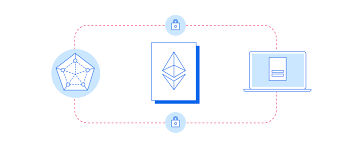
The second-largest blockchain and cryptocurrency, Ethereum, was published in 2015. "One of the major differences between Ethereum and Bitcoin was that it allowed developers on their decentralized network to publish and run smart contracts, earning the name "World Computer.
Smart contracts, without the need for a server, are bits of code that run on the blockchain. They are called "smart" because they work autonomously, and "contracts" because they are specifically intended to fulfill complex types of multi-party asset transfer.
The functionality of blockchain transactions are taken over by smart contracts, which ensures that they are open, permanent and auditable. No one entity may use them to their own advantage and alter them, and everyone has equal access to them.
Smart contract technology has paved the way for many different kinds of decentralized applications, even in its infancy. It's not without faults and boundaries, but it's definitely promising.
How are Smart Contracts operating?
To blockchain transactions, smart contracts add layers of knowledge and logic. To set conditions for transactions, developers can use smart contracts. The transaction automatically executes and, depending on the logic of the smart contract, distributes tokens or digital assets between the various parties involved when these conditions are met.
In the Solidity programming language, developers write smart contracts, compile them, and publish them on the Ethereum network. Other programming languages exist, but Solidity is the most common one by far.
Published smart contracts provide an address for the public. By sending ETH to their address, users may cause them, just as they would if they were to send funds, along with some extra info, to someone else. Smart contracts are executed by the same computers which help the Ethereum network and verify transactions. Since the Ethereum network is decentralized, it guarantees the equal and clear execution of smart contracts. No single node may modify a contract's terms and outcomes because it would contradict other network computers.
Smart contracts and decentralized apps
Although smart contracts can run independently, just like procedures and functions of any conventional program, they can also call each other. For example, when it is completed or in the course of its implementation, a smart contract can trigger another smart contract.
Developers may build decentralized applications (DApps), full programs that run on the blockchain, through creating interconnected smart contracts. In addition, more complex smart contract arrays and DApps will generate decentralized autonomous organizations (DAOs). DAOs are organizational systems that, based on their contribution to the network, function without the need for human managers and pay all participants.
The benefits of smart contracts
First, by automating the process through undeniable mathematical evidence, smart contracts obviate the need for attorneys, notaries and other brokers.
Second, transparent and immutable registration is supported by smart contracts. All a smart contract does is stored on the blockchain, unchanged and open to all, unlike centralized systems where contracts are held in walled gardens and secured by companies that charge their customers for the services they provide.
The direct effect of these two features is that, first, you save a lot of money but minimize broker costs, and second, instead of being held in a position where they can be manipulated or lost, your documents and contracts are backed up several times over.
The security risks of smart contracts
Smart contracts do come with some significant security threats and considerations, considering all their essential advantages. A security vulnerability in the DAO's smart contracts in 2016, which was to be the first use of decentralized autonomous organizations, allowed hackers to steal 3.6 million ETH at the time, 15 percent of all ether in circulation.
Last 2018, in the smart contracts of the Parity multi-sig wallet, hackers exploited vulnerabilities to steal 150,00 ETH, and a few months later, another defect in the same wallet froze around 514,000 ETH in user accounts. These are just some of the many cases of security linked to smart contracts that have resulted in digital currency theft.
Tampering and many other forms of cyber-attacks are resilient to Blockchain itself. Sadly, many are extending this definition to smart contracts, which is not valid. Smart contracts are vulnerable to coding mistakes and bugs, just like all programming source code. Smart contracts, however, have two distinct features that make them more sensitive than other applications for computers.
First, smart contracts involve money, meaning that they would be far more involved in poking at them to find vulnerabilities that can win them free digital cash from malicious actors. Second, it becomes permanent once a smart contract is issued, like any other information stored on the blockchain. This means you won't be able to repair it, even though you find a bug in a smart contract. A new version of the smart contract may be released with a new address containing the corrected code, but the old one will still remain.
What this means is that developers have to do whatever they can to get the code correct on the first run, unlike conventional apps, where we're used to going through cycles of publishing and repairing code, with smart contracts.
Is Chrome Incognito Safe?
Privacy is quickly becoming a privilege that is hard-to-earn. It's difficult to shake off the eerie feeling that everywhere you go, invisible eyes are watching you as you search through websites: Google, Facebook, your internet service provider, the government, the person sitting next to you, etc.
One of the best known is the Chrome Incognito window, Google's version of private browsing, among the many privacy-enhancing tools. If you are surfing on a shared device, the Incognito window offers a measure of privacy. It's far from being a flawless solution, though.
Unfortunately, many people don't grasp Google's Incognito window's privacy consequences and end up trusting it more than they should. According to a study conducted by researchers at the University of Chicago and Leibniz University of Hannover, many users incorrectly assume that Google's Incognito mode and other private browser windows shield them from malware, ads, tracking codes and gateway monitoring.
Here's what you need to know about the privacy features and the limitations of Chrome's Incognito window.
Google Chrome's Incognito window's protection benefits
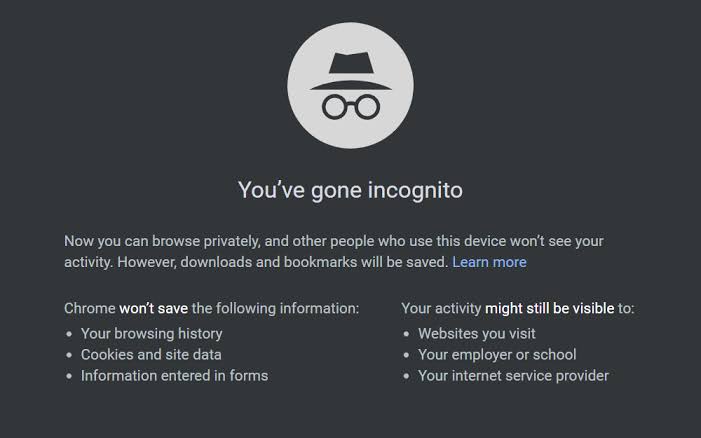
Interestingly, when opening a new private window, Google specifically spells out what you can expect from Incognito mode. "Now you can browse privately, according to Google, and other individuals won't see your activity."
**What do they mean by activity?**
**Browsing history**: To make it easier for you to return to certain sites in the future, Google Chrome keeps track of the webpages that you frequently visit. All web pages you have visited before are displayed by pressing CTRL+H on Windows.
In addition, any page you visit will be registered in your online browsing history if you have synced your Chrome browser with your Google account. This ensures that your browsing history will be moved over if you go to another device and sync your Google account to a new Chrome browser.
The Incognito window will not record your browsing history and will, after you close it, erase traces of web pages you visit. The privacy advantage you get is that your browsing history won't be able to peek at the next person who sits behind your computer.
**Cookies and Site Info:** Cookies are bits of data that are shared between the browser and the web server that are attached to websites. Cookies keep track of web applications' user sessions, site preferences, local settings and other critical functions.
Cookies are what make it possible for websites to display various content to each user. The web server creates a cookie and sends it to your browser when you log in to an online account, say Gmail or Facebook. On any new request, the browser stores the cookie and returns it to the server (every time you click on a new button or link). The server uses the cookie to connect your user ID with your application session and to serve information corresponding to your user account.
Cookies also allow providers of web services to track you through websites. Facebook uses your session cookie to track you when you browse a website that has the Facebook Like and Share button or the invisible Facebook Pixel, and then uses the details to target you with ads.
None of your cookies are carried over when you open up a new Incognito window. This can be checked by browsing Facebook or Gmail. You will always be guided to the login tab, even though you have signed in to your account before opening the Incognito window. The website would handle you as a new user without a cookie.
The privacy advantage of the Incognito window is that without traceable cookies, you will be able to move to various pages (there is a caveat to this that I will discuss later). Also, closing the Incognito window would delete the cookie associated with that session if you log in to another online account. Therefore, even though you forget to log out before closing the browser, the next person who sits behind the computer would not be able to access the accounts you were using while you were in Incognito mode.
**Information entered in forms**: Forms are text fields that you find on websites that require information such as your name, username, email address, phone number, etc. to be filled in. When the information in a form is entered. In order to make it easier for you to enter data into forms, it then makes it available on other websites.
However, if you are using a public device, this function could turn into a privacy problem. When navigating to websites that have data forms, other individuals using the same Chrome browser can see your personal data.
When you close it, the Incognito window deletes all the details you entered in the forms, giving you more protection on shared computers.
Google Chrome's Incognito window protection requirements
Google also makes it clear that there are some places where Chrome's Incognito window won't provide protection.
**The websites you visit:** Using cookies is the best way for web applications to track users. It's not the only way they can track you, however. Other bits of information will point to your computer. For example, I've seen some users search Twitter using the Incognito window, thinking it will protect their privacy and mask their identity. As Incognito does not bring cookies through their browser, the idea is that Twitter would not be able to connect their operation with their account.
But Twitter also keeps track of the form and version of the IP address, device type, device ID and browser. Technically, all those variables can be used to connect your behavior to your account. When you're not logging in to your account, Facebook goes further and also monitors your activity through other websites.
**Your employer or school**: All your traffic will be channeled through a gateway such as a router or server if you're using a corporate or school network. If you are browsing in Incognito mode or not, the person who manages the gateway will have total visibility into your traffic. They will filter the Internet traffic of the network based on IP addresses and monitor your surfing habits.
**Your provider of internet services**: The ISP is the organization that offers you internet access. Think of it as the corporate network manager, but at a far larger scale. ISPs are also gateways, meaning that all your surfing patterns can be tracked, regardless of whether or not you use private browsing.
**Bookmarks and downloads**: If you download something when using the Incognito window, after you close the window, it will remain in your download folder. Also, the bookmark will be saved on your main browser if you happen to bookmark something while browsing in Incognito. Bear in mind that.
Final thoughts
When browsing the Incognito window, if you want to improve your privacy, consider using a private virtual network (VPN). Your internet traffic is encrypted by VPN applications and channeled via a VPN server. This will mask your nearby gateway or ISP from your browsing activities. They're not going to know which places you're browsing, but they're going to be able to detect that you're using a VPN.
Overall, be careful: if you have questions about other users who have access to your device and browser, Chrome's Incognito window is a good privacy feature. This is about as far as you can trust it, though.
Saying Goodbye
Nowadays, losing a loved one to a lingering terminal illness is more likely than a sudden death. Family and close friends now have far longer to face up to the possibility of death and say their goodbyes, along with the person with the life-limiting disease. In turn, this has turned the mourning process into one with distinct phases that are progressively borne by families rather than just people.
The long goodbye
Today, for an extended period of time, having a loved one living with a terminal illness is rapidly replacing sudden and unexpected death as the norm. For example, note that two-thirds of those who are diagnosed with cancer currently have a survival rate of five years.
The effect of all this is that death has become less and less an abrupt and sudden occurrence. A phase that starts with a life-threatening diagnosis, continues through a treatment period (or treatments), and ultimately results in death has come into its place. This process suggests that the need to "live with death" for an extended period of time is increasingly faced by both the terminally ill person and the family.
Since the essence of death and dying has changed so drastically, it has also changed the way we grieve. The new grief varies in significant ways from conventional grief, not least of which is that the terminally ill person is involved. In comparison to an accident, what has gradually become a prolonged process not only leaves people to mourn, but usually pulls in the dying person's entire family for months or even years. This mechanism has the power to change lifestyles and push families to tackle problems that were once resolved only after the loved one's death. It can quickly invoke problems from the past that have never been answered or resolved entirely.
Grief is a family matter
Grief is as much a family matter today as it is an individual one. A new template is what is needed, one that is applicable to families and their experience. That is what we're here to present. This model is meant to be a road map to which you and your family can turn as you find your way through the latest death and dying realities. And, by the way, we consider not only blood ties when we use the word relatives, but all those who have a significant link to the person who is diagnosed.
When faced with a terminal diagnosis of a loved one, the difficulties that families must face are complex. They involve new systems and dynamics changing as the person they love slowly slips away. It means learning how to deal with losses and regression, as well as obvious remission times. It means coping with the dynamics of prolonged grief that can wear down people and often lead to ambivalence or the awkward feeling that we get when we find ourselves wanting to end the process. It involves talking to a dying loved one about mortality and other concerns that do not happen abruptly and unexpectedly when death strikes. In lifestyles that are usually more busy than those of earlier generations, it means learning to make room for prolonged grief.
Perhaps most importantly, the current grief involves addressing family conflicts that for several years may have been latent but unresolved. Typically, these concerns reemerge as families step through their initial responses to a terminal diagnosis and are driven into a period of prolonged mourning to communicate and function together. Lastly, when a loved one dies, it means going on together as a stronger family.
Family members who are compelled by circumstances to cope with prolonged grief are vulnerable to severe psychological effects, including depression, remorse, and crippling anxiety, without understanding and without guidance in any of these areas. Such conditions can also contribute to physical illness. As a consequence of a revival of unresolved problems that are discovered as a result of a prolonged terminal disease in a loved one, whole families are vulnerable to rupture. As a result of unwelcome lifestyle changes, even loving couples can find their relationships in jeopardy. Guidance on how to predict and cope with such challenges is what families need now and will need in the future.

Negative Result
Good evening everyone!
I am Cryps from Phillippines.
Two days ago i wrote an article about my covid19 exposure. If you wanna read about it visit this link:
https://read.cash/@Cryps/i-am-exposed-to-covid19-8377537f
I wrote this right now because the results are in. The result is sent to my email at 11am today.
At first i was afraid to open the email because i am worried. What if i am positive? What am i gonna do? Question keeps getting into my mind. I'm starting to break down.
But thankfully because of the people around me encouraging me to face my fears, i have build my confidence on opening it.
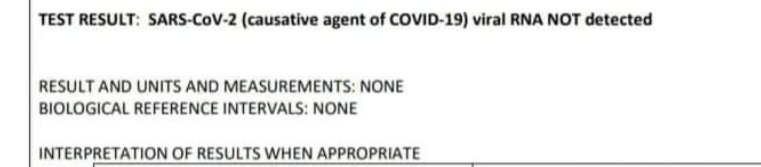
And thank God is negative. Yes, i am negative for SARS-CoV2. What a relief.
I am very thankful for all the person who encouraged and pray for me.
Thank you guys! I will be coming back for work tomorrow.
As Filipino's always says, "Laban Lang"!
Covid19 swab test
Good morning!
I am Cryps from Phillipines.
As i said yesterday on my article. I've been exposed to my colleague that is tested positive for covid19. And i am scheduled for today for the covid19 swab test. The test is done and hopefully my result will be negative.
We are talking about the covid19 test. Some may other know and some may not. So i'll just give it a try to explain what is covid19 swab test.
Covid19 swab test
Covid19 swab test is done to check if you acquired the SARS-CoV2 Virus.
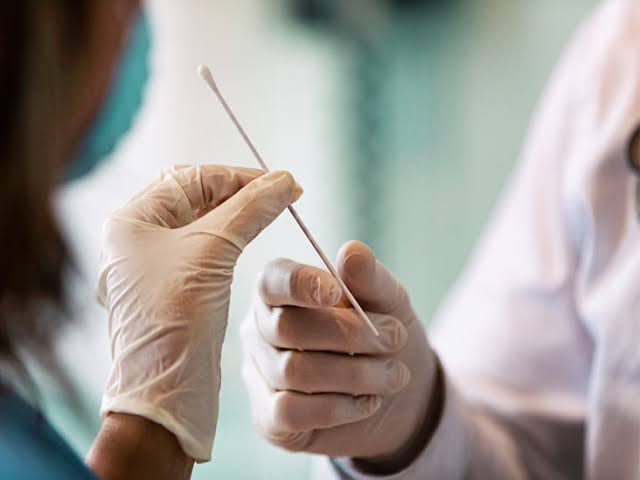
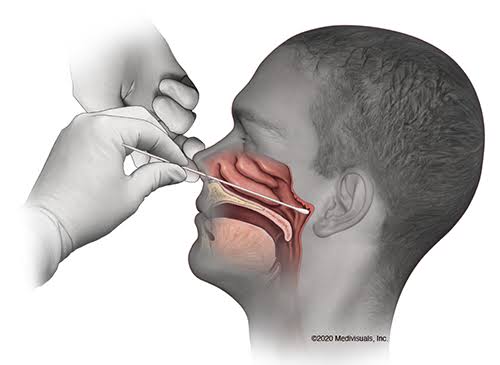
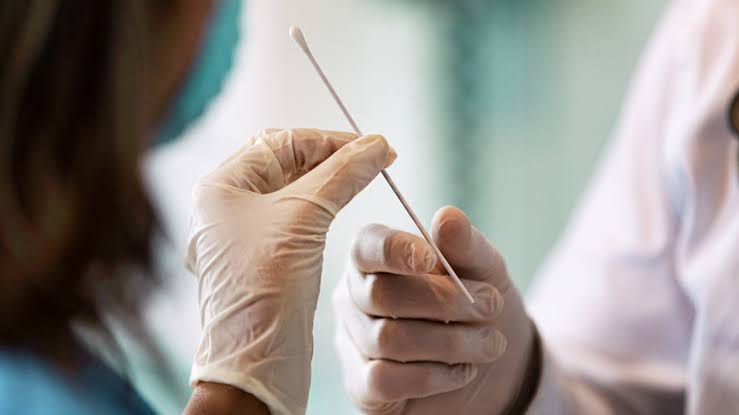
The first covid19 swab test is approved by the FDA on april 2020. It is the used of a cotton applicator that will be inserted into your nose to collect samples on your nasal cavity and will be sent to the laboraty.
What is involved in covid19 swab test?
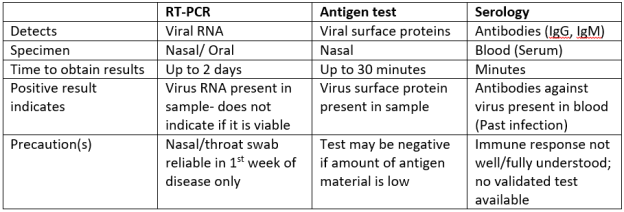
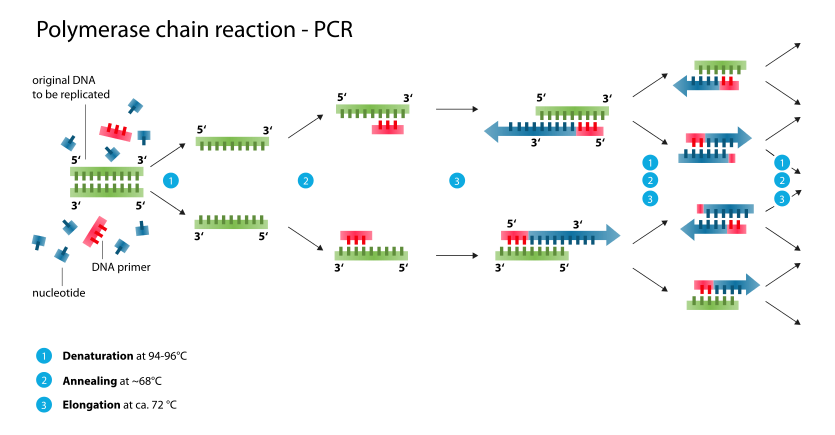
The primary diagnostic testing method is the Polymerase chain reaction (PCR). It is used before as a diagnostic test for SARS.
In this test, they will perform a procedure like:
Swab your nose or the back of your throat
Aspirate fluid on your respiratory tract
Researchers then extract nucleic acid in the virus sample and run its genome through reverse trancription PCR. This will give them a larger sample for viral comparison. Two genes are found in SARS-CoV2 genome.
Test result are:
Positive if two genomes are found
Inconclusive if only one is found
Negative if neither gene is found
Accuracy of the Covid19 swab test
In majority, RT PCR test results are accurate. The results may not flesh out infection if test are run too early in the disease course. Viral load may be too low for detection.
Results varied depending on how and when samples are collected.
Conclusion
RT PCR is the main diagnostic test for Covid19. But some health care worker may order further diagnostic test like chest ct san to assess and diagnose the disease.
If this article gives you information about the test done for Covid19. Please, don't make this flop. And please pray for me so my results will be negative.
Practice proper hygiene and social distancing!
Have a great day for everyone!
I am exposed to covid19
Good Evening everyone.
I am Cryps from the Philippines. I work as a Nurse in a public hospital.
This afternoon i received a message from my headnurse. One of my colleague has been tested positive for covid19.
For the whole week of my duty, he is my partner. Even though we were wearing personal protective equipments it made me worried.
After hearing the bad news, i started to feel some throat irritation and mild cough. This symptoms im experiencing is included in the covid19 symptoms. I don't know if its psycological because of the bad news.
I am scheduled for covid19 swabbing test for tomorrow. I'm hoping that my test will be negative.
Wish me luck guys! Goodnight!
New user
Hello everyone!
I am Cryps, 31 years of age from the country Philippines.
I am a new user of readcash. I heard readcash from a friend who is using it. He said that he was earning some cash writing articles. So i asked myself why don't i try.
I work as a nurse here in the Philippines. Well, working as a nurse here is not so good. We are not compensated well. Even the promised hazard pay is not yet given to us, if its true.
My wife is a travel agent but due to this pandemic, she lost her job. So we refits my wage for our expenses and im saying that it is not enough.
So im here at readcash trying my luck to earn some extra cash for our daily expenses.
Can anyone help me on how to earn more points? I badly needed it. Sorry, but im desperate because we needed to earn some extra to support my daughter medication.
Thanks a lot to anyone who can help me.
God Bless everyone and have a good day!
 @Cryps