Media check: Finding the right(eous) headline
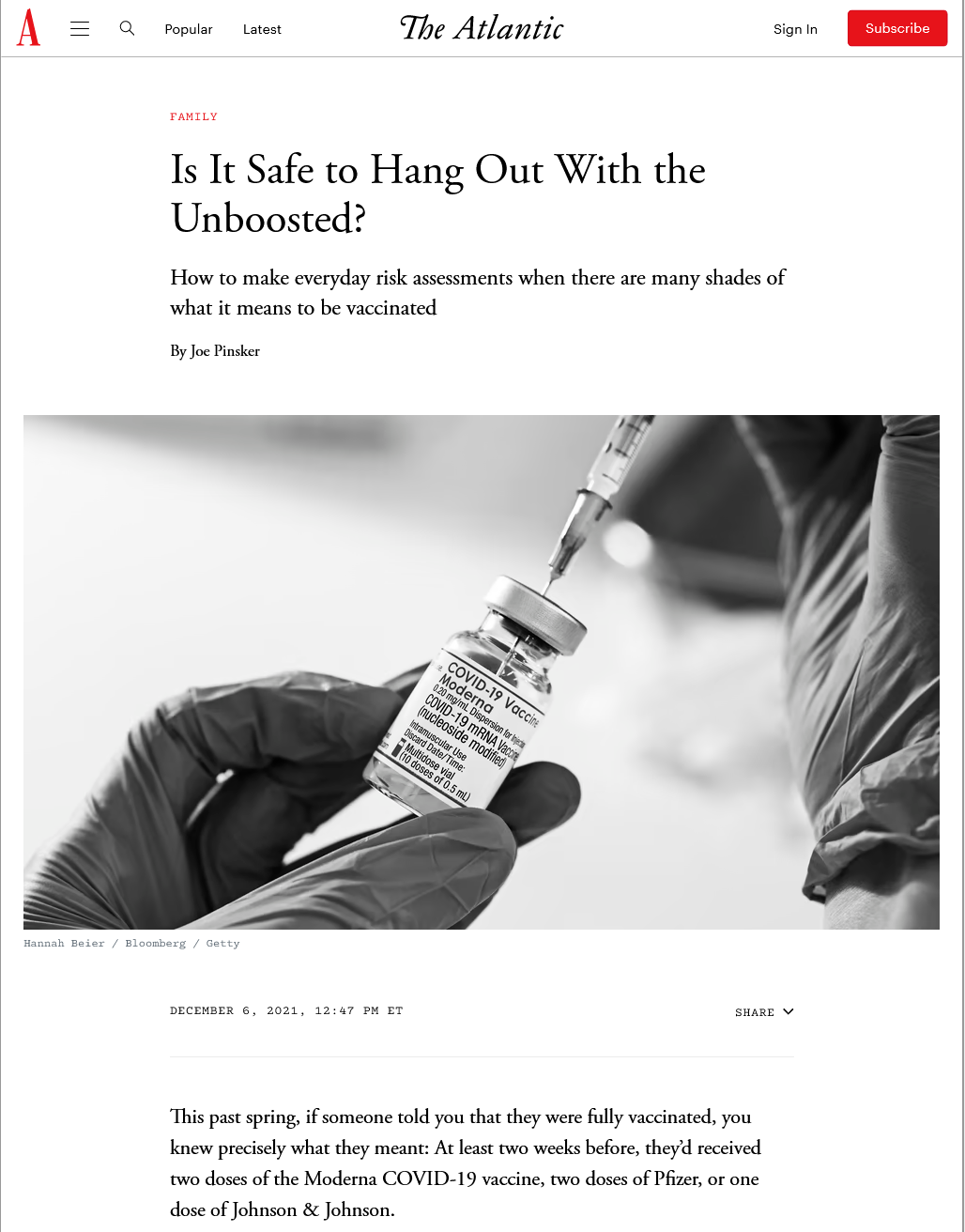
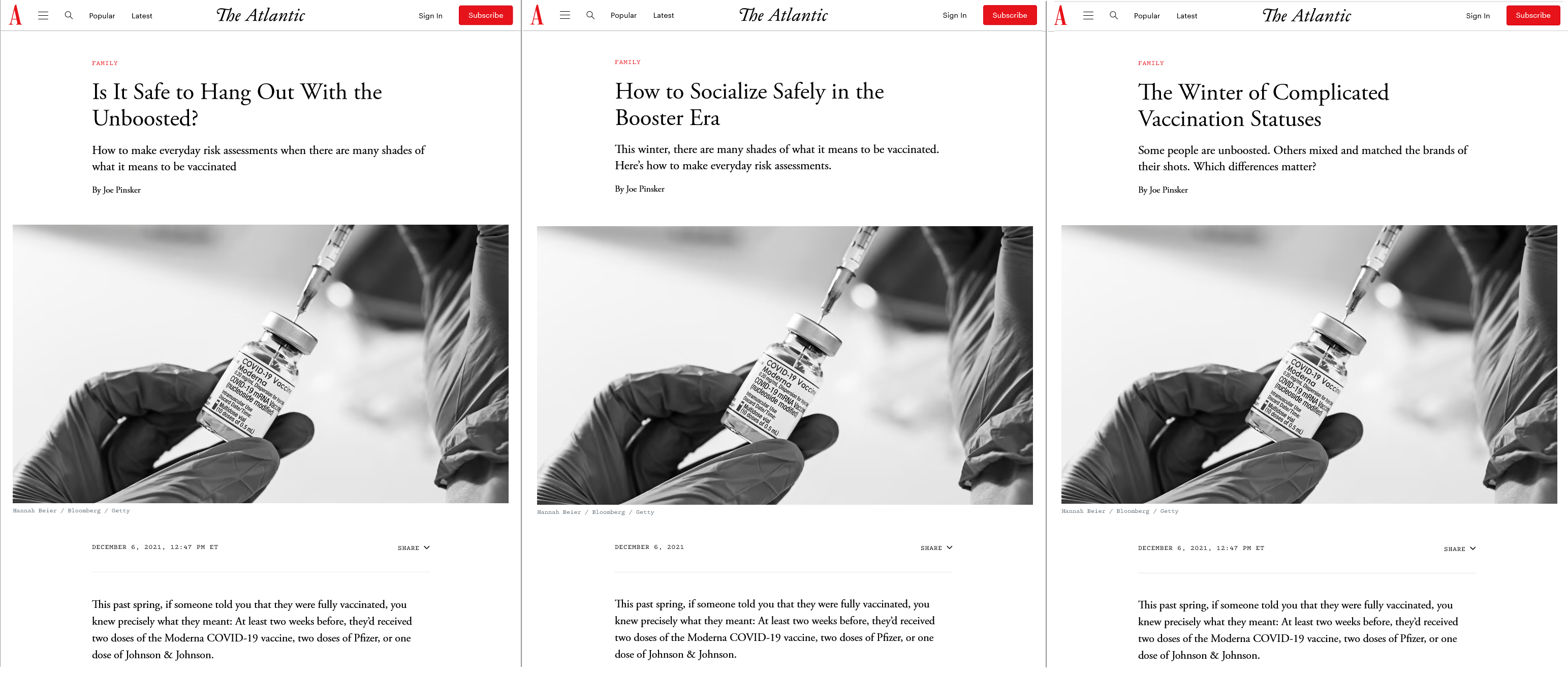
Same article by Joe Pinsker in *The Atlantic,* all dated 6 December 2021 at 12:47pm (or no time stamp):
**Is It Safe to Hang Out With the Unboosted?** How to make everyday risk assessments when there are many shades of what it means to be vaccinated. Source: https://archive.md/7qRe4
**How to Socialize Safely in the Booster Era.** This winter, there are many shades of what it means to be vaccinated. Here’s how to make everyday risk assessments. Source: https://www.theatlantic.com/family/archive/2021/12/covid-booster-fully-vaccinated-omicron/620916/ (currently posted as of 15 December 2021)
**The Winter of Complicated Vaccination Statuses.** Some people are unboosted. Others mixed and matched the brands of their shots. Which differences matter? Source: https://web.archive.org/web/20211206175314/https://www.theatlantic.com/family/archive/2021/12/covid-booster-fully-vaccinated-omicron/620916/
Hospital and ICU occupancy for COVID-19 - the big numbers game
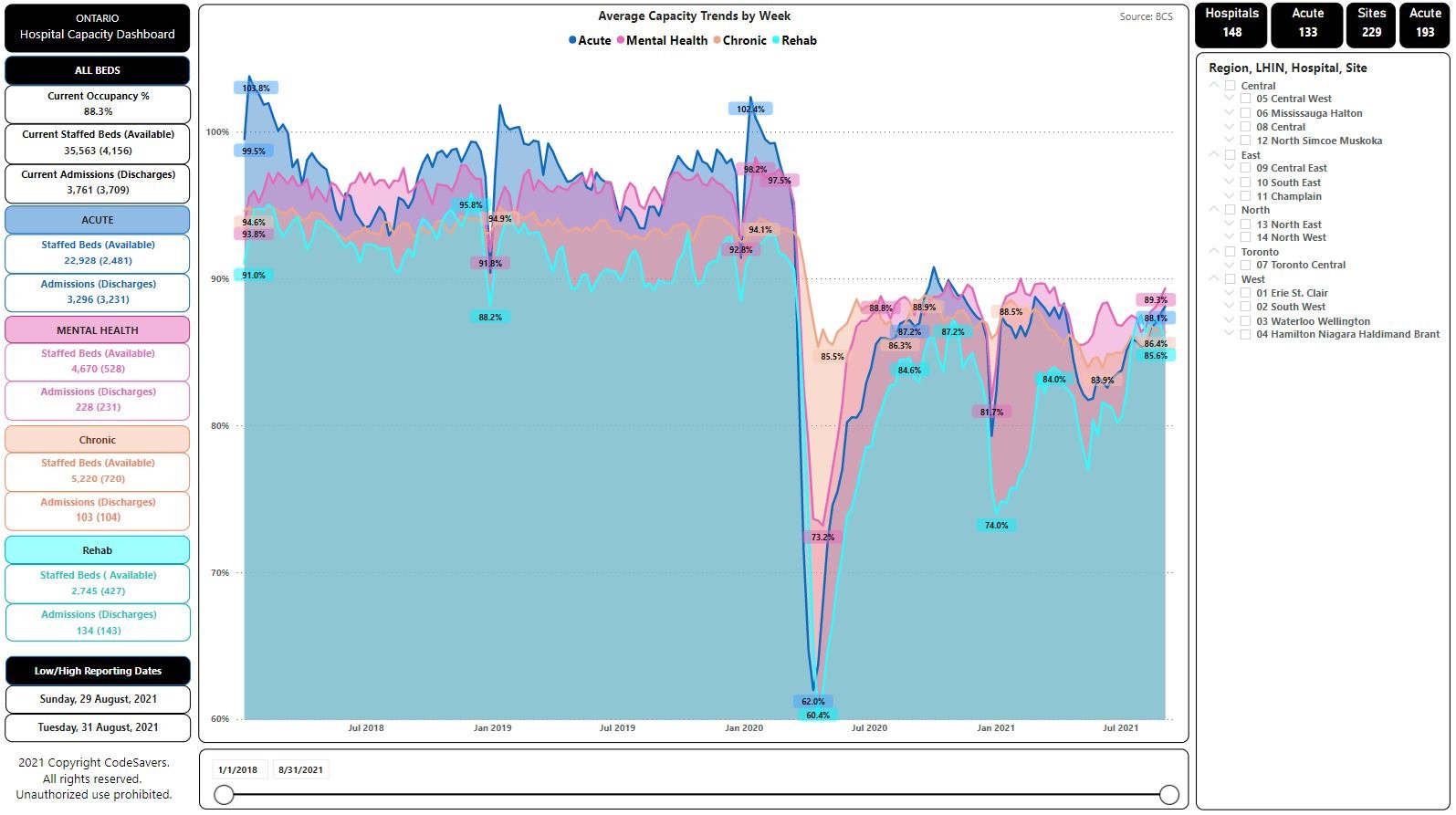
Data on hospital occupancy and hospitalizations for COVID-19 have been somewhat difficult to find and understand. On Twitter, a chart of average weekly hospital capacities in the province of Ontario, Canada, caught my eye today. It seems to originate from a closed system accessible only by health care systems analysts, so I cannot verify its accuracy. Yet it looks trustworthy and consistent with anecdotal evidence.
The graph show four overlapping curves for hospital capacities for acute care, mental health, chronic diseases, and rehab. The time span shown across the x-axis is 1 January 2018 to 31 August 2021, while the y-axis shows percentages from 60% to 100%. Focusing on acute care beds, hospital bed occupancy in 2018 and 2019 fluctuated between 95% and 100% most of the time, with peaks over 100% in early January of each year (including January 2020) and troughs just before that, around the christmas holidays of each year. In March or April 2020, occupancy rates crashed to a low of 62% due to the initial COVID-19 lockdowns and modified hospital administration procedures. The rates "recovered" to values between 80% and 90%. Over the 15 months of the pandemic captured in this dataset, hospital occupancy in Ontario never reached or exceeded pre-pandemic levels; in fact, it never even came close. Note that these data are for staffed beds, i.e. those that are truly available for immediate patient care. The current bed count in Ontario hospitals, presumably as of August 2021, is 35,563 total beds, including 22,928 acute-care beds.
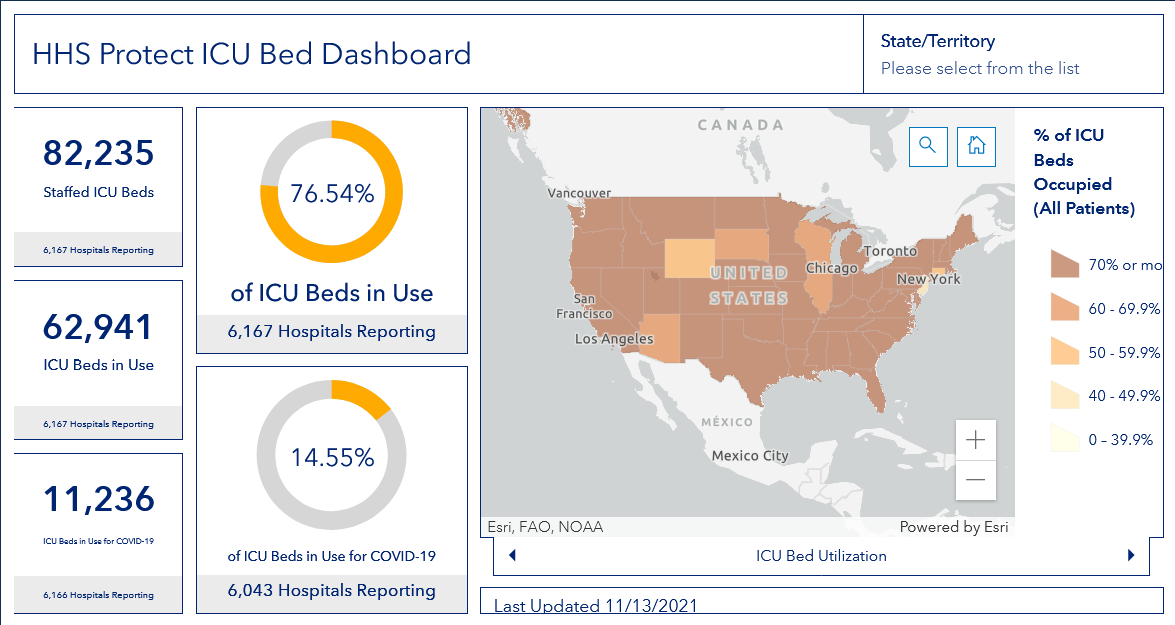
Hospital utilization data for the United States are available from the HHS Protect Public Data Hub. Looking at intensive-care unit (ICU) beds only, occupancy as of 13 November 2021 amounted to 76.5% of the total of 82,235 staffed beds. ICU beds used for COVID-19 patients amount to 14.6% of the total. On the associated map, most states are marked with 70% or higher occupancy, yet three states have values between 60-70%, two states range between 50-60%, and one state (New Jersey) reports less than 50% ICU bed occupancy. Occupancy rates in the 70s (US) or 80s (Canada) do not exactly fit the narrative of being in the midst of a pandemic.
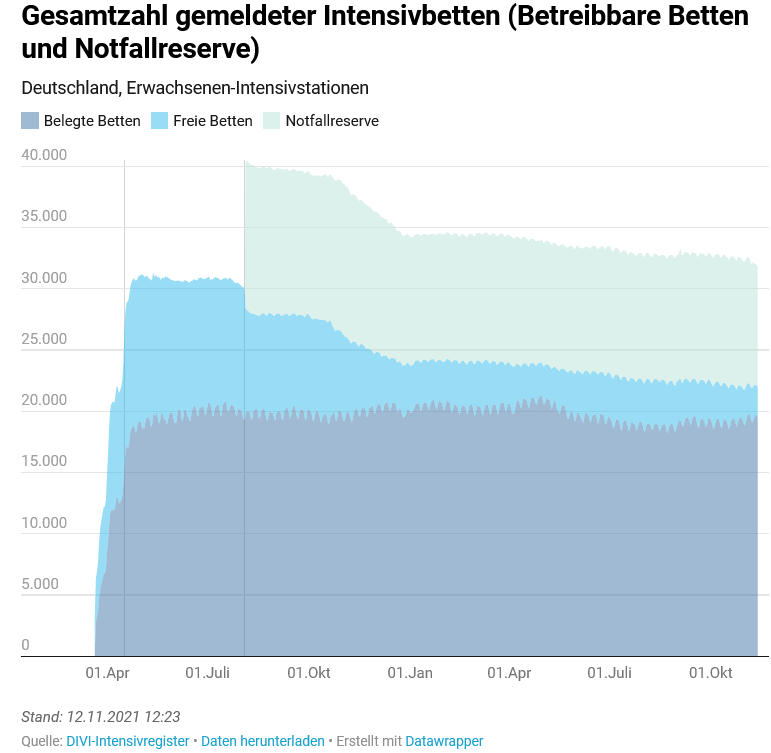
So far, we looked primarily at occupancy rates. These can greatly depend in changes to the available beds, or even the definition of a "bed". There are some highly interesting patterns in the German infectious disease agency's intensive-care registry. Specifically, in conjunction with financial incentives and new accounting methods, a new category of emergency-reserve beds was created in early August 2020 (green graph, "Notfallreserve"), while the available beds (light blue, "Freie Betten") plummeted from over 10,000 to a mere 2,500 over the course of the second half of 2020. Presumably, some of the lost staffed beds are now counted among the emergency reserve, yet these beds are available only with a 7-day delay.
Along with the surprising decline in hospital beds came anecdotal news about the closure of entire hospitals, including two in marginalized neighbourhoods of my hometown Essen. Again, the disappearance of hospitals does not match the fear-mongering around overwhelmed ICUs and the need to triage incoming patients. Given the sheer unlimited financial resources available for the pandemic response, one might expect that hospitals, and more importantly jobs for health-care workers, be expanded rather than reduced.
While the Ontario acute-care data discussed at the beginning of this post fluctuate quite a bit, ICU use in Germany stays quite constant over time, at a total of around 20,000 occupied beds. What is interesting to note in the above graphs is that the total occupancy (blue area) is largely independent of the occupancy with COVID-19 cases (brown area), although the latter changed significantly through waves 1-3 and a beginning 4th wave. This can hardly be explained by the deferral of planned interventions, since we are looking at emergency care here. The most logical explanation is that non-COVID patients are being replaced by COVID patients in the same cohorts.
Much has been made of the oft-ignored distinction between dying from or with COVID, and the same applies to hospitalization. It is clear that patients going to hospitals for whatever reason, who are tested positive for SARS-CoV-2 upon admission or at any time during their stay, will become part of the COVID-19 hospital statistics. For example, "Only 36.6% of pediatric patients hospitalized with COVID-19 were admitted due to an acute respiratory infection," as reported by the Public Health Agency of Canada according to a Toronto Sun article. For England, the NHS picked this issue up in June 2021 and started reporting whether confirmed COVID-19 patients were indeed being "treated primarily" for this disease or not. Through the five-months period shown in the above graph, the "true" COVID patients make up between 73% and 80% of all recorded COVID patients. This data point should help with chipping away at the doom and gloom propagated by politicians, public health officials, and the mainstream media. https://torontosun.com/news/national/furey-fewer-canadian-kids-hospitalized-with-covid-than-previously-thought-report-shows
Reality check: The safety and efficacy of the experimental COVID-19 jabs
***Not medical, legal, or any other advice - reported for information only.***
More than six months ago, in April 2021, a Reuters fact check concludes that "COVID-19 vaccines are *not* experimental". As always, the fact checkers work with carefully selected claims and convoluted language. In this case, they link the term "experimental" to an online claim that the animal testing stage of vaccine development was skipped, a claim that could easily be disproved. Reuters also attempts to discredit the experimental nature of the jabs by pointing to the government *approvals* received, though they had to correct themselves later as they seemed unaware that the vaccines had only received emergency use *authorization* at that time, not approval. And Reuters misrepresents the nature of scientific experiments when they state that the study completion dates in 2022 (Moderna) and 2023 (Pfizer/BioNTech Phase 1/2/3) somehow are not part of the clinical safety and efficacy trial, when in reality the continued monitoring of participants is a core feature of clinical trials. https://www.reuters.com/article/factcheck-covid-vaccines-idUSL1N2M70MW https://clinicaltrials.gov/ct2/show/NCT04368728
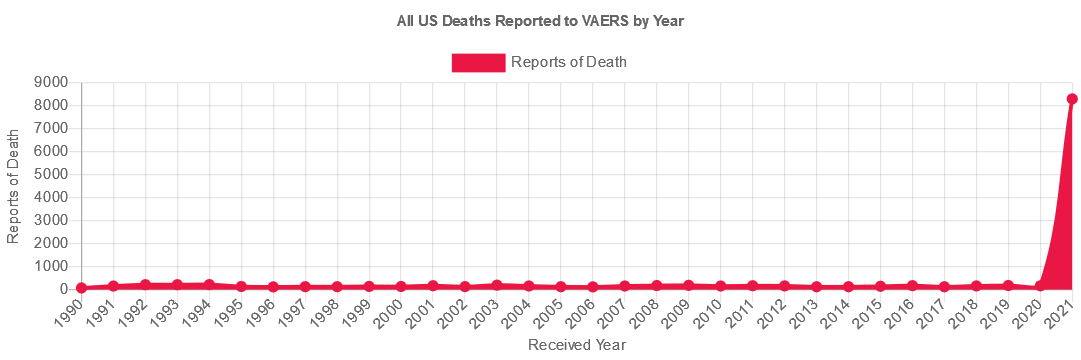
As you will know, Pfizer received the coveted full approval from the US FDA in August 2021. So why do I still call their product "experimental"? The manufacturers are required to monitor the safety of the injections in perpetuity. According to the FDA approval letter, the Vaccine Adverse Event Reporting System (VAERS) is to be used. The role of the manufacturer is to encourage health care practitioners to report all suspected adverse events, and they also collect reports themselves which they pass on to the authorities. It is the government's duty to monitor the system for safety signals and act upon them. One such safety signal might be the sheer number of reported deaths in conjunction with the COVID-19 vaccines shown in the above graph from OpenVAERS in comparison with the death reports collected by the system since 1990. https://www.fda.gov/media/151710/download
Yet, the adverse event reporting is a standard requirement for medical treatments that does not necessarily make them "experimental". What is more concerning in the FDA approval letter is the number of *new* safety and efficacy studies required, and their timelines. Pages 5-10 of the eleven-page letter list a total of thirteen studies. They include several studies of a specific condition, myocarditis and pericarditis, which was found as a safety signal in young males, as well as studies in specific populations including children 12-15, children <12, infants, and pregnant women. The end dates of most of these studies range from 2023 to 2025, with the study of "long-term sequelae of myocarditis" ending in 2027. Although this is a whopping five years from now, I would not call this "long-term" either, since it is well known that things we do to our body can cause complications decades in the future. https://www.fda.gov/media/151710/download
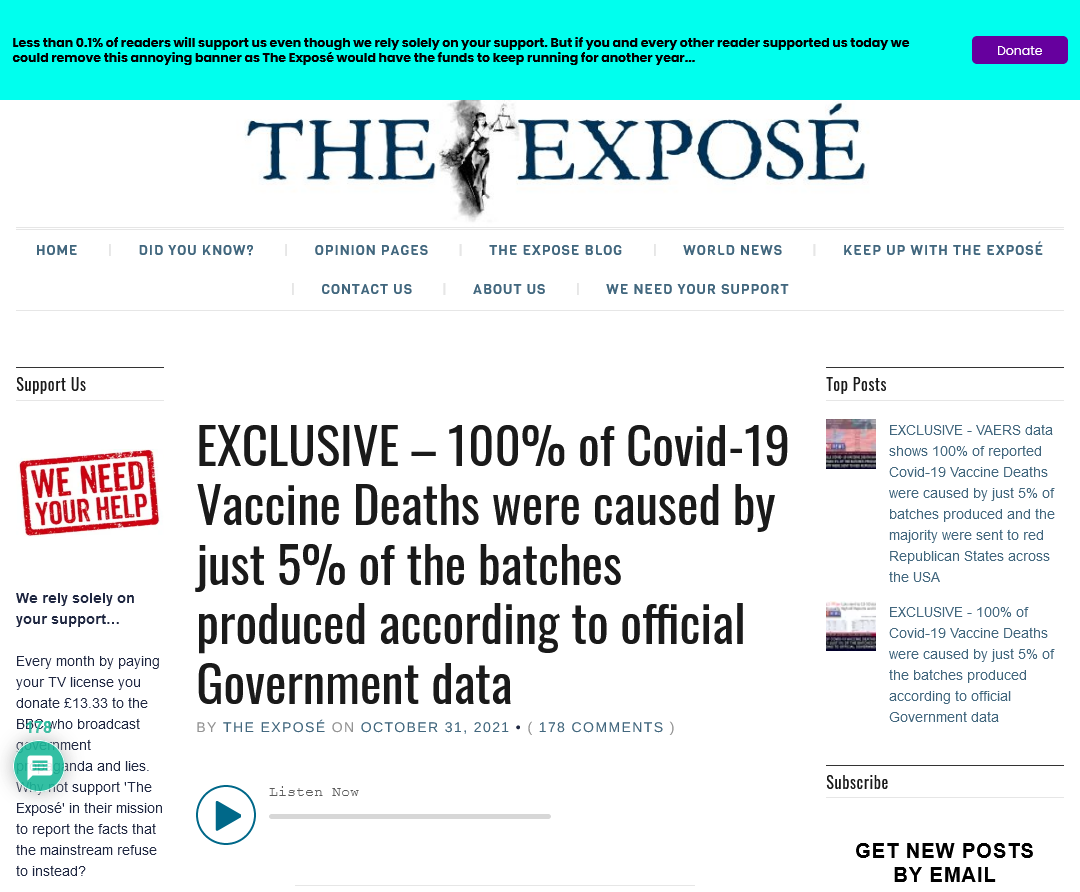
What can we say about the COVID-19 vaccines' safety and efficacy at this point? First of all, we are nowhere near conclusive evidence of safety. Short-term safety seems questionable if compared with the safety of drugs and medical treatments brought to market in the past (see VAERS overview chart above). One of the most concerning recent news was an analysis showing that all of the deaths reported to VAERS were linked to only 5% of the batches, suggesting major production or transport issues, and turning taking the jab into a game of Russian roulette. From the approval letter, we can conclude that the medium-term safety, in particular in children and pregnant women, is only being studied now and for several more years, raising the question as to why on earth we are proceeding with mass vaccination of these groups. And logically, long-term safety is unknown because a long-enough period of time has not yet passed since the introduction of these products. Due to the novelty of the mRNA technology we cannot even deduce safety from previous applications, which do not exist at this scale. https://theexpose.uk/2021/10/31/100-percent-of-covid-19-vaccine-deaths-caused-by-just-5-percent-of-the-batches-produced/
When it comes to the effectiveness of these experimental jabs, I had previously examined data from Public Health England that show that vaccinated individuals increasingly contribute to cases, hospitalizations, and deaths. That development of courses mirrors earlier trends observed in Pfizer's "real world lab", the country of Israel, and is expected to happen elsewhere over the next few months, depending on each country's vaccination timeline. One of the best videos I have seen during the pandemic pecks at the efficacy narrative by combining confident quotes from America's Dr. Fauci with news headlines reflecting the plummeting efficacy percentages. This "Twitter user video showing the shifting narrative in vaccine efficacy" would be hilarious if this wasn't a life-and-death situation for some of us. https://read.cash/@ClausR2020/about-that-pandemic-of-the-unvaccinated-2a6a364c https://rumble.com/vnouq3-twitter-user-video-showing-the-shifting-narrative-in-vaccine-efficacy.html
**The verdict of this reality check**: No, the current COVID-19 injections are neither safe nor effective.
Life expectancy, comorbidities, COVID deaths, and all-cause mortality under the microscope
***Not medical, legal, or any other advice - reported for information only.***
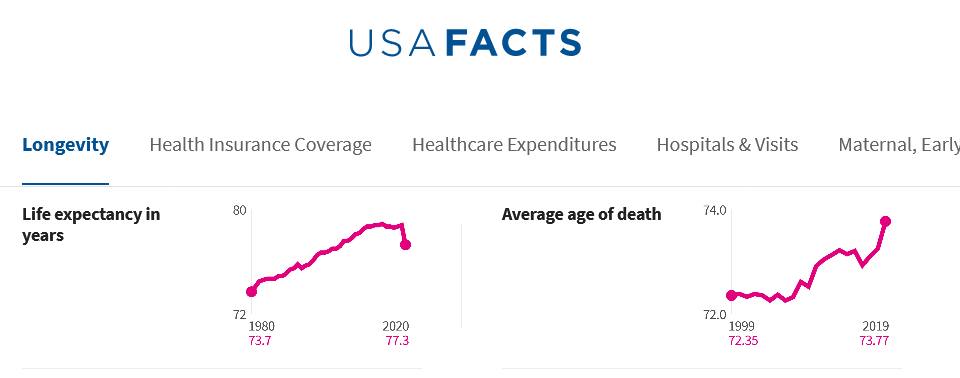
There is a peculiar data point about COVID-19: the average age of fatalities from (or with) the disease. The average age of "COVID deaths" is above 80 years in most Western countries, and thereby *higher (older)* than the average age at death from all causes in those same countries. For example, as per Global News on 2 June 2021, the average age of Canada's COVID deaths (in 2020) was 83.8 years, while the average age at death (in 2019) was only 76.5 years. In other words, a typical COVID fatality was more than *seven years older* than the average person passing away in the preceding year. In the US, the median age of deaths "involving COVID-19", as the CDC put it, was 78 years (according to a data table on the SWPRS site as of September 2021), while the 2019 average age at death was a meagre 73.8 years, according to USAFacts. So, in the US, COVID hit the typical victim *four years later* than their average peer's age at death. https://globalnews.ca/news/7915634/covid-life-expectancy-stats-canada/ https://swprs.org/studies-on-covid-19-lethality/#age https://usafacts.org/data/topics/people-society/health/#longevity
You have probably already noticed that I used the uncommon phrase *average age at death* (or "average age of death"). What's up with that? Age at death is a hard fact about those who pass away during a defined period such as one calendar year. *Life expectancy* however is more commonly discussed but represents a different concept. Often, as in the case of the USAFacts site shown above, it's an estimate for the expected length of life for newborns at that point in time. In the US, this estimate was 77.3 years, thus significantly older than the current average age of death. Comparing the age of deaths involving COVID with the average age at death, not with life expectancy, seems appropriate since both are hard observational data that concern current mortality, in contrast to life expectancy, which is a calculated projection.
It's always interesting to read online fact checks for certain claims, although many of them (the fact checks!) are misleading when you look closely. In this context, I noticed a post titled "Average Covid-19 victim dies years before they otherwise would" by Full Fact from 20 July 2021. Apparently, a meme on social media put the words "get COVID and live longer" in UK Prime Minister Boris Johnson's mouth and Full Fact saw the need to correct this claim (although it looks more like a creepy joke to me). The fact check points out that the life expectancy of people who have already reached a certain age is higher than the life expectancy at birth or during earlier years, when the possibility of dying young is included in the estimate. The fact check concludes with the verdict that "People dying from Covid-19 lose about a decade of life on average". In the text, the only reference in this regards is to the Office of National Statistics' life tables estimating a remaining life time of around seven, not ten, years at the age of death from/with COVID. https://fullfact.org/news/boris-johnson-whatsapp-covid-life-expectancy-cummings/
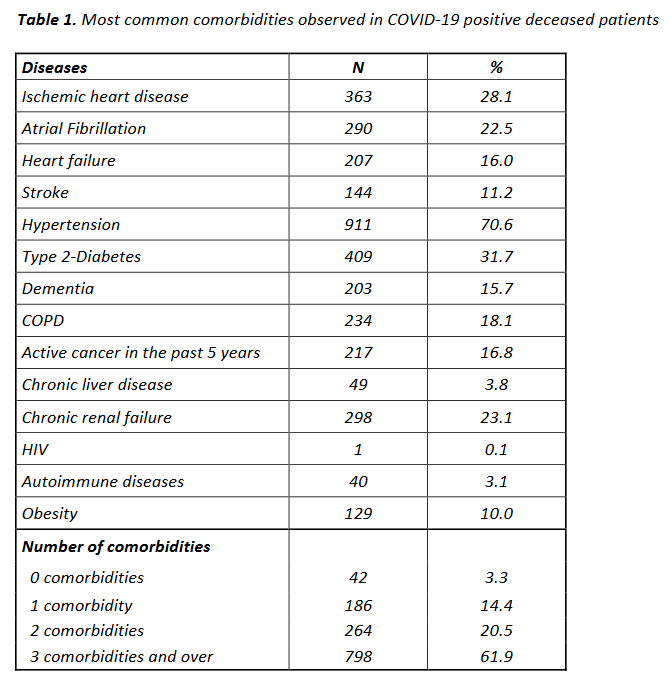
But Full Fact's claim of a significant remaining life time, which turns the checked "fact" upside down, seems questionable and disingenuous. It is well-known since the beginning of the pandemic that those dying in conjunction with COVID almost always were of poor health. As early as 6 April 2020, the epidemiological centre of the Italian Institutes of Health reported that only 3.3% of COVID deaths in hospitals had no comorbidities, while 61.9% had three or more comorbidities. These conditions included many of the worst scourges of humanity such as chronic cardio-vascular and respiratory illness, diabetes, obesity, and dementia, to name a few. https://www.epicentro.iss.it/en/coronavirus/bollettino/Report-COVID-2019_6_april_2020.pdf
Similarly, the Centers for Disease Control and Prevention reported on 12 June 2020 that only 6% of deaths in the US "COVID-19 was the only cause mentioned". Thus, 94% of American COVID death certificates included one or more other "health conditions or contributing factors". As fact-checkers will be quick to point out, it is possible that COVID caused many of the other conditions. Nevertheless, the 152-page CDC list includes other viral and bacterial diseases and many chronic conditions like cancer, dementia, and diabetes that have not been linked to the novel coronavirus. To this layperson, it seems clear that many of these patients were moribund and SARS-CoV-2 was one of several possible triggers of death. Or it may have been an incidental finding. https://www.cdc.gov/nchs/data/health_policy/covid19-comorbidity-expanded-12092020-508.pdf
Up north, our statistical agency presented "COVID-19 death comorbidities in Canada" on 16 November 2020, covering data from March-July 2020. Their insights are again very similar, pegging the rate of one or more comorbidities at 90%. Two quotes stand out: https://www150.statcan.gc.ca/n1/pub/45-28-0001/2020001/article/00087-eng.htm
The introductory sentence, "There is now clear evidence that people with pre-existing chronic conditions or compromised immune systems are at higher risk of dying of COVID-19..."
A "point of comparison" that was long inadmissible to the mainstream, "the most common influenza comorbidities recorded between 2016 and 2018 were similar to those recorded for COVID-19 during the first wave"
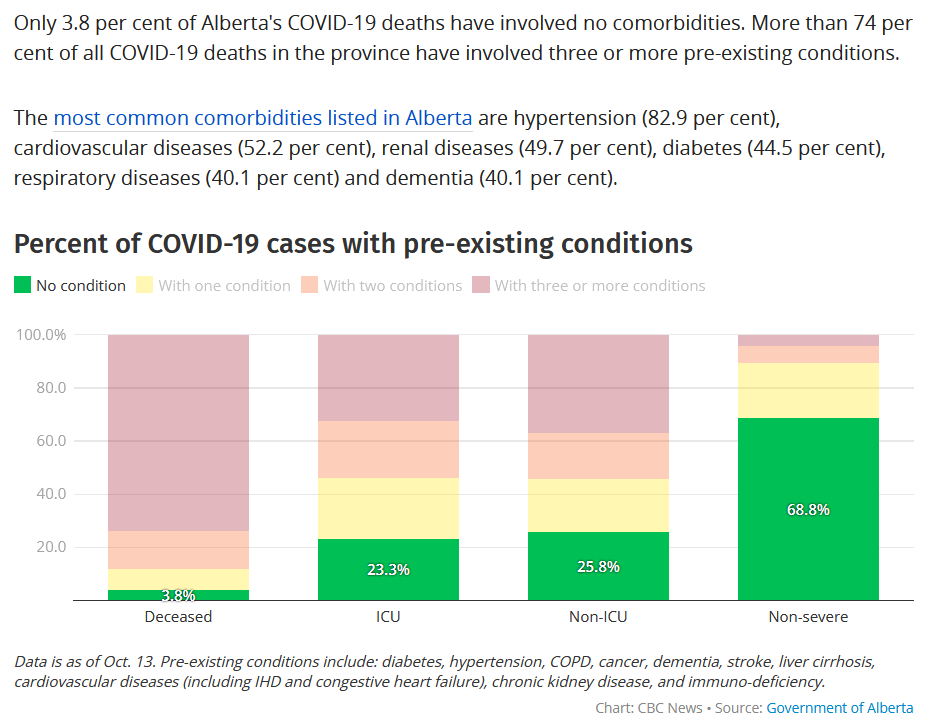
Most recently, a 15 October 2021 news report on comorbidities of COVID deaths in the Canadian province of Alberta clearly outlined the major role of comorbidities in severe and fatal COVID - the following screenshot speaks for itself. https://www.cbc.ca/news/canada/edmonton/covid-comorbidities-alberta-spitzer-1.6212510
If the virus affects primarily frail elderly and otherwise vulnerable people, in how far can we sustain the notion of being in a serious pandemic? I have written elsewhere about how the World Health Organization changed the definition of "pandemic" (in the context of the flu). Colloquially, we would still expect "enormous numbers of deaths and illness" as per the old definition. The global number of "COVID deaths" is approaching 5 million (for a 20-month) period. The Worldometers site provides these basic coronavirus statistics but it also includes general demographic stats and counters. The count-up counter for deaths in the current calendar year is trending towards 50 milion at present. We need to view the impact of COVID in the context of ongoing human suffering and the finite nature of our lives on this planet. https://gis.blog.ryerson.ca/2021/09/18/whats-in-a-word/ https://www.worldometers.info/
Perhaps more importantly yet, the COVID statistics are not reliable and inconsistent, as we have already seen above. It is quite possible that the fatalities are over-counted by a factor up to 20 (= 95%) if we consider the impact of comorbidities. The hard data to test the fatal outcome is all-cause mortality. Statistics on all-cause mortality are quite delayed in most countries, but the 2020 data have now been published. For Canada, independent researchers Drs. Denis G. Rancourt, Marine Baudin, and Jérémie Mercier present an "Analysis of all-cause mortality by week in Canada 2010-2021, by province, age and sex" and conclude: "There was no COVID-19 pandemic, and there is strong evidence of response-caused deaths in the most elderly and in young males." The article is not peer-reviewed and the analysis is based on an examination of the seasonal patterns (cycles) of all-cause mortality for the last ten years. I am very familiar with the value of visual analysis (in my case based on statistical maps rather than graphs) but I know that reviewers often criticize the lack of statistical testing to verify my findings. The strength of visual analysis is in the discovery of unusual patterns in data that merit further examination. https://denisrancourt.ca/entries.php?id=104&name=2021_08_06_analysis_of_all_cause_mortality_by_week_in_canada_2010_2021_by_province_age_and_sex_there_was_no_covid_19_pandemic_and_there_is_strong_evidence_of_response_caused_deaths_in_the_most_elderly_and_in_young_males
With this limitation out of the way, Rancourt and colleagues note that the "COVID peak" in March 2020 all-cause mortality is a never-before seen pattern that cannot be explained by the normal infectious disease epidemiology. It can only be explained by the radical changes in health care and long-term care procedures and practices. Essentially, the WHO's declaration of a pandemic triggered measures that killed frail elderly residents living in institutional settings due to the changes or disruption of care!
In addition, Rancourt et al. found a suspicious pattern of increased deaths among young male Canadians in the summer of 2020 in most provinces with the exception of Quebec. I was quite interested in this finding and replicated the analysis in part. My graph shows weekly all-cause mortality of under 45 year-olds at the national level. The y axis on the left hand is for males (blue line) while the right axis is for the lower female counts (orange line). I aligned the axes so that the values would overlap at the beginning, representing around 150 deaths/week in young men compared to 100 in young women for the year 2014. Over time, male mortality seems to increase while female mortality stays almost unchanged. And indeed, from April-October 2020, there is a marked increase in male deaths with hardly an uptick in the female curve. There are deviations over multiple weeks in the summers of 2017 and 2019 too, albeit much less pronounced than during the pandemic summer of 2020. Rancourt and colleagues suggest collateral damage from the public health response as a hypothesis, which would have to be tested using other scientific methods.
To summarize, we don't yet know enough about the novel coronavirus and the COVID data circus, as someone has called it, doesn't help. More importantly, our political and public health leaders don't seem to know that they know nothing, as opposed to certain Ancient Greek philosophers. Following the Socratic method, we should be asking more questions to stimulate open debate and find more holistic solutions to the crisis.
Myocarditis under 30 is spiking - if this isn't a COVID-19 vaccine "safety signal", then what is?
***Not medical, legal, or any other advice - reported for information only.***
The US Centers for Disease Control and Prevention (CDC) are observing cases of heart inflammation - myocarditis and pericarditis - in young recipients of the mRNA vaccines since April 2021. While public health officials and "TV doctors" are minimizing this risk by labeling vaccine-induced myocarditis as "mild", independent MDs suggest that there is no such thing as a "mild" heart inflammation. Indeed, the National Institutes of Health's introduction to the topic, linked from the above CDC page, characterizes the condition as "causing damage" (presented as a certainty, not a possibility), which "can lead to serious health problems" and may require "medicine, procedures, or possibly surgery" as well as lead to complications up to "heart failure". https://www.cdc.gov/vaccines/covid-19/clinical-considerations/myocarditis.html https://www.nhlbi.nih.gov/health-topics/heart-inflammation
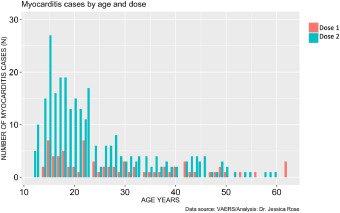
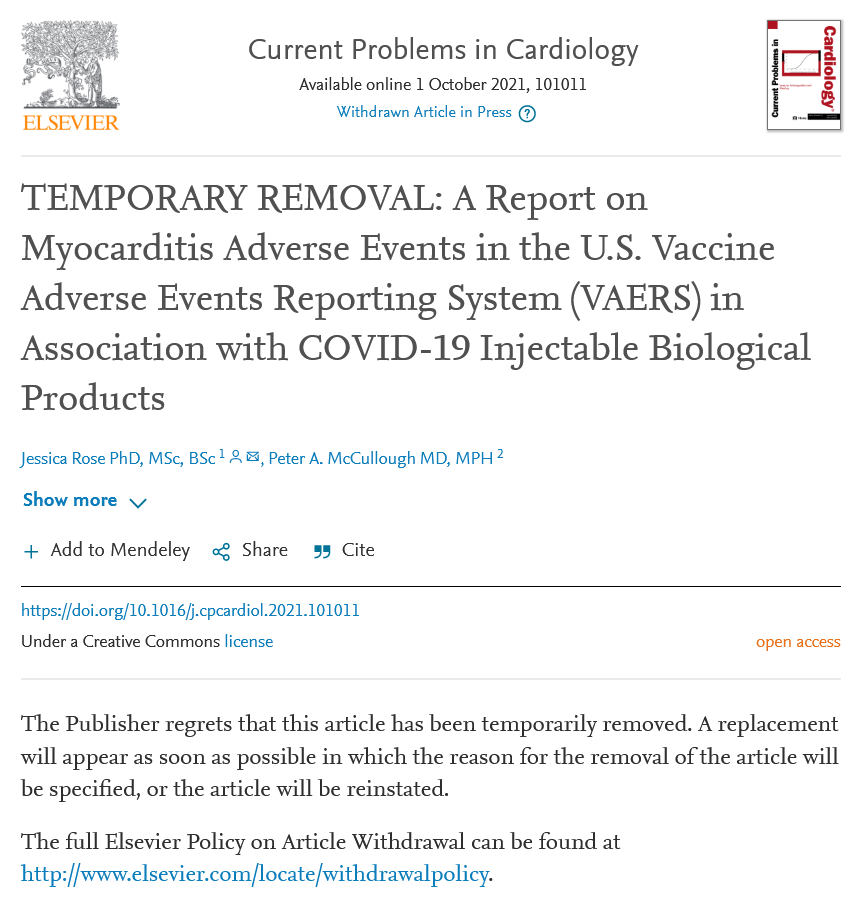
An article titled "A Report on Myocarditis Adverse Events in the U.S. Vaccine Adverse Events Reporting System (VAERS) in Association with COVID-19 Injectable Biological Products" by Canadian microbiologist Dr. Jessica Rose and well-known American cardiologist and COVID critic Dr. Peter McCullough finds a high rate of myocarditis in males age 13-23. For the younger range of these ages, the authors statistically confirm that the incidences of adverse-event reports of myocarditis is far above the normal rate in the population and much greater after receiving the second dose of a COVID-19 vaccine. The article was accepted for publication in the journal *Current Problems in Cardiology* after peer review. However, after being published on 1 October 2021 with status "online ahead of print", it was temporarily withdrawn two weeks later, with an apology from the publisher currently replacing the text of the article. The original text is still available via the Internet Archive's wayback machine. https://www.sciencedirect.com/science/article/pii/S0146280621002267 https://web.archive.org/web/20211010070109/https://www.sciencedirect.com/science/article/pii/S0146280621002267
The VAERS data studied by Rose & McCullough are often criticized for the voluntary and non-authoritative nature of the submitted reports. Yet, VAERS is the official pharmacovigilance system in the US. In fact, the Federal Drug Agency's (FDA) approval letter for the Pfizer vaccine, requires the manufacturer to monitor adverse events. The approval unambiguously links to "guidance [that] provides information and recommendations pertaining to the electronic submission of postmarketing safety reports involving vaccine products, including individual case safety reports (ICSRs) and attachments to ICSRs (ICSR attachments), into the **Vaccine Adverse Event Reporting System (VAERS).** VAERS is a national vaccine safety surveillance program ..., **which** ***requires*** **health professionals and vaccine manufacturers to report specific adverse events that occur after the administration of routinely recommended vaccines**." (emphases added by this author). https://www.fda.gov/media/151710/download https://www.fda.gov/regulatory-information/search-fda-guidance-documents/providing-submissions-electronic-format-postmarketing-safety-reports-vaccines
To paraphrase the FDA guidance on adverse events, reports are *required* for all health issues arising after someone receives a vaccine. It is not a necessary to be certain that the issue was *caused* by the shot. Instead, the combination of all suspected cases submitted to the system will be used for the detection of "safety signals". That is, public health administration is supposed to look for clusters of type, frequency, or severity of adverse events that suggest the need for further examination. And this has happened with the COVID vaccines. For example, when the AstraZeneca product was first associated with blood clots, and "out of an abundance of caution", the province of Ontario stopped using it for first doses on 11 May 2021. Note that the safety signal in this case, the incidence of "vaccine-induced immune thrombotic thrombocytopenia" suspected to be caused by the AstraZeneca vaccine, had reached 1 in 59,000 (1.7 in 100,000). https://www.thestar.com/news/canada/2021/05/18/astrazeneca-vaccine-suspended-in-ontario-amid-concerns.html
On 24 March 2021, Health Canada required the addition of a warning to AstraZeneca's product monograph. Only five days later, Canada's National Advisory Committee on Immunization recommended to pause the product in people under 55, and Canada eventually donated over 750,000 doses of the shunned concoction to countries in central and south America. https://www.canada.ca/en/health-canada/news/2021/03/health-canada-issues-label-change-and-guidance-on-the-astrazeneca-covid-19-vaccine.html https://www.cbc.ca/news/politics/astra-zeneca-surplus-donations-1.6205150
Back to myocarditis, my home province detected another safety signal when the rate of heart inflammation in young males reached 1 in 5,000 with the Moderna vaccine, almost twelve times the risk of blood clots when the AstraZeneca product was stopped. On 29 September 2021, Ontario's medical officer of health recommended the Pfizer/BioNTech product over Moderna for individuals aged 18-24, since the myocarditis occurrence with the Pfizer shot was estimated at "only" 1 in 28,000 (still twice as high as our comparator safety signal!). Again, this step was taken "out of an abundance of caution". https://toronto.ctvnews.ca/ontario-recommends-pfizer-covid-19-vaccine-over-moderna-for-people-18-to-24-effective-immediately-1.5605370 https://news.ontario.ca/en/statement/1000907/ontario-recommends-the-use-of-pfizer-biontech-covid-19-vaccine-for-individuals-aged-18-24-years-old
Fast forward two weeks when Public Health Ontario reported on "Adverse Events Following Immunization (AEFIs) for COVID-19 in Ontario: December 13, 2020 to October 10, 2021". Myocarditis is discussed as an "adverse event of special interest". Table A3, hidden in the appendix of the 26-page report, displays a host of rates per million by age group, gender, and dose. Upon closer inspection, some rates stand out as much higher than the average or typical rates: those for males in the three youngest age groups, between 12 and 29 years, in particular those after dose 2. As often, a graphical presentation of the same data (columns females dose 1 & 2 and males dose 1 & 2 only) makes the outliers stand out more clearly. https://www.publichealthontario.ca/-/media/documents/ncov/epi/covid-19-aefi-report.pdf
If those tall bars don't present a safety signal, than what does? Note that the magnitude of the highest reporting rates of 120 and 173 per million is eerily similar to the rates of 162 and 94 per million in younger and older teenagers, as reported in a controversial preprint posted 8 September 2021. That study by Høeg et al. famously estimated the risk of cardiac adverse event as up to six times higher than the risk of being hospitalized for COVID-19 itself. Based on the Ontario government data discussed here, it would appear that Høeg et al. discovered the safety signal in US some six weeks ago. Taking their findings seriously could have prevented harm in children. https://www.medrxiv.org/content/10.1101/2021.08.30.21262866v1
And indeed, if we utilize the Internet Archive again to retrieve older versions of the Public Health Ontario report, we find that the myocarditis incidence in young males, including children age 12-17, has kept growing over the last couple of two-week periods between 11 September 2021 and 10 October 2021. With expanding vaccination mandates, e.g. for children's sports, we continue to "spread" vaccine injuries in our most precious generation.
About that pandemic of the (un?)vaccinated...
***Not medical, legal, or any other advice - reported for information only.***
The UK government publishes "COVID-19 vaccine weekly surveillance reports" at https://www.gov.uk/government/publications/covid-19-vaccine-weekly-surveillance-reports. Independent COVID data analysts have been keeping an eye on these reports because the UK achieved a high compliance rates relatively early in the global vaccination campaign. Therefore, any issues emerging in Britain could foreshadow similar trends elsewhere. And based on the currently posted reports from calendar weeks 39 to 41, covering COVID cases, emergency room visits and deaths in England from weeks 35 to 40 (September to early October), we could indeed be in for a rude awakening from hopes that the SARS-CoV-2 pandemic may be over soon.
While politicians and the media here in Canada, in the US, and around the world continue to use the "pandemic of the unvaccinated" to scare the vaccine-hesitant into compliance, the data from England speak a different language. The latest report ranges from September 13 to October 10, 2021. In this period, 49.5% of COVID "cases" (better described as positive tests) were indeed unvaccinated while 38.4% were fully vaccinated (two doses). The difference to 100% includes those who are between doses or within 14 days of their second dose.
During the reporting period, the proportion of fully vaccinated people only marginally increased from 65% to 66% and the unvaccinated group decreased only slightly from 29% to 28% of Britons (based on https://ourworldindata.org/covid-vaccinations). Without consideration of testing requirements (which likely affect unvaccinated people much more frequently than vaccinated), one could indeed speak of a pandemic of the unvaccinated, except that COVID "cases" do not mean much in terms of individual health (many "cases" are perfectly healthy despite bits of virus found in their bodies).
In terms of community health, i.e. virus transmission, close to 30% of the population contribute close to 50% of cases while another two-thirds of the population only contribute less than 40%. Nevertheless, this discrepancy at the expense of the unvaccinated may or may not have an impact on transmission. Since the vaccines prevent symptomatic COVID, I imagine that an infected vaccinated person might be more likely to go to school or work than an infected unvaccinated person. If a vaccinated person was on average three times more likely to ignore their infection, the impact on transmission of the two groups would be more than equalized!
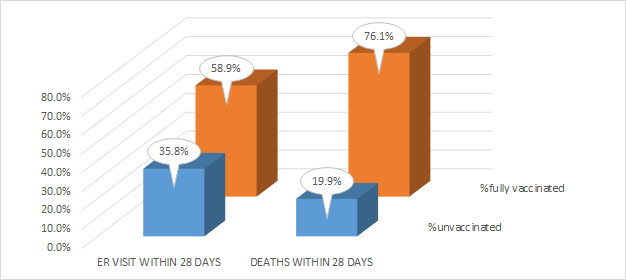
So far, we only looked at the first set of bars (cases) in the first chart. Moving over to ER visits, we notice that there are more fully vaccinated (58.9%) than unvaccinated (35.8%) patients. Compared with the vaccination rates (65-66% vs 29-28%), the ER visits are still slightly skewed towards unvaccinated people, but the difference to population-wide vaccination status is small.
When we look at England's September and early October deaths from or with COVID-19, the proportions shift significantly. As many as 76.1% of deaths were fully vaccinated while only 19.9% were unvaccinated. This differential raises important questions about the vaccines' protection from severe COVID and fatal outcomes.
It is important to note that none of these statistics can be taken at face value. As mentioned above, cases can be largely influenced by testing requirements and protocols. The inclusion of all ER patients and deaths within 28 days of a positive test in the COVID counts can lead to over-counting (and thus fear-mongering). Conversely, an emerging pandemic of the vaccinated in England's hospitals might be exaggerated by factors such as varying vaccination rates in different age groups (higher rates in older ages who are more likely to need emergency care and pass away) and varying vaccination timelines by age group (earlier vaccines in the elderly now loosing their protective effect).
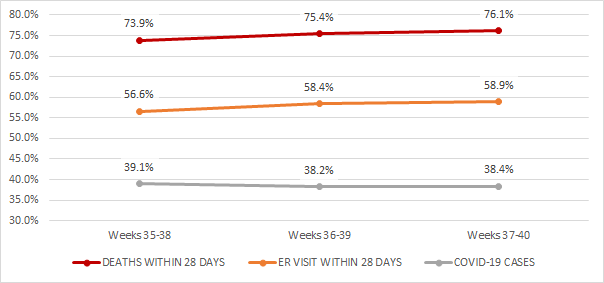
To examine the possible pandemic of the vaccinated one step further, we can look at the recent dynamics in the data. From the last three reports, it appears that the cases among fully vaccinated are fluctuating while the ER visits and deaths are indeed continuously growing. This trend is problematic, since the UK and other countries with similar pandemic responses around the northern hemisphere are approaching the annual flu season. We may soon realize that the segregation of unvaccinated residents has no scientific or practical basis and that we should instead focus on at-home treatment options for COVID-19 and return to conventional protections for our most vulnerable people.
 @ClausR2020