The Ship of Theseus.
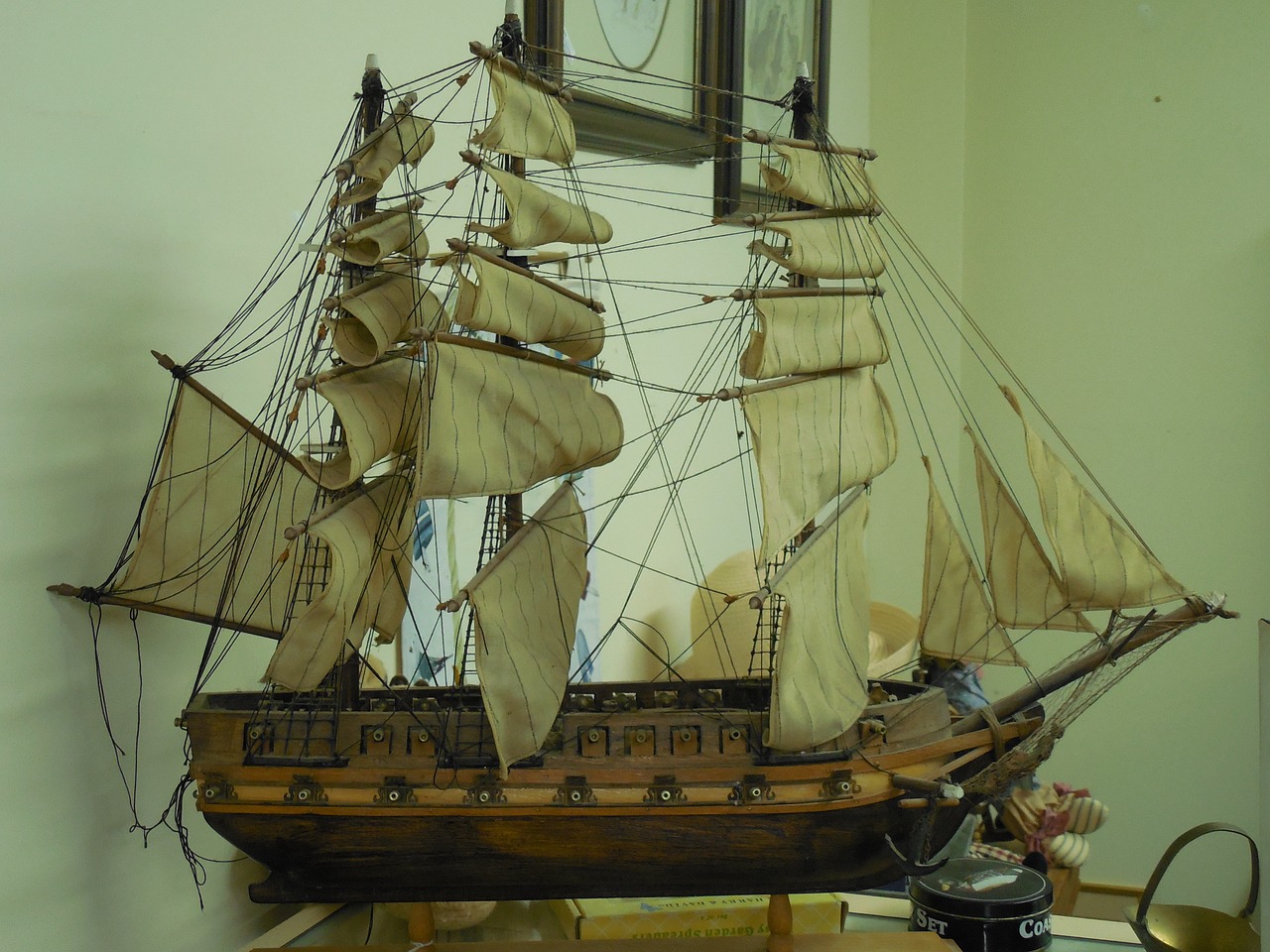
In the ancient Greek allegory, Theseus — the founder-king of Athens — sailed triumphantly back to the great city after slaying the mythic Minotaur on Crete. For a thousand years, his ship was maintained in the harbor of Athens as a living trophy and was sailed to Crete annually to reenact the victorious voyage. As time began to corrode the vessel, its components were replaced one by one — new planks, new oars, new sails — until no original part remained. Was it then, Plutarch asks, the same ship? There is no static, solid self. Throughout life, our habits, beliefs, and ideas evolve beyond recognition. Our physical and social environments change. Almost all of our cells are replaced. Yet we remain, to ourselves, “who” “we” “are.” So with science: Bit by bit, discoveries reconfigure our understanding of reality. This reality is revealed to us only in fragments. The more fragments we perceive and parse, the more lifelike the mosaic we make of them. But it is still a mosaic, a representation — imperfect and incomplete, however beautiful it may be, and subject to unending transfiguration. Image source: https://pixabay.com/photos/replica-ship-boat-sea-vessel-old-678764/
1 comment
Well written bro.... Keep it up