Good morning friends.
@Robi26
Joined 6 July 2020 · 14 posts
Medical student at bgc trust medical College, Stay home and stay safe☺
120 KT
0 KT · 25¢ received · 0 KT · $3.27 given
Posts
Hi, guys. I am inactive in this platform for a long time. Now i am back And want to continue my work in @read.cash. Hope you guys help me by like, cmnt, share and uovoting my post.
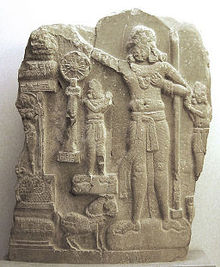
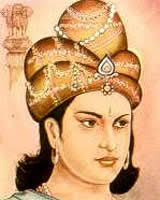
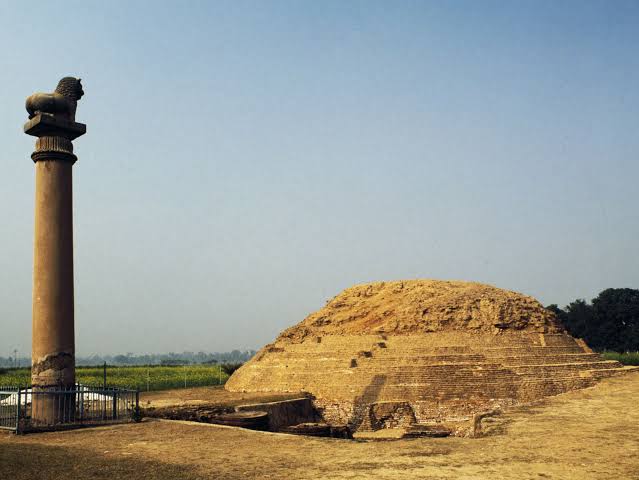
'Samrat Ashoka'-The Great Introduction and birth: In the history of India, two kings have been given the title of Great, one of them is Ashoka the Great and the other is Akbar the Great. Interestingly, not a single Hindu king in Hindu-dominated India got this title. Although Ashoka was a follower of Sanatan (hindu) religion in his early life, he later converted to Buddhism. Ashoka, the third emperor of the Maurya dynasty of India. He was born in 304 BC. Samrat Bindhusara (2nd emperor of maurya dynasty and Queen Dharma was his parents. The most famous ruler of the Mauryan Empire was Emperor Ashoka. He was one of the most powerful kings of the ancient Indian subcontinent. His reign lasted from 263 BC to 232 BC. Education and Become a warrior: Emperor Chandragupta, the founder of the Maurya dynasty, Ashoka was the grandson of Maurya founder. Dharma, the daughter of a Brahmin priest, was known as Subhadrangi or Janapadakalyani. Ashoka was deprived of much of his rights due to his mother's position.His only younger brother was a coward and several honest brothers. From an early age, Ashoka began to have a talent for weapons as well as education. Ashoka's father Bindusara, impressed by his wisdom and skill, appointed him as the ruler of Abanti. Ashoka quickly became an excellent warrior and prudent politician. His influence in the Maurya army continued to grow day by day. As a result, Ashoka's honest brothers became jealous and began to fear that Bindusara would nominate him as the heir to the throne. Emperor Bindusara's eldest son Sushima Bindusara requested that Ashoka be sent from the capital Pataliputra to quell the revolt in Takshila province. Sushima wanted Ashoka not to return alive from Takshila.But the people there welcomed Ashoka instead of attacking him and the revolt ended without any fighting. After Sushima became more apprehensive about this incident. Ascend the throne: Suspicious Sushima continues to persuade Bindusara against Ashoka. At this time Ashok went to Kalinga and married the daughter of a fisherman named Kaurayaki. Meanwhile, a revolt broke out in Ujjain province. Emperor Bindusara summoned Ashoka to the capital Pataliputra and sent him back to Ujjain to quell the revolt. Ashoka was wounded in battle and was served by Buddhist monks. It was there that Ashoka first learned about the life and teachings of the Buddha. The following year, Emperor Bindusara became seriously ill and nominated Sushima as his successor. But due to her authoritarian behavior, Sushima became an unpopular figure among the ministers. A team of ministers led by Radhagupta called on Ashok to take power. After the death of Bindusara in 262 BC, Ashoka invaded Pataliputra. Defeated and killed his other brothers including Sushima. Of the brothers, only the younger brother survived the tragedy. He ascended the throne four years after taking power. Spreading kingdom and kalinga War: After taking power, Ashoka focused on expanding his empire and engaged in fierce fighting. The war lasted for about eight years. At this time the Mauryan Empire extended east-west from the Iran-Afghanistan border to Burma. He conquered the whole of South India except Ceylon (present day Sri Lanka). The only kingdom outside his empire was Kalinga (present day Orissa). Ashoka attacked Kalinga in 265 BC and the battle of Kalinga had a significant impact on his life. Ashoka won the battle but the whole province was looted, destroyed and thousands of people were killed. The next morning after the conquest of Kalinga he set out on a state tour and saw nothing but ruins. Faced with the consequences of war, for the first time he felt intimidated by his cruelty. When Pataliputra returned, he saw the same situation. At this point he was ashamed of his past work and vowed never to get involved in the war. He devoted himself entirely to Buddhism. Ashoka's religion and propaganda: Ashoka was a devotee of Buddhism and Jainism. However, his preaching and way of life was dominated by Buddhism. Ashoka introduced pilgrimage instead of pilgrimage. He associated the pilgrimage with the giving of gifts to the devotees, the preaching of the Buddha's words and the conversion of people through various teachings. In order to inspire the common people to Buddhism, he recorded the words and advice of the Buddha in various places of the kingdom (on the hills, on the stone pillars, in the mountain caves). He created the terms Rajuk, Yut and Mohapatra for religious propaganda. They preached Ashoka's theology. He also appointed an employee called Dharmamahapatra so that the common people would not be oppressed by the royal officials. Last Life: He died in 232 BC. Ashoka and his glorious reign are associated with the richest times in the history of India and as a tribute to his biased philosophy. Ashoka's Dharmachakra has become an important part of the Indian national flag. Ashoka's Lion Pillar, the symbol of the republic, is adapted to the Indian capital.
+3 more
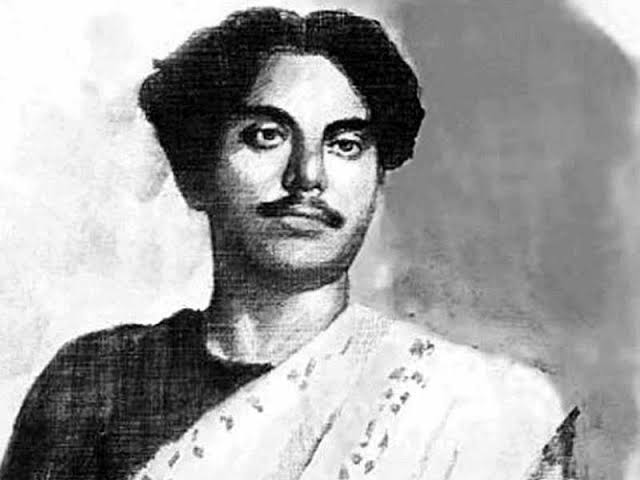
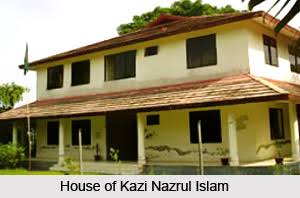
'Kazi Nazrul Islam'-The Rebel Poet Introduction: The dignity and importance of Kazi Nazrul Islam in the twentieth century Bengali mind is immense. As a poet, writer, musician, journalist, editor, politician and soldier, Nazrul was always protest against injustice and injustic. He is known as one of the best personalities in the field of Bengali literature, society and culture and he was one of the leading figures of Bengali Manisha. His poems and songs are equally admired in West Bengal and Bangladesh. He has been called a rebel poet because of his rebellious attitude in his poetry. Birth and place: Kazi Nazrul Islam was born on 24 May 1899 in the village of Churulia, Asansol subdivision, Burdwan district, West Bengal, India. The village of Churulia is located in the Jamuria block of Asansol subdivision. He is the sixth child of Zaheda Khatun, the second wife of Kazi Fakir Ahmed, son of grandfather Kazi Amin Ullah. His father, Fakir Ahmad, was the imam of the local mosque and the caretaker of the khadem. Kazi Ali Hossain is the youngest of Nazrul's three brothers and Kazi Sahebjan is the eldest of the two sisters and Umme Kujlsum is the youngest. Education : Nazrul worked as a muezzin in the local mosque in the village. He started studying Quran, Islam, philosophy and Islamic theology in Maktab (a religious school run by Muslims). His father died in 1908, when he was only nine years old. After the death of his father, his education was disrupted due to family hardships and he had to go to work to earn a living when he was only ten years old.In 1910, Nazrul returned to student life. He was first admitted to Raniganj Searsol Raj School and later to Mathrun High English School (later Nabinchandra Institution). The head-master of the latter school was the poet Kumudaranjan Mallick; Nazrul got close to him. Unfortunately, Nazrul's student life was disrupted again after the sixth grade due to financial difficulties. Leaving Mathrun School, he first worked for Basudeb's Kabidal, later as a butcher for a Christian railway guard, and finally for a tea-bread shop in Asansol. While working in a tea-bread shop, Nazrul met Rafizullah, an inspector of Asansol, and it was through him that Nazrul was admitted in the seventh grade in 1914 at Darirampur School in Trishal, Mymensingh district. A year later, he returned to his village and in 1915 he was again admitted in the eighth class of Raniganj Siarsol Rajskul. Nazrul studied in this school continuously from 8th to 10th class in 1915-1916 . Nazrul joined the army in late 1917 during the pretest test. Career: From the end of 1917 to March-April 1920, Nazrul's military life spanned about two and a half years. During this time he rose from an ordinary soldier of the 49th Bengali Regiment to Battalion Quartermaster Habildar. After the end of the First World War, Nazrul returned to the country in March 1920 and started his literary career in Calcutta. His first refuge in Calcutta was at the office of the Bengal Muslim Literary Society at 32 College Street with Muzaffar Ahmed, one of the officers of the society. From the very beginning his newly written 'Bandhan-Hara' novels were published in Moslem Bharat, Bengali Muslim literature paper. April-June 1921 was a very important and significant time for Nazrul's life. At this time he met Ali Akbar Khan, the publisher of the book, at the office of the Muslim Sahitya Samiti, and with him Nazrul first came to Birjasundari Devi's house in Comilla. Here he met Premila and they got married on the basis of this identity. Although he became a Muslim, he named his four children in both Bengali and Arabic / Persian. Such as: Krishna Muhammad, Arindam Khaled (Bulbul), Kazi Sabyasachi and Kazi Aniruddha. Sickness and Bring to Bangladesh: In 1942 he fell ill. He lost his speech. His illness became clear in July 1942. He was then given homeopathy and ayurvedic treatment. But it did not improve his condition. At that time, if it was possible to send him to Europe, he would undergo neurosurgery. But that did not happen because of World War II. Towards the end of 1942, he also lost his mental balance. Then in May 1953 Nazrul and Premila Devi were sent to London for treatment. He left Howrah Railway Station on May 10 for London. After arriving in London, several specialist doctors tried to diagnose him. The poet was examined on December 9, 1953. From the results. Huff said the poet is definitely suffering from a neurological problem called pixie's disease. The frontal and lateral lobes of the brain of affected by this disease become constricted. He added that it was impossible to cure the poet from his present condition.In 1971, the Bengalis won the war of independence of Bangladesh and an independent state called Bangladesh was established. On 24 May 1972, with the permission of the Government of India, Nazrul was brought to Bangladesh with his family. The then President of Bangladesh Sheikh Mujibur Rahman took special initiative in this regard. The poet spent the rest of his life in Bangladesh. In 1978, an official order was issued to grant Nazrul the citizenship of independent Bangladesh. He is declared national poet of Bangladesh by Government. Literature Work: His notable work: Poetry: Agniveena (poetry),Sanchita (poetry collection), Phanimansa (poetry),Chakrabak (poetry), Satbhai Champa (Poetry), Fountain (poetry), Notun chad (Poetry), Moruvaskar (poetry). Moruvaskar (poetry), Sanchayan (poetry collection) Nazrul Islam: Islamic Poetry (Collection of Poems) Poetry and music: Dolan-champa (poetry and song), Poison Flute (Poems and Songs), Bhangar Gaan (Poems and Songs),Chayanat (poetry and song), Chittanama (poetry and song), Sammobadi (poetry and song),Puber Hawa (poetry and song), Proletariat (poetry and song), Indus Hindol (poetry and song), Jinjir (poetry and song), Prolay Shikha (poetry and song). Songs: He gave birth to a new genre of Bengali poetry. This is Islamic music or ghazal. Apart from this, he also composed many excellent Shyama songs and Hindu devotional songs. Nazrul composed about 3000 songs and composed most of them which are now known as Nazrul Sangeet or "Nazrul Geeti" and are especially popular. Short story: Bethar dan (short story), Rikter Bedan (Short Story), Shiuli Mala (Story) and many more Novel: Bandhan Hara (Novel), Mritru khudha (Novel), Kuhelika (novel). Drama Jhilimili (drama), Aleya (lyric drama), Putuler biye (Teenage Drama), Madhumala (lyric drama), Jhar (Teenage Poetry-Drama), Pile Patka Putul's Marriage (Teenage Poetry-Drama). Essays: Jugbani (essay), Jhinge Phul (Essay), Durdiner jatri (essay), Rudra Mangal (Essay), Dhumketu (essay). Last Life: Despite adequate treatment, Nazrul's health did not improve much. Kazi Aniruddha, the poet's youngest son and famous guitarist, died in 1984. In 1978, Nazrul's health began to decline. He spent the last days of his life in PG Hospital, Dhaka. He died on 29 August 1976 at the age of 77. Considering the last wish of the poet, it was decided to bury the poet next to the central mosque of Dhaka University and his tomb was constructed accordingly.

+7 more
A journey of 'One Week' to the @read.cash It's been a week since I joined @read.cash. In this journey, i have learned a lot lot things. For sur that will help in my next life. In this journey, i want to thank my friend @omar who inspired me joined. I also thank @AbtahiRahib who support me. And thanks to other guys who support me, comment on my post and upvoting. Finally, i want to say plz guys subscribe me and like my article and also comment on my post. Keep me supporting.

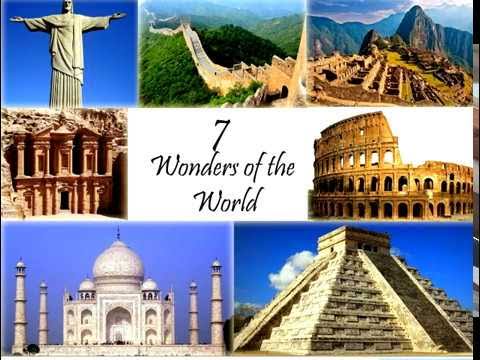
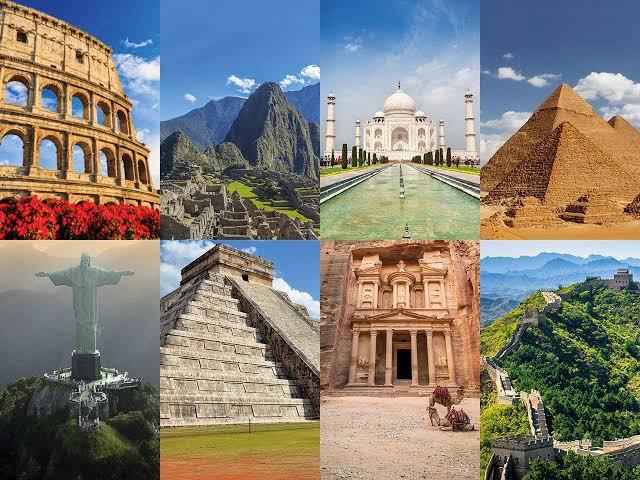
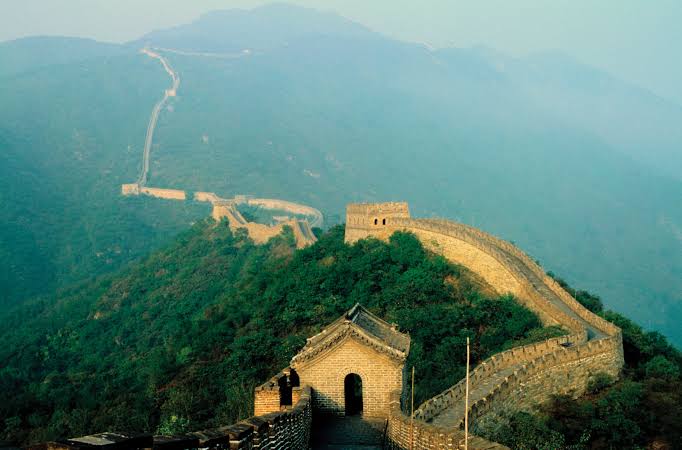
'Seven Wonders' of the world From the beginning of the world there have been wonderful things. From ancient times till today people have been making a list of these wonderful things. We all know the historical wonders of Babylon's hanging gardens, the temple of Artemis, the statue of the Greek god Zeus at Olympia, the lighthouse of Alexandria, the Great Pyramid, and so on. These lists were published in ancient times. It is said that Herodotus, the father of history, and Callimacos, the sage, made the list. But adequate evidence was not found. Then in 2007 (07.08.08) a new list of Seven Wonders was published. The new list is subject to a vote of more than 100 million people. Voting began in 2000 with about 200 monuments, and the results were announced on July 7, 2006 in Lisbon. Let's take a look at who got a place in the Seven Wonders in this new list in detail: 1. The Great wall of China: In 220 BC, Qin Shi Huang, and in 138-1844, the Ming Dynasty made great strides in erecting the Great Wall. The Great Wall of China was built with the aim of integrating security forces into a single defense system and keeping the Mongol tribes away from China by preventing them from invading. Its length is 21,196 km. It is the largest man-made wall. 2. Christ the Redeemer Statue: Located in Rio de Janeiro, Brazil in 1931, this statue is the second wonder of the world. The 130-foot-tall statue was designed by Hittor da Silva Costa and cost about 250,000 to build. Most of this money is raised through donations. 3. Machu Picchu Until 1911, it was unknown to the world. Archaeologist Hiram Bingham presented it to the world. It is located in the Inca city of Peru. This place can be reached by train, bus, helicopter or on foot. 4.Chichen Itza On the Yucatan Peninsula in Mexico, the ruins of the Mayan civilization, specimens of their way of life, such as clothing, honey, specimens of slaves, and salt, dating to 800 to 1200 BC, are found. It is the oldest, ruined observatory. 4. Chichen Itza: On the Yucatan Peninsula in Mexico, the ruins of the Mayan civilization, specimens of their way of life, such as clothing, honey, specimens of slaves, and salt, dating to 800 to 1200 BC, are found. It is the oldest, ruined observatory. 5. The Roman Colosseum: The Colosseum is the oldest surviving monument in Rome. It originated in the 70AC to 80AC.It can accommodate around 50,000 visitors in a circular structure that can be seen live, including animal hunting, executions, and war preparations. Although it suffered a lot after the earthquake and the rock robberies, a part of it is now open to tourists. 6. Taj Mahal: We all know the history of the Taj Mahal. It was built by the Mughal Emperor Shah Jahan from 1632 to 1648. It is considered to be the most wonderfully perfect specimen made by Muslims. 7. Petra In 1945, it was declared a UNESCO World Heritage Site. It was the capital of Nabetena, the fourth empire of King Aritas of Petra. The stone carvings include incredible statues, a 4,000-seat amphitheater and the El-Dei Monastery. Honorary Status: Among the Seven Wonders of the Ancient World, only the Great Pyramid (Honorary Status, Giza Necopolis, Egypt) has been honored.
+7 more
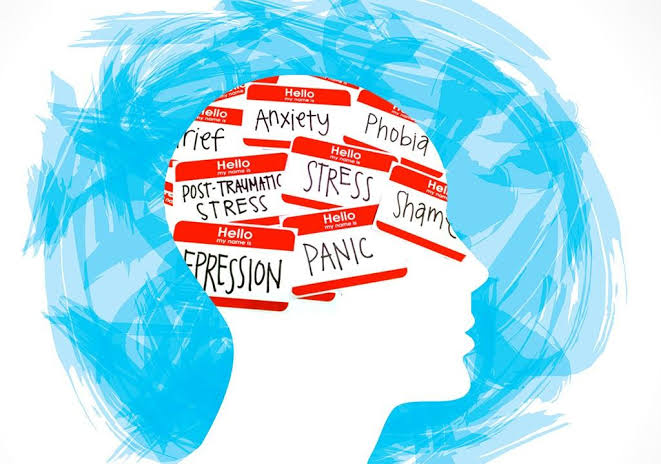
Mental health: Depression, Anxiety What is mental health? mental health may be defines as a person’s condition with regard to their psychological and emotional well-being. Mental illness can affect all aspects of your life. Your relationships, activities, beliefs and your social interactions can all be affected. It can make you depressed, anxious, scared or angry. It could be because : #We suffer from uncertainty: -What exactly happened? -What should i do now? -What will be the benefit of treatment? We are losing control of our mind and other situations. And think we have nothing to do. We feel isolated from family and friends. It is often difficult to talk about illness with relatives. We don’t want to make them think or hurt. How do you feel when you are depressed or anxious? Anxiety or depression overwhelms both our body and mind. Many times the two are at the same time. Feelings of anxiety: -There are always thoughts in the head, especially thoughts about the disease or the treatment of the disease -The worst that can happen is that it seems to happen. For example, it may seem that the disease will get worse, or we may die. Chest throbbing (throbbing chest) -Feeling of pain or tightness in the muscles -Not being able to relax -Sweat. -Not being able to enjoy anything -Not being able to decide on even small matters -It's always impossible to get tired -Feeling uncomfortable or restless -Loss of appetite and weight loss (in some cases the exact opposite, both hunger and weight gain) -Not falling asleep and waking up early in the morning. When should you seek help If you have depression or anxiety? Exceeds the level, You have never had such anxiety or depression before Its prevalence is not decreasing with time. Deteriorating relationships with your work. Hobbies, relatives and friends It seems that life has no meaning, or that everyone is better off without you. You may not realize that if you are depressed You think that the cause of your discomfort is physical illness. You feel lazy or weak.Others may reassure you. They may say that asking for help is not a sign of weakness. Some people immerse themselves in work to deal with depression or anxiety. In some cases, it works, but in many cases, people become more tired. Depression or anxiety often leads to headaches, insomnia or pain all over the body instead of feeling bad or scared. You can talk to your friends or relatives about it, they can help you. That treatment is through talking: It can be difficult to express your true feelings, even to a close friend. It is relatively easy to do to a professional. He can show you the way to solve the problem, and help you evaluate your problem. The treatment that comes with talking is usually not long-term, requiring no more than eight sessions. You can see a therapist individually or with a group. If you have a partner or carer, it is better if he is also involved. There are many ways to get treatment through words, but in all cases some words apply Mutual trust between patient and therapist Opportunity to talk openly about your thoughts, feelings and problems Anxiety, troubled feelings and trying to solve problems. What will be the benefit? Just talking to someone can feel scary or meaningless. But, once started, most patients (severely physically ill) benefit from it. How to treat depression or anxiety? There are many professionals who can help you. These include your homeopath, counselor, psychotherapist, psychologist, and psychiatrist. The treatment will depend on your symptoms, the severity of your depression or anxiety, and the circumstances around you. The treatment is sometimes talking, sometimes taking antidepressant pills, sometimes both. Finally: Most of the time this type of problem is misinterpreted. If you want to know about mental problems all over the world, you need to study a lot. In this episode we have tried to give a general idea about mental health issues. Attempts have also been made to provide some information on why mental health is so important and to address this issue .
+2 more
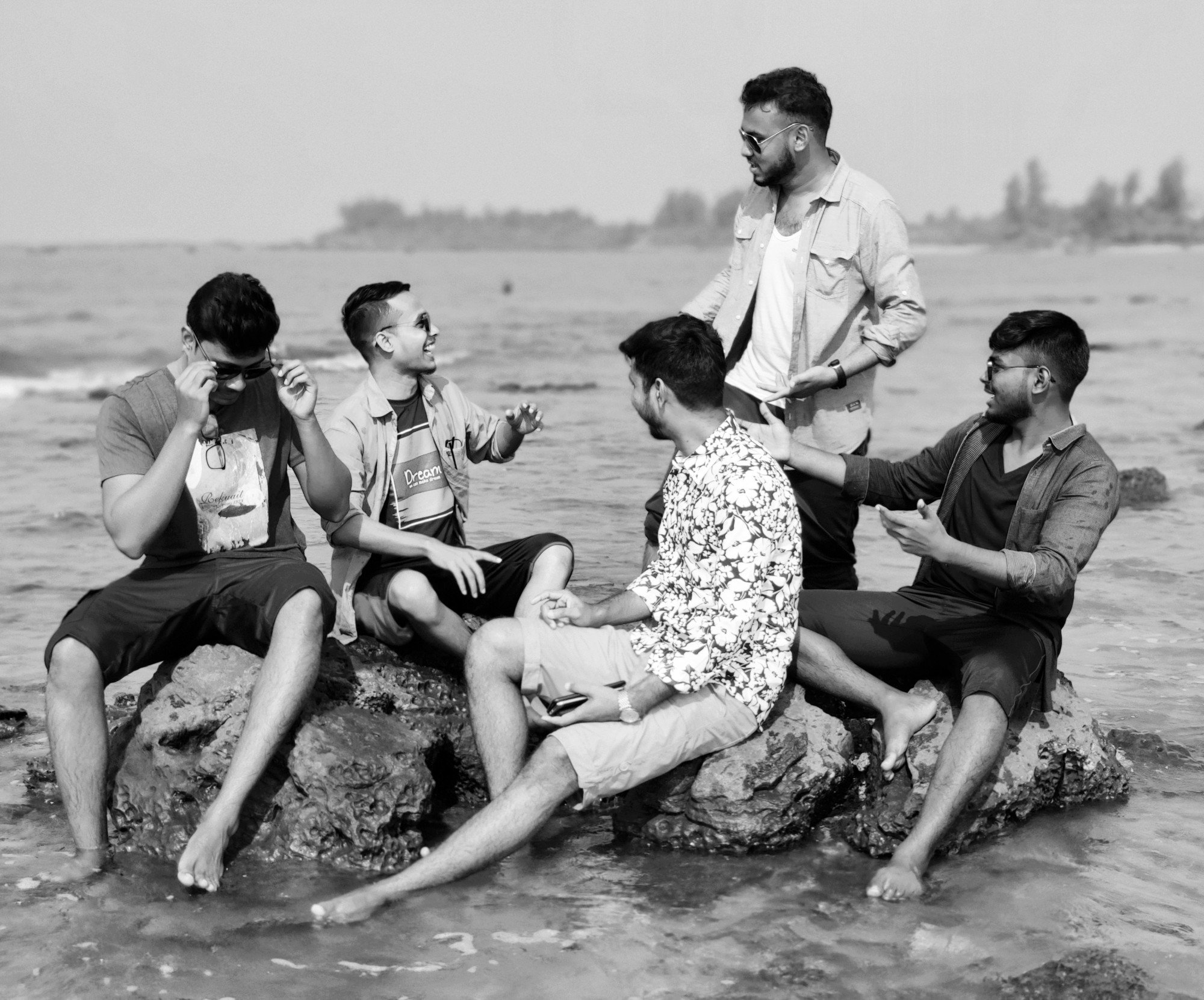
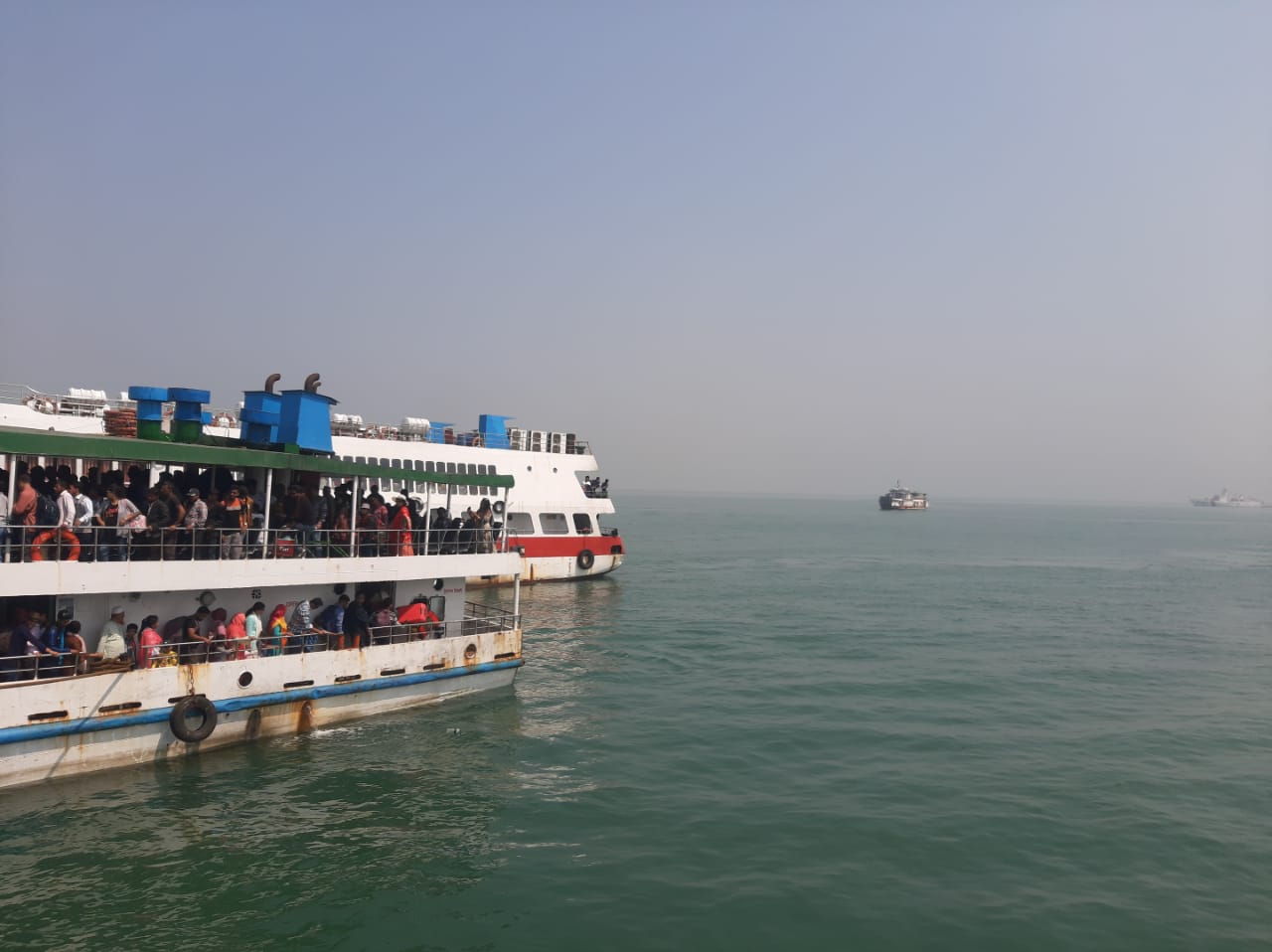
Saint Martin Tour photography. I visited saint martin before the quarantine period have started. This is the best tour ever i have done with my friends. Now i want to show some of tours picture. Hope you will enjoy them. We started the journey at February 22,2020 at 2.00 am. First we reached cox's bazar then Teknaf. Then the most thrilling part of this journey. Jouney by ship. Almost 8 hours of journey we reached our destination. After reaching there we hired a hotel of two room. Then we started our exploring. And the beach football!!! That was the best part of this journey. We also made a cycle ride to chera dip. It was awesome. And the 'Chera Dip' is very beautiful. After 2days we backed to our home. This was really to much fun in 2020 before quarantine period. I enjoyed the tour very much. And i never forget this tour. NB: All of this photo is captured by me and some is clicked by my friend shuvo.
+15 more
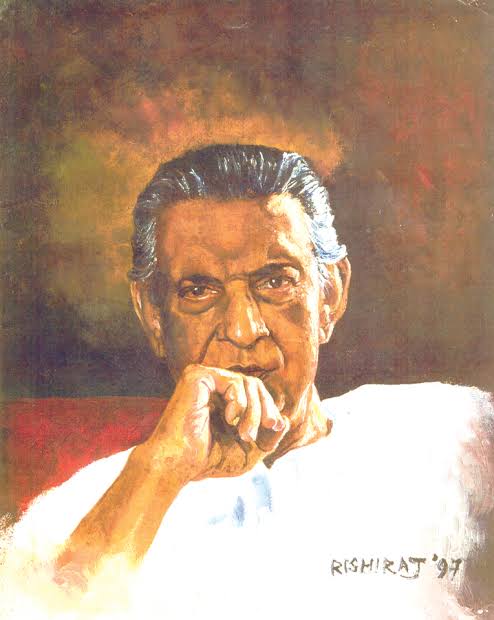
Biography of Satyajit Ray. Introduction: If there is a famous filmmaker in India or Bengal, then if any of them is the best, then it is definitely none other than Satyajit Ray.He is an Indian filmmaker, screenwriter, art director, music director and writer. He is considered one of the best filmmakers of the twentieth century. Birth and place: This great man was born on 2nd May 1921 in Kolkata At that time the whole of India was under British rule. His ancestral home was in the village of Masua in Katiadi upazila of Kishoreganj (now Bangladesh) in the then British India. His father was the famous storyteller Sukumar Roy, whose words may not be known to any Bengali and his mother was Supravya Roy.Ray's grandfather was a famous writer and painter His name is Upendrakishore Roychowdhury, who is also called the pioneer of Indian printing industry. Education: His educational career began in 1929, when he was about 7 years old He was first admitted to Baliganj Government High School and then after finishing school he was later admitted to Presidency College, Kolkata. Where he studied economics In 1940, Ray's mother insisted that he be admitted to Rabindranath Tagore's Visva-Bharati University in Santiniketan, and he was eventually admitted there because of his mother's wishes. It is said that Ray did not have a very high opinion of the educational environment of Visva-Bharati University. But later, after studying there, his idea proved to be completely wrong. But Ray did not study at Visva-Bharati University for long He left Santiniketan in 1943 and moved back to Calcutta, where he started working as a "Junior Visualizer" for DJ Kimmer, a British advertising agency, for a salary of only Rs. After that he never had to look back. In 1949, he married his girlfriend Vijaya Das. They have a son named Sandeep Roy. Career: After being approached by French filmmaker Jay Renoir, and after watching an Italian film ‘Ladri di Bichiklatte’, he was interested in film making. Thats maked him the best director of his time. His versatile talent was released as a film maker. In 1947, he and some of his companions formed ‘Calcutta Film Society’. His first film is ‘Pather Panchali‘. He won 11 international awards for the film. These three films, ‘Pather Panchali’, ‘Apur Sansar’ and ‘Aparajita’ together are known as ‘Apu Trio’, which are considered to be the best act of their life. At first he used to make films only in Bangla but later he wrote the screenplay in English language. He wrote a few short stories and novels. His popular fictional detective character ‘Feluda’ and ‘Professor Shanku’ attracted Bengali readers especially. He made two typeface designs, ‘Rey Roman’ and ‘Ray Bijar’, in which ‘Ray Roman’ won the international awards. His other popular movies are: 1958: Paraspathar 1957: Jalsaghar 1959: Apur Sansar 1971: Thin konna 1984: Charulata 1969: Gupi Gain Bagha Bain 1984: Sonar kella 1969: Joy Baba Felunath 1970: Hirok rajar deshe 1990: Shakha prashakha Achievements of Satyajit Ray: 1956: Padma Shri Award 1959: Sangeet Natak Academy Award 1985: Padma Bhushan Award 1981: Star of Yugoslavia Award 1986: Padma Vibhushan Award 1986: Doctor of Letters Award from Oxford University 1971: Received a doctorate from Benares Hindu University 1982: Golden Lion Award 1974: Dadasaheb Phalke Award 1986: Commander of the Legion of Honor Award 1991: Oscar (for life time achievement) 1992: Akira Kurosawa Award Bharat Ratna Award. Last life: He was the first indian to get oscar at that time.Finally, on April 23, 1992, at the age of about 70, this great Bengali and Indian filmmaker died. He was one of the brilliant director of India, by whose hands Indian cinema gained a unique status in the world court at that time. We will never forget his contribution.
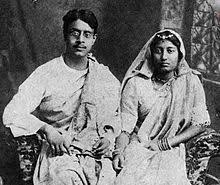
+6 more
Views of My house: This quarantine I am totally stuck in my house. So i decide to share some of my photography of my house and besides area with you guys. Hope you guys enjoy and like it. I will try my best. Actually I live in a small twon Chandraghona situated in Rangunia. It is very beautiful. My whole childhood was spent here. So I am very much emotionaly connected with this place. Here is a small garden in my house. I work here everyday in mornig. There is a river some distance from my house. It is known as 'karnafulli' river. And it is one of my favourite place. That's all. There are also many place for touring. Hope you guys enjoys the pictures. Thank you. N.B: Most of the pictures were captured by me. Some of them collected from my brother Oni Roy.
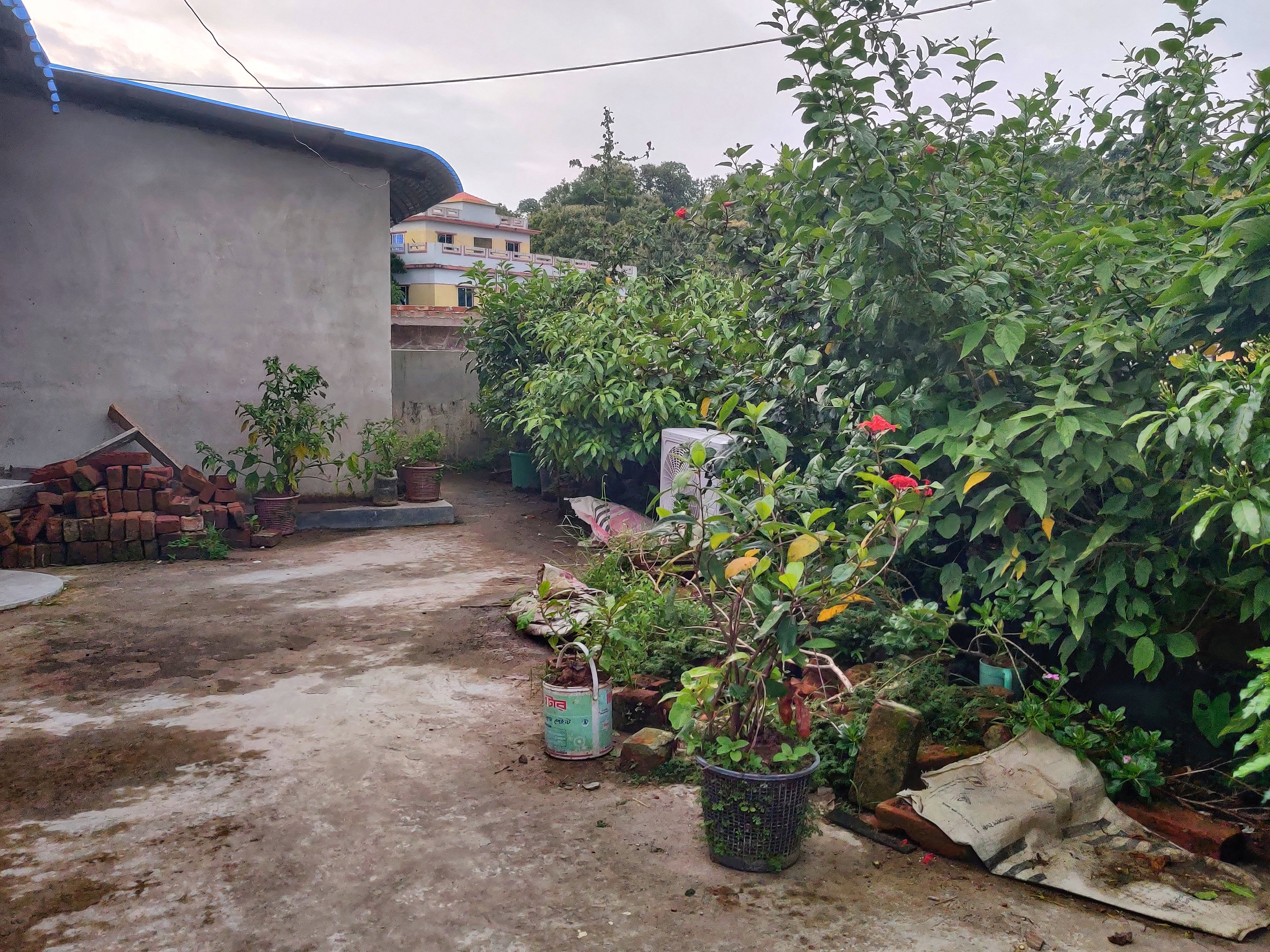
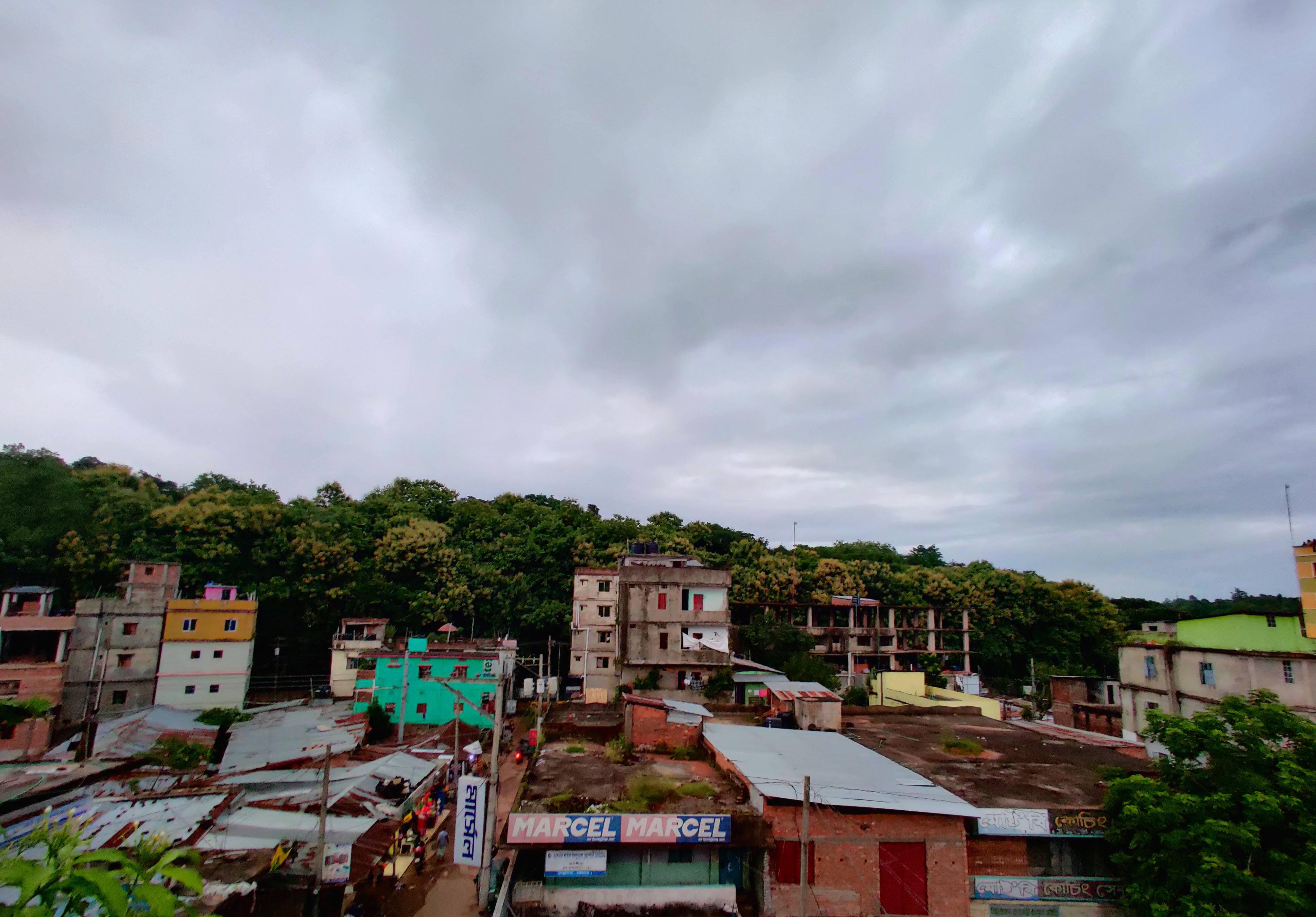
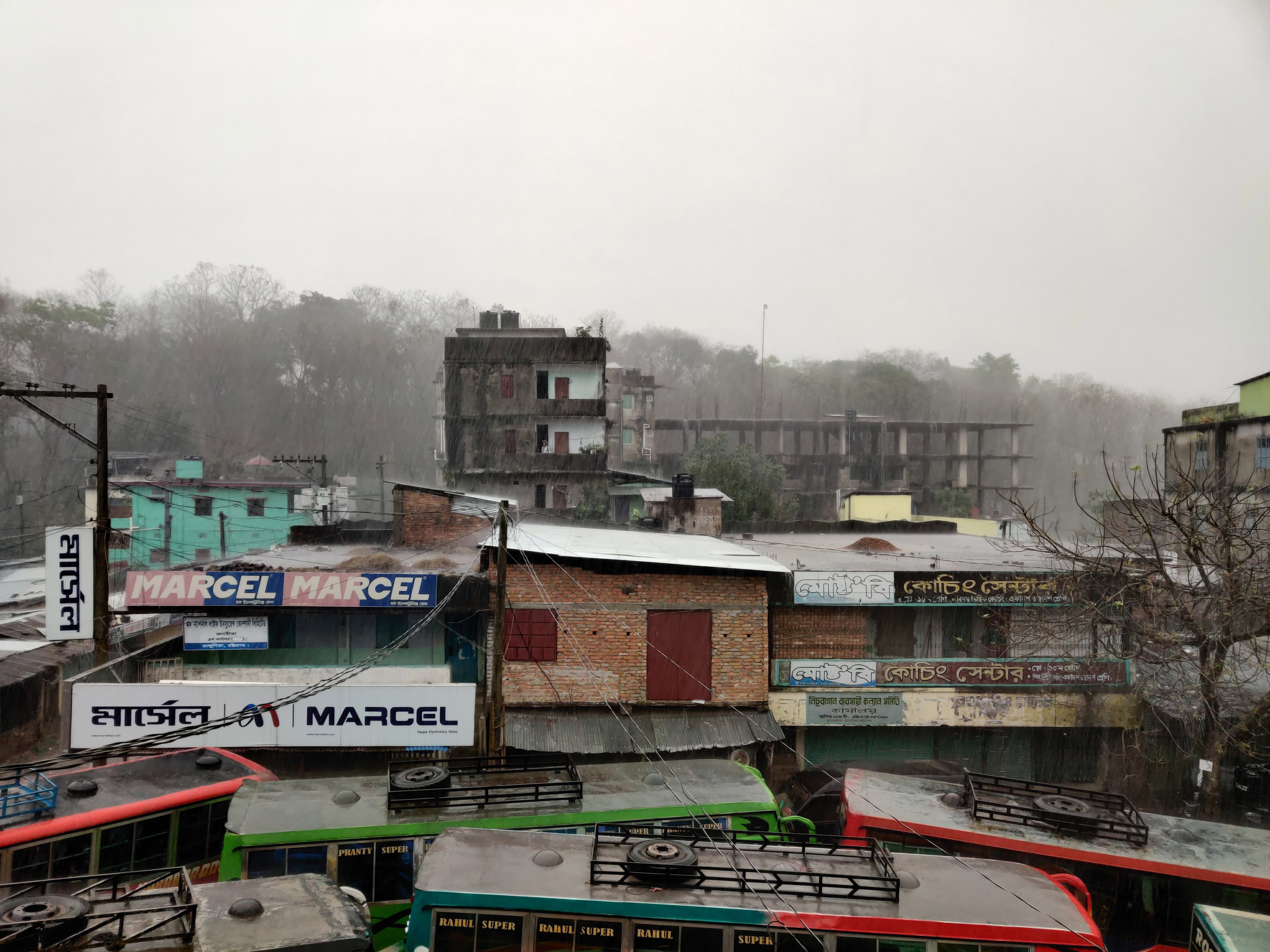
+6 more
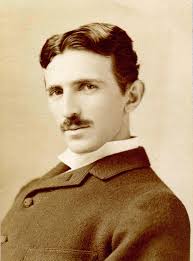
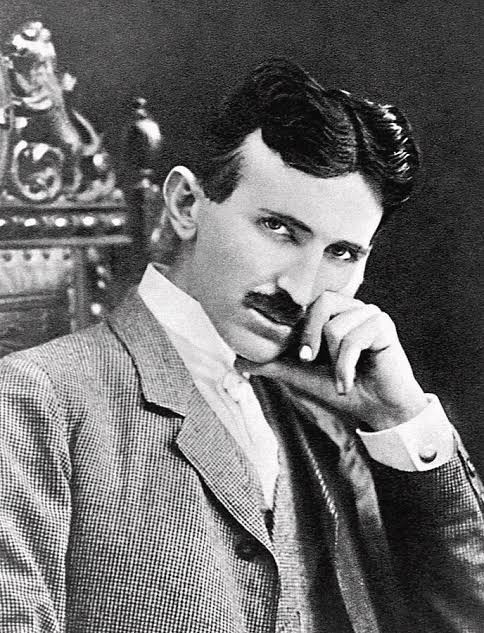
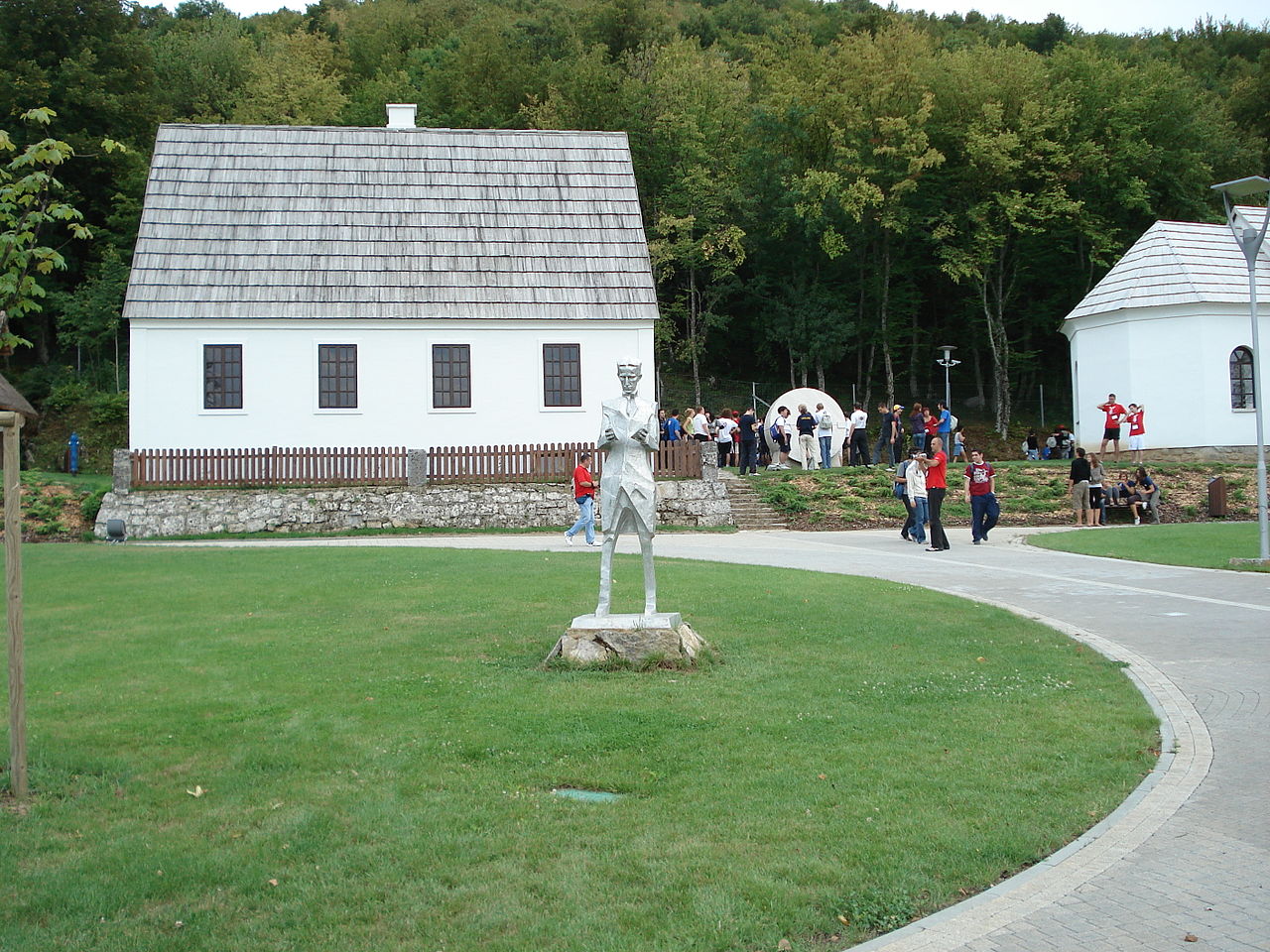
Tesla-'Child Of Light' Introduction: The most mysterious and wonderful scientist in the history of the world was Nikola Tesla who, in fact, passed the whole modern world to us. You may not know much about his discovery. He had patents for more than 300 inventions and his inventions were more modern than ever, which is still considered modern in the present age. He also had the power to destroy the earth, but he destroyed it for the good of mankind. Birth and place: Nikola Tesla's birth was mysterious. He was born in Croatia, mysteriously at 9:00 pm, between July 9 and July 10, 1857, on a night of extreme weather and thunderstorms. That is why his date of birth is twice. However, to avoid confusion, Wikipedia has written July 10 instead of July 9 and 10. People called him "Child of Darkness" because he was born in bad and terrible weather, but his mother said he would one day illuminate the world, so his mother called him "Child of Light". But in reality it happened. He invented AC current which enlighten the world. He was born in a village called Similjan (present-day Croatia). His father, Milutin Tesla (1819–189), was a priest by profession, and his mother, Duka Tesla (1822–1892). Tesla is the 4th of his parents' five children. His three sisters Milka, Angelina, Marika and brother Dane, who died in a horse race when Tesla was 5 years old. Education: Tesla went to an elementary school in Similjan in 1861, where he learned German, mathematics and religion. In 1862 his family moved to Gospik, where his father worked as a priest. Tesla completed his primary education and general education.In 1870 he went to Karlova in the north to be admitted to high school. German was taught there.In 1873 he completed his 4 years of school in just 3 years. In 1874 he joined the Austrian-Hungarian army.In 1875, Nikola Tesla received an Army Scholarship in a garage in Austria. He joined a Siberian culture club. A letter goes to his father from the head of his science department. It was written there, your son is first on the merit list. He studied from 3am to 11pm on all days except Sundays and holidays. But He lost his scholarship after the 2nd year because he became addicted to gambling. In the 3rd year, he lost all the benefits including admission. After that tesla became emotionally broken and moved to Budapest in 1881 without finishing his studies. Tesla started working for a company in there. He realized that his company was under construction, so he worked hard. Within a few months his company became one of the largest in Budapest, and he was its chief electrician. While working at the Central Telegraph Office, he came up with the idea of the first induction motor. It was here that he made a sketch of the principles of the rotating electric field, which is still used in many electrical devices today. His success laid the groundwork for many more innovations in the future, including directional current or AC current. Career description: In 1884 Nikola Tesla settled in America. He was accompanied by 4 clothes and only an identity card, along with a letter from Thomas Edison to Nikola Tesla asking him to deliver to Thomas Edison. The letter read: I know two wise men in the world, one you (Edison) and the other Nikola Tesla standing in front of you. Edison hired Nikola Tesla to his company and announced that he would pay him 50,000 dollar to redesign the DC generator. Nikola Tesla worked hard and succeeded. In the meantime Nikola Tesla made the most amazing discovery that changed the whole world. And that is AC power or Alternating Current. With Edison's DC power, people just thought of getting light. But with the AC invented by Nikola Tesla, people can understand that everything is possible. Nikola Tesla told Edison to use AC instead of DC. Edison became enraged and Tesla split from his company to form a new company called Tesla Electric Company. AC power soon became popular. Because AC was very powerful, it was available at low cost and was only suitable for industrial work. Meanwhile, Edison's DC power is almost over. It is rumored that Edison stole dogs and cats from the homes of the permanent residents to stop Nikola Tesla, set up camps on the streets and killed them in front of the people with electric shocks. Explain to the administration to kill a convicted felon with AC. These incidents caused panic in the minds of the people and caused extreme financial ruin to the Nikola Tesla company and at one point Nikola Tesla sold patents for AC power. With $ 60,000 in patent sales, he explored new inventions. Nikola Tesla's inventions in human welfare: This great scientist Nikola Tesla had a patent for more than 300 inventions. Also did not receive patents for many inventions. And many scientists stole the idea of many discoveries and continued to say their own. About them telsa said that ''I don’t care that they have stole my idea, I care that they don’t have of their own''. His invention: Ac electricity, wireless electricity, induction motor, tesla coil, Violet Ray, TeleForce, Neon Lamp, Wireless Telegraphy, Three phase Electric power, Tesla Turbine, Tesla valve, Vacume Variable Capacitor, shadowgraph, Tesla Experimental, Resonant inductive coupling, Polyphase system, Rotating magnetic field, Radio control, Plasma globe, 30Violet ray, Carbon button lamp, Telegeodynamics, Teleoperation, Torpedo, Vacuum variable capacitor, VTOL and many more. It is said that some his invention were made by some scientists in their own name. Radio X-ray Hydro Electric Power Rader System etc. But there are many contraverses about them. Last life: Lifelong unmarried Tesla has never been known to have an affair with a woman. He considered women superior to men in all respects. She never considered herself worthy of any woman. Moreover, a lonely life was necessary for a crazy man like him. Businessless Tesla has worked tirelessly all his life just for the welfare of the people. So even though he was the best in innovation at that time, he was not financially prosperous. Tesla died on January 8, 1943, in debt and alone, in room 3326 of the New Yorker Hotel. Tesla was a great soul dedicated to the service of humanity. His only effort was to make human life easier by discovering the mysteries of nature. He was never driven by any business goal. He initiated a magical transformation by turning electricity into a relatively simple object. Nikola Tesla has been an inspiration to imaginative and selfless people for centuries through his amazing imagination and invaluable talent.
+6 more
Hi, Guys!!! I am Robi. And I am new in platform. Hope you all guys help me with like,comment and share. Plz also subscribe. It’s a great opportunity to share my thoughts with you guys. I will try to post good content for you. Stay home and stay safe
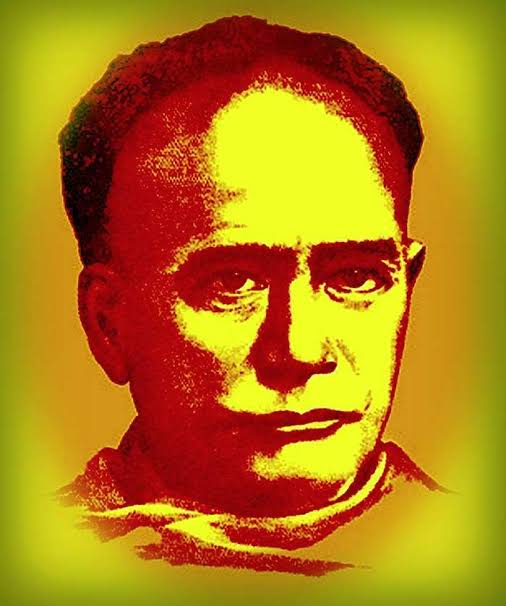
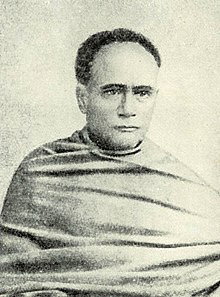
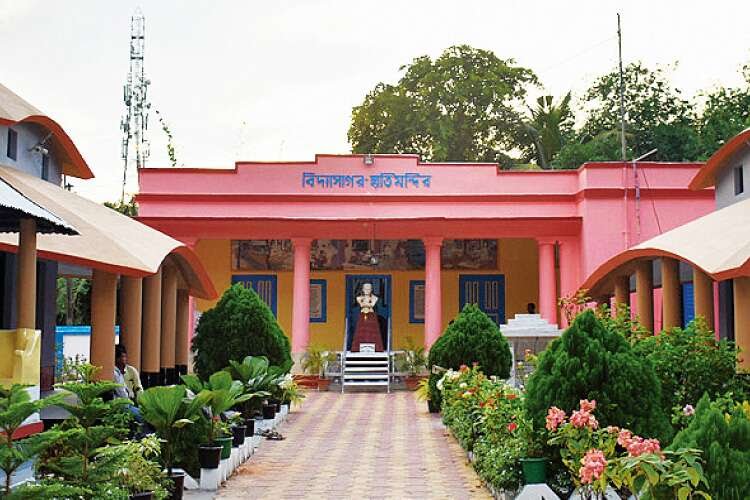
Biography of Vidyasagar Introduction:Ishwar Chandra Vidyasagar was one of the great men born in the nineteenth century. His contribution to education and social reform in Bangladesh was outstanding. **Birth and family:** Pandit Ishwar Chandra Vidyasagar was born on 26 September 1820 in the village of Birsingh in the Midnapore district of West Bengal. His real name is 'Ishwar Chandra Bandyopadhyay'. He received the title of 'Vidyasagar' in his early life for his profound knowledge of Sanskrit language and literature in 1841. His father's name was 'Thakurdas Bandyopadhyay' and his mother's name was 'Bhagwati Devi'. The financial situation of the family was not so good and at a very young age the father of vidyasagar Thakurdas had to go to Kolkata to earn money. When he came there, he was hired to write a businessman's book of businesse . He exchanged very little money. Education: At the age of four years and nine months, Thakurdas admitted Ishwar Chandra to the traditional school called 'patshala' in the village.After completing his schooling in November 1827, he came to Calcutta with his father to pursue higher studies. On Monday, June 1, 1829, he was admitted in sanskrit grammar at Calcutta Government Sanskrit College (now known as Sanskrit Collegiate School). While studying sanskrit grammar, Ishwar Chandra was admitted to the English class of Sanskrit College in 1830. In March 1831, he received a monthly stipend of five rupees for his achievement in the annual examination and a grammar book and eight rupees as an 'Out Student'. After completing his studies in Sanskrit from that college, Vidyasagar resumed his studies in grammar, Vedanta, memory, justice, astrology, poetry and rhetoric, and at the same time acquired knowledge in those subjects. As was the custom then Ishwar Chandra married at the age of fourteen. His wife was 'Dinamayee Devi'. 'Narayan Chandra Bandyopadhyaya' was their only son. Career description: After completing his education at Sanskrit College in 1841 on 29 December, at the age of only twenty-one, Vidyasagar Mahasaya became the Serestadar or Chief Scholar of the Bangla Department of Fort William College. The salary was 50 tk per month. He held this post until 5 April 1847. On 6 April 1848 he took charge as the assistant secretary of the Sanskrit College at the same salary. The following year, in 1848, he set up a bookstore called the Sanskrit Press Depository. In the same year he published the book Betal Panchabingshati based on the Hindi "Betal panchabingsati". This was his first novel. Rasmoy Dutta was the secretary of the Sanskrit College at that time, with whom Ishwar Chandra once had a difference of opinion, so he finally resigned from the post of the secretary of the Sanskrit College on 16 July 1848. On 1 March 1849, he became the headwriter and treasurer of Fort William College with a monthly salary of 80 tk. He resigned from Fort William on 4 December and became Professor of Literature at Sanskrit College on 5 December. On 5 January 1851, in addition to the post of professor of literature, he also took charge as the temporary secretary of the college. On 22 January he was appointed principal of the college with a salary of 150 tk. From this time the post of secretary in Sanskrit College was abolished. On 1 May 1855, in addition to the post of Principal of Sanskrit College, he was appointed Assistant School Inspector in South Bengal with an additional salary 200 tk per month. On 3 November 1857, after a disagreement with the head of the education department, he resigned as principal of the Sanskrit College. At the age of 39, all relations with the government were severed. So that he did it. However, he did not receive any recognition or pension from the government for his work. Biography of Ishwar Chandra Vidyasagar in spreading education: He wrote books for children in keeping with modern life such as 'Varnaparichay', 'Kathamala', 'Charitabali', Akhyanmanjari', 'Bodhodaya' etc. Later Ishwar Chandra Vidyasagar Sita's Banbas, Shakuntala etc. By writing Sanskrit grammar introductions and grammar kaumudi, he freed Sanskrit students and Sanskrit scholars from the conservative teaching method and simplified the Sanskrit text. While working as an inspector of the education department, Vidyasagar brought to the notice of the government the plight of education in remote areas of Bengal. He established primary education institutions either in collaboration with the government or in a single effort. From November 1757 to May 1856, Vidyasagar Mahasaya established 35 girls' schools all over South Bengal. The cost for these schools with a total of 1300 students was 845 tk per month. Ishwar Chandra Vidyasagar's contribution to widow marriage and social reform: Vidyasagar was an educated and social reformer. The introduction of widow marriage and the prevention of child marriage were his special achievements. He was also a staunch opponent of nobility and polygamy. The widow spent a lot of money on the movement for marriage and she became destitute. In 1858 the Widow Marriage Act was successfully enacted. He even set a unique example in the society by marrying his son Narayan Chandra to a widow. Last life: Ishwar Chandra Vidyasagar, one of the foremost personalities of the Bengal Renaissance, passed away on 29 July 1891, 13 Shravan in Bengal 1298, at 2:18 pm at his residence at Badurbagan in Calcutta. At the time of his death, he was 70 years, 10 months and 4 days old. The cause of death, according to doctors, is liver cancer. Vidyasagar's active role in education reform, introduction of modern education, expansion of women and children's education and expansion of English education is still ingrained in the minds of the people. It is true he is no more in the world but in the minds of people he is still immortal.
+4 more
Hi, friends!! I am a new member in this platform. Plz give me support by like, comment and share. And also subscribe me. I will try to post good quality writing and informative articl.