The change we need
Former U.S. First Lady Michelle Obama described it so aptly in her memoir "Becoming". (thanks @CrazyRichFilipina for sharing!) The politics of today is rife with nastiness, it is heartbreaking. It seems that when it comes to choosing the people who are to lead a country, a massive dose of nastiness is the requirement. https://read.cash/@CrazyRichFilipina
Just when you think those seeking political positions are at the very least decent, they easily turn a different shade that can be a throw off. Sometimes, regardless of what one has accomplished, just as important is character that is worth emulating.
After five years of having to live with a leader who can't seem to open his mouth without having to let loose some expletive or profanity especially when his policies, decisions or choices are questioned, I've had enough.
Basic requirement
So yes, it matters that whoever presents themselves as options to run for the highest position of the land must at the very least be dignified and decent. You can be tough and strong without resorting to gutter language or behavior.
We want a leader who is worthy of respect. We need a leader who can best represent the country and its people anywhere in the world. We should have a leader that young people, especially children, can look up to and say I want to be like that person when I grow up, and be proud of it.
Our country's problems are not only many, but complex. And anyone who takes on the job, whether they admit it or not, will be overwhelmed. Not everyone will be pleased with their pronouncements, decisions and actions. And many will want the president's ear.
But when one's purpose to run for office is to truly be of service, and they are guided by a higher source, the heavy responsibility will somehow be lightened. Not by much, given how myriad the issues are, but with discernment and as long as their heart remains in the right place, it is possible to lead while serving.
Enough of the nasty
While the presidential elections are months away, there is that long period within which candidates will not only offer themselves to the electorate, but for their camps and supporters to use every tactic, however vile, dirty, and demeaning to cast doubt on the integrity, credibility, and even humanity of their opponents.
Imagine having to spend millions or even billions to destroy another person's character instead of educating and rallying the public on doing what is possible - even before they earn that position - to resolve issues in the smallest of ways.
Even the toughest person, the most thick-skinned individual who has had to endure not only criticism but rudeness, disparaging remarks, insults, and untruths never become immune to them. Even for five minutes, the hurtful words will sting.
Sadly, the world seems to have become so desensitized and its morals corrupted that not only do we have to endure incidents of people being actually killed through violent acts, but their characters assassinated as well.
It becomes a struggle for those who want to exercise respect, decency, and courtesy when not everyone they will face subscribes to the same principles.
Show who is best
Let it be about the work ethics, results, plans, answers, whether intelligent or inadequate, that will serve as basis in helping voters discern and decide.
If they all have such great plans meant to address everything that is plaguing the country, wouldn't it be great (however much a dream) for all of them to eventually work together to fix things, regardless of who wins? If by some miracle that should ever happen, then everyone would have shown true patriotism and love of country.
Let this race be an opportunity to show who can do the best job, and not a muck raking to bring out who is the worst. No one individual is perfect. But there is one who is most suited (and destined). Let it be about who can be most trustworthy given their track record in public service.
The citizens' role
Much as majority want and feel the need for change, it cannot solely be the responsibility of an administration, or whoever takes over the leadership reins. For so long we have relied on government alone to make the change for us. Because of that dependency, people unwittingly become pawns or puppets.
Yes, it is the people's right to demand government to deliver basic services, to use taxpayers' money to benefit all, if not the majority, and to call officials out when their incompetence exacerbates the problem rather than solves them.
In the same way, citizens have the responsibility to help in nation-building, the most basic of which is discipline and respect for laws. At the same time, we must never settle for "good enough" (p*wede na* in Filipino), when there is a better way to do it, despite the process requiring some sacrifice.
Many of societal ills can actually be resolved at the local level. It simply needs the cooperation of every resident or citizen that lives in or works at this place, and a leader or official, who inspires. And solutions do not always have to be the initiative of government officials.
Local leadership is just as critical as the national leadership. It is not just about money or resources. It is about organization, implementation, efficiency, and equitability, especially in the use of scarce resources.
It can be done. And it has been done. But only by leaders who have it clear in their mind and heart that they are there to serve, and have no illusions about their positions being one about power.
*Images from Unsplash*
Nursing a broken system
I indulged in having my nails cleaned through home service. Our long-time manicurist said that she left the salon where she used to work and took on the job of a caregiver's assistant.
Their ward suffered a stroke in the United States, and because home care or a convalescence facility there is expensive, it was decided to bring her back here (Philippines) where she can receive more personalized care even at home but at less cost.
Aside from being paralyzed on one side of the body, the patient is unable to eat solid food and has been fed through a G-tube (a tube inserted in the belly so food, usually liquid nutrition, goes straight to the stomach). Unfortunately, she suffered some complications in the intestine and required surgery.
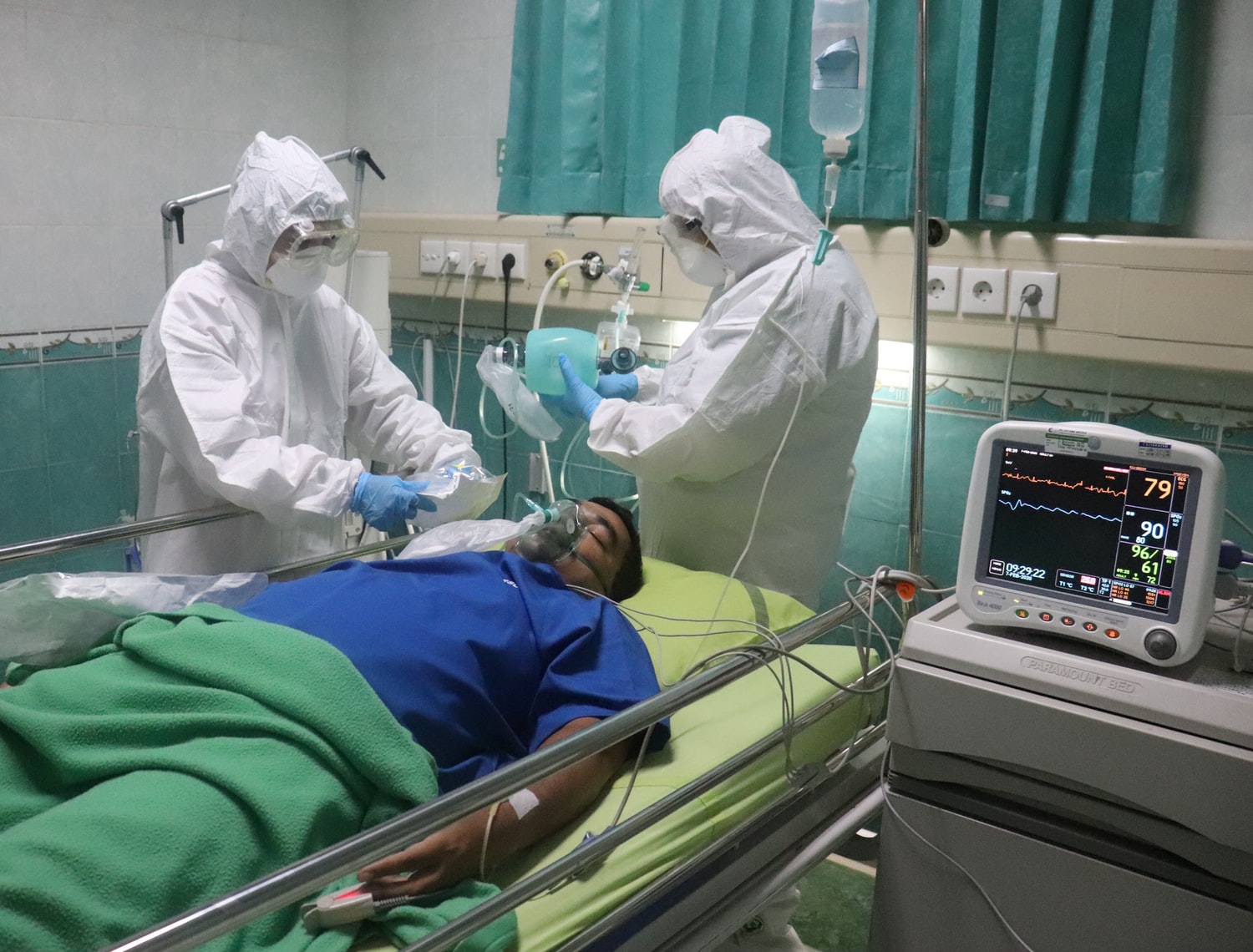
At this time when hospitals (especially in the National Capital Region) are still mostly full attending to COVID patients, confinement is doubly challenging, aside from being more expensive.
New normal?
Both patient and companion need to undergo a swab test for COVID. When medications are unavailable at the hospital pharmacy, either the companion or some other family member has to purchase these from an outside drugstore.
The medical facility where they were at apparently only had one entry and exit point, and this required passing through rows of tents where COVID patients were being treated.
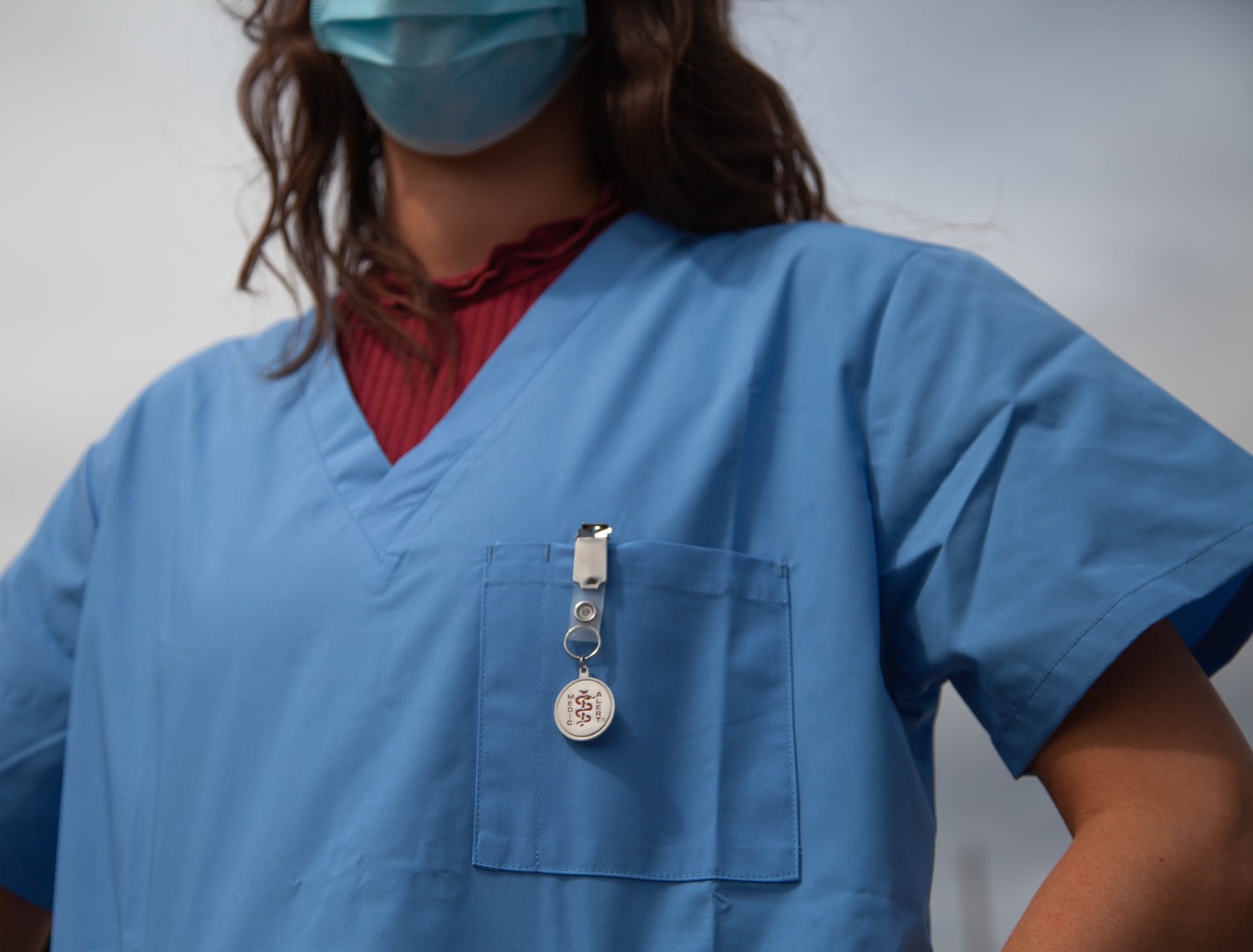
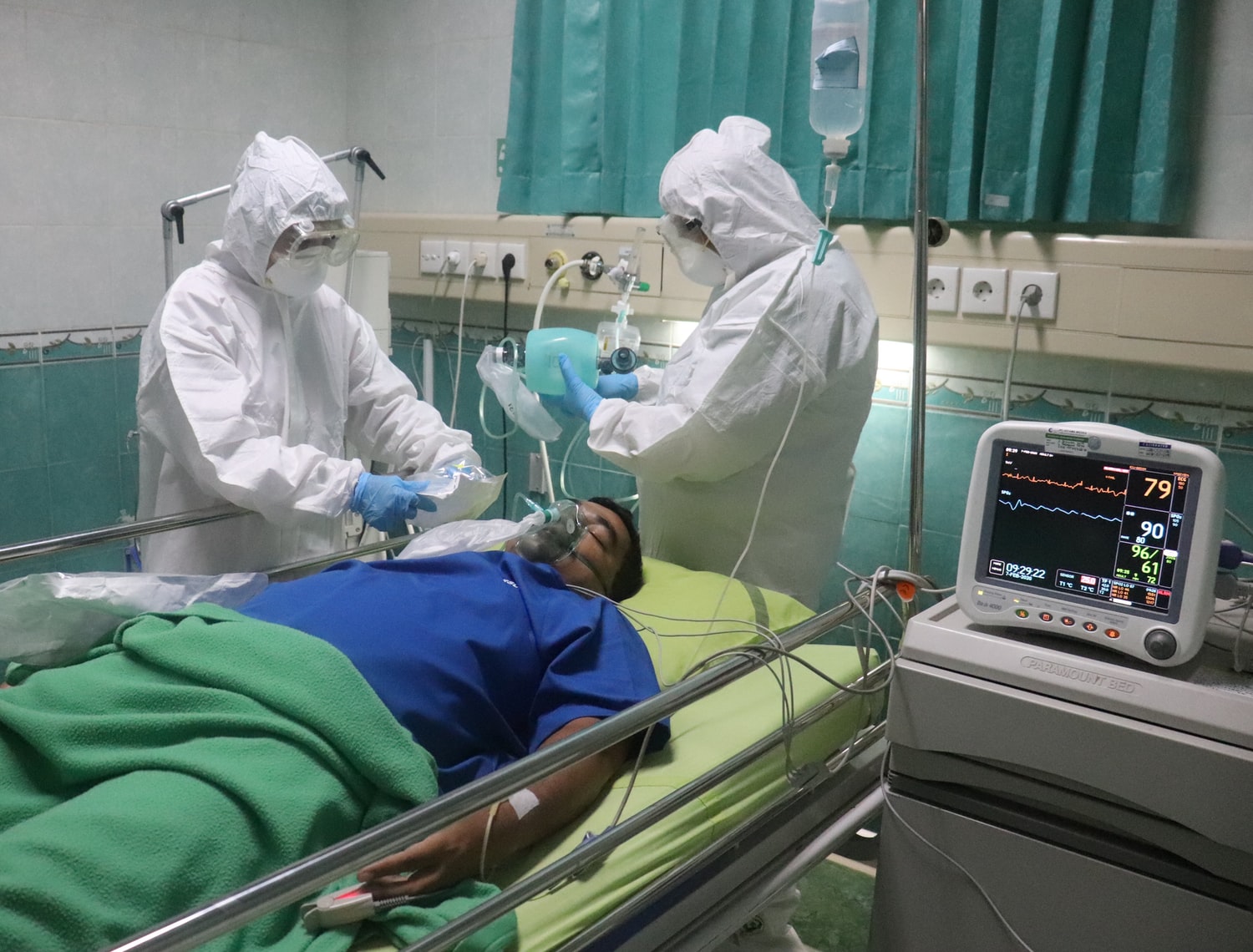
Another glaring situation is the lack of nursing staff in non-COVID floors. Our manicurist said there were only two or three nurses handling their entire floor! It's no wonder nurses have abandoned their jobs! How can you stay on and work extremely long hours but only get paid salaries that are too embarrassing to even mention?
And this is a private hospital, therefore medical frontliners receive far less than their counterparts working in public healthcare facilities. Even if the nurses were just working the mandatory 12-hour shifts, handling more than 10 patients at a time will definitely take a toll on them, and the paltry sum they receive on payday just does not compensate for the hardship and sacrifice!
I also overheard that these days, while waiting to be attended to at a hospital emergency room, you're already being charged so many hundred pesos per hour. What?!!
Profit vs right pay
The patient I mentioned above was set to be discharged after a successful surgery, but before they could do so, she suffered another stroke and eventually passed on. As is hospital protocol, when a patient goes on code red medical staff will try to revive them.
But the relatives put their foot down. Other than the fact that it would take a further toll on the patient's body, they were running out of funds. Reviving her would mean hooking her to life support machines and that will surely rack up the bill, which already ran to over 200,000 pesos ($4,000) for a 7-day confinement.
Which had me thinking, are hospitals trying to make a profit out of people's health conditions and misery even with this pandemic situation? So sad...
Yet, health care workers are clamoring for pay adjustment because what they are given is not commensurate to the service and sacrifice they render.
With government withholding what they promised health workers as benefits when the COVID started to overwhelm medical facilities, and wages not being enough, many overworked nurses (and even doctors) have quit, claiming they won't have enough to sustain them if they got sick.
The nurses' plight
When my Dad was on prolonged confinement pre-pandemic, I observed how exhausted nurses were in our wing, taking on 8 to 10 patients per shift. They would hardly have time to eat or even go on toilet break unless their bladders were about to burst.
I knew they would be on their feet most of the time running from one end of the hall to the other, making sure patients took their medications on time, got their vitals, answered calls, took instructions from attending doctors, and even assist in bedside care of patients without companions.
Having my own patient to mind, and even with a caregiver, I knew how exhausting it was. Besides, nurses were absorbing a lot of negative energy from both patient and family, especially from critical cases because of the diagnosis, prognosis, and more often, finances.
Seeing how, day in day out, the nursing staff would be run ragged during their shift, I decided to take away as many of their routine tasks for my Dad to help lighten their work load. That meant feeding, giving medication, taking vitals... the caregiver would do them all.
And I took it upon myself to give them food especially those on night shift because I know they hardly get a break even during the wee hours of the night. That's why whenever I would call for assistance when Dad really needed it, the nurses would respond quickly, and it didn't have to be the nurse assigned to us for that shift.
I remember when Dad went on code because he pulled out his endotracheal tube and all the nurses on duty seem to have converged in the room to help out.
While I couldn't really provide financial assistance to the nurses, what I did to make things easier for them while taking care of us was much appreciated and they reciprocated.
So I totally understand how overwhelmed and fatigued these healthcare workers must be during this pandemic, especially those handling COVID cases. And couple that with limited to no benefits and the unimaginable pay they receive, how can they be motivated to stay and serve?
Fixing the system
Whoever ends up being the next president really ought to find a way to straighten out the country's healthcare system. Otherwise, all the personnel will be packing their bags and finding jobs overseas where their services are better appreciated.
And private hospitals, like any business, must take care of the people who are vital to their operations instead of just thinking about how much money to make. Healthcare facilities shouldn't be about making money, but helping people - be it treating the ill, helping them heal, or better yet, being proactive to keep people from getting sick.
Besides, if the system remains a mess, who knows if the country can handle another healthcare crisis like this pandemic in the future. There are so many lessons learned from the last year-and-a-half. These should be put to good use to upgrade response strategies and ensure facilities won't be overwhelmed again over a protracted period.
And part of fixing the system is making sure frontliners will find it worth their while to serve their countrymen in a profession they are good at. They can't all be martyrs, even if they are being called heroes.
*Images from Unsplash*
The noblest of professions
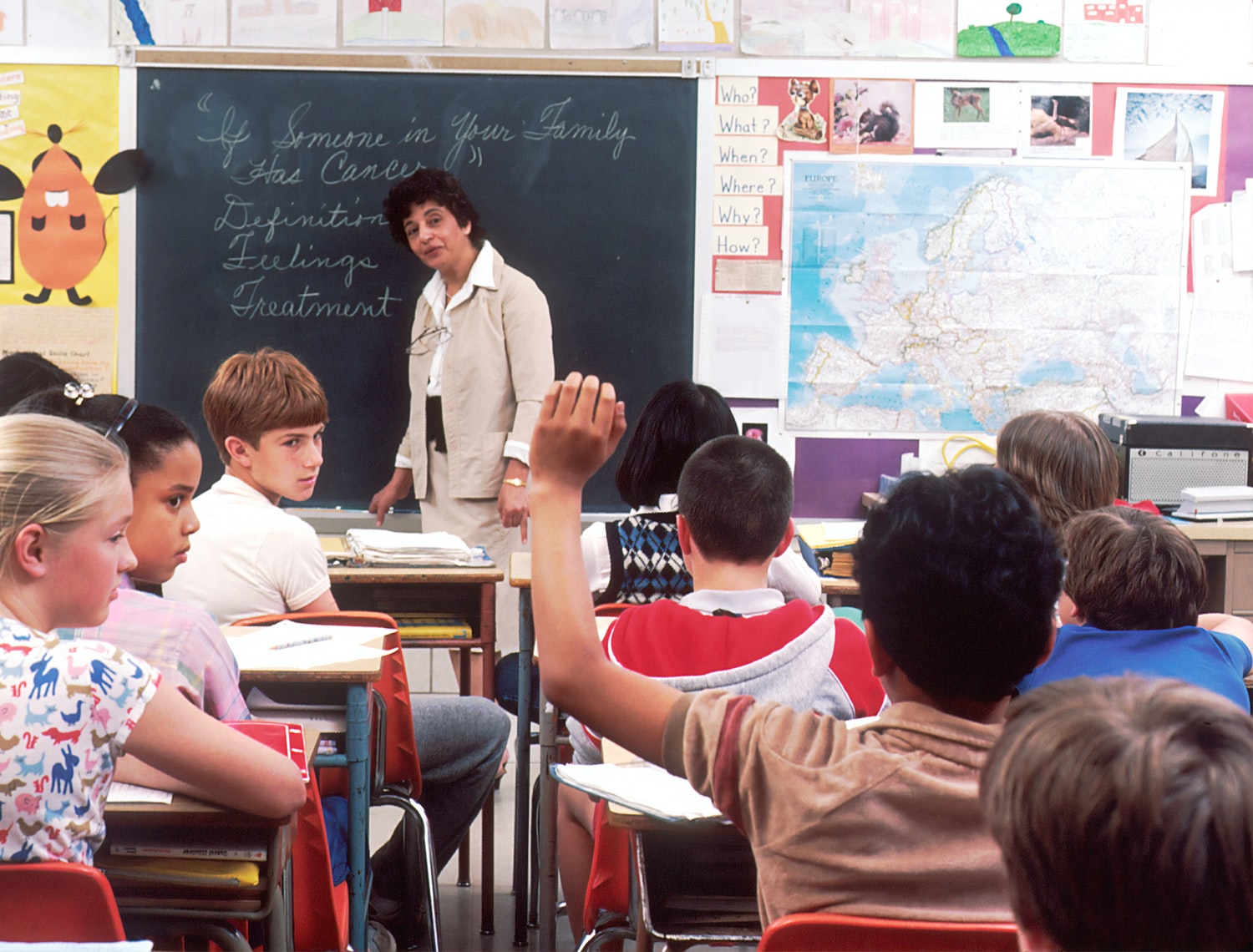
Today, October 5, is World Teacher's Day, so let me join everyone who is paying tribute to teachers, educators, mentors, and whatever other term they go by as they forge on in a profession that is becoming more challenging by the day.
In the 8th grade, to my complete surprise, I was chosen to take over our Personality Development class during Student Teacher Week. You know that day, when a student stands in for the teacher and conducts class in their place, while Sir or Ma'am sits at the back to observe.
On one hand, I was glad the class assigned to me wasn't any of the major subjects like Math, Science or English, because that would've made me quite anxious. (Yes, I had fairly good grades in those subjects but was not confident enough to teach them). And I vaguely remember the topic for that day was just a continuation or reinforcement of what Mr. Espiritu (him of the blindfold exercise fame) discussed the previous session. https://read.cash/@zolabundance2/stepping-into-darkness-461922d0
Did I seek him out to get some pointers? I can't recall. I do know I prepared for that class like I would for an exam, including feeling the jitters until I finally stood in front of the class. Guess what? If it were I test, I aced it! Mr. Espiritu said so himself. And in fairness to my classmates, they did give me an encouraging round of applause for a job well done (I did make sure it would also be fun).
So would I have wanted to be an educator? While it was never among the things I aspired for as a young student, later on I realized it was something I could've been good at had I chosen to pursue the path.
Family of teachers
On both sides of my family, there are teachers. My paternal grandparents were both teachers - he in high school, she in grade school. My father's only sister also took up education and even went on to become a principal before her application to migrate to America came through.
My maternal grandmother was also a teacher for some time, as were her youngest brother, and two eldest daughters.
All of them I knew to be dedicated to the profession, and except for my paternal aunt, who went up the ranks to an administrative position, stayed on in the classroom until their retirement.
My eldest cousin on my father's side and her sister also became teachers. So, it does run in the family. And as I grew older we would have these discussions about the state of education and how it would be nice to set up a school where we could teach differently yet still make an impact.
How education has changed
Many years ago, learning wasn't as complicated as it is now. There were the basics - English, Math, Science, Social Studies, Filipino, Good Manners and Right Conduct, Music, Arts, and Physical Education.
The tools were a chalk and blackboard, pad paper, pencil or pen, and notebook plus the textbooks. Knowing how to write legibly and neatly was a thing, and teacher went around with ruler in hand to lightly whack our writing hand if we did badly.
We had quizzes and assignments, and quarterly exams plus projects. Perhaps I am lacking in knowledge about how it was in public schools because I went to private institutions. But my older relatives were all teaching in public schools and they were always proud of their pupils, even the notorious and problematic ones, because they would end the school year with mostly passing grades. (Those who really couldn't cope would have to repeat the grade level the following year).
But unlike today when the policy of the Department of Education is to pass students across-the-board, it was more realistic because there was always effort on the part of teacher, student and parents to see that the child did end up actually learning and not just attending class.
Dedication and commitment
The teachers I grew up with were not necessarily strict or lenient but they were dedicated in their mission not only to educate us children but to help mold their pupils into people with integrity, aspirations, and confidence to be the best they can be.
Teaching was a noble profession then. It should still be. But why does it feel that many of the younger mentors today don't have their heart in being a real educator?
Yes, educating the young nowadays is more complex, with the need to adapt to technological advancements and subject matter that has developed over time. And a dizzying increase in the number of pupils every school year, particularly in public schools, makes it twice as difficult to teach.
Of course, there too is the fact that children today are raised more liberally, and often lacking in basic values like discipline, respect, obedience, initiative, and even curiosity that has nothing to do with gadgets or the Internet.
So it is understandable why teachers are stressed out, especially when they have to handle multiple classes every day. It does not help that students today are expected to take in so much information in such an abbreviated period that learning no longer brings joy and excitement.
Add to that the salaries that teachers receive for the work and sacrifice they render. While public school teachers are better off than most of their private school counterparts (except for exclusive schools that charge exorbitant fees and can therefore afford to be more generous to their teachers) when they have to spend out-of-pocket to supplement teaching materials, the actual pay that they end up with doesn't really amount to much.
Advocate for kids
Perhaps this is the reason why many public school teachers are after moving up in rank and landing administrative positions instead of actually utilizing their knowledge and skills in the classroom.
And it is disheartening to see many younger educators today so consumed with playing politics instead of focusing on what their students actually need and ways to address the many concerns in the classroom setting that will ultimately lead to better outcomes. They have forgotten that among their responsibilities is to advocate for their students.
I wish more teachers were open to communicating with their students, even reaching out to them, instead of dismissing their concerns. Students shouldn't have to feel afraid asking teacher to clarify or expound on assignments or requirements, or seek help when they have difficulty understanding lessons and concepts.
They have to stop taking it out on a student if a complaint is raised, when the issue is actually vital to a learner's ability to cope or do better in a particular subject.
While remuneration is an important consideration when pursuing a career, passion is equally important especially when the profession or occupation is vital to the development of human beings.
Important role
Schools aren't churning out products or goods. Its role is to teach, guide, and mold young minds so they are equipped with knowledge and skills that are tools to improve lives and find success in an individual's future chosen endeavors.
This task falls on the shoulders of teachers. It is a heavy burden to bear, one that requires more than a college degree and professional license. It will demand mind, body and soul. And unless that teacher truly has it in his or her heart to keep at the job, it is the students who will always end up shortchanged.
Times are different. Times are difficult. And there will be more challenges. But a teacher who is committed, who is dedicated, will forge on, will never give up and never forget that teaching is the noblest of professions.
To the ones who hold their profession so dear and go above and beyond their duty, I salute you and my heartfelt gratitude.
And to the mentors who have inspired me most - Mrs. Rada, Mrs. Flores, Ms. Hermosa - I will forever hold you dear in my heart.
*Images from Unsplash*
Missing out on a lot of notifications from authors I've subscribed to. So, I guess the same is happening to notifications when I publish my work. Is this only a glitch? Hope so.
If any of my subscribers read this, do come and visit. Be safe everyone!!
On your feet...Salute!
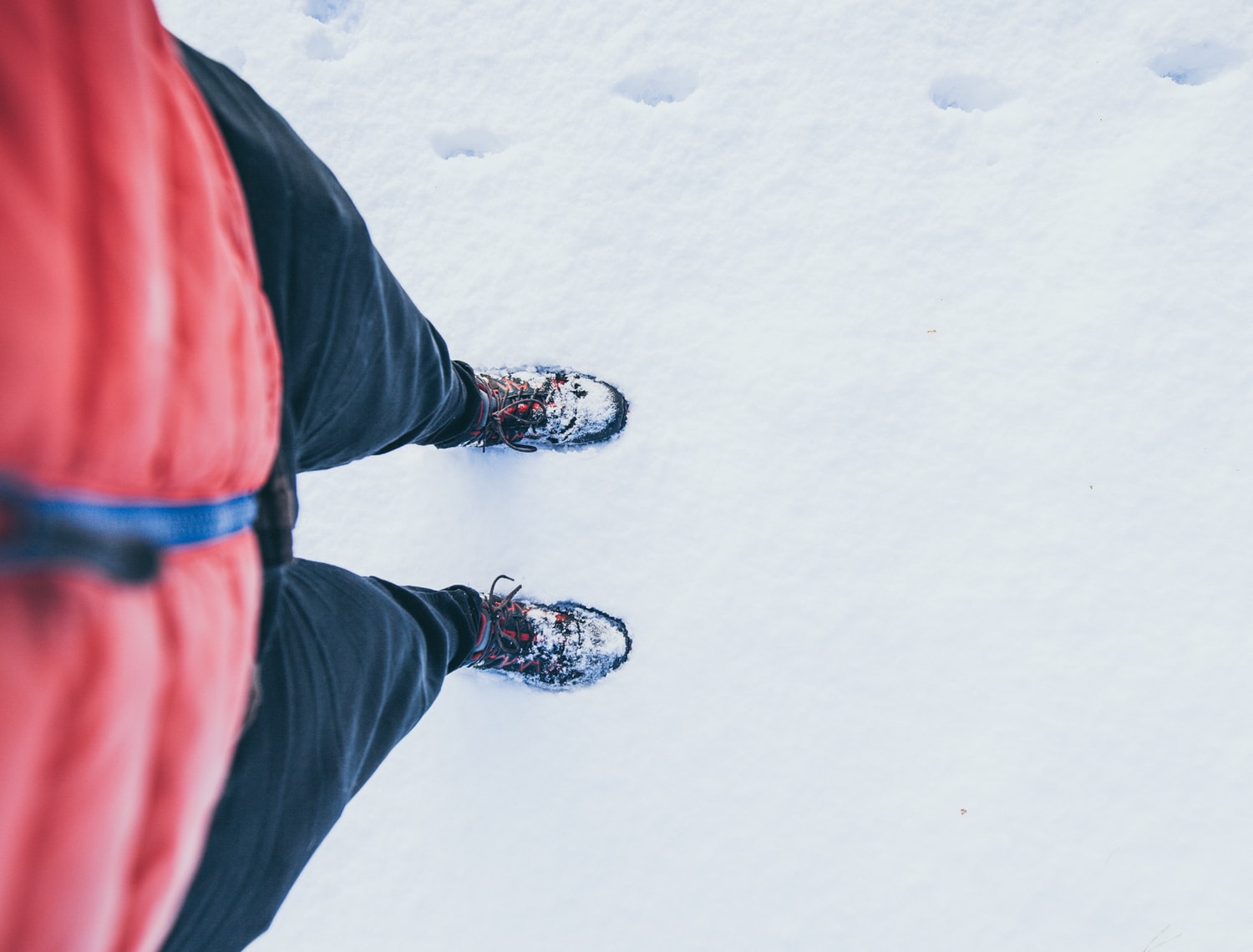
Got up at 6:00 AM and it was 10 o'clock by the time I was finally able to sit down. Yup, four hours on my feet. Wow! And my lower back is now stiff and aching, as are my legs and feet. Did I not sit down in that span of time? Probably a total of five minutes, in spurts.
I prepared *tortang talong* (eggplant omelet) and never thought to do anything sitting down. It was so much easier to move about and do what needs doing while standing up. If I sit, I'd have to push the chair away to get up or pull the seat in when I sit. Minor inconveniences, I know, but it was more practical given I was doing several tasks at the same time.
On the positive side, maybe I got in enough exercise just moving about. I did sweat a lot and since I worked outside, I got my dose of Vitamin D (the sun was right on my face before it finally disappeared among the clouds and rain fell).
Multi-tasking
Between grilling the eggplants, chopping carrots, potatoes, and onions to mix with the eggplant, and cooking probably took all of two hours total. In between, there were other chores that needed to be done, including hanging the laundry out to dry while the sun was out, and though mundane tasks still needed to be taken cared of.
I could have gotten a reprieve had I sat down to eat, but instead I opted to eat standing as I watched over the omelets cooking. Very bad habit, I know, and one I rarely do. But I wanted it over and done with, ready to be eaten by whomever.
So between all those tasks, I was up on my feet for several hours and now my legs are super tired.
Standing jobs
Which made me think of all those people whose occupations or jobs required them to be on their feet for very long stretches of time. Hospital workers, particularly nurses, factory workers, sales clerks, dishwashers, traffic enforcers, and street sweepers come to mind.
I guess it wouldn't be as tedious if a lot of moving around was involved. I'm thinking I could walk for two hours or more and my lower extremities might not feel as stiff as they do now. But just standing up for several hours straight can be a killer!
Even then I was walking here and there, although very short distances, but since it involved a lot of just standing up, that's when fatigue kicked in. (Maybe it had to do with age, too? *boink*)
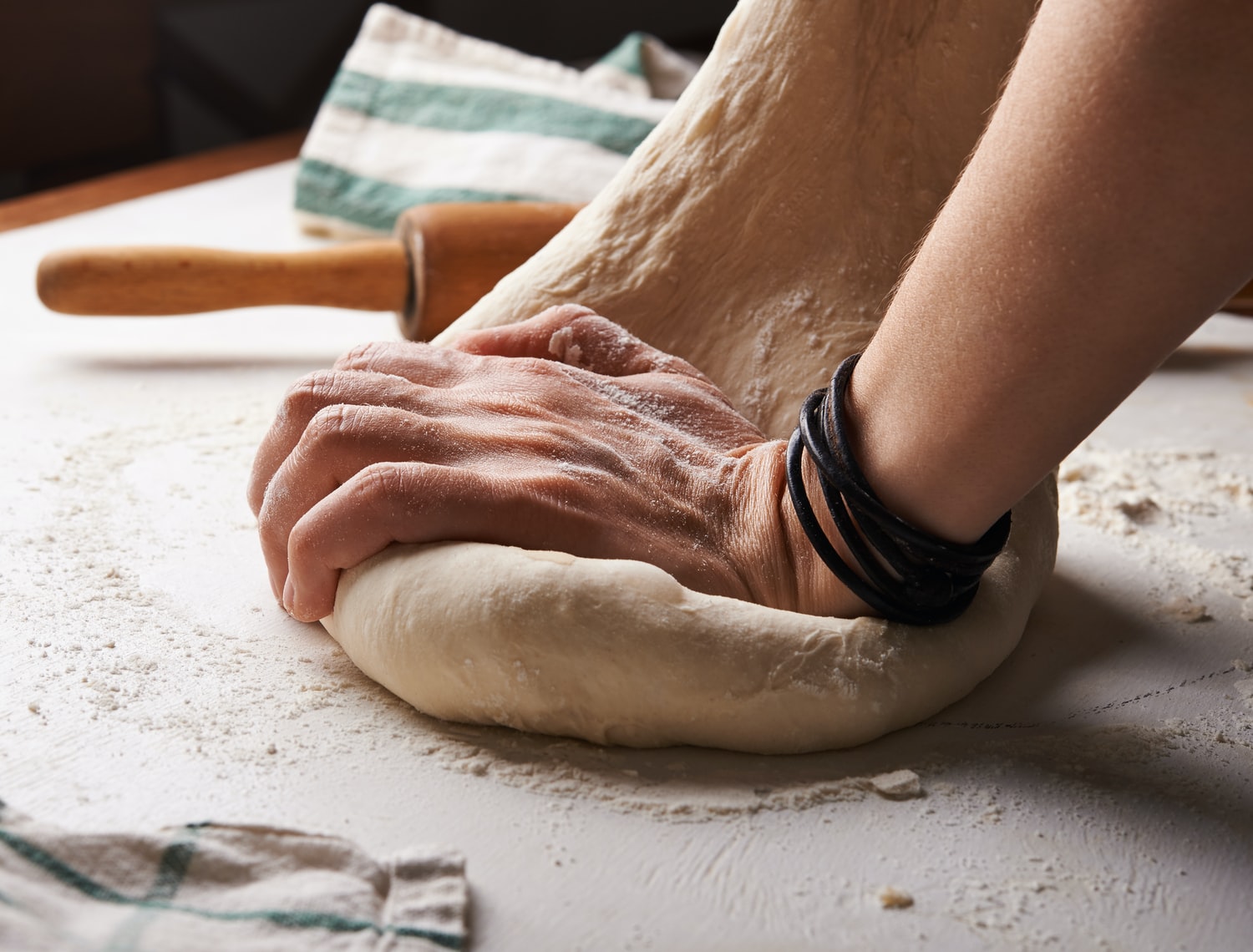
Imagine someone working in a bakery, kneading tons of dough to be made into bread. Kneading is already back-breaking work, then couple that with standing in just one place. Of course, the baker can move about in the limited workspace, but soreness and stiffness will naturally set in when a body part is in one position for an extended period.
Menial work, small pay
Yes, the body adapts when doing the same thing over and over again, day in day out. So over time, the legs get used to the prolonged standing but I have no doubt it will still hurt or feel sore after several hours.
The sad part is that most of these people are only paid minimum wage. Some would probably just be contractual workers, not regular employees, so they have limited or no benefits and would likely be daily wage earners which means no work, no pay.
So why wouldn't they aspire for better jobs, ones that won't beat their bodies on a daily basis and pay better?
Would I mind working such jobs? As long as it's decent work and will be worth my while, why not? Besides, if I really needed a job because I was at the end of my rope and have bills to pay, what would be so bad taking on such kind of work.
And if there's anything I've learned over time when it comes to work, it's always best to give it my 100 percent, however menial or mundane the tasks I need to perform. I owe it to myself and whoever I am working for to give my best.
Learning on the job
At the same time, I take the opportunity to learn as much as I can about the business and all its aspects so I can step in to help when necessary.
I remember a conversation with my nephew who was getting ready for OJT in senior high. He said one of the guidelines to participant-employers was that they shouldn't be given menial tasks like making coffee, or photocopying because it wasn't going to add to their experience.
That had my eyebrows shooting to the roof. Apparently, schools don't see any value in performing menial tasks to require that it be stricken off the list of things a trainee can be asked to do.
I beg to disagree. By making and serving coffee to bosses, you can learn so many things, whether about the business, industry, or life in general. It's a matter of showing curiosity and interest and a little knowledge. You can actually progress from making coffee or doing messengerial work if you show initiative, resourcefulness, and willingness to learn.
Besides, it's always a humbling and enriching experience to work from the bottom and make your way to the top. Aside from having a grasp of all that goes on in a business, it gives you authority to ask an underling to do something, however menial, because you yourself can do that job. In other words, never ask someone to do something you yourself cannot do, unless it is something highly specialized or technical.
So, let me just take my hat off to every individual working a job that has them on their feet the whole day or most of the day, and say I am in awe of you. Just continue to strive to improve your circumstance and by God's grace something better will come along.
*Images from Unsplash*
And the race begins...
Today, October 1, 2021, is the first day for those seeking to run in next year's elections to file their Certificate of Candidacy. This exercise will end on October 8.
The 2022 elections are a big deal. It's a presidential race, along with 12 senatorial seats, on the national level, plus all local positions from congressmen to governors, mayors and councilors. The only public positions not in the running are village (barangay) leaders.
It's a big deal because this pandemic has shown the glaring inadequacy in leadership, particularly by the national government. (Our healthcare system is truly a mess)
It's a big deal because the pandemic has brought to fore the lack of organization and systems that could have streamlined processes in tracing, identifying, and treating those infected by the coronavirus, and the vaccination drive.
It's a big deal because the people have seen who the real public servants are, and should be more aware about the need for change. Whether it will translate when actually choosing new leaders is the big question.
The options
So far, four personalities have made known their intention to seek the presidency. Three were pushed to run out of frustration with the current leadership, the other has long held the ambition of becoming president, and after his unsuccessful bid for the vice-presidency, which he filed a protest for, and lost, remains confident he will finally be victorious.
Many opposed to the current administration are still holding out hope the vice-president will throw her hat in the ring. She has six more days to push her unification efforts, so passionate is she about the belief that to beat the administration bet, the opposition must field a single candidate to consolidate votes.
If her efforts are unsuccessful, perhaps she may be convinced to run herself. The danger with so many candidates is one, the administration bet, or some unsavory character will triumph, and two, the winner will just be a minority president.
My countrymen should really get their acts together if we are truly serious about wanting to change the kind of governance that we've had to live with especially in the last two years since COVID changed the world.
It is mind-boggling that military men and bureaucrats have been appointed to lead the fight against the pandemic while in most countries, it is medical experts who are at the forefront in handling the problem because it is a health concern.
And with so many lapses and challenges in government's response to the pandemic, reviving the economy and life going back to normal is taking far longer, and people are almost at the end of their rope.
Picking fights
Then there is the fact that instead of focusing on the myriad problems the state is facing, we have a president who, instead of being a dignified statesman, is wasting time behaving as a neighborhood goon, picking fights with everyone who questions policies and actions that have been detrimental to the country, while protecting government officials even when they're obviously bungling their jobs.
That is my biggest beef about the president: that he doesn't even have the decency to act like a statesman, and be dignified enough not to engage in verbal tussles with legislators and even the vice-president, and instead work to unify the country so we can all fight this current menace.
I am all for acknowledging everything his administration has been able to accomplish, and I know it isn't him who trumpets all these achievements. But I will not tolerate a president who insults people in his speeches, drops expletives when he's angry or frustrated, and does not know how to keep his word, especially those he makes publicly, or at least knows to apologize sincerely when he's made a mistake.
I'd be more forgiving if I felt his sincerity, and if he were more tactful in his speech. Children are watching him, and seeing the president with such a foul mouth and mood seems to give them license to emulate his behavior!
And that's what I've been praying for... to have a leader who will be a true public servant first and foremost, one who is decent and worthy of respect, and with enough humility to accept help and criticisms and do what it takes to protect the interests of the people. And we need a leader who will find people actually fit for the humongous task of nation-building.
Our country is already battered as it is. All the acrid talk in public is doing little to encourage the citizenry to work together and find the best solutions to the nation's problems.
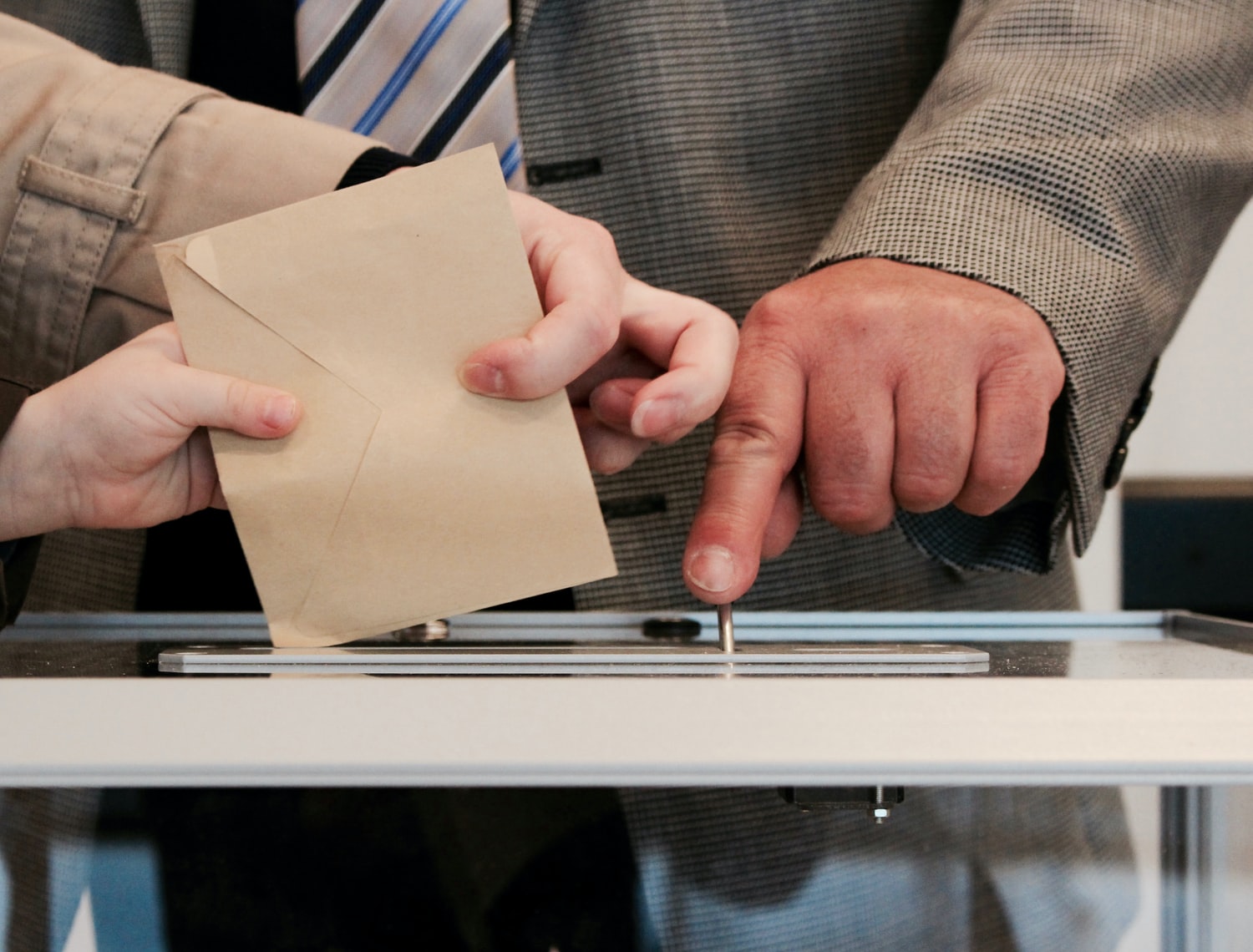
Like the most serious candidates who understand their responsibility to God and people should they win, I will pray for wisdom and discernment before I head out to the polling precinct and cast my vote for change.
Serving the public
And as early as now, I will pray very hard for my countrymen to be able to discern as well when it comes to choosing the next people who should be serving us.
I think we've mostly forgotten that we are electing public servants, and that title alone describes the relationship between politicians and their constituency. They serve the public, so their actions and decisions must be for our good, not theirs, and certainly not a political party's.
The marginalized public especially have to stand their ground and vote according to conscience and wisdom, and not the paltry amount that will be handed out by whatever party or candidate which will run out in a day or a week.
All they need to remember is what we've all been through the last two years, the hardship, the frustration, the fear, and those who stepped up to the task of taking care of the people and doing their best in fighting this invisible enemy.
It is not a lot to ask of the electorate if they want to get out of the rut we are in now to use that right we have to change. We will cast a vote for the future, and a decent life. So we must use this power wisely.
*Images from Unsplash*
Stop dumping tomatoes!
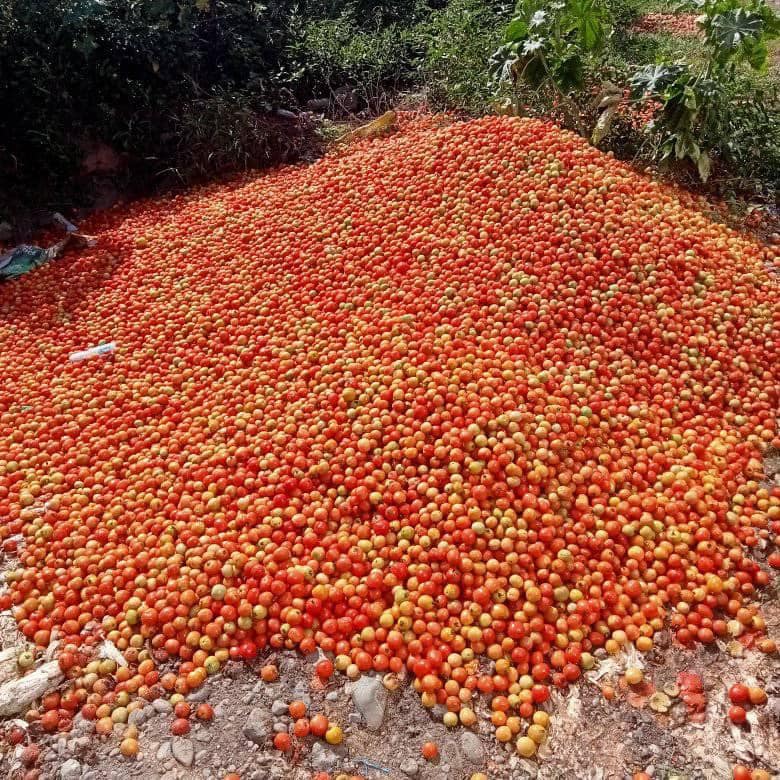
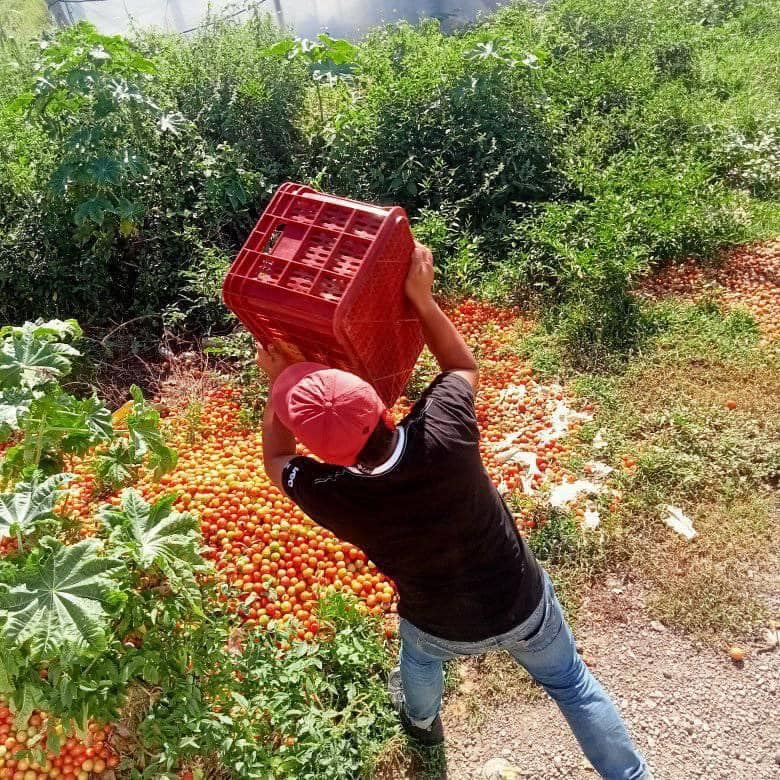
I was slicing tomatoes for dinner when I remembered the news about farmers from a northern province lamenting over the glut in this nightshade. I could not even imagine how many tomatoes made up 260,000 kilograms, which is how much in excess there was of the produce!
No one is buying them, or at least wants to purchase in bulk so they can be taken off the hands of farmers and converted into what it was intended to be: income.
Several things are racing inside my head. All because of tomatoes.
First off, what a WASTE! Tons of a vegetable (or fruit, which it is) just being dumped while still perfectly edible. They were already being given away but neighbors could only take in so much. And with no traders interested to buy them for distribution, farmers didn't have enough space to hold them for long.
So workers would scoop the nightshades from mounds piled all around then toss these down a ravine.
To me, that is just a sin! There are so many things you can do with tomatoes. You can eat them raw or cooked, on their own, as sauce, a side dish, drink it, and maybe with a lot of creativity and courage, even as dessert.
And to watch them being just abandoned and left to rot breaks my heart. With so many people going hungry, scrounging for something to fill their stomachs daily, yet here are tons of a vegetable so nutritious and versatile just going to waste.
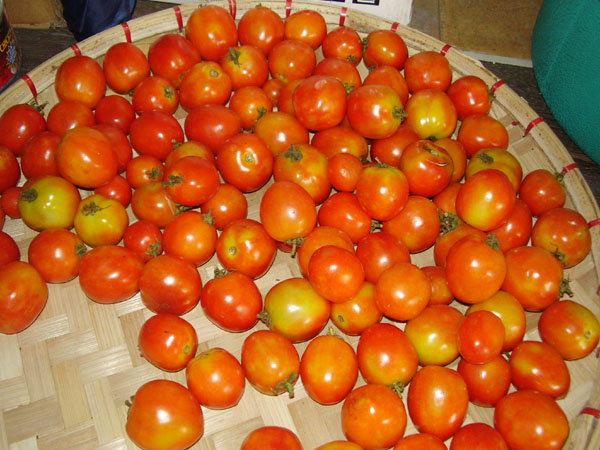
We love making homemade salsa. And that entails lots of tomatoes. Sometimes, I have to rein myself in when tomatoes are expensive. And it is tiring to dice a kilo or so of them. To dice 10 kilos would probably leave me with my hand semi-paralyzed from overwork, but wow, it would be cool to see mounds and mounds of diced tomatoes, ready to be mixed with red onions, cilantro, lemon juice, salt and pepper flakes.
I also make a tomato side-dish made simply with garlic, onions, salt, pepper, fish sauce, brown sugar, and egg. When cooked properly, you taste sweet, sour, and salty all at the same time.
Ketchup (or catsup) is made from tomatoes, and who doesn't like red pasta sauce? How about sun-dried tomatoes? The possibilities are endless really.
So.... why is no one teaching or training these farmers to add value to their produce and move from merely selling it as is to some other product that consumers would just as easily patronize?
Isn't that sad? Yes, it will entail costs to put up a processing plant, however simple, but the investment will surely be worth it given the proper marketing and distribution support.
It doesn't even have to be a solo venture, but a cooperative effort among farmers so they can all benefit and there will be minimal wastage after harvest.
I totally understand that to add value to one product will require additional resources, which farmers may not even have access to considering how limited their incomes are.
And that's where government and private support will truly be invaluable. Sometimes, the initial push is all they need, and with proper guidance from experts, it could go a long way to boost the confidence of farmers long neglected despite the vital role they play in our country's food sufficiency effort.
Also lamentable is that many farmers have not upgraded their knowledge when it comes to farming, including being able to project how much they need to produce of a crop per planting season, and to have some backup plan in case of an oversupply. The most practical is to learn new ways of preserving or producing value-added products.
It's a shame that with so many innovations in cooking and food production, Filipino farmers are still way behind when it comes to upgrading their skills and know-how to further improve their income. This is especially essentially because the farmgate price of many crops are not increasing due to competition from imports and they're often at the mercy of middlemen.
This is the second time I've seen and read about tomatoes being thrown away due to oversupply. And how I wish I had access to them, or could buy as much to turn them into delicious dishes that I can enjoy, share, or even sell.
My prayer is that proper support is made available to these farmers and there will be no more wasting of crops in the future.
*Lead image is original*; other images courtesy of *GMA News* (Source) https://www.gmanetwork.com/news/news/regions/804838/farmers-in-ifugao-lament-as-tomatoes-go-to-waste-due-to-glut/story/?fbclid=IwAR2XvdZmqnoq7ZzN6yxmwiajuMvae6R2EmlJJJA60SrZ2sAJkG0aZcmXneY
Much appreciated @Pichi28! Thanks for the support, and for dropping by and sharing your thoughts. Be safe.
No birth certificate: A headache
In this day and age, it's almost unimaginable that someone doesn't have a birth certificate. But I wouldn't be surprised if I was told that there are many people, especially those who live in remote areas of our country, without that piece of document.
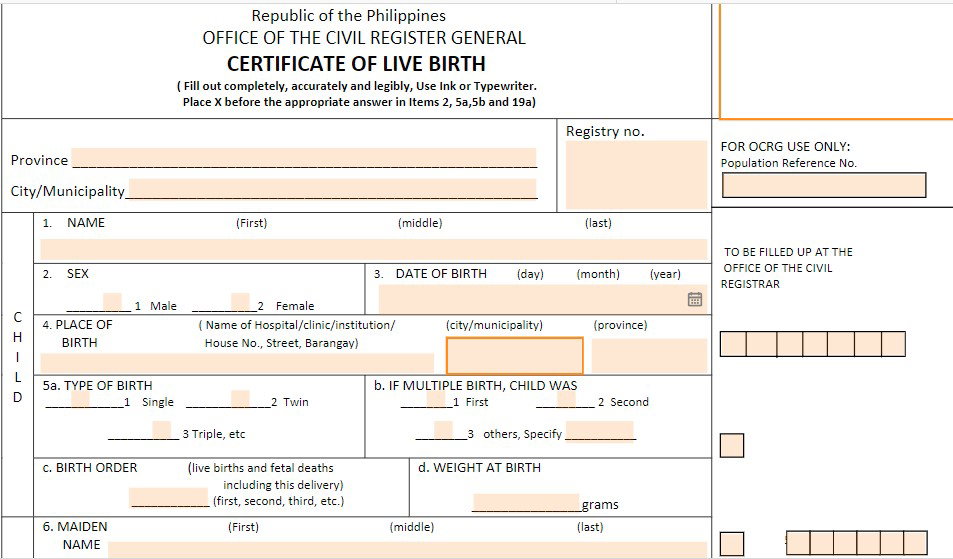
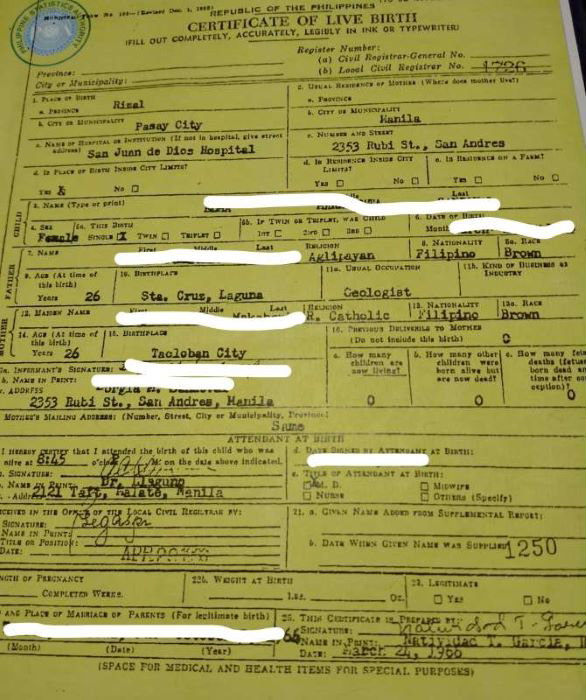
What does a birth certificate show? It's proof of one's existence, for one, and identity, for another. While we may know who are parents are because we live with them, it's that piece of paper that serves as legal evidence that our mother and father are these people, who have acknowledged our coming into this world.
It indicates when we were born, and where, and our citizenship, information that become vital as we grow older and into adulthood when we set out into the world on our own.
Unlike in the past when the name of a child's father - if the parents are unmarried - may not appear in the birth certificate, laws have been amended to allow this information to be reflected now.
Even in cases where a child is adopted, unless it was a homebirth and no midwife or other healthcare professional was present to report the birth, a hospital or clinic is duty-bound to fill out a birth certificate form attesting to an infant's being born in the facility that was attended to by the staff.
Not very important
Unfortunately, decades ago a birth certificate didn't carry the weight it does today. Kids could enroll in schools without it, you could even apply for a passport or any other government-issued identification card without the document. (Birth certificates of old were not on some durable paper and would often end up worn and fragile after many years of safe-keeping)
In fact, many people travelled from the provinces to the big cities without any form of identification on them, a paid-for ticket being the only requirement to board a bus, plane or boat and settle in some new place.
Which is not the case today. A birth certificate, issued by the Philippine Statistics Office and printed on security paper, is among the primary documents required when applying for anything - a social security number, a passport, driver's license, to get clearance from the National Bureau of Investigation, and whatever government-issued identification card that will then be necessary when transacting for most official business.
It's even demanded in schools when a child enrolls for the first time, whether in public and private educational institutions.
While there are certain agencies that will accept a barangay (village) certification that a child is among the children of a parent or parents who live in the area, in lieu of a birth certificate, these are very few and far between.
Birth never registered
So, what happens when you're 60 years old, and without any form of identification card, and no birth certificate? How can you avail of benefits for senior citizens, or even register to be a voter?
A lost birth certificate isn't even a problem nowadays, as long as your birth was actually registered in the first place or even later, at the local civil registry of your province or hometown. And if this has been transmitted to the PSA, all it takes is filling up a form, paying a fee and you can always secure a new copy.
But there must be a record of your birth.
Unfortunately, there are cases when the civil registry office in provinces would burn down and all the records kept there are gutted so if your birth certificate, that has not be sent to PSA, is among those, then poof! You will need to have it reconstructed, which takes time, effort, and money.
But what if there was no birth certificate to begin with? As in the birth was never registered at all because you were born at home and the midwife was elderly, who didn't think to have this form accomplished and submitted to the municipal hall or the civil registry office.
Or what if both the parents died before any paperwork was accomplished, and the child ended up cared for by other people, who also didn't think to mind these things because it was unimportant at that time?
A big headache
This is the case of our caretaker. She's now 60, and as a senior citizen, can apply for a senior citizen card that 1) is recognized as a primary identification card; and 2) can serve as a discount card for medication, groceries, hospitalization, dining and takeout purchases, among other things.
But because she has no birth certificate, whether with her or at the PSA, then she doesn't enjoy all these benefits and privileges.
She's facing a host of problems all because her birth was never registered. For starters, her birthplace is way down south of the country, and since moving to another region, prior to coming to us, has not had any contact with her foster family. Neither does she remember any of her siblings or relatives from there.
Further compounding the problem is her using the family name of her foster parents without any legal basis! She had better be able to secure a birth certificate bearing that name because it is what her grown children have been using in all their legal documents.
There are people willing to help her sort things out, and finally get a birth certificate. How they're actually going to pull it off is a mystery to me, but I'm all for whatever it takes, hopefully without burning a hole in their pocket.
With the pandemic, however, and the COVID situation in their area still quite worrisome, it's difficult to go around and get things done for now.
I'm not sure if registering new births in this day and age remains a problem, particularly in areas so far away from main towns. Hopefully, people are now more aware about the importance of completing this document the soonest possible time to avoid problems in the future.
A birth certificate is a child's proof of identity. It is a vital piece of paper. It is evidence of a person's existence. And if the family or parents of a newborn are challenged (don't know how to read or write, don't know what to do, have limited to no resources) hopefully someone in the know where they live, and with the means, can guide them. It will save a lot of headache and hardship in the long-run.
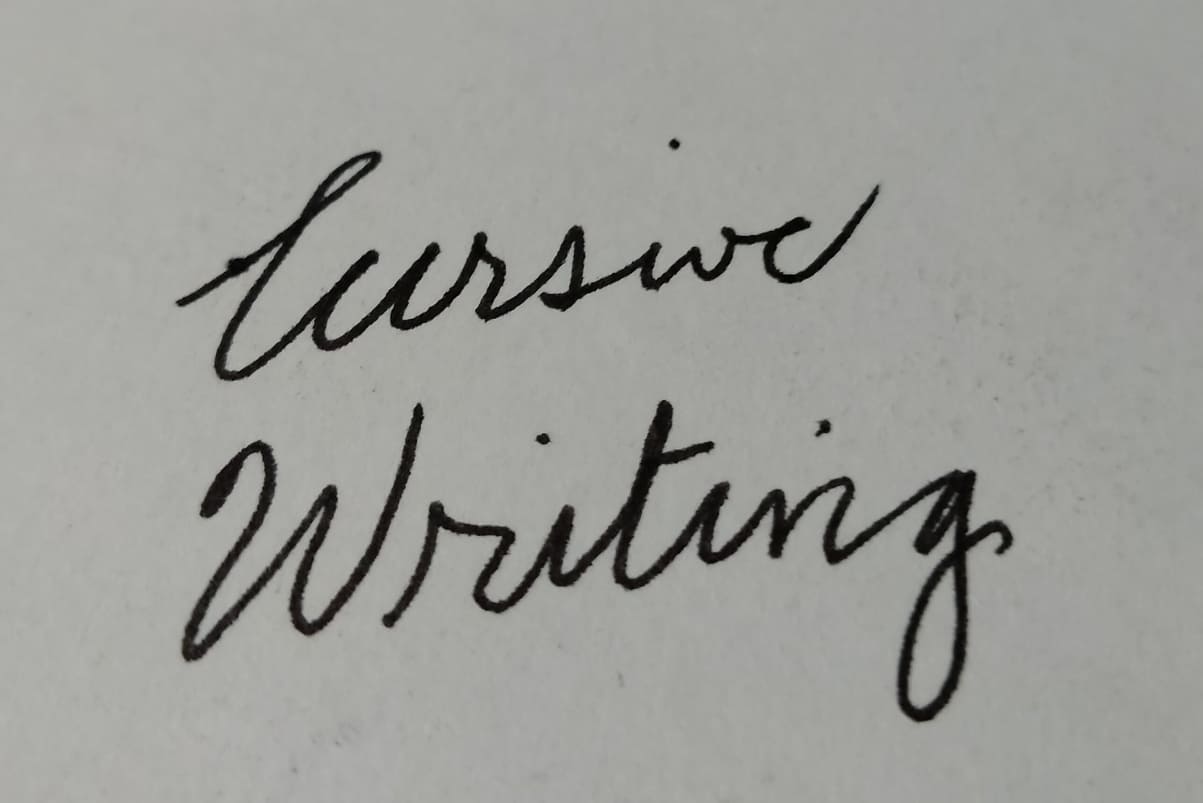
*Original photos*
Cursive writing is dying
A check (with Google, of course) told me that cursive writing is usually taught in third grade, or around the ages of 7 or 8. It is said that by this age, a child should have the motor skills necessary to control the hand as it learns to write differently.
When we first learn to write, it is in print. Block letters, that is. Children, as young as 3 or 4 years old, are encouraged to learn to write once they're able to hold a pencil properly, or with enough grip so it doesn't slip. And the first lesson is to print letters.
While the alphabet, usually taught through song, or a picture book featuring words to associate with a photo of an object, is part of a toddler's early education, it is a child's name that parents first teach when it comes to writing.
This, however, shouldn't be forced on young children. Let them enjoy using crayons if they like running these back and forth on paper or coloring books. When they're comfortable holding crayons or pencils, that would be the signal that they're ready to learn to write.
Writing requires interest and discipline, plus the use of certain muscles. When a child is ready to write, they'll pick up a pencil or whatever writing implement on their own and do it.
Should they know how to write when they attend play school or Kindergarten class? Not necessarily, and it's disturbing how many parents seem to want their kids to be so advanced once they set foot in school.
It takes a lot of effort to write in print. It can be exhausting for small hands. But it is a huge thing to be able to write their name, and an even bigger achievement when they write the whole alphabet in beautiful, block letters.
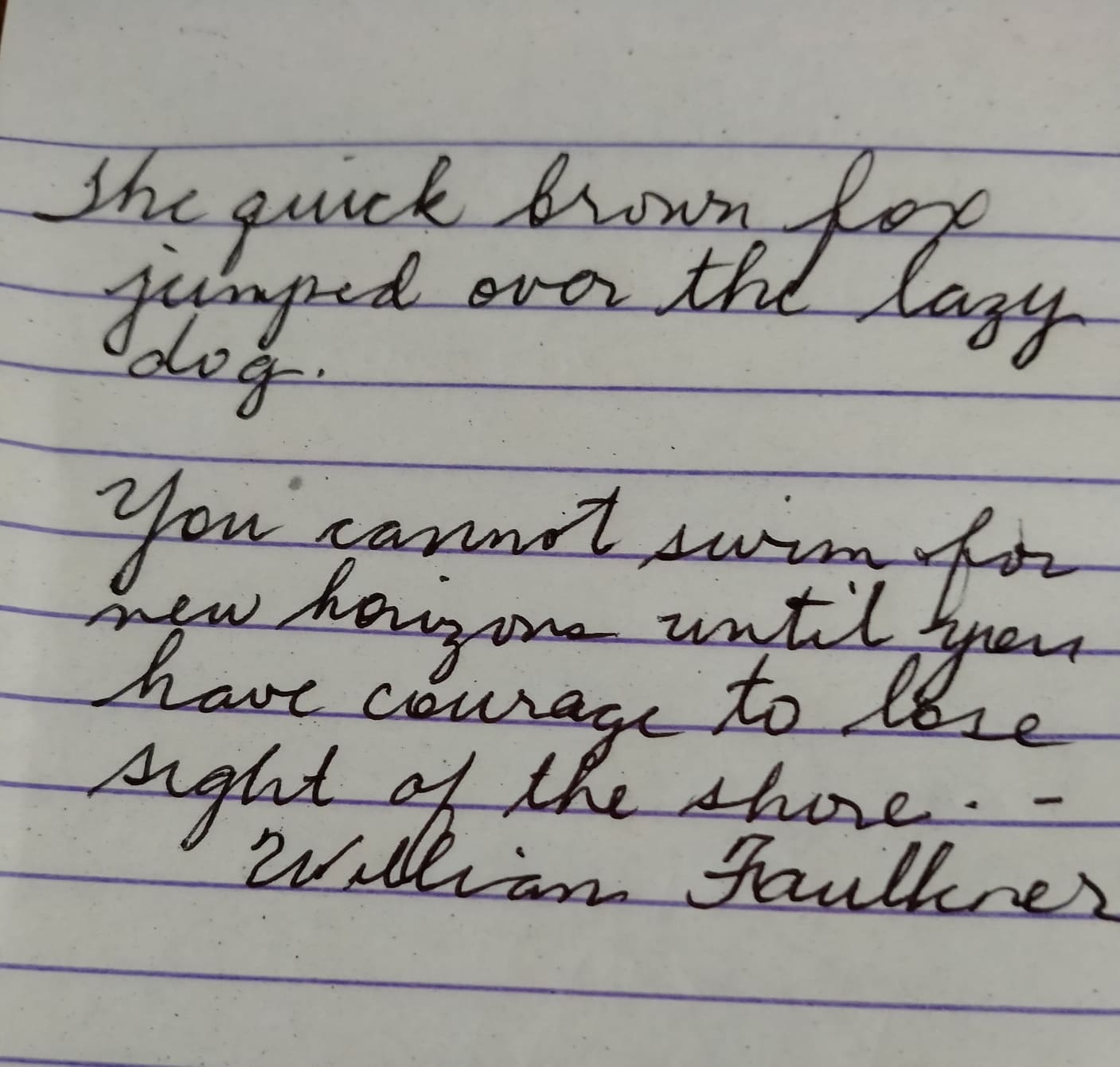
If there are penmanship genes, I've been blessed to have gotten the good ones. I'm not quite sure how good my parents' handwritings were when they were younger. And I'm mostly familiar with their script than print writing. They're legible, not quite old school and can sometimes look like a scrawl. But it doesn't need hard deciphering.
Did I learn cursive writing in the third grade? Am not sure because that means I was in Singapore at that time. I'm more inclined to think I was taught this in the Catholic school on my second grade. And I don't remember if it was a nun who trained us. If it was, then no wonder I wrote well. Hahaha!
I wrote with care, and liked imitating the nice handwriting we're supposed to copy, so that's probably one reason why my script was really neat and actually beautiful.
Why do we need to learn cursive? It's a more efficient way of writing, especially when listening and note-taking at the same time. Apparently, it is a tool for learning. Since it requires motor and perceptual skills, this is why it helps in retaining information better.
The former I can validate. In my work as a journalist, even with recorders, it's more helpful to take down notes with a pen because truthfully, the brain absorbs details better when I do. While my handwriting isn't always tidy and fully legible to others (it was to me and that's what was important), when I go through the notes, what I heard as I jotted things done all comes back to me.
It's like the hand movement when writing also imprints data to the brain so it sticks more. Although I did develop the skill to really listen and absorb when conducting interviews so much so that I can replay it almost verbatim right after. But the note-taking really does help, and cursive just allows me to write even faster.
Today, however, cursive isn't even being taught in schools. Or if it is, it's not being required to use it. So kids either write in print, or worse don't write at all and instead type on their phones or laptops.
And the art of cursive or longhand writing is all but dead.
So why aren't kids being taught cursive any more? Because it's not something easily learned, unlike tapping on a keyboard. Computer lessons took the place of writing lessons. Teachers, too, no longer have the patience to teach kids, who mostly have short attention spans, and can be irritable when asked to do something repetitive that required effort.
It was enough they knew how to write in block letters so it wasn't necessary to know or be good at longhand writing to graduate from grade school.
I admit I mostly write in print now, especially when I sit down and have time whether to create an article, or jot down notes. But... I still revert to cursive when it's something that needs to be written down fast, or I'm listening to someone talking fast and have no time to record.
And yes, I can still put out neat and legible cursive writing. But boy, does it hurt my hand a lot when I do it for a long time!
So people, who still writes in cursive and who's abandoned it?
*Images are original*
Let me just express my sincere appreciation and gratitude to @gertu13 for her generosity. Thank you for renewing your sponsorship. May you be blessed more!!!
Friendship amid loss
When my father suffered a stroke, which kicked off our prolonged hospital stay (a total of six months until he passed on) getting a caregiver to help us became a necessity.
Caregivers were in high demand, and finding one that was qualified and with experience, was a challenge given the very limited time we had to look for one (or more than one since Dad needed 24/7 care). A three-week stay in the ICU gave us a small window for the search.
I'm not sure how we managed to snag the first CG, who eventually referred a colleague to pick up the second shift, and another one as a reliever. In the first month (October), we went through maybe seven or eight caregivers until we settled on four, who turned out to be the most reliable.
Mia wasn't among the list given to us. She was only a substitute for one of the girls with a conflict in schedule. (Many CGs serve multiple patients, so they can only be available on certain days. That's why it was necessary to have at least five on rotation.
RN working as caregiver
I wasn't initially comfortable with Mia. She was too quiet, but admittedly competent. And it was a bit surprising because she is actually a registered nurse, so I wondered why she wasn't working as one. Perhaps she was really destined to help us out in taking care of Dad that's why she'd been unsuccessful in finding work as a nurse.
Over time, she displayed not only competence and reliability (always coming when she said she would) but more so compassion and for some reason, Dad liked her best among the caregivers who took care of him.
During quiet moments when I managed to nap deeply, they would have their banter and Dad responded to her favorably like he did with me. And when he wasn't feeling very well, his BP would spike or his oxygen levels would drop dangerously and only Mia could calm him down so she would extend her shift for several more hours.
And since it was I who stayed with Dad at the hospital all the time, I would develop a good relationship with the caregivers, who always appreciated that I helped out in caring for the patient, especially the heavy and messy tasks, and not just watched over like family members of their other patients.
They mostly commiserated with me because unlike them, who could go home to rest and sleep in their own beds, I just camped out on the sofa in Dad's room, often getting very little shuteye at night.
Friendship forged
It was Mia, however, who I'd become closest to. And during Dad's final hours, even if she wasn't on duty that evening, she came in when she heard that he was already nearing his end. And she stayed on, helped us clean out the room and even went home with us once the funeral home had taken my father away.
She came for the wake, about two or three times and attended his interment. We would keep in touch, and still do to this day. After Dad, she passed up calls for caregiving assignments. She would admit that her experience with my father, while it increased her medical and healthcare knowledge, drained her so much.
It took many more months before Mia was finally accepted at a hospital, news that she was quick to share with me. Every so often, we would chat and she'd keep me updated about her experience.
When we chatted last April, she surprised me with news that she was pregnant! Wow! I didn't see that coming. I thought her boyfriend was abroad, but he was home when the pandemic struck.
I wasn't sure when she was due to deliver, so I messaged her early this month to ask. November, she said. Then before we ended the conversation, she requested for prayers because she was just being discharged from confinement due to bleeding.
Tragic news
Yesterday, I messaged again to check up on her and the baby. And that's when she told me the heartbreaking news that her baby died. She had pre-term labor on September 11, but since the baby was so tiny even at 7 months, he did not survive. Well, he did for six hours.
The hospital didn't have an incubator and while little Karl Daniel fought for his life, that very essential hospital equipment that could have saved him was not available.
What's worse is that she and her boyfriend are now confined after testing positive for COVID. They never even got to attend the funeral, arranged by Mia's parents, but only got to watch it on videocall.
I could feel Mia's pain as we messaged back and forth, although I can never fully imagine what she's feeling and going through. I know that as we chatted, she was crying, though she never said it.
Just hearing the news wrenched my heart. How much more Mia, who lost the life she carried for 7 months? Mia, who would never get to watch her little boy grow up? She never even heard him cry because he didn't when he came out.
Sharing grief
I can never thank Mia enough for what she did for my father, and us during those excruciating six months. How she always took such good care of my Dad, and thought of him as a father (she called him Daddy), and not just a patient.
And now that she's grieving, I can only offer her comfort and support if she needed anything.
How does a mother get over the loss of a child, one she hasn't even held in her arms? Mia said the pain was almost unbearable, but she knows she must move on. Mourn her loss, accept it, then get back on her feet and live again. It will take time but with loving support and faith, she knows she will get there.
While our relationship started as client and service provider, we have since transcended that and became friends, family even. I pray for Mia's healing soon because I know Baby Karl, now an angel, will be watching over his Mama.
*Images from Unsplash*
Skills of old for the young
I came across a list on Facebook titled "40 Old-Fashioned Skills That Kids Need to Know Today." It was put together by the site Frugal Fun for Boys and Girls.
Going over the list, it's quite interesting that many of the items appear to be quite simple and basic (i.e. how to make a phone call, how to take a message, how to introduce yourself, how to have good table manners) but it struck me that these really are skills that kids today don't know, are clueless about, or just don't care for.
Come to think of it, the world is so different today than it was half a century ago when life was not the rat-race it is today, when interacting with people meant doing it in person, and when even those who appeared to be rogues (or actually were) knew how to be respectful.
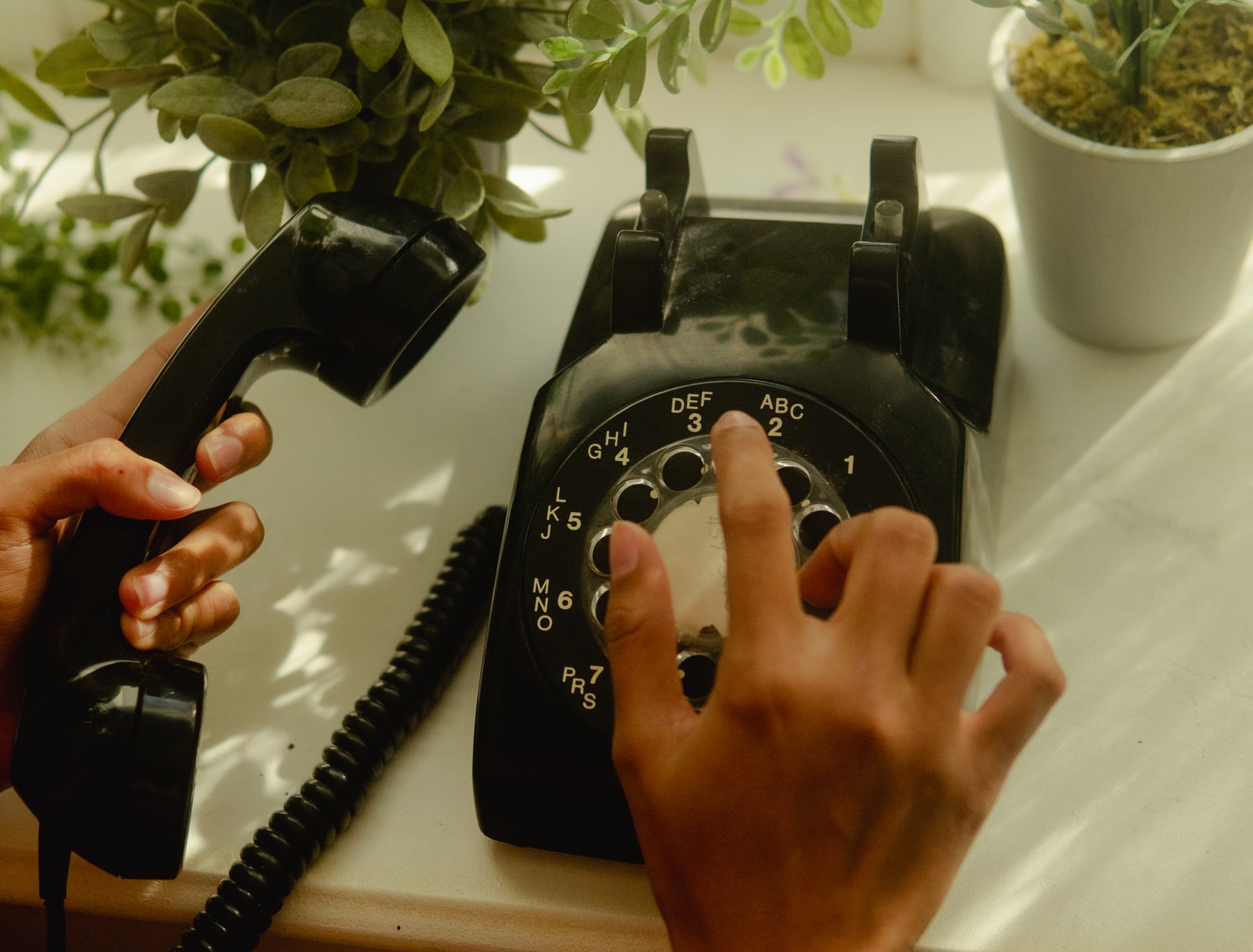
It dawned on me that kids today don't know how to make phone calls or take messages because most everyone, however young, have mobile phones where messaging is the norm, or calling up someone simply requires scrolling through a list of contacts and the person answering the call is actually the one you need to speak to.
Whereas if doing it the old-fashioned way using a landline, they'd have to start with a greeting (good morning; good afternoon) and ask to speak to the party they're calling because one can't assume they'd be the one to pick up the phone. And all this must be done with a pleasant and respectful tone.
Even the person who answered the phone will have to be polite and say something like "Please hold on while I get so-and so" before going off to call that person, and not just scream at them to say someone was on the line.
And who takes messages when there's texting or apps like WhatsApp or Viber or Messenger and the person can receive the message instantly and directly without having to go through anybody else?
How to introduce yourself and how to shake hands. Yeah, they're basic but not simple especially if this interaction is with someone older or a person of authority. I'm not even sure if kids now know how to shake hands. They do all that slapping or high-five thing, but an honest-to-goodness handshake, where you need a proper grip and pump, I wonder...
There's another item of interest: how to read slowly. I guess this refers to reading out loud, and not necessarily silent reading. Schools rarely teach kids to read aloud or to even read properly. (Many students, especially in my country, advance to the next grade level or graduate even with poor reading skills and comprehension).
That's why students nowadays don't know how to pause, both when reading or writing, or how to properly break up a sentence, putting proper emphasis where it is required, or heavens, how to correctly pronounce words.
So yes, I agree. Kids have to be taught to read slowly, to appreciate the written word, and to understand what they're reading whether silently or aloud.
Adjunct to that is how to write a letter. Who writes letters these days when it's so much more convenient to text, call or message someone? Why waste time penning or typing a letter when you can shoot a one-liner via text or messaging app, including "I miss you" or even "I love you."
But other than personal letters, letter writing is still an essential skill whatever your profession or career. Many employers can actually turn down applicants for lack of adequate communication skills, which includes crafting correspondences.
They are totally missing out when it comes to learning how to express themselves, or get across a message, an appeal, or a proposal by writing proper letters, using correct grammar, spelling, syntax, and context.
But with emails where a paragraph or even two sentences will suffice and is acceptable, why bother with a letter, right? Sigh...
And then there's how to see a job through completion, and how to wait and save for something.
With so many things so easily accessible nowadays, and with so many innovations in items, systems, processes to dramatically reduce production times, it's so easy to abandon a task and just say, let's call this and that and have that done by them or have them deliver what we need.
The joy in actually accomplishing a task, goal or mission is far different when you don't sweat getting it done as opposed to someone doing it for you, or ordering it ready-made.
It's the same way about waiting and saving to obtain some dream or prized object because most young people today want everything NOW. Whether it's the latest phone, gadget, trinket, game, they want it ASAP because the youth have this FOMO mentality. Like it's the end of the world if they can't keep up with whatever is new or coming out.
A lot of the things enjoyed by the young today are handed to them on a silver platter. There's just so many hacks or ways to get things done or obtain them, which doesn't necessarily require blood, sweat and tears.
I know, I'm of an altogether different generation and my ways or how I know to do things may be old-fashioned. But many of the skills that makes my generation different also makes us more appreciative of what we have and know today.
It's not to say all young people of today lack these skills. Some are fortunate to have parents who have taught them or ingrained these in them. And yes, they are better for it.
There is nothing wrong with progress and advancement. But when it comes at the expense of character development, integrity and humanity, it doesn't necessarily mean good.
And you know what two more of the old-fashioned skills they need to learn are? How to do something well even if no one is watching, and how to be kind.
Isn't it sad that kindness and integrity don't have a premium today and must be taught?
*Images from Unsplash*
A little hair story
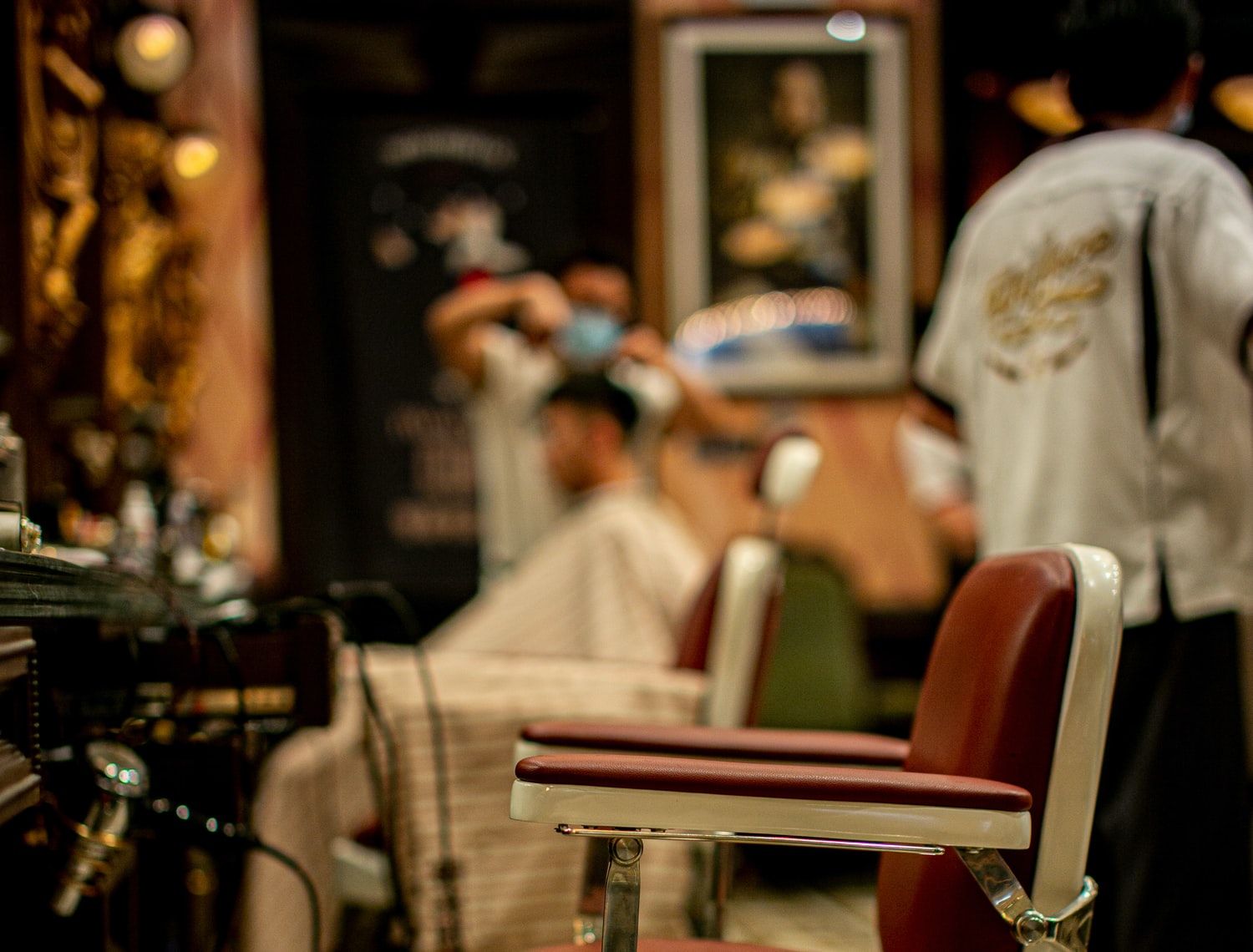
For several years, I was getting my haircut from a barber. Yes, a barber at a barbershop. On a few occasions, we had him over at the house to do home service for three guys and myself.
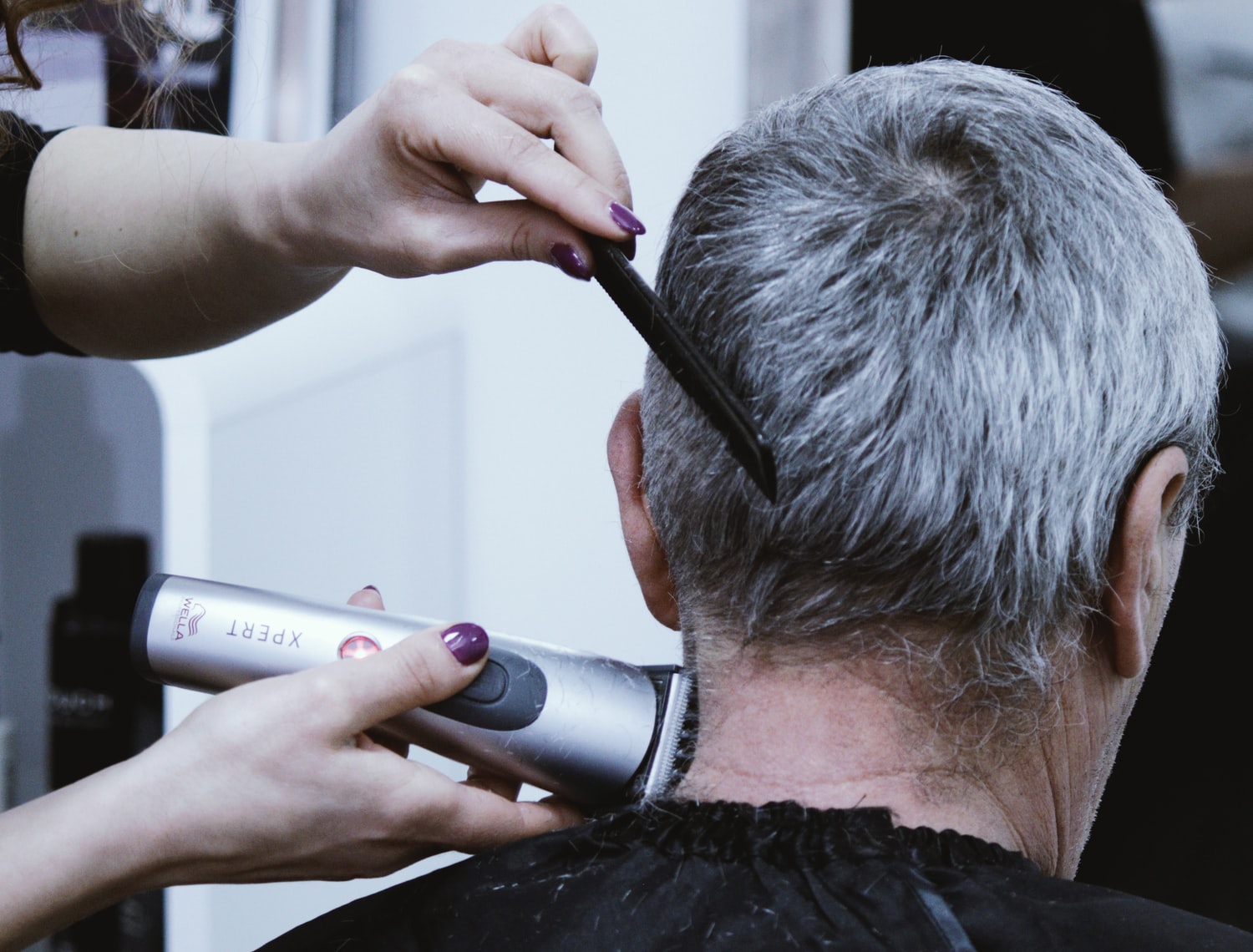
See, I have mostly worn my hair short. As in almost guy short and I prefer a barber's cut, which means cleaning my nape, including some shaving, and leaving my ears exposed.
I prefer this kind of haircut for practical reasons. First, it saves time washing my hair, and using a lot of shampoo. With short hair, I can use a sachet of shampoo for two to three washes. If my hair were up to my shoulders or even longer, I'd use a whole sachet or even more.
Second, I've previously mentioned that I sweat a lot. And it usually forms along my hairline just above the nape. With long hair, it's almost like I have wet hair all the time since my hair type is oily. If I wore my hair long, I constantly have to wipe it dry when I am working on an extremely hot day, or when I'm puttering in the kitchen.
Third, with very short hair, I simply need to run my fingers and voila, I look neat even after getting out of bed. Or, I just need a stroke or two of a brush and I'm good to go. Besides, it's way easier to dry short hair - just rub it with a towel, brush it with your fingers beside a fan and you're done.
And fourth, it was way, way cheaper to get a haircut from a barber than at a salon. For a while, I was paying less than a hundred pesos ($2) to get a trim from the barber. It would cost me twice that at a salon. Besides, I didn't really need my hair blown dry after because I will still take a bath when I get home.
Customers at the barbershop were a bit weirded out seeing me seated there and Barber Gerry snipping away with his huge pair of scissors. It doesn't take long for them to figure out I was not a guy. Although it is more common for men to get their haircut at a salon, that's not the case for women and barbershops.
I mostly went in right after the shop opened so I would either be first or among the first. A nephew or my Dad would be with me for their turn. This way, there would be less clients to be taken aback by my presence.
Besides, I loved the feel of snipping with a seven or eight-inch scissor running through my scalp to clean out any small hair sticking out. And even the feel of the razor as it slides through my nape and near my ears.
I know, I am weird.
There was a time when I didn't get my haircut for three or more months, so when I stepped inside the barbershop, it was quite long. Boy was there a lot of hair to sweep after my turn. And of course, it took my barber a bit longer to clean me up. Once he was done, I felt so refreshed because my nape was exposed and I could feel cool wind brush against it.
And one other thing I liked about barbershops? I could get a haircut in peace. As in no chitchat with the barber, unlike in a salon where a gay or lady hairdresser would engage in small talk. And with my premature graying hair, they loved to convince me to dye my hair. Heavens, no!
Unfortunately, even pre-pandemic, the barbershop had to close. The area where it was located burned down. And they were displaced. Neither could we contact Barber Gerry to have him come by the house for home service.
So now, I get my haircut from a gay hairdresser, who has always done my mother's hair. She comes by the house, even before the pandemic, and to make it worth her while, two or more of us would get a haircut.
She knows how I like my hair cut, and since she also does men's hair in the salon it's almost like having a barber do it. And she knows me well enough to not offer coloring my hair.
Yeah, we chat. Being friendly with her is the least I can do to show my appreciation. I don't have to head to their parlor, and besides, it's helping her because instead of splitting the cost of haircut with the parlor, she can pocket the whole amount we pay.
I like haircuts in general because having someone comb my hair or run scissors through it is very relaxing for me. Too bad it can't be done longer because my hair is short. A haircut for me is like getting a massage, so I thoroughly enjoy it.
And unlike when I was younger and would end up with a bad or unsatisfying haircut because different hairdressers handled my hair, I've found people I can trust, who know exactly what I want.
Cheapest haircuts
So, how did I end up writing about haircuts? I caught an FB post saying the Philippines was among the countries with the cheapest haircuts. It's the third cheapest in the world, with Argentina and Zambia in first and second place, respectively.
Even relatives from America would get their haircut here when they visited because it is exactly that - cheap! Even if you have to give a tip.
In fact, I end up paying more because of the tip. But it doesn't matter, especially at the barbershop, because the service was already inexpensive.
And just for reference, Denmark offers the most expensive haircuts at $75, with Norway coming in second ($72) and USA at third, with a haircut costing $69.
So, I think I have a pretty good deal, yeah? And home service, too!
*Images from Unsplash*
The D word
Being late terrifies me. For many reasons. I hate the thought of someone waiting for me. One of my earliest articles here talks about punctuality. I was raised that way - to be on time. In fact, I've done better and prefer to arrive BEFORE the appointed time. https://read.cash/@zolabundance2/punctual-familiar-with-the-word-2667d345
When I started school, there was the school bus. Which means having to be ready at the same time every school day. It was a sin to have the bus wait because there were other kids to be picked up, and I wasn't the last on the route. Hold up the bus and chances are we'd all be late. So...
I cannot swear that at that age (6 or 7 years old) I knew to get up on my own and start getting ready. We grew up with househelpers, and it was part of their duty to wake me up so there was enough time to take a bath, get dressed, and eat breakfast before the bus arrived.
There were mornings when I'd be sluggish and getting ready took longer, so the nanny, to ensure I wouldn't be late for the bus, would spoon food into my mouth to rush me along. Eating a full breakfast before leaving was the rule at home.
If memory serves me right, there was only one or two instances when the bus had to wait a few minutes for me, as opposed to me standing in front of the gate waiting for it to arrive.
Without knowing it, discipline was being inculcated in me at a young age. When we lived in Singapore for 18 months, it was mostly my mother who took care of us (Dad would often be away for work for weeks) and since there were two of us attending school, efficiency was in order.
Habits and discipline
Having to commute further ingrained discipline in me. After getting back and moving to another school, taking public transportation was more practical. It also meant an earlier start because we had a few minutes walk to get a ride.
That early start meant I would be first or second as school gates opened. It would later be a contest among a small group of friends who arrived first.
Over time, I learned how fast I could move, how long I needed to take a bath, and finish a full breakfast, and that would dictate what time I needed to wake up to still get to school on time... or more precisely, get there early.
And it was habit that I took to high school. Joining cadet training reinforced both time consciousness and discipline. Having to juggle classes, school work and training, which was both physical and mental, meant learning time management even before it became a by-word.
While my wake-up time would change, depending on where I worked, it would always be consistent. Meaning, if I need to wake up at 6 AM to leave by 7:15, then I would do that every single day. Sometimes, it would be earlier or later, but discipline demanded I always be conscious about time.
Alien concept
And that is what I cannot understand about young people today. Discipline seems to be an alien word or concept to them. They operate on the "rush" principle. Alarms are useless. It would just keep ringing, yet it won't rouse them. If it does, they close their eyes again, burrow under a blanket and wake up 30, 40 minutes later. So, they end up skipping a bath, or more often, breakfast.
It's worse with online classes since they don't need to travel, and just end up not taking a bath or eating while attending class. A very bad habit because food is usually sacrificed once lessons begin. No amount of cajoling, convincing, threatening or even scaring can make them appreciate the importance of discipline to stay healthy while accomplishing all that is demanded of them.
Is it the times that's to blame why younger people have little regard for discipline? That they can rely on hacks, or take shortcuts, to get things done? That there are convenience stores, fastfood outlets, and instant food to help them get by? Technology, social media, more liberated upbringing?
It is both frustrating and scary. The real world can be very cruel. And life will certainly throw a lot of curve balls as they tread whatever path they choose to pursue. A strong sense of discipline is invaluable, it is a key factor when there is need to adjust and overcome challenges.
Respecting time, and knowing how to manage one's time is the most basic way to develop discipline. Habits are formed through repeated action, practiced consistently. Charles Read says, "Sow an act and you reap a habit. Sow a habit and you reap character. Sow a character and you reap a destiny."
If you only learned to wake up consistently each day, whether on your own or with an alarm, it will condition your mind and body that at this time I need to get up and start moving.
Whether you jump out of bed or get up slowly doesn't matter. What matters is pushing yourself to get up and start the day. Let that be your first achievement of the day that required effort. It should, over time, be a good motivator to get things rolling and done for the rest of the day.
*Images from Unsplash*
Do you like milk?
I don't like drinking milk. No, wait! Let me qualify: I do not like drinking powdered milk, which was pretty much what we were given when we were very young.
Unfortunately, there were no cows next door, and purchasing fresh milk was quite expensive. So, for our nutritional needs, powdered milk it is. The thing is I don't like the taste of powder, which never really disappears even after it's dissolved in lots of water.
There was a time, though, when a milk truck all the way from Los Baños, Laguna would drive up to the house weekly, and we'd get our supply of fresh milk that was not very costly (I think, it wasn't me who was paying).
They brought along those steel canisters and people from around the neighborhood would buy, so that was probably cost-efficient for them to come around. And they also had deliveries en route.
Looking back, I don't know why they stopped coming by. And if by then we were ready to leave for Singapore... or was that after we got back? I forget.
Still, I favored the taste of fresh milk (pasteurized, of course) and didn't mind consuming more than a glassful, as was the requirement, before leaving for school.
The powdered milk, however, took me forever to finish! I didn't even think incentives worked. Oh, but I did enjoy adding Milo (choco malt drink) to the powdered milk. That seemed to mask the taste somewhat.
To this day, I can consume fresh milk, but still pass when it comes to powdered milk. I don't mind using it for cooking, though. Works just fine, and cheaper, too.
Milk with cereal is okay. Cookies and milk, okay, too. Milkshake? Sure, why not. But all fresh, no powdered, thank you.
I do like *polvoron*, which is made of powdered buttermilk, toasted flour, butter and sugar, cut into small oval shapes then wrapped in colored cellophane paper, then chilled.
We enjoyed making them as kids, at least the wrapping part, because half of it would already end up in our mouths!
So, why the memories of milk?
I tried making the three-ingredient ice cream early this morning. And one of the three is condensed milk. Now THAT I remember very well.
Source https://lifehacker.com/7-delicious-ways-to-use-that-old-can-of-sweetened-conde-1847428784
For afternoon snacks, our nanny would make me a glass of condensed milk with water, and since it was very sweet, that was more palatable than the powdered kind.
As an adult, my memories of this type of milk only goes as far as *leche flan* (caramel custard), which my grandmother, aunt, and even Mom, used to make. Mom and Aunt still make on rare occasions, and they still follow that same recipe handed down from Lola.
Am not a huge fan of *leche flan*, unlike most of my relatives who relish it and would be competing as to who got to bring home extra flans after a party or reunion. A small slice would be okay for me. One of my uncles could finish one whole flan in one sitting if you let him!
Anyway, back to condensed milk. So, when I had almost emptied the can, I added water to wash off any residue, stirred, and gulped it down. Voila! The taste comes back. And it's still the same although it's a different brand I used.
Now that was comforting. Yeah, it was sweet, but not overly, since it had more water and I was just rinsing the can before taking it out to the trash. I guess that's why I preferred it to powdered milk. It was creamy, and didn't have that cloying taste of powder!
And oh, oh, I also remember slathering bread (pan de sal in particular) with condensed milk to eat as snack! Yeah, that was good, too. Two pieces did it nicely. Not that it was enough to substitute for the powdered kind.
More milk memories suddenly rush in...
My eldest nephew did not enjoy the benefits of breastfeeding. His mom had a rough time then and no matter what she did, there just wasn't enough milk for the baby. So, they had to turn to formula milk for his sustenance.
Unfortunately, the boy was lactose intolerant and it was several months before the pediatrician finally diagnosed this. He had to be hospitalized because he was turning blue, and I remember driving him and his parents to the hospital because his father was in a state of panic!
I drove like crazy then because time was of the essence, and got him to the ER just in time. We looked for a more experienced pediatrician, and that was when we learned that he was lactose intolerant, and needed a special kind of formula.
As a result, however, he had a weak respiratory system growing up and would be prone to colds and cough. Thankfully, through careful management of the pedia, he outgrew that and is now mostly healthy.
His younger brother was more fortunate in the breastfeeding department and did it for about six months. By this time, his mother obviously knew what to do, and was successful in expressing milk and letting the baby latch.
It would be their youngest, a girl, who really reaped the benefits of breastfeeding as she did it until she was two years old! And because it was never a combination of formula and breastmilk for her, she wasn't quite comfortable with a feeding bottle. When she had to be weaned, it was straight to a glass for her.
They don't seem to have any problem with powdered milk now, but I know they enjoy fresh milk more. But then again, they don't drink milk as much now.
I do take calcium supplements in place of milk, and that seems to be working out pretty nicely. The brand I've switched to now seems to have helped strengthen my bones, especially since I have a weak left knee.
Wow, that was quite a discourse on milk... and all because of a can of condensed milk. By the way, my ice cream came out just fine.
*Images from Unsplash unless credited (Source)*
Teen Revolution
It's been a long time since the professional tennis scene was shaken up by relatively unknown players who have taken the spotlight during the fortnight of a Grand Slam event.
This time it's the US Open, that takes place in Flushing Meadows, New York. This is the last grand slam of the calendar year. Unlike last year when matches were played without spectators, this time crowds have been allowed inside the courts.
Tennis is already a lonely sport, with the player doing everything on court alone left to their own devices to win matches. They feed off on the audience's energy to pump them up as they chase down balls to win points. Playing on empty stands, it was doubly challenging with no one cheering, or even jeering, them on.
So hearing the echo of applause and cheers have been very good, especially for the very young players who have caught everyone's attention as they kept advancing, beating even the most experienced of players, and former champions.
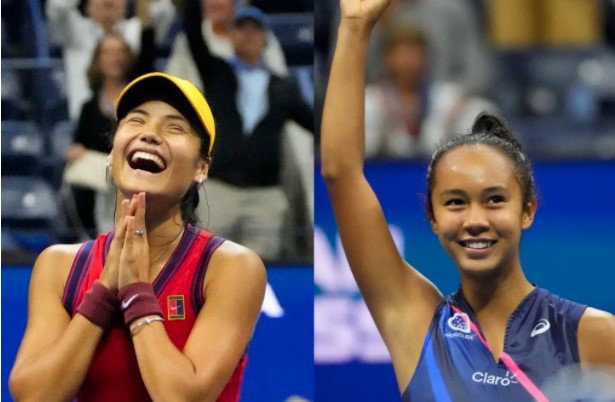
Specifically, the new darlings at the US Open are 18-year-old Emma Raducanu of Great Britain, and 19-year-old Leylah Fernandez, a Filipina-Canadian, who have powered their way through brilliant plays on their way to the Finals.
Source https://sports.inquirer.net/435877/fernandez-raducanu-arrange-first-all-teen-us-open-final-since-1999
It was in 1999 when two teens also took the centerstage in the same tournament, and it was qualifier Serena Williams, then 17, who triumphed over Swiss sensation Martina Hingis, who was a year older.
Williams has become such a formidable force in women's tennis, romping away with 23 grand slam singles titles, and she is aiming to break some more records given the chance, even at age 40.
This year, it's Emma who's the qualifier, ranking number 150 in the world. Leylah, meanwhile, is ranked 73. After her semi-final victory over Greek Maria Sakkari, and when asked how pressured she was in winning the title, Emma laughed and said as a qualifier, she had nothing to lose so she might as well do her best and enjoy it all.
On the other hand, Leylah said she wanted to bask in her semi-final victory over No. 2 seed Aryna Sabalenka, who fought tooth-and-nail to beat her younger opponent, and not think about Saturday's championship match until tomorrow.
It is quite refreshing to see young blood displaying incredible talent on court, and being grounded enough so things don't get to their head. Because winning a slam is a big deal, the euphoria can screw with very young minds and throw them off.
Enjoying both the game as they're competing, and the victories after, will go a long way for them to last in tennis. Grand Slam champions pocket millions of dollars, and depending on how the public embraces them, can open opportunities for sponsorships worth millions more.
Keeping their focus on the game, playing with the same intensity as they did when they were just starting, and being just as hungry to win without letting the wins get to their heads, will ensure longevity.
A tennis analyst dubbed Raducanu as Mulan, and Fernandez as Pocahontas. Both are Disney princess, both warriors with incredible strength, skills, and determination to vanquish their opponents.
It's very apt calling them as such, considering how young they are and the talent they've displayed throughout the fortnight.
Honestly, the tennis scene in the last couple of years hasn't been exciting, particularly among the women. Only Japan's Naomi Osaka created quite a stir in the past two years, as she bagged four Grand Slam titles. But the fame and pressure has gotten to her, and she's now battling with mental health issues.
Who am I betting on to win the US Open Women's title? Honestly, I would just love to watch a really exciting game, that isn't lopsided, and which will thrill spectators to no end. You know what I mean?
As tennis darlings, Emma and Leylah have their equal share of fans and it would be interesting to see whose side would be more raucous during the match. It's fantastic to see them have a variety of shots and plays, using their instincts, while enjoying the game.
Whoever hoists that trophy will surely be deserving, and the other who would have also made history should be motivated to do better the next time, and keep upping their game to have a shot in more slams to come.
Meanwhile, my only hope is for these young upcoming tennis stars to keep playing, entertain tennis fans in every game, win more titles, gain experience and learn lessons in every defeat, and stay grounded throughout their careers.
I would hate to see any of these girls turn into a Novak Djokovic, who has become obsessed with breaking records yet still not achieving the stature of the two gentlemen of tennis - Roger Federer and Rafael Nadal - which he really resents.
There is hope for the future of tennis. And the names Emma Raducanu and Leylah Fernandez will be engraved in the hearts of fans. May they inspire more young girls to dream, set goals, work hard, and become a success.
*Images, unless credited, are from Unsplash*
Stormy thoughts and memories
It's been raining non-stop since last night. The metropolis has been placed under storm signal # 2. When I was still a student, we welcomed such news because it meant classes were suspended for the day.
The same holds true today. Once the weather bureau raises the storm signal to this level, classes in grade school and high school are suspended. At the next level, colleges and universities are included. With climate change and typhoons becoming stronger and more destructive, even work can be suspended.
What people hated were late announcements. They would either be ready to leave, have left the house, or are at work before such declaration is made. And because of flooding with excessive rain, commuting is a hardship. It would have already been a challenge getting to work, going home even more so.
With classes mostly held online due to the pandemic, children are spared of commuting difficulties. Besides, public schools have yet to start.
It is the working class that has the unenviable task of going out under inconvenient circumstance and often extreme conditions (limited transportation due to physical distancing protocols), which are most at risk. But with many on a no-work, no-pay basis, they will venture into the wild to earn their keep for the day.
Rising waters
Have perennial flooding problems been resolved? It's been addressed as best as it can be. Floods do subside faster, although they do rise equally fast even with just 30 minutes of continuous hard, driving rain. This is actually what causes traffic jams, that holds up public and private transportation, and gets people stranded on wet streets.
Garbage is still an issue, and one of the major causes of flooding. Tons of plastic easily clog drainage systems. And most likely, the sewerage system in most parts is quite ancient and one of the reasons why water can't flow properly thus the floods, that can either be as tame as ankle-deep or a terrorizing waist-deep, depending on your location.
The worst I've encountered with flooding is driving through flooded streets, where the water covered probably half the car's tires or reached the exhaust pipe at the back.
That's almost like crossing a raging river when there are other vehicles in front, beside and behind you. I've mustered courage driving through those, and come out alive. Thankfully, I've never stalled in the middle of such situation.
My youngest sister had it bad, walking through thigh-high, extremely dirty floods because she studied at a university where flooding is a usual occurrence. And she had on a white uniform!
With floods, I've learned to stay put wherever I am if the road going home will resemble waterways. It's okay to spend the night in the office rather than have to walk through wet streets because rides were mostly full or non-existent. Or, I can always leave later when things have simmered down.
In general, our house is on higher ground. That is what's protected us from extreme flooding that inundates many homes. But there have been instances when rainwater has risen a few inches outside the house because of non-stop hard rain for 24 hours.
Roofless home
I do remember, however, when I was very young and a very strong typhoon blew away our roof. We lived in our first house, here in the subdivision, right beside my grandparents' home.
It was a bungalow, with bedrooms slightly elevated. It was early morning when strong winds whipped through our area, and since there were very few houses at the time, there was more open fields than structures to protect against gale storms.
With everyone in panic mode as GI sheets were ripped off exposing us to the elements, I was bundled off, along with my baby sister, born just a few months before, and we had to be squished under some area with just enough protection over our heads while waiting out the storm's end.
I think my Dad and uncles, who lived with my grandparents next door, were kept busy looking for plywood or cartons that can be used as shelter. Meanwhile, my aunt, mother, and Lola, tried their best to keep us warm and dry.
I recall looking up and seeing the gray sky exposed and rain, which thankfully wasn't very hard, splashing above us. I'm not sure how long we stayed huddled that way. A lot of cleaning up had to be done after, and the roof had to be restored and reinforced.
By God's grace, we've never had to go through a similar experience the rest of the time we lived there.
Killer typhoon
Of course, that experience can never compare to what my relatives in Eastern Visayas had to go through with Typhoon Yolanda in 2013, that supertyphoon which caught everyone flatfooted and took the lives of over 6,000 people.
We lost my mom's eldest sister and her invalid husband, another of my mom's brother-in-law, and other relations in Tacloban City.
I remember one nephew, who had wanted to save his Lolo and Lola, saying that as he hung on to dear life, his aching arms tightly bound around a coconut tree, he witnessed how the storm surge sucked his grandparents' home in a whirlpool and most likely swept away their bodies. Their remains were never recovered.
Now, my mom's youngest sister gets a panic attack each time another strong typhoon hits the city. They were fortunate to live in a two-story house, and did not have to climb to the roof to escape the gushing water that had surged towards their street from the nearby San Pedro Bay.
Typhoons are part of the Filipinos' lives. Our geographical location means we are often in the path of tropical cyclones so we've had to learn to live with these, smashing through our shores and backyards.
While there are now less fatalities because of early warning systems and forced evacuations when a strong typhoon is about to hit, one life lost is still one too many.
Imagine spending Christmas with a storm battering your village or city. Coming out of it alive, albeit with most possessions damaged or destroyed, you are only too glad to have survived a near tragedy and are profuse in thanking the Lord for another lease on life.
*Lead image original photo; other images from Unsplash*
Budgeting big and small
Budget talk can make most people sweat. Especially when there's just a limited amount that must be apportioned for several needs and wants. It can be a tedious exercise but necessary, especially with a fixed income or paycheck that is not likely to increase even as prices continue to skyrocket.
For individuals, the common mistake when budgeting is to leave savings for last. This means they only save whatever amount is left after all expenses have been taken cared of. Which I have proven to be utterly wrong. You will never get to save a cent this way, or at least not a decent amount.
It's always best to first set aside the amount to save (10 to 20 percent of your income is most ideal), then divide the remainder for expenses. Whatever's left can be used for wants or to treat yourself.
At this time when money is tight because income opportunities, particularly for those employed or who lost their livelihood, are limited, budgeting can be a headache. But with discipline and sacrifice, being able to pay for all you need with scarce resources (and save, too) is a huge achievement.
Big-time budget
In the same way that budgeting expenses for personal use with extremely limited funds is a challenge, so is making a budget that runs in the billions or trillions, like a national budget. That's why it takes a hundred or more heads to scrutinize such a budget to ensure that every centavo (ideally) will be put to good use and not wasted.
Congress, or more specifically the House of Representatives composed of congressmen and women, has the power of the purse. In other words, they have the last say whether to approve, amend or reject items in the budget submitted by the executive branch.
The national budget is submitted to them usually following the President's State of the Nation Address before the end of July, or at the latest, the first week of August.
Although it is the House's prerogative to approve or amend the budget, the Senate also has a say in this, for check and balance. If there are provisions in the budget approved by the House that differs from what the Senate passed, these must be reconciled in a bicameral conference committee before it is finalized for submission to the President for signing into law.
Legislators have until early December (before they go on a six week-long Christmas break) to pass the budget. If the General Appropriations Act is not enacted by the end of each calendar year, the previous year's budget will be re-enacted.
Recycled budget
That means the same appropriations for the previous year will be utilized by government for its operations. This usually presents a problem because expenditures for the new year have usually been adjusted taking into consideration inflation, additional expenditures or as in the case now, funding emergencies such as the pandemic.
There have been instances in the past when the annual budget was not passed on time, and had to be re-enacted. To compensate for the shortfall in funds, a supplemental budget is usually submitted and goes through the same process to be able to provide for funds for expected expenditures like adjustments in salaries and wages, additional hiring of personnel, purchase of new equipment, and funding of more infrastructure for development.
News about this year's budget deliberations in Congress reminded me of all those years when I, as a journalist, had to cover hearings for each of the government agencies.
Tedious sessions
Budget hearings for one agency, especially the controversial ones like the Departments of Health, Education, Interior and Local Government, can take hours, even to the wee hours of the morning, to finish.
The appropriations committee takes the lead in these sessions, and with its membership of more than 50 congressmen, it can take forever to deliberate. Why? Because every congressman is given the privilege to question the Cabinet Secretary or any other official regarding issues pertaining to the agency.
We're not talking of one or two questions per legislator here. Some can hog the floor for hours! So it is excruciating for the officials and their underlings who must be ready with data to support the official in answering queries thrown at them.
It is also very tedious for the media who cover these sessions, especially to wait for something 'explosive' to come out of the coverage that is newsworthy or even page one material.
Reporter's nightmare
While reporters aren't grilled when they sit on these hearings, it is having to listen to everything that's going on and filtering information that can make for news that is so challenging.
Imagine if you pick up three issues that can be developed into a story! Often, we come out of the meeting rooms so dazed after hours of coverage and then have to sit down to write the stories to meet our deadlines. (The only upside to hearings is being fed for free - snacks, lunch and even dinner, and unlimited coffee).
And then if the hearing isn't over, we have to go back in to cover some more lest we get out-scooped of another huge story. Sometimes, the congressmen in their earnestness to interrogate just luckily trip on some detail that turns into some breaking news.
This goes on for several months. After the mother agency has presented its budget request, more hearings will be conducted for each sub-agency. The only good thing during this budget season is that reporters rarely run out of material for stories, even during weekends.
But the stress of sitting in on these hearings can take a toll on a journalist and you just want to run out of the room screaming after your brains have been overloaded with so much information, some good, others inane, some downright despicable.
You just learn to filter what you need to follow and listen closely to what's being said to avoid making mistakes when reporting.
Budgeting process
And covering the hearings is just one part of the process. We also had to seek out either the congressmen or official to ask more questions in support of the revelations made during the deliberations.
After committee hearings (first reading), the budget will be presented to the whole body to pass on second reading. This will take another marathon session, a week typically, and more grandstanding will occur.
Voting for second reading is only viva voce (ayes or nays), but a thunderous applause often follows this because of the months of deliberations.
While a proposed law is deemed finally passed on third reading, this is usually just a formality, where lawmakers must individually state their vote to be recorded.
Budget hearings can be a circus, depending on the players and the issue. But it is also a wealth of information, if you care to truly learn about governance and how government runs.
I think I will stick to my personal budgeting. Suddenly, even with limited funds, it's so much easier and really less of a headache.
*Images from Unsplash*
Respect for produce and buyers
I have read and am re-reading for the nth time Jeffrey Archer's "As The Crow Flies". It is the Reader's Digest condensed version and since I thoroughly enjoyed the story that's why I keep going back to it.
From it, I learned the word costermonger, which in the Victorian era, was one who sold fruits and vegetables using a barrow. And there's another word to add to my vocabulary.
A barrow is a rectangular cart on wheels that holds produce. (Think wheelbarrow but much bigger) Costermongers are traders. They buy fruits and vegetables in the market, then arrange these on a barrow, which are parked on streets or near establishments to sell. This way, people don't have to go to the market to shop for their needs.
Charlie Trumper, the story's main character, only had one dream - to follow in his grandfather's footsteps and be the best costermonger in town. As a young boy, he was more interested helping in the barrow than going to school. But his grandfather insisted on him getting an education, and only then could he help once classes were done for the day.
Like his grandfather, Charlie not only called out to customers but always offered them the best bargain. And accompanying the old man to the market when he bought produce, the young boy learned who were worthy merchants offering the best deals as well as excellent fruits and vegetables.
Since he was paid for helping out, it wasn't long before he saved enough and told his grandfather that he wanted to buy a barrow of his own. On his way back to show the old man his acquisition, he was met with a tragedy - his grandfather lay dead in front of his barrow.
The story is about how Charlie built an empire (equivalent to a mall today) because of his good reputation and innovation to corner the market. (He would offer to deliver the goods to customers' homes so they needn't go to his barrow.)
One of the things that struck me about how Grandpa maintained the quality of his produce was two rules that he taught the young Charlie: first, the hardier vegetables like potatoes should be in front, the greens were in the middle, and soft fruits were in the back; and second, never let customers touch fruits until they've paid for their purchase.
He explained that it was hard to bruise potatoes, but so much harder to sell a bunch of grapes once they've been handled and dropped several times.
Another trick of the trade Charlie picked up was not only buying from one supplier, but switching every once while. This way, merchants won't take him for granted if they know he only buys from them.
Such a wise man, Charlie's Grandpa was. And that's why they thrived even among a lot of competition.
Which brings me to my point... this is not actually a review of the story, but about vendors in my country.
There are variety of public markets here. There are small ones, where vendors set up tables for their produce, and some canvas overhead to protect them from the elements. Usually they're along a street, with busy foot traffic.
There are medium-sized markets that are housed in an enclosure about the size of a basketball court, and there are the big markets where all kinds of produce - fruits, vegetables, meat, fish, poultry, seafood - are sold.
And there are public markets that also serves as a drop-off point for farmers and traders and market vendors buy their produce there.
Pre-pandemic, I went to a nearby Sunday market. They sell everything in a space about the size of half a football field. I can buy all sorts of vegetables, fruits, fish, seafood, rice, cheese, baked goods and even cooked food.
I like the set-up there because produce were usually stacked neatly, and vendors sorted out the bad ones from the good. Sometimes, I had to pay more compared to regular market prices, but it's the ability to choose unblemished produce or be given that which I appreciated.
Now, there's a huge *"Bagsakan"* (drop-off market) about 15 minutes drive from the house. Since the Sunday market is non-operational due to the pandemic, it's the public market for us. Cheaper goods is always favorable at this time.
But here's my beef: fruits and vegetables are just dumped on long tables or counters! And it's a dimly-lit place, so inspecting vegetables can be a challenge especially if you're already weighed down by so many purchases, and you're jostling with other customers.
I wouldn't mind getting some cucumber or eggplant with a dent or blemish, if the vendor tells me she's throwing it in for free, or I'd get a discount. But no, if they can foist the goods on unknowing customers, they will, and you end up baffled and annoyed when checking your purchases at home.
It's also quite frustrating because they don't get to know their produce, what it's good for, or even how to cook it. Like, I want to know if the potatoes are good for salad or mashed. To them, everything is the same.
It would be nice to see carrots lined up according to size, or even mustard greens or *bok choy* (pechay) because not everyone likes them huge or teeny-tiny.
And fishmongers are no better. If you don't watch them as they clean the ones you've picked out, you will end up with smaller fish, or not as fresh. And when you ask them to debone, mostly you end up with fish that's close to have been massacred!
Where is the respect both for produce and customers? I get that markets are so hot and uncomfortable. But if you picked that out as your occupation or job, at least serve buyers well. Don't cheat customers by switching products, or rigging weighing scales.
The probability that they can dispose of their wares is higher if they took care of them, instead of just dumping them all on a table or counter, and not fixing them after a customer has picked through them. And if they're looking to get rid of blemished produce, sell it at a discount. At least the customer is aware of what they're getting and not be hoodwinked into paying for something not worth the price.
I wish local vendors would have the integrity of Charlie Trumper, and take care of their customers so they leave happy and they keep coming back. That's how business ought to be done, especially at a time when most everyone is scaling down their budgets or trying hard to make ends meet.
*Images from Unsplash unless credited*
Mom and phones don't mix
It was a few years back when my mother first got an android phone. For the most part, she was content using digital phones (after years of analog) because all she did was text and call. Browsing the Internet baffled her and it wasn't something she needed.
Even with the android, her primary phone was still the digital model. It was probably three years ago when I upgraded her to digital, the iconic Nokia 3310 latest model. Upgrading her phone is not easy because it takes her forever to learn and get used to working any new model or brand.
By the time she's gotten the hang of her phone, it would be years later and unless the battery's lost its life or the keypads have all but disappeared from overuse, she doesn't like learning how to use a new one.
Prior to the 3310, she was also using an older Nokia model so I thought since it was basically the same - save for higher specs - it should be a breeze for her to use. How silly of me to even think that!
Back button
Still, exploring how a digital phone works was not as terrifying as an android, at least for my Mom. But you can bet that even if everything has been set up for her, she'd suddenly pop up behind you or call out because she pressed some wrong key or button accidentally and would lose whatever it was she was doing.
We keep telling her to just hit the BACK button and she'd either go back to what she was originally doing (usually typing a a kilometer-long text message) or to the home screen so she can start over again.
Anyways... I know it took a long time for her to try using the android phone. It looked too complicated and intimidating, especially because its operation was by touchscreen. When she finally did, it was days of asking a) *how she would get to some app* or b) *why something she was viewing or working on suddenly disappeared.*
What she did like about the android was the camera. She loves plants and our place is almost like a forest, with plants of every size, shape and color. Samsung was always known for having pretty decent cameras so she enjoyed being able to take photos of her garden or new growth or acquisition. Besides, she loved attending garden fairs and exhibits so that came in handy. (All this was pre-pandemic, of course).
Lag, freeze, stop
However, that Samsung model wasn't really built to last. When she finally mustered enough courage to go online and connect via Viber or Messenger with her group of friends, and fill her storage with photos, it began to lag and that presented another challenge for her. Often, she'd be annoyed and frustrated because she would be in the middle of a chat, text or call and the phone would suddenly freeze on her!
One day, when she was able to go out with a friend briefly, Mom came home and said she saw a phone that looked good enough at a reasonable price. We checked this out, and its RAM and Storage capacities would suit her needs. She didn't mention this again.
I had niece - who just purchased a new phone herself - check out similar specs with another brand that cost less or the same, and she lucked out on one that was on sale from the brand's online store, and could be delivered.
Enter new phone
Must've been fated to get her the phone, because niece received a text that they could deliver in a couple of hours since they were just within the area. Wow! This got me rushing to the bank for funds (it was COD) to make it back before it was delivered.
Since it wasn't her primary phone (it's still the Nokia) transferring files and contacts didn't take long. It was cleaning out her gallery that was time consuming. When we presented it to her, she was both pleased and worried. Another phone to learn!
Finally, she could join one group in their daily novena via Zoom! And the phone wouldn't lag even with several apps running at the same time.
The challenge now was how to use it and maneuver from one app to another, or go online, and check her Facebook or go to You Tube for her online mass.
How does she do it?
It baffles us how she operates the phone. It's very sensitive to the touch, and when she swipes, instead of just a finger motion, she uses so much force so the screen seems to fly and is uncontrollable, at least for her.
The next problem is not paying attention to what's onscreen. She keeps pressing stuff, that would take her to some other page, then a pop-up would appear and she'd forward a message to a wrong recipient, or worse, erase some pinned message!
Several times, a friend would call on the landline to tell her she'd forwarded an image, or message to their group that had absolutely nothing to do with them!!! Then she'd come to us, looking all innocent about what happened, defending herself that she didn't know how it happened. Duh!!
Each time the phone rings, she has to find someone to help her answer it rather than look at the screen and swipe to answer or press ANSWER.
Then there is her Zoom novena... this is a daily thing, with the same meeting room and passcode. We've shown her step-by-step what to do. But you can bet every 4 PM, she'd be searching us out with her phone asking for help how to join the meeting... again.
This is without fail. And for sure that's not the only time she's going to holler for help, during that 30-minute period. *Palm slap on my forehead*
It's gotten to a point where I, my sister or my niece, want to scamper away around this time so we don't get caught to do these things for her, and maybe she'll figure it out herself. However, she seems to have this sixth sense about where to find us, huhuhu!
Upon observation how she uses her brand-new phone that runs like a breeze, we noted she's heavy-handed, even just typing. It's not a light touch of the thumb that's why she hits more keys than is necessary. Plus, she types really loooong messages. And she really doesn't look, I mean look closely at what's popping out on screen.
Cancel, back, or arrow back, done... these are the common choices. She panics over them, instead of paying attention to what it's asking her to do.
We keep telling her to love her phone, be patient, and read. But it must be the thought that someone's always around to assist that's why she doesn't care to keep these in mind. *eyes rolling round and round and I'm dizzy*
I know, she's old and needs us to be patient. But egad! We can't keep up with this... And by the way, I am not a Viber-lover! It gives me a headache using that app, so it's doubly challenging for my mother. Hayst!
This post is a take-off from @emily2u who wrote about dealing with her folks in their use of phones. Thanks for the idea!
*Images from Unsplash*
True courage
When it comes to reality TV, the only one I follow is Masterchef, both the American and Australian editions. I am more partial to the latter version mostly because there are hardly any toxic contestants there.
It's a cooking competition televised for the world to see so I can only imagine the kind of stress contestants are under in each episode. Not only do they have to create excellent dishes that meet the brief for the day, they must do so under klieg lights and before a camera where their actions, reactions and behavior are magnified for an audience.
Add to that is the fact that as they advance in the competition, the longer they have to be apart from their loved ones since they're locked-in together in one accommodation (this has always been the arrangement even before the pandemic).
So having contestants who can be testy or abrasive is not going to help reduce tension during the actual cook, especially if there are group challenges. And a friendly atmosphere is more conducive even for viewers. This way you can better appreciate the creativity and excellence shown by amateur cooks.
Still, it's a contest and nerves are part of the whole exercise and being away from home for an extended period can get to contestants and add to the pressure.
More pressure
The pandemic, however, plus the extended lockdowns, have made it extra challenging for reality shows on television. If a participant has had the beginnings of mental health disorders prior to making the cut in Masterchef, the multiple pressures each will be subjected to as they progress in the competition will really take a toll on them.
And it is having witnessed one such incident where a contestant bravely came forward with his mental health issue in front of the cameras that I base my post on.
The stigma that comes when admitting to grappling with mental problems is what keeps people from being able to properly address the issue in the first place.
Who would want to come out and tell the world their mental state was very fragile when the response to such admission is getting branded as a nut case, or worse have everyone dismiss your depression as just acting out or seeking attention?
Whether we admit it or not, most people are suffering from some form of mental disorder as a result of the COVID-19 pandemic. Having our mobility restricted or limited, losing jobs, the fear of being infected with the virus and contracting the severe respiratory disease will certainly wreak havoc with our brains!
Raising awareness
Perhaps one good thing that resulted from all this is raising more awareness about the importance of mental health and how we each need to be sensitive to people's feelings and what they're going through.
While it make take a while before the stigma is finally removed, acknowledging the reality of mental health problems, and that everyone is at risk for it, is a huge step forward.
Before the bomb was dropped
Now back to Masterchef... with the number of contestants down to 13 from 24, the pressure is more intense to stay on for at least another week until the finals.
It was an elimination night. One contestant, Tommy, had won the immunity challenge and would watch the proceedings from the gantry. The 12 others would be paired up randomly and compete head-to-head during the first phase of the cooking challenge.
Those who lose in the first part shall again cook and do their best to avoid getting booted out. The twist is that they were given 90 minutes at the beginning of the cook, and whatever time they have left from the first part will be their only time for the second cook, should they have to.
Part of the footage shown in the episode had Brent already admitting he had been struggling days before. And we did notice that the quality of his cooking was declining, based on the judges' comments after tasting.
He's not a fancy cook, but he always presented delicious and well-thought out dishes that met the daily brief. And he was a real friendly bloke, well-liked by both the judges and his peers.
Needless to say, Brent did not win the head-to-head. As he was cooking, and saw the others completing their dishes, you could see him panicking, especially since he had used up more minutes than he planned to.
When the lineup for the second cook was announced, Brent was beside himself, worried since he only had 35 minutes remaining to complete a new dish.
He had to go
Just when the mechanics were to be announced, he quickly raised his hand and told the judges that he "can't cook." Asked to explain, Brent said he wasn't in a good place and would be unable to focus on cooking.
Chef Jock Zonfrillo, one of the judges, pulled him aside and spoke to him. During their emotional conversation Brent said the pressure had been getting to him and that being in the Masterchef kitchen, however a privilege, stressed him out and no longer fulfilled him.
He missed his wife and child, and felt that going home to them was the only way for him to find himself again and be happy.
With a heavy heart, Jock made the announcement that Brent was no longer continuing in the competition, and by default, all the other five cooks would be advancing to the next level.
What Brent did took enormous courage. Not only was he admitting his problem before the close-knit Masterchef family he was part of, the man was also announcing his condition to the world.
But as he walked out of the kitchen for the last time, there was a sense of relief in his face and in his last interview clip, there was already a hint of a smile.
How many people could be as brave as Brent? Yet it was this courage that will hopefully encourage those suffering the same problems as he was to also come forward to seek help as well as be understood.
Did Brent have a chance to win the Masterchef title, trophy and quarter of a million dollars? Perhaps. But what he did already made him a winner, in the minds and hearts of those who witnessed his brave exit. He left on his own terms. And saved his co-competitors from having to cook for a chance to stay on.
*Images from Unsplash*
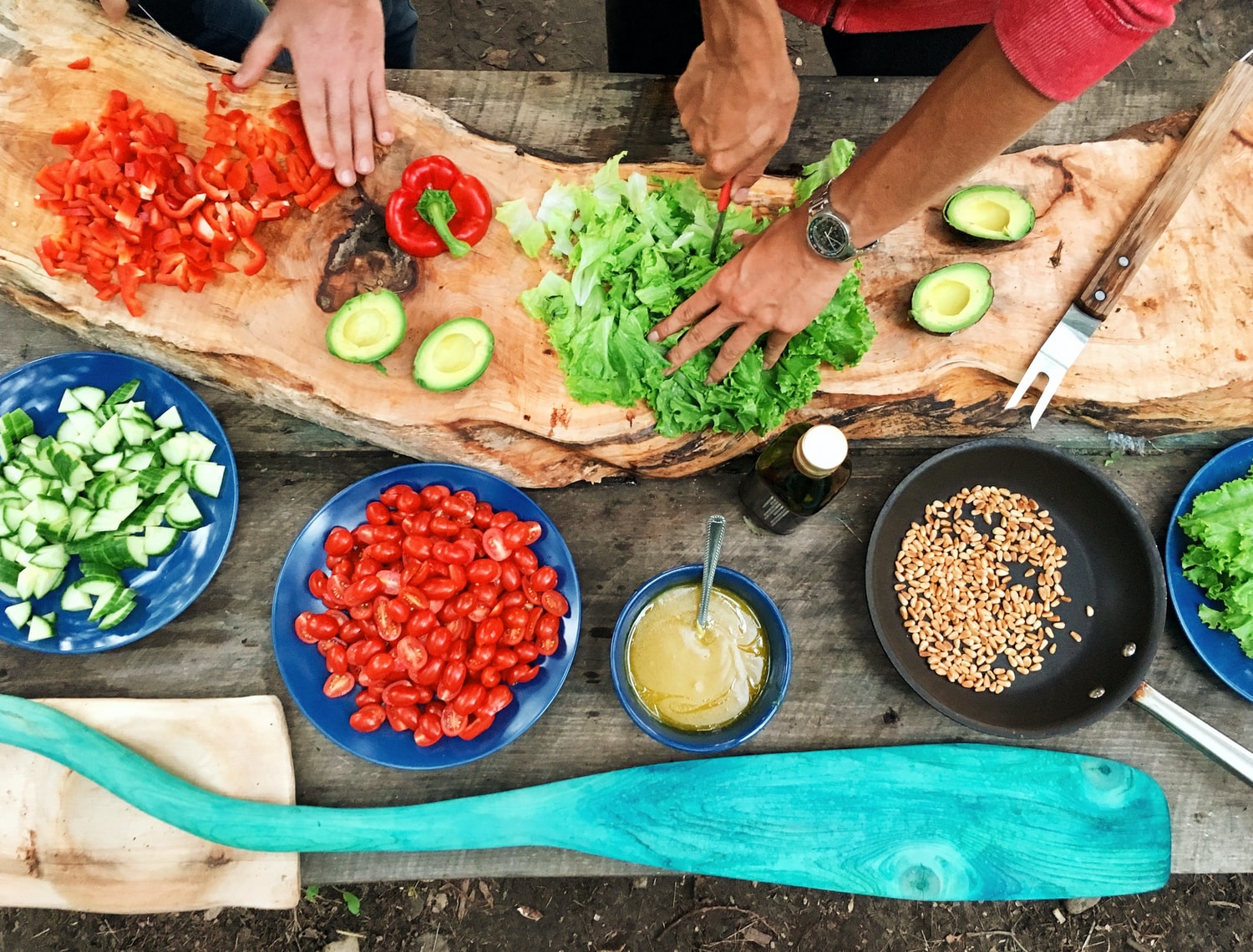
Valuing heroism
Today is a holiday. Republic Act No. 9492, signed into law in 2007 set August 30 of every year as National Heroes Day. This used to be commemorated on November 30, alongside Bonifacio Day, in honor of Andres Bonifacio's birthday.
But Bonifacio, who symbolically ripped the cedula (community tax certificate) as a sign of protest against the Spaniards and started the revolution, was too big of a hero already and deserved a day to himself.
National Heroes Day was for the unknown heroes who also died or were persecuted as the nation fought to emancipate itself from the clutches of its oppressors. It is not in honor of one specific personality, but that of every individual who showed courage in the fight for the freedom we enjoy today.
However, I doubt people actually know the significance of this day. To most, it's a holiday so there's no work, no classes, and maybe less traffic. Unfortunately for those who are daily wage earners, it also means no pay. For the ones required to report to work today, they do get extra pay.
History books haven't really done justice to make students fully appreciate the sacrifice of these people dubbed as heroes. Neither have most teachers taken an in depth approach to presenting history so it is more vivid in the minds of kids rather than just asking them to memorize dates, places or people's names for tests.
Come to think of it, I may have enjoyed relating historical events or actions taken by those who fought for independence to our life as we were growing up. But that's water under the bridge.
Fast forward to 2021...
Mention hero today and what comes to mind are health workers who have sacrificed, toiled, and risked their lives during this pandemic that's running to 18 months.
There are also frontliners, whose jobs are not medical related, but have been called upon to serve the public at a time when mobility is restricted and most services are only operating at half capacity. The delivery riders, the staff at groceries and pharmacies, law enforcers, security guards, and allied workers in medical facilities.
We may not be at war using cannons, guns and bullets, but we are also fighting a battle that has claimed thousands of lives, often in solitude without even seeing the enemy.
And every doctor, nurse, medical technologist and technician, and hospital aide who brave each day exposing themselves to a virus that seems to always be two steps ahead of the world, rightly deserve to be called heroes.
Then what? Honoring heroes should go beyond just recognizing the work they've done and continue to do. What they need is validation through specific action, and the most profound way to honor these men and women is give what is due them, commensurate to their sacrifice, now, not six or eight months from now.
That means the special risk allowance, equivalent to hazard pay, and benefits covering food, transportation, and even insurance which was promised by government through a law enacted at the start of the pandemic.
It is nurses in private medical facilities that are struggling the most because of already low salaries, and many have chosen to give up because of meager pay compounded by exhaustion in the last year-and-a-half.
While being called a modern-day hero may sound exulting, without corresponding action to demonstrate they are truly valued - such as upping their salaries beyond minimum wage and releasing their benefits in a timely manner - being a hero is meaningless.
For the public who can contribute little to the economic plight of nurses, the most practical way to help is to keep safe and avoid being infected with the virus so hospitals will not be further overwhelmed more than they already are.
One is usually hailed a hero for performing extraordinary deeds under ordinary circumstances. This is a day for remembering heroes, those who gave their life for the nation to be free.
But in today's context, there are thousands of people doing heroic acts but feel they are grossly undervalued. Let us remember them, perhaps through prayer, that they finally get what they deserve so they can truly embrace their being heroes.
*Images from Unsplash*
Doing things right
"I suck at this!"
That's my niece muttering in exasperation as we folded bed sheets together. She couldn't quite get my instructions how to go about it, and since she wanted the task done quickly, was doing it wrong.
I admonished her when she kept huffing that she was doing a terrible job of it. She argued it was the first time she was folding sheets that's why she couldn't get it right. And that's precisely why it will take a bit of time to complete the task properly.
So, when we're made to perform a task initially, it's expected that it will take a little longer than someone used to doing it. But it doesn't mean we can't do it properly given a bit of patience.
Zipping through it
And that's the root of problem. Most young folks choose want they want to do, especially when it comes to menial tasks or chores. Since they'd rather not take on such tasks, they want it done and over with as fast as they can.
Often, they really do suck at it precisely because they don't care to follow instructions, or do it step by step. To them, chores are an annoyance, oblivious to the values these teach us.
It doesn't help that there are so many distractions for them, foremost of which is the Internet, and the myriad of things they do there, many of them mindless stuff but which inundates their brains until they get addled.
For the young people today, chores or small tasks are unimportant and whether they're done or not is inconsequential. If they will grudgingly accept orders to do these, they think of all sorts of hacks to finish quickly.
They miss the point that certain things have steps to get these done in the most efficient way. And they can never see how important small details are in the grand scheme of things.
I'm all for hacks. But there are tasks that still turn out better or the output as it should be when done using a longer process.
Yes, I grew up in a generation when there was particular order to doing things, and I guess that's what helped develop my logical mind, so it now seeks order in the way I have to attack tasks and get them done.
Learning curve
Who doesn't want to finish work expeditiously? But not at the expense of quality or efficiency.
When doing anything for the first time, there is usually a learning curve. Unless we've seen it done previously, we tend to do it slowly, step-by-step, to make sure we do it right.
If we get to do it perfectly after the first try, hooray! Otherwise, there's always room for improvement and we should strive to get better at it, even the most menial of tasks.
Think of making a cup of coffee using a different kind of beans for the first time. Sometimes, we'll get it spot on in one go, but mostly, it's trial and error until we perfect the blend of coffee, sugar and cream.
Let's set aside pride and ego in doing menial and simple tasks. The proud perfectionist will really be annoyed if they can't get it done right the first time. Or they'll dismiss it as some stupid task not worthy of their time and effort.
In this day and age where everything can happen in a snap, or be done with the least amount of effort, save for pushing buttons or pulling levers, it can be frustrating for people so used to this everything at your fingertips kind of life.
But it is also said that you can only begin to apply shortcuts or use hacks and be successful with them if you know how to complete a task using the long process.
Every individual is wired differently. Some are skilled at one thing but inept with another, others can quickly figure out how complicated things work but are clumsy when it comes to doing something very simple.
And it is these differences in intelligence, skills and competence that should tell us that we can't expect to be perfect in everything we do ALL OF THE TIME.
It is an openness to learning, the patience to discover the most efficient way to accomplish things, and the humility to accept imperfections that builds character and molds better individuals.
Let's stop thinking we suck at anything we're only trying for the first time to cover up our ego, or to escape a task we really aren't interested in doing to begin with. Sometimes, you'd be surprised at what you can accomplish if you just focus on doing things right, with patience, instead of going through the motions just to get it out of the way.
*Lead image is an original photo*
Titles don't equal reputation
My father was a geologist. Or more specifically, a hydrogeologist. It was his job to study water availability in specific areas to determine whether it can sustain the requirements of whatever business or project will be set up in a particular location.
He was just among a handful in his profession here in the country. And modesty aside - not because he was my old man - he was probably the best. His clients were the biggest corporations and organizations, and many times, he would be called in to troubleshoot something another hydrogeologist already worked on, but was unsuccessful.
Anyway...on several occasions, I would hear people address my Dad as 'Engineer,' which is funny, because he wasn't one. And neither was his profession a branch of engineering. I guess it's because those guys who called him that didn't really know how to address him as a professional so they went with engineer.
I'm not sure if secretly my father liked being referred to as that, or he just got tired correcting these people, a number of whom were engineers themselves assigned to oversee the projects that my father was working on.
Honestly, it annoyed me. Not just the title, which was not appropriate, but the need to use one.
It's a culture thing here in the Philippines, for professionals to be addressed with a title. So, it is always a big deal for someone to become an engineer, a lawyer, a doctor - the big three in college degrees - because they'd have that title stuck to their names forever.
But let's not forget political titles. Someone may have been a mayor 50 years ago, but people who knew him as such will definitely keep addressing him that long after he has retired.
Even if the person was merely a councilor or a village chief (barangay captain), their names will always be preceded by their title - present or past.
So you often get confused when meeting someone for the first time who is introduced as 'Kap', (for barangay captain) or 'senator' or 'cong' (for congressman), and think this was an incumbent, when in fact it was a title from a long-ago job.
Why is it even necessary to attach a title to someone's name, whether incumbent or not, practicing a certain profession, or just for earning a degree?
Will trumpeting what you are, or were, add to your credibility or importance as a human being? Or will you become less of a professional if people did not refer to you with a title?
And here I thought you built a reputation because of what you can actually do, or what you've done, not by some title you want people to reverently address you with.
What about those other professionals whose jobs have no formal titles for them, are they any less competent?
Sometimes, people don't even deserve the titles they so zealously protect and almost demand people to address them with. There are those who finish law, barely pass the bar, and end up as notary publics. Yet, they are 'Attorney' so and so.
People who complete their PhDs always want to be referred to as 'Dr', many of them from the education department. I know there are physicians who aren't happy being lumped with someone who has a doctorate degree, because they argue it's not the same as being a medical professional.
I'm all for broadcasting to the world what you do for a living, and if you're any good at it, your work will speak for itself, no titles required.
It's a mindset that isn't healthy, and can be discouraging.
I totally understand parents who preen like a peacock after a child earns one of those coveted degrees, especially if they had to toil and sacrifice so much for this to happen.
And if their children end up as successful professionals, well and good. But let's not shout it at the rooftops every single time that your son is an engineer, or your daughter a doctor, especially if they don't have much to show for it yet.
Even if you're a successful entrepreneur, some even disparage you saying you're just in sales. And never mind if you're the most skilled and talented mechanic, able to bring to life some decrepit vehicle that could fall apart anytime, you ain't much because there's no title for that.
Titles should not define who we are and the work we do. The results and output that we give out because of how we do our jobs will build our reputation. And that's far more important than any high-falutin' title attached to a name.
Come to think of it, when someone does some heroic deed regardless of what they do for a living, is their name prefixed with 'Hero'?
I didn't think so. But I know people far and wide know exactly who that person is and what he did. And that's all that really matters.
*Images: Lead image created with Canva; other images from Unsplash*
So... only short posts. So, just comments and reading.
In the meantime, thank you @JonicaBradley for renewing your sponsorship.
Be safe everyone.
A profession built on trust
I was browsing through my FB feed and saw this very interesting video feature on a Dutch man.
Robbert Zoon works as a professional house sitter in his hometown of Haarlem, a city outside of Amsterdam and the capital of the province of North Holland.
Just what is a house sitter? Well, it involves more than sitting in a house and getting paid for it.
House sitters are called in when the owners of a house need to leave for an extended period of time (beyond overnight sleepovers or weekend getaways) and have pets or plants and other things that require care while they are away.
While there are temporary pet hotels or shelters to leave dogs, cats and other domestic animals, these are either expensive or crowded and the pets may not receive ample care.
Sometimes, friends or relatives are requested to house-sit because owners prefer people they know, are familiar with, and most importantly, can be trusted.
Zoon, however, does house sitting for people he is not related to or even knows. Unless he is called back to do another round, it is a service he renders to strangers.
What is admirable about this man though is he does not get paid for house sitting. Say what?
Free service
Yes, Zoon house-sits for free. So, his service is contracted for him to take care of pets, (he prefers cats because they are more docile and do not need so much attention) waters plants, and keeps the house in order while the owners go away for a week or more.
In return, the man has a place to stay, food to eat, and need not worry about having to pay bills or settle huge expenses that come with having his own place.
In his words, the job takes away the pressure of having to make money, which allows him to pursue more meaningful activities that won't necessarily pay much. But since he doesn't need much, earning a lot isn't a primary goal.
One client, who was interviewed in the same video feature, said she hired Zoon to take care of their cat while she and her kids had to be away for two weeks. It was a more preferable arrangement than leaving the pet in a shelter that was very crowded, which will likely result in the cat getting inadequate attention.
At the same time, she felt comfortable with the thought that their home was not left empty, and someone could check on things regularly.
There was no mention how long Zoon had been house sitting professionally, nor did they say if he did this the whole year round thereby not necessitating permanent quarters of his own.
All that was shown as his possessions were a bicycle with a wooden frame and a small suitcase that he brings along to every home he services.
What Zoon did explain was his choice to house-sit mostly in the many neighborhoods of his hometown so that people become not only acquainted but familiar with him as someone from their community.
Because he stays around for more than just a visit, and neighbors see him tending to house and its surroundings, Zoon is eventually considered part of the community and earns trust among people.
Building trust
As people get to know him and learn of what he can do for them should they decide to also go away for a while, Zoon builds his clientele and their trust.
For certain, Zoon not asking to be paid to house-sit is a crucial factor to cultivate trust. His decision to live a relatively simple life, content with the basics, and enjoying small luxuries every now and then must also inspire trust.
The trade-off between not having a place to call his own and having little possessions compared to a stress-free life seems to sit well with Zoon.
During days when he isn't minding someone else's home, Zoon can be found in a community center where he engages in activities with non-profit organizations.
My thoughts on Robbert Zoon's life?
First, Haarlem must be a relatively peaceful town which makes it easy for people to trust those in their community.
I am not sure such arrangement will work here in my country, where people are often wary of letting strangers into their homes, let alone live there on their own in exchange for taking care of pets, plants and protecting the house from people with criminal intentions.
Ideal life?
Second, not many people are like Zoon, content with not having to worry about bills and expenses, having very little by way of possessions, and prefer not to be pressured to earn a lot of money.
By living a simple, stripped-down lifestyle his 'job' is quite ideal, and would free him of the usual stresses that come along with working a regular job where you are expected to render time, skills, and know-how in exchange for compensation.
Third, there was no mention of Zoon having any family. So, there is no worry of providing for a wife or children and will allow him the stress-free lifestyle that doesn't earn him much.
So, I am thinking when he finally wants to raise a family, he will eventually give up this life and go the traditional route of working for a living to provide not just a home for his wife and especially children, but also for their needs.
What he will take away from this current life is having built a trustworthy relationship with people in his hometown, who will likely not hesitate to extend assistance and support should he need it in the future.
*Images: Unsplash*
The guilt card
Would it upset you if someone's uses the guilt card to make you do something you aren't sure you want to do at this time? Or worse, when they use their guilt from some past incident to push you to a corner so you agree to what they believe is good for you?
It was not a conversation I wanted to have. And had I known that was how it would go, I probably would've lied just so we never got into such conversation at all.
For the record, unlike many out there, I know COVID is real. I've heard and read so many stories about people getting infected, dying or losing their loved ones because of the disease.
And for my part, in those very rare times I have to go out for some necessary errand, I do everything to protect myself - mask, shield, physical distancing, alcohol or hand washing, and even rushing to get out of any establishment to lessen my risk of exposure, aside from boosting my immune system.
All too confusing
Since March vaccines have been rolled out, and in our neck of the woods, every available brand is being shipped in, although only less than 20 percent of the country's population have been inoculated. However, I don't quite understand the system, allocation, and distribution that government - whether national or local - has in place to carry this out most efficiently.
At the same time, supply is still not enough to meet demand and new studies are constantly surfacing about efficacy and the length of protection a vaccine can offer. And then there is the emergence of more variants, often stronger than previous ones.
In the meantime, being the hardheaded folks a lot of my countrymen are (**pasaway** *is the term used for them*), many ignore minimum safety protocols, and think that getting vaccinated means being invincible against the coronavirus so they go about like everything was pre-pandemic normal.
That's why after more than a year, we've had to go back to strict lockdowns due to rising cases, especially with the more transmissible Delta variant.
It doesn't help that contact tracing efforts here leaves much to be desired so instead of being able to find whoever may have had contact with infected individuals to get them tested, these people are not being quickly rounded up.
My dilemma
So where I do fit in all these?
I have not been jabbed. Aside from system lapses and shortage in vaccines, my mind and heart have not been made up about the vaccines that were developed then rolled out in a relatively short amount of time.
Since I am not, I take precautions very seriously and avoid going out unless absolutely necessary to protect both myself and others from an invisible but deadly enemy.
Then a cousin, who is, like he pointed out, the only doctor in the family, called to say there were two slots for vaccines and he wanted me and my sister to take it. Apparently, he ordered vaccines from a private initiative nominating someone else but these people already went ahead and got theirs, thus leaving the available slots.
He gave an impassioned argument about why I needed to get it, saying I was at risk because of my age, and it was to protect my mom (who's already been vaccinated), and that everyday he saw dialysis patients dying because of COVID and was helpless about it.
He related how these patients were infected even though they didn't leave their homes, but someone else in the household contracted it and passed the virus on.
Having to face this scenario every single day kept him away from his children and he was already so tired of the situation. I acknowledged his sacrifice and the difficult circumstances he was in as a medical frontliner and respected his arguments.
When I continued to say I was not ready at this time, he suddenly pulled this guilt card - how helpless he was when his father was ill and he could not do anything to help him because he was far away, and my uncle ended up dying. (*There were so many other factors that led to his father's demise, none of which were in his hands really*). He added that he felt the same when my youngest sister died because she refused to heed his advice to go for medical consultations and take meds.
Now, if something happened to me or my sister because we didn't want to get vaccinated at this point, this would again weigh on him like the two previous cases!
Wait, what?
And he kept hammering that point, his voice cracking with frustration, just to convince me to change my mind and see it from his point of view.
I fully understand how stressed he is given that he's either called in to intubate or respond to a dialysis patient of his, infected with the virus. And to watch so many expire on his watch will definitely weigh on him.
When I told him that I understood his feeling of helplessness when it came to his patients, he said he didn't really care about them because they were strangers, in the way that we mattered because we were family.
So, what I got is that if we refused to be vaccinated, got infected and died, he would be guilty because like his dad and my sister, he wasn't able to do anything about it.
Is that fair?
By playing the guilt card, I am now supposed to give in and get inoculated to ensure he won't be weighed down by guilt yet again because of me since he was able to do something to supposedly keep me safe?
But what if something else happened to me that was not COVID-related, would he still feel the same way? Or worse, if the vaccine caused some reaction in me that put me in danger, how would he take it?
I don't like being stripped of the power to decide for myself when it comes to my body. And I fully get that it is my responsibility and mine alone if something bad happens to me because of something I did, or did not do.
I like it even less to have the burden of protecting someone from being weighed down by guilt by doing something that was against my will.
My prayer is for people not to be terribly inconvenienced should something happen to me, and for them to accept there are things they cannot prevent and should not be responsible for.
So, do I have a right to be upset?
*Images: Unsplash*
Where are they now?
Years ago, when e-mails and messaging apps were just starting to change the communication landscape, one of the regulars in the neighborhood was a postman. Actually, it was a postwoman in our case. Brenda was her name.
How do I know this? Well, it is customary for delivery persons to hand households a small envelope around Christmas time just in case we wanted to share small blessings with them. Of course, they would put their name on the envelope so we knew who it was for.
So, Brenda was a regular. When I was home I usually got the mail left stuck in the gate handle (we have an open grill gate) and since I was familiar when she came around, I would already be outside and would catch sight of her.
Sometimes, I'd see her walk past our house and she'd call out there was no mail for us.
During those times, aside from bills and mailed ads, we still got letters here and there, an occasional postcard, or invitations to birthdays or weddings as well as thank you cards.
When Brenda started her postal run in the subdivision, she was on foot. The post office, where our mail originated from, is about two rides away from our community. She'd have some road crossing to do before reaching the subdivision gate, then would make it out a second gate to head on to the other subdivisions and buildings along the way.
How long her route is, I didn't know, but sometimes I'd see her walking half-a-kilometer to the next destination.
Some years later, I saw her with a bike. Wow! That's progress. Although still quite a ways from the post office, I'm sure it reduced her transportation expenses by a lot. I am not entirely certain if postal personnel receive a transportation allowance for their delivery runs.
I am assuming they do not, otherwise, why would Brenda get herself a bicycle, or even be walking under the scorching heat of the sun or the driving rain instead of taking some form of public transportation?
When I greeted her new mode of transport, she laughed. Brenda is quite stocky and not very tall. But each time I saw that huge leather bag bearing all the mail she had to lug around, I cringe at the weight of it, especially at the beginning of their route when it was stuffed to the brim.
So, a bike where she jury-rigged some saddle to hold the bag, lifted a load off her shoulders literally. That way too, she can head back to the post office earlier once she's completed her daily run.
About three or four years later, Brenda was whizzing by on a motorcycle! Oh boy, so much the better for her. I never really got to chat with her during our brief encounters. She was always on the go. So, I never found out her backstory.
I'd like to believe she saved up as much as she can from her meager salary to be able to at least pay the downpayment for that motorbike. And for that, I am in awe of the woman.
I do not for a second believe postmen and women earn substantial salaries. Yet, the work they do is back-breaking, carrying such a heavy leather bag full of paper, walking far and wide to deliver the mail, with the sun sizzling hot, especially during summer, or rain pelting during the monsoon months. But as sure as the sun rises and sets, they are trudging towards homes to get the job done, Monday to Friday.
And then Brenda was gone. She must've been reassigned. A new postman took over her route. He looked older than Brenda, but then again the sun can be very harsh on the skin when you walk underneath it during the hottest hours. He wasn't much taller than her, and the postal bag looked like it would injure his shoulders.
He was quiet, this guy. Just goes about sorting mail, then stuffing these in gates or mailboxes, then on his way. He rarely breaks into a smile even if you acknowledge him. Like he thinks himself invisible.
When I meet him coming up and me going out, I'd ask if there was any mail for us. I love how he already knows when you give him the house number if there was anything to deliver or not. That's about the extent of our interaction.
Today, there is no postman coming to deliver mail in our neck of the woods. Not even occasionally. There are delivery guys, who are contracted to send out billing statements for utilities. But on the very rare day some registered mail is delivered, it's a mini post office service van that does it now.
I miss those guys... and wonder what happened to them now. Have they been assigned elsewhere in the post office because people hardly send mail anymore? It's the courier service companies that does the job these days. So where did the postman go?
In those days when receiving a handwritten letter was common, I was always thrilled to see the postman standing outside the gate handing over mail for me. And if it was from someone I haven't heard from for a long time, a huge smile would break out on my lips.
It's so sad that technology has made this job obsolete. And because of it, so much personal interaction is disappearing in our lives. What other jobs will people be deprived of because of advancements in technology?
*Images: Unsplash*
Small miracles
*I wrote this years ago to record an experience as staff of a politician. What eventually happened, or whatever the thoughts of the man, from whose point of view this was written, were unknown to me. This was never published. But I came upon it now, so it must be looking to be shared...*
I felt cold sweat trickle down my back. My hands were cold, too, as I looked at the door and slowly opened it. There were three ladies inside, laughing over something as they prepared to call it a day. How I wish there was another way out of this. But night was falling and I needed to get back to the hospital.
Nina needed this operation badly. But unless we can raise the money for medicines, the doctors would not schedule it. They would perform the procedure for free, but the patient had to shoulder some of the cost.
I've been out since this morning. My legs were ready to give up from all the walking I had done. A ride would have been easier, faster, but I needed to save every cent I had for Nina.
My stomach grumbled. I was faint from hunger and thirst. It must've been written all over my face as I slipped inside the office quietly.
They all turned to me. One came up to greet me. She had a kind face. "What can we do for you, sir?" she asked. I expected scorn or indifference like the others who greeted me earlier in other places. She smiled to encourage me and I realized I still had not said a word.
"I... I'd like to ask help for my wife." Was that me speaking with a trembling, almost feeble voice? "Any little help will be greatly appreciated," I went on.
The girls looked at one another. They must be used to hearing stories like mine. So I did not mind the skepticism I saw on their faces. "She needs surgery immediately, and we need to buy her medicines."
She looked at me apologetically. "I'm sorry, but we have a policy that financial aid can only be given to our constituents. They'll look at your documents and these will be disapproved eventually," she explained.
In my head I knew what she was saying. Their hands were tied. But my heart refused to listen. "Ma'am, please I beg you. If she does not go through surgery soon, she will die."
The words suddenly came rushing out before I could stop myself. I told them how Nina had been bleeding for several days before we finally found help to get her to a hospital. We were told she had a mass in her abdomen that ruptured and needed surgery. But they couldn't do it all for free.
I remembered Nina's face before I left. It was so pale. She grimaced in pain but she gave me a small smile, while trying to mask the pain she'd had to endure for days. It had been a restless night, all of us sleeping fitfully.
She grasped my hand, her grip so limp I was almost afraid her fingers would crush under mine. I had to be strong for the woman who bore me three beautiful children, and who was so devoted to our family.
She squeezed my heart as she said, "Take care of yourself out there. And don't forget to say thank you even if they can't help us." I hugged her carefully. Her eyes were closed when I left the ward.
Tears stung my eyes. I knew Nina hated to beg. So, I will do it for her. She deserved to get well and to live. And I loved her too much just to stand by and do nothing.
I didn't realize that my eyes had welled up and tears were streaming down my face. The women's faces registered panic and worry. I quickly swiped away the tears with the back of my hand and apologized.
Suddenly one of the ladies in the room stepped forward and handed me money. The others were shocked and embarrassed by the gesture. She said, "I'm sorry, this is all I have with me. But I hope it will help."
Then she asked, "Would you like some water?" To the other girl she said, "Give him some of the cookies and coffee." She turned back to me, "You look like you haven't eaten."
I smiled in gratitude. As I took a sip of water, the liquid seemed to wash away the tiredness of the entire day. For some reason, I felt a spark of hope. It wasn't the grandest of gestures, what the woman did. But she did it with little thought.
What did I say differently here than what I've been saying throughout the day?
It was almost dark. My footsteps echoed in the long empty hallway. It had been a long day and I was no closer to my goal than when I started.
Then it dawned on me it was almost Christmas. I barely paid attention to the twinkling lights, decors and Christmas carols that were playing over the sound system. Nina's predicament was all I could think of and Christmas was but a memory.
Grateful for the refreshments, I found my strength. Generosity is contagious. Before I left, the women insisted I take some bread and ham they were planning to share among themselves. The coffee and cookies were more than enough.
I did not want to overstay my welcome but they insisted I take it back to Nina. When I pushed open that office door, I was almost hopeless. But fate leads us to meet people who, with the simplest of deeds make a profound impact in our lives.
I still did not have all that we needed for Nina's surgery, but I know I had more hope in my heart when I left those three ladies. It was truly Christmas because I had just experienced a small miracle.
*Images: Unsplash*
 @zolabundance2