 @zh
@zh
SRK (Spark) seems interesting - crypto via gamification? https://www.youtube.com/watch?v=8yONwcT1NUI
Joined 25 May 2020 · 6 posts
Bulgarian. Living in Japan. Budo-geek - aikido, kendo, iaido. Software Engineer. FPV drone racing addicted. Blockchain enthusiast recently..
120 KT
0 KT · $1.00 received · 0 KT · 1¢ given
@zh
SRK (Spark) seems interesting - crypto via gamification? https://www.youtube.com/watch?v=8yONwcT1NUI
@zh
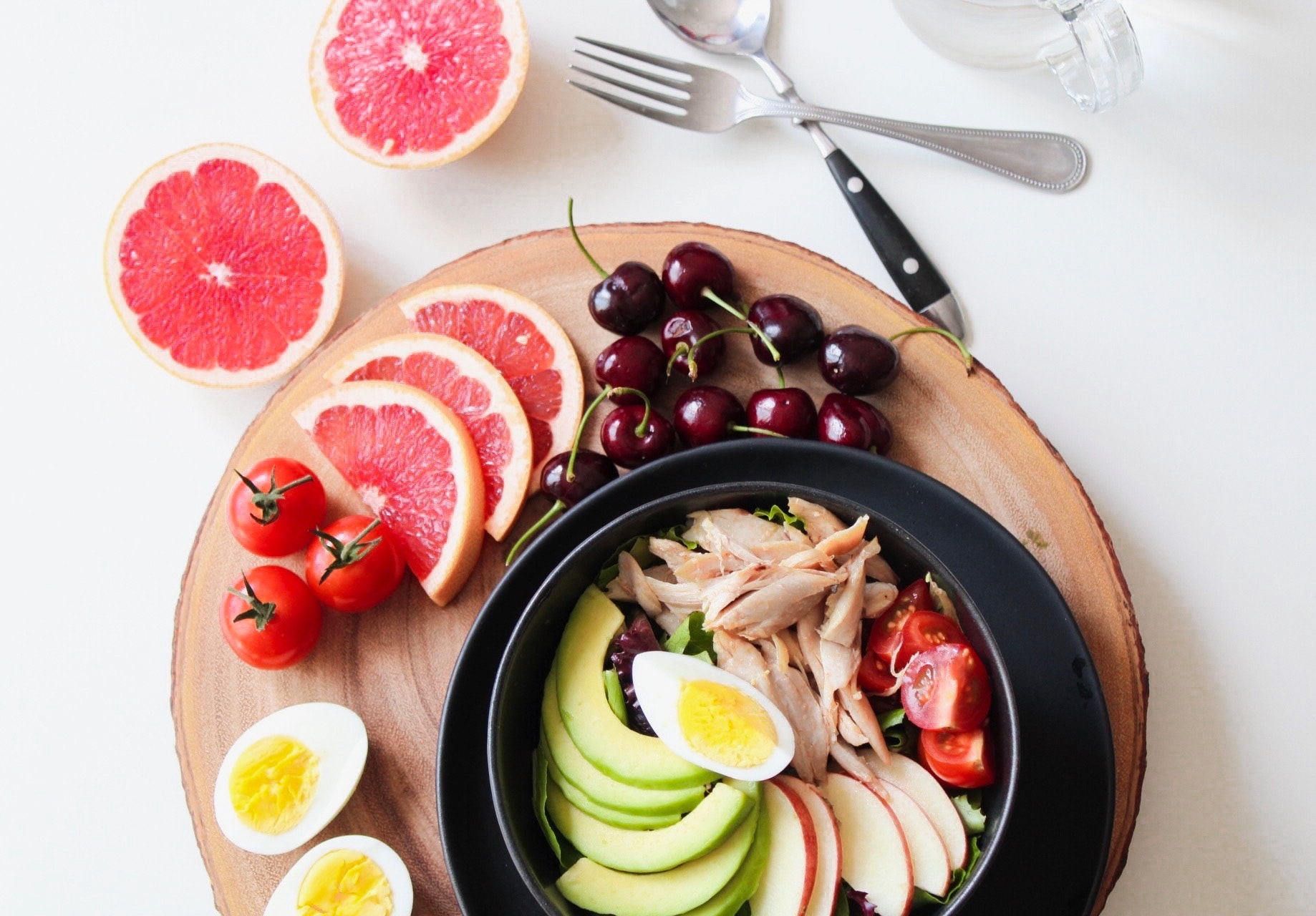
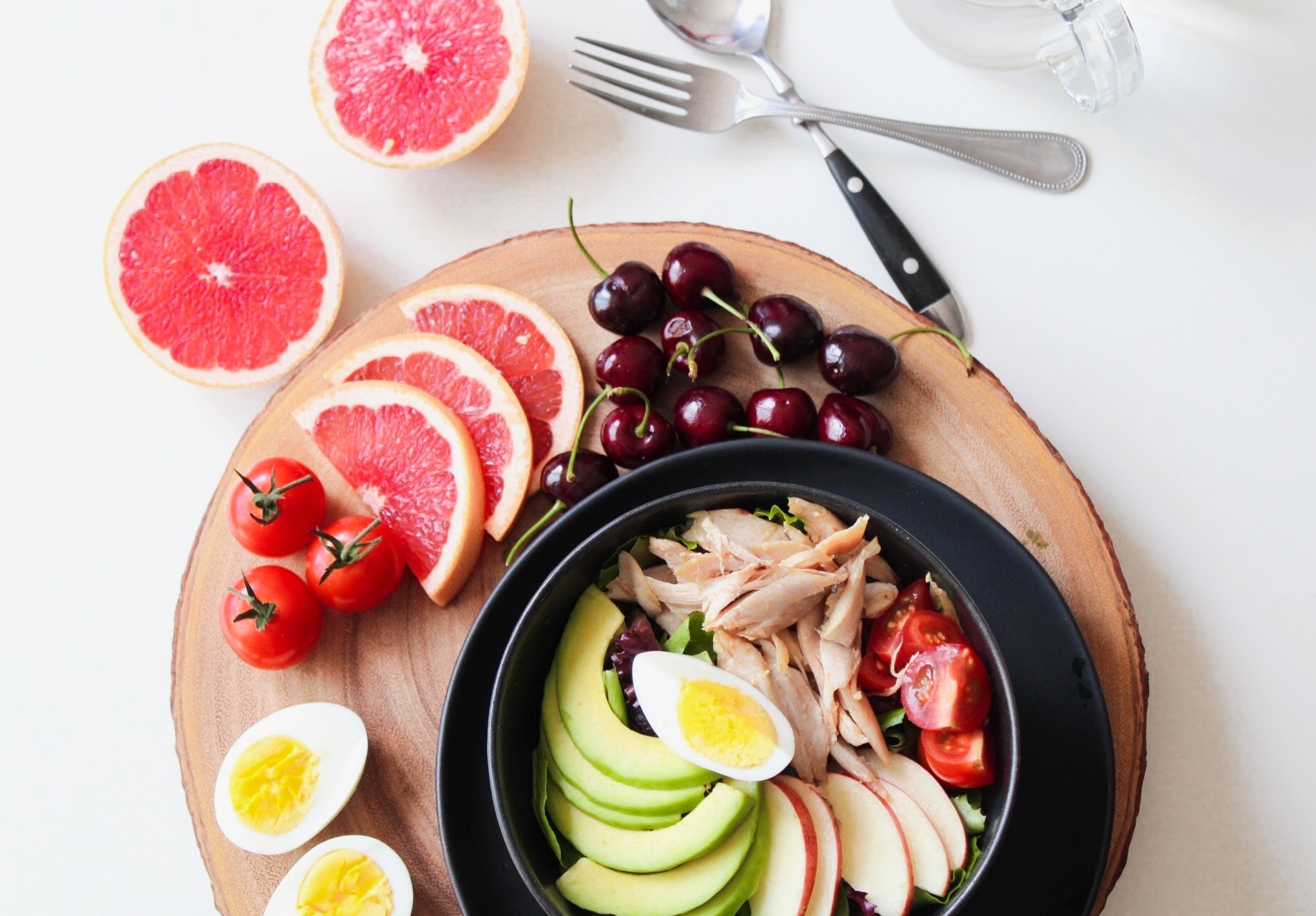
Understand What You Eat Disclaimer *This information is not presented by a medical practitioner and is for educational and informational purposes only. The content is not intended to be a substitute for professional medical advice, diagnosis, or treatment.* While you already understand its imperative to consume a healthy diet, you might find it harder to sort through all of the data about **nutrition** and **nutrient choices**. **What are the basic nutrient groups?** Foods are grouped together when they share like nutritional properties. Hinging on the plan you select, you may find the food groups arranged with some slim differences. Here are a few examples of a regular diet so you might stay healthy. **Grain**: brown bread and rolls, whole-wheat pasta, English muffin, pocket bread, bagel, cereals, grits, oatmeal, brown rice, unseasoned pretzels and popcorn. **Fruit**: apricots, apples, bananas, dates, grapes, orange, grapefruits, grapefruit juice, mango, melon, peach, pineapple, raisins, strawberries, tangerines, and a 100 percent fruit juice. **Vegetables**: carrots, broccoli, collards, green beans, peas, kale, limas, potato, spinach, squash, tomato, sweet potatoes. **Nonfat or Low Fat Dairy**: fat-free (skim) or low-fat (1%) milk or buttermilk, fat-free, low-fat, or reduced-fat cheese, fat-free or low-fat regular or frozen yogurt. **Lean Meats and poultry**: beef, pork, game meats, fish, shellfish. Pick only lean; cut away visible fats; broil, roast, or poach; cut skin from fowl. **Nuts and Seeds**: almond, filberts, mixed nuts, peanut, walnut, sunflower seeds, peanut butter, kidney beans, lentils, split pea. A healthy eating plan will found you **how much you need** from every nutrient group to remain **inside your calorie demand**. Time to detoxify? Feeling **slow**? Having **skin problems**, **pain** and inflictions, or **digestive troubles**? Wandering from your fitter habits recently? It might be time to **detoxify**. By freeing your body of toxins, then giving your body sound nutrients, detoxifying might assist in protecting you from disease and renew your power to continue optimum health as well as help you slim down. Simply, detoxification entails purifying the blood. It does this chiefly by **getting rid of impurities from the blood in the liver**, where toxins are refined for excretion. The body likewise eliminates toxins through the kidneys, bowels, lungs, lymph and skin. When this **system is compromised, impurities are not properly filtrated** and every cell in the body is adversely affected. You should detox at least **once a year**. A light detoxifying plan is typically safe; as a matter of fact, scientific studies demonstrate that a detox is beneficial for health. **You should be** **careful if you are a nursing mother, child, and patients with chronic degenerative diseases, cancer or tuberculosis**. **Consult your doctor** if you've questions about whether detoxing is suitable for you. Initially, lighten your toxin load. **Get rid of alcohols, coffee, smokes, sugars and concentrated fats**, all of which act as toxins in the system and are obstructions to the procedure. **Minimize utilization of chemical-based house cleaners and personal healthcare products and replace with organic alternatives**. Another hitch to good health is **stress**, which sets up your body to **release stress hormones** into your system. While these hormones might supply the *"adrenaline rush"* to advance in a race or meet a deadline, in **large amounts they produce toxins and decelerate detoxification enzymes** in the liver and can cause weight gain as well. So it's an excellent idea to **detoxify nerve-racking life situations** along with detoxifying your body. **Yoga** and **meditation** are simple and effective ways to remedy tension by resetting your physical and mental reactions to the inevitable tension life will bring. Diet is good for your health After a detox program, you're able to **cleanse your body daily through diet**, supplements and **life-style changes** which helps keep your weight down. 1. **Ingest plenty of fiber**, including brown rice and organically farmed fresh fruits and vegetables. Beets, radishes, artichokes, cabbage, broccoli and seaweed are excellent detoxifying foods. 2. Clean and protect the liver by **taking herbs** like dandelion root, burdock and milk thistle, and **ingesting green tea**. 3. **Ingest vitamin C**, which helps the body generate glutathione, a liver compound that dispels toxins. 4. Ingest **at least two quarts of water each day**. 5. **Breathe deeply** to let oxygen circulate more completely through your system. 6. Transform tension by stressing **positive emotions**. 7. **Sweat** in a sauna (or in a gym) so your body might do away with wastes through sweat. **Make certain to consult with your doctor before starting any regime.** *P.S. I know I will not become rich, writing these articles, but contributing a small amount of BCH will be hugely appreciated*, *will support my work and keep me going.*
 @zh
@zh
BloChaDev - Cosmos SDK Next article in my BlockChain Development series. It is a logical extension on the previous article about Tendermint Core. If you remember Tendermint core give you a **ready to go state-machine replication engine** a.k.a blockchain. Great foundation, but coding actual state machines on top of it is not so easy. And in fact it is not the job for any core to do this. https://read.cash/@zh/blochadev-tendermint-core-853514f1 Here the Cosmos project comes. The project describes itself as *"...a decentralized network of independent parallel blockchains, each powered by BFT consensus algorithms like* *Tendermint* *consensus...".* They have very active OSS development - **more then 40 active repositories** on GitHub! It is impossible to talk about all of them in one article so lets mention just some more popular ones: https://cosmos.network/ https://cosmos.network/intro#what-is-tendermint-core-and-the-abci https://github.com/cosmos/ Gaia - Cosmos Hub - *"...allow fully sovereign blockchains to interact with one another using a protocol called* *IBC**..."* https://github.com/cosmos/gaia/ https://github.com/cosmos/ics/tree/master/ibc Scaffold - *Scaffolding for Cosmos-SDK based application* https://github.com/cosmos/scaffold/ Cosmos-SDK - *A Framework for Building High Value Public Blockchains* https://github.com/cosmos/cosmos-sdk/ Ethermint - *Ethereum on Tendermint using Cosmos-SDK* https://github.com/cosmos/ethermint Scaffold **Main programming language**: Go Project web page https://cosmos.network/sdk Documentation pages https://docs.cosmos.network/ Github Repository https://github.com/cosmos/scaffold For people coming from the Rails development background *scaffold* is the same as *rails scaffold* utility - creating a boilerplate of models, views and controllers code (named here Keepers, Handlers etc.). Some times good to start with, but some times too generic and too much changes needed. Mixed fillings on this one... Cosmos SDK tutorials suggesting starting from the *nameservice* example and more specifically starting with the scaffold tool , so I tried first: https://tutorials.cosmos.network/ https://tutorials.cosmos.network/nameservice/tutorial/02-app-init.html $ scaffold app lvl-1 zh hello_cosmos $ cd hello_cosmos # for some reason need to remove -mod=readonly in the Makefile # because of: go: updates to go.sum needed, disabled by -mod=readonly $ make Good! Compilation gave me two binaries installed in *$GOLANG/bin/* directory, so I can start them directly and check the available options: $ appd $ appcli Names of the binaries can be changed and will be different for the different projects. ***appd*** is a very thin wrapper around *tendermint* daemon starting command. ***appcli*** is a wrapper around *abci-cli* for sending commands to that daemon. Still not too much as a functionality added to the tendermint, basically same options can be used - *init*, *tx*, *query* etc., but it so much more convenient now: different daemon and cli names for every project, different config directories ( *~/.appd/* and *~/.appcli/ on OS X*) for different projects etc. The interesting part begins, when you start adding custom modules. They will add / change behaviour of the basic commands, usually adding some subcommands to them: $ cd x/ $ scaffold module zh hello_cosmos nameservice I added the new module, but as I mentioned above scaffold is too generic - a lot of changes needed to make this module really doing something useful. So I started changing different files, following the tutorial, but they lost me somewhere in the middle... To much was going on... And I'm lazy... Started searching for an easier way... And DA-DA-AAAA - found SDK Tutorials repo - all of the tutorials code, already finished! Nice. So I small tip: https://github.com/cosmos/sdk-tutorials **Do not start with scaffolding, clone** **SDK tutorials** and start studing / changing already working code - manual suggesting nameservice or scavenge. https://github.com/cosmos/sdk-tutorials/tree/master/nameservice https://github.com/cosmos/sdk-tutorials/tree/master/scavenge Cosmos SDK *A Framework for Building High Value Public Blockchains* **Main programming language**: Go GitHub repository https://github.com/cosmos I want to talk more also about **Cosmos SDK** *(maybe in separate article...)*, because it is the real **mother of dragons**, producing more and more awesome new tools. When some of them became too big, they usually move it to a separate repository as the Gaia Hub, mentioned above. Just look on the modules directory ! Real code treasure: https://github.com/cosmos/cosmos-sdk/tree/master/x A**uth** - *Authentication of accounts and transactions for Cosmos SDK application* https://github.com/cosmos/cosmos-sdk/blob/master/x/auth/spec/README.md Bank - *Token transfer functionalities* https://github.com/cosmos/cosmos-sdk/blob/master/x/bank/spec/README.md Staking - *Proof-of-stake layer for public blockchains* https://github.com/cosmos/cosmos-sdk/blob/master/x/staking/spec/README.md Mint - *Creation of new units of staking token* https://github.com/cosmos/cosmos-sdk/blob/master/x/mint/spec/README.md Your own CryptoCoin in less than 5 min SDK hellochain tutorial mentioning, that this example is broken, so I extracted the essential parts of it in a separate repository, something between *scaffold* and *hellochain*: https://github.com/cosmos/sdk-tutorials/tree/master/hellochain/tutorial More then scaffold - the starter part, providing creating users and coin exchange Less then *hellochain* SDK tutorial - no greeter module $ git clone https://github.com/zh/hw_chain.git $ cd hw_chain $ make $ ./init.sh # create and provision two users - test1 and test2 ... "name": "test1", "type": "local", "address": "cosmos1n80wglue... ... $ hwd start ...starting ABCI with Tendermint module=main Done. You have running blockchain and you can exchange **HelloWorldCoin (HWC)** on top of it: Get user test1 balance $ hwcli query account $(hwcli keys show test1 -a) ..."address": "cosmos1n80wglue8uepm06axpqj69l6q0jmjemantu4fh", "coins": [ { "denom": "hwc", "amount": "1000000" }, ... Get user test2 balance $ hwcli query account $(hwcli keys show test2 -a) ... "coins": [ { "denom": "hwc", "amount": "1000" }, ... User test1 sending 50 HWC to user test2 (transaction with confirmation) $ hwcli tx send $(hwcli keys show test1 -a) $(hwcli keys show test2 -a) 50hwc ... "msgs": [ { ... "amount": [ { "denom": "hwc", "amount": "50" } confirm transaction before signing and broadcasting [y/N]: y { ... "txhash": "E701569...", ... } $ hwcli query account $(hwcli keys show test2 -a) # get user test2 balance ... "coins": [ { "denom": "hwc", "amount": "1050" }, Summary **Cosmos** is a modern and very active project. A lot of great stuff coming almost every day from them: connecting different blockchains, game of zones etc. It is a real pleasure to use their SDK. With Tendermint for the state-machine replication engine and Cosmos SDK for building secure blockchain applications the possibilities are endless. For recent news follow Cosmos on twitter, reddit or sign on for their newsletter. https://twitter.com/cosmos https://www.reddit.com/r/cosmosnetwork/ https://cosmos.network/newsletters/signup/cosmos Additional information Cosmos / Tendermint explained for real idiots https://medium.com/coinmonks/cosmos-tendermint-explained-for-real-idiots-ab4305cbb41 DApps and Blockchains in the Cosmos Ecosystem https://medium.com/stakin/dapps-and-blockchains-built-on-the-cosmos-ecosystem-31731494570b 5 Differences between Cosmos & Polkadot https://medium.com/@juliankoh/5-differences-between-cosmos-polkadot-67f09535594b Build 2 Blockchains and connect them via IBC ATOM guide https://medium.com/@meleacrypto/build-2-blockchains-and-connect-them-via-ibc-atom-guide-1753f02763a7 Cosmos Tamagochi Zone https://stake.fish/en/goz/ *Coming next: Hm,... still not sure, maybe* *Zilliqa* *or* *Polkadot* *...* https://dev.zilliqa.com/en/ https://polkadot.network/ *P.S. I know I will not become rich, writing these articles, but contributing a small amount of BCH will be hugely appreciated*, *will support my work and keep me going.*
 @zh
@zh
BloChaDev - Tendermint Core Decided to write some articles on Block Chain Development (**BloChaDev** - like maybe Russians and Japanese will call it ;) ). I'm interested in this topic from a long time, but most of the articles just showing you how to add a simple hash sum to the next block and that's it. Nothing from the real world of connected nodes - **consensus protocols**, **state management** etc. Disappointing, a? https://hackr.io/blog/blockchain-programming-beginners-guide Developing chain applications is pretty hard work, so starting from scratch is not very pleasant. Some frameworks I tried, like Truffle , OpenZeppelin etc. was step in the right direction, but still not very easy - new programming language, a lot of restrictions (integers only, no random etc.). https://github.com/trufflesuite/truffle https://github.com/gwmccubbin/openzeppelin-solidity https://github.com/ethereum/solidity **Founding a real world working OSS project** is a very, very good way to start. I researched for a while and this bring me to Cosmos , and most specifically to Cosmos SDK - *"...A Framework for Building High Value Public Blockchains...".* Great, let's start digging... https://cosmos.network/ https://github.com/cosmos/cosmos-sdk Reading the project documentation however I found something even better - Tendermint Core . An amazing project! Working horse for a lot of blockchain related OSS development projects. Let's start from the core! https://github.com/tendermint/tendermint Tendermint Core **Main Programming Language**: Go **Other languages** implementations: LotionJS (TypeScript) https://lotionjs.com/ GitHub repository https://github.com/tendermint **Docker images**: YES Project describes itself as *"...Byzantine fault-tolerant replicated state machines in any programming language...". Pretty cryptic...* What they really saying is, that the project provide the whole **underlying blockchain structure** - you basically get **all complex operations, like consensus, state replications etc. for free** . Then the programmer just need to implement the real **state machine** application and connect it to this blockchain via **ABCI** - *"...ABCI is the interface between Tendermint (a* ***state-machine replication engine****) and your application (the* ***actual state machine****)...".* It can be done in different ways, but the simplest one, that I like most, is via **unix socket**, so you keep you **application state completely separate from the blockchain**. OK, less talking and more doing. Let's use Tendermint for real. Installation (or even without it) I like projects, providing **docker images**! So easy to start and also keeping my development machine clean. If for some reason you cannot install Golang or if Tendermint compilation is impossible, start with the provided docker images: docker run -it --rm -v "/tmp:/tendermint" tendermint/tendermint init docker run -it --rm -v "/tmp:/tendermint" tendermint/tendermint node And voilà! , you have your blockchain ready! If you want to install the Go package (and you already have working Go development environment): mkdir -p $GOPATH/src/github.com/tendermint cd $GOPATH/src/github.com/tendermint git clone https://github.com/tendermint/tendermint.git cd tendermint make tools make install make install_abci Last line is not in the manual, but believe me, you will need this little gem, `abci-cli` Getting started (GENESIS, chapter 1) Like with every real blockchain first step is to generate your **genesis** : tendermint init On OS X and Linux it will create a special directory - *~/.tendermint/* with all needed configuration files. If you want for some reasons to start over and recreate your blockchain: tendermint unsafe_reset_all Preinstalled applications After the compilation, you will have some already **preinstalled** applications to play with. They can be started as: tendermint node --proxy_app=kvstore tendermint node --proxy_app=counter Little perl in the crown The main reason form me to not use docker images and install Tendermind natively was the **ABCI command line tool** - abci-cli . Think about it as a **shell** around the blockchain, allowing you to start preinstalled applications, send commands, debug etc. For example to start sending requests to the preinstalled `kvstore` application you can start it as: https://docs.tendermint.com/master/app-dev/abci-cli.html console1$ abci-cli kvstore ...Starting ABCIServer service console2$ tendermint node ...Starting Node service console3$ abci-cli console > info -> code: OK ... > deliver_tx "def=xyz" -> code: OK Booooom, real shell, connected to the blockchain. And to make it even more awesome, you can wrap it with the `readline` tool (hint: `brew install rlwrap` on OS X). This will give you persistent history, completion etc.: console$ rlwrap abci-cli console Playing with the preinstalled applications become boring very soon, so maybe it is time to make your own awesome blockchain application. Create your own application in Go If you understand enough Go, you can follow the manual . In the end of this manual, you will have a **ready application**, that you can connect to the blockchain: https://docs.tendermint.com/master/guides/go.html export GO111MODULE=on go mod init github.com/me/example ...some Golang coding... go build rm -rf /tmp/example TMHOME="/tmp/example" tendermint init rm example.sock ./example TMHOME="/tmp/example" tendermint node --proxy_app=unix://example.sock Create applications in other languages If your app is not written in Go, run it in another process, and use the `--proxy_app` flag to specify the path to the socket to connect to, for instance: tendermint node --proxy_app=/var/run/your_app.sock Tendermint is more **protocol**, then application. And Golang is just **one of its implementations**. If you do not know Golang or don't like it, no problems, program in your preferred language. **ABCI is the way**. You can replace even the underlying blockchain itself. For example if you are JavaScript developer, implementing blockchain wallet, everything can be done in JavaScript: https://lotionjs.com/ npm install lotion npm install -g lotion-cli ...some JS coding.. node app.js lotion send <GCI> '{ "nonce" : 0 }' Summary Tendermint Core is a great foundation for every blockchain developer. It is joy to play with and not only play, but develop serious applications too. As a side note, personally for me, Tendermint is still pretty low level, so **programming real state machine applications is difficult** . Will try some higher level SDK next time - for example Cosmos SDK. Stay tuned... https://github.com/cosmos/cosmos-sdk Additional Information Tendermint Project documentation https://docs.tendermint.com/master/ Cosmos / Tendermint explained for real idiots https://medium.com/coinmonks/cosmos-tendermint-explained-for-real-idiots-ab4305cbb41 How to write Tendermint Applications using Python, or in any other language https://medium.com/coinmonks/how-to-write-tendermint-applications-using-python-d8dde304e339 Tendermint CAS demo - Golang application https://github.com/6thc/tendermint-cas-demo *Coming soon*: Cosmos, AVA, Polkadot https://github.com/cosmos/cosmos-sdk https://www.avalabs.org/ https://polkadot.network/ *P.S. I know I will not become rich, writing these articles, but contributing a small amount of BCH will be hugely appreciated*, *will support my work and keep me going.*
 @zh
@zh
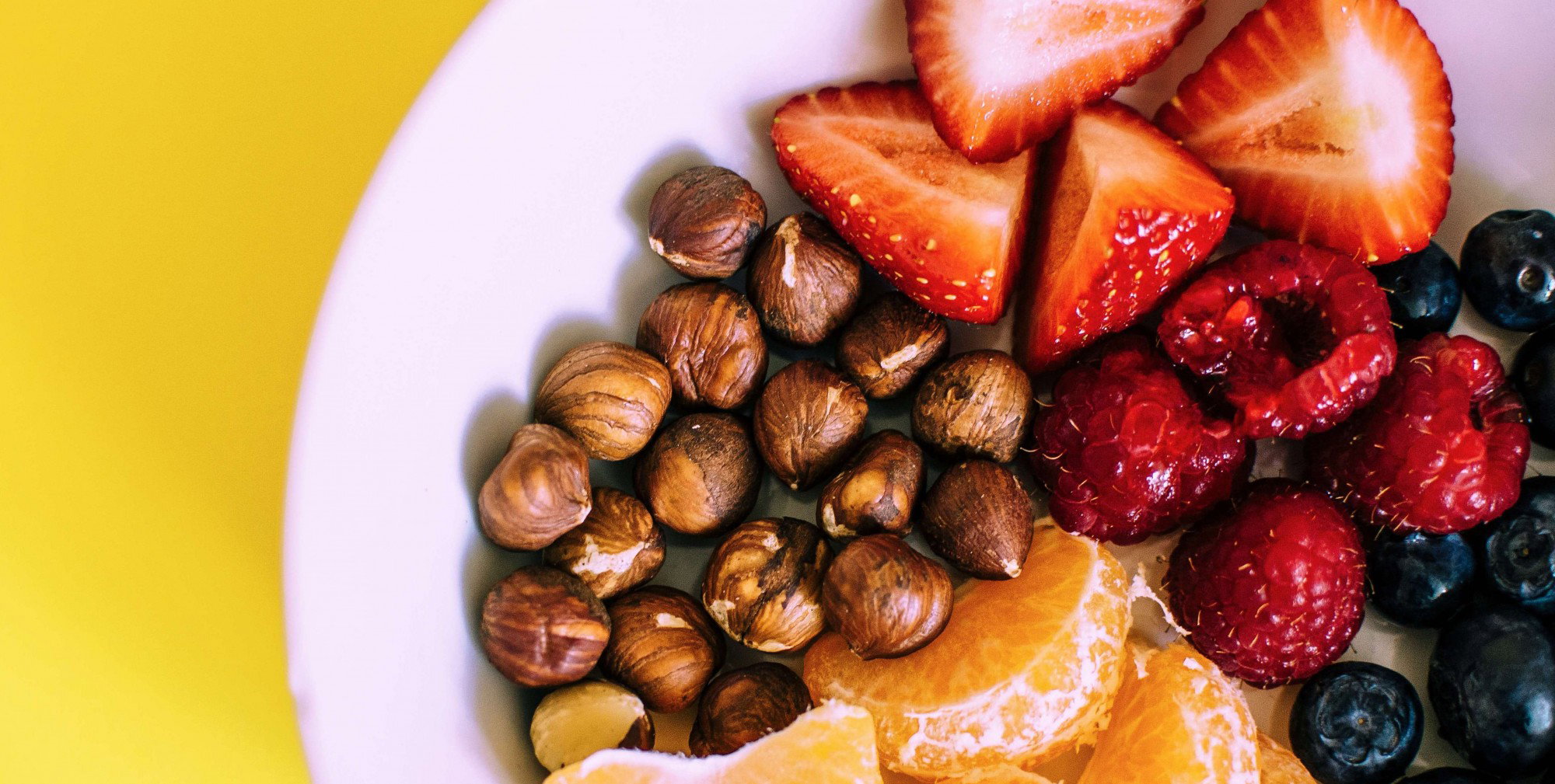
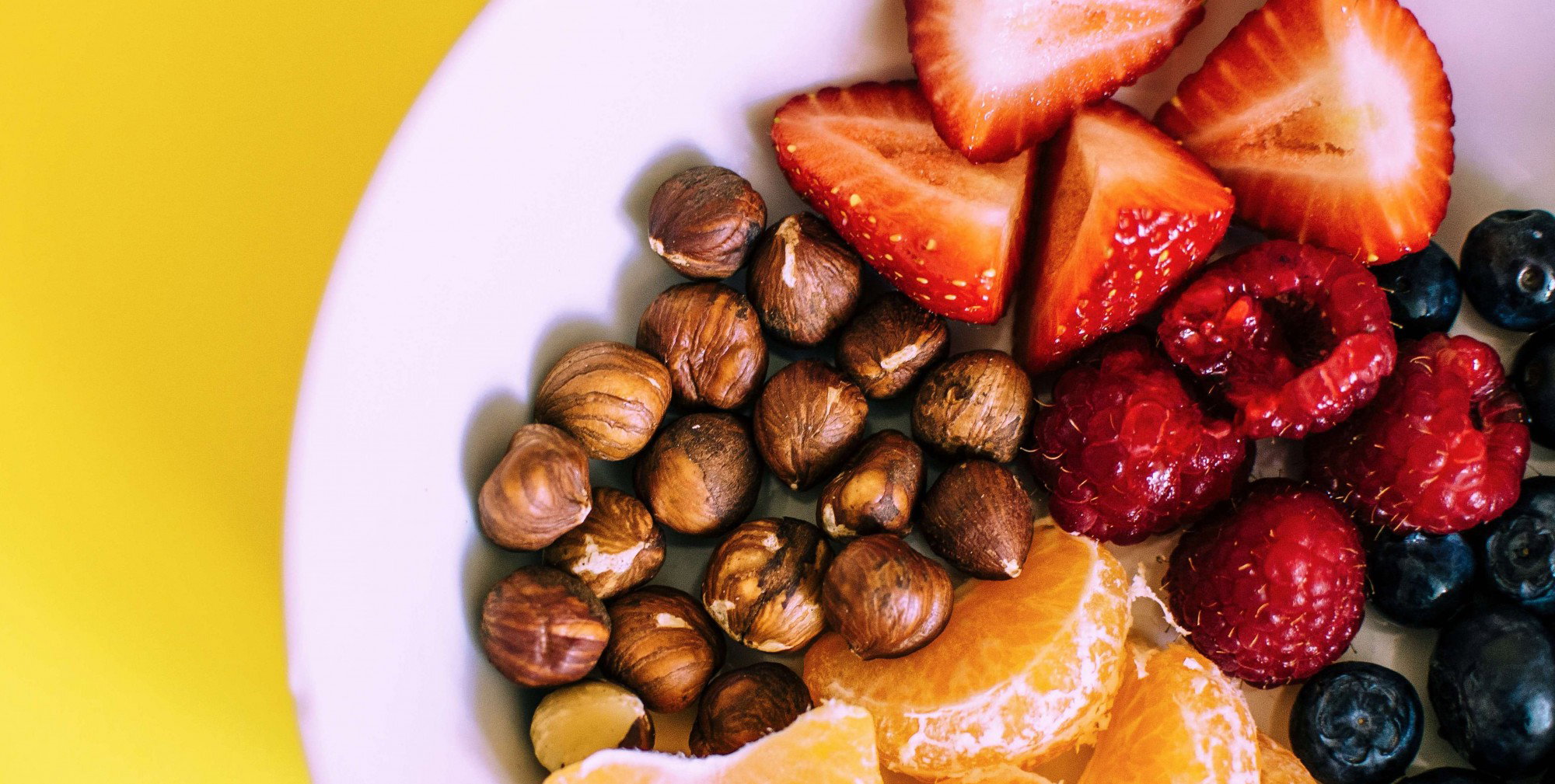
Low Your Cholesterol Part 2, see also the first part - Know Your Cholesterol . https://read.cash/@zh/know-your-cholesterol-a6187019 **Disclaimer** *This information is not presented by a medical practitioner and is for educational and informational purposes only. The content is not intended to be a substitute for professional medical advice, diagnosis, or treatment.* The **natural way** to lower the cholesterol will be by making some **lifestyle changes** and **exercising regularly**. This will help the individual **lose weight**, which is directly related to the cholesterol levels in the human body. Food Less is not zero Having the perfect **balanced diet** is one of the keys to maintain ones cholesterol levels at the lower end. When people think of dieting, many think this means saying *goodbye* to some of life’s more juicer foods but it is not. The person will just have to **limit the consumption** and **add new things** that are **healthier**. More often, this will require eating foods that are **high in fiber** and **low in saturated fats**. A few **examples** of these are a*rtichokes, corn, fish, garlic, legumes, mushrooms, nut, olive oil, soy milk* and *whole grains*. Consumption of products like soy products, eating **green leafy vegetables** and other special low cholesterol food products may prove to be an effective option. By sticking to a **vegetarian diet**, one can lower their cholesterol level by about **one third within one month** time.. Including vegetable like **red pepper** and **broccoli** in your diet(*a healthy portion mind you*) is potentially one of the best diets one can follow for reducing the amount of cholesterol. Changing the **way food is cooked** is also another way to reduce cholesterol naturally. Instead of frying, the person can try **steaming** or **boiling**. Example One Day Diet Plan The **first meal** of the day, the breakfast can consist of *bran oat cereal* with healthy nuts like almond or walnut, *fruit salad*, *soy milk*, whole wheat or *oatmeal bread and jam*. The **next meal** of the day that is the lunch shall probably consist of *bean soup* along with *bran bread, soy nuts* and ending with a *bowl of fruits*. The **dinner** can consist of *tofu, almonds, fruit* and *stir-fry vegetables*. Drink Aside from eating properly, the person must also take the necessary precautions when **consuming liquids**. This means drinking a **glass of red wine moderately** *(classy, a)*, reducing the consumption of beer, **drinking fresh juices**, **non-fat milk** and water. **Apple juice** for example has been known to **reduce cholesterol levels by up to 50%** when taken regularly. Exercise The next step to lowering the cholesterol levels naturally is through **exercise**. Studies have shown that getting those **muscles to work** is much better and safer than taking prescription drugs that are known to have certain side effects when taken. The same goes for the use of food supplements since the **human body needs exercise to keep it functioning**. This can be achieved in many ways such as **brisk walking**, **jogging** or **running** around the neighborhood. Learning a **new sport** and **doing it regularly** is another option. Martial arts (*I have bias in favour of aikido, but everything is better, than nothing*) are also a great option. Even in current difficult times it is not an impossible task. Use *Zoom*, *Google Meet* etc. and just start. **The best time to start is** ***now***. *P.S. I know I will not become rich, writing these articles, but contributing a small amount of BCH will be hugely appreciated*, *will support my work and keep me going.*
 @zh
@zh
Know Your Cholesterol Disclaimer *This information is not presented by a medical practitioner and is for educational and informational purposes only. The content is not intended to be a substitute for professional medical advice, diagnosis, or treatment.* **More than half of the world today has high cholesterol**. What this means is that every other person that you see walking down the street is at **risk for some sort of heart disease**. The average person doesn’t even know how their cholesterol stands because you can’t see high cholesterol. However, the stats stand for themselves when it comes to your cholesterol; you **need to understand** it in order to be able to deal with it. Once you get past the code, it is very easy to understand. What exactly is Cholesterol? Cholesterol is basically just a **fat-like substance that is found throughout the body.** The next thing is to know how it gets there. This is easy, you get your cholesterol through the body itself or in the foods we eat and put into it. You need to know that too much of it, however, is not healthy for the body. There are **two kinds of cholesterol** that we have, which may be confusing at first: High Density Lipoprotein Cholesterol **HDL** form of cholesterol is the kind one can call the *'good' cholesterol.* What basically happens is that HDL transfers the surplus cholesterol to the liver from the tissues. This is converted to bile in the liver by breaking it down. The **ideal limit of HDL level of cholesterol is 40 milligrams**. The optimum range being 40-45 milligrams. Above 60 milligram protects ones heart and improvises on the brain's routines which manage the blood vessels. Low Density Lipoproteins Cholesterol Know also as **LDL** and are sometimes called the *bad cholesterol* because it can clog arteries and kill us, is the other. LDL form of cholesterol is the kind one must avoid, in other words the bad one. This type of cholesterol **increases the risk of heart diseases** by blocking the arteries with deposits of cholesterol. The **ideal limit of LDL level of cholesterol is 200 milligrams**. The optimum range being 200-240 milligrams. Above that is potentially dangerous. In general we have both kinds of cholesterol in our bodies and we need them both. The **balance** between them is what gives us general health. Cholesterol Levels There are actually **five different ways** that you can use in order to get a complete reading on your own cholesterol levels and they are: total cholesterol levels HDL LDL, total HDL ratio LDL/HDL ratio These measurements are actually categorized as *desirable*, *borderline*, and of course, at *risk*. Measurement units for checking your cholesterol are conducted as **milligrams per deciliter**. It is extremely misleading to consider any of them on their own. Consult your health practitioner to best understand your cholesterol levels and what, if anything, to do about them or how to maintain them properly. Here is how it really works in the numbers: **Total** desirable is **below 200 mg/dL**, total borderline level is 200 to 240 and total risk above level 240. **HDL** ideal level is **above 45 mg/dL**, HDL borderline is 35 to 45 and HDL at risk below 35. **LDL** ideal level is **below 130 mg/dL**, LDL borderline is 130 to 160 and LDL at risk above 160. **Total/HDL** ideal ratio is **below 4.5**, total/HDL borderline is 4.5 to 5.5 and total/HDL at risk is above 5.5. **LDL/HDL** ideal ratio is **below 3**, LDL/HDL borderline is 3 to 5 and LDL/HDL and at risk is above 5. When it comes to actually doing something about your cholesterol levels, a **balanced diet**, combined with a **good fitness** regimen is your best bet in combating high cholesterol. You have to **be both active and eat right** to maintain the right **balance**. See also part 2, Low Your Cholesterol . https://read.cash/@zh/low-your-cholesterol-004620a5 [sponsors]