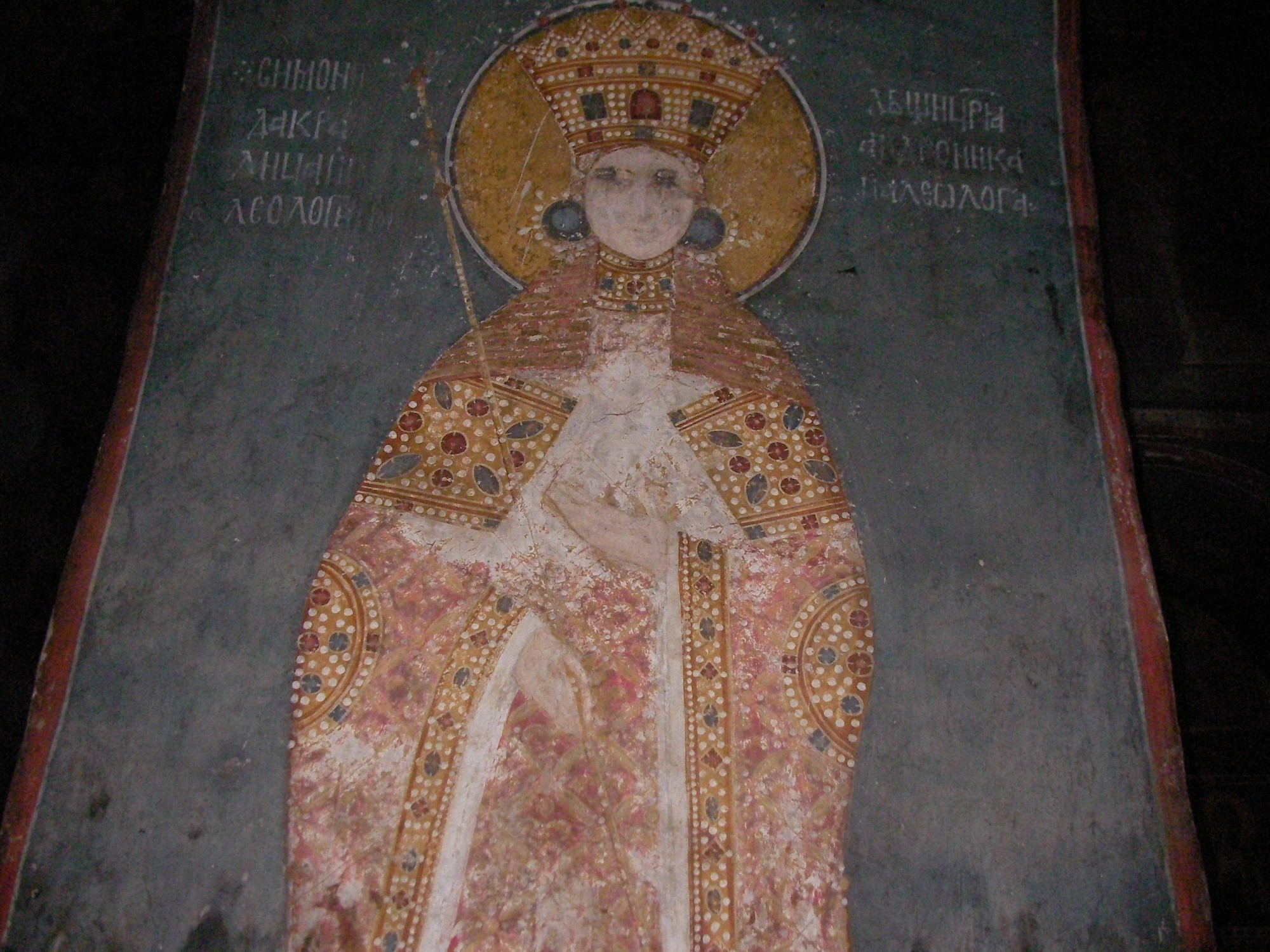
Suffering Serbian queen
Queen Simonida was a classic pledge of piece, given to the king when she has only five years old.
Simonida (1294-1345) was only five years old when her father, the Byzantine emperor Andronicus Palaeologus, sent her to the Serbian court. The little princess was a pledge of peace and the bride of Stefan II Milutin, who at that time had less than fifty, several marriages behind him and grown children.
The wedding was performed by the Archbishop of Ohrid, Makarije, in the spring odf 1299. In the name of the dowry, the Serbs ware granted the conquered territory above above the famous line Ohrid - Prilep - Stip. Simonida thus became a Serbian woman and the fourth wife of 40-year-old king Milutin, despite the fact that there was strong resistance to her marriage to the Byzantine princess at Nemanjic's court.
Serbian king Milutin, grandfather of Dusan Silni and father of Stefan Decanski, had a special relationship with women. He adore them, and Simonida was a small child. However, the then patriarch Jovan was most concerned about the issue of her legal position, since Milutin entered into a fourth marriage with Andronicus's daughter, which the Orthodox church didn't consider canonical.
For two decades, she "suffered" the king, a very old man to her. Even her mother-in-law, the famous Jelena Angevin, didn't like her, because she didn't like Byzantium. She also suffered her mother, Empress Irina, who tires to use her position at the court of the powerful King Milutin.
Not many documents have been preserved about Simonida's married life with Milutun, only a few records. According to the agreement, by which the Serbian-Byzantine border was drawn along the line Ohrid-Stip-Veles, Simonida was to be brought at the Serbian court until she was mature enough to take on marital obligations. In the Middle Ages, young noblewomen became adults, usually at the age of 12, and then they were usually married.
According to Pahimer, during the first meeting, Milutin, contrary the customs, got off his horse and greeted Simonida "more as a mistress than as a wife". That detail reveals how much Milutin , an experienced politician and a seasoned warrior, attached to his marriage. It was the first, and the only marriage that a Serbian ruler made with the daughter of the Byzantine emperor will be shown.
From famous recordings, it is revealed that during 14th century, Simonida was keenly interested in theological issues and dreamed of becoming a monk. When her mother Irina died in vain, the young Serbian queen went to her funeral in Constantinople and decided not to return to her husband.
She appeared in monk's robe in front of Milutin's men. Their astonishment and confusion was cut short by Simonida's half brother, despot Constantine Palaeologus, who tore her closes and made her wear clothes of ordinary world.
He handed her over to he Serbian embassy, despite Simonida's resistance nad tears.
King Milutin ordered her to return immediately or he would start a war again! He immediately sent his envoys with treats. The young and beautiful Simonida was then 22 years old. She returned to her husband, and when Milutin fell ill, she didn't separate from him. Everyone was surprised by her great care and nursing of her sick husband.
Milutin died on October 19, 1321. Two and half years later, he was canonized. There are records that Simonida, on that occasion, sent a beautiful holy lamp to decorate his grave. Historians, such as Stanoje Stojanovic, believe that this was obvious proof that there wasn't hatred in her towards her much older husband.
Simonida's great wish to wear monk's shirt was fulfilled after Milutin's death, on October 29, 1321. She became a nun in the monastery of St. Andrew in Constantinople, where she dedicated all her love to God. She lived in a monastery robe at the Byzantine court.
"It is said that due to the interrupted childhood and the unfortunate early marriage, she remained barren and that she hated male gender forever. Paradoxically, the only man she sincerely loved until her death was her father, who sold her for peace."
Little is known about Simonida's later days. It is known that she ordered a funeral song for her father and that, at the urging of her stepmother Maria Paleolog, against the loving Emperor Dusan, she roamed with his love, the widow Evdokia. The last time, as the historian Lasker writes, Simonida is mentioned in 1336 as one of those present at a large gathering of state and church dignitaries, who tried conspirators against the goverment.
The great heater of mankind
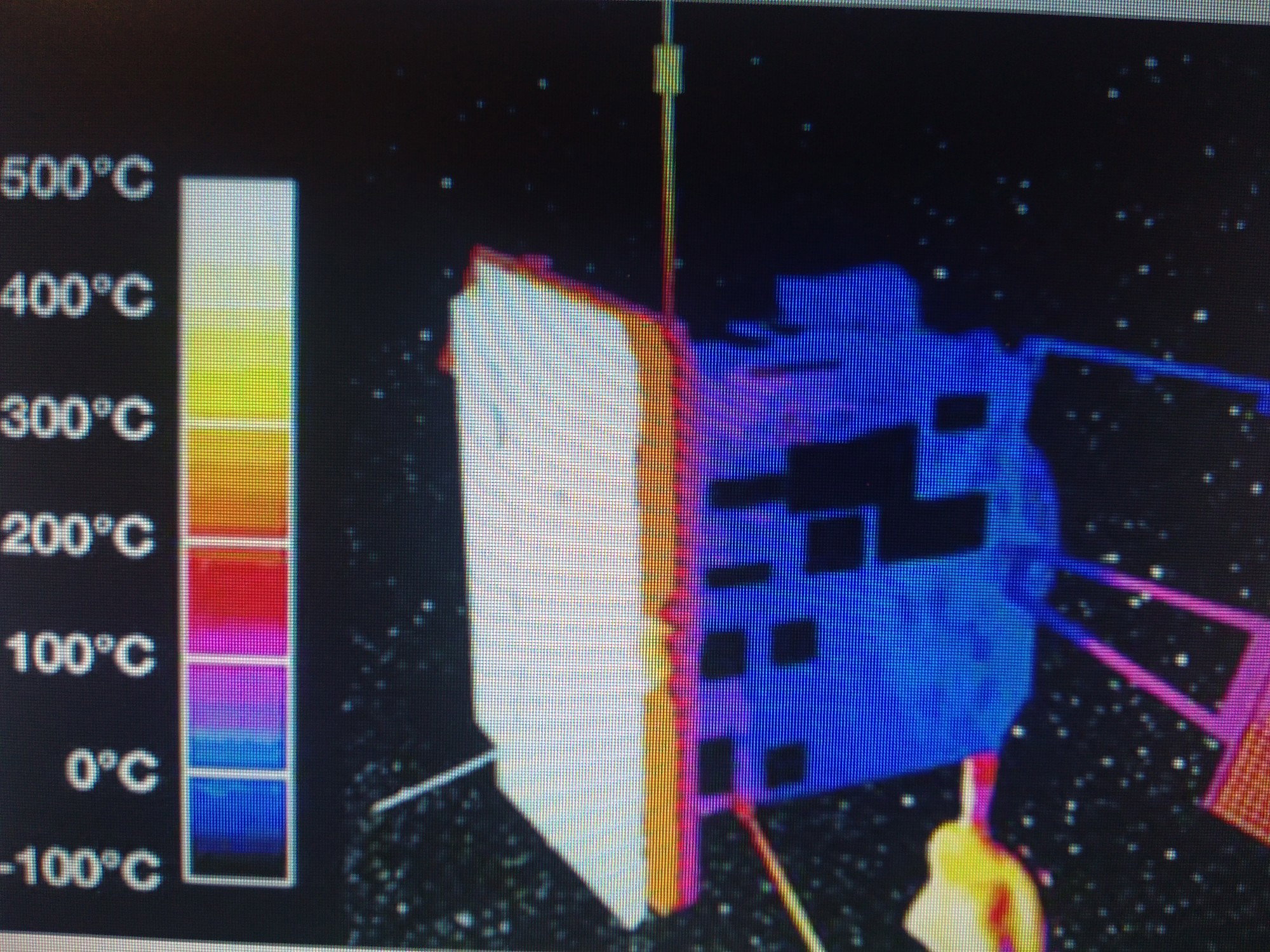
Science still can't say with certainly anything about the fireball that our civilization has observed and celebrated like a deity for the longest time. There are many theories about how the Sun works, but there is so little reliable data to examine them. The star that shines so peacefully and cruelly from the blue sky is actually hellish world - a great "heater" of humanity, but also a great threat. Its light and energy enable life on Earth, but the charged particles that it randomly emits are a danger to the technologies we have, and thus to our well-being. That is why it is crucial to understand the Sun. That is exactly why two new spacecrafts headed towards it: the American "Parker Solar Probe" and the European "Solar Orbiter". launched in February this year. The Sun is 15 million kilometers away from the Earth. The light takes about 8 minutes to cross that path, the fastest particles of the solar wind 15 hours, the "Concord" plane, theoretically, would take eight years, and the "Solar Orbiter" should - after a few loops - reach its orbit around the Sun after three and a half year. They should get closer to the Sun before than any before, to capture the most detailed images of our star and measure values that will help scientists understand its nature.
So far, more then ten spacecrafts have been sent to the Sun. Some studied the activities of the star, others the material. They provided the scientists with pieces of the puzzle, but not a clear overall picture. That is why there are many contradictory and difficult to prove theories about the Sun, as well as many questions: what drives into chaotic magnetic field? How is the corona heated? Why are the solar winds and storms are so fierce?
The only that certain is that the event inside the Sun are very complex. Hell conditions prevail deep in the star: temperatures reached 15 million degrees Celsius, and the pressure is up to 200 billion times higher that in the Earth's atmosphere. Even the basic building blocks of the Sun, hydrogen atoms, can't withstand that hell, and they break down into positively charged nuclei and negative electrons, creating plasma. But this condition doesn't last long: due to enormous pressure, the protons merge to form helium. The released heat seeks to come to the surface, and further into space. However, in a densely charged ball of plasma this isn't so easy. Energy packets are struggling to break through and take about 170,000 light years to reach the outer, sparse layers from the core. There, in so-called "convection zone", the plasma can still move freely at 2 million degrees Celsius, rise to the surface, cool down and finally sink back into the depths, ending its turbulent cycle.
The secrets of the Sun
This is exactly one of the biggest secrets that the Sun hides. As the charged particles move, a magnetic field in the plasma propagates inside the star far into space. Because the plasma is constantly stirred as the star's rotation rises and falls, the star's magnetic field is extremely complex. The knots on it are constantly splitting and re-creating.
"Without such a opposing magnetic field, the Sun would be a pretty boring star", said Sami Solaki, a helio-physicist and the director of the "Max Plank" Institute's solar system reaching department in Gottingen. Fifteen years ago, astrophysicists believed that the picture was a quite clear - a magnetic field is created at the boundary between dense layers of plasma, at the place where the Sun stops rotating like a solid body, but does so like gas bubbles. But after new data from various aircraft, everything is much less clear today.
The main obstacle in the research is that it isn't possible to peer into the Sun, it is impossible to drill or record it with X-rays, because it is too big and too dense, and everything depends on indirect measurements. Important data will be provided by recording seismic movements, since earthquake waves give indications of temperature, disturbance and changes in density inside the star. The image of the interior of the Sun obtained in this way has so far been confusing, full of turbulence and parts that rotate at different speeds.
Parts of our star visible from the outside also confuse our scientists. Just above the convection zone, on the surface of the Sun, temperatures of about 6000 degrees Celsius were measured. However, at higher altitudes, in the "corona", the temperatures rises sharply and reaches several million degrees Celsius. This means that the surface of the sun looks different from, for example, a stove that is always warmer that the room in which it is. What is it that heats the "corona"?
"It's a little embarrassing that we discovered this phenomenon more than a year ago, but we still can't explain it, that is, there are several different explanations, none of which we can prove", says Solanki.
Maybe that mysterious heating of the corona has something to do with ejection of a huge amount of matter into space - the solar flares. The largest of these eruptions contain billions of tons of charged particles and are so large that they can be observed from Earth, but there are certainly much smaller eruptions across the surface of the Sun that Sam Crucker, a helio-physicist at the University of Applied Sciences in northwestern Switzerland, calls "nanoflares". He believes that their action is due to the heating of the corona. They could release enough energy to build up in the corona. While the calculations sounds promising, Crucker warns:
"We aren't yet able to see these nanoeruptions and confirm that they exist at all."
There is another riddle about the corona: The solar wind - the flow of positively and negatively charged plasma that are constantly flowing from the star into space.
The German astrophysicist Ludwig Birman predicted its existence in the fifties of the last century, since he noticed that the Sun always rotate the tails of comets. Seventy years later, scientists believe that the wind drives a magnetic field. However, it is not yet completely clear what accelerates these particles and why the solar winds sometimes blow at a speed of a million and sometimes at three millions kilometers per hour.
On the other hand, huge eruptions are much more dangerous than winds. The fastest-charged particles emitted by the sun have a speed of ten million kilometers per hour and can wreck havoc on Earth: irreparably damaging satellites, disrupting radio and GPS signals and endangering planes, or loading networks, raising voltage in them and causing hour of electricity disappearance. One such geomagnetic storm caused a power outage in Quebec in 1989 that lasted for several hours.
Literature and images: Politica's Entertainer, number 3582, rubric "Assignments for 21. century"
Faithful as a carp
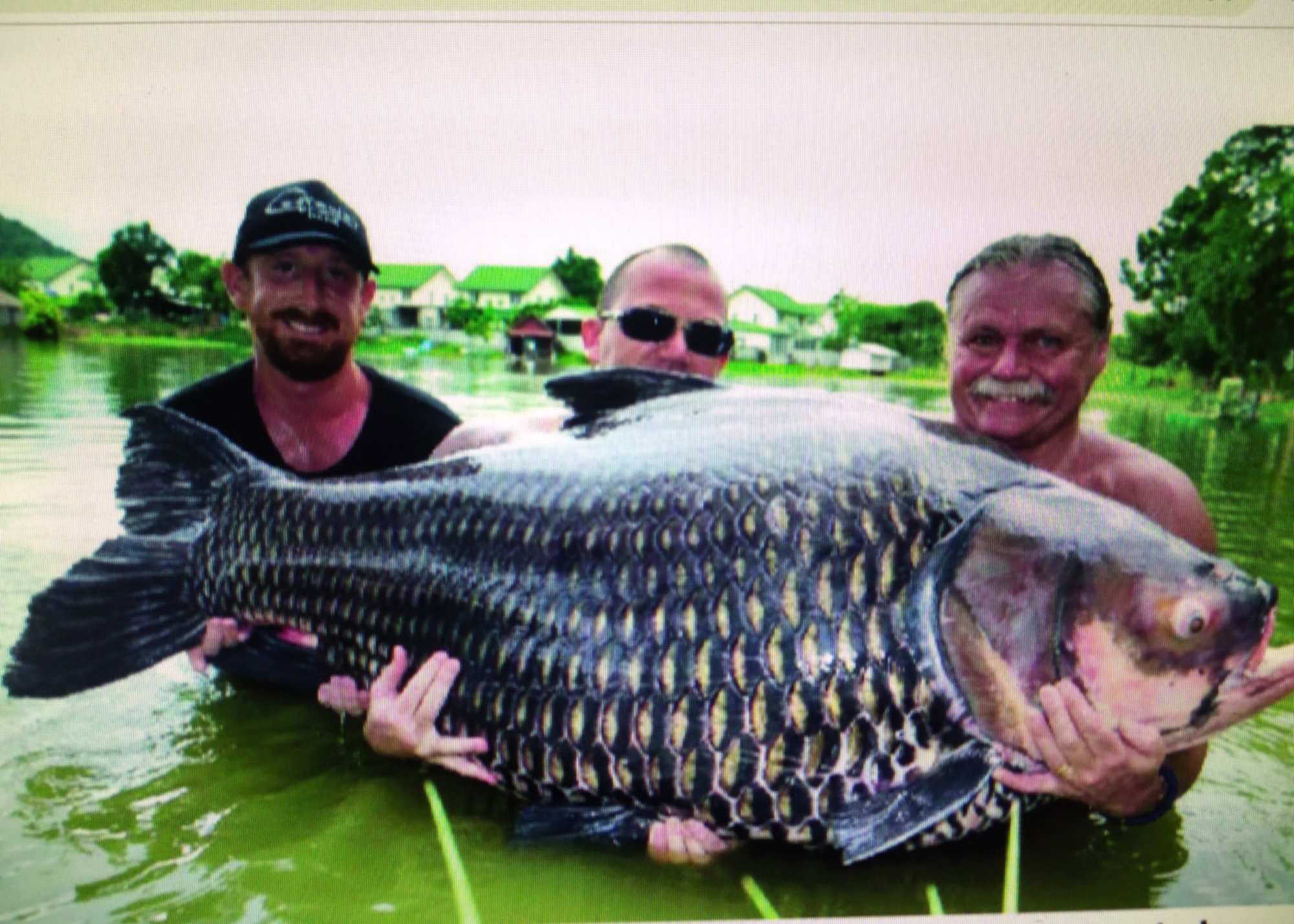
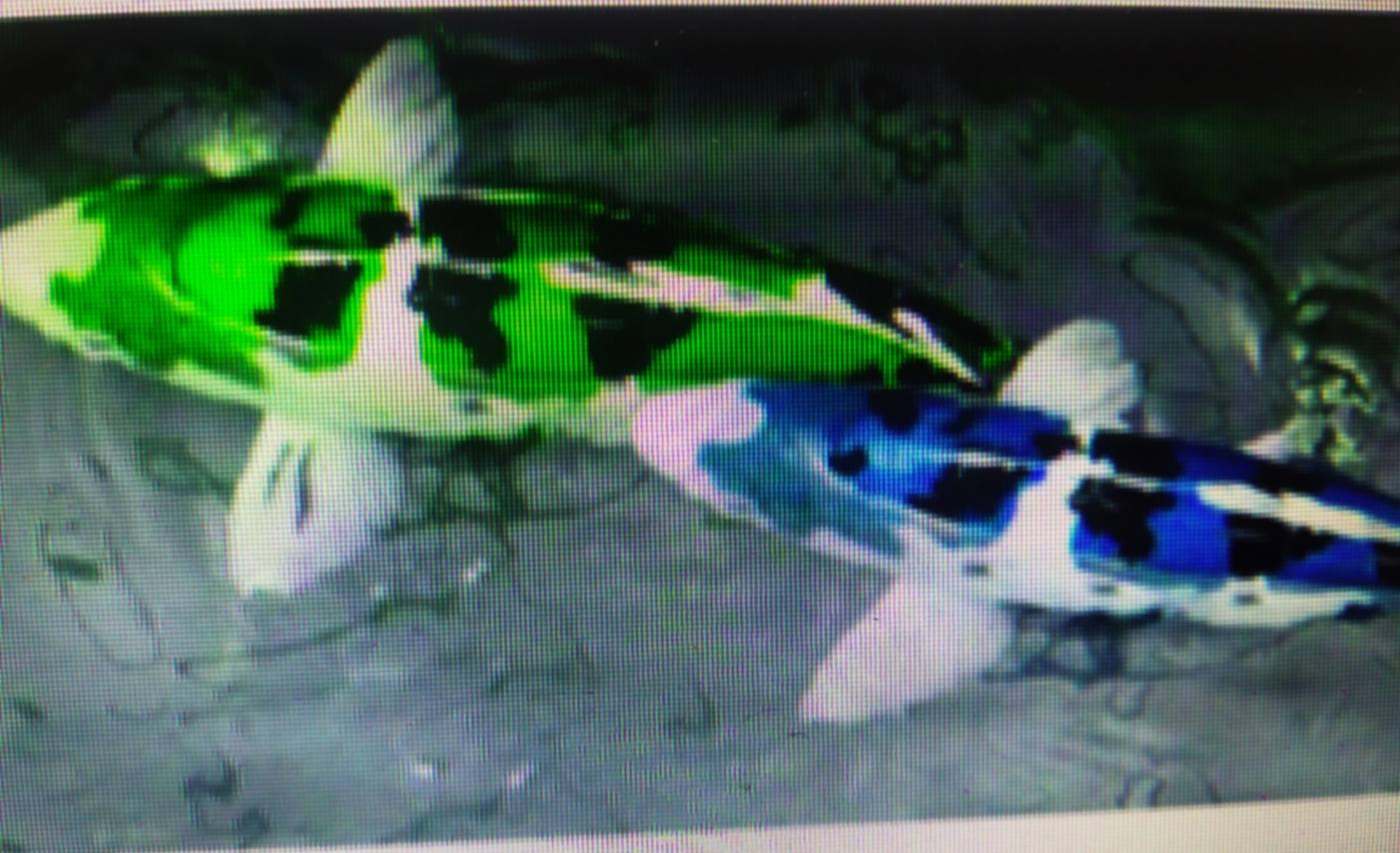
One of the most famous and widespread freshwater fish around the world is certainly the common carp, Cyprinus Caprio. It is believed that this fish, so popular for both fishermen and gourmets, originates from the area between the Black Sea, the Caspian Sea and Kazakhstan, from where it is transferred to almost all the waters of our planet. By the way, the family of carp of Cyprinidae is very numerous and has more than 1,200 species. Some are the length of a little finger, like an American coastal glitter, while others, like an Indian mahsir, are real monsters - as long as three meters.
Aldo, thanks to the very successful breeding in fishponds, carp is common on market stalls and menus, some of its characteristics are only now being discovered by science.
Protector against evil spirits
Experienced anglers rightly believe that carp is what among freshwater fish is what a fox is among beasts. So, he is, above all, extremely cunning and cautious, and then very strong, and they say intelligent. In these hymns, the carp's intelligence and dexterity are often exaggerated, of course in the well-known, fishing way. It is said that a carp, hooked on a hook, was thrown out the water and turned in the air, so that he could cut the fishing nylon with sharp teeth on the dorsal fin and thus be released. But every honest fisherman will find out that the carp has outwitted him who knows how many times, just as an experienced fisherman only becomes outwitted when the carp is outwitted. Because of all these, but also other characteristic, carp have always been associated with various beliefs and traditions.
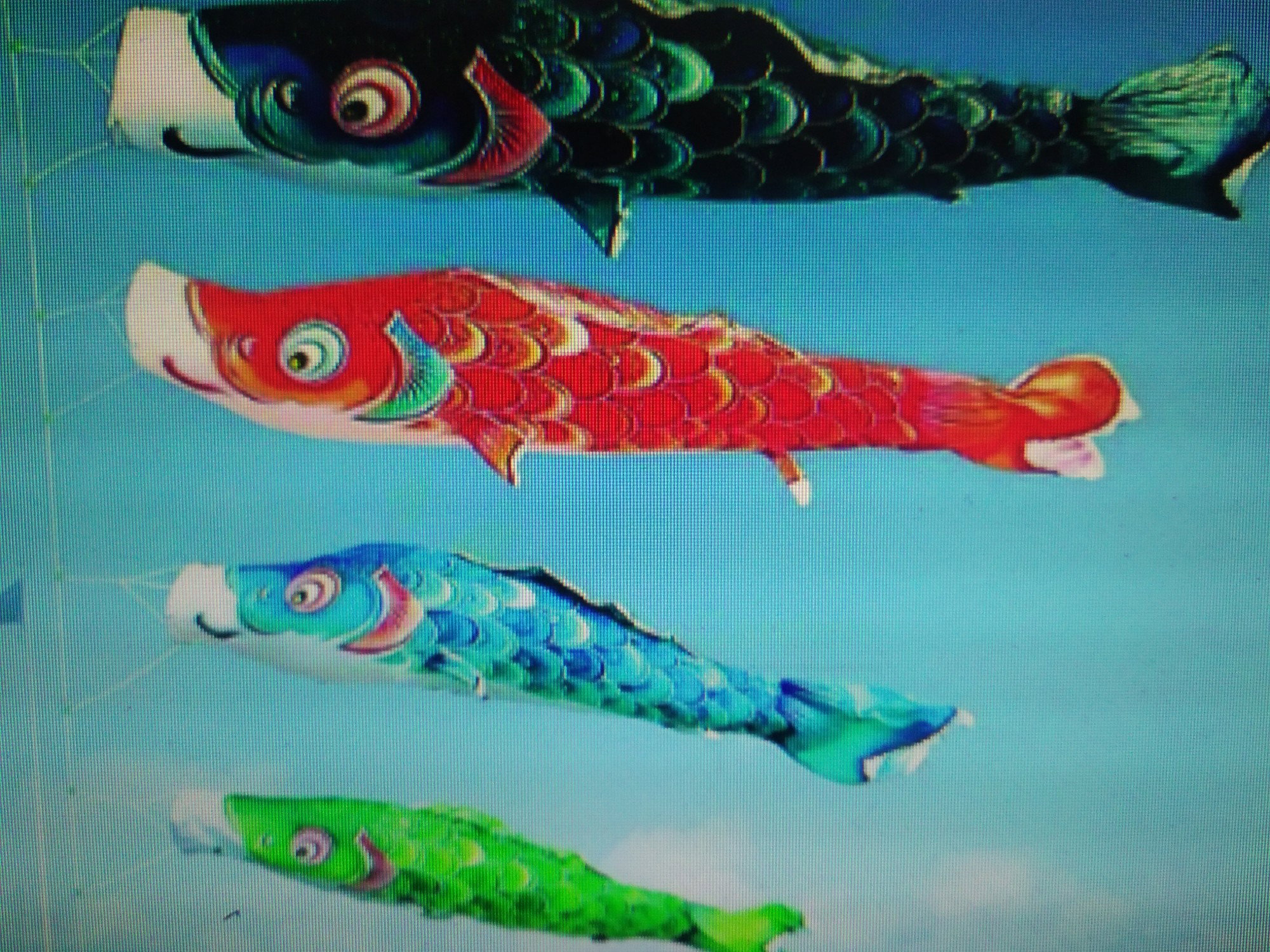
It got its scientific name - Cyprinus carpio - after Aphrodite the Cypriot, the goddess of love and fertility, because an adult female carp can lay several hundred thousand to a million and a half eggs at once. Today, in Japan, where it is otherwise highly respected, it is a symbol of of masculinity and courage as it swims upstream on rivers and rapids. Every fifth of May, on Children's Day, the Japanese celebrate carp by paying special attention to children. On that day, many of these paper fish are placed on the top of masts or on the roofs of houses.
Many Far Eastern beliefs are also dedicated to carp. Thus it is believed that he easily turns into a winged dragon, and the immortals ascend to heaven right on him, with secret massages in his womb. He protects Vietnamese houses and hearths from evil spirits.
While in our country (Serbia) carp is often a sign of ignorance and silence, in some parts of China it is quite the opposite - a student who showed knowledge and passed the exam for the reward received - carp.
For a royal table
Thanks to its tasty and nutritious meat, this fish is becoming more common and more important in the diet of people in various parts of the world. But the Danube one, which was brought to Europe from China, has always been a welcome specialty even at the most lavish feasts. This is why the Roman historian and philosopher Cassiodorus rightly wrote enthusiastically about a thousand and a half years ago: "The ordinary world can eat what it wants; only rare delicacies are suitable for the royal table, such as the fish that leaves in Danube - carp."
However, he is not so popular everywhere. On the contrary, in some places it is even considered a pest, as in the Australian state of Victoria. The authorities there decided thirty years ago to exterminate all carp, because since they were imported from Europe, they multiplied so much that they became a real scourge, threatening to suppress all other fish species. A regulation has ever been passed banning the release of carp into waters that aren't yet "polluted" by this fish. The offender will be punished accordingly.
The carp is known as an omnivore, a true water pig. With strong pharyngeal teeth, he grinds almost everything like mill wheels: various insects and their larvae, grain of cereals, earthworms, snails, shellfish, smaller fruits and eggs of other fish.
Although he is known for his cunning and distrust, at least when he comes to leave in nature, carp in a pool or pond can be amazingly tame, learn to come to the place where he takes food and even swim to the breeder's sound, like dogs.
Blue, pink or green
If the living conditions are favorable, the one-year-old carp weighs about 500-600 grams. In order to accelerate their growth and weight, scientists from the famous 'Max Plank' Institute in Hamburg taught carp to take artificial food from special bottles with pacifiers. By sucking on a very nutritious porridge of fish meal enriched with vitamins and soybean oil, carp from small fish have grown in three years into real capillaries weighing eight kilograms.
The lifespan of carp is about thirty years, which is a deep age for a fish. But what about carp over two hundred years old? Amazing, isn't it? Or, can we, for example, imagine a man almost 500 years old?
Dr. Komei Kosikara has been taking care of Hanako's female carp for years. At his call or whistle, the fish would always swim to shore and get out her head out of the water to eat from his hand. Sometimes, she would let him take her out the water and, carrying her in his arms, walk along the shore.
The fish was more than 200 years old, which was confirmed tests by scientists from the University of Kobe. According to their findings, Hanako was born in the second half of the 18th century, more precisely around 1767. We can only assume what ancient historical events and personalities this fish methuselah was a contemporary of. Hanako died in July 7, 1977.
The famous goldfish, or golden carp, also originates from Japan. Ichthyologist and geneticists are managed to create some hitherto unseen and unusual species of carp. One of them is so-called carp - a mirror whose incredibly large scales are arranged in only one or two rows along the sides.
Finally, satisfying the wishes of the market, that is, picky and, of course, very rich costumers, Japanese experts managed to produce carp of various colors. If you pay a thousand dollars for a blue, pink or purple carp, its owner can put it as a living decoration in a pool or a personal pond and thus enjoy its unreal beauty.
But such carp increasingly end up in on the tables of gourmets with expensive taste, because they don't lose color even when baked. Then imagine that they bring you carp blue as spring sky, or green as April grass for a gala dinner.
Images and literature: Politica's Entertainer, number 3589
Hearing impairment
The sense of hearing is a special sense by which we perceive sounds and interpret their meaning. The auditory system consists of the ear, the auditory nerve, and parts of the central nervous system that are involved in the sense of hearing. Sounds waves vibrate, and our ear collects those vibrations and converts them into nerves impulses, which are often sent to certain parts of the brain and interpreted that way.
The ear consists of three parts
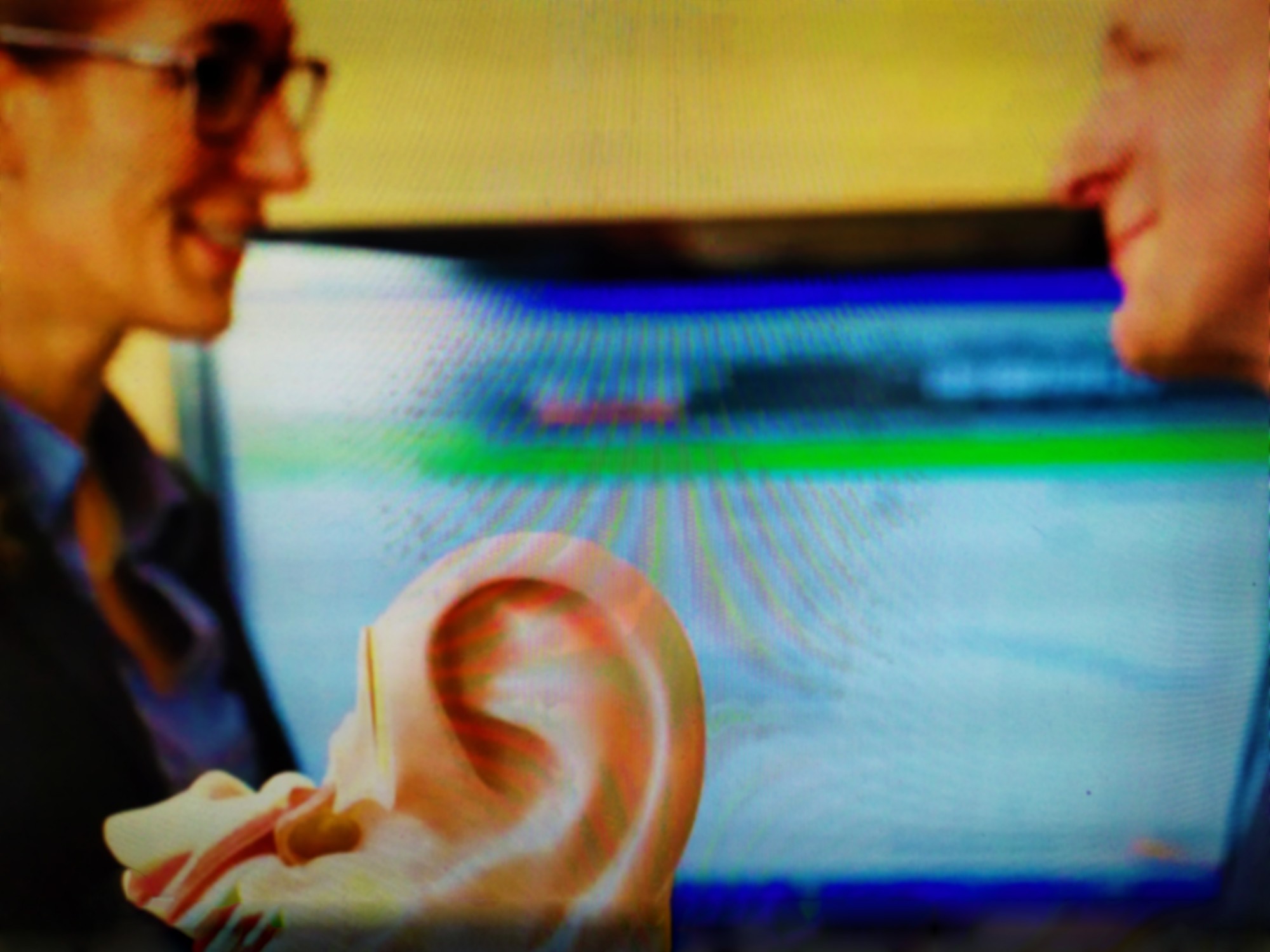
Outer ear - consists of the earlobe and ear canal. The ear shell captures and collects sound waves from the environment and directs them to the ear canal, which conducts them to the next part of the ear - the middle ear, which consists of the eardrum, three small bones (hammer, anvil, stirrup) and Eustachian tube.
Its function is to transmit sound signals to the third part of the ear - the inner ear - which consists of a snail and semicircular canals. The role of this part of the ear is to convert sound waves into nerve impulses that are further transmitted through auditory nerve to certain parts of the brain where they are deciphered and as final result gives us a sense of hearing.
A healthy human ear hears external sounds in the frequency range from 16 to 20,000 Hz. Frequencies below 16 Hz (infrasound) are felt as vibrations, and frequencies above 20,000 Hz represent ultrasonic frequencies.
What can be hearing impairment?
Hearing impairment can be divided according to the time of occurrence and according to the place or location of the impairment.
According to the time of their occurrence, we divide them into congenital and acquired hearing impairment. Congenital hearing loss occurs in one to three per 1,000 live births. It is of the sensorineural type, which means damage at the level of the inner ear and the auditory nerve. Congenital hearing impairment adversely affects the child's speech and language development. That is why children's audiology is extremely important in the early recognition of mild deafness and total deafness. This is especially important because of the early rehabilitation of hearing and because of the later speech and language development of the child. That is why screening measurement of hearing for babies in maternity hospitals has been introduced in our country (Serbia). Acquired hearing impairment is of various etiologies. It can be a consequence of a prenatal viral infection (rubella, cytomegalovirus, herpes simplex virus). Premature babies are especially at risk for hearing loss. Low birth weight, hyperbilirubinemia, difficulty breathing at birth, hypoxia - all these are risk factors that require monitoring of the child's hearing during the first years of life.
Hearing loss can be caused by ototoxic drugs, such as gentamicin, neomycin, streptomycin.
Acquired hearing loss can be can be result of bacterial meningitis or encephalitis , trauma or a sudden strong sound stimulus.
Finally, acquired hearing impairment can also be of idiopathic nature, when the exact cause of sudden hearing loss isn't known.
Early deafness or presbycusis is a type of acquired progressive hearing impairment. It is manifested by a decrease or loss of auditory sensitivity (sensorineural hearing loss) that occurs as a result of a combination of hearing cell degradation at different levels of the auditory system and chronic exposure to noise. Damage can occur gradually or suddenly, in one or both ears, equally of differently in one or the other ear. Sensory loss affects every third person over the age of 65 or every second person over the age of 75.
Hearing impairment according to the place of origin
According to the place of origin, hearing impairments are divided into conductive and perceptual hearing impairments. Conductive hearing loss or conduction damage causes limited sound transmission through the outer and middle ear. It is usually caused by inflammation of the middle and outer ear, ear injuries or accumulation of ear fat in the ear canal (cerumen). Perceptual hearing impairment occurs as a consequence of damage to the structures of the inner ear that allows the conversion of sound waves into nerve impulses or damage to the auditory nerve that transmits these impulses to the brain.
What is mild deafness and higher deafness from that?
Mild deafness and higher deafness from it are two special pathological conditions that affect your sense of hearing and differ according to the size of the hearing impairment.
Mild deafness is a hearing impairment of 25 to 80 db, and according to the degree of hearing impairment, hearing loss is divided into:
Mild - hearing impairment from 25-35 db;
Moderate - hearing impairment from 36-60 db;
Severe - hearing impairment from 61-80db.
Deafness is considered to be hearing loss at speech frequencies greater than 81 db. Speech frequencies are frequencies between 500 and 4000 Hz.
Deafness can be:
- Total or clinical, when the person has no feelings or hearing;
- Practical, when there are individual remnants of hearing, most often in frequencies lower than 500 Hz.
Diagnosis of hearing impairment
A patient who has a feeling of hearing loss should be immediately referred to an otorhinolaryngologist, who will with otoscope examine the ear and audiological treat the patient.
This method objectively assesses whether there is hearing loss. If there is, it is estimated what that loss is. Basic audiological processing includes audiometry performed using an audiometer apparatus. During this examination, the patient wears earphones through which different tones are played first to one ear and then to the other. The patient is asked to answer when he hears the first highest tone. The method is simple and the examination doesn't take long. Another audiological method is tympanometry, which assesses the ability of the eardrum to receive sounds.
Depending on the findings of these tests, further necessary diagnostics, therapy and treatment of the patient are planned.
Treatment of impaired hearing
If it is an eat fat that blocks the ear canal, rinsing the ear with enough water that solves the problem. Ear infections with hearing loss, caused by a stuffy nose or tonsillitis, are common in children. In such cases, antibiotic therapy is included along with nasal cleansing and decongestive nasal drops. In some cases, when the contents of the middle ear are determined by tympanometry's examination, due to which the patient is less able to hear, a surgical procedure is suggested in which ventilation tubes are placed the eardrum. The tubes stay in the ear for about six months, after which they are removed or fall out on their own. After that, the hearing returns to normal and there no consequences on the eardrum and middle ear. This procedure is more common in children.
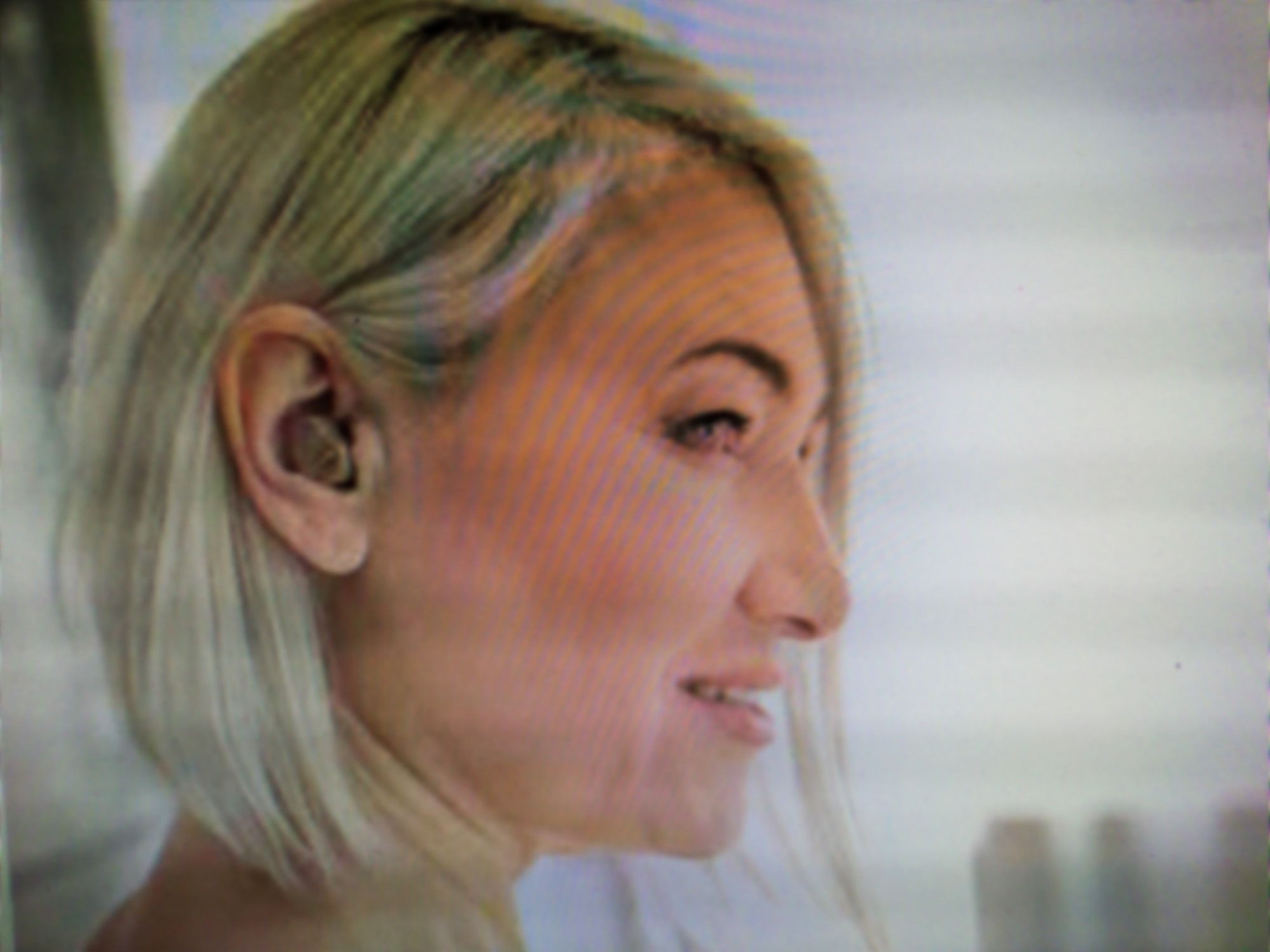
If ossification of the middle ear (otosclerosis) is diagnosed, by removing the diseased bone and replacing it with a prosthesis, hearing improves. If hearing cells are found to be damaged at the level or the inner ear, it is recommended to wear a hearing aid. If severe hearing disease is diagnosed at the level of the middle or inner ear, where the remnants of hearing are minimal or can't be registered, and are measured practically with deafness, it is suggested to install an artificial ear - cochlear implant which returns hearing to the patient , with later rehabilitation.
Prevention of hearing loss
Hearing loss often causes depression, anxiety and feelings of rejection in society. Therefore, such patient should be taken seriously and treated carefully.
In order to combat hearing loss due to external factors - noise, especially in younger people, it is necessary to inform young people about the harmful effects of noise and loud music on the state of hearing. Simple preventative measures, such as lowering loud music and using hearing aids in a noisy environment, can reduce the side effects of noise. Older people who have been diagnosed with hearing impairment should be informed about the benefits of using hearing aids and remove the fears and prejudices that always exist about their use.
Hearing loss is a common problem that occurs at all ages and is an important social and medical problem. Modern medical methods of diagnosis and treatment of hearing impairment can significantly help patients with such a problem, and enable them to be reintegrated into everyday life activities.
Literature and images: Lily magazine, number 43, winter 2020/21.
Caffeine - what we all know?
Caffeine is used daily by millions of people to increase alertness, relieve fatigue and improve focus and concentration. Caffeine is a compound known as methylated xanthine, which is found in various concentrations in coffee, tea, herbal sources such as guarana, cola and mate. Caffeine stimulates the central nervous system, muscles and other organs such as the heart, by binding to adenosine receptors on cells, thus blocking activity of adenosine, which has a sedative effect as a neuromodulator in the body and enhances excitement and vitality.
Use
It is most often used orally, in combination with painkillers, such as acetylsalicylic acid acetaminophen, which synergistically enhance its effect. It is used mainly for headaches, and in combination with ergotamine for relieving migraine headaches.
Caffeine stimulates the production of catecholamines and the release of adrenaline from the adrenal gland, increase the state of alertness, vitality and contractility of the heart muscle and also act as a "vasodilator" - leading to dilation of peripheral blood vessels.
Caffeine improves concentration and gives the body a real boost overcoming various efforts, including mental, so it is suitable for people who are exposed to mental stress during the day (managers, students...)
Caffeine is one of the most commonly used stimulants in athletes, alone or in combination with other supplements. Exercise reduces the level of oxygen in the muscles. Caffeine can improve breathing during exercise as well as reduce muscle pain during exercise. It is recommended to take it half an hour before training. At the level of skeletal muscle, caffeine accelerates the discharge of calcium, increasing their contractility.
The effects of caffeine are best shown only in cases of athletes who don't take it constantly. Certainly, those who are less accustomed to caffeine, feel more of the effect of caffeine by taking it before training, while those who consume it daily, very quickly become resistant.
Its effect should be emphasized, which is reflect in the increase of basal metabolism, triggering of triglycerides (lipolysis) and oxidation of free fatty acids, which promoted their role in various fat burning compounds. With a controlled diet and adequate physical activity, caffeine has been proven to accelerate the burning of fat in fat cells, increase energy production in the body, and have a positive effect on the aerobic as well as anaerobic abilities of an individual. Many studies have confirmed that caffeine has a positive effect, because it makes it easier for muscles to use fat cells, which are a source of energy during exercise.
It is known to accelerate the emptying of the stomach and intestines and increase diuresis - expelling water.
Dosage of caffeine
Coffee, energy drinks, caffeine in tablets or other products that contain caffeine are consumed in the morning or early afternoon, so as not to lead to insomnia. Be careful with supplements that contain extra caffeine, if you already drink coffee, because they are often fat burners. In that case, reduce the amount of coffee you drink during the day. If you drink pure caffeine in tablets, and you are not used to caffeine, start with a dose of 100-200mg, no more from that. The recommended daily dose is 250-300mg of caffeine, and maximum allowed dose is 400 mg. Caffeine takes an hour before it starts to work.
Side effects
The use of caffeine is safe, if consumed in an appropriate way, i.e., in doses that aren't harmful. Consumption of high doses can cause insomnia, nervousness and restlessness, stomach irritation, nausea and vomiting, rapid heartbeat and breathing. Higher doses can cause headaches, anxiety, chest pain and ringing in the ears. It is recommended to drink a lot of water, because caffeine is a diuretic and effects the expulsion of fluids from the body.
If you are taking any medications, be sure to consult your doctor or pharmacist, because of potential interactions with any of them.
***Doses of caffeine in beverages:***
Black coffee cup 1 dcl - 120mg
Short espresso - 90mg
Green tea - 30mg
Black tea - 50-70mg
Decaffeinated coffee - 5mg
Coca-Cola can - 50mg
Chocolate milk - 7mg
Literature and images: Lily magazine, number 38, fall 2019

Do you suffer for nervous bowels
Prof. Dr. Dragan Popovic, director of the Clinic for Gastroenterology and Hepatology of the Clinical Center of Serbia, answered the questions whether the nervous intestine is the main cause of bloating, why it occurs and how to recognize it.
What is a nervous gut?
Nervous bowel or irritable bowel syndrome is the most common functional disorder of the digestive tract. Although the cause of the decease has not been fully elucidated, it is believed that poorly coordinated signals between the brain and the intestines cause the body to overreact to otherwise normal stimuli in the digestive process. In addition to cramps and abdominal pain, symptoms include variable episodes of diarrhea and constipation, bloating, a feeling of fulness, mild nausea and heartburn, with frequent belching and audible and uncontrolled bowel spasms. The pain is difficult to localize in one place, so it's mostly "walking" in the stomach, and it usually intensifies after a meal and subsides after a stool.
When does the nervous intestine most often occur?
It occurs in young people, but no age group is excluded. It is twice as common in women. Food is not the cause of irritable bowel syndrome, but certain foods, especially those that swell, such as cabbage, kale, broccoli, some legumes, carbonated drinks, as well as stressors, can worsen symptoms.
People who have high expectations, i.e. perfectionists, most often suffer. Patients often complain of high levels of stress, anxiety, and other psychosomatic symptoms. Nervous bowels syndrome doesn't pose any risk for the development of serious decease of the digestive system, but it is very unpleasant and effects the normal functioning. It often occurs in young and socially active people, which further complicates the situation.
How to solve the problem?
The possibility of changing the daily rhythm of life and bad eating habits should be considered. The doctor must listen, understand, encourage and rationally choose the right therapeutic recommendations. Only then will the final result be positive. In the treatment of nervous bowels syndrome, an honest and open conversation with a doctor is the right way to exclude some typical conditions and diseases that can be the cause of unpleasant problems that accompany it.
The most important thing is to determinate the cause of the problem. If bloating is caused by diet, which is a common occurrence, it can be helpful to write down all foods and beverages consumed throughout the day, for several weeks, and to record unwanted symptoms. In this way, the pattern can be studied, so it is possible to identify all the triggers in order to avoid them.
Also, today it is well known that some strains of good, probiotic bacteria can significantly help in resolving problems. All current world recommendations and guidelines speak in favor of that. One of the strains that has been clinically proven and is used worldwide is Lactobaccillus plantarum 299v, patented in Sweden in the 1980s. By ingesting these good probiotic bacteria, we act directly on the cause of the problem. This unique probiotic culture, in a natural way, restores the balance of the disturbed intestinal flora, and helps people who suffered intestinal nervousness, bloating and gas.
A massage to all
Finally, we could emphasize that bacteria from probiotic preparations are particularly sensitive to ambient conditions: temperature, humidity, light. Most of them are anaerobic, which means that are they also bothered by oxygen from the air. If probiotics aren't produced, packaged and stored in an adequate way, it significantly affect their efficiency and safety.
The good news is that there is an innovative packaging that guarantees the stability of the probiotic product. Flow pack technology involves a special bag filled with inert gas. This special packaging prevents any possible penetration of oxygen and provides probiotics with additional protection from external influences (temperature, humidity and light). Regular health checks and the number of probiotic cells prove the safety of this packaging and the proven efficiency in acting on the very cause of increased bloating.
Literature: Lily magazine, number 38, fall 2019
Lead image: https://medium.com/@airnewsonline/nervous-stomach-causes-and-treatments-93c6ab325c37

Danger from the left index finger
Thursday, March 24, 2016, was unusually warm. Although, meteorologists announced rain, there wasn't sign of clouds anywhere in the sky. Adrian Maine from Sydney, Australia, imagined that he would use that day in the best possible way, before the extended Easter weekend. To do what he loves. He went to the forest just outside the northern suburbs of the city. He intended to continue making a bike path through wilderness. The company he ran for years dealt with the team. It was a pretty dirty job, digging and digging paths through no-brainer, but there was nothing to make him happier. When he found himself on the field, where only the canopy cast a shadow on him, where only birds and his colleagues could be heard, there was no happier man than him.
Over the years, this 40-year-old man has met most of the dangers lurking in the wild. While digging, he came across various snakes and spiders. He learned to distinguish dangerous from those who weren't a serious treat. He also underwent first aid training, although he considered it is a waste of time. Neither he nor anyone on his team was ever in danger.
The working day was coming to an end. Adrian has only a little digging left to go home and rest properly during the extended holiday weekend. Spade was left in the vehicle, parked about fifty meters away. He was thinking about going for tools, but the job seemed small. By the time he goes for the spade, he can already dig a hole. Beneath pilled up leaves, the ground seemed loose. He can also dig with his hands. He knelt down and began to unroll the leaves with his fists.
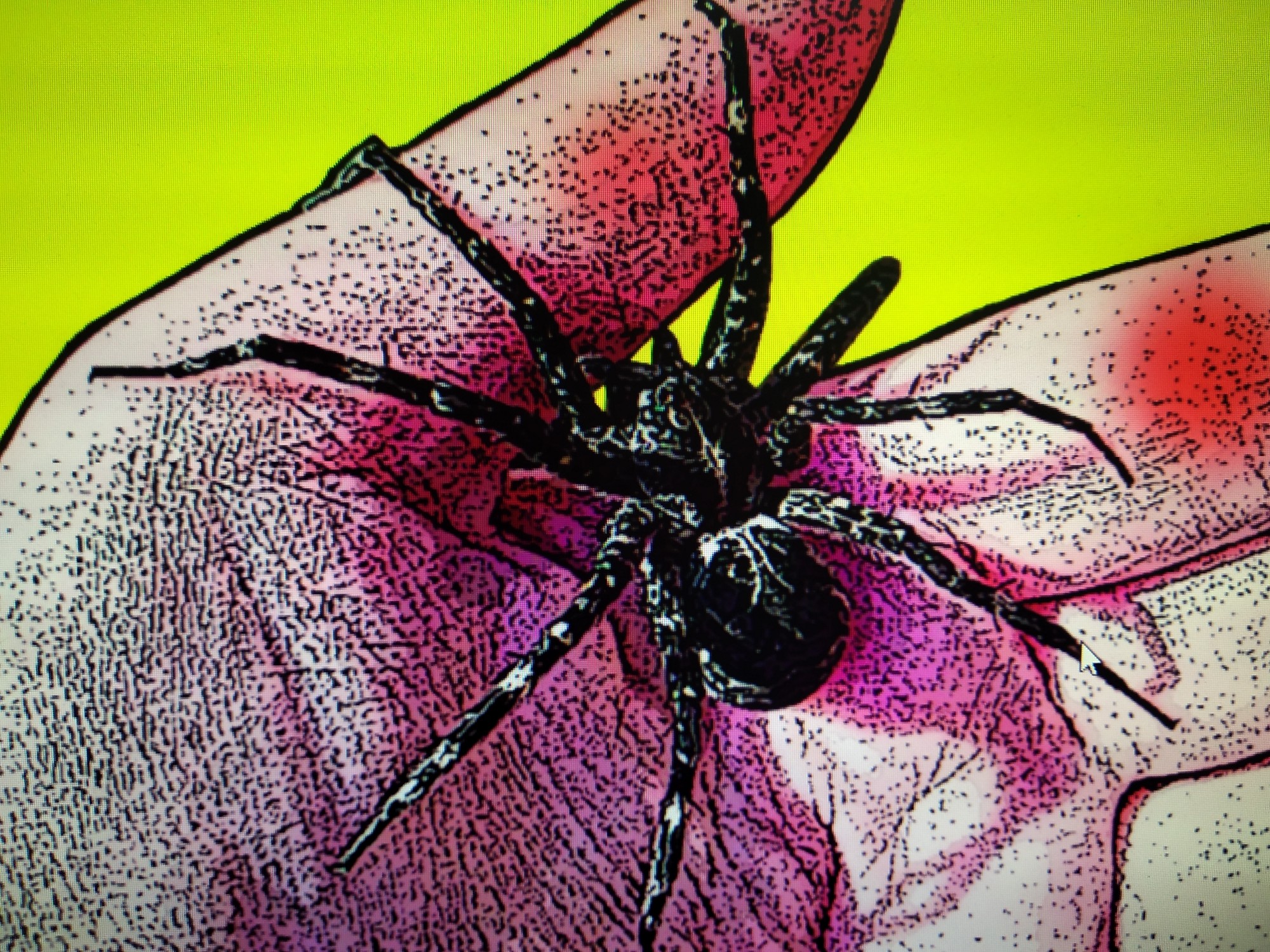
As soon as the fingers dived under the layer of leaves, he felt a short and sharp pain in his left hand. He quickly pulled out his fist. He saw that something was attached to his left index finger. The creature, about five centimeters long, held his finger tightly with its teeth, and he had the feeling that they had literally pierced his joint. It was as if nail had been driven into the middle of his finger.
It flowed through his head that what was happening wasn't the worst. He immediately recognized the creature that has bitten him. And that scared him. It was a Sydney hollow, also known as the Sydney funnel spider. He waved his hand convulsively trying to shake it of. It didn't help to flail left or right, or up or down. Regardless, he continued. Three or four seconds later the clenching of spider's teeth seemed to loosen. The spider fell at Adrian's feet.
A second later, he had already disappeared into the leaves, but it was enough for Adrian to see once again what kind it was. There was no doubt. A fully grown male Sydney funnel spider, the most venomous spider in Australia and one of the most venomous in the world. He almost laughed. He spent so many years in the woods, and he never had the slightest danger. He just thought it couldn't happen to him. It was enough of a moment of inattention to realize how wrong he had been. And in the most cruel way possible.
He knew he didn't have much time. Spider's poison is extremely strong and acts quickly. He sat down, trying to calm down in order to slow down the spread through the bloodstream. He called for help. His colleague Phil worked nearby. He heard Adrian and drooped his spade and run to him. He explained to him in only two sentences what had happened. Phil helped him to get up. They walked slowly toward the vehicle. Adrian pressed his ankle tightly above his fist. That was the only way he could do, to slow down the effect of the poison at least a little. They didn't speak. They both know what such a bite could mean. It the antidote is isn't take in time, death occur in a hour or two.
Fortunately, the path they were working on was close to Hornsby Hospital. Phil didn't want to waste time and to the end he stepped on the gas pedal, ran through the forest, cut paths and curves. When he finally reached suburbs, he was driving across the sidewalk with the manic pressing of a siren. The walkers was upset by his diving and move with panic, while he was just looking to get to the hospital, at the cost of the probably of all possible traffic penalties.
A few minutes later, with the squeak of the brakes, the jeep stopped in the front of the hospital. Phil helped Adrian get to admissions department. They explained to the nurse at the reception, as calmly as they could, that Adrian has been bitten by dangerous spider. She called the doctors, so the unfortunate man quickly found himself in a hospital bed.
He felt slightly dizzy. He would then sink into the void, and return just as quickly. At times it would seem to him to be extinguished. Maybe it's the end? And it doesn't hurt too much. He was conscious enough to talk to his nurses, who kept asking him questions, to keep him conscious. He was attached to the device that monitor all life functions. Although the intensive care unit of that hospital accepts patients who were bitten by a spider on average once a week, they didn't have suitable antidote. They were looking for him, so they could only wait and monitor the patients condition. Minutes passed like hours.
Half an hour later Adrian suddenly disappeared. The conversation he had had with the nurses then is over. The sentences became more and more incomprehensible. He failed to finish the thought. His face twitched, he trembled. It was as if he had a fever. He was sweating, vomiting. The doctors knew what it was all about. His body is trying to fight the poison, but it is getting weaker and weaker. It was a matter of hours before he would give up.
During that time, the employees of the Reptile Park were feverishly searching for the last doses of antidotes. This is also a kind of farm, where they perform drain of spider's venom, in order to get an antidote from their venom. Only, they hadn't done that for months, so now they were searching the refrigerators. Several doses made earlier miraculously passed. They were quickly sent to the hospital.
When the shipment finally arrived, Adrian was in very poor condition. Doctors monitored the condition on the monitors, but they couldn't do anything. As soon as the antidote arrived, they injected him with one dose. A little later and another. His health condition slowly began to stabilize. The body received much-needed help in fighting the venom. A few hours later he was already conscious. He talked to the doctors and now his sentences made sense.
He remained under observation for another twenty-four hours and was released from the hospital. The first thing he did when he entered the house was to pack his things in the car. He intended to spend the Easter holidays with his family camping, as they planned months earlier. Not even the sharp pain, the usual companion of a spider's bite, prevent him from doing so.
It took more then three weeks for him to fully recover. Only, from that bite, he still does some things a little more differently. He always uses a spade when he digs something and always looks where the nearest hospital is. And he sends every spider he and his team catch to Reptile Park. If he has used up the antidote, it's time to make up for it.
Lead image and literature: Politica's Entertainer, number 3587
Process food minimally
For some time now, serious nutrition science has been pointing to a strong connection between high intake of processed, more precisely ultra-processed and premature mortality from heart disease, certain types of cancer, but also other diseases that lead to shortening of life.
However, this isn't one of the manifestos in favor of eating raw foods. Every intervention, including short-term cooking, is food processing. It can be minimal and moderate, and necessary for better availability of nutrients and greater health safety.
Highly and ultra-processed food means industrially formulated products that are mixtures of a large number of ingredients and/or only processed in a way to obtain instant-food - easy to consume. It just opens, mixes or heats up in a few minutes and can be eaten along the way or by watching TV.
Examples are numerous: many meat products, snacks and drink, but not only that. Instant oatmeal, frozen ready-made pizza, stews and soups from bags, ground biscuits, corn starch, ready-made sauces, and various other products processed and packaged for short-term preparation. From our point of view, it requires a little effort from our digestive organs, so it reaches the body very quickly. Such food has many additives such as flavor enhancers, emulsifiers, much more salt, sugar and bad fats. Examples from everyday life - roasted chicken is minimally processed, and chicken pate is ultra-processed. Cooked oatmeal, then added fresh vegetables and yogurt is a minimally processed dish whose similar is that packaged oatmeal, all together with fruit yogurt.
Risk of heart disease
When you read that something is creamy, be careful! Food accompanied by many poor health outcomes has long be suspected. In America, it reached over half of all calories ingested, so the consequences and consequences are most visible in them, but not only there.
One of the first large studies (published in the journal *Calculation*) showed a 42 percent higher risk of heart disease for people who regularly eat meat products in some quantities. A large long-term French study - results published in British Medical Journal (BMJ) - showed that every 10 percent increase in the intake of ultra-processed food results in additional 13 percent increase in heart disease. Another epidemiological study has already shown that this type of diet increases the risk of cancer by 12 percent.
Even for young people, a study done in Spain on university graduates with an average age of 38, with an increase in intake over two servings of ultra-processed food a day, the risk of premature mortality raises by an incredible 62 percent.
The list of such epidemiological studies published in eminent journals is long, but strict science has so far claimed - it isn't proof of a casual - consequential connection. And that is where we all agree.
Proven weight gain
But more than a year ago, a real controlled intervention study was done., which showed that gaining weight is a direct consequence of using ultra-processed food.
In hospital conditions, 20 young healthy people underwent controlled diet. These were basically two types of diet - one with highly processed food, and the other with minimally processed food.
The list of food is long - an example of one breakfast: plain yogurt, they used Greek with flakes, and in other fruit yogurt with the addition of fiber as insulin.
All menus were uniform in terms of calories, protein, fat and carbohydrates, but participants were left to determine the amount themselves to the point of feeling full.
The groups were switched to two weeks - the one who was on ultra-processed food switched to the usual solid, minimally processed diet, and vice versa.
The result was as follows - the intake of ultra-processed food was on average 500 calories higher per day, so participants gained an average of almost one kilogram in two weeks. Conversely, the intake of normally processed food was an average that much lower, followed by weight loss of one kilogram for two weeks. So, in order to achieve a feeling of satiety, more ultra-processed food is needed, and thus weight is imperceptibly increased.
Researchers plan to continue on this project, and they have some assumptions as to why the result is exactly like this.
Fast passage through an organism
It can be said that this easily available food (ultra-processed food) is problematic, because it passes through digestive system too quickly. The body doesn't have time to understand how much is ingested, so it sends you signal "I'm hungry" and person imperceptibly ingests more calories.
In addition to discreet, insignificant deviations in the type of carbohydrates, fats and salt, the main difference between these types of diet was the consistently in food - such that doesn't require much chewing. In the type of diet with highly processed foods, there were many more liquid calories with a creamier structure.
Before the food industry makes us happy by changing the formulation of sparkling food, we can a lot ourselves and at least significantly reduce the share of highly processed ingredients in the house, as well as the method of preparation. So, start with good, quality raw materials - raw foods, and don't add highly processed ingredients.
Fruit is the best in one piece
Process food minimally - both mechanically and thermally. Leave the cauliflower soup with pieces of vegetables, and don't whisk it with a blender or something similar. The fruit is eaten in one peace - possibly cut into slices, and only extremely freshly squeezed.
Minimally processed flakes or rise/semolina and similar should be cooked in milk and served to children instead of ground biscuits in milk, and even sweetened ones. The same goes for adults. Use meat, not pate, Parisians and similar products. Season the pizza with tomato's rings, not ketchup, cheese, not sour cream, more solid ingredients that require the work of our digestive organs - from the jaw to the stomach and intestines.
Don't overdo with the addition of salt and herbal mixtures with salt. Add fat in drops or spoons, and be especially careful with new "healthy" exotic oils. They have the same calories, and are often source of very bad fats.
And very important, cook vegetables for a short time, whether it is steamed or prepared in food, and use blenders, mixers and similar devices as little as possible. This mainly destroys fiber and other nutrients.
This, among other things, defines the feeling of satiety and enables better control of quantities, and thus body weight, but also overall metabolic health. That would be the root of many of the listed chronic diseases and a way to prevent them.
Literature and images: Lily magazine, number 38, fall 2019
Why do we forget our feet?
The answer to the question we asked in the title is easy. We mostly have problems with our knees, shoulders, hips, and fists, and we forget our feet until we have problems that allow us to walk normally.
Then we limp, walk on our toes, or on one side of our feet. We try to reduce the problems by massaging the feet, we try to rest them, until the problems are so strong that we call the doctor to help us.
During the summer, with high temperatures, you may not expect to get feet pain that will limit the quality of your life with burning of that place and pain as well. Trying to help himself, the patient finds it difficult to walk, changes his shoes. Of course, at the same time, he changes gels and compresses locally at the place of pain, until the difficulties are so great that they restrict movement, and they he calls the doctor.
Why do some feet problems occur more often in summer?
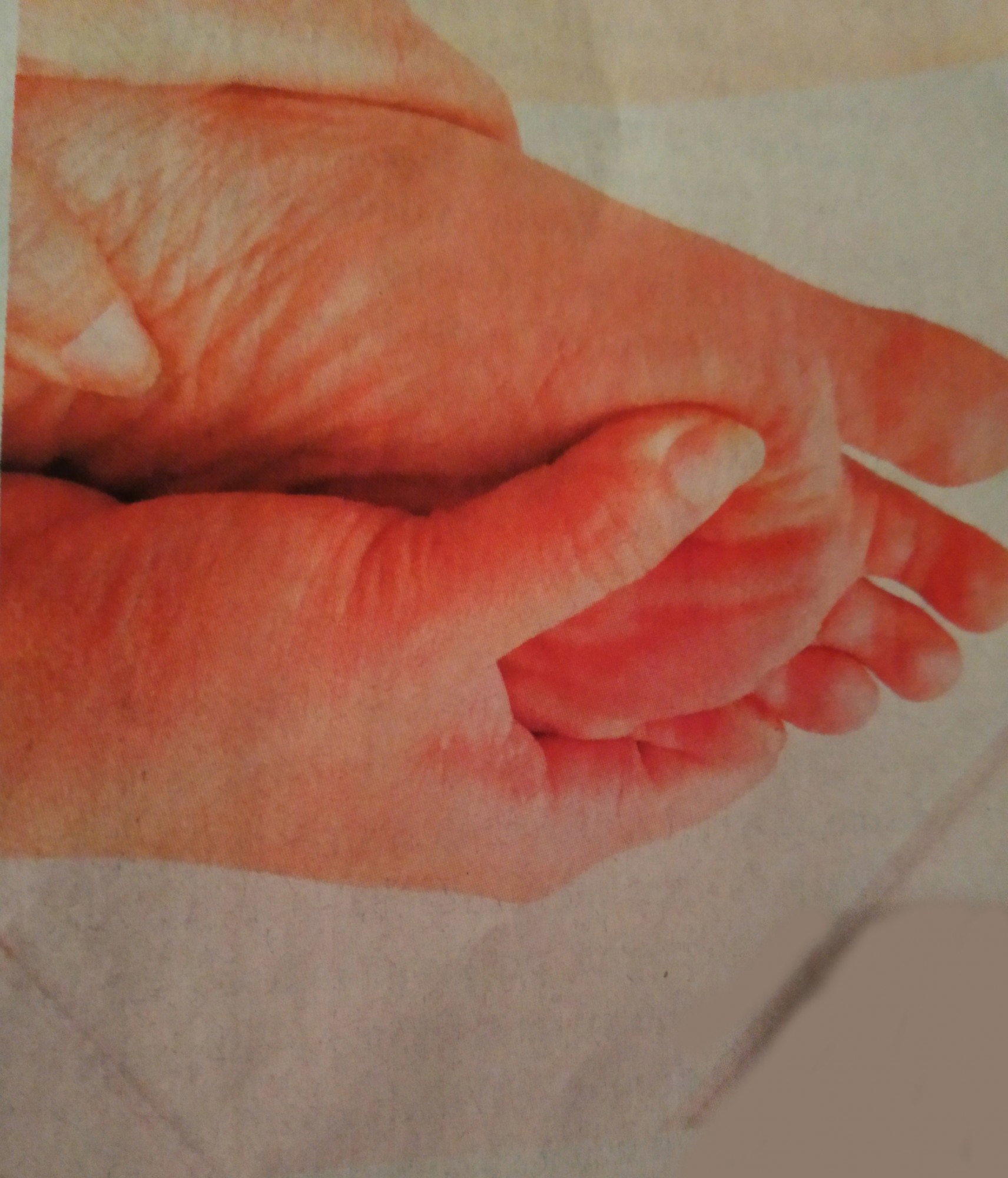
The increased occurrence of pain in the summer is primarily because we change our shoes in the summer, that is, we decide to wear completely flat shoes or walk around the house without them. If we walk in flat shoes, and we have hallux valgus, there is pain in the root of the thumb, redness of the skin, swelling of the thumb joint, and the patient has a subjective impression that the position of the thumb has changed significantly. Patients who have bruises and who occasionally have problems during the year, in a large percentage also have flat soles. So, by walking on a flat surface, the front arch of the feet falls, the position of the big toe changes, and due to the existence of a bunion, the condition worsens. So, bunion appear as a problem when the patient calls doctor to help.
Prevention
We need to teach the patient what to d to prevent this from happening ant to know that is the prevention of this phenomenon:
First - it is mandatory to wear separators that are placed between the first and second thumb and which have the goal of correcting the deformation and position of the thumb in relation to the second finger;
Second - we locally recommend rubbing cold gels or cryotherapy for five to ten minutes, after which you should wipe the application site and gently rub some of the cooling gels.
If the redness is expressed in combination with pain, the patient should contact a physiatrist who will prescribe therapy and calm the process in a few days.
It is important that patients understand that they need to help themselves, primary by wearing appropriate footwear, maintaining the correction of the position of the thumb and other toe, and regularly taking care about type of physical activity they perform, if prescribed by a doctor.
Of course, one number has to operate bunions, both for aesthetic and functional reasons.
Pain in the root of the fingers
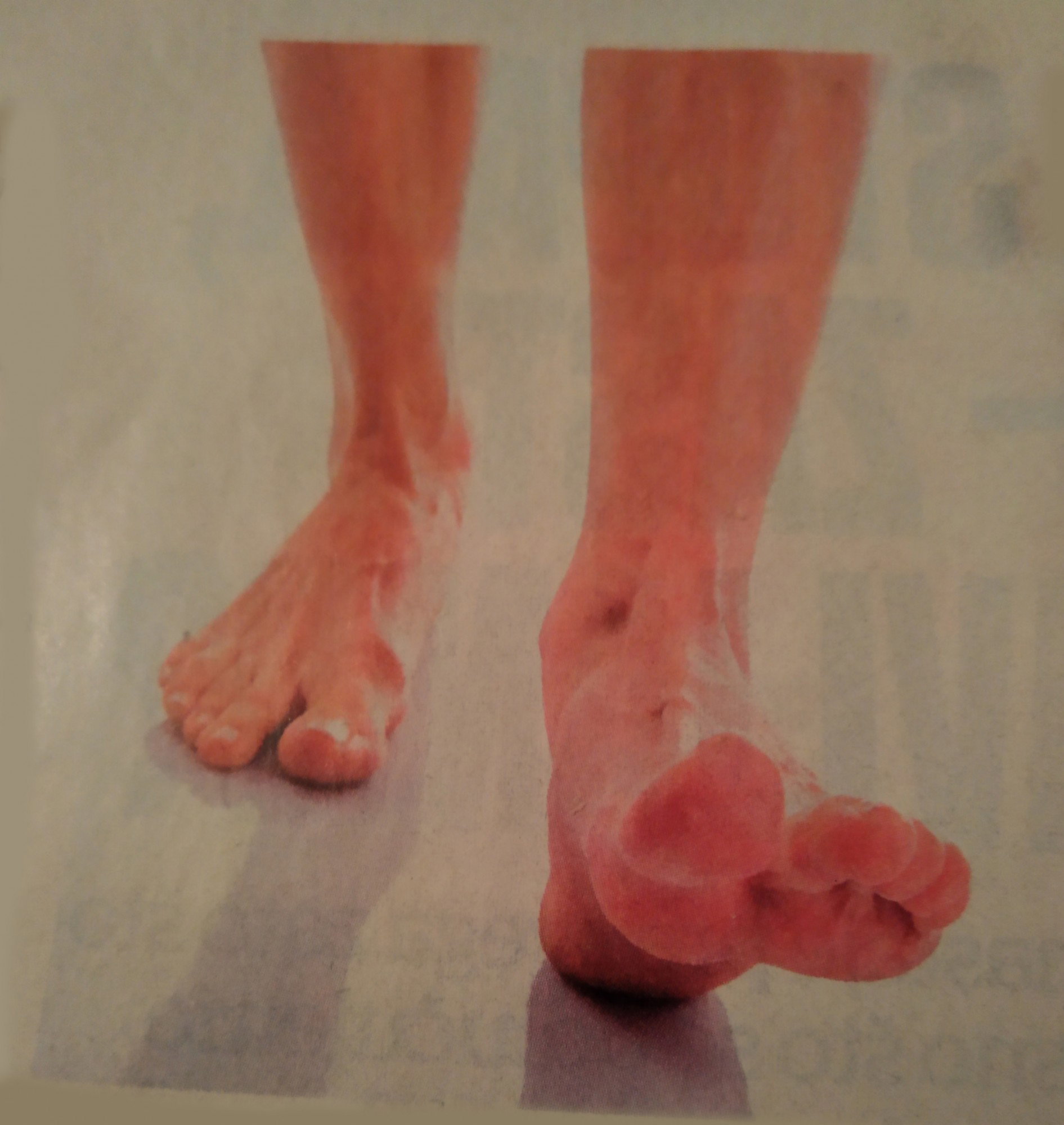
A common problem in the summer months is the appearance of pain in the root of the third and second toe, when the patient has to stop walking due to the pain, often takes off his shoes, massages the root of the toes and continues until new pain appears. This is about the existence of Morton's neuroma.
The main symptoms of Morton's neuroma are sudden pain, burning, both toes of the feet and of the front of the feet, at the root of second and third toe. The pain intensifies with increased physical activity, with walking, running and wearing tight shoes or shoes with high heels. The toes are very numb, and the onset of pain can last from a minutes to a full hour.
It is characteristic of this disease that there isn't night pain, as well as that the examination of the feet doesn't show visible signs of changes. When the patient or doctor palpates the place in the root of the second and third toe, the patient reacts with strong pain to the touch.
If the described pain lasts for several days and if it still exists, even though we gave up high heels, changed shoes and reduced physical activity, it is necessary for the patient to contact a doctor who will diagnose the existence of Morton's neuroma. The doctor will determine which diagnostic procedure should be undertaken to determine the existence of Morton's neuroma.
How to treat Morton's neuroma
First of all, by changing shoes, as well as reducing physical activity. Physical therapy is purposed and gives good results. It is important that the patient receives some of the non-steroidal and anti-rheumatic drugs to reduce pain, as well as local treatment of cold gels at the beginning of treatment, and in chronic cases some of the rheumatic gels.
Alternatively, locally, the patient may get a blockage. The operations didn't always give good results.
It is important that when the problem pass, that the patient takes custom-made insoles, has a comfortable shoe and that the exercise program works as prescribed by the physiatrist. Also, it is important to respect opinion of the doctor about returning to physical activities, so that the problems not recur.
Images and literature: Lily magazine, number 38, fall 2019
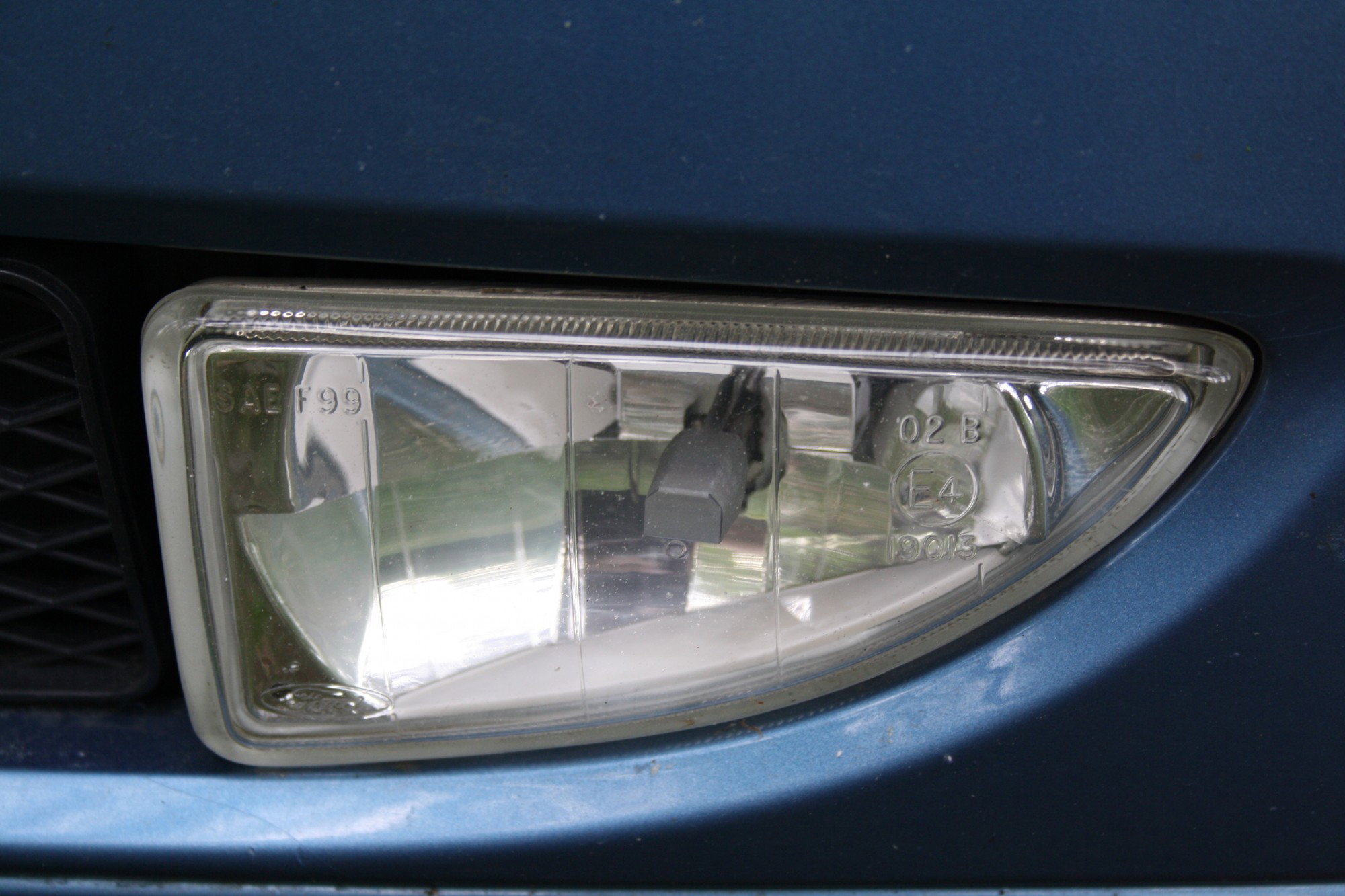
Are we driving with fog lights when there is no fog
Some drivers use fog lights when there is no fog. Is that by law? And why do they use fog lights at all when there is no need for it? And is it allowed to install xenon of LED bulbs in fog lights?
Let's go in order. Fog lights have a clear purpose, as their name suggests, so they should not be used when there isn't fog. However, the law doesn't prohibit their use in regardless of weather conditions.
In short - you can use fog lights both day and night, and when when there is no fog, both in rain and snow, in winter and summer... Nowhere in the Law on Traffic Safety is their use restricted. However, this only applies to the front fog lights, while the rear fog lights mustn't be used when there isn't fog.
The rear lights mustn't be used when there is no for
Unlike front fog lights, the law says that the rear ones may only be used in fog. If you turned them on when there is no fog, you can be fined - the fine is 3,000 dinars (this means for Serbia).
Under what condition must fog lights be used?
Common sense says, when there is fog, on cars that have front fog lights, it should be turned on. Short, dipped headlights are implied, as they must be switched on constantly, both day and night, in all conditions. If you drive in fog without light on you can be fined:
6,000-20,000 dinars;
plus four penalty point
plus a ban of driving at least 30 days.
Otherwise, the law doesn't specify whether drivers who don't use fog lights in the fog, but have them can be punished. The above penalties applies only to driving "without road lights".
It is forbidden to use long lights for fog
Even in the dark outside of populated area, you mustn't use high beams if there is fog, as they only defrost, i.e. you see worse with them than with low beams. If the police catch you driving with long beams in the fog, you can get a fine of 5,000 dinars.
Why do some people drive with fog lights when there is no fog?
Many people think that the car looks more attractive to them, and the most extreme one go so far that they drive at night only with their positions on and fog lights., thinking that they respect the law when it comes to the obligation to drive with he headlights on during the day. Unfortunately for them, the police have every right to stop them and write them a fine, as the law clearly states that dipped beams or daytime running lights must be switched on if the vehicle has them.
Is it allowed to install xenon or LED bulbs in fog light?
No, just as it is not allowed to install them in headlights, with or without projector. But since no one is controls it, we remain silent and suffer blindness. Or to switch to long beams so that we can se the road little too..
Reminder - all four flashes when the fog is very strong
Let's remember, in condition of very poor visibility, such as very strong fog (or smoke), the law prescribes that all four flashes should be turned on.
We should be careful when the fog is on the road and drive with all lights on (regular and fog lights), which are prescribed, even all four flashes. Two years ago, on the highway between Jagodina and Kragujevac, two towns in Shumadia district in central Serbia, a terrible traffic accident occurred, where thick fog caused a large chain collision. The accident took several lives, and seriously injured other passengers, which create stress for the person after such situation and certain fear of driving at all.
It is necessary to do artificial signalization on the lanes that marked the road. I imagine this through the use of some LED lighting that will last longer or turn only when there is fog, maybe some reflecting plates to be installed and allow drivers to follow the road at a adjusted speed and to be able to stop safely when an obstacle is encoutered.
Images: Wikimedia Commons
Literature: https://polovniautomobili.com/auto-vesti/saveti
How to build quality relationship with a child
Every parent has a task of raising healthy children and enabling them to live. Of course, that is not easy. It is crucial that the child grows up in a healthy family, which in the first place implies good communication. If the communication in the partnership is bad, it will later affect parenting.
An indicator of poor communication is when partners prove who is right, when they become rivals, and then there is no room for a compromise solution. Such a model is later transformed to communication with children. They don't listen to the person across the street, they just think about how they will "win" in such a part. You need to move from this rival position to the cooperative position, because that is the only way to establish healthy relationships.
What parents can do is to observe their pattern of communication - are they just native types or can they express how they feel when their child does something and thus allow child to develop compassion for others, to show him to the possible consequences if such behavior continues, but also to suggest possible solutions and "exits out of problems".
Children do what their parents do, no what they say. The best way to enable children to be functional and healthy is to show by example how to communicate.
Every day, take at least half an hour to talk to children about their feelings, who they hang out with, what problem they have or their friends, how their day went, whether there was any injustice at school, in the park. The conversation shouldn't be reduced only to what they learned at school that day and whether they did their homework.
Give them trust and love and then they will not need to lie. Trust is more binding than any punishment. "I believe that they are good and that you are telling the truth", are sentences you should address to your child. Children lie because they do not accept them as they are. So they present themselves in a better light, they lie to us how you would love and accept them, praise them, say how good they are.
It is very important that we listen to them, without criticism and interruption, even when we don't like what we have to hear. In that way, they gain trust in us. Otherwise, by condemning, criticizing and misunderstanding, we are putting up a wall.
You need to react to every behavior that pops out of the box, because it is a call for help, they want you to pay attention to them.
The most important thing that causes a simulating climate in the family is the feeling of warmth, support and love. Children thus know that they are accepted, have a sense of belonging to the family and a sense of togetherness is nurtured.
Dear parent, your children are good, talk to them, it is normal for them to make mistakes. It this way, they learn, they grow. You can be a safe port from which they can sail, explore, and when they want, they can also enter that port. They need to know what your family's value system is, but even if they make a mistake and want to correct it, they need to know that you will help them do so.
Make your children a priority, it's worth fighting for them.
And what about smaller children, for example, form 1-4 years old. We must established a completely unique and useful way of communication with them. When a small child lives with his parents, he is happy to listen to music, singing along with to the music and moving slowly through the animated content and music on the TV or YouTube screen to create a sense of rhythm and means that in the future they will master singing easier. They should be accustomed to the NO-NO method and BRAVO method. When they are close to some danger, they should be warned that it is a place where is not desirable for them to be (for example, a heating body) and if they do something good and make their parents laugh, they should be applauded and said BRAVO. Although they are small, they adopt good and positive tactics so as not to get hurt, which is very important to parent, and at the same time they learn how to play well, think logically and most importantly spread love among themselves (brotherly love and solidarity) and among parents without jealousy.
In the spirit of holidays delight the little ones with a song from the animated film "Frozen" and let our ice queen Elsa melt our hearts with her ice spells:
https://www.youtube.com/watch?v=L0MK7qz13bU&ab_channel=DisneyUK
Literature and lead image: Lily magazine, number 38, fall 2019
Friendship on a click
Everyone who enjoyed the world-famous TV series "Friends" dealt with the topic of friendship in a witty way, hopes for its continuation is often speculated. The actors, led by Jennifer Aniston, don't want to spoil the brilliant impression that the series once left on millions of viewers, so there will be no new episodes. "Friends" became a planetary hit a long time ago, long before virtual friendship on social networks entered the lives of their loyal fans. However, can watching a TV series or socializing on social network replace personal "live" friendship that every human being should experience in real life?
Let's be friends
As Freddie Mercury says in the song "*Friends* *will be friends right to the ends"* (again relevant due to the success of the movie about the group "Queen"), the value of true friendship lies in perseverance, until the end, the end in any sense, in a friendly, zealous support - no matter what happened. Lover, parents, relatives, mentors, bosses, spouses and business partners - they can all let us down under certain circumstances, even very easily, but we expect friends to be with us util very end, whether it is the end of our love, depression, diseases - and even life. Until the end. "Until death do us part"- would be more appropriate as a sentence of true friendships than as a youth oath made at a wedding.
Because, today, we have witnessed the excessive violation of that marriage oath, because divorces and enmities, as well as intolerance after marital misunderstandings - are more numerous than marriages. So, while there is nothing in marriage that would guarantee "eternal loyalty" in friendship it is taken for granted. Because, really-true friendships bridge every misunderstanding, the deepest gap, the hardest fall, whether moral, financial or emotional. And that's why friend are so precious.
Soul mates
That friendship is something magical and priceless - that's clear, but people are generally more eager to find an emotional partner, a "soul mate", so it is far more talked about than the importance of finding a true friend. And it is precisely friendship that is the meeting of two kindred spirits (at least in some segment of the kindred) - the one who will not condemn us for weaknesses and clumsiness, or leave us after kissing. Acceptance of a person as he is - that is the key formula of intimacy - so those secrets, doubts and fears that can't be shared with any other being can be shared with a friend. And the feeling of closeness is really healing, it makes a person not feel hopelessly lonely on the planet Earth.
Yet today, friendships are confusing!
We are witnessing the phenomenon of how they are easily assembled on social networks - virtually. But, unlike real life, here friendship is separated from indifference and forgetfulness by just one silence mouse click, that is, as much as we have entered into friendly relations with someone, we can break those relations, without any significant shocks and consequences for ourselves. This doesn't mean that a "deleted" friends feels comfortable because of surprised break-up - but it doesn't to excite a modern individual who will very easily gain new, as yet unexplored "friends" on Facebook or Twitter - or any other social network they multiply day by day.
See you on Facebook
Due to expansion of social networks, the habits in the communication of a modern individual are changing - for example, someone is more likely to tell you "find me on Facebook" than to give you their phone number. And really, it's easier. Virtual friendship successfully complete with real friendship in real life. It is often more important for people to check what is happening on social networks than to have breakfast and coffee with friends and family. So, it isn't easy for the natives - their real being is completing with the presence of a whole spectrum of different people "declared as friends" in a fictional world that may be completely fake, created only to provoke sighs and provocation, washed with Photoshop in every segment - but no matter what those doubts - irresistibly attractive.
It is somewhat understandable - because we know the family, and we have a lot to discover about friends on social networks: we can follow them in the footsteps of a city event, or on summer, winter, mini-weekend, intimate anniversary celebrations, prom nights or in unpredictable actions. Even when they aren't at the center of an exciting event, their posts reveal their habits, attitudes, desires, thoughts...
The voyeuristic urge to say something new about others, urges the modern individual not to drop his mobile device and to try to be online at every opportunity so as not to miss the spicy details of a discussion or provocative post on the social network to which he is loyal.
Unpleasant discoveries
People are aware that their friends are not saints or sinless persons, that every person has several aspects of personality and the way he manifest them, that these friends may be good and self-sacrificing as friends, but unresponsive or rude as spouses, sons or daughters to their parents.
In real life, most people try to revitalize unwanted traits or behaviors of friends, but if they encounter these same characteristics constantly on their portal - a sudden blow of astonishment and shame due to inappropriate posts lead to serious consequences for the friendship itself. On this occasion, an American blogger, shared her experience of dissatisfaction with her friend, who, according to her, presented himself inadequately on the social network where she could follow him. Namely, he like s to drink. When that happens in real life, she simply avoids his company: on the network where he is friend with her, she was constantly confronted with the nonsense he published under the influence of alcohol, and suddenly it bothered her so much that she wanted to end the friendship! Both virtual and real!
Also, it is not pleasant to face the boasting of your friends - whether it is designing your own home or cooking tempting lunches. Intrusive self-promotion, along with false modesty, often provokes repulsion. Inappropriate behavior or selfies in vulgar poses, scanty clothing - all this can lead to the severance of friendly ties that have been maintained for years in real life - but with which the virtual world "came to its end" in a very unexpected way.
Lead image and literature: Lily magazine, number 38, fall 2019
Other images: Wikimedia Commons
The most popular rifle of the 20th century
One of the most incredible songs that Goran Bregovic once made with Boban Salijevic in Vladicin Han begins with words: "Gypsies! You are rushing!!!"Wherever he performed it, with is multinational and multi-confessional "Orchestra for Weddings and Funerals", that song aroused the same feelings - wild dancing and smiles when repeating to the majority of audience incomprehensible words in Romani language. ( A concert in Poznan, Poland is one of the good examples of music without borders, only if you hit the G string).
The future holder of the Order of St. Andrew the First-Called had a similar enthusiasm and once stated: "If I became a creator of weapons, Nazi Germans is blame for that.. I'm proud of mine invention. I would rather be able to create machines that would help the peasants to work, for example, a lawn mower. I was a soldier and I created a rifle for a solder, to defend the homeland."
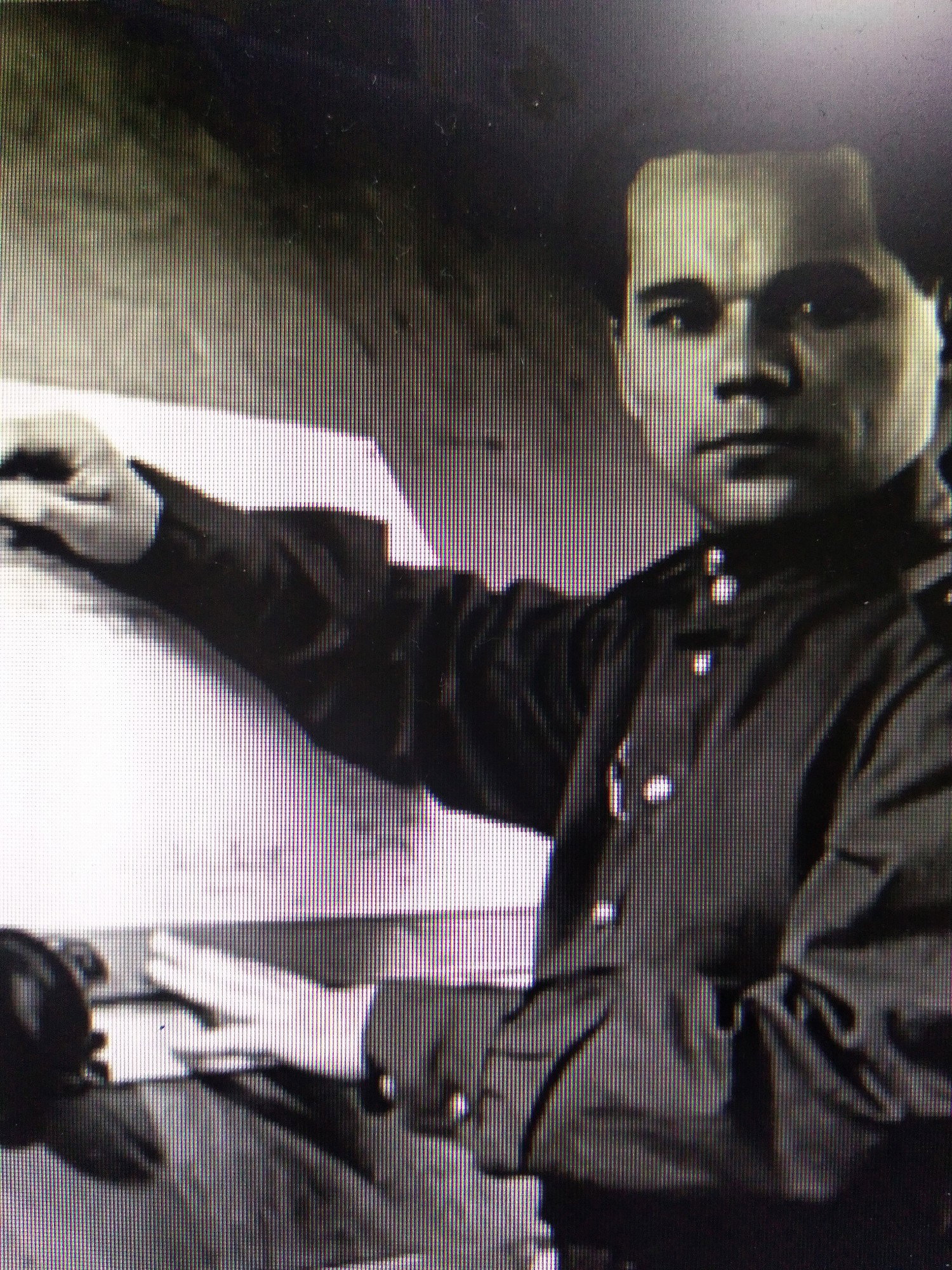
The creator of the best automatic rifle of the 20th century, Mikhail Timofeevich Kalashnikov, was born in 1919 in the village of Kirja in the Altai as the seventeenth child of barely literate peasants. From time to time sick, poet in heart, he wrote poetry throughout his life. Apart from the modest garden, the family also survived by hunting, and the boy used a gun from an early age. Somewhat later, he worked, self-taught, as a tractor mechanic. However, the partial leader noticed his skill and transferred him to the weapons production bureau. In October 1941, he was severely wounded in the battle of Bryansk, in the defense of the Moscow.
In the hospital, he listened to Soviet fighters who complained about bad rifles and admired German machine guns. As soon as he was released from the hospital, he started working on a weapon that by 1947. became the famous Ak-47 assault rifle, the "Kalashnikov". Two years later, the Soviet army was armed with this rifle.
During his working life, Kalashnikov developed a whole family of infantry weapons, and everything was adorned with a simple appearance and easy maintenance in all conditions, from sand to tundra. By 2009, about 100 million pieces of this rifle have been produced, according to the pride of the American infantry , the M-16 rifle, produced in eight million copies. It is officially used today by the armies of 55 countries, and it decorated the flags of Mozambique and Hezbollah, as well as the coats of arms of Zimbabwe and East Timor, when these countries began to free themselves from the colonial slavery of their European invaders. Among "descendants" of this rifle were rifles from many countries, including the Kragujevac M-70. Kalashnikov himself died in 2013.
Compared to other rifles, the AK-47 was lighter, more compact, with a choice of fire, and was developed around a 7.62 x 39 mm bullet. When the so-called rifle box to be made of pressed material, instead of milling, it significantly accelerated production. Cleaning and maintaining the rifle is also a measure of simplicity - a large gas piston and large gaps between the moving parts made it withstand any dirt on the battlefield longer than any rival. The piston, front and rear sights, enable single or burst firing of exceptional accuracy up to 25o meters away from the target. The chrome plating of the barrel, chamber and gas piston has contributed so much to durability that this treatment has become the standard for all other automatic rifles in the world.
Because of its real, deadly effectiveness, the "Kalashnikov" has become a favorite mythical weapon of all kinds of "bad guys" in literature, film and comics, and often serves as a backdrop for war reporters from those unfortunate parts of the world that are not currently ours.
Literature and images: Politica's Entertainer, number 3563

Tattoos removal
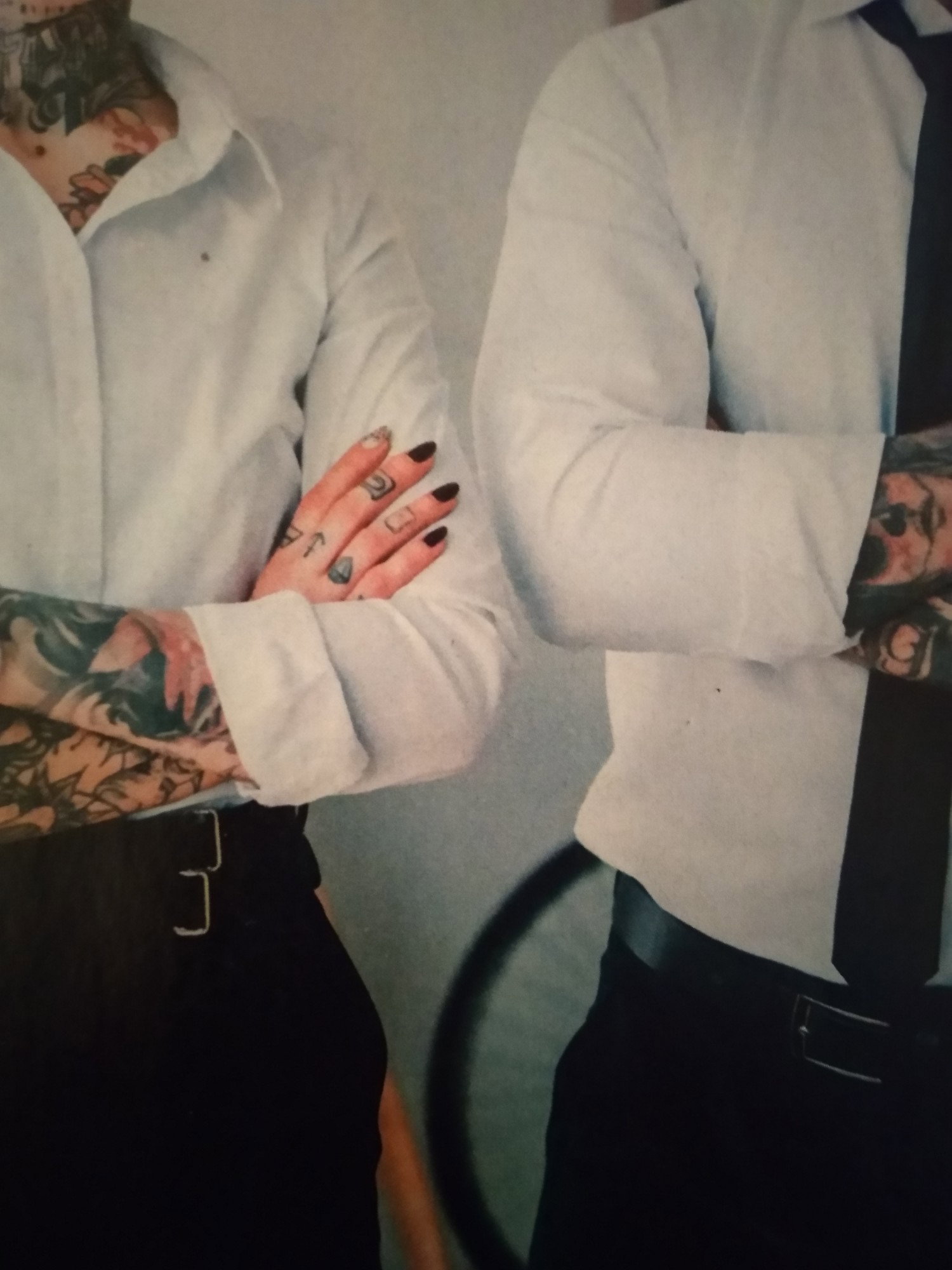
Tattoos have fascinated humanity for centuries and won over supporters in different cultures and social strata. From the ancient Egyptians, Greeks, and Romans to today's modern society, symbols drawn on the skin have variety of meanings and motives for wearing them - from emphasizing beauty and uniqueness, belonging and the most important moments in life and philosophies, to the need to identity, mark shame or be punished. It is estimated that a every fourth middle-aged person has at least one tattoo, and in recent years it has been the same in Europe, including our country, which doesn't lag behind these trends.
Almost half of all millennials also have at least one tattoo. However, according to the British Dermatological Association, one in three people regret the tattoos, and want to remove them after a while. Motivation to remove tattoos include a new job career, the need to show a certain image at work or new social statuses, as well as very often negative feelings about the significance of the old tattoo.
Unfortunately, removing tattoos is generally more expensive and takes significantly longer than applying them to the skin. Procedures are developed every day that are either too painful, or too expensive, or required patience for a long time. But, if you have really decided to get rid of the mark on your skin that reminds you of an impulsive decision, a bad relationship or prevents you from finding the right job, and no longer has any sedimentary value to you, we will point out one of the most effective methods.
The most effective laser removal
Whatever your reason for removing tattoos, laser removal is the most effective way to remove them. Advances in laser system have also made it easier to remove unwanted tattoos. An experienced tattoo remover which is a doctor, will be able to safely remove unwanted art of from your body, with minimal side effects. Lasers emit a beam of light energy of different wavelengths that passes through the upper layers of the skin and is selectively absorbed into the parts of the tattoo coated with ink.
This energy quickly requires and breaks down the tattoo pigments into tiny fragments, which are then absorbed and cleared from the body by the immune system. Laser treatments safely and effectively remove the tattoo without damaging the surrounding skin. The laser used to remove the tattoo will depend on the color and location of the tattoo. Different types of lasers can target different colors. The pigment of the black tattoo absorbs all laser wavelengths, which makes it the easiest color to treat. Other colors can be treat only with selected lasers based on the color of the pigment. A consultation with a trained professional who can evaluate the tattoo and advice on further procedure should be scheduled first. The number of treatments required will depend on the age, size and color/colors of the tattoo. An experienced dermatologist will know which laser remover is best for your unique tattoo.
For example, one laser will be able to target black and green tattoos, while the other laser will be able to target red, yellow and blue. It usually takes 3-10 treatments depends on the size of the tattoo, the color, the location, the type of ink used, the color and the ability of the skin to regenerate after the treatment.
Number of treatments
Most doctors recommend that tattoo removal treatments be performed every 4--6 weeks for optimal removal results. With all the advances in laser technology. it is possible to remove any tattoo, regardless of color and location. Different lasers can safely and effectively remove tattoos of different colors. Tattoo removal usually requires asking the question - how many laser treatments are needed to completely remove the tattoo? In most cases, it takes 3-10 treatments to remove the tattoo as much as possible. It is not guaranteed that the tattoo will be completely erased, but an experienced dermatologist will do his best to free you from your tattoo as much as possible. Also, the number of treatments is determined by the color and location of the tattoo.
Partial removal
Frequently asked questions are whether only part of the tattoo can be removed. Lasers are very precise and can treat small target areas, so you can only removed the desired part of the tattoo. Certain colors respond much better to laser treatments than others. Black, red, green and navy blue are the easiest and fastest to remove. In contrast, purple, brown, light orange and light blue colors are more difficult to remove and require more treatment sessions. These non-traditional ink paints can occasionally become darker after laser treatment. The depth of the tattoo and the type of ink used are additional factors that determine how easy or difficult it is to remove a tattoo. Finally, skin color also plays a role in the results of laser tattoo removal.
In general, it is easier to remove tattoos from patients with light skin tones. In addition, older tattoos are easier to remove than new ones, because the ink pigment of older tattoos is easier to process with laser. Cosmetic tattoos as permanent makeup and eyebrows can actually become darker after the treatment, so they usually fade with addition sessions and are more persistent to remove.
Scar problem
Very often, patients are tormented by the question of whether the scar will remain after the laser tattoo removal. If you are being treated by a professional laser dermatologist, no scars should remain on the treated surfaces after the laser removal treatment. However, scarring problem is possible with any medical procedure.
Also, the pain that this procedure entails is a fact that often bother patients. To reduce discomfort during laser tattoo removal treatment, you doctor will use a local anesthetic. Many patients report mild irritation or itching after tattoo removal. This can take one to three days after the laser treatment. Your doctor may prescribe a cream with antibiotics and corticosteroids to easy your discomfort. There are numerous soothing creams and balms enriched with hyaluronic acid, panthenol, beta-glucans, niacinamide, soothing plant extracts whose role is to soothe and hydrate damaged skin, prevent its irritation, accelerate regeneration and recovery of damaged skin.
If you are in the sun, the treated area must be absolutely protected both physically and with suitable preparation with a high SPF factor, and the doctor will most likely give you instructions for the protocol after tattoo removal as well as adequate care. The side effect of laser tattoo removal are generally minimal, in the form of redness, swelling, and blisters around the treated area. These side effects are temporary and the skin should calm down completely within one to two weeks.
Wise advice
The cost of tattoo removal varies from patient to patient and depends on the size, color and location of the tattoo. It is difficult to give a good estimate of the price of laser removal because every tattoo is different. Generally, it will cost less per treatment to remove small, black tattoo than removing a large, colorful tattoo.
However, for those who are supporters of natural methods and don't want laser interventions or hiring a plastic surgeon, as an alternative method of tattoo removal, there are numerous tips from tattoo artists as well as experiential solutions on how to remove tattoo naturally. Such solutions are not safe and recommended by the professional public. By using such solutions to remove this decorations on your body at home, you are exposed to the possibility of infections and various other complications, so even without the control and supervision of experts, these methods are not safe.
For those who don't want to experiment, there are specially designed powders for covering tattoos on the market, which very effectively mask unwanted places. However, the best, most effective, and most painless way to remove a permanent tattoo is without doubt the decision not to "make bad tattoo" permanent solution. Remember - make wise choices before you decide to change your body.
Literature and images: Lily's Magazine, number 38, fall 2019.
Sober seal at the bottom of the sea
Every diver knows: when a colleague underwater suddenly starts behaving aggressively cheerfully, it means that he is in big trouble. He begins to claim that n front of his eyes there is also a flame burning, nitrogen anesthesia or, as others call it, deep drunkenness, has taken off.
I all the moment a diver dives. With each meter of depth, the pressure drops. For gases in the body, this only means that they will dissolve much faster and easier. Nitrogen, when it has the most, penetrates from the body fluids into the blood and is released in the form of bubbles, very similar to what happens when a bottle of champagne is opened. The trouble is that the consequences are far from similar: with decompression, because that's what it is about, there are unbearable pains in the joint where bubbles press on nerve endings, capillaries in the lungs become clogged, the diver's movements slow down and he eventually cramps, falls into unconsciousness. If he isn't helped in time, he will die due to the cessation of breathing and the work of the bloodstream.
Seals that dive to great depths and abruptly emerge to breathe air don't experience any of this. Why?
Everything that was know about this phenomenon until recently was known thanks to anatomical research and experiments in decompression chambers in which seals were subjected to forced "simulated" diving. The discovery was made in natural environment of the seal, in Antarctica, under the ice of the McMurdo Sea.
The experiment was performed by scientists from the University of Dusseldorf. An opening was made in a predetermined place in the ice. "Backpacks" were attached to four experimental seals, in which there was tiny pressure-resistant pump that was inserted into the arterial system of the animal. The pumps worked under the supervision of a computer programmed to take blood samples and at certain intervals and to record the pulse, swimming speed, and blood temperature at the same time. As soon as the seal surfaced, the collected data was entered into a computer on the surface.
The hole in the ice was six kilometers from the nearest crack, so that the seals, in order to breathe the air, were forced to return to the place of departure. Thanks to that, the scientists were able to immediately examine the blood samples taken at depths and measure the amount of nitrogen in them.
In this way, the amount of nitrogen in the seal's blood was measured to a depth of 230 meters. The finding was as follows: the pressure of nitrogen in the blood reaches its peak at depths of 30-70 meters, and then sharply decreases and continues to decrease throughout the descent. Low pressure is maintained even during ascent.
That is how the obtained data read, explanation for them still needed to be found. Apparently, it partly lies in the fact that the seal, before diving, exhales air, thus limiting the amount of nitrogen in the lungs that the bloodstream can later absorb. However, this doesn't fully explain phenomenon, because the researchers determined that the highest pressure of nitrogen in the blood is only 25 percent of the average lung capacity during diving.
Apparently, the alveoli also play a big role in reducing the amount of nitrogen in the blood, because it has been shown that at a depth of 28 meters, these air-filled bubbles in the lungs of the seal through which the gas exchange takes place disintegrate. In this way, the seals successfully prevent the absorption of nitrogen that has remained in the lungs. It is then pushed into the parts of the respiratory organs where there is no gas exchange.
The presence of hemoglobin could explain the fact that then the solubility of nitrogen in the blood increases by 8 to 10 percent. Judging by this, it is possible that if some other tissues, such as, for example, muscles and adipose tissue, are filled with blood , they also use the seal to distribute nitrogen, reducing their presence in the blood to safe limit when emerging.
In a word, nature has done to ensure that the seals at the depth never turn their heads. It remain for a men, based on what they learned from them, to overcome that danger themselves.
Literature and images: Politica's Entertainer, number 3581

Aging is a virus of 21st century
Mayor demographic changes aren't a feature characteristic of Serbia and the countries of the region, nor a lower birth rates, population aging and migration related exclusively to individual countries. Troubles with negative demographic trends have been recorded on all continents for years. Although the world's population continues to grow, albeit at a much slower pace than was the previously case, many countries face fears that they will have a significantly smaller population in the not-so-distant future then day do today.
Every part of the world has its problems when it comes to population, reproductive and sexual health. In Europe, the main problems of negative demographic indicators the low birth rate and aging of nations, but also insufficient awareness of people about sexual and reproductive health.
Serbia, like many countries in the region, is also going through dramatic demographic changes whose main features are population decline, high migration of mostly young and educated people, and thus an aging population. According to the latest data, the average age in Serbia is 43, 3 years, while every fifth inhabitant is older than 65.
In general, we live in a unique demographic moment, and Serbia is not unique in its problems. We are seeing similar trends in countries across the region .
A global challenge
The United Nations Population Fund (UNFPA) has been working on the sexual and reproductive health of the population for more than 50 years, advising governments around the world how to understand demographic change and develop their policies accordingly. By promoting demographic diversity, social policies and respect for human rights as a basis for economic progress and sustainable development, UNFPA encourages the progress of society as a whole.
Once in 25 years, this United Nations agency organizes summit dedicated to improving population policy and reproductive health. The last summit was held last year in Nairobi, the capital of Kenya, which gathered representatives from 170 countries, including statesmen, experts and representatives of the non-governmental sector. All participants in the meeting in Nairobi undertook, made of "oath" to work on achieving the goals of the United Nations in the field of population policy and reproductive health. Several billion dollars in assistance from public and private partners were provided for the planned goals during the summit.
Very worrying facts were presented at the meeting:
Every day, more than 800 women die in childbirth;
Every day, an average of 33,000 girls are forced to marriage;
Every day, 25 percentage of married girls are less than 18 years old;
More than 232 million women want to avoid pregnancy, but their choices are threatened because they don't have access to modern contraceptives;
Every year, million of little girls, adult girls and women around the world go through the brutal practice of genital mutilation, i.e. female circumcision.
Due to the above, but also all the negative things that mark demographic trends around the world, the summit participants adopted as a basic goal the proposal to eradicate maternal mortality by 2030, to meet women's demands worldwide when it comes to family planning, to end violence against women and girls completely, support the social inclusion of marginalized groups, and ensure that everyone has equal access to sexual and reproductive health.
With the Covid-19 pandemic affecting women and men in different ways, we note that the commitments made in Nairobi are more important than ever before. For example, almost twice as many women as men lost their jobs in the first wave of the pandemic: seven percent of women compared to four percent of men. Women were also more likely to report barriers to accessing health services, especially women living in rural areas. Due to social expectations, woman feel more burdened than men because they have to be successful in their jobs and reconcile it with household responsibilities.
Like other countries across the region, Serbia is going through demographic changes whose key characteristic are population decline and changes in the age structure. According to UNFPA data for Serbia, in the 10-year period alone, between 2007 and 2017, the percentage of young people under the age of 14 feel from 15.5 to 14.4 percent, while the population over the age of 65 increased from 17.2 to 19.6 percent. Already, every fifth person in Serbia is older than 65, and projections say that in less than 30 years, one of four people in Serbia will be older than 65.
When it comes to reproductive health, the data indicate that the situation hasn't change much over the years. The use of modern contraception, especially oral contraception, has been low for years, much lower than in some Western European countries. Women living outside urban areas, who are poorer, have lower incomes and lower levels of education, have poorer indicators.
Understandable fears
For example, almost three times fewer Romani woman use modern contraception, only seven percent to 21 percent of women in the total population. Cervical cancer is an important case of death and disability of women, which is especially worrying since we know that it can be prevented.
If we look at the region, we see that many of the challenges in Southeast Europe are very similar. Young women and men often face difficulties in accessing sexual and reproductive health services. Serious barriers persist among poor women, migrants, ethnic minorities, as well as the rural population. Young people, often unprepared by the school system, bear the risk of unplanned pregnancies and sexuality transmitted infections. Established gender inequalities and deep-rooted stereotypes about the role of women and men in the family and society still exist. All of these are worrying trends that are crucial for the work of UNFPA in Serbia.
A stranger with machete
Twenty-seven-years-old Lilian Germont could hardly wait to finish her shift at the restaurant where she worked in Seattle, USA. As her fiance worked during New Year's Eve in 2018, she also accepted to change her shift with her colleague. She thought it was better to work than to sit alone at home. And the shift dragged on. Hopes that it would be less crowded that night were dashed. As soon as midnight passed, the guests flocked. Because of that, she stayed in the restaurant for almost three hours in the morning.
She was so tired that she drove home slower that usual. Half an hour later, she arrived in front of the building. She cruised through the hood, until she found a free parking place. Someone just going out, after the party. She smiled. She won't have to walk much to the building. She can barely walk from fatigue.
She walked slowly, foot to foot. A minute later, she realized she wasn't alone on the street. Someone was following her. He was reducing the distance every second. The woman noticed this, but didn't worry. Maybe he's a neighbor and coming home from a New Year party. When she reached the entrance, a stranger found herself right behind her. She didn't have to look, she felt his presence. He said nothing. She still didn't look back. Nothing unusual, the neighbor returns home.
He drank a little, so it's better to keep quiet than to stick his tongue out. She may even avoid congratulations. She didn't care. Just to get to bed. Her fiance already arrived, he called while she was driving. She unlocked the front door of the building and let the stranger through. He entered in front of her.
The elevator didn't work again. She started up the stairs. The stranger was far ahead, she never saw him in her life. She reached the floor.
She searched the bag for the keys to the apartment. She turned over, took out other objects, until she finally found them. She looked up. The man was standing in front of her. Only then she did realize that he wasn't neighbor. She would know him at least by sight. This one was completely unknown to her. He held something in his hand. It took her a second or two to figure out that the light was reflecting off. Blade. Another second to realize it's a machete blade. She could barely make out what the stranger was saying to her: -Don't move!
Lilian backed away. She took a step aside. The man was looking at her. He didn't move. She took another step. Than another one. She was almost at the door of her apartment. Only then did the attacker step towards her. He was still hissing, all through his teeth. He ordered her to stop, not to move. He raised his machete. Lilian leaned back against the wall. She was relieved for a moment when she realized that the door was only a meter away. She held out her hand. He slowly lowered his machete. He wanted to show her not to joke. And she wouldn't want to try anything either. Anyway Lilian reached the door. She leaned closer, feeling the doorknob on her back. She didn't let him out of her sight for a second. Her gaze shifted from his face to the machete.
She tried to talk with him, to answer him back. She promised not to report anything, just let her go. Then it dawned on her. He must want to rob her. She reached for her bag. The attacker took a step forward. Lilian stopped. She didn't want to challenge him. She spilled the bag in front of her. She told him she could carry everything just to heave her alone. The stranger looked, a little bag, a little her.
What he said through is teeth frozen her: -I don't want your money! He was in front of her in a split second. He grabbed her by the throat. He raised his machete. The flash of the blade seemed to startle her. By then, she was almost numb with fear. At the moment, she decided to defend herself.
She pushed him away. She didn't know where she got so much strength from. And attacker seemed confused. That gave her a few seconds. She dropped the bag. She stood in front of him now, her arms raised in the guard. What her father, former soldier and policeman, taught her when she was little, came back to her. If there is already fight, or some similar trouble, just do not hesitate. If you have already set out, go to the end without mercy.
The attacker is surprised. He hesitated. Then he rushed. She saw the machete blade come down. Towards her head, she realized. She held out her hand. She grabbed the steel. She grabbed the blade. She felt no pain. The stranger pulled the machete. She felt something warm and sticky. Blood, she knows. She was confused by the fact that she didn't feel the pain. She hadn't time to think about it. She didn't let go of the machete.
She pushed the attacker, kicked him. She roared out loud. She called her fiance. There are only a few seconds, until the man with the machete pulls away and attack with all his strength.
She didn't stop screaming. Choking, her back slammed against the door. Hit, kicked. Finally, she heard the lock is unlocking. The handle moved.
The attacker understood that as well. It was as if he had given up a little. Lilian realized it was a moment she must seize. She let go of the blade. He was staring at the door. Then to her. As if he wasn't sure what to do. She was. Another kick to the head. Just the way her father taught her a long time ago.
In that, her fiance, was showed in the hallway. It took him a second to figure out what was going on. He roared and started at the attacker. Attacker wasn't longer interested for a conflict. He threw away his machete and scramble down the stairs. Lilian watched him run. Then she decided it wasn't the end. She didn't intend to let him get away with it and probably attack another woman. She chased after him.
Adrenaline was pounding in her head. Now she became a hunter, while the attacker was a prey. She reached him in a few steps. She grabbed the edge of his jacket. The fugitive lost his balance and felt down the stairs. Lilian jumped up and got to her feet, right next to him. She grabbed him by the collar. The attacker couldn't even move. Her fiance rushed after him. He called the police, then nailed the to the ground with his knee. This one struggled, even cried. He begged them not to hit him.
Help soon arrived. Officers searched him. They also find a knife and adhesive tape in his pockets. Only then did Lilian get scared. There simply wasn't time for that before.
Literature and image: Politica's Entertainer, number 3541
Painter of the lion's soul
Artemisia Gentileski went down in history as the first woman to be admitted to the Academy of Fine Arts. The victorious event took place in Florence, in the 17th century, at the time when woman painters hardly making great progress in Europe with still life and portraits. Biblical and mythological themes were "masculine" because of the scenes of nudity and violence. And then young Artemisia broke the ingrained rules: she enchanted the naked Susanna, who is being persecuted by lewd old man, and Judith, who, with the help of the maid, beheaded Holofernes! With the masterful knowledge and feelings of a rebellious victim, she created a work by which she stood shoulder to shoulder with men.
She expressed her determination as a child by taking on the role "son of the firstborn". She was born in 1593, in Rome, as the eldest child of Oracio Gentileski, who ran a painting workshop and worried if he would have a heir. Already as five-years-old girl, she excelled in drawing, and she also learned to distinguish color shades. For example, she recognized red as purple, scarlet, crimson, volcanic, Venetian, Titian's... In the easel classes, her father guided her hand with a brush. In a few years, she was introduced to the secrets of the craft (grinding paint into powder and the measure of adding oil), which enabled her to become an assistant before her younger brothers.
In those years, she watched the company of her father and Caravaggio (1571-1610), a magnificent painter who carried a sword, and got into big trouble due to his wild nature. She listened to the stories about their parties, but also the court invitations because they wrote slanders against one artist on the city's walls. It seemed that the painter's quarrels would continue, and then a sudden and sad peace loomed over the Gentileski family. After the death of the mother in childbirth, Artemisia was sent to nearby monastery of Santa Trinita del Monti at the age of twelve. Oracio was also withdrew from the crowd, both because of the loss of his wife and because of Caravaggio, who fled from Rome, because in 1606 he killed a man in a fight.
When she returned to the house and the workshop, Artemisia continued to paint and help her father: she was praised for not having a rival among her peers. When the main masters made frescoes on the churches, she took the lead over the apprentices. Overwhelmed with work, she wore the same worn-out dress, but it was seen that she had grown into an attractive girl. She finished her first independent work at the age of 17 and in "Susanna and the Elders" she showed influence of Caravaggio and Karachi. She choose a biblical story about the wife of a prominent Jew who is blackmailed by the judges with an indictment for adultery if she doesn't become their mistress.
Shortly afterwards, her father sent her friend and associate Agostino Tasi to show her pictures of perspective. Under the pretext that he wanted to take a closer look at the picture in the bedroom, Agostino threw her on a bad and rape her. Artemisia resisted with all her strength, but she didn't manage to defend herself. In rage, she threw a dagger into villain, who skillfully dodged. Then he promises of marriage were accepted, on the condition that she keep silent about everything. She often cried secretly, and when her father found her, she had to say reason: she admitted the horror of the rape, as well as that one picture was missing in the house.
Torture rope
Oracio demanded that Agostini marry Artemisia and return the stolen property, but as he did nothing last nine months, he addressed papal court and Pope Paul V, stating that Agostini Tasi had betrothed Artemisia Gentileski once violently, once on fraud, as a so-called fiancee. He complained that as a father he suffered damage, because he couldn't sell his daughter's painting well due to her bad reputation. Since the trial was public, it caused a great deal of attention. The young painter sensed gossip, but swore that she would endure, until the victory of truth and justice.
On the day of the trial on May 14, 1612, she appeared as a witness and the curious world took her seats in the pews. When the curtain was drawn to separate the judge and the torturer from the audience, it was known that the prepared tool for torturing the "sybil" was made of a strong rope and a wooden screw.
But the sinister device wasn't applied on to the rapist, but to the victim. The rope was tied to Artemisia around each finger, and then it was pulled with such force that it cut into the skin. Question followed as to whether she had committed fornication with certain men: the persistent answer to "No" was growing pressure of the device. When she started to bleed and soaked the sleeves of her dress, she was asked to reveal the secret of chastity, because otherwise her fingers would be crashed andand deprive her of painting.
She stated in front of the gathered that she lost her virginity by rape, with a description of the event. During the painful torture, she shouted at Agostini: "Is this the ring you gave me? These are your promises?
The two midwives ordered her to lie down on the table, for an examination and a medical report. The trial lasted for seven months and three hundred pages of statement was created. At the following hearings, it was revealed that Agostini Tasi had been accused of rape before, that he was married, that he hired robbers to get rid of his wife. During this stay in prison, he began to change his statements and lie more and more blatantly, ignoring the warnings of the judge. He first claimed that he never crossed the threshold of the Gentileski home. He later stated he still came, that it was brothel where the head of the family was engaged in bribery, and all woman was engaged in prostitution: that the daughter was sold for small money, even for a loaf of bread. Apart from calling suspicious witnesses, he cited embezzlement with erotic letters as key evidence, even though the painter didn't know how to read and write that time.
While waiting for justice and healing wounds, Artemisia could feed only with someone else's help. As soon as she recovered a little, she devoted herself to the painting "Judith beheaded Holofernes". She appreciated the legend of the heroine who saved the Jewish people from the Assyrian tyrant, with the help of wine and knife. Through dreams of revenge, she got rid of the surviving nightmare and the citizens shouted that she was a "whore". From early in the morning, she put on a painting coat and sat for an easel, because she new that with the difficulty of holding the brush, she would progress slowly. She tried to give the strength of her maid's body and hands on painting, but also personal courage and determination. Unlike Caravaggio's "Judith", she showed two heroines who joined forces to realize plan. She studied the mastery of her favorite painter in the Church of Santa Maria del Popolo in Rome, so following the example of the "Transfiguration of St. Paul", she applied the play of light and dark (chiaroscuro) for the purpose of excitement.
She noticed that Agostini's friend were stalking her, and then she received a message from the accused to deny everything in court and accept the marriage. She refused. She was surprised that the stolen painting is secretly returned to the house. On the day the verdict was pronounced, the whole of Rome shone in the courtroom. And then it was pronounced: Agostini was released, because he spent six months in prison and settled his dept. He was supposed to be expelled from the city for influencing witnesses, but pope Innocent X protected him. Artemisia find out that the rape compensation had been agreed with her father and wondered were justice was.
As a baroque "female Caravaggio", she won equality with men in field of study, painting, career, travel... She performed fearlessly, just as she used to defend honor in court, under pain.
Lead image: Artemisia Gentileski self-portrait
Literature and images: Politica's Entertainer, number 3579
When America became dry
On Saturday, January 17, 1920, a local newspaper, somewhat cynically, announced the beginning of one of the most incredible trials in modern history.
"A minute after midnight", the text began, "America will become as dry as desert when it comes to alcohol, and all beverages containing one percent alcohol will be banned."
In fact, the Walsted Act, (National Prohibition Act, named after Andrew Walsted, the presiding member of the House of Justice that pushed through the law) came into force earlier at midnight. But the authorities allowed the fans of good drop to spend another day or night at the bar, before the law came into force.
Across the United States, many bars and restaurants served alcohol for free, whie others seized the opportunity to make good money, charging a fabulous $20-$30 for a bottle of champagne or up to two dollars for glass of whiskey or cognac. In some taverns, the "mourners" threw the drunk bottles into a real coffin that stood in a place of honor in the middle of the room, while in other places, as a sign of protest and grief, they painted the walls of the restaurant black.
The ladies rush to the taverns
It all started in 1826, when the American Association of Anti-Salon Leagues was founded, which in ten years of existence, had over a million members, opponents of alcohol. The majority were middle-class Protestant woman. Dressing in black, they tirelessly went from door to door, from cafe to cafe, and, singing sad songs, protested against the pouring of alcohol. Mostly deeply pious, they saw Prohibition as a kind of social reform and a kind of crusade against alcohol alcohol fumes from which it was supposed to cleanse American cities and return them to the virtues of the "divine republic". It is also interesting that most of them nurtured advanced beliefs by fighting hard against slavery in the United States.
Prohibition has become the law. Unfortunately for its lawyers, the federal governments have never been able to fully implement it. Especially, if it is known that only 1,500 federal agents were in charge for prohibition's implementation, but there wasn't understanding from the general public or neighboring countries. Neither Mexico nor Canada intended to deal with distilleries near their borders with the United States.
The mayor is drunk
Many Americans were not inclined to respect the law on the prohibition. Not even those who remained dry-headed, and even more to those who saw its violation as a great opportunity for additional income. Cafes with secret pouring of alcohol began to sprout at every step. Chronicles of the time estimated that by 1925, at least 100, 000 illegal bars operated just in New York, while most of them were extremely well-equipped and served mostly those with deeper pockets.
In Detroit, near the Canadian border, smugglers used fake car floors, hidden parts and various wisdom and tricks to bring alcohol to the city. It was kind of public secret, as evidenced by the record of how the police raided an expensive restaurant in downtown Detroit and found a local sheriff, two congressman drunk by the bar.
At that time of prohibition, which lasted for many long fourteen years, today we mostly see it as (film) adventures of Al Capone and his gangsters, the time when they earned the "first" million. However, the story has a different and much deeper root, almost two century old.
The biggest winners of the ban were, of course, criminals. The law was in force for only one hour when police noticed the first case of its violation: six armed robbers stole a load of so called medical alcohol worth a hundred thousand dollars from a train in Chicago.
According to an unverified story, the first gangster to reveal a new earning opportunity was Arnold Rothstein, whose gang members are suspected of rigging the 1919 Baseball World Cup. After setting up an office at the Linda Restaurant in downtown Manhattan, Rothstein began bringing in various types of alcohol across the Great Lakes and supplying local scammers and alcohol lovers.
He was assassinated in 1928, but then his fame was so great that the famous writer Scott Fitzgerald took him as an inspiration for the character of Meyer Walsheim in the novel "The Great Gatsby" - a small, cunning and cruel Jew with a necklace of human teeth.
Let's have a beer
By far the most famous gangster of those years, was of course, Al Capone. Living in the luxurious Lexington Hotel, he held most of the Chicago underground, and it was rumored that he earned close to 100 million dollars a year just by betting. It is hard to imagine how much he took while smuggling banned alcohol. To many people, however, this cold-blooded killer seemed like Robin Hood, opening kitchens to the poor and giving considerable sums of money to charity.
But when, in 1929, on Valentine's Day, he ordered the brutal murder of six of his rival, the public's affection faded. And then the federal agent, Eliot Ness, in charge of enforcing the Prohibition law, with his team known as the "Unbreakable", managed to put him behind bars, thanks to an administrative omission (tax evasion), where he died.
Somehow at the same time, the already lukewarm public support for the implementation of the law on prohibition began to wane. The newspaper claimed that eight out of ten congressmen drank in lavishly equipped illegal bars, and it became clear to everyone that the attempt to ban alcohol completely failed. In March, 1933, just weeks after presidential oath, Franklin Roosevelt signed an amendment to Walsted's Act allowing the sale of 3.2 percent alcohol beer. The Great Depression was already in full swing, national morale was at an all-time low, and the Americans "welcomed one beer".
And so, on December 5, 1933, the 21st Amendment was adopted, which marked the end of the prohibition, which, in many ways, brought more harm than good. For example, countless people went blind or died from whiskey produced in secret hand distilleries, and the percentage of heavy alcoholic doubled. Edgard Hoover, the omnipotent head of the newly created Federal Bureau of Investigation (FBI), wrote that it will take at least thirty years for the state to get rid of organized crime, which was created by the prohibition.
Literature and images: Politica's Entertainer, number 3563
Trench warfare
Tranches played an important role in the First World War. Here we can see how they looked at like on the battlefield.
Aldo the trenches are probably as old as war in some form, we should definitely fall first when they mentioned First World War. Trench warfare was especially pronounced on Western Front. The condition of struggle led to creation of a whole system of trenches, which usually went in zigzag pattern, which had a very practical purpose. It protected against grenade. If the enemy accidentally manages to conquer one part of of the trench, it is much harder for him to advance if he does not know what awaits him around the first corner.
However, the trouble was that even the defenders often didn't know what and who was around that corner. Did the enemy strike group that invaded during night, cleaned a part of the trench and now, with drawn bayonets, wait for a careless change of guard? Or just sleeping comrades-in-arms, with one unfortunate man who happened to be on guard. And in order to prevent this to some extent, kilometers and kilometers of barbed wire, sown minefields, camouflaged pits, and everything that could prevent the enemy from approaching were spent. Soldiers spent months in trenches and dugouts, and raids often turned into slaughterhouses.
One of the first trench battles in First World War was on Guchevo, which was fought from the second half of September until November 1914, as part of the battle on river Drina. Know as the "Battle of the Clouds", it was fought at a short distance. In some places, Serbian and Austro-Hungarian trenches almost touched, only five meters away. The reason was that Austro-Hungarian artillery was completely superior, and this was one of the ways to annual that advantage, since grenades were falling on soldiers in blue uniforms as well.
The assaults were daily, the position passing from hand to hand several times. Despite the great losses, and the fact that it was forced to withdraw, the Serbian army achieved its goal. The Austro-Hungarians were prevented from breaking through the middle of the battlefield and encircling the Serbian wings. The enemy was detained at these elevations for almost two months.
Some details related to the trenches:
**Metal roof**
In some trenches, soldier set up a corrugated iron roof to protect them from the weather. By the way, it could also protect from pieces of land that necessarily bury the trenches after the artillery fire.
**Shooter**
The solder took turns at the position for two hours. During that time, they had to open four eyes and constantly observe the enemy.
**Brackets**
Sandboxes were used as shelter, but also as support for a riffle.
**Platform**
Build of planks, it allowed soldiers to reach the edge of the trench, usually slightly higher that the average man. This made it impossible for the enemy to see what was happening in the trench from afar, and kept the soldier of average height.
**Artillery position**
Artillery guns were operating from this part of the front, as well as soldiers in the reserve. These positions were in the deep background.
**Supply line**
The path used to haul supplies and new units. The wounded were taken away and killed.
**Barbed wire barriers**
They stopped numerous assaulting marches and cost the lives of many. When they tried to cross them, they were perfect target.
**Trees**
At the beginning of the war, trees meant some kind of protection. It was quickly realized that, so high, it was an excellent landmark for artillery fire, so it was cut for timber.
**No man's land**
The area between the trenches sown with mines and crossing it meant exposure to enemy fire and almost certain death,
**Aerial reconnaissance**
For the first time in the history of warfare, aviation was used, mainly for reconnaissance. However, low speed of the plane made them targets for those in the trench.
**First line**
The most dangerous trench was the first line of defense, as well as the starting position for each of the numerous assaults.
**Second line**
In a trench about 75 meters from the first line, there were soldiers assigned to come to the rescue in case of an attack. If the first line of trenches fell, people in the second were expected to stop the attack.
**Reserve position**
This trench was located about 300 meters behind the first line, where the soldiers spent the last hours before they were ordered to go straight to the line.
Literature: Politica's Entertainer, number 3590
Lead image: https://spartacus-educational.com/FWWtrenchsystem.jpg
Secrets of Russian medicine
The Slavs knew about healing properties of some plants even before the ancient Greeks.. Garlic juice helped to avoid the plague epidemic among the Slavs.
Science and medicine have advanced significantly, but basis of medicine was based on knowledge of our ancestors. How were the old Slavs treated? We will reveal some secrets of Russian medicine from the past.
Both nature and magic
Ancient Russia was one of the centers of the development of medicine in the past, which is no less important than the Tibetan method or the Eastern science of healing. The Slavic healing system was based was based on two main areas of witchcraft and herbal medicine.
The rich nature has enabled her gifts to be used as important components for drinks and medical tinctures. Some may not believe it, but the facts speak for themselves - in the past, people were less likely to get ill then they are now. In addition, Russia was often the center of military confrontations, which meant that first aid had to be provided to the wounded.
Herbal medicine is still used today, but how did witchcraft help? The whole point is that the effect of them wasn't less. The reason for that wasn't in the spoken words themselves, but in their sound. Any modern physicist would agree that sound waves can affect person in different ways. Therefore, the frequency of spoken words and their impact on a person changed depending on his condition.
Of course, such treatment could only be performed by a trained person. Most often, they were witches, who from childhood were introduced to the secret knowledge of the human soul and body and practiced their skills for many years. The 'placebo effect" is based on patient's belief in miraculous recovery.
The spirituality of the Slavs, their unity with nature and harmony of life really showed a good impact on health.
Miraculous spas
Is it possible to imagine Russia without a spa? They have helped in the treatment of many deceases. Water therapies were mandatory for patients with infectious diseases. Methods were used in which patients cut their nails and hair, and then burned them. The fire, which has the power to cleanse, was supported to destroy the decease that was on the strands of hair.
The ancient Slavic people divided the human body into three main parts, whose influence was also different. The centers were the abdomen, heart, and heads of the head. This division symbolized physical harmony. If all the components of the body were in harmony with each other, then the person felt healthy, however, the disruption of the activity of one system could lead to the disease of another part, and that is why the Slavs established the unity of the human body thanks to this system of knowledge.
This division reveals to us that man, according of the ancient Slavs, was not just a physical body. The soul and consciousness, that is, the heart and forehead, were no less important components. Therefore, the treatment had to be related to all aspects, not limited to physical recovery. This approach to treatment was truly unique.
Help from nature
The natural remedies of the Slavs caused admiration among other people. Herodotus mentions garlic in his writings. He is surprised by the fact that the Slavs treat colds with this plant, which suggests to us that the Greek at that time had not yet discovered the amazing properties of this plant. Garlic juice helped to avoid the plaque pandemic among the Slavs.
Listening to the advice of sorcerers, people rubbed their bodies with garlic mixed with grass, which was popularly called snake grass. This combination was great in fighting viruses and harmful bacteria. Even in our time, scientists continue to study the numerous healing properties of garlic, which our ancestors were aware of.
Trees also helped in healing. Birch and oak branches and leaves were most often used in medicine. Coniferous tree teas have also been used to help with colds and hoarseness. Berry liqueurs and honey were also represented, because they contain vitamins and nutrients. It is surprising that Slavic surgery had great influence on Greek medicine. Our ancestors knew how to correct sprains and heal serious wounds, in extreme cases, and to amputate limbs. They used the root the herbaceous plant mandrake.
We often ask ourselves, how did people stay healthy and even healthier than us before, when there weren't high technologies and modern methods of treatment? The answer of this question opens the world of Slavic knowledge about treatment.
The secret of our ancestors wasn't a technological, but a spiritual approach, when the human body wasn't separated from the mind and soul. Maybe that is exactly what will explain to us how to defeat those diseases against which is modern science is powerless.
Literature:www.eklinika.rs
Images: Wikimedia Commons/Unsplash.com
How do animals manage to sleep through the winter?
You have probably at least once wanted to sleep through the could winter days, when temperatures drop to ten degrees below zero. We can only envy bears or squirrels, who have been sleeping in deep sleep for some time, spending cold days carefree and tucked away. But, have you ever wonder how they managed to sleep through the whole winter and what exactly is hibernation?
Summer dream
Some animals fall into summer dream , the so-called estivation, in order to avoid great drought in summer. Such are, for example, the lung fish, which are buried in the river mud during the drought, until river is again refilled with water.
The fat-tailed, dwarf lemur from Madagascar is the first primate in which it was discovered that it can be in state of hibernation for as long as seven months during the year. This cute animal falls asleep due to extremely high temperatures that occur on the island in Southeast Africa during that period.
Hibernation in lemurs mainly depends on their shelter, a hole in the tree, in which they spend most of their lives. Namely, if the hole is well insulated, the temperature of his body is mostly constant, otherwise, it varies in order for the organism to adapt to external condition.
Hibernation is state of reduced activity of plants and animals that live in extratropical regions of the world, during severe winter conditions. In this state, they store energy during cold weather while their food sources are limited.
Metabolic depression
Some animal hibernate during winter. Hibernation is a special type of very deep sleep and represent a state of inactivity and metabolic depression specific to endotherms, organisms that have the ability to independently maintain the best possible metabolic body temperature.
Metabolic depression is is an adaptive biological process responsible for storing energy in the body during which the animal's body temperature drops, and blood pressure, respiration and metabolism slow down. It can last from a few days, weeks, months, depending on the species, ambient temperature, season and individual body conditions.
The term hibernation was previously associated only with so-called deep hibernators, such as rodents, whose main feature is the reduction of absolute temperature body. Later, the meaning was modified and now applies to all living beings whose metabolism slows down during harsh winter conditions. Animals such bears, squirrels, skunks and and some species of bats are now classified as hibernators.
Winter dream
In the fall, the animals prepare for hibernation by eating more food than usual and the storage is in the form of body fat , which they use as an source of energy during sleep. Most of them fill their lairs with food supplies, so that they can eat during the winter as well.
Cold-blooded animals such as snakes, fishes, frogs and turtles can never kept their bodies warm in winter. They find shelter in holes and dens by spending cold periods inactive or dormant, representing states similar to hibernation.
In addition to animals, some species of plants also hibernate. Such is, for example, deciduous trees. Just before the winter period, when the temperature is lower and the number of sunny hours during the day decreases, the leaves of these plants fall. Years on trees one of the consequences of hibernation, because the growth of trees is faster during summer period, when the conditions for food production are better.
Biennial and perennial herbaceous plants, such as carrots, discard sensitive parts above the surface of the earth before the winter period and which renew themselves when warmer weather conditions occur.
Images source: Wikimedia Commons
Literature: *Elementarium*
Cries from a tin box
Aldo it was almost midnight on July 23, 2019, it was still quite warm. Corin Bastid left her boyfriend's apartment in Liege, Belgium, from the town of Vanza. It was a road that passed many times, only 36 kilometers long.
There weren't many vehicles on the road at that time. She thought more of her sons on that journey, Hadrien has 18, Odrik was 16, while the youngest Dorian was just 12 years old. They lived with her ex-husband, and she saw them every other week. And they were her whole world.
Taken aback, she barely noticed the car shaking. She needed to check the brakes. The slower she drives, the easier will be to her to stop. That is why she turned off near the town of Saint Georges on the Meuse. As soon as she turned onto highway, she tried to apply the breaks. The car didn't slow down. The brakes didn't work.
She stared in horror at the curve she was approaching. She tried to roll the steering wheel, but too late. She hit something and the car was in the air. Then it landed down the slope, covered with rocks and stumps. She was covered by tree branches. It seemed to her as if minutes and hours had passed. And it was only matter of seconds. Then she was startled by a terrible noise, the cracking of glass.
The next moment she was lying on her back. She didn't realize where she was at the moment. Nor that the car is overturned, that she is lying on the roof of the car. Somehow she managed to unbuckle her belt. There was compete silence, she could hear only herself breathing. Then a cell phone rang somewhere in the cabin. She looked for him with her hand, but could not feel him. She could barely muster the strength to turn her head before fainting.
She was awakened by new ring of the cell phone. Instinctively, she reached for device, as if in her bad, and realize where she was. Above it was a driver the driver's seat. A large branch pierced the windshield. In order to stay conscious for a while, she constantly repeated her name and surname. Then date of birth, then the names and dates of births of her sons.
She tries to the touch phone again. There were a tiny pieces of glass everywhere. Great hit scattered things from her purse all around the cabin. In order to move, pieces of glass were pressed into the skin of her back and arms. She barely managed to move the left side. With terrible pain, which she couldn't imagine until that moment.
She only hoped that someone saw the moment when she landed off the road. Then she realized that help would probably arrive by then. Maybe there are traces of breaking left, so someone will notice? The brakes didn't work. The road was so close. She could hear the noise of the cars. She screamed with all her might, calling for help. Nothing. Nobody hear her. People went about their business, only a few meters away from the wreckage of a car, hidden by branches.
The phone rang incessantly. She is definitely called by a boyfriend or one of her sons. Two hours later the ringing stopped. Corin realized what that meant. The batterie is empty. Even if she manages to find the phone in the cabin, it is now completely useless. She could only lie and wait. It was evening when she fall asleep. Or she fainted.
By that time, her boyfriend and her sons had already raised the alarm. It didn't look like Corin was answering the phone. Even less to get lost just like that. They called all her friends. Nobody knew where she was. They also informed and the police. They passed by, but there weren't traces anywhere.
It was even warmer next day. Then Corin realized that her legs and arms were completely numb. She decided to fight. She wasn't a woman giving up. If there is no one, she will help herself. She will get out of the wreck, crawl up the slope and stop someone on the road. Or so she imagined.
She was encouraged she didn't feel hunger and thirst. She looked around the cabin for the easiest way out. The belt hung over the seat. She would use it to to get it up, then crawl through the hole left in place by the windshield. She gritted her teeth and grabbed her belt. Every movement gave her pain. Pieces of glass slammed deeper and deeper. It took her fifteen minutes to advance only two or three inches.
It was well past noon when she managed to throw her head out. She saw the rays of the sun. Unfortunately, only what managed to break through the thick branches. She looked down, only to realize that the car is was on some kind of outlet. Below was a few more feet of slope. She didn't even think of going that way. And if she gets her head out of the car, she can easily roll over and end up with a broken neck. She gathered her remain strength and returned to the cabin. If nothing else, at least she's safe there. In the meantime, night fell. She decided to sleep and try again tomorrow.
She was awakened by the rain. Water entered through the windshield hole. She huddled on the roof and slowly soaked her close. She tried to slip her foot into the hole in the back door. It turned out to be to narrow. She didn't know how much time had passed. She only could follow the change of day and night. Lying in the cabin, she listen the sounds of traffic, rain and wind.
By morning, the rain had turned the overturned car into a tub full of water. Korin was almost submerged. Her hair floated on the surface of the water. For a moment she thought of simply letting go and drowning. Then she remembered her sons. Because of them, she has to survive. Only then, surrounded by water, she feels thirsty. She tired to collect a little of water in empty paper box from chewing gums. The box fell apart. And there wasn't other anywhere. Then her gaze fell on the branch that had broken into the cabin. It was dripping from the tree.
She slowly raised her head and moved the branch to her mouth. Drop by drop, to quench her thirst to some extend. She collapsed into the water from the effort. Her clothes was completely soaked. The cuts were bleeding and pulsing. The pain was terrible. She was shaking uncontrollably. It was freezing. She was threatened by hypothermia. In her helplessness, she tore a parts of her clothes. It hurt her even more. Still, it kept her awake. She was aware that she must not fall asleep. If she fails to stay awake, she will freeze.
On the sixth day of since the accident, Korin was almost certain that it was all over. Although it was much warmer, she was shivering, completely exhausted. She will hardly be able to survive a few more hours. She has left to pray.
A few meters above her, on the road, a car stopped. Her friends came out of the car. They received information from the police that her phone was last located at that location. They were driving slowly, when someone saw the wreck under the road. Completely covered in mud and twigs, it seemed to stand there for years. Still, they decided to check.
When they finally reached the car, a voice came from the cabin. Corin called for help, with last atoms of strength. Only ten minutes later, she was in an ambulance. A helicopter was waiting in nearby field to transport her to a hospital in Liege.
Corin's spine was cracked in several places, the left side of her body was almost taken away. Still, she recovered and was finally able to hug her sons.
Lead picture and literature: Politica's Entertainer, number 3580

Spermagedon
Male reproductive health is dangerously impaired in the developed countries of the West. Scientists who reported this dangerous phenomenon called this process "Spermagedon", because the decline in the number of sperm in last thirty years alone is 60% with a tendency to further decline. This trend has not been noticed so far and doesn't exist in poor countries, only the rich countries are endangered.
Impaired any function in the body 60% means a drastic disturbance of that function, of any system, cardiovascular, urinary, pulmonary, number of blood cells, etc. If, for example, you have such a large percentage of skin burned, you know what awaits you. All systems in the body with this decrease in the percentage of efficiency enter more serious pathological conditions whose clinical outcome is completely uncertain, i.e. they are on the verge of total breakdown.
The rate of decline in sperm count shows no signs of stopping in recent years. Most scientists blame fast food, pesticides, being overweight and most of the general factors of the so-called unhealthy lifestyle for that. I don't think diet could measure you selectively on sperm death, although it could have a slight indirect effect. How is it that such a phenomenon, reminiscent of the great extinction since the beginning of life, happens to sperm?
But before we expose the causes of sperm cataclysm as we see them, we need to look at who and what sperm are, to take a look out about their biology, biochemistry, physics and, not surprisingly, psychology, because they behave like intelligent cells. It is also necessary to briefly describe the distinctive cells in the light of his unheard of challenge of declining sperm count.
A man has to insert about 300 million spermatozoids into the vagina during sex, but that doesn't guarantee the success of overcoming other obstacles that we will describe. Spermatozoids have to go through obstacles that no other cells does. That is why they must be numerous and of Spartan character, ready to perish to the last in order for one to reach the goal.
Spermatozoids ( their precursors)are formed in the testicles. These original cells do not look like spermatozoids, until they pass through one part of testicle (lat. epididymis) which is located on one of the poles of testicle. This interesting creation is, of course, closely related to the testicle, but it also has its parts, head, body and tail. Especially interesting is the tail, which is a channel three to four meters long. These meters are nicely staked and and packed so that there is no impression that there is a structure four meters long. In them, spermatozoids slowly mature, moving towards the vas deferens, which is 50 to 60 centimeters long.
The vas deferens is a steam tube, 60 centimeters long, has a complicated path because it enters the male pelvis by first passaging through the inguinal canal (it is a known place in the groin where inguinal hernias form), and then goes straight back into the pelvis and from the back towards prostate. The are a couple of seed bags for each dictus, one with which they are combined and together they give a ejaculatory duct. Ejaculatory ducts are in pair, they are ejaculators whose openings appear on the back of the urethra that passes through the prostate.
So, the urethra serves to carry urine out of the bladder, but after the prostatic part, the path of spermatozoids and urine is common, only they have different timing of passage. The urethra from the level of the prostate passes through the root of the penis, and ends with an opening in the head of the penis.
Spermatozoids have no peace even in their own reproductive tract, because the urethra is an acidic environment that kills them. Fortunately, there are paired Cooper's glands at the root of the penis, which line the urethra with their basic secretion. These glands are activated as soon as the condition for sexual intercourse are certain. This preparation, which precedes ejaculation, saves a lot of spermatozoids from death in their own organism.
However, the suffering of the spermatozoids is just beginning. Given the circumstances of constant suffering, there must be as many of them as possible, and at least 300 million in one sexual intercourse that must be inserted into the vagina. With its strong acidic environment, which is about 4, the vagina for sperm represents the first execution site. The vagina is acidic to protect a woman from an external infection, so nature had to make an adaptation - an acidic vagina, but on the other hand million of spermatozoids.
The vagina is only a transient killing place for spermatozoids. Their target is the cervix, which is partly located in vagina, whose channel leads from the vagina to the uterus. The cervix is also an obstacle because it is closed by a hard mucous plug during a woman's cycle, which is an obstacle for the sperm. The mucous plug at the time of female ovulation under the action of hormones become more transient, and that is time when the mature egg is ready for fertilization. Spermatozoids that pass through the narrow opening of the cervix with great difficulty are found in the alkaline environment of the uterus, which for them is a real paradise and the end of all dangers.
All processes of development and behavior of gametes, female's eggs and spermatozoids are controlled by hypothalamus, giving orders through the endocrine and all other systems about the order and behavior of all biochemical molecules involved in this process - from the creation of gametes to birth. The hypothalamus is the inviolable master of everything else in the organism all its life. He is the master of life and death.
Golden quadruped
Gulbanguli Berdimuhamedov's love for the Central Asian Shepherd (Alabai), one of the oldest dog breeds, has long be known. HE has already dedicated a book and a song to him, and in 2017, the world toured the video when he gave alabai puppy to Russian president Vladimir Putin. Now he has decided to go a step further. A giant statue of the Turkmen leader's favorite dog was recently unveiled in a square in the capital, Ashgabat, where mostly statesmen and prominent members of society live.
On a high pedestal proudly stands a golden quadruped, one of the most significant national symbols, with a raised head and tail. Beneath it are screens showing alabai running across the grass. The unveiling of the monument was organized as it were an important national holiday. People with raised flags stood in the street, dancing in folk costumes, and singing in honor of the dog as if it were, to say the least, a deity. On that occasion, a boy received a puppy of a Central Asian shepherd as a gift.
The domestic media covered an important event with the paper and praised Alabai for his "pride and self-confidence". However, no one dared to asked how much the six-meter statue cost. Nor did the president need to do justice to anyone on that issue.
Despite the condemnation, the president doesn't care much about it. The statue dedicate to the dog is another of the numerous actions which he made it known taht all power is in his hands and that he can do whatever he wants. And those who "dug" a little more according to his biography, discovered that this leader, apart from alabai, has other occupations. The former dentist and The Minister of Health like to drive classic car model, participates in horse races, and in his free time - raps.
Fearless guard
The Central Asian shepherd is descended from the Tibetan dog. It was created by natural selection that lasted for more than four thousand years in a cast area, from a Caspian Sea to China, and form southern Urals to Afghanistan. The best specimens were chosen to protect the herd from wolves and other predators, but also to protect the caravans and houses of their owners. The dog had to used to very difficult conditions, extremely hot and cold temperatures, he survived with little food, which he often hunted by himself, and at the same time he was constantly on guard to protect people and cattle.
All this influenced the Alabai to become a strong and fearless dog. His body is muscular, his hair short and thick, his jaws strong and pronounced. The hair can be in different colors - white, yellow, gray, tiger, red, black... And in ancient times, they are now adorned with a natural protective feeling, which is why they can be distrustful of strangers and other animals that could be a danger.
It was declared as national treasure in Turkmenistan in 1990, but in some countries, such as Denmark, it is considered a dangerous breed, which is why its cultivation is prohibited.
Literature and images: Politica's Entertainer, number 3590
Pigcasso
When the works of contemporary painters from several European countries were exhibited in 1964 at the "Christina" gallery in the Swedish city of Gothenburg, several works of new, unknown artist Pierre Brass were found there. After a few days and most excellent reviews from critics who had opportunity to see this paintings live, journalist Ake Axelson revealed that the French artist is actually chimpanzee. It was part of his which proved that most "experts" do not understand abstract art at all and that their judgement has no weight as soon as they were deceived by the movements of a primate's brush.
In the 21. century, more precisely a few years ago, another artist from animal world stood out. Like Brass, Pigcasso is a painter, only he was never part of some cleverly designed deception. And he isn't male as the name suggest. It is actually a sow, and they called her Pablo Pigcasso (from word pig) to highlight her creative talent, jokingly comparing her to the great Spanish painter Picasso. And she almost never created the works that are sold all over the world today.
Special brushes and paints
Pigcasso was already sentenced to imminent death by birth. She was located on property near Cape Town in South Africa, from where animals ended up in slaughterhouse after some time. Such was her fate that one day Joanna Lefson disn't come to visit. It was 2016., when the pig was only two months old, as was her sister Rosie. Lefson, an avid animal right activist, was then building an asylum where she intended to house rescued animals, so this meeting with the two pig-sisters happened at just the right time. She tore both of them from the clutches of certain death and enabled them to start a much more beautiful, happier and freer life.
Pigcasso relaxed very quickly in the new environment. Like most piglets, she didn't choose what to put in her jaws and swallow, even if it was something completely inedible. Joanna, however, noticed something very interesting. Brushes where the only thing she didn't try to chew and eat. She just wore them in her teeth and walked around the property with her.
The owner sensed that there was something more hidden behind ordinary game, so she got the piglets painting brushes, paints and placed them in front of the easel. She didn't have to wait long for something to happen. Pigcasso grabbed brush with teeth and began to "play" on the canvas. That is when the first in a series of expressionist painting was created, according to which she will be famous.
A special brush was made for this unusual artist to make her movements easier and she uses only paints without toxic ingredients that are safe for children as well. When she finishes the painting, she usually "signs" by touching the corner of the canvas with her snout, dirty with paint. And when she gets tired of hard creative work, Pigcasso compensates for her energy with her favorite snacks: popcorns with caramel.
Oink in gallery
Thanks to social networks, her works soon attracted art lovers. They not only words of praise, but were willing to offer money to buy canvases. Hundred of dollars each. As Pigcasso's fame grew, so did her paintings. Today, prices range between $500 - $1,700, and she earned total of about $ 145,000. Joanna Lefson is investing all her money in the shelter to expand it and create an even better refuge for new animals that are constantly arriving. That is how famous sow became the head of family in a way, because she provides money for almost everything that is needed on the property. Part of the earnings is also invested in various educational programs through which Lafson wanted to rise the awareness of so many people as possible about the conditions in which animals are raised and they end up.
Pigcasso went down in history as the only animal that had a solo sales exhibition, in a gallery in Cape Town, in Ferbuary 2018. The setup was called "Oink" and was very successful. The paintings ended up in all over the world - in the USA, Malaysia, South Korea, Great Britain, the Netherlands. At that time, the well-known Swiss watch manufacturer "Swatch" made a model of wristwatch with her pictures, which was sold at a price of 120 dollars. And all the income was handed over to help the asylum.
In addition to the dizzying success, Joanna points out that her favorite sow has remained modest animal. She hasn't special desires and as such she is not interested in money. It feels best in nature. The only thing on her is to continue painting, and judging by the interest of costumers, her career will last. These are mostly who do not look for special meaning and significance behind her, at first glance chaotic works, but only enjoy unusual brush movement and vibrant colors.
Literature and pictures: Politica's Entertainer, rubric Zoo, number 3590, page 8-9
Playing piano again
Twenty-five years ago, the carrier of the famous Brazilian pianist Joao Carlos Martinez ended abruptly. His hands have been sensitive since his childhood injury in football, but he completely lost the ability to play piano after the attack on the street. Due to head and brain injuries he suffered from the robber, he lost the full mobility of his right arm. Martinez developed a muscle disorder that causes involuntary movements in a certain muscle group. Although he didn't leave the world of music, become conductor, the pianist never could play this instrument again.
Already retired, Martinez didn't expect much when he was invited by the designer Ubiratan Bizarro Kosta, also resident of Sao Paulo. The old man didn't place much hope in the idea of the very persistent Kosta, nor did he believe that his idea would give back what he had lost. But he agreed to cooperate. Costa wanted to make biotic gloves that work like an exoskeleton and cancel signal's that (don't) come from the brain. At first he he worked according to the pictures of Martinez's fists, but it became clear to him that without a man in front of him he wouldn't be able to realize his idea.
He found inspiration in an unexpected source, "Formula 1". He made neoprene gloves and lightweight carbon fiber levers that give the glove strength (the same material is used to make gloves for drivers in both auto and motorcycle sports). These levers have another purpose - to raise their fingers again after they press the button. An additional advantage of the present invention is that it can be produced in its entirety on a 3D printer. Joao Martinez cried when, for the first time in a quarter of a century, he could play the piano using all ten fingers.
Martinez stated that despite his age (80), he feels like an eight-year-old who is still struggling with racing and playing techniques. But that will not stop him from enjoying the great gift that Bizarro Costa brought him. That gift is worth much more than about a hundred US dollars, as much as the production of this pair of "bionic extensions" cost, as Costa intends to call his product. This simple invention could restore strength to many tormented fingers.
The famous Brazilian pianist had come to terms with fact that he would no longer play again, but then his fellow citizen called him. Joao Martinez's finger are reunited with races that mean life to him, thank to the nobility and dedication of Bizarro Costa in making an exoskeleton that doesn't cost too much. The greatest price archived in this case is a smile on the face of an exceptional artist who turns his talent into reality again and that philanthropy always wins, shines and forces us to create a new, better world.
Literature and images: Politica's Entertainer, rubric Inventions, discoveries, achievements, number 3590, page 8.
Why something has value?
Every time the value of cryptocurrency rises, we ask a few questions and skeptical remarks about it, how and why it determines how much Bitcoin and other cryptocurrency will be worth. The same thing happens during most conversation, whenever the investment side of cryptocurrency is mentioned.
Warren Buffett, one of the most successful investors ever, openly criticizes Bitcoin, declaring it worthless. In his opinion, the reason is that there is no company behind Bitcoin, there is no creation of additional value and there are no technical parameters for assessing success. Of course, Buffett is used to invest in companies, and according to his own admission, he never invests in something that he doesn't understand. Modern technologies are not his specialty. But average observers (and sometimes not so experienced investors) seem to almost the same attitude toward cryptocurrency values. Therefore, the most common objection is the one that says that is a fictional value and that there is nothing material behind it therefore nothing really valuable. The wiser among such people stay away from dubious investments, and those who are more prone to risk play the game.
Material and other values
The most common confusion about the term "value" is its identification with something material. For example, people tend to pay dearly for a material item, but are reluctant to pay for education and knowledge. The modern world strongly denies them. In this era, information has the greatest value, and that mean knowledge. Knowledge can always create new material value, while reverse is not worth it. Material items can be lost, damaged or destroyed. On the other hand, once acquired, knowledge is yours forever and no one can take it away from you.
Cryptocurrencies are not material. They are electronic, so they are in a space between matter and information. In the light of understanding advantages of intangible values over material ones, that is a plus, not a minus.
To declare something worthless just because it is not entirely tangible and material is contrary to what we know about life - it is contrary to the very notion of value. I could add that for a mature person, immaterial, even spiritual values, always have an advantage over material ones. Insisting on the exclusive overlap of value with material objects is a sign of a mentality that belongs to some past times in which knowledge wasn't valued enough.
Who determines the value of an (im) material object?
One of the criticisms of cryptocurrencies is that they have no value for in themselves. All right, let's think: which material object has value in itself?
How much is hammer worth when you need a saw?
How much is car worth when you want to cross the sea?
How much is a bottle of water worth when you are lost in the desert?
I hope the questions clearly point to the answers: the value of a material object is determined by its use.
But let's think further: one of the most valuable material possessions is - gold. Gold is also favorite investment of classic investors.
But wait! Isn't that contrary to determining the value according to use? According to that criterion, gold isn't worth anything. You can't eat it, or drink it, you can't do anything with it except pretend to be important just because you own it. So where does golden value come from?
The answer could shake your value system. Gold has value because people believe in it. If guided only by use (technical value indicators such as Buffett's investment analysis), gold has value close to zero because it is used only in minor quantities in the form of industrial gold. The demand for it will not grow, nothing new or revolutionary will happen to it and in fact, we could do quite well without it.
Value is a subjective category
People who show lack of understanding of cryptocurrencies and their value actually show a lack of understanding of the entire financial system, especially the capital and stock markets.
Tesla shares were once worth so much that Tesla as a company suddenly became the largest car manufacturer of all time. Tesla is worth more than Toyota, General Motors, and other giants of car industry. How is that possible, when the sales of Tesla are minor percentage in relation to the sales of other cars?
Who determined the value of Tesla's shares?
No one has determined it on their own, nor is there a real justification for it except - expectation. Yes, investors expectations have determined that Tesla is currently the largest car manufacturer in the world.
Does anyone object to this? Does anyone declare Tesla a fraud? Of course not. Expectation is subjective category, and it represents the force that determines value. Whether investors are right when they expect something like this, or not, it will show the future.
The value of immutability
Cryptocurrencies are not stocks - there is no technical analysis, no future or planned production or market growth (although this can also be done within certain specific parameters). Are they like gold then?
Some of them, for example, Bitcoin is slowly being profiled as crypto gold. One of special features of gold is that it doesn't enter into chemical reactions with other elements, especially not with oxygen (it doesn't rust). Gold stays away for everything else and generally doesn't depend on other elements.
Bitcoin is similar to gold in that sense - it doesn't depend on other factors. It is cryptographically protected from any interference and influence. It is as it is, and there is no change. What Warren Buffett criticizes (lack of production, market influence, etc.) is not a flaw but a significance, an advantage that puts Bitcoin in the position of electronic cryptocurrency.
Limited availability value
Another comparison with gold: Bitcoin has (will be) 21 million. No Bitcoin more than that. So, the availability of Bitcoin is limited (unlike the dollar, euro or other currencies whose amount can increase indefinitely). Provided that completely immaterial factors are maintained (trust, expectation and everything else that gives value to everything, not only material objects), its value can grow to unimaginable heights. His maximum was almost twenty thousand, so he fell back to three thousand. Now it is growing, and expectations go up to a hundred thousand or even million.
Conclusion
The value of cryptocurrency is not determined individually by anyone. It is determined by people's expectation (similar to the value of gold or stocks).
Cryptocurrencies are mostly decentralized. They can serve as money (they are intended for that, in fact), but they are mostly known as an investment tool. Due to the variable value (expectation rise and fall sharply), they have become notorious.
The fact that they are intangible does not diminish their potential value. Moreover, unlike material objects (gold for example) their transport is easy and fast. The advantages are obvious to them, and survival as a means of preserving value depends exclusively on the movement of human attention. However, don't forget that a value or everything else depends on it.
Source: https://www.adriankezele.com/kriptorevolucija/zasto-nesto-vrijedi/


Down the crater of an inactive volcano
It was a foggy morning on July 11 this year, when twenty-three-year-old Clay and twenty-five-year-old Akeimi Chestin reached the foot of the Liamuig volcano on the Caribbean island of St. Kitts. It was the third day of their honeymoon. Immediately upon the arrival, Clay saw that it was one of the main sights of the island, a dormant volcano whose top was lost in the clouds, while the foothills descended to the sea itself. He wanted to climb to the crater, but he wasn't deterred by the fact that once upon a time the English named the volcano the Mountain of Despair.
The couple drove to the foothills, expecting to be able to learn more about the trail on the spot. They were greeted by an empty parking lot, from where a poorly marked path started. Anyway, they headed for the top.
The path was getting narrowed, and occasionally it would be covered with such dense vegetation that they couldn't see the sky. The screams of monkeys echoed from somewhere in the trees. It was humid and warm.
Three hours later they reached the top. They realized that the view was worth all the effort on the climb. In front of them, the island stretched out like in the palm iof your hand, the rainforest almost merging with the sea. They were tired and completely wet with sweat so much so that the scarf of Clay has on his head was dripping. Still, they could hardly have been happier. They ate sandwiches, took a few photos and walked around the edge of the volcano's crater. Except of them, no one was around.
Just than, Clay saw something unusual. The path descended into crater, almost hidden by vegetation. The narrow steps were almost carved into the rock, while the most ordinary, rather worn rope, acted as a fence. To Clay, all this resembled a hidden passage to the Underworld, as if from a fairy tale. Akeimi didn't share this enthusiasm. The trail looked uncertain , as if just waiting to take some sacrifice. Still, she followed her husband.
A few minutes later, she realized she couldn't take it anymore. She told Clay that he was free to continue as long as he wanted, she was coming back. She will wait for him on the surface. Just let him hurry. She watched him disappeared into the depts. He zigzagged, holding on the rope.
Soon she heard an unexpected sound. It was as if a large branch had broken. That sound was accompanied with breaking and crushing. Something big was coming down there. She was silent and listening. She barely dared to call her husband. There was no answer.
Akeimi panicked at first. Her brain was working feverishly. That sound could mean anything. But why didn't Clay answer? Maybe it's too deep, he can't hear her? She pricked up her ears. From somewhere in crater came a faint moan. She leaned over the edge, stopped breathing. She could barely recognize Clay's voice. He sobbed, faintly calling for help. She couldn't see him, but she heard him. She grabbed the phone, but there was no signal. She was trying to call her husband. He didn't answer. He would only moan occasionally. There wasn't other choice but to go down the crater and look for him.
She walked slowly down the rope. When the path became too narrow, she dropped down to her knees. She scratched at the walls. Than she saw something red along the path. It was Clay's scarf. And next to it was his cell phone. She picked up both things and continued. She called to him. And in response, she received only a weak call for a help.
Finally, she spotted his white T-shirt. She didn't knowhow much he was injured, so she prepared for the worst. And when she finally approached him, she saw him sitting with his head in his hands. When she got closer, she realized that he was bleeding from his head and that his neck and shoulder were quite scratched and bruised. She also saw that he was vomiting. Blood run down his face.
Maybe the rope broke somewhere along the way or just slipped and hit the ground. Whatever it was, it was obvious that he had been falling for a long time. He was seriously injured. He asked where they are. She replied that they were at St. Kitts. Why doesn't she call for help? Phones have no signal. Half a minute later, he asked again where they are.
Akeimi was trying to figure out what she could do. They are in volcano, with phones without signals. She has only one left. To somehow get him out of there. She made him look. She explained that they would have to climb to the top, he would have to listen.
She lifted him to his feet. He barely managed to keep his balance and stand on his own. Akeimi held him, they staggered up the hill together. She soon realized they wouldn't get so far. She pushed him in front and pushed him from behind. He staggered, occasionally falling. He reminded her of a drunk. Still, step by step, they progressed toward the opening. He seemed sober enough to follow her instructions. When they came to particularly difficult parts, she would simply bend down, reach for his feet and slowly lift them to the next step. An eternity later, they were at the edge of an opening. And it's only been half an hour. Akeimi called for help. She hoped they might run into group of hikers, but no one was around. They'll have to go downhill on their own. It took them three hours to climb. How long will take them to find foothills with barely conscious Clay?
She slung her husband's arm over her shoulder. They headed down the path. Occasionally, this descent through forest would remind her of a black ski slope. Every now and then it broke and turned, all at sharp angles. She could never see more than a few meters in front of her from the thick vegetation. Clay dragged his legs, but would occasionally lose control and almost crash downhill. Akeimi managed to restrain and hold him with the last atoms of strength, before they both collided with a tree. Sometimes she had to make him sit down. Then she squatted in front of him and he would fall into her arms.
Time passed, the day was almost over. The trail was getting darker. Akeimi barely kept the direction. It happened that they got lost, that they moved off the path. Her brain was working fast. What if they get lost? Can Clay survive an outdoor night? They continued. She checked phones every now and then. There was still no signal.
More than two hours later, Clay's condition worsened. He was losing that little bit of control of his body. Every ten minutes they would stop, he would crash. He was vomiting blood. He mumbled that he just wanted to sleep. Akeimi forced him to both continue. She said she was proud of him, that they would get away with it. And one day they will laugh at all that. She checked the phones over and over again. They were still out of range.
She would think she might leave Clay and rush to downhill for help. And the next look at him would drive those thoughts away from her. In such a state, if he leaves him, he may wander somewhere and that would the end of him. She has to stay with him.
They continued. Clay dragged on, Akeimi more carried him than encouraged and helped him. Then she pulled out phones again. A dash appeared. She called the emergency services. On the other side, she explained to duty officer what it was about, that Clay was vomiting blood and that he was completely disoriented. The duty officer asked if they could get to the beginning of the trail or to send a helicopter. Akeimi looked around. The helicopter couldn't land from the dense vegetation. They haven't choice but to continue. Clay was already barely on his feet. Only the tree stopped them.
When she regained consciousness, Akeimi called the ambulance again. She prayed that the rescuers would go along the path. As soon as she hung up, she screamed, calling out to them. A few minutes later, she heard a voice. Some called them by name. Two or three more minutes and the rescuers arrived. They carefully placed Clay on a stretcher and lowered him to the parking lot. Half an hour later, he was in hospital.
It turned out that he had a concussion, that he broke a collarbone, that his scull cracked, and that he also injured his spine. Two weeks later, he was transferred to a hospital in Florida. Recovery took, Clay couldn't longer hear on one ear. But sometimes they even laugh at the whole adventure. Those words from wedding, that they would be together for better or for worse, made sense.
Lead image: *Wikimedia Commons pictures*

Royal touch
In 1649, a verdict was passed by which English King Charles I Stuart was sentenced to death for high treason. When the ruler was publicly executed on January 30, more people came from the crowd to soak their handkerchiefs into the blood of his dead body. Some immediately applied "medicinal" cure to wounds, ulcers and painful places on the body, at the place of execution, feeling immediate relief.
According to one story, a few days earlier, a man who has scrofula (tuberculosis of the lymph glandes in his neck) hurried to the captive king, asking him for help. Charles I couldn't approach the patient and touch him because the guards didn't allow him to do so. All he had to do was to bless him and pray for his health. When the man returned home, the swelling from his neck began to disappear and he eventually fully recovered. At least that's what the story says to this day.
And as incredible as it sounds, it is reflection of a time when sick people, in desperate search for cures against the most serious diseases, placed their last hope in "royal touch". Those who believed that the king was appointed by God himself as an envoy on earth, expected nothing less from him that to have healing powers of God. That is why the murder of Charles I was an incomprehensible act for ordinary people. A pamphlet was circulating as a sign of mourning and the chronicler of this event wondered how many more unfortunates and sick people would have been saved if monarch had still had the opportunity to bless them with his own hand.
For centuries, "royal touch" has been used in England and France as the most sublime form of treatment, especially scrofula. Historical sources do not agree on which ruler was the first to use this special powers. Several of them state that in England it was Edward the Confessor (around 1004-1066). There was a case when he was rubbed the sick woman's neck and made a sign of the cross above him. Then, miraculously, a miracle happened: in contact with ruler's hand, the festering wounds on her neck were cleaned and the woman was healed.
Some French historians point out that practice existed with them even earlier, but regardless of the exact date and ruler, the treatment of "royal touch" over time began to spread and from individual cases grew into events attended by so big crowd, from the highest to the lowest social levels. Henry VII (1457-1509), the first ruler of the Tudor dynasty, paid special attention to the laws and rules, so he described four steps for healing by "royal touch".
The king first touched the neck and face of the sick person, where there were visible signs of illness. He than placed a gold coin with the image of an angel around her neck. Carefully selected passages from the Gospels were read as confirmation that the monarch was resistant to infectious diseases. The event with prayers to Christ, The Mother of Christ and the saints. It was usually held during the colder month when the risk of transmitting the infection was lower, but care was also taken to choose a more important religious holiday.
In the beginning, only those with scrofula were treated, but than people came with all kind of problems: fever, rheumatism, cramps, blindness, goiter. Among them was a large number of poor people without normal living conditions and treatment for any disease. The procedure changed to a lesser extend with the arrival of new kings. James I Stuart (1566-1625) did not like to touch sores and swellings at all, so he would only make a few hand movement near patient's skin, never really touching them. However, the patients believed even that was enough for a miraculous cure to happen.
By the late Middle Ages, the "royal touch" became widespread in France. The coronation of kings meant that the new ruler became the healer of the people by ascending the throne. Some of them were believed to retain the same powers even after death. Those who wanted to prove that they claimed the right to the throne in turbulent political circumstances used the "royal touch" as the main tool, claiming that they could drive away any disease.
In the 13th century, travelers came from other parts of Europe, mostly from today's Italy and Spain, to meet the French kings - healers. Patients up to the 17th century were largely treated in this way. Thus it is written that Louis XIV (1638-1715), also known as King of the Sun, touched about 1.600 people on Easter in 1680. year.
There were and learned people who , at least for a while, were convinced that this way of healing was possible. The French philosopher and writer Voltaire (1694-1778) allegedly stopped believing in the "royal touch" only when he was disappointed to find out Louis XIV failed to save his mistress, even though he "touched her so well".
Lead image: Queen_Mary_performing_the_Royal_Touch._Oil_painting, Wikimedia Commons;
Literature: Politica's Entertainer, rubric: Maybe you didn't know, number 3590
 @wonderer