Crochet Business ✨🥰
Hello everyone! I'm back hehe
Just want to share to you what I've been doing for the past few months. Actually 2 months ago, I just started my own small business which is crocheting and it's fun. I earn while I enjoy everything I do. I think that's the good thing.
You may support my FB page
***S U B S T I T C H U T E*** https://www.facebook.com/111132441213423/posts/128630159463651/
And by the way, I'm from Albay, Bicol. Hehe excited to post here all my commissions I've made 🥰✨
I'll upload my commissions here! See yah 🥰
Layout and Description of My Own Farmstead
FARMSTEAD DESCRIPTION
Moonlight Ranch Farm is the name of the farmstead. It has a total surface area of 2 hectares, and it was located at Lomacao Guinobatan, Albay. The Moonlight Ranch Farm is pleasingly raised by its owners that is capable of producing high quality processed products to the market and a Greenland farm. Other from farm animals and landscapes, Moonlight Ranch Farm is made up of a variety of facilities. The agricultural farms are divided by a grass walls for it can have its own space for work so that it does not affect or disturb other works from other facilities, there is also a large field for planting any kinds of crops to support and produce the local markets in the region. The facilities or farm structures available in the farm are the following: Slaughterhouse, a facility that produces a high-end neat meat product that will be exported to the market. It is well assured that the meat products from the slaughterhouse are safe and undergo for inspection; Piggery, Poultry Farm and Laying House are also located inside the farm. They are the ones that supply meat products in the market and the piggery is connected to the slaughterhouse for the processing and the poultry and dressing plant also for the processing of chicken meat; A Dairy Barn and Milking Parlor for the cattle’s house and holding area for the security and safety of the cattle and lastly; the farm also has Processing Plant for Fresh Fruits and Vegetables and Plant Tissue Culture Laboratory to examine the agricultural products to monitor the health of the plants to ensure the best quality of harvested products. The facility also secures the quality of processed products to have its long shelf life and the safety of the processed products for it will not affect the consumers of the product. The farm also has its roads to have an easy way transporting products that is connected from farm to market.

It's been a while since the last article I post here in read cash. Maybe gonna start again hehe good morning
Computer Applications in Agricultural and Biosystems Engineering
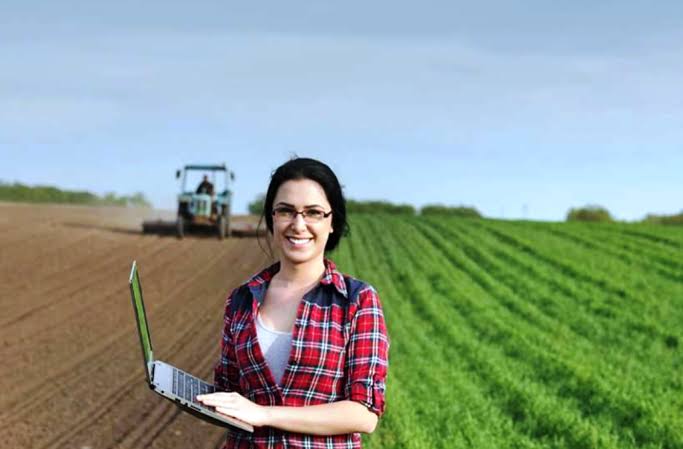
We all know that the Philippines is an agricultural country and agriculture is the backbone of our country. Agriculture is very important to us because it gives us our necessities for our everyday living and as we lived in the 21st century we all know that everything around us has changed, everything that surrounds us has something to do with technology that people can’t live without. For communication, we use a cellphone, for cooking we use a rice cooker, everything we do in our lives there is something involved with technology but why is it that still, in our country only a few to none use technology for our agriculture?
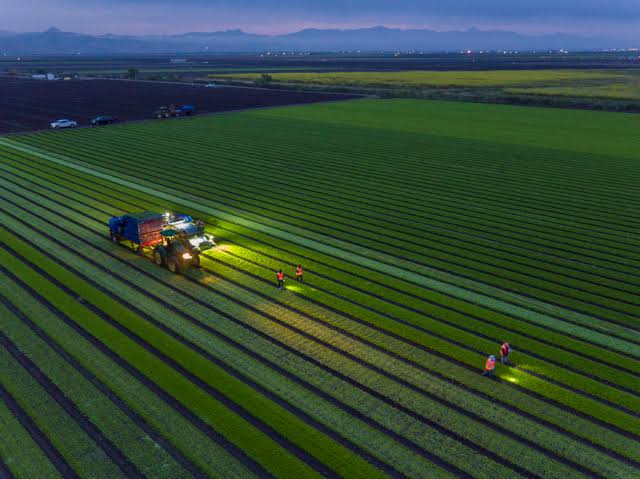
As an Agricultural and Biosystems Engineering student, I think that technology is necessary to use in agriculture for it will improve the quality of the products, increase the production, and maybe through mechanization and applying computer applications. It is not bad to use the same traditional methods in agriculture but we need to be competent and improve as other countries did. One of the solutions that we may apply is by using computer applications in solving agricultural problems.
One of the issues we face, I suppose, is the problem with our irrigation system. A significant component of the agricultural system is irrigation. It increases the productivity of the land by providing crops with adequate water to increase yield and maintain output stability, even under severe weather conditions. Problems involved in irrigation system are; the underestimation of the water requirements for the sector. Information on peak water needs should be at the top of the list before even thinking of designing an irrigation system. Based on the assumed cropping intensity, the peak water requirement should be the key consideration in constructing an irrigation system to determine the scale, power, and necessary canal capacity. To underestimate water losses, the distribution of water facilities must be defined so that if the water flow is at least or below maximum water supply levels, there would be little difference. It is supposed that irrigation systems are long-term solutions. To be practical, the assumptions should consider current and potential needs as well as other considerations, such as the elevation of the areas to be irrigated, the availability of alternative irrigation uses, and the distribution losses that should be taken into account when estimating the optimum usage of the irrigation system.
It can be extremely complex to apply computer applications to our irrigation systems, including mainframe computers for near-instant analysis of dynamic flow situations in large channels or their actual control, but if we mastered the use of computer applications in our irrigation, it can help us accurately evaluate facts. As a calculator, computer programs can be used, including, for example, the calculation of the consumption of water for a variety of crops and crop mixes, and climatic conditions. With appropriate software, may be used for economic optimization exercises, covering a range of agricultural and irrigation options and inputs as well as market conditions.
Hello there! It's been a while since my last article here in readcash. Up to this moment, we still don't have electricity because of the consecutive destructive typhoon here in Bicol, glad to say that we are still safe eventhough we encountered lots of natural disasters specifically typhoons.
It's nice to be back hehe. Hope you're safe guys! Have a good day!
Farm mechanization and Land reformation in the Philippines
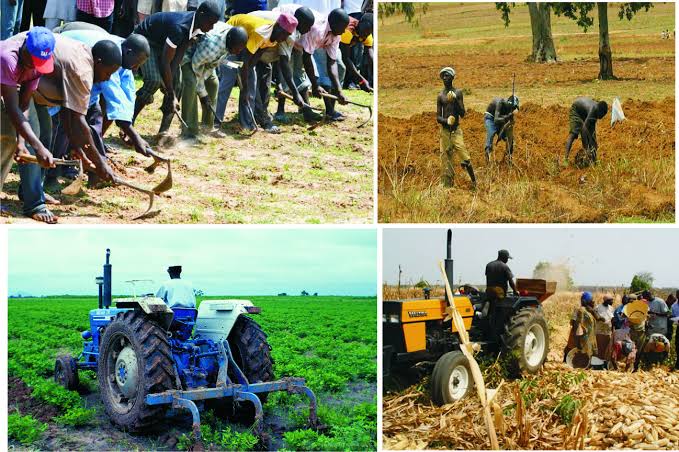
The government of the Philippines has been working to develop and encourage suitable agricultural machinery and other technologies for mechanization. It is well known that agricultural mechanization improves farm operations and input productivity and decreases production costs and losses after harvest. This will also help counter poverty , social justice and food security and boost agricultural competitiveness and sustainable growth, resulting in higher incomes for farmers. However, at a low-mechanization stage, the Philippines is graded (Suministrado, 2013). There are many reasons: low farmers' purchasing power, abundance of rural labor, very limited land holdings per farmer, high machinery costs, and government policies not conducive to agricultural mechanization. In the Philippines, the promotion of farm mechanization has also been constrained by small-sized, inaccessible rice fields, especially during the rainy season, by irregular and non-geometric farming areas.
Owing to too much maneuvering in activities such as land planning and harvesting, the mechanization of these lands can be inefficient. It is hindered by the use of equipment and other large-scale farming activities. Therefore, it is important to rearrange small farm lots to clusters of economic size in order to improve farm mechanization and the implementation of advanced technology in small farm production systems. This includes restructuring and re-allocating land parcels in order to achieve economies of scale, and grouping farmers into functional communities. Farm clustering was pursued by the Philippine government and farmers' organisations were used to introduce mechanization programs. While the scheme increased the consciousness of farmers about the use of farm machinery, due to the inappropriateness of the machines to the random layout, irregular-shaped and small-size farms, its use was not completely maximized. Unaccessible access roads prevented machines from crossing each rice field easily. Due to uneven rice field landscapes, irrigation water was also not used effectively at the level of farmers. The Agricultural and Fisheries Mechanization (AFMech) Law was enacted in 2013 to improve mechanization in the Philippines. As a major contributor to agricultural growth, the legislation acknowledges the value of agricultural mechanization. It promulgates (a) the promotion of effective mechanization technologies for agriculture and fisheries to increase agricultural production for food safety and protection and to increase the income of farmers; (b) the enhancement of local assembly and manufacturing industries; (c) the development and implementation of standards, testing and evaluation and registration of A / F machinery to ensure the quality and safety of such machinery. (d) enhancing support services, including marketing and credit facilities, research , training and extension programs, infrastructure and post-harvest facilities; (e) strengthening the implementation of mechanization programs for agriculture and fisheries; and (f) providing farmers and stakeholders with comprehensive support services for the effective operation and management of mechanization programs for agriculture and fisheries. The Bureau of Agriculture and Fisheries Engineering (BAFE) was established by this law and will be the head of all agricultural engineering issues under the Agriculture Department. In addition, a National Mechanization Strategy for Agriculture and Fisheries will also be introduced to boost the country 's agricultural mechanization and resolve the underlying issues. One of the few countries that, over a short period of time, have achieved rapid growth and development in agricultural mechanization is Korea. This mechanisation has become the basis not just for rural areas, but also for Korea's economic growth. Through the KAPEX program (Korean Agricultural Policy Experiences for Food Security), the ability to learn about the Farm Mechanization Policy in Korea has greatly contributed to our full understanding of the critical role of mechanization in improving agricultural productivity and achieving food self-sufficiency in the Philippines. The socio-economic demand for agricultural mechanization and financial support, as well as the strong policy push and financial support of the Korean government, can largely be attributed to its success. The farmers, moreover, wanted mechanized farming. Although agricultural systems and human cultures vary from Korea and the Philippines, some lessons can be learned from Korea's experiences of effective agricultural mechanization. In Korea, the Farmland Bank System was established. This Farmland Bank System helps consolidate land (making farms larger in size), buy and maintain farmland to stabilize the value of the land market, support debt farmers, use farmland as a pension basis for aged farmers, lease farmland to skilled farmers, and direct senior farmers who no longer want to sell their land to skilled farmers (KREI, 2015). In 2015, the KAPEX training program participants were particularly intrigued, as they asked for further lectures and on-site visits to the Korean Farmland Bank System. After the completion of the project, numerous workshops and conferences were held by Philippine officials, with a focus on the implementation of the Farmland Bank System through the post-KAPEX project. They expressed their opinions and debates in order to implement the localized Farmland Bank Program. The experience of Korean agricultural policy and the development of technology may serve as a fundamental guide for policy consultations and collaborative projects in the Philippines, where there is limited knowledge on the technological , economic and operational feasibility of land reform. The Philippine government's key interest is the growth of the agricultural sector to make it more profitable, sustainable and sensitive to the country's needs for food security. In this context of the agricultural mechanization of the Philippines, the aim of this study is to identify the perceptions of farmers on farm mechanization and reform of agricultural land.
**Status of farm mechanization of the Philippines**
The extent of agricultural mechanization of the Philippines for selected crops / products such as rice and maize, tomatoes, legumes and root crops, coconut, sugarcane, fruit and fiber crops is shown in Table 1. It should be noted that, apart from sugarcane, which is typically owned by large companies, the degree of mechanization in various operations in most crops / products is poor. While harvesting is done manually, in various operations ranging from moderate to high for land preparation, low to moderate for transplanting, low to high for cultivation, sugarcane has a relatively higher level of mechanization. Only rice, maize and sugarcane have an intermediate to high degree of land preparation. In plowing and harrowing operations, the availability of imported, locally produced and second hand (imported) hand tractors has increased the degree of mechanization in land preparation operations. There is also a high degree of agricultural mechanization for milling or village-level processing of rice and maize. Rubber roll rice milling machines were used by small-scale rice millers, while large rice millers used modern rice mills (Amongo et al. 2011). Other tasks are also manually conducted in most of the crop. Drying at the level of farmers is typically achieved using roads and multipurpose pavements such as basketball courts by sun drying.
**References**:
Philippine Rice Research Institute. 2008. “Turning rice waste into energy”. http://www.philrice.gov.ph(accessed May 09,2008)
Suministrado, Delfin C. 2013. Status of Agricultural Mechanization in the Philippines. Regional Forum on Sustainable Agricultural Mechanization in Asia and the PAcific.
Philippines Center for Postharvest Development and Mechanization. Retrieved from http://www.philmech.gov.ph/?page= phlossinfo
Korea Rural Economic Institute (KREI). 2015. Agriculture in Korea.
Amongo, Rossana Naire., Amongo, Louie., & Larona, Maria Victoria. 2011. Mechanizing Philippine Agriculture for Food Sufficiency. Institute of Agricultural Engineering. UNAPCAEM and FAO
Agriculture and Technology in the 21st Century
Global agriculture would have to feed more than nine billion people in just a couple of decades. One secret to mastering this enormous challenge is new technology. One of the essentials of life is food. Nothing connects us to the other seven billion people on this Planet more effectively than this simple need.And no problem is more fundamental than supplying humanity with a stable and effective supply of nutrient.With many dimensions and a surprisingly basic fundamental tenet, this is a complex socio-economic task: we must produce a lot more food. Under ever more complex climate conditions, this will have to be achieved on arable lands that can not be extended and maintain a delicate balance between a number of interests. One of the keys to combating hunger and poverty is increasing agricultural production. That is how the FAO, the United Nations Food and Agriculture Organization, puts it.
According to a scenario published by the FAO at the World Summit on Food Security , food production would have to increase by approximately 70 % by 2050 in order to guarantee food supply to the population of the Planet, which will then amount to approximately nine billion. For example , demand for grain will increase from today's 2.1 billion tons to around three billion tons in 2050. For humans and the animal world, these estimates involve calories and fodder. Any future demand for biofuel production was not included. Development of populations, urbanization, climate change, water scarcity, depletion of land. There are numerous and varied factors influencing the global nutrient supply, and the challenges are immense.These challenges have an impact not only on legislators and governments, but especially on farmers right at the beginning of the food chain. The key question here is: how can we generate more and more when less and less is being used? Agricultural technology will assume a decisive role for Professor Karlheinz Köller, Chairman of the Department of Process Technology in Crop Production at the Institute of Agricultural Technology, University of Hohenheim. "It would not be possible to ensure adequate, resource-conserving and sustainable production of food, fodder and energy crops without additional motorization and mechanization." Soil conservation, precision farming, the use of electronics, and energy efficiency are the main factors for the future growth of modern agriculture.
We need to provide help to our farmers in this sort of situation. The government must have a plan on how the farmers will be helped. We are now in the modern era, so, little by little, we have to improve our agriculture. I want to support farmers as a student of Agricultural and Biosystems Engineering and as a potential engineer, because we are in the 21st century, I want to improve the mechanization of agricultural machinery, improve farming, help farmers, and solve the problems that farmers face specifically in agriculture. As a future engineer, it is our goal to study how agriculture works and deal with agricultural problems and to help farmers improve their farming. Machines in the field of agriculture are not the only challenge, but there are many more. So, it's our responsibility to solve the problems in the future and to help the farmers in our way. Agriculture is very important to us because agriculture revolves around the things we need in our daily lives, and they are important to our farmers as well. These days, for the betterment of our nation and the people of this country, we need to strengthen and expand our agriculture so that we can have ample supplies of goods and we do not need to import products from other countries. The modern age, a time that makes us change a lot, but we don't change at all. So, for the betterment of our country, we need to start and make progress.
Science and Technology
Science and Technology
Through observation and experiment, research involves the systematic study of the structure and actions of the physical and natural environment, and technology is the application of scientific knowledge for practical purposes.
Key drivers of growth, since economic change, developments in health systems, education, and infrastructure are underpinned by technological and scientific revolutions.
`1. Why is it important to study the history of science and technology ?`
In today's modern world, technology , information and science are central. In our understanding of contemporary postmodern culture, the understanding of how social , cultural and material elements affect the development of new activities, new ways of understanding, and new structures is critical. Technology and science studies offer students an insight into how different information processes are initiated and advanced and how creative technical processes are created, employed and become increasingly important. Technology and science studies offer insight from the perspective of the humanities and social sciences into the understanding and knowledge of technology , science and knowledge.
`2. What is the implications of the science and technology to the society?`
Through the discovery of new natural laws and concepts, scientific and technical practices refer to the elucidation of unknown phenomena and to the development of new knowledge, and the new knowledge gained is then used in real society. The development of new knowledge and then the use of that knowledge to improve the wellbeing of human lives and to solve the different problems facing society is the essence of how science and technology relate to society. In the early years of the 21st century, with the transition to a knowledge-based society, the development of new knowledge is an increasingly important feature of scientific and technological activities, and the role of science in the development of this knowledge is important for the realization of "science and technology for society."
`3. What pushes people to invent different technologies?`
In other words , people invent things because society has complicated problems that need to be solved, according to the well-known expression, “necessity is the mother of innovation.” In this, there is some fact, but less than you would presume. It would be more precise to suggest that when they do useful jobs that people know they need to do, innovations succeed. But in the first place, the reasons why inventions occur often have little or nothing to do with "necessity," particularly in the modern era, when any number of existing gadgets and machines fulfill virtually every need we have. Where do ideas come from, then, and why do they invent people?
Arts and Crafts Movement
`Arts and Crafts in the Society`
Have you ever wondered what it means to have no art around you? No paintings to be seen inside the museum, no trendy clothes to wear, and your dream house without imaginative furniture and fancy design? Oh, life could be monochromatic, maybe. As Vincent Van Gogh said, “Color in a painting is like enthusiasm in life”, there is more to life with arts and crafts that can improve the life of every person in society.
The difference between art and craft lies not in the tools you hold in your hands, but in the mental set that guides them. For the artisan, the craft is an end in itself. For you, the artist, craft is the vehicle for expressing your vision. Craft is the visible edge of art (David Bayles). Arts and crafts have had a huge influence on culture, improving the way people work, the way people see it, and celebrating everything with visionary art. Everything has a starting point, such as arts and crafts, a trend in which arts and crafts become a necessity for daily use. Some of the first serious opponents of the Industrial Revolution were the founders of the Arts & Crafts Movement. Disenchanted in the 19th century with the impersonal, mechanized course of society, they sought to return to a more basic, satisfying way of living. In comparison to the "high" arts of painting and sculpture, Arts & Crafts artists are primarily associated with the broad range of decorative arts and architecture. The movement of Arts and Crafts is why today there are architects, interior designers, and craftsmen who make things great in our vision. In comparison to machine-manufactured pieces, artists and designers designed simple furniture, crafted with traditional ornamentation. This form of creative expression was a protest against the Industrial Revolution and the introduction of mass production and production processes. The furniture and ornaments of the Arts and Crafts movement were made by hand rather than by the new machines of the period, and the principles of the Arts and Crafts movement were inspired by a variety of artisans.
It started to affect all facets of interior design as the Arts and Crafts movement began to take off. Artists such as William Morris and John Ruskin provided furniture and ornaments with their concepts of simplicity and craftsmanship, and they advocated for a return to traditional artistry. Eventually, all facets of architecture, decorative artwork, and furniture making started to shape the movement. These media started to depict features that were simpler and displayed the craftsmanship of the artisans.
The key reaction to the Industrial Revolution by the adherents to the Arts and Crafts movement was that machine-based productivity of their output made artists less innovative. The movement was a backlash against this mass production and more hands- on production and craftsmanship were promoted. A design pattern of goods that were easy to produce and pleasing to the eye was also sponsored. Not only a response to the Industrial Revolution, the Arts and Crafts movement was not. For other art movements that focused on simplistic designs and their usefulness, especially Modernism, it also became an inspiration. The Industrial Revolution inspired the movement of Arts and Crafts because the movement developed as a reaction to the modernity brought into the modern world by the Industrial Revolution.

Understanding the Self (Philosophical Views)
**Socrates**-dualism-mind is more than our brain
Socratic Philosophy
The self must be based on knowledge and not ignorance.
-Knowledge is the personification of good while ignorance is that of evil.
Knowing oneself is the key to pursuit of happiness which will be impossible without moral virtue.
-Self knowledge is the ultimate virtue. As the ultimate virtue, it will lead to ultimate happiness.
Plato believed that concepts had a universal form, an ideal form, which leads to his idealistic philosophy. Aristotle believed that universal forms were not necessarily attached to each object or concept, and that each instance of an object or a concept had to be analyzed on its own.
**Plato**- Dualism-idealism
The self is of moral value-which has proper balance and harmony in different aspects of the soul. The self is represented by the wellbeing of the soul.
-Moral virtue is rooted in the intellect and leads to happiness.
-Wisdom and knowledge lead to virtue which will lead to happiness.
**St. Augustine**-rationalism-reason=knowledge (Neoplatonism)
All knowledge leads to God. Only the pure in heart can see God.
The self is oneness with faith and love for God. The self is enriched with moral binds and living for other people in the grace and love for God
**Rene Descartes**-Mind body-dualism
The self is intellectually autonomous and has independent thinking. The self is capable of discerning discoveries that are productive and doubting is a vehicle to fully distinguish misinformation from the truth
**Descartes and Augustine**, in their respective examinations of the mind and God, come to the conclusion that the true understanding of all things derives from the withdrawal of the self from foreign influence and the necessity to look inward. Although each thinker’s journey or course of understanding was different, and at times rather contrasting, their ultimate realizations about knowledge are very coherent.
**John Locke**-empiricism-sense and experience (Theory of Personal Identity)
The self is composed of a constant identity that is lodged in consciousness. The self is composed of mental states deriving awareness of bodies and of the past
John initially suggests that everything that is alive is a self, but Ken pushes back, suggesting that the self is actually something hidden and inner. John proposes instead that the distinctive feature of the human self is our self-awareness, asking what it is that we’re aware of when we’re self-aware. John then tries out Hume and Kant’s ideas of the self, but Ken resists these as well as the idea of the self as a soul, admitting that philosophers really have made quite a mess of the concept of the self.
**David Hume**-empiricism-senses=knowledge (Skeptical Philosophy)
All knowledge passes through the senses.
Separate ideas can be joined in the mind.
There is no self, only a bundle of perceptions.
The self consists of memories and imagination where ideas are formed. The self is composed of properties that can be sensed from the conscious state. Hume held the belief that all the contents of the human mind were derived through experience only. He divided the mind’s perceptions into two groups, impressions and ideas. He declared that “the difference betwixt these consists in the degrees of force and liveliness with which they strike upon the mind”
**Immanuel Kant**-rationalism (Metaphysics of the Self)
The self is composed of experience and reason interacting to produce thought and understanding. The self is the realities of one’s life and own perceptions.
Reason is the final authority of morality.
There is inner self and outer self.
The outer self includes the body and physical mind, where representations occur. "Whatever concept one may hold, from a metaphysical point of view, concerning the freedom of the will, certainly its appearances, which are human actions, like every other natural event, are determined by universal laws. However obscure their causes, history, which is concerned with narrating these appearances, permits us to hope that if we attend to the play of freedom of the human will in the large, we may be able to discern a regular movement in it, and that what seems complex and chaotic in the single individual may be seen from the standpoint of the human race as a whole to be a steady and progressive though slow evolution of its original endowment."
**Sigmund Freud**-empiricism “Father of Psychoanalysis”
The self is composed of three layers. The Id, Ego and Superego. The self is a moderation of the pleasure principle and the ideal principle.
“The ego is not master in its own house."
**Sigmund Freud** postulated there are three layers of self within us all.
**Gilbert Ryle**-Cartesian dualism (EMPIRICIST)
The Concept of the Mind
The self is composed of behaviors representing the individual. The self is composed of acts, responses and reactions shaped into a distinct personality
I act, therefore, I am.
The mind is not the seat of self. It is not a separate, parallel thing to our physical body.
The mind is a category mistake, brought about by habitual use. The only way it can affect the other is through the external world.
The Concept of Mind. His field, ordinary language philosophy, asserts that problems and false assumptions develop as we distort meanings of words. Ryle believed that our constant use of the word 'mind' has caused us to believe that minds actually exist.
**Paul Churchland**-materialism-all that exists is ultimately physical
Matter and Consciousness
The self is the brain. The self is represented through neuro-scientific activities of the brain. The self is the physical brain and not the imagined sense
We all have a physical brain, but we also have a separate mind. Adding to this distinction, dualists have historically asserted the mind is the seat of our consciousness. On the contrary, the brain is really just an organ similar to the heart or lungs.
Because the mind is the seat of our consciousness, it's what gives us our identity. No, we can't see it, taste it, or touch it, but it does exist. Not only does it exist, but it is what makes self, self.
**Maurice Merleau-Ponty**-existentialism-existence of the individual person as a free and responsible agent
Phenomenology of Perception
The self is based on one’s reality from experienced life circumstance. The self is phenomenological in the sense that the mind and actions of the body are interconnected.
We are our bodies. Our bodily experiences do not detach the subject/object, mind/body, rational/irrational.
Maurice Merleau-Ponty believed the physical body to be an important part of what makes up the subjective self.
Standing in contrast to rationalism is empiricism. Empiricism is the belief that our physical senses are the only source of knowledge. If the source of our knowledge can't be seen, touched, heard, tasted, etc., it really can't be trusted. Or, in other words, if it can't be empirically studied, it's a no go. Under these parameters, the idea of some mystical mind independently perceiving and giving us our sense of self comes under some serious scrutiny. An empiricist may argue that our physical body, and not some mystical mind, makes up our sense of self. While the rationalist would say, 'I think, therefore I am', an empiricist would say, 'I sense, therefore I am!'
Eastern Culture vs Western Culture
**Eastern Culture**
Eastern Culture has these characteristics listed below:
Eastern world refers to the nations in Asia and Middle East.
Hinduism, Buddhism, Jainism, Shenism, Taoism, and Islam are some common religions honed in the Western world.
The population in Eastern countries are more customary than people in the West when we consider their traditions, clothings, rituals, and so on. For example, Indians pay regard to their elders or parents by touching their feet; East Asians use bows as welcome, apologizing and expressing thank you.
People in the East are inflexible in their beliefs and ideologies; they were unwilling to challenge and question the long practiced customs and traditions.
In Eastern countries, elders are considered as the leader of the home and children regard and obey them in all choices. Important decisions related to children’s future are normally taken by elders. And, when parents grow old, the kids are likely to take care of them.
Arranged marriages are common in the Eastern countries. They are normally arranged by parents or elders. They believe in a concept that love comes after marriage.
**Western Culture**
Western culture is defined as these types of items:
Western culture refers to Europe and North America.
Judaism, Christianity, and Islam are some common religions honed in the Western world.
The population in Western countries are more liberal than those in the East. The Westerns are more open and blunt. For example, topics like sex or birth of a child are openly discussed in Western culture, whereas in the East, these topics are still a taboo.
People in the West are more open to express their feelings. If they are angry, they may express. But, people in the east may cover it for tact and good manners.
Also, a person is given preference over family, so a person is more flexible and free to take decisions on his own, unlike those in the East.
Concepts like arranged marriages are not at all common in the West. They go for love marriages as they believe in a concept that love comes before marriage.

Intellectual Revolution
**Intellectual revolution that occurred in China, India and Africa**
**CHINA**
o The four Great Inventions of ancient China includes the compass, gunpowder, papermaking, and printing.
o The book of Badic al-Zaman ibn al-Razaz al-Jazari described candle and water clocks, water vessels, fountains, automata, and water raising devices.
o Other discoveries includes alchemy which is a taoist chemistry
**INDIA**
o Famous in medicine e.g. AYURVEDA. • AYURVEDA – a system of traditional medicine that originated in ancient India before 2500 BC. • Susruta Samhita
o Spherical self-supporting earth
o Year of 360 days with 12 equal parts of 30 days each.
o Siddhanta Shiromani – the interest in astronomy was evident in this book.
o Indus Valley Civilization – The people in this civilization tried to standardize measurement of length to a high degree of accuracy and a designed ruler. (Mohenjodaro Ruler)
o Aryabhatiya – Introduced a number of trigonometric functions, tables, and techniques as well as algorithms of algebra.
**AFRICA**
o Africa is known for the production of kola nuts and coffee in Ethiopia
o Kola nuts stimulant mostly found in West Africa and is the basis of the popular cola drink.
o Freudian revolution may be viewed as the discovery of a way of locating in the mind objective entities which can be studied like physical things.
o Freud described that the brain can be segmented into compartments.
o The technology involved experimentation in drainage, construction of polders, desalination, and irrigation. Evidence in 1978 suggests that they already mastered making steels.
**How did the Revolution advanced modern science and scientific thinking at the time?**
The scientific revolution was the emergence of modern science during the early modern period, when developments in mathematics, physics, astronomy, biology (including human anatomy), and chemistry transformed societal views about nature. The scientific revolution began in Europe toward the end of the Renaissance period, and continued through the late 18th century, influencing the intellectual social movement known as the Enlightenment. While its dates are disputed, the publication in 1543 of Nicolaus Copernicus ‘s De revolutionibus orbium coelestium (On the Revolutions of the Heavenly Spheres) is often cited as marking the beginning of the scientific revolution.
The scientific revolution was built upon the foundation of ancient Greek learning and science in the Middle Ages, as it had been elaborated and further developed by Roman/Byzantine science and medieval Islamic science. The Aristotelian tradition was still an important intellectual framework in the 17th century, although by that time natural philosophers had moved away from much of it. Key scientific ideas dating back to classical antiquity had changed drastically over the years, and in many cases been discredited. The ideas that remained (for example, Aristotle ‘s cosmology, which placed the Earth at the center of a spherical hierarchic cosmos, or the Ptolemaic model of planetary motion) were transformed fundamentally during the scientific revolution.
The change to the medieval idea of science occurred for four reasons:
1. Seventeenth century scientists and philosophers were able to collaborate with members of the mathematical and astronomical communities to effect advances in all fields.
2. Scientists realized the inadequacy of medieval experimental methods for their work and so felt the need to devise new methods (some of which we use today).
3. Academics had access to a legacy of European, Greek, and Middle Eastern scientific philosophy that they could use as a starting point (either by disproving or building on the theorems).
4. Institutions (for example, the British Royal Society) helped validate science as a field by providing an outlet for the publication of scientists’ work.
During the scientific revolution, changing perceptions about the role of the scientist in respect to nature, the value of evidence, experimental or observed, led towards a scientific methodology in which empiricism played a large, but not absolute, role. The term British empiricism came into use to describe philosophical differences perceived between two of its founders—Francis Bacon, described as empiricist, and René Descartes, who was described as a rationalist. Bacon’s works established and popularized inductive methodologies for scientific inquiry, often called the Baconian method, or sometimes simply the scientific method. His demand for a planned procedure of investigating all things natural marked a new turn in the rhetorical and theoretical framework for science, much of which still surrounds conceptions of proper methodology today. Correspondingly, Descartes distinguished between the knowledge that could be attained by reason alone (rationalist approach), as, for example, in mathematics, and the knowledge that required experience of the world, as in physics.
**Why intellectual revolution are necessary in understanding how society transformed by science and technology?**
As we explore the society it is noticeable how far we progress; there were laws appropriate in every situation, there was gender and development awareness. Technologies and social media became the source of information and a bridge to connect people around the world.
The time we experience technologies we found that there were disadvantages regarding the use of it; with this, law-makers and communities collaborated to create actions that will address the problems. It shows the intellectual power of the people to determine dilemmas and apply accurate solutions to transform the societies in a more conducive place to live.
The intellectual revolution was a power to determine the essentials of a person; it was a continuous discovery of self-worth, determination, and knowledge to open one’s mind in the world of authoritarian leaders. It was a place for improvement, reconstruction, and a free-will to make self more valuable.
It will transform societies through critical-thinking, evaluation, and creating appropriate rules for equal opportunity. It is a continuous process of development to achieve the needs of society. The collaborations of great minds make the world peaceful and progressive.
The challenges of intellectual revolutions were the diversity of culture, religions, traditions, and philosophies. Fortunately, culture and traditions were now included in the curriculum of education; therefore, the conflict will be lessened. The consensus of all leaders, communities, and all the elements around the world must be reflected in every era to make the world a place of everybody.

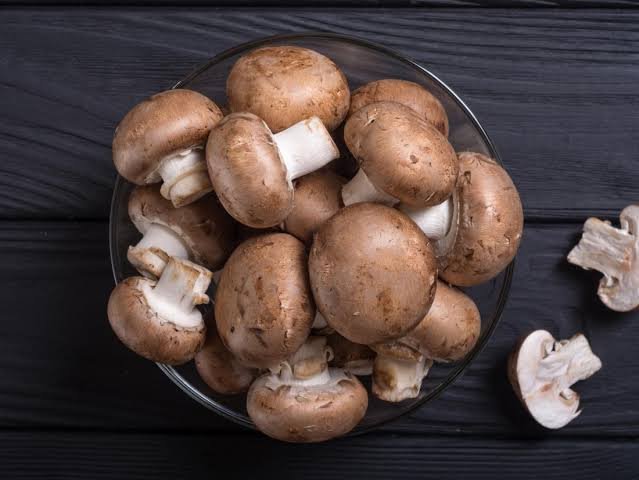
Mushroom (Agaricus bisporus)
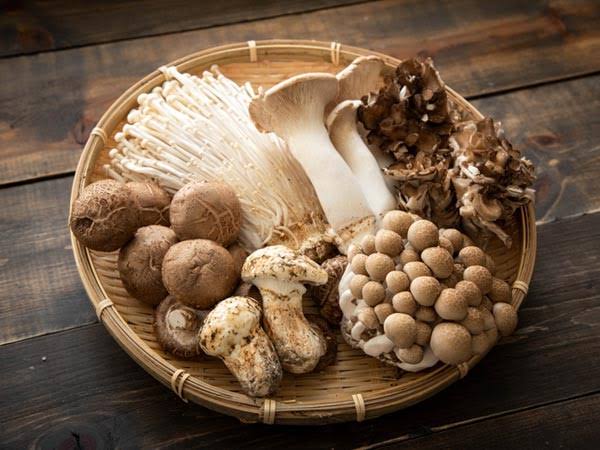
Mushroom, of some fungi, usually of the order Agaricales in the phylum Basidiomycota but also of some other species, the conspicuous umbrella shaped fruiting body (sporophore). To classify edible sporophores, the term mushroom is widely used; the term toadstool is also reserved for inedible or poisonous sporophores. There is, however, no empirical difference between the two terms, and some fleshy fungus fruiting structure can be properly applied to either. Mushroom refers to the common edible fungus of fields and meadows (Agaricus campestris) in a rather restricted context. A species which is very closely related, A. The mushroom, bisporus, is commercially cultivated and seen in markets.
In the agaric family (Agaricaceae), members of which carry small, blade-like gills on the underside of the cap from which the spores are expelled, umbrella shaped sporophores are found primarily. The agaric sporophore is shaped by a cap (pileus) and a stalk (stipe). The sporophore arises from an extensive network of thread-like strands (mycelium) underground. The honey mushroom is an instance of an agaric (Armillaria mellea). Depending on the available food supply, mushroom mycelia can live for hundreds of years or die in a few months. A mycelium will grow a new crop of sporophores each year during its fruiting season, as long as nourishment is available and temperature and moisture are sufficient.
Determining the Porosity of Mushroom 🍄
Porosity is determined for every mushroom through vacuum infiltration. The loss of water is measured at various thermal treatment temperatures. As a result of thermal treatment, the collapse phenomenon of the pore process is studied by giving thermal treatment to mushrooms in which pores have previously been partially filled with isotonic solution. For all our experiments, we have used white button mushrooms (Agaricus bisporus) with a cap diameter in the range of 4 to 5 cm. The mushrooms were collected within 2 h of their harvest and processed for experiments at a temperature of 4 ° C and 95 per cent RH before they were used. The porosity of the mushroom after vacuum impregnation with the isotonic solution is determined by the weight gain of the mushroom. Mushroom caps are immersed in an isotonic solution. Subjected to a fixed vacuum of 20 mbar for 10 min at room temperature.
**Determining the Density of Mushroom** 🍄
Common mushroom (A. bisporus) with closed veils and with cap diameters ranging from 30 to 40 mm were purchased at a local market. In order to calculate the distribution of density inside a mushroom, the cap and tripe tissue were fractionated. From ten halved mushrooms, fractions were collected, resulting in two groups of nine fractions. The gills were cut and these measurements were not taken into consideration. Both nine fractions of both classes of washed mushrooms had a density of Gauged calculated. The density was measured by means of the mushrooms' underwater weight. Immediately after it was brought under water, the weight of the fraction obtained in a basket hanging under a balance was read. No coating of these mushrooms was required (Konanayakam 1987), as no visible water absorption took place within five seconds of the recording of the underwater weight.
The density (g / cm3) is the weight quotient of the fractions and their weight under water. The inverse of the density is the real volume (cm3 / g). The mass yield (m / m) is the quotient of the weight of the specific mushroom or mushroom fraction after the necessary treatment (vacuum soaking, cooking and sterilization) and the fresh weight. The volume yield (v / v) is the volume quotient after cooking and the volume of the same raw fraction of the mushroom or mushroom. It is assumed that the volume after cooking is equal to the weight, with the cooked mushroom density predefined as 1.0 (g / cm3). The fractions of one group of 10 halves were immediately cooked after density measurements and the other group was vacuum-soaked before cooking.
The vacuum soaking was carried out by holding the mushroom tissue under water in a vacuum desiccator for 10 minutes. After that, the vacuum was released and the air between the hyphae replaced the water. The fractions were cooked in water for 10 minutes and cooled in around 15 ° C water for 5 minutes. The fractions were then weighed again after cooling. These determinations have been replicated four times in total. Individual mushrooms of two batches were sterilized at 116 ° C in cans of 212,5 ml for 25 minutes, 0f 10 minutes at 100 ° C after blanch care.
Density and Porosity Measurement Methods
The experimental determination of a material's structural properties is based on determining the density, apparent volume, and true volume. Mass is defined by calculating the weight of the sample. There are several methods for apparent and true amount. The methods most widely used for apparent volume measurements are:
Methods of volumetric displacement: the apparent volume is measured by putting the sample in a known liquid volume container and calculating the displacement of the volume;
Methods of dimension: the apparent volume is determined by combining a number of micrometer C-dimension measurements, assuming spherical or slab shapes;
Methods of the stereopycnometer: the sample is coated with silicone grease in order to render it impervious to gases and the stereopycnometer tests its apparent volume;
Methods of buoyant force: The apparent volume is measured by calculating the buoyant force applied to the sample while the coated sample is submerged in a known liquid.
Good morning everyone! Have a nice day♥️😇
Hello readcash fam! I'm helping a friend. Hoping for your support.
https://read.cash/@taleigha/life-of-college-student-during-pandemic-d3527ad5
A new user here in rc! thanks guys!!!!
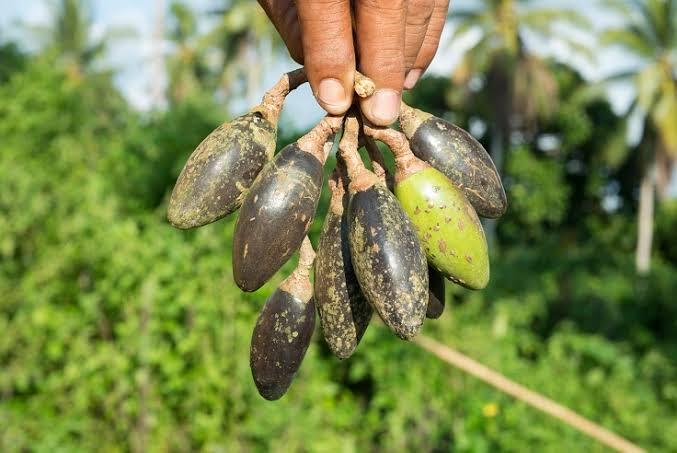
Pili: Its Uses and Food Value
**Pili: Its Uses and Food Value**
One of the most important indigenous edible nut fruit-bearing trees in the Philippines is pili. It has a nationwide acceptance and has great potential to develop into a major industry. In view of the high commercial and industrial potential of pili, it is considered as the flagship crop of the Bicol Region (Orolfo and Orbase, 1998). The pili is a plant with various uses.
**Tree.** Described as “majestic tree” makes it an ideal tree for lining avenues, border or lawn tree, developing parks, subdivisions and golf courses. It is an evergreen tree with evenly spreading leaves making it an excellent shade tree and windbreaker because it does not shed its leaves, shade for other crops such as abaca, coffee, cacao, bananas, papayas; agroforestry; its undergrowth is clean and shady year-round.
**Pulp.** The green pulp can be made into pickle, which is best done soon after the shell has hardened, but before the pulp becomes too fibrous. The boiled ripe pulp is edible and is usually eaten seasoned with salt, pepper, or with a salted fish sauce. It resembles boiled sweet potato in texture, but has a rather insipid taste. It can also be made into a spread. No data are available regarding the quantity of pulp consumed as a foodstuff. The pulp also contains an oil that is used for cooking and lighting. Oil from the pili pulp could also be used in the manufacture of soap and other products, although these potential industrial uses have not yet been exploited.
**Shell.** The hard, stony shell of the pili seed is chiefly used in cooking, for which it makes an excellent fuel. It is also well suited as a component of the growing medium for orchids and anthuriums. When polished and varnished, the shell makes an attractive keyholder, and ornaments fashioned out of the shells of other Canarium species are popular with local and foreign tourists in Indonesia. The use of the pili shell in the manufacture of charcoal has not yet been explored.
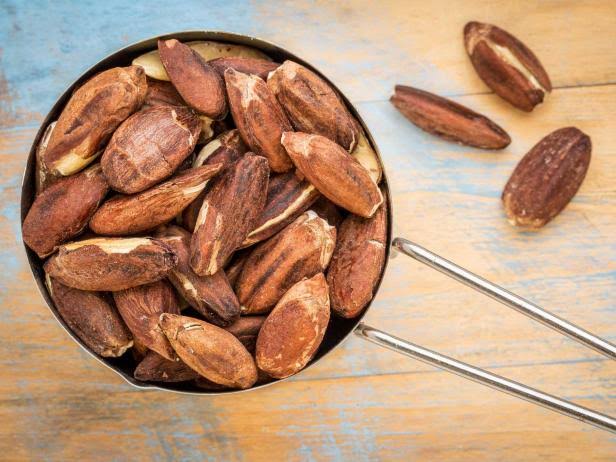
**Kernel.** The pili nut kernel is the most important part of the fruit and has many uses. When eaten raw, it is crispy and has a delicious flavor. It is also eaten roasted, fried or sugar-coated. It is frequently used as an ingredient in cakes, puddings and ice cream, and when cooked in syrup, makes a good preserve. The roasted kernel is sometimes used in chocolate-making. It is also rich in oil, which is suitable for culinary purposes. At present, extraction of the oil from the pili kernel is not being explored owing to an inadequate supply of nuts, even for the kernel industry.
**Testa.** The covering of the seed is just thrown away but once its chemical composition is known, it may find some uses in the industry. The testa is dark brown and contains tannins and phenolic constituents. Tannins within the testa of the seed functions as a defense mechanism against insect consumption, and are also known to bind with proteins within the digestive tract by forming insoluble complexes. The testa or seed coat is also used as animal feed.
**Nutritional Profile**
The kernel has 8% moisture, 14.2% protein (dry weight), and 68.5% fat (dry weight). Its nutritious pulp and kernel are excellent sources of vegetables fats and protein. It is rich in fats and minerals such as magnesium, phosphorous, and potassium. A 100 g of edible portion provides 636 Kcal. Unlike other fruit nuts, the pili nut is not highly perishable.
**Protein.** Like lean cooked beef, pili contains about 14.2% protein. Combining pili with grains, beans and dairy products provides an ideal essential amino acid profile.
**Carbohydrates and fiber.** Pili is primarily protein and fat with carbohydrates constituting only 3.2% of the total weight.
**Fat.** The slowest dietary component to be digested, fat provides a concentrated source of energy and contributes to satisfying hunger. Over half the weight of pili is fat.
**Micronutrients.** Pili is also a significant source of several other minerals and vitamins.
The most common methods of cooking or processing pili nut for food are by roasting, baking, or boiling. Variations are made by adding flavoring agents such as sugar, salt, lemon rind, vanilla, and others. Changes in food composition takes place between processed and raw pili nut. Processed pili nut has higher carbohydrates, fiber, and iron contents and as lower protein, fat, calcium, and phosphorus
Pili (Canarium ovatum) Physical Properties and Processing Operations and Standards
***Measurement of Physical Properties***
The axial measurements, weight, geometric mean diameter and sphericity of the nuts and kernels and the thickness of the shells were among the physical properties studied. 30 nuts were used at each level of moisture content, and the same set of nuts were cracked to determine the shell and kernel dimensions. In terms of its length , width and height, the size of the Pili nut was expressed. The width can be difficult to discern from the other sides of the shell since the transverse cross-section of the nut is almost triangular. Measurements were carried out to overcome this problem when the widest and most convex side of the nut was facing the reference surface.
The nuts were carefully cracked using a c-clamp to obtain whole kernels in order to determine the measurements and weight of the kernels and the thickness of the shells. Both linear measurements were calculated with a precision of 0.02 mm and a resolution of 0.01 mm using a digital vernier caliper (Standard GageTM). A digital balance (OHAUSTM Precision Advanced GT4100) with a precision of 0.01 g and a resolution of 0.01 g was used to determine the weight of the nut and kernel. From the dimensions of both nuts and kernels, two parameters (geometric mean diameter and sphericity) were also obtained.
***Processing Operations and Standards***
**Harvesting.** Pili fruits in cluster do not mature at the same time, therefore, harvest only the ripened fruits. Harvesting matured fruits is done by priming or picking and a long pole, a cutter or knife and basket may be used. Harvested fruits are placed in baskets or sacks. If the pulp of the fruit is intended to be sold for food purposes, harvested fruit will be placed in a well aerated container to prevent softening of the pulp.
**Pulp removal**
**Traditional manual depulping.** Four methods of depulping are practiced. The first method is the hot water treatment (HWT). Heat the water in a vat until 60°-70°C. Put off the fire. Place fruits in the vat and stir constantly to keep its temperature uniform. Leave fruits for about 15-30 minutes to soften the pulp. Drain water. Cool fruits and peel manually. Pounding the fruits using a wooden mallet until the pulp is separated from the shell is another depulping method. It is the simplest and most economical since the depulped nuts are no longer washed and are directly dried under the sun. In commercial scale, the retting method is used where the fruits are soaked in tap water from 1-2 days until the pulp softens. In the fermentation method, fruits are kept in sacks or polyethylene bag and left from 1-2 days under shade to soften pulp. The pulp softens because of its moisture and higher temperature inside the sack.
**Mechanized depulping.** Various depulping machines were developed in recent years aiming to better the depulping process of pili. KOLBI is a manufacturing company in Naga, Camarines Sur selling postharvest and other agricultural machineries. The researchers conducted site visitations to places that use depulping machines by KOLBI. Common problems, regardless of machine model, were partial depulping of fruits and pili shell breakage due to the varying sizes of fruits. Shell fragments mixed in the pulp affects the oil extraction process.
**Washing and drying.** After depulping, wash the nuts in clean water to remove the slimy material adhering to the shell. During this process, discard all nuts that float. Floaters are either unfilled or devoid of kernel. After washing, nuts are dried under full sun for 2-3 days enough for pilinuts to be stored for at least a year. Nuts should not be dried for more than three days to avoid shriveling of kernels. During cloudy days, nuts may be dried longer for about 4-5 days.
**Storage.** Pili nuts can be stored either shelled or unshelled. Most processors place the nuts in clean sacks which have a capacity of about 50kg. Stack sacks in pallets and store in a well-aerated room. Sacks should not be in contact with the walls of the storage house to prevent contact with any moisture. A regular inspection prevents rat and insect infestation. Indigenous materials such as cardboard boxes are more durable and result in lowest number of rancid and shriveled kernels after a year of storage.
**Shelling.** Kernel is extracted manually. Cut the shell crosswise at the middle portion with the use of sharp bolo. After cutting the shell in two, remove the kernel carefully and place in a clean collection box or plastic basin. Great care and skill are required and the cutting stroke should be controlled to prevent cutting through the kernels.
**Seed Coat Removal**. The brown seed coat or testa sticks tightly to the kernel. To peel, blanch the kernels with boiling water for about three minutes and cool for easy removal of testa. Squeeze the kernels carefully to slip off the testa. The clean kernels are air-dried and packed in plastic bags prior to processing into various food preparation.
Good morning everyone! Keepsafe ♥️😉
Good night people! Have a nice sleep 😇♥️
Good morning everyone!!!
It's a Rainy Sunday Today! I hope that you're doing great today! Gonna read your works today hahaha too many notifs I've collected hhaha
Anyways, Have a blessed sunday everyone ♥️😇
Good morning everyone 😇🌻
I hope you're doing okay today. Godbless you all. 💛
Good morning everyone!!!
Last week was a stressful week. Outputs here there and everywhere. Stress really hits me hard.
Few weeks ago, I've noticed that I have extreme hair fall and one of my friend said that it is a sign of stress hays. I guess I'll be bald in months hahaha jk.
Anyways have a great day everyone! Happy Reading 💕🤗
Good evening everyone!
Waaaahhhhhhhh !!! It's a very stressful day today.
Imagine you have to accomplish 6 activities in different subjects and your not finished yet and then here it goes your prof that handles two subjects of yours, in just one click another activities (solving problems actually) due in the next days!
Mygooodneezssszz!! Now I really feel the struggle and ACADEMIC FREEZE is all I'm waiting for.
I hope that I can finish all that on time
Shoutout to those who can relate to this post huhu
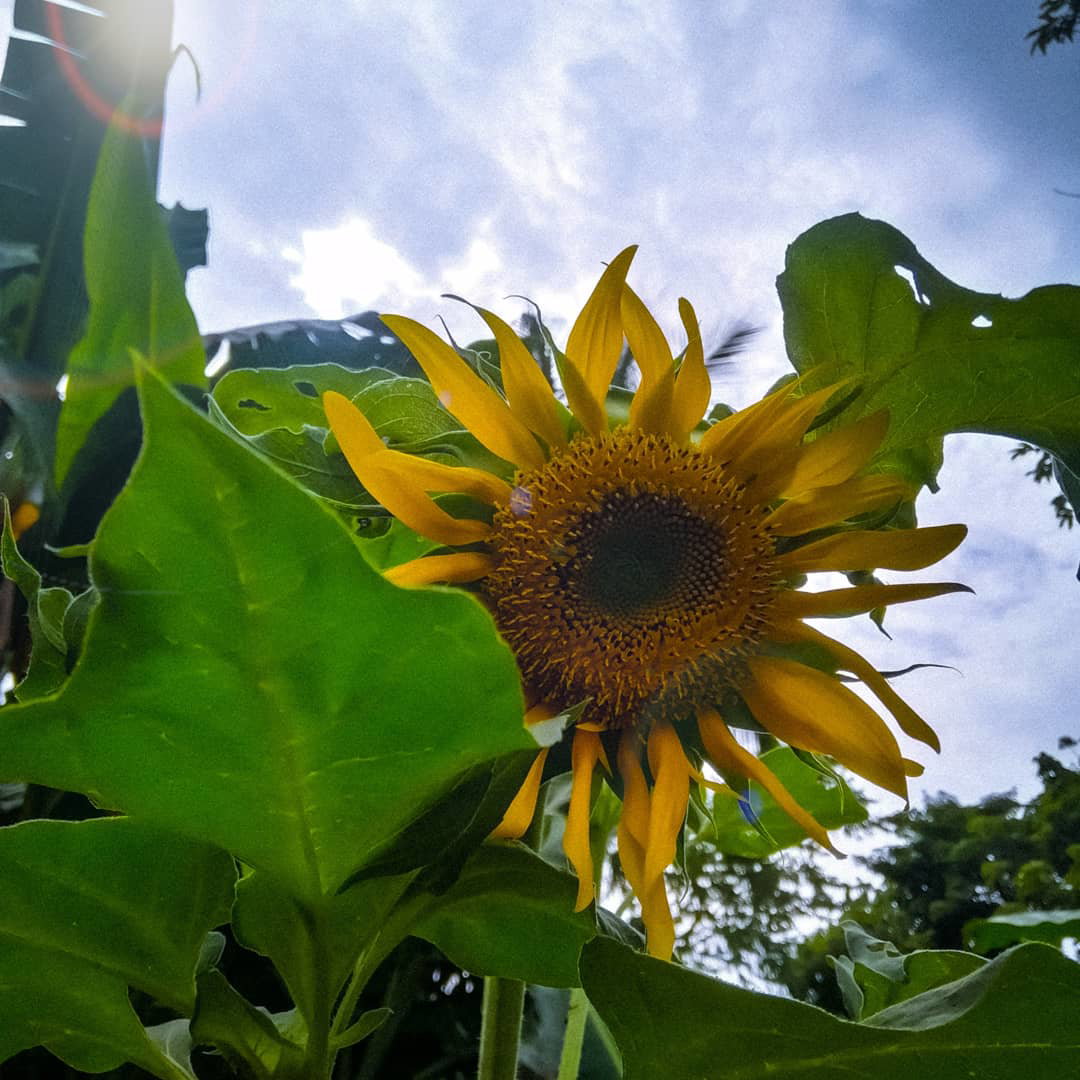
Sunflower
Good afternoon guys!
I just want to share with you our one and only sunflower in our garden. Finally after months of waiting, our sunflower bloomed yesterday hehe
Hope you like it 🌻💛
Good morning everyone!! ♥️ It's friday again and month of August is nearly ending. Ber months are coming hays. I hope that our Christmas become merrier and covid is gone. Hope you'll doing well today. Have a great day!!!😇♥️
How to survive online class
Maybe some of here in readcash are students and in this time of pandemic one of our struggles is taking online classes or the school from home.
Here are some tips how to survive online classes.
*it's funny that I'm sharing some tips but I didn't even follow these steps haha maybe for you it may help*
**Find a space to do your schoolwork**
This is difficult as sometimes relaxing and school don’t always go hand in hand. Picking a certain spot in your home that just revolves around doing classes and homework may be helpful to keep a balance of pleasure and school.
**Make specific time blocks of the day to complete work**
If doing school at night is more your thing, go for it! If your classes are live, despite it sometimes being a struggle, make sure to go on at that time. Creating structure is key to making sure that you stay focused and successful.
**Find a quiet place**
If you’re used to listening to music while doing your homework, keep that same mindset going by doing the same study habits you had done before. Maybe going to a coffee shop to complete your work was what you did, but now make yourself a cup of coffee at home and find a nice quiet place to be able to finish your work.
**Limit social media and stay off your phone**
Stay off your phone when you are trying to finish your work. Your phone will still be there once your work is completed. If you have a MacBook, try muting your messages during a specific time period on your laptop so that the text messages do not come up on your screen.
**Set Goals**
Create a list or plan everyday of items that you want to finish that day. Sometimes it seems difficult to do this but a planner is still helpful even if your classes are now online. This way you are able to stay current with all items that you are hoping to complete.
Online learning is an adjustment but that does not mean it has to be struggling. Your professors, peers and friends still want you to be successful. Follow these tips to make sure that you can stay focused and driven during a time of uncertainty. Online learning is nothing to be afraid of, it just may take some time to get used to.

Good morning everyone 😇 Have a nice day
Again, another day to survive. Hope that I can finish my work on time hehe.
Goodluck for today! Fighting!!!! ♥️🎉
Hello everyone! I need some help from you guys. I accidentally click the "move to spam" on one of my friends comment here in rc about 8 hrs ago and I just noticed it now😭How to undo it? I can't find the undo button or the spam settings something like that. Thanks for the response 😇
#AcademicFreeze
Sun's up
Coffee cup
Stretch up
That's my morning starting pack
Another day to struggle
To online classes I can't handle
It's stressing me out
#ACADEMICFREEZE OUT
Let's overcome this together
We don't have a choice but to follow this order
A new normal we need to adjust
Still, education is a must.
Good morning everyone, though it's the 1st week of our online but it's stressing me out. Activities are given already and yeahh I hope I can finish it all. Wish me/us luck. Have a good day everyone ♥️😇
vanya_29 is back
Good morning everyone ♥️😇
 @vanya_29