Noise.cash a community where you can also generate BCH
The world of cryptocurrencies is undoubtedly exciting, not only because it is a firm alternative to physical currency, nor because the price of a bitcoin currently stands at a little more than 37,500 US dollars. Everything that generates invention and progress turns out to be highly exciting, and as a wise man said, "we invent or we err", then we thank the many deities or gods depending on your religious culture, because at this moment we are observing the beginning of a futuristic economy not too far away, and for those of us who do not like to observe without being able to participate, it is important to know the various digital platforms that are currently opening the doors to make ourselves known and why not? Also to be able to generate BCH.
So I propose to tell you about Noise.cash, a platform that I recently met and I think is great.
**Noise.cash** is basically a very entertaining recent platform, in which users can give suggestions or views in very short and short posts. If you have ever used the social network Twitter, you will realize that this site is something similar, quite accessible, and pleasant, where you can share optimistic phrases, images, personal experiences, trips, and even your pets with other users. The requirements to access are simple, you must have a verified email, assign a user password on the noise.cash platform and enter your name or pseudonym. As you interact with the other members of the community you will begin to receive your digital coins and you will also be able to leave coins to the other participants, to secure your coins make sure to configure this account to an external BCH wallet (the site is new and still does not have its own wallet, they are working on it) you can consign it at https://wallet.bitcoin.com/, your rewards will arrive little by little, so do not rush. They are simple steps that you can take in a short time.
**Noise.cash Policies**
• Don't beg, show the best version of yourself, and don't beg for tips, advice or coins.
• Do not exchange tips, apart from being annoying is very silly. You can direct your coins to users with good content.
• Do not beg or exchange subscriptions, those participants who ask to be added or followed turn out to be very heavy, which in itself becomes something annoying and unpleasant.
• Without erotic or porn content, you are on a page with a social nature, nobody wants to see your intimate areas and you do not want to ask any participant to show their intimate areas, for that there are other types of pages.
• No illegal content, don't be scammed or part of a scam, tricks will always be frowned upon.
• Do not post indirectly to other participants, no content should be intended to upset users.
• Be polite and friendly at all times, it costs nothing and you will show the best version of you.
The platform lends itself to interacting, so the time on your device will be very short and you will want to stay longer anchored to the system. You should always keep in mind that your publications should be as short as they are original, you can configure the page to your mother tongue or the one you master best. You will feel prepared to make your own effective noise.
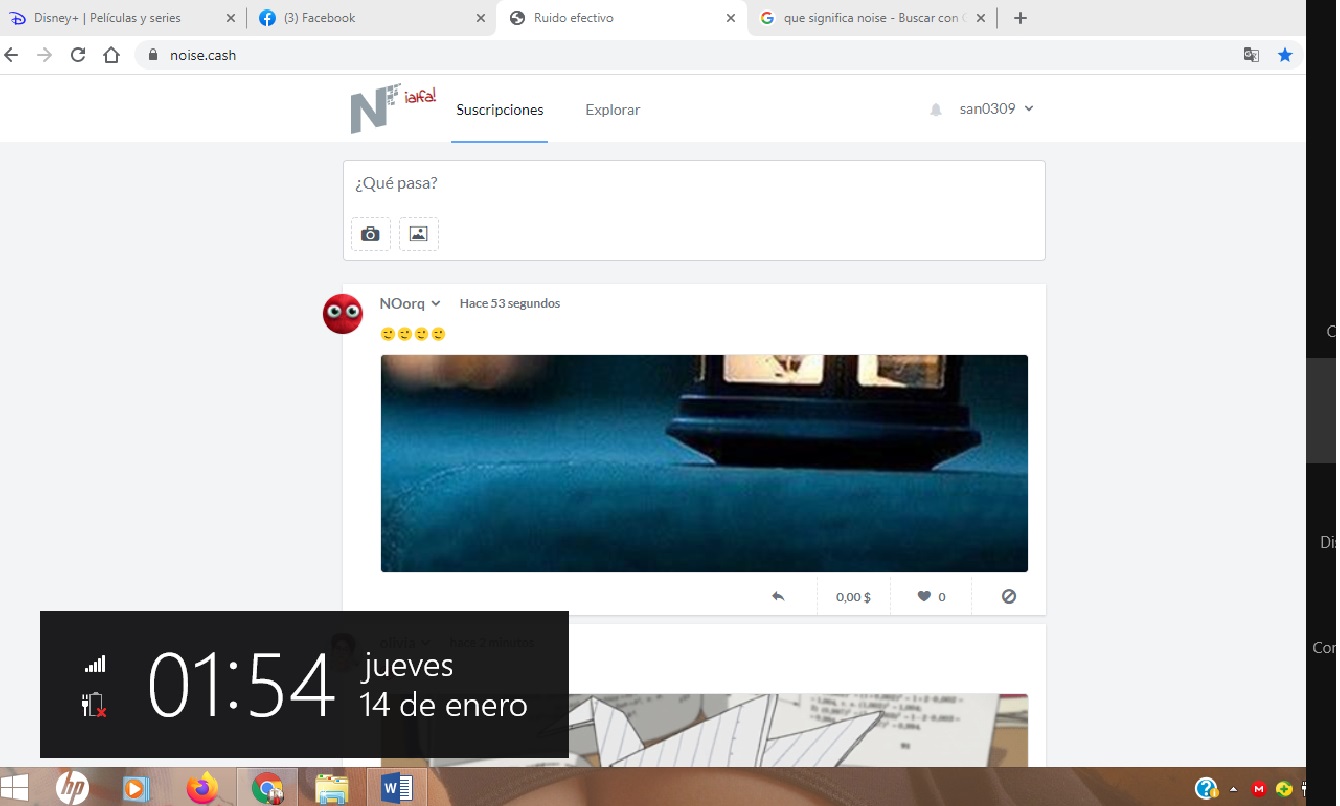
Traveling my keyboard
Each letter that I am marking are like footprints that I leave, as well as when I am stepping on the beautiful sand of the sea, and that makes fond memories of my childhood come to my head when I used to do cartwheels one after another from the shore until I reached the sparkling waters that welcomed me with open arms and sheltered me in its most infinite depth. I had to learn to swim, I never felt satisfied with just looking from the shore, I always felt the need to enter that unknown that they call depth, and I went for it, entered, and immersed myself to be able to enjoy everything that represents the sea, on the way several waves wanted to return, but I am persevering so I continued on and I was able to reach the wonderful ocean.
I continue writing, and pause. It is that I have gone back and I have been able to see the glorious mountains, so I have put on my mountain boots and I have been ready to set out. I take my backpack and a thermos with water, this time I will not carry many things, I am only willing to appreciate the panorama, and there I go walking and make my first stop, I cannot miss the beautiful birds that sing to me and sing a noon of hope To comfort my day, here the air is pleasant, it smells of freshness of the soul. But! Wait, tiny drops start to fall on my face, and I'm smiling I think I found the magic, I'm about to reach the top I can't wait to meet my last stop.
I hear the sound of the keys when they are tapped, wait! I also hear the roar of my belly, it is time for lunch, but this time I do not intend to have lunch at home. So while I mark these letters my feet direct me to a beautiful home, I have seen those flowers before, I think they are calla lilies. My nose goes crazy, I can smell the spices that were put in a stew for Halca. Achiote, paprika, oregano, and pepper welcome me to that extraordinary area, it is the grandmother's house that awaits me with her well-seasoned meals. But my heart breaks, it reminds me that in the present she is no longer at home, she only has to comfort me with a photo of her saved.
In this journey of sensations, my keyboard accompanies me, directs me to a final destination, and hopes that she can be victorious to find me with faith and hope. That which mortals lose, when everything becomes adverse to us and we think that we have nothing left. But always at the end of the tunnel there is a light that tells us that even if life is very short and there are many obstacles, it is worth a thousand times to keep trying to make the journey towards tomorrow.
Thematic bartering, and attitudes that the participants must maintain
If you could read my previous post "The barter market, an alternative to socialize and also donate" I encourage you to share an entertaining moment with your friends, family, neighbors and why not? community where you make life, you just have to organize with your companions and make a fun thematic barter. Do you need that shirt or sweater from your cousin or cousin that I have stopped wearing but do not want to give it away? Then make him an offer without influencing the value of money. Of course, that offer must be fair, it can be for any of your available clothes or accessories that you no longer use and that that person actually needs. People always have needs, and the more participants you engage in a barter, the more products are in demand to meet everyone's needs. It places the condition that the products that are not exchanged can be donated to charitable foundations or people in need.
What is a thematic barter?
As you already know, a barter is the most primitive form of exchange, it is carried out without the use of currency. You only have to exchange your products with another person who will auction any of your needs, both parties reaching a mutual agreement. In a barter you can offer all those products, goods, services, knowledge, flavors and skills that you want. On the contrary, in a thematic barter only products, goods, services, knowledge, flavors and abilities will be offered to the end.
Example: Suppose we want to carry out a “taste swap”. And of course, the grandmother who is an expert in gastronomy wants to participate and you have brought them together with another group of participating grandmothers who also want to exchange their desserts and their cooking recipes. Socializing is essential in bartering, but giving your grandmother a good time in a barter that is priceless.
Another example: “Barter of services” Ana offers a hairdressing service and in exchange demands a babysitting or childcare service for a couple of hours. If in the trick there is a person in charge of child care with a request for a hairdressing service, they can agree and exchange the services.
This way you can carry out a book exchange with your acquaintances and friends, where ideas and points of view are exchanged on a reading in question.
Or a skills exchange where knowledge and learning of new tasks or activities are exchanged. From sewing, painting, music or dancing.
Attitudes that the participants in a barter must maintain:
• Tolerances and respect at all times, plurality and freedom of ideas and opinions must be ensured.
• Be committed to the development of the activity.
• Do not use money, or overvalue your products, goods, services, knowledge, flavors or abilities.
• The auctioned products are worthless, however the exchanges must be fair and honest. Don't try to trade an apple for a sack of potatoes.
• Respect the agreement already made, if you exchanged your products, do so responsibly and do not expect a greater offer for them.
• Avoid being an accumulator, you may not want to take home all the products offered that other participants may also need.
• Do not hoard your products or take home your goods, services, knowledge, flavors or skills. If you did not manage to make an exchange, you always have the option to donate and have a good time with your barter partners.
• Avoid looking upset or reluctant, and encourage yourself to participate.
“Beyond the existence of exchange and outside the use of money, barter is a healthy alternative for people to be able to negotiate, to be productive entities, and above all to socialize and share with other members. You can see that from something so primitive you will get a new experience. "
The first grandson to take my parents (Sthefany)
Who has not happened that after reaching adulthood they have had the need to share their lives with a pet? Even while living in the house of your parents who demand you daily for your sentimental stability and also for their future grandchildren, But you are not yet ready to take that next step. However, you may feel that internally you need something inside, you are full of love and you need someone to share all that feeling, you need a being of light, a being you can trust, and that in turn fills you of sweetness and much love. So you decided to adopt the only beings in the world who will give you their friendship, their affection, their love and loyalty daily just in exchange for a few croquettes. They will also fill you with responsibility and make you a better person (I assure you), and then you went to the street determined to return home with a pet.
**My first meeting with Sthefany**
I was 24 years old when my boyfriend showed up at home with a box in his hands, he had recently come from a trip and I ran barefoot around the house excited to hug him, I knew that in that box my loyal friend would come and I was excited, but after hugging him and watching him put the box on the floor I couldn't hear any barking or purring, which piqued my curiosity. What was in that box? Well, I immediately asked him, and he looked at me with those playful eyes and with a big smile he said: Why don't you find out for yourself? So I started to inspect the box and I noticed a ball of little white hair. size.
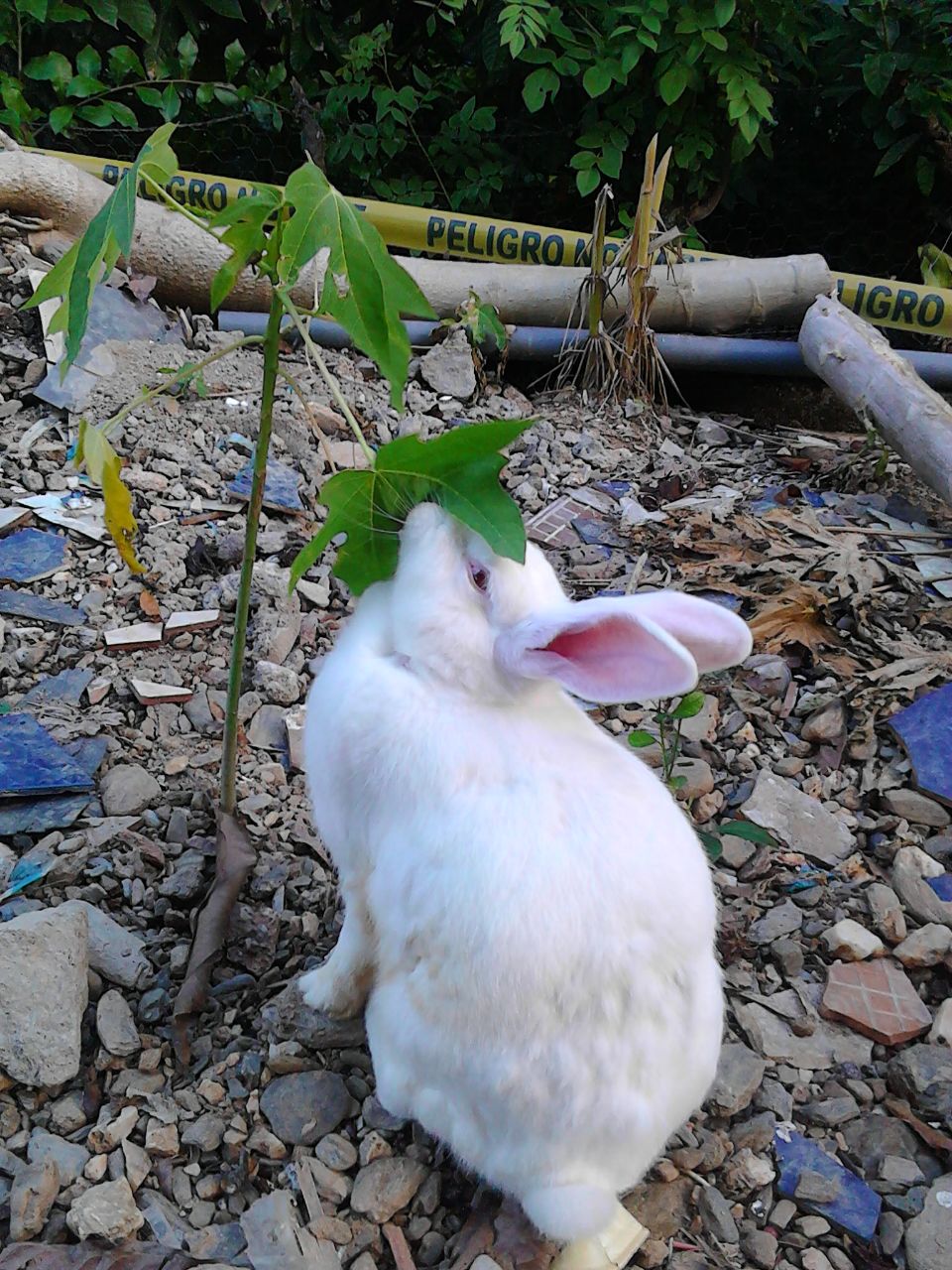
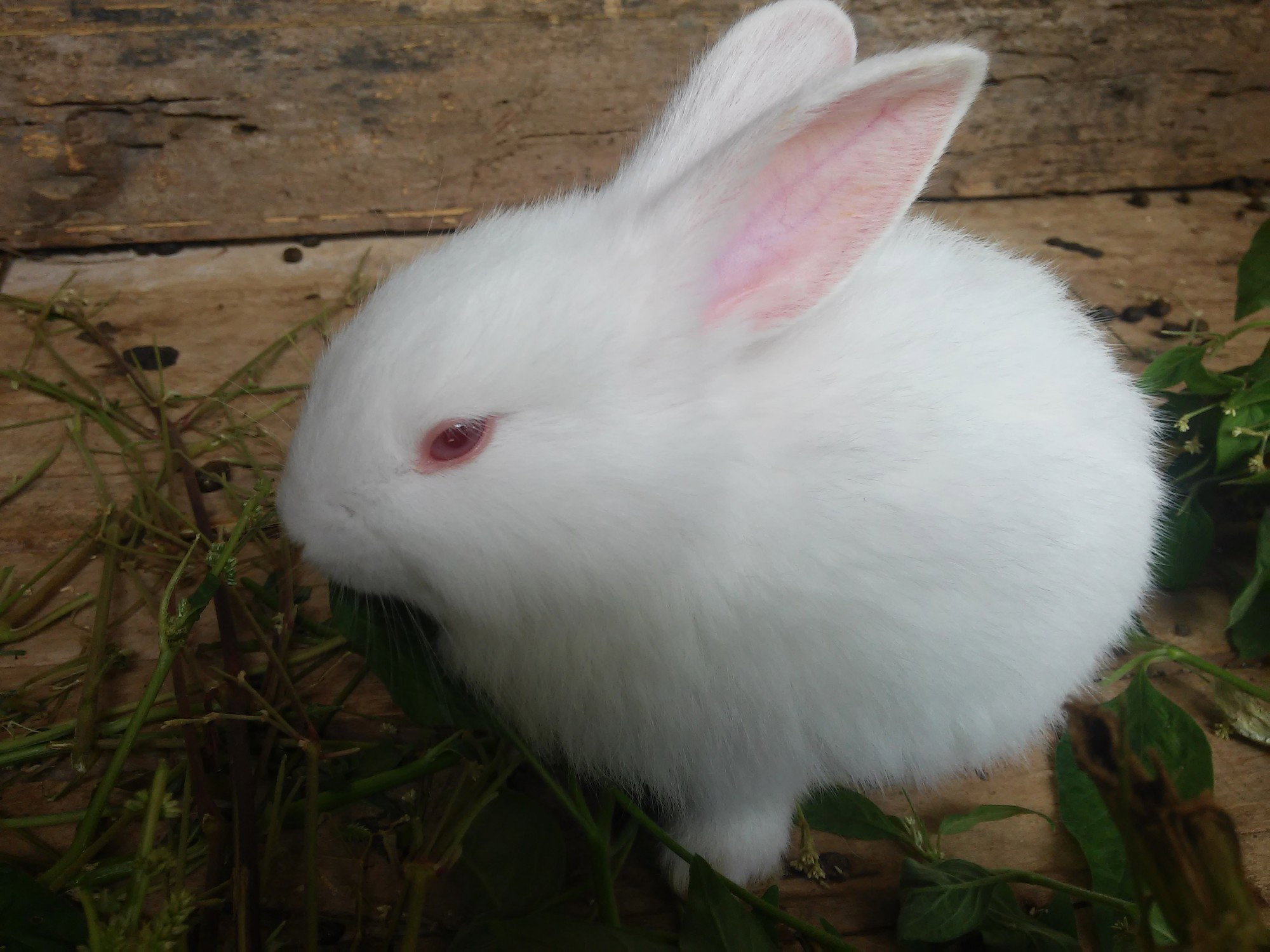
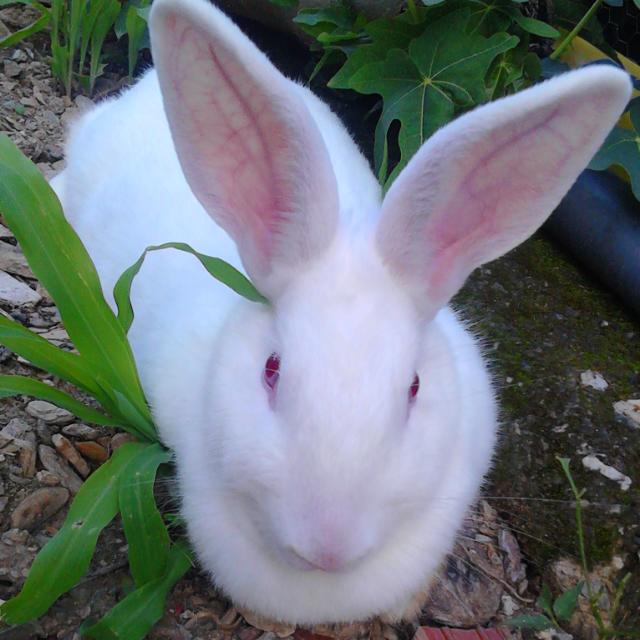
No, it was not a dog, nor was it a cat and what was my pet? It was a beautiful and tiny white rabbit, my first love at first glance was that precious little animal that showed me all its charms, so full of life and with little red eyes that made him look even more beautiful.
I ask my boyfriend about his sex, he tells me that he is a New Zealand female bunny. She fell in love with my red-eyed bunny right away. And I named him, his name was Sthefany after the world soccer legend Di Stefano (I like soccer). That day, I think I spent the whole afternoon on YouTube observing the care that rabbits require, my parents came home and asked me, What is that rabbit doing here? I felt at once that they did not like my sweet bunny.
**The days flew by**
As time went by, my bunny got bigger and bigger, rabbits grow very fast, but they are very short-lived animals. My parents adapted to my bunny, and ended up being part of her care, feeding and even giving her affection and running their hands through the beautiful fur of my Sthefany.
She grew a lot, she jumped and ran very hard all over the house, she loved to run her tongue over my hands and when I sat to watch her she would come up to me, curl up at my feet and lie down so that I could give her affection and play with her. My rabbit was our sweetheart, we always tried to keep her in our garden. One day she passed in the company of another rabbit, a male rabbit. And after a month, well, a month our beloved Sthefany gave us three beautiful rabbits and so slowly the months and years passed.
My bunny's generation grew up, but she lasted only seven years, it has been a year since she died, she left me infinities of memories, the most beautiful moments that I spent with her, and although I have other bunnies mSthefanyore product of her reproduction, I will never to have in my home another bunny like my beloved Sthefany, she was the first grandson that I brought to my parents.
Coin in grains, the currency of Sucrean farmers
If you had to read the statement twice to try to understand it "currency in grains" I assure you that you may be surprised to know a local currency that coexists in several communities in eastern Venezuela.
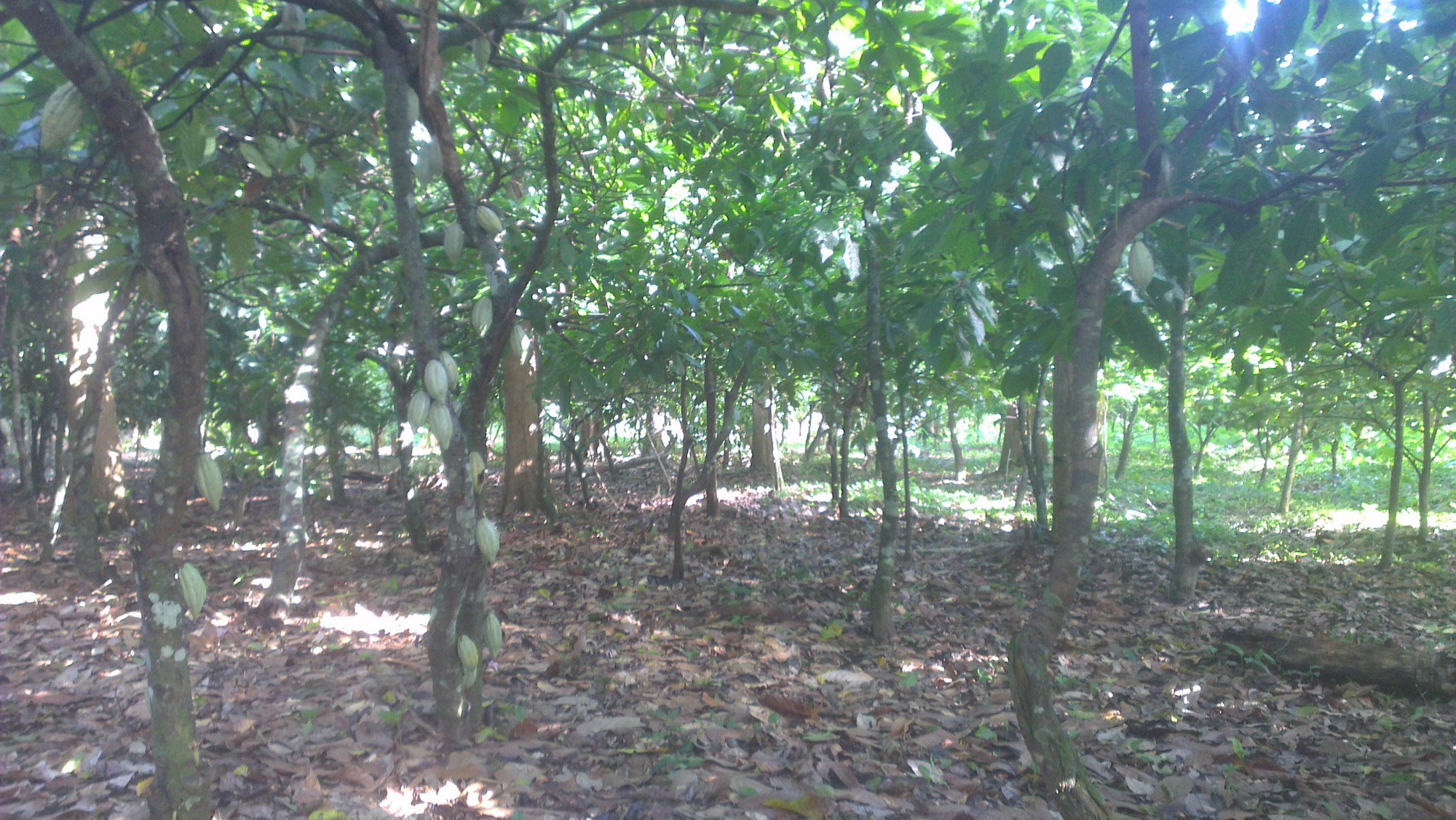
Due to the shortage of local currency in Venezuela and as a result of the massive migration of Venezuelans around the world, currently in the country it is easier to find American dollars in cities than the national currency "El Bolívar". However, there are towns where access to both currencies is more complicated. Therefore, as a result of this precarious situation, many farmers who live in perishing communities in the Sucre state have found it necessary to negotiate their cocoa crops for food and consumer products in commercial supplies, butchers, bakeries and fish markets.
Sucre state is known for being a fishing area, surrounded by the immense Caribbean Sea and washed by the coasts of Paria and also for being an excellent agricultural area. Despite being a very rugged state, the state is recognized for being a producer and exporter of cocoa. Around 80% of all the cocoa exported in Venezuela is produced in the state of Sucre. However, Sucre state is one of the states with the highest poverty rate in the country, and the humble Sucre farmer is forgotten by government entities.
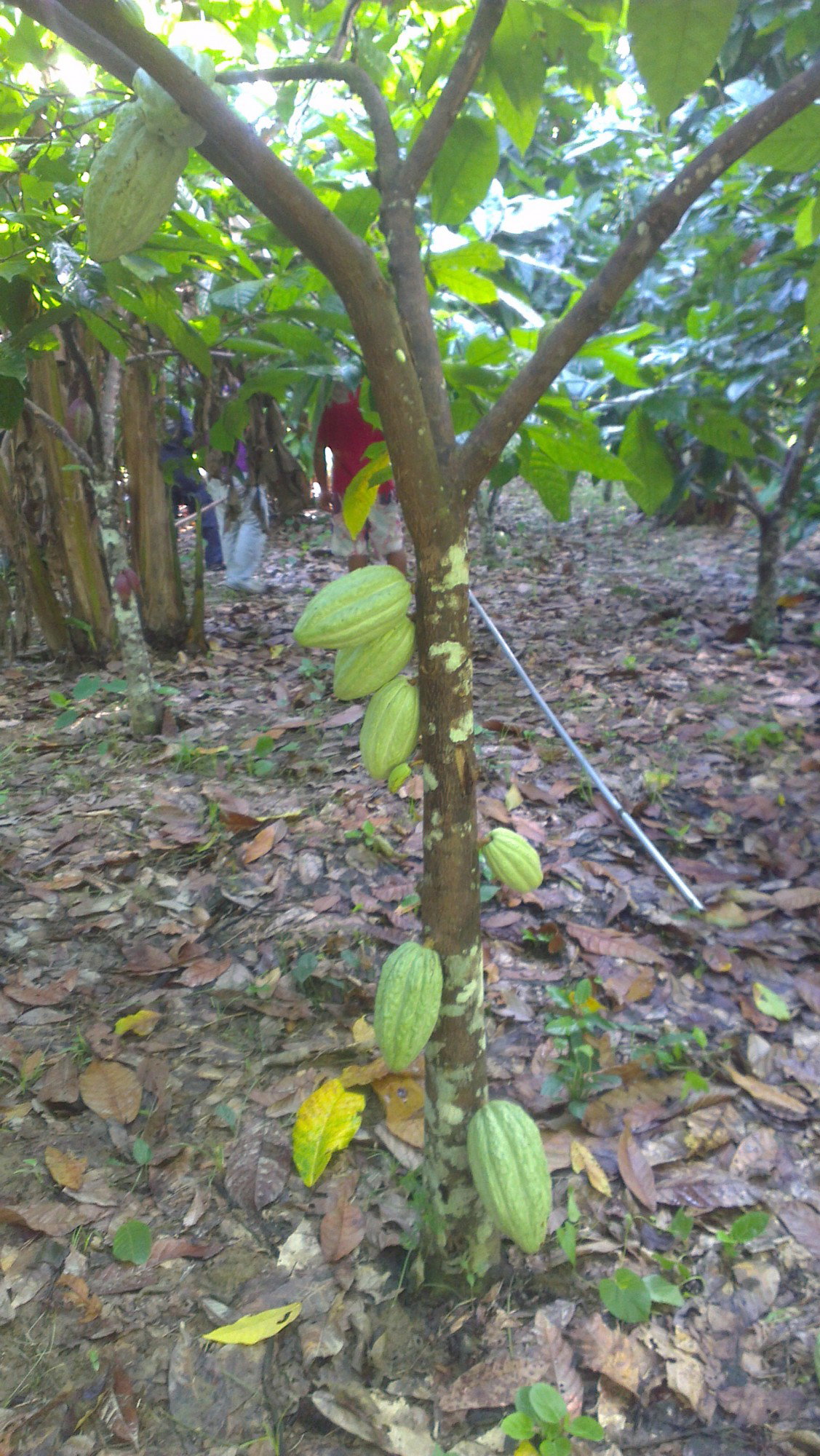
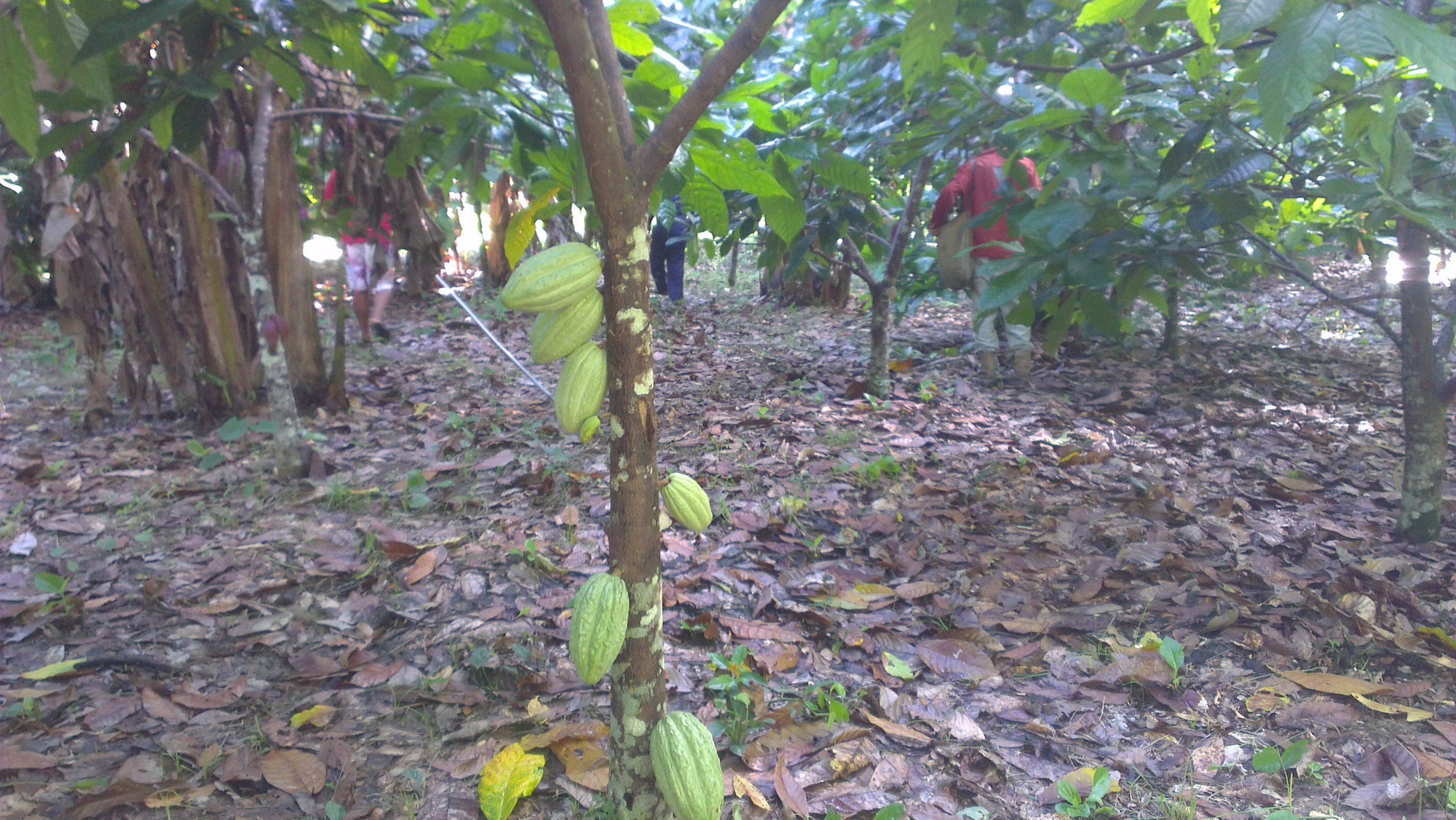
Sucrean cocoa producers pawn their crops in the market by not having digital money or cash and since their crops take time to grow, they wait for the crops to occur in order to collect the ripe fruit (cocoa maracas), detach the bean from its shell (milk the cocoa, thus named by the farmers), allow to deburr or eliminate the excess liquid from the bean and finally dry it in the sun, and then go to the commercial establishments and be able to make your purchases.
Each kilogram of cocoa consists of approximately twenty-four maracas of this fruit, which were cultivated until its ripening stage with much observation, sacrifice and commitment on the part of the farmers, who fervently take care of their crops due to the increasing thefts of this product throughout the region. region. And it is that cocoa has a cost both in Venezuelan bolivars and in US dollars, it is a product of very easy access and the cocoa plant, although it needs to be cared for, does not require so many fertilizers and industrial chemicals which also turn out to be expensive .
For sale, one kilogram of cocoa is equivalent to:
• 900,000 Venezuelan bolivars in cash.
• If the payment is made by bank transfer, the kilogram of cocoa is equivalent to 1,800,000 Venezuelan bolivars.
• If the payment is made in foreign currency (US dollars), a kilogram of cocoa costs 1.4 USD. These prices vary according to the daily increase of the official dollar.
NOTE: “If you could notice the difference in prices for cocoa depending on the form of payment to be canceled, it is because Venezuela is the only country in the world where citizens buy their own local currency at 100% of its cost due to its scarcity I would like to explain that to you in another post.
To easily explain the dynamics of buying and selling, let's say that: a farmer goes to a supply with 20 kilograms of cocoa to make his purchases, the agreed form in acceptance of the product by bank transfer would be 1,800,000 bolivars for each kilogram, So the farmer has 36,000,000 bolivars, it turns out to be a large sum of money. But these amounts are a mirage, in Venezuela the price of the official dollar for today is about 1,500,000 bolivars, so the farmer is going to make his purchases with only 24 US $ USD and barely that is enough to buy all the food basket that is located 300 $ USD.
Female empowerment should not be associated with debauchery
Hello my dear readers, here I am once again glued to the keyboard and as I write these short lines I observe from the other side of my room my little son, who seems to be enjoying putting his little fish in his mouth. That makes me happy, I am a mother and despite not being able to conceive easily, my husband and I decided to agree that at an average age and when we had a little more financial stability we would be parents.
The greatest power a woman has is to give life. My maternal great-grandmother had eighteen children, my maternal grandmother had thirteen, my mother conceived five and they are the most empowered women I have ever met, they had no choice, they could not decide what was best, but they were not selfish either. , nor did they live complaining, they fought to raise and support their children in a time where sexual education at home was almost nil and contraceptive methods were scarce and precarious, they always showed the true value of maternal love, they sacrificed their bodies and their souls for the upbringing of their children.
They have been enterprising women who achieved their independence at the cost of hard work in the fields, and in the coffee, tobacco and cocoa plantations to generate income that would provide the daily sustenance for their families. In their homes they were the head of their families, and in the community they always received the respect they deserved for being helpful, in those three homes no unknown person went hungry. On the other hand, the hands of my paternal grandmother endowed with life received a large number of children born in the village, she was a midwife or midwife. She was the relief of all those women who could not give birth easily and with her knowledge she alleviated their discomforts, so that all those women could give life.
That is the very essence of female empowerment, it is the freedom to leave a mark in the lives of other people, to be fair, honest and helpful to make a difference. What is the use of carrying a message of social equality when you intend to end society? And then we legalize death, and we carry a message to the world that with abortion, world poverty will end, when in reality we can end poverty. education and more with sex education, for that there are contraceptives. I strongly agree that in case of sexual abuse a woman has every right to decide whether she wants to give life or not. But, if women decide to consistently end the lives of tiny beings justifying themselves under the banner of the freedom of their bodies, then where will the values of responsibility, tolerance, love and respect remain? When there are many women in the world who cannot beget and suffer for it daily.
I have been able to observe women marching against life, with long hairs in the armpits to equal their opposite, because to them I say "they are not making any difference" that is part of your nature, only you as a woman decide whether to wear underarm hair shaved or not. If you want to make a difference and be empowered, you must start transmitting the message of equity from another perspective. So go and meet with a hundred more women, and go out with your long hair and with machines to affect gentlemen shave your hair and between you and your companions donate all those hair to charitable foundations for children with cancer, you will not only achieve to give smiles to children in need of your solidarity, but you will also transmit a more humane and benevolent message to the world.
The barter market, an alternative to socialize and also donate.
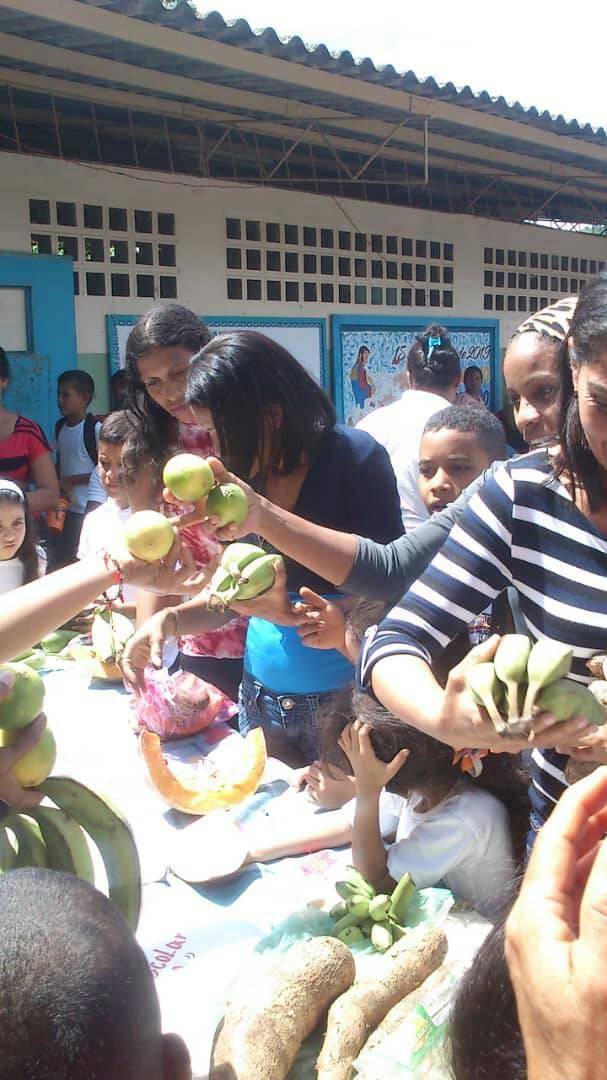
Good dear readers, although it is true that technology continues to advance by leaps and bounds and with the arrival of digital currencies we are exempt from carrying amounts of bills, coins and going to the bank, as human beings we always have the need to be willing to socialize with other people. That is why sometimes it is important to look back and observe how our grandparents and ancestors managed to exchange their agricultural consumer products, goods and services with other people for others that they would require at the time but lacked money. This is not a newly invented adventure, bartering before many of us were born already existed, so I would like to share with you a different alternative to socialize, and how not? It can also be donated and shared with people in need through "The Barter Market".
What is barter?
Barter is called the exchange of products without involving the value of money. This is the most primitive and common form of exchange, all peoples have implemented it at the time to satisfy their basic needs. Barter is reciprocal and multidirectional, it can be given between two or more people, for objects of the same value and at the same time.
What is the barter market?
A barter market is one that is made up of several people or communities that are producers and consumers, and who have formed in solidarity to exchange and share their products, goods, services, knowledge and skills in a reciprocal way. The essence of this market is to preserve and generate a greater camaraderie among its attendees by using the currency that has the most value in the world, that is the social currency, protected by respect for free thought, plurality and diversity.
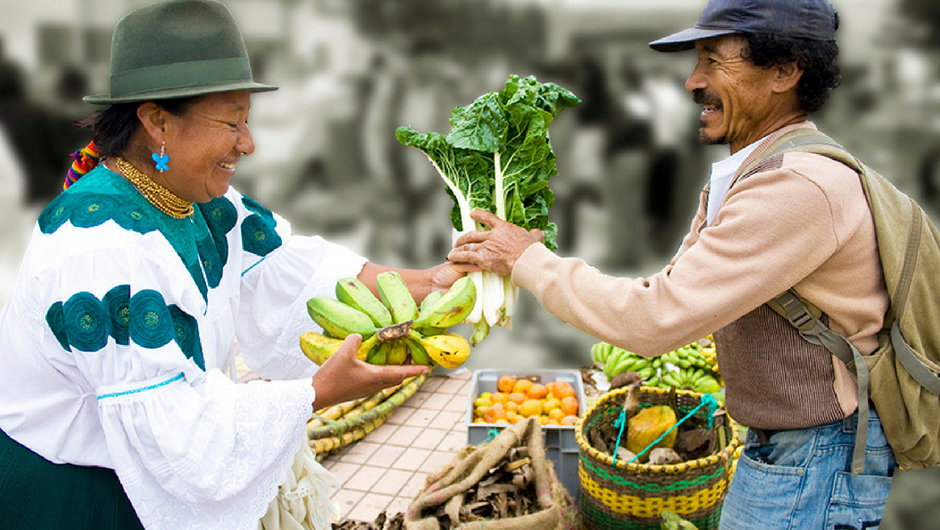
As a fair, producers and consumers bring their products, goods, services, knowledge and skills, and are auctioned by others required. The exchange takes place as if it were in a common market, the difference is that you will not make use of the money and you can honestly exchange things of the same value with other members.
You can offer from clothes, accessories, footwear, food, fruits, and vegetables to plumbing services, hairdressers, mechanics, among others.
Producers and consumers in barter
All the members that participate in the barter market must be producers and consumers, or in effect generate or provide a service. They are in charge of offering their products, goods, services, knowledge or skills to the group and in response to their demands, receive from other barter members the products, goods, services, knowledge and skills that they need or require, they are also in charge to maintain security and order. Example: José is a plumber and offers his services in the barter market, in exchange he demands a hairdresser for a haircut. If in the market there is a hairdresser with plumbing needs they can exchange their demands by mutual agreement.
Where can these markets work?
In your community or town there are many free access spaces, the barter market can work in public places, service centers, meeting centers, collection centers, in a garage, sports centers and squares. The participants must organize themselves, each one of them is in charge of facilitating the barter.
The value of the products
Each producer and consumer determine the value of their products, and these must be based on their demands or needs. If you want to exchange a kilo of potatoes for a goat, you may find yourself back home with your products. The value of products lies in logic and there should be no overvaluation.
“Go ahead and carry out a barter market in your hamlet, town or community. You may be able to exchange that apple crop in your garden for an object, thing or service that you need in your home. You can also be a social entity, meet new people, share experiences and as a result of not needing anything found in the barter market to help a person in need and donate your apples "
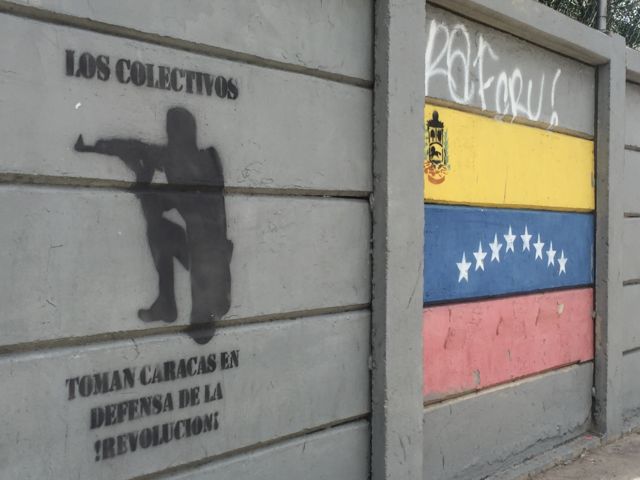
War collectives, the armed wing of the revolution.
In Venezuela, a country where chaos, misery, and apathy reign, there are terrorist groups called collectives, which, acting under the tutelage of the Chavista government, are in charge of controlling the main cities and neighborhoods of the country. These paramilitary groups maintain control of the areas and although they are civilians, they have been armed, trained, and psyched to shoot and whip the population. Its objective is to maintain political control of the communities, defend the government model, and cause fear.
**Who are the collectives?**
They are civil associations that act as vigilante groups, these armed groups have a leftist political ideology, they are citizens who represent the excrement of Venezuelan society, criminals for the most part who were already in prison and who maintain close ties with the Bolivarian revolution that was headed first by former president Hugo Rafael Chávez Frías and is currently led by Nicolás Maduro. Corrupt cops and cops who are still active are also part of these organizations. As the political conflict has intensified they have shown their role as executioners of the opposition population of the country.
Its activities include extortion, kidnapping, theft, drug trafficking, and assassinating Venezuelans who go out to peacefully protest against the Venezuelan government.
They are easy to identify, they act as an armed militia, they make their tours on motorcycles, they are hooded or with their faces covered and they carry long weapons anywhere and at any time of the day.
**Where did the Chavista collectives come from?**
The Chavista collectives emerged as a reference for the Cuban brigades (the Cuban model was an inspiration for Hugo Chávez in many of his projects) that were created by the Castro government to protect and maintain the revolution in the 1960s.
In Venezuela, the formation of the collectives began with the appearance of the Bolivarian circles promoted by then-President Hugo Chávez in 2002 to propagandize and disseminate the Bolivarian revolution. However, this group from its beginnings always expressed its hatred towards the Venezuelan opposition, one of its main followers was Lina Ron who promised to shoot and assassinate all opponents of the revolutionary government, her slogan was "with Chávez everything, without Chávez lead".
The groups were acting little by little in the most popular neighborhoods of Caracas such as Petare, Catia, and January 23. In 2004, the Unified Tendencies to Reach the Organized Revolutionary Action Movement (TUPAMARO) was founded, a far-left Marxist-Leninist, communist and anti-imperialist movement headed by José Pinto and conceived as the movement in defense of the Bolivarian revolution. . With the Tupamaros, the rise of the collective emerged with greater force and Chávez names them as "the armed wing of the revolution."
**Armed and militarily trained collectives**
In Venezuela, there are hundreds of collectives, but the most representative and feared in the Caracas neighborhoods are Los Tupamaros, Coordinator Simón Bolívar, The Three Roots, the pebble, the Revolutionary Movement of Carapaica Liberation, the Great Patriotic Pole, and the Alexis Vive collective. The government provided and endowed these groups with modern weapons, such as Russian rifles (AKs), tear gas bombs, communications equipment, motorcycles, surveillance systems, and even war tanks.
Being trained militarily by the Colombian guerrilla FARC, who maintain good relations with the Venezuelan government. Hugo Chávez financed them through social plans, as peaceful actors of the revolution. However, under that mask, the so-called collectives are criminal groups that combine their political activities with kidnapping, drug trafficking, robbery, extortion, and all the various forms of organized crime.
**Maduro becomes president**
With the arrival of Nicolás Maduro to the presidency in 2013, the so-called “Zones of Peace” were created and under that slogan full of love, one of the largest treaties by the government was hidden, which claimed that in exchange for the abandonment of arms by the groups, the government would not allow police interventions in their territories. Turning out, crime rates, homicides, theft, and extortion increased.
**Role of the groups in protests and social demonstrations against the regime**
Different protests against the government are generated daily in Venezuela, and during the demonstrations in 2014 and 2017, the war groups went out to massacre the Venezuelan civilian population who were in the protests. They were brutal executors of many young Venezuelans who have come out to protest against the Venezuelan government. For example, in 2019, during the entry of humanitarian aid to the country, when politicians and Venezuelan society opposed to the regime protected the borders of Colombia and Brazil, these armed groups were able to dissuade and prevent the entry of these even lead shipments. , which could not be done even by the national police.
In recent years, these antisocial groups have gotten out of control, which is why some groups have been unwilling to obey orders from the Venezuelan government. The police forces at the time have confronted these groups, and friction between the military high command and the groups reappeared with the arrival of Defense Minister Vladimir Padrino López. Despite being groups of criminals that were armed to protect the revolution, they act by their own laws, and in their war zones or neighborhoods, they maintain order and control.
The demons of my childhood
If 20 years ago they had asked me how my childhood passed? Surely I would have said that I had a happy childhood, that my parents took care of giving me everything and that I never lack anything. That my carnivals, holy weeks, and Christmas seasons were always festive and my parents took me to food fairs, circuses, the beach and we visited as many stores as possible to buy me the best clothes and the greatest gifts.
My family was always a poor family, my father was dedicated to agriculture and my mother to commerce. My four siblings could see hunger and misery up close, but all that changed when I was born, I was born in a time of bonanza in my home. My father, despite being a farmer and having little academic training, was always very good with numbers and also with words, in the 90s he joined a political movement and later became treasurer of the municipal mayor's office.
From that moment everything began to be different in our home and later I was born. In spite of everything, I was always a very simple girl, more inclined towards the masculine side because of the way I dress in button-down shirts, press sleeves, and my hair down my shoulders. I always wanted to be like my father and for him to take me everywhere, but all that changed when I grew up and found my own sexual orientation.
While I was growing up I lived happily surrounded by my family without so many deficiencies, but very soon the first demons began to arrive in our home. My father after four years of bonanzas began to go out with other women, he came home in a bad mood and fighting with everyone. My mother at that time was the most unfortunate, it didn't take long when he hit her and he did hit her, I remember seeing her a couple of times on the ground being beaten and she only made signals to us to move away, to go out fleeing at that very moment from that place. It is not easy to describe the details of the scene, firstly because she was a little girl of 5 years old, and secondly because I lived adoring my father. Although I feel that I spent many years ignoring all these facts, despite the fact that our family lived through domestic violence until my adolescence.
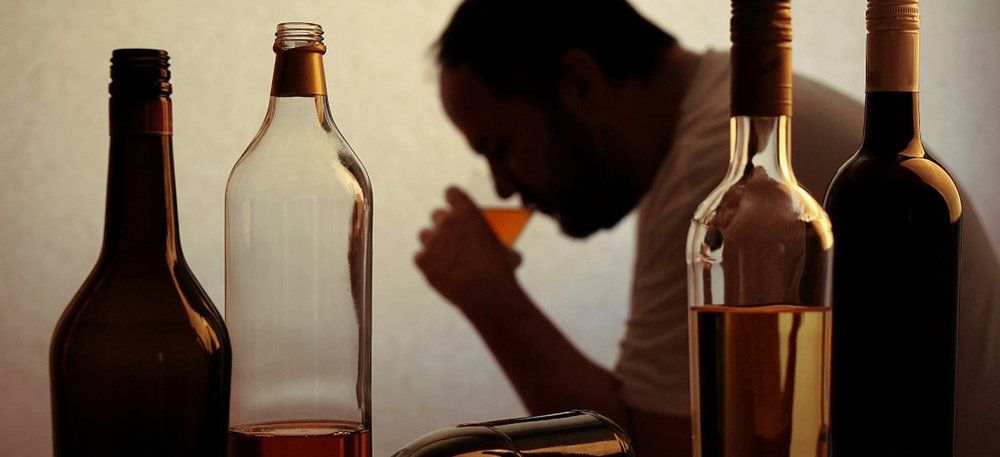
The first demon was added a second, alcohol. My father came home very drunk and it was no longer enough for him to beat our mother, my other three sisters were also victims of all those events and were beaten, they were already young adolescents and tried to protect our mother. My brother and I were beaten very little, we were the smallest and most defenseless so we always tried to flee from that place. Little by little our home became hell, we were lucky enough to live close to our maternal grandmother, she and one of my aunts always came to our rescue, although on several occasions my father also hit our aunt. For major illnesses, my father began to drink alcoholic beverages almost every day.
My older sisters, watching all of our torment, managed to deal with our father when he was drunk. Then they accompanied him when he got drunk, they went with him to the streets, they accompanied him to the bars and then they held him until he returned home drunk, they took off his clothes and bathed him, then they put him to bed to rest and dad slept until the other day without hitting anyone else. They already had a plan to be executed when our father came home. But, one day my father went out with some friends, that day my sister could not attend that place and at night a third demon appeared in our home, the most chilling demon that we could observe in our lives and the one that ended up marking us forever "the ax."
Dad came home with anger higher than before, he wanted to destroy everything. So he took out the ax that he kept behind the door, and with great force began to destroy all the objects that were in the kitchen, all our furniture, and even our toys. I remember that my brothers and I would not stop screaming, my mother sheltered us in one of the rooms and I waited for him to neglect himself. Then we all fled from what had been our home before, the image was terrifying and chilling.
The most unfortunate thing was not that the next day my father woke up apologizing, claiming not to have remembered anything from the previous day and buying all the appliances, furniture, and appliances for our home again, the most unfortunate thing was that we lived many years under that routine of destruction in our home produced by the ax and the purchase of artifacts again because our family believed in the change of potato.
One day my father under the influence of alcohol and perhaps under the influence of any other drug broke a mirror in his room, and my younger brother and I encountered the demon of the blood. Despite all the family violence we have experienced, we have never seen blood spilled in our home. But that day Dad called us to his room, we were like good brothers holding hands, terrified, but without turning back, and then he took us both very hard by the wrists, he showed us his hand, all broken and bathed in blood, and making sure that we would be his doctors, he asked us to suture the wounds. How being children, and without any medical knowledge can a wound be sutured? I do not know how, but we looked for all the implements and began to insert the needles into the broken skin of the potato, we thought we had finished but our father threw us to the ground and began to suture it, when he finished he asked us if we had understood, we responded with a resounding yes, and then he cut off his hand again so we could start over.
Many people made fun of us, we were at that sad time the make me laugh of an entire town, at school they saw us as the weakest and most naive beings, the unprotected, despite the fact that all my brothers and I were the people at that time toughest in the world. We look closely at death and destruction, the death of sentient beings, of children who had to grow up to cope with the situation that was entrusted to them, and we grew, we all grew, we became good men and women and we came out of that bad moment. I still observe my shaking hands, I am nervous with some signs of claustrophobia. I know very well that these are traces of the past, some people are marked in one way or another I simply try to be a better person. I did not want to remember, but in my 30s I realize that I would not be who I am today if I had not overcome the past. I do not feel anger for anyone, forgiveness makes you strong and gives you freedom.
So I thank God that I can close my eyes, and in all that darkness I look at my beloved son, and I also look at his eyes, those deep and big dark eyes that shine, shine for me equally and I tell myself that I am not willing to see him suffer or to see him cry as I have cried, I want him to be a mentally stable man like his father, with a childhood not loaded with material things, but full of love. I have by my side the two most valuable people in my world, my husband and my son. They are not only the way, they are my means of transportation for happiness. And happiness is here right now, later he will call me with a strong voice, Mom, and I will answer him and tell him that his heart will grow to love and respect others.
The people who make tobacco 2020
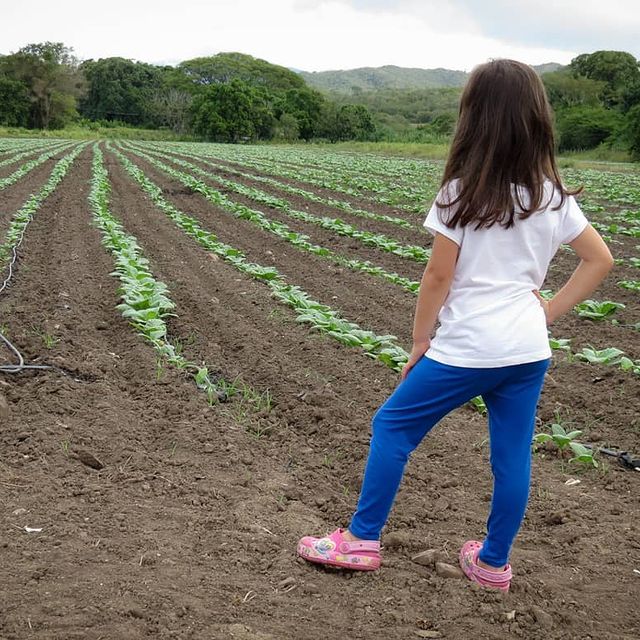
Good afternoon, dear readers who are part of this community, in times of quarantine and social confinement as a result of the COVID-19 pandemic and being in a 27-week state of pregnancy, I have been forced to take refuge in the home of my second sister for health reasons and proximity to hospitals. A residence that is located in a nearby community of the Benítez municipality in the Sucre state of Venezuela called Los Arroyos. Here, I have had the satisfaction of being able to value an ancient technique that has been passed down from generation to generation and that I would love to share with you.
In my little stay of less than a month, I have been able to appreciate the elaboration and manufacture of Arroyero artisan tobacco from a small workshop that my sister and her husband have at home. At the same time, I have lived from social distancing with the tobacco people of the village observing them from the balcony, since many of them have a habit of making tobacco on the porch or in front of their homes, which has aroused my interest and total curiosity.
Before I start talking about the process of the artisanal stream tobacco, I feel the need to relate the cultural history of tobacco in this community. And it is that the inhabitants of Los Arroyos have as their main commercial activity the elaboration, manufacture and production of artisan tobacco, being recognized at the municipal level as the people who "make" tobacco. However, this mention is insignificant when through so many years and being tobacco exporters to other states of the country and even some border countries, are not widely recognized for this valuable activity. So I felt the need to know your story and share it with you.
After consulting various sources, I was able to detail that the Los Arroyos community does not have any documentary or bibliographic record that deals with the production and manufacture of tobacco since its inception. So, taking the pertinent sanitary measures issued by the WHO, I decided to carry out some brief interviews with the tobacco people in the community and through them to know the local history.
In my first interview I met 86-year-old Magdalena Garcia, she not only shares the tradition of making arroyero tobacco but is also known as a community herb, she tells me that many years ago before the dictatorship of Juan Vicente Gómez his grandparents had the need to emigrate from another state and settle in Sucre state for political reasons, at that time there were already families here who were familiar with growing tobacco and when they arrived that was also their main economic activity. They began to produce tobacco in the mountainous areas of the town and later the tobacco boom was unleashed. Many growers realized that making tobacco for consumption was more profitable than selling raw tobacco leaves, and expansion began throughout the area.
I continued and I met Mr. Juan Campos, always a farmer and tobacco producer, he mentions the importance of the production of artisanal tobacco for a lot, but that this process would be useless if people like him did not fervently dedicate themselves to the cultivation of the plant (there are few farmers who are engaged in planting tobacco today). In this regard, he emphasizes that it is not easy to care for this plant, that it must avoid a certain moth or mite, and that for that it needs extremely expensive and scarce fertilizers in the country, so it observes its cultivation daily from very close and although The plant is not fully developed as required, it assures me that it grows quality tobacco at an excellent market price.
For my second outing and taking the pertinent provisions of the case I met Herminia Aguilera, 65, she works artisan tobacco. She makes mention of the local problems that exist regarding the production of tobacco cultivation. “Years ago I left home and on every corner, I met people from right here who sold me the pacón (measured by weight) of tobacco, I selected my capes, armed my handles, and even selected the gut, which is what it is. inside tobacco, right now nobody wants to plant and I must wait for them to come from Caicara (another town) to buy tobacco at a higher price ”.
My encounter with cryptocurrencies
Two years ago anyone who had talked to me about cryptocurrencies would have been talking to me about a completely unknown subject to me. And even so, there are many doubts that digital currencies currently generate in me, I have had to read a lot about it and I am still in the process of training to be able to make an investment in them. I need to generate and produce for the long term, but in all honesty I'm terrified of taking the next step if I'm going to move forward in the dark. I am not an expert in the matter, I prefer to look like a tender child who walks from the hands of his grandmother. So I read various articles (in this community I have found many) and listen to suggestions from crypto experts.
My encounter with cryptocurrencies began in 2018 (it seems incredible to think when the first cryptocurrency appeared in 2009) when I open an account on the steemit platform, I made several posts that immediately began to generate SBD. Steemit is a kind of community where users share their ideas while generating SBD, this cryptocurrency allows them to grant their contributions with digital tokens that are called Steem. Posting is completely free, as is being able to vote or comment, with the option that your comments can also be paid.
In my encounter with digital currencies I had to familiarize myself with some terms due to my little training, I hope that many people like me who are unfamiliar with the subject will be allowed to familiarize themselves:
• What are cryptocurrencies or crypto assets?
They are digital currencies based on cryptography or encryption code, which allow them to be used safely to make payments for products and services. The first cryptocurrency was born in 2009, Bitcoin and is the best known internationally.
• How do cryptocurrencies work?
These currencies are completely digital, allowing transactions to be carried out over the internet from any corner of the world. Its use requires a purse or digital wallet to be stored and used later. If you want to obtain them, you have the option of mining them through calculations and generating new units of this type of currency, however it is not easy at all and for this, complex technological equipment is required. The other option is to buy them through the internet from third parties.
• Characteristics of cryptocurrencies
They are decentralized currencies that are not controlled by any institution, they are cryptographic so they use encryption techniques which make payments and collections safe, they are private, the system protects the user from any counterfeiting, they can be exchanged for other currencies, it does not need intermediaries to carry out transactions, they can be used anywhere on the planet. Each of the transactions occur immediately where they can be viewed by anyone in order.
• What is a token?
It is a unit created by a certain group or organization, with the aim of giving value in a certain context so that users can interact and exchange. For a digital token to work, it will need a cryptocurrency and a blockchain that allows it to develop, and a program that specifies the characteristics of what can or cannot be done with the token.
• What is blockchain?
It is usually compared with the accounting books where all the inflows and outflows of money are recorded, in this case it would be a digital book. The blockchain is the technology that, thanks to its decoding, allows data transfers to be carried out in a secure way. This data structure is grouped in a chain of blocks and the data stored can usually be from the transactions carried out.
• What is mining?
Let's say that they are the whole set of processes that are necessary to carry out in order to validate and add all the transactions in the blockchain, also allowing the introduction of new currencies of those already in existence. A miner is a node that receives, organizes and verifies all the transactions carried out in bulk.
The world advances, technology advances and we cannot remain in the dark. Digital currencies are driving the gap towards a free economy. If you are good at reading and writing, portals such as Read.cash offer you the opportunity to create your own blogs where you can share a diversity of content and topics, generating your own rewards in bitcoin cash (BCH). Make sure you adhere to the established rules and be honest with the community and with yourself.
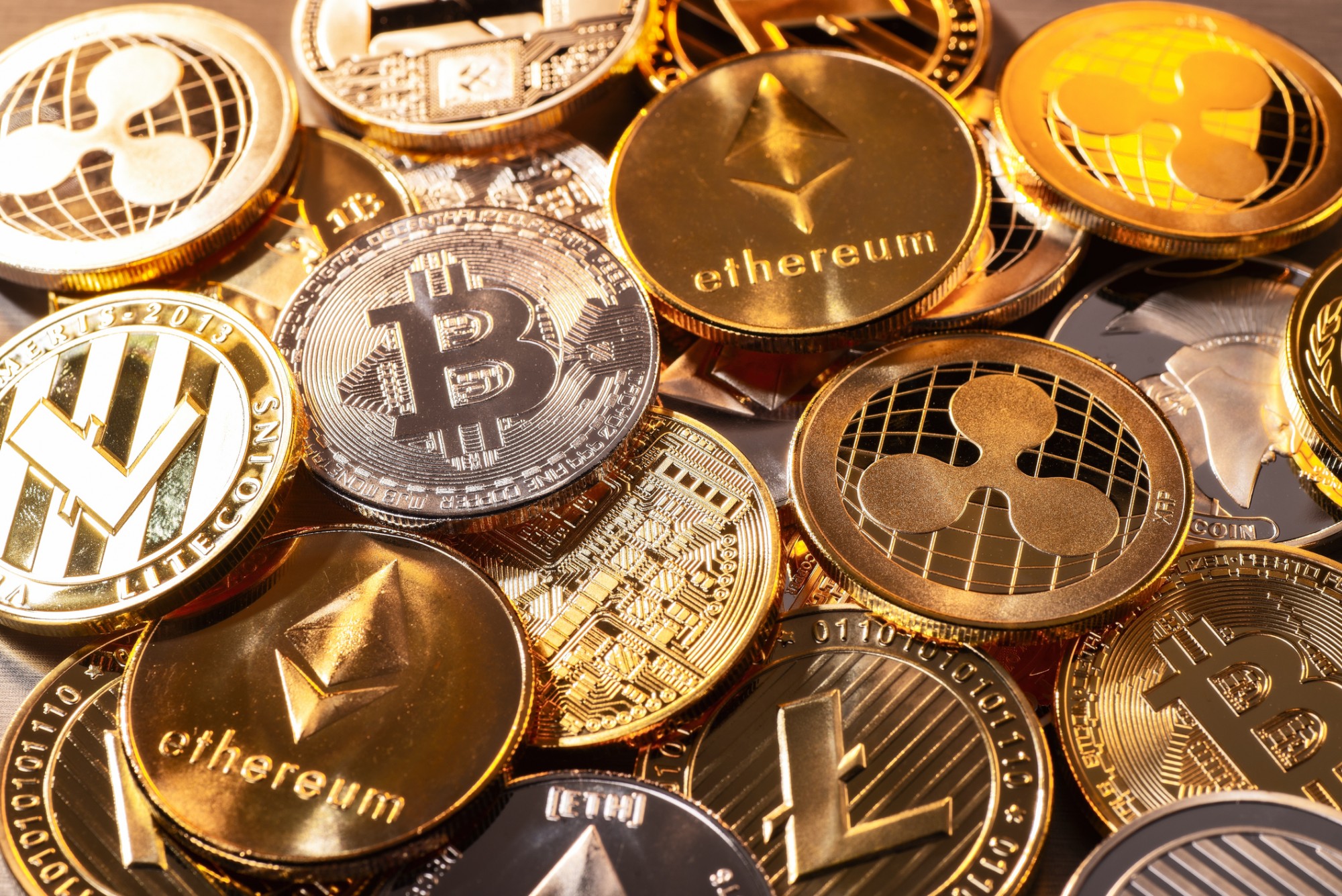
The Venezuelan crypto hoax. The petro
Good morning my dear readers, once again pleased to be able to write for all of you. Writing and reading are the fundamental bases for developing free and independent minds in man, which we need more than ever today. All those people who invest their valuable time in educating themselves deserve to be on the highest podium of training and wisdom, you will not be easily fooled.
As it is known throughout history, there were a diversity of forms of payments, among these were exchanges or barters and the use of precious metals to obtain goods and services, which later opened the gap to give rise to the implementation of the use of physical money such as bills and coins. However, in a completely globalized world with access to the internet, it was necessary to create a more appropriate means of exchange adjusted to our technological era, which is why cryptocurrencies or crypto assets were born. These are completely digital currencies used to exchange, allowing instant transactions through the internet regardless of any border.
Cryptocurrencies have some characteristics, they are decentralized currencies that are not controlled by any institution and are not backed by any government, they are cryptographic so they use encryption techniques which make payments and collections safe, they are completely private, the system protects the user from any forgery, they can be exchanged for other currencies, they do not need intermediaries to carry out transactions, they can be used anywhere on the planet as long as there is already an agreement between the payer and the collector. Each of the transactions occur immediately where they can be viewed by anyone in order.
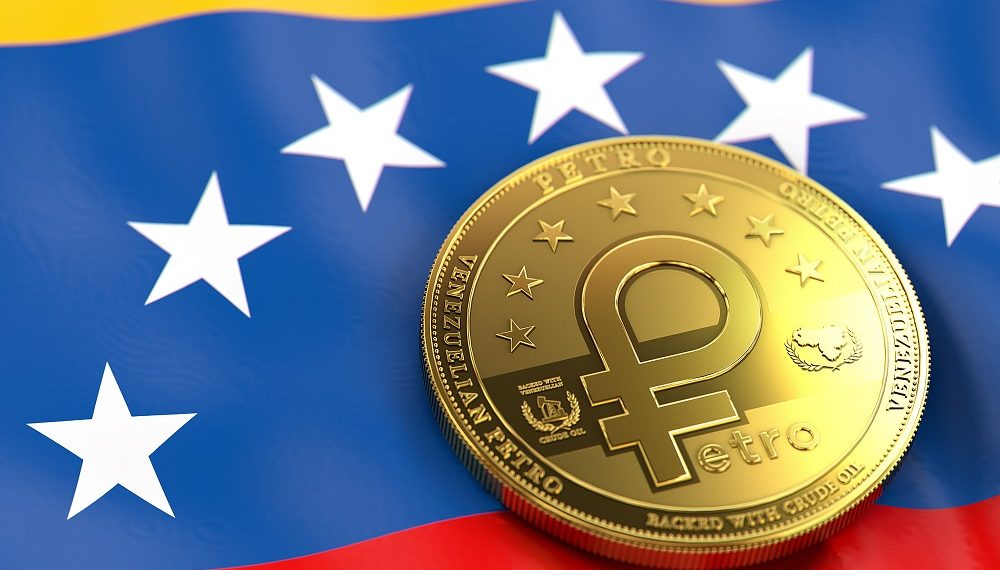
In Venezuela for the year 2018 with the collapse of the national currency, President Nicolás Maduro announces the launch of the first national cryptocurrency: the petro. Which would be being backed by the country's natural resources such as oil, gold, diamonds and gas, with the aim of avoiding the economic sanctions that were imposed by the US government. Ensuring that a petro would be backed by a barrel of Venezuelan oil, and allocating a total of 5 billion barrels of crude oil as backing for the digital currency. The dream of former President Hugo Chávez would be fulfilled, who always wanted to create a currency that was backed by natural resources and that was used throughout the region to deal with the US international currency (the dollar) and thus be able to reactivate the national and regional economy. .
The petro since its creation once again turned out to be a great fake of the Venezuelan government, nor does the common citizen want to invest in an unreliable currency that cannot be exchanged even in the territory. To all this is added the fact that it is a cryptocurrency controlled by a government entity, so it is not a decentralized currency, never before has a cryptocurrency been backed by assets of a nation, which makes it unreliable for investors. The petro is anchored at the cost of a barrel of oil, but the low production of Venezuelan crude is a secret to no one. Who wants to come to drill the oil wells to support their petros? The government takes the baton of the operations carried out, they set prices and control mining, to the point of regulating the cryptocurrency and not being able to be mined, it can only be delivered through auctions, once again its time is revealed credibility.
The cryptocurrency called petro is a vile hoax by the Venezuelan government, which desperately seeks to continue bleeding the Venezuelan nation for financial gain by pretending to circumvent the sanctions of the United States government. It is an instrument that in the long term will generate a large public debt, the Treasury Department suggested not to invest in this currency and those who get involved may be sanctioned. On the other hand, the government with this digital currency seeks to sell itself and give itself the change at the same time, which makes it a very risky possible investment. The petro should not be considered as a cryptocurrency but as a political instrument used to give bonds as if they were social benefits, and many who have tried to auction them through the homeland system page have observed that the petro returns to its purse or account of origin . And those who manage to exchange them for bolivars do so due to a low supply of demand.
Rescuing the Christmas traditions
Good dear readers, I hope you had a happy good night accompanied by your family and close friends. I can imagine that they behaved very well in this strange and changing year because they stayed at home, washed their hands periodically with plenty of soap and water, used their mask and took care of the smallest and oldest in the house. Santa Claus will have rewarded them with many gifts, those intangible gifts that we all need in life: love, peace, happiness, family reunion, union and above all a lot of health and life. At this time of year where feelings and emotions are always on the surface, we thank God for having come so far knowing that many of our acquaintances have left this world due to the virus or in one way or another unfortunately.
This year and like every year, despite the shortcomings and needs that arise in the country, my relatives and I were able to sit together once more at the table, taste the typical traditional Venezuelan Christmas dish prepared by the great hands of each of we who made an extra effort to bring bread to the table and those of the relatives who could not be with us but who supported us and sent their good wishes from a distance. At the table we were able to remember all the past experiences, because the Venezuelan was stuck in the past and we need to remember what we once were before all our ailments began in order to heal, to be able to oxygenate ourselves, to be able to free ourselves from stress, to be able to laugh and to feel good about ourselves, with our beliefs and Christmas customs that we deny cease to exist. Many Venezuelan families were unable to celebrate.
There were not many lights on in the tree, but we are grateful because there was a Christmas tree, with some gifts, but with a large golden star that indicates that the spirit of Christmas and togetherness shines in each of us. The minimalist nativity scene or typical Venezuelan manger was a real charm, the lambs refused to remain standing and no matter how much they were located they remained turned, the dry foliage grass alluded to the straw of the stable where the child God, María and José was born. As every year they starred in that biblical scene with the child Jesus, the wise men were guided by the star of Bethlehem made with recycled paper by my nephews. My nephews, my son, and the children of the family, they are the succession, the ones in charge of maintaining the Christmas traditions, they are the reason for not stopping believing, having faith and not losing customs.
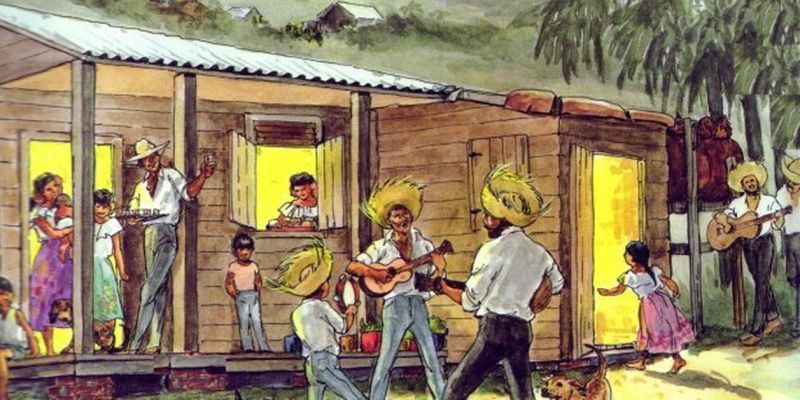
Aguinaldos and parrandas were few but we sang as in the past, we remember the Christmas group where my sisters sang when they were younger, the smell of the Hallacas enveloped us and inspired us to sing other verses. We did the choir, while the younger ones played the drum that was a plastic bucket of water, the charrasca was a fork with a cheese grater, the maracas a rattle of my son and the cuatro was an invisible instrument played by my brother. A new singer emerged, my little son who cried because he needed the arms of his mother. There was no shortage of hugs and laughter, as well as hot water and rum to warm the body, this time it was difficult for us to obtain the cream punch, which is one of the quintessential drinks of the typical period. In return, a lemon guarapita sat very well with those who could consume liquor.
When opening the gifts, the greatest gift from Santa Claus for all of us was being able to share together and give each other that very favorable warmth that brings us together every year and keeps us as a family. Merry Christmas to all those who take their valuable time to read these short lines, a big hug for you.
The two realities of the Venezuelan
Very good, dear readers, with all this from the radical quarantine that I have had for so many months, not only because of the pandemic but also because of my pre and postpartum stage, I had not had the opportunity to go shopping in stores and commercial supplies . Tonight, together with my husband and using all possible preventive measures, I set out to leave my three-and-a-half-month-old son with one of his maternal aunts and we made a brief outing to a grocery store. We went for some sugar, milk and other waxes that we need. Living in Venezuela is not easy, inflation has purified our economy and with a simple minimum salary equivalent to US $ 2 you can barely buy two or three products, luckily I am a teacher, although this does not guarantee quality of life and my salary is about 4 $ US. It is very sad when you find yourself isolated you manage to leave and reality hits you in the face.
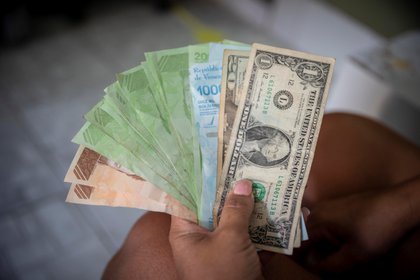
Exactly that happened to me in the supply, reality hit me so hard in the face that I am still trying to get up, with my humble fortnight of 2 $ US and my food voucher of 1 $ US equivalent to 3,300,000 bolivars (3.14 $ US) I went shopping. When they reached the supply, they found other people, some of whom bought with the foreign currency (the dollar) that dominates our economy. I ask for 500gr of milk, the seller answers me that the cost of that item is 3 $ US, I am surprised, they are more than 3,000,000 million bolivars (2.86 $), I run out of buying the 500gr milk, and the seller It offers me the option of a milk in ice cream bags that costs 900,000 bolivars (0.86 $ US), it is my only alternative if I want to take the other items and I take it. I ask about 1,200,000 sugar (US $ 1.15), it is necessary and I take it. I go to the cleaning area and ask for a deodorant, the cashier answers me 2,400,000 Bolivares (2.29 $ US), it can't be that my fortnight doesn't even give me to buy a deodorant! I exclaimed mentally.
Suddenly several customers arrive at the grocery store, and I continue to watch. A person asks the saleswoman for the price of 500g milk, the saleswoman tells her that the cost is 3 $ US and that person states that she is economical. Is it economical, in which country do I live? They ask for a liter of oil edible 3.5 $ US go I realize that my fortnight does not give me to buy a liter of oil, I stare at my husband, with my face of disbelief, he answers me this is Venezuela my love, the prices of the items are not They are expensive, only that our minimum wage is 2 $ US and nobody in the world lives on 2 $ US per month. I ask him, is that why you do extra work? He answers me, I do what is necessary to take things home even if we have deficiencies, my eyes watered a bit, I know about all the tasks that my husband does so that our baby does not need anything, he is a super hero.
I keep asking out of place, How are other people doing? He responds to me, they live on remittances from his relatives who are abroad. It is true, I realize that in Venezuela migration to other countries has been enormous in recent years, most Venezuelans have a family member abroad who send them foreign exchange and money for their daily sustenance. Two different realities, on the one hand we find various professionals who managed to juggle to support ourselves with a salary of less than 5 $ US and on the other hand there are many families that survive thanks to the remittances sent by their relatives abroad. I tell my husband let's spend the last dollar we have left on a soda and popcorn and let's go home with our little boy.
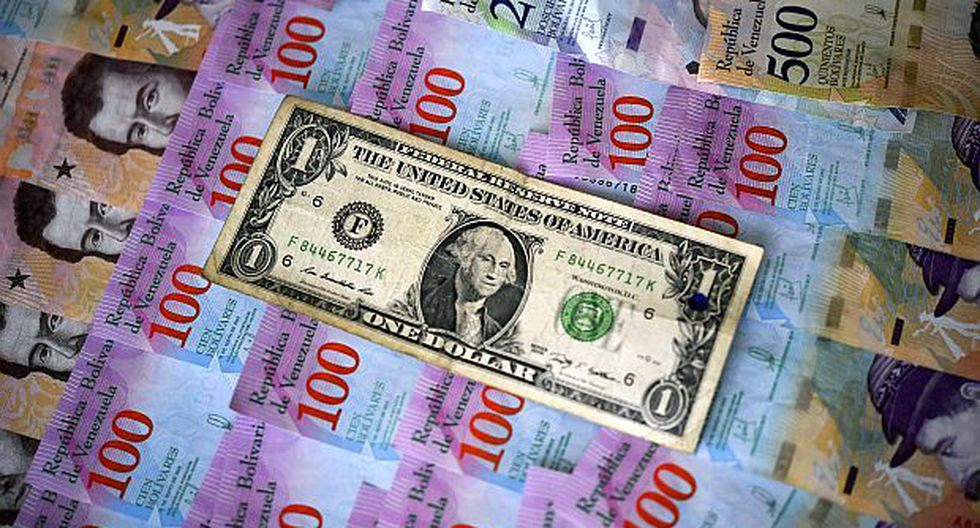
The change in Venezuela 1 $ US is equivalent to 1,050,000 Bolívares. We are a country of poor millionaires.
False freedom, the oil conquest!
Hello my dear readers, Before starting to study vowels, and even from the womb, Venezuelan children begin to listen to their first history lesson "Our liberator is Simón Bolívar" and indeed, it is so. Our first republic began on April 19, 1810, as a result of a plebiscite against Captain General Vicente Emparan, in which it would later be dismissed by a Supreme Board and later, on July 5, 1811, independence was declared. The royalists not conforming to this declaration start the war and the first republic falls. After innumerable battles, later our Liberator Simón Bolívar would consolidate the emancipation of Venezuela that was under Spanish rule on June 24, 1821, in a battle that took place in the fields of Carabobo and where the patriot army sealed the victory. before the Spanish royal army.
Moving away from the times of wars and battles that would make up our second and third republics, we reached the fourth republic in 1830, which began with the separation of Venezuela from Gran Colombia and 50 years later the oil era would begin in our country, and with her the new conquest. In Venezuela, oil began to be exploited in 1875 and the oil industry was nationalized on August 29, 1975 under the first government of Carlos Andrés Pérez, it would enter into force on January 1, 1976, founding the Petróleos de Venezuela (PDVSA). However, before the nationalization of oil, the governments of the day would drag with them various foreign oil companies, where concessions to exploit, produce and refine Venezuelan oil were negotiated by various foreign investors.
Venezuela was at the time the second largest oil country in the world, only behind the United States. And the influx of foreign companies brought with it popular resentment and discord, the Venezuelan never accepted the mistreatment of foreign transnational companies that came to exploit the country's natural resources. Therefore, once the oil industry was nationalized, all foreign oil companies were replaced by Venezuelan subsidiaries of PDVSA, which would control the exploitation of hydrocarbons in Venezuela. However, in Venezuela there were still many resentful Venezuelans, including Hugo Chávez Frías, who by 1999 would become president of the republic. He stated that: "In the 1970s, during the first government of Carlos Andrés Pérez, there had been no nationalization, but rather an agreement between national and international elites to distribute the dividends from this resource" and the transnationals continued taking advantage of the Venezuelan oil rent.
In 1999, the course of political life in Venezuela changed with the government of Hugo Chávez Frías, this could be called the fifth republic. From that moment, the Venezuelan was poisoned with a speech of foreign invasion headed by foreign capitalists from the United States, which claimed that they kept most of the royalties from the Venezuelan state oil company and social security was not guaranteed for him. village. And the Venezuelan, tired of the wrong policies of the governments of the fourth, agrees to give a vote of faith to the new government proposal, in which it was intended to guarantee social security through a new sovereignty of the oil industry. Therefore, for the year 2001, the new Organic Law of Liquid Hydrocarbons comes into force, ensuring not only the reconfiguration of oil management, but also the establishment of the Bolivarian socialist system. In reality, the Venezuelan state company was expropriated at that time by the government of the day.
At first everything was going very well, the Venezuelan was comfortable with the new measures, the regime guaranteed the collection, administration and control of oil income taxes and guaranteed plans and social projects, in what would be called the Bolivarian socialist missions . However, and after the oil strike that occurred in 2002 in which the government managed to escape unscathed, the Chavista government undertook as a first step a series of expropriations in the oil sector such as the Orinoco Oil Belt, the internal transportation of fuel and more. of 70 companies in charge of everything related to the oil activity. In turn, he was in charge of firing more than 20 thousand trained and experienced workers who did not maintain the same political ideology, leaving a group of Venezuelans with little training in oil matters in charge of the state, which produced a low production bringing with it the increase in imports of goods and services. And later, the worst oil crisis in the state.
Petróleos de Venezuela went from more to less, the regime took it as if it were its own personal wallet to finance political campaigns and to support foreign regimes with the same ideology through donations, loans and exchanges. As in the case of Cuba, since the Barrio Adentro mission is carried out by Cuban doctors in exchange for oil for that country. Likewise, the role of Venezuela was so important for the Organization of Petroleum Exporting Countries (OPEC) that it had a great impact, generating supposedly strategic alliances with countries such as: Iran, Syria, Belarus, Russia, China, with the aim of increasing energy exploration, production and commercialization and where regional integration with foreign investment was proposed, under the name of joint ventures. And so it was that we were colonized again.
Today Venezuela is practically bankrupt. With a low production and with a public debt of 186% official figures issued by the BCV, and the dramatic decrease in its Gross Domestic Product (GDP). Given the little information from official sources, the figures that are handled correspond to estimates from various international institutions and private consulting firms where it is estimated that: "The sum of the debt securities of the state and PDVSA would be around 125,000 million US $ ”And to that must be added the bilateral debt contracted with China and to a lesser extent that contracted with Russia, the one contracted with the World Bank and other multilateral organizations, data pertaining to the year 2018. Such indebtedness was made in the 2012 when the country went into recession and shortly after crude oil prices plummeted and PDVSA, unable to correct its production, began to stop paying. Most of the bonds issued in international markets have fallen into default, and to add to the shame, the Venezuelan state celebrates the arrival of ships loaded with gasoline to the country from Iran, when at one time we were the second largest oil producing country in the world .

They also returned firewood to our domestic gas
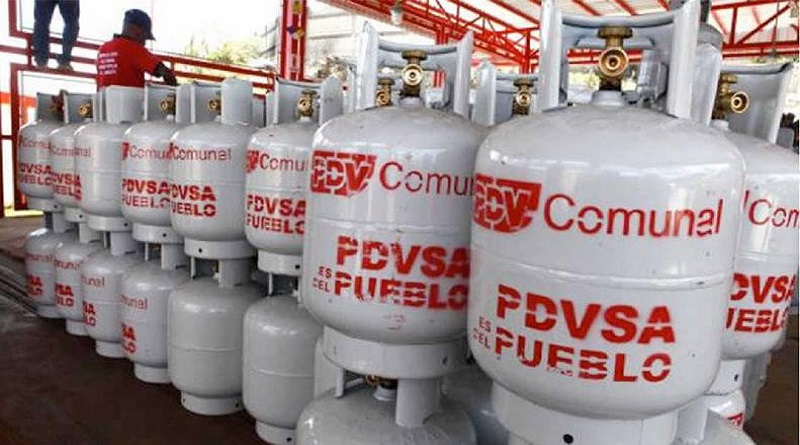
Venezuela, a world recognized country with one of the largest oil reserves and eighth country in the world ranking with the largest proven natural gas reserves of about 201.5 billion cubic feet, is currently suffering one of the worst crisis of domestic fuel and gas shortages . Despite having seven oil refineries that in previous years produced approximately three and a half million barrels of oil per day and which today are reduced to just three hundred and ninety-three thousand barrels per day. In turn, in natural gas Venezuela has ninety-one filling plants throughout the territory, however only one of them is operating located in the state of Anzoátegui and this stopped producing 220,000 barrels of propane gas per day for just fifteen thousand barrels that do not meet national demand.
The shortage of gas in cylinders and bottles has forced a large part of the Venezuelan population to look for other alternative means for cooking their homes and food, among them the options range from electric stoves to wood and charcoal stoves. The states that suffer the most from this aggravated situation are those that are far from the main cities and the capital of the country. 85% of Venezuelans depend on the cylinder when it reaches the communities through PDVSA gas since they do not have domestic gas service through the pipeline. What happened to gas production? Throughout the country, daily protests and strikes can be observed on the main roads demanding the delivery of domestic gas to the communities.
By 2000, the late former president Hugo Rafael Chávez Frías announced various projects and plans that promised to turn our country into a gas power, creating the National Gas Entity (ENAGAS). The main promise was to greatly reduce the use of gas cylinders in Venezuelan homes and to send the gas through pipes. A decade after those promises and plans and projects that were perceived but not executed, the scarce gas production and the neglect in the filling plants can be evidenced. Another of the gas projects with a large investment of about three billion US dollars is located in the state of Sucre, the project is called Mariscal Sucre and its objective was to supply domestic gas, petrochemicals, industry, the electricity sector and for export.
The north of the Paria Peninsula saw the birth of the Mariscal Sucre offshore gas project, which aimed to exploit the gas fields and which encompassed the fields of: Rio Caribe, Mejillones, Dragón and Patao. The large investment for this project began in 2006 and it was hoped that by the end of 2008 or the beginning of 2009 the first production of liquefied natural gas would be generated. The state oil company (PDVSA) predicted to generate a production of about 1200 million cubic feet of gas daily plus 20,000 barrels of condensed gas per day, which implied innumerable economic income and a source of work for the Sucre state. To all this was added the construction of the gas complex in the west, the gas of the llanero axis, and the Delta Caribe project, none of this materialized and once again corruption and waste appeared in the country. In 2017, President Nicolás Maduro affirmed that the country had not been able to advance in gas production.
Once again, due to the wrong policies in these last twenty years of government, the citizens are submerged in a great shortage of gas supply, some communities assure that they have been waiting for years for the service. For this end of the year many Venezuelan medres will cook under the oppressive smoke of the firewood as their ancestors did. The power country that we intended to be submerged under the ashes of the illusions and hopes of millions of Venezuelans who trusted in this system and that has led us to social, economic, cultural and political regression.
I also want some pink shoes
Hi! Good morning to all the members of this community, I hope you are doing well. I am a primary school teacher and a couple of years ago I had the pleasure of training several children with limited resources in a very poor peasant community. Totally defenseless children without any malice, and in the following text I would like to share with you a situation that I experienced with two of my sixth grade students.
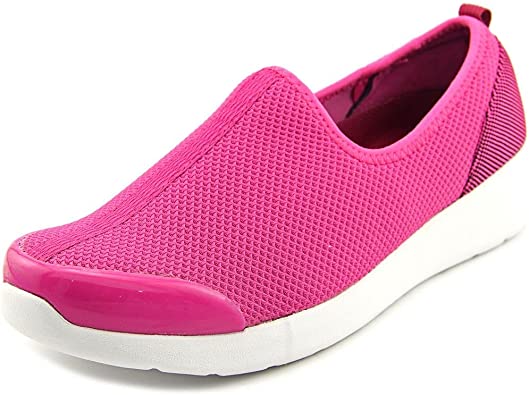
That Monday, I remember that I arrived at school very early, my students always when they saw me arrive they welcomed me with a warm good morning, suddenly one of my students (Raquel) approached me and said, teacher, do you know what is life? of Mariana? (Mariana is another of my students, 12 years old) I told her that I did not know, and she told me with great interest -because this weekend they bought Mariana some beautiful pink shoes- I am very happy for Mariana my girl I told him. -If the teacher continued the girl, a man arrived at Mariana's house that we had never seen before, this man was the one who brought her the pink shoes and the next day he took her to the city and bought her other things such as clothes, products for hair and some pretty earrings. Her mother was also very happy because she bought them food and a small kitchen. Teacher, this next week I am turning 13 years old and I too would like to have the luck of Mariana and that they give me some pink shoes- so much information set off the alarms in my head and made me very curious, but I continued with my daily work.
Several days passed and I immediately noticed Mariana's absence in my class, so I went to her home to find out what had happened to her, her mother came to meet me - teacher, it's good that she came, Marianita hasn't been able to go to class because a cousin came and she is helping him with cleaning his home in the town - I commented on the importance of education and civic training that the girl should receive and I left. But she felt a tremendous concern for that girl. I wondered if that information was true, although in my head I knew it was not entirely true.
So a week passed and I arrived on Monday, Raquel welcomed me to meet me at school - this weekend Mariana came to her house, she was made up, with new clothes, she had a fragrant perfume and she had on pink shoes. I asked her how was she? And I asked her for the pink shoes so I could put them on, she agreed to lend them to me and she said it was fine. But on her face I noticed some sadness and I hugged her I know that where she is she needs her mother, but she looked at me again and this time her eyes were watery like the river, I thought she was going to cry and I turned her back to hug- my heart was beginning to break and I took Raquel by the hands and led her to the address, and then Raquel, what happened? -She burst into tears, teacher, she told me that they didn't want her where she went, that they had mistreated her and she showed me some bruises on her skin, that man is hitting her- Her mother knows about that, Raquel, I asked her and she affirmed me with his head.
That day I met with other teachers from the school who live in that community and explained Mariana's case, and to my disbelief they told me not to get into that problem, that Mariana's mother had agreed to give her daughter to a man over sixty years old because he could not support her and in return this man was helping her support her other three smaller children. How was this possible? I began to investigate and I realized that Mariana was not the only girl who was going through this situation in that community and that other young women and adolescents already shared a similar case like Mariana's. Many other girls had been offered to older men for money and this was seen as very normal in that place.
I met again with my student Raquel, she knew everything Mariana had been going through and I asked her, Knowing everything Mariana goes through, do you still want to have pink shoes? And he told me - yes, teacher, I also want some new shoes, new clothes, sanitary napkins, deodorants and many other things that my parents will never be able to give me, I want to be a woman and have my own home to attend to, no matter a few strokes- and your happiness? I asked her, if you study and then work you can buy what you want, have a car and even a house, help your mother and your brothers, you will be free and independent, you can buy all the shoes of the colors you want.Although things cost, it is better to earn it with the sweat of effort. Sometimes it is good to put yourself in the shoes of others, but it is never good to keep borrowed shoes, do not repeat the same story.
Those pink shoes are the shoes of pain and unhappiness, they are the shoes of pederasty dressed in goodness, they are the mistakes that some parents make daily.
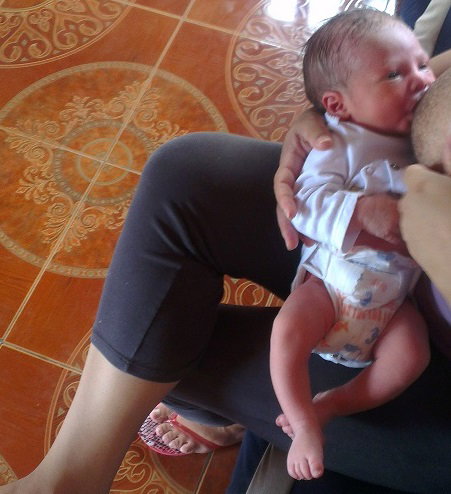
Affective and effective breastfeeding
Bringing your little child into the world is not an easy task, the pains either due to childbirth or cesarean section are unpleasant, some women immediately identify with their children and are more empathetic. However, other women take a while to accept their new child and this does not mean that it is wrong since psychologically some women have postpartum depression or simply take a little longer to become familiar with their baby. But what happens when you have to feed your baby? In my experience as a first-time mother, I remember the exact moment when the doctor gave me my baby and told me you should breastfeed, I immediately got ready to feed him, a long time passed and my baby began to cry, he stuck to my breast and sucked but in that moment At the moment he had no milk to feed him.
Wanting to feed your baby and not being able to is one of the worst sensations in the world, seeing your little one cry from hunger is painful. The doctor who treated me recommended exclusive breastfeeding since it is the healthiest and ideal food for the growth of our children, so the first days after my baby was born, he was fed in the maternity milk bank. It was time to go home, and when I arrived I was faced with the question of how to feed my baby since I was not yet producing breast milk. Before crying, my husband went for a formula for newborn babies, and I began to give him the formula and also hit my baby by the breast to stimulate him, but the child was exhausted and did not produce the much desired milk.
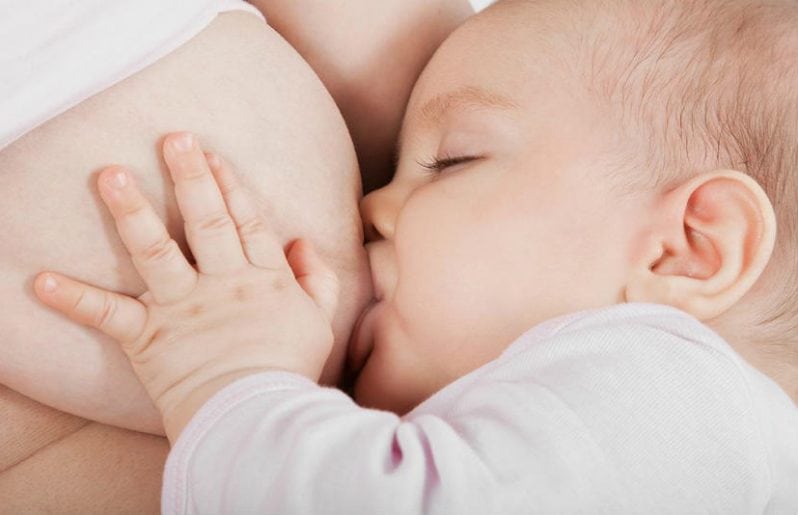
Following several suggestions to produce breast milk, I performed various activities such as: circular massages on my breasts, my husband placed warm water compresses on them, massaged my breasts with a hair comb, drank plenty of water, consumed certain foods milk generators such as grains, papaya, legumes and even a kind of ground corn called harinita, I exercised daily and then I hit my baby at the breast in the hope that the first colostrum would come out and well the result was adverse and that depressed me , I wanted to be able to feed my baby. Then with the days a community doctor came to visit our home, and she instructed me on how to massage my chest and that with my index fingers and thumb to take my breast near the C-shaped areole and squeeze it, and in That moment my eyes saw the first colostrum sprout for my son, I immediately hit the baby at the breast and the much appreciated milk began to come out little by little.
At that moment I was full of deep happiness, being able to look at my baby's beautiful face taking her breast is the most pleasant experience and sensation in the world, there is nothing that compares with that precious moment, love springs instantly when you observe those tiny eyes full of light and life. So from my little experience I would like to let all those mothers and especially new mothers like me know that when faced with the doubts and stress generated by breastfeeding, it is best to go to a breastfeeding counselor, these professionals They have experience and are trained to help you and give you advice on how to breastfeed your baby. After you start breastfeeding you will find other problems such as outbreaks of growths and mastitis problems, but for that there are also the experts, go to the specialist doctor on time and do not be afraid to breastfeed, you can also have with your baby effective and affective breastfeeding.
BCH contribution to my family finances
Good afternoon dear readers, I am a young Venezuelan, 31 years old, married, with a daughter. My wife and I are professionals, she in the area of initial education and I have a degree in business administration. In our country where the unemployment rate is high and the monthly minimum wage is the equivalent of scarcely two American dollars, many young graduates in various areas have found it necessary to pay taxes to their family finances in various jobs that generate a little more income. as informal workers, traders or farmers. An example of this serious economic situation that is being experienced would be the following: imagine that in your country you worked monthly to buy an apple. In my country we can speak of millions and millions of bolivars for the cost of a single item, since in 2008 our monetary cone had three zeros suppressed and in 2018 five more zeros were suppressed, which generated a great currency devaluation and causing hyperinflation.
Access to new technologies and the internet presents continuous failures as well as telephone signals. Many Venezuelan homes do not have this service, and to this is added the acute electricity crisis that is experienced where cities and communities can spend months without this service. On the other hand, there are groups of young people and entire families who are equally disadvantaged but who have the service and in view of the precarious economic situation and the lack of income in the family economy, they carry out activities, writings and tasks on various pages or are They are dedicated to advertising in WhatsApp groups or on social networks. There are only two social classes, the poor and the rich who are the rulers, the middle class was extinct, the meritocracy does not exist and the value of the study does not count in a country with one of the worst economies in the world.
This year with the birth of our first child, my wife and I, in search of generating extra income, got to know Read.Cash at the suggestion of a friend, who told us that there was a page that generated BCH, a reliable cryptocurrency where we had to write, Ideal for my wife who likes to write. We documented ourselves about cryptocurrencies and after a few days we opened an account. We drew up a work plan where we would continually write articles and writings of interest to the readers of this community, allowing us to get closer to you as humanly as possible. And so we start our blog, we publish daily and we feel very happy and satisfied to be able to generate income daily to give back to our economy and meet the needs in our home. Each vote and I like that our content generates is for us a great personal satisfaction.
The first week we were able to generate with our block the amount of BCH equivalent to five months of work for a Venezuelan worker. And although it seems little, there are Venezuelan families that depend solely on this source of income to be able to survive. Despite the fact that the economic situation of the country is not the most favorable and has caused one of the largest waves of immigrants throughout the continent, we remain hopeful that some of us can overcome this crisis, meanwhile we continue working and we thank pages like the Read.Cash that allow us to present our experiences daily, express our points of view on various topics, read other editors who make life in this community and at the same time leave us a daily contribution to cope with the difficult economic situation.

What happened to us as a society?
Venezuela a country blessed by the hand of God, who was in charge of endowing it with wonderful landscapes and many natural resources. A rich country that continues to lag behind, where the population does not have the main public services and families must do the impossible to feed themselves daily. To all this is added a major problem and that problem is the lack of social values, corruption and the so-called Creole vividness that grows more every day and in which several groups of citizens have been taking advantage of to finish demolishing the economy of The most disadvantaged.
The large number of young people and adolescents in a gestational state is overwhelming, the streets are flooded by a high rate of violent deaths as a result of the existing armed crime, the social decomposition is so worrying that the sense of belonging has been lost and in public spaces where families used to meet to share, today vandal groups meet. There is no social security, merchants and businessmen stopped betting on our country and left. The ruling classes have been determined to enslave a people that, although they have raised their voices on several occasions, have already learned to live in backwardness. Venezuelans no longer live, Venezuelans survive because that is what has happened to them.
Universities have been disappearing, little professionals are being trained. And it is that the agonizing crisis that the Venezuelan state is going through has been propitious for young people and school-age children to abandon their studies and become part of the informal economy. In turn, unemployment and the high cost of living have led to job abandonment in public administration positions, where the monthly minimum wage is the equivalent of one dollar, this being unsustainable to meet the basic needs of a population that daily it is suffocated by an inflation like never before seen throughout history and that pulverizes the national currency, we no longer speak of bolivars but of American dollars.
All these factors have generated large waves of Venezuelan migrants across the continent. In what decades ago, only internal migrations would arise as a result of industrialization and economic development in the large capitals of the main states of the country. Peasants and day laborers migrated to these cities to improve their economic and social conditions. Today we appreciate the flight of more than four million Venezuelans, figures issued by the UN. Most of them are young professionals from various branches who have found it necessary to seek better living conditions in other countries of the continent, generating great social unrest for these other governments.
Venezuelan society is submerged in misery. But there is no evil that lasts a hundred years, all these problems can be overcome in the long term with hard work and perseverance. But when do we get over the loss of the talent that has left? How do we redirect youth who have been left without school? The Venezuelan state must work to improve the economic and social conditions of a population that is submerged in misery and total chaos of that there is no doubt. Valuable time for progress has escaped us, and in the face of all these adversities we have shown the world our worst face. But we still have hope, we still have dreams and wishes to be a prosperous Venezuela without corruption and with human qualities.
Boys and Girls of my town
Before we are children and adolescents, we are members of a family with responsibilities and commitments.
In a town far from all kinds of technology, where the telephone signal has not yet reached and some media are present in few homes, a town that lives almost uninformed, they live far from any national and international reality, the information is The last to arrive live as in a bubble that allows them to interact much more with each other, most of the inhabitants who live in the town cultivate and fish for their livelihood, their children study in the town's little school, they rarely go out to visit other towns in search of medicine, food and other belongings, a town that is invaded by malaria, dengue and intestinal parasite attacks and that the inhabitants have been able to counteract for many years, fighting them with home remedies and various medicinal plants.
Undoubtedly a poor town, where you can see children and adults with severe signs of malnutrition, where life is not easy and you have to work every day to meet food needs, conditions are not always the best, children and adolescents turn out to be without a doubt the most unfortunate in this case. However, their faces always reflect that characteristic sweetness typical of children, that childlike air that allows them to be free and enjoy nature, many children frequently attend school, managing to lower illiteracy rates, which is important in a population where more than 60% of the inhabitants are illiterate, many parents and representatives of these children never went to school.
Before the children begin to walk and hear their first words from their mouths, their parents are in charge of teaching them their daily work activities, as they become children already trained, they carry out tasks of loading water in the rivers and springs of the town, where They travel approximately 800 meters back and forth to reach their homes, they help their parents to gather vegetables, fish and hunt wild animals, the girls help their mothers in the kitchen, clean the home and wash their father's clothes and Older brothers. They are family responsibilities, from a very young age children are told their responsibilities at home.
Adolescents long before reaching adulthood begin to interact with adult men older than them, their lives are often wrapped up by their family situation, they prefer a husband who provides a home made of clay and some branches, to become independent from their family and start their personal life, this is not so good, many men just want a woman to keep their home for them, so for them it turns out to be a life of monotony and after having children at an early age they give note that starting and maintaining a family is more complicated than it seems.
The boys and girls and of my town are fragile children, they do not play with wooden carts or balls made of rubber, they have prematurely become adults. With scribble and machete in hand the children go to the plantations and conucos, there are no complaints or fears, for them being part of the family's support and having adult responsibilities is what they have played for so many years. The children of my town have no malice or bad intentions, because despite having so little they are happy because they live humbly and despite the fact that many do not go to school they learned the greatest lesson in the world, and that is to be honest.

Recipe to prepare an exquisite marbled cake
Good, dear readers, this time I would love to share with you a great recipe for one of my favorite cakes, it is the marbled cake. This delicious dessert can be shared with your family and friends on a rainy day with a good coffee or chocolate, as a snack, to celebrate at your birthday parties or simply as breakfast. I hope you like it and are encouraged to do it.
INGREDIENTS:
1kg of wheat flour with self-rising agent.
800gr of sugar.
450gr of margarine or butter.
12 eggs
1 liter and a half of milk.
Vanilla to taste.
1 tablespoon of salt.
250gr of cocoa powder.
Lemon zest to taste
MATERIALS TO USE:
Manual or table mixer.
Container to prepare the mixture.
Sifter.
Spatula.
Tortera.
• THE FIRST THING YOU MUST CARRY OUT IS THE HEATING OF THE OVEN, WHICH WILL BE 350 ° F, AND LEAVES AND FILLS THE TURTER, EACH OVEN IS DIFFERENT. VERIFY THAT THE TEMPERATURE IS IDEAL.
FOR PREPARATION:
Add the butter and sugar in the bowl, start beating with your mixer to cream the butter with the sugar, the ideal is to dissolve all the sugar mix for about 10 minutes or until you see that the mixture does not contain sugar crystals , then start adding the eggs in the mixture one by one while you continue beating, mix the eggs well they will help you to finish creaming the butter well, there will be a shiny cream, then add the vanilla, the teaspoon of salt and the grated lemon and continue beating. Don't worry if adding the vanilla cuts the mixture a bit. Start adding the milk little by little to your mixture, alternating it with the wheat flour (you must sift the wheat flour with a strainer or sieve to avoid adding lumps to the mixture) and beat again until you finish with the rest of the flour and the milk, there should be a very creamy mixture that when lifting the hand mixer and moving your hand you can form figures with the mixture that do not fall apart easily.
FOR MARBLE:
Divide your mixture into two containers, in one of them add the cocoa powder, sifting it, incorporating until it forms a dark cream (if you notice a very thick consistency you can add a cup of milk). Once you have this mixture ready, in your already floured tortera alternate the two mixtures that you formed by centering them a little, it would be a cup of the vanilla mixture and a cup of the cocoa mixture (repeat this step until you finish with both mixtures) now in the Top part with a little cocoa mixture forms a circular shape with the spatula and with the help of a toothpick it forms.
Oven: lower the oven to about 300 ° F and put the cake in for an hour and a half, then lower to 250 ° F for another half hour and check the doneness with a toothpick in the center of the cake, if it comes out clean and you notice the brown cake in the center is ready.
** **YOU REMOVE FROM THE OVEN, YOU TAKE IT OFF FROM THE WALLS OF THE TURTER, LET IT COOL COMPLETELY AND READY, GOOD USE** *
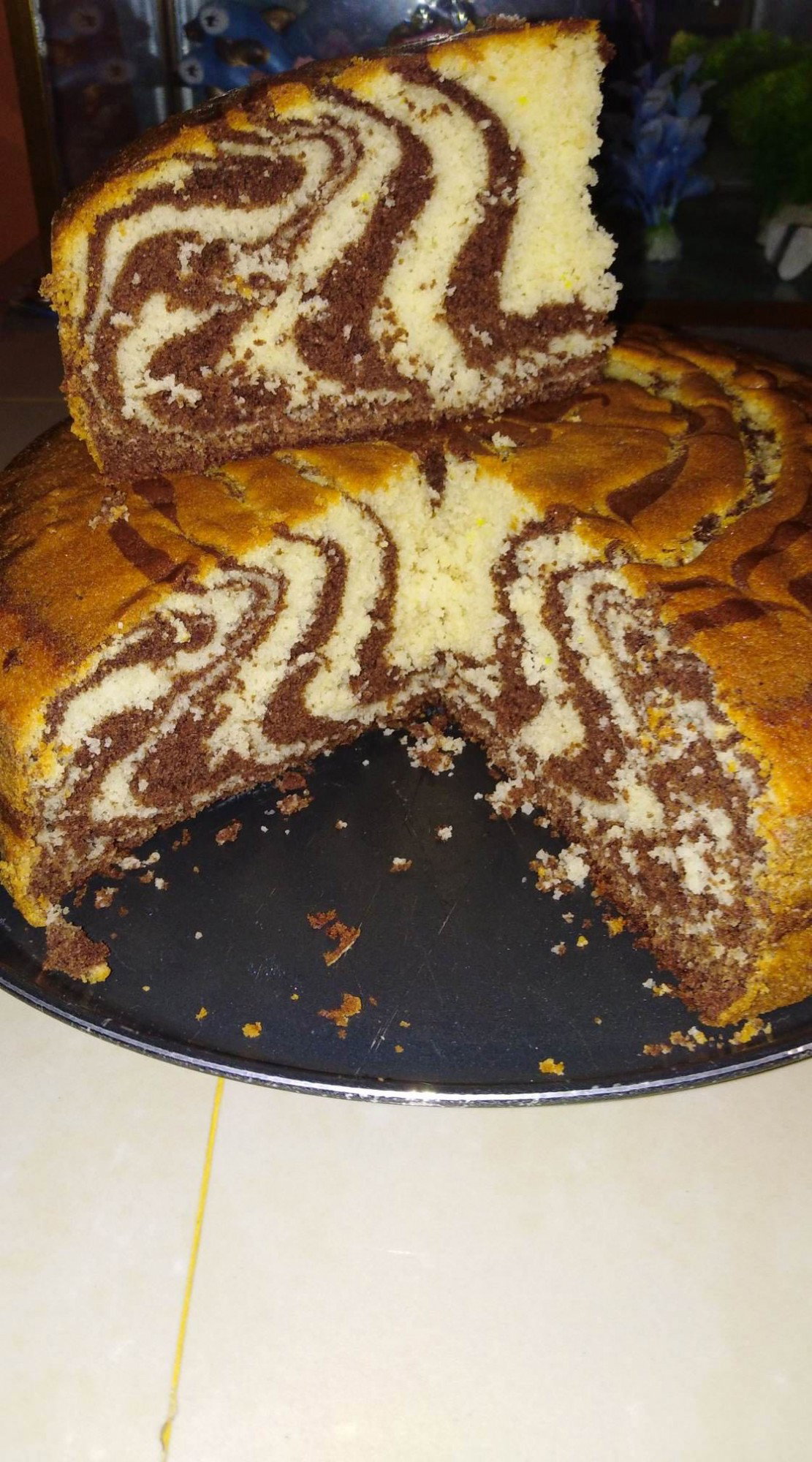
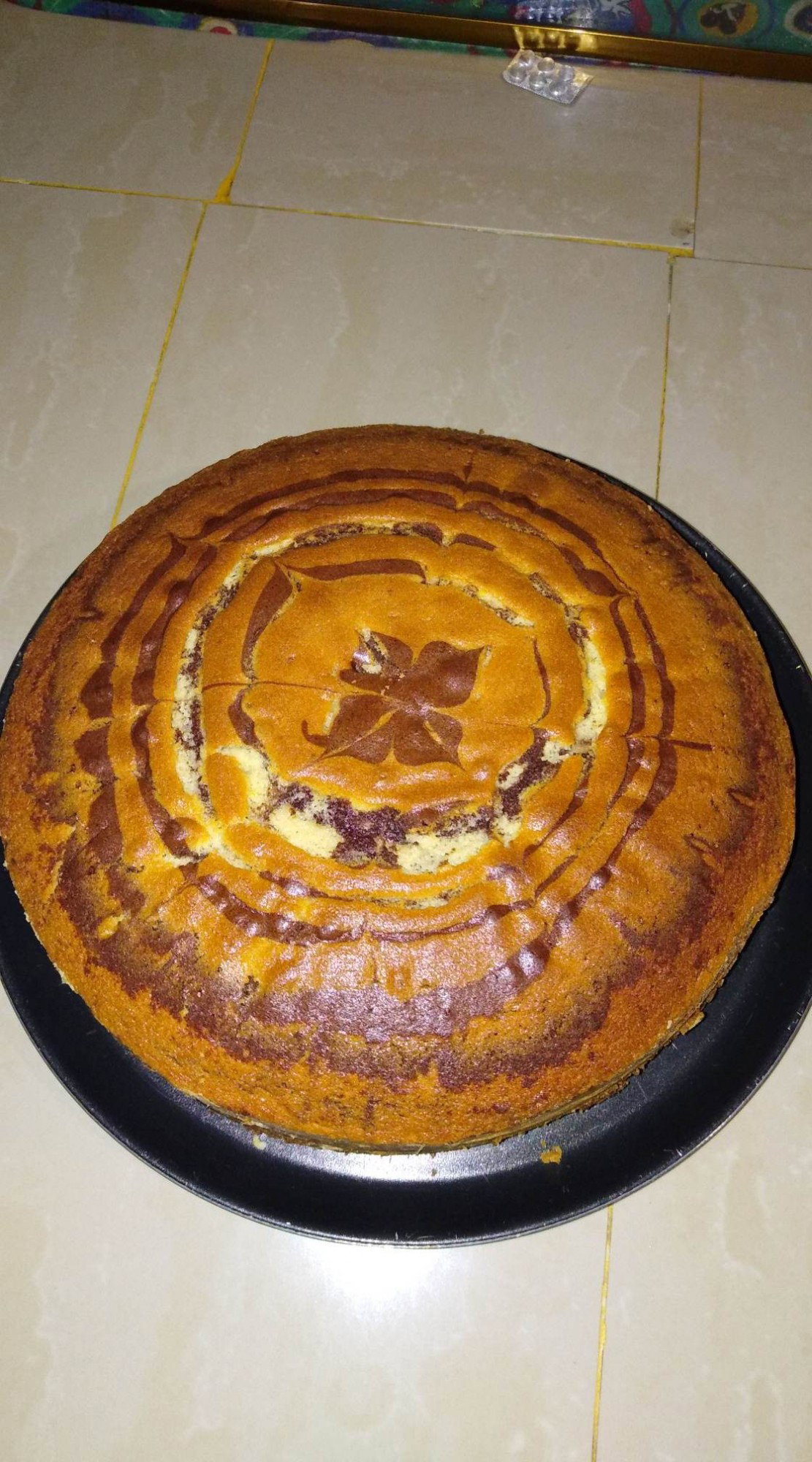
Influences caused by certain musical genres in youth and adolescents
Since the fetus is in the womb, from 16 weeks of gestation it begins to develop the auditory sense, so it responds affirmatively to speech and sound, it is at that moment when the future mother begins assertive communication with her son and between songs and lullabies the maternal affinity and the cognitive development of the human being that is on the way is established, strengthening their cultural identity. These songs are usually loaded with lyrics that promote the social and cultural values of each region.
As the child grows, she forges her own character, she begins to feel free and is not so dependent on her parents. However, upon reaching the stage of adolescence, the future adult finds herself in search of her own identity, where acceptance and self-esteem play a fundamental role in the formation of this new citizen. There is an influential factor in the development of young people and adolescents, most of them identify with certain genres and musical styles, associating in groups that allow them to feel more comfortable in their environment.
Music has positive effects on adolescents. For example, classical music transmits a message of serenity and is loaded with values, so this musical style is therapeutic, relaxing, stimulates the brain, strengthening learning, allows learning new languages and offers healthy spaces for the distraction of young people. Some musical genres of this type help adolescents to feel less uninhibited, less shy and sometimes to be accepted as they are, strengthening their self-esteem and their social environment.
Music is called the universal language, because it gives off the free expression of feelings and emotions, its lyrics tell the story of stories that transport the listener and place them in places and situations that are pleasant for the senses. Depending on the musical style, the young person and adolescent show feelings and values of love, peace, serenity, solidarity, tranquility and trust. But what happens when young people and teenagers are inclined to musical tastes that promote sex, prostitution, alcohol and drugs? adolescents in the process of forging their own identity associate this type of music positively, so many times they feel comfortable wanting to imitate or be like the songs of these genres and adopt this type of lifestyle.
There are various genres that promote these inappropriate behaviors and that today are all the rage in many young people around the world, some of them such as reggaetón, hip hop, trap, rap, electronics and bachata contain lyrics loaded with antivalues and which in turn are accompanied by music videos showing semi-naked girls and boys consuming prohibited substances. These messages reach the brains of young people who consume it daily, causing mostly rebellion, suicidal ideas, aggressive behavior, emotional weakness, lack of empathy, depression and low self-esteem. Young people seeking to forge their own identity want to wear miniskirts and tight clothes that show their body in a sexist way like their favorite artists, use excessive makeup and hairstyles.
The family must educate young people and adolescents in values. What to do to prevent young people and adolescents from maintaining a negative influence due to current musical genres? Greater interest and social responsibility must be shown to promote a healthy life in children, youth and adolescents, providing them with tools that allow them to reorient themselves so that they can enjoy a full youth and develop their capacities and abilities without being negatively influenced by certain musical styles and musical genres.
Colic in nursing children
It was after five in the morning and I was with my precious little-month-old son struggling to get some rest. His crying was my crying and his complaints indicated a discomfort that I could not identify. As the days went by and talking with other experienced mothers I understood that my son was suffering from colic gas, at that moment I began to study what infant colic was about and how to help my baby so that he could rest fully.
Colic appears in the first three or four months of life of our little ones, and although its reason is not exactly known, some experts point out that the digestive system of the baby, being immature, suffers from reflux and gases that make infants uncomfortable. Babies communicate this discomfort through uncontrollable crying, with the particularity that these episodes usually occur at night and in the early mornings, lasting up to more than three hours.
After inquiring and consulting several sources including that of the pediatrician, I began to perform several routines that could help my baby to alleviate these colic gas discomforts. Regardless of whether our children have exclusive breastfeeding, with infant formulas or mixed lactation the first months after birth, some babies experience this type of colic that is completely normal and that only disappears over time. And although each baby has different characteristics from others, below I will describe the following activities that I have done and that I hope you will also work for:
• Make sure when you breastfeed or bottle your child to get rid of his gases well so that you can reduce their accumulation in his belly.
• Perform circular massages on your baby's tummy in a clockwise direction, you can use some cream or baby oils to soothe the area. Before you rub your hands to apply heat.
• Transmit your body heat to him, let him feel the contact with your skin, and never leave him alone after falling asleep, practice co-sleeping at all times.
• Use a diaper or towel that you have available for him, soak it with warm water and place it on the baby's belly, if he is uncomfortable, carry it and pass it on.
• Warm your baby well and put clothes on him that do not tighten his abdominal area.
• Don't overfeed your baby. Give him the ideal food intakes recommended by his pediatrician and never go overboard with infant formulas.
• If you use pacifiers or pacifiers, you drink, use the anti-gas or anti-colic ideal for one month of life.
• Follow an ideal diet and eat less foods that contain caffeine, some type of dairy or soda. If you are breastfeeding you should not consume drugs, liquors or tobacco.
• The exercise of the bicycle is effective to remove the gases of your baby. Place your baby on his back lying on the bed and in a game plan, flex his knees, begin to make movements with his legs up and down in such a way that it resembles riding a bicycle.
• Do not give any type of tea or infusion to your baby. If the crying continues and you cannot see improvements, consult your pediatrician.
As mothers we always worry about the discomfort or ailments of our children, and in many cases we do not know what to do to overcome these episodes. The first few times like many mothers I despair seeing my baby cry. However, staying calm helps to comfort our baby, hug your child, convey security, sing lullabies, offer your breast and mainly believe in you and that maternal instinct that all mothers have.
Water seeders
Good dear readers, I am a Venezuelan teacher and several years ago I had the privilege of being part of a work team at the Las Catanas Bolivarian School as sowers of water. This school is located in a rural community with low economic resources, where its main source of income comes from fishing and agriculture. This humble community does not have sewage drainage, however it is surrounded by large sources and flows of pure spring water that are brought to homes through various containers and transported either on foot or by some domestic animals such as mares and horses..
I confess that when I heard the name of this school program for the first time, I immediately asked myself: How can water be sown? It didn't seem possible. After several expeditions carried out by the community together with my group of sixth grade students, we understood the essence of the program, and thus we became sowers and protectors of water in the Las Catanas community.
To become a water seeder, the first thing you must know are the water sources of your community, so on our first day in the field as water seeders, my group of students and I left the school and took a tour of the community in where we identify the seven main water sources and water flows that supply the community, knowing a little more about the pools (El Manco, La Alcantarilla, the spring of Antonia Campos, El pozo Subero, Laguna de Cesar Albornet) and the main river Coicual where families are concentrated to carry out their housework. Thus, we observed the poor state of these rivers, the plastic waste and remains of human and animal excrement that are thrown into them daily and that announced the serious contamination of the water and soil.
The second step is to identify what types of trees exist in your community or town, lean on some village teachers who are those people or grandparents who know your community culturally and develop planting and cultivation activities, identify which of these trees are protectors of the water and they can conserve the underground reserves some of them can be (bamboo, Chinese banana, cedar, coffee, cocoa, pumalaca, apamate among many others). In our second outing, my students and I, with the help of various representatives and residents, went to the forests and hills near our rivers, where we found a great variety of these trees. However, we were also able to appreciate the burning and felling of many of them that were sacrificed to carry out conucos and plantings on lands that are close to the rivers.
In view of the need to plant water-generating and conserving trees near our rivers, my students and I made beds and nurseries with many of these trees and we decided to clean up and plant the “El Manco” spring well, for which we made a third expedition.
Our third outing was during the dry season and at that moment we were able to appreciate the real problems caused by global warming and climate change. The well water flow had been reduced, the water hole of our spring was almost disappeared and at that moment and already observing the other problems encountered previously, my students fully understood that water being a non-renewable natural resource it was extinguishing. So the third step is to create environmental education in our youth and children.
Planting water goes beyond planting trees that help conserve the flow and water sources of our rivers, sowing water is leaving our comfort zone and touring our communities to verify the conditions of our seas and rivers, planting water is creating awareness ecology in our youth and children so that they understand that we cannot continue to be part of the problem but part of the solution to this global problem.
Can you imagine that every student in every school around the world would sow water? Now imagine that those students took that knowledge home and shared it with their families, now imagine that each person connected with mother earth and respected each source of water. Do you know what would happen? because there would simply be no pollution of our seas and rivers and we would conserve water, trees, air and soil.
“When I observe the first water spring sprouting from the earth, I associate it with life itself. The earth is our mother, each source of water is like the mother's womb, each drop of water is the mother's milk that we consume daily to feed ourselves. Let us respect mother earth that offers us all its riches "
Miracle of life!
Good afternoon, dear reader friends, my name is Vanessa Lopez, I am Venezuelan and I would like to share with you my experience about one of the most difficult and overwhelming stages in the life of a woman. But in turn, it is the greatest stage full of much love and tenderness that involves the arrival of a new being in our family environment. And is that without a doubt pregnancy is a carousel of emotions, and for mothers like me who have had to live it in times of pandemic and with all the setbacks and difficulties encountered, having your child in our arms is the most valuable victory in the world .
My husband and I have been married for four years and since that time we have always been searching by all means for that longed-for being to complement our lives and thus be able to form a whole family. However, as is the case with many women around the world, conception was not easy. The more attempts we made and the more we documented about the pregnancy, the more we failed, we became frustrated and we thought that motherhood would not be for us. And so one day we decided to close that chapter and concluded that it was better to stop continuing to get depressed every time we realized that we had not gestated.
So we spent three long years and we forgot the subject, my husband and I dedicated ourselves to doing other types of sports and entertainment activities, in our daily life there was no word pregnancy and when a friend or acquaintance asked us the so painful when are they going to get pregnant? We always responded with a big smile full of nostalgia. May it be when God wants it! and when my husband and I left with wrinkled hearts, we consoled each other with a big hug without making any kind of comment.
Last Christmas I internally asked for a child as a gift, although I confess that this time I could feel different, I could feel something that I had never felt on other occasions, I could feel hope and a lot of faith, and I asked for it to be real. That night I dreamed that it was real that I was inside, I did not want to cling to a negative and so the days passed and a new year arrived without bleeding and it filled me with courage because for the first time in so many years I had not stained and I reserved it, I was jealous because I needed to be sure. On January 14, on my birthday, I went with my husband to the laboratory to get my birthday present, and indeed there it was, I was pregnant.
I immediately told my husband that he would be a father, and he could not believe it, he looked at the result and he told me that in that laboratory they had made a mistake. I couldn't stop laughing, I don't know if it was the nerves or the anxiety but in my heart I knew I was pregnant, I could feel it in December and my body confirmed it in January before taking the test. At the end of the month we went to our first prenatal check-up, and for the first time we could hear the heartbeat of our little son, I still remember it and I cry with happiness, I did not know that it was so happy to hear a human heart, but in my memory and in my heart that sound has been the most wonderful melody I have ever heard, a melody that was charged with love and that today, barely two months old, I can look straight ahead because God rewarded me.
Conozca los beneficios para la salud de la uña de gato y el astrágalo
Saludos queridos amigos. Como sabes, todos estamos expuestos a sufrir cualquier virus, esto se debe a cambios bruscos de temperatura así como a cambios estacionarios o simplemente porque nuestro sistema inmunológico está comprometido. Por eso te hablaré de dos plantas que ayudan a fortalecer tu sistema inmunológico. Son la Membrana de Astrágalo y la Uncaria tomentos
Esta planta, originaria de Mongolia y China, pertenece a la familia de las Favaceae, su nombre científico es Astragalus membranaceus. Esta planta tiene la magnífica capacidad de estimular el sistema inmunológico, además de promover las funciones del organismo. Actúa contra los resfriados, la gripe y otros tipos de virus, como el Coxsackie B-3, que afecta al corazón. Esta planta se puede tomar en infusiones o tintura.
Esta planta ofrece excelentes propiedades y beneficios para la salud:
Propiedades:
Esta planta tiene saponinas, polisacáridos, flavonoides, aminoácidos, oligoelementos, triterpenos e inmunoestimulantes. Sus raíces contienen una serie de minerales como magnesio, hierro, potasio, calcio, zinc y otros. Tiene propiedades antibacterianas, antivirales, diuréticas, antiinflamatorias, antidiabéticas, analgésicas, vasodilatadoras, expectorantes, cicatrizantes, antioxidantes, antidiabéticas, hipotensivas, antitumorales.
Entre los beneficios que ofrece esta planta se encuentran:
-. Lucha contra la gripe.
-Mejora o alivia los síntomas de alergia y dolencias renales, y también es muy eficaz en el tratamiento de la nefritis crónica.
-Fortalece el intestino.
-Combatir la fatiga y el phat.
-Mejora la memoria, afecciones cardíacas.
- Tonifica el bazo.
-Tratar la otitis.
- Es una excelente cura.
-.Protege el hígado.
-Es una planta que se caracteriza por trabajar o reactivar el sistema inmunológico, por lo que estimula la producción de glóbulos blancos.
Cuidado de las plantas:
El astrágalo crece en forma de arbusto y es resistente, puede medir entre 50 y 100 cm, sus flores son amarillas, suele florecer en los meses de junio a julio. Las semillas pueden germinar a temperaturas de 5 ° C, es una planta con climas cálidos y soleados, aunque puede soportar bajas temperaturas.
Esta planta necesita un suelo con textura arenosa, por lo que debe regar de forma intermedia, manteniendo así la humedad del suelo. Además, se debe tener en cuenta la temperatura y la exposición al sol. Esta planta requiere exposición directa al sol.
Aplicaciones:
Esta planta se puede tomar en infusiones, que se pueden preparar con sus hojas o su raíz.
Esta planta es originaria del Amazonas. Su nombre científico es Uncaria tomentosa. Es una planta medicinal que tiene un gran efecto estimulante sobre el sistema inmunológico. Esta planta nos ayuda a combatir una amplia variedad de virus, especialmente para combatir los virus del herpes (Zoster, oral y genital) o virus ARN que son virus encapsulados. La uña de gato es una enredadera que puede alcanzar hasta 15 m. su tronco es leñoso y delgado. Sus hojas son ovadas y sus flores son de color blanco amarillento. Crece entre los árboles de la selva amazónica.
Esta planta fue descubierta en 1830, pero no fue hasta la década de 1950 que el naturalista alemán Arturo Brell realizó los primeros estudios sobre sus propiedades.
Esta planta ofrece excelentes propiedades y beneficios para la salud:
Entre las propiedades de esta planta se encuentra que es rica en indoles y oxindoles, dos alcaloides, por lo que también contiene ácido quinovico, taninos, flavonoides y fitoesteroles. Debido a estos componentes, esta planta es un excelente antiinflamatorio, antiviral, antimutagénico, inmunoestimulante, diurético y analgésico.
Los beneficios que ofrece esta planta al organismo son:
-Algunos estudios demuestran que esta planta puede prevenir la propagación de células tumorales.
-Mejora las molestias digestivas.
-Lucha varias infecciones.
-Regula el ciclo menstrual y en dosis elevadas tiene efectos anticonceptivos.
-Ayuda a mejorar las caries.
-Ayuda con afecciones como artrosis, artrosis, artritis y artritis reumatoide, ya que ayuda a aliviar las inflamaciones articulares.
-Es beneficioso en casos de gota, ácido úrico alto, algunos casos de diabetes,
-Esta planta es ideal para estimular el sistema inmunológico.
Aplicaciones
La corteza y la raíz se utilizan de esta planta. Las hojas se utilizan raramente. La uña de gato se puede encontrar seca o fresca y se prepara en infusión, aunque también se puede encontrar en tintura, molido, cápsulas, etc.
Usos y beneficios para la salud del plátano mayor (Plantago major)
El plátano (Plantago major) es una planta que tiene diferentes usos. En este post te damos una descripción. Lo primero que debemos saber es que su nombre científico es Plantago Major L. Pertenece a la familia Plantagináceae y se le conoce con los nombres llantai, llantén, llantén y yantin.
Esta planta tiene excelentes beneficios para la salud que describo a continuación.
DESCRIPCIÓN
Esta planta es de tamaño pequeño, de unos 40 cm de altura, sus hojas en roseta, simples, anchas, ovaladas o ligeramente lanceoladas. En las espigas tiene flores muy pequeñas de color verde amarillento que pueden crecer hasta 25 centímetros. Contiene semillas muy pequeñas de color oscuro.
Su fruto es una cápsula ovalada.
Esta planta es de origen europeo y llegó a América y al resto del mundo debido al proceso de colonización y desde entonces ha ganado renombre por sus propiedades medicinales.
CULTURA
El llanten es una hierba de clima tropical, templado y frío (pero no crece a temperaturas tan bajas), crece en casi todo tipo de suelos, especialmente en los que son ricos en materia orgánica y están drenados. La planta de plátano puede reproducirse de dos formas, por las raíces y por las semillas que se encuentran en las mazorcas de estas. Esta planta se puede plantar en cualquier mes del año. Su floración ocurre de mayo a septiembre.
Si desea cultivar esta planta en una maceta, debe proporcionar los siguientes cuidados
: Debes colocar la maceta en una parte de tu casa donde brille el sol.
-. Debes regarlo de 3 a 5 veces por semana en verano, el resto del año puedes hacerlo 3 o 4 veces por semana entre días.
-. Debes fertilizar el suelo en primavera y verano.
CONTROL E IMPACTO
Si quieres plantar llanten con otro tipo de cultivo debes tener cuidado, ya que la planta llanten puede ser perjudicial para estos otros cultivos. Esta planta puede dañar cultivos como maíz, caña de azúcar, alfalfa, ají y otros. Es de destacar que en esta planta, llanten, aparece en forma de maleza.
PRINCIPIOS ACTIVOS
Esta planta es rica en mucílagos, taninos, saponinas y flavonoides.
USOS, PROPIEDADES Y APLICACIONES
Sus tiernas hojas se pueden consumir en ensaladas. Sus hojas también tienen una aplicación medicinal, ya que sus hojas, por vía tópica, pueden tratar heridas, picaduras de insectos, úlceras varicosas y afecciones oculares. Y cuando se consume en infusiones, puede combatir las inflamaciones de boca y garganta. Otras propiedades que podemos encontrar en esta planta tienen acción antiinflamatoria, es astringente, emoliente, cicatrizante, vulnerable, hemostática y antibacteriana. Además, también es pielolítico e hipocolesterolémico.
Fibromialgia
Hola amigos, quiero contaros que la fibromialgia es una de las causas más comunes de dolor. Es una enfermedad caracterizada crónica por dolor musculoesquelético generalizado, con una disminución del umbral del dolor y un aumento de la sensibilidad al dolor en determinadas partes del cuerpo.
Por lo general, este dolor se localiza en áreas musculares, sin daño aparente. Las personas tienen una gran sensibilidad a cualquier contacto físico o cambio de temperatura. Esta enfermedad suele estar asociada a otros problemas de salud como insomnio, rigidez, fatiga, depresión, ansiedad, dolor de cabeza, calambres musculares, sensación subjetiva de hinchazón.
En 1992, la Organización Mundial de la Salud (OMS) reconoció la fibromialgia como una enfermedad reumatológica y es la tercera de su tipo diagnosticada, después de la osteoartritis y la artritis reumatoide. Es muy común en las mujeres, por cada ocho mujeres a un hombre se le diagnostica fibromialgia. La edad media de diagnóstico es de 40 a 49 años.
Causas y síntomas de la fibromialgia
Hasta el momento se desconocen las causas que la desencadenan como forma de producir esta patología, sin embargo existe alguna evidencia sobre los mecanismos que pueden conducir a la fibromialgia:
• Desequilibrio en los niveles de sustancias que intervienen en los procesos neuroquímicos, produciendo mayor susceptibilidad al dolor.
• Desequilibrio de neurotransmisores en el sistema nervioso como consecuencia de una alteración en los mecanismos que regulan el dolor, el sistema nervioso autónomo y el estado de ánimo.
• Predisposición genética.
• Algunos de los desencadenantes de la fibromialgia pueden ser infecciones crónicas o virales, procesos inflamatorios o enfermedades musculares, más recientemente se ha descubierto un retrovirus, el XMRV. Los investigadores creen que podría estar involucrado en la fibromialgia.
• En la fibromialgia, el dolor es el síntoma predominante; es un dolor crónico y generalizado que afecta áreas amplias: columna, extremidades, cuello, hombros, brazos, espalda baja, caderas y muslos.
Otros posibles síntomas de la fibromialgia y que se pueden combinar con los anteriores: ansiedad, dolor de cabeza, intestino irritable, dolor de mandíbula, problemas de concentración, ansiedad, alteración del estado de ánimo, irritabilidad, mareos, otros.
Grados de afectación de la fibromialgia
Se debe evaluar la fibromialgia y se debe ver el grado de afectación de la persona. Sus calificaciones han sido estipuladas según el nivel de injerencia en la vida diaria del paciente, con un grado superior al 50% el paciente puede ver comprometida su salud:
• Daño nivel vital o Grado I. Escala con una puntuación menor al 50% y sin interferencia con la operación o obra.
• Deficiencia vital moderada o grado II. Con una puntuación entre el 50% y el 75%, puede haber una pérdida parcial de actividad.
• Grave potencialmente mortal o grado III. La escala supera el 75% y quienes el padecen son incapaces de realizar un trabajo o una vida normal.
Diagnóstico de fibromialgia
Al pertenecer al grupo de enfermedades reumáticas sin etiología clínica aparente, esta enfermedad se diagnostica según los síntomas que presenta el paciente. Aún no existen pruebas diagnósticas específicas para confirmar la patología, ni pruebas de laboratorio, ni pruebas de imagen ni biológicas. Todo se basa en el especialista y en la forma en que el paciente se explica.
Se debe preparar una historia clínica detallada basada en los síntomas reportados por el paciente y se debe realizar una buena exploración física.
Se deben realizar exámenes y radiografías de rutina para descartar otras causas de enfermedad que puedan confundir el diagnóstico: lupus, artritis reumatoide, depresión, infecciones, es muy posible que estas patologías puedan coexistir con la fibromialgia
Debido a la complejidad de su diagnóstico, el American College of Rheumatology (1990) determinó ciertos criterios para su diagnóstico:
• Dolor musculoesquelético generalizado y continuo.
• Sensibilidad y dolor en los denominados 'puntos gatillo': 18 puntos dolorosos, de los cuales al menos 11 deben ser positivos. Estos puntos gatillo están ubicados en la región occipital, región cervical inferior, región de los músculos trapecio y supraespinoso (cuello lateral y posterior), segundo espacio intercostal (anterior porción de la región torácica), codo, glúteo, cadera y rodilla.
• Además del dolor musculoesquelético crónico y generalizado, se deben evaluar otros síntomas que acompañan a la enfermedad: manifestaciones neurológicas, cognitivas, psicológicas, endocrinas y otras.
El especialista debe tener en cuenta estos criterios y debe realizar un diagnóstico diferencial, ya que se deben descartar otras enfermedades como causa de los síntomas, entre las enfermedades a considerar están: enfermedades que cursan con dolor y fatiga generalizados, enfermedades autoinmunes, inflamación articular. enfermedades, enfermedades neurodegenerativas y otras.
Tratamiento
Cuando se desconoce la etiología, no se conoce ningún tratamiento que cure esta patología, por lo que el tratamiento de la fibromialgia es único para cada paciente y para ello se utilizan fármacos y medidas no farmacológicas. El objetivo farmacológico es aliviar y mejorar la calidad del sueño, ya que en reposo el organismo puede reducir el dolor, se debe mantener un cierto equilibrio emocional, sin episodios de estrés. Entre los fármacos utilizados se encuentran: analgésicos como tramadol o paracetamol; antiinflamatorios; relajantes musculares; ansiolíticos; anticonvulsivos como gabapentina o pregabalina; y otras drogas como esteroides, opioides (principales analgésicos).
Dentro del tratamiento no farmacológico de la fibromialgia se encuentra la mejora de la capacidad funcional y la calidad de vida, es por ello que lo primero que se hace es educar al paciente sobre su enfermedad, es necesario motivar a los pacientes a realizar ejercicio físico apto como gimnasia. , danza, natación o hidro-gimnasia; terapia psicológica, acupuntura; otros.
El tratamiento de la fibromialgia requiere un abordaje multidisciplinar, requiriendo la colaboración de varios especialistas: médicos de familia, reumatólogos, psicólogos y fisioterapeutas.
Con olor a cacao
Un placer volver a saludarlos en este espacio amigos, hoy les vengo a comentar una planta con un fruto poco conocido, pero sin embargo el mundo se derrite ante sus antojos, les hablaré del cacao, materia principal prima y base de chocolate. En Venezuela, un país tropical, esta fruta se da casi todo el año, el cacao Pariano es considerado uno de los mejores de la región, y el arte de cultivar y cosechar esta excelente fruta proviene de nuestros pueblos indígenas, desde su cultivo hasta su procesamiento. una fruta exquisita con un aroma agradable y agradable.
Después de cosechar el cacao maduro en la plantación, el grano de cacao maraca se separa y se deja que se corte en un saco durante al menos tres días, después de lo cual el grano de cacao se coloca en un patio o carrito. donde brilla el sol, este proceso toma al menos 5 días, y después de pelar la nuez de la cáscara se pone en un budare para tostar hasta que la almendra esté cocida y la cáscara se pueda despegar fácilmente, los granos ya pelados y seleccionados. por un molino para formar una pasta homogénea conocida como pasta de cacao similar al chocolate negro, de ahí los olores y sabores de esta antigua cultura.
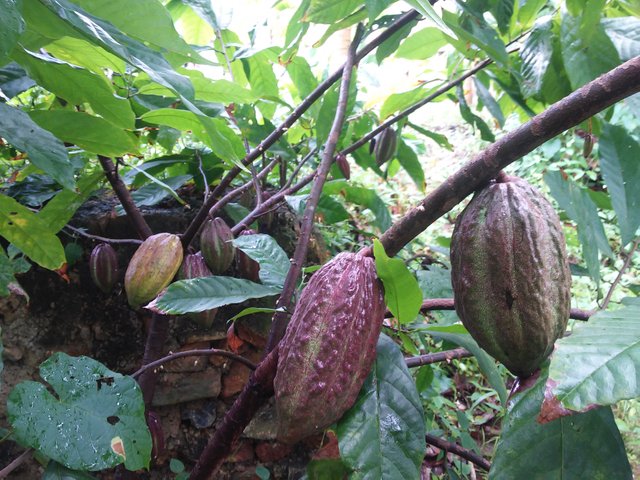
 @san0309