It just ain't easy...
When it comes to fitness goals, some folks usually take an approach consisting of a "one fits all" type of diet, in which the change in their food choices leads to an improved health, improved aesthetic and improved health. This goal does not correlate to what actually happens in real life. And not only that, they also attempt to attain this major achievement by doing some quick fixes and expect to see in no time (just a matter of weeks) results that may take years to get.
This is mostly due to the huge impact of social media on people's "information". Like, for real, who the hell would go into the trouble of fact-checking what that fit chik is saying about that product. "I mean... she looks amazing and she claims she uses it, so it might surely work".
Examples like those come in many forms and colors, but the main thing behind it is that people go around thinking there is some secret formula out there that will help them get everything they wanted and even with none to little effort.
Everybody is free to believe what they want. I think is both wrong trying to scam people with products that just don't work as well as trying to force them to believe you when you tell that's just bullsh*t. Choose your battles, not all people are ready to hear you. No matter how "right" you may be, it's just not a question of facts, it's merely emotional. They WANT to believe.
Of course that at some point they realize they were bamboozled. The so-called magic fix didn't do anything (this would be your "NO SH*IT EINSTEIN" moment). And then comes the sad part: they don't think (or at least not all of them): "Oh shoot... maybe my friend was right and this is just dog sh*t, I should try another approach". No. They keep believing that the only way for them to reach their goals is with yet ANOTHER magic product. And so the show goes on...
But some other people get it. They realize that there is nothing (at least up to date) that will give them the benefits of an adequate lifestyle. IT IS THAT SIMPLE. You want the results of a lifestyle that respects your physiological needs? Then hop on right on such a lifestyle. IT IS THAT SIMPLE.
It just ain't easy. Because it involves activities that kind of separate ourselves from our modern life. Starting with our day-night circadian cycles. We go to bed late and wake up early. We then spend most of our days on our bottoms. Some may think "Hey... I do crossfit 1h per day everyday". Cool, you're a sedentary that trains. Then we stuff ourselves with energy-dense foods, when there's no need for them (because we spend most of our days on our bottoms....). But we can't seem to stop overeating because it is a social thing and also it makes us feel better and in this stressful world we live in, who wouldn't want a happy snack?
Flipping all those things is what makes it hard. Your body surely can lose fat and gain muscle, without even goin near a supplement store. But the changes you have to make are hard. You gotta chop down some trees that have very deep roots, in order for some other more "adequate" trees to grow (trees are the habits, in case you didnt' get the analogy).
So the thing is... How do we convince people to put on their lumberjack outfits and start banging those awful bad habits trees down? That's the question and if I knew the 100% effective answer, I've would have won the Nobel prize already...
For me it starts with trying to open people's eyes. Showing them there is no easy way out, that change is hard but is is doable. Also, trying not to force people into doing something they are not ready for.
***"True learning happens when someone wants to learn, not when somebody wants to teach"***
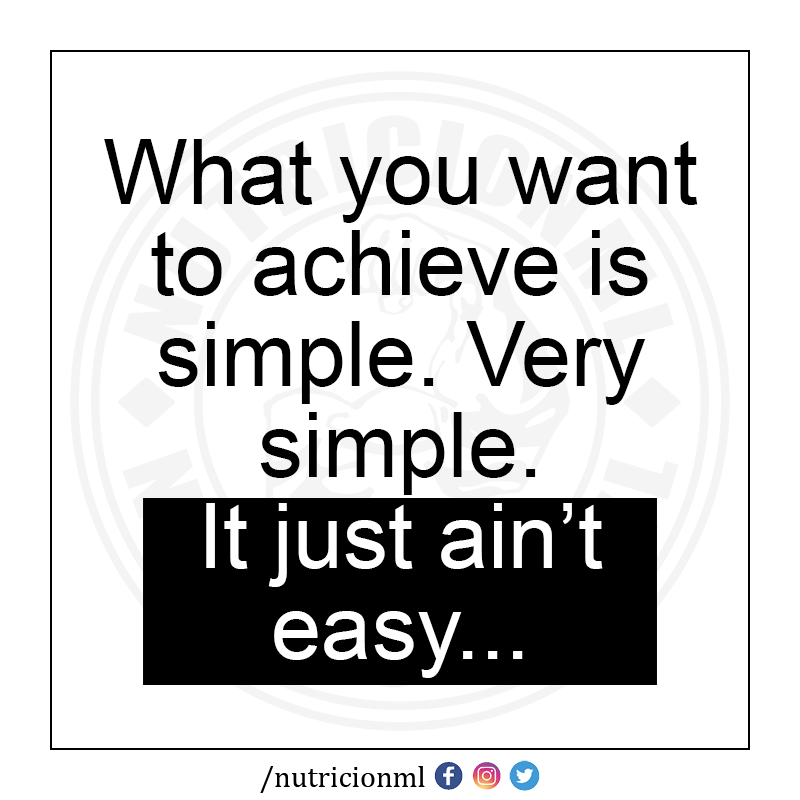
Consistency, consistency, consistency...
La imágen lo dice todo pero me gusta escribir así que voy a escribir algo y si no tenés ganas de leer no lo leas pero dejá tu like o se muere tu perro.
https://www.instagram.com/nutricionml
Y sí, el título está en ingles pero creo que es bastante entendible y no hace falta mayor traducción👀. Es uno de los mantras que suelo transmitir a mis pacientes. Tengo bien en claro que no es la respuesta que la mayoría busca, algo también muy evidente en sus reacciones. Muchos quieren la solución fácil y efectiva luego de un chasquido de dedos. BELIEVE ME, que a mi también me ENCANTARÍA poder brindarles esa solución. Todavía no la encontré.
Para colmo cada tanto surgen las comparaciones del tipo "pero Fulanito hizo esto y en poco tiempo cambió mucho". Y si, es posible que haciendo cambios bruscos uno vea buenos resultados en poco tiempo. Pero el tema importante no es simplemente el cambio observado sino también por cuánto tiempo se disfrutan de esos beneficios.
Hay una palabra clave en el párrafo anterior. "Disfrutar" los beneficios. ¿Por qué hacemos lo que hacemos? ¿Cuál es el objetivo? No creo que alguien en su sano juicio decida, por puro placer, sufrir hambre, evitar reuniones sociales, sentirse sin fuerza o no poder concentrarse en sus actividades cotidianas...
"Bueno pero mirá el lomo que pegó" Espectacular, si. ¿Pero vale la pena todo el sufrimiento previo? ¿Cuánto tiempo le dura el súper lomo mamadísimo supersaiyajin trancado macizo hiper marcado venoso? (No sean malpensados) ¿Cuánto tiempo lo va a "disfrutar"? (NO SEAN MALPENSADOS DIJE)
Ya es un error el comparar sin matices los resultados de otra persona con los propios. Cada persona es un mundo decía la propaganda de celulares. Y es así. Por más que físicamente uno pueda obtener resultados similares haciendo la misma rutina estricta, pero ¿y arriba qué pasa? La batalla no se gana en el terreno del cuerpo sino en el de la mente.
Castigar hasta no aguantar más a tu cerebro en pos de un objetivo supremo suele tener el triste desenlace de tirar la toalla. En el primer round. Y acá no es como en el boxeo que tenes los rounds contados... La batalla dura de por vida.
Y como decía Rocky: "It ain't about how hard you hit, it's about how hard you can get hit and keep moving forward. That's how winning is done" Usá el traductor de Google si no entendiste.
Si tus intentos de mejoría consisten en quemar las naves en el primer round y tirar la toalla... ¿cuántas chances de ganar la pelea vas a tener? Te lo resumo: Cero. Nada. None. 3 strikes you're out.
Si querés tener más chances de lograr mejorías que verdaderamente puedas DISFRUTAR, intentá hacer algo que puedas sostener en el tiempo. Y que te importe diez pitos lo que hagan Fulano o Sultano. Cada loco con su tema.
Chau titán de la selva.
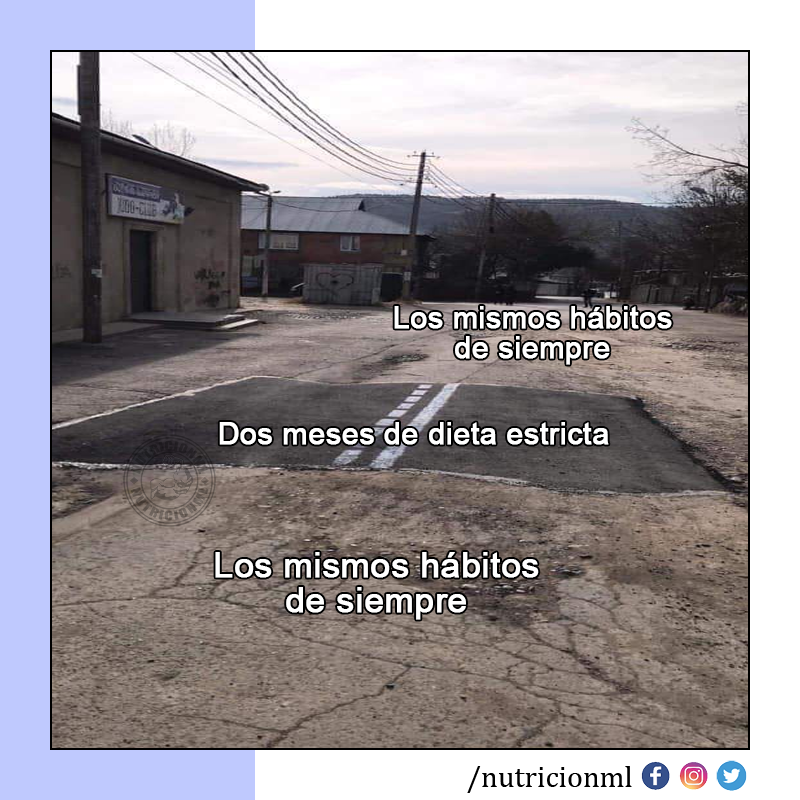
Día a día y paso a paso
Muchas veces nos privamos de los logros que queremos obtener simplemente por no tener un plan trazado o bien por postergar su aplicación. Sin embargo, el mayor inconveniente suele venir al querer llevar a cabo una estrategia para la cual, sencillamente, no estamos preparados.
Una interesante analogía es pensar a la alimentación como una forma de entrenamiento. Si estoy empezando en el ámbito de la actividad física es ilógico creer que voy a poder, en una o dos sesiones, lograr lo mismo que aquel que lleva un rodaje de años. No quiere decir que por que en este momento no tengamos las mismas aptitudes no las vayamos a tener nunca. Solo que para alcanzarlas primero debemos recorrer el camino.
Y esta es la parte importante (clave) que casi siempre es pasada por alto. El camino no se recorre solo. No alcanza con solo "tener ganas" de llegar a la meta. Hay que moverse. Dar el primer paso, el segundo, el tercero y así sucesivamente. Es como tratar de subir una escalera: para llegar a la cima debemos usar primeramente los escalones más bajos para "trepar". ¿O alguien en su sano juicio piensa que puede, de un solo paso, subir 100 escalones o más?
Muchas veces confundimos la poca efectividad de nuestros métodos con algún fallo hormonal, místico, motivacional o alguna otra desgracia que conspira en nuestra contra. Casi siempre esto no sucede. La barrera que no podemos atravesar es auto-impuesta. Puntualmente al pretender lograr cambios excelentes en poco tiempo y, por si fuera poco, tratando de sostener condiciones insostenibles.
Este círculo vicioso se caracteriza por una repentina ola de motivación que pone en marcha acciones para mejorar nuestra condición actual. Pero las acciones suelen ser por demás exigentes, al punto de causar un desgaste mental y físico que pocas personas son capaces de sostener. Pensá en la motivación como las olas del mar: va y viene. No es estática. Si solo pretendemos lograr nuestros objetivos en base a la motivación que tengamos, lo más probable es que nuestros "objetivos" sean un cúmulo de intentos fallidos.
¿Qué hacer, entonces? Apuntar a objetivos alcanzables. Poner los pies en la tierra. Dejar de creer que la única forma de mejorar es atravesar desafío supremo una sola vez y que los beneficios obtenidos serán de por vida. Mantener un adecuado estado de salud (y estético aún más) es una labor que no tiene fin. No podemos mantener las bondades de un determinado estilo de vida aplicando otro completamente diferente.
Más cerca de nuestro logro estaremos mientras más tiempo invirtamos en tratar de conseguirlo. Si por cada mes de intentar le sumo dos meses de "relax", es solo cuestión de sentido común saber a dónde iré a parar. Ahora, si por cada mes de intentar sólo acumulo un par de días de descanso, el acumulado será siempre a mi favor y estaré un escalón más cerca de la cima.
Y para ello hay que dejar de posponer: hacer dos o tres cositas y luego tirar la toalla para recién levantarla cuando "vuelvan las ganas" me condenará a un loop infinito de nunca lograr lo que me propongo.
Muy importante de entender lo siguiente: todo logro que alcance será, en primera instancia, en mi beneficio. Por lo que hacer los deberes no es una tarea que pueda delegar a alguien más sino a mi mismo. Y quien más me agradecerá seré yo mismo, en el futuro. Imaginate la armonía y tranquilidad mental que acumularías si la persona más responsable de tus cuidados no mira para otro lado y se pone a trabajar para tu bienestar. Esa persona sos vos.
Para ir cerrando: alcanzar algún cambio favorable no necesariamente tiene que ser una tortura. Algunos objetivos son más fáciles, otros no tanto. Hay escaleras más cortas y otras más largas y empinadas. Pero todas escalables en tanto y en cuanto demos los pasos que deben ser dados. Postergarlos no es sino otra cosa que retrasar los logros y hacernos creer que la cima es cada vez más inalcanzable.
No lo es. La cima está ahí, siempre dispuesta a ser conquistada. Pero no vendrá ella a nosotros, nosotros debemos ir a por ella. Día a día y paso a paso.
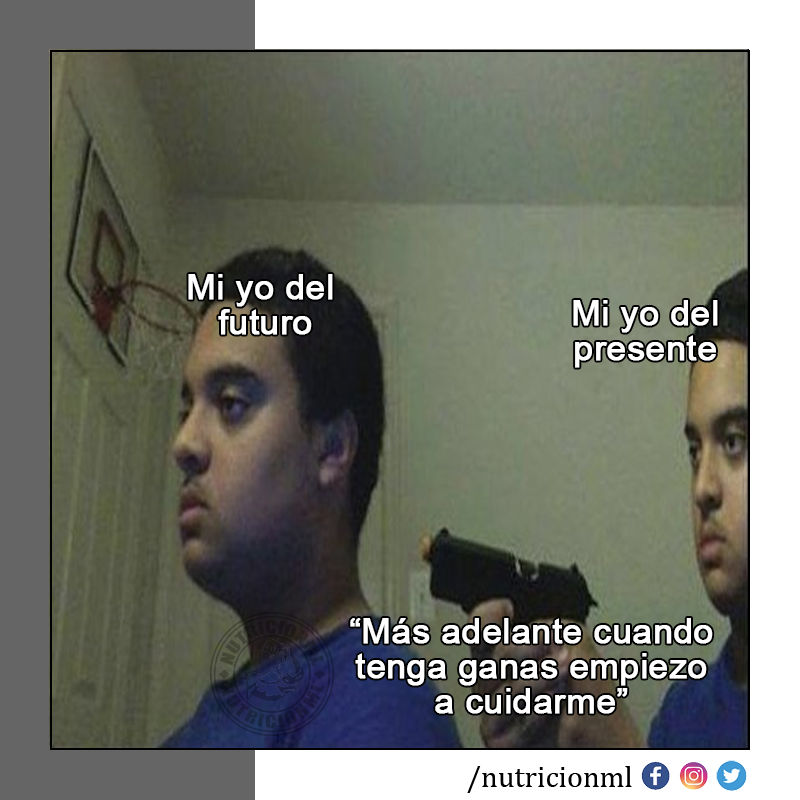
Todo cambio lleva tiempo
Nada nuevo bajo el sol: vivimos en la sociedad del "todo ya" y si no es YA, entonces quiere decir que es inalcanzable. Una dicotomía que, aunque no parezca, termina causando estragos en nuestra calidad de vida. Y todo por una sencilla razón: pone a nuestra cabeza en contra de nuestros objetivos. El cerebro juega en nuestro equipo pero le encanta hacer goles en contra...
Lo particularmente difícil es poder hacer frente a esos mecanismos saboteadores. Y aquí es donde la racionalidad puede hacer de técnico y corregir los hilos del partido. No es tarea fácil, obviamente. Pero como siempre digo: difícil no es sinónimo de imposible.
Pero es un trabajo de hormigas. Todos los días. Un granito a la vez. Una lucha a la vez. Somos animales de hábito e instintivamente buscamos hacer aquellas actividades a las que estamos acostumbrados y que nos hacen sentir bien. Y comer nos hace sentir bien, y las explosiones de palatabilidad ni te cuento... **Nadie come chocolate porque no le guste...**
Un gran problema es que nuestro cerebrito nos hace confundir intensidad con efectividad, y esto no necesariamente funciona así. Si bien es cierto que si durante el mismo período de tiempo uno imprime una mayor intensidad, los cambios pueden ser más notorios. Pero casi siempre se falla al establecer un plazo de tiempo prudencial: una semana o un par de meses no alcanzan para visualizar un gran cambio (o el cambio al que apuntábamos al inicio)
Vamos con un ejemplo: supongamos que una persona A (vamos a llamarla Jaimito) pesa 70kg, y una persona B (Pepito) pesa 130kg. En un simple experimento, hacemos que Jaimito copie la alimentación de Pepito durante una semana. Luego de 7 días lo más probable es que Jaimito no se sienta del todo bien ya que, obviamente, no está acostumbrado a comer como Pepito y hasta es posible que tenga un aumento de peso interesante, **pero imposible que llegue a 130kg**. Si damos vuelta el experimento y hacemos que Pepito se alimente como Jaimito, es probable que después de una semana se sienta más "liviano", más "ligero" y que hasta haya bajado algunos kilos. **Pero imposible que pese 70kg.**
Y en ambos casos ambos individuos igualaron la alimentación del otro durante 7 días, pero sin llegar a igualar las condiciones físicas el uno con el otro. Lo que quiero ejemplificar con esto es que no se trata solo del "qué" se hace sino del "cuánto tiempo" se hace. Todo cambio lleva tiempo, nada sucede de la noche a la mañana ni por accidente ni cuestiones del destino o porque el universo conspire en nuestra contra. Casi siempre el logro (o no) de nuestros objetivos es el resultado del esfuerzo multiplicado por el **TIEMPO** invertido para alcanzarlo.
Si no planteamos un escenario en el que podamos darle el tiempo necesario a nuestro cuerpo para plasmar los cambios de nuestras actividades, estaremos indefectiblemente yendo a un destino no deseable: ciudad Frustración. Y es difícil salir porque es una ciudad que te bombardea con propagandas que te hacen "sentir bien" y, sobretodo, te sacan la responsabilidad:
*"No te preocupes... es que tenés mucho trabajo y por eso no pudiste"*
*"En tu casa no acompañan así que no es tu culpa sino de ellos"*
*"Tu metabolismo cambió... Te conviene probar algún fármaco porque la dieta sola no sirve"*
*"Y bueno... vos le pusiste ganas pero te lesionaste... Tomá, usá esta promo de descuento para pedirte una promo de hamburguesa y helado"*
*"Vos intentaste... fuiste a entrenar 3 veces esta semana y no pasó nada. Eso quiere decir que el ejercicio que hiciste no funciona. Tomate un tiempo de relax hasta encontrar el mejor ejercicio que puedas hacer, y mientras tanto tomá este cupón de descuento para pizzas y cervezas"*
De alguna forma u otra hay que romper el ciclo. Repetir mil veces la rutina que te ha llevado a la condición que querés cambiar no va a hacer que la mil y una sea la efectiva. Matarte de hambre no sirve. Buscar la salida en suplementos no sirve. Eliminar alimentos que habitualmente ingerís no sirve. Todo lo que ponga a tu sistema nervioso en alerta constante NO SIRVE. Pero pensar que todo es un caminito de rosas y dulce y bello y amigable TAMPOCO SIRVE. La mayoría de las veces es difícil. Te va a costar un huevo o una teta. La vas a pasar mal. Vas a creer que arruinaste todo...
¿PERO QUÉ VAS A HACER AL RESPECTO?
¿SENTARTE A ESPERAR A QUE OTRO LO HAGA POR VOS?
¿QUE POR ALGUNA MÁGICA CUESTIÓN TODO SE SOLUCIONE SIN QUE VOS MUEVAS UN DEDO?
***Te vas a pasar la vida esperando...***
Asumí la dificultad. Arremangate. Poné cara de perro y peleala lpmqlp, que las cosas que valen la pena y por las cuales algún día te vas a auto-dar gracias NO CAEN DEL CIELO. **Te las tenés que ganar**.

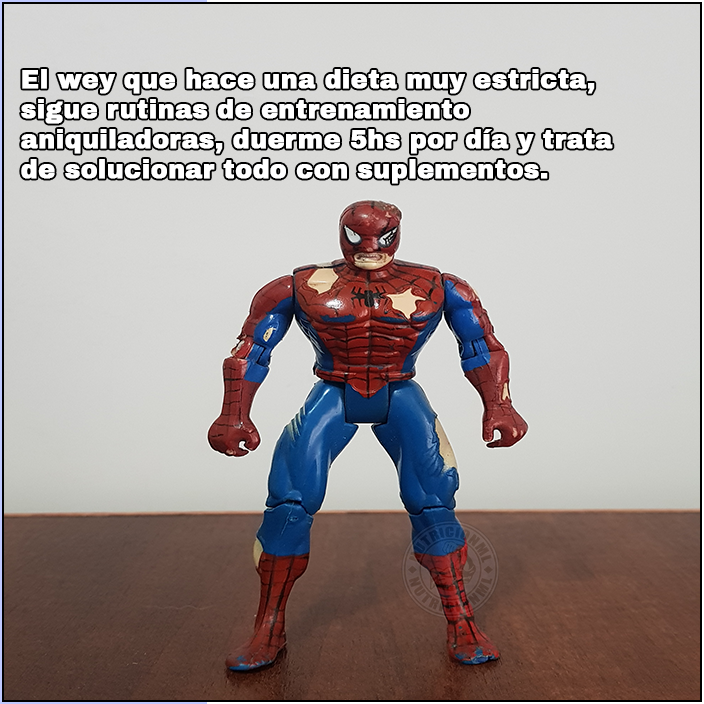
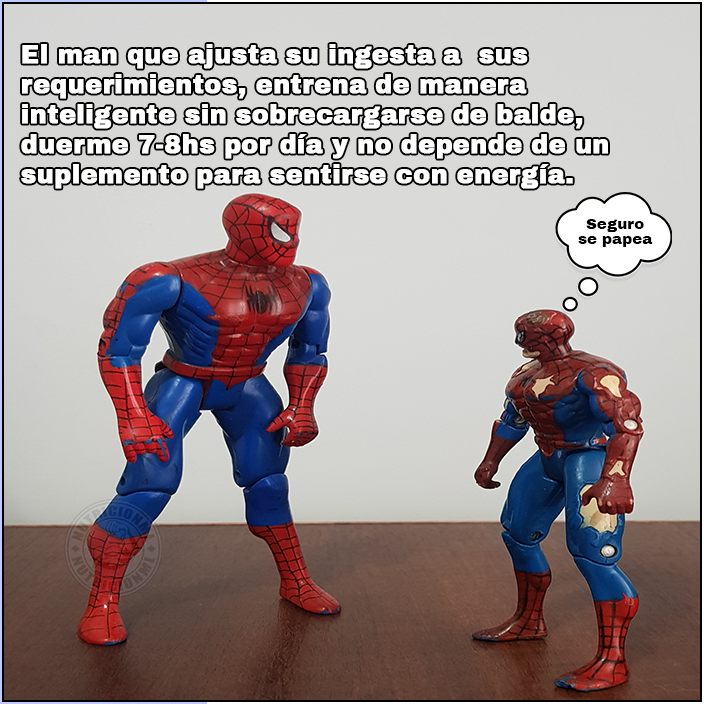
💥Más intenso no es sinónimo de mejor💥
Ok... dejemos algo en claro de entrada. Perseguir un objetivo nutricional (o cualquier meta "fitness") debería abordarse con la mente en frío y tratando de no dejarnos llevar por las posturas ilógicas que nos rodean. Si no tenemos en claro ese principio, es muy probable que la pasemos mal...
.
.
Pasarla mal no implica no lograr ningún tipo de mejoría. Cualquier cambio que hagas en tu vida que sea mejor a lo que actualmente hacés te va a dar algún que otro beneficio. Por ejemplo: si no entrenás hace mil años y empezás a hacerlo, por más que tu actividad no sea "ideal", va a ser mejor que no hacer nada.
.
.
Pero el planteo inteligente sería cómo tratar de aprovechar al máximo los cambios que realizo. Y acá es donde muchas veces se nos escapa la tortuga: creemos que la mejoría debe ser instantánea y que mientras más intenso sea el ajuste, mejor
.
.
A veces puede dar buenos resultados. La mayoría de las veces, no. Y no es muy difícil de entender el por qué: sometemos al cuerpo a una restricción calórica (que no es un escenario necesariamente "amigable") al mismo tiempo que le damos mayor intensidad y volumen al entrenamiento y, para terminar de decorarla, los tiempos naturales de recuperación los omitimos totalmente de la ecuación
.
.
En resumen: exigimos nuestro cuerpo más que antes mientras le damos menos alimento y reducimos la cantidad y/o calidad de las horas de sueño (uno de los mejores "suplementos" que podrías elegir).
.
.
"Me siento cansado... me faltan fuerzas... me lesioné..." NO SHIT EINSTEIN... POR QUÉ SERÁ???🤔
.
.
No vas a lograr en un mes (ni dos, ni tres, ni seis) lo que puede demorar AÑOS en suceder. OJALÁ alcanzaran dos semanas de hacer sentadillas 3x10 para tener unas nalgas de acero o unas pocas flexiones de brazo para tener los pectorales de Rambo. PERO-NO-FUNCIONA-ASI. Dejá de pedirles peras al olmo...
.
.
"Recuerda Peter, un gran objetivo fitness conlleva una gran cuota de paciencia"
.
.
.
.
Esta es una versión en español de mi propio artículo en ingles https://read.cash/@nutricionml/long-vs-short-term-goals-and-adaptations-151ab67b
This is a translated version of the article cited above. Both posts are of my own making.
Long vs short term goals and adaptations
So... let's make something clear. Going after some nutritional goal (or any fitness-related one) should be done on a clear head and trying to not let ourselves fall for any of the ilogic reasonings out there. If we fail to have that one principle clear, it is very likely that we'll end up putting ourselves on some nasty situations...
.
.
A nasty situation is not a synonimn of not achieving any improvements. Most likely any change you make that is better than what you have been doing lately will provide some sort of benefit. For example: if you haven't trained in a looong time and then start doing something, even if it is not "ideal", it'll be far better than doing nothing
.
.
But the smart approach should be to try and get the most benefit from the changes I'm going to make. And here's where many people lose it: we believe that the change we look for is going to happen overnight and that the more intensity I put into, the faster I'll get to my goal...
.
.
It might work sometimes. Yeah... you may see some improvements. But most of the times it just doesn't happen (or does so for a little period of time). It ain't hard figuring out why: we put our body through a caloric restriction (not a "friendly status") at the same time that we push it harder in the gym and, for the final touch, we completely forget about the importance of the natural times of recovery (basically a good night sleep)
.
.
In sum: we push our bodies harder while feeding it less and reducing sleep quality and/or quantity (and take into consideration that a good night sleep may be THE BEST "supplement" you could take...)
.
.
"Oh... I feel so tired..." "Oh man my strength is falling..." "Heck... I think I broke something..." NO SH*T EINSTEIN... WHY WOULD THAT BE???🤔
.
.
You ain't gonna make in a month (or two, three or six) what may take YEARS to achieve. I WISH that all that took for having steel-glutes were a couple of squats during a few weeks or some slacky push-ups for having a chest like Rambo. But it just DOES NOT WORK THAT WAY!! Please let's stop hoping for something that just isn't real.
.
.
"Remember Peter... a great fitness goal comes with a great deal of patience and consistency"
.
.


My top 5 favorite foods
So today I want to share this most-important list that I'm sure everyone is interested in.
Anyways... I'm very basic on my choices in food. I don't really like complicated stuff and god please don't serve me anything that is bittersweet. Both in my life choices as well as in food preferences you could say I'm pretty classic. So, without further ado, here is my top 5:
**1 - Burgers and fries:**
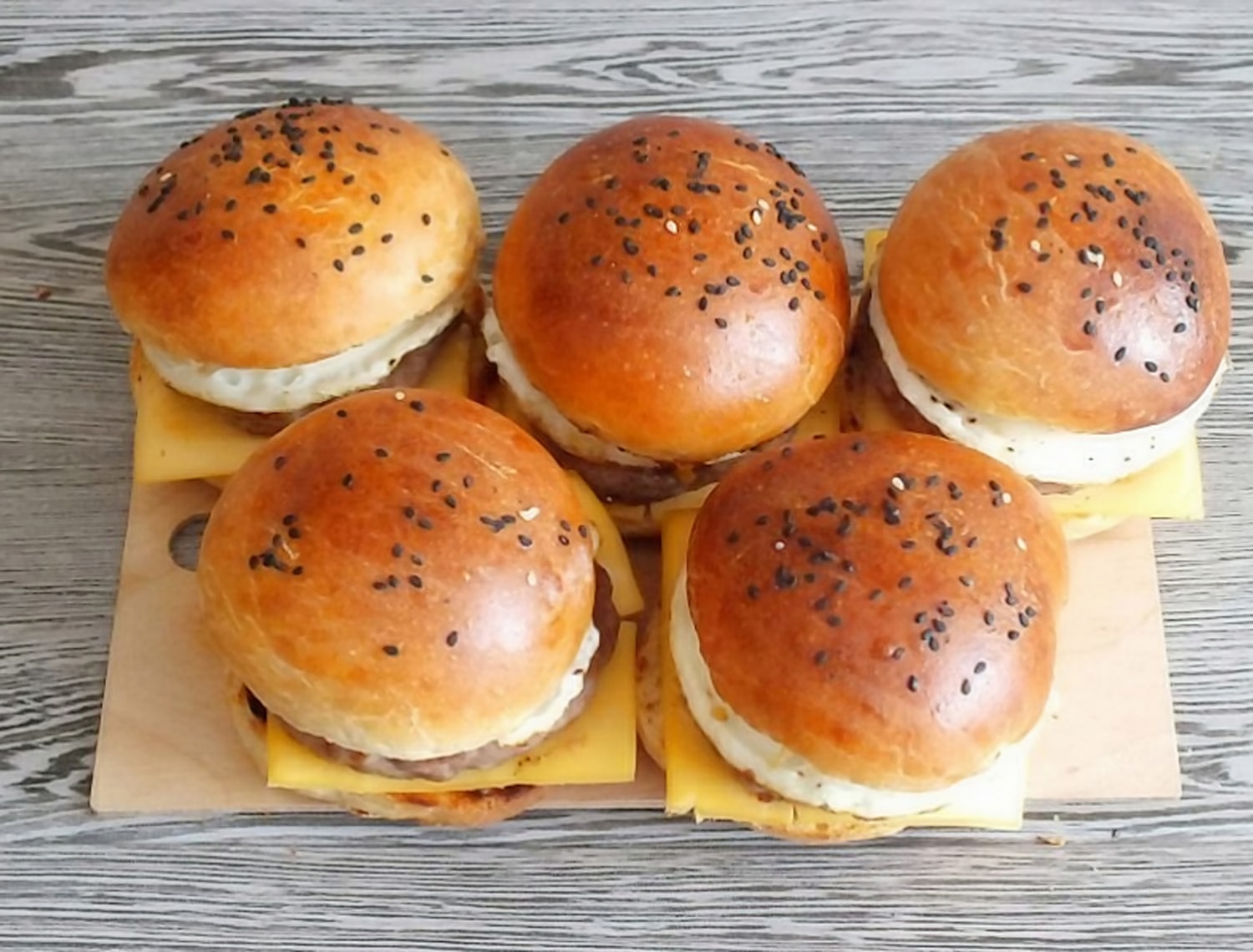
The ol' reliable. A nice burger with lots of chees, pickles, a fair share of bacon and a soft bread, accompanied by a nice serving of fries and a cold beverage (preferable Coca-Cola) does it for me. I could eat this anytime of the day.
2 - Pizza:
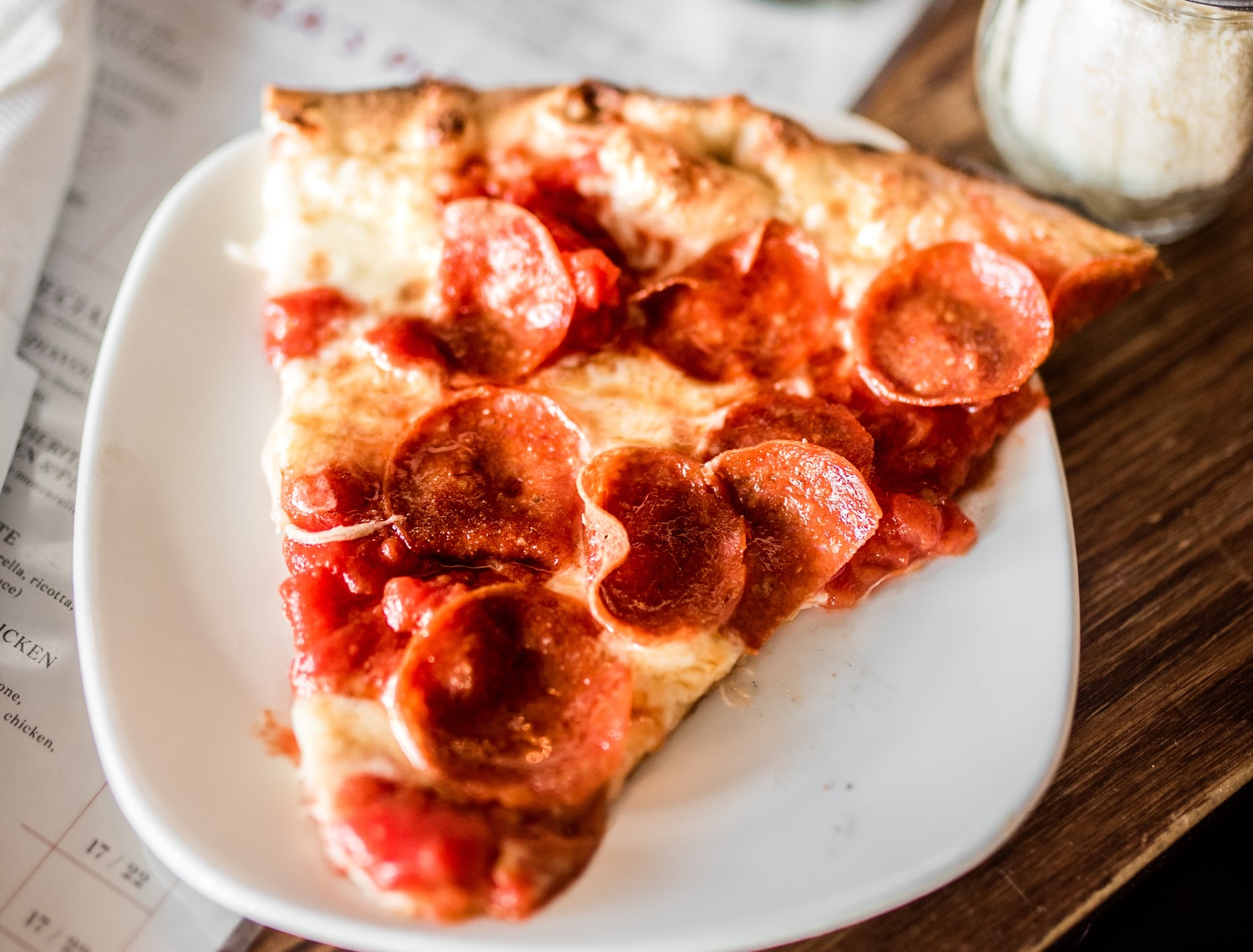
This is like a wildcard for me. Anytime I wanna eat something tasty but don't wanna cook or if I've had a burger recently, pizza is my choice to go. Again, with a cold beverage is like touching the sky with my hands.
3 - Gnocchi:
Fun-fact, when I was a kid I didn't quite liked them. I was more of a spaghettis kind of kid. But as I was growing I started finding them more and more tasty. What ultimately made me put them on my list is thinking of my grandma's gnocchi's. Both the flavor and the love you get from grandma's cooking is immesurable.
4 - Milanesas with smashed potatoes:
In English I believe you could translate "milanesas" into breaded-beef. It is, as it's names suggests, beef with a cover of bread. Accompanied with fries or smashed potatoes is glory.
5 - Ice-Cream:
Technically not a "meal" but still a food and gosh... I could eat like a kilo of ice-cream without bating an eye. One of my favorite times of the days is when, after a long day, I finally get to go to bed. I put on a nice show on TV or just watch some YouTube channels I like while eating ice-cream. The perfect recipe for a sweet dream haha.
Well kids. I hope you got hungry reading this post. I know for sure I did. It's still not time for dinner but it is time for an evening meal :)
Bye! Stay safe and remember: food is not only about nutrients, it is also about having fun :)
Three reasons why you shouldn't focus on the scale
I know this may sound silly and some people won't even bat an eye when they are told not to look at the scale while trying to lose weight or gain some. Illogical as it may sound, this recommendation has it's reasons, which I sum in 5 points:
1) We are not made entirely of fat nor muscle
When trying to lose fat or gain muscle we tend to forget that our bodies are not entirely made of neither of those tissues. Remembering this is important because not all scale fluctuations are gonna be made by changes in our muscle or fat mass. Of course that in the long term, if you are looking to lose fat, the scale will reflect it. But you can be losing fat while the scale goes up or doesn't change at all. That's because most of the rapid changes we see on the scale are due to water fluctuations. Rapid increase in water stores (or decrease) is what makes the scale go up or down up to 2 kilograms within a day. That's one of the main reasons why people fear carbs so bad: they cause water retention, but remember: WATER IS NOT FAT!
2) There is no "ideal weight for stature":
Up to this day there still are some people that like to categorize their patients according to their weight for their stature. While this measurement can be of some aid, it is an error to try and make someone reach certain weight just for it to "adjust" to their stature or BMI. Again, this approach does not take into account the fact that our bodies are a mixture of different tissues, and just trying to reach certain weight may lead to undesired lean mass loss or even fat loss but with a low lean mass for starters. On the long run, this body composition is unhealthy.
3) The scale fluctuates a lot in short periods of time:
As I mentioned above, the majority of our scale fluctuations are due to water fluctuations. There are a lot of circumstances that can make our total body water to go up or down, and as this component is not "floating" around us, it will has it's impact on the scale. For instance: if you are undergoing a low carb diet and for some reason one day you end up eating more carbs than you were accustomed to, the scale will certainly pump. But that is just because your carbohydrates stores were half or almost empty, and eating more of them causes those store to replenish. And here is the number one carbophobia misunderstanding: in order for the body to retain glycogen (our carbs store) it needs water. Approximately in a relation 3:1 for water:carbohydrate. That means that for 1g of carb you store, your body needs 3 (sometimes more) grams of water, thus leading to a rapid weight increase if the storage of carbs gets filled in little time. This can cause a weight change in a blink of an eye, but remember: WATER IS NOT FAT!!
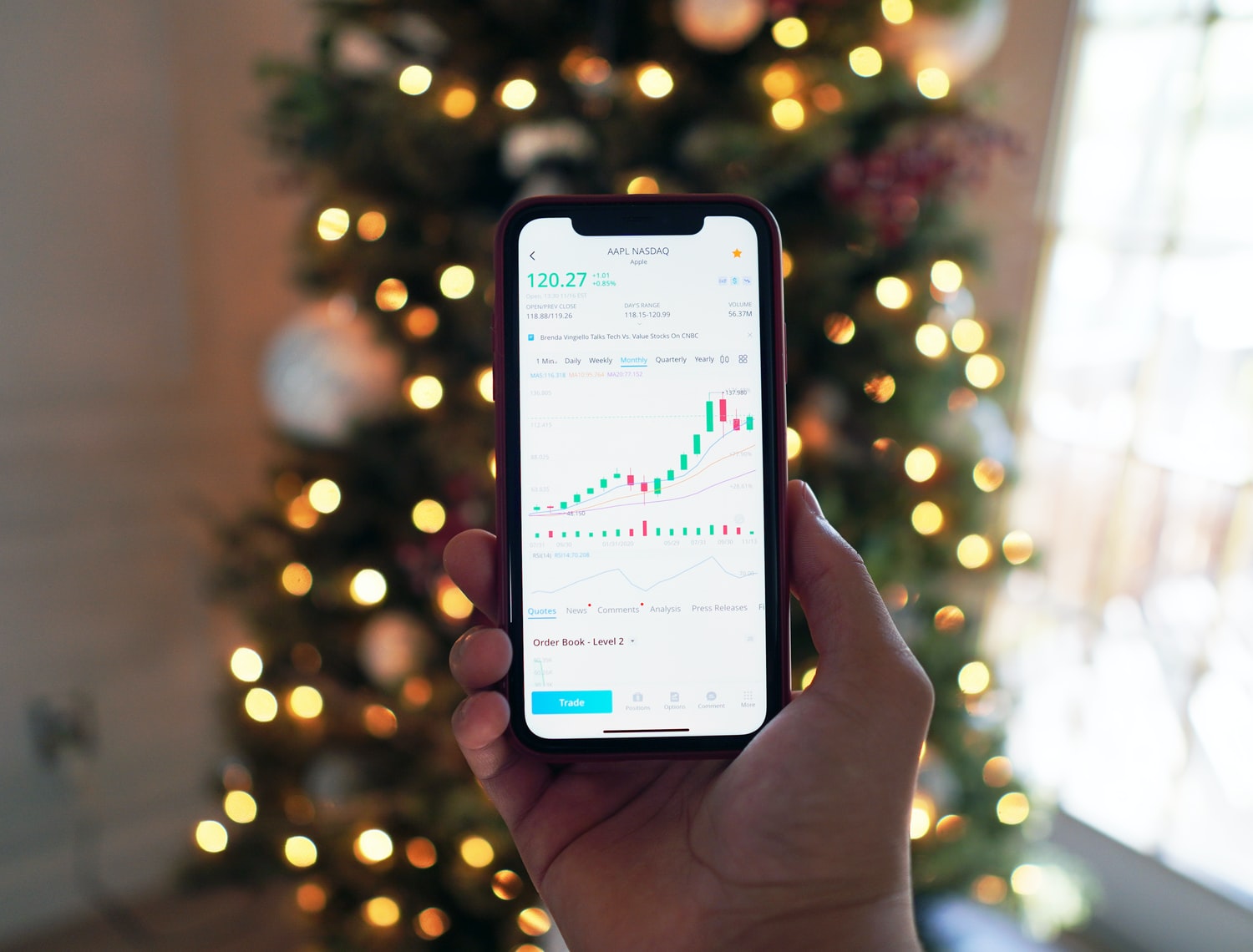
The only way for you to gain more fat or to stop losing it is by exceeding your energy requirements. If that doesn't happen, you can be certain that with time and patience your scale will go down, but it will has it's spikes. Try and picture it as it is was a price chart fluctuation. **It will has it's ups and downs but what matter most is the tendency it is following.**
How to lose weight 101
Hello guys. Today I wanna share with you the basic principle of weight loss. Not going too much into much physiological or metabolic details, but rather explain it in sort of an "economic style".
Let's begin by stating that we human beings need energy to stay alive. That energy we need is measured (for practical issues) in kcal. Other way to put it is saying that we need kcal to survive, as all of our vital functions demand energy (i.e. our heart doesn't pump blood just because he feels like it... in order to do so it's muscles have to contract and that contraction is only viable with adequate levels of ATP, which can only be obtained trough metabolic pathways of the food (kcal) we consume).
In few words: without calories we die. That basic principle is what made our ancestors develop adaptations to prevent death. How? By storing excess energy when not needed. Can you guess what those stores are? Yes... fat tissue.
You could say that fat is our "bank" where we put our savings. Or if you prefer in crypto terms, our wallet haha.
So, here comes the analogy with economy: how does one increases its saving and how does one decreases them?
For you to make your savings grow you gotta earn more than you spend. Of course you can go somewhat technical and start detailing aspects of how to earn more, and techniques on trades or good deals, etc. But in the end the thing is that if you earn the same (or less) than what you spend, there is no way for you to increase your savings.
Let's do some simple math: suppose everyday you gain 1000usd (nice right?). **But you also spend 1000usd. That leaves you with a daily balance of 0 (neutral: neither won or lost).**
Now, let's say you still gain 1000usd but you have to spend 800usd. That leaves you with a net balance of +200usd, which then can go to your savings, thus increasing them.
The opposite happens when you spend more than you earn. You gain 1000usd a day but spend 1200usd. That 200 extra that you didn't earn in that day have to come from somewhere, your savings, thus decreasing them.
Putting it all together: our fat tissue is our wallet (our savings). It's a survival adaptation that helped our ancestors live through periods of no food-availability. In order for it to increase, we have to eat (earn) more calories (money) than we burn (spend). For it to decrease we have to to de opposite and for our savings to stay relatively the same, we need to eat the same amount we burn.
The above explanation is the basis of the CICO: Calories In-Calories Out. There's a lot of people out there claiming that this system is bulsh**t and that doesn't take into consideration all hormonal and metabolic changes we humans experience. They fail to realize that all of those details are summed up in the "calories out" part of the equation.
Imagine someone saying: "Naah... I don't believe in earning more money than what I spend in order to become rich, that's just a theory". You would say (and you would be right) that that person doesn't know what he is talking about. Well... now translate that thought to people who think calories don't matter :)
Of course one thing is putting it simpler like the above mentioned, and another different thing is trying to put it into practice (it is easier said than done). But we'll leave that for another post.
Bye guys, happy new year!!
Why is gaining weight hard?
First of all, I know what most of you may be thinking... "Gaining weight hard? Nah... losing weight is hard!!"
I'll just say that grass is always greener on the other side.
Some people struggle with losing weight and some other people struggle with gaining it. It is not a matter of which one is more difficult but rather an individual difficulty. And that's it. One of the major issues in nutrition and fitness is that people tend to extrapolate all kind of results and objectives to a large group of individuals as if they were all the exact same. Each person is a world on their own they say...
So. I received a question in one of my posts (you can check it here) regarding why is it hard to gain weight, so I'll try to put it in simple and few words. https://read.cash/@nutricionml/clear-that-ive-ruined-it-mentality-7e96f905
It is mostly due to the fact that people fail to estimate their calorie intake as well as calorie needs. Perhaps you are familiar with the concept of energy balance or CICO (calories in-calories out). That's the "magic" behind the weight changes: it all comes down to how much energy you consume and how much of it you "burn" or you store. It'll be oversimplifying things if we believed that it's just a simple mathematic subtraction, because it's not. It has a lots of "regulatory" measurements that alters both intake and output of calories, but in the very end, the CICO prevails.
Now... why is it hard to gain weight (or lose it, depending on what it is you are looking for). Because you fall short on your energy needs (or exceeds them). The most usual aspect of this miscalculation of calories is that we use estimative formulas to "know" our needs. Read that last few words again. **Estimative formulas.**
They are not 100% precise! And you can find some of them overestimating your needs or underestimating them. That's when critical thinking and the insight of a professional comes in handy. One needs to work the way around a formula and compare it to real-life outputs. It doesn't matter if the formula says you need 2500kcals a day if you consistently do so but you don't gain weight. Get some more. Add a few 200 extra and see what happens. Experience. Try and fail, but never stop trying.
In my daily practice I've encountered a lot of these cases where gaining weight was impossible (according to the patients). They refer having tried "everything" (what they mean by everything is a copied diet from the web and some fancy supplements that the gym owner sold them). But it never fails: once they start getting the right amount of energy, combined with the right training and adequate sleep, they gain weight (mostly lean if one does not go over the hill with the kcal).
Now... I'm not saying it is an easy thing to do. Because most things in life aren't. What I'm saying is that is not something impossible. One just need to get a hold on of the right "route". I personally find it hard gaining weight but because I get full quite fast and I don't abuse on hypercaloric foods. When you eat mostly "healthy" food, you get to eat quite a lot of volume so your meals are very satiating. If you get full before you reach your calorie goal, well then it is going to be reaaaaaally hard for you to gain weight. It'll be like hoping to get rich even though you spend every day the same amount of money you make.
One other thing that people tend to do wrong is give protein more importance than it deserves. OF COURSE that protein is important and without it you'd be dead (for real). And in cases of gaining weight it plays a major role. But with values around 1,6-1,8g/kg of bodyweight you're good to go. Most people go beyond those values, sometimes up to 2,5-3g/kg of bodyweight. You can use so much protein to an extend in terms of gaining lean mass, at one point, the exceeded amount would be used for energy production, not for gaining weight. On the other hand, protein is one of the most satiating nutrients.
So... if you eat a lot of protein you might be full most of the day, which can lead to under consumption of energy and thus making it impossible for you to gain weight.
My advice is... trial and error. If you are an autodidact who wants to take matter into your own hands... Read a lot of nutrition online. Info is there, you just need to make the effort of researching the most you can. Or go see a professional in the field who can direct you best. Final thoughts: in order of importance you should first try and reach the right amount of calories, followed by an adequate protein intake (1,6-1,8g/kg of bodyweight) **and obviously with the right training and sleep.**
Nutrition helps up to some point, but if one fails with having enough time and sleep quality and or doesn't hit the right strings with the training sessions, well... most likely you won't get the results you want.
Let me know what you think on the comments! I'll try and answer all of them!

Getting back on track
One of the key aspects that helps people achieve (or not) their goal is the ability to be consistent with the daily routine that was planed as a way to attain something.
You may have heard it before, it is sort of a motto for all the fitness folks out there: "you have to make it a habit".
I'm a man of phrases. I even started a few days ago an Instagram page where I upload quotes I like (feel free to check it if you'd like, it is called quotespanglish as the phrases are both in English and in Spanish). https://www.instagram.com/quotespanglish/
As I was saying, I'm a man of phrases and I agree a hundred percent with the habits one, but I've seen and read it more times than I can remember and I'm starting to hate it! Haha.
So I try to think it differently (or word it in other ways where the word "habit" does not show). What I always end up saying to my patients: you can screw it badly, get off track in ways you didn't expect, but everything can be re-arranged and directions can be corrected. You just need to wake up the next morning (or week or month) with the following mentality
***"Okey... I messed up. I can't change what is already done, but I still get to choose what happens next. If I keep messing up or if I quit, I'll be further away from my goal. The longer I delay re-starting, the harder it'll be. But, in the other hand, if I begin doing everything that was working for me before I had a setback, I'll recover from this quickly and be done with it"***
I know is easier said than done, and reaching that level of acceptance is hard. Real hard. But from my humble point of view, it's better to try and fail in achieving some major "enlightenment" than to keep repeating over and over the same fad diets or extreme attempts that ultimately end up leaving us exactly at the same place we started (or even worse).
So... what to do after messing it up? Well... you get up. You give it a big old F word. You fcus on getting back on whatever it is you were doing before, and don't overthink it too much. And you keep trying and failing... Because that's what this is all about: keep doing it even though you fail sometimes.
Merry Xmas (you filthy animal) and a Happy New Year!!
(Like if you got the Home Alone reference lol)
[sponsors]
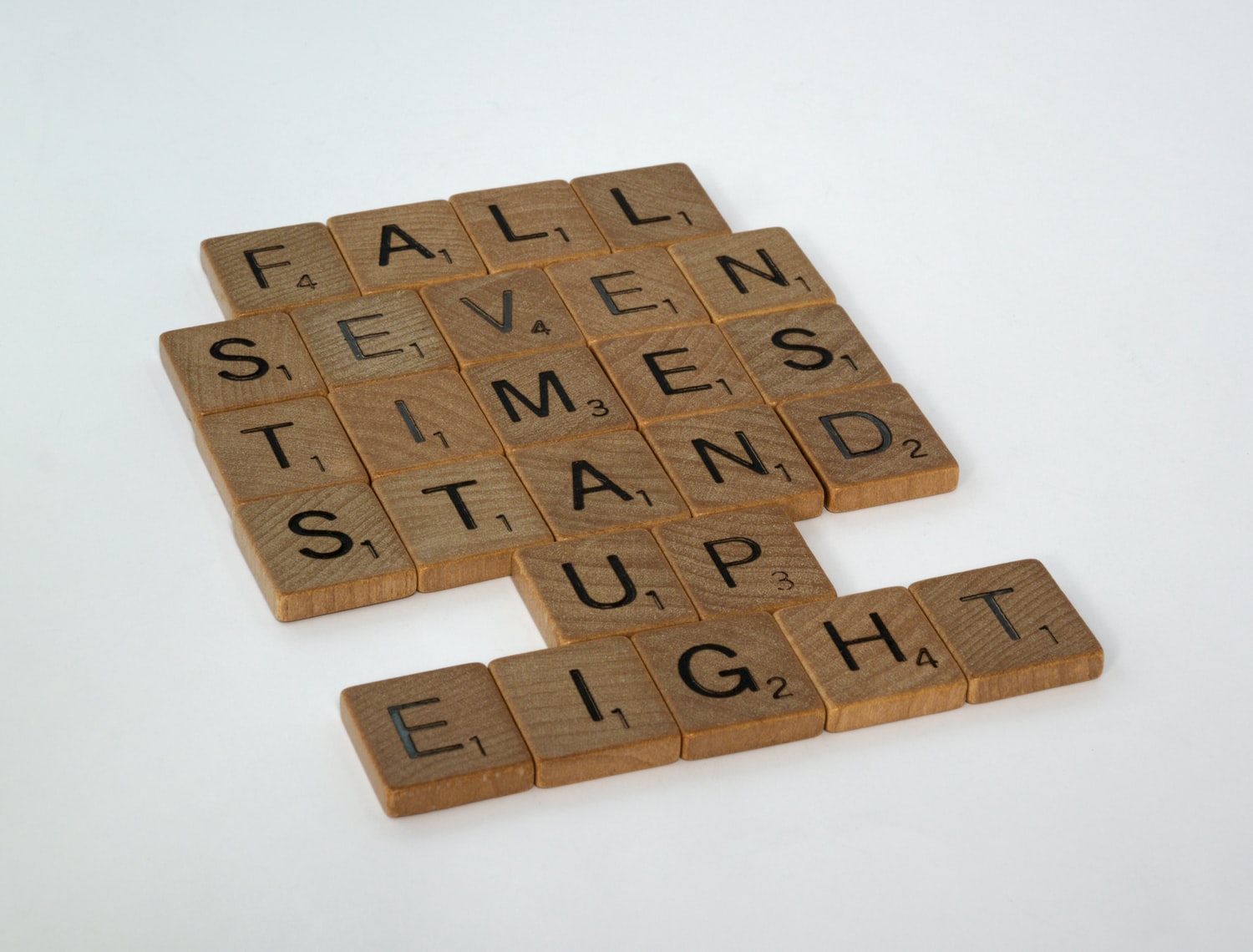
Fear around Christmas food: why is it nonsense
Good evening ladies and gentleman. Here I am with a yearly reminder (at least for the past 7 years, that is the time I've been practicing nutrition) of what to eat on holiday seasons.
Simple answer is: eat whatever you want, be sure to truly enjoy it, and get a move on! Don't overthink it too much. Being afraid of Christmas' food (or New Year's Eve) is the equal of being afraid of carbs (or any other particular food) but to a whole new level.
While it is true that overeating during the holidays can lead to weight gain (usually around 1-2kg), it is also true that the gained weight CAN BE LOST in the future!
Many people think that if the scale goes up, it is game-over. That's it. You were losing weight but now you gained some, so you lose. You'd better quit, this is obviously not your field.
That is NONSENSE. What I always tell my patients: the journey of improving nutrition (both for losing fat, gaining muscle, improving some health-markets, etc.) is long. Patience and adherence are key, and in that journey one will ALWAYS find obstacles and some setbacks. It's just the way it is.
The way to overcome the negative thoughts and the repetitive cycles of starting-quitting is realizing that perfection is neither achievable nor necessary. You can make amazing changes without striving to do everything perfect, and letting yourself "treat" with some "bad meals" (use biiiiig quotes) is paramount for long-term treatments. Imagine going through life without being able to have a taste of your favorite foods. Sounds like hell.
And that's why some dietary approaches make people feel like they are in hell. They feel like in a prison where tasty food is prohibited and if someone dares to take a bite of some, they end up in reclusion.
Well, Christmas is the impersonation of those thoughts and in a big scale, because tasty and hypercaloric food is EVERYWHERE.
My advise for anyone that struggles during these meals is: be happy with what you eat, be sure that you are eating whatever it is because you truly enjoy it, not just because "it is there". Have fun. Talk with your loved ones (friends, family or whoever), be nice to yourself. If you end up super full, well of course it is not a good thing from the nutritional point of view, but no need to further worry about it. As worrying solves nothing. Just let time pass, and get back on track the following day (or week or whatever).
The main point here is: you can't mess up and ruin your entire progress in a day or night. It takes time both improving AND ruining it.
So, try and have a beautiful day, be graceful for being alive, celebrate, and have a MERRY MERRY MERRY CHRISTMAS!! Remember: food is a detail!

Start making progress!
People often tend to think that "making progress" in terms of health and fitness is the equivalent of butchering themselves with endless gym sessions plus endless "cardio" (and on the last times, fasted cardio) and also eating only at survival amounts. While it is true that increasing physical activity and decreasing energy intake ultimately leads to weight loss, it is also true that nothing we can't adhere long enough is going to produce lasting results.
**If we can't adhere to something, lasting results are almost impossible to achieve**
Most of the above is the result of decades of misleading information and advice, with little to nothing of physiological understanding of the weight gain or weight loss mechanisms. What makes us lose weight is being, for most of the time, in a caloric deficit. In future posts I'll explain this with more detail, but for now just think of it as "spending more than gaining". It is easy to understand if we put in terms of money: if we earn more money than we spend, we'll increase our savings. Otherwise, they'll decrease. Think of fat as the "savings" of the body. For them to go lower, we'll have to spend more energy than we store. And here's when things tend to go mental: most people aim to be in a super low calorie diet while pushing their bodies trough extreme routines of physical activity. It's like going bankrupt but wanting to buy a new and expensive car. It just can't be made (at least no without going further into debt, which in this body-comparison would be like getting injured or sick).
Consistency, consistency, consistency...
There's no secret. No magic potion. No ancient medicine. No easy fixes. You gotta find the way of achieve a caloric deficit and adhere to it. But here's the good news. Being in a deficit is not the same as eating like a bird. In fact, when you make smart use of the available foods, you may end up eating way more than before, but still lose weight. That's because the major thing to look up for is not the volume of what we eat but rather the energy density. For instance: a fruit has somewhere around 80-100kcal per piece, and a slice of pizza can have up to +300kcal. So, in a dumb comparison, you could say that 3 apples are the same as 1 slice of pizza (which they aren't, but just to make the point clear let's assume they are). Now, what do you think would be more satiating?
Also, the amount of energy we need to consume to achieve a deficit is usually way bigger than what we'd expect. And the more we weigh, the more energy we need. So, the "bigger" one is, the more energy is able to consume **and still lose weight.**
When you stop banning foods and start smart-using them, your life changes
My advice to all my clients is always the same. Work together with me, put effort in learning (at least the very basics) of what your needs are and how to accomplish them. There is as many ways of doing so as there are individual variations. No person is the same and therefore no diet should be the same. This doesn't mean that everybody has to do some weird type of regime that no one else do, but for instance: distributing the **same amount of food** in a different way during the day is making your diet different. Possibilities are all around us, we just have to keep our minds open and be willing to put in the effort. Once we get around the first initial "hard steps", it gets easier and maybe in a year time you could be shocked of how much you've changed without even noticing it. **That's the key to success, aim for the long run.**
Losing weight vs Losing fat
Even though they are usually understood as synonyms, they are not. For example: you could lose weight but not lose fat or even gain fat but still lose weight.
That's one of the main reasons why we shouldn't guide our efforts depending on the scale. It is just an instrument that measures strength. Yes, strength. Punctually the strength your body mass (given the gravity force) exercises on the scale. And it translates into a number (lbs or kgs). But that's it, it does not account for lean body mass, fat mass, etc. Is just a number.
Perhaps you have heard that we are "70% water". Although the percentage may vary between subjects, we are indeed more than half our weight water. That should ring a bell when we place ourselves on the scale: **we are not just fat.**
It's kinda obvious but on my daily practice (been working with patients for almost 7 years) I keep losing the count of the many persons that tremble when they have to weight. They are usually both scared and frustrated by the scale.
During a large period of time, people went to the doctor and got their height and weight measured. And that was it. Most people grew with the concept of the "ideal weight according to the height".
Nowadays those concepts are getting obsolete. And with good reason. You simply cannot do a full analysis of someone's body composition by just measuring height and weight.
With the technology advances came advances on the field of body composition. Nowadays we have numerous type of devices and techniques that allow us a more deep understanding of tissue distribution (lbs, kgs and %).
Once you start measuring people based on some of these new techniques, you constantly find that weight is not directly correlated to fat. Or simply put: you can lose weight but fat may not change and viceversa.
What I use on my practice is skinfolds and anthropometric measurements. They are easy, cheap and fast to do and give us a pretty close picture of what the person is made of. And it also helps elaborating a plan according to the numbers obtained.
Some people never change and no matter how much data and info one shows, they always end up giving the scale priority (and almost control of their lives). But luckily most people, with time, **wash up the old concepts of weight and height and slowly stop concerning about what the scale has to say and focus more on how they feel, how clothes fit, what the mirror says, how their strength evolves**... all parameters much more effective and important that just a force measurement on a single device.
Of course the weight is a measure we need, it is important. But take home message: it is **not the only** thing that's important. And one final advice: if you seek to lose fat, instead of aiming towards restrictive diets and endless hours of "cardio", aim to getting stronger. You'd be surprised of the changes you can make.
Bye guys! Stay safe!
Clear that "I've ruined it" mentality!
Hello there guys. My name is Mauro and I'm a professional nutritionist. I'm used to writing posts on Instagram about nutrition but they are all in Spanish language. One of my goals is to expand my audience so writing in English is a must. Thinking about what topics to first post here on this page got me thinking that this time of the year is filled (believe me when I say, FILLED) with negative thoughts regarding people's nutrition. It is mostly due to the missed conception of what eating healthy really means.
What is eating healthy?
Well, in this topic I constantly find opposite opinions. For some people, being cautious with food means completely avoiding "tasty" meals such as burgers, pizzas, ice-cream and so forth. While it's true that this kind of food is dense in calories, high in sugar, fats, sodium and stuff, they aren't inherently "bad". What could be bad is not knowing one's own requirements and how to match them with the food choices we make.
Why I believe you can't ruin it
Major negative health outcomes related to food choices don't suddenly appear during a night-time. Diseases take time to develop. What we **constantly** do matters. If our lifestyle consists on non-daily activity, only choosing foods and meals that are "tasty" and over-eating them, well yes... In that case you could say that you're sickening yourself on a daily basis. But, on the other hand, if eating "bad meals" is less frequent than including lots of fruits and veggies, lean protein sources, drinking enough water, doing strength training, sleeping at prudential times... **then you can be sufficiently confident that you won't ruin your progress nor be harmful to your health.**
**Holidays are the perfect example of why lifestyle matters**
Where I'm from, Christmas and new year celebrations means lots of food (of course, dense in calories and "bad stuff") and thus people are always kind of afraid of ruining their progresses and in some cases forget what holidays are really about (exactly, presents... Just kidding. They are meant to be a time of joy and celebration with the ones we love).
My advise is always the same. **It is far more important what you do between New Year's celebration and Christmas than what you do between Christmas and New Year.** Read it again if you didn't quite get it.
What I mean is that you ALWAYS have time to do things right, and even if you happen to overeat during a certain period of time, if the volume of "goods" is greater than the "bads" then you're on your way to achieving successful results!!
So... we are here for the long run. It helps to think nutrition as an endurance race. You don't win it by going fast, you need to be consistent. Find your pace and keep up to it. It will take you places where sprinting and fainting won't. Patience is key and remember, there is ALWAYS time to improve. Don't let single meals fog your analysis, which should be, technically, a balance of EVERYTHING you eat. Try thinking of ALL the meals you do on a period of time (say a month). If 80-90% of those meals go along your requirements, then the 10-20% of "bads" just isn't enough to "ruin" your progress.
That's it for today. If you enjoy this kind of content please let me know and also if there are any specific topics you would like me to talk about.
Have a great day!

 @nutricionml