Home Nursing
Home nursing is a commitment to take care for a sick member of the family focusing on the needs and general health of the sick person. Getting aick is part of life. If a sick person is left unattended his condition will worsen and might cost his life. If you like if we let a professional give the necessary attention, it will cost a great deal of money.
**Importance of home nursing to the family and community**
Home nursing when done properly will have the following benefits:
The home nurse will be able to learn the physical and emotional needs of a sick person;
The home nurse will be able to strengthen family ties by jointly taking care of the sick person.
The home nurse will be given an opportunity to practice basic knowledge in taking care of sick people thus, gaining skills and expertise;
The home nurse will be able to give the necessary warmth needed by a sick person which will lessen boredom.
The home nurse will be able to save money for the family by taking care of the sick person at home rather than in the hospital.
**Characteristics of a home nurse**
Not everybody can be a home nurse. He or she should possess some qualities in order to become one.
CONSIDERATE - the good home nurse is attentive and sensitive to the needs and feelings of the patient and should be able to attend to the needs immediately.
SUNNY DISPOSITION - a good home nurse must know how to encourage the patient in a joyful manner for a speedy recovery.
FLEXIBLE - hey good home nurse must learn how to adjust to the needs of the patient, finding ways and means to attend to them.
OBSERVANT - hey good home nurse must be conscious of vital signs pertaining to the patient's condition. He or she must learn to keep a record of the medications, food intake and other important matters pertaining to the patient's condition.
**Duties and responsibilities of a home nurse**
The primary concern of a home nurse is to ensure a speedy recovery and safety of the patient. In order to do so, he or she must learn by heart the following duties and responsibilities.
Make the room of the patient in a way that it will facilitate quick recovery ;
Give medications on time and keep medicines properly;
Record patients vital signs, medications, food intake and others;
Update the doctor about the patient's condition;
Must observe personal hygiene to prevent infecting the patient;
Provide comfort to the patient;
Double check the medications being given to patients.

How to Overcome Fear and Anxiety
**One of the most strong emotions is fear. It has a significant impact on both your mind and body.**
When we are in danger, such as if we are caught in a fire or are being attacked, fear can cause us to respond with powerful signals.
Exams, public speaking, a new job, a date, or even a party are all examples of non-dangerous circumstances that might trigger it. It's a normal reaction to a threat, which might be imagined or genuine.
Anxiety is a term we use to describe a variety of fears, most of which are related to the possibility of a threat or something going wrong in the future rather than right now.
Fear and anxiety might stay for a brief period of time and then disappear, or they can endure much longer and keep you stranded. They can take over your life in certain situations, interfering with your ability to eat, sleep, concentrate, travel, enjoy life, or even leave the house or go to work or school. This can prevent you from accomplishing things you want or need to do, and it can also have a negative impact on your health.
Some people are overcome with dread and want to avoid circumstances that could make them fearful or nervous. Breaking the pattern might be difficult, but there are several options. You may learn to be less afraid and manage with fear so that it does not prevent you from living your life.
**What makes you afraid?**
We are frightened of a lot of things. Fear of some things, such as flames, may keep you safe. Fear of failure can motivate you to do your best so you don't fail, but it can also prevent you from doing your best if the fear is too great.
What you're frightened of and how you react when you're terrified might differ from person to person. Knowing what makes you frightened and why might be the first step in resolving fear issues.
**What makes you anxious?**
Because anxiety is a form of fear, the same principles that apply to fear apply to anxiety.
Worry, or dread that is nagging and continues over time, is sometimes referred to as anxiety. It's utilized when the worry is about something that will happen in the future rather than something that is already happening.
When it comes to persistent dread, health practitioners frequently use the term anxiety. Because the underlying feeling is the same, the ways you feel when you're scared and anxious are extremely similar.
**What do fear and anxiety feel like?**
When you're scared or worried, your mind and body both operate incredibly rapidly. The following are some of the possibilities:
Your heart beats very fast – maybe it feels irregular
You breathe very fast
Your muscles feel weak
You sweat a lot
Your stomach churns or your bowels feel loose
You find it hard to concentrate on anything else
You feel dizzy
You feel frozen to the spot
You can’t eat
You have hot and cold sweats
You get a dry mouth
You get very tense muscles
These things happen because your body interprets fear as a danger and prepares you for an emergency by increasing blood flow to the muscles, increasing blood sugar, and giving you the mental ability to focus on the threat.
In the long run, you may experience some of the above symptoms as well as a persistent sense of fear, and you may become irritable, have difficulty sleeping, develop headaches, or have difficulty getting on with work and planning for the future; you may have sex problems, and you may lose self-confidence.
**Why do I feel like this when I’m not in any real danger?**
Fear was necessary for early humans because they were frequently in circumstances of physical danger; however, we no longer confront the same risks in modern life.
Despite this, our minds and bodies function in the same manner as our forefathers', and we react in the same way to modern-day anxieties about money, travel, and social settings. We can't, however, run away from or violently combat these issues!
Fear may be frightening in and of itself, especially if you don't understand why you're feeling it or if it seems out of proportion to the circumstances. Fear or anxiety can kick in for any perceived threat, which could be fictitious or small, instead of alerting you to a risk and preparing you to respond to it.
**Why won’t my fear go away and leave me feeling normal again?**
When confronted with something unknown, fear may be a one-time sensation.
However, it may also be a daily, long-term issue — even if you can't pinpoint why. Some people experience anxiety all of the time, without any specific cause.
Fear may be triggered by a variety of things in everyday life, and it's not always easy to figure out why you're afraid or how likely you are to be hurt. Even if you can see how irrational a fear is, your emotional brain continues to send danger messages to your body.
When dealing with fear, it's sometimes necessary to use both mental and physical methods.
**What is a panic attack?**
When you are overcome by physical and mental emotions of dread – the indications described under ‘What do fear and anxiety feel like?' - you are having a panic attack. People who suffer from panic attacks say it's difficult to breathe, and they may fear they're having a heart attack or losing control of their bodies.
**What is a phobia?**
A phobia is an intense dread of a certain animal, object, location, or scenario. People who suffer from phobias have an overpowering desire to avoid coming into contact with the source of their worry or dread. You feel nervous or panicked at the prospect of coming into touch with the source of your fear.
**How do I know if I need help?**
Fear and worry can strike any of us at any time. Doctors classify it as a mental health condition only when it is severe and long-lasting. If you've been worried for several weeks or feel like your concerns are taking over your life, see your doctor or call one of the websites or phone lines provided at the back of this pamphlet for assistance. The same is true if you have a phobia that is interfering with your everyday life or if you are having panic episodes.
**How can I help myself?**
***Face your fear if you can***
You could cease doing what you want or need to do if you consistently avoid circumstances that fear you. You won't be able to test if the situation is always as awful as you think it is, therefore you won't be able to figure out how to deal with your worries and worry. If you fall into this cycle, your anxiety problems are likely to worsen. Exposing yourself to your anxieties might be a good approach to get rid of your anxiety.
***Know yourself***
Learn as much as you can about your fear or anxiety. Keep an anxiety diary or a thinking journal to keep track of when and what happens. You might try to confront your anxieties by creating modest, attainable objectives for yourself. You might have a list of items that will help you when you are afraid or worried with you at all times. This might be a good method to deal with the underlying ideas that are causing your worry.
**Try to learn more about your fear or anxiety. Keep a record of when it happens and what happens.**
***Exercise***
Increase the amount of time you spend exercising. Exercise necessitates focus, which might distract you from your fears and anxieties.
***Relax***
Learning relaxation methods can assist you in dealing with both mental and physical fears. Simply lowering your shoulders and inhaling deeply can help. Consider imagining yourself in a peaceful environment.
***Healthy eating***
Eat a lot of fruits and vegetables and limit your sugar intake. The resulting drops in your blood sugar might make you feel uneasy. Caffeine might make you feel more anxious, so try not to consume too much tea or coffee.
***Avoid alcohol, or drink in moderation***
When individuals are worried, it is quite usual for them to drink. Although some people refer to alcohol as having "Dutch courage," the aftereffects of drinking might make you feel even more fearful or nervous.
***Faith/spirituality***
If you're religious or spiritual, this might make you feel like you're part of something greater than yourself. Attending church and other religion organizations may link you with a crucial support network, and faith can give a method of coping with everyday stress.

The economic impact of COVID-19 on women: The story behind the figures
Riya Akter, 22, works in the clothing industry. When asked if she was worried about contracting COVID-19, she replied that work came first and that it had to be done because otherwise there would be no food on the table. As ready-made garment (RMG) factories in Dhaka, Bangladesh, reopened during the Covid-19 epidemic, she works while keeping a social distance from other workers. May 2020 is the target date. Fahad Abdullah Kaizer/United Nations Women.
COVID-19 is no exception to the rule that the effects of crises are seldom gender-neutral.
COVID-19 lockdown tactics have put a halt to the single mother's modest business, which provides food for her family in South Sudan.
The epidemic has left Guatemalan domestic workers without a job, unemployment benefits, or other forms of security.
Along with losing income, the unpaid care and household work load has expanded for countless women in economies of all sizes.
Women are bearing the brunt of COVID-19's economic and social consequences, despite the fact that everyone is experiencing unprecedented problems.
COVID-19 transmission and deaths, as well as loss of livelihood and increased violence, are all more likely among poor and disadvantaged women. Despite the fact that women make up 70% of health care workers and first responders worldwide, they are not on level with their male colleagues. The gender pay disparity in the health industry is larger than the general pay gap, at 28%. (16 per cent).
COVID-19 is reversing women's economic achievements from previous decades unless we act now, and act carefully.
***The future of the poverty gender gap***
“Extreme poverty has been reducing internationally over the past 22 years. Then followed COVID-19, which brought huge job losses, economic contraction, and loss of livelihoods, especially for women. “Weakened social protection mechanisms have left many of society's poorest people vulnerable, with no protections to weather the storm,” says Ginette Azcona, lead author of UN Women's latest study From Insights to Action and Senior Research and Data Specialist at UN Women.
***Women’s paid labour and women-run businesses will be hit hard(est)***
Women are losing their jobs at an alarming rate. The epidemic and the steps taken to stop it spreading are causing a disproportionate rise in women's unemployment (as compared to males), as well as a reduction in their overall working hours.
Margaret Raman, a single mother of five who sells beans and groundnuts in a local market in South Sudan, lost more than half of her revenue as a result of social distancing restrictions that dramatically limited the number of people who visited the market.
“Our companies were booming until COVID-19 halted them,” she explained. “Our lives have changed dramatically after COVID-19. In normal conditions, I earn around SSP 28,000 [USD 100] each week. This was been cut in half, to SSP 10,000 [USD 34] each week.”
Raman's tale is also being told in other countries. Since the outbreak, 25% of self-employed women in Europe and Central Asia have lost their jobs, compared to 21% of males –– a trend that is projected to continue as unemployment grows.
Hello, I'm back
Good morning everyone. Im glad that I'm here again.
It's been a long journey since I left Read.Cash. There's a lot of reason why I left this platform.
First of all, I feel that I'm not good enough to write an article, to share thoughts with somebody. To all of the users that I met here. They are so genuine in writing and speaking english.
I'm always trying my best to write what is the best of me, to show what I have but It triggers me that "your not good ", "stop dreaming about writing". It makes me feel sad.
Ever since I was a kid my dream is to be a writer, journalist and a publisher. I always have my notebook where I write everything happens to me troughout the day.
I'm so inspired to some users here 'you know yourselves' love you all. I say to myself that after how many months. I eill.my best again to write and article or anything about writing when I'm ready.
I always stalk users here, I love how they create a content about what they want. How they explain every details, I hope it was me sharing to others.
Now, I'm trying my best to write again, to share about my life. I can't share about crypto world because I'm not so into that. But still I will do my best to inspire all of you.


Is Life A Competition?
**We are encouraged to compete when we were young. The tradition of competing with others is formed day after day. If we expect less than this, patterns are formed and our whole life is turned into game, a competition in which we have to defeat others to survive. But is life truly a contest? Should we have to struggle to succeed?? What makes us real victory is the act of fighting with others? Can a human being actually be characterized by a competition? Let's find out more about rivalry, its meaning, its relevance and its effect on human beings together.**
In other words, competition can be defined as an opportunity to receive an award that may have special significance or the opportunity of overthrowing others to declare themselves more successful or superior than someone else. The Dictionary states that the competition is "a situation in which somebody tries to win something or be more successful than somebody else." Therefore do we have to rely on beating other individuals in order to succeed? Do you really achieve victory by doing so? Is it possible that one grows, becomes dominant and approaches perfection by competing with others?
Well, that will depend on our way of thinking, our own perspective, our conviction and our own idea of the meaning of a competition. The real importance of rivalry and the answers to these questions can be decided by two separate beliefs: 1. The belief that life is a challenge, that in every possible aspect of your life you have to overcome others. 2. The conviction that life is not at all a competition and if you've been in a competition yesterday.
The first belief would describe rivalry for others to be good, thinking that by beating others, you will have actual triumph, making them higher, making them more successful and thereby achieve grandeur. The second belief is that rivalry is essentially the ability to be better than you were yesterday and that one is successful, develops and achieves grandeur by making oneself the best edition.
The first citizens would rely on winning others. This is their ultimate aim, to defeat others, and the defeat of others would be their triumph. People of the second conviction are going to rely on being stronger than they were yesterday. Because it is their ultimate objective to become the greatest version, because the achievement for them is the person they were expected to be without defeating others to be.
Concurrence is a term that can have several different interpretations as we can see. The reality is that people have now adopted the first religion, and that is what we are taught in this culture. We have been told that we have to compete and we have to win others in every game to achieve. And that's not football, it's not an easy game, it's existence. Somehow, life becomes a race. We don't compete to become our best edition, but merely to overthrow others, which gives us a misguided understanding of life.
Every part of our lives has become a struggle. There is an ongoing rivalry anywhere: on the job grounds, colleges, universities, houses, restaurants, parks and elsewhere in the world. The competition takes place anywhere. We compete to see who has the best car, mobile, home, clothing and shoes. We compete to see who has the best body, who is the most attractive and who is the most beautiful. We compete to see who is best, who is best, who is best, who is the most paying, who is the best grader, or who is the biggest.
However, do we ever feel perfect? No, not necessarily, but we never quit playing. We never stop. We need to be more popular than other people urgently. The only person that we need to be different than the person we were yesterday is something we don't know. Being the person we wanted to be doing things that we enjoy without the permission of others, without trying to beat others, gives us happiness, and that really gives us success, it is how you win the "Life" contest, which is in reality either not a contest at all, or against others, but a contest against the person we were yesterday.
**This game is to beat the one we aren't, to become the one we truly are and it means to be the strongest version of ourselves.**

What Is A Life Worth Living?
*In the case of amnesia, notes on a liveable life:*
Wake up and dance! Wake up and dance! Go yoga. Do yoga. Do something that makes you feel alive. You're going to be crippled for life, walk as if you know tomorrow. Throw into it all the muscles, ligaments, tendons, nerves. You've been faced with going. You were born in this body to expand its capacities, to discover the wonder and strength of your being when it has the gift of being. not to work nor to be ornamental.
Listen to music. Listen to music. Single layer is listened to. Every harmony. Every harmony. Lean into discord. Lean into discord. Enjoy the obscurity. In the comfort, rest. The louder you hear, the more you hear.
A album you love cannot wear. None like that. Not if you're listening, actually. The words are changing. Some because you adjust. Part of that is that the listening experience is most frequently passive, that if you listen as a whole person, your hearing is totally different from what you believe you have experienced.
This refers to individuals as well. You think you know people. you think you know people. You're stuck with somebody all your life. You've had mates for 10 years. The slate is still white, however. You assume that the novel is published often. But there's still a new chapter, really. Only inquire and listen, really. And over the years even ask the same questions, so the responses could be somewhat different.
Respire profoundly. From the shoulders to the toes. When Abu was in her last days, note that, before she couldn't catch air at last she had to struggle for any breath. Do not take for granted your breath, your lungs, your body's strength.
And your mind. Speech. Apprenticeship. Writing. Think. Know all. Learn all. Stay insatiable. Stay insatiable. It is not to accept the sharpness of our creative minds. The mind disappears with time, like all things. Don't waste email writing. Or write them like poems, whether you write emails or send messages. Like charms. Like charms. Say what you mean. Use CAPS LIBERALLY. If you feel like it you can even be funny. You are funny. You are funny.
Give, give, give, give – figure out whether it's gone. Offer your time, give your love, give space, guidance and listening. Give your love. Try to forgive, but if you can't, don't be terribly rough.
Serve. Serve it. If not in service, life is not worth living. In this planet, there are so much misery and suffering, too many things intended to deter us, to bring us to our knees, to hold us in chains in any way. When some are in handcuffs, you cannot be alive.
Find the universe as it should be, you suppose. Now make it a reality. Don't be desperate when you see things people do together and make you terribly sad. Let yourself feel this sadness and be consumed by it. This is your fire. This is your fire. Concentrate your efforts on building another world in which there are no atrocities, misery or suffering. Build a new room in which others will live.
Ask all of this. Dismiss your own and the universe assumptions. Reflect regularly to ensure that your life is not determined by laws that others make. Any building was built by another person, like you. Still look for the following laws to crack, form and recreate what you believe to be real to you. Your life, your laws, your rules, your rules.
Look up. Look up. Look up. Often cloud watch. The more you look, the more you see (true of humans and all nature too). Over you is an expensive, giant, blue sky. Awe and marvel are just a look away.
Infinite love experiment. All the laws of finite thought have now been broken. Hold in this world limitless. Try to love to find the limits – if it does. Perhaps it does not. And you learn that love is always limitless.
Confide yourself at the end of the day. It's all within you. Responses, power, affection. You only have the keys open.
Ways to Give and Expect Nothing in Return
Why do we give? Why do we give? Should we give to gain or do we like to give?
I personally have been waiting and learned how to let go and give without waiting. Of course, it's good to be grateful or something in exchange, but I asked if I had to get a mutual answer and why.
When I asked, I pointed out that without any hope, I wanted to work.
It is those we freely offer the greatest presents. The key is to get out of our own ego and to encourage us not to recover something.
Here are tips on how to get the gift back – also with a quick "thank you":
*GIVE WITH A FULL HEART*
It's just love we need and that starts with love. If we only want satisfaction and recognition outside of ourselves, we don't always give with a whole heart.
We will give so much more to others when we have a total spirit, genuinely love and realize our worth. We can see the blessing from a whole heart and not a lack of affection comes from the other guy.
With a whole spirit, because we are already loaded, we need nothing back. It is a blessing in itself to give out of this place, and we do not go into it seeking any sort of affection.
This is a land of immense strength and harmony.
*GIVE BECAUSE YOU BELIEVE IN ABUNDANCE*
A huge quantity of everything is excess. You can offer almost anything, if you believe in plenty, and you know you'll have enough too.
You see these practical things as just that — material things because you're a rich thinker. They are physical objects that have no control over us if we do not accept them.
We can really live abundantly by believing that we need nothing at the heart when we offer money, clothes, gifts, and other things. We live in a community where we know that donating and exchanging our stuff can be extremely helpful for others.
Take a developed world with extra shirts, shoes, cleaning supplies and other items, for example. They are appreciative and better and we believed in abundance and wanted to give these things away if you give these things to the people there. they are better.
When we think we are enough and will give something forever, we bless people in astonishing ways.
*GIVE SIMPLY KNOWING YOU WANT THE OTHER PERSON’S LIFE TO BE BETTER*
We just want to prosper deep down and have a marvelous life. I guess. We are overflowing with love if we only offer and we want everyone to be glad and we expect nothing in return.
You clearly find like you have plenty of it to share if you have anything to give — be your affection, an object you have, or your time. The explanation for this is to change the life of someone else.
If you have plenty, give away and bless the life of another human. You not only have the pleasure of sharing, but you know that somehow you allow people to feel complete.
This builds a world around you in which everybody is loved and included — and what is better than that?!
*GIVE TO PEOPLE WHO DON’T DESERVE IT*
In life, we come across people who rub us the wrong way. We tend to hate you and may also withstand a relationship with you. We just don't care, let alone give them a donation, to connect with certain people.
I think it's the best time to give a donation to others. We also look for some sort of retribution while we are in opposition and anger. This is not to suggest that we plan to kill them, but that we can only disregard them or make any of us unavailable. It's a kind of vengeance too.
Giving a present is the only way out of this loop. When you send a present, you reassure the mind and heart that you are complete and that you don't have any bad will or bad feelings.
This is like forgiveness—there are no ones who deserve it, but we forgive because it gives us salvation and allows us eventually to get away from rage and hatred.
*KNOW THAT YOUR GIFT WILL BE RETURNED IN SOME WAY*
The same person can see us as very narrow-minded when we give it and wish to gain it back. The way the universe works is that you naturally build room to obtain anytime you give something away. It's also said we get 10x what we give up.
This does not mean that we get back from the same person or agency we offer to.
An example would be a charity — we don't actually return from the charity (perhaps a tax receipt), but we offer it because it's nice.
This is one of our first means of giving—this brings us pleasure. This is a blessing in itself.
Mostly, as we give here and collect from there, we see the circle go forward. When you have the loop running, it never ends, and you still can see your donation coming back in a way — it can be totally different.
Therefore keep giving and do so more when you know there is more than enough love inside. It's a powerful place to get nothing in return!
Mental Health Conditions
Read about common conditions of mental health and their consequences.
Depression. Bipolar. Anxiety. You may have learned this before, but how much do you know about and how these disorders affect people?
Understanding these conditions will help to alleviate fear and ignorance of mental illness and to encourage all to consider how they and their loved ones can look after their mental health. Read more about the more common conditions. Read more.
**Addiction**
**What:** Addiction happens when an individual continues, irrespective of the effects, in such conduct. A individual may be dependent upon substances or behaviors (drugs, alcohol) (gambling, sex, the Internet). Over time, the action changes in frequency and severity and when the person stops, he or she has bad sensation or feeling.
**Symptoms:** Disability under regulation, psychological issues, for example not being able to focus on education or job because of addiction, reasons or deception to continue activity, dangerous actions to carry on activity (such as borrowing large sums of money to gamble).
**Treatment and help:** Person or social conversation care, often paired with opioid cravings, may improve. Substance addiction people may also need programs in detoxification and recovery.
**Anxiety**
**What:** In the face of everyday tension and challenges, anxiety is a natural emotion. But anxiety becomes a condition when these feelings are constant, excessive and irrational and impair the capacity of an individual. Any examples of anxiety disorders are obsessive compulsory illness, including phobia, depression and tension disorders.
**Symptoms:** Capture, uncertainty, edge disability, repeated suicidal feelings, stress muscular, palpitations, trouble breathing
**Treatment and help:** Easy methods, including calming exercises and daily exercise, minimize fear and encourage mental well-being. Psychotherapy may help to mitigate and remove signs and symptoms, often with medications.
**Bipolar**
**What:** Bipolar disturbance is an emotional disorder with two extremes: depression ("low") and manic ("high"). It is also called "manic depressing" disease. It varies in severity and for several years mild cases may seem natural. Symptoms vary; a person is mostly depressed or mostly psychotic. A individual is likely to be very successful and functional in between episodes.
**Symptoms:** A person who is depressed is persistently unfortunate, helpless and lethargical and, inter alia, may feel suicidal. When manic, a person becomes increasingly elated, irritable, needs less sleep, plans and is potentially risky.
**Treatment and help:** Psychotherapy can help patients who are more comfortable in understanding and treating their symptoms. Medicines should be used for the treatment and prevention of acute episodes. An significant part of rehabilitation is psychosocial reinforcement.
**Depression**
**What:** Depression is a long term low mood that affects our lives. Studies have shown that the risk of becoming depressed can be increased by life events, such as poverty, death or abuse of a loved one. This is usually triggered by a mixture of genetic, psychological and environmental factors. Some individuals are also at risk of inheritance.
**Symptoms:** Persistent depression, lack of interest in sports, loss of appetite, feelings of helplessness, etc.
**Treatment and help:** Discussions counselling, exercises and community groups with a professional consultant or psychotherapist are among the possible solutions. Antidepressants are often used occasionally, but they can not be used as first line treatments for children. Both care should include defining stress causes and supporting sources, and social networks and behaviors should be maintained.
**Schizophrenia and other psychoses**
**What:** The distortion of thought, vision, feelings, vocabulary, sense of self and behavior characterizes insanity, like schizophrenia. An entity may have hallucinations and delusions during a psychotic episode.
**Symptoms:** Perceptionally, a person may believe that others speak or hear voices about him or her. The person can even feel depressed and irritable or continually monitored. The person may have trouble sleeping, talking with or behaving inappropriately with his or her behaviour.
**Treatment and help:** Medication is the preferred type of medication as it can serve to alleviate symptoms such as hallucinations from irregular physiological equilibrium in the brain. Psychotherapy can help an individual understand their condition and cope with the influence that the disease has on their lives. The improvement of cognitive and autonomous living skills supports recovery and therapy.
Life: The Greatest Teacher
Let us take a moment to see all of the personalities, events, situations and incidents that our lives have influenced with the lessons they have been giving us on Teacher's Day. Sometimes it is said that there is no better teacher than the life itself and how better way to thank you for all your lessons than to accept the precious lessons we are.
**Learning by doing, or not doing!**
As an infant, what we can and cannot do is always stated to us. Yet a child's mind is curious and full of questions, and we sometimes do those things if there is no reason why we can and can't do them. We might ultimately get harmed, but we are told a lot about the experience. We could even hear the proverbial 'I said this to you' and 'why did you say not? 'But no matter what it is, you are unable to do it again if it caused some form of discomfort or anxiety. In itself, this is a tutorial.
**We learn from everyone and everything around us**
We live in society with individuals from diverse cultures. We live in a society. We have relatives, neighbors and friends, animals, instructors, coaches, aid workers, chauffeurs, physicians, warehouses...the list is infinite. We communicate with people every day and every conversation teaches us something, consciously or unknowingly. By looking at other people, by listening to what other people think, by watching behavior and responses and doing what other people are doing. Being willing to witness a generous gesture also leads one to do something kind about others too. Hearing the positive or bad words of someone is lost in there. You watch the event sporty on tv, your dog stroll through the park, play a basketball or cricket game, have a chat with your grandma, buy food from the local store, dance to music in your home, relax by the pool, take a photo of your parents, ask their parents about the day they spent with their friends.
**Circumstances, good or bad, become our biggest teachers.**
Life throws us way too many unintended situations. It is what tells us a lot about ourselves how we cope with these situations. Any situations will make a 360° turn of our lives. We wonder what happens to us and say several times, "but why? "Or why not me? Why not me? 'We seldom find answers to these questions because the situations we find ourselves in, although negative or constructive, give us countless lessons; lessons about ourselves, about others, about our skills that were unknown within ourselves, about new strengths and gifts, and ways of coping with and resolving the circumstances, if possible. Furthermore, we are best trained, should a comparable scenario occur, to deal with it more efficiently and effectively.
**Listen to your inner voice**
Follow your instincts. Follow you. Hear your inner voice. Listen to your inner voice. It's better for you than anyone. When we are at the intersection of our lives, we search for options to cope with a certain problem. Although advice is always welcome, it can leave us frustrated and exasperated when so many people advise us. That's when you look inside, in search of a solution to the problem. Your inner voice is the light that will lead you. Encourage yourself to a mental conversation and find your own answers.
**End-note**
In literal terms, existence is characterized as a trait which differs from those which either have stopped such functions or never did such functions or are classified as inanimate as biological processes such as signal and self-sustained processes. You'd think very cynical! Now a better way of thinking about life. Life is what we are doing. Life is what we do. We go all by ourselves into this world, we depart by ourselves. What occurs between them is the composition of our lives. Life shows us the key things to learn, and so life becomes the most important teacher of all.
Ways How Technology Could Change the World by 2025
**AI-optimized manufacturing**
Paper and pencil trackers are a part of the new status quo and contribute to high levels of unnecessary resources, supplies and time, luck, essential international travel and ambiguous supply chains. Enterprises which design and develop products quickly use cloud-based technology to aggregate, turn and contextually view product and process data from production lines in their supply chains and, in part, accelerated by the long-term shutdown of international and regional travel by COVID-19. By 2025 the omnipresent data stream and smart algorithms which crush it will allow production lines to constantly optimize to higher production levels and product quality, reducing waste total in manufacturing by up to 50%. As a result, our wallets and the world are delivering improved quality goods, manufactured more efficiently and at a lower cost.
**Healthcare paradigm shift to prevention through diet**
Since research is progressing behind the health effects of nutrient-rich, plant-rich diets, health care programs will take more precautionary measures in 2025. The AI and system-based technologies would help this pattern to increase our awareness of the value of particular dietary phytonutrients in human health and its functional outcomes exponentially. Since the pandemic of 2020 consumer recognition will be gradually demanded for nutritious food to promote their natural defenses and the value of their fundamental wellbeing. The global food industry will respond with a much deeper view of nutrition by providing a wider variety of product choices that promote optimum health outcomes. Via the promotion of land-use information for more resilient lives, the health sector will react and empower citizens to care for themselves in an attempt to minimize untenable costs.
**5G will enhance the global economy and save lives**
Overnight, the demand for "day-of" products from companies such as Amazon and Instacart was sharply higher, but there was minimal. The products will be supplied conveniently within the space of hours with 5G networks in operation, directly linked to autonomous bots.
Wireless internet cannot test to satisfy higher demands for power. The shelter has switched organizations and schools to video conferencing, which stresses low quality networks. This lack of network stability will be solved by low 5G networks and even higher bandwidth facilities such as telehealth, telechirurgic and ER services could be offered. Busily operations, including smart warehouses, real-time surveillance and contents intensive, real-time edge-computer facilities, will compensate for the high costs of mobility. 5G private networks facilitate this to transform the economy of telecom services.
The introduction of 5G generates markets we only envision – like automated bottlenose boats and a service-mobility economy – and we can't trust anyone to invent profitable and successful economies for next generations.
**A new normal in managing cancer**
Technology regulates data, catalyzes data and empowers information. In the future of tomorrow, cancer is treated in the same manner as other chronic condition—we should define correctly what we face and feel motivated to do so.
That is, about how we will treat cancer, there will be a different standard. We will see earlier and more proactive medical screening advances, including better Gene Sequencing or liquid biopsy, which offers greater ease of diagnosis, greater precision and ideal value for money. In addition to saving lives, early diagnosis and intervention of certain cancer forms decreases the financial and emotional risk of late diagnosis.
We would also see a scientific change in care. Gene editing and immunotherapy that have less side effects have advanced. Cancer is no longer the maledicated word 'C' that causes such terror in people as early screening and care progresses hand in hand.
**The future of construction has already begun**
Construction is converted into a coordinated production process chain, providing power, transition and production at scale. This means constructing houses, offices, warehouses and other buildings in and outside cities would be cleaner, quicker and more cost-effective. As the building industry produces rich databases, AI, and photo capture, to name a few, the vision is now being brought into being. This view is now evolving. Using data to deeply understand business practices dramatically improves experts' capacity to trust their intuition and make them trust and agree in real-time decision-making.
Enabled data shines light on where we have never been before, encouraging executives to pro-actively and not reactively handle projects. Precision architecture and efficiency helps building practitioners to control rather than control the environment and produces repeatable procedures that are easier to control, automate and instruct.
This is the building future. And it already started. And it already started.
**A new era in medicine**
Medicine has always sought to acquire awareness and understanding of human genetics in order to make informed health choices. AI is the latest platform that helps us to derive more knowledge from all the 'big data' medical information, which was never used entirely in the past, at an unparalleled stage. It would transform the medical world and how it is done.
In the next five years, how technology will transform the world?
It is fascinating to see today's revolutionary technology applying its accelerated and disruptive ability to overcome some of the world's most urgent issues, such as feeding an increasing global population, improved access to better health services, and substantially lower CO2 emissions to address the adverse effects of climate change. In the next five years, substantial changes will be made in overcoming these problems, as developers, the business sector and the big R&D organisations in the world are focused on designing and applying strategies that produce meaningful outcomes.
Since the COVID-19 pandemic has delivered a hard lesson about just how vulnerable our planet is today to human and economic chaos, global cooperation, data accountability and pace at the top government levels are needed - likely for the first time in history - to mitigate an imminent menace to human lives. History is going to be our Judge, but as a society where we have struggled to perform amid the heroic commitment and endurance of each country.
Nostradamus Prediction; A Zombie Apocaplyse (02-21-21
I've heard called "Notradamus prediction; zombie apocalypse" about 2 days ago and this give me goosebumps.
I don't know if I believe this because it has a lot of evidences. They say that it was written on the bible.
I belive in God that this will not happen. This is so much a big problem for all of us if this happen.
Since I love watching zombie movies, I know what are the techniques to kill them. I'm not claiming, I'm just sharing to all of you to be informed what might gonna happen.
I'm with God, I know his powers. Let us all pray for this kind of Virus or what we call this Zombie thing.
This is not the end, we must love our nature and ourselves. We must thank God for all the things he gave us and especially the love we had.
Avoiding Plagiarism
Hello, I'm back. It's been a week since I didn't post any of my article. I'm busy taking care of my baby. So here one of my favorite article I write so far.
Avoiding plagiarism is better achieved by understanding what it is. Then take action to discourage accidental or malicious plagiarism. There are also three additional words we ought to describe before we define plagiarism: quote, paraphrase and description.
Quote: The same root terms can be used for a quote. If the quote (usually less than 3 to 40 words) is relatively short, so the quotation marks must be used in the words. For example:
"Contraired to some popular concepts, many writers don't have full-blown ideas like Athena," says Steven Strang (48).
Note you enter the quote, that the specific words are found in quota marks, and that the page number is given. as Steven Strang pointed out (using, in this case, the MLA style).
At the bottom of the document, the authors, the source, the publisher and the date of publication will be given a bibliographic entry.
Longer quotes in block quotations.
Paraphrase: to paraphrase the concepts, usually in the order that the ideas had been stated in the original, in a passage into our very language. Anything essential is included. A paraphrase is typically a little shorter than the first paraphrase, but a paraphrase can also be longer if words or definitions are specified. Any paraphrase includes an identical quote of the same nature.
For paraphrasing, there are only three valid reasons:
Translate scientific content for a lay audience into plain language
Paraphrasing when a teacher instructed you to do so directly
"Translating" a poem to a simplified language to understand the ambiguities (and this type of paraphrase rarely makes it into our papers)
Description: A summary incorporates and shortens the principal idea(s) of a passage into our own words. Again, you have to allocate the ideas to the source.
**What is Plagiarism?**
Plagiarism is the use of the thoughts or words of someone else without knowing that you have not developed them. This definition extended in a book, a website, an e-mail to thoughts, terms and odd constructs, irrespective of the where you find them. Whether the material or wording of another person is used in a text, you must identify the source and provide a quote to remind the readers where they were received— otherwise the plagiarism is your liability.
Even plagiarism is regarded as scholarly robbery.
**Accidental Plagiarism**
Accidental plagiarism is generally attributable to the fact that we do not recognize scholarly and attribution cultural norms. There is very strong feeling that the authors own their thoughts and vocabulary in most Western countries and definitely in the United States. These ideas are articulated by the writers. In what is plagiarism, and why are people doing it, John R. Edlund explains. ”:
To grasp American concepts of plagiarism, two essential aspects need to be considered. Second, people presume that thoughts and written expressions of ideas can be possessed in the English speaking world.
In reality, this author owns the terms and the idea whether the author writes a certain collection of words and phrases to convey a certain idea. Therefore, without credit to the author, to use these words is to steal them. For example, this is somewhat different from the Chinese notion that words and concepts belong to culture and society and can be shared by all. Secondly, Americans agree that writing displays the intelligence, observations and intellectual ability of a writer in a tangible and concrete manner. So it is to distort your own contributions to portray someone else's writing as your own. It's a kind of scam or failure.
Under either situation, the effects can always be very unpleasant even if the plagiarism is accidental.
**Consequences of Plagiarizing**
In the academic world, plagiarism will all lead from the inability to abandon college or university.
Professional plagiarism will at least contribute to deep humiliation and reputational damage and also a loss of employment. Historian Stephen Ambrose (alreded six of his novels, most well-known about The Wild Blue), and historian Dory Kearns Goodwin are well known plagiarism events (who ended up asking the publisher to destroy all unsold copies of The Fitzgeralds and the Kennedys). This plagiarism is always accidental, but the implications are similar to those of deliberate plagiarism.
**Avoid Plagiarizing by Citing Sources**
In terms of technical and scholarly written use, there are five fundamental rules:
You must quote it precisely, use it in quotation markers, and cite the source by using the language of your source.
In the absence of common knowledge, you must quote the source if you use ideas or facts.
Cite the root if you haven't invented it.
Don't paraphrase until the instructor clearly orders you to paraphrase.
Cite the source in case of doubt. That can only increase the sense of integrity for your readers.
**Reasons to Avoid Intentional Plagiarism**
There are several explanations for plagiarizing individuals (e.g., not having enough time to think about and write the paper, wanting to get a better grade, feeling that the course is irrelevant to their career plans and hence not worth their time or effort, insecurity about their own writing ability, struggles with a second language).
However, there are better ways not to plagiarize.
When you have issues writing, you will be able to recognise them early and develop your skills (e.g., working closely with the lecturers in the Writing and Communication Center).
You will work with the ideas and deepen your own skills in critical thought and writing.
By referencing references you can give authority to what you post.
You're going to learn all ideas to ask. Only using other ideas stops one from interrogating or judging ideas, and it may contribute to an unquestionable readiness to embrace ideas (a profoundly dangerous thing to do in any profession or society).
Your own proposals can never grow entirely without having difficulty knowing, interpreting and contending with ideas, and you will prefer to look at problems superficially (again, a profoundly dangerous thing in any profession and in any society).
You're going to have to share your thoughts.
If you are caught, you will escape the penalty of plagiarism.
**Advantages to Citing Sources**
If you want to follow it through their own study, you encourage your readers to find the source of your content. After all, the study is part of a constant philosophical discussion on concepts in the scholarly and technical spheres. We all stand on the shoulders of former scientists, and we all hope that in the future others will stand on our shoulders.
The technological and science writing shows a good example of this standing-on-the-shoulders of others. The technical and science papers and laboratory studies pages of processes and procedures provide readers with adequate information to reproduce the procedure as well as the data mentioned in the paper. These details are not only given to validate our findings, but also to improve our methodology or to allow further discoveries.
For records in all fields, quotes provide proof that we can argue against our arguments and ideas. This quotes reflect our ability to test our interpretations of the other books.
Literature reviews have the intellectual framework to appreciate our approach to this on-going exchange of proposals for longer articles in other areas.
When you quote your sources, your ethos (your credibility) is significantly improved. This means you are well educated about the subject and can believe that your work is correct. That also means you're honest.
Each writer has his own intellectual identity, but most ideas come from outside. A responsible usage of sources acknowledges both what you believe and what the sources think is distinctly identity-distinct. It's no sin to embrace the thought of someone else.... But between the references and the writing you must interpose yourself, rendering other people's thoughts your own by a method of objective analysis.
**Types of Plagiarism**
Turn into someone else's work, for example, a paper from a friend, paper from a group of fraternities, paper copied from the internet, or paper bought from one of the paper mills online.
It's important to note, that you don't have permission to use anything or to buy anything.
I own my car, for example. I ordered it and it's paying for totally now. But if I said I'd make my car, I'd be lying. The same refers to paper that someone has bought or lent.
Develop the patch-quilt or "pastiche" paper—cobbling paragraphs and suggestions from multiple sources.
Although we needed 'analysis' to locate the paragraphs and concepts, we did not consciously engage with these ideas.
When we reference references, we have not our own articles but "research notes."
If references are not cited, then the author's argument that his sentences, phrases and concepts are his own is plagiarism and theft.

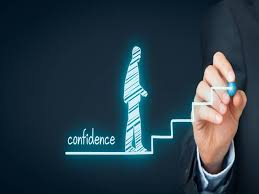
Ways to Build Confidence
Too many good people accept their self-esteem and trust. But not many people ever explain how to create faith or trust. It's difficult because trust is founded on different factors, but it is built on choices and achievements which give you a sense of joy and pride. Discover this is one of your life's most valuable endeavors. Here are the ways to establish your confidence:
**Get Things Done**
Confidence is focused on success. You would feel much more for yourself as you meet small and large milestones. What do you have to do today, and every day this week or three days of this week to help you reach your goal? When you achieve your regular objectives, you will typically meet weekly and monthly goals that put you into line with your two-year and annual goals. Be mindful that there are steady steps, and no significant improvements come immediately. You may believe you should take on a huge undertaking and set an ambitious target, since you think you will achieve it. Give yourself a target and do it.
**Monitor Your Progress**
It's better to break into smaller targets and track your success, major or minor, for you to achieve your objectives. The easiest way to know how you are making progress is to track yourself if you're trying to get promoted, get more jobs, start graduate school, change professions, eat healthy or lose 10 pounds. Try to measure your successes by writing down how your ambitions are, the amount of applications you send to work or graduate schools and what you are eating. You will keep on track, and you will develop faith while you see the change in real time.
**Do The Right Thing**
Many trustworthy individuals abide by a moral system and decide about it, even though it is complicated, and not necessarily in their best interests, but in the pursuit of the greatest good. You decide your character from your acts and decisions. Tell yourself what you're going to do to do as the better version of yourself. And when life is very difficult and the last thing you want to do is to make a quick effort, you'll like yourself better and be more proud of yourself in the long run.
**Be Fearless**
Loss is not your adversary, it's fearful failure, which really paralyzes you. You will feel exhausted, and will eventually feel like you cannot do this if you set massive expectations and have large ambitions! You have to look in you at these times and collect every ounce of bravery that you have to move ahead. Any wild successful individual was afraid and still worked and took chances, because they are more critical and desperately striving to achieve that than they are afraid to lose. Remember how badly you want to fulfill your mission, and place your apprehension on one foot, just one day at a time.
**Stand-up For Yourself**
If your target is in the initial stages, mission, etc. It is tenting to trust them when they joining the choir of suspicions within of your brain, and someone tells that your purpose is dumb or you cannot do it. You logically ask, "How can I be right, if I can't do this person with all those questions in my head? And you've got to convince those people that they're wrong, particularly the voices in your head. You have it within you, so tell them that you trust your goal, you trust yourself, that you can achieve it.
**Follow Through**
People respect people when they say and do stuff. They respect people. More significantly, once you say that you do something and you do it, you will value yourself, and trust in yourself becomes simpler when you know that you are not scared of the job. Action will add meaning to your words and will allow you to pave the way to achieve your goals, to improve your ties and to be proud of yourself.
**Think Long-term**
The root of dissatisfaction is short-term comfort choices that obstruct long-term goals: if you want to save money, you can't consume too often, if you learn the GMAT or the LSATs, you won't go out as much with friends, if you want to loose your weight, you can't eat French fries often, etc. Big objectives require major sacrifices, deep digging and discipline. It is boring and exhausting at the moment, and makes life even harder, but it pays off, and the pride is worth. You ought to determine if your convenience is greater than your long-term ambitions, but you should know that long-term aspirations can offer far more satisfaction in the long term than your ease in the short term.
**Don’t Care What Others Think**
There will be too many people who will advise you that you cannot fulfill your purpose. If it's a denial from jobs, from colleges, or even derogatory reviews from family or friends, people can want to convince you your target is too high, or you're not ready, you can't, it's never before... and you don't respond to it. You have to be determined. When you say the odds are against you, etc., note that most people are mistaken. Every day, people change the world, in spite of everybody saying that it cannot be achieved. You can do it if you believe you can. Don't hear it. Don't believe and try to believe in yourself.
**Do More Of What Makes You Happy**
In your free time, what would you like to do? Are you going out, camping, kayaking and enjoying the outside? Or do you live on your sofa and watch all the wonderful TV available to you? Whatever it is that you enjoy, make way for it, because life is short-time, it takes time to enrich your life.
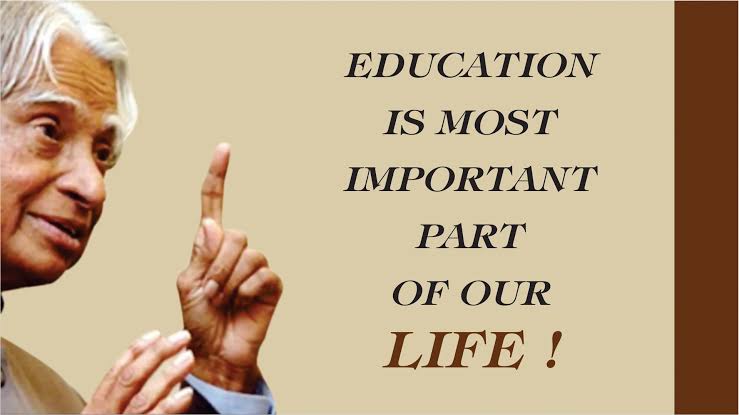
Importance of Education in our Life
**What is Education?**
The first thing that strikes our minds as we hear about education is schooling. Education is a medium that provides people with expertise, skills, technologies and information that enables them to know their rights and duties against their families, community and the country. It extends awareness and outlook in order to see the future. It creates the potential to tackle inequality, crime, exploitation and many other bad elements in society.
Training is bringing us the awareness of the world around us. A perspective of looking at life grows in us. It is the most significant aspect of the evolution of the country. After education, new innovations will not be discussed. It means that one will not be able to improve the world, because without ideas there is no innovation, and without creativity there is no growth of the country.
Importance of Education in Our Society
Training is a significant factor that plays a major role in the new, developed world. People need good education in order to be able to succeed in this dynamic environment. Modern culture is built around individuals with a high quality of life and awareness that helps them to adopt better solutions to their problems.
**Features of Education**
Training empowers all. Many of the places that education is helping are:
**1. Removing Poverty**
Education tends to eradicate poverty, since if a person is educated, will get a decent job and satisfy all the basic needs and needs of his family.
**2. Safety and Security against Crime**
If a guy is well educated, he won't be tricked easily by someone. An trained citizen is less likely to be interested in domestic abuse and other social ills. They have good relationships in their lives. This ensures that people are less likely to be robbed or to become victims of crime.
**3. Law and Order**
Education allows for the rapid growth phase of the Country. You will represent your country well if you have a decent education. It establishes a philosophy in politics.
**4. Women Empowerment**
Training also supports women in empowerment. The power of education will demolish those old traditions, such as No Remarrying Widows, Sati Pratha, Child Marriage, Dowry System etc. Women will speak out about the injustice done to her if they are informed. This brings a great deal of social and national growth. In short, if all women are educated, the right of freedom of speech can be exercised in the right manner.
**5. Upliftment of economically weaker sections of society**
Training is the key component of the world's transition. Many analphabets suffer the difficulties of prejudice, untouchability and injustices which prevail in society due to the lack of education but with the advancement of a good education. This inevitably leads to the upliftment of economically disadvantaged parts of society as everybody is educated.
**6. Communications**
The link between education and connectivity is clear. Healthy education leads to better contact with others. It also strengthens our abilities to interact such as language and voice. An trained person feels ready to meet or talk before a large crowd, or to hold a conference or workshop.
Without a simple education, it is not easy to send emails, letters, e-mails, read magazines, journals or even use a mobile.
Role of Education in Society
Education is the social institution that society offers essential information to its members, including fundamental facts, work skills and cultural expectations.
One of the most major advantages of schooling being the enhancement of personal lives and the smooth functioning of society. Poverty can be reduced by education and each individual can contribute to the country's growth.
**Education Helps in Creation of a better society.**
An intelligent person has a higher chance than an uneducated person of developing better moral and ethical values. Education deficit produces challenges such as superstition, domestic abuse, ill health and poor living conditions. Training offers men and women equal chances and trained professionals will build a healthier world. A better world cannot be built without proper schooling.
Education Can Create Better Human Beings.
Training is the best tool we will use in transforming the world's outlook. An intelligent person is conscious of multiple forms of topics. A individual may learn good moral values through right education. It encourages one to be a positive guy.
Do you have a blogging site like writing articles aside from this platform Read.cash and Publish0x? Where you can express your ideas on writing and earning cryptos. Thank you so much.
Mariana Trench: What is at the Bottom of the Ocean
**In the deepest point of the ocean, strange animals flourish that you have never seen before.**
The depths of the ocean are as vast as the earth and undiscovered as land. Although we continue to make strides on biological findings, there are areas of the ocean that are so elusive that through perpetual attempts, we have only found a sliver of reality. The Mariana Trench is not part of the sliver. The lowest portion of the ocean is surrounded by the islands of Mariana near Japan. So what lies in these treacherous hot, dark seas. Find out how you can afford to be afraid.
**Dumbo Octopus**
Flappy ears, deep eyes and eight tiny tentacles; named after the Disney favorite, the Dumbo Octopus is undoubtedly the most eye-soothing sight located at least 9,800 meters below the sea in the Mariana trench. Hardly scared, these adorable 8-12 inch animals flow across the ocean by flapping their wings. Charming as they can be the dumbo octopus is a predator that can digest its prey in a gulp.
**Scientific name: Grimpoteuthis**
**Comb Jellies**
Visually captivating, Comb Jellies are gelatinous beings with luminous body structures as they diffract the light that comes on them. They use their comb-like plates to move about in the water. Although they delight the eyesight, these aquatic wonders are voracious predators, often even attacking their own kind. Some can be as short as a few millimeters, up to almost five feet in length.
**Scientific name: Ctenophora**
**Benthocodon**
Although we realize that most jellyfish are translucent, Benthocodon is actually an opaque species. A red-colored mask called the Bell veils the light of the animals consumed by the Benthocodon, keeping it out of the eyes of the hunter. It crosses the ocean with nearly 1,500 tentacles.
**Scientific name: Benthocodon hyalinus**
**Deep Sea HatchetFish**
A very sour-looking species, the deep water Hatchetfish is a rather tiny creature, usually from 2.8 cm to 12 cm. While the small size makes it an easy prey, the Hatchetfish has developed into an ingenious camouflage technique. Like most other deep-sea species, these fish are often bioluminescent for their ability to emit light from their stomachs. Revealing the silhouette in the ocean can be risky, and so the Hatchetfish can manipulate the light to complement the light in the sea, rendering it transparent to predators.
**Scientific name: Argyropelecus Gigas**
**Black Seadevil/ Seadevil Angler Fish**
Any fan of Discovering Nemo will easily identify this fish. Featured as a fearsome monster in the film, the Black Seadevil is just as frightening in real life. Sharp jaws, gaping mouth and eyes blowing out of their sockets; this angler fish is known for its luminous antenna-like muscle protruding from its head. This light draws the prey to the immediate vicinity for quick capture. An curious and potentially scarring reality, the black seadevil reproduces when the male fuses into the female and survives off her energy before it can produce sperm.
**Scientific name: Melanocetus**
Teenager Health Risks
Teenagers are now subject to more threats than ever before. From cyber abuse, school shooting, and heroin, teenagers have greater levels of depression than in prior years and higher rates of suicide.
For parents and guardians, this involves holding a tough talk with their highly autonomous children about making good decisions about health and safety. If you're one of those carers, when you sit down to speak to your child, equip yourself with information on the top teenage wellbeing problems as well as tools to better manage the often stormy waters of puberty.
Automobile Accidents
Motor vehicle fatalities remain the primary cause of teen deaths in the United States. The Centers for Disease Control and Prevention (CDC) reports that seven teenagers between the ages of 16 and 19 die every day from motor vehicle accidents and more are treated in emergency rooms for severe injuries. Teens aged 16 and 19 years of age have a far higher chance of death or injuries in a car accident than any other age group.
Until your teen gets behind the wheel—or becomes a teen-driver passenger—crucial it's to recognize the greatest hazards that lead to teen car accidents, and to develop a strategy to ensure that your teen is safe behind the wheel. Factors that lead to teenage traffic crashes include:
**Inexperience**: Teenagers are less capable of detecting unsafe conditions and have less evolved driving reflexes than more seasoned drivers.
**Speeding**: Teenagers are more likely to hurry up and drive too close to the vehicle in front of them.
**Seatbelt** use less than 60 per cent of high school students wear seat belts every time they get in a car. In reality, nearly half of the young drivers who died in a car crash in 2017 were not wearing a seat belt.
**Drunk driving:** figures show that one in six teenagers rides in a car with a driver who is under the influence of alcohol and one in 20 admits to driving behind the wheel after drinking.
Suicide
Suicide is the second leading cause of death by teenagers. Around 2007 and 2017, teen suicide rates rose by 56%.2 Studies suggest that about one in 11 high school students is committing suicide.
Contributing causes to suicide include isolation, depression, family issues and drug abuse. The problems are nuanced and are not the product of one or two variables. Teens who have clear connections with at least one parent are less likely to engage in risky activity and are less likely to become depressed.
Learn to recognise early signs of teen suicidal thoughts, including:
Feeling a burden
To be alone
Increased fear
Feeling stuck or suffering from intense pain
Increased use of substance
Seeking for a way to use the deadly means
Raising indignation or wrath
Extreme mood swinging
Expressing desperation
Sleeping too little too much
Chat or tweet about wanting to die
Make suicide plans
If you believe that your child might be thinking about hurting themselves, inquire if they have thoughts of suicide, voice questions about their actions, listen closely without prejudice, let them know that they have been noticed and are not alone and direct them to professional assistance.
Bullying
Approximately one in three teenagers is impaired by harassment—a type of violent conduct in which someone deliberately and consistently causes harm or pain to another individual. Bullying can be mental, emotional, physical, or online in the form of cyberbullying, which most often happens at school. About 30 per cent of teenagers agree that others are bullied.
Persistent abuse can trigger feelings of loneliness, rejection, exclusion, and despair, as well as depression and anxiety, which can lead to suicidal behaviour; however most teenagers who are bullied do not attempt suicide. Although any teenager may be a victim of abuse, LGBTQ youth are at an elevated risk of being abused.
With many teenagers being harassed, just 20 to 30 per cent of teens who are bullied mention it to an adult. Signs that your teen might be bullied include:
Come home with mysterious burns, bruises, or scratches.
To find excuses to stop studying or to resist going to school or taking a school bus.
Complaints with recurrent headaches, stomach aches or other medical problems, difficulties sleeping or frequent bad dreams.
Losing interest in school work, or unexpectedly doing a bad job at school.
Look sad, moody, teary, nervous, or depressed as they come home from college.
If you believe that your teen is being harassed, it can help to deal with the problem implicitly by worrying about friends or learning about abuse in the press. The most important thing is to keep the lines of communication open and provide a supportive environment. Don't downplay the problem by asking your teen to either get over it or get tough.
Sex and Pregnancy
Having sex with your teenager may be awkward, so it's important to make sure your teen knows the dangers of sexual intercourse, how to practice safe sex, and the value of consent. The health effects of teenage sex—pregnancy and sexually transmitted infections—may see a lifetime effect. Arming yourself with information will make a constructive discussion simpler.
Teens are at a greater risk of developing a sexually transmitted infection than older adults.10 An estimated one-fifth of all HIV infections are young adults between 13 and 24 years of age and half of all confirmed STIs occur in those 15 to 24 years of age. In comparison, 46% of sexually active teenagers surveyed did not use contraceptives the last time they had sex.
Another important sexual issue to discuss with your teen is consent—a sexual conduct arrangement between the two partners. Failure to obtain the consent of a spouse can lead to legal implications. Explain the value of engagement to your child, setting expectations and loving their partners.
Make sure your kid knows that pushing someone to do things they're not willing to do or to take advantage of someone who's intoxicated or drugged is never OK. Likewise, if the teen feels stressed or awkward in a situation, it is important to speak up and leave if necessary.
Tobacco Use
Tobacco use is the leading cause of preventable death in the United States and almost all nicotine addictions begin in young adults. By high school, more than two-thirds of children have used or are using tobacco products on a daily basis.
While the consumption of cigarettes and smokeless tobacco products has decreased sharply over the last 25 years, the use of electronic nicotine delivery devices has risen exponentially. Vaping was originally thought to be safer than smoking cigarettes; but, a new lung condition known as e-cigarette or vaping product-associated lung injury was reported in 2019.
Alcohol
Underage drinking can lead to many issues, including school challenges with academics and friends, bad judgement and decision-making, legal difficulties and health problems.
It's important to have an ongoing conversation with your teen about underage drinking. Encourage a two-way dialogue with your teen and make your desires plain. Ask open-ended questions that allow your child to tell you how they feel without teaching.
Alcohol is a depressant that slows down the mind and body.
Being under the influence of alcohol impairs coordination and slows down the response time.
Drinking impairs perception, perception, and judgement that can drive you to do things that you wouldn't be sober for.
People sometimes misconstrue how affected they feel after drinking alcohol.
It takes between two and three hours for a single drink to get out of your system.
Alcohol affects young people differently than adults and can contribute to long-lasting intellectual symptoms of still-ripening brains.
While most parents don't want their teenagers to drink, it's important to keep channels of communication open, particularly when it comes to drunk driving. Emphasize your adolescent that they can never get behind the wheel after drinking, or get into a car with a driver who's been drinking. Let them know that if they need a lift, they can still call you, no questions asked.
Eating Disorders
Eating disorders also arise first in puberty. Sometimes mistaken as lifestyle decisions, eating disorders such as anorexia nervosa, bulimia nervosa, and binge eating disorder are actually severe and often deadly conditions that change eating habits, feelings and emotions.
Both sexes can develop eating disorders, but rates in girls are higher than in boys. If your child appears to be preoccupied with food, their weight, and the appearance of their body, it may be a symptom of eating disorder. Some symptoms to be noted include:
Frequently walk on the scale or take body measurements
Restriction of dietary consumption
Extreme weight gain or weight loss
Spend more time in the shower to put out after meals or to take laxatives or diuretics.
Chronic sore throat, hoarse voice, or swollen neck glands caused by vomiting
Sneaking or feeding in silence
Eating big portions really quickly
Anxiety, sadness, and attitude swing
Drugs
It's not hard to find drugs, and occasionally it might feel like everyone's taking them—or wanting you to try them. But as for something that sounds too good to be real, there are downsides (and dangers) to substance use.
Because of the way these medications function in the brain, they affect the capacity to make good choices and judgments. Even alcohol makes you more likely to be embroiled in dangerous circumstances, such as driving under influence or getting casual intercourse.
Although drugs can feel good at first, they can do a lot of damage to the body and brain. Drinking beer, smoking or consuming cigarettes, taking illicit drugs, and sniffing glue all damage to the human body.
There are various forms of opioid abuse therapy available. The two major categories are therapeutic (helping an individual alter behavior) and pharmacological (treating a person by using medicine).
Why Do the Youth of Today Look so Different?
*The perception of generational gaps will enhance family contact.*
If I had a nickel every time I heard an adult say that youth behave irresponsibly or worse than their age these days, I would have been rich. It is certainly true that each generation has unique variations dependent on mutual experiences. Understanding these gaps allows older people to appreciate and to have more sympathy for their children and grandchildren. This awareness also helps cross certain differences, as it becomes apparent that each generation has strengths and weaknesses.
For this purpose, in the following paragraphs, I shall include details on the different generations. This knowledge can help you understand why your children and grandchildren react differently than you would expect. Read on to hear a little bit about yourself and your other family members.
Each generation establishes beliefs dependent on experiences that occurred when they were growing up. These encounters include the lessons of their parents and introduction to technologies. Traditionalists, for example, were born before 1945 and witnessed the fall of the stock market and the Second World War. These experiences have shown this generation that perseverance, dedication and hard work have paid off. Their efforts have culminated in a World War II triumph and an economic transition from hardship to wealth. Not unexpectedly, the people of this generation respect loyalty, knowledge, bravery, hard work and perseverance. This generation wants to share stories and, frankly, deserves a lot of praise and respect for the freedoms that we all enjoy today.
The next generation, the Boomers, was born between around 1940 and 1964. This generation, though witnessing success, also witnessed the designs of the Vietnam War, the Cold War, and the building of the Berlin Wall. This group experienced exposure as advertisers were seeking to make money from marketing to this huge group. These encounters have proven that achievement and victory required more than just education and hard work of their own. They also realized the need for social change through activism. As such, this century has undergone and introduced human rights.
Generation X was born between around 1961 and 1981. Children born as part of this generation were introduced to television at home and left to fend for themselves as households became dual-career earners. This generation was called the "latch key" baby. Seeing the hard hours, layoffs, and loss of satisfaction faced by many of their parents, many of this generation have opted to concentrate more on family and spare time than on employment. Technical dress became less important to this demographic because their interests were different from those of the boomers. This generation has understood the value of juggling family and work.
Millennials was born between 1980 and 2004. This generation grew up with laptops, social media, and scientific advances never seen in the youth of their parents and grandparents. They experienced terrorism and mass attacks, and a substantial majority of them came from divorced families. Technology takes activities all around the globe to local notice, and the Internet keeps us wired at all hours. It is normal considering their backgrounds, that they sense more fear and apprehension than their predecessors. Around the same time, they have displayed immense bravery in campaigning for gay rights, gun control, and women's issues in the Me Too campaign. They are a mixed group and are considered to be more appropriate to those who depart from the norm.
Generation Z was born about 1995 and 2004 (depending on the researcher) and is the most wired generation in history. They use technologies efficiently and rapidly to find information and are known to have no patience for elderly people who are reluctant to use smartphones and applications. They also encounter and/or observe abuse on a regular basis. Researchers are still learning about this party, but they appear to be worried about personal finances as of now. This group may be our future entrepreneurs, since they appear well versed in scientific innovations that their predecessors do not completely grasp. This community effectively multitasks, collects knowledge rapidly, and wants to learn experimentally.
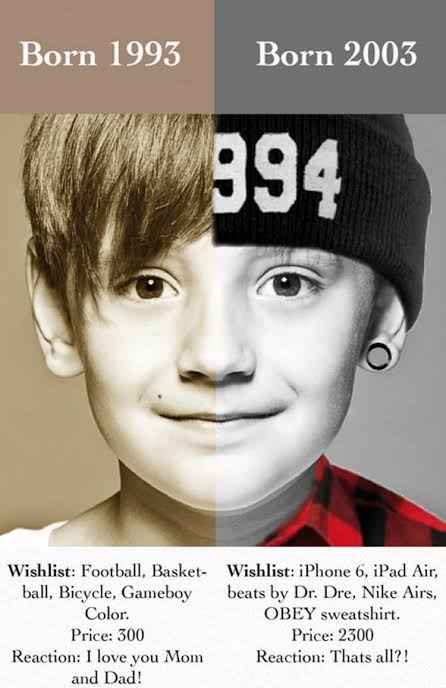
Ways to Avoid Depression
Depression may be serious and life-altering, impacting the quality of life and satisfaction of people living with it. It's a common disorder, too.
In certain situations, it's easy to avoid stress, even though you've had a prior episode.
There are several lifestyle improvements and stress control strategies that you can use to avoid or avoid depression. There are some causes that could cause one to suffer depressive episodes. Although causes can be different for everybody, there are some of the better strategies you can use to avoid or prevent a relapse of depression.
**1. Exercise regularly**
Practicing daily is one of the best things you can do for your mental health. Exercise can aid in the recovery and prevention of depression in a variety of main ways:
It raises the temperature of the body, which can have a soothing effect on the central nervous system.
It activates chemicals like endorphins that can stimulate mood.
Reduces immune system chemicals that can exacerbate depression.
All sorts of physical activity can help to treat stress, so it's safer to exercise daily. You will get more exercise:
Enter a sports team or studio (like yoga or kickboxing) where you'll be part of a club as well as being involved.
Taking the stairs in place of the lift.
Making it a habit: this is the easiest way to achieve a health level that is most effective at avoiding depression.
**2. Cut back on social media time**
Analysis has shown that increased use of social media can cause or lead to depression and low self-esteem. Social media can be addictive, and there's a desire to keep linked with families, friends, and even colleagues. This is how we organize and welcome each other to gatherings to discuss the big news.
However, restricting time on social media can help reduce depression. You will do so by:
Disable all social applications from your devices
Using site-blocking extensions that only allow those pages to be used for a predetermined period of time
Only go on social media for a reason and stop signing in a couple times a day just to do something.
**3. Build strong relationships**
It is crucial for our mental health to have a good support net and an active social life. Analysis has shown that even "adequate social reinforcement will help against depression.
Be sure you interact with friends and family on a daily basis, even though your lives are crazy. Attending social activities where you can and discovering new interests that can help you meet new people can help you develop new relationships, too.
**4. Minimize your daily choices**
Have you ever walked into a theme park and been confused by what you want to do first? Researchers conclude that making so many options will potentially create severe stress that can lead to depression.
When faced with so many options, those who tend to make the best possible choice—"maximizers"—are faced with higher rates of depression.
And all of us, our lives are full of decisions. What clothing should we wear and can we buy cereal or pancakes or bagels or English muffins or sausages for breakfast? The pressure to make the right—or wrong—choice is believed to lead to depression.
When you stress decisions, simplify things. You could:
Gain more easily to be decisive.
Reduce the choices you will have to make during the work week: plan your clothes and schedule your meals and get ready to go.
**5. Reduce stress**
Chronic stress is one of the most common sources of depression that can be prevented. Learning how to handle and work with stress is important for optimal mental wellbeing.
You should handle stress:
Stop being overcommitted to stuff.
Arse your mindfulness or meditation.
Learn to let go of things you can't handle.
**6. Get plenty of sleep**
Having a lot of high-quality sleep is necessary for both mental and physical wellbeing. Those with insomnia have a 10-fold chance of experiencing depression relative to people who sleep well.
You will get more sleep:
Do not look at all of the screens two hours before bed (including your phone!)
Meditate in front of bed
Get a comfortable mattress for you
Avoid coffee until midday
**7. Stay away from toxic people**
We've all seen the guy who just makes us feel bad about ourselves. Often they're an outspoken murderer, and sometimes they quietly set us down to make themselves feel better. They might even be someone who takes advantage of us. Toxic people should be stopped at all times, regardless of the particular situation. They could lower our self-esteem.
Negative social interactions were correlated with higher levels of two proteins known as cytokines. These two proteins are concerned with both inflammation and depression.
To keep people from being toxic, you should:
Keep away from anything who makes you feel bad for yourself.
Cut the ones out of your life who are taking advantage of you.
You know the symptoms. If anyone spreads lies or talks poorly about someone as soon as they leave the place, they're definitely going to do the same about you.
**8. Eat well**
Regularly eating a high-fat diet may have similar consequences to chronic depression stress. In addition, an unhealthful diet will also rob the body of the essential nutrients it requires to sustain physical and mental health.
In order to avoid depression with your diet, you should:
Feed a healthy diet of lean protein and plenty of fruit and vegetables.
Reduce high-sugar and high-fat products.
Eliminate artificial foods from your diet as soon as you can.
Add more omega-3s to the diet, with ingredients such as salmon or nuts.
**9. Reduce alcohol and drug use**
Excessive consumption of alcohol and any opioid use is associated not only with higher risk of depression, but also with high risk of relapse of depression. Restricted the consumption of alcohol and avoid the use of medications as safely as possible.
Since alcohol restriction can be difficult in some social settings, you can:
Order an aperitif instead of a cocktail at a happy hour.
Plan and invite your mates to activities where alcohol isn't central.
Order cranberry juice; you don't have to tell anyone that there's no vodka in it.
**10. Get off nicotine**
Smoking and depression can perpetuate one another as any form of nicotine can serve as a catalyst for depression.
To quit smoking, you can:
Rely on your justification to stop and remind yourself of this any time you're tempted.
Know what to expect in advance of time.
Tell your mates and ask them to help keep you accountable.
Leave as a friend at the same time.
How to Deal With Expectations and Disappointment
*The less you expect, the happier you can be.*
***M***any of our lives have its challenges.
We have aspirations, preconceived notions of what our lives should be like. We're impatient, sometimes we also feel right, worthy, like everyone owes us.
And though I refuse to admit it, I know that this is the way I sometimes feel. There's so much I like, there's so much I deserve, there's so much I'm supposed to get. I have all these scenarios of what my life is going to be like, along with all the stuff and people in it.
What's more, I want so much from myself, my skills, my abilities, and my body. Mostly, I'm not living up to these standards. I don't have the energy that I'd like to have. My body doesn't look what I want it to be. I'm forgetting to do stuff.
There's a lot of resentment, and that adds to frustration and guilt.
But this loop is a risky one. It can lead to sadness, discomfort... we feel separate, lonely, special in our pain and misery.
This longing of the ego to desire something to want something else to never be happy, widens the distance between humans, while also acting as a veil that divides us from the reality.
We're getting confused. We lack the simplicity and wonder of our daily life. We lack the communication chances.
***T***he reality is we're both growing up at home. We are both looking for the facts in our own faulty, minimal ways.
There's a lot we can do to deal with the ego's desires and disappointments.
**Notice**
The first, and maybe the most difficult, is to notice. Noting the trend of thinking that is evolving. Noting the mind drifting through the downward spiral of guilt and self-flagellation.
See, I'm hoping something. Because of these aspirations, I'm sad.
Don't push yourself to stop waiting, just notice.
**Realize**
The next move is to understand that this is all a thinking pattern, one with well-worn grooves in your brain. Realize this isn't necessarily the thinking of your actual self. It's the thinking of the mind—one conditioned by brief perception and life.
You're not the mind. You're not that feeling.
This mind has little access to the riches of the World, however you do. You may have just forgotten about it. The curtain has been so dense.
**Detach**
Delete yourself from your head. Detach yourself from your body. You're none of those people.
**Engage with the world**
Detach, but don't let yourself lose contact with the three-dimensional universe. It could be the current limit of your life. It might also be an illusion. Yet this is a wonderful deception.
Look at the elegance of it. The elegance of the storm. The charm of a smile on the face of another human being. It's the essence of imperfect, human love. It's the wonder of nature. The elegance in all of you.
Look at the world and the life through a child's eyes. See the miracles of all this.
**Develop a sense of gratitude**
I can't even begin to describe how much my life changed when I started to develop a thankfulness attitude. For years, I kept a journal of gratitude in which I wrote ten things that I was thankful for every day. It doesn't matter what.
Slowly, I started to recognize the simple things of my daily life that were a lot of miracles. And then I started to notice the huge stuff.
Developing a sense of gratitude is the cornerstone for a happier life. It also tends to reduce the amount of hopes and disappointments that we sometimes experience. The less aspirations and the less disappointment you have the happier you will be overall.
***N***ow, I can't guarantee you that if you take the above steps, you'll never have any expectations or disappointment. After all, we're all human, with healthy egos. We're not saints, nor do we expect to be saints.
And this is where the final and most critical step in this method comes in.
**Give yourself grace**
The only thing you can do is go deeper down the spiral to falter, to be flawed, to be human. Give yourself the grace of not meeting your standards. Give yourself the grace of being strict on yourself.
Give mercy to everyone when you're disappointed. And allow yourself the grace to be disappointed.
It may sound trite, but think of it as a cozy blanket wrapping you on a cold day. We just need a comfortable place to feel at home. When you grant yourself grace, you will build the room everywhere.
***H***appiness is not what we usually believe it is. Happiness that we generally think about is a transient feeling or condition.
True pleasure is the overall fulfillment of life. It doesn't have to be fine, it's just got to be ours.
Following the above steps of recognizing, remembering, detaching, communicating with the world, cultivating a sense of appreciation, and granting ourselves (and others) grace will lead to improved fulfillment in life, thereby growing our happiness.
We will be more caring and empathetic when we're happy. We exist and work in a position of devotion.
Basic Functions of a Mother
Young people expect their parents to trust them, but it is not the primary obligation of parents to trust their children, but to consider them. The more parents understand their children, the more parents trust their children.
Understanding sons and daughters comes from showing a "hearing heart." One of the Hebrew words for "understand," "shama," means hearing intelligently." Mother always has the greatest chance to be an observer during the day.
***1. The Mother is the “Heart” of the Home.***
The Scriptures describe the husband as the head of the couple. Likewise, a woman can be likened to the heart of a couple. The head and the heart are important both to the functioning of the body and to the efficient functioning of the home.
The notion that only the brain is thought is an antiquated term. Researchers also found that the neurons that store the memory we think of are not only in the brain, but also in the heart. The Scriptures affirm this concept; as a man thinks in his heart, so is he" (Proverbs 23:7).
Just like the heart sends important and constant messages to the brain, so the wife can express to her husband what she sees and hears, so that they can make wise decisions together. In order for this contact to take place, the husband has to arrange hours for substantive conversation with his wife about their home education program.
***2. The Mother is the “Light” of Learning.***
By practicing a listening heart, the mother will know what character traits, academic studies and realistic skills she wants to cultivate in her children. With these in mind, she is willing to make a list of suggestions for her husband to be included in the regular assignment list. ATI offers practical training to support father and mother with this.
The mother's position as a light is mentioned in the Scriptures: "My son, keep the commandment of thy father, and forsake not the law of thy mother... for the commandment is a lamp; and the law is light; and the instruction is the way of life" (Proverbs 6:20, 23).
***3. The Mother is a “Learner-Teacher.”***
Many mothers feel insufficient to educate their own children particularly as they reach high school and college levels of learning. What these mothers tend to understand is that children who are rewarded for their academic attitudes and success will quickly go beyond their parents' learning accomplishments.
ATI does not see parents as practitioners, but as active learners together with their sons and daughters. If topics come up that are beyond the knowledge or comprehension of parents, they are urged to look for them or introduce them to those that have skills in these specific fields.
Mothers are also expected to teach older children to collaborate alongside younger children. When this type of mentoring takes place, older adults not only study academics, but also improve teaching skills and start training themselves for parenting.
***4. The Mother is a “Creative Recorder.”***
In order to verify learning, it must be registered. There are a variety of innovative ideas that the mother may use to maintain useful notes for each boy. The "mini-book" solution is the chosen form. Using mini-books, children are taught to grasp and condense vast volumes of content in creatively made small booklets.
Children are also inspired to do more by meaningful maps, graphs and records. They can be begun by the mother and continued by the older children. In this method, penmanship, neatness, precision, thoroughness, imagination and other qualities can be produced.
***5. The Mother is a “Coordinator” of Responsibilities.***
Mother's first thought about home schooling is How do I teach my children and get all my work done? "The secret to home education is to creatively teach children to love work rather than to pursue enjoyment by converting everyday tasks into character classrooms.
For example, washing dishes may be turned into lessons of gratitude (doing dishes in respect for the person who made the meal), thoroughness (cleaning all dishes and utensils) or organisation (putting the dishes in the right places).
A smart mother knows that her life is full of seasons. By engaging in the lives of her children, she would enjoy the benefits of their wisdom and good character.
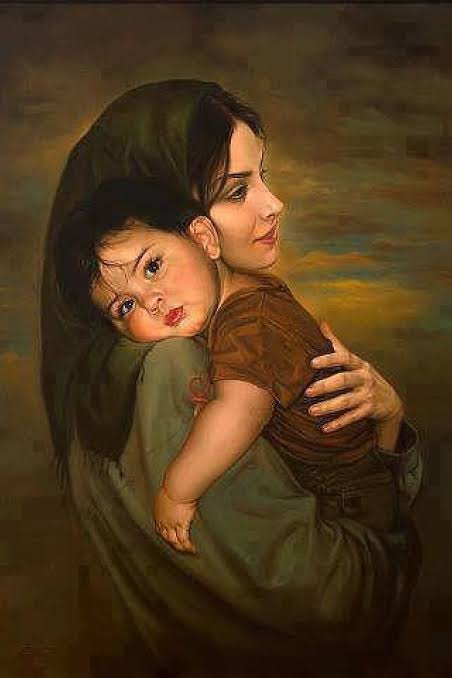
Bereavement And Grief
*We all know in our hearts that death is part of life. In reality, death brings sense to our lives, for it reminds us of how fragile life is.*
Coping With Loss
The death of a loved one is the most traumatic experience of life and can trigger a significant emotional crisis. Upon the death of someone you love, you undergo bereavement, which simply means "to be deprived by death."
Knowing What To Expect
When death happens, you can feel a wide variety of feelings, including when death is expected. Many people describe experiencing the initial state of numbness when they first learned to die, but there is no real structure in the mourning process. Some of the feelings you can feel include:
Refusal
Incredulity
Confusion of stuff
Shock
Sadness
Awaiting
Wrath
Humiliation
Awakening
Guilt
These feelings are natural and usual responses to loss. You may not be prepared for the severity and frequency of your feelings, or how easily your moods may change. You may also tend to question the stability of your mental health. But be aware that these emotions are safe and necessary and can help you deal with your loss.
**Remember:** It takes time to completely comprehend the effects of big defeats. You never stop missing your loved one, but after a while the pain will lessen and encourage you to move on with your life.
Mourning A Loved One
It's not easy to deal with the loss of a loved one. You're going to lament and grieve. Morning is a gradual phase that you are going through to acknowledge a big defeat. Mourning may involve a religious practice of mourning the deceased or getting together with friends and family to mourn the loss. Morning is personal and can continue for months or years.
Grieving is the physical manifestation of the lack of life. Your sadness is likely to be conveyed both mentally, socially and psychologically. For eg, weeping is a physical expression, while sadness is a psychological expression. It's really important to encourage yourself to share these emotions. Death is also a topic that is deferred, overlooked or rejected. At first, it may seem helpful to isolate yourself from the hurt, but you can't stop grieving forever. Someday, these emotions may need to be overcome, or they will trigger physical or mental illness.
There are also individuals who report clinical signs that follow grief. Stomach pain, lack of appetite, digestive upset, sleep disturbances and loss of energy are also typical signs of acute grief. Of all life's stress, grieving will severely challenge the natural protection mechanisms. Present disorders may worsen or new conditions may arise.
Deep emotional reactions can occur. These responses include anxiety attacks, constant tiredness, exhaustion, and thoughts of suicide. Obsession with the dead is also a normal response to death.
Dealing With A Major Loss
The loss of a loved one has always been complicated. Your reactions are affected by the circumstances of your death, particularly when it is unexpected or accidental. Your emotions are still triggered by your connection with the person who died.
**A child's death** gives rise to a profound feeling of injustice—for wasted opportunity, unfulfilled dreams, and senseless misery. Parents may feel guilty for the child's death, no matter how ridiculous it may sound. Parents can also believe like they have lost a crucial aspect of their identity.
**The loss of a partner** is very painful. In addition to a serious emotional shock, death could lead to a possible financial disaster if the partner was the primary source of income for the household. Death can entail significant social changes requiring the surviving partner to be a parent alone to transition to a single life, and maybe even to return to work.
**Elderly people** may be more insecure when they lose a partner because it means they lose their mutual memories for a lifetime. At this time, feelings of isolation will be exacerbated by the death of close friends.
The loss of suicide can be one of the most painful loses to bear. They can leave the survivors with an immense burden of remorse, rage and shame. Survivors might also feel guilty for their death. It is especially helpful and prudent to seek advice within the first weeks of suicide.
Living With Grief
Death coping is important to your mental health. It is only natural to feel sadness when a loved one dies. The best you can do is encourage yourself to grieve. There are many options to deal successfully with the pain.
**Look for loving people**. Find your family and friends who will appreciate your feelings of disappointment. Form community networks for those that have suffered similar losses.
**Share your emotions, please**. Tell people how you feel; it will allow you to move through the grief process.
**And take care of your welfare**. Keep in touch with the family doctor on a daily basis and make sure to eat well and get plenty of rest. Be mindful of the risk of developing a drug or alcohol dependency to help with your sorrow.
**Agree that life is a living thing**. It needs effort to start living in the moment again not to linger on the past.
**Postpone big changes in life**. Try to avoid making any big changes, such as separating, remarrying, changing careers or raising another child. You need to give yourself time to adapt to your defeat.
**Be patient**. It can take months or even years, to absorb a significant loss and embrace a life of transition.
**Seek outside support when it is required.**When your grief continues to be too much to handle, seek therapeutic support to help you work with your grief. It is a symbol of courage, not weakness, to seek support.
Looking To The Future
Remember, with support, persistence and effort, you're going to survive the sorrow. Someday the suffering will be lessened, leaving you with cherished memories of your loved one.
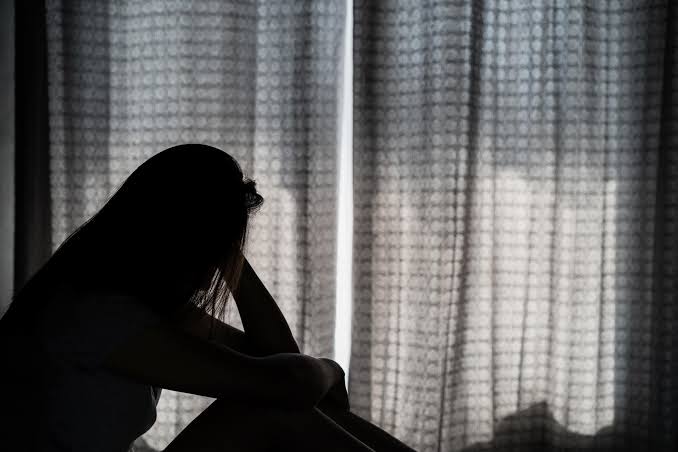
Then and Now: How Technology Changes Our Lives
Technology is running our lives these days. Smartphones, laptops and machines – it feels like we can't live without them. Technology has burst on the market in a relatively short period, and many people can't picture a life without it.
To understand how we escaped the dark ages (which wasn't all that long ago) and where we are now, it's important to understand how technology progresses and why it matters.
When time goes on, everything about us is shifting. We have been almost entirely dependent on technology for a century, and it goes without saying that things were handled very differently decades ago than they are now. But as much as some people want to suggest that our dependency on technology hinders us, we can't argue that it makes life a lot easier!
Here are a few things that technology has made so much better for us!
****Communication****
**Then:** Snail mail was the primary source of correspondence then as opposed to today, where it was the primary source of junk mail. I recall getting pen pals at grade school and being extremely happy about sending letters and collecting stamps. Although there's something really sweet about the concept of snail mail, it's called snail mail for a reason—sluggish it's and in the end, inconvenient.
**Now:** Today, we basically use anything but snail mail to connect with each other. Whether it's email, text, video chat, fax or instant messaging, we have an abundance of tools to help us to reach each other without having to find a mailbox. Technology has successfully simplified correspondence from a few days to only a few minutes.
****Transportation****
**Then:** There's nothing more inconvenient than the horse buggies, the boat, and the little covered wagons that you used to drive on the awful Oregon Trail game. Forget about the ludicrous amount of time it takes to get somewhere, talk of being miserable! People have died daily attempting to get from point A to point B. It's inconvenient now.
**Now:** Today, our modes of travel are the concept of glamorous. From first class aeroplanes to flashy luxury cars, everything today is about altitude, safety and comfort. And if all we can afford is a coach ride or a 90s Honda ride, it still beats a few states for months to come.
****Entertainment****
**Then:** Play is certainly indeed a great source of entertainment today, but its medieval equivalent isn't all that great. And if the special effects were a little stronger, let's note that women were played by men because the stage was no place for a woman." Let's put the obsolete values in the past, right?
**Now:** Thank you for the movie theaters, cable TV, Netflix, video games and tablet applications! Not only are things a little more fun than they were back then we're all beginning to see more diverse media coverage, whether it's gender, race, sexuality or sexual orientation. This is what I call improvement.
Of course, technology also makes us complacent (especially as college students; we're too anxious to procrastinate with some Orange Is New Black on Netflix). Yet without the incredible advance of science, we will all be using outhouses and shouting out our windows to speak to our mates. Our reliance on technology is not that bad.
**Purpose drives Technologies FORWARD**
Both inventions have been born out of intent. For example, search engines have been created to filter through vast volumes of online data. For each new upgrade technology, current systems are merged to produce something different than what was traditionally used. And it goes on and on.
With the lightning speed of technological evolution, it is no surprise so many people have failed to keep up. To be honest, the breadth of technology is so great, it's almost difficult to sum it up in a single blog post.
Here's just a quick snapshot of how quickly the Internet and technology as a whole have grown in recent years.
**THE PAST: WORLD, MEET THE INTERNET**
Looking back to the 1990s, many, but not all, households and enterprises started to obtain access to the Internet as a new commodity. The sound of a terribly slow dial-up signal linking to the Internet is a not-so-found memory (EEEE-AAAAAHH!!!) for people living at that time.
Fortunately, as more users have found value on the Internet, technology has gone off to remove the need to use a phone line to go online, instead providing quicker access to the World Wide Web.
**THE PRESENT: SNAPS, CHATS AND DOUBLE TAPS**
Fast-forward a short years ago (side note: remember VHS tapes!? fast-forward OG? Well, carry on...).
Connection to the Internet has been available nearly everywhere since the days of the dial-up. It is uncommon these days for customers to go to a coffee shop, a library or other place of business and not be able to reach a Wi-Fi signal. Even if there's no Wi-Fi signal at close range, most people always have access to the Internet through their cellular data link on their smartphones and personal hotspots, no problem.

Hidden Causes of Laziness You Should Know
Is laziness a characteristic of personality, or are there any factors behind it? Many people may not realize that loneliness, anxiety, or stress are some of the latent causes of laziness. It may also be a sign of the strain imposed by our society's fascination with success and accomplishment. Laziness is without a doubt, a trait with psychological determinants that you need to think more.
A fast google search will show you loads of laziness posts. Almost all of them are going to reflect on the same thing: how necessary it is to conquer your laziness.
These posts are full of techniques to overcome laziness. They're dreaming about getting rid of it like an old shirt or an itchy scab. What these posts do not do, though is invite you to consider the actual roots of laziness. They're not trying to find out what's going on under the surface.
Laziness is all that we have learned from our roots.
When resources were limited or unknown, energy conservation was critical. After all, early humans did not know when they would need it. So maybe laziness will take over when you see some kind of confusion in your life. It's the instinctive way to take a moment for introspection, so you can conserve stress.
**Hidden causes of Laziness**
Weakness is not the only thing that triggers laziness. Nor is there idleness, hesitation, or procrastination. Often we're going to mess up these words. We know that laziness and procrastination share one thing in common: poor enthusiasm. However, procrastinators do have the hope of finishing assignments at long last.
A lazy individual, on the other hand, does not always have the courage to accomplish their goals. It's very important to know what's going on behind the laziness in this kind of example. Take a look at the most famous secret causes of laziness.
**Laziness, which hides anxiety**
Laziness is like a soft and cozy bed where you can avoid reality. Perhaps you turn to laziness when you feel especially terrified in your daily life. You will be scared that you may not accomplish your ambitions, that you may lose, or that you may not be what people expect you to be. In the other hand, you may be anxious to have to confront problems that are out of your grasp.
All the anxiety is getting unbearable. And you're going to try to save it for tomorrow. Or, better yet, when you're more inspired. But it doesn't happen tomorrow because the anxiety is taking over.
**Laziness as a result of depression**
Depression isn't really easy to spot. In most cases, depression is concealed by fatigue and apathy. The black despair pit swallows something good.
**Biological mechanisms of illness**
Any medical problems may be one of the latent causes of laziness. If you're ever sleepy, stressed, drained, and unmotivated, you should get some screening tests. You may have some kind of thyroid disease. Thyroid disorders can lead to diabetes, anemia, sleep apnea, heart disease, or even fibromyalgia.
**One of the latent causes of laziness is lack of true intent.**
Purpose is important to add meaning to your life. When you don't have any goals, you're not going to be inspired to do so. You may have been let down by some of the interactions, or things are either too complicated or challenging. It's hard for you to think and prepare. You're turning to laziness because it's a safe and peaceful sanctuary. There, you will only be at ease.
At one time or another, we were all in that room. What's more, teens also feel that way. It manifests itself as loneliness, the classic "lazy" teen holed up in their room all day long. This is pretty normal, and it'll end the moment you're going to find a target.
So if you feel like your life has no meaning, and that makes you lazy, it's time to find something that motivates you. Just find out what makes you confidence.
In conclusion, maybe this is a good time to end the stereotype of laziness. There will still be individuals who by choice, are actually lazy and inactive. However it is important to note that laziness is also followed by unpleasant apathy and anxiety.
So it's important to understand what's going on below the surface to uncover the secret causes of laziness. Dig further, take a closer look, and begin to learn. Don't bring it back until tomorrow. After all if there's one thing we know about thoughtlessness, the longer you wait to resolve it the worse but it gets.

Important Things You Need to Know about Yourself
I've got a friend I've known for more than 10 years.
One day, he walked up with my friend and me and told us he had a wonderful revelation about himself – he's an extrovert.
My friend and I stared at each other, shocked, and asked, "You say you don't know you're an extrovert? We know that you're an extrovert like 10 years ago. How could you not have known that for yourself? ”
**“Knowing yourself is the beginning of all wisdom.” – Aristotle**
I'd like to concentrate on learning myself. I think it's important to start with self-awareness, and the more you know about yourself, the more honest you can be. Loving yourself is about others being true to yourself. How do you enjoy yourself if you don't accept who you are?
Self-love is all about praising your power and respecting your failures. I find it useful to list what you know about yourself. When you're nervous, anxious, or sad, you seem to forget what you know about yourself. Getting a list to which you can apply, allows you to be aware of who you are.
Here's my list to kick things off.
**Know your Strength**
Knowing what you do better lets you do something in less effort. When you do things that are positive for you, you feel that you're in flux. You don't sound like it's a rough job. Your strengths would probably make you the best of the capital. So hang on to your talents, maximize them, and make them even stronger.
If you don't know what your abilities are, inquire. Tell your peers to tell you what they think you're amazing at. Start gathering the good things that people have spoken about you. Recently, one of my tutored students has said that I am compassionate with others. I'm confident I'm adding it to my resume.
**Know you Weaknesses**
You will need to accept your shortcomings to value yourself unconditionally. Accepting your shortcomings requires accepting that certain aspects are terrible for you and not trying to correct them. Typically, because of our vulnerabilities, we are harsh on ourselves.
When you concentrate on things like your strengths, you're bound to have less time and energy on something like your shortcomings. Spending time to correct your flaws means finding less time to improve your strengths. Instead, outsource the vulnerabilities. Let the other people who are good at doing the stuff you're terrible at motivate you.
Even, there's no reason to blame yourself for being weak. Only be mindful of your flaws and stop any harm that might possibly be incurred. I'm really poor at calculating and keeping time, for example. When I do my own projects, I seem to overrun my allowance of time. But when I encountered people, I had to prepare to arrive 15 minutes to 30 minutes earlier. Otherwise I'd be late, or I'd be very nervous to be late.
**Know what you Love**
One way to respect yourself is to do more of what you love, and to do less of what you dislike. When you don't know what your talents are, how are you going to do more than what you love?
I maintained a note of everything I enjoy and don't love in my work for any career I've had. Getting this knowledge lets me fine-tune my career path. When I move jobs every time, I'm going to find a career that has more of what I enjoy and less of what I dislike. If you don't know where to start, read my novel, Fearless Passion, or my current blog post on How to Find Your Passion in Life?" "Because of creativity.
**Know what you Hate**
Knowing what you dislike makes you set limits. If you respect yourself enough you're going to set good limits for other people so you don't get hurt. Like for what you enjoy, you need to know what you dislike before you can do less.
Being an introvert, I know why I like to read a book rather than go out for events. I realize I need time to recharge on my own. Often I regret going to activities where I don't feel like it, and I can excuse myself for not saying "no." To love and grow myself further, it is important for me to practice how to set healthy boundaries and refuse party invites that do not serve me kindly.
**Know your Values**
Your beliefs are just what you stand for. They're what you believe in and things that are important to you. Knowing these values is part of enjoying yourself, and it allows you to recognise and communicate with people who have the same values as you – be they friends, business mates, or your better half.
A good way to discover what your principles are is to inquire, "What are you not going to do? What are your expectations, huh? "As for me, I believe in compassion, goodness and motivation. I love to inspire my students as a mentor. I don't think scolding makes my students improve. Some tutors may have assumed that I'm too gentle, and that scolding is appropriate. So that's all right. They all have different beliefs. You've got to figure out what's yours.
**Know your Purpose**
Your goal is to wake up every morning to do what you do. It's your inspiration for any mission. Your goal shows you what makes you feel happy. It doesn't have a timeline or an endpoint, so when you're sure about your mission, you can live more purposefully and enjoy yourself more.
However the target is one of the hardest things to know about yourself. It's taken a long time for me to discover my intent, and I'm still clarifying it as I step on. What I recommend is to start dreaming and writing down your intent even though it's not crystal clear yet. It will be clearer in the way.

Change Your Life for the Better
Every day, we all make small decisions and small improvements to our lifestyles except realizing how they multiply and decide the route our lives follow.
Though we nonetheless take small turns and in no way walk in a straight line, sometimes we hit a crossroads that we simply cannot miss.
At distinctive factors in our life, we can make a deliberate desire to pass down the avenue we've got been heading up to now, or take a turn, make a high quality and meaningful decision, and begin doing it differently.
There are, basically, two approaches to enhance your life for the better; two approaches to get away from the avenue you're genuinely walking.
The first is to make a sudden, dramatic exit; to flow at the proper attitude and jump over the facet of the cliff. This is a profound and instantaneous transition from which there is no turning anywhere. Stuff will by no means be the equal again.
The second is to follow a route that solely barely diverges from the original, slowly however absolutely bending away earlier than you subsequently end up heading in a new direction.
This improvements can be rendered in any shape or type. You may additionally be considering a change of job or a entire alternate of scene, or even an give up to a relationship (whether romantic or platonic).
You would possibly favor to damage away from any detrimental actions, or you may choose to take some thing different. That may additionally be a dramatic change of life-style or a exchange of diet.
We're not speaking about humdrum options on a regular basis, however stuff that will mean that your everyday existence will show up appreciably special than what it did before.
But what is the fantastic path of action for you, and is one still better than the other? Let's take a closer appear at each methods of transforming your life.
Choice 1: Take the leap
This is a bold choice, and it can now not be done in half of steps.
You ought to attempt to crawl down the face of the cliff rather than leap straight off it, but odds are you will stop up dropping your preserve and falling again.
This is the approach to ripping-off-the-plaster.
It's about breaking ties and making such a large-scale adjustment to your life that you may have no choice however to adapt hastily in order to survive. You're going to have to find a way to make your very own parachute if you do not desire to touch the rocks.
Choice 2: Sluggish, steady
When you are attempting to flip your existence around and taking a new direction, gradual and regular truly wins the race for some people.
This method seems to work first-class for people who have ambition and determination and can think about their long-term ambitions, progressively taking steps closer to them with the confidence that, faster or later, they can get there.
This is a more delicate shift, based on things to do that you usually do every day. Instead of totally revolutionizing your lifestyles and starting anew, you are slowly adopting new patterns that ultimately mean that your day-to-day lifestyles appears very different than what it does now.
If the significant difference you are attempting to carry to your life is more like a way of life change, so it's generally first-rate to take this direction of action.
Just like you might hand in your note and make things work, you could determine that the direction forward for you is to begin a side job in the evenings and on the weekends, with the long-term goal of sincerely handing in your note the following year, till you feel that you can assist yourself.
For others, this organized and managed strategy will be the fantastic way to make it a success, whilst some will without problems run out of steam if they don't sense the strain.
Which one is the route for you?
It is vital to observe that none of the directions listed above is higher than the other. They are the opposites of every other, but none of them is better. It's also now not real that one man or woman will nonetheless take the identical route of action, regardless of the scenario they face.
The direction you chose has a lot to do with your danger mentality, so some of us can also be greater in all likelihood to observe the 'safer' road.
If you are naturally at risk, taking the 'jump off a cliff' decision would never seem like a clever idea, no matter what you desire to do.
In the different hand, our alternatives are often decided through the situations and through what trade we certainly desire to achieve. For eg, if taking a certain route of action simply impacts you directly, you have extra flexibility to take a drastic direction of action.
There is no right answer
As you have already noticed, this is nothing however black and white. If you come here for a definitive answer, you're not going to find one. There are some matters that Google can not do for you. Not yet, both way.
You need to take a holistic seem to be at your private occasions to locate out what's high-quality for you. While you should nevertheless take other people into account, sometimes you have to be a little greedy if you favor to make a distinction for the higher in the lengthy term.
If you are taking a leap or just taking a turn in a slightly special direction, in no way give up going up going forward.

Need help due to Typhoon Ulysses
This article is all about how the typhoon ulysses attacked me, my family and the whole people in the north, Philippines.
I feel so empty right now. I don't know what to feel.
2 am in the morning, the rain and wind is so strong. I don't know what to feel that time, we can't go outside to evcuate beacuse of the strong wind.
When the sun rise, this is what I saw. I feel so uncomfortable because of my baby. He's sleeping so thight, he don't know what's going on. We save our important things
We go up in the attic because the water is so fast it getting at the 2nd floor of our house. My mama cried she's so nervous. But we told them that this will not the cause of our death. We pray.
We had our dog in the attic. I lost everything we lost everything. We just had save the documents of my mother. Our clothes are gone.
This is the most important thing I saved in my life. My baby boy. I had a little scratch due to the wood. I'm starting to cry because the water is so fast and the rain is not stopping. but I tell myself that I will surpass this and thanks to the lord yes, I'm done with that typhoon.
I will say this because I badly need a help, my baby had nothing to wear.
Please I need your help, your small tip will help a lot. Thank you so much for your great heart.
Reasons why people might think you're weird
Those who groove to their own tune and live their life beyond the standards of others are frequently shunned by others who cling to socially accepted equality.
Anyone who does not stick to what culture finds "natural," that is, what everyone else is doing, can be seen as a pariah.
But can you imagine how tedious and boring life would be if they were all the same?
If you've been deemed "false" at some point in your life, you're definitely a surprisingly fascinating person, rather than a part of the "I 'm going to be just like anyone else" brigade.
Below are just a few different explanations why people may think you're strange, and why they really mean you're a spectacular piece of gold in a sea of dross.
**You're not dressed the same as anyone else does.**
What is it that decides what kind of apparel is, and isn't, trendy or otherwise acceptable?
Have you been asked if you actually like to wear Ugg boots or neon yellow pants? I wasn't either.
Most people seem to imitate whatever is going on in Instagram or in separate fashion magazines, aiming for homogeneity rather than any kind of individuality.
They appear to be afraid to stand out from the crowd, even though it means they spend the day in humiliation and inauthenticity.
People may think you're crazy because you're wearing your clothes to express not only your individual sense of style, but also your interests and ethics.
**You have interests other people don't appreciate**
I know a few people who take great pride in becoming historical re-enactors. They spend many hours stitching era-specific garments by hand, often from fabrics and threads that they have spun, knit, and dyed themselves.
They practice in ancient weapons, or crafts such as basket weaving and pottery, and attend festivals with those of the same mind where they exchange talents and revel in the festivities of past eras.
And you wouldn't believe the mockery that they've got in these pursuits. So-called "normal" people make fun of their hobby because they're unique from what everyone else is doing.
Similarly, if you're engaged in a pastime or a career that makes other people unpleasant or even confused, their first instinct is usually to laugh at it or to dismiss it because it's "wrong."
What's funny is when this "wrong" interest of yours suddenly becomes mainstream because of a movie or television series or a celebrity endorsement, and then all of a sudden it's cool and everybody's in it. They don't like to be reminded of how they made fun of it and then, believe me.
**You Have An Odd Or Dark Sense Of Humor**
Those who have lived through some fairly dark life experience often develop both creative coping strategies and a rather dark or odd sense of humor.
Usually, this allows kids get through trouble, and gives them a way to work through and feel feelings without being morose about them.
Folks who have had soft , gentle lives without much difficulty usually can not relate to this kind of comedy. It makes them uncomfortable, and human beings naturally turn away from anything that results in pain.
They like the sameness they can contribute to it and rely on. Hey, that's why so many travelers go to McDonald's restaurants in other nations rather than sample local cuisine: familiarity is gratifying.
Undoubtedly, users've found some people who love your sense of fun, so you don't have to stupid anything down and you don't push others out of their comfort bubble. Be true, be you.
**You don't believe what everyone else is doing.**
Do your political beliefs vary widely from those of your friends or family members? Are you the one spiritual person of faith in a sea of atheists (or vice versa: the only non-believer in a deeply religious community)?
Anyone who has beliefs and ideas other than what is bleated by those around them is usually considered "wrong."
Things are the way they are, aren't they? Why would you question them on Earth?
Simply put, because there are different approaches to each subject, and it is only by immersing oneself in knowledge that we can see how we really feel about anything.
Learn about all the main religions in order to identify what you really believe. Read news sources from various countries to get a different perspective on the same problem.
Educate yourself, and you will be able to follow a path that is true for you, even if that means forging your own road and leaving a road for others.
**You like to spend your time alone**
Have you noticed that a lot of people can't stand to sit in silence, let alone loneliness?
If they don't have the sound of a TV or music, they're on the phone. Or they've got to be in the company of other people all the time.
And, of course, they personally believe you're "wrong" if you say you'd rather spend a Friday night reading than going out and having a party.
Being comfortable, and even content, is wonderful in your own corporation. If they don't get that, they might want to assume about what they're backing away from, or try to distract themselves from saying about.

Enjoy life like never before
Most of us prefer to float through life, embrace the ups and downs, and then 'get on with it.'
The notion of being happier and loving life is elusive and overwhelming. Questions are flooding our heads ...
Is there a lot of work involved here? Are there a lot of open ways to better your life? Is it going to cost a lot?
Fear not – we have some effective ideas to raise your level of satisfaction and encourage you to experience life like never before.
Some of them about cost you a small amount of money, but most of them are about changing your mind and rebuilding your energy ...
**Be present**
Life is pretty sweet, most of the time! The issues emerge as we worry too hard and continue to equate ourselves and our lives with others and theirs.
It can be hard to concentrate on what we have in our life when we're bombarded with edited pictures of people enjoying their best lives.
Social media can promote feelings of inadequacy and low self-esteem. We exist in a world of filtered images and unreasonable aspirations, which can make it very difficult to live and see things for what they actually are.
If you want to live your life more, even in new ways, it's worth questioning how much you just let yourself indulge in the moment and understand what's actually going on.
We don't recommend you give up entirely on social media, just aim to change your outlook a bit to enjoy what's currently in front of you.
Of course, it's impossible to try to do this every minute of the day — we all have negative thoughts and feelings popping up from time to time!
**Let yourself be happy**
When we learn to be at the moment, we will move on to being happy. Even we have to give ourselves permission to be satisfied.
It might sound odd, but a lot of us are holding back from letting go. It takes a lot of time and energy to recognize where we are in our lives and continue to enjoy.
We're just hanging back for different reasons. Any of us are afraid to say that we're content with the way things are because we're afraid we're going to 'jinx' it.
We don't want to relax in a relationship and we don't want to let ourselves be too close or too dependent. We're ashamed to admit that we enjoy our work just in case it's taken away from us.
This is very normal, and it is a means of defense against any potential pain that we fear may occur.
By recognizing that transition is necessary, we will find opportunities to make the best of what we have now and let ourselves step back and enjoy.
If you get beyond the fear of sticking to protection material, you will enjoy it for what it is and be content.
**Stop unnecessary drama**
Let's be honest, there have been moments in all of our lives that the drama has been entertaining.
Often it's a lot of fun to get a lot going on, and it can be a great diversion from your daily life.
And, occasionally, the diversion is going to be your greatest enemy. Drama can be extremely toxic and can lead our thoughts in a very destructive direction.
It may sound pretty innocuous at the moment, but it is sure to have a much greater effect than you may have first realized. It may be unwittingly pulling someone else down, or it may be shedding a harsh light on your own existence.
Stop this kind of action and you're going to be so liberated!
As soon as you let go of the mindset of worrying about others or talking about your own actions, you will feel so re-energized.
You're going to get to a point where the people around you feel petty to gossip, and that's all right – get over it and get on with your own life.
**Make the most of what you have**
Enjoying life doesn't have to mean bringing new stuff to it. Often, that just means falling back in love with what's already in it.
Dream of products you currently own that are not being used to their full potential. Thinking of new hobbies can also remind you of items that may be buried away and overlooked.
It's more normal than you would imagine – plenty of us have a camera trapped in a cupboard somewhere, and a pair of roller skates hidden away in the shed!
Instead of buying new things any time you want to add more fun into your life, remember what you currently possess and find opportunities to improve their use.
This will make you feel better about your life – you're going to feel resourceful, crafty, and literally you're going to get something 'new' for free. This is a win-win scenario.
**Practice gratitude daily**
You don't necessarily need to discover new opportunities to use stuff that you already own, you should find ways to think more positively of the present situation.
Challenge yourself to 30 days of thanks every day.
This can take whatever shape serves you most – you can diary and jot down stuff that you're thankful for every day, you can share your feelings with a loved one, and bounce ideas off each other, or, of course, you can keep your thoughts on your own.
Any way, you're going to take a big step in living your life in new ways. You can hit a little wall after the classic 'shelter , food, protection, fitness.'
Get further and start worrying about the other facets of your life that really matter to you.
You would like to be a regular at your favorite café, because it feels wonderful that the barista already knows your order. It could be like finding the opportunity to take your dog for a walk after work, or even just having a dog!

Ethical Behavior
Morality and honesty are treasured features to show for people , in particular for those of whom lacking ambitions of a law enforcement profession. We comprehend naturally that being respectable and behaving with honesty is good, but we would be stimulated to champion such movements by using coming to an grasp of the factors for morals and honesty. Regardless of profession, amongst the reasons for being spiritual and imperative are:
Make it safer for society. We are all praised for changing our personal lives and the lives of our family and buddies as we can make society stronger. Society will be a horrible environment besides properly conduct.
Just treat absolutely everyone fairly. Justice is a pillar in most Western economies, the place the identical rights are given to all people. Without the majority of human beings behaving in a responsible way, this is no longer feasible.
Securing significant employment. Employers would also seem at the previous movements of an employee as a indicator of potential behavior. Someone who has a records of unethical conduct, as that character can not be trusted, may have hassle finding jobs in a meaningful career.
Succeed at business. If you are engaged in a occupation in which you have to rely on others, the degree of goodwill you earn from others can be determined via your moral behavior.
Less anxiety. We appear to experience insecure and concerned for our selection making as we make unethical choices. Reaching the best moral judgment, or having a principled view of a situation, removes tension.
Ethics, in the end, is necessary not so that philosophically "we can learn," but as an alternative so that we can "better how we live." We enrich our lifestyles and the lives of those round us with the aid of being moral. When we are young, it is extremely essential to live a non secular life, and it is advisable to exercising and exercise these values earlier than confronting extra challenging problems. Theorizes that ethics is like much of all we aspire to be properly at; instruction and commitment are necessary. When we are faced with serious moral dilemmas, gaining knowledge of and making an try to make moral alternatives in life will pay dividends. In addition, gaining visibility into "... historical, political , technological, sociological and psychological views ..." helps one to make extra educated judgments as decision-makers, which would inevitably result in moral decisions. In short, the exercise of being moral helps one to focal point on these talents, because we are ready when confronted with authentic occasions that contain others.
Emphasize the want to think about our virtues and improve them. Knowing that we need to behave in a certain manner, however missing a threat to practice religious conduct, is an instance of the want to "sharpen ethical vision." We understand , for instance, that we preserve in desirable physical condition, however occasionally do not. This shows the need to be aware of a advantage that is critical and need to be cultivated (in this case, perseverance). If we domesticate the fee of perseverance by keeping in form as persons seeking to come to be regulation enforcement officers, we are extra possibly to hone that capacity while we serve in law enforcement. Where required, with even more serious circumstances, we will be in a position to remember on that virtue, no longer only in regulation enforcement, however in other difficulties we can come upon in life.
For these humans who do now not aspire to serve in law enforcement, integrity is additionally essential. Effective corporate proprietors additionally claim that a very integral phase of having success is treating customers morally. The integrity of an individual is of key value to a company owner, and if the integrity of an man or woman is compromised with the aid of horrific ethical action, the company will therefore suffer. In all walks of life, the equal is true. Where ethics are taken critically and men and women aspire to make ethical preferences and actions, there is non-public and expert success.
Critics may also argue that this mentality is self-serving and that sure human beings behave ethically to be famous or blissful simply with their personal self-interest. Critics would add that this is now not the correct justification for being ethical, due to the fact it is not necessarily ethical. A counter point may also be that, irrespective of the justification for taking the action, the motion itself have to be seen as ethical. Instead of the means to the end, this view displays broadly speaking on the give up product.
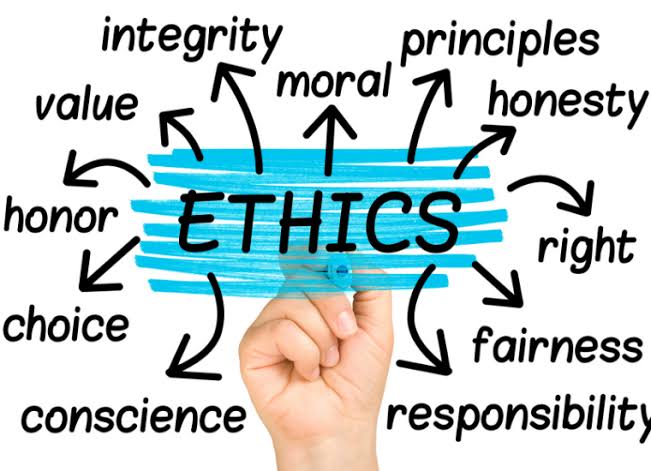
 @mikaella27