 @mc5punk
more from that month
@mc5punk
more from that month
Short story: Huamanga Under Shadows: A Hospital in Times of War
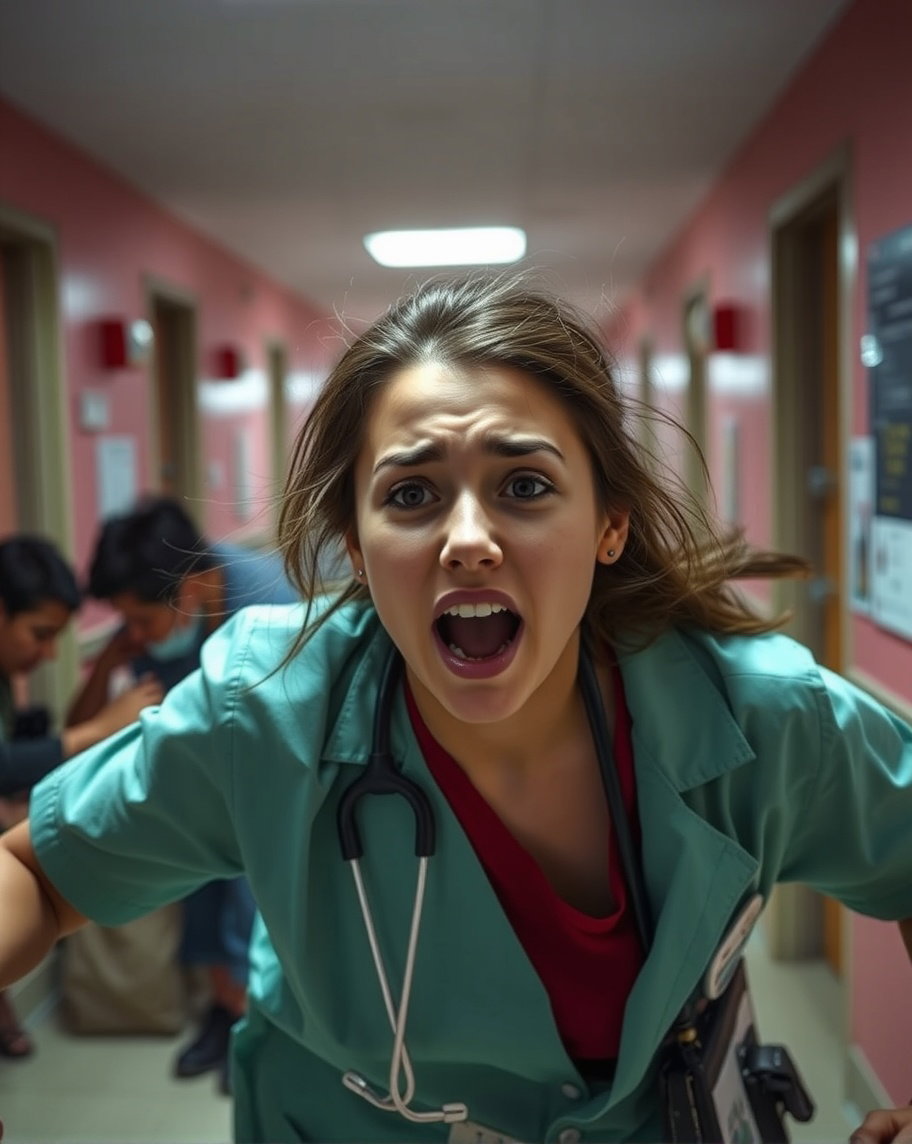
The dawn light filtered through the dusty windows of the Huamanga Hospital, painting faint brushstrokes of hope on the worn walls. María López, a young nursing student with idealism still fresh in her eyes, was rushing to prepare her shift. Her hands, accustomed to the delicacy of care, now moved with an almost nervous agility, responding to the palpable tension that permeated the air. The atmosphere was charged with a tense air, acrid as the smell of dried blood; the civil war had left deep scars, not only on Peruvian society, but also on the soul of every individual. The distant echo of the bullets, a constant reminder of the violence plaguing the country, echoed in the back of his mind, interrupting even the most everyday moments. While organizing supplies, sorting bandages and preparing saline solutions, he heard the worried murmurs of his companions. Conversations, once full of personal anecdotes and future dreams, were now dominated by fear and uncertainty. - Have you heard about the attack in the neighboring town, San José de Secce? - Asked Eduardo, an inexperienced nurse with a trembling voice, his eyes reflecting the horror circulating in the rumors. He had barely finished his training and the reality of the war had hit him with brutal force. "I don't want to think about that," Maria replied, trying to remain calm and project a serenity she didn't feel. We're safe here. This hospital is a sanctuary. But his heart was beating hard, a frantic drum clanking against his ribs. The shadow of terrorism stalked every corner of the country, spreading its claws over towns and cities alike. Fear had become a constant, a silent companion that followed her everywhere. Huamanga, a city rich in history, with hospitals dating back to the sixteenth century, proud witnesses of the colonial past, was now facing a new kind of wound, one that was not healed with medicines or sutures. Maria tried to focus her mind on the tasks of the day, on the immediate needs of her patients, on the routine that allowed her to maintain an appearance of normalcy. However, it was difficult to ignore the growing sense of dread, the premonition that something terrible was about to happen. Once a haven of healing, a place where illness and death were fought naturally, the hospital had become a symbol of the fragility of life in the midst of conflict, a potential target for indiscriminate violence. The hospitals of Huamanga, like the old ones of San Agustín and San Francisco, had withstood earthquakes and epidemics, but nothing had prepared them for the magnitude of the current crisis, for the moral anguish involved in caring for war victims, both innocent civilians and combatants on both sides. Suddenly, the rumble of a vehicle approaching at full speed broke the tense silence of dawn. A shrill, metallic sound that foreshadowed destruction. A rickety van, covered with mud and dust, stopped in front of the hospital with a violent screech, and several armed men, their faces covered by balaclavas and the menacing glow of weapons in their hands, jumped out, shouting orders in a language that mixed military jargon and direct threats. Terror swept over Maria like an icy wave when she realized that her "safe place" no longer existed, that the promise of protection that the hospital represented had evaporated into the panic-laden air. - They're here! - someone shouted, his voice broken by fear, and chaos broke out. Nurses and doctors ran in all directions, seeking shelter in vain, while patients, many of them already weakened by their injuries or illnesses, moaned and screamed in panic. Maria and her companions ran to protect themselves, looking for a corner to hide, desperately trying to avoid the gaze of the armed men. In the midst of the chaos, Maria saw Eduardo paralyzed by fear, shaking uncontrollably, unable to react. Instinctively, she grabbed him by the arm, pulling him with a force she didn't know she possessed, and dragged him behind an overturned counter, using the piece of furniture as a makeshift shield. "We have to get out of here," Maria said, her voice firm despite her own fear, trying to instill courage in the young nurse. We can't just sit here and wait for them to find us. Together, crouched and silent, they crawled through the corridors, dodging bullets that whistled dangerously close, dodging the bodies of those who had not had the same fate. The hospital, once a maze of hope, was now a death trap. Finally, they reached a back door that led to a small garden, an oasis of neglected greenery in the midst of horror. Cautiously, they peeked outside, making sure no one was around, and then stepped outside, breathing in the fresh morning air for the first time in what seemed like forever. As they ran around the garden, avoiding messy flower beds and jumping on rolled-up hoses, Maria realized that her life had changed forever. She was no longer just a nursing student, an idealistic young woman with dreams of curing the sick. Now she was a survivor, a refugee in her own land, a witness to human barbarism in a city besieged by terror. The Huamanga Hospital, once a beacon of hope in the darkness, was now a constant reminder of the brutality of war, the fragility of peace and the imperative need to fight for a better future, a future where healing and compassion could flourish once more. Source of the images. Image created with Starryai.
No comments yet