 @mc5punk
more from that month
@mc5punk
more from that month
Short story: The Journey of Mercadópolis
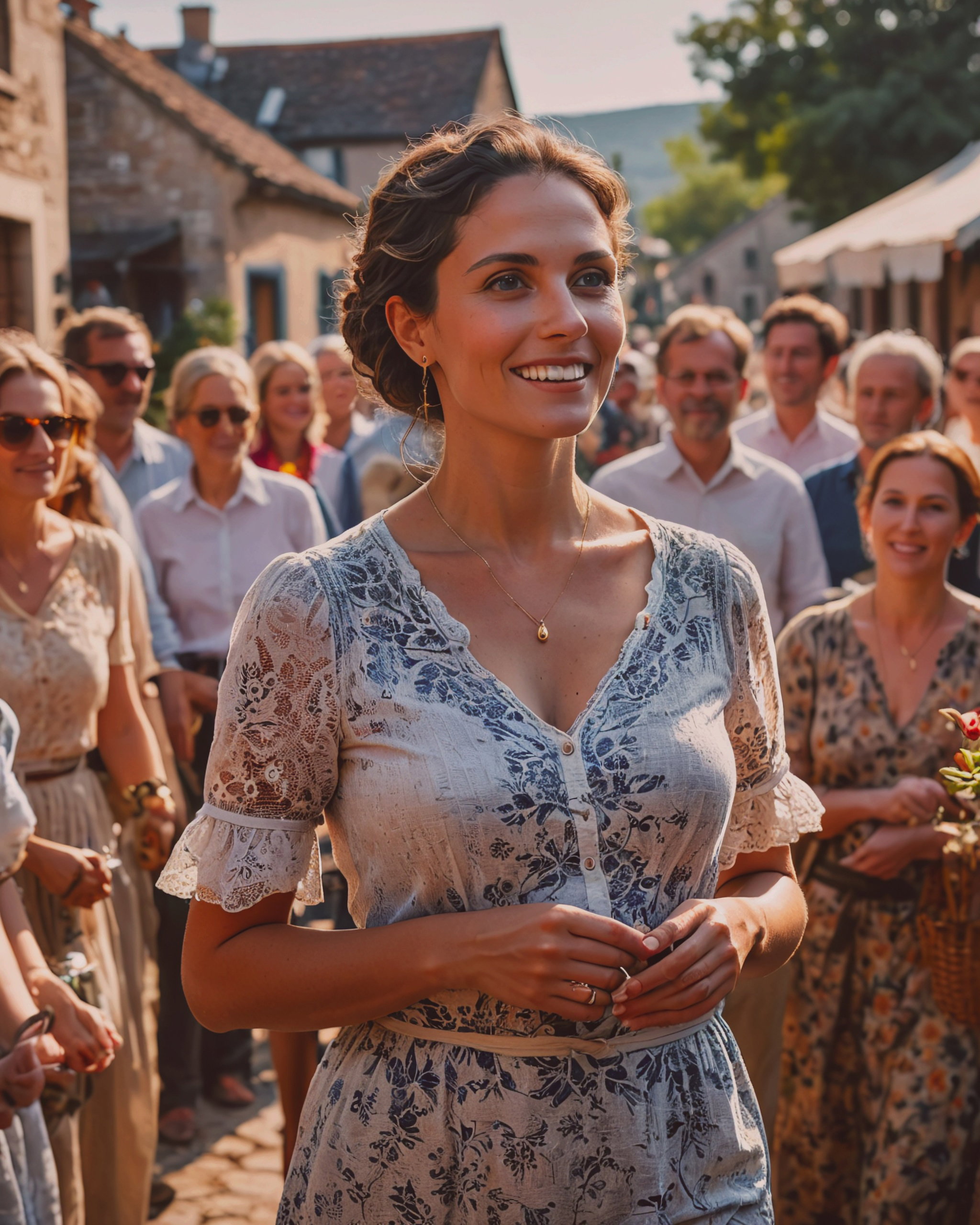
In a small and picturesque town called Mercadópolis, the inhabitants were carefully engaged in the production of goods. From delicious food to exquisite handicrafts, every corner of the village was imbued with talent and creativity. However, despite the quality of their products, sales were disappointingly low. The merchants were looking at each other, worried about the future of their business. That's when a group of entrepreneurs, led by Clara, a visionary young woman with an indomitable spirit, decided that it was time to change this situation. Clara had heard about a concept that promised to revolutionize the way they sold their products: marketing. Clara gathered her group in the town square, a place where they used to share ideas and dreams. The square was full of life; children were playing while the elderly were chatting on the benches. With a determined smile, Clara turned to her team: "Friends, we need to understand our customers. It's not just about selling; we need to know their wants and needs." Mateo, the group's accountant, nodded earnestly. "You're right, Clara. If we don't know what our customers want, it will be difficult to attract them. I propose that we do a survey to collect information about your preferences." "Good idea," Clara replied. "We can ask them what products they would like to see more of in our stores and what motivates them to buy. We need to know what they really value." Ana, an entrepreneur with a passion for local cuisine, chimed in: "We could also ask them about their experience with our current products. Maybe there is something we can improve." For weeks, they toured the town and its surroundings, conducting surveys and chatting with consumers. They approached the local markets and the neighbors' houses. They discovered that there was a latent desire for fresh and authentic products, but they also realized that many did not know the quality of what they offered. "I heard several people saying that they would prefer to buy organic fruits," Ana commented as they reviewed the answers at a later meeting. "But they don't know that ours are grown without pesticides." "That means we have a great opportunity," Clara said excitedly. "If we communicate the quality of our products better, we can attract more customers." With the information collected, the group focused on the product. Clara proposed a series of improvements: "We must not only offer what we do; we must make it exceptional." Together they worked on the design and quality of their products. "We could improve the packaging," Mateo suggested as he went through some samples. "If we use recyclable materials and design something attractive, we could stand out from the competition." "And let's not forget the ingredients," Ana added enthusiastically. "We can make sure they are fresh and local. That can also be a part of our history." The villagers began to notice the changes. The fruits were more colorful, the crafts more elaborate and the aromas in the streets were irresistible. Value creation became a central pillar of his strategy. As sales began to increase, Clara and her team faced another challenge: setting a fair price. "How are we going to set the prices?", asked Ana during a meeting at the local tavern, where the atmosphere was warm and welcoming. The lights were twinkling softly as they enjoyed some craft beers. "I don't want our products to be too expensive or too cheap," Ana continued worriedly. Mateo took the floor: "We must be competitive, but we also need to ensure our profitability. I propose that we do a comparative analysis with other similar products on the market." "That sounds good," Clara replied. "We can make a list of our costs and then see how they compare to prices elsewhere." After many discussions and calculations during several intense meetings, they managed to find a balance that benefited both them and their clients. "I think we have reached a good solution," Clara said at the end of a decisive meeting. "Our prices are fair and reflect the quality we offer." With improved products and fair prices, it was time to make your new proposal known to the world. "We need an effective promotion strategy," Clara said enthusiastically at a later meeting in the village square, where the sun was shining brightly on them. "We can't just wait for people to come; we have to go out and look for them," he insisted. Mateo suggested, "We could design colorful posters to put in stores and also use social media to attract more attention." "Yes! And we could organize local fairs where we offer tastings and live demonstrations," Ana added with an infectious smile. "That could generate a lot of interest." Effective communication was key to generate interest and attract new customers. Mercadópolis began to fill up with visitors eager to taste what the town had to offer. However, it was not only important to create and promote products; they also had to make sure that these reached consumers. "How are we going to distribute our products?", Ana asked at another meeting. Clara thought for a moment before answering. "We could partner with some local shops to sell our fresh produce there." Mateo nodded: "And we could also create a system to take them directly to homes. People would appreciate receiving their orders at home." The streets of the village began to fill with bicycles loaded with baskets full of fresh fruits and crafts. The customers were delighted to receive their orders at the door. As sales grew, Clara realized that they didn't just want to make a one-time sale; their goal was to build lasting relationships with their customers. "We need to make sure that our customers feel valued," Clara said during a strategy meeting held under the big tree in Central park. The atmosphere was filled with the cheerful murmur of children playing nearby. "I propose to implement loyalty programs and personalized customer service," Clara continued passionately. Anna smiled when she heard her: "That's great. We could offer special discounts for frequent customers or even organize exclusive events for them." Mateo added, "And we could send personalized emails thanking each customer for their purchase and informing them about new products or special promotions." The villagers began to feel part of something bigger; they were not only buying products, but participating in a vibrant community where every purchase told a story. Over time, Clara and her team realized that the market was constantly changing. "Trends evolve quickly," Mateo said during a monthly meeting held in his new space full of natural light. "We must be attentive to what is happening outside the village." Clara nodded: "Exactly. We need to adopt a flexible approach to adapt to these changes." They held regular meetings to evaluate their strategy and adjust their approach according to new market demands. This ability to evolve kept the spark of entrepreneurship alive in Mercadópolis. The trip through Mercadópolis illustrates how marketing is not just a set of isolated techniques, but a dynamic and integral process that seeks to satisfy the needs of the consumer while generating benefits for companies. Through market research, product focus, proper pricing and promotion strategies, as well as building lasting relationships with customers, Clara and her group managed to transform their small town into a thriving shopping center. Marketing became his most powerful ally; a path to success where every step was guided by fundamental principles such as customer orientation and value creation. And so, Mercadópolis flourished like never before, becoming a shining example for other nearby towns that aspired to follow its legacy. With each new day, Clara looked towards the horizon from her window as the sun illuminated the village full of life. I knew there was still a lot to do, but I was sure of one thing: they had found their way to success together as a community. Source of the images. Image created with Starryai.
No comments yet