 @mc5punk
more from that month
@mc5punk
more from that month
Short story: Africa 2070: The Rebirth of the Continent
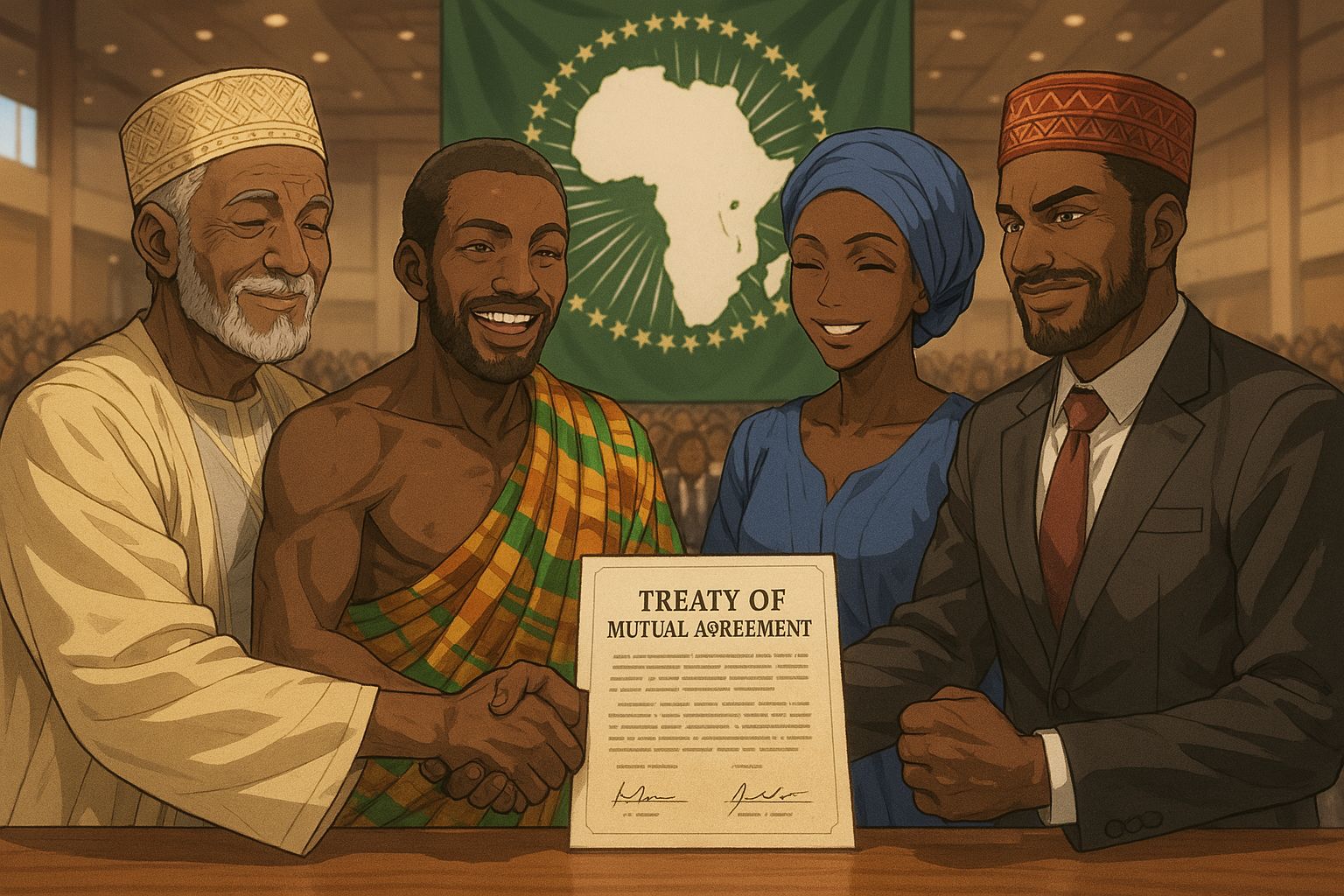
By the year 2070, Africa had become an economic, political, cultural and technological benchmark worldwide. After decades of growth and development, the continent had managed to leave its colonial past behind and had emerged as a global power. The story of this renaissance is one of determination, innovation and cooperation. The 2020s were a turning point for Africa. The leaders of the continent realized that, in order to achieve sustainable development and prosperity, they must work together and take advantage of their natural and human resources. The African Union, established in 2002, had made some progress, but a more ambitious and visionary approach was needed. In 2030, the African Union 2.0 was created, an organization that replaced the old Organization of African Unity. The new union aimed to promote the economic, political and cultural integration of the continent, and establish Africa as a key player on the global stage. The African Union 2.0 was led by a council of African leaders who had been elected by their peers to guide the destiny of the continent. One of the first actions of the African Union 2.0 was the creation of a common currency, the "Afro". The currency was designed to replace national currencies and facilitate trade and investment across the continent. The Afro became one of the most stable and reliable currencies in the world, and its use spread beyond Africa. The African Union 2.0 also implemented a common visa policy to facilitate mobility between countries. African citizens could now travel freely around the continent without the need for visas or special permits. This encouraged tourism, investment and trade, and allowed Africans to connect with their brothers and sisters from all over the continent. The African Union 2.0 also launched several infrastructure development programs. High-speed networks were built connecting the main cities of the continent, and digital connectivity was expanded to reach all corners of Africa. This enabled Africans to access information and basic services, and fostered economic growth and innovation. Meanwhile, the African economy experienced explosive growth. The demand for natural resources, such as lithium and cobalt, drove the mining and export of these products. Agriculture also became a key sector, with the implementation of innovative farming techniques and the production of food for the growing population. Technology also played a pivotal role in Africa's economic growth. Technological innovation became an engine of development, with startups and technology companies developing solutions for specific problems of the continent. Renewable energy, digital health and online education were some of the sectors that grew the most. Cities such as Lagos, Nairobi and Cairo were transformed into centers of innovation and entrepreneurship. The African startup scene became one of the most dynamic in the world, with companies such as Jumia, Flutterwave and Andela achieving international fame. African culture also experienced a resurgence. African music, art and literature became global references, with artists and writers achieving international fame. The African diaspora felt proud of their roots and contributed to the promotion of the continent's culture. African music, in particular, became a global phenomenon. Genres such as Afrobeats, Highlife and Juju merged with electronic music and hip-hop to create a unique and exciting sound. Artists such as Wizkid, Davido and Tiwa Savage became international stars, and African music was heard all over the world. African literature also experienced a renaissance. Writers such as Chimamanda Ngozi Adichie, ngũgĩ wa Thiong'o and Tsitsi Dangarembga became important voices in world literature. His works explored themes such as identity, culture and politics, and offered fresh and exciting perspectives on the African experience. In 2070, Africa was a global economic, political, cultural and technological benchmark. The African Union 2.0 had achieved its goal of making the continent a key player on the global stage. The African economy was one of the most dynamic in the world, and technological innovation and African culture were recognized and appreciated all over the planet. African leaders looked to the future with optimism, knowing that their continent had achieved a prominent place in the world. African youth were empowered and ready to face the challenges and ready to face the challenges of the 21st century. Education and training were fundamental in preparing the next generation of African leaders. The continent's universities and research institutes became centers of excellence, and international collaboration was fostered to share knowledge and experiences. The African Union 2.0 also focused on the protection of the environment and the promotion of sustainability. Policies and programs were implemented to reduce greenhouse gas emissions, protect biodiversity and promote sustainable agriculture. Africa became a leader in the fight against climate change and in the promotion of renewable energy. In 2070, Africa was a prosperous and peaceful continent, where cultural diversity and technological innovation had become the norm. The African Union 2.0 had achieved its goal of making the continent a key player on the global stage, and its legacy would continue to inspire future generations. The story of Africa 2070 is a testament to the determination and resilience of African peoples. After centuries of colonialism, slavery and struggles for independence, Africa had finally found its place in the world. The African Union 2.0 had been the instrument that had allowed Africans to come together and work together towards a common future. In the year 2070, Africa was an economic, political, cultural and technological benchmark worldwide. Its growth and development had been driven by innovation, cooperation and the determination of its peoples. The story of Africa 2070 is an example of how, with vision, leadership and hard work, any continent or country can achieve greatness. Epilogue In the year 2070, a group of young Africans gathered in the city of Kigali, Rwanda, to reflect on the past and the future of their continent. One of them, a young man named Kwame, stood up and said: "Today, Africa is an economic, political, cultural and technological benchmark worldwide. We have achieved a lot, but we still have a lot to do. We must continue to work together to build a better future for all Africans." The other young people nodded in agreement and pledged to follow the legacy of the African Union 2.0. They knew that the future of Africa was in their hands, and they were ready to face the challenges and seize the opportunities that presented themselves. The meeting concluded with a sense of optimism and hope. Young Africans knew that their continent had achieved a prominent place in the world, and they were ready to move forward, building a bright future for Africa and for the world. The story of Africa 2070 is a reminder that, with determination and hard work, anything is possible. Africa had achieved a renaissance, and its future was bright. Source of the images. Image created with Bing.
No comments yet