 @mc5punk
more from that month
@mc5punk
more from that month
Short story: SPORES OF SILENCE
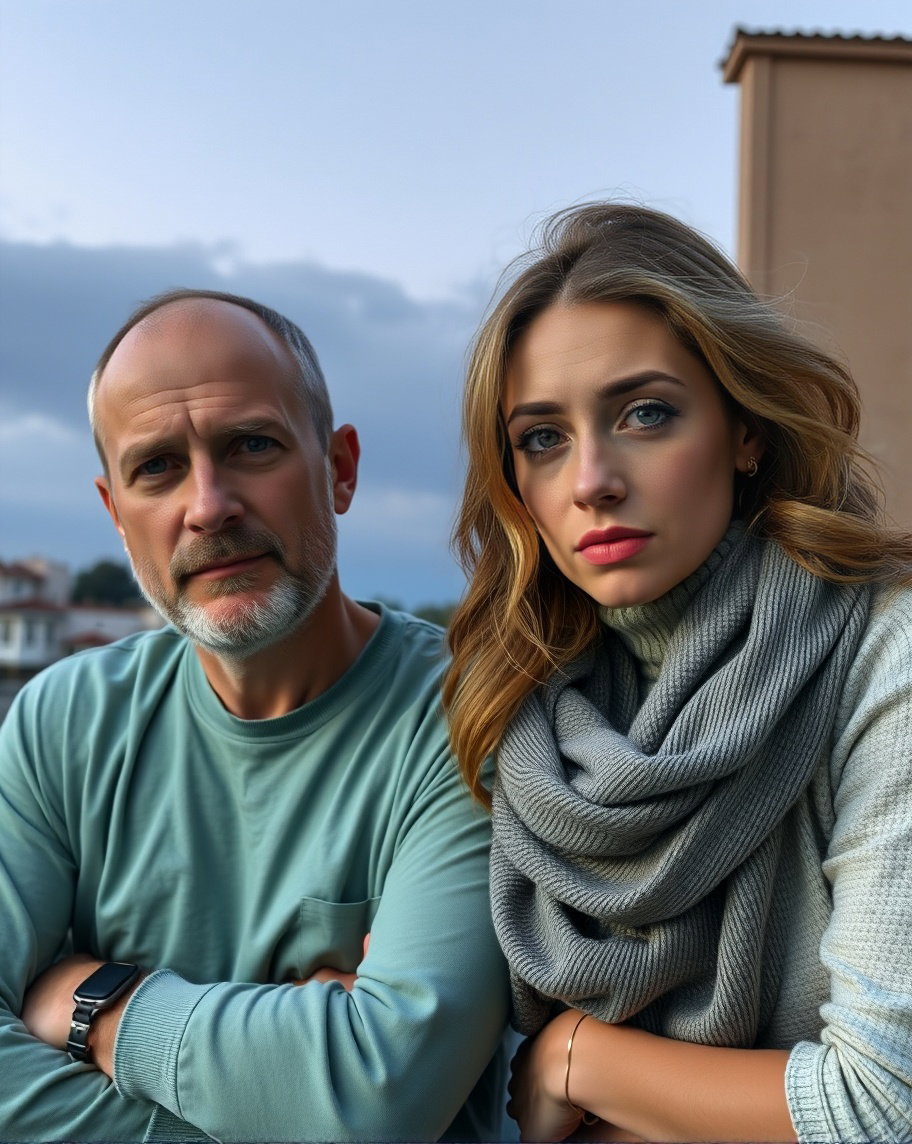
## I. Breathing wounds Maria was not sleeping. The nights in Lima had become a theater of shadows where the echo of the explosions bit his ankles. Every time he closed his eyes, he returned to Huamanga: the market bursting into a rain of adobe and withered carnations, the scream of a child choking on dust, his own fingernails scratching the earth to find his sister under the rubble. Now, in front of the bathroom mirror of a train station, she watched how her hands—still with black grooves from that day—trembled when applying lipstick. The crimson red reminded her of the flowers she never got to buy. In the street, the headlines shouted: *"Barranquilla: 48 hours of curfew after attack with mustard gas"*. The smell of burnt lemon from the anticucho stands made her crouch down between vomiting. A taxi driver offered him water. - Miss, do you need a hospital? She denied. I knew there was no cure for what was inside of me. --- ## II. The bones of memory 560 km to the south, in Ayacucho, the wind whistled through the cracks of the military barracks. Ramiro stepped into a pool of stagnant water that reflected his face for an instant: he no longer recognized the 32-year-old captain who led patrols, but a sunken-eyed spectre who collected broken photos. In his pocket he kept the medal of Rivera—the youngest soldier of the platoon, who dreamed of studying engineering in Lima—now rusted by dried blood. The meeting was held in whatever was the telecommunications room. Between stripped cables and perforated screens, Lucia unfolded a topographic map marked with black crosses. "The intelligence report confirms movements in the VRAEM—" he said, pointing to a wooded area. But without reinforcements... A crash interrupted the sentence. They all crouched down instinctively. It was just a truck going by. Ramiro laughed bitterly: - Even ghosts take us for cowards. --- ## III. Fabric of absences Back in Lima, María had turned her apartment into a loom of obsessions. Knitting needles stuck into the wall held skeins of red wool that fell like open wounds. Each finished glove had invisible initial embroidery: J.S. (Juliet, her sister), R.G. (Raul, the missing boyfriend in New Orleans), L.V. (the neighbor who died hugging her during the attack). One morning, while the television was showing images of improvised bulletproof vests with pots in Barranquilla, María found a burned photograph among its threads. He recognized it instantly: it was the Polaroid that was taken at the age of 15 with Julieta on the beach in Ancón. Turning it over, he read written in charcoal: * "The roots grow towards the fire"*. --- ## IV. The weight of the seeds Ramiro was following the trail of a rumor: a survivor of the attack on his platoon was hiding in the caves of Quicapata. As he entered the mountain with Lucia and two recruits, the sound of the helicopters restored his illusion of purpose for a moment. But what they found was a backpack full of journals written with menstrual blood and coca leaves. "He was here," Lucia mused, running her fingers over drawings of hallucinogenic mushrooms emerging from fallen soldiers. They said Rivera collected poisonous mushrooms. Ramiro squeezed the rusty medal until he felt the metal digging into his palm. He knew then that the war was not against an external enemy, but against the spores that everyone carried inside. --- ## V. Scars in bloom The meeting took place on the Bridge of Sighs. Maria was wearing the six-fingered gloves when she saw Ramiro leaning on the railing, looking at the Rimac as if she expected him to drag his memories. They did not greet each other. He recognized in her eyes the same fractured gleam he saw every morning in the mirror. - Do you hear their voices too? - she asked, pointing to the murky water. —They keep telling me to run—" he replied, showing her the brown-crusted medal. When the moon reflected on the river, they saw for an instant thousands of bright spores dancing on the surface. The next day, the newspapers would talk about an attack in Karachi, but that night, as they silently knitted a glove with seven fingers, they understood that the deepest resistance was to keep naming the dead. Source of the images. Image created with Starryai.
No comments yet