 @mc5punk
more from that month
@mc5punk
more from that month
Short story: Under the Flood of Miraluz
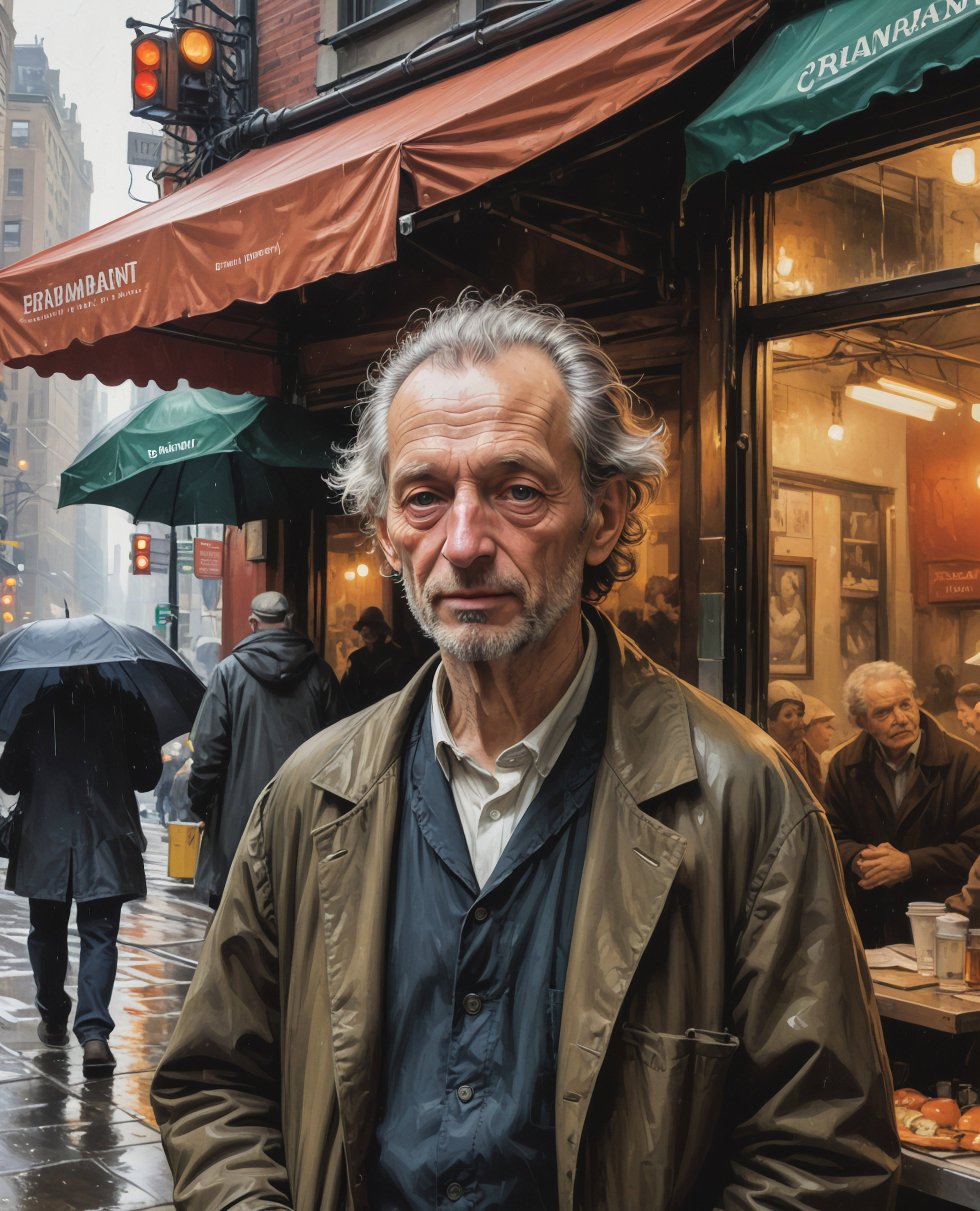
The rain began one April afternoon in Miraluz, a coastal city where the sea and the land seemed to be in constant dialogue. At first, only a few drops fell on the cobblestones of the central square, where children were playing under the shade of the jacaranda trees. But soon, the rain intensified into an unrelenting torrent that covered the sky with a dense gray blanket. At the café "El Refugio", located on a corner of San Martín Street, Marta was cleaning the tables with a damp cloth, while her son Tomás, a twelve-year-old boy with big, curious eyes, was looking out of the fogged-up window. Outside, the drops were hitting the glass hard, and the sound was almost deafening. - Mom, when is it going to stop raining? - Asked Tomás, leaning his forehead against the cold glass. Marta put the rag down on the table and walked over to him, stroking his dark curly hair. - Soon, son. The sun always comes back after the storm - he said in a soft voice, although inside he felt that the answer was more a hope than a certainty. The rain kept falling for days. The Miraluz River, which meandered a few meters from the cafe, began to grow, its murky and violent waters threatening to overflow. At the fire station, Julián, a thirty-five-year-old man, strong and with a determined look, was checking maps and reports with his companion Lucía, a young paramedic with a warm smile and upturned hair. "The neighborhoods of La Esperanza and El Molino are completely flooded," Julian said, pointing with his finger at the map. We need to organize the rescues before the situation gets worse. Lucia nodded, adjusting her waterproof jacket. — I will call the volunteers and coordinate the distribution of blankets and food at the shelter. Meanwhile, on the local radio, Don Ernesto, a veteran announcer with a deep and leisurely voice, was transmitting messages of calm and solidarity. - Residents of Miraluz, stay in safe places. Help is on the way. You are not alone," he would say, trying to instill hope in the midst of the chaos. The water started seeping into the houses. Marta and Tomás, seeing how the level was rising dangerously, packed the essentials: a few clothes, old photographs and Tomás's teddy bear. They went out in the pouring rain, their boots splashing in puddles that were already small lakes. They walked to the neighborhood's elementary school, which has been converted into a temporary shelter. There, dozens of families crowded into the gym, with mats on the floor and borrowed blankets. The air was heavy with humidity, fear and tiredness. One night, while the wind was howling and the water was hitting the windows, Tomás snuggled up next to his mother. - What if it never stops raining, Mom? - he whispered, his voice breaking. Marta hugged him tightly, feeling that her own fear threatened to overflow. - The sun always comes out after the storm, son. Always — she repeated, trying to convince herself. Julián and Lucia were not resting. In an inflatable boat, they roamed the flooded streets, rescuing elderly people trapped in their homes and children who were crying inconsolably. On one of these missions, Julian helped an older man, Don Ramiro, up to his waist in the water. "Thank you, young man—" Don Ramiro said in a trembling voice. I didn't know if I would get out of this. - You are not alone, Don Ramiro. Let's take care of him," Julian replied, as Lucia handed him a dry blanket. Back at the hostel, Lucia organized games for the children, trying to distract them from fear and uncertainty. Tomás joined a group that painted pictures with crayons, and for a moment, he forgot the storm. On the fortieth day, the rain stopped. The silence that followed was almost unbearable. Little by little, the sun peeked timidly through the clouds, illuminating a transformed city. The streets were covered with mud, fallen trees and debris. The houses, many damaged, looked like open wounds. Marta and Tomás left the shelter, holding hands. Tomas looked up and saw a rainbow crossing the sky. —I told you, Mom—" he said with a slight smile. The sun always comes out. Marta hugged him, letting the tears roll down her cheeks. I knew that the reconstruction would be long and difficult, but also that the force of Miraluz, its people, was more powerful than any storm. In the days that followed, Julián, Lucía, Marta and many others began to work together to clean the streets, repair the houses and bring life back to the city. Don Ernesto, from the radio, narrated every step of that recovery, reminding everyone that hope is the most solid refuge in the midst of adversity. Source of the images. Image created with Starryai.
No comments yet