 @mc5punk
more from that month
@mc5punk
more from that month
Short story: The Taste of Progress
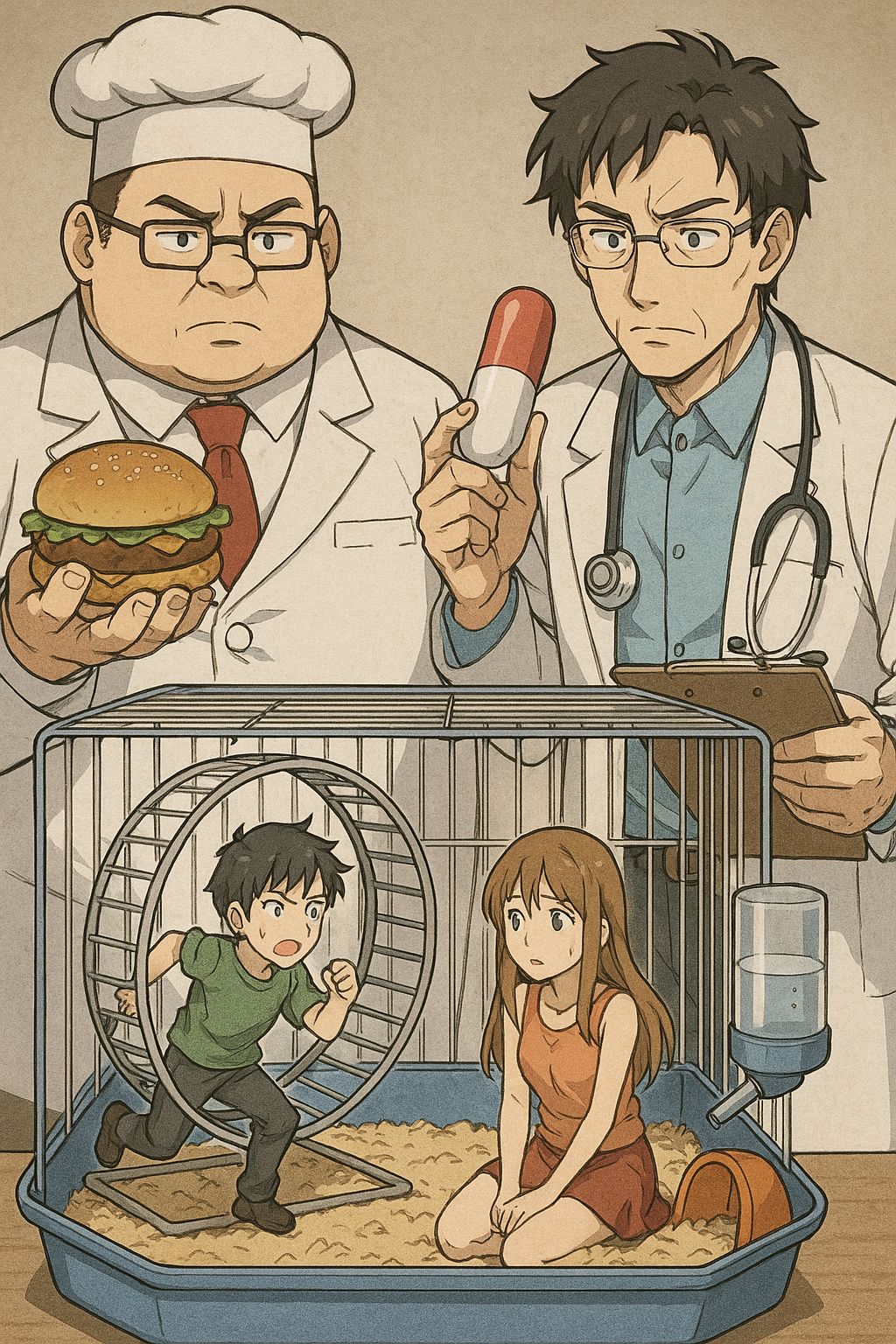
In the year 2045, the world was plunged into an unprecedented food crisis. Images of barren fields and desolate lands were common in the news. Climate change had altered rainfall patterns, causing extreme droughts in some regions and devastating storms in others. The overexploitation of natural resources had led to the extinction of numerous plant and animal species, and the shortage of drinking water had become a critical problem. In the cities, the lines for basic food items were getting longer, and desperation was palpable in the air. Rural communities, which were once the heart of food production, had been forced to abandon their lands. Farmers, unable to grow their crops due to lack of resources, migrated to the cities in search of work, only to be faced with an equally bleak outlook. In this context, food insecurity became a reality for millions of people, and the need for an urgent solution was more pressing than ever. In the midst of this crisis, a group of visionary scientists gathered in a state-of-the-art research laboratory. With an atmosphere of tension and hope, they worked tirelessly to develop a product that could change the course of humanity. After years of experimentation, they finally presented the world with a revolutionary substitute for conventional foods: a synthetic product, designed to be highly nutritious and easy to produce. The presentation was a media event. In an auditorium packed with journalists, investors and government representatives, the scientists showed graphs and data that supported their claim that the substitute could eradicate hunger and improve the health of the population. The images of happy families enjoying healthy meals filled the screens, and the enthusiasm overflowed. The large food corporations, always attentive to business opportunities, saw in this innovation a goldmine and launched into the mass production of the substitute. Advertising campaigns were ubiquitous. On the streets, bright and colorful advertisements promised a future where food would be accessible to everyone. "Goodbye to malnutrition," the signs proclaimed, while social networks were flooded with testimonials from people who claimed to have improved their health thanks to the new product. Supermarket shelves were filled with packets of the substitute, and soon it became the basis of the daily diet of millions. The families, relieved by the promise of a solution, began to enthusiastically consume the substitute. Dinners were transformed into moments of celebration, where the new product was presented in various forms: in smoothies, energy bars and ready meals. The idea that they were contributing to a better world gave them a sense of purpose, and the community rallied around this new way of eating. However, as the months passed, the first warning signs began to emerge. On social networks, discussion forums were filled with testimonies of people experiencing unusual symptoms. Chronic fatigue, digestive problems and unexpected allergic reactions began to become common. Medical consultations increased, and doctors, initially skeptical, began to investigate the relationship between the new substitute and the health problems that were arising. Hospitals were filled with patients who, after months of using the substitute, presented symptoms that baffled health professionals. Doctors began to conduct studies and analyzes, and it soon became clear that the product, although nutritious in theory, contained additives and compounds that negatively affected the organism. Some of these ingredients, designed to improve texture and taste, turned out to be harmful in the long term. Meanwhile, the large food and medicine corporations benefited greatly from the situation. Sales of the substitute soared, and pharmaceutical companies, seeing the growing demand for treatments for side effects, began to release drugs that promised to relieve symptoms. The food industry had found a gold mine: an endless cycle of consumption and treatment that kept the population trapped in a system from which they could not escape. Social media has become a battleground. Activists and health advocates began to raise their voices, denouncing the deceptive practices of corporations and demanding a return to natural foods. Protests and awareness campaigns were organized, and the population began to question the safety of the substitute. However, the corporationo Social media has become a battleground. Activists and health advocates began to raise their voices, denouncing the deceptive practices of corporations and demanding a return to natural foods. Protests and awareness campaigns were organized, and the population began to question the safety of the substitute. However, corporations stepped up their efforts to maintain their dominance in the market. They launched new versions of the substitute, promising improvements and additional benefits, while continuing their marketing campaign to convince the population that their product was the only viable solution. As distrust of large corporations grew, so did the desire of the population to regain control over their food. Community groups began to form in neighborhoods and cities, where people came together to share knowledge about cultivation and cooking. Urban agriculture workshops were organized, where citizens learned to grow their own food in small spaces, using sustainable and environmentally friendly techniques. The connection with real food, which had been forgotten in the maelstrom of progress, began to resurface. Social networks became a space for the exchange of recipes, tips and experiences. People shared their achievements in urban agriculture, proudly showing off their harvests of tomatoes, lettuces and fresh herbs. The community came together around the idea that food was not only a necessity, but also an act of resistance. People began to organize local markets, where they could sell and buy fresh products, supporting the farmers of the region and fostering a more sustainable economy. In an unexpected twist, a group of independent scientists published a comprehensive study documenting the harmful effects of the substitute on human health. This report became a turning point. Public pressure increased, and governments, forced to act, began to regulate the production and sale of the substitute. Large corporations, which had enjoyed an almost absolute monopoly, were forced to face the consequences of their actions. However, as the fight for healthy eating intensified, the response from corporations was relentless. Instead of giving in, they started investing in even more advanced technologies to improve their product, using more sophisticated and manipulative marketing tactics. Misinformation spread like a virus, and confusion reigned among the population. Many began to doubt the validity of the studies and the voices calling for change. Despite the efforts of activists, the food industry quickly adapted, and the substitute remained the most accessible and convenient option for the majority. Communities that had started growing their own food found themselves struggling with a lack of resources and the skepticism of those who still believed in the promise of the synthetic product. The hope of real change was slowly fading, and disillusionment took hold of many. In a last attempt to make their voice heard, natural food advocates organized a large demonstration. However, the response was brutal. The security forces, backed by the corporations, repressed the protest with violence. Images of the repression spread quickly, but instead of generating solidarity, they provoked fear and distrust. The population, frightened by the consequences of raising their voices, began to retreat. Thus, the future became uncertain. The fight for healthy eating became a distant echo, while large corporations continued to thrive in a world where truth and ethics were blurred. Humanity, trapped in a cycle of consumption and dependence, faced a grim fate, where the promise of a better future faded into the fog of ambiguity and resignation. Hope became a whisper, drowned out by the deafening noise of a progress that, instead of liberating, had chained society to a system from which there seemed to be no escape. Source of the images. Image created with Bing.
2 comments
"This doesn’t feel like a story of 2045 — it feels like a warning about what’s already happening around us. The way corporate greed can trap humanity in a cycle of artificial consumption and dependence is portrayed so powerfully. The writing is vivid and thought-provoking, making every scene feel real. Thank you for sharing such a meaningful and impactful piece!"
You are very right in your point. And many thanks to you for commenting. Greetings.