What you focus on magnifies
Health, happiness, success, peace… We all have expectations and dreams from this life. The way to reach them is to intend, set goals, plan and work on our plans. However, there is another issue that should not be overlooked in this equation; shifting our focus to what we want to achieve. Because believe it or not, we magnify what we focus on.
The words of our ancestors such as “You reap what you sow”, “Wherever there is movement there is abundance”, we will receive a reward wherever we transfer our life energy; Words embedded in our language, such as "if we say something forty times", increase the probability that the things we focus on become real; The practice known in the spiritual world as “affirmation” says that if we focus on repeating what we want to happen, we will come closer to it. Not finished yet; The concept of increasing the probability of anything positive or negative that we turn our focus to has a counterpart in social psychology: the Pygmalion Effect. So the key word to achieve anything we want is focus.
**What you focus on magnifies**
It is even more important to focus today, where we are exposed to too many stimuli and even bad news at every moment of the day, when we are busy sometimes having difficulty in allocating time for ourselves, and when we are faced with stress at any moment. Feeling good and living well is as important as achieving our goals and realizing our dreams. At this very point, it is imperative that we focus on ourselves first and then what we are dealing with, what we aim for and/or what we want to achieve. Because the equation is simple; If we focus on the positive, we attract the positive, and if we focus on the negative, we attract the negative.
**So how do we increase our focus?**
Set intentions or goals; because that's the way to turn your focus in any direction you want.
Listen to your inner voice and suggest; because believing is half the success!
Focus on the positive; And don't be the obstacle to your dreams.
Make a plan and stick to your plans; Proceed step by step towards your goals.
Celebrate your successes; Because despite everything, every step you take and every lesson you take will lead you to the dreams you focus on.
Change your perspective; because sometimes even if you can't change things, you can shape what you focus on, your reactions and your experience.
Don't forget as you follow the suggestions that will help you increase your focus. The supportive effects of green tea that will help you focus on your mind, soul, body and yourself are with you all day long. With a cup of green tea every day for 21 days:
Focus on what you do; Achieve success more easily while enjoying being in the flow.
Focus your mind, stay in the moment; cope with stress and fatigue more easily.
Focus on your body; feel the needs of our body more comfortably, take a step for a healthier life and stay strong.
Focus on your soul; Listen to your inner voice and treat yourself with compassion.


Three reasons to make more room for hugs in your life
When was the last time you hugged someone?
Or who was the last person to hug you?
How did you feel? What did you hear?
Physical contact has been reduced to a minimum for the last 2 years, especially with the pandemic entering our lives. The latest research shows that with Covid 19, there is a serious increase in anxiety, depression and panic disorder diseases. In particular, intensive care processes, lack of social interest and forced loneliness are cited as the reasons for this increase. A hug is a warm and friendly gesture that feels very special.
There are many types of hugs. Such as erotic hugs, friendly hugs, parental hugs, affectionate hugs, calming hugs… The only common point of all these varieties is the magical effects of hugs. Remember how it calms down when you hug someone who is hurt, angry, or upset. What and whom do you need the most in times of sadness, anxiety? How precious is a hug, a pat on the back of a loved one in these times...
Well, why do you think hugging is so effective? The reason is the hormone oxytocin, also known as the love hormone among the people. Because with the contact we have with someone we love, our body begins to secrete oxytocin and endorphins.
**Supports immunity and heart health**
Unfortunately, stress is one of the most insidious enemies of our immune system. Because hugging reduces stress levels, the act of hugging also supports a strong immunity. Another effect is on heart health. It is a scientific fact that oxytocin reduces the risk of heart disease. Hugging for about 20 seconds is known to lower blood pressure and slow the heartbeat.
**A good pain reliever**
Small touches during the hug activate the nerves called “afferent c”. These nerves release endorphins. Endorphins, which have a pain-relieving effect, make us suffer less and calm down.
**Bilateral relations are indispensable**
This hormone is also the basic component that enables people to connect to each other and create a sense of love in bilateral relations. A group of scientists studied 22 pairs for 32 years. Their study showed that the respiratory and cardiac rhythms of the couples synchronized during cuddling. Not only that, but the brain waves of both sides were also synchronizing. In other words, when you hug someone, you match their frequency. Entering a calm where emotions regulate biology.
Now think again? When was the last time you hugged someone?


Causes and little-known effects of sleep deprivation
Almost all of us have had to struggle with insomnia at some point in our lives. There have always been nights where we couldn't sleep for various reasons, we kept tossing and turning in bed all night, and couldn't blink our eyes. Situations where we do not get enough sleep or experience a quality night's sleep can be defined as sleep deprivation. There may be many factors underlying the lack of sleep that can cause us to feel weak, sluggish, tired, unhappy and restless the next day and the other days following sleepless nights; and sleep deprivation can have broader negative effects than we realize. In the continuation of our article, you can find the causes and little-known effects of sleep deficiency.
**Causes of lack of sleep**
Adequate sleep for adults is in the range of 7-8 hours. Sleeping less or not getting any sleep is defined as sleep deprivation. A variety of physical, emotional or environmental reasons may underlie sleep deprivation:
**Advancing age**: The effects of aging that occur with age can cause sleep deprivation. Problems such as drugs used and health problems related to old age can prevent a person from getting sleep.
**Stress and anxiety:** Negative thoughts that often preoccupy the mind can disrupt sleep by increasing stress levels or causing a person to develop anxiety disorders.
**Various diseases:** Diseases such as depression, schizophrenia, paralysis, Alzheimer's, sleep apnea, restless legs syndrome, cancer, narcolepsy, epilepsy, hyperactivity and attention deficit, which reduce the quality of life and prevent the person from feeling well, and cause various pains and negative thoughts to develop, lead to sleep deprivation. may cause.
**Adverse physical conditions:** Adverse physical conditions in the bedroom can prevent a person from falling asleep or having a quality sleep experience. Factors such as being too hot or cold in the room, lack of proper lighting or noise can be among these reasons.
Parenting: Newborn babies or toddlers may wake up frequently at night because they need to be fed or comforted; this can cause parents to suffer from sleep deprivation almost most of the time.
**Business hours:** People who work in shifts or work in jobs that require frequent travelling, and those who work in professions with irregular working hours such as pilot and hostess may experience sleep deprivation because they cannot have a regular sleep routine.
**Lack of sleep hygiene:** A quality sleep is directly related to a comfortable and comfortable environment. Sweating bedding or pajamas made of itchy fabric can cause sleep deprivation as they will reduce the sleep quality of the person.
**Personal preferences:** Some people may choose to sleep less or perhaps spend some nights without sleep for a variety of reasons. Different demands such as work, school, socialization can prevent the person from realizing that he needs enough sleep.
**Little-known effects of sleep deprivation**
Feeling sluggish after a sleepless night, not being able to find the energy to do anything, being depressed can be easily noticed or the first effects of lack of sleep that come to mind. Memory problems, possible accident risks, decreased awareness, physical-mental fatigue may also be at the top of the list of effects of sleep deprivation. However, the effects of sleep deprivation are not all that much.
**1. Weak immune system**
Have you ever noticed that when you are sick you feel like you need more sleep? Dr. According to Dasgupta, while asleep, our immune system works much better, getting ready to fight diseases. For this reason, the rest of your sleep weakens the body and can be damaged more easily.
**2. High blood pressure**
Dr. "If you're having trouble controlling your blood pressure, maybe you should take a look at your sleep before seeking out more medication," Dasgupta says. He emphasizes the relationship between sleep and blood pressure. Insomnia is associated with increased blood pressure levels, so over time, lack of sleep is likely to predispose to cardiovascular disease as well as high blood pressure.
**3. Unbalanced blood sugar level**
Dr. Dasgupta points out that one of the effects of sleep deprivation is unstable blood sugar levels. According to Dasgupta, 'homeostasis', which defines the body's being in balance, can pose a threat to overall health as it can be disrupted by fluctuating blood sugar levels.
**4. Decreased creativity**
Dr. According to Robbins, a common effect of sleep deprivation can be brain fog, which can occur with difficulty concentrating. For this reason, someone who is sleep deprived may have difficulty designing a new project, painting, coloring a picture or creating anything else, enriching the existing one. People who experience sleep deprivation are likely to have decreased creativity.
**5. Making riskier decisions**
How realistic do you think it is that you are likely to make the right decisions while you are sleep deprived? Dr. According to Robbins, when you don't get enough sleep, you can make decisions you wouldn't normally think of. Lack of sleep can negatively affect the decision-making process of the person, pushing them to act more impulsively and take risky steps.
**6. Feeling of not being satiated**
Dr. Robbins draws attention to the fact that the message of satiety reaches the brain late after a meal because the signals to the brain are slower than normal in case of insomnia. Studies show that people who sleep less may take longer than normal to feel full despite eating enough because their appetite-regulating hormones are out of balance.
**7. Increased impulsivity**
We may have difficulties in interpersonal conflicts even when we are energized and sleepy, but we can often overcome them with our communication skills, the power of empathy and understanding. Dr. According to Robbins, in case of lack of sleep, we may be inclined to only show our reaction instead of trying to understand and respond in discussions. This is because the amygdala, which is responsible for controlling our reactions in the brain, does not work properly in the case of insomnia. In short, if you are experiencing sleep deprivation, it is useful to stay away from discussions.
If you rarely experience sleep deprivation in your life or if you observe that it occurs from time to time due to various physical and environmental factors and then returns to normal, we can say that you do not need to worry too much. However, if you are having trouble falling asleep frequently and you are noticing that your sleepless nights are increasing, it would be beneficial to seek the support of a specialist to cope with chronic sleep problems, to discover the underlying causes and to find appropriate treatment methods.
How can we write our own wellness story?
I have a post on my social media account where I made a huge sign saying "Health is not commercial". And of course, healthcare is one of the most profitable and always commercial sectors. We cannot keep our basic needs independent of the economy and we receive them as a service or product in return for a price. I'm talking about the supply and demand balance that everyone knows so far. On the other hand, I think that every person's access to health care, unprocessed fresh food, clean tap water, and a sun-drenched house should be free and unconditional. According to my values, a healthy life should not be commercial. Although what I said and wanted was as real and sincere as possible, it does not have a story.
I started reading "Narrative Economics" by Robert Shiller (I haven't seen a Turkish terminology, but I guess I can say "Narrative Economics" for its translation), which for me definitely means getting out of my comfort zone because economics and finance have never been my field of interest. So, why did this book and the name catch my attention?
In addition to being a Nobel Prize-winning economist, he made the introduction in a lecture he gave at Yale University: “It's not about how to make money, it is about making things work” (“Finance is not about how to make money, it's about how things work”) . While the name of the course he gives is Financial Markets (Financial Markets), which has been the subject of this article, I must add that Mr. Shiller is a very good narrator and I would definitely recommend his course. We may find it somewhat naive that I have kept the economy and finance separate from individual health until now. So what is our story that will make things work in the narrative economy? While we continue to study at Yale University to explain why health is not commercial, let's talk about planning our individual health.
My starting point is to create a free or minimal cost health plan for everyone and make it sustainable. What we have for free: Access to basic health information, so we can increase our literacy, what are macro and micro nutrients, hormones and their effects, general anatomy, necessity of movement, how are the internal reflections of a healthy spiritual world, healthy thinking styles, decision making techniques, It is possible to say no, to define boundaries, to define personal space, and most importantly to understand values. It is free to go out in the sun every day, it is possible to drink water every day, it is free to walk, it is possible to get protein within the possibilities and to eat rich in fiber. So far, I have not made a commercial recommendation to you, I have not offered a lifestyle. I left it up to you to plan your own health, I just underlined the basic health principles.
But there is still something missing, right? I didn't put in a magic word, a special cure, a popular diet, a miracle formula, a magic touch.
Then let's start over.
You have emotional eating disorder, especially you have difficulty in managing stress. You cannot balance work and private life, maybe you deepen the stress by not being able to say no. Without realizing it, you find yourself in an endless snacking cycle in the evening. You started running, you see its benefits, but it has turned into a tool that you use to burn what you have eaten for a while. You have also tried to lose weight and control your eating attacks under the control of a dietitian, but you could not catch the feeling of satiety. You are in the same loop. Maybe you are at the moment when you say, “There is no other way”. You don't want to try and fail any more. Maybe it can be a supplement or another simple solution to implement… But changing your habits is not a process that you can manage in your current life cycle.
I'm stopping your story here. I have a few questions:
How did you 7-year-old cope with stress? What were you doing? A more important question: What kind of energy was dominant in the family environment? How did family members manage stress?
How did you 17-year-old deal with stress? How did you decide to choose the teaching and training that will form the foundation of your career, especially with the university entrance exams approaching? Did your family interfere with your decision?
Did your stress decrease or increase when you completed the difficult parts - such as winning university, finishing, starting a business life? How did you 27-year-old deal with stress?
Let's come to this moment… When did emotional eating disorder start in your personal history, are you aware of it? Do you remember your feelings when it started? The event or trauma you experienced is not important, how do you feel? How did it make you feel when you first experienced it? When you look at the trauma you experienced or the events that became a problem, do you observe the following: Actually, you are in a situation that you do not want to be, you could not say no because you could not analyze the situation well, you realize when you are in the event.
Shall we start learning now?
I have given an example, I would wish that the person experiencing such an example would receive counseling, not support, from a psychologist, or if this was our study session, I would definitely want it.
Although I have an idea about acting here, finding the balance between mental health, physical health, nutrition and habits, it would be healthier with a discipline, namely psychology or psychiatry, to analyze the situation, set boundaries, learn to cope with stress and maybe change the thought patterns. This is a learning.
The process up to the counseling proposal can be a free working method in which the person checks their individual health. Storytelling is more helpful in understanding cycles, I think. On the other hand, sun and walking are still free.
Let's start over, shall we?
Let's write our own story.


Should I take a vitamin D supplement in the summer?
Vitamin D, also known as the 'sunshine vitamin', is one of the most common vitamin deficiencies in the world, despite its critical role in the body. Studies draw attention to the fact that close to 42% of the adult population in the United States has low levels of vitamin D, which paves the way for various health problems. It seems that although it is known as a sun vitamin, the presence of the sun is not enough to fill the vitamin D stores.
**The importance of vitamin D**
Vitamin D is responsible for keeping the immune system strong. It also supports all muscles by providing calcium and phosphorus absorption. It protects against infections by increasing body resistance. It also helps in the formation of new skin cells. It is responsible for bone development and healthy teeth, especially in growing children and infants. Vitamin D is necessary for the proper functioning of the nervous system, the development of the skeletal system and the strengthening of immunity. In short, it plays a critical role in maintaining holistic health.
**Vitamin D deficiency**
In the deficiency of vitamin D, more serious diseases such as diabetes, rheumatism or hypertension may occur, as well as easily recognized diseases such as headaches, depression, joint and muscle pains. At the same time, since it prevents the proliferation of cancer cells, vitamin D deficiency may increase the rate of proliferation of cancerous cells. Therefore, it is very important for the body to store the vitamin D it needs. For this, it needs vitamin D sources.
**Vitamin D sources**
On the other hand, the most basic source of vitamin D is the sun, as many of us know. Not getting enough ultraviolet rays can cause insufficient vitamin D synthesis. It may be necessary to supplement vitamin D from the outside, especially for the bodies that cannot get enough sunlight during the winter season. In such cases, consuming foods rich in vitamin D and using vitamin D supplements, which can be found in capsule or oral spray forms when necessary, can help fill the vitamin D store that the body needs to maintain holistic health.
**Sunlight and Vitamin D**
It may be possible to take away the pain of the lack of sun rays in the winter in the summer. However, it is not quite right to say that the presence of the sun alone meets the need for vitamin D. In other words, the arrival of summer does not guarantee that our vitamin D sources will fill up on their own. Studies emphasize that although the weather gets warmer and the sun shows itself more, it does not meet the need for vitamin D sufficiently.
A study conducted in Mexico in 2017 examined the vitamin D status of people living in areas with sufficient sunlight throughout the rest of the year, excluding winter months. Interestingly, the researchers found that there was no significant relationship between sun exposure and the levels of vitamin D people had. So, the output of the research is: "It's not time to throw your vitamin D supplements away just because the sun is shining."
Even though the weather is warm and the sun is always present, it is useful not to exclude different vitamin D sources from your life. Do not forget to include foods rich in vitamin D in your meals and take your daily vitamin D supplements if necessary. But all this does not mean that you cannot benefit from the sun. With a few points to consider, you can support your vitamin D stores by making the most of the sun.
**How should we sunbathe to get vitamin D?**
You do not need to lie in the sun for hours to increase the synthesis of vitamin D in your body. In fact, spending long hours in the sun can threaten your health, let alone benefit. In addition to helping the body synthesize vitamin D, the sun's rays; It can cause DNA damages, genetic mutations, wrinkles, burns and skin cancer. Therefore, experts draw attention to the need to keep the time spent under the sun under control.
Experts to make the most of the sun's rays; he emphasizes that the legs, arms, abdomen and back should be left exposed and that it is best to spend time under the sun by limiting it to 10-15 minutes. The Skin Cancer Organization also draws attention to the fact that spending time in the sun in this way should not be done more than 2-3 times a week. Otherwise, the sun is likely to harm your body.
Don't forget to use a highly protective sunscreen suitable for your skin type every day (even renewing it several times a day) to protect yourself from the sun's harms while enjoying the benefits of the sun.
Going to the gym or online workout classes?
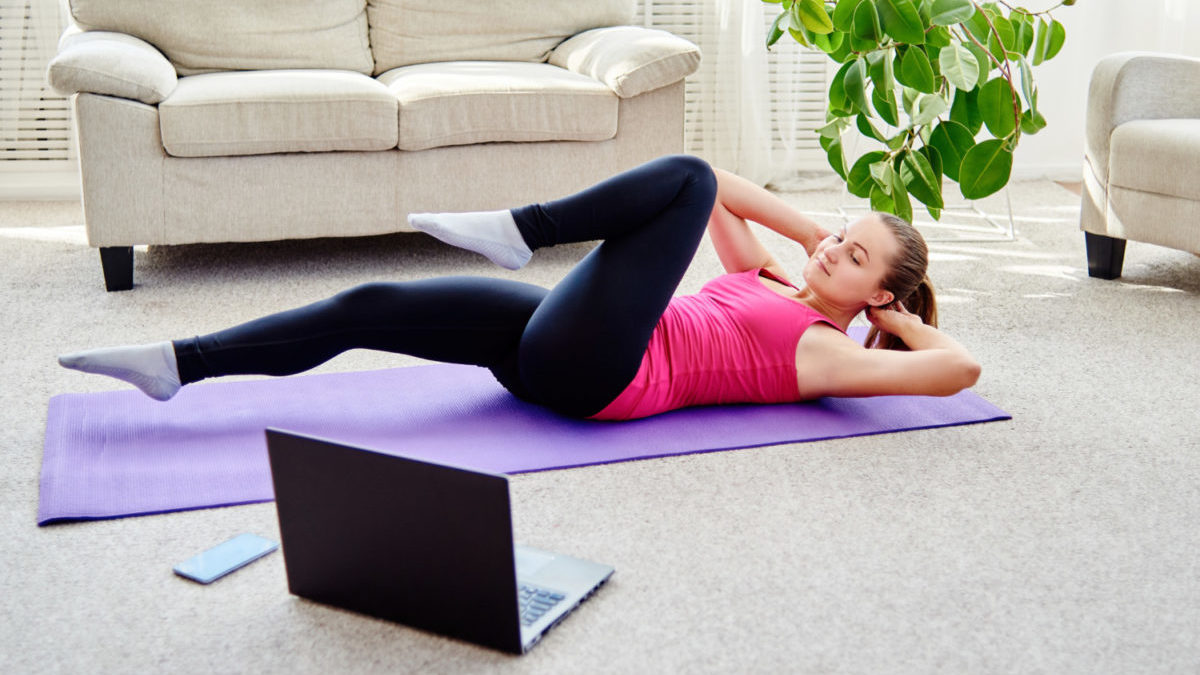
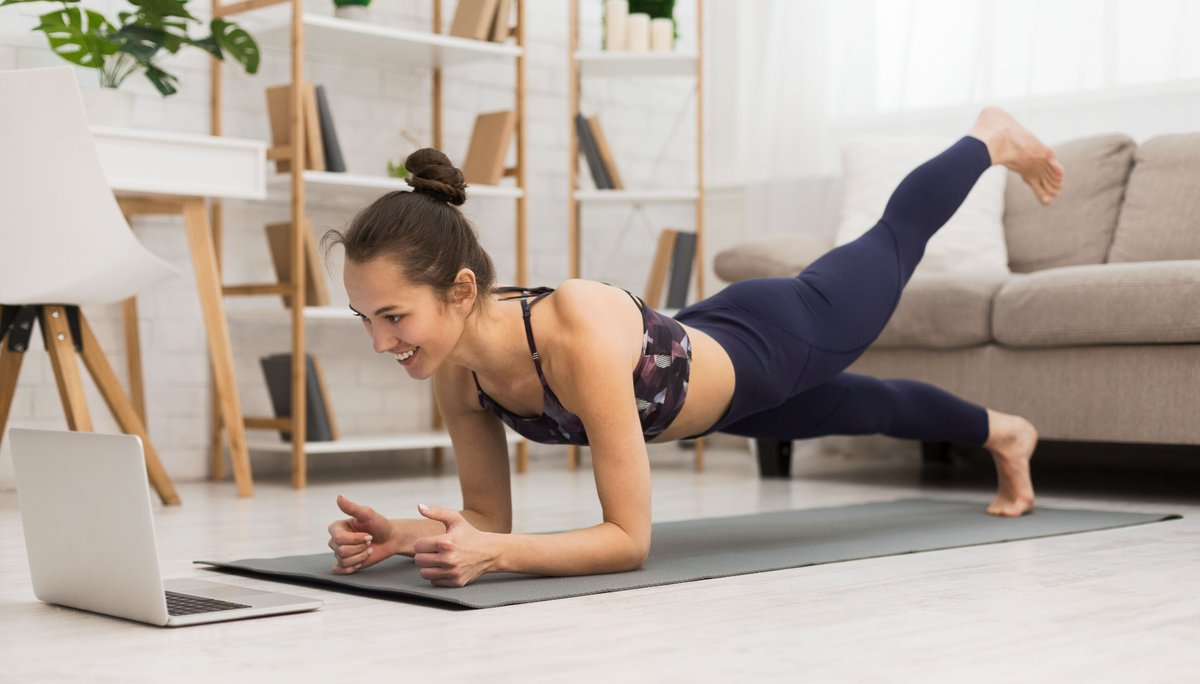
The pandemic process has undoubtedly changed many things in our daily lives. The way we work, our habits, our way of socializing, our diet and of course our exercises… When the gyms stopped their services and the curfews started, the only way to do sports was to look for new methods at home. And online exercises came to our rescue.
Most of us have started to enjoy doing sports in the comfort of our home, to improve our exercises through online classes, and to use mobile exercise applications during the pandemic process. Now, although the pandemic has not disappeared, as its effects have decreased, the habits we have acquired in the pandemic have entered the process of change. So, what does the research say about the exercise methods we prefer, which have changed since the beginning of the pandemic process?
**How did online workouts become popular?**
A study by Godefroy (2020) pointed out that there has been an increase of approximately 45% in the number of followers of popular influencers who started posting exercise videos from their Instagram accounts during the pandemic period. Actually, we can't say we're surprised. It is possible to interpret this rate of increase, which can be considered serious, as people get support from social media to keep up with the changing pandemic conditions and to regulate their lifestyle in accordance with the current conditions.
On the other hand, with this research, Godefroy also drew attention to the advertising of exercise equipment. You must have seen that many famous Instagram users on social media share their workouts using popular exercise equipment at home on their accounts. In fact, you may have noticed 'Peloton', which was heavily mentioned in the series And Just Like That, the continuation of the famous Sex and The City series shot during the pandemic period, and was later advertised in real life with the actor in the series. In short, from social media, digital world, TV series. It is obvious that we were impressed with our exercises in the period of pandemic restrictions, from movies, in short, from many content we encounter in the virtual world.
According to Godefroy, influencers, famous names did not have the competence to do any exercise, but thanks to their sporty, strong, attractive and ideal body by many people, their training made them successful, enabling many people to follow them and buy the exercise equipment they used; this has helped exercise equipment companies maintain successful advertising policies.
Advantages of online exercise classes
The rise of influencers sharing training videos, the increase in the sales of exercise equipment that we frequently encounter in the digital world, mobile exercise applications that reach a large user base, and the gyms, personal trainers, and coaches have also taken action, and they have also resorted to online ways to keep up with the changing world.
Many gym classes have started to take place from online platforms such as Zoom, and personal trainers have started to manage private exercise classes remotely. While Godefroy's research focuses on mobile exercise applications, influencers sharing exercise videos and advertising exercise equipment in the digital world; He didn't mention the information about the live fitness classes. Taylor and colleagues (2021) continued to work on this issue and examined the impact of gym attendees moving their memberships online after gyms closed. People who attended the gym before the restrictions were offered synchronous and asynchronous lessons via Zoom as part of their membership and were asked to evaluate their experiences.
In the survey, which was used in the research, which consisted mostly of female participants, online courses were highly appreciated. Participants who answered the questionnaire in the study stated that they had the opportunity to continue their exercises through Zoom lessons, they maintained their physical abilities, they were productive just like in face-to-face lessons, they also continued to maintain social ties with other participants, and the flexible hours of online lessons made their daily routines easier. In short, it was clear that the participants enjoyed attending the online exercise classes.
It can be said that the results of the research are actually in the direction we expected. It is obvious that online exercise classes offer many advantages. The most important reasons for their preference are that they provide easy and fast access from flexible time intervals, that they are generally more affordable than gym memberships and that they do not have to give up the comfort of home, and that they create an effect that facilitates routines.
Well, would their preferences still be in the same direction today? Will online exercise classes continue after the effect of the pandemic subsides or disappears completely, or is everyone ready to return to the gym?
Recent studies point out that those who do sports prefer to continue with online exercises or combine online classes with face-to-face classes when appropriate to their schedules. So, even as the pandemic conditions begin to fade, most people don't feel ready to return to the gym right away.
Online classes, mobile applications or gyms… Whatever your exercise preference or whatever, do not forget to make sports a habit and add movement to your daily routines.
Everyday events that science can't explain
Science manages to explain many things in our modern world. Humanity's going to the Moon, the depths of space, atoms, molecules, almost everything... However, there are some things that science cannot answer and that we encounter many times in our daily life without realizing it. Of course, scientists have some theories, but it is impossible to fully explain. Here are some of the things that science can't explain but that we all come across many times a day:
**How do pain relievers work?**
When we feel a pain in our body, most of us can find the solution in painkillers and we can feel that our pain is relieved shortly after taking a painkiller. Well, do we know how painkillers work? It is known that paracetamol, which is the active ingredient of painkillers that the pharmaceutical industry has used for many years, works to reduce pain, but the scientific world cannot explain how it works. Some theories are that paracetamol sends some chemical messages to the brain, preventing us from feeling pain. Another theory is that paracetamol increases the level of serotonin, known as the “happiness hormone”. When serotonin increases, we feel less nervous and depressed. This actually affects many things. It regulates sleep and body temperature and reduces the feeling of pain.
**Is glass solid or liquid?**
Can you explain the glass without saying the objects around it? Can you describe the glass without using expressions such as behind the curtain, near the wall, behind the table, without pointing with your hand? It is a little difficult to explain what glass is and what kind of structure it is without showing it. There is a widespread belief that glass is structurally a very slow moving liquid. However, this belief does not explain how glass can remain unmelted for thousands of years. Actually glass; solid substance. But it has slightly different structural properties compared to other solids. While solids are generally in a regular crystal structure, glass; It consists of molecules with irregular structure like in liquids.
**Why do we yawn?**
When we feel tired, when we wake up, when we are sleepy, when we are bored, when we start something new, we can yawn frequently during the day for many reasons. In fact, when someone yawns in front of us due to its contagious effect, we yawn too. So why are we doing this? Seeing a theory, to increase the oxygen level in our body and awaken our attention. A new theory suggests that, thanks to yawning, cool air enters the body and the temperature of the brain decreases and it comes out of sleep. But there is also a theory that suggests that yawning has no physical cause, but is a purely psychological act. According to this theory, when people we know yawn, we tend to yawn too. The scientific world cannot yet give a definite answer as to whether yawning is psychological or physical.
**How does the bike balance?**
We can often use the phrase 'like riding a bike' when talking about an action we haven't done for a long time, but do we know the mystery of the bike itself? When you leave a bike alone, it will fall to the ground. But once it reaches a certain speed, the bike does not fall to the ground. For example, if you leave the bike down a hill, it can go for a certain period of time without hitting the ground. The scientific world has not been able to clearly explain how the bicycle can survive. Ask a physicist and he can explain it by the gyroscopic effect of the wheels. When you ask an engineer, he or she can explain based on the material used or the geometric properties of the bike. Ask a biomechanic and he or she can explain by looking at the posture and position of the person riding the bike. In fact, there are hundreds of such explanations. However, a scientific fact that can explain how the bicycle stands still has not been discovered yet.
**Why do cats purr?**
The muscles around cats' throats contract as cats purr, creating a vibration that creates a purring sound. We know how the sound is formed, but the reason is still debated. One hypothesis is that purring promotes bone growth in cats. Accordingly, it creates pressure with the vibration frequency and the bones harden. In other words, it can be said that the purring of cats has a healing effect.
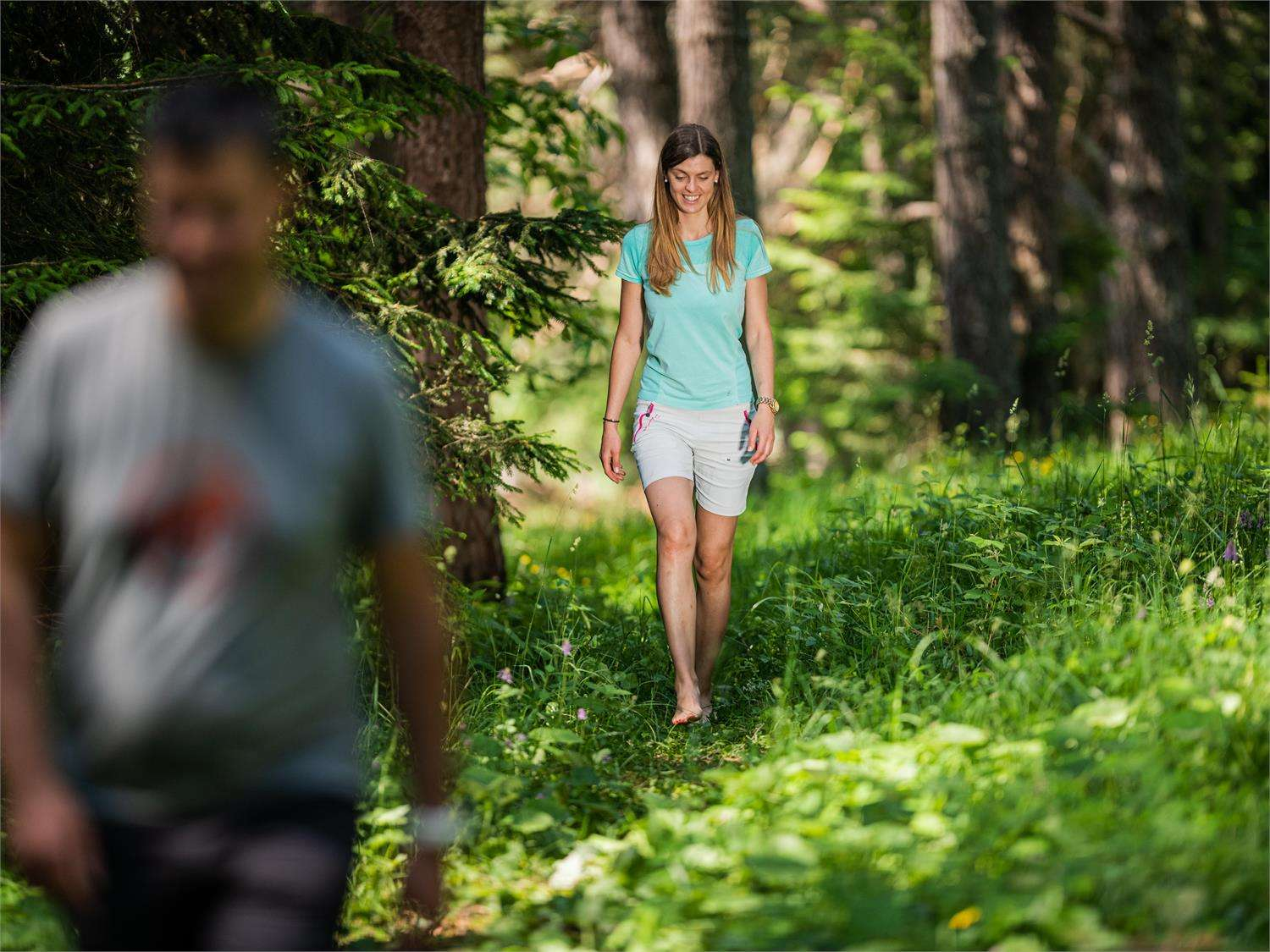
Discover the healing power of nature
When you leave yourself in the arms of nature, you have noticed that no matter how complicated and inextricable the situations may seem, your mind relaxes and you feel much better; you have witnessed the healing power of nature many times… Well, have you ever thought about the reason for this? Why do we feel better in nature? If we summarize the answer in one word, we can say that it is thanks to the 'grounding' you do consciously or unconsciously. Let's take a look at what grounding is and the different "grounding practices" together.
The modern lifestyle, unfortunately, can cause us to gradually cut off our ties from the Earth. We can get away from grass, sea and soil by spending more time with the technological tools we have every day. However, in addition to dealing with agriculture, animal husbandry, hunting and gathering, ancient people spend more time with nature in their daily lives and in their private lives outside of work.
Now, it's hard to remember the last time we sprawled on the grass or walked barefoot on the ground… But grounding reminds us how important it is to connect with nature. In its simplest definition, grounding, which means connecting our bodies directly to the Earth and balancing with it, also enables us to stabilize our natural electrical charges. So, what happens when we do grounding? We relax, unwind, strengthen our connection with nature, calm our minds, improve our mood. Moreover, we can relieve our pain, reduce our stress level, regulate our sleep patterns, strengthen our immunity and support our holistic health. Many studies point out that the cause of chronic diseases, immune problems and inflammation is related to being disconnected from nature and the world, and emphasizes that not only mental but also physical healing is possible with grounding.
If you think that grounding is necessary, it is worth mentioning immediately. Grounding isn't just a way to go when you're in pain, feeling stressed, experiencing anxiety or depression, in short, something negative or wrong in your life; It is a practice that you should apply at any time, whenever possible, to connect yourself with the world and feel much better, to get rid of your electrical charges.
Don't you think it's great to be able to heal our mind, body, soul, in short, our whole selves, while spending time with nature with grounding? Well, if you are wondering how we can incorporate grounding into our lives, what we can do differently to connect with nature, reveal its healing power and benefit from it, here are grounding practices...
**Grounding practices**
When you think of grounding, you may think of only the contact of your hands and feet with the ground, because of its name. However, getting to know the soil itself is not the only way to connect with nature, increase your energy and connect to the Earth. You can continue reading our article for different grounding practices. It can directly or indirectly reconnect you with the earth, with the earth; You can strengthen the bond between you:
First of all, as most would think, you can feel the negative electricity in your body flowing from your toes and being pulled towards the ground by walking on the ground with bare feet.
Similarly, by planting fruits, vegetables or flowers, you can create opportunities for your hands to meet the soil. Moreover, by including your children in the grounding practices that you want to make a habit for yourself, you can make them calm down and feel better.
If your child does not like the soil, you can also walk barefoot on the mud together. We can also say that children have a special interest in mud. 😊 You can include your family members, loved ones and friends in your grounding practices and create routines together.
By lying down on the grass, you can make your hands, arms and legs connect with both the grass and the soil, and you can create an opportunity for the soil to touch different parts of your body. Thus, you can allow your whole body to be grounded more quickly.
Also, you don't need to dry ground all the time. You can also reconnect with the earth through water. Seas, lakes, beaches… You can swim in the cool waters and take long and pleasant walks on the sand at the beach.
If you can't always find time to go out, there's no need to worry. You can easily perform grounding practices indoors. You can contact your hands and feet by using grounding mats specially produced for grounding; you can also benefit from grounding covers, covers and socks in your home or office.
With grounding practices, you can perhaps re-establish your weakened connection with the world, feel much closer to nature, reactivate your body's natural defense system, and witness holistic healing. After a few tries, you can feel that nature is calling you and make grounding practices an integral part of your routines.

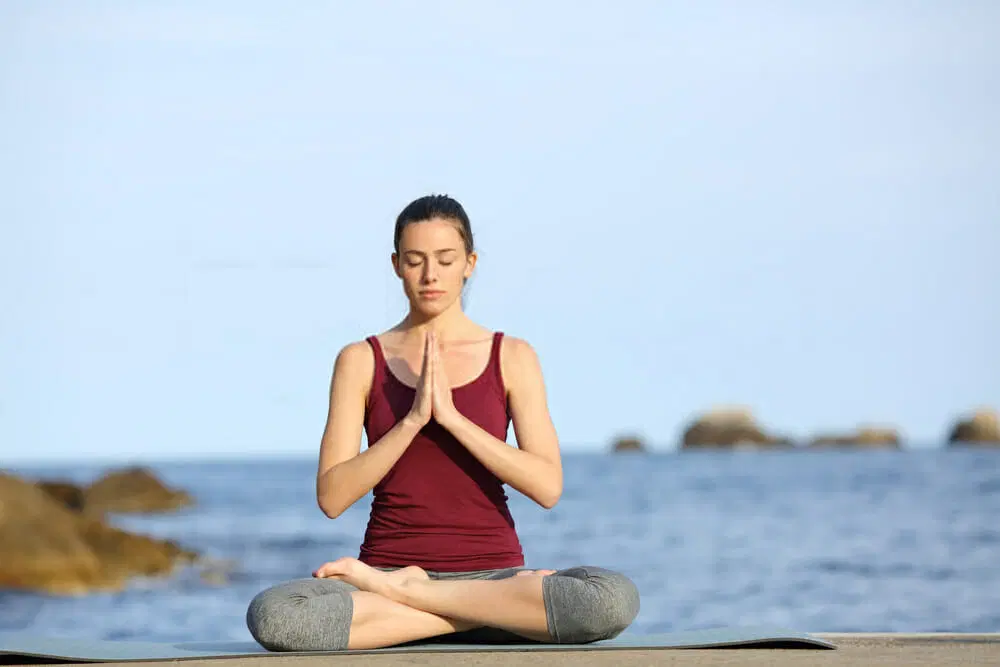
Gratitude accept everything that comes with yoga
While we are grappling with the rapidly growing turmoil, anxiety, panic and numbness in our lives and many emotions, does not time pass without realizing ourselves?
Even when the pace of our hectic lives has stopped with the pandemic, we do not even realize that our minds do not stop. When we are not aware of our emotions and our breath…
The first time I said "I'm not breathing" was when I tried to do the breathless poses in the yoga studio. It was also the first area where I realized that I wasn't breathing properly… Was a life without breath possible? No, I knew that, but I couldn't breathe from suffocating my feelings that I couldn't live.
As I learned to breathe with yoga, my breathing started to expand as I felt my emotions and started to let go. When I started to learn to expand as I breathe in and relax as I breathe out, I realized that I now see all colors vividly.
Maybe if I had never started yoga, I would have continued my life thinking that I was still breathing without experiencing all these good feelings. With all this letting go, I had to let my mind relax.
Right now I'm trying to relax myself. In every negative situation that comes my way, I let the feelings pass me by, I don't get stuck there. These are the gifts of yoga…
After every asana practice, I am aware that I am now enjoying my body as a whole. When I do this because I really want it, my heart is filled with gratitude and every new day is filled with miracles.
With yoga, I learned to really feel and let go of whatever positive and negative things come, I am full of gratitude. There was no age to grow, to feel. Yoga has taught me to let go, to experience and feel my true feelings. Make a change today and wake up in front of the mirror and ask yourself "Good morning, how are you today?" ask. Come on, take your hand and start your journey!
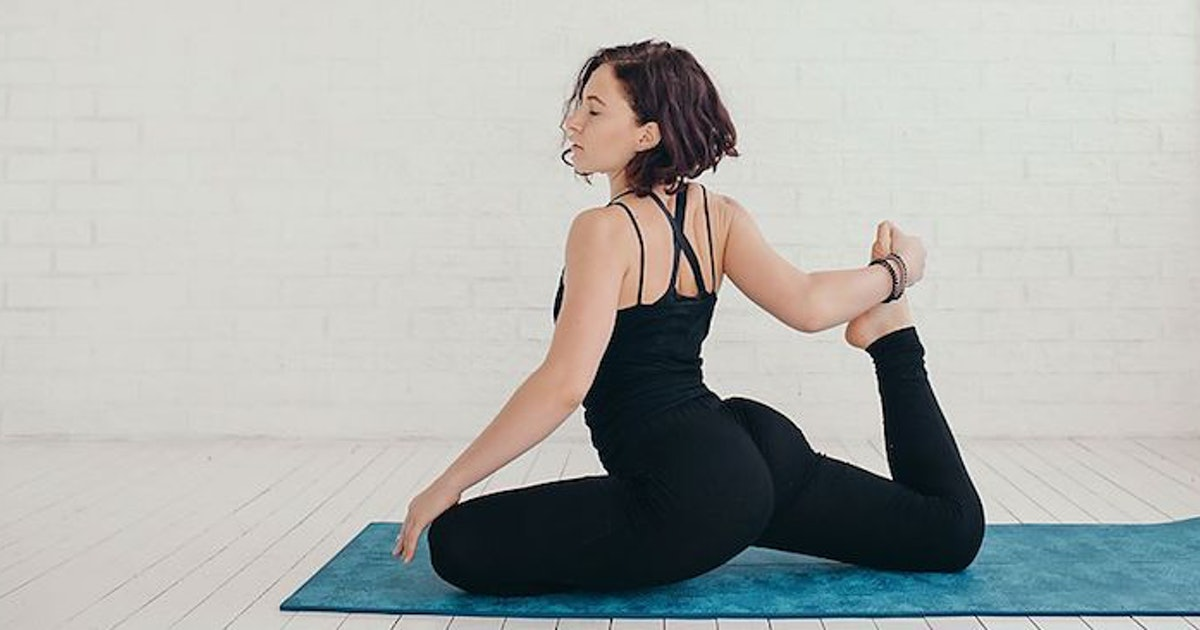
The journey of being in the moment with yoga
I finished 13 years as a yoga instructor and student. Today, although yoga seems to be movements with aesthetic concerns, its deepest meaning is unity. "Unity of what?" Are you asking? The unity of thought, emotion, physical body, spirit, macro and micro world...
As we are city people living in the modern world, we can only learn to be in the moment through movements. So movements are just tools, but nowadays they can lead us to the illusion of purpose for inflated egos.
The state of being able to stay in the moment we basically experience with yoga and the courage to get as close to what is as possible...
When you have another thought on the yoga mat, you will fall. You are not aware of the sensations in the body, the breathing, and disability may occur again. When we practice this state, which we learned on the yoga mat, in the chaos of the city, real yoga begins.
Therefore, with yoga, we develop the practice of hearing the here, the here, the truth of this place. I know it sounds easy, but it can be very difficult to listen to the movement of the city and the opinions of others. As we listen, the cramps in our stomach, the movement of the breath becomes clear. We first practice being ourselves on the mat without trying to look like someone else, but the real practice area is always life.
I attach great importance to explaining this integrated state in lessons and trainings. Because I know that if the practice just stays on the yoga mat, it's doomed to die.
**The main themes in the yoga program are:**
Creating your own unique vinyasa teaching style
Writing thematic, original intermediate and advanced vinyasa sequences
Reinforcing the use of space-opening yoga language in the lesson
Learning and teaching advanced yoga poses
Creating the ability to teach students at different levels
The use of breath and meditation in the classroom and in life
Creating a theme, designing the theme and research pose into the lesson,
Ability to create sequences according to different levels,
To learn the logic of the research pose,
Understanding the philosophy of yoga and supporting its integration into life,
This program is supported by assignments, readings and advanced teaching practice.
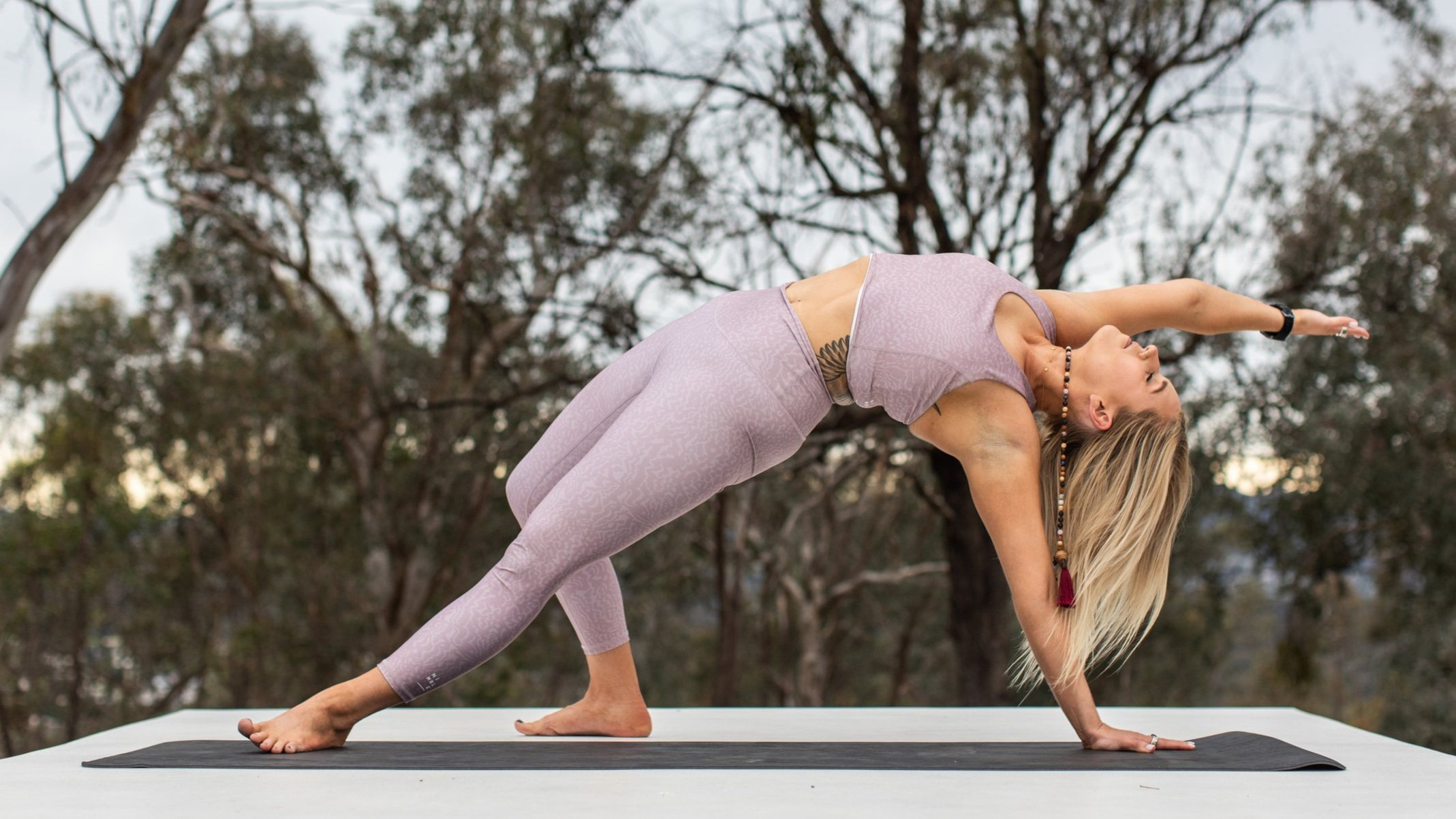
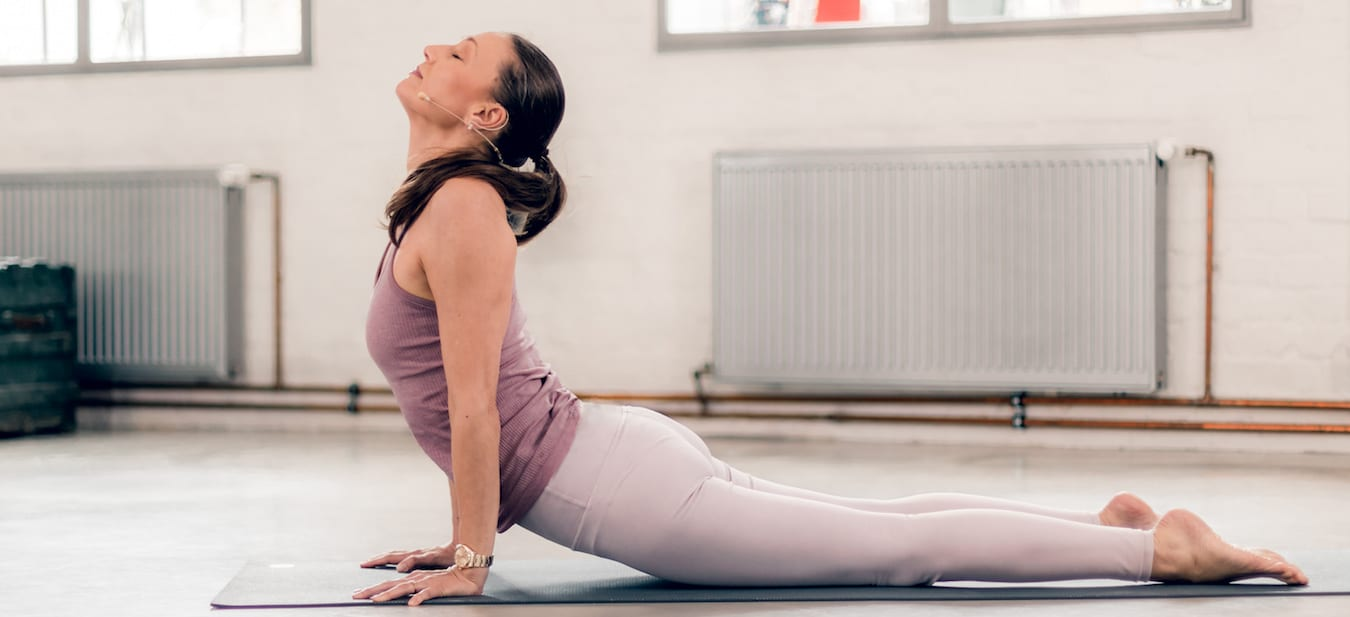
Sitting on the floor helps you live healthy and long
Sitting on the floor may not be as comfortable as a comfortable sofa or chair, but it certainly supports a healthier and longer life! According to a study published in the European Journal of Preventive Cardiology, people who do the standing up from sitting position at least 5-6 times a day live longer than those who do not. “We all know that aerobic fitness supports longevity,” said Claudio Gil Araujo, one of the researchers at the head of the research. However, this research; We can say that body flexibility, muscle strength, body weight-power ratio and coordination not only improve daily activities but also prolong life expectancy.
To reap the benefits of sitting on the floor, it is not necessary to spend all day on the floor or buy more minimal and less furniture like the Japanese. For example, it is enough to sit on the floor while resting in the evening, and to improve your body balance by standing up a few times.
**What are the benefits of sitting on the floor?**
Changing from sitting to standing up and repeating this many times a day strengthens the muscles in the abdominal area and increases body balance. This strengthens the musculature of the whole body and increases mobility. It prevents balance losses and falls that may occur in advancing ages.
Many of us spend most of our day sitting. Moreover, we often sit in non-ergonomic places. Getting up from the chair and sitting on the floor helps us to reconnect with our body, to center the sitting bones and to benefit from the abdominal strength. This gives a natural flexibility by strengthening the whole body.
Of course, it is necessary to pay attention to sitting with a proper posture while sitting on the floor. Bending and hunching can cause lower back and lower back pain. Keeping your body weight centered on your hips when you sit on the floor supports spine health. The best way to make it easier to sit on the floor; sitting on a cushion or a folded blanket.
Sitting on the floor also facilitates digestion. When eating while sitting on the floor, the forward and backward movements to reach the plate work the abdominal muscles. This facilitates digestion and relaxes the abdominal region.
Sitting on the floor is also known to provide mental relaxation. This is the reason why sitting poses on the floor are preferred, especially when meditating. While sitting on the floor, the oxygen circulation in the body increases, which brings mental relaxation.
**What are the possible side effects of sitting on the floor?**
While sitting on the floor is beneficial, not doing it properly can be harmful. Especially in some positions, it can cause pressure on the joints, especially the knees, as the load of the upper body is on the lower legs. The pressure on the knees can increase over time, leading to difficulties in standing up. Sitting on the floor for a long time can slow down circulation in the lower body. In order to prevent these side effects, it is necessary to change positions at regular intervals or to stand up to increase the benefit of sitting on the floor.
**Is it possible to make sitting on the floor comfortable?**
Making it comfortable to sit on the floor can vary depending on the person's own bodily characteristics and flexibility. For this, it is possible to find the most suitable one for yourself by trying several sitting positions. From these positions do not make us sit on the knees. In this position, which is called “seiza” in Japanese culture, you have to bend your knees and gather your lower legs under your upper legs. It is possible to take a small cushion under your hips to make this position more comfortable. In another place, the sitting position is the way of sitting cross-legged, which we call cross-legged. If you feel strain in your knees, you can also sit down by bending your knees so that the soles of your feet remain on the floor after sitting on the floor. If this is not comfortable for you, you can try sitting on the floor with your legs straight.


What time should you have dinner for a quality night's sleep?
Have you ever had trouble falling asleep after having too much dinner? Or when you miss the hour you always eat and eat a little late, and you suffer from stomach pain all night? If your answers are yes, you may have noticed the 'relationship between dinner and sleep'. We can say that you are not mistaken in your feelings, especially if you think that heavy meals negatively affect sleep quality or that eating late disrupts your sleep pattern.
It is obvious that heavy dinners cause difficulty in falling asleep at night by tiring the stomach; however, experts point out that 'when we eat' is as important as 'what we eat'; They emphasize how critical the dinner time is for a quality night's sleep.
Sleep expert Peter Polos touches on the importance of the '3-hour rule' for a quality night's sleep. That is, “What time should I have dinner for a good and comfortable night's sleep?” If you are wondering; Polos says the answer is "3 hours before bedtime," and adds: "The three hours in between provide enough time for digestion, which prevents sleep interruptions caused by nighttime digestive upsets." Similarly, Sleep Coach Sanchita Sen emphasizes that the ideal time for dinner is 3 hours before going to bed. “3 hours helps the stomach digest properly and prepare your body for sleep.” says.
Since stopping eating about 3 hours before going to bed will help ease digestion, it prevents gastrointestinal problems such as gas, bloating and indigestion that occur at night, and increases the chance of experiencing a quality night's sleep. On the other hand, experts also state that you should not eat too early, like not to eat too late. Because, when dinner is eaten very early, the probability of going to bed on an empty stomach increases; This can cause you to wake up in the middle of the night as it causes sudden blood sugar drops.
If you want to sleep soundly every night, there is another issue as important as stopping eating 3 hours before going to sleep, and that is: Stability. Neuroscientist and Sleep Specialist Sofia Axelrod points out that eating at the same time every night and going to bed at the same time every night is very important for balancing the body, maintaining sleep-eating patterns and maintaining a lifestyle that is suitable for circadian rhythm. He says keeping meal and sleep times as consistent as possible is one of the safest habits for holistic health. “If you always eat at the same time, your body learns to prepare the digestive system—for example, by producing digestive enzymes—to digest the food you eat optimally.” he explains.
In order to adopt a habit that will protect your health as well as a quality night's sleep, keeping your meal times and bedtime as constant as possible can support the harmonious functioning of all systems in your body. You can improve your sleep quality by paying attention to the sleep-eating relationship, if you wish, you can also support it with products that will help increase your sleep quality.


Portion control instead of saying "no"
The same question is always on the minds of those who make a holiday program: "My diet will be spoiled during the holiday, what will I do?" These questions have created stress and pressure on many of you before you even started your vacation. But I have news for you: Stress affects your body more than eating sweets.
I would like to explain this mechanism… When our body is under stress, it produces a hormone that will trigger the fight-fight mechanism to survive: Cortisol. This is a hormone necessary for our survival. This hormone also has a tendency to keep everything. Juice, oil… Therefore, if you ask, “Oh my, my diet is broken, what should I do?” If you experience stress by thinking, cortisol will be secreted here as well. Because a life-threatening condition does not need to occur for cortisol to be secreted. Due to this hormone secreted, your body will also keep your weight. In other words, you will get yourself into a spiral that you cannot lose weight before you go on vacation.
At this point, you need to convince yourself that your diet will not deteriorate during the holiday, because what we call diet is to acquire a nutritional habit that will meet the needs of our body. There are no restrictions or prohibitions in healthy eating habits. There is as much food as you need. It includes understanding your hunger, eating with pleasure and enjoying it. Do you know what happens if you do not limit yourself and stress, but enjoy and taste the food you eat? You do not continue to eat at the point where you are automatically full or meet your needs. I would like to explain this with two examples:
In one example, there is a person A who has decided not to eat sweets and pastries because he is on a diet. For this reason, he refused the first dessert offered and did not eat it, but his mind remained on how it tasted. He didn't eat the second dessert either and turned it down, but wondered about that too. He also refused the offered pastry and did not eat it, but wondered about its taste. Then person A rebelled against the pressure he put on himself and found himself eating a tray of cake. Person A was angry with himself for failing on the diet this time.
In the second example, there is a person A who says, "You can eat sweets and pastries in a diet, I already know where to stand". He did not refuse the first dessert offered, he ate it. He didn't eat the second dessert because he ate dessert and he didn't want dessert again. Then he did not refuse the pastry, but he chose to leave it where he enjoyed it, since it was all too much. Person A didn't go out of her diet and didn't lose portion control. For this reason, person A did not feel himself a failure.
Let's underline with colored pencils that a healthy diet is a diet where you get rid of the feeling of guilt and restriction, listen to your body and give it what it needs. For this reason, the desserts or pastries you will eat during the holiday are not “getaways”, because you already deserved it.


Falling asleep by getting rid of negative thoughts that occupy the mind
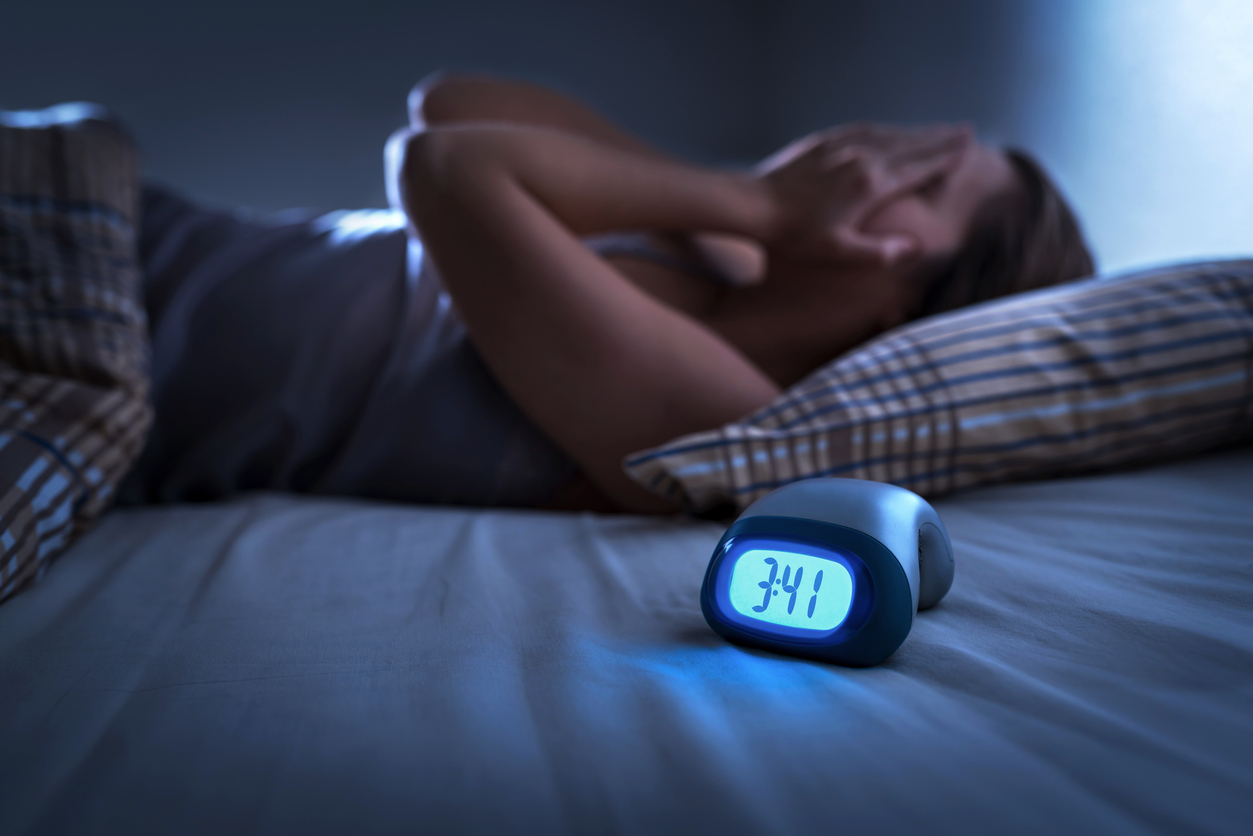
Do you think of an embarrassing moment that you can't forget even though it's been years, and it makes you lose your sleep at an unexpected hour? Or do you have a situation that you worry about the future of your job, revolving around in your head until the first light of the sun? If your answers are yes, you may be having sleepless nights due to worrying thoughts swirling in your mind and unproductive days because you wake up with purple under eyes. Stress is an inseparable part of our daily life. The work we do, the projects we work on, the problems we experience in our bilateral relations, the financial problems we face, communication problems, emotional burdens or negative thoughts that grow exponentially from time to time can cause us to feel bad, decrease our quality of life, decrease our motivation, or have a negative attitude mostly.
While we are dealing with many things during the day, we usually do not find the time to get lost among negative thoughts, especially in the silence of the night, as soon as we put our heads on the pillow, we are left alone with pessimistic feelings and worries that we avoid thinking about or that we do not have time to concentrate on. Therefore, these annoying thoughts that draw us in like a deep and powerful whirlpool can cause us to have difficulty falling asleep. In fact, sometimes we can spend some nights as sleepless as the morning because we have difficulty in quieting our minds. For this reason, it is essential to spend a quiet and peaceful night by getting rid of negative thoughts in order to have a comfortable sleep and to start the next day more cheerfully. However, in order to achieve this, we need to know how to silence those negative thoughts. Falling asleep techniques show promise in this regard.
In addition to useful routines such as meditation, yoga, breathing exercises, herbal teas, aromatherapy oils that facilitate the transition to sleep, a few simple but effective techniques can also help silence the mind full of negativities that keep you up at night. In the rest of our article, we discussed; three techniques that you may have heard, never encountered, or have had the opportunity to practice, can help you get away from worrying and stress-increasing thoughts, fall into a comfortable sleep and have a peaceful night.
**1. Schedule 'time to worry'**
Yes, it may sound strange at first read, but it's true, scheduling 'worry time' can be an effective way to prevent negative thoughts from intruding into your mind at night. Worry time, which is actually a very simple and easy to apply technique, focuses on giving yourself space and time to worry about things. Namely; You also need to take time to think about potential stressors, such as when you plan to meet up with friends, go to the hairdresser, go shopping. This way, you have a special time to think about situations that cause you anxiety, stress or seem risky. Since you've already thought about it, you don't have to think again before you fall asleep. When you remember that ideal sleep is closely tied to routines, you can see worry time as a functional part of your routine and devote time to practice.
**2. Practice the 'Night 2 technique'**
Renowned psychologist Ethan Kross shares a strategy he uses to quiet his mind on mindboydgreen's podcast, noting that the 'night 2 technique' is effective for getting rid of worrying thoughts that prevent falling asleep. 'Kross' 2 a.m. In this method, which is also referred to as 'technique', what needs to be done is actually quite simple: to approach yourself like a third person and to make mental time travel. You ask, “How is it applied?” Let's explain it right away. When you approach yourself as if you are giving advice to someone else, you can change your perspective and reduce the anxiety you experience by displaying a more moderate attitude towards yourself. However, this technique alone may not work if your worrying thoughts are too intense. That's why Kross suggests time travel. That is, he wants you to ask yourself if the problem you are worried about and experiencing stress at the moment will have the same effect in a day, a week, a month or a year. “The answer you get from yourself can help you relax quickly and feel much better,” she says. Because, as Kross mentioned, “Morning is always better; It gives hope that conditions will improve.” Before you sleep at night, those worries will look very different to your eyes the next morning...
**3. Visualize your 'happy place'**
Maybe you have come across it in many areas: 'Find your happy place!'; namely 'find your happy place'. Instead of grappling with negative thoughts that cause stress, worry, worry, and prevent you from falling asleep, visualizing an area where you feel happy, find peace and calm, and visualizing in as much detail as possible can help you feel more comfortable. This technique can reduce the effect of stress factors that prevent sleep by helping the mind to relax by focusing on the good and the beautiful instead of dealing with worries before sleep. Maybe a forest, a windy garden, the seaside or any place where you feel happy can prepare the appropriate environment for a comfortable sleep experience and to get rid of the dark thoughts that keep you awake and become more and more difficult the more you think.
Social punishment mechanisms
Shame is a secondary emotion that has been used to encourage cooperative behavior. Shame plays an important role in correcting the undesired behaviors of the person, especially through self-punishment, whether voluntary or involuntary. In the Middle Ages and early modern times, methods of public atonement were applied, with the public exposure and shame of those who violated society's moral standards. This strategy was adopted by the secular powers that rose with the Middle Ages, and the educational and penitent character of the punishments was redesigned, inspired by the atonement understanding of religious practices. In particular, acts such as fraud, perjury, breaking an oath, adultery, misdemeanors, and other violations against a community have brought with them shameful punishments (walking around naked in public, being chained, etc.).
The human brain's capacity to feel shame has been exploited in various ways throughout human history, and societies have developed sophisticated tools to shame group members who misbehave with neighbors and friends and violate norms.
As you can see, public embarrassment is nothing new. It is used as a punishment practice in all societies. Public shame is always embraced by the laws of the states and used for the daily control of moral norms. However, in the last few centuries, some states have realized the partial persecution created by the mechanism of public shame and have gradually moved away from the laws applied in this sense. In daily life, embarrassing individuals in front of the public is now widely seen as an unacceptable behavior. This situation, which we can call "moral recovery", which appears in our laws, has lost its balance over time with the rise of social media and the emergence of new types of shame with it.
Under the name of the concept of shame, we continue to examine each other with our labels of "purity". We often want to punish the people around us for even the smallest violations. Thanks to the online shaming carried out through our evolving social networking services, our job is now easier, and we believe we create an atmosphere of surveillance, fear and conformity with ease.
We have all witnessed the operation of the "online call" mechanism and how people active in social networks can defame someone for their slightest mistakes. Celebrating their moral purity and political correctness with the masses, too many people were able to take down many names by making a call. Fortunately, the number of people pointing to the chaos created by this issue is increasing. Of course, the culture of call and cancellation has not ended, but it has started to be questioned more and more these days. This is because even the calling participants sometimes find themselves "cancelled" as soon as they reveal their unacceptable thoughts. It is clear that no moral or political affiliation has patented weapons of embarrassment, and no one is immune from its effects.
The culture of cancellation as it is practiced today, especially when applied as a first reaction rather than a last resort, is actually only a product of individualism, and perhaps an inevitable extension. Individualism interprets self-interest rather narrowly, limiting it to the interests of an isolated person. This is the basic working principle behind capitalism and liberal democracy as we know it. Cancellation culture has close ties to both. In general, the culture of cancellation is about preventing the views of the abolished from being taken advantage of, and this phenomenon has also been described at times as a democratizing process, as it allows ordinary people to exercise power over the powerful.
Individualism has brought us many privileges, but perhaps we need to examine the limits of individualism and realize the contrast created between “me and us”. In ego ethics, the "primary bargaining unit" is the individual. Ethics is still about how we get along with each other, but the premise in ego ethics is that the individual's values and interests are the starting point. Most current ethical theories fall into this category because they are based on individualism backgrounds. In the we ethics, on the contrary, the relationship is primary. Individuals are of course valued, but they are valued as parts of a whole. When conflicts arise, the focus is on restoring the relationship through harmony, recognizing the worth of all members and aiming to meet their interests.
We don't cancel people on ethics. When the relationship is of paramount value, it becomes “engagement in the relationship” that matters. Listening is given priority over reacting. Canceling is, of course, a way of defending values and is a powerful act of expression. However, it is an individualistic reaction because it puts these values before relations and integrity. Cancellation is precisely the sign that a group of people no longer want to be in a relationship with another person. It's as if the tomatoes have decided to leave the dish because they can no longer share the taste of the onions. But if the tomatoes are gone, the dish no longer has any flavor or sentimental value.
**So what do we lose when we cancel?**
The culture of cancellation insists on an unattainable moral purity. Many of the prominent figures in history were morally flawed, as were the rest of us. Ignoring these ideas would greatly impoverish philosophy and at the same time obscure the realities of intellectual history. We are always in contact with them, for better or for worse. It's hard to even imagine what would happen if they were canceled in the slightest eccentric sentences. We must show how people's good ideas mingle with their bad ideas and think hard about how to adapt to the values we share with them and the differences we have with them, that is, we must learn how to live with people. That is why we must confront their flaws and try to draw something harmonious out of them.
**When is it the right thing to “cancel”?**
I do not think that a principled answer can be given to this question. Maybe there is no clear, principled line of demarcation, so there is only a gray area and we must apply practical wisdom to each situation.
Today, we are in the process of changing the things we cannot accept, rather than accepting the things we cannot change. It's a powerful way to make progress and can actually be done in a harmonious way, contrary to what one might think. Perhaps the only wisdom in the gray zone is to act without destroying hope of harmony and acting like a sword and destroying people.


Tips to sleep soundly
In this program, which I designed and implemented with great pleasure by combining my sleep expertise and mindfulness training, I explained with examples what we can do for a healthy sleep and shared mindfulness meditation practices that I specially prepared to facilitate the transition to daily sleep.
Today, I wanted to share a few tips that will help you maintain a healthy sleep pattern.
**Planning**
You can create a regular routine for sleeping and waking up, you can plan. If your daily schedules change on weekdays, weekends or seasonally, you can plan a suitable time for sleep by taking them into account.
**Light**
You can spend time in natural light. Whether indoors or out, bright sunlight helps you feel awake. You can avoid napping during the day (except for small children!).
**Electronics**
You can limit the use of electronic gadgets before going to bed. An hour before going to bed, you can turn off the phone, computer, television and make the room dark, slightly cool, comfortable and ready for sleep.
**Exercise**
You can exercise regularly. Even small walks every day work. Physical activity helps reduce stress and make you feel good. It also increases the desire to sleep at night.
**Prioritization**
You can talk to your family/children about the importance of sleep and help them understand its benefits. Modeling a good sleep habit for children is very important.
**Facilitation**
You can do small exercises to practice mindfulness and relax your muscles.
You can reduce the habit of taking a nap during the day.
Before going to bed, you can make the room quiet, calm and slightly cool.
You can take a warm shower before going to bed.
You can avoid eating and drinking before going to sleep.
**To leave**
Don't force yourself when you can't sleep. You can get out of bed and try to distract yourself and go back to sleep.
If you wish, you can ask yourself the following questions after reading this article:
Do you feel well slept and rested when you wake up in the morning?
How do you feel when you wake up in the morning?
If you couldn't sleep because of what you were thinking or how you were feeling?
What if you could sleep better?

An effective formula that opens up flexibility
I find Pareto's 80/20 rule applicable and realistic, as it is one of the rules that describes the best relationship between what we do and its results. It's a rule of thumb that opens up flexibility for you to replace "I tried, it didn't work" diets.
We want to adopt healthy habits and we do not want to stay away from the pleasures of life. One of the dominant understandings of the last period is the 80/20 rule, which is a method. The 80/20 rule is also known as the Pareto Rule. And it is possible to define it like this: 80 percent of the results you achieve are due to 20 percent of what you do.
Or another interpretation is as follows: The rate of understanding, concluding and transforming a community, an action or a concept is 20 percent. You can assume that the lesson you teach to a class will reach 80 percent of people, but 20 will not have understood it. The reverse of this ratio is also possible. In short, 100 percent success cannot be achieved at once. The rule is actually to break the 100 percent expectation. It leads us to a slightly more realistic way of thinking. That's why it's a way of thinking that I love and I definitely apply it in my life. What are the benefits for me?
It takes me away from being a perfectionist.
It allows me to focus on the process 100 percent rather than focusing on the expectation.
It leaves time for fun and enjoyment as well as healthy thought and body support.
I include unsuccessful or bad days in the 20 percent portion, as it has taken over my life over time. This allows me to say, "Maybe, it's possible".
He emphasizes that in order to be sustainable, it is not necessary to escape, but to face and allow.
Regarding health, I would summarize this process as follows: As long as my healthy habits remain in the 80 percent group, there is no problem.
If quitting is not an option for you, you are in favor of maintaining small proportions of any habits that you think are harmful or that are keeping you from your daily work and health. If we evaluate your daily health level out of 100, 80 are your healthy habits (eating greens, getting protein, good sleep, healthy communication, doing sports, reading a book, smiling) and 20 are your bad habits (eating sweet or too salty, inactive). depressive thoughts, time spent in front of television, time spent on smartphones, shouting, aggressive behavior, distraction from mindful moments).
We all have habits that we cannot give up and it is possible to transform them, one of the easiest ways in these transformations is to replace a bad habit with a healthy habit. For example, if your sweet cravings are too intense to fit into my 20 percent slice, you can start replacing unhealthy options with healthy versions. Consuming healthy foods with high nutritional and fiber value such as dates/apricots/raisins instead of consuming too much chocolate creates a positive leap in your overall health. It is important not to miss the main point here. The main issue is not being able to change your unhealthy habit, that is, excessive sugar consumption. However, in the long run, the goal should be to reduce, and you can achieve this with healthy options. There is something that I need to underline here: I do not recommend you to give up chocolate, I say it is possible to reduce it. The 80/20 rule removes you from the list of no-nonsense and prohibitions and instead asks, “What can I do to stay balanced?” It makes you ask the question. I find it more logical and feasible.
Tips to help you quit processed sugar
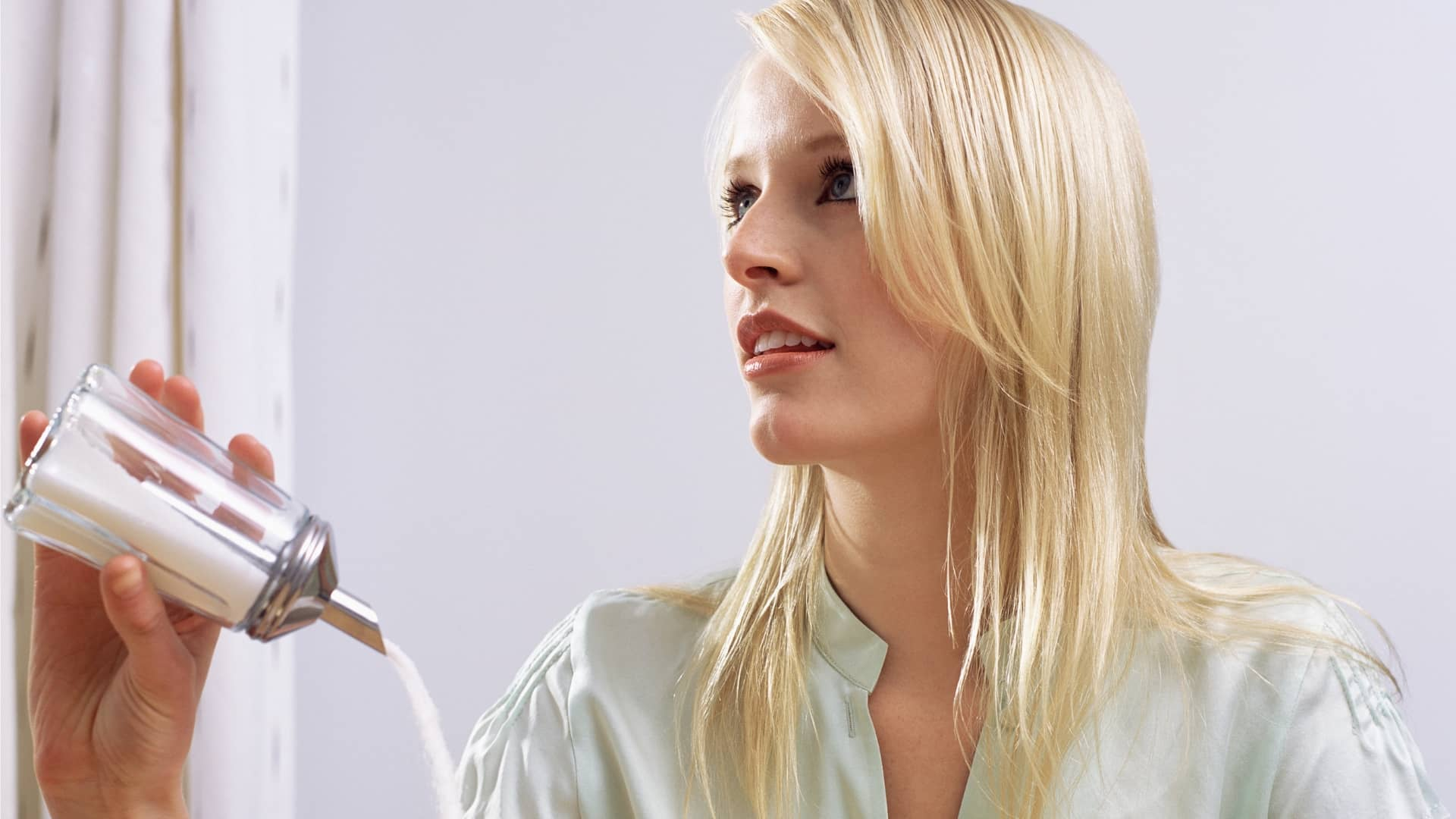
Sugar can be a sensitive spot for many of us. A chocolate next to coffee, a delicious dessert after dinner, or snacks that we immediately go to in times of sweet crisis... However, although they all seem very attractive, they unfortunately threaten our health with the high amount of processed sugar they contain. Scientific studies point out that consuming high doses of processed sugar can cause heart disease, the risk of diabetes and obesity, unhealthy teeth, various chronic ailments and even symptoms of depression. In short, consumption of processed sugar negatively affects both physical and mental health. On the other hand, although foods containing processed sugar seem to increase energy momentarily, they can lower energy levels during the day, causing you to feel more tired. Because of all these negative reasons, many people decide to cut back on processed sugar or give it up altogether. Quitting processed sugar, which is a very important decision for a healthier life, can become easier with various methods. You can continue reading my article for tips to help you quit processed sugar, and you can find alternative snacks that do not contain processed sugar that will suppress your sweet cravings.
**1. Replace your sugary beverage choices with water**
If you are accustomed to having a drink with meals, you may be making your choices mostly from acidic drinks or fruit juices. Since you do not eat anything sugary, you may fall into the misconception that you are not getting processed sugar into your body while consuming such drinks; but the reality is the opposite of this misconception. Therefore, instead of sugary sodas, fruit juices, energy drinks or acidic soft drinks, you can consume mineral water or just water and have a drink without any processed sugar. If you need a little flavor boost, you can sweeten your waters with mint or lemon wedges.
**2. Be aware of the contents by reading the labels of packaged foods**
The idea that there will be processed sugar in diet products or packaged foods collected under the name of healthy snacks may seem very distant to you. However, we regret to mention that many of them contain high levels of sugar. That's why it is very important to read the contents of the packages and not be deceived by the front of the packages and to have information about the sugar content. Thus, you can both improve your conscious consumer habits and be sure of the amount of sugar you consume. At this point, it is useful to know the secret names of sugar: Sucrose, glucose, hydrolyzed starch or high fructose corn syrup, such as foreign-sounding definitions can also be used for sugar. Therefore, it would be good to try to find out what the names you are not sure about mean.
**3. Prefer to eat fresh fruits instead of dried fruits**
You may be deceived by the innocent appearance of dried fruits by thinking “whatever fruit…”. However, that is not the case at all. The dried fruits you buy in packages from outside contain a significant amount of sugar. Therefore, you can consume the fruits fresh or dry them at home without adding extra sugar.
**4. Try to consume full-fat milk and dairy products**
Nowadays, when fats are declared the scapegoat, unfortunately, sugar can come into play as a savior ingredient. When fat is removed from non-fat, low-fat, semi-fat, light yoghurt, cheese, milk and similar dairy products, sugar is usually added instead so that it does not lose its taste and density. So much so that even some yogurts that we think are healthy can contain up to 6 teaspoons of sugar. For this reason, you can choose full-fat dairy products or turn to vegan alternatives to avoid unnecessary processed sugar consumption.
**5. Eat meals rich in healthy fats and protein**
If you prefer sugary foods, especially in times of sudden hunger or when you feel that your energy is low, the most effective way to avoid this situation is to eat meals rich in healthy fats and proteins. Research shows that a protein-heavy diet can increase the feeling of fullness, thereby helping you manage the urge to eat. Among the healthy protein and fat sources, you can choose rich foods with high nutritional properties such as fish, meat, eggs, beans, legumes, nuts.
**6. Eliminate artificial sweeteners if possible**
One of the trickiest topics when it comes to processed sugar can be artificial sweeteners. It may sound tempting to choose artificial sweeteners instead of artificial sweeteners to reduce sugar or eliminate it completely from your life, but research shows that artificial sweeteners trigger appetite and cravings; It is noted that it accelerates the weight gain process.
**7. Take care to get your sleep and exercise regularly**
Insufficient sleep can trigger sugar cravings by causing negative conditions such as fatigue and low mood. When you don't sleep well enough, your desire to consume unhealthy foods containing sugar may increase. For this reason, it is essential that you give importance to quality night sleep. On the other hand, regular exercise, which does not end with counting benefits, can also support your sugar cessation process. Do not forget to add exercise to your routines, which helps to increase your energy and happiness level, while also reducing stress, eliminating the negative effects of fatigue and reducing the desire for sugar sources.
**8. Keep healthy, homemade snacks close by for sweet cravings**
Almost all of us may think of snacks and packaged foods in times of hunger or when looking for a snack next to coffee or tea. For this reason, keeping healthy snacks at home, at work, on the go, in our bag, and consuming them in sweet crises is a very effective way to reduce processed sugar consumption. You can start trying practical and delicious snacks that you can easily prepare at home with a few ingredients.

A holistic and individual approach to medicine
The functional medicine model is an individualized, patient-centered and science-based approach that encourages patients and physicians to work together to address the underlying causes of disease and achieve optimal health and recovery. It requires a detailed understanding of each person's genetic, biochemical and lifestyle factors.
Functional medicine is not a different or different alternative medicine than the medicine we studied and knew in school. In chronic and complicated diseases that classical medicine cannot focus on due to both its intensity and perspective, the underlying causes of the problems, nutrition, lifestyle, emotional and genetic structure are evaluated together, the person regains his health by being supported for all, and most importantly, learns to maintain this health. .
In functional medicine, standard information about diseases is not used, but it is important to bring together the knowledge gained throughout the entire medical education and the connections established between them, and to look at the patient and the system as a whole. Biological, physiological, genetic and hormonal causes that disrupt the balance of the body are evaluated. In fact, what we call disease is the deterioration of the harmony and internal balance of the body due to internal or external reasons. And these too can often be prevented or corrected. Therefore, addressing the root causes is a different and important perspective in healing.
One of the two important different approaches is trying to reveal the deeper biological and physiopathological causes of diseases and diseases and applying treatments for this, and the other is trying to be individual in every evaluation and treatment approach. In this process, it is very important to understand the person who has these complaints and to determine what is missing or not working properly in this person's biological systems, without focusing on diagnosing the patient.
The 6 systems that we try to examine in each of our patients, which are in constant connection and interaction with each other, are as follows: Digestion and gastrointestinal system, cardiometabolic system, detoxification, energy production, immune system and hormones. Explaining how important it is for these systems to work properly, explaining the connections and unifying the relations is also an important source of education and motivation for the patient.
So, how do we evaluate these systems? Of course, first of all, clinical evaluation is very important. For this reason, it is one of the distinctive approaches of functional medicine that the detailed forms filled by the patients before their arrival are evaluated by the doctor and the other team and the patient interview is conducted in the most effective way. The systems mentioned here and the complaints and symptoms related to them are well evaluated. Testing the stress chemistry according to the nature of our long-standing problems, performing some more detailed tests on the digestive system, especially the evaluation of intestinal flora and functions, evaluation of detoxification pathways and metabolism are very supportive new approaches in the treatment plan, especially in unresolved and chronic problems.
Functional medicine takes a holistic and individual approach. In the holistic approach, in addition to considering all the systems in the body as a whole, the mental, emotional and spiritual health of the person is also approached holistically. Thus, while functional medicine evaluates the patient as a whole, it finds the underlying reasons especially for the prevention of chronic complex diseases and for healing at an early stage, and adapts this information to the person's life change.
It is a health approach that aims to return diseases from the way they came. Balancing basic physiological functions is one of the main approaches. Predisposing factors, triggers, disrupting factors and the whole lifestyle are evaluated together with the patient. The effects of abdominal fat on the hormonal system, the role of oral health in the digestive system, the hormone-disrupting effects of food, the excess of toxic load underlying fatigue, the effects of intestinal health on the immune system, the critical roles of vitamins and minerals in metabolism are some examples of the overall evaluation and improvement approach.
While improving the 6 interrelated systems we mentioned above, we are trying to rearrange the 5 lifestyles according to our own genetic structure and environmental conditions, as well as scientific data. Nutrition, sleep, stress management, physical activity and relationships are the most important parts of our lifestyle.
In order to live a long and healthy life, we need to keep the systems we mentioned healthy and to organize our way of life permanently according to ourselves. When we look at the secrets of long life, we come across chronic root causes that we need to prevent and correct: Insulin resistance, cardiovascular diseases and prevention, inflammation, cancer and protective approaches, a good detoxification, hormones, an optimal immune system, a healthy brain and all. Again, lifestyle adjustments are required.
Finally; The practice that makes the most important difference in the functional medicine approach is the change of the relationship between the patient and the doctor or the return to the correct and effective one. Time devoted to the patient, listening, understanding, relating, empathy, love, hope, motivation and suggestion are stronger than many tests.
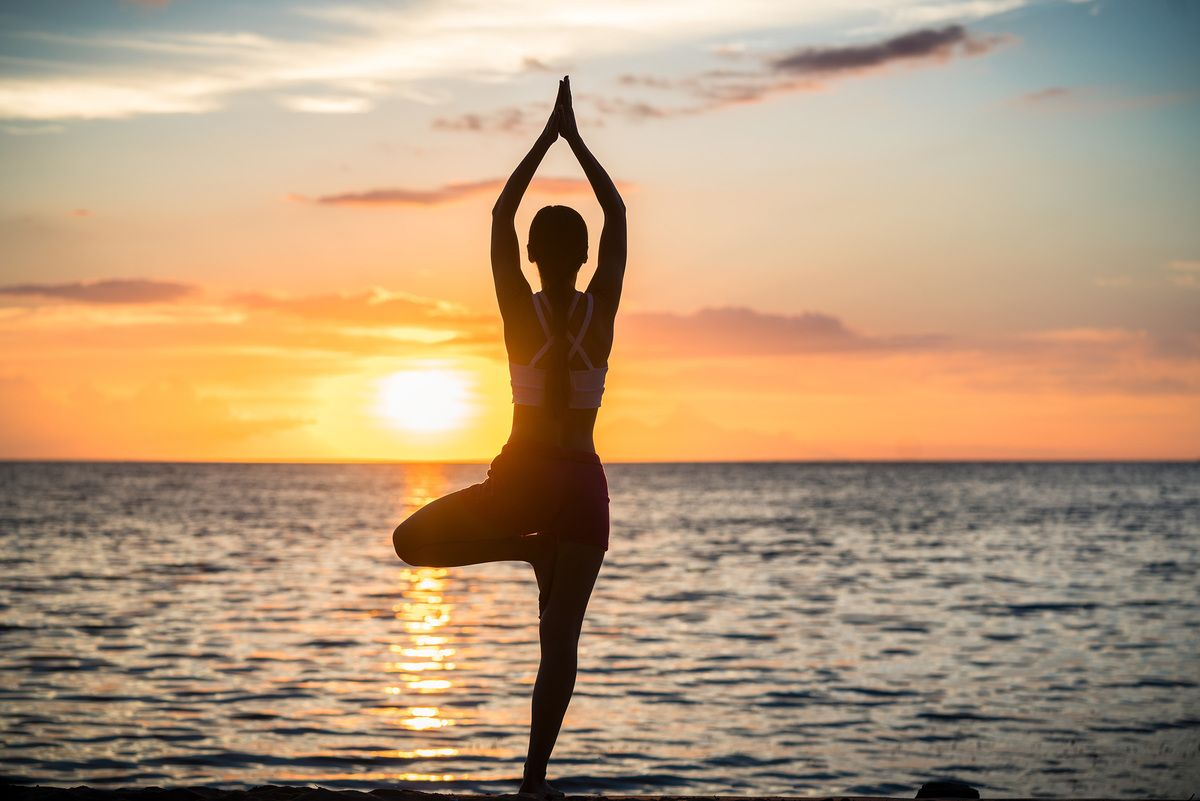

Children's yoga to recognize and transform emotions
When describing children's yoga, I often talk about "a journey of awareness at an early age for children". Our children embark on a fun journey where they explore their bodies, minds and emotions through yoga.
Although each discovery is very valuable, today I will talk about emotions. And in the continuation of my article, I will share methods that help children manage their emotions.
Why are emotions so important?
When we help children recognize their emotions at an early age, we see that they can manage their emotions more easily. Young children are more affected by their "emotional brains" than their "logic brains" and often experience big emotions.
Let's take a look at how the understanding and teachings of yoga help in recognizing and managing emotions.
**1. Recognizing and naming emotion**
The first step in not ignoring it is recognizing and naming the emotion. Before we start teaching children to manage their emotions, we must teach them to recognize and name their emotions. For example, we can't handle anger very well if we don't know we're angry!
For this, the duty of parents and teachers is to be good guides in recognizing and understanding children's emotions. You can do this by giving examples of your own feelings and emotions and ways of coping with them. For example, describe a reality you experienced. “I feel sad today because I had an argument with a friend today. I can talk to him again and express myself and listen again to what he has to say.”
Another method is to observe the emotions we notice in our children and name them for them.
For example, “I can see that you're feeling angry. It must have pissed you off that you couldn't wear your favorite shirt today because it was dirty.”
While naming the emotions, you can also benefit from the heroes in the storybooks you read together. In this way, you can explore emotions together. After reading the storybook, ask, “How do you think this hero might have felt?” question can be a good awareness exercise.
**2. Transforming emotion without magnification / Affirmations**
When was the first time adults allowed themselves to criticize themselves, to have their inner voices broadcast in the background? We may not know the answer to this question, but we do know how to change and transform these sounds at an early age for our children.
Encourage children to use positive language when talking about themselves or to have positive self-talk. For example, when they find something particularly challenging, say, “I can't do this!” They can use the phrase “I am not ready for this yet!” instead. Children who grow up with this teaching begin to look at their life experiences more logically or rationally and to react more emotionally.
Although noticing these negative expressions and suggesting positive sentences is a good method, the most enjoyable way to make positive conversations or affirmations a habit at an early age can be to use affirmations in yoga postures.
At the same time, we can express our emotions more easily by using yoga poses. When you combine it with facial expressions, you can see that there are much more effective results. When we guide children in naming emotions while doing these poses, they will be able to better recognize and name their own emotions.
For example:
I feel so strong (Warrior pose)
I'm happy today (downward-wagging dog pose)
I feel fun and energetic (monkey pose)
3. Transforming emotions through yoga poses, games and breathing
Getting moving is an incredibly useful tool, especially for releasing negative emotions. This applies to both adults and children. As adults, we may better understand this ourselves (for example, “I need a run, I'm so stressed!”), but children may need some support with this.
We can use different gestures to help children manage emotions depending on how they are feeling.
For example, for a child who is feeling angry, he might first name the emotion (anger) and then take a movement break. It can be games where movement and attention go together or accompanied by music, or it can be a dance that only the body needs. Afterwards, an active and loud breathing exercise will help to release anger along with breathing. Elephant breath and lion breath are two good breathing exercises that we can use in this sense. Check out the Minikyogees YouTube channel to learn or remember how.
When children come home from school tired, we can do slow, smooth movements and a longer deep relaxation along with deep belly breathing to unwind. You can use a light plush toy for younger children and a favorite book or item for older children while doing belly breathing.
For a worried or sad child, you can play a game of colorful pom-poms. Moving the pompoms with the feet from one corner of the room to an empty bowl is good for calming and organizing thoughts and emotions. Afterwards, you can regulate the emotion with a relaxing breathing practice such as blowing colored feathers.
**4. Breath**
In the previous section, we talked about the importance of conscious breathing in helping children manage their big emotions. Being aware of our breath and regulating and calming it with our consciousness helps us cope with our emotions. By focusing on the breath, we can begin to turn negative emotions into positive ones.
When we slow our breathing, our heart rate and blood pressure return to normal and we begin to feel less anxious or stressed. Bee breath is excellent for reducing anxiety in both adults and children. To learn how to make bee breath
Taking deep, conscious breaths fills our bodies with oxygen and can energize us when we feel tired or exhausted.
Balanced emotions and happy children…

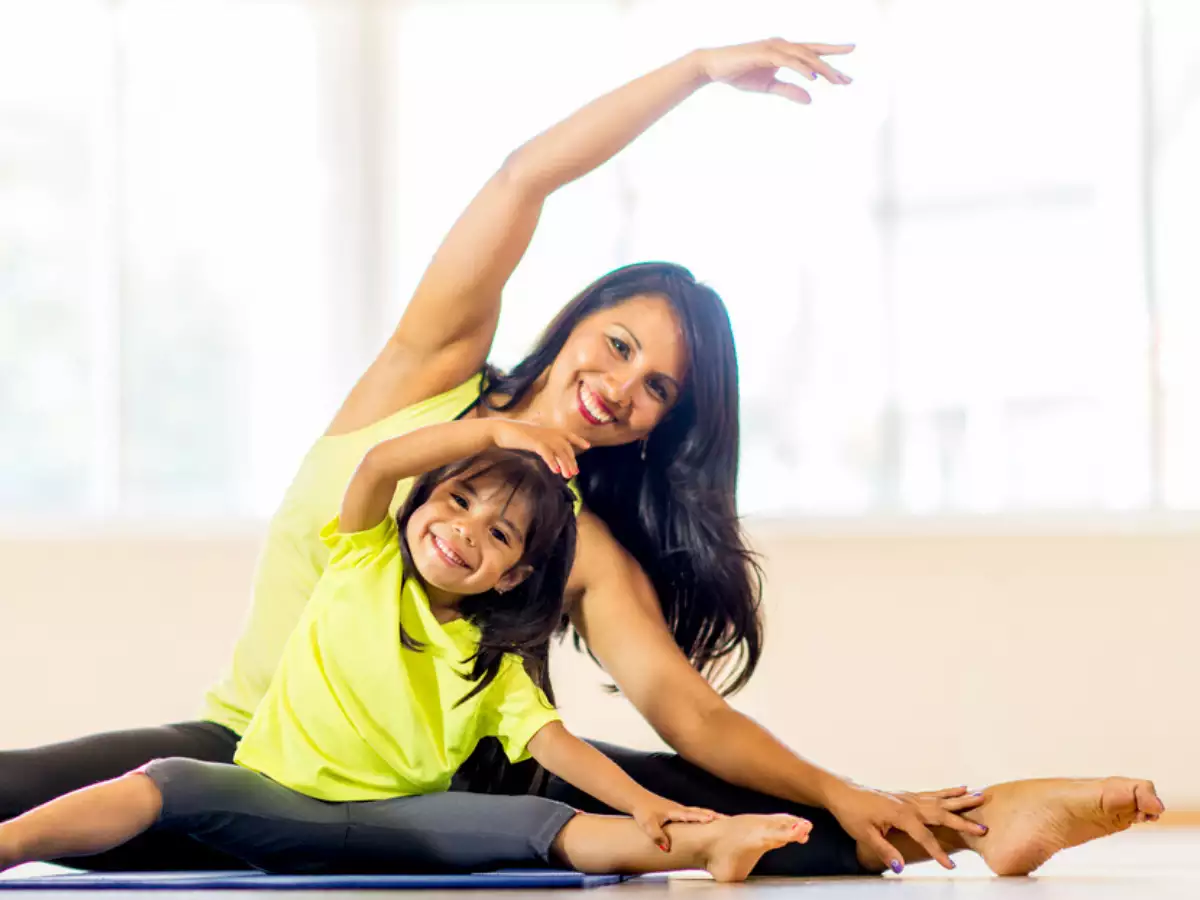
Causes of physical fatigue and ways to reduce the feeling of fatigue
One of our most important vital needs is our energy need, which gives us the impetus to carry out the metabolic activities in our body, to complete the work we need to do, and to fulfill our responsibilities during the day. When we are not feeling energetic and tired, the work of our bodily functions goes into balance. The irregularity of bodily functions, which we can count among the causes of fatigue, negatively affects our mental, physical and mental well-being, causing us to be more inefficient in our daily work, lowering our motivation and reducing our life satisfaction.
Many factors such as the responsibilities of modern life, irregular eating habits, unhealthy sleep habits, and sedentary life can cause us to feel tired, to have low energy and mood, and to decrease our performance. The feeling of fatigue, which can manifest itself with symptoms such as pain, weakness, exhaustion, and reluctance, is closely related to our mental burden as well as unhealthy living habits. In this article, we will examine in detail what physical factors cause us to feel tired and lack of energy, and ways to prevent the feeling of fatigue.
**What is physical fatigue?**
Physical fatigue, which is also called muscle fatigue, can be defined as a temporary physical disability that prevents the person from doing physical activities, in which the muscles that enable the body to move cannot perform at an optimum level. A feeling of physical fatigue may occur in cases such as lactic acid accumulating in the muscles during strenuous physical activities, insufficient oxygen to the muscle cells and inability to provide the nutrients necessary for energy production.
Causes of fatigue: Why do we feel tired?
Some habits and environmental factors such as the problems we experience with our health, some diseases, irregular and insufficient sleep, breathing problems that prevent oxygen delivery to the muscles, inability to take the nutrients necessary for cellular activity, not consuming enough water that helps to remove harmful substances from the body as a result of metabolic activities. can cause fatigue. Let's take a closer look at the reasons why we feel physically tired.
**1. Sleep habits that are not suitable for the circadian rhythm**
The circadian rhythm can be defined in its simplest form as our biological clock programmed according to daylight, which determines our sleep-wake cycle. Living habits that are not suitable for the circadian rhythm, which is a natural and internal cycle that repeats every day, are one of the most important causes of physical fatigue.
To rest, relax and slow down at night; when we expose our bodies, which are programmed to work, produce and spend energy actively during the day, to activities that will cause this cycle to be inconsistent, our energy level can be adversely affected by this situation.
One of the most important requirements of the circadian rhythm is to be asleep during the dark hours. Experts say that the hours between 22:30 and 23:00 are the hours when melatonin secretion, which allows our body to go into relaxation and resting mode; stresses that our body should stay away from all kinds of stimuli, especially light, during these hours. When we do activities such as eating, working in front of the computer, watching something during these hours, which is the time to go to sleep, we send signals to our body to stay awake and prevent it from going into resting mode. Not getting the 8 hours of sleep that an adult needs daily, especially at night when melatonin release is high, can cause the body to not be able to renew its energy and rest, thus feeling both physically and mentally tired.
**2. Not consuming enough water**
About 60% of an adult's body is made up of water. Water, which has a vital function in realizing vital functions, fulfilling the functions of the nervous system and performing metabolic activities in a healthy way, can cause physical fatigue when not consumed in sufficient quantities.
Water consists of 75% of the brain and heart, 85% of the lungs, 80% of the muscles and kidneys, 65% of our skin and 30% of our bones. Not consuming enough water, which makes up such a large part of our body, is one of the first factors that come to mind when it comes to physical fatigue and weakness. In addition to how much water is consumed, the quality of the water you drink, how suitable the pH balance is for your body, and what minerals it contains are extremely important for the proper functioning of the metabolism functions and reducing the feeling of fatigue.
**3. Sedentary lifestyle**
We have talked about the positive effects of sports and exercise on our physical health and holistic well-being in detail in many of our articles. One of the most important causes of chronic fatigue is to adopt a sedentary lifestyle.
Many activities such as sitting in front of the computer during the day, watching something while sitting down, driving, surfing social media are done while sitting and do not allow the body to move. However, since our circadian rhythm is programmed to consume energy during the day and to store energy at night, staying still during the daytime causes the stored energy to not be discharged from the body and prevents the body from going into rest and regeneration mode in the evening.
Movement also plays a vital role in burning the nutrients in the cells into energy and regulating metabolic activities. Bodily movements that accelerate blood flow, provide oxygen to the cells and renew the fluid in the joints play an extremely important role in eliminating the feeling of physical fatigue.
4. Inadequate and unbalanced nutrition
One of the most important reasons for the feeling of tiredness is that the body does not get the vitamins, minerals and nutrients it needs to produce energy. Fast-food, ready-made and packaged foods, junk foods containing chemical preservatives, processed carbohydrates and sugar sources that cause an imbalance in blood sugar are the most important reasons for our energy level to become unbalanced during the day. A diet that does not contain the vitamins, minerals and nutrients that we need to take daily can slow down the energy production in the cells and cause us to feel more tired, exhausted and sluggish. Similarly, it is quite normal to feel tired during the day if you frequently consume ingredients such as white flour, sugar, and starch, which increase blood sugar rapidly and cause a sudden decrease in energy as soon as it is depleted in the blood.
**5. Not breathing properly**
Not being able to breathe properly and properly means that our cells cannot get the oxygen they need for energy production, and carbon dioxide gas, which is a waste of metabolism, cannot be removed from the body. The decrease in oxygen in the body and the increase in carbon dioxide can cause hypoxia, which is called the inability of the cells to receive the oxygen they need. In addition to the lack of oxygen in the cells, the inability to remove carbon dioxide gas from the body can cause hypercapnia, which manifests itself with symptoms such as dizziness, shortness of breath, headache, and excessively rapid breathing.
Environmental factors such as air pollution, bad habits such as smoking, posture and posture disorders, not exercising, sedentary lifestyle, stress and anxiety can cause our body to not get the oxygen it needs and create a feeling of fatigue.
**6. Seasonal changes and diseases**
Inconsistency of our internal balance with the physical environment during seasonal transitions, temperature changes in the air, seasonal allergies, health problems and diseases can also cause us to feel tired. Sometimes, you may experience a serious feeling of tiredness even though there are no signs of illness, and you may encounter situations that you cannot understand why your tiredness is. In such a case, it may be a milder disease that does not show any symptoms in your body. Winter / seasonal transition diseases such as colds, flu, colds; seasonal allergies, celiac disease and gluten sensitivity, sleep apnea, depression, anxiety, diabetes and diabetes, thyroid problems and anemia are among the diseases that cause physical fatigue. If you think that there is a fatigue in your body for a while, but you cannot find the reason, it is a good idea to see a doctor for a possible illness.
Ways to Live Actively at Work
It is possible to stay active in business life. With the simplest movements, you can accelerate your blood flow and move the day beyond staying in a stable order. One of these trends is the desks that disrupt the stability and stability in the workplace: New types of desks that allow you to work standing up. And being at home brought by the pandemic conditions, it has been possible for many of us to listen to a long meeting or attend a training while walking. These are positive and viable changes.
**Stress management**
Healthy habits can be your savior under stress. Crisis management, project timings, important presentations will stress you out, and it's always a good and relaxing idea to have healthy habits to reduce that stress. There may be changes in our eating habits, especially during times of intense stress.
**Active ways to deal with stress**
In a certain time frame, doing business, managing and being effective in presentations and meeting expectations can be more stressful than we think. It is very important to have an active life and to eat healthy for the management of this stress.
Even if it is impossible to keep the timing, if there is an important project that we need to complete, it is not very possible to leave your desk. On the other hand, your body has started to contract from stress, so start making small movements; Pulling the shoulders up and down, making circles, making circles with your feet to unlock the joints, pulling your legs towards your stomach and stretching them forward without getting up from your seat will accelerate your blood flow, thus allowing you to relax a little.
If we are managing or producing stressful projects that are not in competition with time, one of the most basic steps to relax you in this working order may be to do yoga or pilates. These basic series of movements will accelerate your blood flow and regulate your hormones, thus providing long-term relief.
We were all participants in successive meetings, which forced us to sit on the couch. In such cases,
Stretch your neck: Add up and down tilt movement and 2-3 second pauses at the end of each movement, in the same way, rest your neck for 2-3 seconds at the last point where flexibility allows for left and right movements.
Squeeze your hips for 5-6 seconds and release again, repeat this 2-3 times.
Take little laps around the table, please feel free to do that, if you just say to people I need to get my blood flowing, it will suffice.
Extend your toes forward. You can repeat this 5-6 times for each foot.
Press your feet flat on the floor and push your heels up and release. Repeat this several times.
Tighten your abdominal muscles by exhaling, relax by taking a deep breath and exhaling slowly, and repeat again 3-4 times.
Tilt your hips while sitting, and move your hips forward and backward without compromising the alignment and integrity of your spine, while maintaining your upright position.
Another suggestion that will reduce stress at work and guide your active life is to reshape your communication with your colleagues on the basis of action.
Establishing healthy routines with coworkers
It is possible to establish healthy routines with your colleagues, both to improve your relationship, and to include staying healthy in daily routines and making it ordinary.
**Train together**
You can attend a yoga class together, and joint activities such as jogging group can be done.
**Eating healthy**
You can get culinary/cooking training about healthy living, you can try and share simple recipes together.
**Take a walk**
During the day, you can spend your coffee break or other small breaks by walking.
We said that an active life at work is possible and I shared many examples with you. We generally perceive routines as a habit of the environment, for example, you don't have to be in sportswear and on the beach to go for a walk. Most people think that they can be active if the conditions are as described, and they do not take action unless these conditions are met. This is not true, it is necessary to distinguish between moving and doing sports.

Do you know how to feed?
Not only paying attention to the diet at certain times, but maintaining a healthy eating habit throughout life is the basis of mindful eating and mindful eating.
Diversity is important in a healthy diet. A uniform diet means that we do not give our body the fuel it needs in terms of vitamins, minerals and energy. Focus on variety, nutrient density and quantity in your meals.
To diversify your diet;
Eating different colored vegetables, different legumes, starchy vegetables and green leafy vegetables
Consuming the fruit itself rather than its juice
Adding whole grain products to our diet,
If you do not have an allergy, consuming milk products such as milk and cheese,
Eating seafood, red and white meat, eggs, legumes, soy products, nuts and oilseed products
It is important to use natural oils.
The only factor that matters in all this variety is how that food makes your body feel. Internal awareness rather than information spoken by someone from the outside changes how you decide what to eat. "How?" The question is one of the most fundamental questions of nutrition awareness.
You can use these questions to find out how the food you consume gets to your body, that is, to you physically:
How did this food I eat make me feel in the past?
Did I like this feeling?
How did I feel after eating?
Do I want to feel like this again?
Did this meal give me energy, how long did it last?
It's also helpful to observe how different types of food affect your satiety levels throughout the day. Some types of food contribute to the feeling of fullness.
**Protein**
The presence of protein in your meals helps to increase your satiety level. Meat, legumes, poultry, nuts, yogurt and fish are protein-rich foods.
**Oil**
Fat contributes to toughness in two ways. First, having fat in your meal slows down digestion. Second, fat is the slowest digested part of food. It has an important role in providing a long-lasting feeling of satiety. Nuts, salad dressings (I recommend that you do not choose market-bought dressings due to additives), olive oil, butter, full-fat dairy products and avocados are foods rich in fat.
**Carbohydrate**
Carbohydrates provide bulk that increases satiety. These foods help keep your blood sugar levels stable, which is important for providing energy to your cells. Pasta, bread, rice, legumes and fruit are carbohydrate-rich foods.
**Fiber**
It is a type of carbohydrate that cannot be digested. It adds bulk to the food and slows the absorption of carbohydrates by the bloodstream. Pears, strawberries, avocados, bananas, apples, ponds, beets, broccoli, artichokes, Brussels sprouts, lentils, kidney beans, chickpeas, peas, oats, quinoa, corn, almonds, sweet potatoes, dark chocolate are foods rich in fiber.
How can you incorporate mindful eating into your life?
Read about mindful eating.
Do your shopping at local markets.
Share the nutrition awareness information you find with your colleagues at work.
Join programs, get support.
Support inviting speakers to the company on healthy eating.
Find people walking the same path.
Find people to share this journey with. Share your ideas with them. When you share your ideas, you will find that people agree and support you. Find people, groups working on Mindful eating and be sure to share your ideas with these people.

My advice to those who want to get up early
The best way to make your dreams come true is to wake up. What we call life is actually the sum of the days we live. So, where does the life of a person who lives up to 75 years old pass? 7.5 years pass at dinner. Let's call it a straight 8. This is a separate issue, spending 2.5 years with cooking. On average, 3.5 years are spent in the bathroom, 2 years on phone calls, 9 years watching television (YouTube, Netflix, social media, etc.), and even 2 years of this is spent just watching advertisements. We spend 4.5 years in traffic and an average of 25 years in business + education. Finally, if we calculate 7-8 hours a day for a 75-year-old person, exactly 26 years pass in sleep. I'm 24 and it's really unbelievable considering I've been sleeping since the day I was born. So, is there a way to increase the time we can spare for ourselves? Of course there is. Getting out of bed early. We are fighting the hardest battle of the day as soon as we open our eyes. Leaving that warm bed and starting the day... Mornings make up days and days make up a life. So missing the first train may cost more than we anticipated. The most successful people in the world and the most unsuccessful people have 24 hours. How can the outputs be so different when the inputs are the same? They say the sun never rises on a wise man. Really ? I have good advice for you to wake up before the sun.
**Ways to wake up early**
Set a goal that will get you out of bed.
Make your plans the night before the next day.
Put your alarm 1.5 meters away.
Exhaust your body during the day.
Stay away from light near sleep.
Be punctual and organized.
Do stretches when you wake up.
**1) Have you ever been in love?**
My mother used to say to me, 'Son, you will love one job and two wives in this life, otherwise you will not be able to enjoy life'. A goal, passion, or dream that will throw you out of bed to wake up. If not, why would you get out of that bed? Have a reason to lift you up again and again. Even the best wind cannot help a ship without a target.
**2) Plan the night before**
It's my favorite method. Before I go to sleep, I make a very short plan for the day I will wake up. Let my brain watch a fragment from the next day; I prepare myself physically and mentally.
**3) Social Distancing**
Especially the first month; Put your alarm at least 1.5 meters away until you have an early wake up routine. You absolutely have to stand up to silence the alarm. You can even place two different devices in the most opposite corners of your room.
**4) Do not sleep, faint**
If you are really hungry, the food you eat is the best, if you are seriously tired, the bed you sleep on will be the softest. On the days I do sports, my transition time to sleep is around 5-10 minutes, while the days I don't exercise are on average 20-25 minutes. Sports are indispensable for many benefits, including sleep.
**5) Bad friend, light**
Never make eye contact with a television or a phone within an hour before the time you plan to sleep. In addition, since melatonin is secreted in the dark, no light enters your room. When you open your eyes, your only friend is darkness.
**6) Officer life**
Try to go to sleep and wake up at the same time every day. Be almost on time. It is said that it usually takes 21 days to form a habit. Try to go to sleep and wake up at the same time for 21 days. Sleeping at a regular time is the first step to waking up at a regular time.
**7) Stretch a little**
Send the message to the body that I'm awake, it's your turn. Try to touch your toes, stretch your arms and legs, stretch well. A secret advice; If you pull the cold water out of your nose with all your might, there is no sleep :)
A guide for those who are just starting out with running
Running is a type of sport that is known to have many physical and mental benefits and seems much more effortless to practice than other types. To warm up the body before complex workouts, we jog first. Running, which is both a pre-workout warm-up and a stand-alone workout, is a very enjoyable type of exercise, especially if it is done outside. The endorphin explosion that rises in the body after running and the Runner's Head/Drunkenness* experienced after the run also make this sport attractive.
Those who decide to get up and start running on a whim are usually stuck with the following obstacles; muscle pain, bone and joint pains (especially knees and ankles), breathlessness, throat irritation from rapid mouth breathing. Of course, the hardest hurdle to deal with is taking that first step out the door.
I went through the same paths, as someone who has done professional sports for years. “What is it,” I said to myself, “you are the person who lifts 55 kilos in bench press and 90 kilos in squat, you have bounced the ball on the court for two and a half hours, sometimes you even trained twice a day. You're going to run for 20 minutes, what's wrong with that?" Do you know what happened? I CREWED HOME! My legs were shaking like jelly, my throat hurt. I couldn't climb stairs for two days because of muscle pain and my throat was swollen.
What happened to me in my case was because I was overconfident and ignoring the fact that being a volleyball player and being a runner are very different. However, almost every beginner runner faces similar problems and therefore his willpower is broken. The way to prevent this is to prepare our body for running and make a good planning before getting dressed and throwing ourselves on the streets or on the treadmill. Fortunately, it is not difficult at all to learn to enjoy the benefits of running without harming ourselves and to keep running without giving up.
In this article, I will try to explain how we should start running, how we can make running a habit, and how we can enjoy running without harming ourselves, using my own experiences. Here are the essential first steps for anyone wanting to start running.
**Find your running motivation**
Why do you want to run? The first thing to do before you start running is to find strong motivation. Is your goal to lose weight, get stronger, prepare for a marathon, or reduce your anxiety? Apart from what I have mentioned, you may have purely personal reasons, but you should find and clarify the main reason behind you wanting to run. Because when you start running, there will come a moment; Ask yourself, “Why am I putting up with this?” to get out of bed, step outside, or run for another 5 minutes. you will ask. If your answer is unclear, I can assure you that you won't be getting out of that bed the next day.
**Get a run report from your doctor**
This is the most important step I can recommend to you in this article! Do not start running until you get a running report from your family doctor or a full-fledged hospital. You have to make sure that your heart is strong enough and that you don't have any health problems that prevent you from running. If your doctor has approved, you can proceed to the next step.
**Do running specific strength exercises**
It is very important to strengthen the muscles you will need while running before running, especially if you do not have a well-established muscle mass. Do some strength training at home or in the gym with special moves recommended for runners. My suggestion is to do jogging strength exercises for at least two weeks for those who will start from scratch, and at least one week for those who are just starting out with sports. Starting to run before this time can invite injuries.
**Get suitable equipment for running**
Before you start running, I suggest you get equipment such as tights that won't make you itchy while running, a T-shirt with high nylon content that won't get wet when you sweat, and running shoes that are suitable for your foot structure. Having the appropriate equipment is even more important, especially if you're running outdoors.
You can put your belongings with you while running on the treadmill or leave them safely in the locker room. But things get a little messy when running outside. While you are running, the key to the house is in your sweatpants pocket and bangs against your leg, the wind hitting your sweaty hair makes you fall on the bed with fever. That's why you need a waist bag that won't wobble while you run, a windbreaker to protect your lungs from the wind, a hat to protect your head, and bandanas that cover your throat to protect your throat from irritation.
Be stable.
The main difference between those who make a habit of running and those who start on a whim and give up quickly is consistency. When we set out on this road, we knew that there would be obstacles in front of us. If you can persist against those obstacles, you will achieve success.
It is normal to take a break from running for a day or two in situations arising from the usual flow of life, such as muscle pain or traveling abroad. However, if these breaks are prolonged, after a while, work will lead to procrastination, laziness, and deceiving ourselves by saying, "But what if I don't run today?" The end of this is saying goodbye to running. Getting used to not running is easier than getting used to running.
In cases where you cannot go jogging, you can do strength exercises at home, albeit for a short time, in order to continue the development of your body, which is in the adaptation process, and not to accustom your brain to laziness. Continuing to train your muscles, even for 10 minutes, will help you maintain your running stability.
Increase your uptime
Your body has adapted to running, thanks to strength exercises, slowly increasing the pace, and continuing to run steadily without much. Now you are ready to do more. You can switch to normal tempo instead of jogging. You can reduce the duration of walking breaks and increase the running times. You can increase the repetitions of running + walking, for example, if you are doing 3 repetitions in the cycle of 3 minutes of running + 2 minutes of walking, increase it to 4 repetitions. If you run for 15 minutes in a cycle, you can increase it to 20, 25. If you can run 500 meters in 20 minutes (I throw) by increasing your running speed, you can try to run longer distances in the same amount of time.
Running is a life-changing sport. Making the decision to start running can be one of the best decisions you can make for yourself, as long as you keep it stable. Listen to my suggestions for your health, prepare yourself physically and spiritually and take that first step!
I would like to end my words with the following lines; Extinguish Gambling, Drugs Kills, Smoke Smoke, **SPORTS MAKES LAUGH**.
Vegan diet concerns in children
In the past weeks, there has been a discussion about families who prefer to raise their children vegan, including a few famous names, maybe you stumbled upon it on social media. Someone came out and claimed that this is not right and unethical and that it harms children. Another came out and argued the opposite. The arguments that the disputing parties put forward to defend their comments and ideas created a great confusion in the readers. I am one of those who suffer from this confusion.
My method of reaching the most accurate and reliable information on vital issues such as nutrition and health is to look at academic research and experimental data. That's what I did, for a whole week I read and researched the articles written on this subject and the comments of the specialist doctors who read these articles. In this article, I would like to share the results I have reached with you.
**Concerns about nutritional deficiencies in vegan children**
One of the two most recent studies on babies and children who were born vegan was from February 2021, and the results of that study are highly controversial. The study highlights that the low saturated fat ratios of vegan infants and children can lead to deficiencies in fat-soluble vitamins A and D. However, vitamin A values of vegan infants and children were measured at normal levels. Vitamin D values are low, but all vegan and non-vegan children participating in the experiment are children living in Northern European countries where the annual amount of sunlight is very low, and the amount of vitamin D in non-vegan infants and children is also below the required level. Thus, while the study results provide no conclusive evidence that vegan diets are harmful to infants and children, they also show the lack of longer-term studies involving larger experimental groups.
Apart from saturated fat and fat-soluble vitamins, another concern is that adequate protein intake will not be possible, because the amount of protein needed by growing children is quite different from adults. Even in children at different growth stages, the amount of protein needed can vary. However, the intake of animal meat or other animal foods is not a necessity for the intake of proteins and essential amino acids necessary for growth and development. A well-planned vegan diet, controlled by a specialist doctor and / or dietitian, is sufficient for normal growth and development in infants and children.
**Is it ethical for the parents to impose on the child what to eat and what not to eat?**
One of the focal points of the discussion in the past weeks was whether it is ethical to make such a decision without asking the child. This ethical question can be asked for both parties. Restricting sugary foods because it is harmful to health is not seen as unethical or a violation of individual freedom, as it respects the child's right to health and right to life. Therefore, removing red meat and processed meat products, which are known to be harmful and carcinogenic, and milk and dairy products, which are known to cause hormonal imbalances and cancer, and even proven to be addictive, cannot be considered against ethical and legal rules.
Parents or guardians are responsible for caring for a child until he or she comes of age and are responsible for meeting all of the child's basic needs, including nutrition and health. While current studies say that a well-planned vegan diet can be much healthier than other diets, we can't blame any parent for choosing a vegan diet for their children.
In summary, vegan nutrition in children requires care and attention in the intake of important nutritional values for growth and development. However, a controlled and well-planned vegan diet can be healthy and safe for children if parents and/or guardians are well informed.


Drink recipes that support fat burning
One of the most important steps of having a healthy body is undoubtedly to adopt healthy eating and movement habits that support the burning of excess fat accumulated in the body. Cardio exercises and working out the muscles in areas with excess fat are one of the most effective ways to support fat burning through movement. However, it is extremely important to add foods known for their fat-burning support effects to your diet, as well as moving. Exercising intensely can turn into torture for most of us, especially in the summer months when the air temperatures make it hard to even breathe. However, it is possible to have a fit body, to get rid of excess fat while reaching the healthiest state of your body, and to support the exercises you do, with the drink recipes that support fat burning in your body with their metabolism-accelerating effects while meeting your fluid needs. I have brought together beverage recipes prepared with foods that support fat burning and herbal teas for you.
**Green tea recipe with mint and lemon**
Especially if you drink it on an empty stomach in the morning, you can make a healthy and happy start to the day with green tea and mint, which will speed up your metabolism, and you can deliciously support fat burning by drinking green tea with lemon instead of lemon water.
**Materials:**
– 250 ml of water
– 2 bags of green tea
– Lemon, mint leaves, honey (optional)
Preparation of:
Put the green tea bags in boiling water and let it steep for 3 to 5 minutes.
You can consume it hot or cold by adding mint leaves, a thin slice of lemon and some honey to your tea.
**Blueberry smoothie recipe**
Blueberry, which is among the fat-burning foods with its high water and lower sugar content compared to other fruits, not only accelerates fat burning, but also indirectly supports healthy weight loss by helping to reduce bad cholesterol and balance glucose levels.
**Materials:**
– 2 cups of diced pineapple
– 2 cups of diced watermelon
– 1 cup of coconut water
– 1 bunch of spinach
– 2 cups of blueberries
– 2 green apples
Preparation of:
Add all the ingredients to the blender and mix until you get a homogeneous consistency.
If you are looking for a cold taste, you can also consume the fruits by freezing them in the refrigerator for 2-3 hours and then passing them through a blender.
**Grapefruit juice recipe**
Grapefruit, which accelerates metabolism with its abundant vitamin C, and provides long-term satiety thanks to its low calorie and abundant fiber, is another food that supports fat burning. Thanks to its fat-burning feature, grapefruit is also extremely effective in burning protein foods and being absorbed by the intestines without turning into fat.
**Materials:**
– 1 glass of grapefruit juice
– 2 teaspoons of apple cider vinegar
– 1 teaspoon of honey
– Optional pineapple or orange juice to sweeten
Preparation of:
Mix all the ingredients well and try to consume it half an hour before your main meals.
There are many smoothies or detox drinks available to help you stay fit. The ingredients in a few of these drinks that I have given you the recipe for are the ingredients that help speed up your metabolism, as you can read in their descriptions. But remember that; Losing weight or getting fit is not a race, it's a long and comprehensive process that concerns your holistic health, and fat burning is a very small part of this process.
Why should we eat slowly?
Do you eat quickly and swallow your bites without chewing enough, especially when you are very hungry? Or do you have a habit of eating your meals fast even if you are not very hungry? If your answer is yes, we can say that you are not alone. Many of us can get carried away while eating, swallow our bites big and quickly get up from the table without realizing it. However, research shows that eating fast can cause many negative conditions. The habit of eating fast, which causes undesirable consequences from digestive problems to uncontrolled weight gain, not only threatens our physical health, but also affects our mental health by triggering stress. Knowing the negative effects of eating fast unknowingly or knowing the answers to the questions why we should eat slowly can help you gain the habit of eating slowly. Let's take a closer look at the harms of fast eating and then the benefits of slow eating.
**How does fast food affect our health?**
Learning about the health effects of eating fast can be an encouragement for you to gain the habit of eating slowly. Swallowing large bites of food without chewing adequately and hastily wiping the entire plate away can lead to many health-threatening ailments.
**Obesity**
It takes about 30 minutes after eating for the brain to receive the satiety signal. When we eat fast food, it does not allow enough time for the signals of the satiety hormone to reach the brain, so we can feel that we are not full when we eat fast. For this reason, we tend to eat more as we eat fast. Eating more than the body needs can also lead to health problems that can reach obesity as well as weight gain. Many studies show that people who eat fast food have a higher risk of obesity.
**High insulin resistance**
The habit of eating fast affects holistic health negatively from different aspects. Scientific research also points out that eating fast is linked to a higher risk of insulin resistance and is the basis for a variety of metabolic disorders, from type 2 diabetes to cardiovascular diseases. A study highlights that fast eaters face a 2.5 times higher risk of diabetes than slow eaters.
**Digestive system ailments**
Eating fast food also negatively affects the digestive system. Digestive problems such as bloating and indigestion, which are perhaps the most obvious health problems, are thought to be related to fast food. If you are instantly wiping your food and experiencing indigestion problems, the reason may be fast eating fluidity. As we know, digestion first begins in the mouth and then continues in the stomach and intestines. For this reason, when the food is eaten in large bites and quickly without chewing it in the mouth, a very large part of the digestive task is left to the stomach. This situation paves the way for bloating, gas pains and similar digestive system problems.
**Choking hazard**
Another issue that adults may not worry about, but that we should pay attention to at least as much as we do for children, is the danger of drowning. Eating fast food increases the risk of choking. As adults, we need to take care to eat slowly against the danger of suffocation, just as we offer their food in small pieces, teach them to eat slowly, and show them to chew, against the danger of choking, which is perhaps one of the situations that we worry most about children's nutrition.
**İncreased stress level**
In addition to physical negativities, fast food also increases stress levels. Since all the ailments mentioned above can make you feel bad, it also paves the way for the stress you feel to increase. How possible is it to feel good with an already bloated stomach? When you consider all these, you can motivate yourself to eat slowly. In the continuation of our article, you can find what eating slowly gives us and useful tips for gaining the habit of eating slowly.
**Benefits of eating slowly**
Do you wonder what will change in your body when you start eating your meals slowly? First of all, it is important to know that the secret to eating slowly is to chew food thoroughly. Although experts say different numbers between 20-30 on this subject, the majority thinks that it is appropriate to chew food 32 times before eating. Another common recommendation is to chew harder foods such as meat and nuts 40 times, and swallow watermelon or soft, water-filled foods after 10-15 chews.
When you eat slowly by chewing your food enough, you allow the time necessary for the satiety signal to reach your brain and you can get up from the table by eating less. Therefore, you reduce the risk of unnecessary calorie intake and obesity. On the other hand, eating slowly prevents problems such as bloating and indigestion by regulating the digestive system.
In addition to physical improvements, eating slowly is also a great mindfulness exercise. Eating slowly, which is an effective practice of the concept of mindfulness, which we are accustomed to hearing in many different areas, helps you to live a more stress-free, calm and peaceful life. In addition, by bringing attention to the moment, eating with awareness also increases the pleasure of eating.
**How to gain the habit of eating slowly?**
By giving your full attention to your food, you can gain the habit of eating slowly with suggestions that will help you swallow your bite without rushing:
Do not eat your meals in front of the screen. Put your television, computer, tablet and phone aside while eating.
Drop your fork between each bite. This can help you slow down and savor every bite more.
Don't be too hungry. When you feel very hungry, you may unconsciously tend to eat faster. To prevent this, you can try a long-term feeling of fullness with healthy snacks in your snacks.
Sip your water while you eat. Drinking water during meals can help you feel full and slow down.
Make sure you chew your food adequately before swallowing. Counting how many times you chew each bite can help. Aim to chew each mouthful of food about 20-30 times.
Take small bites. Smaller bites can help slow your rate of eating and make your food last longer.
Plan your mealtimes. If you eat quickly because you can't find enough time, plan your day more effectively and try to allocate the necessary time to your meals.
All these steps can encourage you to eat more slowly. For your health, remember to chew a lot and eat slowly. Stay healthy…
Wisdom revealed through yoga
This year, I believe that our life will become easier as we realize that: We are all very different from each other and the things that are good for all of us are very different! The important thing is our courage to step on the path according to ourselves...
We all know this very well in one dimension, but we also love to look at other dialects when the inner turmoil rises/the season turns to winter. We forget that we already have all our knowledge and ask others: Where should I go? What should I eat? Who/what should I choose?
We borrow happiness by chasing whatever someone says on behalf of "healthy life". The art of being happy in 10 items, the secrets of healthy living in 10 items...
Friends, let me tell you a secret: Life is too big to fit into 10 items, and yet we are all different from each other! So everyone has 10 items to himself! But we are wasting our lives stubbornly trying to emulate the worlds we see on Instagram.
The medicine I take for my headache may not be good for you. Therefore, it will not produce "good" results if I impose the medicine I take on you as if I know a lot. What do I mean? Isn't it common knowledge that carbonated drinks and cigarettes are harmful, but spinach is good? Absolutely yes, infallible truth! Then what do I mean? If you try to quit something because someone from the outside says something is harmful, the body will necessarily replace that addiction with something else. Yoga practice, sports… Anything can be addictive. Everything that is perceived as good but “too much” can also be a product of addiction. Everything you do to get you out of here could be the product of addiction. (And in fact, this is the subject of several articles on its own!)
And when it comes to addictions, a tough, sharp, knowledgable stance is useless. A researcher who has been doing research on this subject for years says the following about addiction:
“Addiction is a response people have to trauma. The truth about why people become addicted is ignored. Their addiction is not because of the disease, but because of the pain they suffer. When people are in pain, they want to escape that pain, and that's normal.”
**Be sensitive**
But on the other hand, if you can give yourself enough time to be sensitive, kind enough, you will start to see that some things are not really good for you. When your body says no, you will stop saying yes, which is a luxury, believe me!
I used to drink a lot of Coke. There came a time when I saw very clearly that it was not good for my stomach and it has been absent in my life for many years. I don't write this as "Look how well I left it, you should too".
**As you listen, the way appears!**
This is exactly what I teach in yoga classes: Listening! If you can listen to the sensations/feelings in the body on that mat, you can do the same in life and this will be your compass.
Don't let someone tell you what's good or bad for you! One of the most fundamental things that yoga has taught me over the past 10 years is self-compassion. Because while giving handfuls of everything they wanted to the people I love, I have always been one of those who starved themselves. However, you can't give what you don't have, it's all a trick of the ego and I have a news: People think the game is real and the ego says, "I brushed my hair, but what did it do to me?" she likes to lament. He both directs and plays the scene he wrote himself. However, it is all fiction, illusion, and none of it is real.
When you really give, you don't calculate with the result, what will happen afterwards, it's already flowing. Because you are giving that center in your own center, without giving it to other things, by connecting to it with your two feet on the earth and with your heart. It is neither a giver nor a taker. It's just flowing!
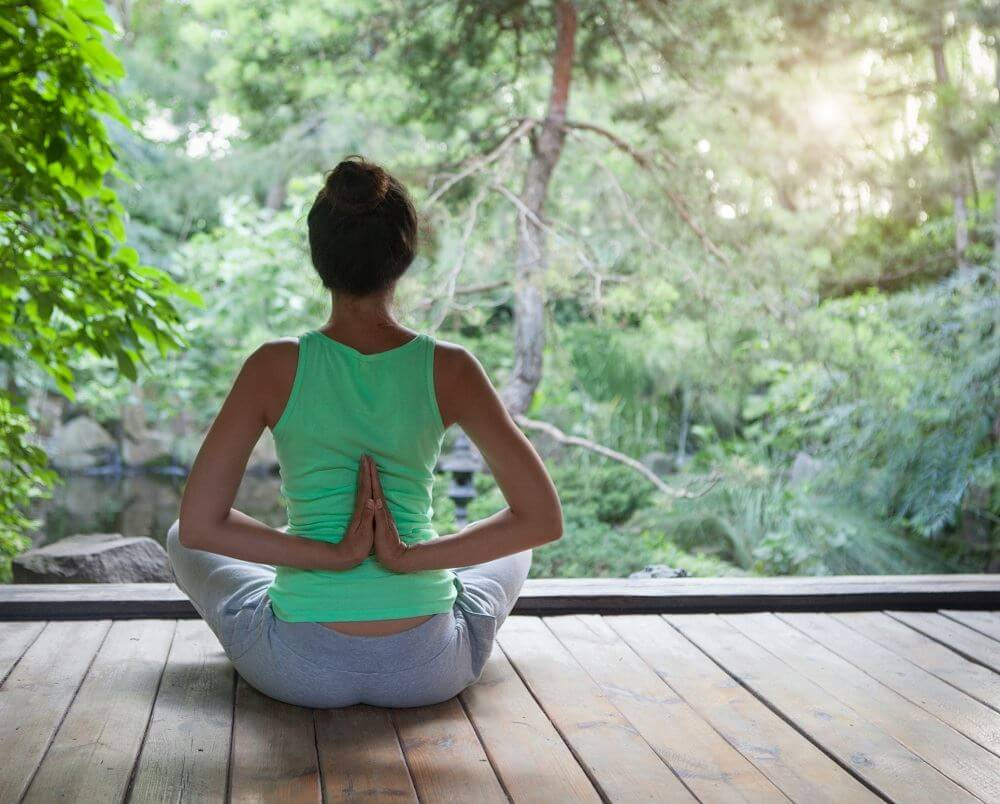
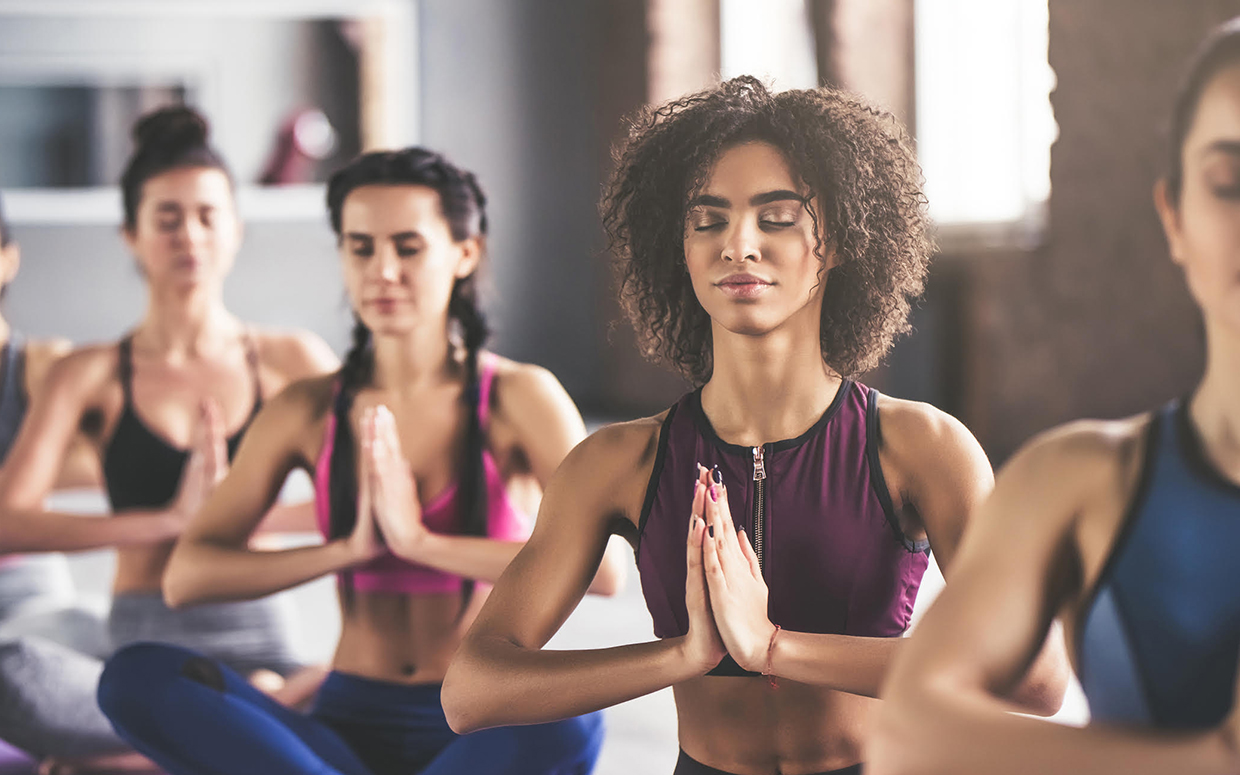
There are things we can do for our souls on the street
Today I want to talk to you about our lives on the streets. I think everyone agrees that we need to be more sensitive, especially on cold winter days. But there are also some human beings (!) who think that they are the rulers of the world, let alone expecting them to be sensitive, on the contrary, they unconsciously persecute animals to suppress their own deficiency. I can't understand this at all. How can a person torture a harmless being who cannot speak and is in need of help? This is really something my heart can't stand. What kind of perversion is this? What kind of sick spirit is this? When I hear such news, neither my mind nor my heart can take it.
Recently, while I was going somewhere outside, a dog started walking quickly next to me. When I stepped towards the dog for a little talk and petting, the dog walked away from me in a frightened state. Then he stopped for a moment and turned back. I smile and slowly take another step towards him, making eye contact. He still wasn't sure. He got scared. I was suffocating. “Who knows how they scared the animal?” I said to myself, I'm so sorry. Who knows how badly they behaved?
I came across a video recently. You've all seen it. Unfortunately, a raped dog refused to eat. The caregiver would enter her place and eat her dinner with her. Just to persuade him to eat...
Seeing news like this warms my heart. My hope is fading. Flowers bloom inside me. But when I see that dog's scared state, my words are not enough, my throat is stuck. When I come across such things, I realize once again how wrong it is to use the term "animal son of animal" as an insult.
Stray animals are our mute souls. I've never seen an animal attack anyone out of nowhere on the street. But I've seen a lot of human-like creatures that rape and torture animals out of nowhere. Moreover, they are more loyal than most people when you truly approach them with love.
We have everything, everything. We have a shelter, we live in warm houses. We have bread to eat. We have drinking water. How hard can it be to benefit them with a bowl of water and a bowl of food that we will put in front of our house? It's just that our main problem is that we can't turn our attention that way, that's all! It shouldn't be this hard to get over. Let's not forget to put a bowl of water and food in front of our door, especially on these cold winter days! Also, we should not forget to knock on the hood before starting the car, especially for animals that get under the car to warm up on these cold winter days.
Most of us are breathing with our eyes closed. He works with his eyes closed and lives with his eyes closed, he is in a turmoil. If we can be a little sensitive at the point where we can open our eyes and improve our awareness, think about it, wouldn't the world be a much nicer place?
With love...


 @liveup