 @kork75
New creation by kork75
Joined 14 May 2020 · 295 posts
Italy
120 KT
0 KT · $1.82 received · 0 KT · 55¢ given
@kork75
New creation by kork75
@kork75
New creation by kork75
 @kork75
Canzoni da riascoltare: Una storia sbagliata (Fabrizio De André) ITA🇮🇹 Il testo di “Una storia sbagliata" (https://en.wikipedia.org/wiki/Una_storia_sbagliata_(single)) rievoca la tragica vicenda di Pier Paolo Pasolini. Questa canzone fu richiesta al duo F. DeAndrè - M. Bubola come sigla per due documentari d’inchiesta sulle morti di Pasolini e di Wilma Montesi. La canzone vuole fortemente sottolineare un aspetto tragico collegato all’ignoranza della “caccia” al diverso. La canzone è interamente incentrata sulla morte di Pasolini e tratta dell'omicidio del poeta avvenuto nel 1975. Morte avvenuta in circostanze e per motivi “oscuri” e quindi da annoverarsi tra le storie "sbagliate". L'accenno al secondo omicidio avviene solo nella strofa finale: "Cos'altro vi serve da queste vite". https://www.youtube.com/watch?v=hvUOSDbVUUE **Una storia sbagliata** (Fabrizio De Andre', Massimo Bubola) É una storia da dimenticare e' una storia da non raccontare e' una storia un po' complicata e' una storia sbagliata. Comincio' con la luna sul posto e fini' con un fiume d'inchiostro e' una storia un poco scontata e' una storia sbagliata. Storia diversa per gente normale storia comune per gente speciale cos'altro vi serve da queste vite ora che il cielo al centro le ha colpite ora che il cielo ai bordi le ha scolpite. É una storia di periferia e' una storia da una botta e via e' una storia sconclusionata una storia sbagliata. Una spiaggia ai piedi del letto stazione Termini ai piedi del cuore una notte un po' concitata una notte sbagliata. Notte diversa per gente normale notte comune per gente speciale cos'altro ti serve da queste vite ora che il cielo al centro le ha colpite ora che il cielo ai bordi le ha scolpite. É una storia vestita di nero e' una storia da basso impero e' una storia mica male insabbiata e' una storia sbagliata. É una storia da carabinieri e' una storia per parrucchieri e' una storia un po' sputtanata o e' una storia sbagliata. Storia diversa per gente normale storia comune per gente speciale cos'altro vi serve da queste vite ora che il cielo al centro le ha colpite ora che il cielo ai bordi le ha scolpite. Per il segno che c'e' rimasto non ripeterci quanto ti spiace non ci chiedere piu' come e' andata tanto lo sai che e' una storia sbagliata tanto lo sai che e' una storia sbagliata. ENG🇬🇧 The text of *'A Wrong Story'* recalls the tragic story of Pier Paolo Pasolini. This song was requested from the duo F. DeAndrè - M. Bubola as the theme song for two documentary films investigating the deaths of Pasolini and Wilma Montesi. The song strongly emphasises a tragic aspect linked to the ignorance of the 'hunt' for the different. The song focuses entirely on Pasolini's death and deals with the poet's murder in 1975. His death took place in 'obscure' circumstances and for 'obscure' reasons, and is therefore to be counted among the 'wrong' stories. The second murder is only mentioned in the final verse: "What else do you need from these lives". **A Wrong Story** (Fabrizio De Andre', Massimo Bubola) It is a story to forget It is a story not to be told it's a story a bit complicated it's a wrong story It began with the moon on the spot and ended with a river of ink it's a story that's a bit predictable It's a wrong story Different story for ordinary people ordinary story for special people What more do you need from these lives now that the sky in the middle has hit them now that the sky at the edges has sculpted them. It's a suburban story It's a one-night stand story It's a rambling story a wrong story A beach at the foot of the bed Termini station at the foot of the heart a night a bit excited a wrong night Different night for ordinary people ordinary night for special people what else do you need from these lives now that the sky in the middle has hit them Now that the sky at the edges has sculpted them It's a story dressed in black it's a story from the lower empire it's a story not badly covered up it's a wrong story It's a carabinieri story it's a story for hairdressers it's a bit of a fucked-up story or it's a wrong story Different story for ordinary people ordinary story for special people What more do you need from these lives now that the sky in the middle has hit them Now that the sky at the edges has sculpted them For the sign that's left Don't tell us again how sorry you are Don't ask us anymore how it went Because you know it's a wrong story because you know it's a wrong story. Translated with www.DeepL.com/Translator (free version)
 @kork75
New creation by kork75
 @kork75
New creation by kork75
 @kork75
Canzoni da riascoltare: Bisanzio (F. Guccini) Bisanzio è l'antica città narrata da Filemazio un protomedico, matematico, astronomo e vecchio sapiente. Bisanzio è desolatamente diventata un luogo di smarrimento esistenziale, una città assurda, *“sospesa tra due mondi e tra due ere”* dove si avverte l'itinerario desolato d'una esperienza conclusa nell'ambiguità di miti ancora inesplorati. In questo contesto il saggio (mago) Filemazio si interroga ammettendo desolatamente che non ha più il coraggio per divinare il tempo che verrà. https://www.youtube.com/watch?v=gyIUah18I60 BISANZIO (F. Guccini) Anche questa sera la luna è sorta affogata in un colore troppo rosso e vago. Vespero non si vede, si è offuscata, la punta dello stilo si è spezzata. Che oroscopo sai trarre questa sera, Mago? Io, Filemazio, protomedico matematico astronomo, forse saggio. Ridotto come un cieco a brancicare attorno, non ho la conoscenza, od il coraggio per fare quest'oroscopo, per divinar responso, e resto qui a aspettare che ritorni giorno e devo dire, devo dire che sono forse troppo vecchio per capire, che ho perso la mia mente in chissà quale abuso, od ozio, ma stan mutando gli astri nelle notti d'equinozio. O forse io, forse io, ho sottovalutato questo nuovo dio, ma vedo in me e nei segni che qualcosa sta cambiando, ma è un debole presagio che non dice come e quando. Me ne andavo l'altra sera quasi inconsciamente giù al porto Bosphoreion, là dove si perde la terra dentro al mare fino quasi al niente e poi ritorna terra e non è più occidente. Che importa a questo mare essere azzurro o verde? Sentivo i canti osceni degli avvinazzati, di gente dallo sguardo pitturato e vuoto, ippodromo, bordello, e nordici soldati... Romani e Greci urlate, dove siete andati? Sentivo bestemmiare in Alamanno e in Goto... Città assurda, città strana, di quest'imperatore sposo di puttana, di plebi smisurate, labirinti ed empietà di barbari che forse sanno già la verità. Di filosofi, e di etere, sospesa tra due mondi, e tra due ere. Fortuna e età han deciso per un giorno non lontano, poi il fato chiederebbe che scegliesse la mia mano, ma... Bisanzio è forse solo un simbolo insondabile, segreto e ambiguo, come questa vita. Bisanzio è un mito che non mi è consueto, Bisanzio è un sogno che si fa incompleto. Bisanzio forse non è mai esistita, e ancora ignoro, e un'altra notte è andata. Lucifero è già sorta, e si alza un po' di vento, c'è freddo sulla torre, o è l'età mia malata, confondo vita e morte, non so chi è passata, mi copro col mantello il capo e più non sento, e mi addormento, mi addormento, mi addormento. Testo di Bisanzio di Francesco Guccini dall'album Metropolis ENG🇬🇧 Byzantium is the ancient city narrated by Philemius, a proto-medicine, mathematician, astronomer and wise old man. Byzantium has desolately become a place of existential bewilderment, an absurd city, *"suspended between two worlds and two eras "* where one feels the desolate itinerary of an experience concluded in the ambiguity of unexplored myths. In this context, the wise man (magician) Filemazio questions himself, desolately admitting that he no longer has the courage to divine the time to come. https://it.wikipedia.org/wiki/Bisanzio BISANZIO (F. Guccini) This evening too the moon has risen drowned in a too red and vague colour. Vespero cannot be seen, it has blurred, the tip of the stylus has broken off. What horoscope can you draw this evening, Wizard? I, Philemius, protomedical mathematician astronomer, perhaps wise. Reduced like a blind man to groping around, I have not the knowledge, or the courage to make this horoscope, to divine a response, and I stay here waiting for day to come, and I must say, I must say. That I am perhaps too old to understand, that I have lost my mind in some abuse or idleness, but the stars are changing on equinox nights. Or perhaps I, perhaps I, have underestimated this new god, But I see in myself and in the signs that something is changing, but it's a faint omen that doesn't say how or when. I was going the other night almost unconsciously down to the Bosphoreion harbour, where the land is lost where the land is lost in the sea until almost nothing and then returns to land and is no longer the west. What does it matter if the sea is blue or green? I could hear the obscene songs of the screwed, of people with painted and empty eyes, hippodrome, brothel, and Nordic soldiers... Romans and Greeks scream, where have you gone? I heard blasphemy in Alamanno and in Goto... Absurd city, strange city, of this emperor spouse of a whore, Of immense plebs, labyrinths and impieties. Of barbarians who perhaps already know the truth. Of philosophers, and of ether, suspended between two worlds, and between two ages. Fortune and age have decided for a not distant day, then fate would ask that my hand choose, but... Byzantium is perhaps only an unfathomable symbol, secret and ambiguous, like this life. Byzantium is a myth that is not usual for me, Byzantium is a dream that becomes incomplete. Byzantium perhaps never existed, and I still ignore it, and another night has gone by. Lucifer has already risen, and a little wind rises, there is cold on the tower, or is it my sick age, I confound life and death, I know not who has passed, I cover my head with my cloak, and hear no more, and I fall asleep, I fall asleep, I fall asleep. Translated with www.DeepL.com/Translator (free version)
 @kork75
New creation by kork75
 @kork75
New creation by kork75
 @kork75
New creation by kork75
 @kork75
New creation by kork75
 @kork75
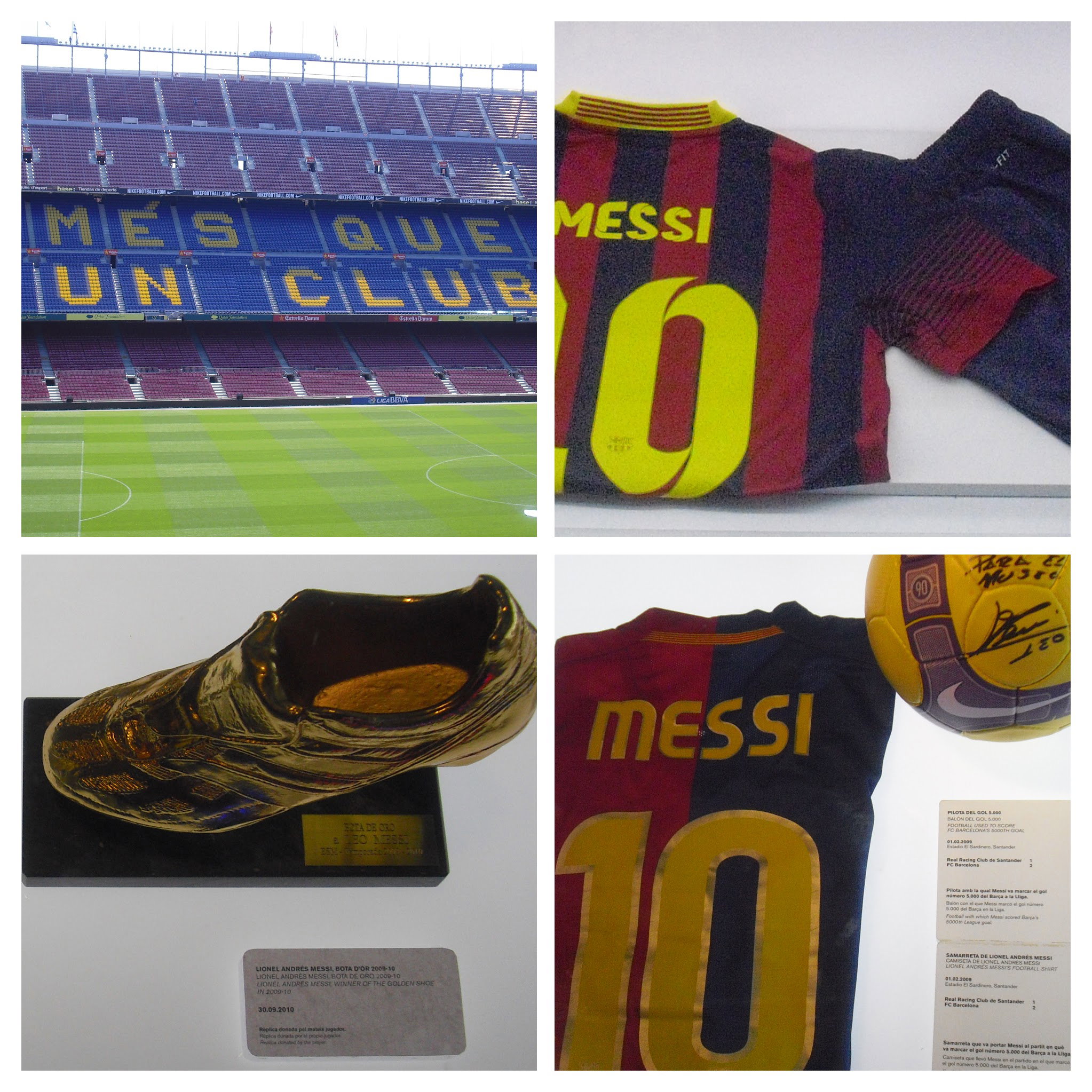
Il salto della pulce ITA🇮🇹 È considerato l’erede di Maradona, fu proprio il "Pibe" il primo a dirlo, ma qualcuno nutriva dubbi, poi a dribbling, a gol a palate, a scarpe e palloni d’oro adesso tutti concordano: Leo Messi è il più forte in assoluto. Ora però per la “Pulce” arriva il bello, è giunta l'ora di salutare Barcellona. Sarà strano vedere il Barcellona senza Messi, ma con il tempo ci abitueremo. Messi ha trascorso quasi due decenni con i colori blu-grana cuciti addosso. Arrivato dall'Argentina bambino, per giocare nelle giovanili del Barça, ha fatto il suo debutto in prima squadra ancora adolescente per poi disputare 17 stagioni continuative con la prima squadra. Un giocatore che ha dato tantissimo al calcio catalano aiutando il Barcellona a vincere la Champions League (quattro, l'ultima nel 2015) e il campionato spagnolo per ben 10 volte più diversi titoli nazionali e internazionali. Nella sua conferenza di saluto al club il calciatore ha evitato di parlare specificamente del suo futuro, dicendo però di aver ricevuto delle offerte. Il Paris Saint-Germain è considerato dai media il favorito per ingaggiarlo. Vedremo... (FC Barcelona Museum - photo property of the author) ENG🇬🇧 He is considered Maradona's heir, it was the 'Pibe' himself who first said so, but some had doubts, then when it came to dribbling, goals, shoes and golden balls, everyone agreed: Leo Messi is the strongest ever. But now the best part comes for the 'Flea': it's time to say goodbye to Barcelona. It will be strange to see Barcelona without Messi, but with time we will get used to it. Messi has spent almost two decades with the blue-grana colours sewn on. Arriving from Argentina as a child to play in Barça's youth academy, he made his first-team debut as a teenager and then played 17 continuous seasons with the first team. A player who has given so much to Catalan football by helping Barcelona win the Champions League (four, the last in 2015) and the Spanish league 10 times plus several national and international titles. In his farewell conference to the club, the player avoided talking specifically about his future, however, saying that he has received offers. Paris Saint-Germain are considered by the media to be the favourites to sign him. We will see... Translated with www.DeepL.com/Translator (free version)
 @kork75
New creation by kork75
 @kork75
New creation by kork75
 @kork75
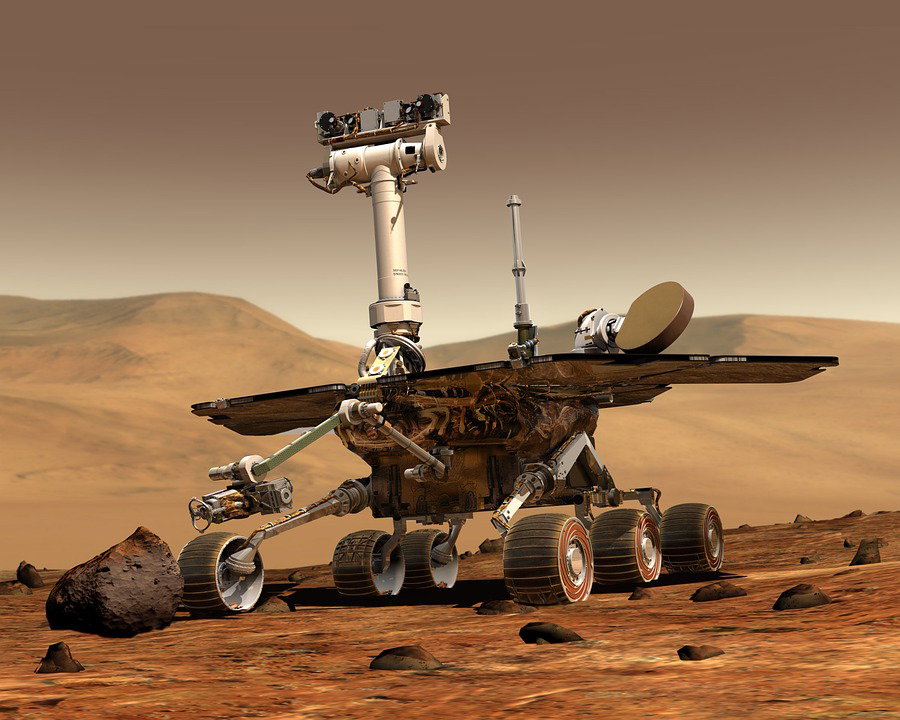
Mars Dune Alpha ITA🇮🇹 “The Martian” è un bellissimo film basato sul romanzo “L'uomo di Marte” di Andy Weir. Il film narra le vicende dell’astronauta Mark Watney, interpretato da Matt Damon, che a seguito di una tempesta viene considerato morto e per questo abbandonato dal suo equipaggio. Miracolosamente però Watney era sopravvissuto. L'astronauta si ritrovò così solo in un ambiente ostile e con scarse provviste. Watney usò tutto il suo ingegno, la sua arguzia e il suo spirito di sopravvivenza per trovare un modo per segnalare alla Terra che era ancora vivo. Vuoi trovare il Matt Damon che è in te e passare un anno a fingere di essere rimasto isolato su Marte? La NASA ti offre questa opportunità. L’agenzia spaziale americana infatti, per prepararsi all'eventuale invio di astronauti sul pianeta rosso, ha iniziato a raccogliere candidature per trovare quattro persone disposte a vivere per un anno intero all’interno di “Mars Dune Alpha”.(https://www.nasa.gov/feature/nasa-is-recruiting-for-yearlong-simulated-mars-mission) ENG🇬🇧 "The Martian" is a beautiful movie based on the novel "The Man from Mars" by Andy Weir. The movie tells the story of astronaut Mark Watney, played by Matt Damon, who after a storm is considered dead and therefore abandoned by his crew. Miraculously, however, Watney survived. The astronaut found himself alone in a hostile environment with few supplies. Watney used all his ingenuity, wit and survival skills to find a way to signal to Earth that he was still alive. Want to find your inner Matt Damon and spend a year pretending to be isolated on Mars? NASA is offering you that opportunity. The American space agency, in preparation for sending astronauts to the red planet, has started collecting applications to find four people willing to live for a whole year inside "Mars Dune Alpha". https://pixabay.com/it/photos/marte-mars-rover-viaggio-spaziale-67522/ ITA🇮🇹 “Mars Dune Alpha” è un habitat marziano di 1.700 metri quadrati, creato da una stampante 3D e situato all'interno del Johnson Space Center di Houston. La NASA sta pianificando tre di questi esperimenti di sopravvivenza “marziana”: il primo inizierà nell'autunno del prossimo anno. I volontari, assunti dalla NASA, lavoreranno a una missione simulata completa di passeggiate spaziali. Le comunicazioni con il mondo esterno saranno limitate alle emergenze, il mangiare e le risorse razionate e le giornate dei quattro “marziani” scandite da continue esercitazioni. Il cibo sarà tutto spaziale e pronto da mangiare. Alcune piante verranno coltivate all’interno della struttura, ma non le patate come nel film "The Martian". I requisiti per potersi candidare sono rigorosi, tra cui un master in un campo scientifico, ingegneristico o matematico, inoltre è richiesta una pregressa esperienza di pilota di aeromobili. Sono ammissibili solo i cittadini americani o i residenti permanenti negli Stati Uniti. I candidati devono avere tra i 30 e i 55 anni e un' ottima salute fisica. "Vogliamo capire come si comportano gli esseri umani in situazioni realistiche di vita su Marte", ha affermato la NASA. Il processo di selezione dei candidati dimostra che la NASA sta cercando persone simili agli astronauti che un giorno andranno realmente su Marte. ENG🇬🇧 "Mars Dune Alpha" is a 1,700 square metre Martian habitat, created by a 3D printer and located inside the Johnson Space Center in Houston. NASA is planning three such 'Martian' survival experiments, the first of which will begin in the autumn of next year. Volunteers, recruited by NASA, will work on a simulated mission complete with spacewalks. Communication with the outside world will be limited to emergencies, food and resources will be rationed, and the days of the four 'Martians' will be punctuated by constant drills. All food will be space food and ready to eat. Some plants will be grown inside the facility, but not potatoes as in the film 'The Martian'. The application requirements are strict, including a master's degree in a scientific, engineering or mathematical field, and previous experience as an aircraft pilot. Only US citizens or permanent residents of the United States are eligible. Applicants must be between 30 and 55 years old and in excellent physical health. "We want to understand how humans behave in realistic situations of life on Mars," NASA said. The candidate selection process shows that NASA is looking for people similar to astronauts who will one day actually go to Mars. Translated with www.DeepL.com/Translator (free version)
 @kork75
New creation by kork75
 @kork75
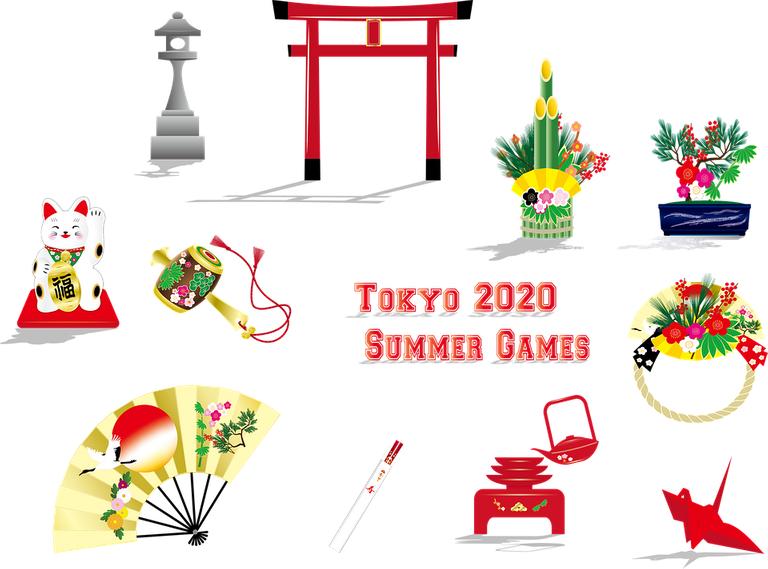
Tokyo 2020 "Victory bouquet" ITA🇮🇹 Una medaglia olimpica ha un significato che va oltre a un dischetto di metallo destinato a ricordare un’ impresa atletica. La medaglia è la massima aspirazione per ogni atleta, qualunque sia la sua provenienza e la disciplina praticata, è un simbolo, oltre che un ornamento di elevato valore, sia artistico, economico e sociale. Oro, argento o bronzo sono i riconoscimenti più ambiti dagli sportivi olimpici di tutto il mondo; conferimenti che pongono le loro fondamenta tra la storia e la leggenda dello sport. Ma il mazzo di fiori, che ogni vincitore di medaglia riceve alle Olimpiadi di Tokyo ha un significato altrettanto profondo. https://pixabay.com/it/illustrations/giapponese-icone-tokyo-2020-4918322/ I girasoli, e tutti gli altri fiori del mazzo, provengono dalla regione nordorientale di Tohoku che nel 2011 è stata pesantemente colpita dal terremoto, dallo tsunami e dalla successiva fusione di tre reattori nucleari (Disastro nucleare di Fukushima Dai-ichi). Circa 18.000 persone perirono nella catastrofe che colpì le prefetture di Iwate, Fukushima e Miyagi. A Fukushima un'organizzazione senza scopo di lucro iniziò negli anni successivi alla tragedia a piantare fiori sperando di risollevare il morale della popolazione della zona. Molte delle fioriture infatti sono state coltivate su terreni agricoli abbandonati dopo che le vendite di frutta e verdura crollarono a causa del disastro nucleare. Da Miyagi arrivano i luminosi fiori gialli: in perenne ricordo delle vittime alcuni genitori piantarono girasoli sulla collina dove i loro figli cercarono invano rifugio dallo tsunami. Le serre di Iwate, note per la produzione di genziane, hanno donato i loro famosi fiori blu indaco per entrambi i bouquet sia olimpici che para-olimpici. https://it.wikipedia.org/wiki/Disastro_nucleare_di_Fukushima_Dai-ichi ENG🇬🇧 An Olympic medal has a meaning that goes beyond a metal disc commemorating an athletic feat. The medal is the highest aspiration for every athlete, whatever his or her origin and the discipline practised; it is a symbol as well as an ornament of high artistic, economic and social value. Gold, silver or bronze are the most coveted awards for Olympic sportsmen and women throughout the world; awards that lay their foundations in the history and legend of sport. But the bouquet of flowers that every medal winner receives at the Tokyo Olympics has an equally profound meaning. The sunflowers, and all the other flowers in the bouquet, come from the northeastern Tohoku region, which in 2011 was severely affected by the earthquake, tsunami and subsequent meltdown of three nuclear reactors (Fukushima Dai-ichi Nuclear Disaster). About 18,000 people perished in the disaster, which affected the prefectures of Iwate, Fukushima and Miyagi. In Fukushima, a non-profit organisation began planting flowers in the years following the tragedy in the hope of boosting morale in the area. Many of the flowers were grown on abandoned farmland after sales of fruit and vegetables plummeted in the wake of the nuclear disaster. From Miyagi come the bright yellow flowers: in perpetual memory of the victims, some parents planted sunflowers on the hill where their children sought refuge from the tsunami in vain. The greenhouses in Iwate, known for their gentian production, donated their famous indigo blue flowers for both the Olympic and Paralympic bouquets. Translated with www.DeepL.com/Translator (free version)
 @kork75
New creation by kork75
 @kork75
New creation by kork75
 @kork75
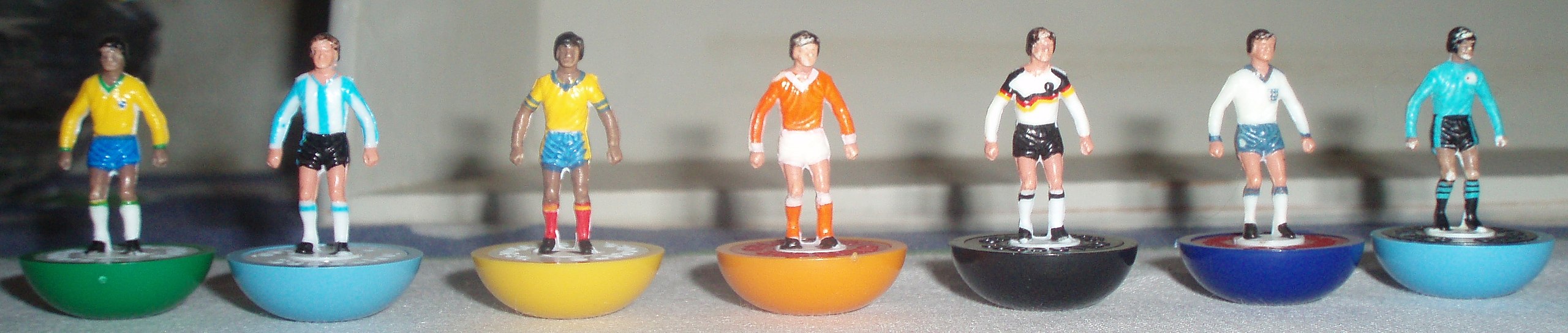
The world's most popular football simulation game ITA🇮🇹 C’era una volta un gioco che non mi faceva bruciare gli occhi, non mi ipnotizzava la mente e mi dava della sana dipendenza di quella che non faceva male: il gioco si chiamava Subbuteo (https://it.wikipedia.org/wiki/Subbuteo). Inventato negli anni Sessanta in Inghilterra ad imitazione del football era il gioco di simulazione calcistico più famoso al mondo. Per giocarlo bastava un amico, un panno verde, una pallina, due porte e ventidue statuine con la base bilanciata. Per essere bravi serviva un po’ di allenamento e tanta buona volontà. Qualcuno lo chiama “il calcio a punta di dito”, perché si gioca con le dita oppure "calcio da tavolo", visto che le partite si disputano non “incrociando i tacchetti”, bensì sopra un asse dove viene apposto il campo da gioco. Il Subbuteo conquistò generazioni e generazioni di giovani (oggi più o meno tutti come me sugli “anta”), vennero fondate federazioni e anche il più scarso giocatore aveva la sua squadra personale con gli stessi colori della squadra del cuore. Noi adolescenti giocatori di subbuteo eravamo quasi dei *“professionisti”*, ci allenavamo tutti i giorni. Le caratteristiche che dovevi avere per essere un buon giocatore era anzitutto la calma, poi era indispensabile possedere una buona tecnica per riuscire a controllare la potenza e la precisione del colpo. Mi ricordo che si curavano con maniacale precisione gli *“omini”* in plastica che componevano le squadre. Una confezione di subbuteo, costava sulle 70 mila e conteneva due squadre, il panno, tre palloni e le porte. La mia era la *“SUBBUTEO WORLD CUP EDITION MEXICO 86”*, inoltre era possibile ampliare la struttura con tribune, giocatori di riserva ed altri gadget. Poi arrivarono i videogame: *“Sensible Soccer”*, ma questa è un’altra storia. ENG🇬🇧 Once upon a time there was a game that didn't burn my eyes out, didn't hypnotise my mind and gave me a healthy addiction of the kind that didn't hurt: the game was called Subbuteo (https://it.wikipedia.org/wiki/Subbuteo). Invented in England in the 1960s in imitation of football, it was the most famous football simulation game in the world. All you needed to play it was a friend, a green cloth, a ball, two goals and twenty-two figurines with a balanced base. To be good at it, you needed some training and a lot of good will. Some people call it "fingertip football", because it is played with the fingers, or "table football", since the games are played not by "crossing the studs", but on a board where the playing field is placed. Subbuteo conquered generations and generations of young people (nowadays more or less all of them, like me, are in their golden years), federations were founded and even the least talented player had his own team with the same colours as his favourite team. We teenage subbuteo players were almost 'professionals', we trained every day. The characteristics you had to have to be a good player were, first of all, calmness, and then it was essential to have a good technique to be able to control the power and precision of the shot. I remember how painstakingly the plastic "little men" that made up the teams were made. A pack of subbuteo cost about 70,000 and contained two teams, the cloth, three balls and the goals. Mine was the "SUBBUTEO WORLD CUP EDITION MEXICO 86", and it was also possible to expand the structure with stands, reserve players and other gadgets. Then came the video games: 'Sensible Soccer', but that's another story. Translated with www.DeepL.com/Translator (free version)
 @kork75
Strawberries ITA🇮🇹 Tra i migliori frutti estivi c’è la fragola. La fragola, questo frutto delizioso e ricco di vitamine, occupa un posto di rilievo nelle coltivazioni ortofrutticole del nostro Paese. La sua produzione, soprattutto dovuta ad impianti specializzati, è concentrata nelle regioni del Nord Italia, specialmente in Piemonte, Emilia e Veneto, ma si sta diffondendo anche nel resto della penisola. Dove ci sono le più favorevoli condizioni climatiche, è possibile ottenere produzioni unitarie eccezionali, anche dell'ordine di 300 quintali ad ettaro. ENG🇬🇧 Among the best summer fruits is the strawberry. The strawberry, this delicious and vitamin-rich fruit, occupies an important place in the fruit and vegetable crops of our country. Its production, mainly due to specialised plantations, is concentrated in the regions of northern Italy, especially in Piedmont, Emilia and Veneto, but is also spreading to the rest of the peninsula. Where there are the most favourable climatic conditions, it is possible to obtain exceptional unit productions, even of the order of 300 quintals per hectare. ITA🇮🇹 Come condire le fragole? E poi… Sono migliori le piccole fragole di bosco o quelle grosse da giardino e di coltivazione? E' una vecchia discussione. In realtà le due qualità hanno singolari pregi, la preferenza diviene una questione strettamente personale. Essenziale è che venga eseguito un accurato lavaggio per liberarle da residui di terra e da Impurità. Il lavaggio può essere fatto Indifferentemente con acqua fredda o vino od anche con acqua acidulata con limone o aceto a seconda del condimento che si sceglierà. Vari sono stati i condimenti studiati per le fragole. Generalmente vengono associate a vino, rosso o bianco, e ricoperte di zucchero. Si usa sovente il marsala o in genere molti liquori non secchi. Allo stesso modo si può usare, lo, champagne ed è questa una associazione di alta, classe e di sicuro risultato. ENG🇬🇧 How to season strawberries? Also... Are small wild strawberries better or large garden and cultivation strawberries? This is an old debate. In reality, the two qualities have their own unique merits, so preference becomes a strictly personal matter. It is essential that they are thoroughly washed to free them from soil residues and impurities. Washing can be done indifferently with cold water or wine, or even with water acidulated with lemon or vinegar, depending on the seasoning chosen. Various seasonings have been developed for strawberries. Generally they are combined with wine, red or white, and covered with sugar. Marsala or many non-dry liqueurs are often used. Similarly, champagne can be used, and this is a high-class association that is sure to bring results. ITA🇮🇹 Ugualmente le fragole sono buone condite con un poco di latte e zucchero o servite su un morbido strato di panna montata ed In zuccherata. In particolare, se si tratta di fragoline di bosco, ottimo è il condimento con succo di limone o di arancia od anche di un misto di limone ed arancia. Qualunque sia il condimento adoperato, ottime con il gelato, sarà bene tenere le fragole, dopo averle preparate, per un palo di ore in frigorifero per poterle portare in tavola fredde ciò che le rende anche più gradite. ENG🇬🇧 Strawberries are also good topped with a little milk and sugar or served on a soft layer of whipped cream and sugar. In particular, if they are wild strawberries, they are best dressed with lemon or orange juice or a mixture of lemon and orange. Whatever the seasoning used, they are excellent with ice-cream, but it is a good idea to keep the strawberries in the fridge for a few hours after preparation so that they can be brought to the table cold, which makes them even more delicious. Greetings by kork75👋
 @kork75
Dog friend (Simba) ENG🇬🇧 Dog owners at best regard their four-legged friend as a servant who is always ready to obey, in exchange for a caress and some food. But the dog has a very distinct personality, which differs so much from one individual to the next that each dog has a very specific social role. ITA🇮🇹 I padroni dei cani, nel migliore dei casi, si limitano a considerare il loro amico a quattro zampe come un servo sempre pronto a obbedire, in cambio di una carezza e un po' di cibo. Ma il cane possiede una personalità molto spiccata e ben differenziata da individuo a individuo, al punto da conferire a ognuno di essi un ruolo sociale ben preciso. ENG🇬🇧 In addition, each dog has its own infinitely richer conception of the world than those who keep it on a leash imagine. ITA🇮🇹 Inoltre ogni cane ha una sua concezione del mondo infinitamente più ricca di quanto immagina chi lo tiene al guinzaglio. ENG🇬🇧 The dog is not just a creature perpetually devoted to obedience, passively limited to making himself welcome, not dirtying in the house, receiving food and wagging his tail in gratitude. All this is only a pale shadow of what the dog can do when allowed to express itself and behave in the most natural and spontaneous way. ITA🇮🇹 ll cane non è soltanto una creatura perennemente votata all'obbedienza, passivamente limitata a rendersi gradita, a non sporcare in casa, a ricevere cibo e a scodinzolare di gratitudine. Tutto ciò è soltanto una pallida ombra di quello che il cane può fare quando gli si consente d'esprimersi e di comportarsi nella maniera più naturale e più spontanea. ENG🇬🇧 For the dog to be able to express itself truthfully, however, there must be a very deep mutual understanding between man and animal. ITA🇮🇹 Affinché il cane possa manifestarsi con verità è però necessario che tra uomo e animale ci sia una conoscenza reciproca molto profonda. *Translated with www.DeepL.com/Translator (free version)*
 @kork75
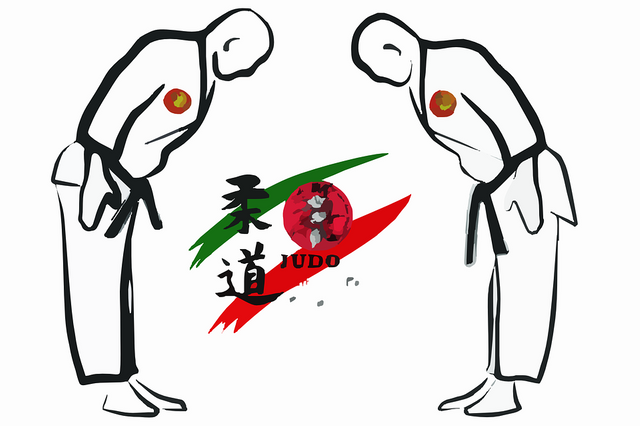
Il maestro di judo (un racconto by kork75) Zia Assunta quando vide i lividi del nipote cercò di mettere in guardia la sorella; considerava il judo troppo pericoloso per un bambino di soli sette anni, ma la madre del piccolo Antonio gli rispose: *“Non più di altri sport”*. Da allora sono passati trent’anni, tanti da quando Antonio mise per la prima volta i piedi sul tatami. Oggi Antonio è un rispettabile *“samurai”* erede degli antichi maestri giapponesi, e tre sere a settimana ripete il suo rituale: esce di casa con la sacca sulle spalle e va al Dojo, dove al tramonto una trentina di giovani in kimono imparano a “difendersi” mantenendosi in forma. Via giacca e camicia, o tuta e berretto, ed eccolo in kimono con la cintura stretta ai fianchi salire sul tappeto chinando il capo per salutare i suoi allievi. Terminato il riscaldamento impartisce rudimenti ai novizi, per poi passare agli allenamenti personalizzati con gli altri judoka. https://pixabay.com/it/vectors/prua-arti-marziali-obeisance-judo-295101/ Per Antonio le arti marziali sono un continuo progredire con la sua personalità, un vero proprio stile di vita, ma se ripensa alla sua adolescenza sorride pensando che per molti ragazzi la passione nasce da patetiche fantasie. *“Credono che dopo dieci lezioni sia possibile stendere tre persone con uno sguardo, distruggere un tavolo col taglio della mano, cavare gli occhi al nemico con due dita. Certi film, la voglia di trionfare sul bullo della scuola o il bisogno di emergere spingono a cercare cose che con le arti marziali non c'entrano”*, sono le frasi che ripete continuamente ai genitori che portano in palestra i loro figli. Lui oggi è un istruttore e deve capire gli allievi, guidare, formare, trasmettere i contenuti delle arti marziali, non soltanto le tecniche. Limitarsi a incitare un bimbo perché sbatta a terra i compagni significa dargli un'immagine distorta di quello che sta facendo. Chi insegna soltanto a colpire crea atleti e persone sbagliate. Antonio non mai pensato al judo come a un'arma per lottare o sostenere risse, e crede che ormai non lo pensi più nessuno dei suoi allievi. Tutti, più o meno come lui, sono arrivati al Dojo casualmente, molti perché il dottore lo consiglia ai genitori come sport per irrobustire il bambino, ma solo il tempo dirà chi per sempre resterà in kimono rapito dalla nobile arte del judo. *“Non esiste più gente che pratica con filosofia”*, commenta Antonio ai suoi allievi seduti a terra. *“Chi fa questo sport, adesso, lo fa come qualsiasi altro: calcio, tennis o basket che sia. Si pensa a far bene, a vincere, magari ad andare alle Olimpiadi o a conquistare un titolo italiano o mondiale che sia, ma mai a picchiarsi. Io, personalmente, non credo di aver mai litigato con nessuno in vita mia, ed è stato sicuramente un bene”*. Gli allenamenti oggi sono sospesi, ma la palestra è stracolma anche se è una calda mattina estiva. Tutti i suoi ragazzi sono con il naso rivolto alla TV appesa alla parete: ci sono le Olimpiadi e il campione italiano di Judo, ex allievo di Antonio all’età di dodici anni, sta per affrontare un fortissimo giapponese. Il nipponico sovrasta di corporatura l’italiano e un bambino lo ribattezza *“Hulk”*. *“Né Bruce Lee né Hulk, solo il più forte al mondo. Uno straordinario atleta. I judoka che raggiungono i più alti livelli di competizione, sono atleticamente notevoli, dotati di qualità fisiche e morali eccezionali. Un esempio”*, pronuncia Antonio sorridendo. Infatti per lui l’importante e che i suoi ragazzi siano sportivi veri, in perfette condizioni fisiche, e che si allenino divertendosi con passione e professionalità. L’incontro ha inizio e l’italiano è in difficoltà, ma con una mossa inaspettata l'azzurro guadagna punti mandando in estasi la palestra. Antonio commenta soddisfatto il meraviglioso *“yuko”* dell’italiano: *“Il Judo è una disciplina basata sul principio dell'impiego del minimo di energia, per ottenere la maggiore efficacia, utilizzando la forza del peso dell'avversario contro se stesso… Il nostro campione in questo è mastro!”*. Saluti by kork75
 @kork75
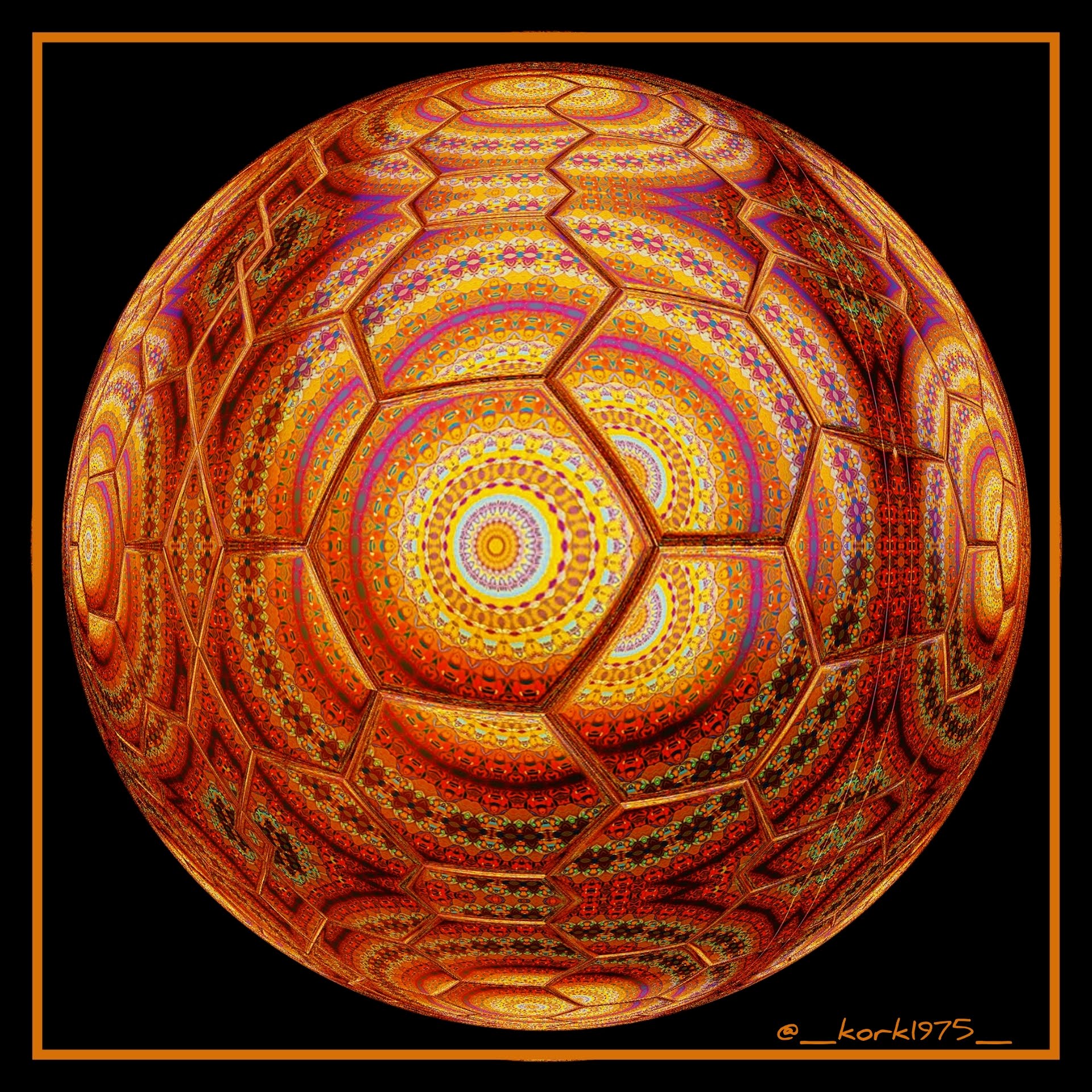
Nuova creazione di kork75 NUOVA CREAZIONE di @_kork1975_ Ciao, ecco la mia ultima creazione digitale👨🎨. ITA🇬🇧 “Modifico le mie fotografie con il fotoritocco digitale (le immagini vengono sistemate, modificate, montate, attraverso programmi di elaborazione e app). I miei scatti diventano opere d'arte originali, moderne e sorprendenti. La tecnica utilizzata si basa su immagini (fotografie) che sovrappongo, clono o trasformo, modificando caratteristiche come forma, colore, ombra e dimensione utilizzando moduli decorativi e altro ancora. Tutto questo per suscitare un'emozione innescata dalla mia sensibilità, tutta, utilizzando i miei ricordi fotografici. Con questa forma d'arte creativa, esprimo i miei sentimenti più intimi in questo modo. Con queste mie creazioni digitali, mi sento libera e ispirata a disegnare e creare ciò che mi piace e cerco di trasmetterlo a chi guarda le mie composizioni”. 📱App Android utilizzate: filtri artistici; Laboratorio fotografico; colpo finale; Comica "Cervello di gioco"; Specchio Lab "Ilixa"; picsk_official; Adobe Photoshop Express; Editor di foto Pro (InShot Inc.); StoriaZ; XEFX Pro; Laboratorio di arte del mosaico. Seguimi su Instagram **https://www.instagram.com/_kork1975_/** e su Pinterest **https://www.pinterest.it/kork75/_created/** Hive.blog **https://hive.blog/@kork75/posts** Saluti da kork75👋
 @kork75
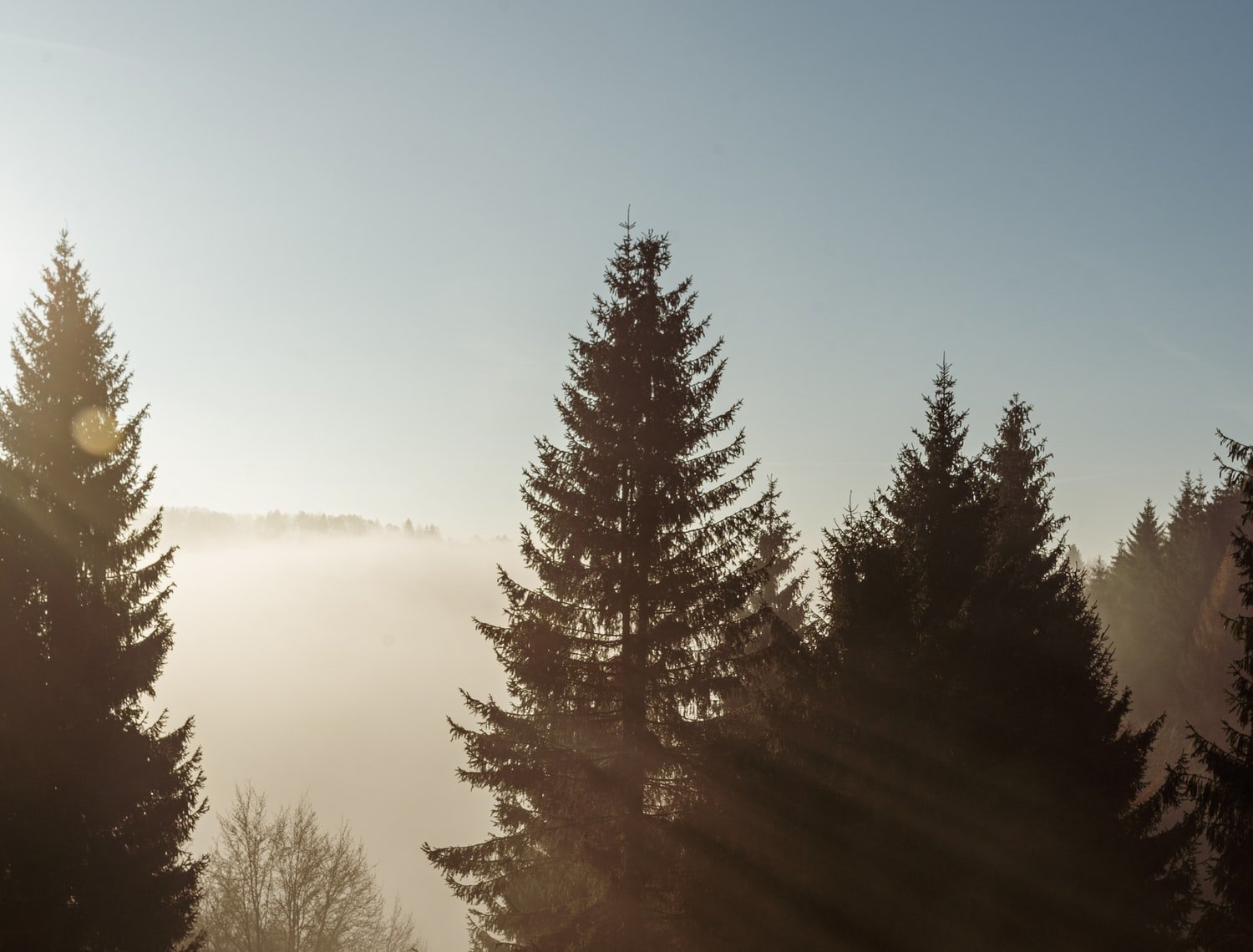
Il cacciatore Filippo sapeva benissimo che cosa era: un cacciatore di belve a due zampe. Mano ferma e nervi saldi, tiratore scelto o semplicemente cecchino. Nelle file dell’esercito il gruppo di tiratori scelti si era rapidamente ingrossato, tanto da venir inquadrato in un reparto speciale; l’idea del Generale sembrava funzionare: dopo un anno di rodaggio quel suo nuovo giocattolo di morte uccise migliaia di nemici. Le gesta dei Cacciatori, così venivano chiamati, erano riportate dai giornali e su di loro erano stati stampati anche volantini propagandistici che ne esaltavano le eroiche imprese. Qualcuno di questi volantini cadde nelle mani del nemico e così anche loro, in breve, misero in campo i loro di cecchini. Era nata una guerra nella guerra. Spietati killer assetati di sangue si addentravano nelle retrovie nemiche con l’obbiettivo di uccidere e terrorizzare la popolazione civile. I Cacciatori avevano delle rigide procedure tattiche da seguire, ogni tiratore mandato in missione o in ricognizione esponeva il risultato delle sue osservazioni effettuate durante la giornata e formulava le sue supposizioni e presentava le sue proposte al cospetto del Generale, ma il più delle volte ritornare alla base per loro era impossibile e così restavano bloccati in territorio nemico e allora gli ordini erano sempre quelli: prima gli ufficiali, poi i sottufficiali alla fine soldati e civili, sparare, uccidere, creare panico e nascondersi in attesa di un’ opportunità per il rientro. Filippo era uno dei migliori del reparto, il primo del corso, e da poco era stato promosso caporale. Si accorse da subito, dai primi mesi di battaglia, che l'arte del cecchino era qualcosa di personale e che nonostante l'esperienza e le nozioni acquisite era l'iniziativa del singolo, che isolato in territorio ostile, faceva la differenza tra il vivere o il morire. Faccia a faccia con il nemico il tiratore doveva creare, inventare, agire di volta in volta in un modo nuovo cambiando spesso posizione e nascondendosi con cautela nella lunga attesa della preda. All’uscita dal bosco le bianche cime innevate apparvero davanti a lui avvolte da un sottile velo di nebbia e vapore. Nelle retrovie, nei pressi di una radura ai bordi della pineta, pioveva da giorni, continuamente, pareva ormai da sempre. I fili lunghi e brillanti della pioggia montana scorrevano con un mormorio sordo e dolce fra i rami degli alberi e la rossa terra bagnata fumava un alito gelido che si confondeva con il respiro dei cavalli che a occhi bassi affondavano gli zoccoli nel fango mentre venivano accompagnati a fatica da un paio di soldati verso il loro recinto. Alcuni militari stavano in piedi sulla soglia delle baracche disseminate nella radura degli abeti; uno si accorse di Filippo e con un cenno lo salutò, poi riprese a fumare un'umida e nera vecchia cicca di sigaro. “Caporale, questa non è la tenuta regolamentare”, commentò un anziano sottotenente di complemento squadrandolo in volto. “Mah è tenuta da guerra”, rispose Filippo salutando militarmente e presentandosi. Le gocce dell'acqua luccicavano scivolando nei suoi baffi cadenti e sulla sua lunga barba bionda, mentre i suoi limpidi occhi blu spuntavano appena da sotto l’elmetto. “Abbiamo il secondo Cacciatore che il comando stava aspettando. Ottimo! La sua attrezzatura è tutta lì?”, Domandò l’ufficiale indicando dubbioso il fucile di precisione. “Signor no… Lo zaino e il resto e su uno dei camion che sta salendo da valle. Ho preferito raggiungere l’accampamento a piedi. Questo è il campo base?”Domandò Filippo cercando di restare sull’attenti mentre con gli stivali sprofondava nel fango. “Va bene giovanotto ascolta, sei quasi arrivato, un chilometro e forse meno e sei al campo base. Passa in fureria e fatti assegnare una baracca. Datti una sistemata e togliti quella cerata fradicia e bevi qualcosa di caldo”, l’ufficiale lo congedò con un sorriso e una pacca sulle spalle. Prima di riprendere il cammino Filippo si fermò al lato della carreggiata a osservare “gli elefanti della montagna”, i fuoristrada cingolati che passarono saettando fango e slittando da tutte le parti. Terminati i carri leggeri d’artiglieria iniziò una lunga colonna di camion: quelli su cui avrebbe dovuto viaggiare lui per raggiungere il campo base. “Che strade, Signore Idio!”, scese imprecando un ometto in mimetica da una berlina grigia. Il soldato bestemmiando si asciugò il sudore che malgrado la pioggia, gli colava da sotto il berretto inzuppato d'acqua. “Oggi non si cammina, boia d'un mondo! Caporale, dagli una spinta”, urlò in direzione di Filippo un sergente saltato giù da un camion. Le ruote pattinarono, e la macchina non voleva ripartire bloccando così l’intera colonna. “Accelera, dai gas… Ora vai!”Urlò il Sergente. Con un'esse completa l’auto ripartì. “Dopo tutto bastava una spinta”, sorrise il Sergente scrollando le spalle sotto la pioggia. “Sergente proseguiamo?”, domandò l’autista del primo camion. “Oggi non si cammina, boia di una vita! Ora passeremo noi, ma i treni d'artiglieria… Venticinque, trenta, quaranta carri, faranno fatica”, commentò il Sergente rivolto a Filippo. Poi con la mano destra diede il via alla colonna. “La strada sale, come salgono le strade di montagna. Venti, ventuno, ventidue per cento e il fango cresce”. Passarono i camion, tremando, gemendo e pattinando sulle enormi ruote e giunto all’ultimo della fila il Sergente si rivolse a Filippo: “Salta su, caporale. Ti portiamo noi al campo. Monta su che il camion, porta tutto. Oggi portiamo cemento a duemila metri, per far le trincee contro quei cani. Domani porteremo assi per le baracche nelle valli. Non badare se slittiamo come ubriachi: Mario è il miglior conduttore dell’esercito”. Uno schizzo laterale e l’ ultimo camion della colonna si rimise in moto con Filippo a bordo. “Questo è il mestiere. Noi camminiamo da tre mesi su e giù da questa montagna. Abbiamo fatto diecimila chilometri portando rifornimenti alle truppe... Ne faremo cinquantamila ancora. Si parte la mattina e si arriva la sera. La nostra vita ormai è alla caserma a valle, o tra le montagne”. “Buca! Tieniti forte caporale, e non badare se ti va la polvere nel naso”, lo avvertì il commilitone seduto al suo fianco nel cassone. “Polvere nel naso?” Domandò Filippo, ma non fece tempo a chiedere che polvere che una nuvola grigia lo avvolse, mentre il camion si affossava e sbandava di lato per poi rimettersi in carreggiata. “Cemento. Lo portiamo a monte. Questo bestione ne è pieno”, sorrise il Sergente alzando il telo e sistemando i sacchi per poi tornare a sedersi cercando di scrollarsi di dosso la polvere appiccicata alla divisa bagnata. Filippo si sporse fuori e notò altri cavalli, questi però sellati e pronti che nitrirono al loro passaggio. “I cavalli, caporale! Son bestie stupide. Non hanno paura del cannone, ma dell'automobile sì”, commentò il Commilitone. Il camion frenò bruscamente. “Scendi, caporale sei arrivato. Quando passi a valle vienimi a trovare! Tu! Non stare lì impalato. Scarichiamo!” Urlò il Sergente al Commilitone aprendo il cassone. I sacchi caddero sul selciato con un suono tonfo, tra un gran polverio di cemento. Piovigginava. La strada era, un torrente di fango rosso che scendeva terribilmente fra due file di abeti immobili e tristi. Filippo salutò il Sergente e il Commilitone e si diresse in salita verso i primi bivacchi. I bivacchi dei soldati fumavano nel bosco. Una ventina di militari erano radunati sotto una tenda e divoravano senza parlare una polenta gialla che spezzavano con le mani. Smise di piovere e tra le nuvole brillarono come diamanti le montagne bianche di neve e poi lui il forte, di pietra maestosa, l'avamposto del nemico che sormontava la valle proteggendo l'inaccessibile valico. “Fa impressione eh? Siamo qua per questo… Per tirarlo giù, ma è difficile. Strategicamente domina la valle da entrambi i versanti, è inespugnabile. Ho visto il distintivo di reparto… Sono un cacciatore anche io”, disse un soldato molto più giovane di Filippo presentandosi come Giorgio. “Sei nuovo?” Filippo rispose con un timido: “Diciamo di sì” “Caporale, benvenuto, qua faremo la storia. Questo timido sole durerà poco e poi sarà buio e inizierà il mio turno di guardia. Le notti sono lunghe per la sentinella, e piene di dubbi e terrori: nelle tenebre la montagna si stira e diviene armoniosa e sonora, i torrenti gemono, i rari animali alpini escono con precauzione e riempiono l'aria di rumori inesplicati. Di tanto in tanto il cannone nemico si sveglia, un proietto lanciato a una arcata inverosimile scavalca la cima, arriva al colmo della traiettoria, e si precipita qui nella valle con un rombo di tuono... Terrificante amico. Ormai mi sono abituato alla solitudine e ora sono pronto ad affrontarli…Tutti loro”, disse tutto d’un fiato Giorgio indicando la montagna. “Chi tutti loro?” Domandò stranito Filippo pensando che il suo nuovo compagno stesse delirando. “I codardi che si nascondono dentro quelle mura, ma loro non sanno che ci siamo noi. Tutto attorno sulle cime che circondano la valle ci sono reparti di solitari. Cacciatori che da mesi non vedono volto umano se non di coloro che vanno di tanto in tanto con rischio della vita a recar loro i viveri e munizioni: sono i nostri fratelli. Isolati sui lati della fortezza, sono gli osservatori, essi vivono la vita degli asceti, nella contemplazione sola del nemico e dei suoi mezzi di offesa, intenti al rumore del sasso che precipita giù nella valle sotto il piede del soldato nemico, pronti alla fucilata isolata che mira all'ufficiale In avanscoperta, alle lunghe ombre che il sole declinando mette sul nudo altipiano. Questo è quello che presto faremo anche noi. Siamo stati addestrati per questo, no? Sarà emozionante”, concluse con enfasi il giovane. “Già… Dove è la furieria? Ho bisogno di togliermi questa divisa fradicia e di qualcosa di caldo”. Eng. Philip knew very well what he was: a two-legged beast hunter. A steady hand and steady nerves, a sharpshooter or simply a sniper. In the ranks of the army, the group of sharpshooters had rapidly swelled, so much so that they were put together in a special department; the General's idea seemed to work: after a year of running in, his new toy of death killed thousands of enemies. The deeds of the Hunters, so they were called, were reported by newspapers and they were also printed propaganda flyers that extolled the heroic deeds. Some of these leaflets fell into the hands of the enemy and so they too, in a short time, fielded their snipers. A war within a war was born. Ruthless, bloodthirsty killers went into the enemy's rear with the aim of killing and terrorizing the civilian population. The Hunters had strict tactical procedures to follow, each shooter sent on a mission or on reconnaissance would expose the result of his observations made during the day and would formulate his suppositions and present his proposals to the General, but most of the time returning to base was impossible for them and so they remained stuck in enemy territory and then the orders were always the same: first the officers, then the NCOs and finally soldiers and civilians, shoot, kill, create panic and hide waiting for an opportunity to return. Filippo was one of the best in the department, the first of the course, and had recently been promoted to corporal. He immediately realized, from the first months of battle, that the art of sniping was something personal and that despite the experience and the acquired notions, it was the initiative of the individual, isolated in hostile territory, that made the difference between living or dying. Face to face with the enemy, the shooter had to create, invent and act in a new way each time, often changing position and hiding carefully during the long wait for prey. As he came out of the woods, the white snowy peaks appeared in front of him, enveloped in a thin veil of fog and steam. In the back, near a clearing at the edge of the pine forest, it had been raining for days, continuously, it seemed like forever. The long, shining strands of mountain rain flowed with a dull, soft murmur through the branches of the trees, and the red wet earth smoked with an icy breath that mingled with the breathing of the horses that, with downcast eyes, sank their hooves into the mud as they were trudged by a couple of soldiers toward their corral. Some soldiers were standing on the threshold of the barracks scattered in the clearing of fir trees; one noticed Filippo and with a nod greeted him, then resumed smoking a damp, black old cigar butt. "Corporal, this is not a regulation outfit," commented an elderly second lieutenant, squaring his face. "But it's a war outfit," Filippo replied, saluting militarily and introducing himself. The drops of water glistened as they slid down his drooping moustache and long blond beard, while his clear blue eyes peeped out from under his helmet. "We have the second Hunter the command has been waiting for. Great! Is all his equipment there?" the officer asked, pointing doubtfully to the sniper rifle. "Mr. No... The backpack and the rest is on one of the trucks coming up from the valley. I preferred to reach the camp on foot. Is this the base camp?" asked Filippo trying to stay on his toes while his boots were sinking into the mud. "All right young man, listen, you're almost there, one kilometer and maybe less and you're at base camp. Stop by the fureria and get assigned a shack. Get cleaned up and take off that soaking wet tarp and have a hot drink", the officer dismissed him with a smile and a pat on the back. Before resuming the journey, Filippo stopped at the side of the roadway to watch "the elephants of the mountain", the off-road crawlers that passed, slinging mud and skidding all over the place. Once the light artillery wagons were finished, a long column of trucks began: the ones he would have to travel on to reach the base camp. "What roads, Lord God!" a little man in camouflage cursed as he got out of a gray sedan. The soldier cursed and wiped the sweat that, despite the rain, was dripping from under his water-soaked cap. "No walking today, executioner of the world! Corporal, give him a push," shouted in the direction of Philip a sergeant jumped out of a truck. The wheels skidded, and the car did not want to restart, thus blocking the entire column. "Accelerate, give gas... Now go!" shouted the Sergeant. With a full S, the car started again. "After all, one push was enough," smiled the Sergeant, shrugging in the rain. "Sergeant, shall we go on?" asked the driver of the first truck. "No walking today, executioners of a lifetime! Now we will pass, but the artillery trains... Twenty-five, thirty, forty wagons, they will struggle," commented the Sergeant addressing Filippo. Then with his right hand he gave the column the go-ahead. "The road goes up, as mountain roads go up. Twenty, twenty-one, twenty-two percent and the mud grows." They passed the trucks, shaking, groaning and skating on the huge wheels, and coming to the last of the line the Sergeant turned to Filippo: "Hop in, Corporal. We'll take you to the camp. Get in the truck and carry everything. Today we're carrying cement at two thousand meters, to make trenches against those dogs. Tomorrow we'll bring planks for the barracks in the valleys. Don't mind if we slip like drunks: Mario is the best conductor in the army". A side splash and the last truck in the column started up again with Filippo on board. "This is the job. We've been walking up and down this mountain for three months. We've done ten thousand kilometers carrying supplies to the troops.... We'll do fifty thousand more. We leave in the morning and arrive in the evening. Our life now is at the barracks in the valley, or in the mountains." "Hole! Hold on tight Corporal, and don't mind if the powder goes in your nose," the fellow soldier sitting beside him in the box warned him. "Dust in your nose?" Philip asked, but he didn't have time to ask what dust that a gray cloud enveloped him as the truck lunged and skidded sideways and then got back on track. "Cement. We're taking it upstream. This behemoth is full of it," smiled the Sergeant, lifting the tarpaulin and arranging the sacks before returning to his seat, trying to shake off the dust clinging to his wet uniform. Philip leaned out and noticed other horses, these however saddled and ready that neighed as they passed. "Horses, Corporal! They are stupid beasts. They're not afraid of the cannon, but they're afraid of the car," commented the Comrade. The truck braked abruptly. "Get out, Corporal you have arrived. When you pass through the valley come see me! You! Don't just stand there. Let's unload!" Shouted the Sergeant to the Comrade opening the caisson. The sacks fell on the pavement with a thudding sound, among a great dust of cement. It was drizzling. The road was a torrent of red mud that descended terribly between two rows of motionless and sad fir trees. Philip saluted the Sergeant and the Commiliton and headed uphill towards the first bivouacs. The soldiers' bivouacs smoked in the woods. About twenty soldiers were gathered under a tent and were devouring without speaking a yellow polenta that they broke with their hands. It stopped raining and in the clouds the snow-white mountains shone like diamonds and then the fort, made of majestic stone, the outpost of the enemy that overhung the valley protecting the inaccessible pass. "That's impressive huh? That's what we're here for...to take it down, but it's hard. Strategically it dominates the valley from both sides, it's impregnable. I saw the department badge... I'm a hunter too," said a soldier much younger than Philip introducing himself as Giorgio. "Are you new?" Philip replied with a shy: "Let's say yes." "Corporal, welcome, here we will make history. This shy sun will last a short time and then it will be dark and my watch will begin. The nights are long for the sentry, and full of doubts and terrors: in the darkness the mountain stretches and becomes harmonious and sonorous, the streams groan, the rare alpine animals cautiously come out and fill the air with inexplicable noises. From time to time the enemy cannon awakens, a projectile launched at an improbable arc goes over the summit, arrives at the summit of the trajectory, and rushes here into the valley with a roar of thunder.... Terrifying man. By now I have grown accustomed to the solitude, and now I am ready to face them...All of them," said George all at once, pointing to the mountain. "Who all of them?" Philip asked strangely, thinking that his new companion was delirious. "The cowards who hide inside those walls, but they don't know we're there. All around on the peaks surrounding the valley are wards of loners. Hunters who for months have not seen a human face except for those who go from time to time at the risk of their lives to bring them food and ammunition: they are our brothers. Isolated on the sides of the fortress, they are the observers, they live the life of an ascetic, in the sole contemplation of the enemy and his means of attack, intent on the sound of the stone falling down in the valley under the foot of the enemy soldier, ready for the isolated shot aimed at the advancing officer, on the long shadows that the declining sun puts on the naked plateau. This is what we will soon do, too. We've been trained for this, haven't we? It will be exciting," the young man concluded emphatically. "Yeah... Where's the furiery? I need to get out of this soggy uniform and something warm." translation with: https://www.deepl.com/translator

 @kork75
Explorer
 @kork75
Winter Echo I am Mauro a digital creator for fun, through my photos or yours (if you want) I create digital art forms. Follow me and let's share our creativity. For fun, if you are interested, you can send me a picture of yourself and I will edit it and create something for you. Follow me on:Digital editing Photo editor (@_kork1975_) • Foto e video di Instagram https://www.instagram.com/_kork1975_/ Greetings from Kork75
 @kork75
Political racism It is assumed that discriminatory policies are the exclusive result of openly and overtly racist ideologies and practices. It is expected that these policies and the ideologies that support them necessarily need some "Manifesto of the race" and some intellectuals and scientists willing to demonstrate that "races exist" and therefore these xenophobic phenomena are easily identifiable and cope with: for a long time, it has been possible to confine such racist behaviour in the marginal spheres of politics. https://en.wikipedia.org/wiki/Manifesto_of_Race But too often we ignore, or forget, that all racism is nourished by xenophobia, and that xenophobia is not a synonym of racism or ethnic intolerance: it is, rather, the fear of the foreigner or of the different. On the other hand, xenophobia is as old as mankind and has its roots in ancestral feelings and mechanisms that refer to the deepest and most resistant dimensions of the psyche. https://pixabay.com/it/vectors/megafono-governo-discorso-politico-40679/ Today, in modern globalized societies, the boundary between racism and non-racism is, on closer inspection, very clear to decipher. Racism is everything that leads xenophobia to become hostility, aggression, discrimination; non-racism is everything that contributes, with rational arguments, to defuse the phobia (distrust, suspicion, fear) towards the foreigner and the different. For xenophobia to translate into racism, in a society such as the Western one where cultures of welcome (of secular or religious origin) resist, it is necessary that the "political entrepreneurs of intolerance" operate. For decades in politics, anyone who had vaguely "totalitarian" ideas or who could lead to racist or xenophobic sympathies was an outcast, a not very credible person, uncouth, aggressive and, above all, a laughingstock. The world of politics has always imposed on the figure of the politician his ethics and morals that require him to perform his duties well and to be at the service of the citizen by applying the laws and safeguarding the free institutions. But unfortunately, this political morality is lacking when periods of socioeconomic change such as disasters, wars, illegal immigration, financial crises or pandemics occur. In times of crisis, ethics and political morality have no hold on the masses who are looking for the man of "providence", the winning leader and resolver who arouses passion and gives immediate answers, always pointing to the responsible or the guilty of turn, in sharp contrast to the mild and competent politician who seeks in thoughtful dialogue the resolution of the crisis. Today, unfortunately, in the name of freedom of expression, this policy has been rehabilitated, and the politicians who praise it have become the champions of courage, the enemies of conformism and political respectability, new fashionable intellectuals who speak to the "belly" of their voters, so they feel free to declare in front of the cameras, for example, that all "Romani people" are thieves to be put in jail, all Muslims are terrorists to be fought, all gays are sick to be cured, etc... https://en.wikipedia.org/wiki/Romani_people So what must concern us today is the insidious rehabilitation of "institutional racism" and its veiled benevolence towards such politicians free to use any verbal violence.
 @kork75
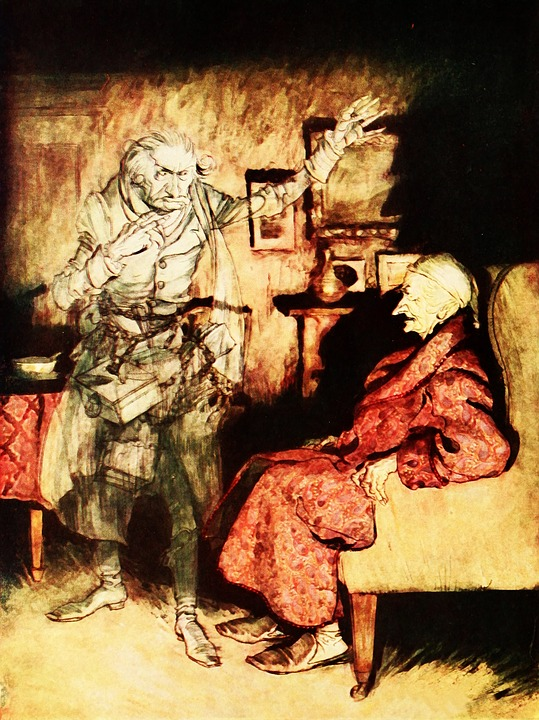
Scrooge "visited" by ghosts London ghosts in a fairy tale in the London of 800 to expose greed and avarice, this tells us the English novelist Charles Dickens (1812-1870) in "A Christmas Carol" which tells of the rich Ebenezer Scrooge "visited" by ghosts (Scrooge inspired Disney's character of Uncle Scrooge). https://en.wikipedia.org/wiki/A_Christmas_Carol A Christmas Carol, is an 1843 short novel in the fantasy genre by Charles Dickens, of which it is one of the most famous and popular works. The novel is one of the examples of Dickens' critique of society and is also one of the most famous and moving stories about Christmas in the world. It is the most important in "The Christmas Books" series a series of stories that also includes "The Chimes, 1845", "The Cricket on the Hearth, 1845", "The Battle for Life, 1846" and "The Haunted Man, 1848". Old Scrooge is a callous, stingy rich man who must come to terms with the spirit of the past, present, and future in order to understand the joys of sharing. https://youtu.be/rOXQmBKurT8
 @kork75
Riddle of the Day I'm soft, furry, lying down from door to door. I am the animal that always stays on the floor. What am I?
 @kork75
Riddle of the day (by kork75) *"Tall, the palace of the three hundred knights.* *The knights are all there with their swords drawn....* *and bloody head".* **Clue: I'm a tree.**