No Water came from the faucet No Water Came From the Faucet It was an ordinary morning for Maria as she woke up to the sound of her alarm clock. She stretched, made her way to the kitchen, and prepared herself for the day. As part of her routine, she turned on the faucet to fill her kettle for coffee. But instead of the usual gushing sound of water, there was nothing—no water came from the faucet. Puzzled, Maria twisted the handle back and forth, hoping it was just a minor issue. Still, the faucet remained dry. Panic started creeping in. Without water, how would she make coffee, cook, clean, or even bathe? She checked the neighbors to see if they were experiencing the same problem. Sure enough, everyone was standing outside with buckets, bottles, and worried faces. The water supply had unexpectedly been cut off, and no one knew why. Maria called the local water company, only to be greeted with a recorded message: "We are currently experiencing an emergency. Water service will be unavailable until further notice. We apologize for the inconvenience." Frustrated, she hung up, but the message lingered in her mind. As the day wore on, the absence of water began to affect everyone. Families scrambled to buy bottled water, long lines formed at community water pumps, and tempers flared. Maria, however, took a different approach. She decided to make the most of the situation. She set up a small meeting with her neighbors, suggesting they pool resources to get through the crisis. One family had a spare water tank, another had a car to transport water, and others contributed food and manpower. Together, they managed to ensure everyone had enough water for basic needs. By evening, word spread that a pipe had burst in the mainline, causing the outage. The water company assured residents that repairs were underway, but the situation wouldn’t be resolved until the next day. Despite the inconvenience, Maria and her neighbors found solace in their newfound sense of community. When the water finally returned the next morning, everyone cheered. Maria turned on her faucet and watched as the water gushed out freely. What had started as a frustrating day became a reminder of the importance of resilience, resourcefulness, and solidarity during tough times. Maria poured herself a cup of coffee, smiled, and realized that sometimes, challenges like these bring out the best in people.
@jobss
Joined 24 September 2020 · 5 posts
Introvert
120 KT
0 KT received · 0 KT given
Posts
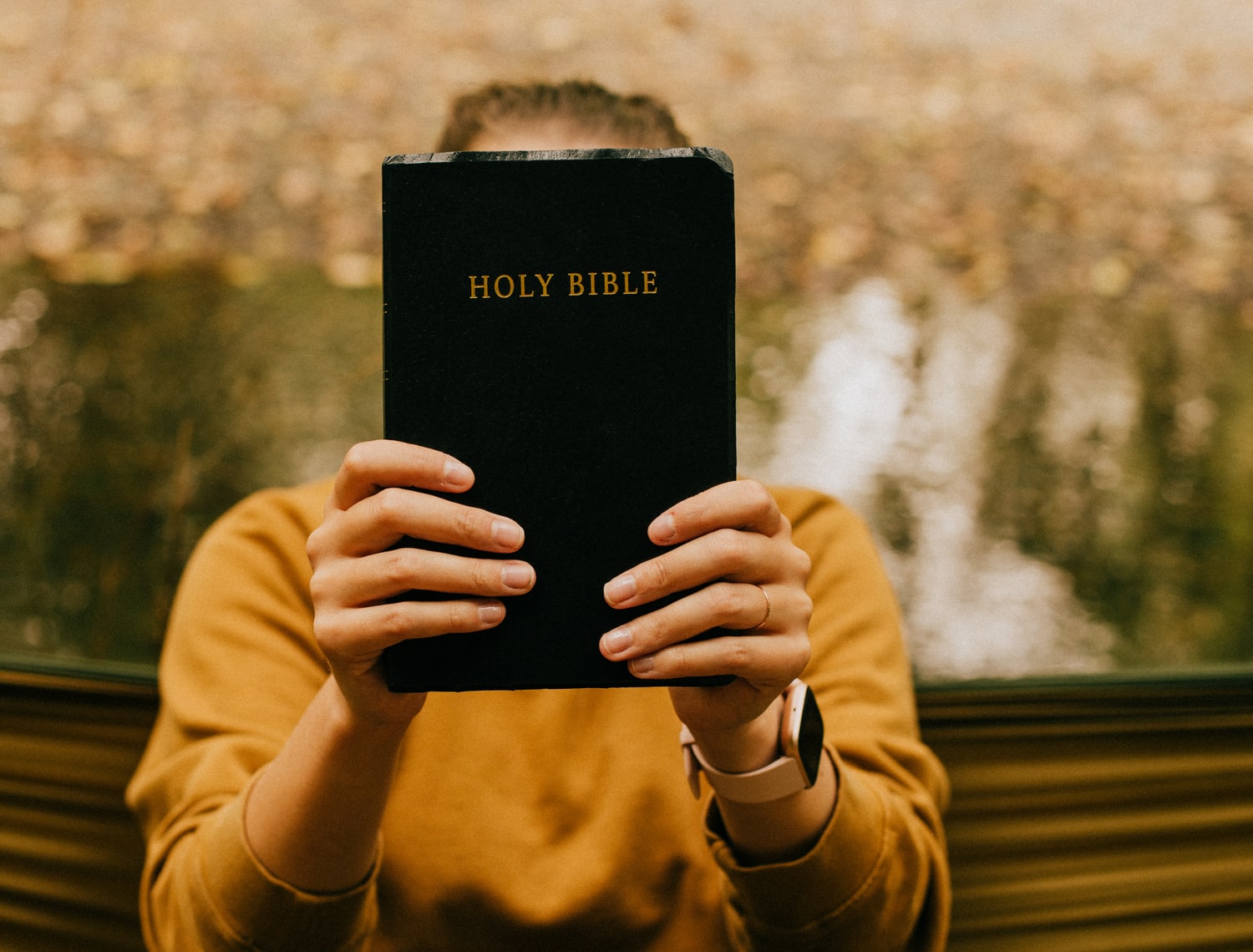
Fake news vs. Good news It's a hoax. It's fake news! However apparently common, "fake news" still needs to be defined. A study published in August 2017 revealed that there are six key definitions for fake news. News satire, news parody, fabrication, manipulation, advertising and propaganda. This is based on analysis of 34 scholarly articles that employed the term "fake news" between 2013 and 2017. Hence, Albott and Gentzkow give a better working definition of fake news as "news articles that are intentionally and verifiably false and could mislead readers". In short, fake news employs lies and deception. Though the term sounds quite recent, this strategy to divert, confuse and divideb is so old that it has been used in heaven itself long time ago. The holy bible tells us that lies and deception originated from Satan, "a liar and the father of lies" who "decieves the whole world". But what really is truth? This is the most common question we all ask. How do we obtain truth when we are sorrounded with tricks and deceit? In this situation, we all need to be wary and wise to what is truth and to discern lies- fake news. We are often confused and decieved as to the growing number of theories and beliefs about almost everything that spreads worldwide in just blink of an eye. "Fake news" in whatever form will prove ineffective if we have the power to seek absolute truth behind falsehood.
Who's excited for the mainnet of Pi Network at the end of this year?
Is the Profession of Coaching related to Mental Health Services? This article seeks to clarify some of the differences between the domains of a Coaching Professional, versus a Mental Health Professional. And the common place that both professions work with, yet from different perspectives – the well-being of the person. What is Coaching Professional? **I'm defining a “Coaching Professional” as a person who has undertaken at least 100 hours of coaching-specific skills development and training, that culminates in a professional certification that indicates “proficiency” of ability to work with people as a Professional Coach.** **The Profession of Coaching has worked diligently through it’s professional associations over the past 25+ years to separate itself from Mental Health Services.** This has been (and continues to be) achieved through Codes of Ethical Conduct for coaching professionals, and defining Coaching Core Competencies that individuals can be certified in at various levels of expertise. Coaching can (and does) enhance mental wellbeing, as well as other domains of wellbeing including Intra-personal (with Self such as physical, spiritual, emotional), and Inter-personal (with Others such as with relationships, groups, teams and society). **What is a Mental Health Professional?** Mental Health Services is a specialized set of professions that support or treat people with mental disorders, or mental difficulties. The **World Health Organization** (WHO) defines mental health as; https://www.who.int/ *“A state of well-being in which the individual realizes his or her own abilities, can cope with the normal stresses of life, can work productively and fruitfully, and is able to make a contribution to his or her community”.* *According to WHO, mental health includes “subjective well-being, perceived self-efficacy, autonomy, competence, intergenerational dependence, and self-actualization of one’s intellectual and emotional potential, among others”.* *From the perspectives of positive psychology or of holism, mental health may include an individual’s ability to enjoy life and to create a balance between life activities and efforts to achieve psychological resilience.* *Cultural differences, subjective assessments, and competing professional theories all affect how one defines “mental health.”* **In summary, WHO** ****gives these key facts******:** https://www.who.int/news-room/fact-sheets/detail/mental-health-strengthening-our-response Mental health is more than the absence of mental disorders. Mental health is an integral part of health; indeed, there is no health without mental health. Mental health is determined by a range of socioeconomic, biological and environmental factors. **What’s the overlap between a Coaching Professional and a Mental Health Professional?** **The overlap between these Professions is in the concern for the well-being of each individual on the planet.** **“How” each Professional goes about working with an individual is not the only determining factor. “What” is being addressed in an individual is the most important difference.** Professionally trained coaches are skilled to work with human beings in all types of life situations. All coaching is human coaching, yet there are niches that range from executive, business, life, spiritual, end of life, and many more specialties that coaches work in. **However, coaches* are not trained professionals in the domains of past trauma which could involve mental, physical or emotional abuse.** Nor in the domains of current trauma being faced because of life circumstances (such as grieving, racial inequality, gender inequality, or workplace abuse). ***Many coaches are also trained Mental Health Professionals.** Yet most clearly differentiate between when they are engaging as a Professional Coach versus when they are engaging as a Mental Health Professional. **Why it’s Important to Distinguish a Professional Coach from a Mental Health Professional** **The well-being of the individual is always a first priority for any person engaged in a helping profession.** **Coaches need to know the boundaries of their domain, and how to recognize when a client may be better served by a Mental Health Professional in tandem with coaching, or instead of coaching.** Often clients come to coaching to support their well-being, and a coach can support them determine what might be a Mental Health Professional topic, and what might be a Coaching Professional topic. I’ve worked with many clients who engage me as their coach, at the same time as engaging a therapist or counselor. **Ethical Practices a Professional Coach Engages With** The ICF Core Competencies begin with the competency called, “Demonstrates Ethical Practice” and refers to a larger body of work the ICF undertakes to define their Code of Ethics which are periodically updated to be most relevant to our professional conduct as coaches. Below are some relevant parts from the ICF Code of Ethics for Professional Coaches: **Standard 8. Section I – Responsibility to clients.** As an ICF Professional, I: Remain alert to indications that there might be a shift in the value received from the coaching relationship. If so, make a change in the relationship or encourage the Client(s)/Sponsor(s) to seek another coach, seek another professional or use a different resource. **Ethical Interpretive Statement to Standard 8** ICF Professionals are expected to remain alert for indications which go beyond their capabilities as a coach. Therefore, it is particularly important to learn as a coach how to recognize in a timely manner whether a client will be best served by another professional service provider. If they are unable to support the client, they may need to refer the client to other modes of support such as counseling, therapy, legal, tax, medical, nutrition, etc. In case of doubt, the ICF professional should seek expert advice. It is useful to build a network that includes coaches of other orientations as well as therapists, etc. in the event a referral is requested. **In Closing…** **Coaching Companies need to be very aware of the differences between a Coaching Professional and a Mental Health Services Professional, and ensure that the marketplace, their clients, and their coaches are trained in understanding where the boundaries of a Coaching Professional expertise lies, and where it does not.** **A Coaching Professional needs to be aware of the boundaries of their expertise, and push back (meaning educate and request clarity) from coaching companies who want to employ them, and who want to blend Coaching Professional services with Mental Health Professional Services, as this is ethically a gray zone for any Coaching Professional to engage with.**

If I am calmly I live you alone, trust me I'm not coming back You cannot force it upon anyone, which I'm guessing you already know. And by fighting for some one who has already left is forcing. It does not make you a hero or a fighter with a cause, but more like a deranged individual. If you truly love the person, then set her free. In a fairy tale setting they say if she comes back, means she truly loves you. Frankly speaking I wouldn't wait around for her to come back, but in the wildest possible chance she does, I would choose to give the middle finger and move on.