 @ilnegro
https://steemit.com/hive-184714/@time.foundation/timeapp-foundation
Joined 12 May 2020 · 24 posts
I was born, I am currently alive, sooner or later I will die
120 KT
0 KT · 2¢ received · 0 KT given
@ilnegro
https://steemit.com/hive-184714/@time.foundation/timeapp-foundation
@ilnegro
https://steemit.com/hive-184714/@time.foundation/timeapp-foundation
@ilnegro
https://blurtter.com/bitsports/@bitsports/nhlcanadiensvsoilers20210326230000 #BitSports
@ilnegro
https://blurtter.com/bitsports/@bitsports/soccerspainvsgreece20210325194500 #BitSports
@ilnegro
https://steempeak.com/hive-112490/@bitsports/soccerrealmadridvsatalanta20210316200000 #BitSports
@ilnegro
https://blurt.world/bitsports/@bitsports/soccerrealmadridvsatalanta20210316200000 #BitSports
@ilnegro
New match: https://blurt.world/bitsports/@bitsports/cricketwestindiesvssrilanka2021030322000000 #BitSports
@ilnegro
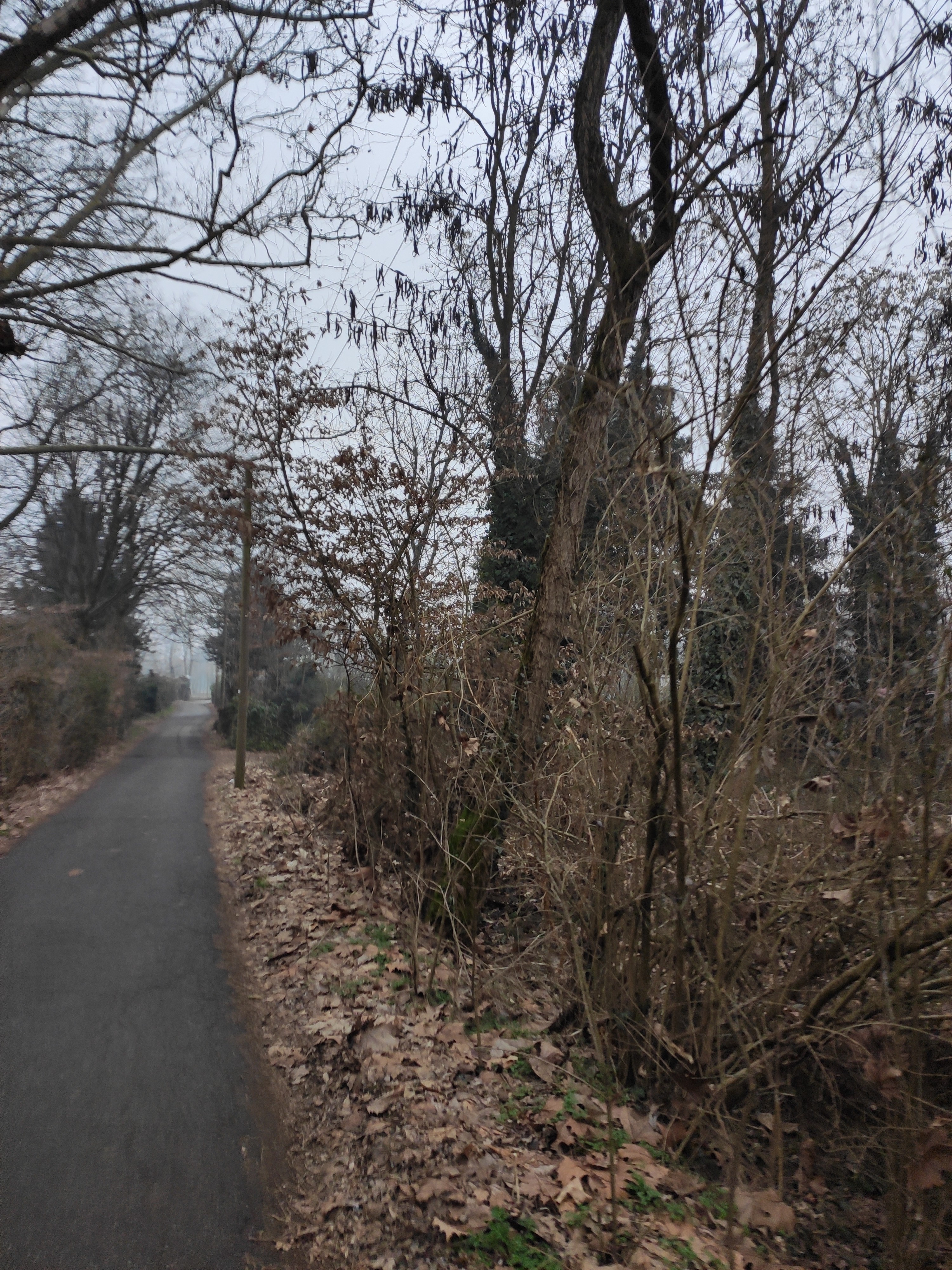
Si cammina... #Italiano
 @ilnegro
Poche ore ancora per cercare di invdovinare il risultato della partita: https://blurt.world/bitsports/@bitsports/bitsports-barcelona-vs-paris-saint-germain #Italiano
@ilnegro
Vi mostro qualche foto della mia camminata di ieri: #Italia



+1 more
@ilnegro
themagazine #25 is out! https://blurt.world/themagazine/@themagazine/the-magazine-the-very-best-of-blurt-25 #Blurt
@ilnegro
https://blurt.blog/ita/@ilnegro/my-second-life-27-it-en #Blurt
@ilnegro
@ilnegro
Mi stanno arrivando dei BCH, questo significa che noise.cash manda i tips immediatamente? #Italia
@ilnegro
https://blurt.blog/ita/@ilnegro/my-second-life-1-it-en #Blurt
@ilnegro
Salve a tutti, qualcuno mi può spiegare come funziona il tipping? #Italia
@ilnegro
Scienza etica: gli algoritmi Il passato, il nostro migliore e forse unico insegnante, non fa ben sperare sulla capacità dell'umanità in generale e di nazioni, enti, comunità scientifica, nell'affrontare la necessità della nascita di una scienza etica. Nel recente passato abbiamo già subito le conseguenze di una prima invasione di robot, avvenuta quasi senza che se ne abbia avuto nemmeno la consapevolezza, e il problema non è stato minimamente affrontato. A partire dagli anni 90 del secolo scorso robot software, in generale definiti algidamente col termine 'algoritmi' o espressioni simili, hanno invaso il nostro mondo alterandolo, prendendo decisioni eticamente discutibili o perniciose, portando distruzione, morte, povertà in tutto il mondo, senza che nessuno o quasi affrontasse i problemi etici correlati col fatto che determinate decisioni fossero prese da automatismi sui quali gli interventi umani avevano e hanno tuttora scarsa o nulla possibilità di incidere. Il fatto che un 'algoritmo' non sia un'entità fisica tangibile, non abbia la solidità di una apparecchiatura fisica, lo rende ovviamente impalpabile e quindi le sue decisioni avvengono senza che nessuno si preoccupi di definire un ambito etico all'interno del quale possa opportunamente agire. La finanza sicuramente è l'ambito in cui, prima che in qualunque altro, hanno fatto la loro comparsa degli algoritmi che prendono decisioni automatiche. Da decenni i mercati di cambi, azioni, obbligazioni e derivati, sono sempre più pervasivamente nelle mani di algoritmi man mano più sofisticati, che prendono repentine e ripetute decisioni, impossibili in precedenza per velocità, accuratezza e ripetitività per un essere umano. Scalping, arbitrage, etc. sono tecniche che hanno preso piede perché rese tecnicamente possibili, solo a partire dal momento in cui i trader finanziari hanno avuto a disposizione degli algoritmi, che in effetti sono dei veri e propri robot software. Lo dico con cognizione di causa perché sono stato uno dei primi, perlomeno in Italia, a svilupparne uno all'inizio degli anni 90 del secolo scorso. E questi algoritmi sono in grado di prendere decisioni e agire sui mercati in modo autonomo, senza il minimo intervento umano. Se, nelle fasi iniziali di queste pratiche, i disastri sono stati molto evidenti, ad esempio quando tutti quelli presenti sui mercati, seguendo trend in ascesa o discesa di prezzi di titoli azionari o cambi valutari, hanno auto-alimentato questi trend portando i mercati verso situazioni insostenibili, man mano che venivano affinati, le conseguenze sono divenute più sottili, ma sono diventate strutturali e hanno contribuito non poco a portare a situazioni di crisi profondissime e dalle conseguenze assolutamente tangibili e reali. L'automatizzazione, ad esempio, sprovvista di un qualunque piano etico e addirittura, spesso, di un qualunque controllo, hanno portato a conseguenze disastrose sul piano sociale e umano, nei settori energetici e delle materie prime. In particolare nel settore alimentare, sono state messe 'fuori mercato' (che poi significa ridurre alla fame) miliardi di persone a fronte di guadagni a volte del tutto marginali, conseguiti mediante operazioni di creazione di 'bolle' speculative avvenute mediante meccanismi automatici governati da algoritmi che non rispondono a nessun codice etico e non sottostanno a nessun controllo umano. Questo problema, tra l'altro, non è nemmeno mai stato realmente posto all'attenzione, non dico del grande pubblico, ma nemmeno degli addetti ai lavori, in primis di chi chiede la creazione di questi robot software, il cui unico scopo è massimizzare il profitto, senza che nessuno si sia posto la domanda se abbiano o meno la necessità di un comportamento etico, o, perlomeno, di limiti etici. La domanda è: considereremmo eticamente accettabile se un essere umano, al fine di conseguire un guadagno tutto sommato marginale, ad esempio facendo arbitraggio sui prezzi del grano, portasse ad un aumento stabile dei prezzi di questa materia prima a livello mondiale, se fossimo a conoscenza che, in questo modo, centinaia di milioni di persone potrebbero morire di fame? Forse no, qualcuno potrebbe chiedergliene conto. Se invece le decisioni che portano a questa situazione vengono prese da un meccanismo automatico, o dal concorso di un rilevante numero di meccanismi automatici a livello globale, qualcuno si preoccuperebbe mai delle conseguenze e del dilemma etico che ne conseguirebbe? Qualcuno, visto che è già successo, se ne è mai preoccupato? La risposta è: no. In pratica avviene uno spostamento surrettizio delle responsabilità oggettive di un'azione. Viene chiesta da qualcuno a qualcun altro la creazione di un robot, senza nessuna etica, che, agendo autonomamente, massimizza il guadagno di chi lo usa e sposta le responsabilità da chi l'ha commissionato ad un'entità astratta e impalpabile a cui nessuno chiede conto delle proprie azioni e dell'eticità delle loro conseguenze. E' possibile fare in modo che l'algoritmo si domandi, all'interno dei propri processi decisionali: "In conseguenza di questa azione un milione di persone in più, moriranno di fame, devo fare o non devo fare questa azione?" Certamente è possibile e la complessità è dello stesso ordine di grandezza dell'algoritmo stesso, quindi si tratta di una cosa tecnicamente fattibile, anche se non semplice. Per fare questo, però, occorre definire una scienza etica che delimiti e formalizzi quali siano e come si applichino questi limiti etici e, non ultimo, definire chi e come può obbligare chi costruisce robot, ad implementarla. Non è fantascientifico immaginare un robot che, non avendo un codice etico, non avendo limitazioni intrinseche, allo scopo di portare a termine il proprio compito, riduca alla povertà intere nazioni o affami milioni di persone. Non è fantascientifico perché è già successo e succede continuamente anche in questo momento. Non solo tutto ciò è già avvenuto e avviene, ma nessuno se ne è minimamente preoccupato. Oltre agli enormi danni degli algoritmi finanziari, negli anni si sono aggiunti quelli, forse meno devastanti, ma pur sempre tangibili, del proliferare dell'uso degli algoritmi decisionali in ogni ambito. Penso, ad esempio, al caso della gestione dei turni di lavoro in grandi aziende, con una gestione completamente spersonalizzata che, come è ovvio, non tiene in nessun conto delle esigenze personali, ottenendo il peggior risultato possibile invece del migliore. Quello che mi più mi preoccupa è l'atteggiamento generale di tutti, chi usa, chi scrive e chi è vittima degli algoritmi. Tutti vivono questa assurda spersonalizzazione delle responsabilità che sfocia in una rassegnazione fatalistica di chi la subisce. Come se la decisione dell'algoritmo fosse quella di un'entità superiore, completamente priva di etica, alle cui decisioni sottostare come sudditi al volere capriccioso di una nuova divinità. L'assenza di una scienza etica che ponga dei paletti all'azione degli algoritmi ha prodotto e produce grandi e piccoli danni, occorre agire al più presto per porre un freno a questa deriva. Credo sia necessario per tutti visualizzare e comprendere che, per un algoritmo, a cui non sia stata implementata un'etica, può sembrare del tutto accettabile che una entità giuridica, ad esempio una società quotata in borsa, per realizzare un guadagno di un millesimo di euro, possa decidere un'azione che provoca la morte dell'intero genere umano. Compresi i possessori delle azioni di quella società. Un algoritmo, da solo, non ha gli strumenti, se nessuno glieli fornisce a priori, per capire che sarebbe un'azione folle, credo che sia il caso di valutare il tunnel dove ci stiamo infilando allegri e spensierati. Resources https://steempeak.com/ita/@ilnegro/scienza-etica-gli-algoritmi
 @ilnegro
Ethical science: algorithms The past, our best and perhaps the only teacher, does not bode well for the ability of humanity in general and of nations, institutions and the scientific community to face the need for the birth of an ethical science. In the recent past we have already suffered the consequences of a first invasion of robots, which took place almost without even having the knowledge of it, and the problem was not minimally addressed. Since the 90s of the last century software robots, generally defined coldly with the term 'algorithms' or similar expressions, have invaded our world altering it, taking ethically questionable or pernicious decisions, bringing destruction, death, poverty all over the world, without that nobody or almost did not face the ethical problems related to the fact that certain decisions were taken by automatisms on which human interventions had and still have little or no possibility of affecting. The fact that an 'algorithm' is not a tangible physical entity, does not have the solidity of a physical device, makes it obviously impalpable and therefore its decisions take place without anyone bothering to define an ethical area within which it can properly act. Finance is certainly the area in which, before any other, algorithms that make automatic decisions have made their appearance. For decades, the foreign exchange markets, stocks, bonds and derivatives, are increasingly pervasively in the hands of more and more sophisticated algorithms, which take sudden and repeated decisions, previously impossible for speed, accuracy and repetitiveness for a human being. Scalping, arbitrage, etc. they are techniques that have taken hold because they are technically possible, only from the moment in which the financial traders have had at their disposal some algorithms, which are actually real software robots. I say this with knowledge of the facts because I was one of the first, at least in Italy, to develop one in the early 90s of the last century. And these algorithms are able to make decisions and act on the markets independently, without the slightest human intervention. If, in the initial stages of these practices, disasters were very obvious, for example when all those present on the markets, following rising or falling trend of prices of equities or currency exchange, have fueled these trends by bringing the markets towards Unsustainable situations, as they were refined, the consequences became more subtle, but they became structural and contributed not a little to lead to very deep crisis situations and absolutely tangible and real consequences. The automation, for example, devoid of any ethical plan and even, often, of any control, have led to disastrous social and human consequences in the energy and raw materials sectors. Particularly in the food sector, billions of people have been placed 'out of the market' (which then means to reduce hunger) in the face of sometimes quite marginal gains, achieved through operations of creation of speculative 'bubbles' occurred through automatic mechanisms governed by algorithms that do not respond to any code of ethics and are not subject to any human control. This problem, among other things, has never even really been brought to the attention, I do not say of the general public, but neither of the experts, above all of those who ask for the creation of these software robots, whose sole purpose is to maximize profit, without anyone asking the question of whether or not they need ethical behavior, or at least ethical limits. The question is: we would consider ethically acceptable if a human being, in order to achieve a marginal gain overall, for example by arbitrating on grain prices, would lead to a stable increase in the prices of this raw material worldwide, if we were aware of it that in this way, hundreds of millions of people could die of hunger? Maybe not, someone could ask for it. If instead the decisions that lead to this situation are taken by an automatic mechanism, or by the concurrence of a significant number of automatic mechanisms at a global level, would anyone ever worry about the consequences and the ethical dilemma that would ensue? Has anyone, since it already happened, been worried about it? The answer is no. In practice, there is a surreptitious shift in the objective responsibilities of an action. Someone is asked by someone else to create a robot, without any ethics, which, acting autonomously, maximizes the profit of those who use it and shifts responsibilities from those who commissioned it to an abstract and impalpable entity to which nobody asks account of their actions and the ethics of their consequences. It is possible to ask the algorithm to ask, within its decision-making processes: "As a result of this action one million more people will die of hunger, should I do or should I not do this action?" Certainly it is possible and complexity is of the same order of magnitude as the algorithm itself, so it is technically feasible, though not simple. To do this, however, it is necessary to define an ethical science that delimits and formalizes what these ethical limits are and how they are applied and, last but not least, define who and how can force robot builders to implement it. It is not science fiction to imagine a robot that, not having an ethical code, having no intrinsic limitations, in order to carry out its task, reduces entire nations to poverty or affects millions of people. It is not science fiction because it has already happened and it happens continuously even now. Not only has all this already happened and it has happened, but nobody has even the least worried about it. In addition to the enormous damage of financial algorithms, over the years have been added those, perhaps less devastating, but still tangible, of the proliferation of the use of decision algorithms in every area. I am thinking, for example, of the case of the management of work shifts in large companies, with a completely depersonalised management which, of course, takes no account of personal needs, obtaining the worst possible result instead of the best. What worries me most is the general attitude of everyone, who uses, who writes and who is the victim of algorithms. Everyone lives this absurd depersonalization of responsibilities that results in a fatalistic resignation of those who suffer it. As if the decision of the algorithm were that of a superior entity, completely devoid of ethics, whose decisions are subjected as subjects to the capricious will of a new divinity. The absence of an ethical science that puts stakes to the action of the algorithms has produced and produces large and small damages, it is necessary to act as soon as possible to put a brake on this drift. I believe it is necessary for everyone to visualize and understand that, for an algorithm, to which an ethics has not been implemented, it may seem entirely acceptable that a legal entity, for example a company listed on the stock exchange, to achieve a gain of one thousandth of euros, may decide an action that causes the death of the entire human race. Including the holders of the shares of that company. An algorithm, by itself, does not have the tools, if no one provides them a priori, to understand that it would be a crazy action, I think it is the case to evaluate the tunnel where we are putting on cheerful and carefree. Resources https://steempeak.com/ita/@ilnegro/scienza-etica-gli-algoritmi
 @ilnegro
Per la nascita di una scienza etica L'etica, come tutte le discipline filosofico-umanistiche è nata e si è evoluta con un approccio non scientifico. Alcune di queste discipline stanno, da lungo tempo, tentando di trasformarsi in scienza, non senza grandissime difficoltà. Per fare questo si cerca di appoggiarsi alla matematica, alla statistica, alla teoria dei giochi, etc. Spesso i risultati sono deludenti, a mio parere perchè si cerca spesso una scorciatoia verso la scienza: utilizzare strumenti (teorie, analisi matematiche, ect.) considerati scientifici, applicandoli a teorie o per analizzare fatti, senza prima aver definito le basi della scienza a cui si vogliono applicare, ottenendo risultati molto aleatori e comunque non scientifici. Per prima cosa, quindi, bisognerebbe definire le basi di una nuova scienza, solo in un secondo tempo sarà possibile, su quelle basi, applicare metodi e verificare teorie. Difficilmente alle discipline umanistiche è possibile applicare le stesse basi scientifiche che "funzionano" in discipline come la matematica, la fisica, etc. Per quanto riguarda l'etica credo che nessuno ci abbia fino ad ora mai nemmeno provato. Si parla, certo, da lungo tempo di etica della scienza, intendendo dire come la ricerca scientifica debba essere confinata all'interno di una certa etica. Ma il problema di fondo è creare prima una scienza etica, che stabilisca in modo scientifico cosa è eticamente accettabile e cosa no, in base a quali criteri, e qual è l'ambito in cui tutto ciò si applica. L'etica, fino ad oggi, si è sempre basata su convinzioni religiose, su prassi consolidate, sul sentire comune, sulle opinioni di vari pensatori, filosofi, scienziati, etc., tutto ciò, ovviamente non ha nulla di scientifico. Ma il problema di trasformare l'etica in una scienza etica è un problema reale? Purtroppo o, forse, per fortuna è un problema reale e anche molto pressante. Il comportamento etico dell'individuo, all'interno delle nostre società, è normato attraverso leggi, consuetudini, credenze religiose e l'interpretazione riguardo al fatto che l'individuo si sia o non si sia comportato eticamente avviene attraverso i sistemi giuridici, l'approvazione o disapprovazione della maggioranza delle persone, tutto ciò avviene solitamente ex-post. In altre parole ad ogni individuo viene proposto un insieme di regole, che siano leggi o usanze o dettati religiosi, che definiscono, in modo piuttosto vago e interpretabile, come debba comportarsi. La società interviene quindi per sanzionare eventuali comportamenti non etici solo dopo che questi sono avvenuti: il singolo decide autonomamente quali opzioni scegliere e se attenersi o meno ad un certo codice etico. Un essere umano ha, alla prova dei fatti, la possibilità di prendere decisioni anche se non possiede nessun codice etico. Nel prossimo futuro (o forse sarebbe meglio dire già ora?), esisteranno sistemi robotizzati che dovranno prendere delle decisioni (anche) in base a principi e norme etiche che, però, per la natura stessa del software che deve prendere queste decisioni, dovranno sottostare a criteri rigidamente scientifici. I robot dovranno avere prima un codice etico in base al quale prendere delle decisioni, e, solo dopo, potranno prenderle. In caso contrario non saprebbero letteralmente cosa fare. Questa etica, di cui i robot dovranno fare uso per forza di cose, ad oggi non esite ancora: questo potrebbe rivelarsi un enorme problema. A livello 'umano' non esiste un'etica condivisa, ogni stato, religione, fino ad arrivare ad ogni singola persona, offrono sfumature etiche differenti. Una definizione scientifica di etica dovrà oppure no tenere conto di differenze tra nazione e nazione, tra religione e religione, tra singoli individui? Chi deciderà come si dovrà comportare un robot di fronte ad una scelta che abbia una componente etica? L'azienda che lo ha prodotto? Dovrà seguire regole stabilite in modo differente da ogni singola nazione? Dovrà seguire regole decise da ogni singolo essere umano che ne ha il possesso? In quest'ultimo caso, se un robot svolge le sue attività all'interno di una comunità (gruppo, azienda, famiglia, etc.), chi decide quale comportamento, in determinate situazioni è etico oppure no? Chi ama la fantascienza starà già pensando: "Ci sono le 3 (4) leggi di Asimov!" L'etica di Asimon, cioè il codice comportamentale a cui all'interno del quale si devono muovere i robot nell'universo ideato da Asimov, sono principi etici 'umani': hanno come presupposto che il robot sia un essere senziente, in grado di fare valutazioni etiche specifiche in base a principi generali. Il nostro mondo reale sta per essere invaso da robot che non sono per nulla senzienti o che lo sono solo in modo molto poco 'umano' e men che meno sono in grado di astrazione e contestualizzazione, definire principi etici astratti per una pressa computerizzata, un'automobile a guida robotizzata o un falciaerba automatico non ha alcun senso. La questione è complessa e di non facile soluzione, le implicazioni sono anche stringenti dal punto di vista economico, visto che, fino a che una macchina agisce comunque sotto la supervisione di un essere umano si dà per scontato che le conseguenze di un comportamento non etico della macchina siano responsabilità dell'essere umano stesso. Nel momento in cui una macchina prenderà delle decisioni senza la supervisione di un essere umano, di chi saranno le responsabilità? Della ditta che l'ha prodotta? Della persona che l'ha acquistata e poi messa in funzione? Può accettare, questa persona, di farsi carico di azioni di una macchina che segue un'etica che non è sotto il suo diretto controllo, ma decisa dall'azienda che la produce e/o dalla nazione che ne ha autorizzato l'uso? Si possono fare molti esempi, tanto per chiarire il carattere pragmatico che deve assumere la scienza etica, su alcuni robot già in uso o che verranno commercializzati a breve. Ammettiamo che si decida che ogni singolo stato possa definire la propria etica: Potranno essere venduti dei robot tosaerba in nazioni con un'etica buddista, visto che, se sprovvisti di un sensore che riconosca la presenza di animali sulla linea di taglio e di un braccio meccanico che li sposti in una zona sicura, la macchina, di sua inziativa, tagliando l'erba, potrebbe uccidere vermi e insetti presenti sul suo percorso? Potrà circolare in certi paesi arabi un'automobile che non ha un sensore che riconosca la presenza di una donna sola a bordo e si rifiuti di mettersi in moto? Ipotizziamo che un'automobile a guida robotica abbia un suo schema di valutazione etica che renda possibile decidere se frenare di colpo per evitare di investire chi attraversa la strada o proseguire tenendo conto anche dei possibili danni alle persone presenti nel suo abitacolo. Supponiamo che ad attraversare la strada sia: un pollo, un gatto, un cane, una mucca, un essere umano. Il rischio accettabile per chi si trova nell'abitacolo dovrebbe dipendere dal valore che ogni nazione o ogni singolo individuo, in base alle sue personali convinzioni, darebbe sull'eventuale morte del soggetto investito. Un'auto in un paese o con un proprietario induista, cattolico, scintoista potrebbero avere scale di valori differenti. Potranno circolare, ognuna col proprio codice etico, auto con schemi non congruenti in altri paesi? Ammettiamo che a decidere il codice etico di comportamento sia l'azienda costruttrice: Terrà conto delle varie sensibilità dei vari paesi e delle varie religioni? Sarà costretta l'azienda a produrre un'infinità di modelli comportamentali? Produrrà un unico modello e poi dovrà rinunciare a commercializzarlo in paesi che abbiano codici etici così differenti da non accettare i comportamenti dei propri robot? Se l'etica viene decisa dall'azienda costruttrice, in caso di danni a terzi, chi si farà carico delle conseguenze di scelte eticamente discutibili? Il proprietario potrebbe rivalersi sull'azienda costruttrice asserendo di non condividere la scelta del robot e di non averne potuto influenzare le decisioni? Ammettiamo che a decidere il codice etico sia l'acquirente: Le aziende saranno in grado di produrre robot con codici comportamentali così flessibili da adattarsi a qualunque richiesta del cliente? Qualunque richiesta del cliente sarebbe accettabile e, se non lo fosse, chi deciderebbe se il codice etico deciso dal singolo sia accettabile per la collettività? Ad esempio, lasciato alla scelta del singolo, il criterio di decisione di un'automobile robotizzata potrebbe essere che in un caso dubbio, l'incolumità delle persone a bordo del mezzo sia da ritenere sempre preponderante, quindi, anche nel caso di un possibile graffio ad una mano del passeggero dell'auto a confronto con la morte di una scolaresca di 30 bambini sia da preferire comunque la scelta che evita il graffio e compie una strage. Con ogni probabilità sia le aziende, sia gli acquirenti, per non doversi far carico di una serie imponderabile di conseguenze, cercheranno in qualche modo di ottenere delle norme, per lo meno a livello di stati, se non addirittura a livello sovranazionale, ma chi si farà carico di definire la scienza etica che è necessaria per definire quali comportamenti sono etici e quali no, in modo puntuale e specifico e non in modo generico e aleatorio? La differenza non è da poco: è abissale. Altri esempi. Norma etica generale: Non uccidere. Scienza etica: L'auto deve frenare avendo il 40% di probabilità di finire contro un muro uccidendo chi si trova nell'auto o cercare di evitare l'ostacolo con una probabilità del 60% di uccidere un pedone? Si dovranno stabilire i criteri adatti ad un algoritmo ben definito che permetta al robot di compiere una scelta etica. E non è per nulla facile. Abbiamo parlato molto di auto, che sono anche il tipo di robotizzazione più vicina e al contempo che presenta enormi aspetti etici da affrontare. Facciamo altri esempi ancora più complessi. Viene dato spesso per scontato che un'auto a guida robotizzata rispetti al 100% il codice della strada, si fermi agli stop, non superi i limiti di velocità etc. etc. Questo comportamento é sempre eticamente accettabile? La risposta non è scontata, tutt'altro. Ammettiamo che un'auto a guida robotizzata si avvicini ad un incrocio viaggiando a velocità codice e, con il semaforo verde, prima di impegnare l'incrocio veda sopraggiungere a forte velocità un'auto guidata da un essere umano che non è più in grado di fermarsi al semaforo rosso e che, quindi, si scontrerà con quella con guida robotica con gravi conseguenze per tutti gli esseri umani a bordo dei due mezzi. Ammettiamo che l'auto robotica non possa frenare, se non coinvolgendo anche le auto che seguono, nè sterzare a destra o sinistra. In questo caso specifico, sarebbe utile che l'auto fosse libera di decidere, in via del tutto eccezzionale, di accelerare anche se questo comporterà, ovviamente, il non rispetto dei limiti di velocità. Vediamo quindi che, anche una norma che sembrerebbe assolutamente logica, come il pieno rispetto del codice della strada, potrebbe rivelarsi insidiosa se non vengono valutati in modo corretto i diversi pesi di comportamenti anche non etici, in linea generale, ma opportuni, in casi particolari. Altri esempi possono essere relativi alla difesa domotica della propria casa. In quali casi un sistema domotico potrebbe decidere di sparare, attivare una scossa elettrica potenzialmente dannosa, etc. per evitare un'effrazione in assenza dei proprietari? Eticamente è accettabile che un robot uccida un essere umano ancorchè ladro? Chi avrebbe la responsabilità di una simile azione? Cosa e chi sarebbe responsabile di un eventuale errore, cioè di danni gravi o della morte di qualcuno che cerca di entrare in una proprietà privata per motivi differenti dal furto, magari anche a tutela dei proprietari e/o delle loro proprietà? A mio parere queste problematiche alquanto complesse (i miei sono solo esempi, ovviamente sono una enormità i problemi etici correlati alla robotizzazione) potrebbero essere un grande aiuto per l'umanità. La prima conseguenza positiva è che, dovendo formalizzare cosa è eticamente accettabile e cosa no per un robot, volenti o nolenti, come essere umani, dovremo fare i conti con un'etica a cui diciamo di ispirarci altamente aleatoria e che, nascondendosi dietro a principi altissimi, si concretizza poi in azioni spesso molto lontane dall'etica 'teorica' dietro cui si nascondono. La seconda conseguenza potrebbe essere quella di definire un'etica comune, più oggettiva e condivisa, che porti l'umanità finalmente al superamento dei codici etici religiosi e delle usanze, prese per buone perchè ataviche e non sempre perchè giustificate e giustificabili. Resources https://steempeak.com/ita/@ilnegro/per-la-nascita-di-una-scienza-etica
 @ilnegro
For the birth of an ethical science Ethics, like all philosophical-humanistic disciplines, was born and evolved with a non-scientific approach. Some of these disciplines have long been trying to transform themselves into science, not without great difficulty. To do this we try to rely on mathematics, statistics, game theory, etc. Often the results are disappointing, in my opinion because we often look for a shortcut to science: using tools (theories, mathematical analyzes, etc.) considered scientific, applying them to theories or analyzing facts, without having first defined the basics of science at which you want to apply, obtaining very random and non-scientific results. First of all, therefore, the bases of a new science should be defined, only later it will be possible, on those bases, to apply methods and verify theories. It is difficult for the humanities to apply the same scientific basis that "works" in disciplines such as mathematics, physics, etc. As for ethics, I don't think anyone has ever tried it before. We talk, of course, for a long time about the ethics of science, meaning that scientific research should be confined to a certain ethics. But the basic problem is to first create an ethical science, which establishes in a scientific way what is ethically acceptable and what is not, based on what criteria, and what is the area in which all this applies. Ethics, to date, has always been based on religious convictions, on established practices, on common feeling, on the opinions of various thinkers, philosophers, scientists, etc., all of which, obviously, has nothing scientific. But is the problem of turning ethics into an ethical science a real problem? Unfortunately or, fortunately, it is a real and also very pressing problem. The ethical behavior of the individual, within our societies, is regulated through laws, customs, religious beliefs and the interpretation regarding the fact that the individual has or has not behaved ethically occurs through the legal systems, the approval or disapproval of the majority of people, this usually takes place ex-post. In other words, each individual is proposed a set of rules, whether they are laws or customs or religious dictations, which define, in a rather vague and interpretable way, how they should behave. The company then intervenes to sanction unethical behavior only after it has occurred: the individual decides independently which options to choose and whether or not to comply with a certain code of ethics. A human being has the ability to make decisions even if he has no ethical code. In the near future (or perhaps it would be better to say now?), There will be robotic systems that will have to make decisions (also) based on ethical principles and rules that, however, due to the very nature of the software that must make these decisions, will have to submit to strictly scientific criteria. Robots must first have a code of ethics on which to make decisions, and only then can they take them. Otherwise they would literally not know what to do. This ethics, of which the robots will have to make use of force of things, today does not exist yet: this could turn out to be a huge problem. On a 'human' level there is no shared ethics, every state, religion, up to each individual person, offer different ethical nuances. Should a scientific definition of ethics take into account differences between nation and nation, between religion and religion, between individuals? Who will decide how a robot should behave in the face of a choice that has an ethical component? The company that produced it? Will it have to follow rules established differently by each individual nation? Will it have to follow rules decided by every single human being who has the possession? In the latter case, if a robot carries out its activities within a community (group, company, family, etc.), who decides what behavior, in certain situations is ethical or not? Those who love science fiction will already be thinking, "There are the 3 (4) laws of Asimov!" The ethics of Asimov, that is the behavioral code within which the robots must move in the universe devised by Asimov, are 'human' ethical principles: they have the assumption that the robot is a sentient being, capable of make specific ethical assessments based on general principles. Our real world is about to be invaded by robots that are not at all sentient or that are only in a very little 'human' way and much less able to abstraction and contextualization, define abstract ethical principles for a computerized press, a A car with a robotic guide or an automatic lawnmower makes no sense. The question is complex and not easy to solve, the implications are also stringent from an economic point of view, given that, as long as a machine still acts under the supervision of a human being, it is taken for granted that the consequences of unethical behavior of the machine are the responsibility of the human being himself. The moment a machine makes decisions without the supervision of a human being, whose responsibilities will it be? Of the company that produced it? Of the person who bought it and then put it into operation? Can this person accept to take on the actions of a machine that follows an ethic that is not under its direct control, but decided by the company that produces it and / or by the nation that authorized its use? Many examples can be given, just to clarify the pragmatic nature that ethical science must assume, on some robots already in use or soon to be marketed. Let us assume that it is decided that each individual state can define its own ethics: Robotic lawnmowers can be sold in countries with a Buddhist ethic, since, without a sensor that recognizes the presence of animals on the cutting line and a mechanical arm that moves them to a safe area, the machine, of its own initiative, cutting the grass, could it kill worms and insects present on its path? Can a car that does not have a sensor that recognizes the presence of a woman alone on board and refuses to start up be able to circulate in certain Arab countries? We hypothesize that a robotic-guided car has its own ethical evaluation scheme that makes it possible to decide whether to brake suddenly to avoid investing those who cross the road or continue taking into account the possible damage to people in the passenger compartment. Suppose that to cross the street is: a chicken, a cat, a dog, a cow, a human being. The acceptable risk for those in the passenger compartment should depend on the value that each nation or individual, based on his personal beliefs, would give on the possible death of the invested subject. A car in a country or with a Hindu, Catholic, Shinto owner could have different scales of values. Can cars, with their own code of ethics, circulate with schemes that are not congruent in other countries? Let us admit that the manufacturer's code of conduct is to decide: Will it take into account the various sensitivities of the various countries and religions? Will the company be forced to produce an infinite number of behavioral models? Will it produce a single model and then have to give up marketing it in countries that have ethical codes so different that they do not accept the behavior of their robots? If ethics is decided by the manufacturer, in the event of damage to third parties, who will bear the consequences of ethically questionable choices? Could the owner rely on the manufacturer claiming not to share the robot's choice and not having been able to influence the decisions? We admit that the buyer is responsible for deciding the code of ethics: Will companies be able to produce robots with codes that are so flexible to adapt to any customer request? Any customer request would be acceptable and, if not, who would decide if the code of ethics decided by the individual is acceptable to the community? For example, left to the choice of the individual, the decision criterion of a robotic car could be that in a doubtful case, the safety of the people on board the vehicle is to be considered always predominant, therefore, even in the case of a possible scratch to a hand of the passenger of the car compared to the death of a schoolchild of 30 children is to be preferred however the choice that avoids the scratch and makes a massacre. In all likelihood, both the companies and the buyers, in order not to have to take on an imponderable series of consequences, will try in some way to obtain rules, at least at the level of states, if not even at a supranational level, but who will will it be responsible for defining the ethical science that is necessary to define which behaviors are ethical and which are not, in a specific and specific way and not in a generic and random way? The difference is not small: it is abysmal. Other examples. General ethical standard: Do not kill. Ethical science: Does the car have to brake having a 40% chance of ending up against a wall by killing anyone in the car or trying to avoid the obstacle with a 60% chance of killing a pedestrian? The criteria must be established for a well-defined algorithm that allows the robot to make an ethical choice. And it's not easy at all. We talked a lot about cars, which are also the closest type of robotization and at the same time it has enormous ethical aspects to deal with. Let's take other, even more complex examples. It is often assumed that a car with a robotic guide respects 100% of the road code, stops at stops, does not exceed speed limits, etc. etc. Is this behavior always ethically acceptable? The answer is not obvious, far from it. Let us assume that a robot-driven car approaches an intersection traveling at a code speed and, with the green light, before engaging the intersection, see a car driven by a human being who is no longer able to stop at the red light and, therefore, will clash with the one with a robotic guide with serious consequences for all human beings aboard the two vehicles. Let us admit that the robotic car cannot brake, except by involving the cars that follow, nor steer to the right or left. In this specific case, it would be useful for the car to be free to decide, quite exceptionally, to accelerate even if this will obviously lead to non-compliance with speed limits. We therefore see that even a norm that would seem absolutely logical, such as full compliance with the code of the road, could prove insidious if the different weights of behavior, even unethical, in general but appropriate, are not correctly assessed in particular cases. . Other examples may be related to the domotic defense of one's home. In which cases a home automation system could decide to fire, activate a potentially dangerous electric shock, etc. to avoid a break-in in the absence of the owners? Ethically, is it acceptable for a robot to kill a human being even if it is a thief? Who would be responsible for such an action? What and who would be responsible for a possible error, that is, for serious damage or the death of someone trying to enter a private property for reasons other than theft, perhaps even to protect the owners and / or their property? In my opinion these rather complex problems (mine are just examples, obviously they are a huge amount, the ethical problems related to robotization) could be a great help for humanity. The first positive consequence is that, having to formalize what is ethically acceptable and what is not for a robot, willy-nilly, like human beings, we will have to come to terms with an ethic to which we say we inspire us highly aleatory and which, hiding behind principles very high, it then materializes in actions that are often very far from the 'theoretical' ethics behind which they hide. The second consequence could be that of defining a common ethics, more objective and shared, which finally brings humanity to the overcoming of religious ethical codes and customs, taken as good because atavistic and not always because justified and justifiable. Resources https://steempeak.com/ita/@ilnegro/per-la-nascita-di-una-scienza-etica
 @ilnegro
A brave new world... Credo che ci sia un aspetto dell'avvento di internet e, in generale, di un mondo fortemente connesso e interconnesso, che non è stato analizzato sufficientemente a fondo. Al di là delle intenzioni e dei desideri di ognuno di noi, internet in particolare, e, più in generale, le innovazioni tecologiche degli ultimi anni (la domotica in primis), hanno creato una società che è sempre più oggettivamente una casa di vetro. Non esiste un modo per evitarlo, nemmeno disconnetersi totalmente, perché si è comunque circondati da persone connesse, telecamere, sensori di ogni tipo, etc. etc. Il livello di verifica e di controllo di quello che ognuno di noi fa o dice è già ora molto alto e lo diventerà inevitabilmente sempre di più. Basare la propria carriera, la propria fama, il proprio prestigio, ma anche, semplicemente, la propria vita e i rapporti sociali su falsità, imbrogli, qui pro quo, etc. già ora è molto complesso per chi ha una certa posizione sociale, presto sarà impossibile per chiunque. Questo mette alla prova i rapporti personali e sociali, le strutture stesse della società. Già ora è possibile essere localizzati, prendere una multa con una fotografia, essere inquadrati da una telecamera praticamente dovunque, etc. etc. Di quello che facciamo e diciamo, in rete e non, restano tracce molteplici e spesso indelebili. La memoria umana diviene sempre più labile ed imprecisa, ma quella collettiva, tramite la rete, ogni giorno è più esatta, infallibile e indelebile. Certamente tutto questo mette anche un po' paura, ma, a ben guardare, è la rivincita degli onesti, delle persone corrette, di chi non cerca scorciatoie o furbizie, insomma del meglio della società, che, soprattutto in Italia, fino ad oggi è sempre stato relegato ai margini di una società familistica, caciarona, improponibile, velleitaria, spudorata, impunita. Molte cose, anche a livello dei rapporti personali, dovranno essere riviste se si vuole mantenere un livello accettabile di convivenza. Questo aspetto è stato poco sondato e valutato: applicare a questo nuovo paradigma sociale gli stessi parametri e gli stessi criteri della società in cui vivevamo solo vent'anni fa è impossibile e soprattutto pericoloso. Inevitabilmente l'auto-racconto che ognuno di noi tende a fare di sé stesso amplificando, se non addirittura inventando, i propri pregi e sminuendo, se non cancellando, i propri difetti dovrà cedere di fronte all'evidenza. Molti, se non tutti, dovranno ridimensionare l'immagine di sé che vendono agli altri, ma anche a sé stessi. Psicologicamente si tratta di una svolta epocale, chi non è provvisto di grandi doti reali o, eventualmente, in compensazione, di una grande autostima, rischia di "rompersi" psicologicamente sotto un peso oggettivamente troppo difficile da sopportare. In particolare esiste uno strato di convenzioni moralistiche che andranno riviste, non essendo più sostenibile, quando si vive in una casa di vetro, un atteggiamento fittiziamente moralistico e comportamenti in antitesi con quell'atteggiamento sbandierato ma raramente seguito, non dico alla lettera, ma almeno nelle sue linee generali. Un serio sforzo collettivo, un ripensamento condiviso per costruire insieme una nuova morale, dei nuovi codici di comportamento, una nuova società, sembrano non interessare a nessuno, eppure sono urgenti ed ineludibili, se vogliamo governare il cambiamento epocale che stiamo vivendo invece di esserne travolti.
 @ilnegro
A brave new world... I believe that there is an aspect of the advent of the Internet and, in general, of a strongly connected and interconnected world, which has not been analyzed sufficiently in depth. Beyond the intentions and desires of each of us, the internet in particular, and, more generally, the technological innovations of recent years (domotics in the first place), have created a society that is increasingly objectively a glass house. There is no way to avoid it, not even totally disconnect, because you are still surrounded by connected people, cameras, sensors of all kinds, etc. etc. The level of verification and control of what each of us does or says is already very high and will inevitably become more and more. Basing one's career, one's fame, one's prestige, but also, simply, one's life and social relations on falsehood, cheating, here pro quo, etc. it is already very complex for those who have a certain social position, it will soon be impossible for anyone. This tests personal and social relationships, the very structures of society. Already it is possible to be located, take a fine with a photograph, be framed by a camera practically anywhere, etc. etc. There are many and often indelible traces of what we do and say, online and otherwise. Human memory becomes increasingly blurred and imprecise, but the collective memory, through the network, is more exact, infallible and indelible every day. Certainly all this also puts a little fear, but, on closer inspection, it is the revenge of the honest, of the right people, of those who do not look for shortcuts or cunning, in short, the best of society, which, especially in Italy, up to now is he has always been relegated to the margins of a familistic, caciarona, unthinkable, unrealistic, shameless, unpunished society. Many things, even at the level of personal relationships, will have to be reviewed if an acceptable level of cohabitation is to be maintained. This aspect has been little probed and evaluated: applying the same parameters and the same criteria of the society in which we lived only twenty years ago to this new social paradigm is impossible and above all dangerous. Inevitably the self-narration that each of us tends to make of himself by amplifying, if not actually inventing, his own merits and diminishing, if not erasing, his faults he will have to yield to the evidence. Many, if not all, will have to reduce the image of themselves that they sell to others, but also to themselves. Psychologically it is an epochal turning point, who is not provided with great real gifts or, possibly, in compensation, of a great self-esteem, risks "breaking" psychologically under a weight that is objectively too difficult to bear. In particular, there is a layer of moralistic conventions that will be revised, being no longer sustainable when you live in a glass house, a fictitiously moralistic attitude and behaviors in antithesis with that flaunted but rarely followed attitude, I do not say literally, but at least in its general lines. A serious collective effort, a shared rethinking to build together a new morality, new codes of conduct, a new society, seem to be of no interest to anyone, yet they are urgent and inescapable, if we want to govern the epochal change we are experiencing instead of being overwhelmed. Resources https://steempeak.com/ita/@ilnegro/a-brave-new-world
 @ilnegro
Patente statistica Nei primi anni di liceo scientifico, ancor prima dei mitici anni '80 (perchè mitici, poi?) la mia classe sperimentò un programma di matematica che comprendeva nozioni abbastanza approfondite di calcolo combinatorio, calcolo delle probabilità, statistica. Già allora ho sperimentato personalmente come queste teorie matematiche siano dure da digerire e da utilizzare correttamente e quanto sia difficile rendersi conto, per queste teorie più ancora che per il resto della matematica, che si tratta di astrazioni teoriche e non di rappresentazioni puntuali della realtà. Nel corso degli anni ha preso piede sempre più un uso pervasivo di questa parte della matematica da parte di persone che si occupano di altro: economisti, politologi, sociologi ma soprattutto in ambito medico ed epidemiologico. Il che non è un male, ovviamente, se non fosse che la stragrande maggioranza di coloro che oggi, in varie discipline, fa largo uso di queste teorie né le ha ben comprese, né comprende, in generale, il rapporto che c'è tra una teoria matematica e la realtà fenomenica. Mentre infatti è più facile comprendere che la geometria è un'astrazione, la presenza di sfere perfette, di piani infiniti, di rette parallele, nel mondo reale è quantomeno dubbia, comunemente si salta a piè pari la parte delle premesse di astrazione degli strumenti matematici del calcolo delle probabilità o della statistica e si pensa così di piombare nella realtà oggettiva come se niente fosse. Qual è la probabilità che, dopo aver tirato un dado mille volte ottenendo sempre un 4 che al prossimo lancio esca di nuovo 4? L'ignorante totale direbbe "Mi sa che esce di nuovo 4", l'apprendista stregone che ha studiato calcolo delle probabilità, direbbe un sesto, dimostrando così ancora una volta che il buon senso del contadino dalle scarpe grosse surclassa sempre la saccenteria del laureato. La matematica è una teoria che si applica ad una astrazione del mondo reale, non ne è la rappresentazione, serve a semplificare ciò che è troppo complicato per essere pienamente compreso e trattato dalla nostra mente troppo semplice. Ovviamente quel dado NON è il dado della teoria delle probabilità, che è un dado astratto costruito in modo tale che le facce abbiano tutte la stessa probabilità di presentarsi dopo un lancio. Se possiamo inferire una cosa riguardo ai dadi reali è che MOLTO PROBABILMENTE non esiste nella realtà un dado che risponda ai requisiti di equiprobabilità della teoria delle probabilità, quindi se un dado, dopo n lanci, mostra una tendenza a presentare più spesso una faccia rispetto ad altre, la probabilità che esca quel numero al prossimo lancio è più alta rispetto alle altre facce. Perchè? Perchè è un dado reale e non un dado astratto. La regina dell'abuso è la statistica, per l'uso della quale, a mio parere, andrebbe istituita una sorta di patente a punti, in modo che, per prima cosa non tutti la possano usare, provocando danni e, una volta ottenuta la patente, siano monitorati in modo che dopo un certo numero di infrazioni, decurtati i punti, vengano messi nelle condizioni di non nuocere oltre. Come i cattolici usano il metodo sviluppato da Ogino "... to develop a formula for use in aiding infertile women to time intercourse to achieve pregnancy" invece che per fare figli, per non avere una gravidanza indesiderata, così oggi i più svariati ricercatori senza patentino statistico usano un metodo adatto a verificare se una inferenza NON è statisticamente significativa per affermare che un certo rapporto di causa-effetto sia statisticamente rilevante. Arrivando così facilmente al ridicolo, così come i cattolici arrivano facilmente al parto. Stiamo parlando di uno dei più semplici usi della statistica, eppure la stragrande maggioranza delle ricerche in ambito non matematico che fanno uso della statistica la utilizzano per dimostrare che un rapporto causa-effetto è verificato perchè risulta statisticamente significativo. Come è possibile non comprendere che PRIMA occorre avere delle solidissime basi nella realtà che giustifichino l'inferenza di un rapporto causa-effetto e la statistica può solo evitarci una cantonata chiarendo che questo rapporto NON è statisticamente rilevante ma NULLA può dire sul fatto che lo sia? Uno dei più recenti deliri nell'uso della statistica è quello legato al concetto stesso di media e di deviazione dalla media applicato alla malattia in genere e, il che è anche peggio, all'istruzione. Per prima cosa sono state inventate malattie di ogni genere teorizzando che la malattia è qualunque deviazione dalla media, dimostrando di non capire nulla del concetto di media, di deviazione, di malattia e di statistica, ovviamente. Nasce così una lotta incredibile contro il colesterolo, contro ogni tipo di cibo, e tante altre. Gente che non dovrebbe avere la patente per nulla, da anni, ha introdotto, quel che è peggio con successo, utilizzando la statistica come grimaldello, ovviamentre senza minimamente capirne nulla, vere e proprie gabbie mentali nell'ambito dell'istruzione. Sono state create così, dal nulla, malattie per ogni tipo di deviazione, anche minima, dalla media di capacità di apprendimento di ogni materia di insegnamento o capacità intellettuale o pratica. Iperattività, dislessia, discalculia, dis-qualunque-cosa sono le nuove malattie additate in coloro che osino presentare una deviazione dalla media. Come si può essere così ottusi da non comprendere il concetto stesso di media? Come si può definire non conforme, quindi malato, chiunque non sia esattamente nella media? Il processo mentale che sottende a tutte queste cose è il fenomeno più preoccupante. I passaggi sono i seguenti. Non comprendo una certa teoria ma voglio farne uso, in particolare non comprendo il rapporto tra una teoria astratta e la realtà. Siccome oggettivamente applicando una teoria astratta alla realtà la teoria NON funziona, allora cerco di modificare la realtà in modo che diventi astratta. Ecco il tentativo di creare bambini tutti uguali, con lo stesso grado di apprendimento in ogni disciplina, persone tutte con il medesimo valore di colesterolo nel sangue, e via dicendo. I danni prodotti da questo approccio sono enormi e sono reali, per nulla astratti. Quando verrà istituita una patente che ci metta al riparo dall'abuso di statistica? Riferimento: https://steempeak.com/discalculia/@ilnegro/patente-statistica
 @ilnegro
Statistical license In the early years of scientific high school, even before the mythical 80's (why mythical, then?) My class experimented with a mathematics program that included fairly thorough notions of combinatorial calculus, probability calculus, statistics. Even then I personally experienced how these mathematical theories are hard to digest and to use correctly and how difficult it is to realize, for these theories even more than for the rest of mathematics, that these are theoretical abstractions and not punctual representations of reality. Over the years, pervasive use of this part of mathematics by people dealing with other things has taken hold: economists, political scientists, sociologists but above all in the medical and epidemiological fields. Which is not bad, of course, were it not for the fact that the vast majority of those who today, in various disciplines, make extensive use of these theories and have not well understood them, do not understand, in general, the relationship that exists between a mathematical theory and phenomenal reality. While in fact it is easier to understand that geometry is an abstraction, the presence of perfect spheres, of infinite planes, of parallel straight lines, in the real world is at least doubtful, commonly the part of the abstraction of mathematical instruments is skipped at the same footing. of the calculation of the probabilities or of statistics and it is thus thought to fall into objective reality as if nothing had happened. What is the probability that, after rolling a dice a thousand times, always getting a 4 that goes out again at the next roll? The total ignorant would say "I guess it comes out again 4", the sorcerer's apprentice who studied probability calculus, would say a sixth, thus proving once again that the common sense of the big-footed peasant always outclasses the graduate's baggage . Mathematics is a theory that applies to an abstraction of the real world, it is not its representation, it serves to simplify what is too complicated to be fully understood and treated by our mind too simple. Obviously that dice is NOT the dice of probability theory, which is an abstract dice constructed in such a way that the faces all have the same probability of appearing after a launch. If we can infer something about the actual dice it is VERY PROBABLY there is not actually a dice that meets the equiprobability requirements of the probability theory, so if a dice, after n throws, shows a tendency to present a face more often than others, the probability that the next number comes out is higher than the other faces. Why? Because it is a real dice and not an abstract dice. The queen of the abuse is the statistic, for the use of which, in my opinion, a sort of point license should be established, so that, first of all, not everyone can use it, causing damage and, once the license, are monitored so that after a certain number of infringements, minus the points, they are put in a position to do no more harm. How Catholics use the method developed by Ogino "... to develop a formula for use in aiding infertile women to time intercourse to achieve pregnancy" instead of having children, not having an unwanted pregnancy, so today the most diverse researchers without Statistical patents use a suitable method to check whether an inference is NOT statistically significant to state that a certain cause-effect relationship is statistically relevant. Coming so easily to ridicule, just as Catholics easily reach birth. We are talking about one of the simplest uses of statistics, yet the vast majority of non-mathematical research using statistics uses it to prove that a cause-effect relationship is verified because it is statistically significant. How it is possible not to understand that BEFORE must have very solid bases in reality that justify the inference of a cause-effect relationship and the statistic can only avoid a blunder by clarifying that this relationship is NOT statistically relevant but NOTHING can say about the fact that it is ? One of the most recent delusions in the use of statistics is that linked to the very concept of mean and deviation from the average applied to the disease in general and, which is even worse, to education. First of all, diseases of every kind have been invented, theorizing that the disease is any deviation from the average, showing that it does not understand anything about the concept of media, deviation, disease and statistics, of course. Thus was born an incredible fight against cholesterol, against all kinds of food, and many others. People who should not have the license for anything, for years, have introduced, what is worse with success, using statistics as a picklock, obviously without any understanding whatsoever, real mental cages in education. Thus, out of nothing, diseases have been created for every type of deviation, even minimal, from the average learning capacity of any subject of teaching or intellectual or practical ability. Hyperactivity, dyslexia, dyscalculia, dis-whatever are the new diseases pointed out in those who dare to present a deviation from the average. How can one be so dull as to not understand the very concept of media? How can it be defined as non-compliant, therefore ill, anyone who is not exactly average? The mental process that underlies all these things is the most worrying phenomenon. The steps are as follows. I do not understand a certain theory but I want to use it, in particular I do not understand the relationship between an abstract theory and reality. Since objectively applying an abstract theory to reality the theory does NOT work, then I try to modify reality so that it becomes abstract. Here is the attempt to create children all the same, with the same degree of learning in every discipline, people all with the same value of cholesterol in the blood, and so on. The damage produced by this approach is enormous and is real, not at all abstract. When will a license be set up that protects us from the abuse of statistics? Resources https://www.narrative.org/post/statistical-license https://steempeak.com/discalculia/@ilnegro/patente-statistica https://www.publish0x.com/ilnegro/statistical-license-xkrxml