 @hooiyewlim
more from that month
@hooiyewlim
more from that month
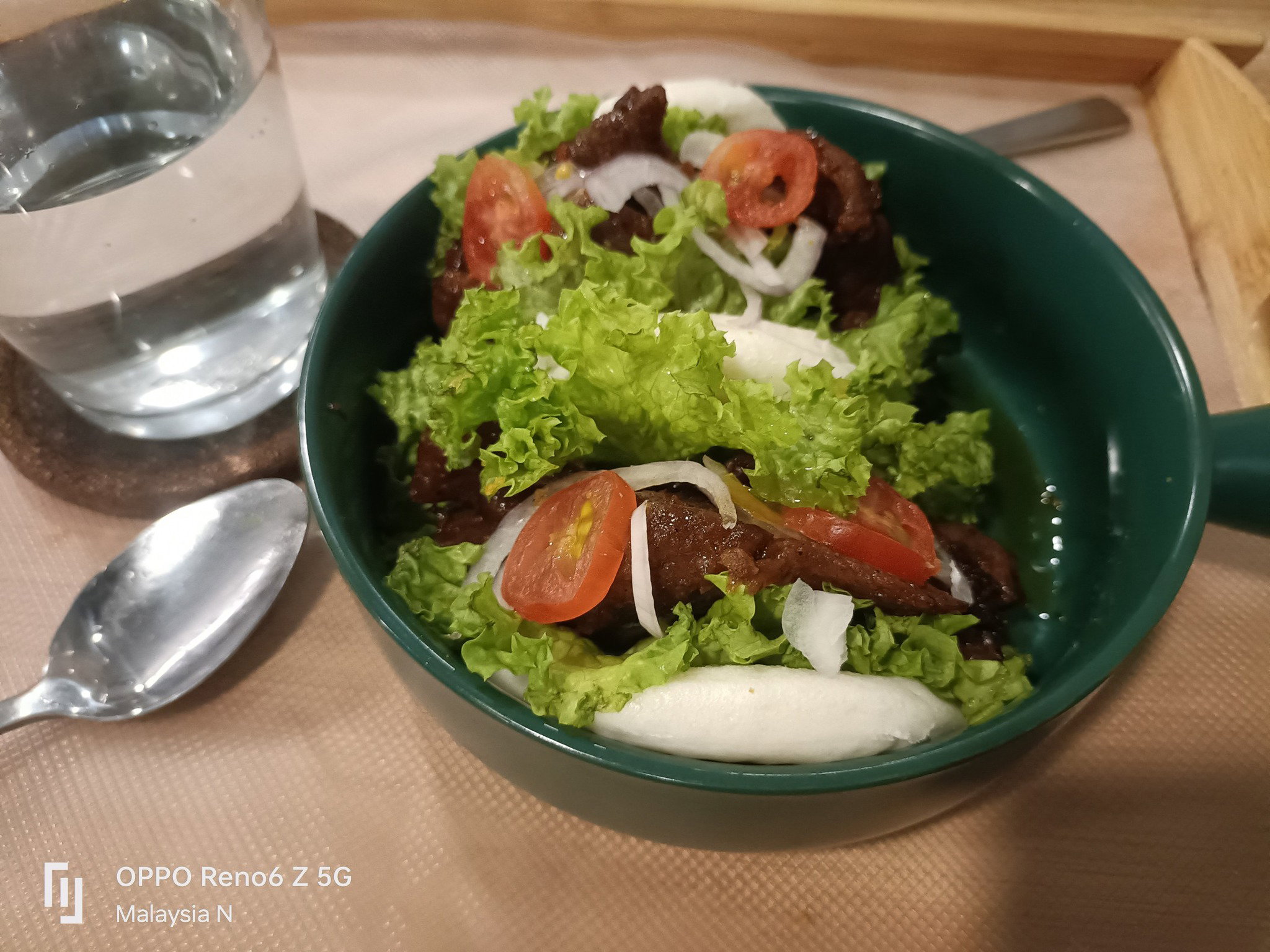
Bubur nasi melawati beef bao

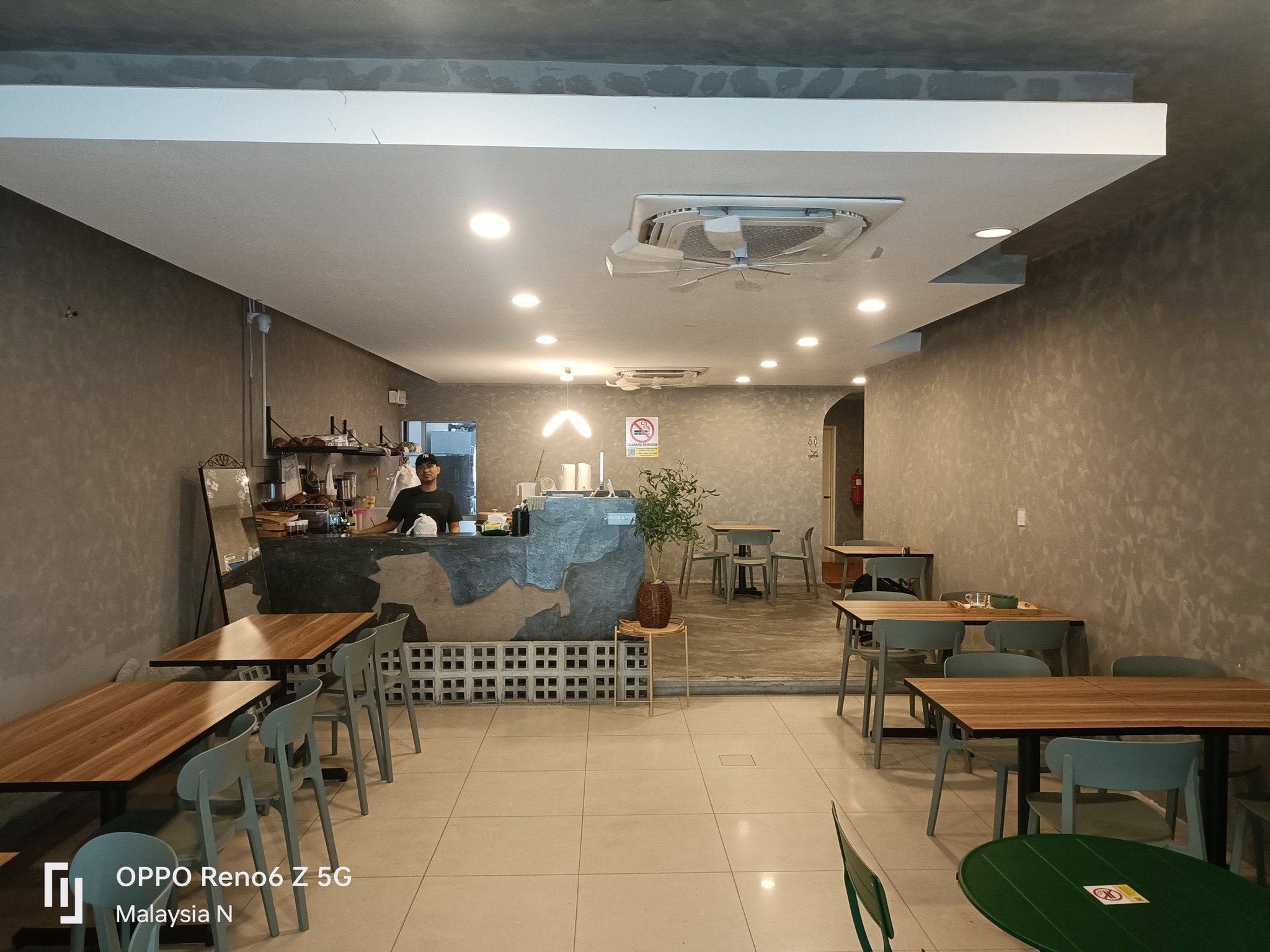
Today, I had lunch at Bubur Nasi Melawati in front of the condominium where I stayed. It has a minimalist and calming aesthetic with a modern industrial vibe. The walls are finished in a textured grey tone, and the ceiling sports a recessed layout with downlights for warm, even illumination. The use of light wood tables paired with muted green and blue chairs gives a relaxed, welcoming atmosphere. The counter area is eye-catching, designed with a jagged, abstract stone-like front that adds artistic character. The open shelving behind the counter gives a glimpse of the cafe’s operational style—casual and transparent. There’s a modest touch of greenery (a potted plant) in the middle space that helps break the grey monotone, softening the ambiance. The entire layout is clean, spacious, and likely optimized for a comfortable dine-in experience without feeling cluttered.
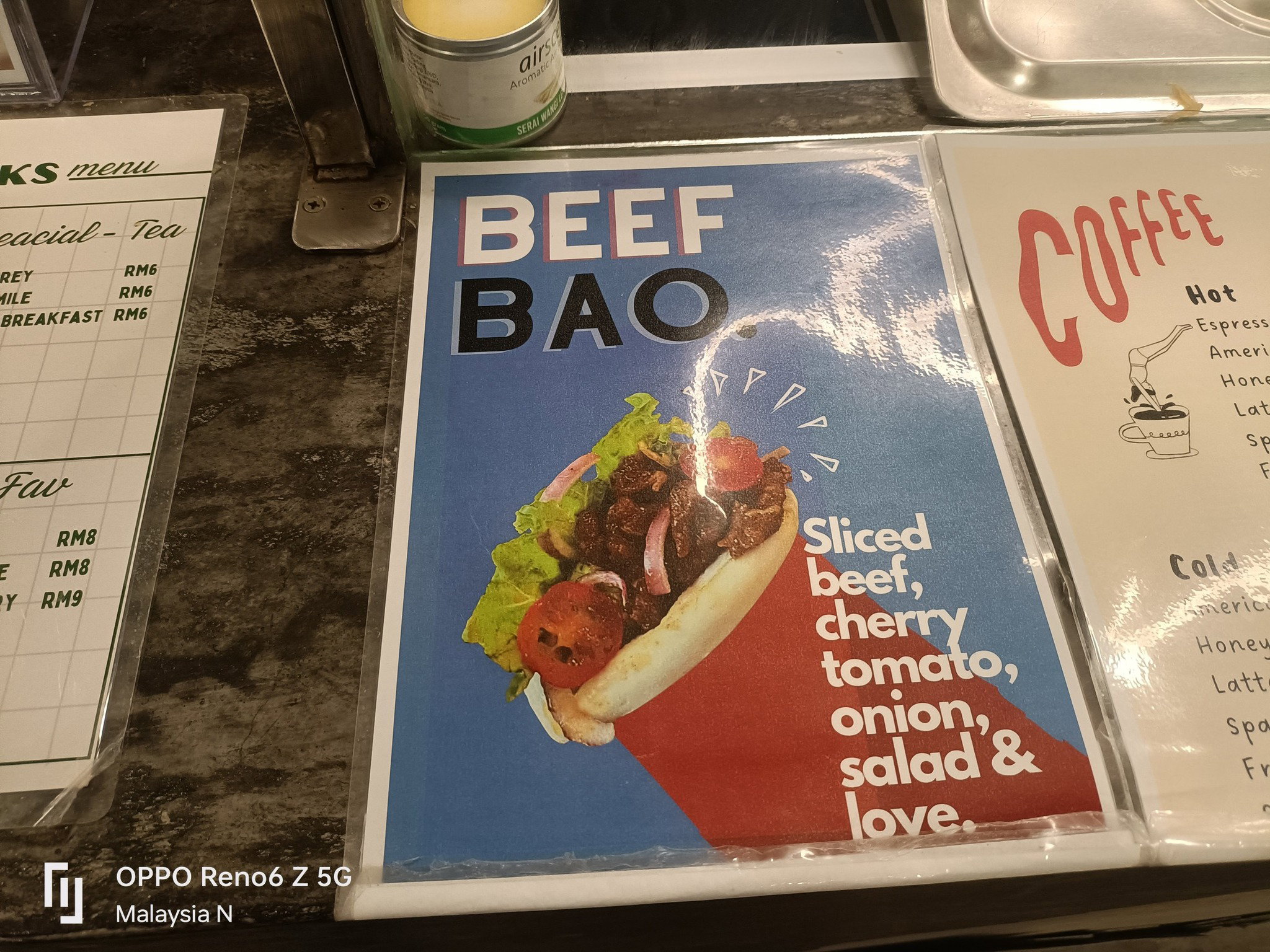
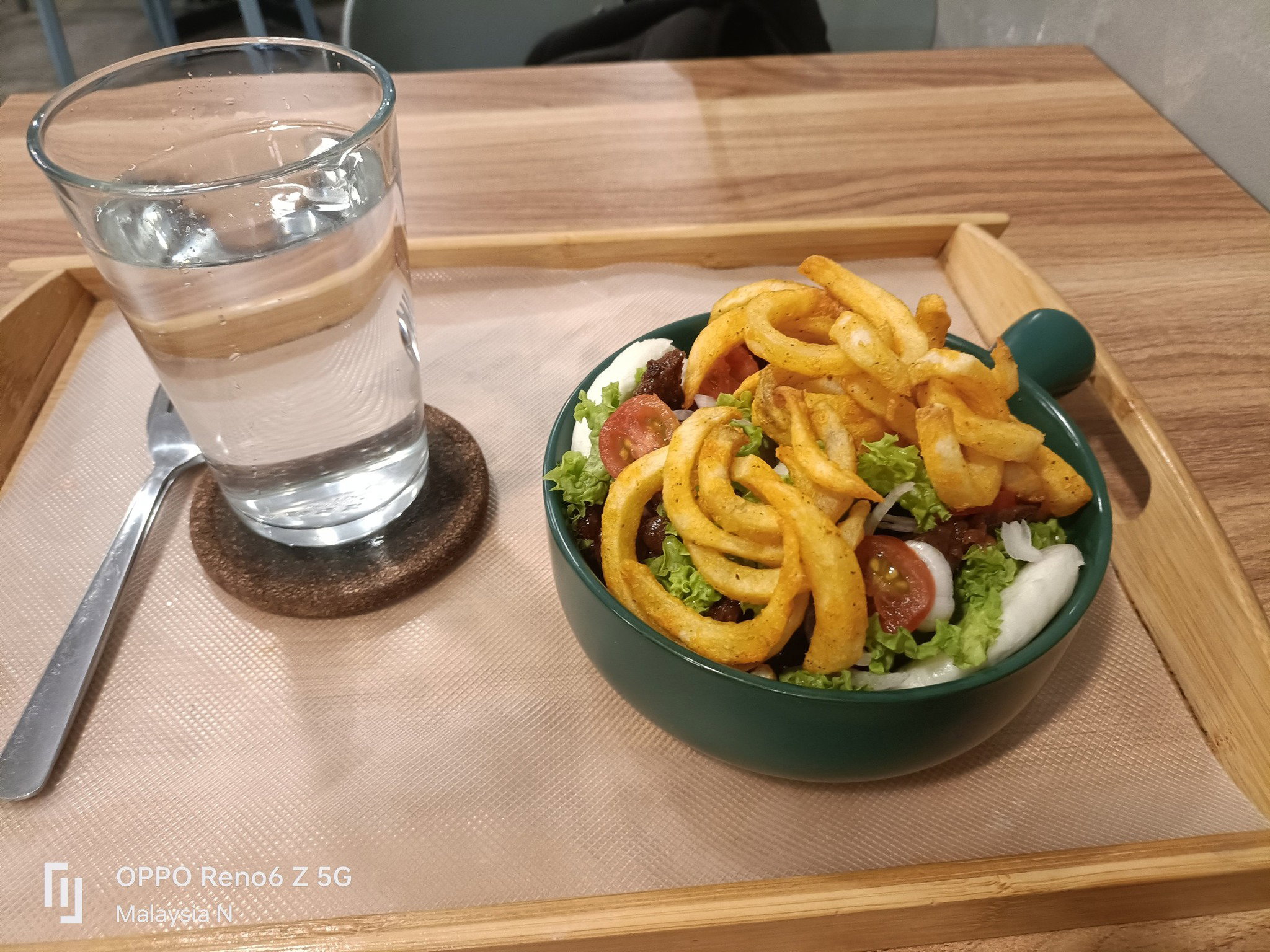
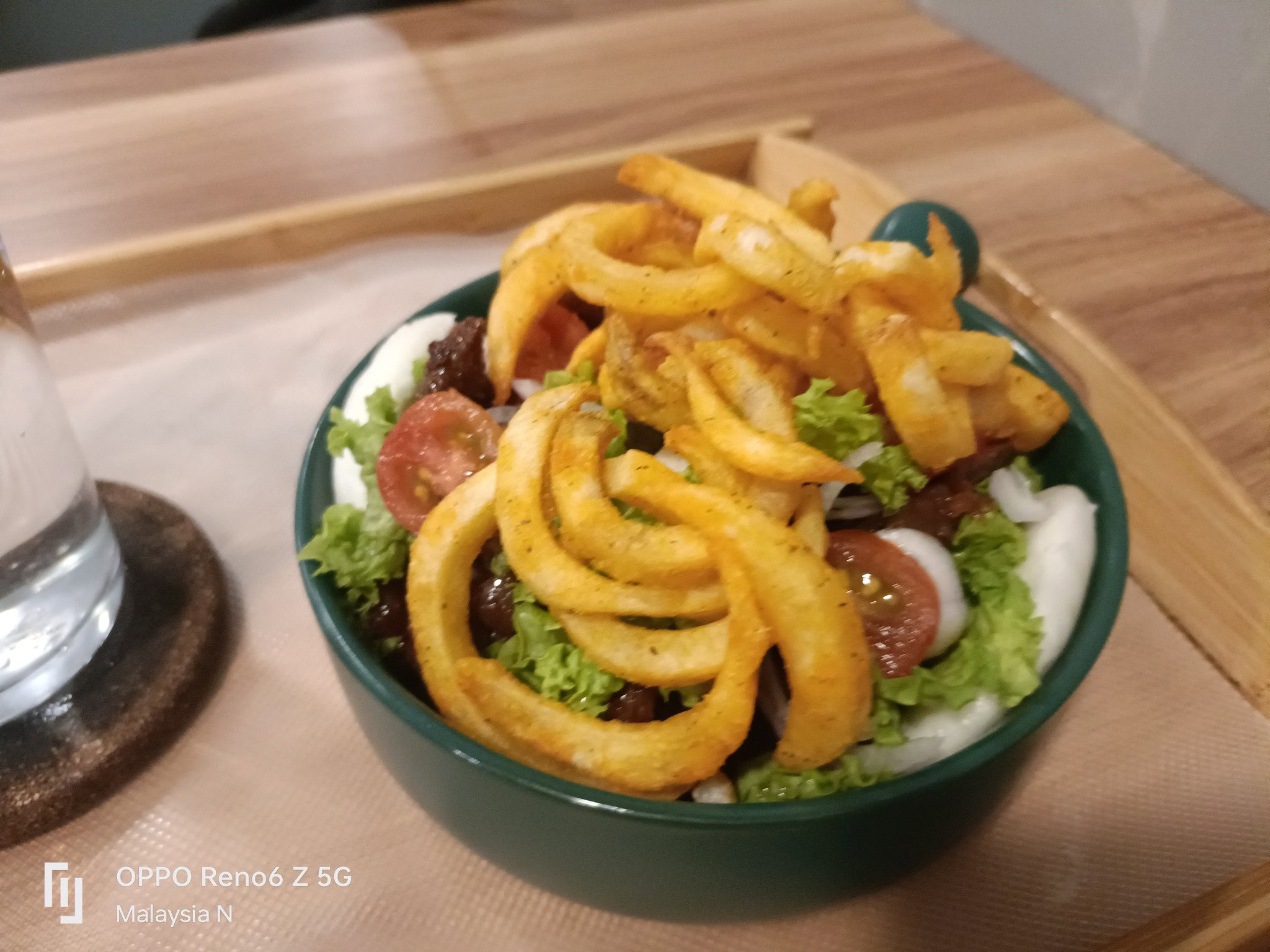
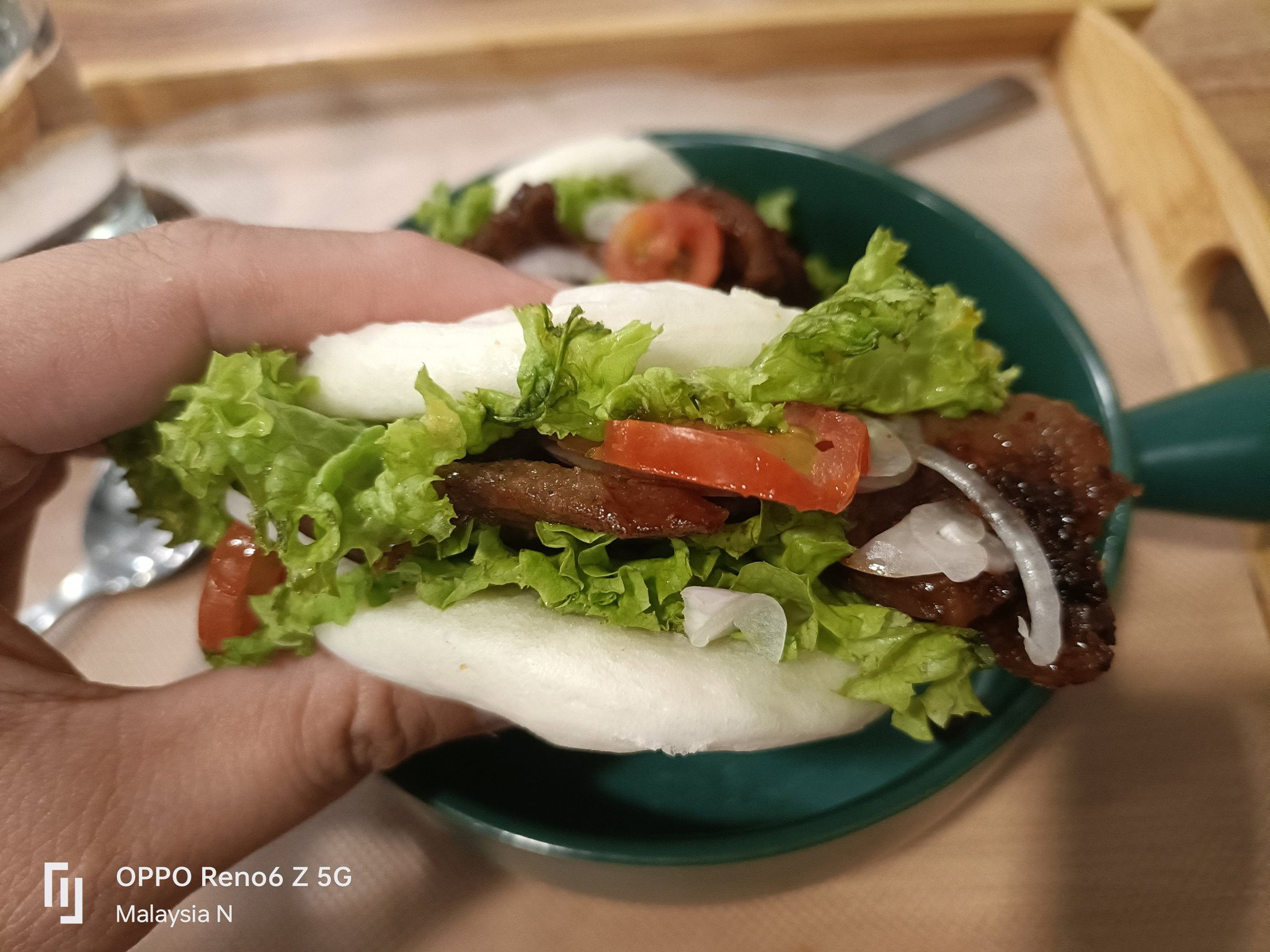
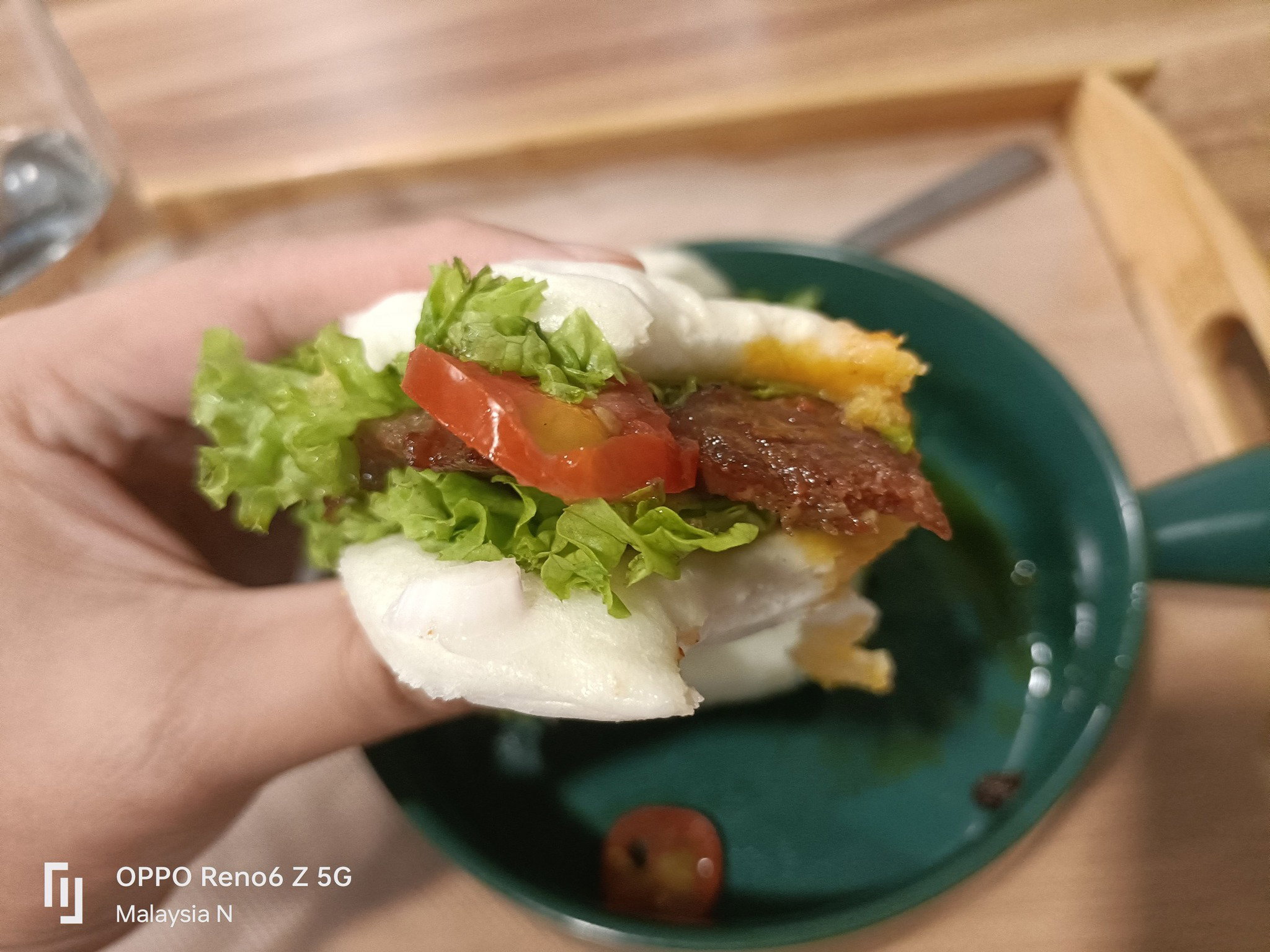
I ordered their Beef bao that cost RM16 per portions. Each come with 2 beef bao with curly fries on top. The beef pau is a modern fusion bun—fluffy, white, and steamed, likely inspired by Chinese-style bao (包). It’s filled generously with grilled or roasted beef slices that have a slight char, indicating a caramelised marinade. The meat is layered with fresh, crisp green leaf lettuce, sliced onions, and ripe tomatoes, making it feel like a cross between a bao and a Western sandwich. This fusion style is both eye-catching and appetising, blending savoury, sweet, and fresh flavours. The concept of “pau” or “bao” (包) originates from China, with roots dating back over 1,800 years during the Three Kingdoms period. According to legend, military strategist Zhuge Liang invented steamed buns shaped like human heads to offer as a safe sacrifice to calm stormy waters. Traditionally, baozi are filled with pork, chicken, or sweet fillings, and were meant to be both portable and satisfying. As Chinese communities spread across Southeast Asia, the dish evolved to suit local tastes and ingredients—thus, we see beef versions emerge, particularly in halal-focused or fusion settings like Malaysia. The beef pau served here is an example of this evolution—incorporating grilled beef (more common in Western or halal cuisines) and fresh salad ingredients, wrapped in a traditional-style bun but with modern flair. It represents Malaysia’s multicultural culinary identity: rooted in tradition but bold in reinvention.
No comments yet