 @ddtpecko
more from that month
@ddtpecko
more from that month
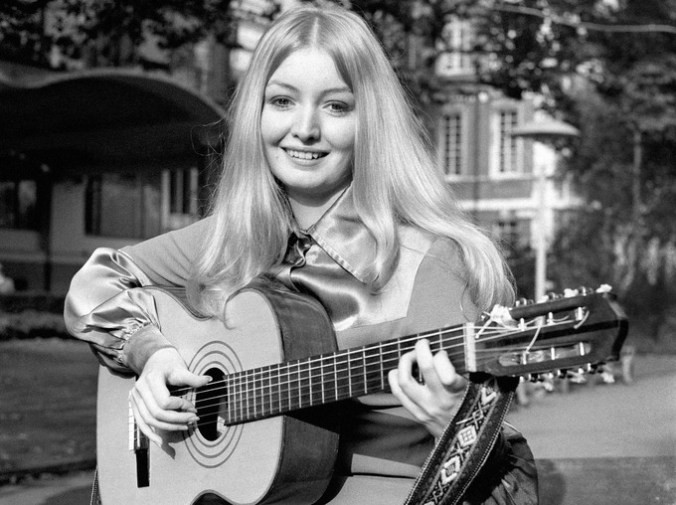
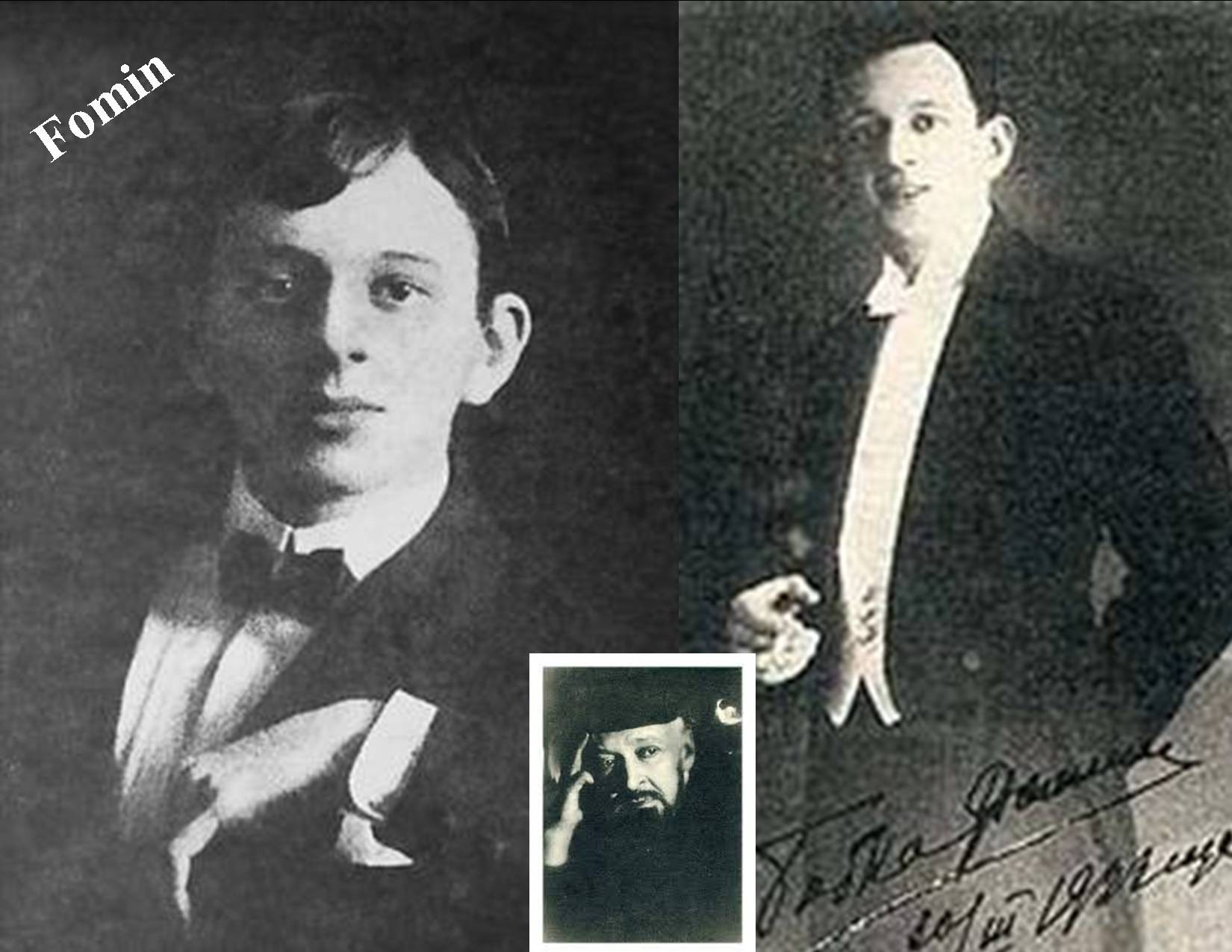
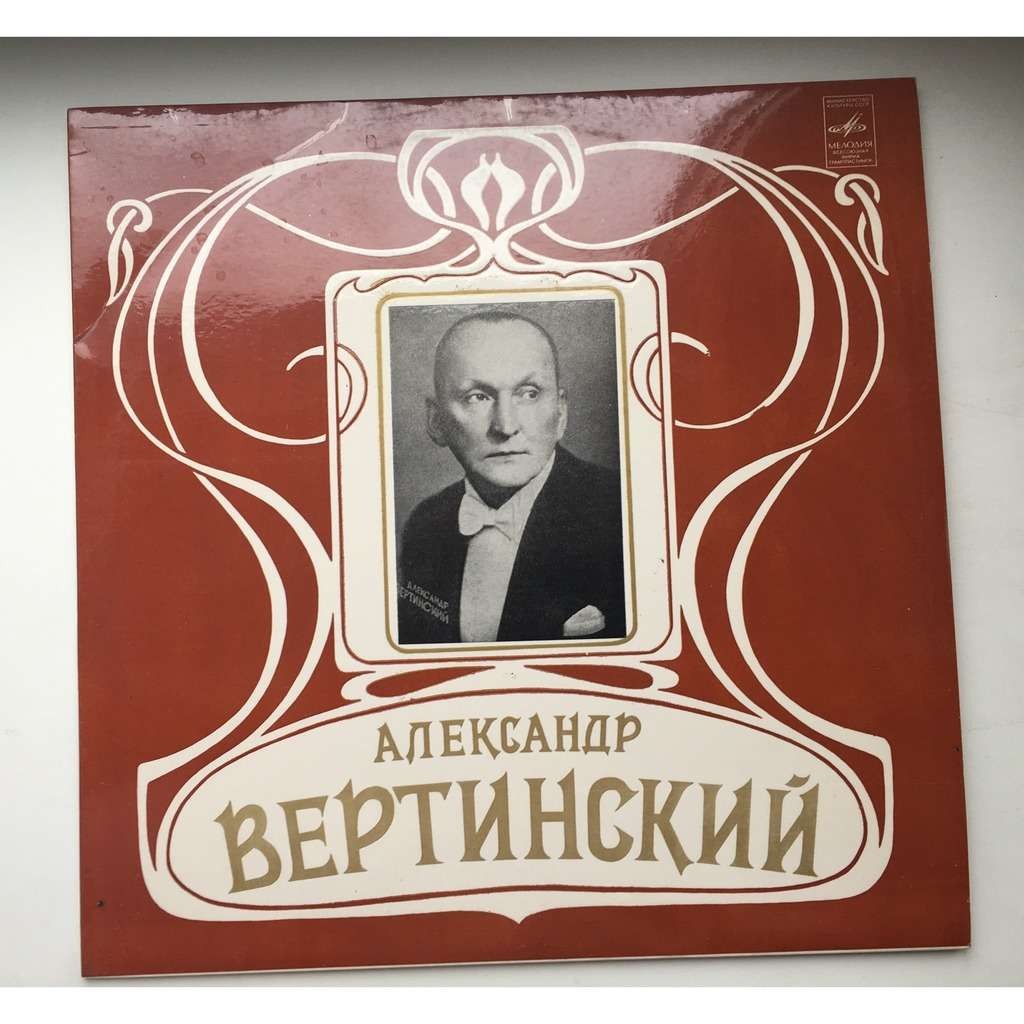
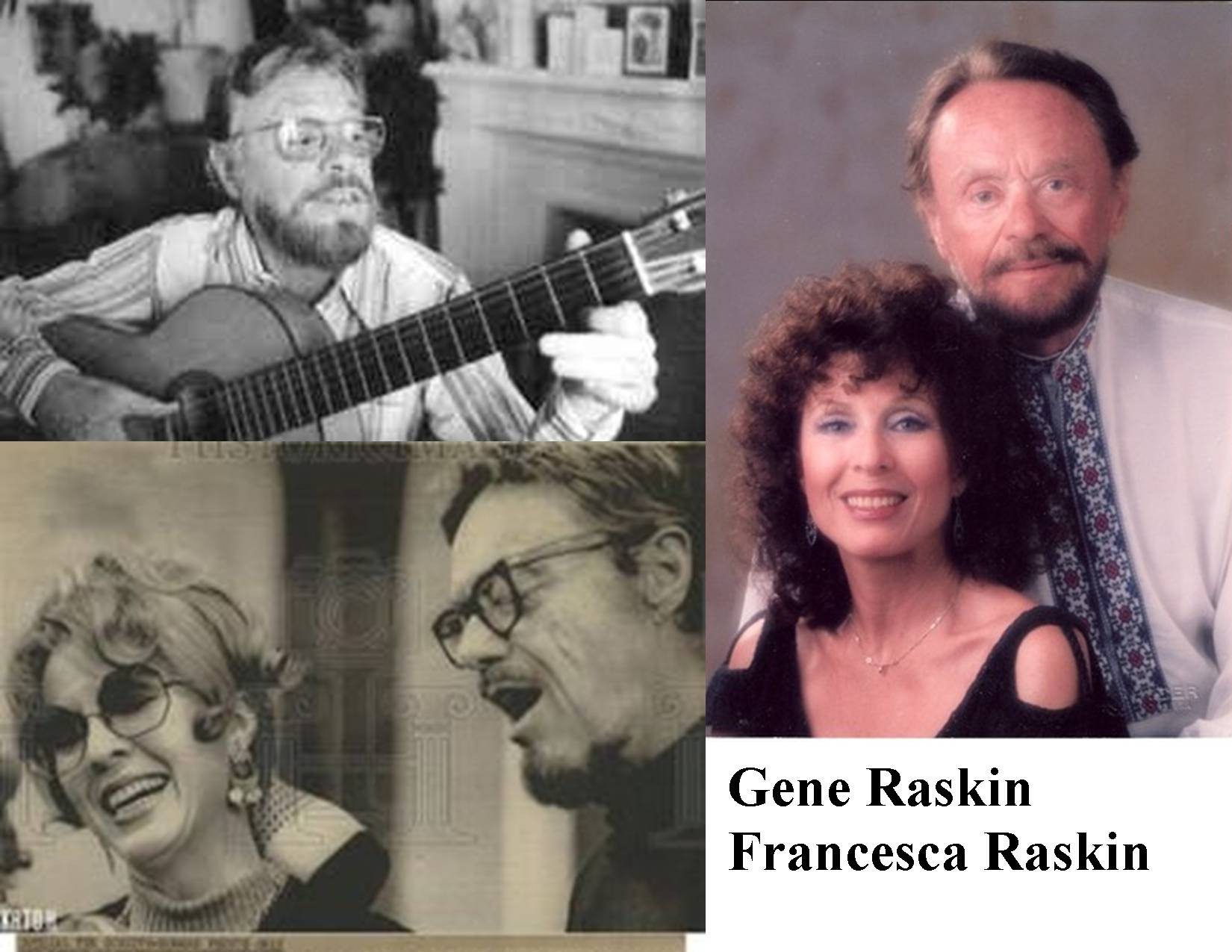
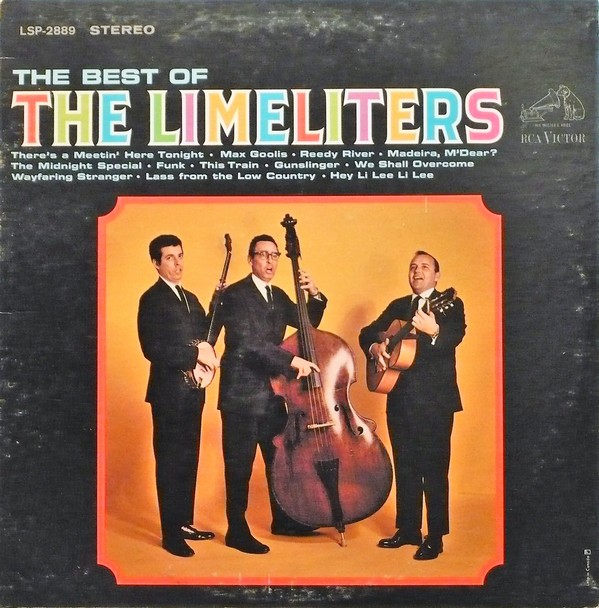
The biggest music theft ever: Plagiarism brought fame and fortune, the real author died in misery Even today, many do not know that the story of the singer Mary Hopkin and her greatest hit "Those Were The Days" is also the story of one of the greatest plagiarisms of all time. Mary: https://www.youtube.com/watch?v=y3KEhWTnWvE There are a lot of doubts about that song, even with those who know the music scene well, so here are a few details that you may not have been familiar with. If you pick up a single with the mentioned composition today, you will notice that Eugene Raskin is signed below it, or in some places abbreviated - Gene Raskin. Probably few people even know who it is. Raskin was born in New York on September 5, 1909. He studied architecture at Columbia University, where he became an associate professor. In addition to architecture, that is, publishing works on that topic, Raskin also wrote theater plays, and he also published the novel "Stranger In My Arms". In the early 1960s, Gene and his wife Francesca performed folk music at Greenwich Village clubs, and then released an album that featured the song "Those Were The Days". And that is the moment when that composition begins its second world journey. The first group to then "pick it up" and include it in their repertoire were New York's The Limeliters, followed by an endless series of performers who recorded it. Of course, Mary Hopkin was among them. The Limeliters: https://www.youtube.com/watch?v=2O5EeBjxhiY This series is joined by several performers from the former Yugoslavia - VIS Sanjalice, Radmila Karaklajić ... VIS Sanjalice: https://www.youtube.com/watch?v=LlQrLDenetM Although many believe that it is a Russian folk composition, its author is known, his name is Boris Ivanovich Fomin, he was a Russian composer and musician, born on April 12, 1900 in St. Petersburg. The original title of the composition was "A long way" ("Dear Way"), and the first performance was recorded by Tamara Cereteli (1925), but outside of Russia the composition first became known in the performance of Alexander Vertinsky (1926) and most likely is that Raskin heard exactly that version. Alexander Vertinsky: https://www.youtube.com/watch?v=mMaz70bOd7w After hearing this melody, Gene Ruskin wrote the text in English and almost without any other interventions, he signed it completely as his own. Raskin and his wife continued to perform, they recorded several more albums for Elektra Records, and after the founding of Apple Records, McCartney, with the help of his and Raskin's agent, bought the right to the song, and chose Mary Hopkin as the performer. It was an absolute hit, because the song is becoming planetarily popular. It is interesting that under that version, in addition to Raskin's name, there were also the names of Richard Husson and McCartney in the role of arranger and producer. But little has changed in relation to the original, Fomin's version. This composition was recorded in over twenty languages (!) And brought Raskin a fortune. Ivan Rebroff: https://www.youtube.com/watch?v=XgqxhyjDwaQ And as far as his hypocrisy and greed went, the fact that it is at the peak of its popularity, one company used this melody in its commercial, but with a modified text, speaks for itself. Insulted Raskin sued them for copyright infringement and received huge compensation!?! With that money, he bought a house in Pollensa, a luxury sailboat, and lived comfortably on copyright for years until June 7, 2004, when he died in New York. And Fomin? Eternal, smiling, optimistic, he worked tirelessly for the rest of his life. He wrote one operetta, several ballets, but was received coldly and suspiciously by the local music establishment. Then he finds himself writing Russian romances. He became a part of the Moscow art world, until 1929, when the All-Soviet Conference of Musicians declared Russian romance counter-revolutionary !? Manca Izmajlova: https://www.youtube.com/watch?v=LVDAwv7aqDc https://www.youtube.com/watch?v=vd5q1Ioo588 However, his "Path to the Far Away" was banned even earlier - in 1927. They declared it anti-revolutionary, an unnecessary pity for the past, and after all, those who were nostalgic for the old days at that time could easily lose their head. After all, Fomin was arrested in 1937 - you guessed it - for violating the bans imposed on his songs. He spent a year in prison and then released, but was already very ill. Tuberculosis was gaining momentum. He spent the last year of his life at the High Mountain Clinic. Thanks to his friends, he came across penicillin, which was a great rarity at the time, available only to the chosen ones, but it was too late. He died on October 25, 1948. ******************************************************************************************* Najveća muzička krađa ikad: Plagijatoru je donela slavu i bogatstvo, stvarni autor umro u bedi Mnogi ni danas ne znaju da je priča o pevačici Meri Hopkin i njenom najvećem hitu "Those Were The Days", ujedno i priča o jednom od najvećih plagijata svih vremena. Meri: https://www.youtube.com/watch?v=y3KEhWTnWvE Dosta nedoumica ima u vezi te pesme čak i kod onih koji dobro poznaju muzičku scenu, pa evo nekoliko detalja sa kojima možda niste bili upoznati. Ako danas u ruke uzmete singl sa pomenutom kompozicijom, primetićete da je ispod nje potpisan Judžin Raskin, ili ponegde skraćeno - Džin Raskin. O kome se radi, verovatno malo ljudi uopšte i zna. Raskin je rođen u Njujorku 5. septembra 1909. godine, studirao je arhitekturu na Columbia univerzitetu, gde postaje vanredni profesor. Pored arhitekture, odnosno objavljivanja radova na tu temu, Raskin je pisao i pozorišne predstave, a objavio je i roman "Stranger In My Arms". Početkom šezdesetih godina prošlog veka, Džin je sa suprugom Frančeskom izvodio folk muziku po klubovima Greenwich Village-a, a potom su i objavili album na kome se upravo nalazila pesma "Those Were The Days". I to je trenutak kada ta kompozicija započinje svoje drugo svetsko putovanje. Prva grupa koja ju je potom "pokupila" i uvrstila u svoj repertoar bili su njujorški The Limeliters, a zatim je usledio beskrajni niz izvođača koji su je snimili. Naravno, među njima bila je i Meri Hopkin. The Limeliters: https://www.youtube.com/watch?v=2O5EeBjxhiY Tom nizu pridružuje se nekoliko izvođača iz bivše Jugoslavije - VIS Sanjalice, Radmila Karakl VIS Sanjalice: https://www.youtube.com/watch?v=LlQrLDenetM Iako mnogi smatraju da je to ruska narodna kompozicija, njen autor se zna, ime mu je Boris Ivanovič Fomin, bio je ruski kompozitor i muzičar, rođen 12. aprila 1900. godine u Sankt Peterburgu. Originalni naziv kompozicije bio je "Putem dalekim", ("Dorogoj dlinnoju"), a prvo izvođenje zabeleženo je od strane Tamare Cereteli (1925.), ali je van Rusije kompozicija prvi put postala poznata u izvođenju Aleksandra Vertinskog (1926.) i najverovatnije je da je upravo tu verziju Raskin i čuo. Aleksandra Vertinskog: https://www.youtube.com/watch?v=mMaz70bOd7w Džin Raskin je, čuvši ovu melodiju, napisao tekst na engleskom jeziku i gotovo bez ikakvih drugih intervencija potpisao je kompletno kao svoju. Raskin je sa suprugom i dalje nastupao, sinimili su još nekoliko albuma za Elektra Records, a po osnivanju Apple Records, Mekartni uz posredstvo svojeg i Raskinovog agenta kupuje pravo na pesmu, a za izvođača bira Meri Hopkin. To je bio apsolutni pogodak, jer pesma postaje planetarno popularna. Intersantno je da su se ispod te verzije pored Raskinovog imena, našla i imena Ričarda Hjusona i Mekartnija u ulozi aranžera i producenta. Ali malo je tu šta promenjeno u odnosu na originalnu, Fominovu verziju. Ova kompozicija je snimljena na preko dvadeset jezika (!) i Raskinu je donela čitavo bogatstvo. Ivan Rebroff: https://www.youtube.com/watch?v=XgqxhyjDwaQ A dokle je išlo njegovo licemerstvo i gramzivost govori i podatak da je na vrhuncu njene popularnosti, jedna kompanija koristila ovu melodiju u svom reklamnom spotu, ali sa izmenjenim tekstom. Uvređeni Raskin ih je tužio za povredu autorskih prava i dobio ogromnu odštetu!?! Kupio je od tog novca kuću u Polensi, luksuznu jedrilicu i godinama udobno živeo od autorskih prava sve do 7. juna 2004. godine kada umire u Njujorku. A Fomin? Večiti, nasmejani, optimista, radio je neumorno do kraja života. Napisao je jednu operetu, nekoliko baleta, ali je primljen hladno i sumnjičavo od strane tamošnjeg muzičkog establišmenta. Potom sebe pronalazi u pisanju ruskih romansi. Postaje deo moskovskog umetničkog sveta, sve do 1929. godine, kada Svesovjetska konferencija muzičara proglašava rusku romansu kontrarevolucionarnom!? Manca Izmajlova: https://www.youtube.com/watch?v=LVDAwv7aqDc https://www.youtube.com/watch?v=vd5q1Ioo588 Doduše, njegova "Putem dalekim" zabranjena je još ranije - 1927. godine. Proglasili su je antirevolucionarnom, nepotrebnim žalom za prošlošću, a uostalom oni koji su bili nostalgični za starim vremenima u to vreme mogli su lako izgubiti i glavu. Uostalom, Fomin je 1937. godine i uhapšen - pogađate - zbog kršenja zabrana nametnutih njegovim pesmama. Proveo je godinu dana u zatvoru, a zatim pušten, ali već je bio jako bolestan. Tuberkuloza je uzimala maha. Poslednju godinu života proveo je na klinici Visokiie Gori. Zahvaljujući svojim prijateljima došao je do penicilina koji je tada bio velika retkost, dostupna samo odabranima, no bilo je isuviše kasno. Umro je 25. oktobra 1948. godine. Meri(prevod na Srpski): https://www.youtube.com/watch?v=rKGptnIWpAw
No comments yet