 @ddtpecko
more from that month
@ddtpecko
more from that month
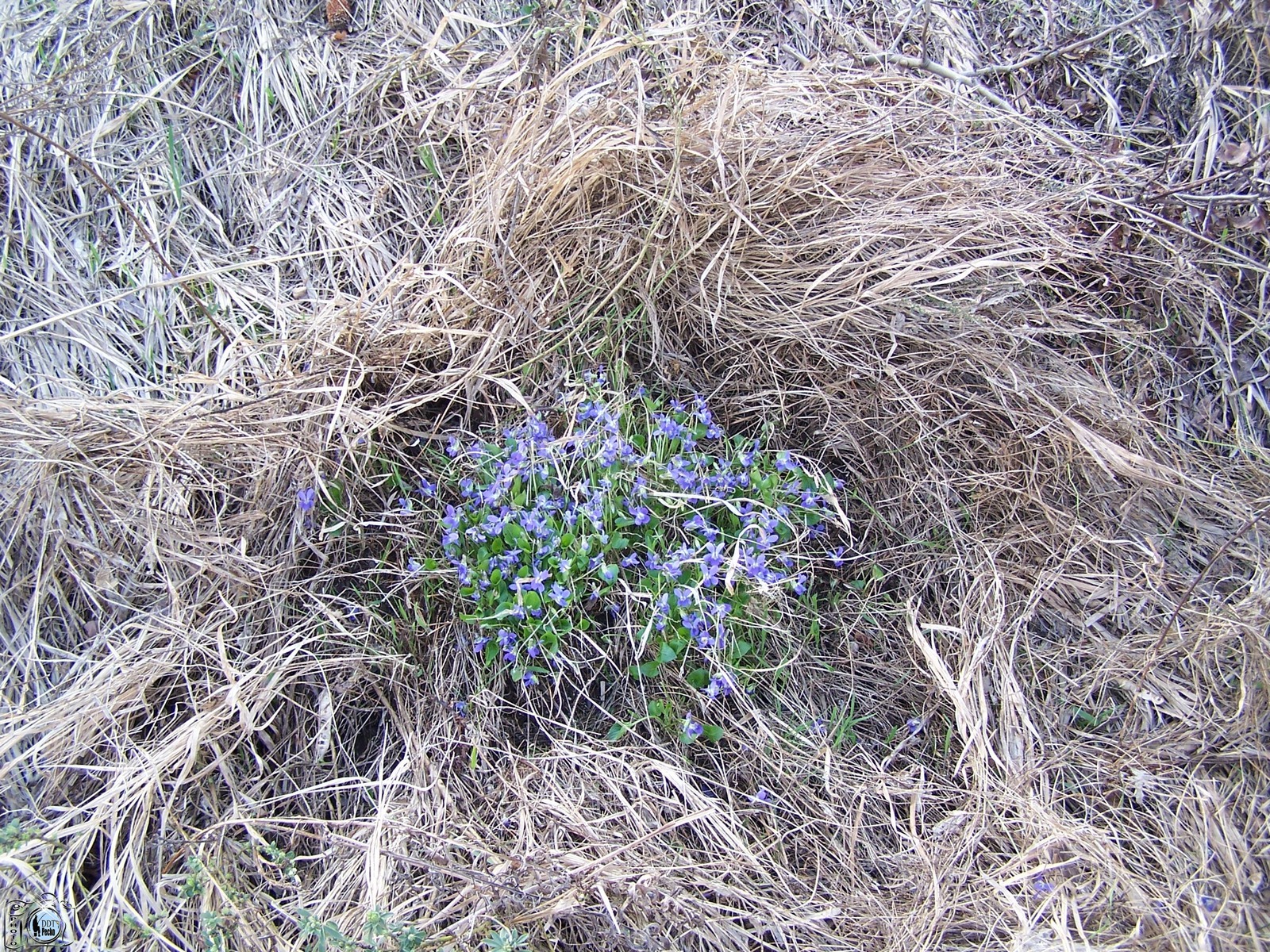
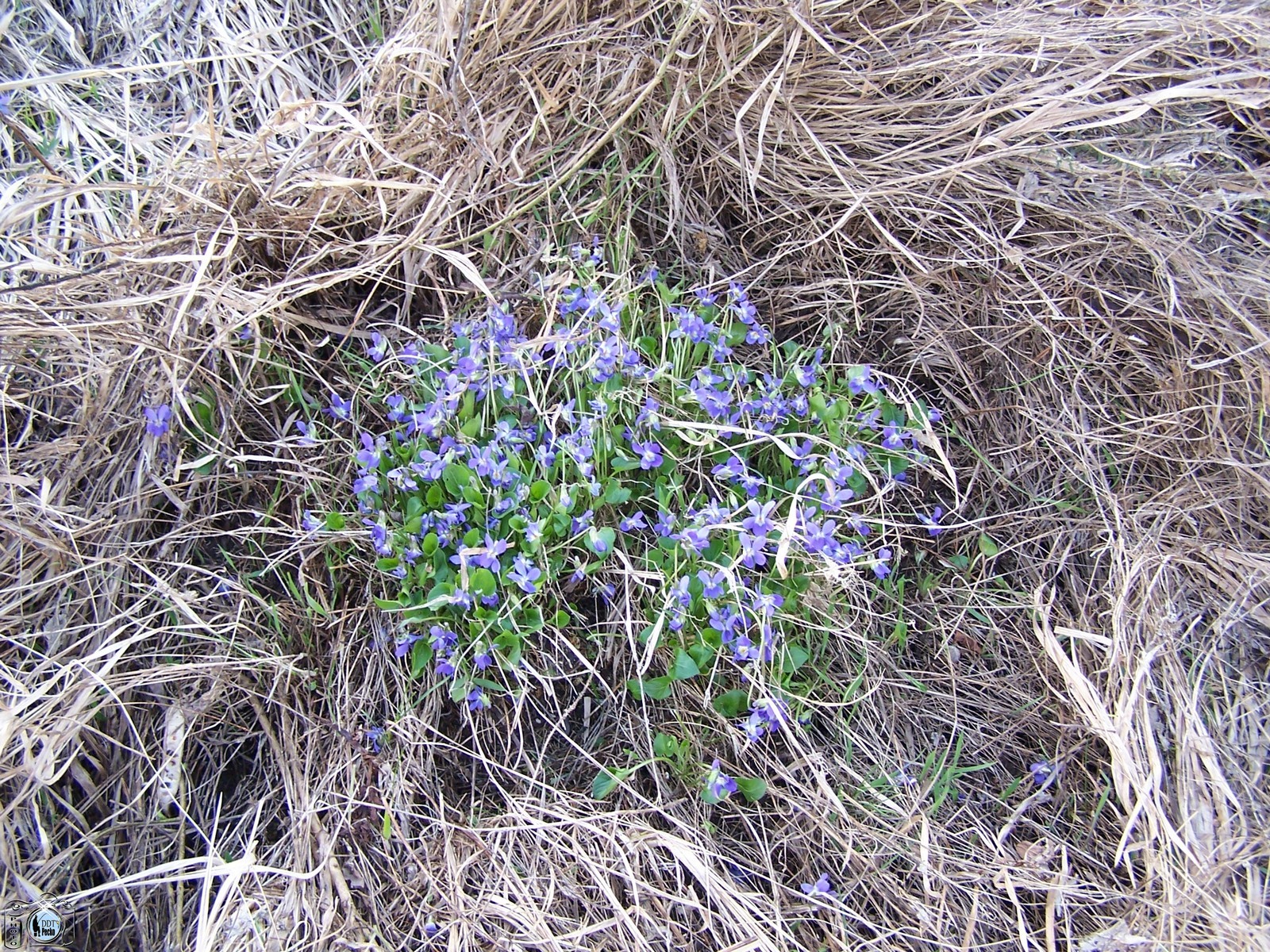
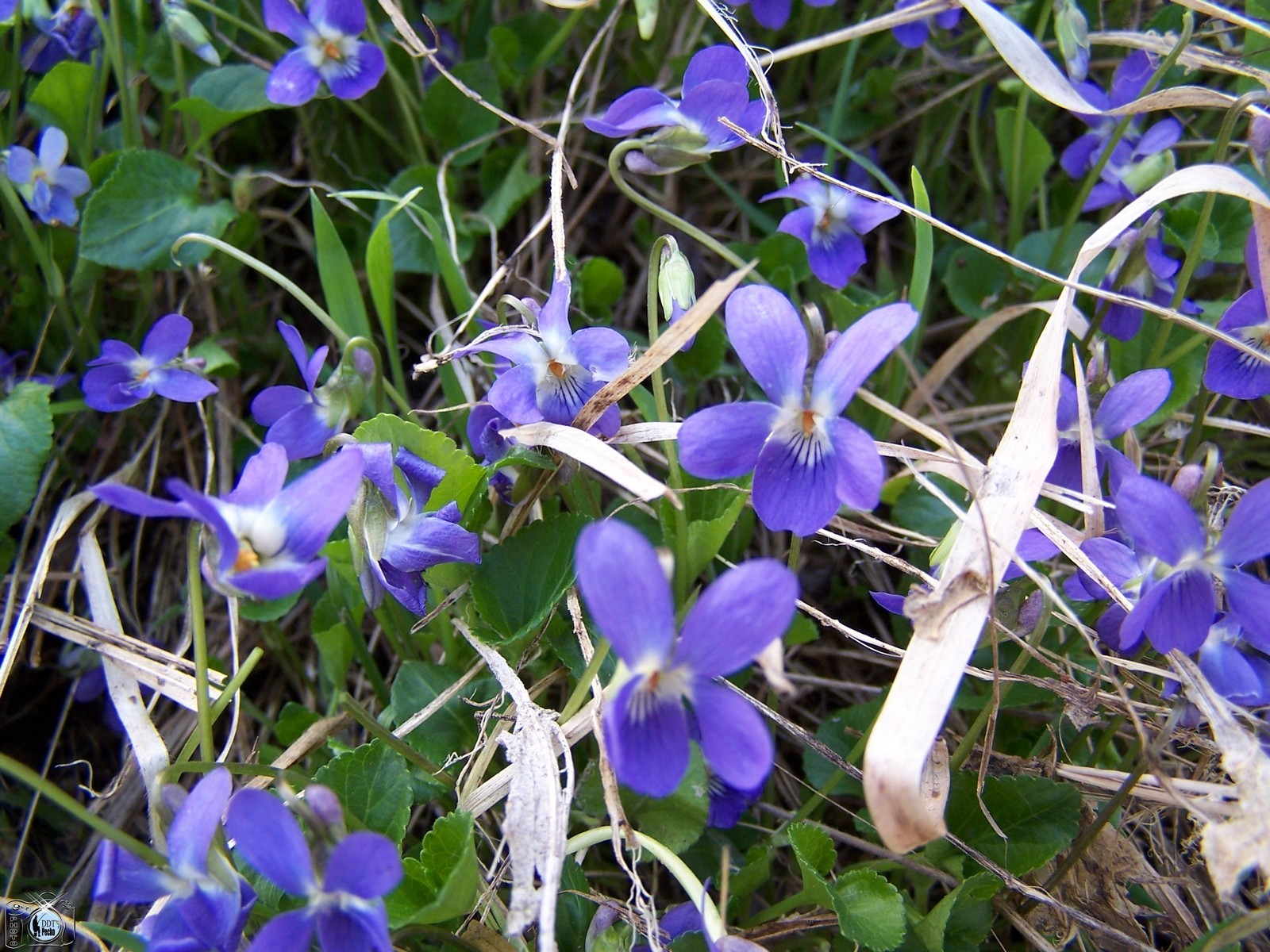
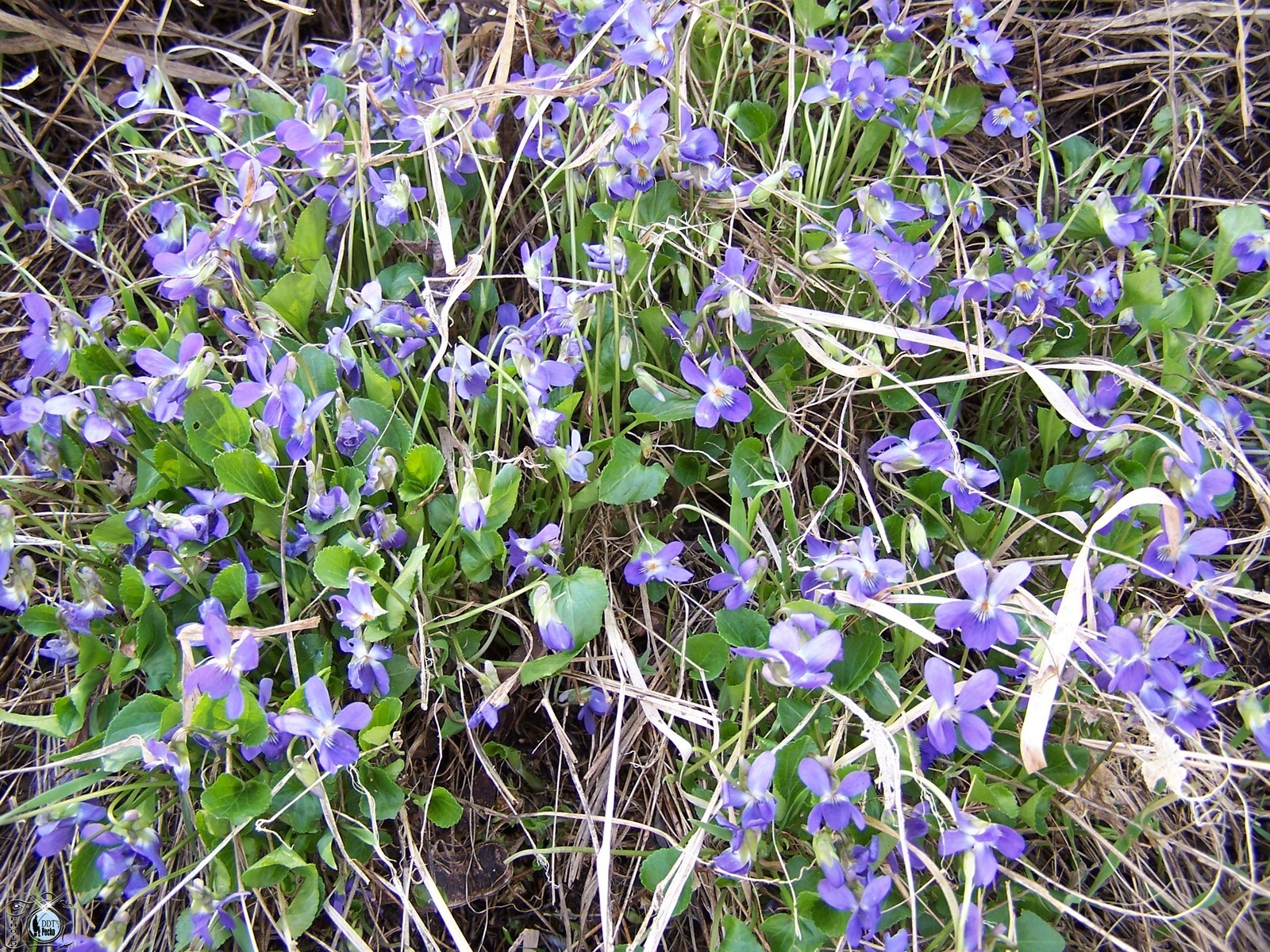
Good evening dear friends! Again, I am listing some old photos, these were taken on March 28, 2010. So we can expect these beautiful violets soon. The photos were taken on the shores of Lake Borkovac. Let's see what the literature says about violets: Wild violets or Viola odorata are the first sign that we are close to spring. Little is known about their "life", rich history and symbolism that accompanies them. This wild plant asks us to find it and preserves its beauty only for those who are ready to go on a hike. It is worth fighting for because, in addition to beauty, it also has healing powers, and it is increasingly used in gastronomy. It originates from Europe, but has long since spread to other parts of the world. Violet is a perennial with a thickening and a short rootstock, from which above-ground sacs develop. Dark purple fragrant flowers stand singly on long trees. For many inconspicuous, mature seed pods open with three flaps, from which small and dark seeds fall out. It grows in clearings, among bushes, in shady places along forest edges. It is also grown in gardens, where it reproduces very quickly. The good news is that each of us can dig up a few bokors from the forest and move them to our backyard. Next spring, there will be a purple "carpet" in the yard. Hidden seed tank In addition to part of the roots, it reproduces itself by scattering seeds. When the flower ripens, a "bag" opens, from which small seeds fall out. In order for the violet to produce seeds, even when the flowers suffer from frost, nature has provided it with a gold reserve. Before the end of the season, flowers appear on the plant that will never bloom. They grow on lower stabilizers, which are initially hidden underground, and their role is to produce seeds. At the end of the flowering season, the violet leaves swell, in order to enable the soil on which they grow to remain hidden from the sun's rays and moist enough for young plants to develop from the seeds. Medicinal whole plant Leaves, flowers and roots are collected for medicine. All parts of the plant are dried in the shade, in airy places and stored until use. It is used in the treatment of asthma, tuberculosis, headache, bloating, sore throat, rash, scarlet fever, pulmonary catarrh. Due to its calming effect, violet is also used in the treatment of hysteria, hypochondria, nervous heartbeat associated with feelings of fear and difficulty breathing, but also for insomnia and headaches. ********************************************************************************************** Dobar veče dragi prijatelji! Opet ja listam neke stare fotke, ove su nastale 28. marta 2010. Znači uskoro možemo da očekujemo ove lepe ljubičice. Fotografije su nastale na obali jezera Borkovac. Hajde da vidimo šta kaže literatura o ljubičicama: Divlje ljubičice ili Viola odorata prvi su znak da smo nadomak proleća. O njihovom „životu“, bogatoj istoriji i simbolici koja ih prati, malo se zna. Ova samonikla biljka traži da je nađemo i svoju lepotu čuva samo za one koji su spremni da joj krenu u pohode. Za nju se vredi boriti jer, osim lepote, poseduje i lekovite moći, a sve se više koristi u gastronomiji. Poreklom je iz Evrope, ali se odavno raširila i u drugim krajevima sveta. Ljubičica je trajenica s odebljanjem i kratkim podankom, iz kojeg se razvijaju nadzemne vreže. Tamnoljubičasti mirisni cvetovi stoje pojedinačno na dugim stablima. Za mnoge neprimetni, zreli semeni tobolac otvara se sa tri zaklopca, iz kojih ispada malo i tamno seme. Raste na čistinama, između grmova, na senovitim mestima uz ivice šuma. Uzgaja se i u baštama, gdje se vrlo brzo razmnožava. Dobra vest je da svako od nas može iz šume da iskopa nekoliko bokora i premesti ih u svoju okućnicu. Već sledećeg proleća ima ljubičasti „tepih“ u dvorištu. Skriveni rezervoar semena Osim delom korena, razmnožava se i sama, rasejavanjem semena. Kada cvet sazri, otvara se „torbica“, iz koje ispada sitno seme. Da bi ljubičica proizvela seme, pa i onda kada cvetovi stradaju od mrazeva, priroda joj je obezbedila zlatnu rezervu. Pred kraj sezone na biljci se pojavljuju cvetovi koji nikada neće cvetati. Oni rastu na nižim stabilima, koje su početkom skrivene pod zemljom, i njihova uloga je proizvodnja semena. Po završetku sezone cvetanja, listovi ljubičice nabujaju, kako bi omogućili da zemljište na kome rastu ostane skriveno od sunčevih zraka i dovoljno vlažno da bi se iz semena razvile mlade biljke. Lekovita cela biljka Za lek se skupljaju listovi, cvetovi i koren. Svi delovi biljke suše se u hladu, na prozračnim mestima i čuvaju se do upotrebe. Koristi se u lečenju astme, tuberkuloze, glavobolje, nadimanja, zapaljenja grla, osipa, šarlaha, plućnog katara. Zbog umirujućeg djelovanja, ljubičica se koristi i u lečenju histerije, hipohondrije, nervoznog lupanja srca povezanog s osećajem straha i teškim disanjem, ali i kod nesanice i glavobolje.
2 comments
So nice little flowers, a color is great
In addition to its beauty and gentleness, it also has therapeutic benefits. I think we have the same in Syria. Good evening, my friend