 @basika
more from that month
@basika
more from that month
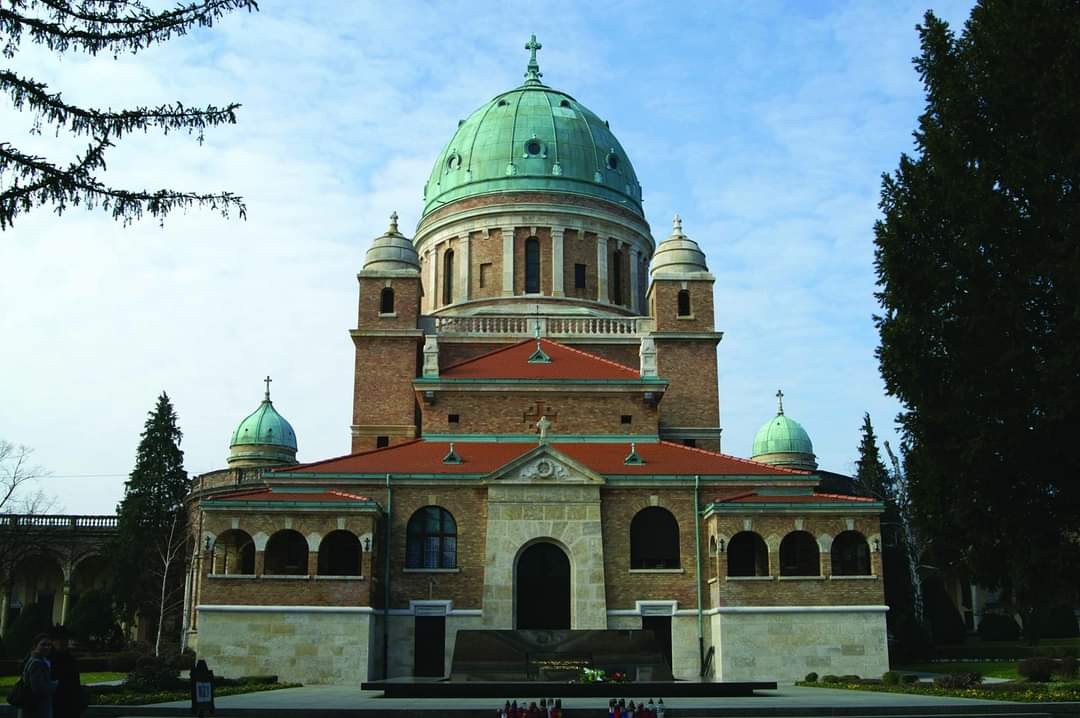
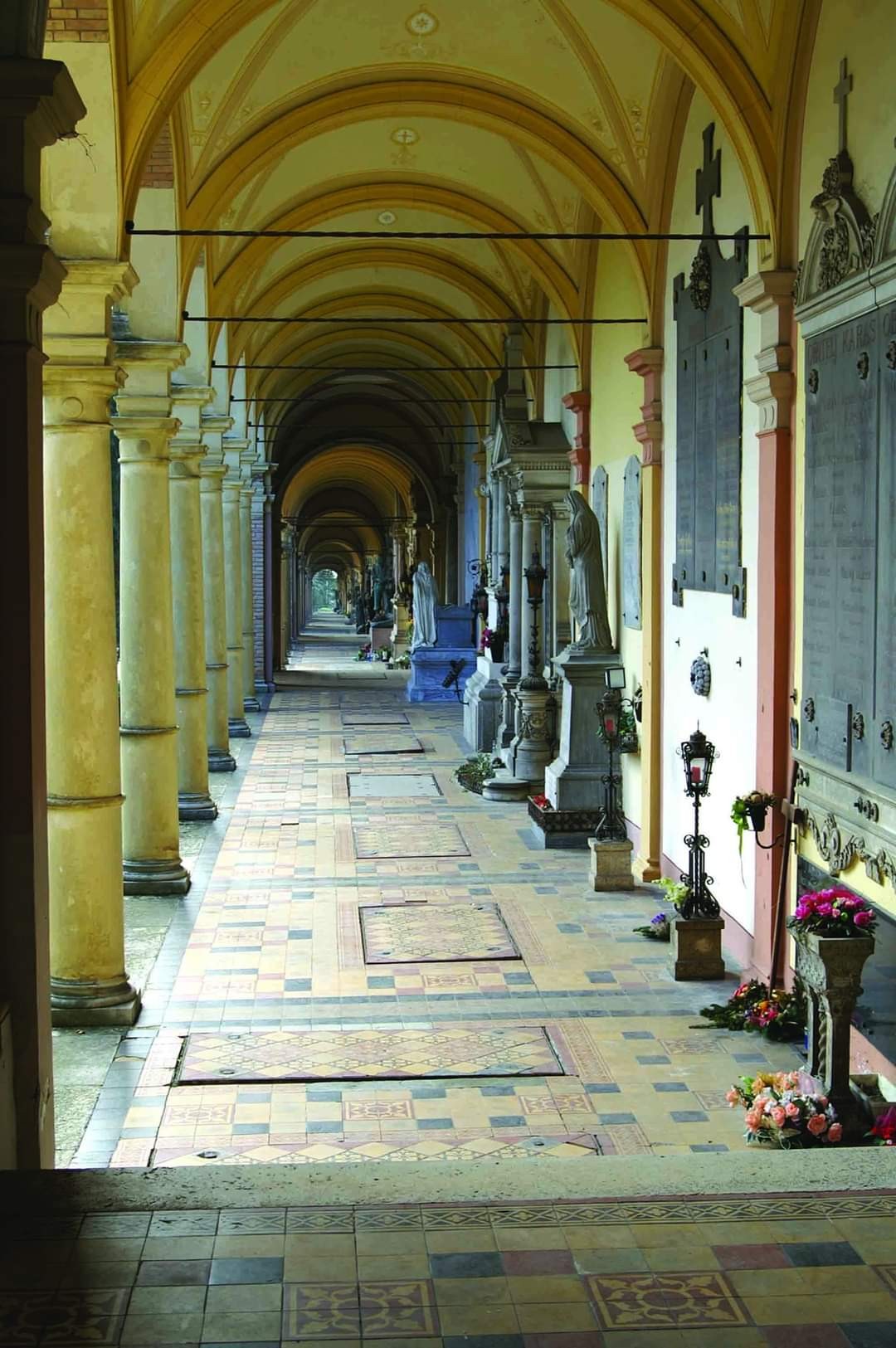
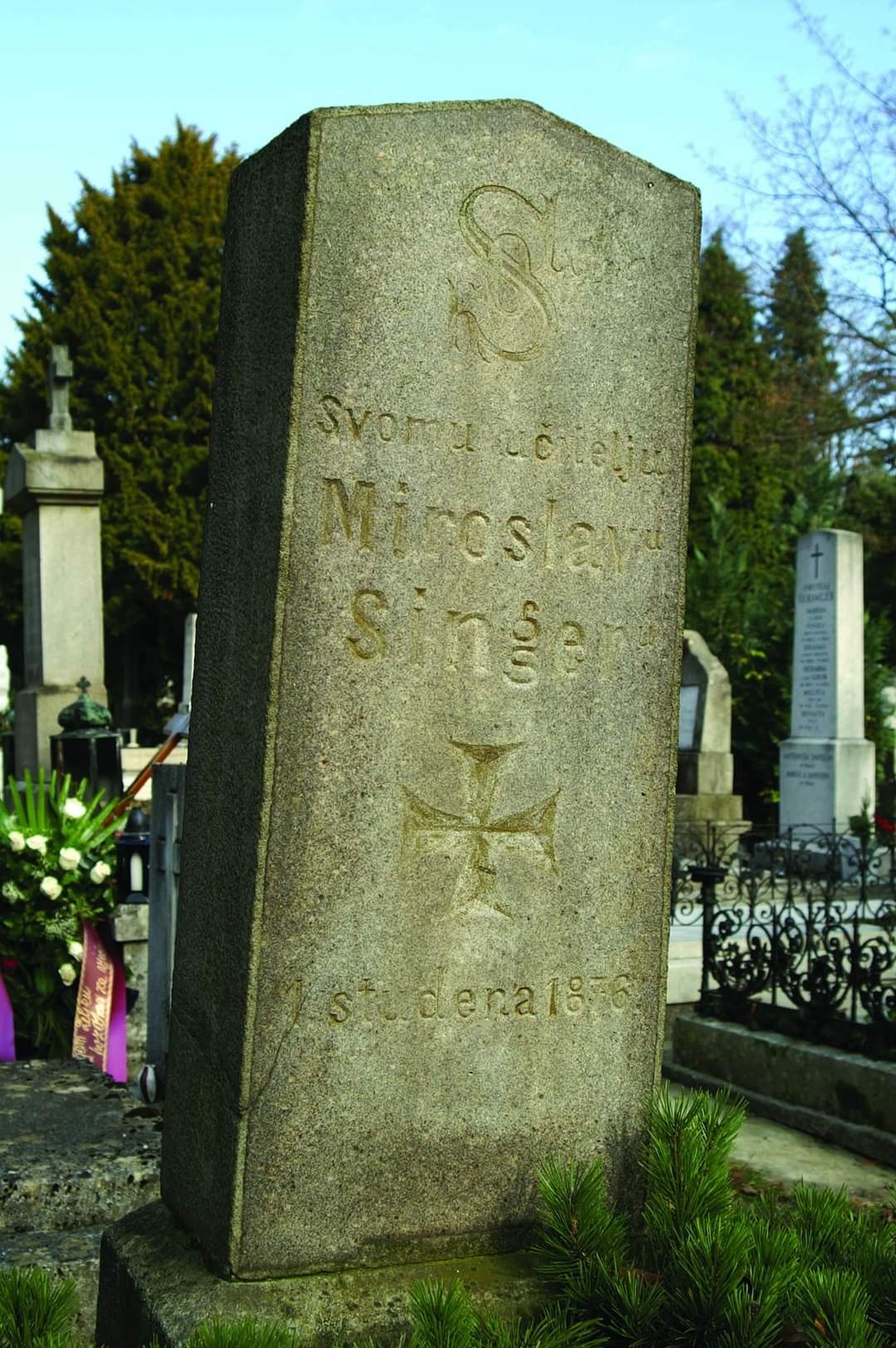
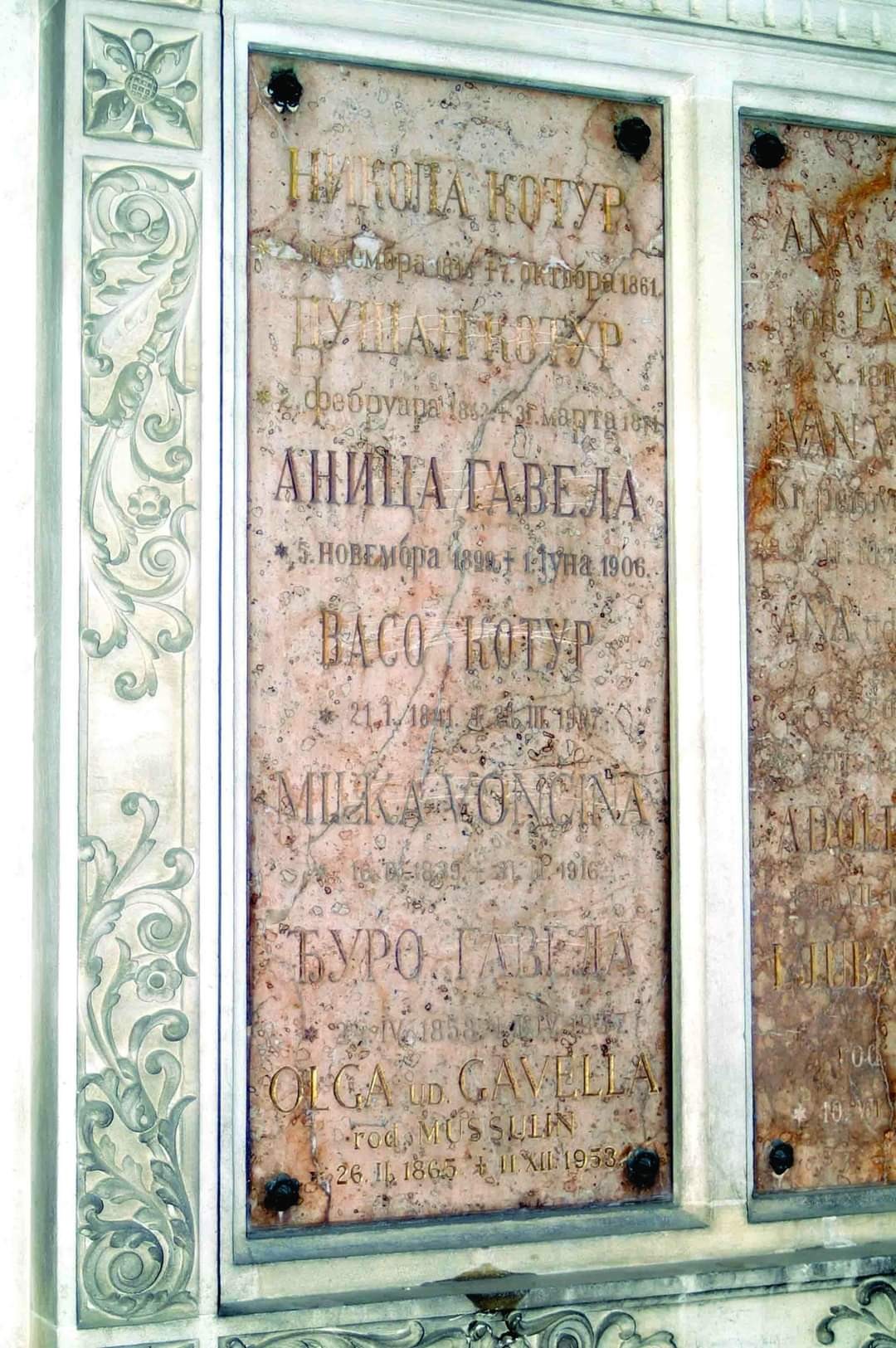
** Mirogoj - a cemetery for all religions and nationalities ** * One of the special features of Mirogoj are two temporary graves, ie resting places. * Before Mirogoj, there were various cemeteries in Zagreb - for the poor, the army, craftsmen, the rich, and so on. As the city expanded rapidly, houses and buildings reached these cemeteries as early as 1850, and people were not very comfortable feeling that their houses were close to the cemetery. Therefore, the city fathers agreed to purchase land for a single cemetery for all religions and nationalities. So from then until today, at the Mirogoj cemetery in Zagreb, there is no difference on religious, national or any other grounds. Since a great earthquake struck Zagreb in 1880, the city fathers called in the German architect Herman Bolle for help, who also proposed the construction of the Mirogoj arcades. The original idea was to surround the whole of Mirogoj with arcades, but as there was not enough money for that, the idea was soon abandoned. The first grave on Mirogoj was the grave of Miroslav Singer, who was buried there in 1886. In addition to the wealthier citizens of Zagreb, many great men such as Jakov Gotovac, Marija Jurić Zagorka, Dr. Ivan Šubašić and others are buried in the arcades of Mirogoj. The most important religions in Croatia are Roman Catholic, Orthodox and Islamic, and in accordance with that, the morgue was arranged at the Zagreb cemetery Mirogoj, or Mirno Gaj, as it was then called. The front central part of the morgue has been prepared and is used for the funeral of deceased Catholics. The left side is used for all rites of the Islamic religion, while the right side is intended for the rites of the Orthodox, Orthodox Church. At the very entrance to Mirogoj, on the left, there is the cinkuš, one of the most famous Zagreb bells that always rings from the moment the funeral procession starts from the morgue, until it passes through the entrance to the cemetery. One of the special features of Mirogoj are two temporary graves, ie resting places. When, for example, someone "suddenly" dies, and the papers have not yet been arranged, the funeral is performed and the coffin is then temporarily, until everything is resolved, standing in that place. When all is resolved, in the circle of the closest family of the deceased, he is transferred from the temporary to his eternal resting place. ** Two Serbian families buried in "the most Croatian grave" ** * Petra Preradović keeps the statue of Villa Rajviojla * Architect Herman Bolle also designed a chapel inside the arcades in which, among others, Stjepan Radić, his brother Pavle Radić and Đuro Basariček, members of the Croatian Peasants' Party, were buried. . years. Radic succumbed to his injuries a few days after the assassination. It is interesting that two Serbian families - Gavella and Kotur - were buried in this "most Croatian grave" and that inscriptions about these families and their deceased were written in Cyrillic above Radić's plaque. This proves that Croats have never had prejudices against those who were for our country. And it was the Gavella and Kotur families who loved and respected Croatia. From the Gavella family was also Dr. Branko Gavella, a great director, whose name is still the famous Gavella Drama Theater in Zagreb. Next to Radić, the great poet Petar Preradović "sleeps", who spent most of his life abroad as a military person in Austria and nostalgically suffered for his homeland. Now it is kept by the statue of the villa Rajviojla, the White Fairy from our folk songs, which was made by the sculptor Ivan Rendić.
No comments yet