 @bakanica
more from that month
@bakanica
more from that month
Queen Jelena proclaimed a saint The Serbian ruling dynasty of Nemanjić marked two centuries of the Middle Ages in the historical development of the Serbian people, and on the wider Balkans. Ten rulers from this dynasty changed on the throne of Serbia from 1168 to 1371. The rulers from the Nemanjić dynasty ruled the further development and the course of the history of the Serbian people in the two centuries they ruled Serbia. The most famous queen of the Nemanjić dynasty was the wife of the Serbian king Stefan Uroš I and the mother of future rulers, Stefan Dragutin and Stefan Milutin. Her origin has not been fully explained. The oldest and still most accepted theory says that Jelena of Anjou was of French origin and a cousin of King Charles of Anjou of Naples, whose brother, Louis IX, ruled France at the time.
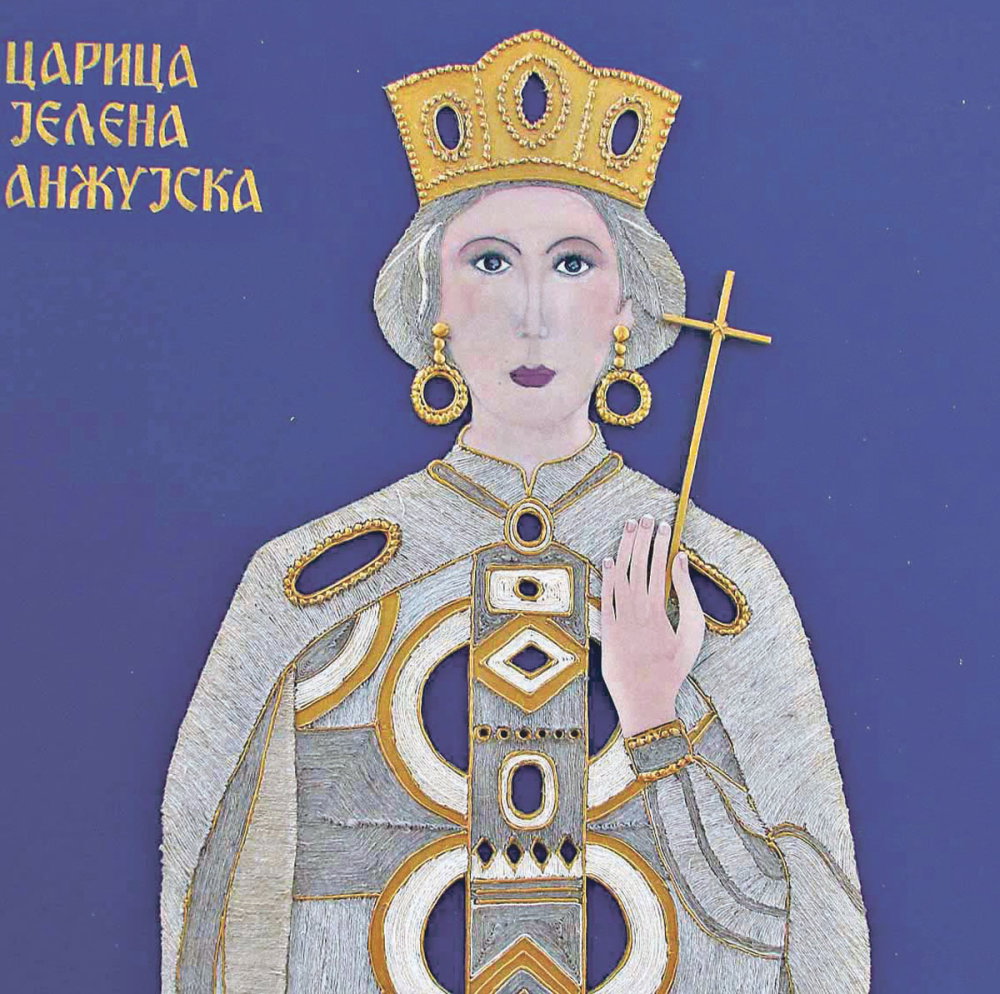
While waiting for Jelena's wedding procession that was coming to Deževo, King Uroš planted lilacs on the part of the road she was supposed to take in order to give his future wife an environment similar to the Mediterranean areas in which she grew up. For seven centuries, the valley of the river Ibar has been adorned with the memory of the romantic gesture of the king for, later the Serbian queen, Jelena Anžujska, by making that valley Provence.
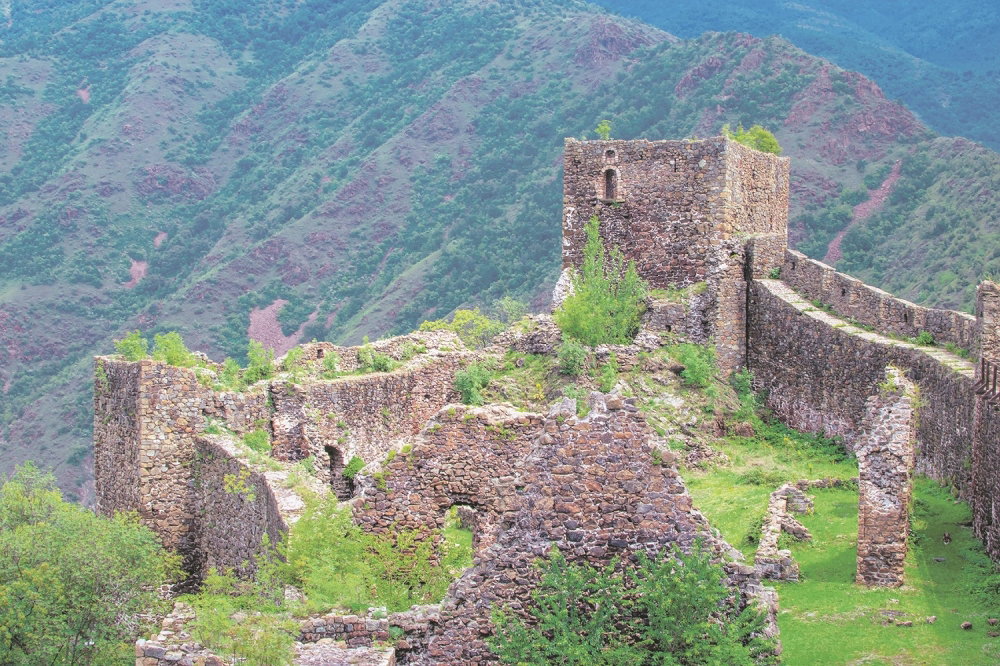
The Lilac Valley was created as a romantic gift from the Serbian king Stefan Uroš I, who wanted his future wife to feel like she was in her native Provence while she was coming to his court. She was the wife of the king and the mother of kings. She built churches and monasteries. She ruled the people and served God. Towards the end of her life, she became an Orthodox nun and built the Gradac monastery, which is near Studenica and Sopoćani, where she is portrayed as a nun.
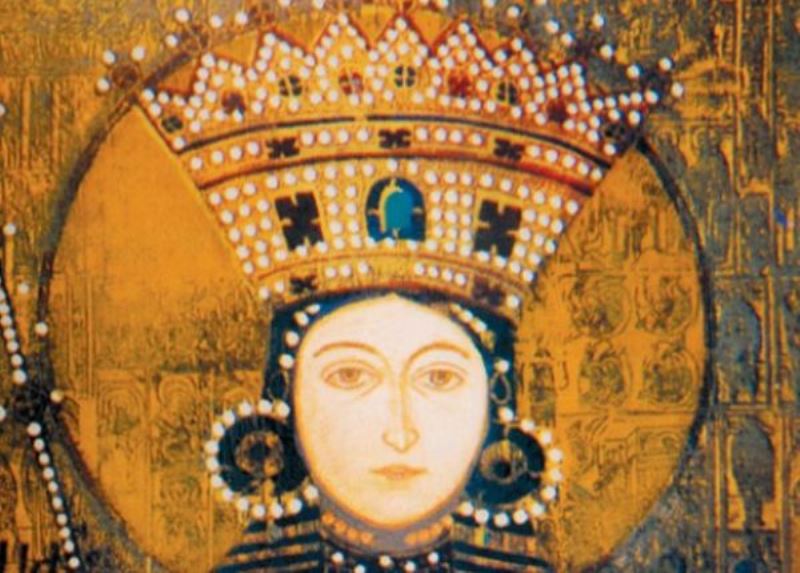
Although she came to Serbia as a Roman Catholic, in the end she accepted the Orthodox faith and decided to become a monk in the church of St. Nicholas in Shkodra. She died there in 1314. Queen Jelena of Anjou, the wife of Uroš I, left a big mark in Serbian history. She is the first woman in Serbian literature to whom life is dedicated and who received a cult from the church. She was the founder of the monastery and was proclaimed a saint.



10 comments
What a beautiful story about this lady. I don't know much about the Orthodox faith, much less did I know that they had nuns of this faith. I thought that only we Catholics had saints in our temples.
Both Catholics and Orthodox are Christians. They have a lot in common.
If I know that, we are Christians. But do the Orthodox believe in the Virgin Mary? or only in Christ?
Yes, believe in the Virgin Mary
Virgin Mary, rejoice, gracious Mary, the Lord is with you; Blessed art thou among women, and blessed is the fruit of thy womb, for thou hast begotten the Savior of our souls. our prayer
Wow, it looks like our prayer. God save you, Maria. full of grace. the Lord is with you. Blessed are you among all women and blessed is the fruit of your womb, Jesus. It is one of two paragraphs of the same prayer to Mary.
This is interesting, but - in the last paragraph - surely she did not decide to become a "monk". Should be "nun". A "monk" is always a male.
Thanks for the suggestion. I made a mistake.
Our history is so rich, at the same time sad.
Yes, we are a nation with a rich history.