Different ways to make the most of the weekend
The two-day relaxation period given to employees to get away from their busy work life and rest can now be a source of stress for many people. Anxiety about making the most of the weekend is a common concern for most people. Individuals who cannot decide how to make the best use of this time are experiencing stress by spending their weekends unsatisfied.
Recent research suggests that vacations now have such serious effects that they can pose a threat to a healthy and happy life. Many workers prefer to go out on a Friday night, spend Saturday relaxing at home and spend Sunday getting ready for Monday. Do you know that you can improve your work performance and productivity by changing this routine and trying different methods?
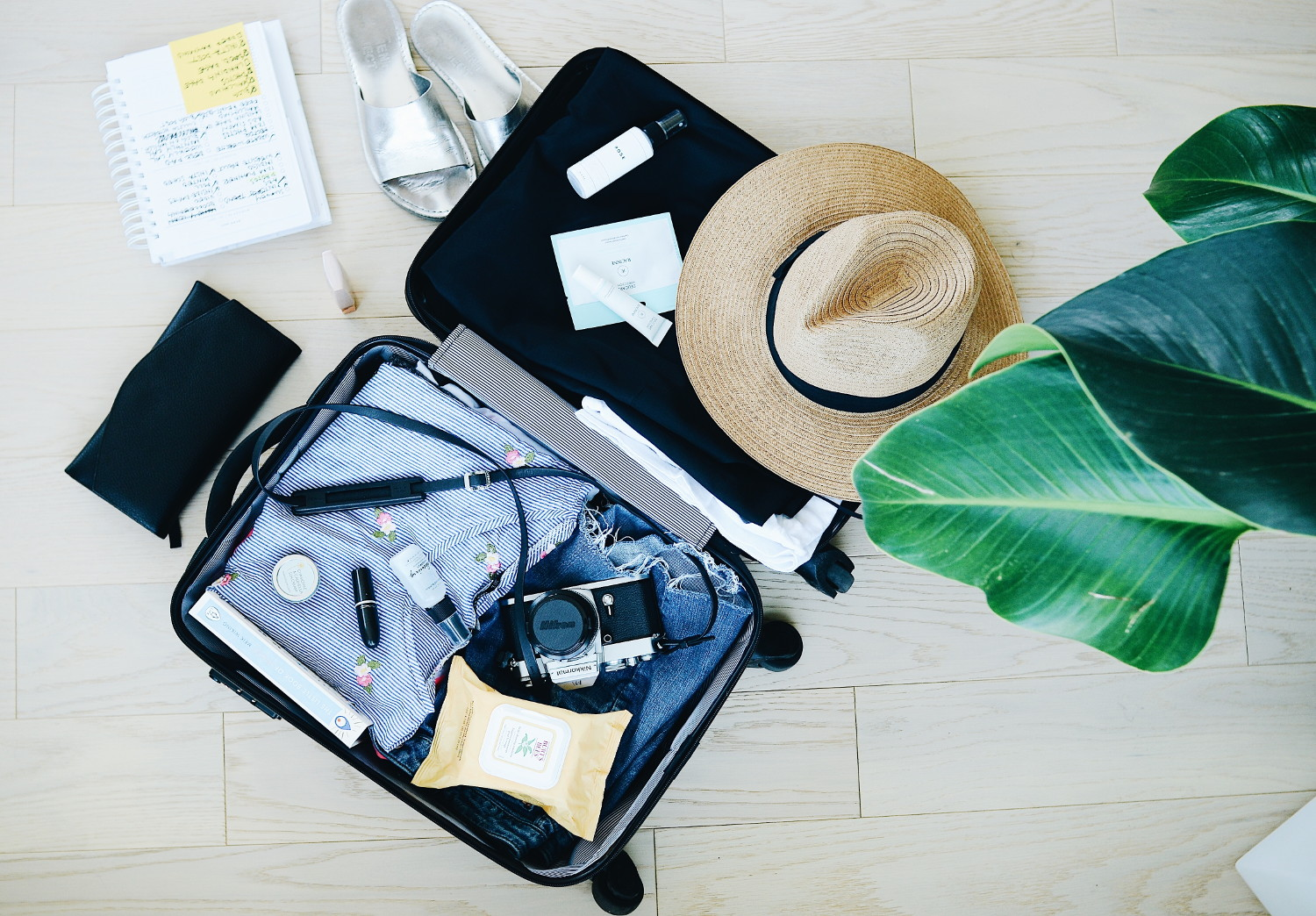
The first step is to understand that even when you are on vacation, you need to be organized and take the time and effort to plan. After that, here are 5 steps to help you make the most of your vacation...
One of the biggest mistakes workers make is to bring work home or keep work email open throughout the vacation, leaving no time for relaxation. If you want to spend your weekend relaxing and rejuvenating, you need to stop being on your phone all the time and postpone checking your email until Monday. Gemini Adams, author of The Facebook Diet, says, "We are now addicted to even the smallest notification." Spending even 15 minutes for 2 days checking your e-mails will make you unable to focus on your vacation and get enough rest.
A long run, a sauna or a sport... A 2-day weekend break is a great opportunity to do these stress-reducing activities that you can't do during the week. Even if you only have 10 minutes to spare, how you use that time can make a big difference to your life and help you have a more effective weekend.
If you absolutely have to work on the weekend, start by planning how much time it will take. Make a list of all the things you need to get done and those you can postpone until Monday. Don't let unnecessary or postponable tasks consume this 2-day period. Try to do the things you need to do when you are traveling, waiting for the plane, when you can't do any other activity.
Vacations, even if they are short, are the best time to make positive changes and develop new habits. A new environment gives you many opportunities to forget old habits and try something new.
One of the worst things about weekends is spending Sunday stressing about going back to work. In order to avoid this stress, planning your Monday and prioritizing your tasks will reduce your stress levels and help you use your Sunday effectively.
Time management may be a concept that you usually think you need to do at work. But as it turns out, planning your vacation and using time management effectively during this period will help you have a better vacation and therefore be more productive during the week.
The relationship between poets and their writings
Years ago, I wrote a short poem about two-faced people, those who change color according to the administration. When I shared it on a poetry site, I was left looking at the comments. Someone said, "How beautifully you described it, no matter how hard we try, the strings are in the hands of our almighty Lord". At first I couldn't make sense of the comment, when I looked at it a few days later, when I thought it was someone else's poem and tried to make sense of it, I said, "Yes, it could be this meaning, how would he know that I was talking about politics when I said spinning like a pinwheel".
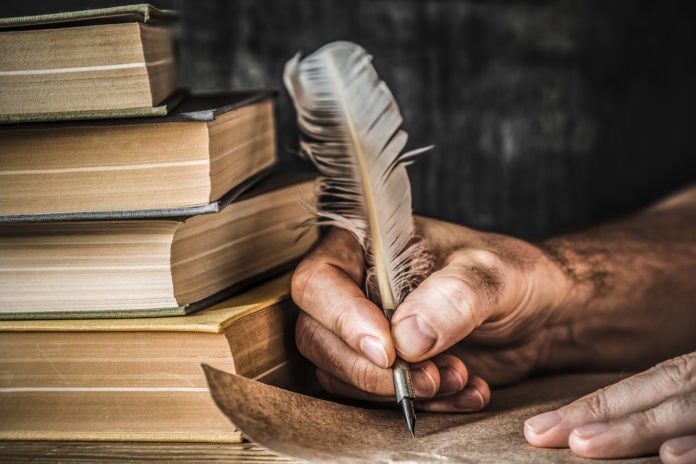
Poetry is such a difficult art to understand, to describe, to explain. Since it is a phenomenon that cannot be analyzed in a laboratory and reached a common conclusion by everyone, individual evaluations are always at the forefront. It has always been difficult to explain the relationship between poetry and poet...
In dictionaries, there is the definition "A person who writes poetry is called a poet". However, today, many people who walk around saying "I write poetry" say "I am not a poet" when it comes to saying that they are poets. Then is this an admission that what you write is not poetry? If what you write is poetry, then what should we call you? Is it good to be too humble?
There are many different opinions on this.
Then those who write poetry have a difficult job. It is one thing if they say they are poets, another if they don't. Unfortunately, this dilemma was not experienced when novelists were called "writers".
Since poetry has always been the rebel child of literature, issues related to poetry have always been the subject of debate. My opinion on this issue is "If you really believe that what you write is poetry, call yourself a poet". Is the novelist modest? He just says "I am a writer". Don't we have as much right to say "I am a poet" as those who say "I am a writer"?
Who is a poet? A poet is a literary person who writes and sings poetry (Look, this is very important, he does not have to write, he can also sing). He is the one who carries the common feelings and sensitivities of societies, and sometimes ideas contrary to society, to the future through art. His view of the world, events and people is different. What everyone else sees and hears, he sees, explains and writes with his own observation and perception. In doing so, he must use the subtleties of language, imagery and imagination in such a way that his narratives arouse admiration and every reader finds himself.
The aim of poets should not only be to write poetry, but also to create lasting works of art to be passed on to future generations. Today, our "poets" who write three to five poems a day should think about this issue and conclude the debate about whether they produce a lot or quality production. Those whose lifetime writings do not fill three books should stop being modest and say "I am the real poet".
He explained the question of who is a poet as follows: "A poet is a hunter. He chases the mirages of truth in the forest of unknowns. He shoots his arrow, which he has sculpted with his intelligence, at his prey; this sharp arrow whizzes through the gaps; but it cannot escape the pulling force of the place from which it emerges; it turns back and sticks in a soft, warm place. This is a heart, and the owner of that heart is the poet." What a beautiful definition.
If a person has a certain competence in poetry and his/her writings are accepted by the society, let's say that person is a "poet" and put an end to the definition and giving a title.
In the relationship between the poet and his/her writings, every poem bears traces of the poet and his/her life, and although it is said that writing by living is essential, we cannot ignore the existence of fiction. We have such poets who have produced works that have an important place in the history of literature about places they have never seen, cities they have never visited.
Considering that the word "poet" has supernatural powers, and also carries content such as madman and soothsayer, we will have found the answer to the question "Why are poets extreme and crazy?".
When we read the poems of people who recognize and write poetry, whether they write in syllabic, prosody or free verse, if we can establish a connection with our poets who have made a name in the history of literature and add them among the links of the poetry chain, we should be able to call the writer of that poem a "poet".
Maybe my article seems to contain opposite ideas about giving the title of "poet", but when you examine it, add yourself to the chain wherever you feel you belong.
 @augustpowet