Sciatica at the time of Covid-19
The sciatic nerve originates from the lumbar spine. The point where it is most superficial is in the middle of the buttocks, the gluteal region. The nerve extends along the leg, the posterior lobe and branches to the nerve that innervates the largest muscle of the upper leg m. Quadriceps, or four-headed muscle and nerves in the lower leg. One is the peroneal nerve - n. Peronues which innervate the muscles of the anterior tibia, and n. tibialis which innervate the muscles of the posterior tibia.
When the lower back cools down, which is most often when staying in a cold room, playing sports in a cold hall, etc., the sciatic nerve, which is popularly called "sciatica", becomes inflamed. It is usually an inflammation of one sciatic nerve, although rare information can effect both nerves.
Pain in the lower back and legs
Then the patient feels pain in the area of the lower back, in the middle, where the motor point of the nerve is located. This is where the nerve is most superficial and the pain spreads to the back of the upper leg and the outer part of the lower leg and extends to the feet. The patient may also feel pain from the front thigh, which extends to the to the knee. According to the clinical picture, anamnesis and neurological examination, the doctor can precisely determine which nerve roots are inflammatory. Inflammation of the sciatic nerve can affect both young and old persons.
In autumn, when temperatures are low, young people have inflammation of the sciatic nerve. The fashion of wearing jeans that aren't for cold days leads to nerve cooling and patients feel pain along the projection of the sciatic nerve pathway. Young athletes after the pool, patients sitting in the park on cold benches, driving in cold cars on unheated seats, lead to the appearance of sciatica symptoms.
The disease begins with gradual pain in the area of the lower back or in the area of the outer side of the lower leg. Patients don't initially react to the appearance of pain, only in a day or two when the pain is strong, when they have a forced position due to it, they are distorted. The pains are according to the described nerve and are especially pronounced in the lower leg. Patients complain that the outer part of their lower leg burns and getting tickle pain.
No massage or exercise
As we are now in an epidemic of coronavirus, patients don't call the doctor on time and it takes time to receive and accept the following advice.
First, they have to rest. It is best to rest for at least three days. This is very important, because moving and working with pain would lead to prolongation of the disease. More precisely, with a more clinically pronounced picture, the treatment would be prolonged.
Secondly, it is also important to take some of non-steroidal anti-rheumatic drugs in sufficient doses, according to their weight, age and according to the advice of doctors who can also get it over the phone.
Third-but not least-is that patients shouldn't use aggressive heating creams locally. Inflammation of the nerves doesn't tolerate aggressive heat. Moderate antirheumatic creams should be used at this stage.
Massage and any exercise are forbidden.
Resting involves lying in a position with the knee bent of the patient's leg. The bearing doesn't have to be extremely hard. It should be moderately hard. A bed that is soft isn't suitable.
After a few days, when the pain is reduced, the application of physical therapy in the sense of anti-pain therapy begins. The patient can move, he doesn't need to sit for long. Sitting isn't recommended for more than two hours. Walking is allowed. Carrying weights should be limited to two to three kilograms.
Let's repeat!
At the beginning of the disease, rest in a comfortable position. The position in the bed should be with the legs bent or a pillow should be placed under the knee of the diseased leg, so that the leg wouldn't be stretched.
The patient should start antibiotic therapy with drugs, as well as local application of mild rheumatic creams. Hot water bottle or heater shouldn't be installed locally, but only heating with natural materials, preferably a woolen scarf of belt.
After a couple of days, the all-days pains pass, but they are still present in the area of the lower back or sometimes the groin and lower legs, and occasionally. Especially the pain is mentioned at night. Then, if there are conditions, physical therapy should be stated. At this stage, the patient can apply antirheumatic creams locally. If outpatient physical therapy can't be organized, the patient start stretching exercises on the lumbar region and hind legs independently. Strengthening exercises of this region are forbidden, but only stretching.
Advice
Dressing must be adapted to the weather conditions, especially for young people who are inclined to dress according to the summer scheme, even at low temperatures.
Of course, it is best to consult a physiatrist to continue the treatment. As the corona epidemic continues, many patients find it more difficult to communicate with doctors, and that is why it is necessary and important to adhere to the rules we have stated.
If you get sciatica, and you don't have other symptoms that would upset you, don't be afraid that is a corona virus. Sciatica can be easily repaired, and without consequences.
So far, there have been no cases of corona infection with the virus starting with sciatica.
Literature and images: Lily magazine, winter 2020/21, page 58
Powerful retinol
Due to the fact that the health of skin beauty is considered one of the main factors that represent the perception of "health" of people, in recent years much attention has been paid to developing strategies to combat aging, as well as developing new technologies and active substances. Various products or treatments, which are placed on the cosmetic market, accelerate keratinization, achieve collagen synthesis, active growth factors, in order to improve appearance of the skin and accelerate regeneration, and thus delay or reduce the signs of skin aging.
Among them, preparations with retinol stand out, which are in the form of serums, , night creams, masks and numerous preparations. Is it possible to use the same substance in the treatment of acne and oily and problematic skin, and at the same time to be effective in the fight against the effects of aging and care for dry and mature skin?
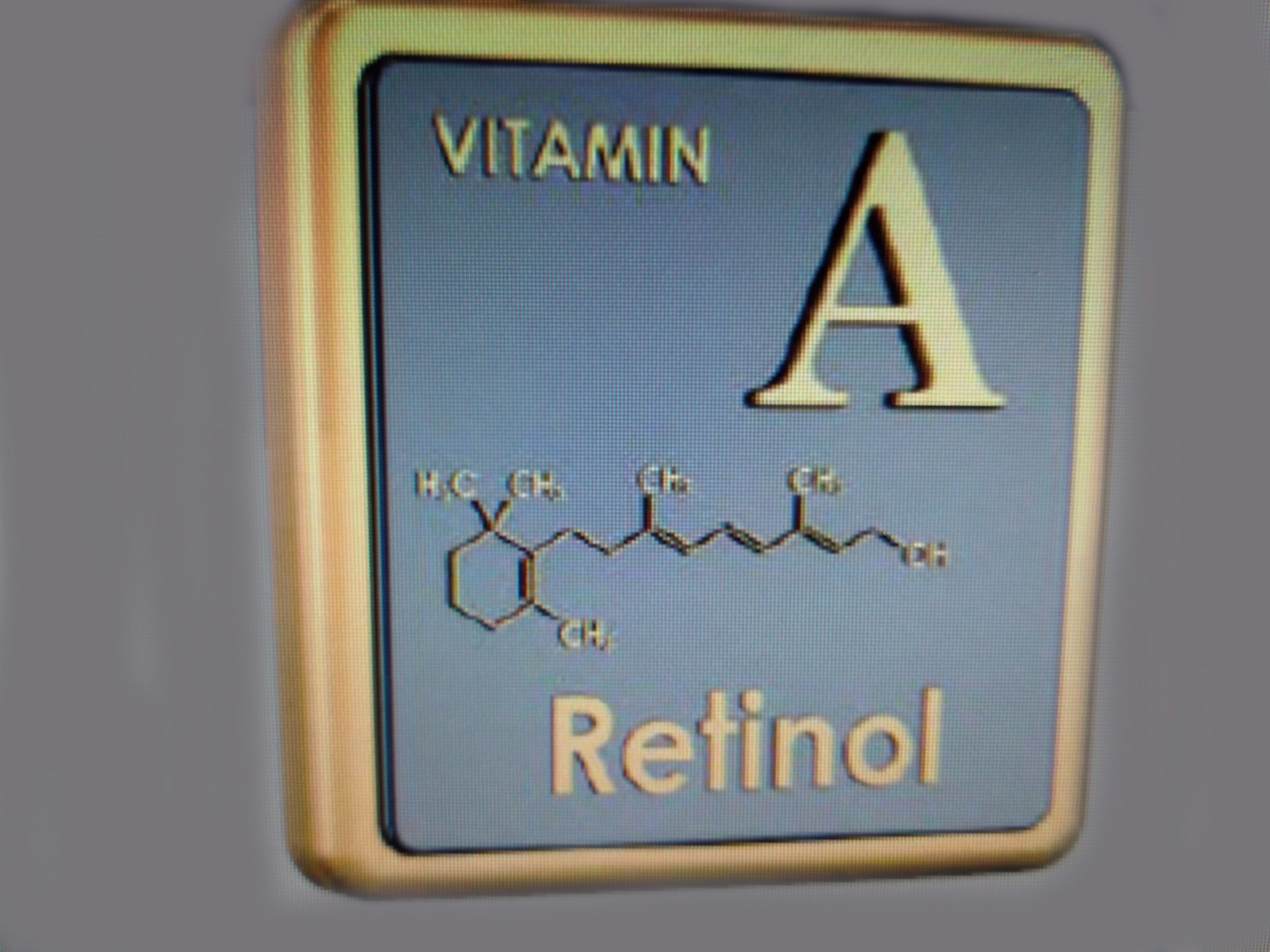
Retinol is one of the most well-known skin care ingredients on the cosmetic market. Vitamin A derivates (retinoids) are a set of substances that have a very important place in modern dermato-pharmacology, and some of them (adapalene, tretinoin) are the gold standards for dermatological diseases, from acne to psoriasis.
Versions of retinoids used in cosmetics are less "powerful" than those used in dermatological purposes, in the treatment of acne and other skin diseases. Retinoids used in dermo-cosmetic products are: retinol, retinyl palmitate, retinyl propionate, retinaldehyde and the provitamin form beta-carotene. However, retinol is still the strongest version of retinoids on the cosmetic market, and there are many potential ones to consider. In addition to these forms, there are retinoids registered as drugs, such as adapalene, tretinoin, (retinoic acid), acitretin, tazarotene... and which as such mustn't be found in cosmetic products, and are mostly considered high-risk drugs due to teratogenicity.
"Cosmetic" retinoids are currently the most effective evidence-based cosmetology, especially when it comes to anti-aging products, and for acne therapy.
Positive effect on collagen metabolism in the skin
Vitamin A (retinol) and its derivates (retinaldehyde and tretinol) are primary used in anti-aging products, due to their antioxidant effects, but also due to proven inhibition of enzymes that break down existing collagen, so retinol has a strong positive effect on collagen metabolism in the skin. The lipophilic nature of retinol ensures its penetration through the skin, and the possibility of achieving the intended therapeutic goals and better efficiency.
Penetrating the middle layer of the skin, retinol helps neutralize free radicals, as well as strengthen free radicals, as well as strengthen elastin and collagen. This gives him the so-called plumping effect which is reflected in the reduction of fine lines and wrinkles, enlarged pores. At the same time, retinol has an exfoliating effect on the surface of the skin, and constantly leads to exfoliation of the surface layers of the skin. In that way, retinol conditions the improvement of skin tone and texture, prevents the appearance of wrinkles, and also leads to its lighting and softening.
Thank to its exfoliating effect, retinol also has a comedolytic effect, prevents wrinkles, while stronger forms are the gold standards in acne therapy. In addition, clinical studies have proven that retinol has an effect on increasing skin hydration, so such a wide range of effects is the reason for its great popularity in skin care.
Multiple action
Retinoids have multiple mechanisms of action, and only some of them are: induction of epidermal thinning, acceleration of cell division, reduction of sebum production as well as reduction of sebaceous cell size, simulation of collagen synthesis, stimulation of keratinocyte differentiation... Retinol and its derivatives are used in cosmetics to reduce wrinkles, reduce hyperpigmentation and blemishes, to improve the appearance of photograph skin, in the treatment of acne, as well as in all indications related to wrinkles and symptoms of skin aging and to revitalize the skin in general.
However, although dermatologists and the cosmetics industry favor retinoids due to scientifically based evidence on the prevention of premature skin aging and photoaging, as well as acne, vitamin A derivatives show a high risk of skin sensitization as well as a teratogenic effect. Therefore, the use of products containing retinol and its derivatives is prohibited during pregnancy and lactation, especially if they are in higher concentrations, due to systemic absorption.
Adverse reactions to retinol
Side effects of the preparation with retinol and derivatives are redness, itching, peeling of the skin, rarely blisters, photosensitivity (increased sensitivity to sunlight). Therefore, it is recommended that retinol preparations be used for night skin care. These side effects can be temporary and often disappear after a few weeks, when the skin get used to their action. It is also advisable to apply the preparation with retinol 30 minutes after washing the face, so that the irritation is minimal for sensitive skin. Another way is the gradual introduction of the preparation, by applying it first it first every third day, then every second, and finally every day, if there is no reaction. The risk of reaction increases if there are several such preparations at the same time, so pay close attention to what you combine, especially if you have combination and mature skin, because retinol found is found in a large number of preparations for this type of skin care. Also, the use of preparations with fruit acids should be avoided while using retinol, because this combination can also cause skin reactions. The effectiveness of these preparations depends on the concentration of retinol in them, so you should always consult an expert when choosing them.
Use in the long run
There isn't right time to use a preparation with retinol. Experts advice that their use can be started as the middle of the twenties, especially in people who have blemishes or are prone to hyperpigmentation. It is best to start using preparations with retinyl palmitate or retinol, and use them for three months. The reason for this that clinical research suggests that retinol-induced cell renewal is maximal for three months, and doesn't increase thereafter.
This applies in general to all preparations with retinol, and unlike hyaluronic acid, the visible effects of their action take a little longer, at least a few weeks. That is why they are preparations that are used in the long run. Whether you have young or mature skin, oily or dry, you can always find the right retinol product for yourself.
It is important to use a moisturizer with a such a preparation, because it dries the skin, or if you have mature and dry skin, such a preparation also contain hyaluronic acid, ceramides or some vegetable butter (shea butter) for maximum effects.
And finally, what we emphasize all year round - protection from UV radiation. If you use preparations with retinol, UV protection is necessary throughout the day, because retinol can cause serious skin irritations in the sun.
Literature and images: Lily magazine, winter 2020/21, page 50

Supplement are not drugs but food
A significant place in the shelves of pharmacies is occupied by dietary supplements, products that are very similar to drugs n their form, but in essence they aren't. It is believed that in the USA, half of the adult population regularly uses some of the dietary supplements, that in Europe the demand is little lower, but equally under strong marketing pressure. We are witnessing their growing popularity in Serbia every day. The market for dietary products has been constantly expanding and their turnover has experienced a dramatic jump since 1994, when the US Congress passed a law defining these products for the first time as product that should complement the food consumed.
They contain one or more nutrients such as vitamins, minerals, substances that have beneficial effect on human health, and are in dosage forms, designed to be taken in measured individual doses (capsules, tablets, drops, etc...). Although they are in a form atypical for food, they are.
They aren't used in ordinary food and can't replace individual meals. In our dietary supplements, according to current regulations, are classified as dietary foods.
Why are they popular?
There are numerous reasons for the popularity of dietary supplements. People are becoming more and more aware of the importance of proper nutrition in health promotion, but they are also aware that for many reasons (lifestyle and pace of life with constant stress, skipping meals, special diets, reduction diets, vegetarianism,...) they are not able to provide nutrition everything they need. Among the main reason for the use of supplements is people's concern for their own health, but also the popularity of self-medication. Who hasn't heard the advertisements that supplements can help with certain diseases such as: arthritis, hypertension, hypercholesterolemia, cancer, obesity? Unable to cope with the demands of everyday life, people exposes to daily increased efforts easily reach for supplements, so among the most popular are those intended to increase energy levels and general strengthening of the body.
Also, among the very popular dietary supplements are those intended for athletes, as well as supplements for weight reduction. At the Center for Sports nutrition and Supplementation, most people use supplements to lose weight, or quite the opposite, to gain weight. The fact that the Center employs several doctors, pharmacists, but also a doctor of biochemistry and a bodybuilder speaks volumes about how demanding it is.
Dietary supplements are easily available, don't require a medical examination or prescription, they are available in pharmacies, health food stores, but they are also available online.
Who really needs dietary supplements?
Supplements are needed to by people who, due to lifestyle or special dietary regime, can't get the necessary, balanced amounts of necessary nutrients. There are also conditions in which the need for certain nutrients is increased, so they need to be taken in supplements. Older people, children, adolescents, women in special conditions and periods of life can benefit from well-designed supplementation. I still remember the faces of pharmacists when I asked if it was normal for our menopausal woman not to be affected by proper supplementation, as women in the West and Japan do.
Only those who have tried it know how much evening primrose, red clover, or isoflavones, (plant estrogens) help in some situations. At the same time, it should always be borne in mind that the amount of a substance ingested is the sum of the intake of food and supplements. However, the problem is also in the habits. Thus, for example, our women don't take in approximately the same amount of isoflavones as Asian women do, because they don't have the habit of using soy. On the other hand, in the case of the use of dietary supplements, the rule is is no longer better, but measure and patience is necessary. Supplements aren't taken for a couple of days, but usually for months, because, as it was said, they are not drugs, but food, and they need time to get involved in human metabolism.
Classification of dietary supplements
Although there is no universally accepted division of dietary supplements, it is very often used that divides dietary supplements into two groups. The first group includes vitamins, minerals and other basic nutrients (amino and fatty acids, coenzyme Q...). The second group, in addition to substances of botanical origin (herbal supplements), also contains substances of their origin (enzymes, probiotics). Supplements of both groups can be both mono-component and poly-component. They can also be classified in relation to the organic system on which they show a positive effect (supplements intended for the locomotor tract, cardiovascular system, gastrointestinal tract...). They can be divided according to different periods in a person's life.
Interactions of supplements and drugs
When using supplements, care must be taken about their possible interaction with drugs and during this simultaneous use, a doctor should be consulted. Namely, supplements and drugs can have a similar effect, so the effect of a drug can be potentiated. Thus, the anticoagulant effect of warfarin (a drug used by heart patients) can be enhanced with supplements of fish oil, ginkgo, garlic. There is also possibility of the opposite effect. The effects of immunosuppressants and corticosteroids may be reduced if vitamin E supplements of echinacea-based supplements are used. It is well known that calcium supplements interfere with the resorption of tetracyclic antibiotics, and that St. John's wort accelerates the elimination of drugs.
Risk of using supplements
Despite the numerous positive effects they have, the use of supplements carries certain risk. It is known that even vitamin-mineral products carry certain dangers (vitamin A can have a side effects on the liver, vitamin D on the kidneys, while vitamin B6 in overdoses can cause neurological disorders). Some supplements are risky for certain population groups (magnesium supplements for kidney patients, garlic supplements for diabetics on antidiabetic therapy). Dietary supplements shouldn't be taken as a substitute for medical therapy.
In case of any doubts when using dietary supplements, you should consult a doctor. Since the doctor is often mentioned as a counselor in supplementation, we should be aware of the fact that most doctors don't know enough about supplements and that only small number practically work with and can give the right advice.
The dangers associated with the use of dietary supplements may be related to the patient's misinformation, resulting in the absence of the expected effect. All this results in unnecessary material cost. On the other hand, the situation is much more serious in the case of causing an adverse health effect. A recent drastic example of the illicit presence of sibutramine in green coffee, which is used as a weight loss product, whose use was very widespread, pointed to many problems. After several deaths due to stroke and cardiovascular events in Europe, its use is definitely banned in Serbia. The reaction of our costumers (mostly women) was such that they ran to pharmacies with the aim of making stocks. It is amazing that a small number of them talk about the harmful effects due to the withdrawal of green coffee that contain illicit subutramine.
Also, great care should be taken when using herbal supplements and taking into account the length of their use. Although, herbal supplements are of natural origin, this doesn't mean that they are inevitably safe.
Images and literature: Lily magazine, free editions, September, page 52.
 @alladin


