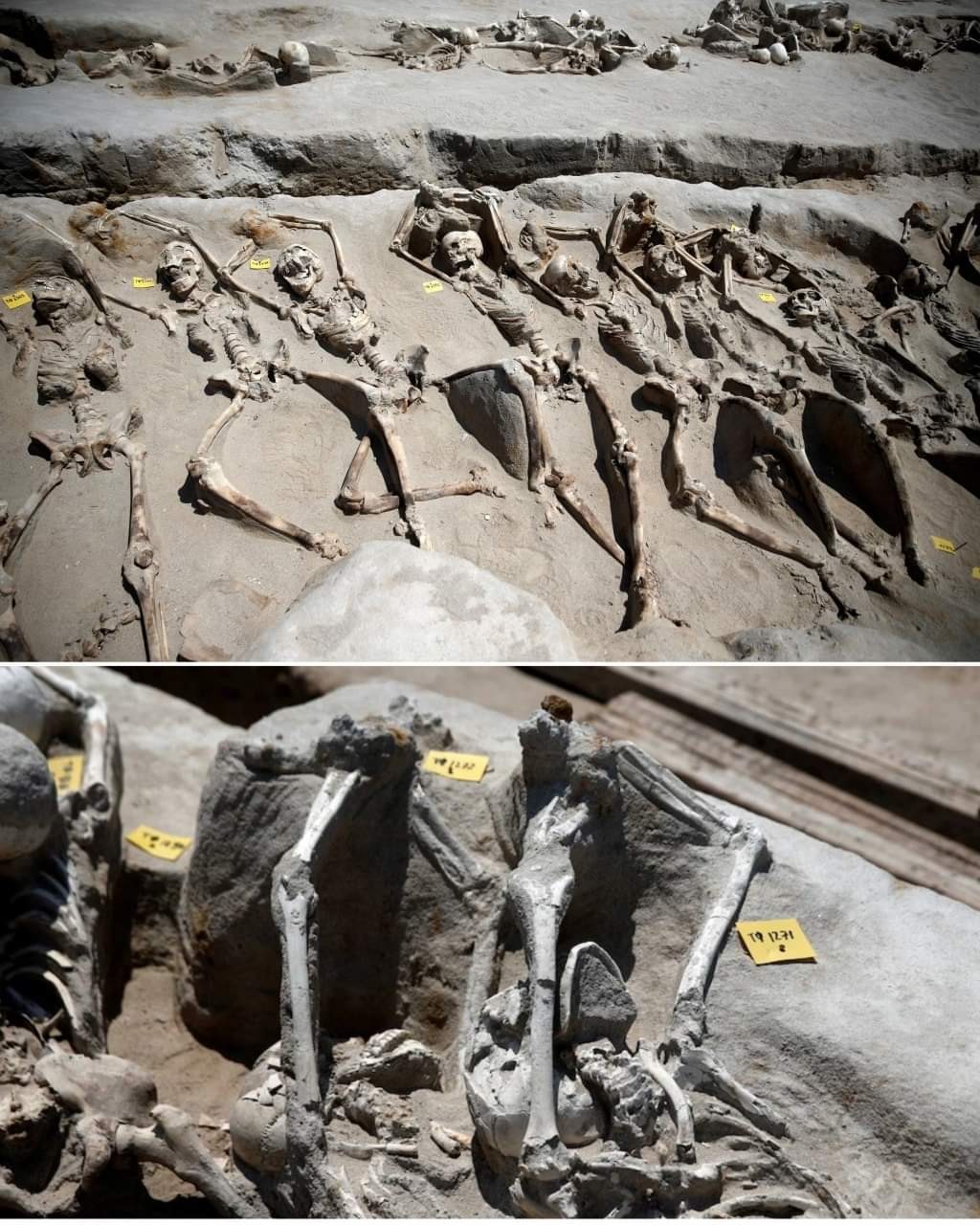
In 2016, 80 bodies lying in a mass grave their wrists shackled in iron, were found in Palaio Faliro, Greece.
It has been suggested that they were the supporters of Cylon (an Athenian noble and a previous victor of the Olympic Games) killed in the aftermath of his attempted coup in 632 BC...
#photography #noisecash #randomthoughts
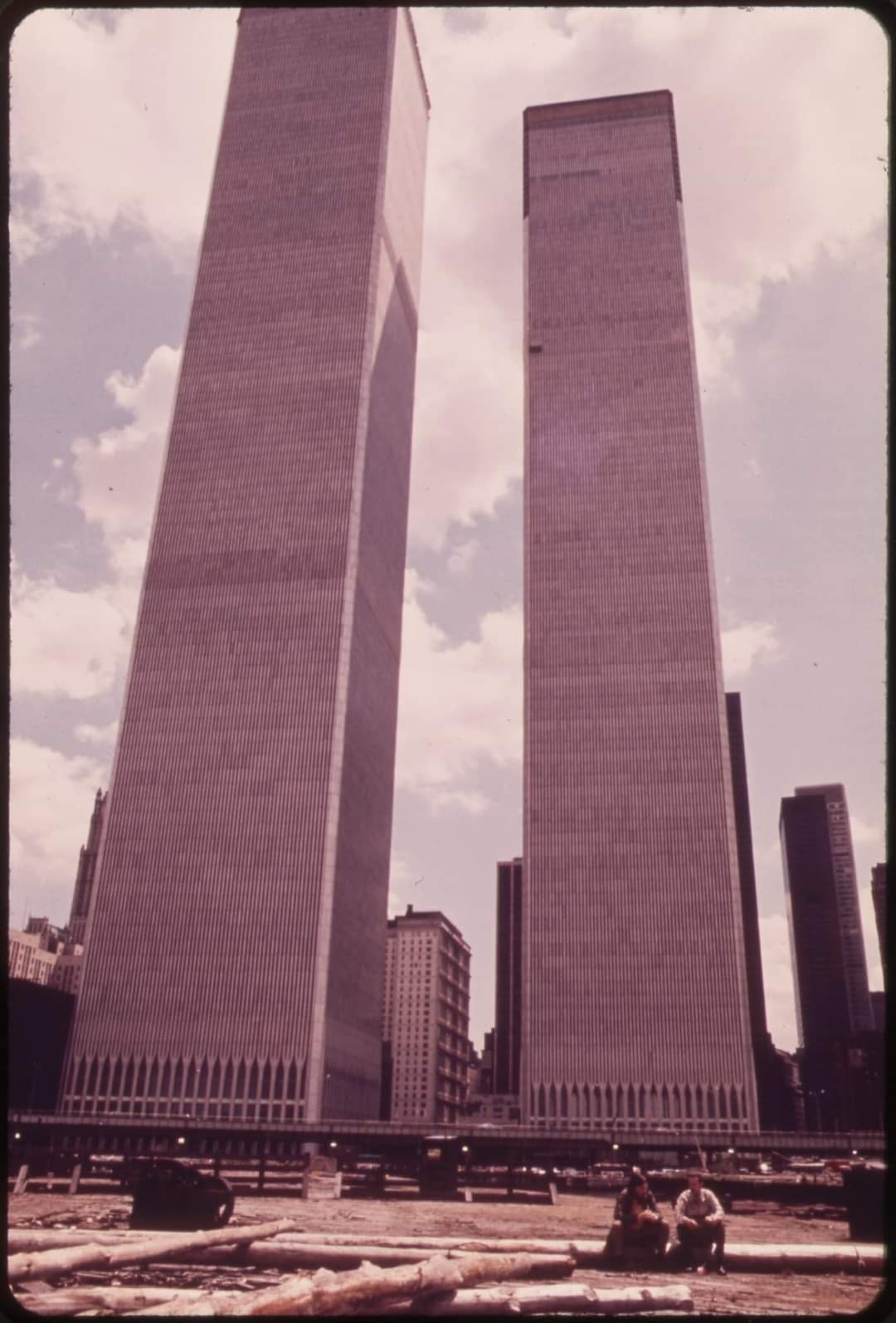
On April 4th, 1973 a ribbon cutting ceremony inaugurating the World Trade Center in New York City occurred.
Image: The Twin Towers of The World Trade Center in 1973 via Wikimedia Commons, public domain。。
#photography #noisecash #randomthoughts
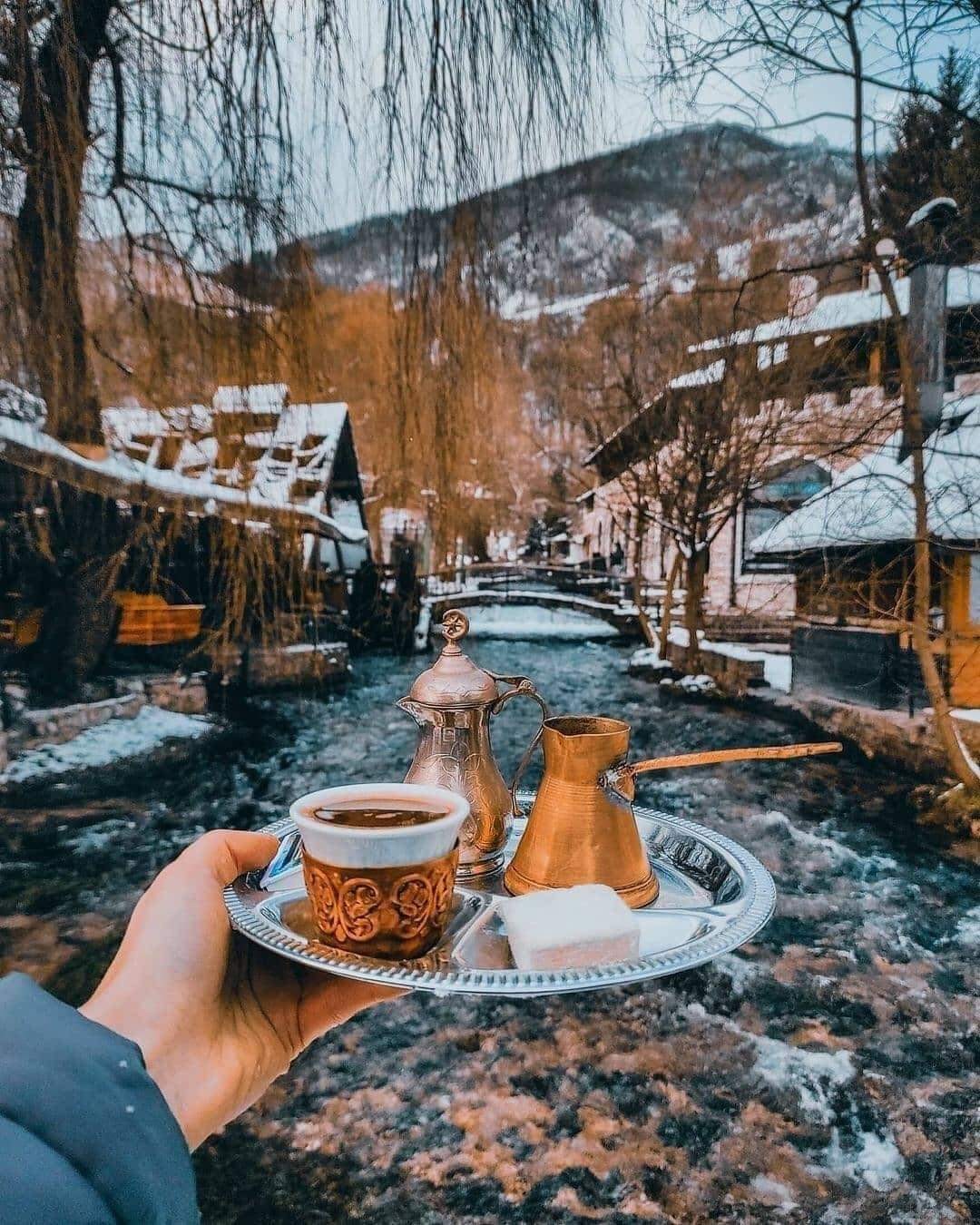
IT'S A BEAUTIFUUL DAAY,
Sky falls, you feel like,
It's a beautiful daaay,
Don't let it get away ❤️...
📍 Bosnia Herzegovina
#photography #noisecash #randomthoughts #travel
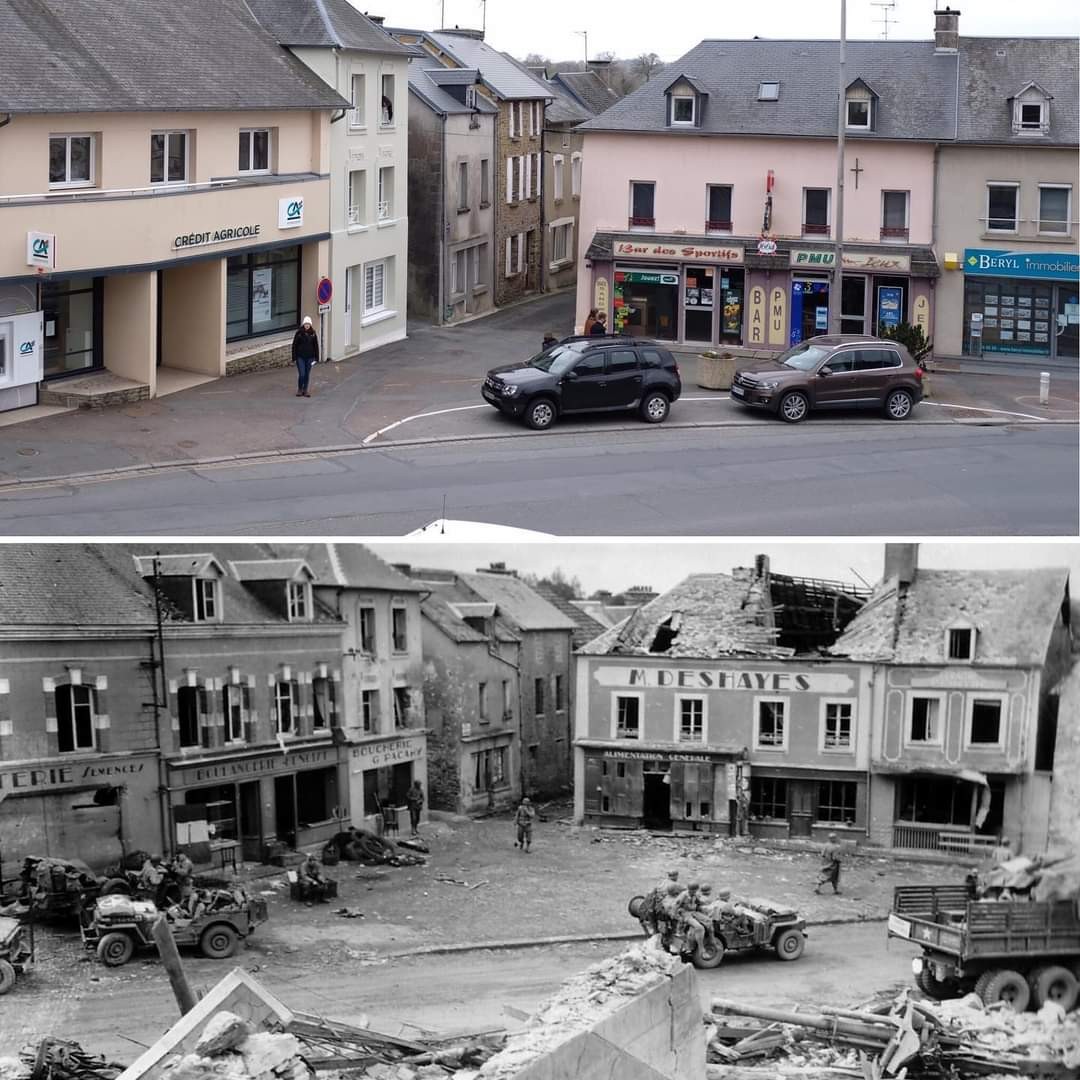
A FIERCE BATLLE IN NORMANDY 🥀
▪️ Powerful Then & Now photograph we took yesterday in the vicinity of Marigny, Normandy. In the late part of July 1944, a fierce battle took place in this French town located on the western part of St-Lo. Many American units fought in this sector such as the 9th and 30th Infantry Division but the vicinity of Marigny was liberated on July 27, 1944, thanks to the tenacity of the men of the 1st Infantry Division and Combat Command B, 3rd Armored Divison.
Many soldiers and French civilians died during that intense battle, we should never forget them.
#photography #noisecash #randomthoughts
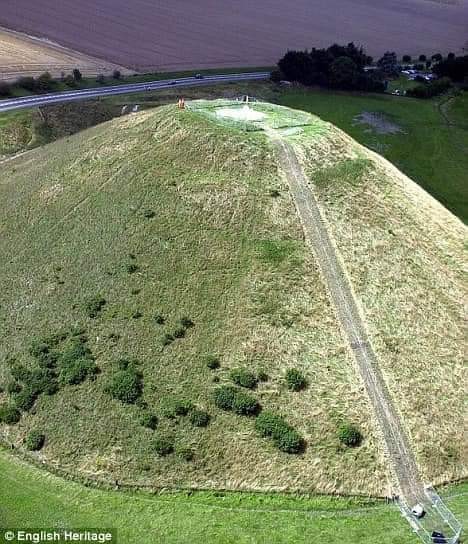
In southern England near Avebury is the largest artificial mound in Europe. Built around 4,600 years ago, Silbury Hill is 130ft high and covers 5 acres at its base.
The prehistoric Bronze Age people constructed it with chalk and clay dug from the surrounding areas using tools of deer antlers, the shoulder blades of pack animals for scooping and wickerwork baskets to carry material. Its size rivals some pyramids of the necropolis in Egypt.
But while there are many theories about what the pyramids were used for, Silbury Hill remains unique. No one is sure what its purpose was….🗿
#photography #noisecash #randomthoughts #travel #history
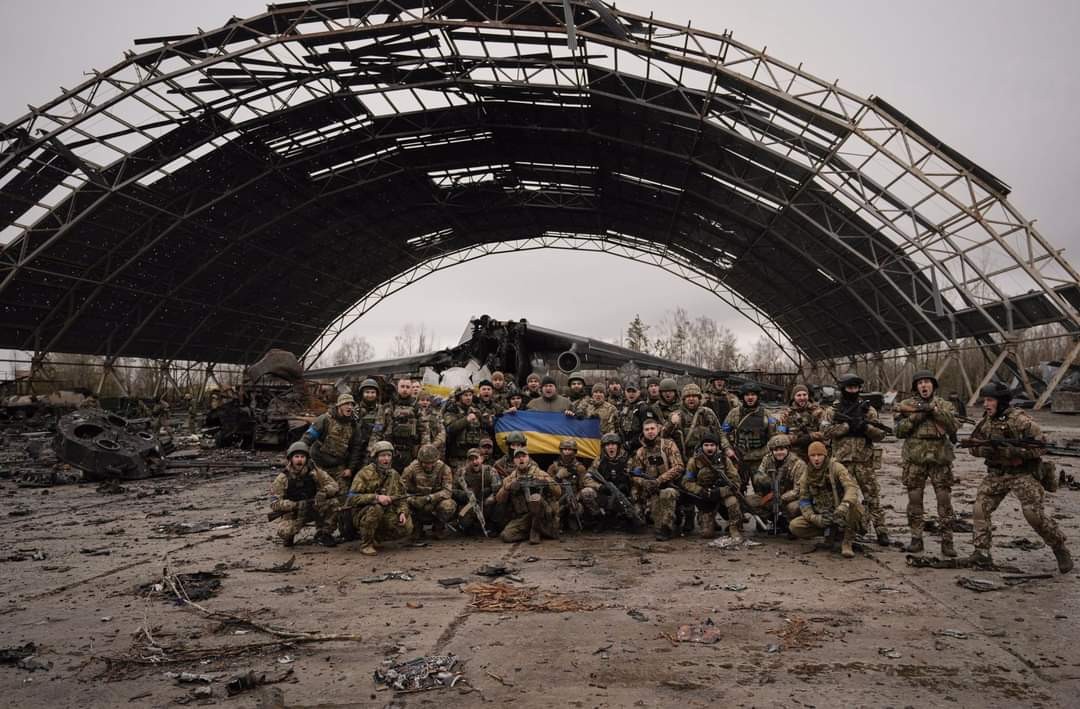
This is probably one of the images of the war for us #avgeek Ukrainian troops in front of the wreckage of the Antonov An-225, after securing Gostomel Airport. Credit: Vadim Ghirda/AP for The Washington Post..
#photography #noisecash #randomthoughts
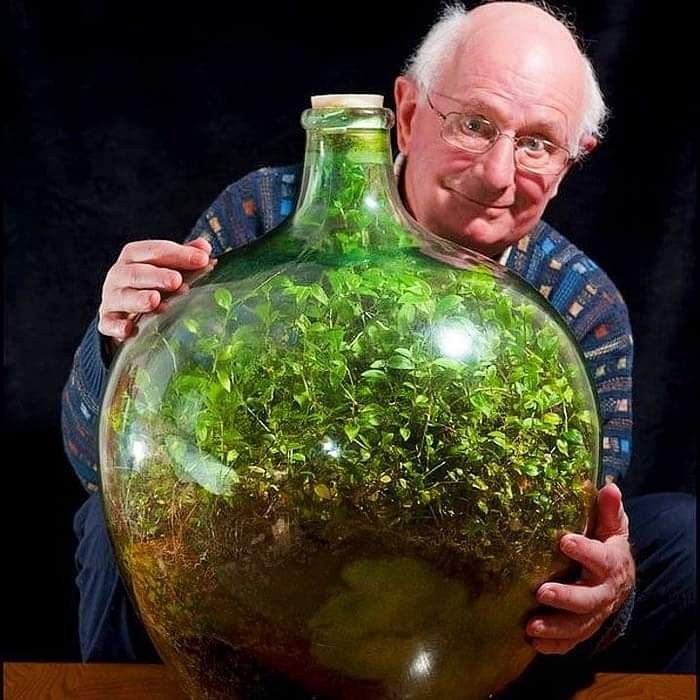
In 1960, David Latimer planted a tiny garden inside of a large glass bottle and sealed it shut. He opened the bottle 12 years later in 1972 to add some water and then sealed it for good. The self contained ecosystem has flourished for nearly 60 years.
For those who are wondering how this is even possible: the garden is a perfectly balanced and self-sufficient ecosystem.
The bacteria in the compost eats the dead plants and breaks down the oxygen that is released by the plants, turning it into carbon dioxide, which is needed for photosynthesis.
The bottle is essentially a microcosm of earth.
#photography #noisecash #randomthoughts
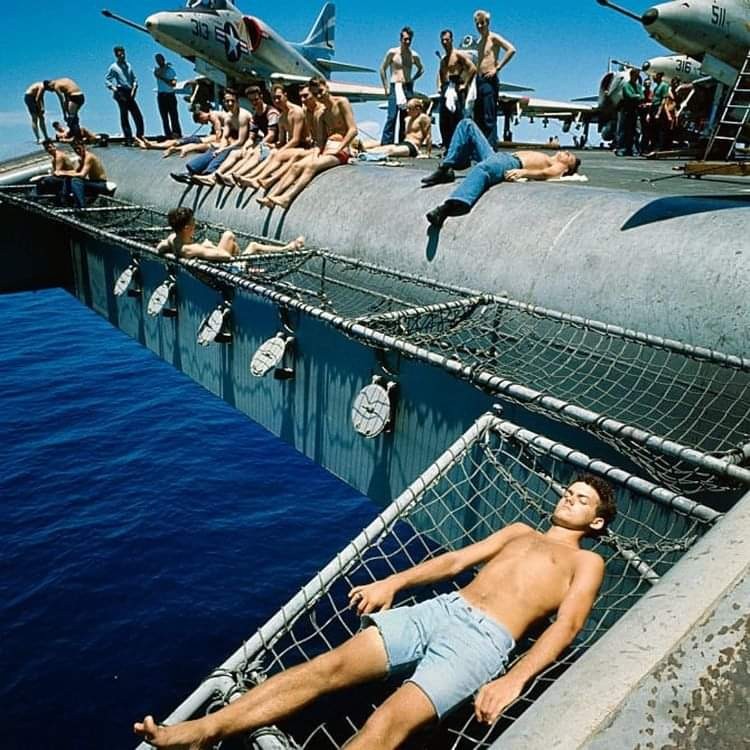
Sailors and pilots of the USS Constellation sunbathing off the sides of the flight deck, 1966, Gulf of Tonkin.
#photography
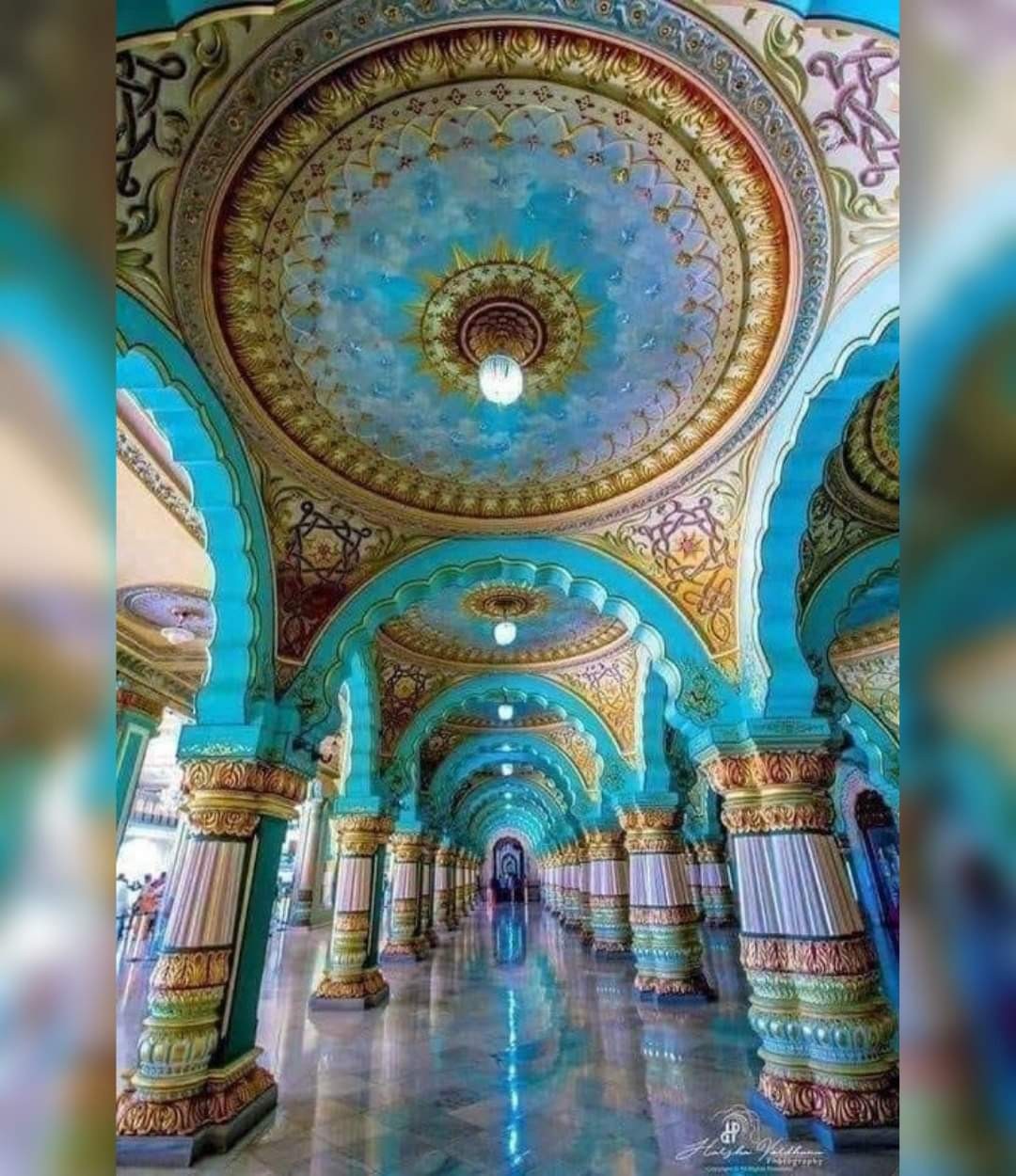
The Mysore Palace
The palace also known as Amba Vilas Palace, is a historical palace and the royal residence (house) at Mysore in the Indian state of Karnataka. It is used to be the official residence of the Wadiyar dynasty and the seat of the Kingdom of Mysore.
The land on which the palace now stands was originally known as mysuru (literally, "citadel"). Yaduraya built the first palace inside the Old Fort in the 14th century, which was set ablaze and reconstructed multiple times. The old fort was built of wood and thus easily caught fire.
The current fort was built of stone, bricks and wood. The current structure was constructed between 1897 and 1912, after the Old Palace burned down and the current structure is also known as the new fort.
#photography .. #noisecash
#randomthoughts ... #travel
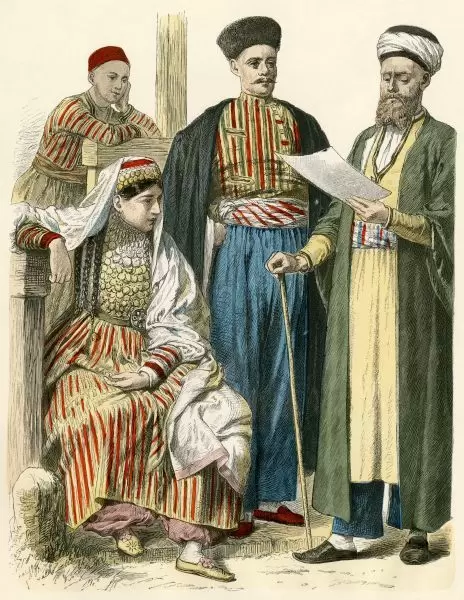
Crimean Tatars
***Crimean Tatars***
**1-** Origin and origin. The Crimean Tatars are the indigenous people of the Crimean Peninsula, this beautiful peninsula on the northern shores of the Black Sea, whose area is slightly smaller than that of Albania, about 27,000 km2. Many may think that these are the Mongol Tatars, who with their hordes reached the gates of Eastern Europe. In fact, there is a connection between this designation and the Mongols. The word "Tatar" was used to describe all the constituent genera of the Golden Horde, the well-known Mongol wing that stretched as far as western Russia. This name remained even after the fall of the throne and was used for many other Turkish and Mongol tribes that populated the area of the Volga, Kazan, as far as the steppes of Siberia. The Crimean Tatars are a group of Turkish tribes who migrated to the Crimean Peninsula sometime around the 10th century e.s. In a short period of time they managed to populate most of the peninsula, against the Hellenic and Ostrogothic inhabitants (Crimean Goths, a Germanic tribe), who in time became a minority or assimilated.
**2-** The beginnings of Islam. Crimean Tatars are all Muslims. Their Islam started very early. The Mongol state of the Golden Horde was one of the four Mongol states which Genghis Khan himself divided among his children. The Mongol state was pagan, but Islam was very widespread among the Turkish tribes and its subjects. The most important event that further consolidated the Islamic presence in Crimea was the Islam of Berke Hani, the grandson of Genghis Hani. Berke Hani, also known as Bereke Hani in Arabic sources, not only converted to Islam, but was also the main factor in curbing his pagan cousin Hulako Hani. With the return of the Mongol state to Islam there was a great spread of Islam.
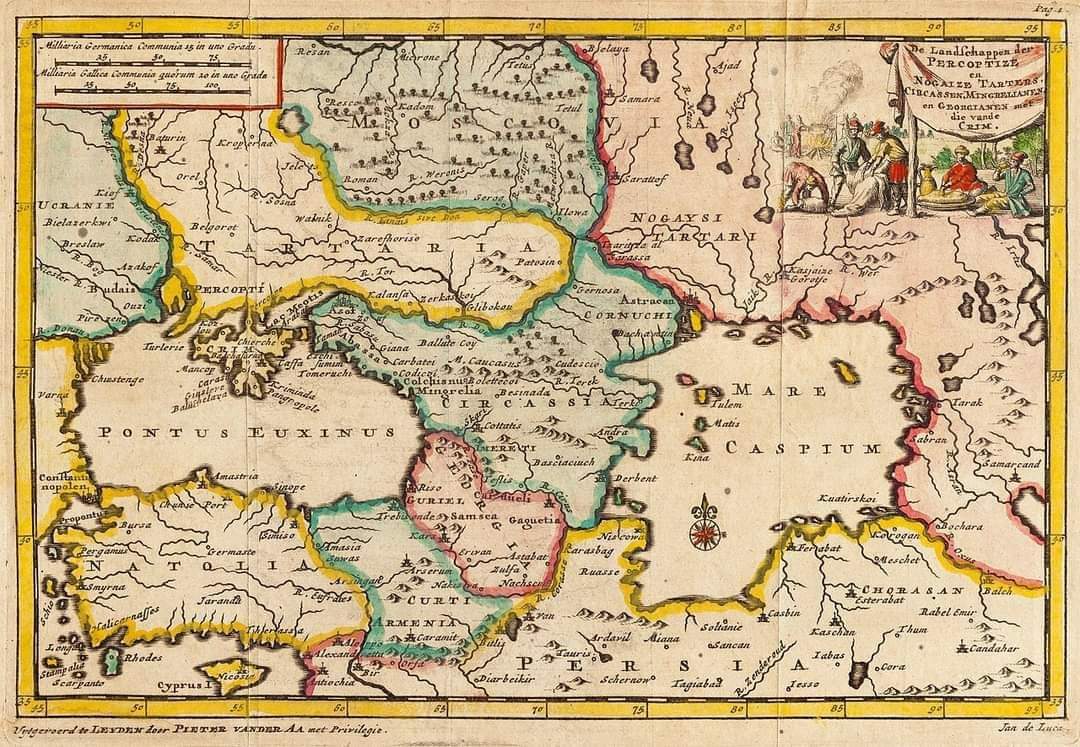
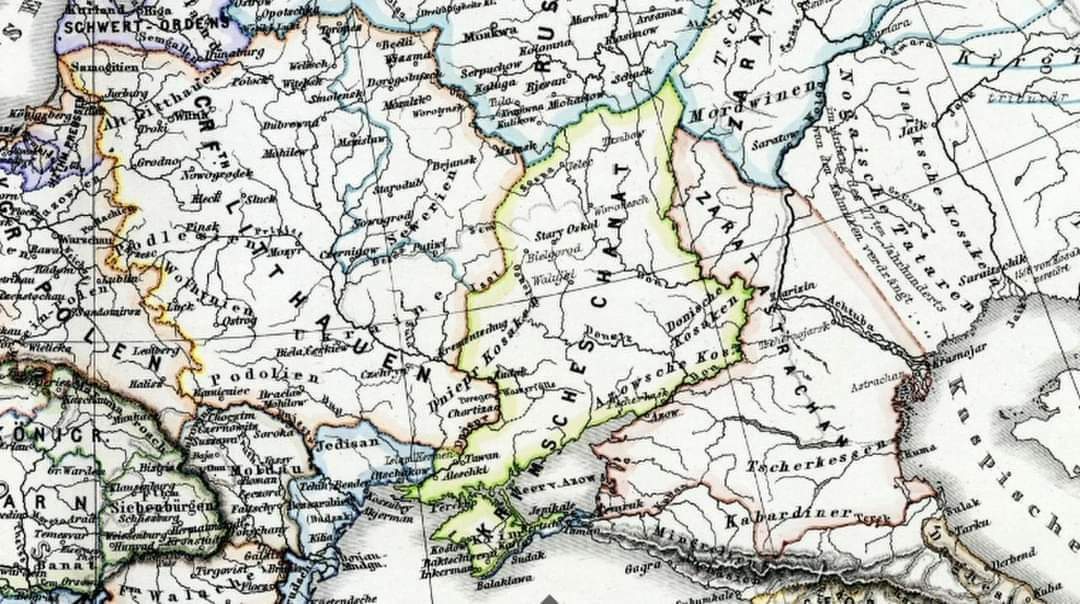
**3-** Establishment of the state, Kanat of Crimea. Crimea remained under the jurisdiction of the Mongol state until the 15th century. During this period the Crimean Tatars made up the vast majority of the population on the peninsula. Tatar Muslims began to expand beyond the peninsula, to the south of present-day Ukraine, which at the time was not part of Ukraine. In the 15th century, with the weakening of the Mongol state, the Crimean Tatars seceded from the mother state and established the Crimean Tatar Province. The founder of the state was Sultan Haxhi Karaji in 1441 e.s. The capital of Kanat was the beautiful city of Bahcesarai, in the center of the peninsula. Kanat was one of the most powerful states in the area. He soon took control of most of the land that lies today in southern and eastern Ukraine. In 1502 the Crimean ruler, Menli Hani, also managed to seize Sarai, the capital of the Golden Mughal State, and the eyes of the Muslim Tatars were turned to Russia, and even to Moscow itself. The first attempts did not take long. In 1507 a long series of wars known in history as the Russo-Tatar Wars began. The progress of the Muslims was initially apparent. The Duke of Moscow was forced to pay the jizya for some time. In 1570 the Muslim Tatars undertook a powerful military offensive against the city of Moscow itself. About 100,000 soldiers, including 7,000 Ottoman janissaries, managed to encircle Moscow. The battles were fierce and Moscow in 1571 falls into the hands of the Muslims, but already completely burned. For two centuries (XVI-XVII) the Tatar Muslims were superior to the Russians. But with the advent of the eighteenth century the Russians began to gain ground. Russian progress, initially slow, began to accelerate in the late eighteenth century.
**4-** Ottoman protectorate. At the end of the 15th century the Ottoman Turks reached the shores of Crimea. They, after capturing some of the remaining cities of the Republic of Genoa and Byzantium, agree that the Crimean Peninsula be under the protectorate of the Ottoman State. Over time the Ottoman influence strengthened and after the death of the Tatar inn Muhammad Karaj in 1525 e.s., the inn was appointed only after the approval of the Ottoman sultan. However, the Crimean province had a special status of autonomy and was independent in most policies. The main ruling family was the Karaj family (also read Garaj). The Muslims of Crimea were all Sunnis, followers of the Hanafi sect. Part of the Byzantine and Osgotian inhabitants converted to Islam. Islamic culture and civilization was heavily influenced by Ottoman architecture. Kanat was divided into administrative units called bejlik. Bejlik was ruled by the bey and he had under his rule smaller rulers called mirza. But with the reforms carried out by the last eater Shahin Karaj the Turkish model of administrative division was followed. Mirza in the Crimean province was only one governor. He was not the owner of the land, but only the ruler. The farmers were landowners and free, neither slaves nor serfs, and their relations with the mirza were purely administrative.
**5-** Weakening and falling. At the end of the XVIII century, mainly in the fifth Russo-Turkish (Russo-Tatar) war between 1735-39 the Russians took in hand many territories of the Tatar fold. Evlija Çelebi mentions another reason for the weakening of the wing, the attacks of the Cossacks from the east which cut off the trade routes of the wing. Another factor that directly influenced the weakening of the state were also some internal clashes between Tatar families for power After 1770, Russian attacks increased. In the period of Catherine II, in 1774, an agreement was signed which forced the Crimean Kanat to secede from the Ottoman State. The last ruler of Kanat, Shahin Karaj was dictated by the Russians. After several internal revolts the Russian Empire managed to annex the entire peninsula. Ruler Shahin Karaj Hani fled to Turkey where he was later executed on the island of Rhodes on charges of treason. After the fall of the peninsula the Russians took revenge. They had already turned into a fearsome and powerful empire. After the Treaty of Jasa (1792) and especially after the Treaty of Bucharest (1812), according to which the Ottoman State lost the rule of Buxhak, the Russian Empire further consolidated its occupation of Crimea and surrounding areas.
**6-** Crimea during the rule of the tsar. In the early 19th century Tsarist Russia began a Slavicization of the area, mainly the northern areas of Crimea, outside the peninsula. The Russification of the area was slow at first, but then accelerated. Part of the Muslims moved inside the Crimean Peninsula. The peninsula itself continued to maintain Muslim dominance. By the 1850s the overwhelming population of the peninsula, over 80%, was made up of Tatar Muslims. The process of Slavization of the peninsula accelerated in the second half of the XIX century. According to official Russian statistics of 1864, Tatars made up 50% of the population, while in 1897 they made up 35% of the population. The number may have been even higher, given the declining trend in the real number in official statistics. Various forms of discrimination and injustice were inflicted on Muslim Tatars. A good part of them were forced to leave the country and move to Turkey, Bulgaria (present-day Tatarstan) or to Arab countries, where they are usually confused with the Circassians, due to their proximity.
**7-** Bolshevik rule and expulsion from Crimea. The Bolsheviks not only continued the discriminatory policies that came to power in 1917, but even toughened them. In the mid-1930s the Tatar population declined dramatically. Tatars with 220,000 inhabitants made up only 20% of the peninsula's population. The process known for the Ukrainianization of the area had just begun. With the end of World War II and the return of the Soviet yoke the remaining Tatar inhabitants were forced to move en masse from Crimea. Joseph Stalin accused the Tatars of collaborating with the Nazis, and in just three days, May 18-20, 1944, some 200,000 remaining Tatars were forcibly deported to Uzbekistan. The persecution was very inhuman. About 13,000 people died as a result of the deportation. Other researchers give even higher figures. The Tatars settled in places very different from their own country, more akin to concentration camps. Only 3,000-4,000 Tatars, members of the Communist Party and loyal to Stalin remained in Crimea. Their place was taken by Russians and mainly Ukrainians coming from the north. After the Khrushchev-era administrative redistribution in the 1960s, the Crimean Peninsula passed to the Socialist Republic of Ukraine, and the Ukrainian population began to grow.
**8-** Return to Crimea. With the weakening of the Soviet Union in the 1980s, the first conditions were created for the return of many Tatars. About 40,000 Tatars returned to Crimea, mostly to mountain villages in the center of the peninsula. In fact returns to small numbers began earlier, but until 1989 Crimean Tatars were denied the right to declare themselves as such. With the collapse of the Soviet Union, there was a massive return of Tatars to Crimea from Uzbekistan and other republics. In the early 1990s, some 200,000 Tatars returned to Crimea. The comeback continued even later, but at a slower pace. The recovery process did not go smoothly. The main problem was obtaining Ukrainian citizenship for indigenous returnees. The Ukrainian authorities pursued a policy of harassment and bureaucracy, the main purpose of which was to curb the return of Muslim Tatars to their lands.
**9-** Current situation. Crimea again fell into Russian hands after the events of 2014. It was declared an Autonomous Republic with special status directly dependent on the Kremlin. Authorities put the figure at about 300,000. Both Russian and Ukrainian authorities have never given an exact figure for the number of Tatars in Crimea. In reality their number is larger and ranges between 500-600,000 inhabitants concentrated in the rural and central areas of the peninsula and currently make up about ¼ of the population. It should be noted that a considerable number of Crimean Tatars, about 300-400,000 continue to live in Uzbekistan and in smaller numbers in the Russian republics, mainly in Tatarstan. A large number of them live in Turkey, some of whom have preserved their Tatar identity to some extent.
©️Wondernature
📷 In the photo The Crimean Peninsula and the Crimean fold in the century. XVI and XVII.
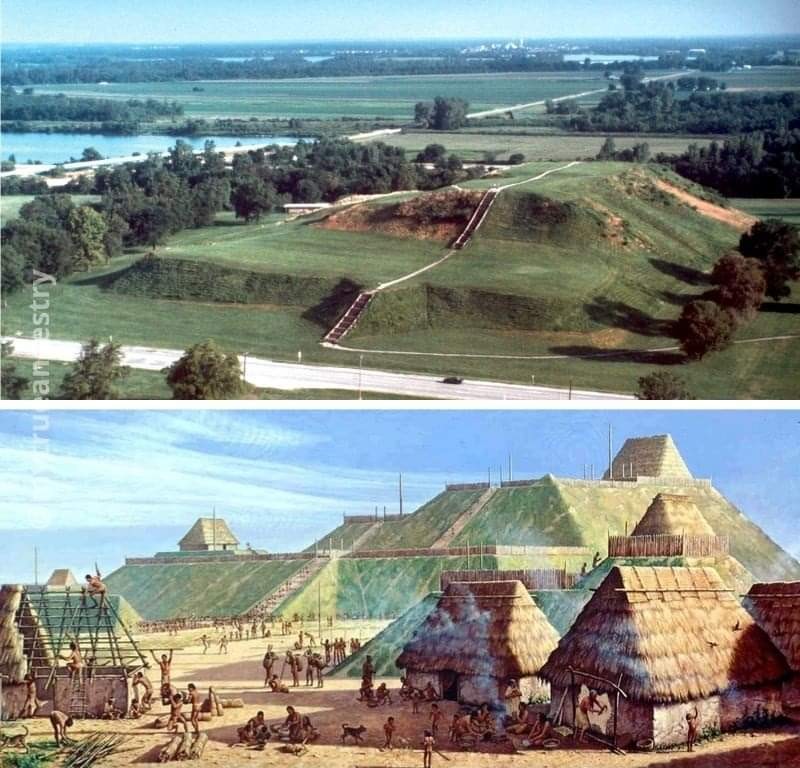
Cahokia ...📍📍
This is how Cahokia might have looked like in the past.
About four centuries before Columbus stumbled on to the western hemisphere, Cahokia was a prosperous pre-American city with a population similar to London’s.
Located in southern Illinois, it was probably the largest North American city north of Mexico at that time.
It had been built by the Mississippians, a group of Native Americans who occupied much of the present-day south-eastern United States, from the Mississippi river to the shores of the Atlantic.
Cahokia was a sophisticated and cosmopolitan city for its time. Yet its history is virtually unknown by most Americans and present-day Illinoisans.
The Native Americans at Cahokia farmed, traded and hunted. They were also early urban planners, who used astronomical alignments to lay out a low-scale metropolis of 10-20,000 people, featuring a town centre with broad public plazas and key buildings set atop vast, hand-built earthen mounds. The largest of these mounds was 100 feet tall and covered 14 acres – and still exists today.
Having become a major population centre around AD1050, by 1350 it was largely abandoned by its people – and no one is sure why.
Photo: Cahokia Mounds State Historic Site
#photography #noisecash #randomthoughts
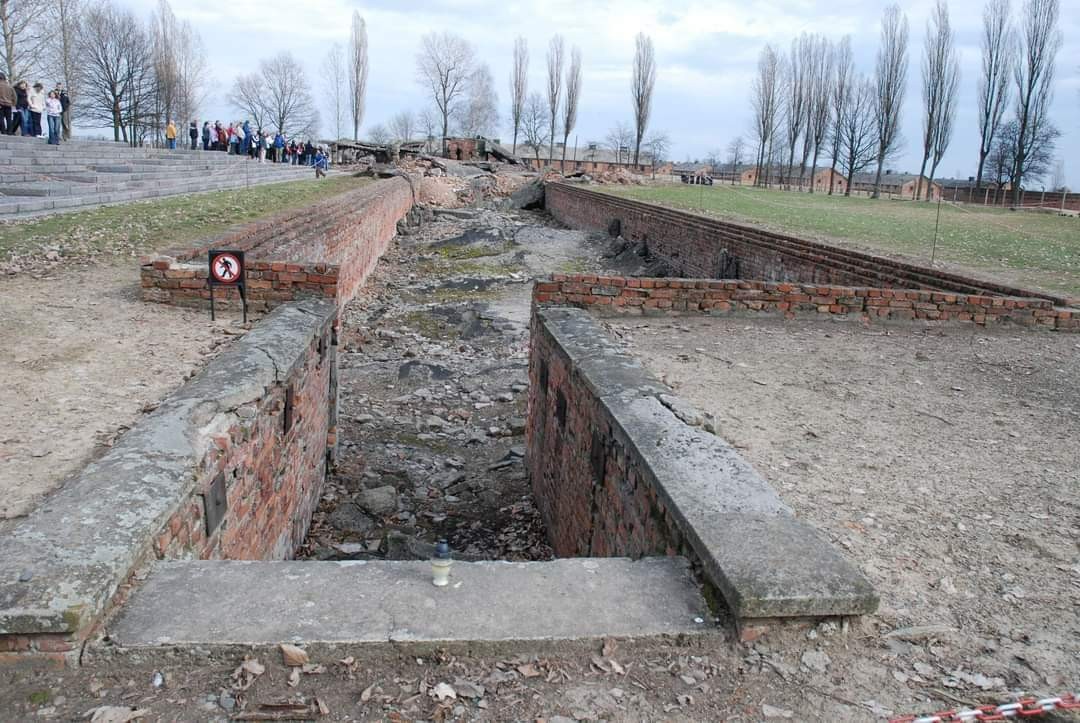
The entrance to the underground undressing space of gas chamber and crematorium II at Auschwitz, Poland.
The reason we post these pictures is the large numbers of individuals who come on here and claim the Holocaust is fake, never happened or exaggerated.
Let's be clear, the Holocaust did happen, over 7 million individuals were murdered, the vast majority were Jewish but also included Roma, disabled, other religious groups, political prisoners, LGBTQ+ and groups that opposed the Nazis.
#photography #noisecash #randomthoughts
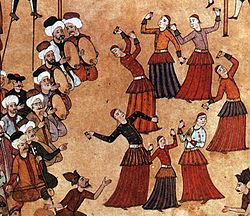
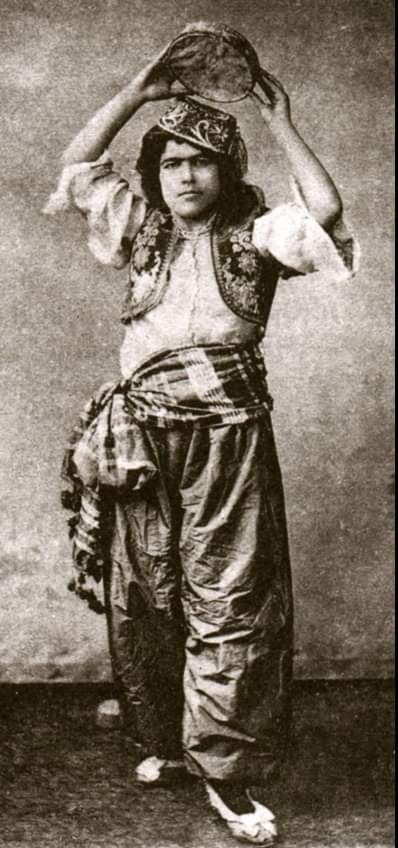
Köçeks
Let's talk about the Köçek (Köçekler in plural) The köçek was a very handsome young male slave rakkas, or dancer, who usually cross-dressed in feminine attire, and was employed as an entertainer.
A köçek would begin training around the age of seven or eight and would be considered accomplished after about six years of study and practice. They were recruited from among the ranks of the non-Muslim subjects of the empire, such as Jews, Romani, Greeks.
The dances, collectively known as köçek oyunu, blended Arab, Greek and Assyrian elements (Karsilamas dance and Kaşık Havası dance). They performed to a particular genre of music known as köçekçe, which was performed in the form of suites in a given melody which had a mix of Sufi, Balkan and classical Anatolian influence. The occasions of their performances were wedding or circumcision celebrations, feasts and festivals, as well as the pleasure of the sultans and the aristocracy. The youths, often wearing heavy makeup, would curl their hair and wear it in long tresses under a small black or red velvet hat decorated with coins, jewels and gold. Their usual garb consisted of a tiny red embroidered velvet jacket with a gold-embroidered silk shirt, shalvar, a long skirt and a gilt belt, knotted at the back. They were said to be "sensuous, attractive, effeminate", and their dancing "sexually provocative". Dancers minced and gyrated their hips in slow vertical and horizontal figure eights, rhythmically snapping their fingers and making suggestive gestures. Often acrobatics, tumbling and mock wrestling were part of the act. The köçeks were sexually exploited, often by the highest bidder. As of 1805, there were approximately 600 köçek dancers working in the taverns of the Ottoman capital. They were outlawed in 1837 due to fighting among audience members over the dancers.
With the suppression of harem culture under Sultan Abdulaziz (1861–1876) and Sultan Abdul Hamid II (1876–1908), köçek dance and music lost the support of its imperial patrons and gradually disappeared. Köçeks were much more sought after than the çengi ("belly dancers"), their female counterparts. Some youths were known to have been killed by the çengi, who were extremely jealous of men's attention toward the boys. . #photography
©️wondernature
Photos: Ottoman Empire, late 19th century
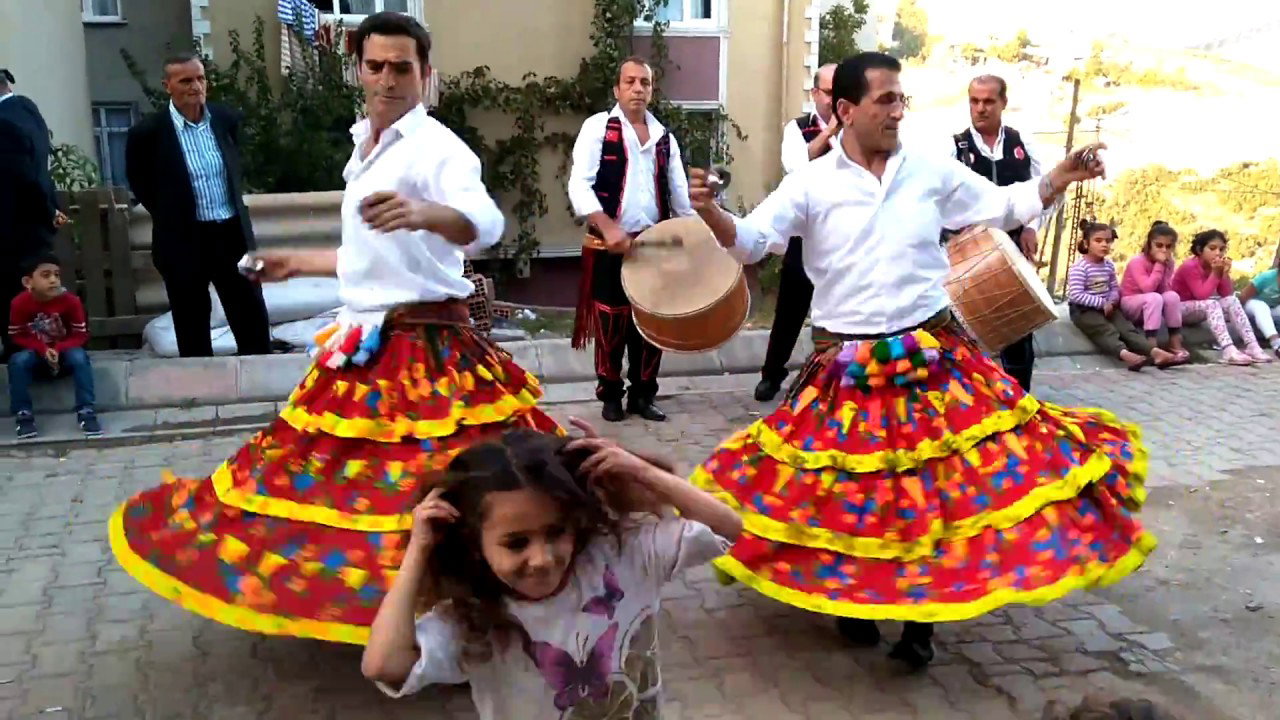
Let's talk about the Köçek .
The köçek was a very handsome young male slave rakkas, or dancer, who usually cross-dressed in feminine attire, and was employed as an entertainer.
A köçek would begin training around the age of seven or eight and would be considered accomplished after about six years of study and practice.
They were recruited from among the ranks of the non-Muslim subjects of the empire, such as Jews, Romani, Greeks.
The dances, collectively known as köçek oyunu, blended Arab, Greek and Assyrian elements . They performed to a particular genre of music known as köçekçe, which was performed in the form of suites in a given melody which had a mix of Sufi, Balkan and classical Anatolian influence.
The occasions of their performances were wedding or circumcision celebrations, feasts and festivals, as well as the pleasure of the sultans and the aristocracy.
The youths, often wearing heavy makeup, would curl their hair and wear it in long tresses under a small black or red velvet hat decorated with coins, jewels and gold. Their usual garb consisted of a tiny red embroidered velvet jacket with a gold-embroidered silk shirt, shalvar, a long skirt and a gilt belt, knotted at the back. They were said to be "sensuous, attractive, effeminate", and their dancing "sexually provocative". Dancers minced and gyrated their hips in slow vertical and horizontal figure eights, rhythmically snapping their fingers and making suggestive gestures. Often acrobatics, tumbling and mock wrestling were part of the act. The köçeks were sexually exploited, often by the highest bidder.
As of 1805, there were approximately 600 köçek dancers working in the taverns of the Ottoman capital. They were outlawed in 1837 due to fighting among audience members over the dancers. With the suppression of harem culture under Sultan Abdulaziz (1861–1876) and Sultan Abdul Hamid II (1876–1908), köçek dance and music lost the support of its imperial patrons and gradually disappeared.
Köçeks were much more sought after than the çengi ("belly dancers"), their female counterparts. Some youths were known to have been killed by the çengi, who were extremely jealous of men's attention toward the boys.
.
. #photography . #noisecash . #randomthoughts
.
Photo: Köçek with a tambourine, Ottoman Empire, late 19th century
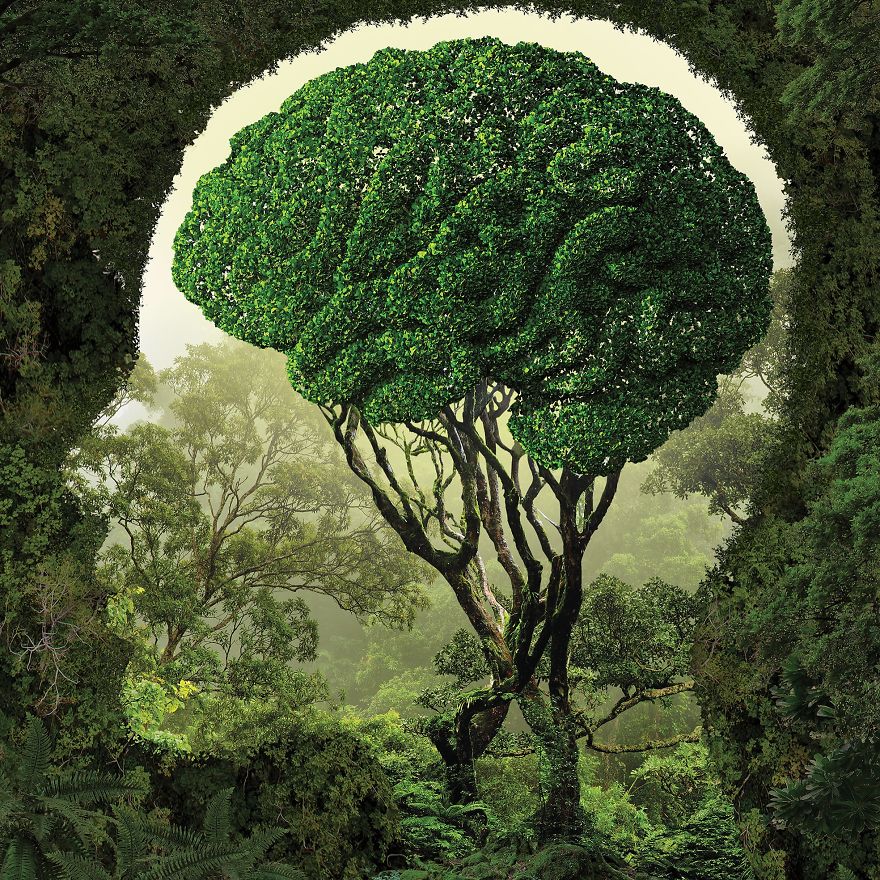
Humans and nature
Humans and nature are closely related to each other. Nature creates all the conditions for human life, that is why it is so important to live in harmony with it. The beautiful landscapes of nature fill the human soul with pleasure, only that this beauty is truly fascinating.
Human's interest in nature is unlimited; how secret and mysterious are the forests and the seas. There is much we do not yet know about nature. To enjoy the beauty of nature, you do not need to travel far, just go to a park or forest.
Nature is especially beautiful in autumn, when you want to sit on benches and soak up all its beauty, enjoy it. It is then that you feel how your soul is filled with new colors, how it is saturated with the beauty of the world around. In these moments, you realize how closely people are connected to nature. Nature enchants with its fantastic landscapes, pleases the human eye, brings a lot of positive emotions. The beauty of nature is unique at any time of the year. Snowy winter paints extraordinary photographs that even the most talented artist can not repeat.
Amazing snowflakes circulate on the ground and each one is unique and special. The patterns on the glasses simply amaze the human mind. winter mountains amaze with their grandeur. Paths covered with fresh snow, trees and bushes covered with beautiful white clothes, glaciers of unprecedented size - all this is the beauty of winter nature.
Spring awakens the desire to live and love. The buds are blooming, the first flowers are exploding under the snow, gradually the trees are clothed in green. The song of birds is heard everywhere and the aroma is heard from the flowering trees. All this enjoys, inspires, brings new ideas, fills life with meaning. Summer, the most desirable time, the time of vacations and summer vacations, picnics and incredible trips. summer nature purely divine, the soul rejoices in the incredible bright colors and endless rainbow fields. The warm sun warms with its rays. You can feel the spirit of life everywhere. The sea views, the fresh air, the noise of the streams, do not leave any human organism indifferent. Sunset and sunrise strike instantly with their unimaginable colors and indescribable beauty. Fresh fruits, vegetables and berries saturate the body with vitamins. Autumn, not everyone loves this time, but for artists, poets and photographers, it has great value. Fallen leaves lie on the ground like a beautiful carpet, the brightness and variety of colors of which is amazing. The cold, the smell of rain and mushrooms, the thunder, the disturbing cries of birds irritate the human mind.
Nature is picturesque, sometimes its beauty is simply impossible to describe in words. Every corner of nature is filled with a magical and mysterious feeling. Take care of nature, take care of it, it pleases souls and makes people happy. The beauty of nature has no limits, it gives people bright unforgettable moments, makes them enjoy every minute, every new day.
©️wondernature
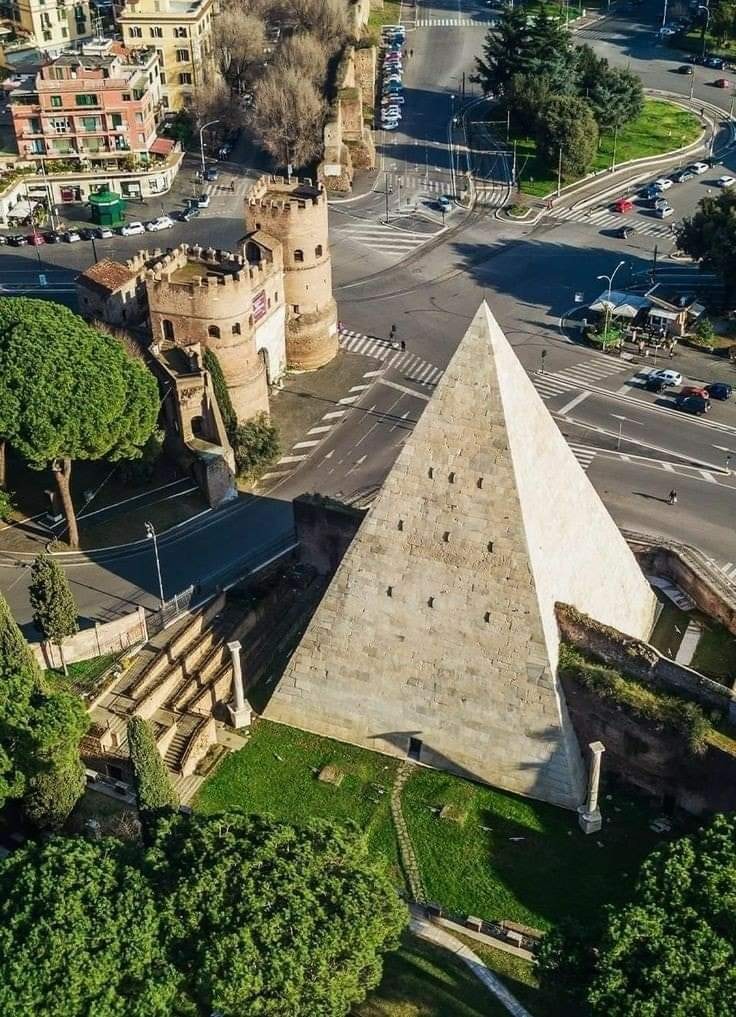
The tomb pyramid of Cestius, incorporated into the Aurelian Walls, Rome. The pyramid was built between18-12 BCE and around 250 years later the defensive walls used it as part of its fortifications.
#photography #noisecash vv #randomthoughts
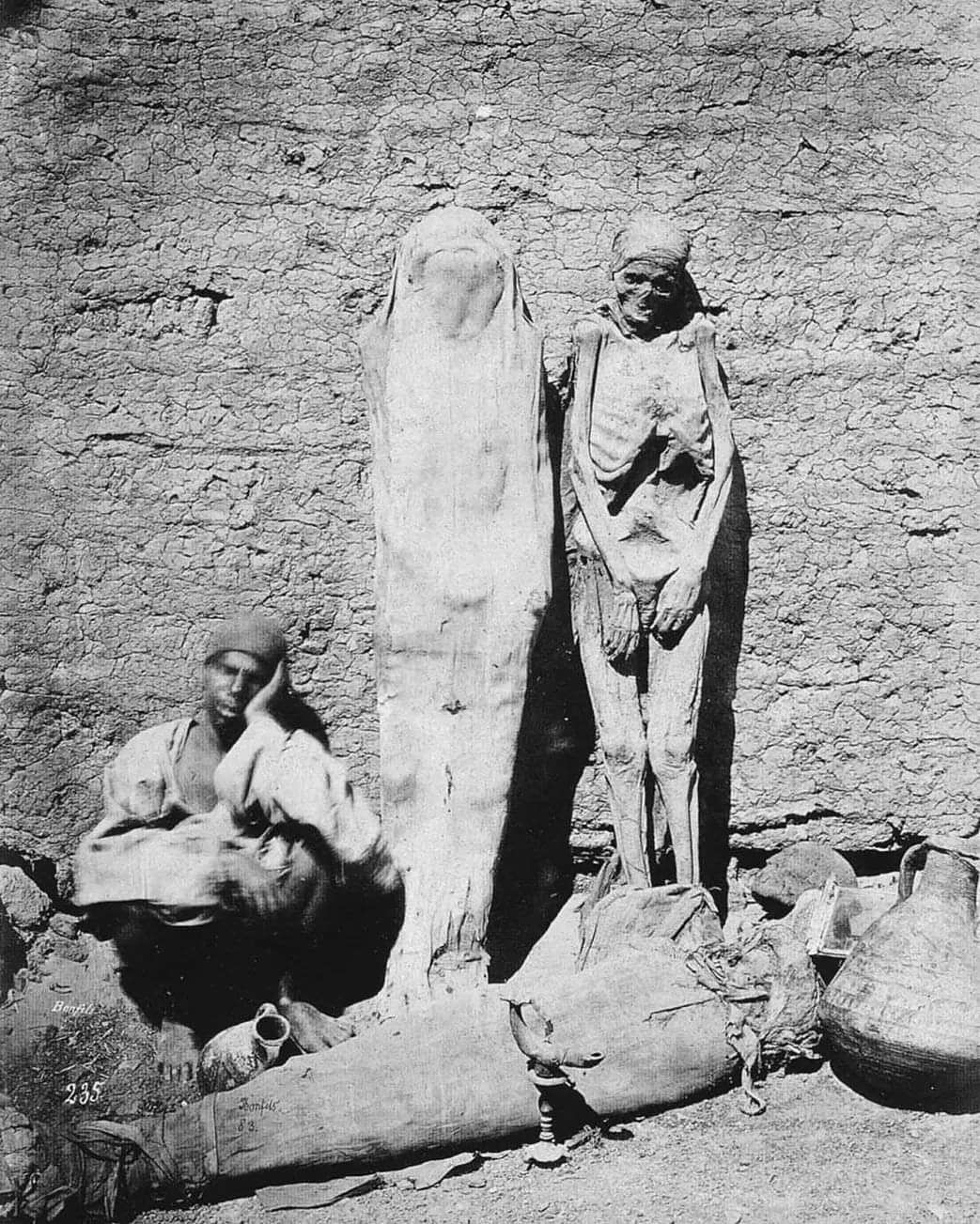
Street vendor selling mummies in Egypt, 1865 .
If you want to read my full article please visit :
👉👉 https://read.cash/r/Wondernature 👈👈
☝️☝️
During the Victorian era of the 1800s, Napoleon’s conquest of Egypt threw open the Gates of Egypt’s history for the Europeans. At that time, mummies were not accorded the respect that they deserved from the European elites and in fact, mummies could be purchased from street vendors (as shown in the picture) to be used as the main event for parties and social gatherings that took place in the 18th century.
The elites of the era would often hold “Mummy Unwrapping Parties”, which, as the name suggests, had the main theme in which a Mummy would be unwrapped in front of a boisterous audience, cheering and applauding at the same time.
#photography
For those who could not afford a whole mummy, disarticulated remains – such as a head, hand, or foot – could be purchased on the black market and smuggled back home... #read.cash
Photo credit: Félix Bonfils
#photography
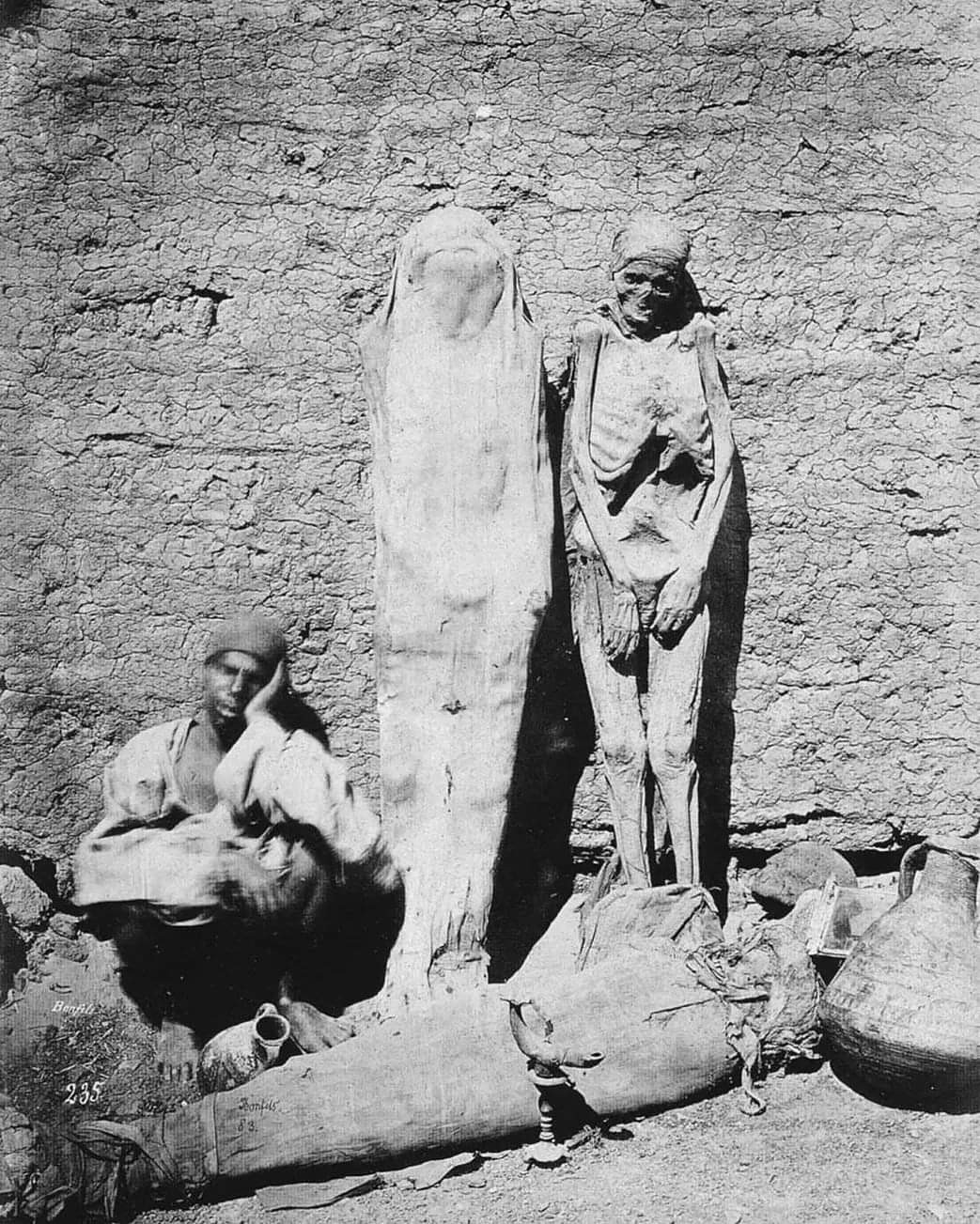
Street vendor selling mummies in Egypt, 1865
**Street vendor selling mummies in Egypt, 1865 .**
During the Victorian era of the 1800s, Napoleon’s conquest of Egypt threw open the Gates of Egypt’s history for the Europeans. At that time, mummies were not accorded the respect that they deserved from the European elites and in fact, mummies could be purchased from street vendors (as shown in the picture) to be used as the main event for parties and social gatherings that took place in the 18th century.
The elites of the era would often hold “Mummy Unwrapping Parties”, which, as the name suggests, had the main theme in which a Mummy would be unwrapped in front of a boisterous audience, cheering and applauding at the same time.
During that period of time, the well-preserved remains of ancient Egyptians were routinely ground into a powder and consumed as a medicinal remedy. Indeed, so popular was pulverized mummy that it even instigated a counterfeit trade to meet demand, in which the flesh of beggars was passed off as that of ancient mummified Egyptians.
As the Industrial Revolution progressed, so Egyptian mummies were exploited for more utilitarian purposes: huge numbers of human and animal mummies were ground up and shipped to Britain and Germany for use as fertilizer.
Others were used to create mummy brown pigment or were stripped of their wrappings, which were subsequently exported to the US for use in the paper-making industry. The author Mark Twain even reported that mummies were burnt in Egypt as locomotive fuel.
As the nineteenth century advanced, mummies became prized objects of display, and scores of them were purchased by wealthy European and American private collectors as tourist souvenirs. For those who could not afford a whole mummy, disarticulated remains – such as a head, hand, or foot – could be purchased on the black market and smuggled back home.
©️Wondernature
📷 Photo credit: Félix Bonfils. 📸
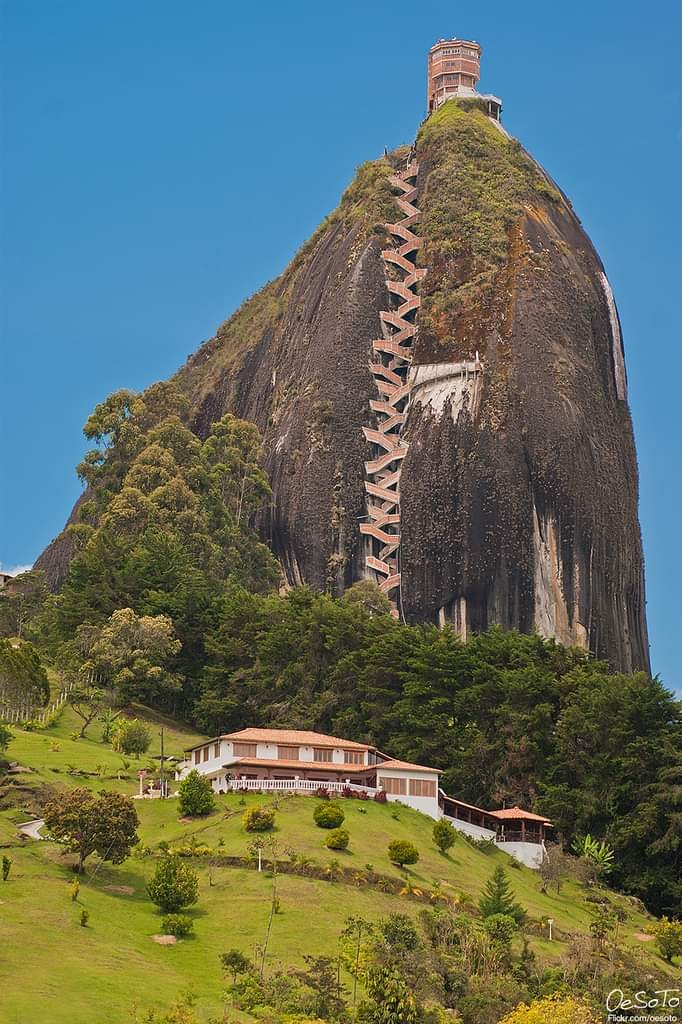
The Rock of Guatape in Colombia.
#randomthoughts
The Rock of Guatape, also known as The Stone of El Peñol, is a landmark inselberg located in the town and municipality of Guatapé, Antioquia in Colombia.
It is a granitic rock remnant that has resisted weathering and erosion, and towers up to 200 m (656 feet) from the surrounding plain. The rock, which is almost entirely smooth, has one long crack running top to bottom on one of the faces. #travel
A masonry staircase made up of 708 steps is wedged across this crack, and it appears like a giant stitch holding the split rock together.
.
📷 Oscar Soto
.
#photography ... #noisecash
Good morning noise cashers. I am sharing with you my link in read.cash .
Since i have started my project in that platform i am sharing for all the read.cash users to have a look on my page. I would wish you guys to join it too .
I will still be active in Noise.cash and keep posting everyday about daily life , history , cars , foods and pets.
https://read.cash/@Wondernature/watch-out-for-the-character-he-becomes-your-destiny-lao-tzou-5644e603
Thank you for supporting me.
©️wondernature
#noisecash #readcash #randomthoughts
"Watch out for the character! He becomes your destiny." -Lao Tzou-
😊😇☀️❤🙏
**Are you a leader too?**
🔵 "*Watch out for the character! He becomes your destiny."* -Lao Tzou- 🔴
"**Leader**"! A "**suffering**" thinker should describe his character in just one sentence ...
Everyone is a unique "**leader**" in his field of expertise ...
The leader is usually a futuristic character ... Leaders usually observe the things they consider problematic and imagine how they should be in the future. The "happiness" of the "leader" is hidden in the power of his imagination ...
A true "**leader**" knows no "**vacation**" or "**comfort**" zone. He is always a "**troubled soul**" to bring about qualitative changes on behalf of the people around him who believe in and support him in his vision ...
**Faith**! A thin thread stretched between fear and temptation ... It can carry the weight of an entire universe, but it can be broken by a slight "breeze" of disappointment.
**A true leader** is not surrounded by servile and hypocritical people, but by diverse leaders in various fields of expertise. A true leader does not build the same "leaders" as himself but stimulates the presence of diverse leaders ...
**The character of a leader** should be creative and open with everyone. He should not restrict anyone from the right to be part of the symphony in the "orchestra" of building the collective future. A leader has a duty to make his "secret thoughts" public.
**A true leader** should be guided by instincts and principles that reflect transparency, love, compassion, pity and respect for all walks of life prioritizing people in need. "Instinct reflects the messages of the Spirit"
©️©️wondernature
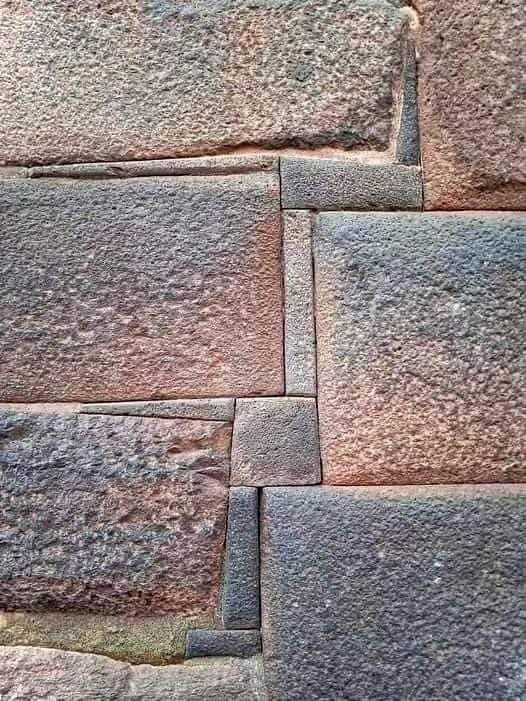
The remnants of an ancient megalithic wall near Cusco, Peru.
Why & how did the ancient architect do it this way? How does what we see here impact the geopolymer theory?
📍 Cusco , Peru ...
#photography #noisecash #randomthoughts
Field armor of King Henry VIII
Field Armor of King Henry VIII of England (reigned 1509–47). Italian, Milan or Brescia 1544. This impressive armor was made for Henry VIII (reigned 1509–47) toward the end of his life, when he was overweight and crippled with gout. Constructed for use both on horse and on foot, it was probably worn by the king during his last military campaign, the siege of Boulogne in 1544, which he commanded personally in spite of his infirmities.
Originally, the harness was fitted with a detachable reinforcing breastplate, to which a lance-rest was attached, and a reinforce for the left pauldron (shoulder defense). A pair of exchange vambraces (arm defenses) remains in the Royal Collection at Windsor Castle. The armor is described in the postmortem inventory of the king’s possessions, drawn up in 1547, as “of italion makinge.”
Possibly, it was supplied by a Milanese merchant known in England as Francis Albert, who was licensed by Henry to import luxury goods, including armor, into England for sale. Subsequently, the armor was given to William Herbert, first earl of Pembroke, Henry’s esquire and an executor of his will.
It is recorded at Wilton House, seat of the Pembroke family, from 1558 until it was sold in the 1920s. By the end of the eighteenth century, and until very recently, the armor was erroneously identified as having belonged to Anne de Montmorency (1493–1567), Constable of France, its royal English ownership having been forgotten.
The armor is an early example of the “anime” type, in which the breastplate and backplate are constructed of horizontal overlapping plates connected and made flexible by rivets and internal leather straps. The decoration, consisting of foliage, putti, running dogs, and Renaissance candelabra and grotesque ornament, is typically Italian.
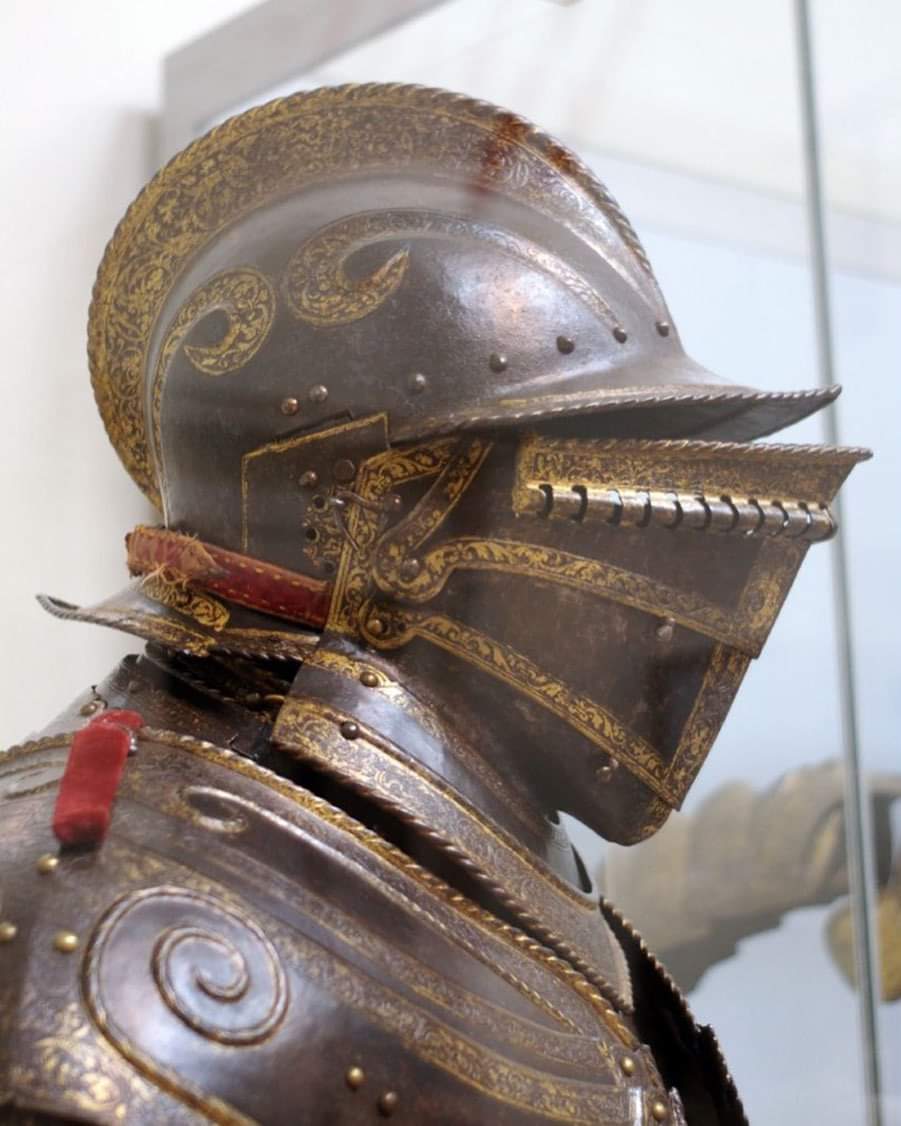
Field Armor of King Henry VIII of England (reigned 1509–47).
Italian, Milan or Brescia 1544.
This impressive armor was made for Henry VIII (reigned 1509–47) toward the end of his life, when he was overweight and crippled with gout. Constructed for use both on horse and on foot, it was probably worn by the king during his last military campaign, the siege of Boulogne in 1544, which he commanded personally in spite of his infirmities. Originally, the harness was fitted with a detachable reinforcing breastplate, to which a lance-rest was attached, and a reinforce for the left pauldron (shoulder defense). A pair of exchange vambraces (arm defenses) remains in the Royal Collection at Windsor Castle.
The armor is described in the postmortem inventory of the king’s possessions, drawn up in 1547, as “of italion makinge.” Possibly, it was supplied by a Milanese merchant known in England as Francis Albert, who was licensed by Henry to import luxury goods, including armor, into England for sale. Subsequently, the armor was given to William Herbert (ca. 1507–1570), first earl of Pembroke, Henry’s esquire and an executor of his will. It is recorded at Wilton House, seat of the Pembroke family, from 1558 until it was sold in the 1920s. By the end of the eighteenth century, and until very recently, the armor was erroneously identified as having belonged to Anne de Montmorency (1493–1567), Constable of France, its royal English ownership having been forgotten.
The armor is an early example of the “anime” type, in which the breastplate and backplate are constructed of horizontal overlapping plates connected and made flexible by rivets and internal leather straps. The decoration, consisting of foliage, putti, running dogs, and Renaissance candelabra and grotesque ornament, is typically Italian.
#photography #noise.cash #randomthoughts
Wasteland poem
April is the cruellest month, breeding Lilacs out of the dead land,
mixing Memory and desire, stirring Dull roots with spring rain.
Winter kept us warm, covering Earth in forgetful snow,
feeding A little life with dried tubers.
“The Waste Land” by T. S. Eliot, the 20th century's major American-British poet.
Photo: “Waste Land” by Man Ray, 1929.
April is the cruellest month, breeding
Lilacs out of the dead land, mixing
Memory and desire, stirring
Dull roots with spring rain.
Winter kept us warm, covering
Earth in forgetful snow, feeding
A little life with dried tubers.
“The Waste Land” by T. S. Eliot, the 20th century's major American-British poet.
Photo: “Waste Land” by Man Ray, 1929.
#randomthoughts
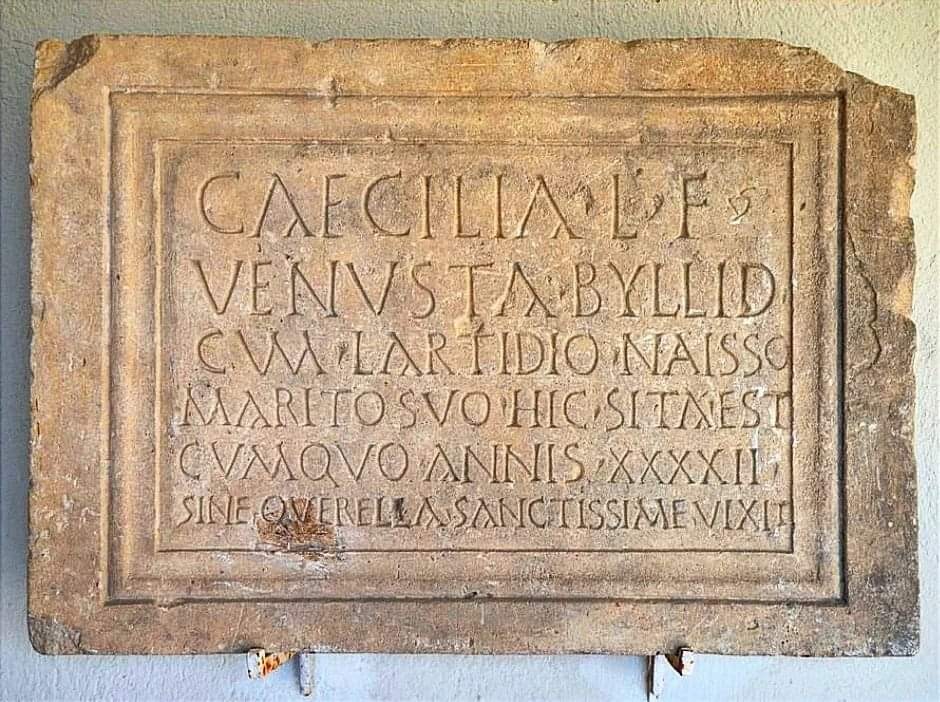
Latin language , stone plate written in Latin.
Happily married for 42 years -
Funerary monument from the Byllis region, 2nd century AD, dedicated to Cecilia and Lartifius .
Caecilia L(uci) f(ilia) / Venusta Byllid(ensis) / cum Lartidio Naisso / marito suo hic sita est / cum quo annis XXXXII / sine querela sanctissime vixit.
#photography #noisecash #randomthoughts
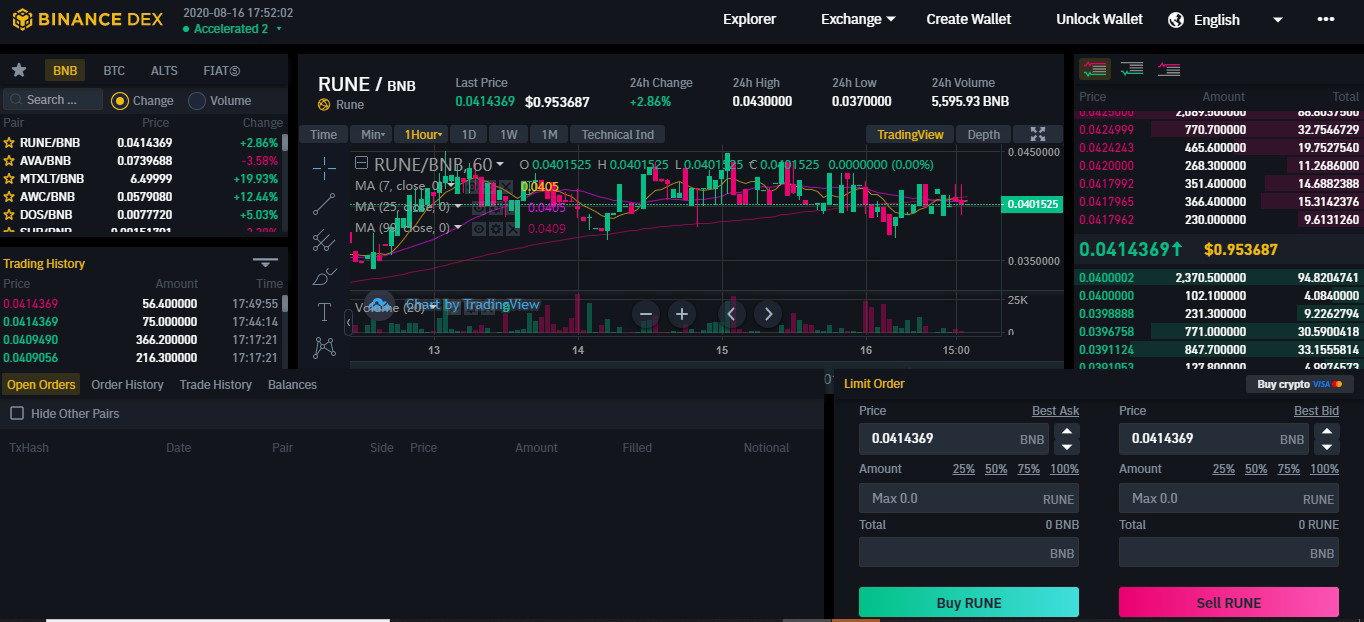
Binance exchange
What Is the Binance Exchange?
The Binance Exchange is a leading ****cryptocurrency**** exchange founded in 2017 in Hong Kong. It features a strong focus on ****altcoin**** trading. Binance offers crypto-to-crypto trading in more than 500 cryptocurrencies and virtual tokens, including Bitcoin (BTC), Ether (ETH), Litecoin (LTC), Dogecoin (DOGE), and its own token ****Binance Coin**** (BNB). In 2018, it moved its company headquarters to Malta, EU, in response to China's strict regulations on crypto exchange businesses. https://www.investopedia.com/terms/c/cryptocurrency.asp https://www.investopedia.com/terms/a/altcoin.asp https://www.investopedia.com/terms/b/binance-coin-bnb.asp
📌KEY TAKEAWAYS
Binance is an online exchange where users can trade cryptocurrencies. It supports most commonly traded cryptocurrencies.
Binance provides a crypto wallet for traders to store their electronic funds.
The exchange also has supporting services for users to earn interest or transact using cryptocurrencies. It also offers programs for miners and to help traders make investment decisions.
📈 Trading on Binance
Like other crypto exchanges, Binance offers services around the trading, listing, fundraising, and de-listing or withdrawal of cryptocurrencies. Cryptocurrency enthusiasts willing to launch their own tokens can use Binance for raising funds through **initial coin offerings** (ICOs). Binance is used by a large number of traders and participants for exchanging and investing in various cryptocurrencies. start trading, users have to complete the necessary **KYC** requirements. Upon successful trading account creation, users can add cryptocurrency funds to their public wallet address, provided by Binance, to start trading. https://www.investopedia.com/terms/i/initial-coin-offering-ico.asp https://www.investopedia.com/terms/k/knowyourclient.asp
The Binance exchange supports three types of trade orders: limit, market, and stop-limit orders. **Limit orders** are executed only at the limit price set by the trader. Market orders are executed immediately at the best available market price. Stop limit orders become valid orders only when the price reaches a specified level. https://www.investopedia.com/terms/l/limitorder.asp
Binance offers an additional five types of orders for crypto derivatives, specifically futures contracts. These trade orders include:
Limit order
Market order
Stop limit order
Stop market order
Trailing stop order
Post only order
Limit TP/SL order
There is no fee charged for cryptocurrency or fund deposits. However, withdrawals do come with a transaction fee that varies depending upon the cryptocurrency and amount.

😊😇☀️❤🌍🙏 Let the light enlighten your consciousness 🙏 I do not know if these that you will read will be observed as a status that reflects a real and true concept?
Anyway! I will continue to express what I think, even if I can be judged by observers with suspicion, I will understand them ... In this status I will try to adapt to topics which aim at social awareness of causes which keep us away from the desires of a collective reflection. Private property and national property?
This is where it all begins and ends! 28,000 thousand km² ÷ Number of Albanians = X more land plus sea, plus airspace respectively for each Albanian. This equation realistically expresses the relationship over the property and assets of the Albanian nation. In my opinion the legitimate owner of planet Earth is its creator, i.e. God or the "Mind of the Universe".
In my logic man can be the legitimate owner of things that his mind creates, but he can not be the legitimate owner of anything physical or material that he did not create before, but God. I think no one can argue or prove that he possesses a Certificate of Ownership from the "mortgage of the mind of the universe or the Creator himself", which can prove the source and form of the acquisition of material property 🎯 No one but God 🙏.
Inheritance of property in my opinion constitutes a "interest" of a social character for a society, as such it can not be made merely a subject of discussion only for the interpretation of political or personal interests.
🎯 Currently 28 thousand km², plus sea and airspace are national assets and property of the Albanian people donated by God 🙏 (ps: I am not referring to the geographical boundaries of history but to the current reality) No one may alienate, mortgage, or sell part of this national wealth except to use it on behalf of the whole nation. The Albanian nation is identified by its language, symbol and geographical territory. Whatever the scenario of the creation or development of our nation in this geographical area of the planet, what is indisputable is that the right to property is the right of the whole nation given this by the creator of planet Earth, God 🙏.
I also think that each vote in itself should represent an "Action / bond" for each Albanian in the total value of national assets, which in itself corresponds to the piece it belongs to based on the equation I presented above. I think that every Albanian has the same right and power against every decision taken in the name of his vote, as this right represents X square meters of land, sea and air for every Albanian without exception. The right to land in itself tells the inalienable history of the heritage of generations, which if not respected alienates national identity. Regardless of the rights that can be granted to any Albanian or foreigner for the use of national property, I think that its ownership should be forever non-transferable property of the entire Albanian nation as a human obligation for generations to come as long as the nation Albanian to exist. No one can be aware if he is not clear about this major concept in relation to himself and the true Creator of this property ... God ... the Universe ... Name it as it comes to you 😊🙏
This is simply my opinion which I do not impose on anyone who does not think like me
🙏 Greetings to ️ ️ everyone 🙏
#randomthoughts #noisecash
🙏 Let the light enlighten your consciousness 🙏
😊😇☀️❤🌍🙏 **Let the light enlighten your consciousness** 🙏
I do not know if these that you will read will be observed as a status that reflects a real and true concept?
• Anyway! I will continue to express what I think, even if I can be judged by observers with suspicion, I will understand them ... In this status I will try to adapt to topics which aim at social awareness of causes which keep us away from the desires of a collective reflection. Private property and national property?
This is where it all begins and ends! 28,000 thousand km² ÷ Number of Albanians = X more land plus sea, plus airspace respectively for each Albanian. This equation realistically expresses the relationship over the property and assets of the Albanian nation.
In my opinion the legitimate owner of planet Earth is its creator, i.e. God or the "Mind of the Universe".
In my logic man can be the legitimate owner of things that his mind creates, but he can not be the legitimate owner of anything physical or material that he did not create before, but God.
I think no one can argue or prove that he possesses a Certificate of Ownership from the "mortgage of the mind of the universe or the Creator himself", which can prove the source and form of the acquisition of material property 🎯 ***No one but God*** 🙏.
Inheritance of property in my opinion constitutes a "interest" of a social character for a society, as such it can not be made merely a subject of discussion only for the interpretation of political or personal interests.
🎯 Currently 28 thousand km², plus sea and airspace are national assets and property of the Albanian people donated by God 🙏 (ps: I am not referring to the geographical boundaries of history but to the current reality) No one may alienate, mortgage, or sell part of this national wealth except to use it on behalf of the whole nation. The Albanian nation is identified by its language, symbol and geographical territory.
Whatever the scenario of the creation or development of our nation in this geographical area of the planet, what is indisputable is that the right to property is the right of the whole nation given this by the creator of planet Earth, God 🙏. I also think that each vote in itself should represent an "Action / bond" for each Albanian in the total value of national assets, which in itself corresponds to the piece it belongs to based on the equation I presented above. I think that every Albanian has the same right and power against every decision taken in the name of his vote, as this right represents X square meters of land, sea and air for every Albanian without exception. The right to land in itself tells the inalienable history of the heritage of generations, which if not respected alienates national identity. Regardless of the rights that can be granted to any Albanian or foreigner for the use of national property, I think that its ownership should be forever non-transferable property of the entire Albanian nation as a human obligation for generations to come as long as the nation Albanian to exist.
No one can be aware if he is not clear about this major concept in relation to himself and the true Creator of this property ... God ... the Universe ... Name it as it comes to you 😊🙏.
This is simply my opinion which I do not impose on anyone who does not think like me
🙏 **Greetings to ️ ️ everyone 🙏.**
 @Wondernature