Seven Ways to Find Your Purpose in Life
Meaningful and long-term goals are good for your health and happiness. Here we will talk about some methods to reach them.
Many people I know seemed to have a pretty deep sense of purpose. Whether they are working for justice against racism, teaching children to read, or trying to donate masks and protective products to hospitals during the pandemic; each using their passion, talent, or compassion for the world in their lives, making their lives meaningful. Research shows that having a purpose is closely linked to better health values, longevity, and even economic success. It feels good to have a purpose, knowing that you can help others by using your talents.
So if you can't realize it easily, what ways can you follow to find your purpose in life? Is finding your purpose something that comes naturally throughout your life? Or are there any other ways you can motivate yourself to find your purpose in life?
According to Kendall Bronk, a researcher on the moral development of adolescents, both are valid. While people can develop their goals in life organically, they can also reach their goals through self-reflection exercises they do deliberately. Sometimes, just talking to someone about what's important to you can make you think about your life and purpose, says Bronk.
In his work with adolescents, Bronk found that some young people find their purpose after going through some difficulties in life. For example, a child facing racism may set a goal of progressing towards becoming a human rights defender in the future. Or a person suffering from a serious illness may decide to study medicine in the future. It should also be noted that experiences such as poverty and illness are situations that are very difficult to overcome without help from others. But Bronk's research shows that having a supportive social environment helps young people reframe challenges as an opportunity to grow for the better. The same can be true for adults.
The combination of education, experience, and self-reflection can help people, with the addition of being supported by others, Bronk says. But with the right tools, you can quickly start finding your purpose. Bronk and his colleagues found exercises that help us work through positive emotions such as gratitude and guide us to find our purpose, while aiming to uncover what our values, interests, and abilities are. Here are some of Bronk's recommendations based on research on purpose.
1. Identify the things you care about
The goal is simply to use your skills for the greater good in the direction that matters to you. That's why identifying what you care about is an important first step along the way.
In the “Purpose Challenge for the Good of the Majority,” designed by Bronk and his team, high school seniors were asked to think about the world around them and imagine what they would want to change and why if they had a miracle. After that, they could use this dream to take more concrete steps to bring the world to the ideal position they dreamed of.
A similar process is suggested for adults by Jim Emerman, who works at an organization that helps seniors find new purpose in their lives. Rather than envision an ideal world in the future, he suggests asking ourselves three questions:
1. What are you good at?
2. What have you done that helped you acquire a skill that you can use for a purpose?
3. What do you value in the society you live in?
Reflecting on these questions, older adults can brainstorm new ideas for repurposing their skills and developing interests to help the world.
2. Reflect on what is most important to you
When your circle and interests are so wide, it can sometimes be difficult to decide what is most important to you. Understanding what you value most can help you reduce your purpose in life to things that both appeal to you and are more achievable.
There are some nice value surveys recommended by PosivitePsychology.com such as the "Valued Living Questionnaire", the "Portrait Values Questionnaire" and the "Personal Values Questionnaire". Each consists of surveys used in research and questions that can benefit those who want to make a change while feeling overwhelmed.
According to Bronk's findings, prioritizing people's values helps in finding purpose. The studies that Bronk and his team designed show that the questionnaire they used (where students were asked about some common values and ranked from most important to least important) was helpful in helping people clarify their goals.
3. Recognize your strengths and abilities
We all have strengths and abilities that we have developed throughout our lives that form our own personalities. However, some of us may not be certain about what it can do.
If we need help with this, surveys such as the “VIA Character Strenghts Survey” can help us identify and embrace our personal strengths. You can then look at the results and think about applying them to what you truly care about in your life.
In addition, it can be helpful to ask others. You can consult your teachers, friends, family or colleagues. In Bronk et al.'s study, students were asked to email the following questions to five people who knew them well:
1. What do you think I am particularly good at?
2. What do you think I really enjoy?
3. What kind of a mark do you think I can leave in the world?
Likewise, if adults feel the need for feedback, they can apply it. People who know you well can see things about yourself that you didn't realize. This can take you in directions you can't imagine. Apart from this, feedback should not be overvalued if it does not provide any benefit. Getting information or advice from others is helpful if it helps you clarify your strengths.
4. Try doing volunteer work
Finding a purpose in life involves more than self-reflection. According to Bronk, achieving purpose also involves trying new things and looking at how they can work for you to make a meaningful difference in life. Volunteering in a community organization focused on something you care about can provide you with experience and an opportunity to do good at the same time.
Working in an organization that works for the benefit of others also allows you to connect with people who have passion and can inspire you. In fact, with the support of others, it is easier to reach your life purpose and maintain it. In addition, a network of volunteer philanthropists provides you with new opportunities and the opportunity to mingle with a community that cares about your concerns. Volunteering can also contribute to longevity as well as being more beneficial for health.
But not all volunteer work results in strong feelings about life purpose. Anne Colby, a researcher at Stanford University, warns and says; “Volunteering can sometimes lead to deafening”. “The work done has to have something attractive and appealing. You have to feel like you have accomplished something.” When you find what works best for you, volunteering feels “right” in a way. It shouldn't be overwhelming, but it should be refreshing.
5. Imagine yourself in the best possible way
In the study by Bronk and his team, high school students were asked to imagine themselves at age 40 when everything went well.
• What are you doing?
• What is important to you?
• What do you really care about? Why is that?
The “why” part here is particularly important because goals often come from the reasons behind caring, says Bronk.
Of course, those of us older may also find these questions valuable to them. But, according to Bonk, older adults may want to reflect more backwards than looking forward. He says that we always think about the things we want to do in life, but maybe because of some obligations, we can't. For example, sometimes it is necessary to choose between raising children or having a career. There is a situation where with what you really want for yourself, the world can help you achieve it. Perhaps focusing your attention on people and your experiences can help you get there.
6. Nurture positive emotions like gratitude
To find purpose, encouraging positive emotions like gratitude helps. Because each of these feelings is closely related to well-being, caring for others and finding meaning in life. These emotions also help us focus on how we can contribute to the world.
In her work with young adults, Bronk found that gratitude was particularly helpful in leading students to purpose. Reflecting on the things they are grateful for in their lives motivates people to do the same favors they see to others. In this way, the feeling of gratitude is directed towards the goal.
7. Look at the people you admire
Sometimes the people we admire most in life give us tips on how we can contribute to a better world. Reading about the work of human rights leaders or climate activists can have a morally uplifting effect and give us the motivation we need to work for the greater good.
However, Bronk emphasizes that sometimes these surreal examples can be very intimidating for us. Then you can look to people who seem more mundane to you doing smaller-scale favors. Maybe you have a friend who delivers food to the homeless or a coworker who works for justice. Things like this can inspire you.
You don't need to be famous to find your purpose in life and achieve it. You just need to look at your inner compass and take small steps towards what is most meaningful to you.


You can't be successful without dreaming
Dreaming of a different future sounds like "fantasy" to most people. Especially, "Do not invent!" Instead of creating something new, people prefer others to take risks and want to be on the side of the successful.
Dreaming is the power to "remember the future," as Stefano d'Anna said. All leaders who have changed the course of history are people who have the power to foresee what others will realize only years later. If Martin Luther King, Gandhi and Mandela had not dreamed of a world where all are equal, racism would not have come this far. The world wouldn't be the world it is today if Christopher Columbus hadn't dreamed of traveling west to reach the east, if the Wright brothers hadn't dreamed of flying, if Steve Jobs hadn't dreamed that humans could tame technology.
In order to "see" something, one must first "dream" of it and then strive to realize it by following it. Everything man-made we see around us first came to life in someone's imagination. Every invention, every work of art, every innovation, every solution starts with a dream, and then this dream becomes concrete with the power of analysis and synthesis of the mind. Everything that man produces comes into being first in his dreams and then in real life.
The majority perceives the dreaming as an unattainable, impossible wish. However, dreaming is very different from "wishing" the impossible.
To wish is to want something we do not have and to hope for it to come true without fulfilling it. Dreaming, on the other hand, is being aware of what one can do and making a plan to reach a future different from today. To dream is to set up a “dream” to overcome obstacles and prepare to follow it. To dream means to see and re-describe what is, rather than accepting it from a different perspective.
People become what they think. No one gets anywhere beyond their dreams. No one has anything beyond their dreams. No one can become a person beyond their dreams. Just like a prophecy that proves itself in life, whatever we dream, whatever we dare to dream, it brings it in our way.
The history of civilization is the history of people who are not content with the present, want more, and dream of the invisible. Dreaming is the desire to do something useful, beautiful and good for oneself, loved ones, society and the world. It is the work of taking the initiative to bring that desire to life.
If a person's dream is strong, if he believes in his dream, the dream will find its own way to come true. Stefano D'Anna “The dream always comes first, financial resources follow. In the millennial race between dreams and money, money has always come later. Therefore, we should not worry about how the resources will come. A real dream also builds its own sufficiency to become reality.”
While making his dreams come true, he encounters a thousand and one obstacles. As the legend says, if David did not dare to fight Goliah, if he succumbed to the fear of a gigantic power, he would always remain a shepherd, only dreaming of becoming a king. However, challenging difficulties brings out the hero in a person. Man fights by discovering the hero in him. Those who do not fight cannot win; they become commonplace.
According to Stefano d'Anna, “A nation's wealth is not the volume of production or exports it has, its oil deposits, gold mines, or diamond reserves. The real wealth of a nation is its people, who are capable of freely dreaming of a better world. At the root of the success of every organization, every society, there is always a person's dream. Everything we have in the name of civilization today is thanks to people who dream of beauty and goodness.
Leaders who have changed the destiny of an organization or a society differ neither in their experience nor in their charisma. The strengths of these leaders are their ability to dream. This is also true in our individual lives. The most effective people are those who stay true to their dreams despite all the difficulties. People who have never abandoned their dreams at all costs have inspiring stories that attract others like magnets.
Dreaming is a very serious business. Those who will bring goodness and beauty to our lives in the future that we do not know today are the people who deal with these very serious things today.
Stefano D'Anna, who we lost last week, used to see dreaming as the most important factor that determines a person's destiny. “Transform yourself into people who dream, create and love.” he would say. Stefano d'Anna was a beautiful person, a valuable scientist, who throughout his life encouraged people to follow their dreams without fear.


Have you tried the KETOGENIC diet?
Details of the ketogenic diet, which is a diet that I have always heard and thought to try.
***What is the Ketogenic Diet?***
It is known as a diet style in which carbohydrate and protein sources are restricted and a large part of the diet content consists of fats. Many types of food (fat-weighted) that are not included in normal, healthy nutrition programs are used as the main energy source in these diets.
The goal of the diet is to put the body in ketosis with low-carb consumption and to prioritize the use of stored fat. In a healthy and normal order, the body uses carbohydrates first as an energy source, fats if carbohydrate stores are exhausted, and proteins in the last place.
In the ketogenic diet, fats are used for energy, since carbohydrates are limited. As the fats are burned, ketone bodies appear, and ketosis occurs with increasing ketone bodies in the blood. These diets are difficult to implement due to their high fat content, low carbohydrate and protein content, and it is stated that maintaining them for a long time is risky for health. In this diet, carbohydrate consumption is almost non-existent, and carbohydrate sources such as bread, cereals, all kinds of food produced from flour and sugar are strictly prohibited in this diet.
- It is one of the most curious subjects of people who will start a ketogenic diet.
-People who are looking for the most accurate diet list for the ketogenic diet, of course, do not want to go wrong in this regard.
-This type of diet was used as a therapeutic diet in the past.
-Looking at its content, it consists of minimizing carbohydrates and bringing the body to 'ketosis' and starting fat burning.
-The carbohydrate rate in the diet was kept below 50 grams per day. The ketogenic diet list should be prepared meticulously according to these ratios.
-When the body enters a state of ketosis, ketone cells are used as energy.
-This situation begins after the glycogen stores in the body are converted into energy.
-Since the intake of carbohydrates ceases, ketones begin to be used because there is no different energy source in the body.
-When the body goes into a state of 'ketosis', it gives some signals.
-Low intake of carbohydrates initiates a process called fat metabolism in the body. -Ketones begin to provide energy for brain cells.
-Thus, the brain experiences its clearest and most functional period.
-This is why this type of diet has been used in the treatment of neurologic diseases in the past.
-It improves brain functions.
-So much so that people who experience this diet say that they are going through the most creative periods of their lives.
***When can ketogenic diets be applied?***
Ketogenic diet is applied in epilepsy patients because it is effective in reducing seizures. It is also used as a nutritional therapy for some metabolic diseases, Parkinson's, Alzheimer's, brain and nervous system diseases, autism, and some mental and mitochondrial diseases.
Although the ketogenic diet is applied for weight loss, it is controversial whether it is safe due to the risks it poses in terms of health. In ketogenic diet applications, the doctor and dietitian should be consulted together.
***What are the risks of the ketogenic diet?***
slowing down of metabolism
enter ketoacidosis
Constipation due to insufficient fiber intake
Increase of cholesterol and triglycerides in the blood
Damage to liver functions
Weakening of brain functions and perception
According to some studies, heart rhythm disorder
What are the most preferred foods?
-Avocado
-Cheese or Cottage Cheese
-Egg
-Red meat or white meat
-Fish (Salmon, mackerel, sardines, Oysters, Mussels, Octopus, Oysters, Squid)
-Yoghurt
-Dark chocolate and cocoa powder
-coconut oil
-Olive oil
-Nuts
-Red berries (Strawberry, watermelon, blackberry, black mulberry, blueberry)
-Butter and cream
-Olives
-Unsweetened coffee and tea
*Here are the low-carb foods when cooking vegetables:*
Pea
Broccoli
Red pepper
Spinach
Mushrooms
Cherry tomato
Celery
Cauliflower
red berries
*****Pay Attention to These While Preparing a Ketogenic Diet List!*****
Plenty of fluids should be taken.
During the keto diet, fluid is rapidly excreted from the body.
Fluid intake is very important to make up for this deficiency.
The amount of electrolytes in the body should be checked frequently by the doctor.
Adequate fiber intake should be considered.
Fiber intake should not be missing in the ketogenic diet.
Fiber should not be confused with carbohydrates.
Daily fiber intake should be increased up to 30 grams. Keto diet, which helps in the treatment of diseases, should of course be done with the help of a client.
The body structure, values and diseases of the people should be taken into consideration and a personalized diet program should be applied.
This diet; It has been observed by studies that it is good for many diseases such as diabetes, cancer, neurological diseases and prevents many diseases with risk factors.
The keto diet, which is also very useful in losing weight, makes it possible to burn fast age.
Amazing benefits of drinking water for our body
The vital activities of cells, the fulfillment of body functions are possible with the protection of the “water balance of the body”. The brain consists of 80%, blood 90%, muscle 75%, kidney 83%, adipose tissue 20%, lung 86%, bones 22% and gums 10% water. This is proof of the necessity of water for our body.
It reduces the feeling of hunger.
It prevents constipation by running the digestive system.
It provides blood circulation.
It plays a role in the absorption of minerals, vitamins and other nutrients.
It carries oxygen and nutrients to the cells.
It supports the joints.
Balances body temperature.
It beautifies the skin.
It facilitates the elimination of accumulated substances in the body.
It cleans the toxins formed in the kidney and liver.
**Skin Benefits of Drinking Water**
We can list the benefits of drinking water for the skin as follows;
It delays the formation of wrinkles on the skin.
It moisturizes the skin.
It provides positive benefits for sensitive skin.
It nourishes the skin.
**Hair Benefits of Drinking Water**
It is possible to list the benefits of drinking water for hair as follows;
It prevents the hair from tangling.
It plays a role in hair growth.
It moisturizes the hair.
It prevents hair loss.
It prevents dandruff.
It strengthens the hair.
It is good for broken hair.
It reduces the electrification of the hair.
It provides shine.
What is the Water Ratio in My Body?
The proportion of water in the body may vary according to age, gender, and weight. As the age progresses, water begins to be replaced by adipose tissue and the need for water increases.
*Newborn %75-80*
*Adult %60-70*
*Old %50-60*
*Should I Wait until Thirsty to Drink Water?*
Do not wait for thirst to drink water. If there is a feeling of thirst, it means that the body has started to become dehydrated.
*What is the Best Time to Drink Water?*
Before sleeping, waking up from sleep, half an hour before or an hour after meals, and the times between meals are the best times to drink water. If you do not feel well, you can drink water immediately. Water is the best healing elixir available.
*Can You Drink Water While Eating?*
If the person has a habit of drinking water while eating, he can continue to do so. However, if he feels uncomfortable drinking water while eating, he may choose to change his habit. In order to maximize the benefit of water, as we mentioned above, water should be drunk 20-30 minutes before meals.
*Should We Drink Cold or Warm Water?*
While cold water leaves the stomach in 20 minutes, this time is 80 minutes for warm water. Warm water keeps the stomach volume full. For this, warm water is recommended in low-calorie diets.
*How Many Glasses of Water Should I Drink a Day?*
Even though we do not feel thirsty, we should drink 8 glasses of water a day in order to maintain the “body water balance”. As a result of the loss of water and minerals caused by sweating in the summer months; Health problems such as dizziness, fainting sensation and nausea may occur. Therefore, at least 2-2.5 liters (10-12 glasses) of water should be drunk every day. Drinks such as milk, buttermilk, soda, lemonade, cold herbal teas, unsweetened compotes and freshly squeezed fruit juices are the right choices for meeting fluid intake (2-2.5 liters per day).
*Does Drinking Too Much Water Damage the Kidneys?*
Drinking water is an action that clears toxins in the kidneys and ensures regular functioning of the kidneys. Excess water consumption can tire the kidneys. Especially kidney patients should avoid excessive water consumption.
*How Do I Know If I'm Consuming the Right Amount of Water?*
Urinating 6-8 times a day is an indication that you are drinking the ideal amount of water. This amount indicates that the water requirement for our tissues is met and that our bladder is adequately supported with water.
*Does Water Consumption Change for Athletes?*
Athletes' water consumption rate should be 5% higher than other people. Depending on the exercise, water intake should be increased. Adequate water consumption is essential to replace the water lost during exercise in the body and to restore the body's water balance. Water consumption should be drunk after exercise, as well as before exercise (in the form of sips of water at 15-minute intervals) in order to prepare the body for water loss.
*What is Body Water Loss?*
Our body loses about 2.5 liters of water in total during the day. Therefore, sufficient water consumption is essential in order to replace the lost water and to restore the "water balance of the body".
with urine 1500 ml
through the skin 500 ml
feces and respiration 300 ml each
***Does Drinking Water Make You Weak?***
One of the questions frequently asked by those who want to lose weight is whether drinking water is effective in losing weight. Drinking water has no direct effect on weight loss. But water, which provides edema, should be consumed frequently while dieting. You can lose weight with the right nutrition program and water consumption.


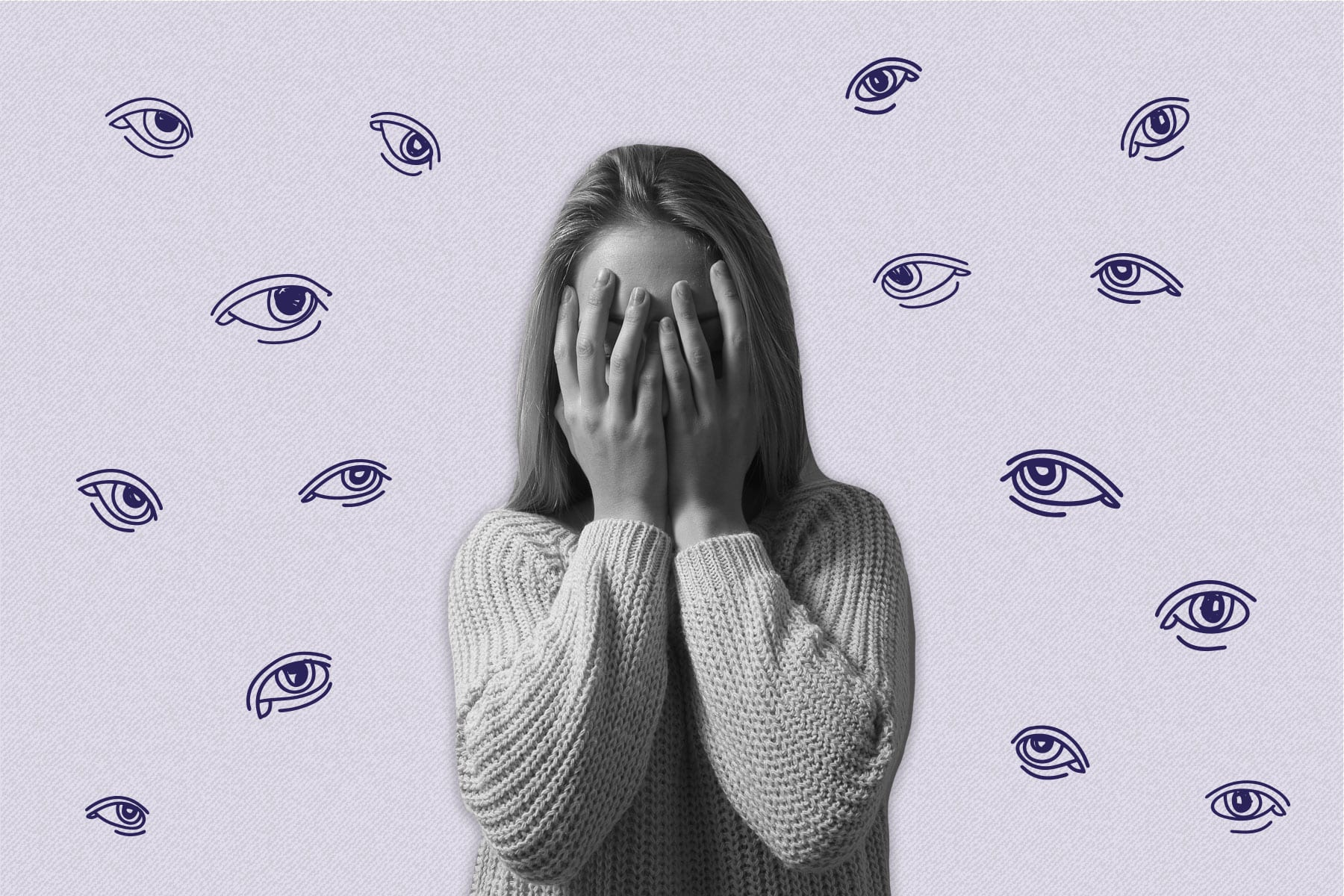
Anxiety is a psychological problem. Be careful.
We all experience from time to time whether the life we live actually exists and we are worried about it.Some of us get so obsessed with it that we stop enjoying life.
*****Anxiety;***** It can be difficult to distinguish when suffering from the symptoms of anxiety, as it can affect many aspects of a person's physical and psychological well-being and consists of subtle ways that are not understood to be associated with anxiety. Recognizing the intense and overwhelming crises called anxiety attacks, as well as the physical and psychological symptoms of extreme anxiety, is crucial to understanding the role of anxiety in your life.
1. Watch for times of intense and excessive anxiety
Perhaps the most characteristic feature of anxiety is a prolonged or intense feeling of tension and fear. People who suffer from anxiety often find themselves worrying incessantly, even when there is nothing specific to worry about. Anxiety is often accompanied by physical tension and tremors. Anxiety is also characterized by a pessimistic outlook and anticipation of the worst that could happen in the situation causing the anxiety.
2. Distinguish feelings of emptiness or unreality
For the person suffering from anxiety, the most bizarre feelings associated with overflowing anxiety are feelings of disconnection or unreality. In situations like this, you feel completely disconnected from others and the world around you, and you may find yourself unmotivated to do anything.
For example, after an intense experience of anxiety, you may feel as if your emotions and motivations have disappeared.
3. Recognize situations of fear or panic
Panic or fear can be related to a real situation in your life, or it can manifest as a fear of death or losing control. Fear may not have a source that you can identify. This fear becomes one of the most worrisome symptoms of anxiety, where it becomes difficult to control and to be comfortable with others.
If you are in stressful or difficult situations—social, financial, or work-related, you may be experiencing the effects of extreme anxiety that makes you grapple and feel unable to cope with your problems.
Sometimes it's normal to be troubled by thoughts of the death of you or someone close to you. However, if these thoughts become so frequent and intense that they distract you from important activities or interfere with your sleep, it may be a sign that you are experiencing an unhealthy level of anxiety.
4. Pay attention to your mood
Anxiety symptoms can be difficult to cope with, especially when they are frequent and severe. Tension as a result; It can make it difficult to maintain a calm or happy mood at work, school, and in personal relationships and to enjoy social life.
People with anxiety have difficulty concentrating and participating in social interactions because they often feel restless.
5. Watch out for avoidance behaviors
People who experience anxiety attacks regularly avoid situations that have caused them stress or anxiety in the past. If you find it very difficult to get into situations that you associate with stress, or if you often feel that you need to take important steps to avoid such situations, this may indicate that you are experiencing unhealthy levels of anxiety.
E.g; If you often put off schoolwork, professional responsibilities, or social interactions for fear of being exposed to the stress caused by such activities, you may be experiencing the effects of extreme anxiety.
6. Be cautious about alcohol and substance abuse
Among people with chronic anxiety, it is common to use over-the-counter drugs or alcohol to reduce the severity of symptoms. You should be honest with yourself about the role alcohol or substance plays in your relationship with anxiety. If you feel that alcohol or substance use is beyond your control and is harmful to you, it is important that you reach out to friends, loved ones or healthcare professionals who can help you cope with the problem before it affects your health.
Method 2: Noticing physical symptoms
1. Pay attention to unexplained discomfort and pain
Nausea, headache, dizziness, and muscle pain are common symptoms of anxiety. If you experience such discomfort regularly and standard methods fail when you try to relieve it, it may be a sign that you are experiencing extreme anxiety.
2. Watch out for signs of physical tension
In the body, psychological strains are usually manifested physically, with symptoms such as muscle tension, rapid heartbeat and breathing, tremors, and shortness of breath. This type of physical strain can be a sign of anxiety, especially in the absence of a nonpsychological cause such as vigorous exercise.
Uneasy behaviors such as grinding your teeth, clenching your jaw, wiggling your hands and feet may be signs that you are experiencing physical tension due to anxiety.
3. Be aware of changes in your sleep patterns
Anxiety often has a noticeable effect on how well you sleep, how much sleep you get, and how energized you wake up after going to sleep. Oversleeping and insomnia (constant trouble falling asleep and staying asleep) are both common symptoms of anxiety. Intentionally sleeping too much to avoid worry, or an overactive, worrying mind keeping them from sleeping are classic problems for people with anxiety in both conditions.
4. Monitor your digestion
Your digestive system is very sensitive to changes in your physiology, including psychological changes such as experiencing anxiety. Anxiety is often associated with frequent urination or diarrhea, as well as frequent nausea.
Many people with anxiety experience a frequent or constant feeling of vomiting in the stomach in connection with a stressful situation.
5. Be aware of fluctuations in your appetite and body weight
Anxiety often affects what you want to eat and how much you want to eat. If you notice that you are not usually hungry or simply not motivated to eat, it may be a sign of anxiety. Conversely, frequent and excessive eating, especially to distract from worry, can also be a manifestation of anxiety.
1. Watch for anxious situations that grow or overflow like snowballs
For the person experiencing anxiety attacks, anxiety and fears related to anxiety can snowball. In this way, it can cause pervasive sensitivity, bringing the person to a point where they are in pain, panicking, and unable to analyze what is going on. Such situations often occur after highly stressful events or situations, and are extremely unpleasant and staggering, lasting from a few minutes to hours or even days.
2. Watch for intense physical tension and discomfort
The person experiencing anxiety attacks experiences sudden drops and rises in body temperature (hot or cold flashes), often accompanied by feelings of shortness of breath or a fast, irregular heartbeat.
3. Be aware of obsessive thoughts
Anxiety attacks are often accompanied by obsessive thoughts, which are intense, unwanted thoughts about a problem, worry, or stressful situation. During an anxiety attack, these thoughts may seem to draw the person in, making it difficult or impossible to focus on anything else.
These obsessive thoughts may be related to a concrete problem in the person's life, or they may be more abstract. For example, the obsession can get stuck in the person's mind by focusing on a disturbing image or sound, preventing them from thinking about anything else.
4. Consult with a healthcare professional
Anxiety attacks are painful and often debilitating. The physical and emotional strain associated with regular, intense anxiety can also have long-term effects on your health. If you are struggling with anxiety, you should talk to a medical doctor, psychiatrist or psychologist about possible therapies for your symptoms and anxiety. A simple step to seek help from others can help relieve your symptoms and get you on the road to a less stressful life.
Source: *WikiHow*
Sugar is more 'harmful' than you think...
**Hello everyone, The list is so long you might even wonder how they allow sugar to be legal? A product that can be as addictive as a drug, and in some cases even destroy your body faster than drugs.**
**Excessive sugar consumption causes headaches**
Of course, the situation we described above does not only affect you as a headache. All these conditions that create an imbalance in the body, such as the deterioration of the body's fluid balance, the inability of the cells to function in a healthy way due to thirst, and the excessive secretion of serotonin, taken as the "happiness hormone", and then its disappearance in a short time, cause you to feel more sluggish, exhausted and depressed.
***It is among the negative effects that are known to weaken memory.***
One of the effects of sugar depriving our cells of the water they need is memory and concentration. Since our cells do not function in a healthy way, there may be inadequacies in the transportation of the necessary oxygen to our brain. This affects the part of the brain that most concerns our memory. As such, when excessive sugar consumption is continued regularly, problems such as difficulties in remembering and lack of concentration arise.
***It weakens the immune system and makes the body vulnerable to diseases.***
Excessive consumption of sugar both prevents the absorption of many beneficial substances such as vitamins and minerals, and allows the development and reproduction of various types of microbes that enter our body and threaten our health. When these two features come together, of course, the immune system weakens. This makes our body vulnerable to many diseases, from the common cold to cancer.
***Causes weight gain***
Those who eat lots of sugary foods during the day, especially those who have diabetes, or those who have eaten on time, know that it is almost inevitable to feel very hungry after a while after eating sugary foods. Excess sugar consumption not only increases the sugar level in the blood, but also decreases it at the same time. Therefore, this causes your appetite to increase.
***It causes cardiovascular diseases as it adversely affects blood pressure***
Since it changes the sugar rate in the blood, sugar consumption also affects blood pressure, that is, blood pressure. Over time, it can even cause plaques to form in the blood, increasing blood pressure and causing clogged arteries. These effects, of course, adversely affect heart health. You, be you, stay away from refined sugar, let's say oh my.It forces the kidneys and liver to work, causes kidney diseases and liver fat.
As you know, diabetes causes a lack of insulin and an increase in blood sugar. This being the case, in addition to the constant feeling of thirst and dry mouth, the functioning of the kidneys and liver is also disrupted. Both of these vital organs are working hard to maintain the healthy functioning of the body. If excessive sugar consumption continues on a regular basis, very serious diseases occur because they are both worn out and cannot perform their functions adequately.
Sugar, which also negatively affects skin health, causes dryness of the skin and different skin problems over time.
Since our body is very dehydrated due to excessive sugar consumption, this situation begins to affect the skin in a short time. Exfoliation, dryness and cracks occur on the skin. At the same time, the skin enters a faster aging period for all these reasons, and wrinkles begin to appear at a much earlier age than expected.
***It reduces the absorption of various minerals such as magnesium and copper, thus causing problems such as hair loss.***
It's okay to say that sugar has no use for our body. Because the increase in the sugar level in the blood also blocks the absorption of many other vitamins and minerals. When these substances, which even our hair needs to grow and grow in a healthy way, cannot enter our body sufficiently, hair loss and hair breakage increase.
***It prepares the ground for various stomach ailments, from indigestion to gastritis.***
Nausea, which is one of the most well-known symptoms of diabetes, causes serious disorders such as indigestion and gastritis due to increased stomach acid, due to excessive consumption of sugar, which occurs when excessive sugar consumption is continued.
While even the reasons we listed above show that sugar harms our body from head to toe, we say give up this love when the road is near and at least remove refined sugar from your life completely and settle for sugar that you can get from natural foods.


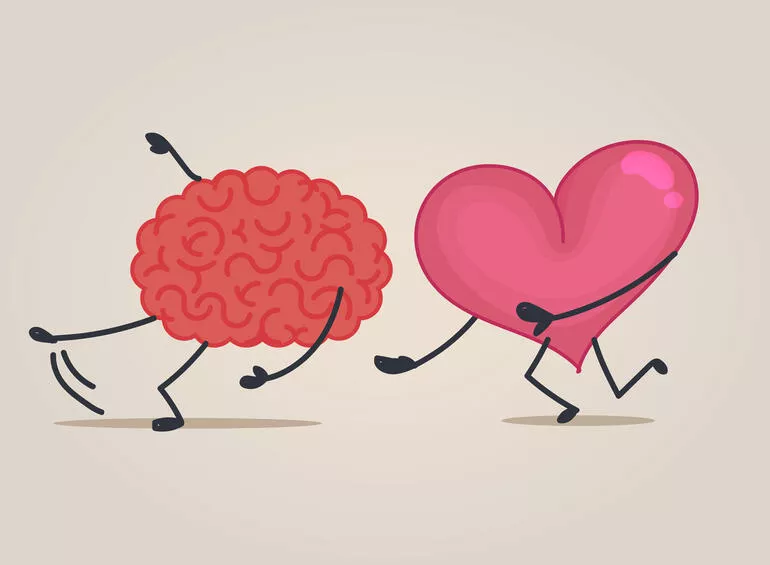
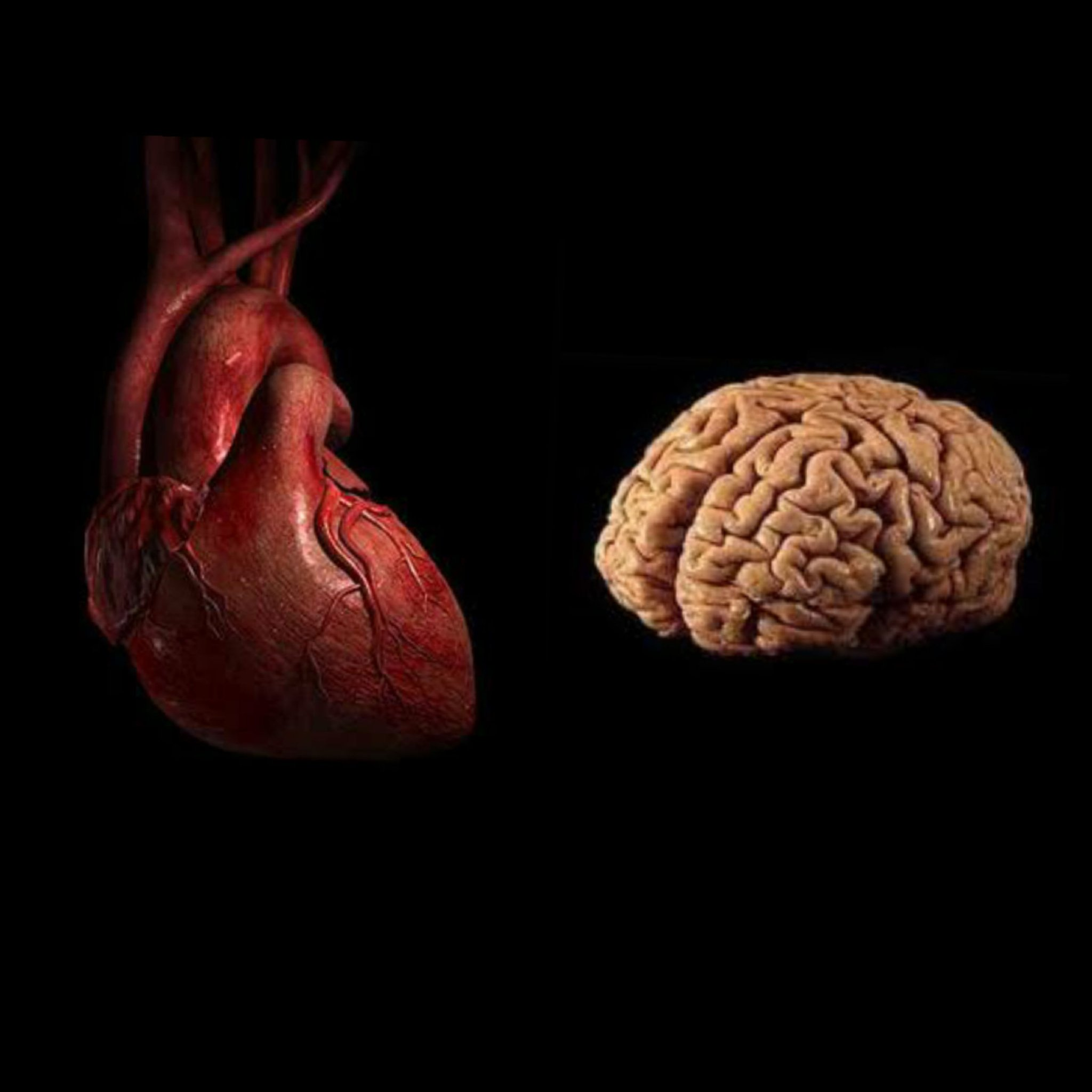
Heart or Brain? Which one do you choose?
***Do we love with the heart or with the brain?***
With the brain of course! But as a neuroscientist, when I love, I say "I love from the heart"; Saying "I love you because of the obsessive circuits in my mesocortical pathways" isn't very romantic.
***PHYSICS PROBLEM IS EASIER TO SOLVE (:***
Is it easy to solve physics problems or meet new people?
Physics problems are too simple to even mention in terms of using the resources of the brain alongside social problems. Because when you know the rule, physics problem is a simple algorithm job; but social relations are numerous and multi-layered.
requires reading data. Many factors such as body language, tones of voice, choice of words, facial expressions, environment and context information should be processed simultaneously and in detail. For this reason, the subject that the brain spends the most energy and specializes in is social issues.
Most of the conditions you mentioned can resolve spontaneously only after mental and daily life changes, unless they are at a severe level of disorder. For example, physical exercise, even in the form of walking, can have the same or often more positive effects than antidepressant drugs in mild and moderate depression. Many people who cling to life with a motivation are able to get rid of the mental limitations they used to complain about. Today we simply do not know very well the methods of this, because we have forgotten; Actually, that's basically our problem.
Is it enough for the mind to believe in turning a negative situation into a positive one?
Most of the time yes. It's like saying "the weather is bad today". If you're thinking of having a picnic on a rainy day, it's bad for you, but for a farmer, let's say, it could be fine. Therefore, expressions such as good-bad, positive-negative depend on our subjective evaluations. For example, I strongly believe in the power of the word "good luck". Because even if it seems bad, knowing that something that happens can be good for us is a really comforting and motivating perspective. Of course, it is not just language; As we experience this, we can have a broader and more positive perspective.
The quickest way to understand the effects of the mind on the body is to close your eyes and think of a time when you licked a lemon, a moment that made you angry or embarrassed. When you vividly visualize these situations in your mind, marked changes occur in your body. In the first, your mouth waters, in the other, your face turns red and your blood pressure rises. These are just examples that show very clearly what thought can do. When we look at it like this, the effects of our brain, which is connected to every part of the body by cables with a total length of millions of kilometers, and which can affect the work of all our cells by sending messages to the farthest corners of the body with the hormones it secretes, and the effects of our mind, cannot be underestimated. The fact that we have stomach problems due to stress and that students get sick more frequently during the exam period are the results of these effects that are reflected in daily life and are actually known by everyone. People who experience stress for a long time, for example, who have to live in big cities, can develop various diseases in the long term for the same reason. At the same time, positive thoughts and dreams create strengthening and restorative effects on our body. Therefore, at least as much as we pay attention to what we eat and drink, we should also pay attention to what our minds are busy with.
What is love? How do we fall in love?
Love is the name we give to the passionate commitment between man and woman that gives us an advantage for the continuation of our species, neuroscientistically. No matter how we fall in love differs from person to person, the common mechanism results in the emotional regions of the brain going through some special changes, making the person in love almost obsessed. While the amount of substances such as adrenaline, dopamine, phenylethylamine, which are important chemicals in our brain, increases, the amount of the substance called serotonin, which we know as the "feel-good chemical", decreases. Thanks to these changes, we experience an obsessive state of mind that can only be happy when we think about or see that person. It is good that we live; because the continuation of the human species is actually very closely tied to this strong emotion. Without this, no one would have enough motivation to pursue anyone.
Does the heart feel first or the brain?
All kinds of emotions and feelings originate in our brain as we know it today. The heart and other body parts are the mediators that allow us to "feel" it. We cannot feel what is going on inside our brain, because the brain is an organ that has no senses of its own, and that does not hurt even when it is certain. But after creating emotions, we feel these emotions thanks to the signals it sends to the body. Therefore, the way each emotion is reflected on the body is different.
Not history books, but romance novels are more memorable. Why is that?
This is mainly because we are emotional creatures. Stories and emotions affect us much more than bare data
and is recorded more deeply in our brain.
How does one deal with bad memories in their memory?
It is possible to reduce the effect of traumatic memories with different methods. Techniques such as hypnosis or EMDR are widely used for this purpose. In addition, meditation and mindfulness exercises are one of the most effective techniques to focus on bad memories in memory and to prevent past events from constantly affecting daily life. Thanks to these studies, our mind learns to focus on the present, and in this way, the effect of these disturbing memories can be significantly reduced over time. In addition, changing the physical exercise and nutrition regime can have significant positive effects depending on the situation.
IS YOUR BRAIN FEMALE OR MALE?
You say that the brain also has a gender. How is it?
The amount of testosterone that babies are exposed to in the womb is one of the most important factors that determine whether the brain is male or female. Boys have a male brain because they are more exposed to this hormone. This hormone is also present in mothers, but since girl babies do not produce testosterone, the chance of the baby being exposed to this hormone is low in female pregnancies and the brain develops as a "female brain". But sometimes, for various reasons, boys are exposed to less testosterone and girls to more than normal testosterone. This may cause brain sex to be different from external gender. Of course, this is not about sexual functions, but about perception of the world and cognitive data processing.
How do you know if the brain is male or female?
You can see this by looking at the palm of your dominant hand. In most men, the ring finger is longer than the index finger when the fingers are together and the hand is held open. This is the sign of the male brain. If the two are equal or the index finger is longer, it indicates the female brain. Of course, with this method, many people with female brains among men and male brains among women can be detected. This is more about cognitive issues related to the functioning of the mind. There is no combination of good or bad; each situation is best on its own terms.
How authoritarian do you have to be to be a leader?
Hello!
**Does everyone have a leadership spirit? Or is it a characteristic feature? Or do we develop ourselves in this direction because we want to be leaders?**
Does a person's personality change when he has authority? Would your behavior change if they gave you an important authority? For example, if you were an official who decides who will do what work, would your behavior change? Immediately “Power does not corrupt me!” don't say. The situation is not as simple as you think. Hundreds of experiments on this subject prove that most people change when they gain authority and authority.
In 2003, an experiment was conducted on three university students. The researcher randomly selected two of the three students and asked them to write a short report on a topic. He also asked the third student that he randomly selected to read the reports and measure the success of the other two. The experiment lasted for half an hour, and at the end, the experimenter offered coffee and cookies to everyone. There were five cookies in a plate on the table. There were four people at the table, including the experimenter. Everyone ate a cookie and drank a coffee. Well, who do you think ate the fifth cookie? Yes, you know: A student who was randomly selected to the “controlling” position a while ago ate.
Before the experiment, all three students were equal, they did not differ from each other. They were all students of the same class, of the same age, from the same social background, but one of them had accidentally been empowered and was entitled to eat more cookies than anyone else. In this experiment repeated over and over, the students with authority all showed the same behavior. They ate the last cookie happily, smacking their mouths. (Robert I. Sutton, How to be a good boss in a bad economy, HBR, June 2009)
That's what it's like to have power. Those in power focus on their own wants and needs. They become insensitive to the feelings of others and their needs. If you work in a workplace, this situation is very familiar to you. There are very few people who have authority but do not change their behavior.
There is also the other side of the coin: The personalities of those who have authority change, but how much do people submit to authority and authority? Does a person's personality change when he interacts with people in authority? Unfortunately, people change their personalities under the command of authority, just as their behavior (personality) changes when they give authority.
One of the most striking experiments, proving how weak people are in the face of authority and how far they go in obeying authority, was conducted by the famous social psychologist Stanley Milgram from Yale University. When this experiment was first performed, it caused great confusion and controversy. The experiment took place in 1961, three months after Nazi war criminal Adolf Eichmann began his trial in Jerusalem. “Were Eichmann and the hundreds of thousands of people involved in the Holocaust simply doing their part, or were they simply war criminals?” was looking for an answer.
The experiment was carried out on people of different ages and occupations. The subjects were divided into two groups as teacher and student. Subjects were told that the experiment was intended to measure "the effect of punishment on learning." The subject teacher will ask questions to the subject student; If he got a wrong answer, he would electrocute the subject student at a strength ranging from fifteen volts to four hundred and fifty volts. The expert (authority) next to the teacher would influence the teacher to continuously increase the voltage.
In fact, what was tested here was not the relationship between punishment and learning, but how much the subject teacher would raise the voltage in line with the orders of an authority (expert). Milgram thus aimed to learn how ordinary people can torment other people when they come under the control of an authority. Milgram wanted to test whether people, when obeying an authority, would act under authority that they refuse to do in their daily lives.
Under these circumstances, do you think, what percent of the participants agreed to supply four hundred and fifty volts of electricity? Before explaining the results of the experiment, Milgram asked psychologists, psychiatrists, and his own students to predict the outcome. None of them had predicted that the experimenters could go up to four hundred and fifty volts, but the result was sixty-five percent. Yes, sixty-five out of a hundred had increased the electrical intensity up to four hundred and fifty volts.
Moreover, this experiment was repeated many times, but the result did not change. On average, sixty-five percent of the participants were able to give four hundred and fifty volts of electricity to people they did not know and who had never harmed them.
With these experiments, Milgram proved that people are inclined to obey authority, even though it contradicts their own conscience. He showed how seemingly innocent and in fact very valuable traits such as obedience to order, loyalty to authority, discipline can be devastating when misdirected.
This research made a lot of noise and found wide coverage in the newspapers. The experiment was then repeated at various places and at different times. It was done with groups of up to a thousand people, with men and women. The results could be slightly above or below the first experiment, but not very different.
Moreover, the research was not conducted only in the USA. When the experiment was repeated in different cultures, such as England and Australia, the obedience rate was lower than in the original research, but the majority still obeyed authority. Higher rates were emerging in Spain, Austria and Germany. (For example, in Germany, the rate of obedience to authority was eighty-five percent.) Outside of Western countries, for example, in Jordan, the results were even higher. (The Milgram test was last repeated last year, the results were still the same.) People who would never resort to violence on their own could be part of terrible torture under an authority. They were submissive to authority, even though they clearly saw the devastating consequences of their work.
However, authority is a basic need for all of us. Where there is no authority, there is chaos. Every group, every organization needs authority. Order and control are indispensable elements in even the simplest organizations. What needs to be emphasized is that on the one hand, authority is a sine qua non need, and on the other hand, the possibility that both the authority itself and those who obey itunconditionally can do irrational things.
The companies we live in today have similar weaknesses. When the company manager takes over the authority, he starts to feel as if he naturally has many features that he does not actually have. He thinks he knows everything about the company. He starts to think as if he has enough knowledge about everything. He focuses more on his own needs and priorities than the needs and expectations of the people he manages, and falls into the misconception that the world revolves around him. When he listens to a subject, he immediately thinks that he has grasped all the dimensions of that subject and has the knowledge to make a decision. Many managers have the misconception that the leader's seat raises their intelligence quotient. He finds the strength to make decisions with little knowledge about people.
Of course, human weaknesses are not incomprehensible; but the essence of leadership is not that a person has privileges such as a position or title, but what benefit he produces for whom with the opportunities and powers he has. Every person who wants to be a leader asks himself, “What privileges will I access?” Instead of asking the question, “Can I really be useful to people?” should ask the question. The more positive results a person who runs a company or a country achieves, the more effective a leader he is.
A leader's authority derives not from his position or title, but from people's respect for his knowledge, experience, and competence, and their willingness to accept his rule.


Complaining all the time in life is tiring.
What is it to complain about everything in life? How can a person live like this? This is a habit that makes life difficult. Complaining cannot take us one step further. Because the person who constantly complains is obsessed with the events. It is not possible for people with an obsession to progress successfully. It is an evil that man does to himself. Is it an advanced disease?
Yes, they complain about anything and everything, but they still don't bother to move their hairs. For example; they complain about how much work they have, but they never start working. Or they say they have a lot of debts to pay, but they don't hesitate to spend money aimlessly. They talk about how hot the weather is, but instead of going to a cool place, they continue to sit in the sun. In short; These people make an insane effort to complain but for some reason do nothing when it comes to eliminating the complainant.There are also lovers who make everything a problem. And I can safely say that many people are infuriated because of those lovers. You should also be aware of the following facts about these complaining lovers who always find something to cause trouble, say "you don't give a comfortable face" when they are asked a lot, and say "you don't care about me at all" when searched less. They either do not love you at all, they are looking for an excuse to leave, they are very capricious or their only purpose is to be reproached. Here is my suggestion for you; It is to remove the lover or spouse who complains about everything from your life as soon as possible. Otherwise; you dedicate your life to pleasing them, so you're wasting your life in vain.
This is another fact to be aware of about the complainants suffering from the dissatisfaction syndrome. So their dissatisfaction has really peaked. According to them, there is nothing to be happy about. The traffic is nasty, the weather is always bad, he has the flu again, he couldn't sleep because of his migraine, his energy is low, he has a lot of work, life is very difficult, he had an argument with his wife, the food is terrible as usual… In short; these chronic complainants do not recognize their opponents in terms of dissatisfaction.
How can they be happy? They spend the whole day complaining! They are looking for something to criticize every minute, trying to keep their complaint chakras constantly open. And with this approach, they make themselves unhappy. Because of their dissatisfaction, they cannot enjoy life, and because they see the empty side of the glass instead of the full side, they even remember bright days like the moon at night. Long story short dear reader; they willingly prefer unhappiness even with their endless nagging.
This is another remarkable feature of these chronic complainers! Because they are born unlucky. The worst thing has always happened to them, what great difficulties they have always experienced, all the dark clouds have surrounded them. Their business has never gone well, they have always rolled the worst dice, and they have always managed to be the most victimized. After all; luck never smiled upon them. You will understand; People who complain all the time are also people who believe that bad luck never leaves them. However, the truth is that people can create their own luck.
When you look at people who complain about everything, you will see that they often have self-confidence problems. Maybe that's why they tend to constantly complain, find excuses and try to make up for their lack of self-confidence. They live by putting the blame on others, tying the cause of their unhappiness to things that always go wrong, saying that their failure is due to setbacks that never stop, in short, trying to make up for their own inadequacies with the most logical excuses they can find. Everything that happens to them is due to bad fate or bad luck. And they often use words that people with low self-confidence often use.
They never see the glass half full. Or the rainbow after the rain! The smell of earth spreading around! Reflecting the sun's rays on the droplets on the leaves! Or that the soil is saturated with water! Because they focused on the wetness, mud and slippery ground. It is impossible for them to see anything else at that moment. You understand what i am saying, do not you?...
Success is not hard, just don't give up
Life is like a bumpy road. There will be challenges ahead as we walk this path. Sometimes we will push big rocks with all our might and look ahead. Sometimes a pebble hits our feet and knocks it down. Don't give up, you have to get up and keep moving forward. Those who set out before us are about to finish the road. Don't let this scare you, there are many people behind us who can't catch up with you, just as there are people walking in front of us.
We know that life is full of stories from failures to success. It is in our hands to create our own success story by learning from your mistakes and not giving up when you fail.
*We Shouldn't Be Afraid to Take Risks*
No matter how old we are, we should not be afraid to gain new experiences. Life is full of opportunities at every moment. We should not close ourselves off to these opportunities. The new options we come across may perhaps open the doors to different ways for us. We have to step out of our comfort zone and see these ways. No one has achieved success without taking risks. For a happy future, we must invest in our future, both materially and spiritually. In order not to take risks until now, we should focus on the areas where we have limited ourselves. Gaining new experiences always takes us forward. E.g; You can invest in yourself by reading books in an area you have never known before. You can explore investment avenues in financial markets by taking small risks to give yourself financial freedom. On this subject, you can read our blog content named “Invest in Yourself for a Better You Every Day”.
In fact, we make various investments in every moment of our lives, albeit without realizing it. We invest in ourselves by increasing our personal development, our future by evaluating our savings, and our friendships by getting on well with our friends. All of this is for our desire to live a happier life. But sometimes we fail to evaluate our savings. Some of the options we can evaluate our savings are investment instruments in financial markets. Without knowing this investment tool, we have great expectations from them. We take wrong steps with the desire to become rich in a short time. Instead of looking for our own faults in the unsuccessful results we will achieve, we prefer to blame the investment tool. Thus, by giving up investing because of our own fault, we prevent long-term gains.
*We Shouldn't Hurry To Achieve Success*
It is in the nature of all people to have a desire to get what they want right away. We all want to achieve these results immediately without any effort or difficulty. We look at problems as monsters and we don't want to encounter them. And sometimes we ignore these problems because we fear them. So is this true? We should consider the problems we encounter in the process leading to success as the cornerstones of success. We must move forward by producing the right solutions without escaping from the problems. We must learn from our mistakes. If we build a solid foundation on this path we are on, we will be stronger for the rest of the way. That's why we have to move forward without rushing, by making plans and solving problems.
*Why Shouldn't We Give Up?*
We encounter difficulties from time to time in all areas of our lives. These difficulties can lead us to failure and become discouraged. From the moment we are discouraged, it may be more tempting and easier to give up instead of struggling. If we cannot endure and give up at this point, we will lose our long-term gain opportunities. So how can we get rid of this temptation? First of all, we must remember our goals again. Instead of giving up, we must realize that we need to work with determination and patience to achieve these goals. We need to know that these challenges are part of the process. The same is true when investing in financial markets. Our experience in the markets is related to the transactions we make. If we are a new investor, we may face small losses due to our inexperience and mistakes. If we do not learn from these mistakes and do not repeat them, these small losses will bring us big gains in the future.
**Get Inspired**
If we really want to be successful, we must inspire ourselves to people who have achieved success. We have to study the lives of successful people. We should analyze not only their success stories but also their failure stories. Successful people have failed repeatedly in the process to success. Maybe they felt helpless when they failed. But they never gave up. They saw the problems by going deep into those failures. The fact that they did not ignore them and produced solutions made them even stronger. They achieved their goals by working with determination and patience. If they had not been determined to achieve their goals, we would not know any of them now. Because history only writes the successful ones.
Do you know the power of writing?
We learn to write at a young age, and we use it constantly in our daily lives, even if we are not aware of it. Here, while taking notes, preparing a to-do list before going to the market, and conveying our ideas to others in the meetings we attend… But most of us have not yet been acquainted with the relaxing and therapeutic effect of writing.
While pen and paper mean a lot to some of us, it is just an object for some of us. Using a pen should not be exclusive to poets and writers. Writing down human feelings, thoughts, perspectives. He should write so that his soul can rest and find peace.
Invented by the Sumerians 5,500 years ago, writing has had an important place in our lives since then. Thanks to the article, we can easily access the records about the events that happened in the past. In addition, we can learn the feelings and thoughts of others through writing, obtain information on many subjects, and communicate when we cannot meet face to face. Do you remember when you learned to write? Maybe it was a difficult process at first. But when you learn about the cognitive, psychological, and even physical benefits of writing, you'll be glad you learned to write.
It's time to put aside associating 'perfection' with all conditions being met and everything being okay.
Expecting it to be perfect in whatever you are doing is one of the biggest factors preventing you from getting started. For this reason, there is no perfect environment, time or rule for writing.
Of course, you want your posts to be read and approved by everyone, but to get started, try writing for yourself first.
“Perfection is not when there is nothing left to add, but when there is nothing left to take.” Antoine de Saint-Exupery
Getting started with journaling will cause you to seek inspiration. This helps you live and feel the moment and develop your creativity.
It doesn't matter what the subject is, whether you write about a lunch or about a trip.
When you get into the habit of writing regularly, you can take an inspiring trip through your memories. This allows you to use your motor of development and creativity on your fine motor skills.
“Creativity brings courage to avoid certainty.” Erich Fromm
What doesn't kill you makes you stronger. Don't always wait for good things to happen to write.
Life is a road where all beauty comes with the greatest difficulties. None of us are Polyannas, so don't be programmed to welcome and write only good things.
You can derive a benefit from every situation that happens to us and be inspired by it. Adding such situations to your writings in your daily life can add learning about many topics and contribute to your personal life as well.
“Man's greatest friend is difficulties. Because the difficulties he encounters make him stronger.” Gasson
The books you read, the movies you watch, and the music you listen to inspire you. You build a standalone style around that.
Incorporating writing into your daily life will contribute more to creating a distinctive style. Writing means being alone with yourself.
Being free to express your thoughts, being independent causes you to make a personal return to your character and style. Develop yourself a short and periodic writing program. This will make your temporal change visible.
And it can get you one step closer to your dreams. Perhaps you will be that writer who seeks inspiration, who finds himself in a seaside town or in the middle of a noisy city. Remember, you are the inspiration for everything...


Did you think forests were that important?
Especially when we look at the people living in big cities, we see that they throw themselves into forest areas. Because a person who is in the forest area finds peace and tranquility.Since forests are not only used for breathing, but also as fuel, they are used in life. The production of these substances also provides a source of livelihood. People have to work and earn money in order to survive, and money is seen as a serious income because it is the source of life.
Every creature in the forest ecosystem, whether visible or not, whether it is a giant tree or a bacterium on an invisible scale, is an indispensable part of forests. In short, forests express a living, multiplying dynamic phenomenon. Forests are an economic resource besides providing health and aesthetic contributions to humanity. Forests, which were a source of daily needs for people in the beginning, have now become an indispensable element in every aspect of life in the modern age. Forests began to stand out not only as a material element, but also as an aesthetic phenomenon.
**What are the Benefits of Forests?**
**Use as Fuel (Heating Product)**
The first use of the forest was the use of trees as wood. Forest products used as a means of heating have now become much more important than this feature.
**Use as a Furniture Product**
forest products; It is known that as timber, it is not only the production of table and chair cabinets, but also has the possibility of using more than two thousand. Researches on the technological properties of timber show that the ways and possibilities of utilizing timber will increase.
**Use as Paper Products**
The use of forest products as raw material for books and magazines in printing and publishing products is a very important element from the past to the present.
**As a food product**
Forests resin, tannin, sweetgum oil, bay leaf, laurel oil, mushrooms, pine nut, carob (carob), chestnut, somak, buckthorn, mahaleb, tragacanth (geven), licorice root, licorice extract, thyme, linden flower, sage , menengiç, salep etc. It is the greatest natural resource that mankind has benefited from, with an incalculable number of products.
**Forest Protects and Regulates Water Availability**
Important findings have been reported that forests increase precipitation. It gives the water that the trees take from the soil with their roots to the atmosphere with their leaves. As a result, the humidity in the air increases. An oak tree has the ability to release 570 liters of water per day, on average, to the atmosphere in this way (transpiration). Forests also have an aspect that improves the quality of water. Forests not only ensure the regularity of the existence of water, but also the cleanliness of these waters.
**Climate and Forest**
There is a bidirectional relationship between forests and climate. This means that, as opposed to the effects of the forest on the climate, the climate has the effects on the forest. Climate is an important factor on the structure of forest ecosystems. However, the types and characteristics of forests vary depending on the climate, region and soil conditions in their distribution regions.
**It is the living environment of living things.**
The existence of living things that are part of forests is important. As a factor that enables these creatures to live and develop, forests should be considered as a part of the dynamic elements of life and as a whole due to their ecosystem.
**Forests are necessary against erosion and landslides**
Forests have protective properties against soil movements such as soil loss and landslides.
**Forest is a Source of Oxygen**
Forests absorb air pollution and filter dust. As an example, 1 hectare of pine forest filters 30-40 tons of dust, 32 tons of spruce forest and 68 tons of beech forest.
In a study on the oxygen production efficiency of forests, it was determined that coniferous forests produce 30 tons, broad-leaved forests 16 tons, and agricultural cultures 3-10 tons of oxygen per hectare.
**Aesthetic phenomenon**
Forests play a very important role with their contribution to the environment and natural beauty. It is not even possible to compare deforested areas with those with abundant forests.
31% of the land on earth is covered with forests
An advanced pine tree could convert carbon dioxide given into the air by 40 people into oxygen in an hour.
Forests are also called the lungs of the world.
One hectare of coniferous forest produces 30 tons of oxygen per year, and broad-leaved forest produces 16 tons of oxygen per year.
We must take good care of the forests!
As you can see, the benefits of forests are endless. So, what can we do to keep forests alive and develop them?
First, a procedure called rejuvenation was performed. These aging trees were removed when the time came, and the seeds spilled from them were planted again in the ground and new saplings were obtained.
Maintenance was another important item. Pruning the branches of trees that prevent each other from growing, removing trees with roots that are too close were some of the maintenance operations.
Afforestation, on the other hand, is a practice done by planting saplings in the arid, treeless areas of the forests.
Everyone has a friend.How to be friends?
Who is the first person you call when you are bored? Who's the shoulder to lean on when you're so sad? or the first person you want to tell when you receive news that will make you very happy. It could be someone from your family, it could be your spouse. But everyone has a friend more than a friend in life, like a brother... A friend with whom you share your life that you do not want to lose. Is it easy to make friends? Can we call all friends friends? It's a fine line.When you can't handle everything, a true friend will do you better than anything.
If you have found your real friend, it is the biggest surprise of your life. It takes and pulls you out of everything and everyone. He always wants you to be well, he wants to take care of you like a parent protects their child, he wants to share his joy in your happy days and his pain in his sad days. In other words, it is not your friend that you get along well, have a good time, laugh and have fun together. It can be your friend or close friend, but if you call it a friend, it is the person who knows and accepts your worst state. That's why one should not say that I have 3,5 friends.
What were we doing then, if we ascribed the adjective "friend" to everyone we had a good time with, to those with whom we had a good time, and to whom we spent the most time, and did we not pollute that pure concept. But it is necessary to look at it from this side, there is no such thing that it can take years to be friends with a person. You may meet a new person, maybe a week passes after meeting, but you can experience the friendship of years with that person. All the false friendships of people, friendships based on interest can be erased in a moment. You trust that person so much that you don't doubt him, you look for it in yourself, you trust him as much as you don't trust yourself, you share all your secrets, everything, your pain, your happiness with him. When you have a moment like this, when you fall into despair, another person appears in front of you in your bad times, he is always there for you, trying to take your burdens away from your troubles, and his only goal is to make you happy.
Even though you are not related by blood, he is always with you and calls you brother. It doesn't have to mean, in fact, if you ask why, a real brother is a compulsory brotherhood, but a friend is actually a chosen brotherhood. That's why we should know the concept of friend and brotherhood well, not every person can be called a friend, not every person can be trusted, you may have hundreds of friends, but the person you call a friend should be worth those hundreds of friends. Most importantly, where there is no trust, there is neither friendship nor brotherhood. A true friend cannot be given to every human being, and a person should know the value of this. So let's appreciate the friends we have.


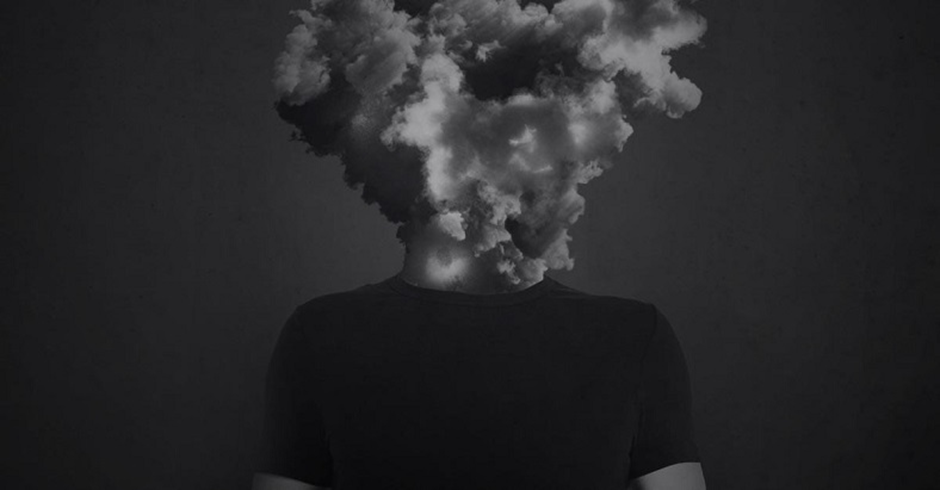
Negative Effects of Overthinking
Consider a machine running nonstop. How can it hold up at this pace?
We humans are sentient beings, yes, but I think sometimes we exaggerate this feature given to us and break our machine.
Have you ever felt like ants are crawling in your brain from thinking?
I think this is a good example.
First you think about what you're thinking, then when you say more there's a big untied knot in your head.
The brain is now a machine that slowly gives signals of deterioration.
The human brain is constantly working, producing, thinking. Sometimes we think so fast and too much that we start to tire ourselves and our brains too much. Excess of everything is harmful, and thinking too much harms ourselves mentally.
One of the features that distinguishes us from other living things is the emotions that will make us feel bad. From this point of view, we can say that they are lucky, since non-human creatures do not have feelings of bad feeling. :)
Many of the people who are called overthinkers, that is, overthinkers, think over and over an event or a moment in their minds in the most detailed and most exhausting way. For example, when they are alone, they replay the conversations they had with other people in their minds, and they relive that moment with thoughts such as I wish I had said that, how did I not say it at that moment or it would have been better if I had not said it like that.
Another example is the tendency to look for other meanings under other people's discourses and to constantly think about it. Did he actually mean that? Now why did he say that to me? They tire themselves so much with such questions.
There are many more examples like these, but overthinking is usually geared towards constructing assumptions about the future, such as dealing with events based on the past, that is, moments of regret and embarrassment. Of course, these fictions are negative predictions that are formed and thought about in the head. These constant thinking states, which are dependent on the past or the future, cause unhappiness, depression, fear, anxiety, and a constantly uneasy mood that is not present at the moment.
There is no end to thinking, our brain can make us play all kinds of games, have them fictionalized, and make the assumptions made feel as if they are real and put them in that negative psychology. It is entirely up to us to manage excessive and negative thinking. If we change the way we think about the events that happen to us, we can cope more easily and we can greatly reduce our anxiety and unhappiness.
Another method is to stay in the moment, that is, to live in the moment. If there is a good moment, it will only hurt you to search for something under it and spoil that moment by making assumptions. Just try to stay in the moment and not preoccupy your mind with guesswork.
Finally, there is no end to thinking, and overthinking seriously harms us. For this reason, you have to accept everything that happens and move on. The most important and most difficult thing to do in order to stay mentally healthy in this life is to accept and continue from where we left off.Also, remember, who said what, what did he mean, or if I hadn't done so, unfortunately, life would not pass.
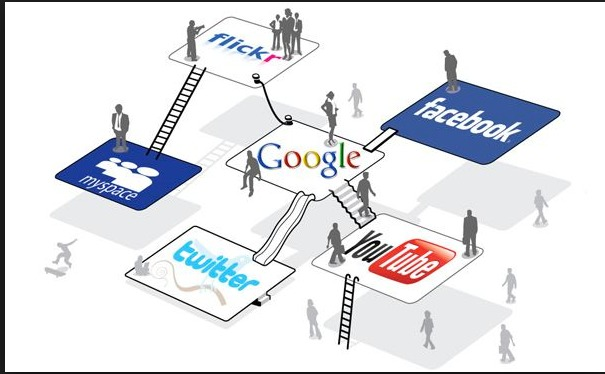
How would you like to enter the Social Media Diet from Monday?
Let's accept the requirements of the age, the internet and social media together. Now we are all addicted. Think about the first thing you do when you open your eyes in the morning, we are looking directly at the phone, I wonder what developments happened while you were sleeping. What is the last thing you do before going to bed at night? Checking a notification We no longer do our reading from books, but from the internet. Most of us even forget to hold a pencil. We can be content with the situation we are in. but imagine gaining some weight and dieting for a week, even though it's hard to get away from the extreme, that's what I did.
Technological devices, the digital world, and social media have made such a rapid and powerful entry into our lives in recent years that we see their impact in every field. Our family life, our business life, our social life… All of them are now worlds attacked by social media.
Even while sitting at home as a family, every individual now has smart devices in their hands. Tablets, smartphones, laptops, kindles… When there is so much variety, there is more than one device per person in the house. If we think about his work life, a white collar worker who works in the office for eight hours a day spends most of his time looking at the screen. As if that wasn't enough, this has become a world where we look at the phone screen, not at each other, even when we go to a restaurant with our friends so that we can socialize.
I took a step against the increasing use of social media. I named it the “social media diet”. After all, diet is one of the constant trends, and the social media diet has become my new trend.
So what did I do? I deleted the social media apps that I spent the most time on from my phone. Not my accounts, just apps. Let's say I wanted to log in to Instagram, either from my computer or from Safari on my phone. I mean, I put little barriers between my social media accounts and myself.
What was the result? I now have more time for myself and my loved ones. Every time I turn on my phone, the one that catches my eye is “Click me!” The applications that call me do not exist anymore. When I want to share a photo, I share it again, I can still follow my friends on social media whenever I want. But now I adjust the dose better.
My advice to you is, instead of looking at the same page five or six times a day, do this once, call your friend, read a book, do sports in the rest of the time. Focus on personal development, not notifications. Because time is actually quite a lot if we know how to use it...
Is it normal to be overly messy?
Yes, it's nice to have a meticulous structure. Order and organization are necessary things. But to exist in the mess, to find yourself is not a separate fun. If you do not listen to the people around you, the order established in the mess will continue like this throughout your life. So is this normal? I guess that's the important thing. Just as excessive rigor is a psychological disorder. Excessive clutter can be a problem.
Having a messy room can be the result of many factors. Maybe you are too busy and have little time to clean and organize your room. You can be messy because you have too much stuff, or because you have kids running around all the time. However, regardless of all these reasons, the tidiness of your room may be related to your psychiatric condition. For example, it is seen that people diagnosed with Obsessive Compulsive Disorder make too much effort to keep everything tidy, this effort negatively affects their daily life, and they feel anxious in messy environments. Likewise, it is normal for someone who has developed an obsession with hoarding their home to be constantly messy due to excessive piling up.
If cleaning and tidying up is not just a priority for you, if your house is not neat and tidy; your clutter is only due to your character traits and personal preferences. If clutter bothers you, but you can't start tidying up, it's quite normal. Sometimes trying to be organized is too tiring, and it's hard to put the clutter in order and start tidying up. The solution to this is simple, once the clutter is removed by making an effective priority order in short steps, there will be no problems. However, if someone who is normally well-organized suddenly becomes messy, it can be considered a sign of depression. Because when depression takes over the person, it is difficult for the person to find the energy necessary to tidy up or to clean his daily routine. If you suddenly realize that you are more messy than before, and you feel that you can't gather your energy even though you want to fix the situation, you can think of it as a sign of depression and consult a specialist psychologist.
According to studies, working in a tidy place can limit creativity, as it can cause a person to be in a mood influenced by society's expectations. On the contrary, working in a messy and idiosyncratic environment fosters creativity, as it creates a feeling of an environment independent of social norms.
Albert Einstein was also known for his desk being pretty messy. When asked, “if a cluttered desk is a sign of a cluttered mind, then what can an empty desk signify?” she replied, defending her messy desk. Research also confirms this. Being full of mind can cause a bit of a mess, but it also causes the excitement of trying new things and daring.
Interestingly, one study concluded that people in a cluttered environment were less likely to donate. Clutter somehow creates a state of being more frugal in the person.
People who are used to their messy-order may become more bored and overwhelmed in places where different order rules must be followed. For example, teenagers whose rooms are more messy in adolescence are those who are more bored and uncomfortable at school. Or, if your house is very messy and you are used to it, the necessity of order in your workplace may bother you more than anyone else.
In the same study, it was revealed that people who are used to a messy environment also have a decreased will to make healthy choices. So if you get used to clutter, it may not take long to get used to junk food and a sedentary lifestyle.
You are free when you have nothing to lose.
Walking in the rain, walking against the wind, swimming, having financial conditions to manage oneself, traveling, sports etc. liberating activities are known as the definition of freedom. So what is the definition of feeling free? How do you feel when you say I am free? Even describing and writing about feeling free makes me feel good. I say 'I am free' and listen to myself. Like a bird that spreads its wings in the sky, my body exceeds its limits, and I expand and grow. Not only my body limits, but also my heart grows with every breath I take, with that feeling; You feel self-confidence, a sense of ability, and energy.
The majority said, “When you have nothing to lose”, I would like to say that I do not agree with that. As long as a person exists, he always has something to lose, in the worst case he can lose his life, and this is not like the American movies where blinded heroes are given a beautification. The person who is not dealing with the person or the grip chooses the way of burying himself deeper and feeling his presence in this way. I think that those who embellish death, cling to nothingness, or stubbornly seek loss, adopt this behavior not as a result of a mind interview, but out of the pain of emotional tides. The Christians who flogged him thought they were doing it to get closer to God; however, they acquired such a custom because they could not control the facts they were fighting for and were therefore helpless. It should not be overlooked that almost every behavior based on emotion is a human response. In this case, it should not be forgotten that those who denigrate and curse life are the ones who cling to life the most and expect the most from it.
We also have writer friends who claim that people who act independently of people are truly free. According to them, building a life that does not have to explain to others is essential to freedom. I don't agree with that either. A person can be in a world where he is not accountable to others, and he can enjoy it. Those who claim that this is the key to freedom think that thought only deals with a certain thing, only human. It is a dream for such people to live in a house away from everyone where every facility is provided. If we realize this dream and allocate such a house to them, its happiness will last two or three weeks at the most. Thoughts are like an octopus that clings to what it holds and does not leave it untied; if there is no human, there is life; if there is no life, there is existence; there is god, there is death, there is happiness… Even if one is completely cut off from others, the time period for ideas to be affected by it is very short. Thoughts continue to cling to what they find first and seek to fill the void that is diminished by material things with spirituality. No matter from whom one flees, one cannot get away from himself; Even when you are alone, spiritual things come after you. If it finds nothing, it thinks why it exists. I don't think I need to say that man has always been a social creature and built a culture accordingly. In short, disconnecting from people does not give us the key to true freedom.
It was said that the moment he dared to give up. Another idea that shares the same foundation as this is the overcoming of fear. One cannot be free even if he gives up or overcomes fears. Let's start with the first: the threshold for giving up everything theoretically entails giving birth to new things that are indispensable; like determination, like going up your nose. When we look at this scenario, a life in which one gives up everything is not possible anyway. They are not inspired by individuals, circumstances or life circumstances. It arises by the nature of man himself. If you have a determined character and you think it is essential, it means that you have given birth to something on your own that you are avoiding giving up. This method does nothing but reduce the concrete to the abstract; You can give up on people, but this time you start not to give up on your own principles. Let's define for a moment what is meant here as "rejection of the material." This is a mistake everyone makes; The Stoics had fallen into the same trap, but their standard of living prepared the ground for it. I don't think there will be such a thing as escaping from the material world in 2020. This is to ignore the fact that thoughts are shaped by being influenced by the concrete situation, which is very wrong. Even the stoic philosophers who swore to praise the spiritual life could not find a satisfactory answer to this. In today's world, it is futile to escape from the concrete or to build a life on avoiding the concrete. Everyone thinks it's a good way; Winning the war can only be possible by staying on the battlefield. War has always been in the concrete world from time immemorial. Had Athens not been on the verge of destruction, Plato could not have put forward the theory of the "philosopher king". If Thales had not started from what he saw, he could not have proposed the idea that the world is made of water. In short, "giving up everything" seems glorious from afar, but in reality it is impossible. Overcoming fears is a different outcome of thinking moving in the same direction. It is the unknown that causes fear. The mind, which cannot find the answer, begins to secrete fear, it is that simple. If you recommend overcoming fear, you are advising a world without the unknown. In the period we live in, this is not possible anyway, and the future is always unknown in human nature. As long as the future exists, fear will continue. Therefore, it is not possible for a person to completely overcome his fears.
There are smaller suggestions left than what I have explained, and I am in favor of passing them quickly; Turning off social media, leaving Turkey, living alone, swimming in the sea, being discharged, resigning, finding what you are looking for, making dreams come true… All these are moments that have a beginning and an end in the concrete world. Freedom reduced to an end and an end is not freedom. Because the engine of life is already hidden in this; Some things should always be at the beginning and some things should always be near the end. It always goes on like this. Put aside the exceptional experiences and think; Is there anything in your life that is not at the beginning and at the end? The moment you show interest in a bud is the beginning; You bury it in the ground, you water it, and it gives you an apple. The moment you collect the apples, it is actually finished. But that's how it looks from the outside. However, this is a repeating cycle. You pick the apples, then you plant them again, you pick them again, and you plant them again. In a place completely shrouded in darkness, only two places are bright; start and finish. They have to constantly repeat themselves. Therefore, anything with a clear beginning and end is not true freedom. In fact, life fits the definition I gave; You expect me to say that it is not possible to be free in life. But it is not. Because life is not something we can achieve, we cannot deduce freedom from its rules. He is already going on by himself, and we are guests for him.
Man is at his most free when he realizes that he can overcome something. Freedom is such a deep and sublime concept that it hides itself in the greatest pleasure. People often refuse to see this beauty of life, but they should know that there is a greater gem in it than they think. The person who believes that he can achieve anything is the freest individual in the world; for the first time, he gets the opportunity to really meet his own existence. It is not as bad and useless as he thinks. He is convinced that if he goes after what he wants, he will get it, which is a huge amount of self-confidence; If the most well-equipped teacher in the world came, he would not be able to instill this in him. Docking at the desired port stimulates another thing, the feeling of being able to struggle. Again, freedom does not mean doing what you want; It's about overcoming things that are difficult for you. Let's think about the enthusiasm and ambition of a student who solves the math problem he has been pondering for hours; If they put up the biggest obstacle in the world, its value would be like a piece of dust in his eyes. The person who overcomes a challenge will not see anything impossible. But this takes a short time, which is the biggest factor that creates the engine of life. One must always keep alive the belief that one can achieve something. Otherwise, this is like an English learning adventure; It is learned in school, forgotten in real life because it is not practiced. Dealing with a task completely erases the nature of the event. This feature should be well evaluated. It doesn't matter if the goals achieved are big or small; The main thing is to just get over it. What comes out of here? The man who seeks his freedom must first of all keep up with the course of the world: perpetual movement, movement until death. I'm not talking about short breaks. Being free grows in people who see that they have achieved something and thus believe that they can do better.
Living in the age of consumption put most things in front of us as an “obtained” product. Man will run, fight and finally realize his dream. Then what? No one is looking for the answer to this. The same point of view continues when it comes to freedom. Freedom is not a concept to be achieved, to be "feeled", it accompanies a person. Remember that freedom is a companion, not a goal, it's up to you to decide whether to continue or not. Valuable things are not acquired, they are earned, and the story that follows is developed to keep it.
Numbers? imperatives? Maths?
I don't like alarm clocks. It always sounds like a call to necessity to me. Can you set the alarm for good things? No, but we set an alarm every morning to get up early to go to work or school. It rings and you still resist not waking up. It continues to play. You know it will shut him up and go back to sleep. Or you wake up with sleepy eyes and do what you have to do.
Going to school was a necessity for me. As if nothing I learned would ever be of use to me again.
so was it ?
As a brat who has carried the remnants of being a lazy and naughty child to the present day, even if a little bit according to the Gregorian calendar, I would like to talk about the human models that I always admire but never succeeded in being that person.
You know, there are types who are declared as if they are the smartest person in the world because they know the multiplication table; those who keep in mind all the books they have read, all the cities and places they have visited.
What about those who can't do that, those who get beaten up by their teacher when they don't know the result of multiplying those damned few numbers!
Or those who can't remember a single line of those books, and can't remember their names, despite the fact that the most hit books they've read have been processed up to today's TV series. When asked about the names of the places he visited many times, those who stood like a rabbit with a headlight and thus took their place in the class of ignorance!
Here I was, taking my place in that mass of people who appeared to be a minority, but were actually the majority. I forget all my exploration information because of my fish memory which is instantly erased.
Although I did not understand mathematics as a child, this life was as meaningful as the term homework lesson I took to raise my average was mathematics and my homework subject was PI number!
I was this age and the only product I knew was “6 times 6?” when it was said, the answer was 36! It's not because I knew the multiplication table up to 6; because it was a series of numbers in a melodic children's play.
Every question I get from the multiplication table is “6 times 6?” should have been, but life always hit the slap from high! Came “8 times 7?”s went “9 times 5?”s!
I think that perhaps among the election promises made these days, the abolition of the mathematics course could be brought into circulation; but anyway, this idea was absurd! Besides, I don't have much to do with mathematics anymore, even though I studied business administration, with this life and the way we live, you will be as useless as the number of PI whose type I can never like, my dear mathematics!
Myself; I found it at times when I was sad when I lost my flash drive, as I was sweeping the beautiful mountains and plains of my country like a street sweeper and was the only one recording. And that wasn't enough, I found myself thinking about streets, places, books and ironies whose names I can never remember, like a human being who has never seen a place in his life!
My sense of direction was as little as my interest in the multiplication table. There were people who lost their direction in my life and as I tried to find my own direction, life was turning into an aimless equation in my life again!


Is procrastination a habit or is it an emotional act?
People are constantly postponing what we need to do in this fast flow of life. Sometimes we do it consciously, sometimes we let it flow. So do we get lazy when we procrastinate? Not everyone procrastinates, there are people who have a clear vision of their life and work and are always oriented towards their goals. They do one thing first and when they're done they move on to the next, it's that simple... But for people who normally procrastinate, it's not that simple. When a person procrastinates too much, they begin to feel unproductive, then feelings of sadness and even anxiety come. The longer something takes to get done, the feelings are usually not good at all, but then why do people procrastinate so often when it's not doing them any good? They waste time and when they waste too much they try not to think about it and waste even more time.
Jobs that people procrastinate are often difficult, boring, or unpleasant.
Contrary to popular belief, the reason for procrastination is not laziness. Most of the time, people procrastinate because they don't want to face negative emotions. The main reason for procrastination is that people do not know how to manage their emotions.
Postponing a job actually means postponing the negative emotions that a person will experience while doing that job. Therefore, procrastination gives pleasure. Like any action that gives pleasure, procrastination creates a habit. Once a person experiences the comfort of avoiding negative emotions by procrastinating, they want to repeat it. For this reason, procrastination ceases to be a one-off situation for most people, it becomes a habit.
The worst part is that although a person postpones it in order not to face negative emotions and to feel better, he eventually finds himself in a situation where he feels even worse. Because the habit of procrastination reduces one's self-confidence and respect. As Charlotte Lieberman said, in the long run, this habit not only makes people unproductive, but also destroys their psychology.
Most people favor now when they compare "now" with "later". He wants to rest now, have fun now, enjoy now, and take care of the "later" when the time comes. While doing this, of course, by inventing logical reasons, he convinces himself of the rightness of procrastination.
As Hershfield's research shows, when one closes one's eyes and imagines himself in the future, he perceives himself as an outsider. He thinks as if someone else will be responsible for the things he has not done today, not himself. He feels that the things he postpones today will be someone else's problem, not his own.
When under stress, the human brain has a tendency to perceive troublesome, difficult, unpleasant tasks as a threat to itself and to fend off these threats. When thinking rationally, a person's emotional brain directs him to the pleasure he will get now, even if he knows that postponing today's work for later will be more harmful to him in the future.
The root cause of procrastination is emotional. For this reason, people should learn how to manage their emotions instead of getting time management training to get rid of this habit. (Charlotte Lieberman)
In order for a person to manage his emotions, he must be aware of what he is doing and avoid blaming himself when he postpones a task. In his research, Judson Brewer found that people who admit to procrastinating because they can't cope with negative emotions, but who don't blame themselves for doing so, tend to procrastinate less the next time.
A person who is aware of procrastinating the things he needs to do because he cannot manage his emotions, and who is more understanding and compassionate towards himself, is more likely to get rid of the habit of procrastination.


The boundaries we set between myself and the external environment
I might ask you to think a little while reading this article. Think about yourself, think about your environment.
Consider your limits.
Intangible but well-known hidden lines are intertwined like a Circle.
When thinking, don't go too far, if your home is where you're reading this, look where you are. There are no foreigners.
When we go out with thousands of people, we can only have as many people as we know in our home. Let's get into another circle: Your bedroom is only yours, the border you set in the living room of the house is not the same as the border in your bedroom. Your living room has more flexible boundaries. Your bedroom is private.
So what exactly is the limit?
BOUNDARY! A concept that doesn't sound very good as a word, has a very broad meaning when we examine it terminologically, eg. Although geographical borders have the meanings of blocking the passage, preventing change, impeding, impeding, inaccessible, they are in principle indispensable for relationships and generally for people who manage to protect their borders; can be perceived as insincere people, However, opposing behaviors, "vague variable attitudes" of people can cause destructive results in relationships, As an individual, your boundaries are your essence that makes you different, they are unique to you, they define you, in short, they are subjective. Wishes are almost nonexistent. To be able to set limits is to “Release Our Nos and Yess”, Marriage is the comfort of life and not being able to set limits on relationships is a selfish problem of today.
Any delusion of responsibility and ownership in our lives is a question of boundaries. Just as homeowners draw physical property lines around their land, we need to set mental, physical, emotional, and spiritual boundaries in our lives that help us distinguish what is our responsibility and what is not. Not being able to set appropriate boundaries with the right people at the appropriate times can be extremely devastating. This is one of the most serious problems people face today. Many deeply committed people grapple with great confusion about when to set limits.
Skin; The most basic limit is your physical skin. The skin border keeps the good in and the bad out. Words; The most basic limiting word is no. No, it's a confrontational word. He affectionately told people, “No, this behavior is not appropriate. It is necessary to teach how to say "I can't take part in this". The word no is also important when setting limits against abuse. Geographic Distance; sometimes physically getting yourself out of a situation helps in maintaining boundaries. Often when there is abuse in a relationship, the way to impose your limits on the other person is creating space until they are ready to deal with the problem. Time; Taking a break from a person or project for a while can be a way to regain an aspect of your life that has come under your control, in terms of setting boundaries. Emotional Distance; emotional distance is a temporary boundary that gives your heart the space it needs to regain trust. Other people suffer so much to relate to people that many endure abuse because they fear their partner will abandon them and be left alone if they oppose their partner.
What Is Inside My Boundaries? Feelings; Emotions should neither be ignored nor subordinated to them. We must learn to “own” our emotions and be aware of them. Attitudes and Beliefs; Beliefs are anything you accept to be true. The challenge with attitudes is that we learn them in the first years of life. Behaviours; Parents often yell at their children, scold them instead of allowing them to face the natural consequences of their behavior. Whereas, parenting with love and boundaries, warmth and consequences produces confident children who have a sense of control over their own lives. Elections ; We must take responsibility for our choices. Values; What we value is what we love and care about. We often have to take responsibility for what we value. Limits; setting limits on others. We cannot do this. What we can do is set limits on staying with people who exhibit poor behavior. thoughts; We are the owners of our own thoughts. Of course, we should listen and weigh the opinions of others; but we should never make the mistake of "giving our own mind" to anyone. We must grow in knowledge and expand our minds. We must illuminate distorted thoughts. Desires; We must take an active role in seeking our desires. We must own our own desires and chase them to achieve our ambitions in life.
Love; We must take responsibility for and use this function of loving ourselves. Love that is hidden or unacceptable; both can kill us. Soft captions: Those who said “Yes” to the abuse; Not being able to say no to abuse shows itself in every field. Not only does this prevent us from rejecting the bad in our lives, it often keeps us from recognizing the bad. The mild-tempered take on many responsibilities and set few boundaries; Not that the elections were like this, but because they were afraid. Those Who Stay Away: Those who say “No” to good. Inability to seek help from others, inability to diagnose own needs. Controllers: Those who do not respect others' boundaries The first problem with individuals who cannot tolerate being told no, which is different from being unable to say no, is that they tend to put the responsibility for their lives on others. Controllers are of two types:
1. Offensive controllers. They usually don't even think that others may have limits.
2. Manipulatory controllers. They try to persuade people to step outside their borders. They trick others into carrying their burdens. They use guilt messages. Developing Boundaries; We need to learn about limitations starting from childhood. Boundary development is a continuous process; yet the most important stages coincide with our first years when our character is being formed.
Here are some suggestions to help you set healthy boundaries in your relationships with people:
• When setting your boundaries, determine why they are important. First, find out what you want from relationships. You can start to set your limits according to these desires.
• Examine existing and missing boundaries in your life. For example, you may have healthy boundaries with your romantic partner but not with your coworkers. Discovering them guides you.
• The first principle is to be clear about your boundaries, both with yourself and with other people.
• The most basic way to set boundaries is to be able to say “No” unequivocally. But setting boundaries by simply saying No is difficult for most people. Being able to say “No” is important for setting boundaries, because your response to questions, reproaches and psychological pressures that follow the “No” answer determines your boundaries.
• After you start drawing your boundaries, making long statements in the face of the reactions you get from people will take you by surprise. If you feel compelled to explain, think about why you feel the obligation. Everyone has the right to decide what they want to do or not. Do you not see this right in yourself? You can also start thinking about boundaries from this point.
How do we choose that person and fall in love?
Not just the people we meet and meet by chance, but our partners or the people we're dating or our soul mates we met by fate? While we all want to believe that our life story and the people who touch our lives are unique and unique, there are some common factors that affect our relationships in the same way. No matter how perfect we think, unfortunately, there are aspects that we cannot see. It must be difficult to find your own partner among millions of people. Maybe our ideal lover is on the other side of the world or in a completely different city, but we cannot reach him. Another scenario is to meet by chance. I guess the thing called love is a bit of coincidence, a bit of luck..
Choosing a partner is one of the important decisions in our lives. Our partner is one of the most important people in our lives. For this reason, we spend time and effort to find this person who is special to us, to create a unity and to maintain it.
So, what might we be influenced by when choosing the person in our life?
While there may be conscious behaviors and evaluations in the decision-making process in the selection of a partner, the decisions we take unconsciously are also effective. While some of our decisions are taken with awareness, there may be reasons underlying some of our decisions that we are not aware of at first glance. Our attraction to our partner, our feelings, interest and love are not just the result of rational evaluations. Particularly at the beginning of a relationship, some seemingly inexplicable reasons can cause us to feel intense feelings about our partner. This is because we experience feelings of attraction in relationships for many different reasons.
Within the framework of attachment theory, there is an assumption that the relationships that individuals establish with their own parents during childhood form the basis of one's perspective on the relationship. Based on the hypothesis that people's attachment style in childhood continues into adulthood, we can say that we all know the world through the bond we establish with our mother, who is the first caregiver for all of us. We form various ideas about this place where we have just arrived. We develop a belief that our relationships should be similar to the way we relate to our parents. Therefore, we feel closer to people with whom we can establish relationship dynamics similar to the relationship dynamics we establish with our parents. In short, the attachment patterns of the spouses affect the relationship dynamics.
Along with these, there are some basic factors that affect interpersonal relationships and our choice of partner.
1. Proximity:
One of the factors that affect our feelings of attraction is intimacy. Spatial and geographical partnership is an important factor for establishing and deepening relations. In order for attraction to occur between partners, it is important that people are in the perception area of each other or be close enough to be included in the perception area from time to time. Intimacy is an important factor not only at the beginning of the relationship, but also during the relationship process for the preservation and continuation of the relationship. For this reason, the fact that the partners are in each other's perception area allows each other to receive the message that they are accessible to each other.
2. Familiarity:
Knowing a person lays the groundwork for our feelings towards that person to be more positive. This acquaintance is not just physical acquaintance, seeing each other, following on social media. In addition to these factors, it also includes situations such as having heard any comments about that person before, knowing the existence of common acquaintances. We feel more secure in the face of stimuli that we are aware of before.
For example, a song we've heard before, a movie we've seen before, or a meal we've eaten before can make us feel familiar. With this sense of familiarity, the uncertainties and question marks we feel for stimuli we have never known disappear. While an unfamiliar stimulus creates negative emotions such as fear, tension, and anxiety, the repetition of the stimulus reduces this. The fact that people know each other in a way in the choice of partner causes us to have positive feelings towards our partner due to these reasons that work mentally even though we are not aware of it.
3. Similarity:
Similarity is also an important factor in interpersonal relationships and partner selection. Having common themes, tastes and lifestyles in our relationships allows people to feel closer to each other. In addition, it is considered as one of the important factors, not only in the choice of partner, but also in friendship relations, since similarity brings together easier meeting on the common ground.


Is it possible to change?
Are people the same at all ages? Does it ever change? Of course it is changing, who now agrees with the thoughts of ten years ago? How can one stay the same while experiences change? Haven't we all experienced the transition from childhood to adolescence? Now the character is starting to settle in. But when we reached our 30s, that young soul realized that he was a more self-confident person. He began to question his life. So is everything right and ok? Are we aware of the change? We are all constantly changing. None of us are who we were 10-15 years ago, not even who we were a year ago. We are constantly changing. If we have the ability to maintain positive change, that change is also improvement. This is what we experience without realizing it. Do we consciously accept change, this is what matters. Sometimes change is very important for ourselves, our loved ones and the people around us.
Changing our lifestyle or behavioral habits is perhaps one of the most difficult issues in life. But it is never impossible. A little determination, a little courage and a little effort can bring you a change in the direction you want.
Of course, first of all, a mental preparation process is required to change what, why and how. Another prerequisite is that the things we want to change are largely under our control.
In addition, it becomes more difficult to change in traditionalist and conservative social structures and authoritarian cultures, and we must be willing to be resistant to external and internal obstacles that may be encountered.
What we want to change can be on many different issues, big or small. For example, our eating style, clothing preferences, daily life schedule, sleeping pattern, exercise (not doing) habits, bad habits, procrastination, social relations, circle of friends, political and religious engagements, hobbies, artistic interests, perfectionism, laziness, constant our ideas etc. We may want to change dozens, maybe even hundreds, of things that we can count.
But we should know that many of our features are our behavior patterns and features that stick to us, our personality over time, are in a solid state, and are mostly automatic as we go about our lives. We may have ingrained habits, and even if we want to change, we may encounter internal resistance that stands stronger than this desire.
Even so, if we can have a strong belief that we need to change, it is not that difficult to achieve change in the direction we want with intention, determination and effort. We can start with at least some of our chronic habits that we want to change, and each change can provide us with motivation for the future. How Does? I will try to explain some of the methods we should follow below.
*Making realistic plans: First of all, we should set a goal on the subject we want to change. However, if this goal is very extreme, impossible in terms of our capacity or potential, and the probability of realization is close to impossible, we will be disappointed from the very beginning. So it is very important to make realistic plans, we should set reasonable goals for everything we want to change. For example, it would be meaningless and unattainable for a middle-aged person who has not had the habit of exercising or doing sports to set himself a goal of becoming a professional and successful athlete. Courage will work better for attainable goals, not running for unattainable goals. Be brave, but you must make realistic plans.
* Progressing in small steps: You should know that no goal can be reached in one move. Acting quickly and impatiently can often distract from your goal of change from the very beginning. You must accept from the beginning that many of your automatic features, behaviors and thoughts that have been settled for years will not disappear at once. So, you should divide your change goal into as small parts as possible and plan to move forward in small steps. Every small step you take will give you more courage and motivation for the next. You have to digest the change, otherwise you may encounter a situation such as taking back all the food you eat fast and not being able to eat it again.
Changing in order: Dealing with all of our habits that we want to change can be very challenging and cause us to easily lose our motivation to change. It would be helpful, then, to make a list of these exchange issues and put them in order. It would be right to start with one change topic that we have chosen and put the others on hold for now. Of course, after we've done one, we have to move on to the other and show determination until we complete our list. Although we can't decide which one to start with when making our selection from the list, my suggestion is to either start with the most essential or give priority to the subject where you can make the easiest change. After all, although it is important what you start with, the most important thing is to want and make an effort. Going in order is just one way to make it easier.
*Finding a partner: Although your inner motivation on the subject you want to change is strong at the beginning, the possibilities that you may show weakness, take a step back or even give up in the process are known to us psychologists. I mean, let's not leave anything to chance. That is, whatever change you want to achieve, you can try to find someone from your family or social circle who has the same problem as you and try to create a common change plan with them. this will make your work easier by providing you with an extrinsic motivation as well as your intrinsic motivation. For example, have a change goal, such as reducing or quitting smoking. It will be much easier to take a step back when you are alone or not informing anyone about the process, but if you have a contract with someone or do this job with their knowledge, you will be able to stand firm, be more resilient and reach your goal in the direction you want to change more easily. Of course, it is important that the partner you choose is not just because you wanted it, but also someone who will stand firm in this matter and will not give up easily. Otherwise, instead of positively affecting you, there may be someone who, on the contrary, will cause your motivation to decrease. So pick your partner right and even bet with him if possible, making it harder for both of you to give up.
*Getting support/help: Our final recommendation is to get professional support. We may not all be able to have a determined, consistent personality, and our weak character may not allow it in matters where we need to show willpower. Or we may not have the ability to organize in order to bring about a change in a systematic way. In addition, we may not have enough motivation and a mental infrastructure that will make our change meaningful. In these and similar situations, what we need to do is to get support from a psychologist. I don't think I need to remind you that psychologists are not only concerned with mental disorders, but they are professionals who can be of great help to us in our life and some behavioral problems or dilemmas, in our efforts to improve and heal ourselves. In other words, by getting support/help, you can make a useful touch to your life, change, and lead a happier, more peaceful and satisfying life.
As a result, we all need changes, but we act as if we don't have time for them, postponing them, postponing them and thus wasting more time in an unproductive life. Come on, review yourself on this issue and start from one end. Life is too important to be put off and time is the most precious thing you have.
You should be afraid not of change, but of not being able to change. Let's make a plan right now and start changing the things you don't want to happen in your life without delay.
 @Strongpen