 @Shailaishrah
Lalbagh Fort
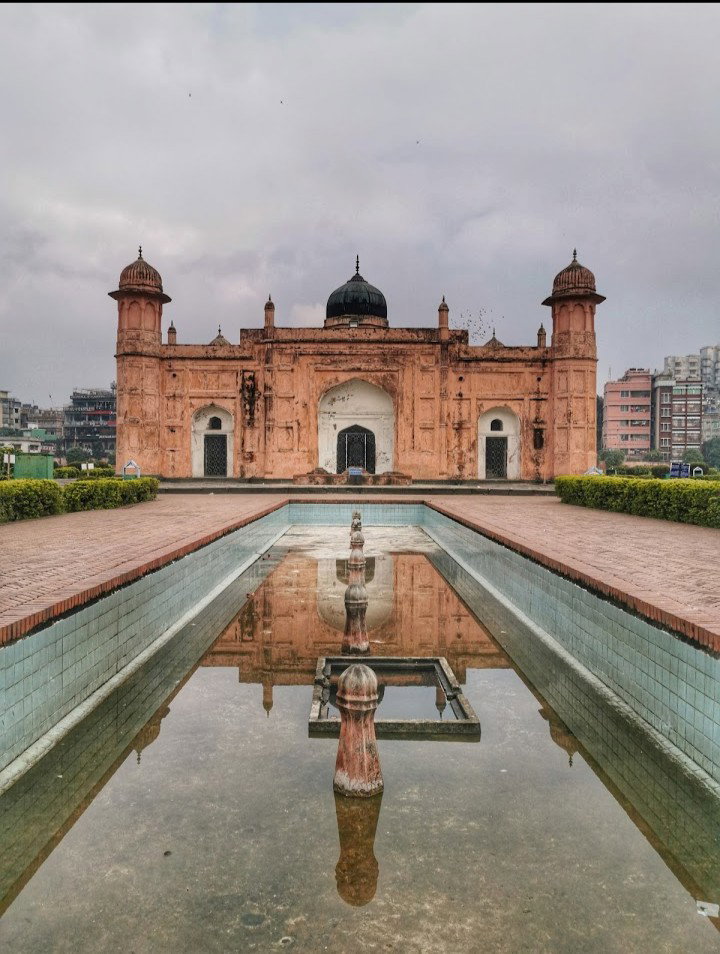
Lalbagh Fort is the most popular and renowned Fort and a great signature art by Mughal empire in Bangladesh. The fort was never completed, and unoccupied for a long period of time. Much of the complex was built over and now sits across from modern buildings.
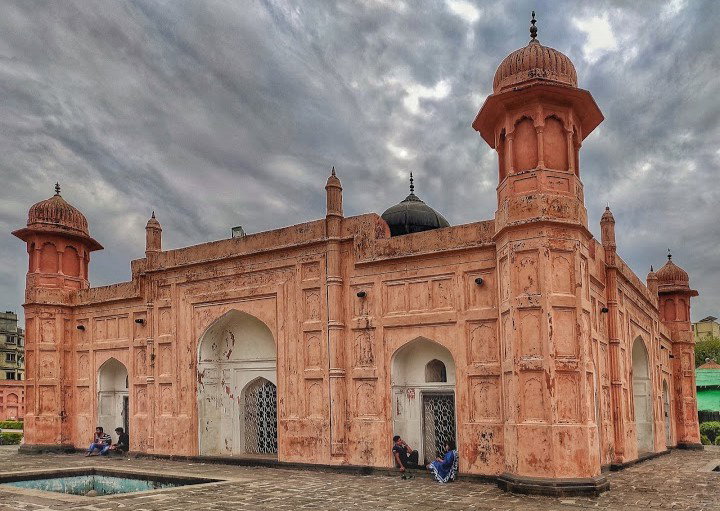
**DURING THE HEIGHT OF THE** Mughal Empire, in 1677, Prince Muhammad Azam commissioned the construction of Lalbagh Fort, but the project was never completed. Soon after construction began, Prince Muhammad Azam left Dhaka to join his father, Emperor Aurangzeb, in Delhi. He passed the job to complete the fort down to Shaista Khan, who continued to build it until his beloved daughter Pari Bibi died there in 1684. Shaista Khan, believing the fort was cursed, halted construction immediately, and it remains in its unfinished state today. The discontinuation of the project met with no objection from Prince Muhammad Azam who was, at the time, engaged to Pari Bibi. Three main sections of the fort are complete, namely the Mausoleum of Pari Bibi, Diwan-i-Aam (the Hall of Audience), and Quilla Mosque. The Mausoleum of Pari Bibi consists of a white marble room with the tomb in the center. Access to the room is restricted.
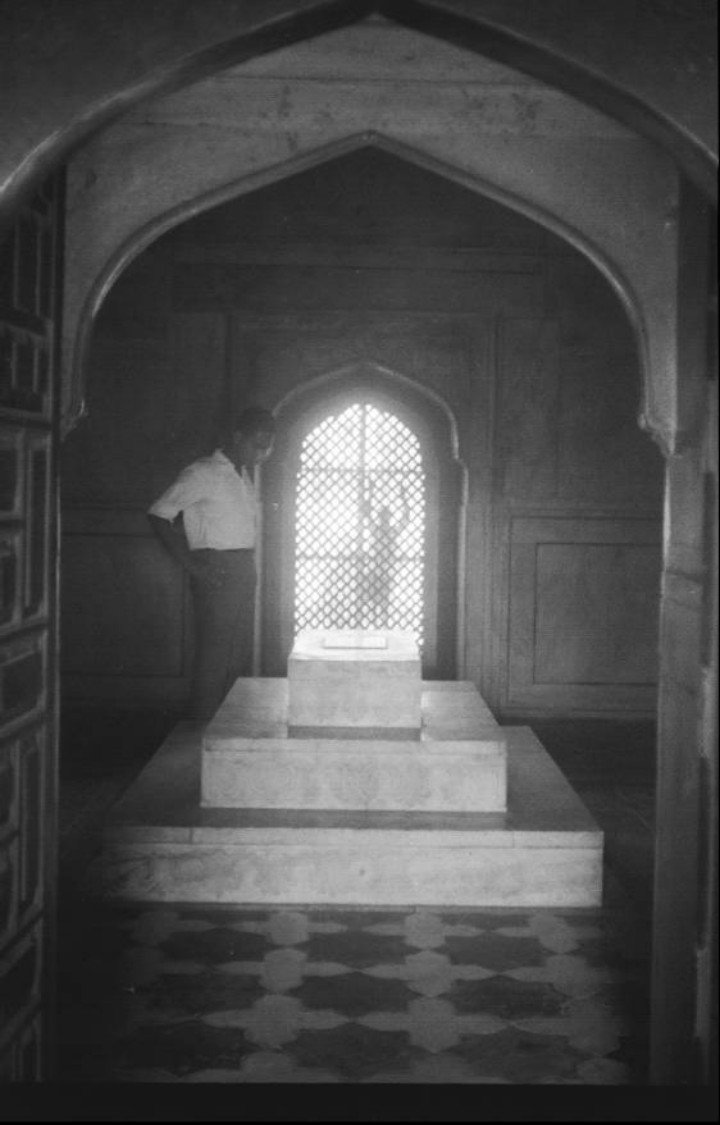
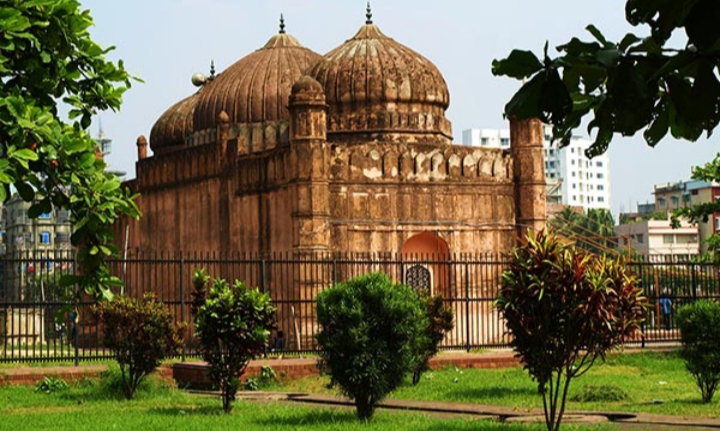
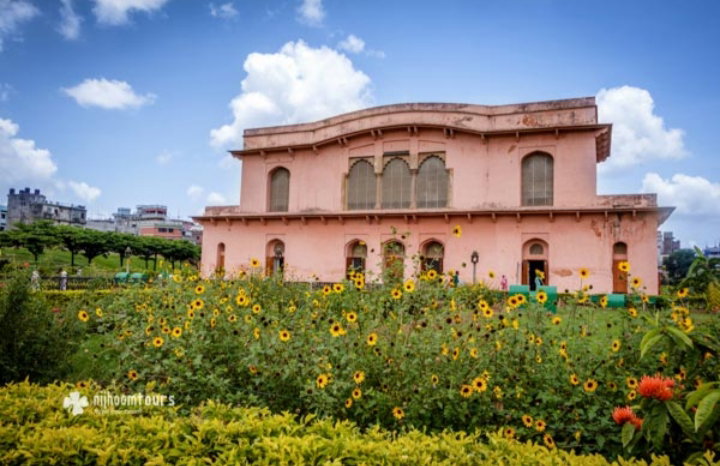
The Hall of Audience, which used to be the residence of the Mughal governor, is a two-story building that now houses a museum showcasing Mughal items such as coins, paintings, carpets, and weapons. Quilla Mosque is a relatively small mosque with three elegant domes. These three structures are surrounded by manicured gardens, which also contain a bathing tank overgrown with vegetation. An intricate web of underground tunnels was also finished below Lalbagh Fort. In an episode of the Sepoy Revolution, in 1857, it is said that soldiers on both sides ventured into the tunnels and never resurfaced, adding to the mystery and intrigue that envelops the fort. To this day, rumors circulate that Lalbagh Fort is haunted.
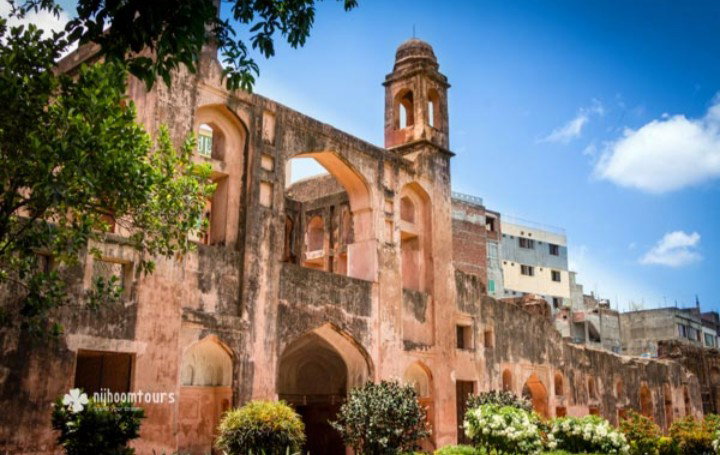
Diwan-i-Aam is a two storied residence of the Mughal governor of Bengal located on the east side of the complex.A single storied hammam is attached on its west. The hammam portion has an underground room for boiling water.
Archeologists discovered the continuity of the main fort walls eastward below Shaishta Khan Road. They opined that the present area of Qilla represents half the portion as planned by Prince Azam Khan. The gate at the southeast the fort (adjacent to Lalbagh Shahi Masjid) as per requirement fits properly as the Central Gate in the middle of Fort. The other half to the east — likely planned There are some tunnels in the fort which are now sealed. It is said that two of the tunnels lead to now ruined Zinzira Fort which was on the other side of the Buriganga River. Another passage was made as a maze. **Almost 3 million people visit "Lalbagh Fort"Every year.** ★*Thanks for reading★* *★If you like my article then give like and comments★*
4 comments
Well the fort is a really a tourist attraction from its structure and the intrigues that surround it. How it was built was magnificient and grandeur. People will be amazed how it was built with the technology on those years compared today, it is awesome. The place has a history to be told and re-told for the next generation.
Yes right thanks for your nice complement
The Lalbag fort of Dhaka is a unique monument of history. There have been various folk tales and beliefs about ancient forts for ages. Lal bag fort is one of the oldest and most historic forts in the subcontinent. It is one of the great examples of Mughal architecture in Bangladesh.
Yes you are right.. Thanks for your opinion..