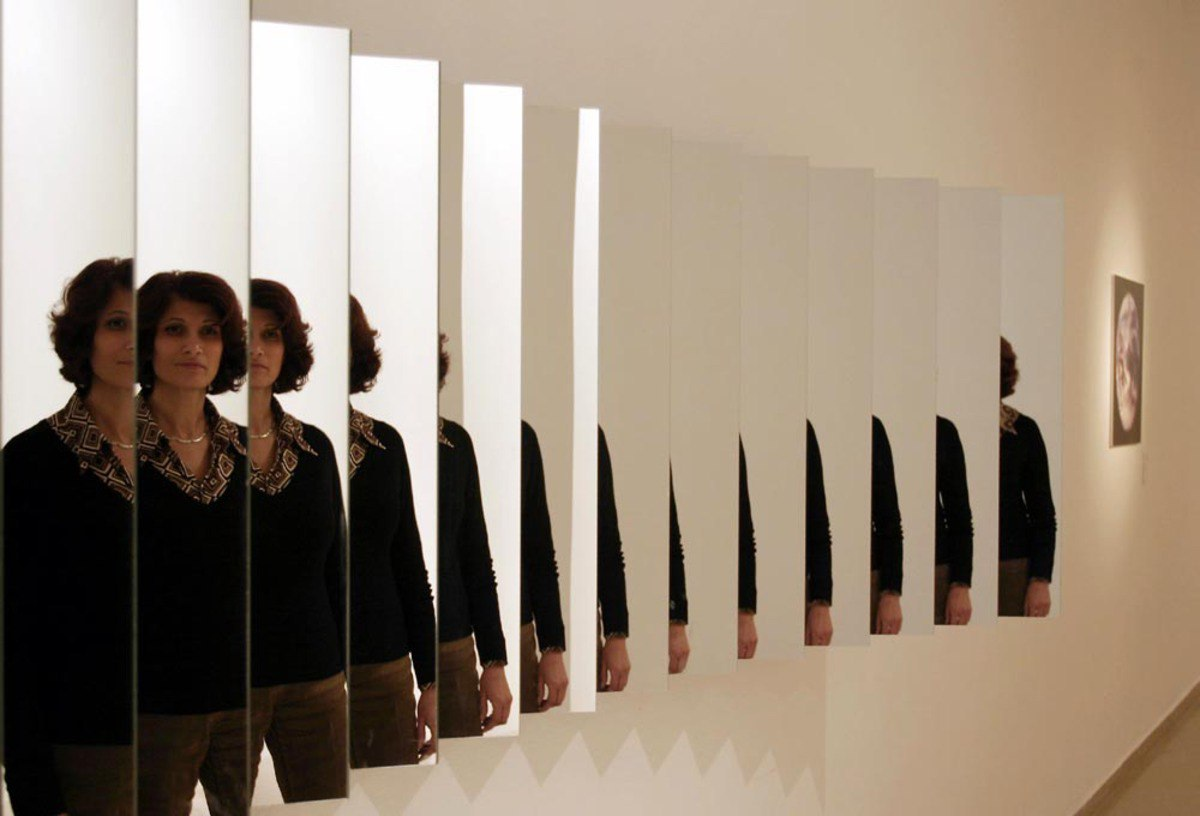
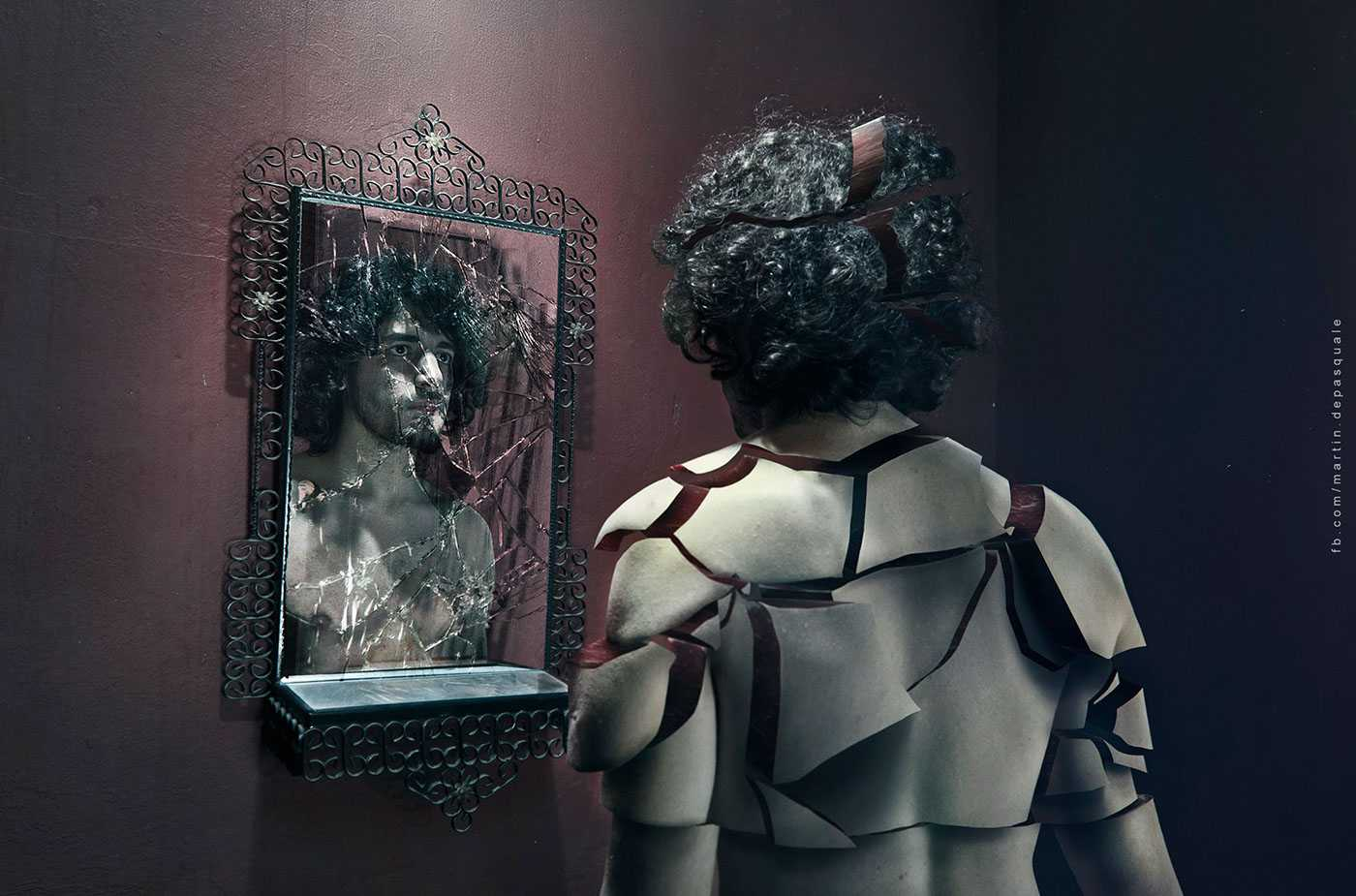
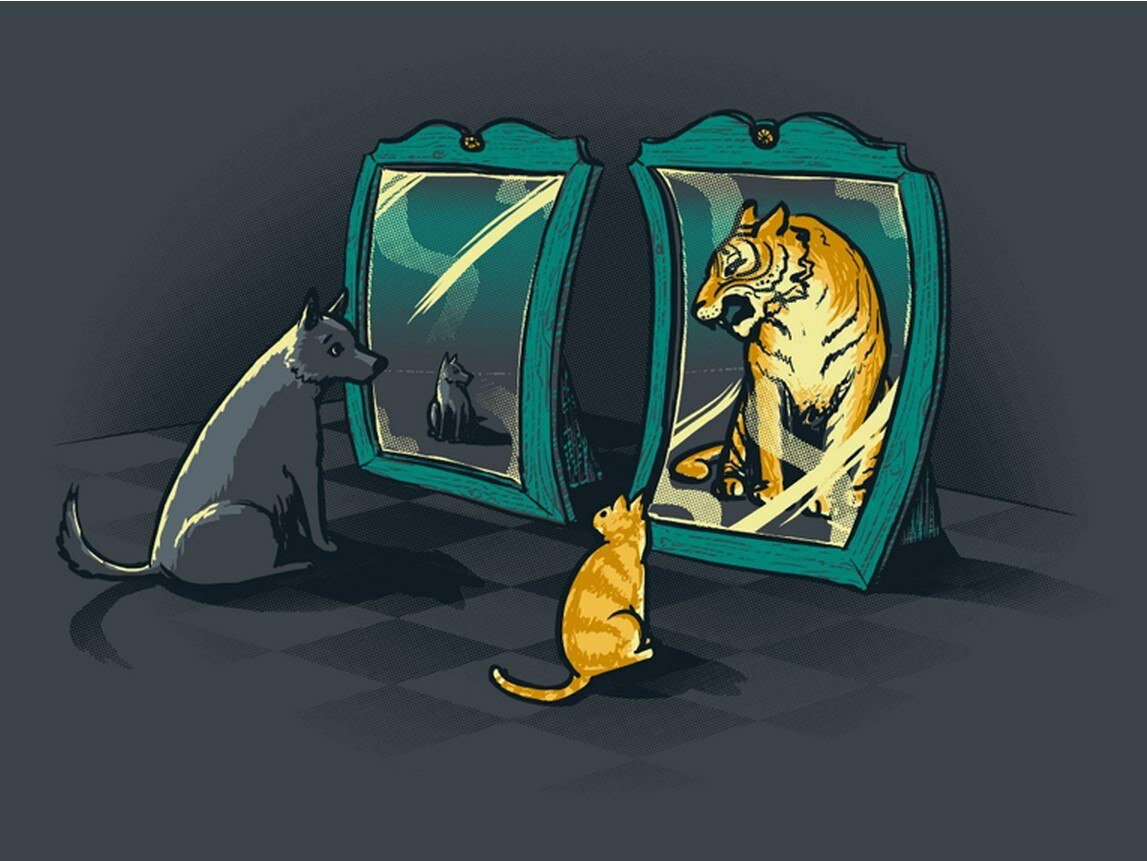
"Сrooked mirror" or why don't we like our images in the past?
Being disgusted by your own old photos is a phenomenon that many people face. You may have once gone through your old photo albums and experienced unpleasant feelings arising from looking at your past images. Let's look into why this happens.
1. Change in appearance: One of the main reasons for aversion to old photos can be a change in appearance. Human beings change over time, and their appearance does not always remain the same as it used to be. When we compare our current self with the image in an old photograph, we may feel dissatisfied or disappointed in our appearance.
2. Negative Emotions: Old photographs can trigger negative emotions related to past events or experiences. For example, if a photo captures unpleasant moments or negative emotions, viewing it may trigger negative feelings such as sadness, shame, or annoyance.
3. Comparing ourselves to others: Sometimes aversion to old photos can be due to comparing ourselves to other people. We may look at other people's photos and compare their appearance to ours, which can cause feelings of inadequacy or envy. This can lead to unpleasant feelings when looking at your old photos.
4. Сhanging values and interests: Over time, our values and interests may change. Photos that once seemed important and meaningful may lose their significance and become unpleasant to look at. For example, if you used to be passionate about a certain hobby or had certain preferences and now they have changed, old photos may remind you of the past that no longer match your current interests.
5. Fear of Aging: Aversion to old photos can be related to a fear of aging and the passage of time. When we see ourselves in old photos, we may realize that time is passing and we are getting older. This can cause anxiety and negative emotions.
It is important to realize that aversion to old photos is a subjective feeling that can be different for each person. Some people may experience positive emotions when looking at their old photos, while others may experience disgust or negative feelings.
If you feel disgusted by your old photos, it is important to remember that they are part of your life story. They reflect the moments and experiences that have made you the person you are today. Try to embrace your past and appreciate it, even if you don't always feel comfortable looking at old photos.
Is fanservice the scourge of the anime industry or a cure-all?
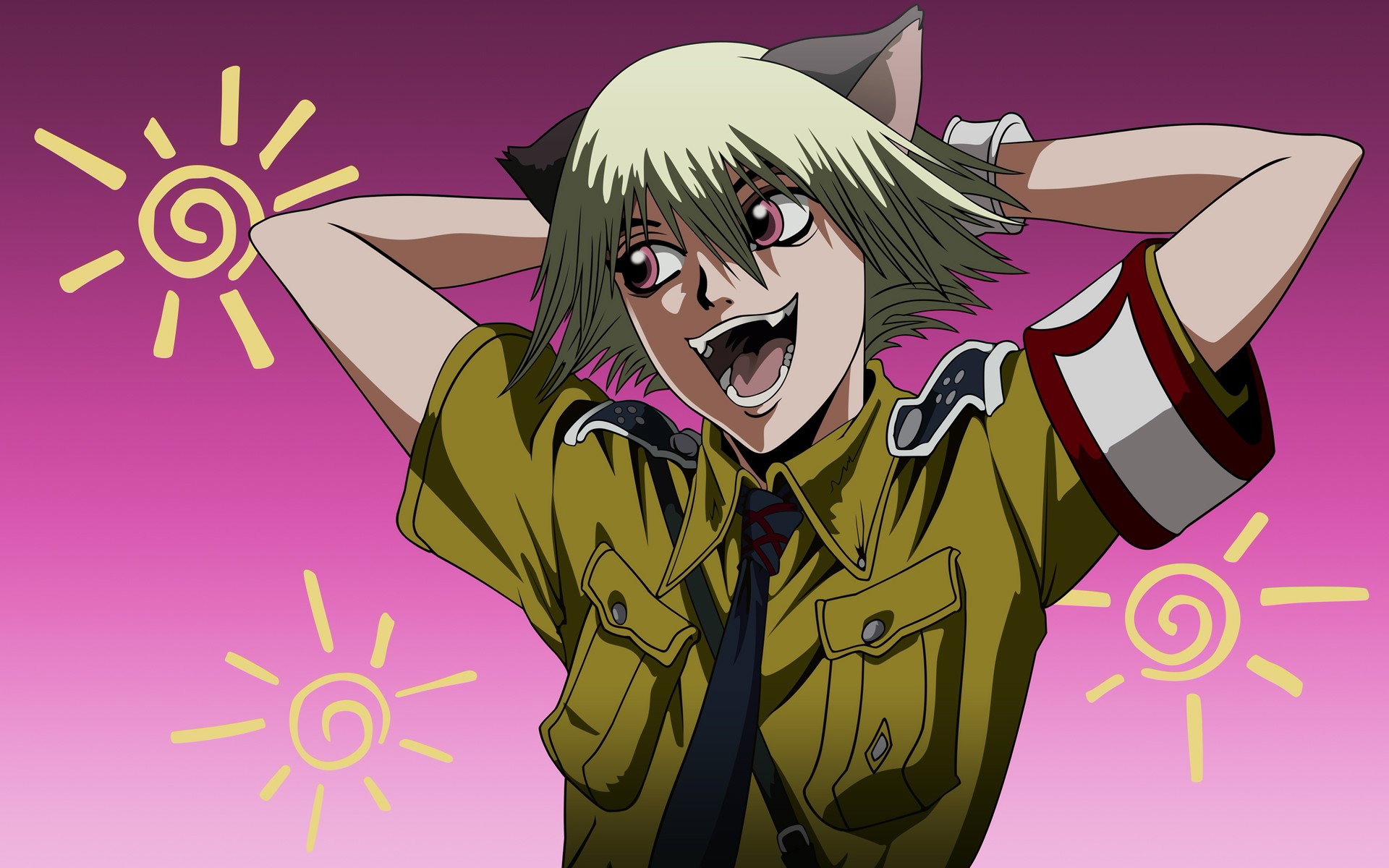
Let's be honest with each other. You like to see beautiful, sexualized and often naked girls (or guys, or traps, or furry I have no idea what your preference is). The current trends in the industry didn't spring up all of a sudden. You might be surprised, but elements of senseless nudity and piquant angles began to be added to many old anime back in the 20th century. Of course, they were not as provocative and extravagant as they are now, but such was the myth of "chaste" old Japan. Even before the arrival of Christian emissaries in Japan, the locals were already drawing hentai with octopuses, and over time, centuries later, you could say that they had returned to their roots. So what's the problem?
**There used to be a picture of The Dream of the Fisherman's Wife here, but I'm afraid that the article will be covered, so if you want, you can see for yourself**
The problem is understanding fanservice as part of each individual work. You can't just include fanservice in every work. It requires a very clever and calibrated approach. I will now give examples of good and bad implementations.
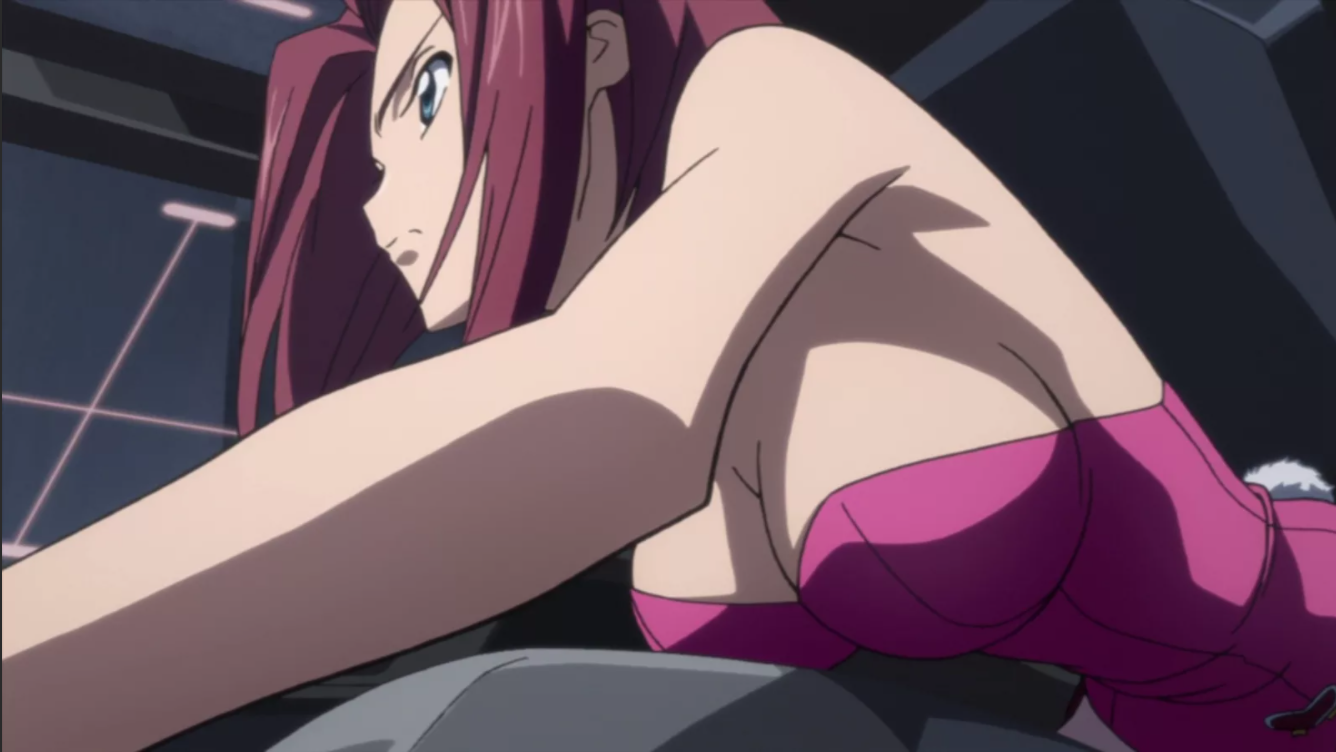
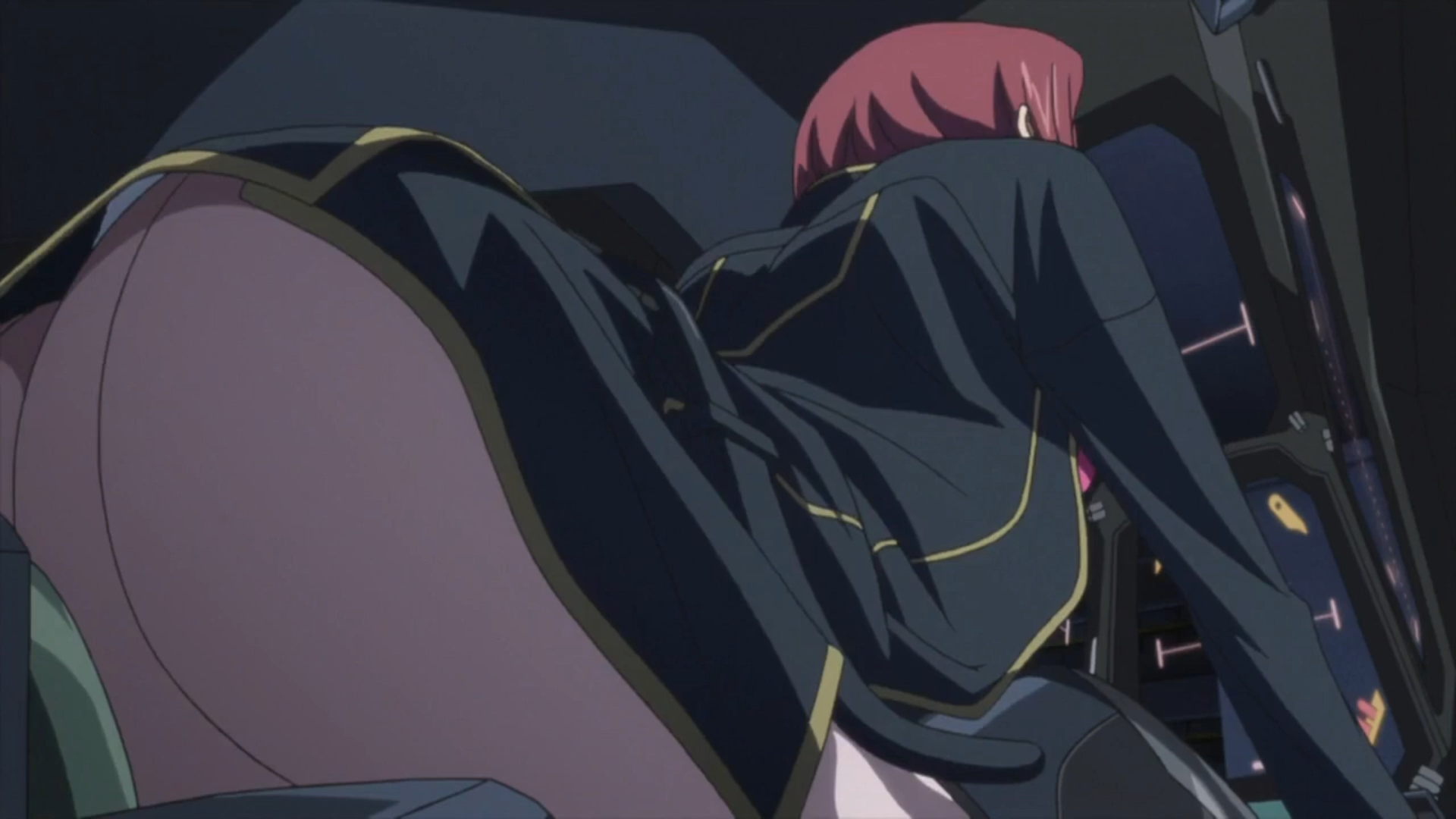
**Code Geass**. Episode 2 of Season 2, the good guys fight the bad guys inside a huge casino, the situation is complicated by the arrival of enemy reinforcements, and our heroine Kallen gives orders to her subordinates and does so during this shot.
What seriousness could we be talking about if the heroine's chest took up space in my brain that should have been occupied by information important to the plot? That is, the arrival of enemy reinforcements and countermeasures. And it's not about my brain, it's about the show's emphasis on how attractive this girl is.
There's another scene, too. In it, the aforementioned heroine's friend and comrade has to kill hisself in order to make the operation a success, and during this scene, which should evoke an emotional response, we are shown Kallen's ass twice. The first time before her friend's death and the second time after.
Again, what kind of plot immersion can we talk about? I don't understand why they had to include so much fanservice in such serious and dramatic moments, when literally 2 episodes later there will be an entire episode, knowingly non-serious, in which all the female characters will be shown in bathing suits. And I have no problem with that, just make the fanservice authentic. Code Geass on the other hand, completely misunderstands this, absolutely destroying any seriousness about himself.
Let's remember SAO, which I really dislike. Not so much for the fanservice, but for the combination of everything bad, but let's skip that topic for now, we're interested in other things.
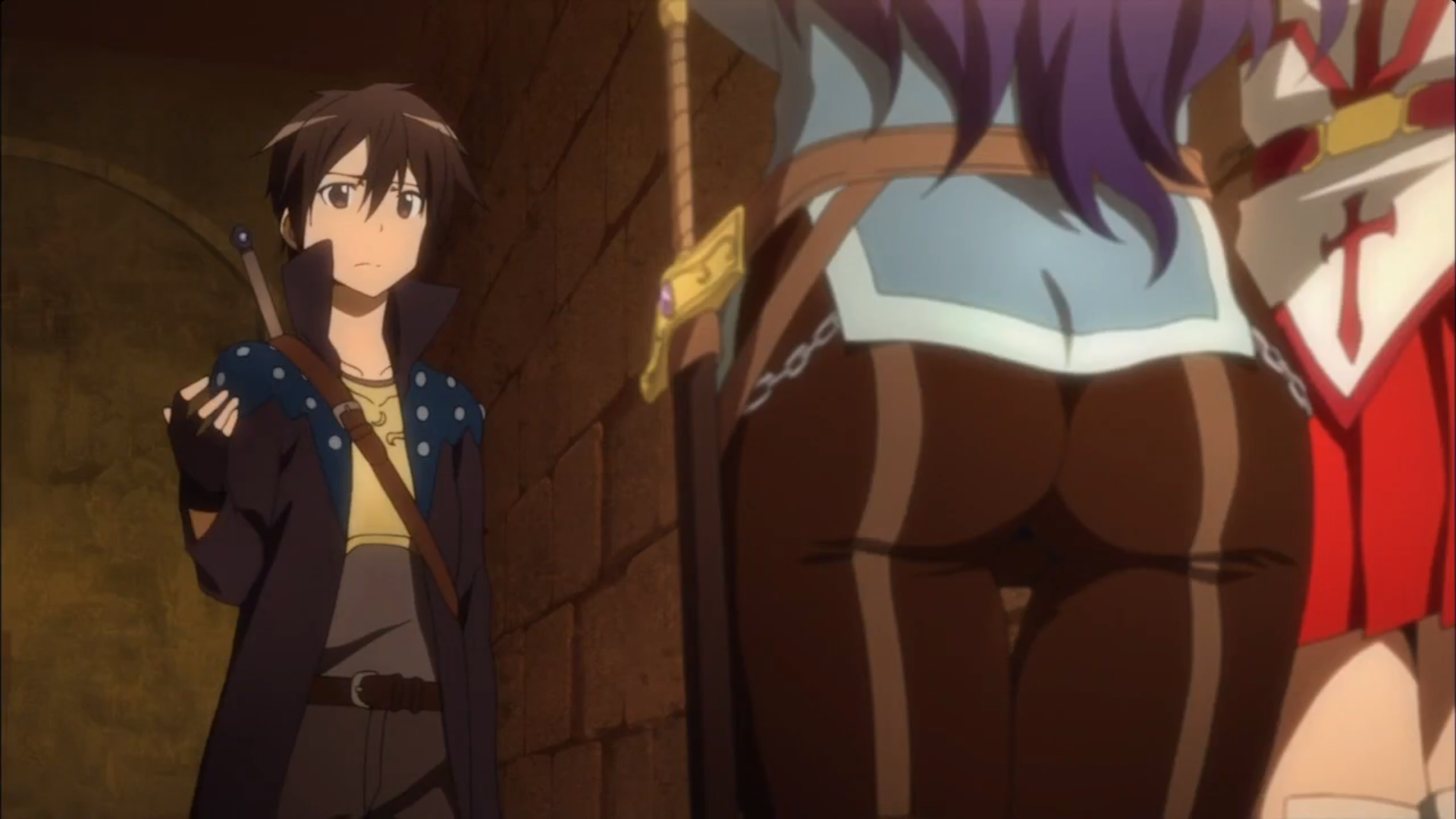
At this point, Kirito and Asuna are interrogating a girl about her friend's murder, which happened a few minutes ago. Do the writers think this angle was necessary? A murder investigation, an unsolved mystery, somber music, the victim's crying girlfriend, but with a great ass. Something about this list seems superfluous to me.
This kind of fanservice is really annoying, but for some people, on the contrary, it's not uncomfortable. You can really put up with it, as opposed to intentionally simplifying characters for the sake of fanservice, but I can't put up with it. What do I mean by that?
Think about Twilight or Fifty Shades of Grey what do the heroines of those two novels have in common? The answer is their absolute drabness. They play no role in the plot, they have no bright features, they are like witnesses to the events that take place in the books. This approach to characters allows young and not-so-young ladies to fully "get into the skin" of these characters, that is, to associate themselves with them, which allows you to better feel what it means to be torn between a werewolf and a vampire and what it means to be a billionaire's plaything. I hope you get my point, but now let's try to do the same thing with men.
So, Kirito appears, an imba player, conquering the heart of any woman he looks at. The fact that his character is an empty shell only helps the teenage mind to feel more strongly, if that can be said in the case of SAO, the moments when the next loli succumbs to the spell of the black swordsman. It's dirty manipulation based on instincts, and almost every anime in the ecchi or harem genre masters these methods. And there's nothing wrong with that, as long as such methods remain within the genres that suit them.
It may seem to you that I don't accept fanservice in anime, and that's not true at all. In capable hands, not only does it not cut the eye, but it complements what's happening on the screen beautifully. For an example of proper, good work, let's take two completely different works - Kill la Kill and Cowboy Bebop.
If you want to see proper and authentic fanservice, you don't need to go any further than Kill la Kill. This series is built almost entirely on fanservice and only benefits from it. The whole series is drenched in good Japanese thrash, even the animation itself constantly breaks the laws of physics, hinting that everything here is not serious. I would like to add that Kill la Kill is a good series and worth watching.
Now about Cowboy Bebop. The main source of fanservice is Faye Valentine, a charming gambler, con artist and simply Woman with a capital letter. Quite often we see her in the most interesting poses and the most interesting angles. Unlike Code Geass, Faye's sexuality is a trait of her character, and within the plot, all the characters around her notice it perfectly well. She's well aware of this herself, which she takes advantage of by running her own scams and begging for money for space gasoline. When Faye dabs on sunscreen and looks sexy, there's no contradiction in that - it looks authentic, unlike Code Geass and SAO.
There are so many ways to do fanservice right, it just takes a little imagination...
If you enjoyed my article, I'd love to hear your comments and questions :3
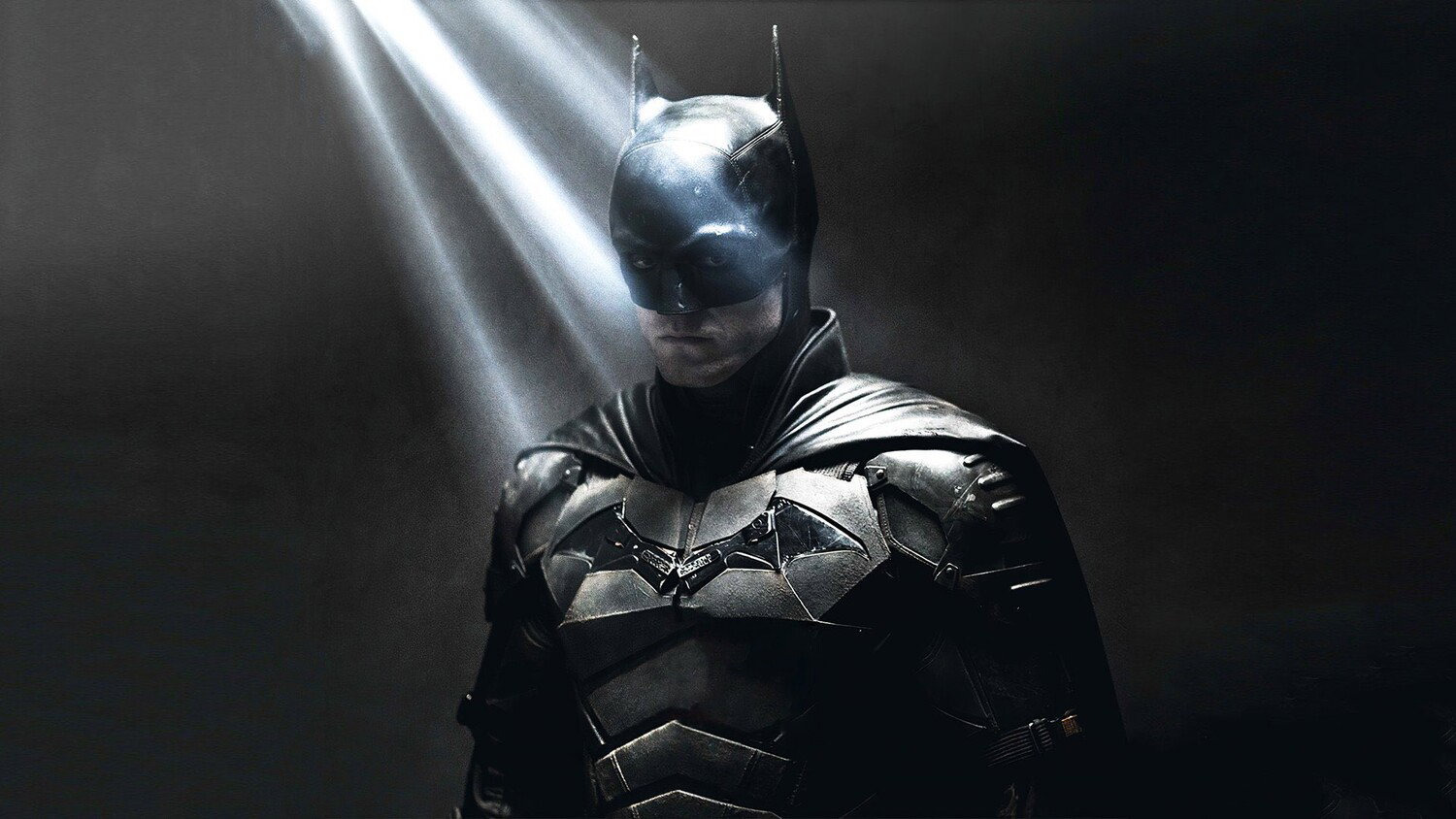
The Batman(2022) is a mediocre movie
The film's biggest problem is its plot. It is stupid and inept. Think about it: what distinguishes a detective from other genres? You have a set of characters, and you (the viewer), along with the main character, are trying to catch the killer. Basically, there's just no detective component. Batman goes around random places and solves "mysteries." Bruce does it, and his friend Gordon praises him (by the way, why are they friends???). Does this somehow lead the viewer to unravel the nature of the events?????. NO, they still happen by the will of the plot, not because Bruce solved the mystery or not. Even the murderer isn't caught on his own, but only when he voluntarily surrenders.
Okay, maybe it's not a detective, but a thriller. But even so, the movie manages to be crap. You don't know any of these people, who they are, how they lived, and so you don't feel any excitement for them. Moreover, even when the stakes seem to go up, you are immediately told, NO, Alfred is alive, here he is one minute after his "death." Did Riddler figure out Batman's identity? YES, and then one minute later you are shown that he didn't XDDDDDDDDDDDD What's the point of that????. I don't know.
Now about the characters. All of them, thanks to great actors, have potential, BUT, even in the entire 180!!!! minutes, they are not realized in any way. They just don't develop. Bruce was "dead inside" in the beginning, and still is. Catwoman was a strange girl with no purpose in life, and still is. Gordon was an honest detective, and what do you think????. Nothing has changed by the end. If you don't want to do the twists and turns with the characters in the first movie, then cut it short, why make it 3 hours of timing? So the audience can sleep soundly????
I don't want to say anything about Riddler at all, he's not Riddler but a Joker in disguise, just a madman who wants everything bad XD then what will you do with the Joker???? After all, you've already applied this trick to another villain............
Conclusion: 5/10 - watchable, but not really necessary. People who chased Snyder and BVS, now you're happy?????
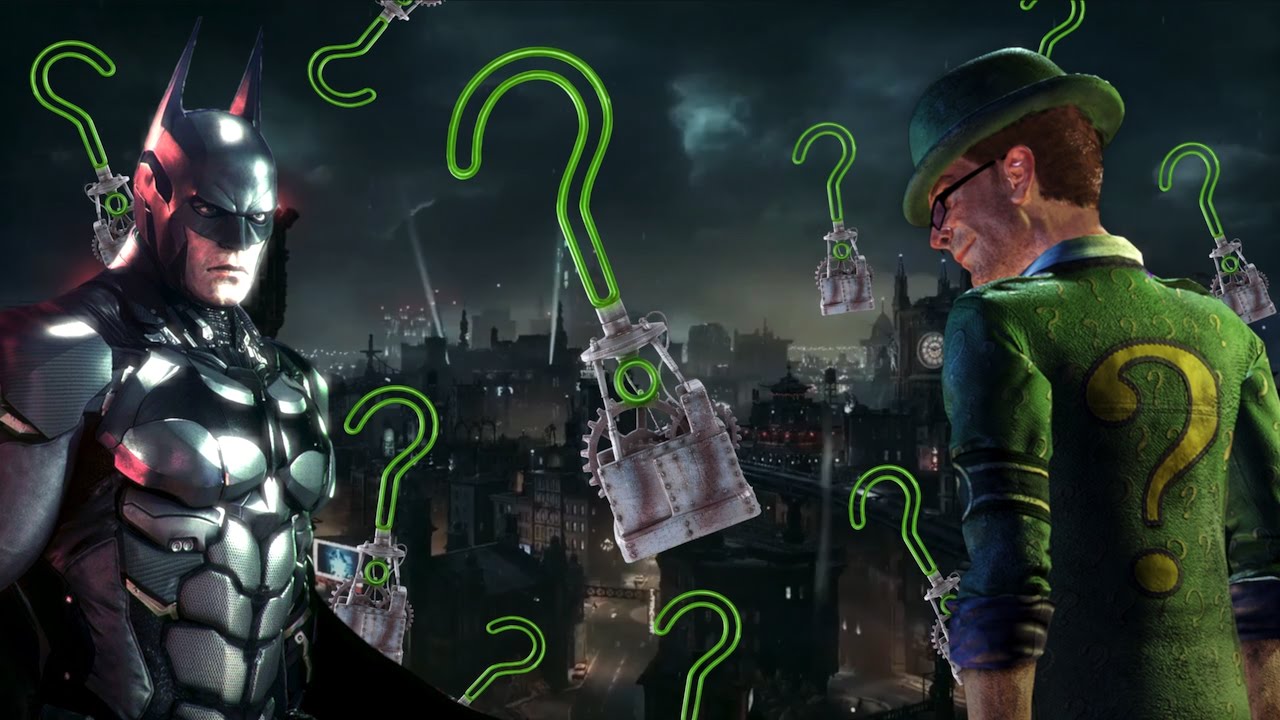
Trees as one of the guides in the world of Berserk
If you've read Berserk manga at least once, you can't help but notice the depth and detail of Kentaro Miura's work. This manga deservedly ranks as one of the most iconic and significant works that influenced not only the manga/anime industry, but even Western cinema. After years of familiarity with the universe and world of Berserk, I am still discovering many non-obvious details that go unnoticed due to the reader's distraction to the plot and characters. Today I want to share one such detail that you probably haven't noticed.
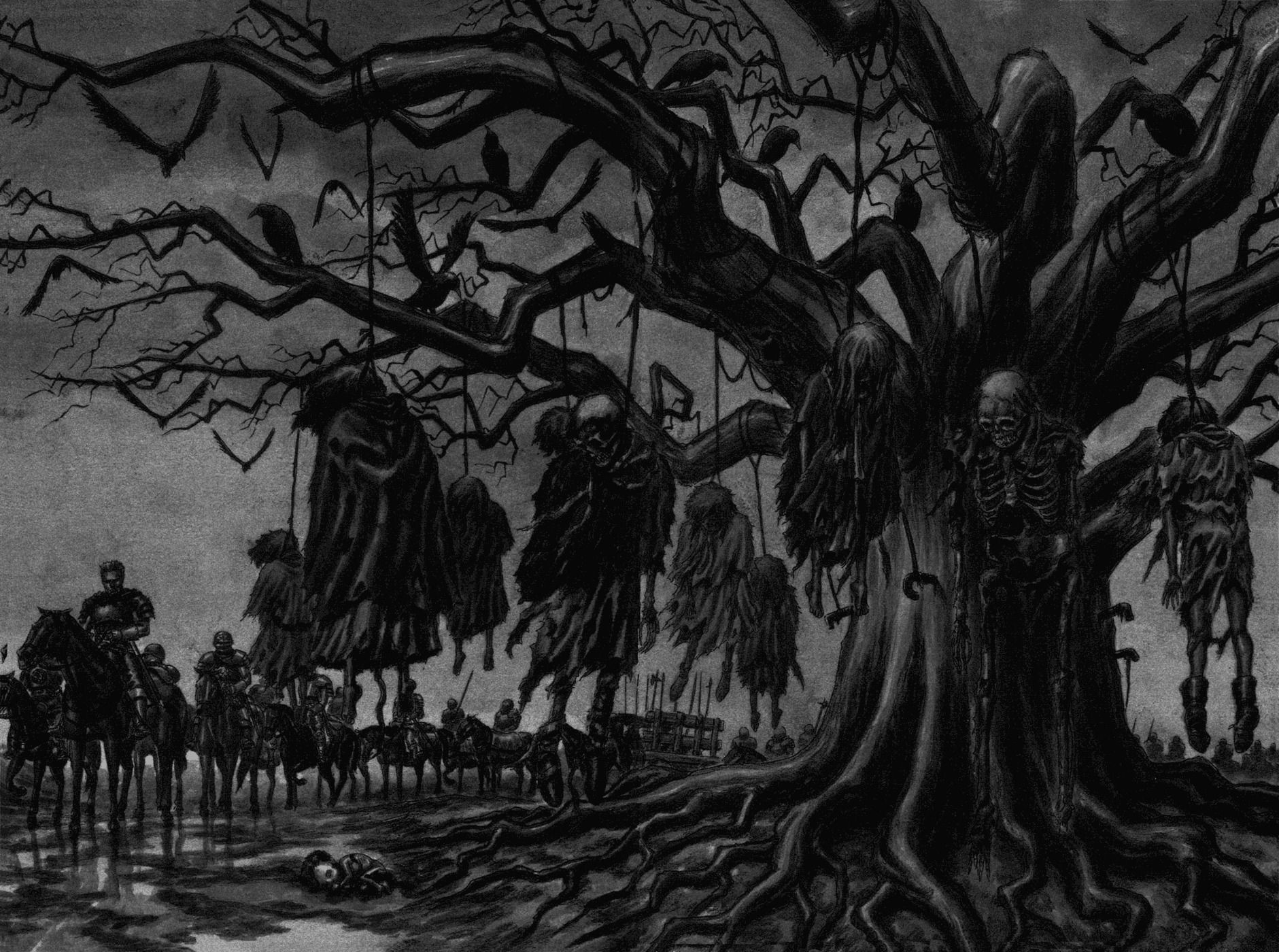
Trees are often glimpsed in key scenes in Berserk, and for good reason. The average reader doesn't think about the entourage the first time they read it, but as they reread the manga such details begin to surface.
Guts birth. This is impossible and unthinkable. The hanged mother and the infant who appears on the spot below the dead mother next to the tree where others close to her were hung. Trees are said to grant life, but this scene both proves and disproves it.
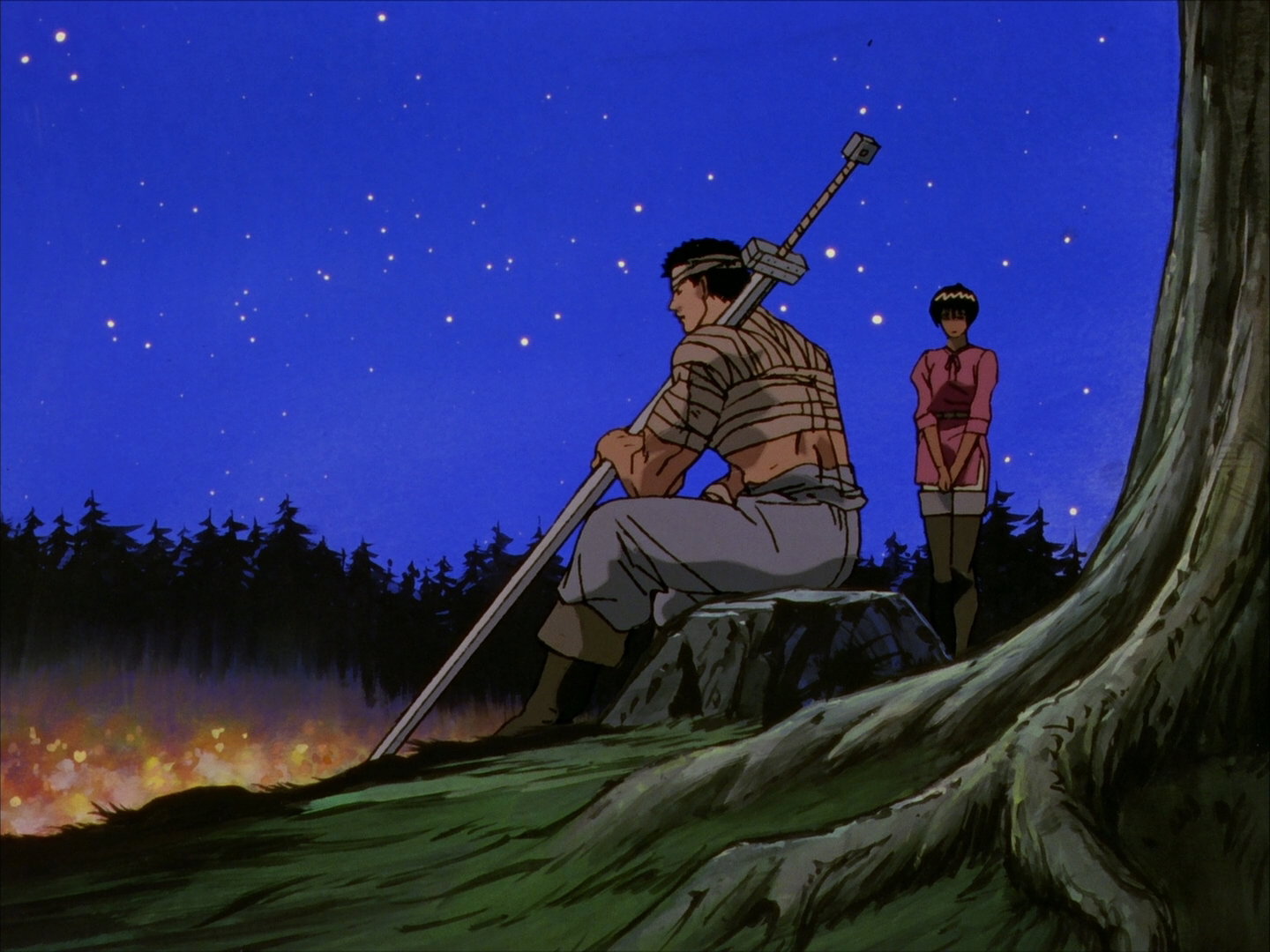
Throughout the anime/manga, trees accompany Guts as a companion. During the Golden Age episode, we see Guts resting or taking shelter under a tree. This is as a metaphor for Guts struggle with his own nature. Later on, he himself declares this. He became soft and tries to get rid of the weak parts of his personality.
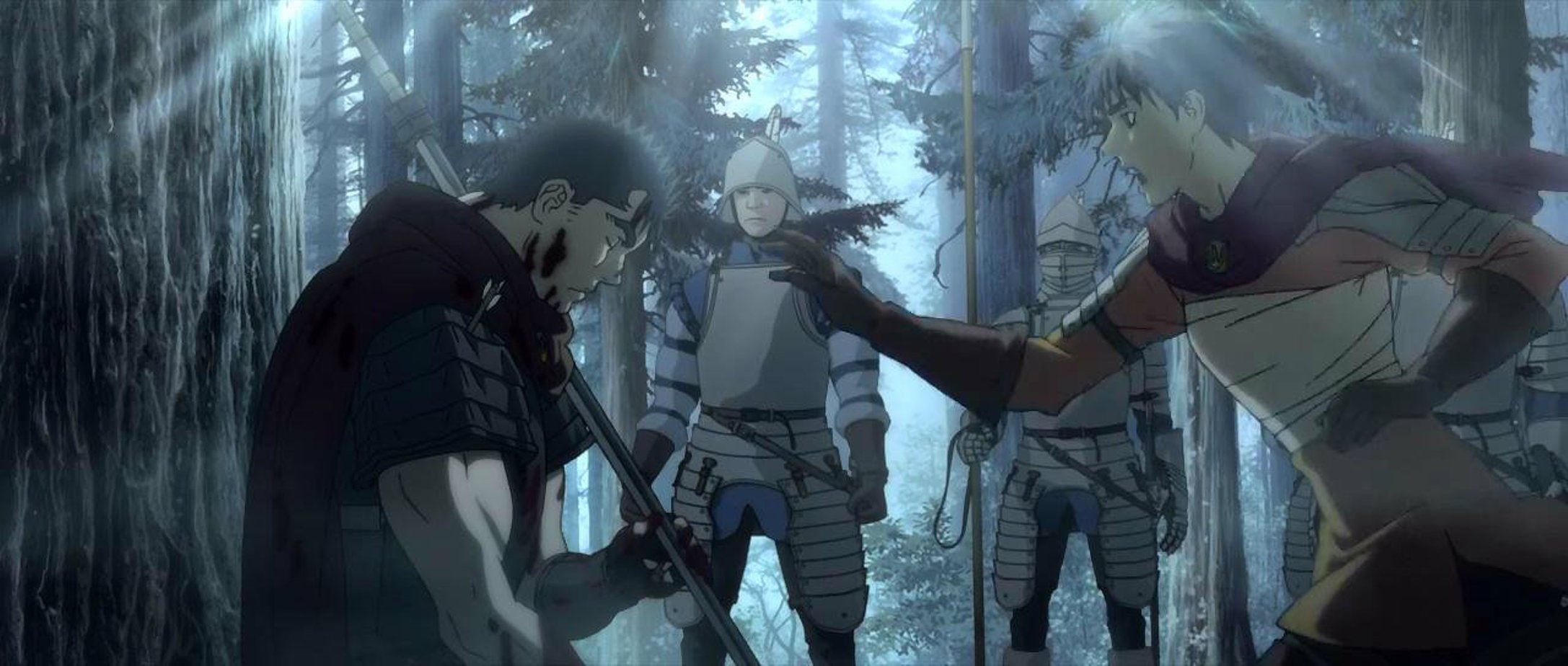
When Guts fought and defeated a hundred men in the woods, he was thereby fighting not only physically, but also fighting his inner demons, his nature, after which he symbolically leans on the trees, as if to symbolize his victory over himself.
In the duel with Griffith, the lonely tree also has its own meaning. It symbolizes Guts loneliness and his desire to go his own way.
After returning to Band of the Falcon, Guts and Casca confess their feelings to each other and make love. At this moment, the tree they were under symbolizes the new life budding in Casca's womb and the intimacy between the two heroes, who become a true family for each other. Trees are a guide to the world of the Berserk.
The fact that Ganishka took the form of a giant tree makes even more sense given the similar examples listed above.
Kentaro Miura not only put his life into Berserk, but also created a unique and distinctive world that people will remember and cite as an example for years to come, and maybe even years from now people will still find new references and ideas in it.
Why you should read Fire Punch manga
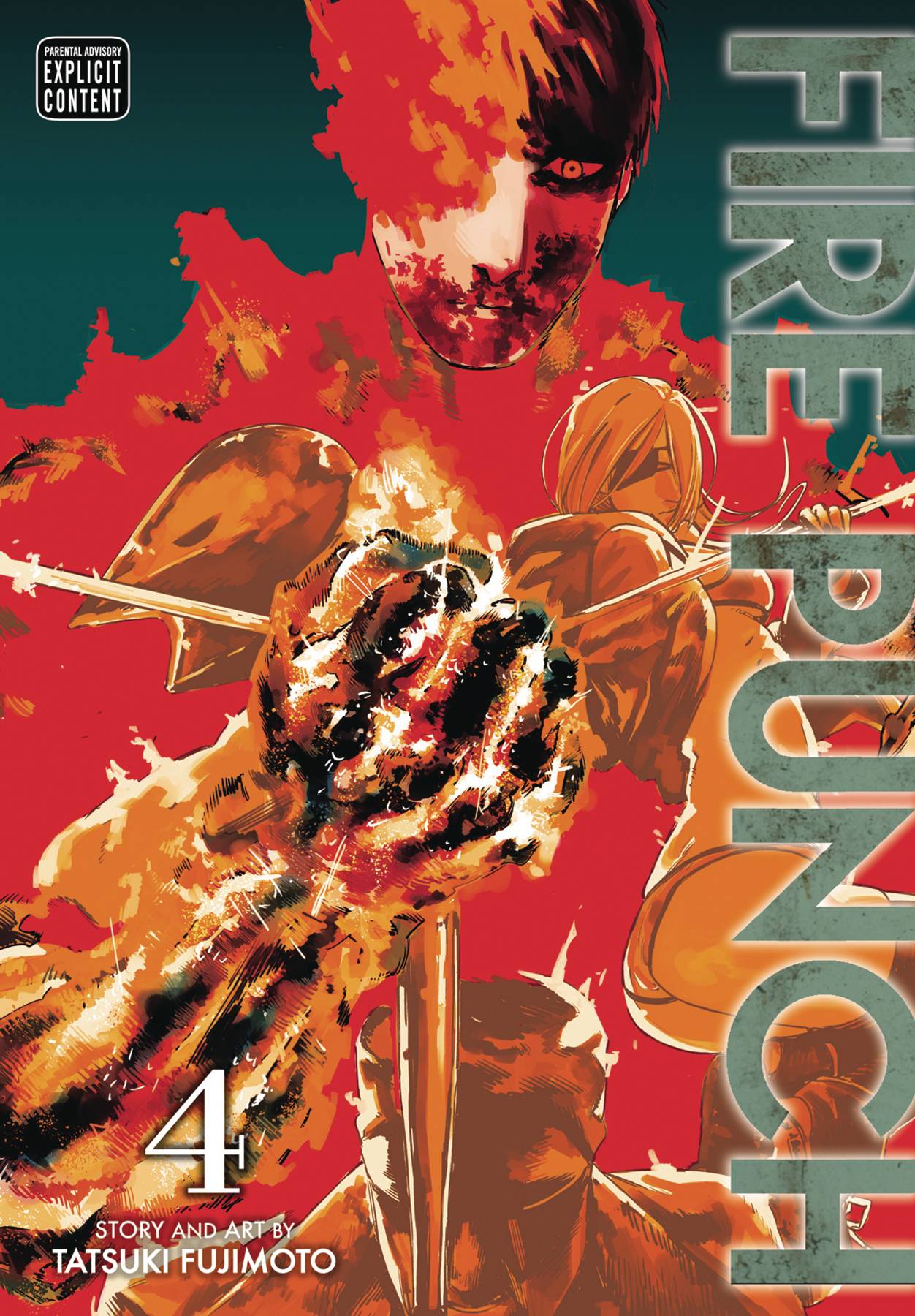
Short description of the manga: Fire Punch is a manga by Tatsuki Fujimoto, which was published from 2016 to 2018. Besides Fire Punch, the author has another rather popular work at the moment - Chainsaw Man, which will get an anime adaptation in the near future (1-2 years).
In the Fire Punch manga, an ice age engulfed the Earth, and with it, suffering of all kinds became a constant companion to human life. Constant wars for resources, famine, slavery, religious fanaticism, outright boredom endured by people who have the gift of regeneration and can live for hundreds of years. And about all this the characters talk and argue with childlike directness.
I think this approach is one of the main components of the popularity of Japanese stories around the world. Where in the West everything is subtly and meaningfully deconstructed for the tenth time, the Japanese talk about pressing issues seriously. Because whatever facade of reflection is erected around the phenomena of life, they do not lose their essence. And if we feel bad, the pain is real. And pain is perhaps the main theme of Fire Punch.
Agni, the protagonist, is just such a regenerator, which means that dying is an extremely difficult task for him. And according to the ancient Greek irony of fate, the guy gets burst into a magical flame that doesn't go out until it burns the fuel that is his body. As a result, the guy is perpetually on fire and perpetually recovering, which does not make him happy at all. In such a state, few things seem better than to take revenge on his abuser, the man who put his eternal fire on Agni. And here begins the story of overcoming oneself.
There is a harsh mythicism to the manga: the motives and actions of the characters and the events that occur are overblown and hypertrophied, and at the end the rather chambery and personal story turns into saving the world. Honestly, this manga is so simultaneously good and crappy that I can't give any structural analysis on it. Only when it gets completely uninteresting and you start to get bored does the author manage to bring you back into the story in some clever turn of events. And thrash retreats, only to return with renewed vigor. This kind of clever thrash is an extremely interesting subject, and few people do it better than the Japanese.
All in all, if you want to read a manga that will entertain you until the very end, surprise you with its fucked-up gut and make you think about the meaning of life and other topics of similar depth, then Fire Punch is your choice.
Analysis of the anime Psycho-Pass
The main idea of PP is the abolition of the presumption of innocence. The Sibyl system measures a person's level of criminality, and if that level is too high, measures are taken, even if the person has done nothing illegal. The idea is quite interesting, and I'm sure that with the right approach a decent detective story with philosophical overtones could have been squeezed out of it, but Psycho-Pass didn't even try to do that. PP is as safe a product as possible, aimed at a mass audience.
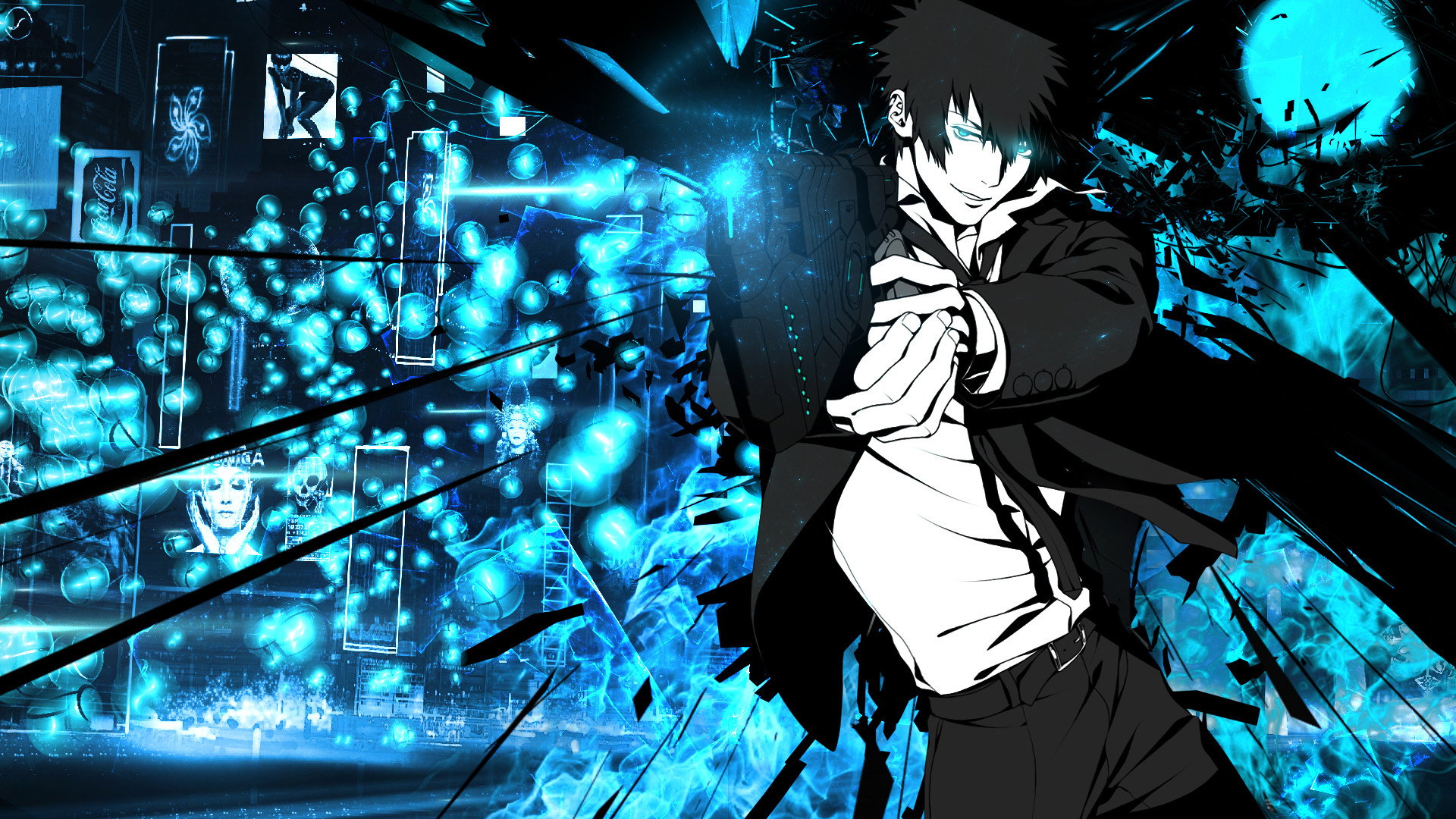
Kogami, the local protagonist, is an incredibly tough guy, a former detective with a hard life (naturally), who got so involved in chasing killers that his Psycho-Pass
darkened and now Kogami himself is considered a potential criminal, and the only job left for such people is to become an enforcer, that is, a catcher of such potentials. We observe Kogami's coolness through the young Akane, who has just taken a job as an inspector at the bureau. Akane is the standard naive anime girl, whose job is to be surprised and awkward.
Through her we are also introduced to the world of the series, which is perhaps the only bright spot. Psycho-Pass has its own aesthetic, everything here revolves around holograms, which looks pretty fresh. In addition to tracking criminals, the Sibyl system also deals with dividing people into professions, as Asimov did, and a few episodes of the first season even emphasize this, but in proportion this theme turns out to be of little importance. The main theme of the series is the struggle between human morality and Sybil's cold calculation. The main villain is predictably not perceived by Sybil as a dangerous element, despite all his atrocities, but for some reason no explanation is given for this phenomenon. If the series were really interested in philosophy, it would certainly try to come up with a reason-some special way of thinking that allows the villain to remain invisible to the system-but it doesn't. He just presents it to us as fact, explaining everything by biology, which is disappointing. Nevertheless, the series tries to constantly remind the viewer of its cleverness, and it boils down to all sorts of name dropping, with characters constantly referring to philosophers unnecessarily.
"Why Kogami is so gloomy????".
"As Nietzsche said, if you look long into the abyss, the abyss will begin to look into you. Kogami looked too long....".
The show also has no detective element, which is strange, because the whole plot revolves around the work of the bureau to catch criminals. There's no detective research, the main character Kogami just pulls the solution out of his head, making young Akane cringe at his awesomeness. The funniest moment, when I firmly knew there was no detective, was the episode in which Akane is brought to a forensics professor. The professor takes one look at the girl and gives out a whole dossier on her: where she's from, who her parents are, and all that. When Akane, following the viewer's wish, asks how the professor figured it all out, he answers something like "there are ways :)))", thus depriving us of the most interesting part: the process of deduction.
For myself, I have divided anime into two types. Anime in which they try to make the characters' interactions look like those of real people, and anime in which the characters behave in a purely "anime-like" way. Psycho-Pass is the second type of anime. The characters here will tell you everything that is on their mind, leaving you no chance to understand anything yourself. The series is full of standard anime "monologues" about a hard fate and a particular view of the world, which makes the characters behave this way and not that way, which they are happy to tell the viewer about. Don't write this off as a flaw; this approach, you might say, is one of the main features of the genre, and without it many anime would surely lose some of its charm. Psycho-Pass, on the other hand, has no charm whatsoever. This is a solid anime of average quality with an interesting idea that can pull the whole series without letting it fall below a certain bar...
Pros: Decent direction, decent action.
Cons: The series makes very little use of the potential of its setting.
The anime is very mediocre: full of anime clichés.
6/10
Why do I get so carried away by topics?
I think, if you may have noticed from my list of already published articles, I'm pretty much tossed from side to side with topics. I can write a serious analytical article/list, or I can write an outright shitpost and byte article.
This is primarily due to my mood and inspiration for any activity, I can almost instantly get up to write a conspiracy theory for 20 minutes of reading, and sometimes I can not give out a couple of lines of frankly bad text.
In general, you can expect most of my writing to be about anime themes and TV series/movies. Also I'm thinking about writing lore articles on the elder scrolls and dragon age, but not sure about the response from the audience, I've spent too little time on this site.
Yeah, i think i said all i wanted to, if you read my message i wish you all the best and have a nice day :3
Saigon
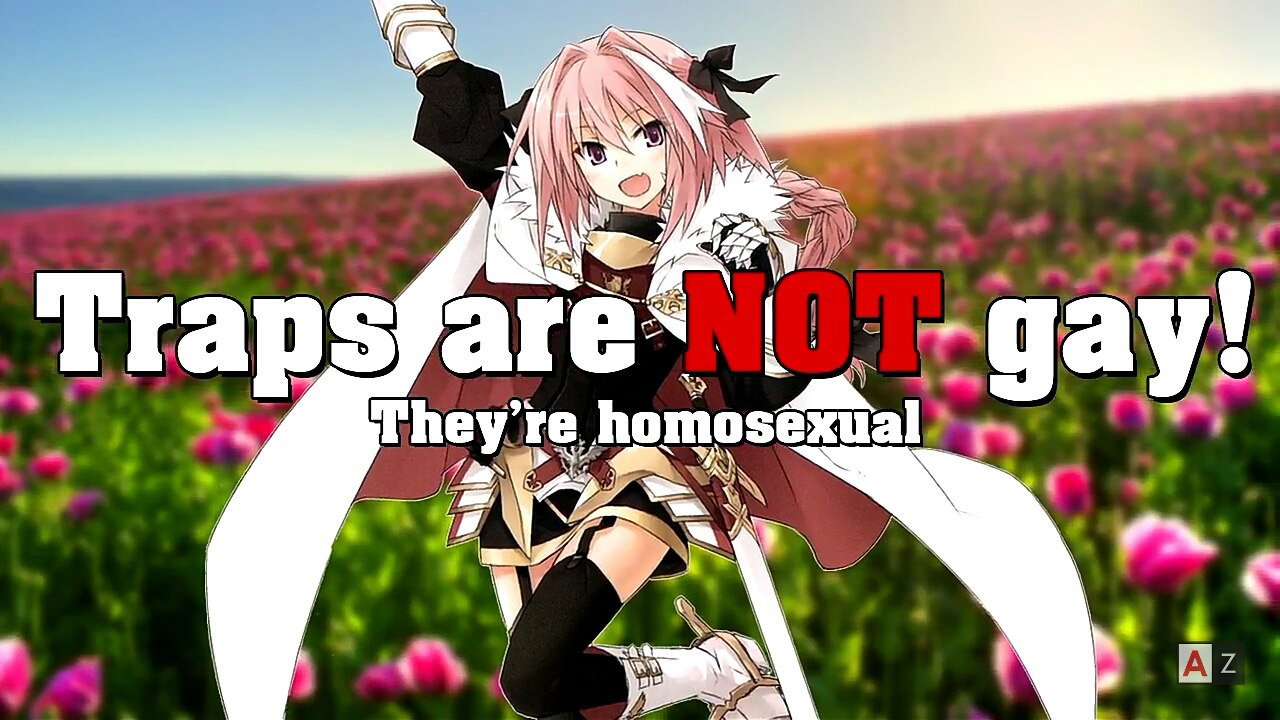
Why Traps are Not Gays
Who is a gay man? It is a man with a masculine character. A gay man likes other men.
Who is a trap? It is a man with a feminine nature. A trap likes everyone.
Therein lies the basic difference between traps and gays men and the key to their attractiveness. Gay men can't help but see men as non-sexual objects, so relationships with gay men are saturated with feminine venom. Gay men who want to enter into a relationship seek to possess another man (being passive is also a form of possession), which is a limitation on your freedom and identity.
Traps, on the other hand, are devoid of these vices. Although they model their image and behavior on women, they have a man inside them who is just like you, who will always understand and support you. Trap may not consider a man as a sexual object, but he will not stop giving care and love to those around him. Trap will not demand attention and money, he perfectly understands your condition, feelings and worries. It is the infallibility of the trap that makes them so beloved to the heart of any sane man.
Why is Goblin Slayer a mediocre anime
I, like many others, discovered this anime when it came out in the fall of 2018, and it set the bar for anime as a whole from the very first episode. After the first episode, the audience response was overwhelming. Anime with such violent content in terms of violence is not that rare, but still not very popular, as an exception I can remember the recent Invincible, which came out last year, although it is not an anime, but in general in dismemberment and blood even exceeds Goblin Slayer, but here too there are reservations. The violence in Invincible - combined with bright visuals - quickly becomes commonplace and you stop noticing it.
The main thing that shocked the audience in Goblin Slayer was the rape. I would even say that this is the only thing people can remember from this anime. After watching the anime, I decided to read the manga, and let's just say the author really likes to emphasize it. This is neither bad nor good, the problem is the misstatement of the narrative
If Goblin Slayer were a hentai, there would be no question, but it is not and claims to be a serious work in the dark fantasy genre. In my opinion, the anime exhausted all its potential in 1 episode, after which you can safely not watch the other 11.
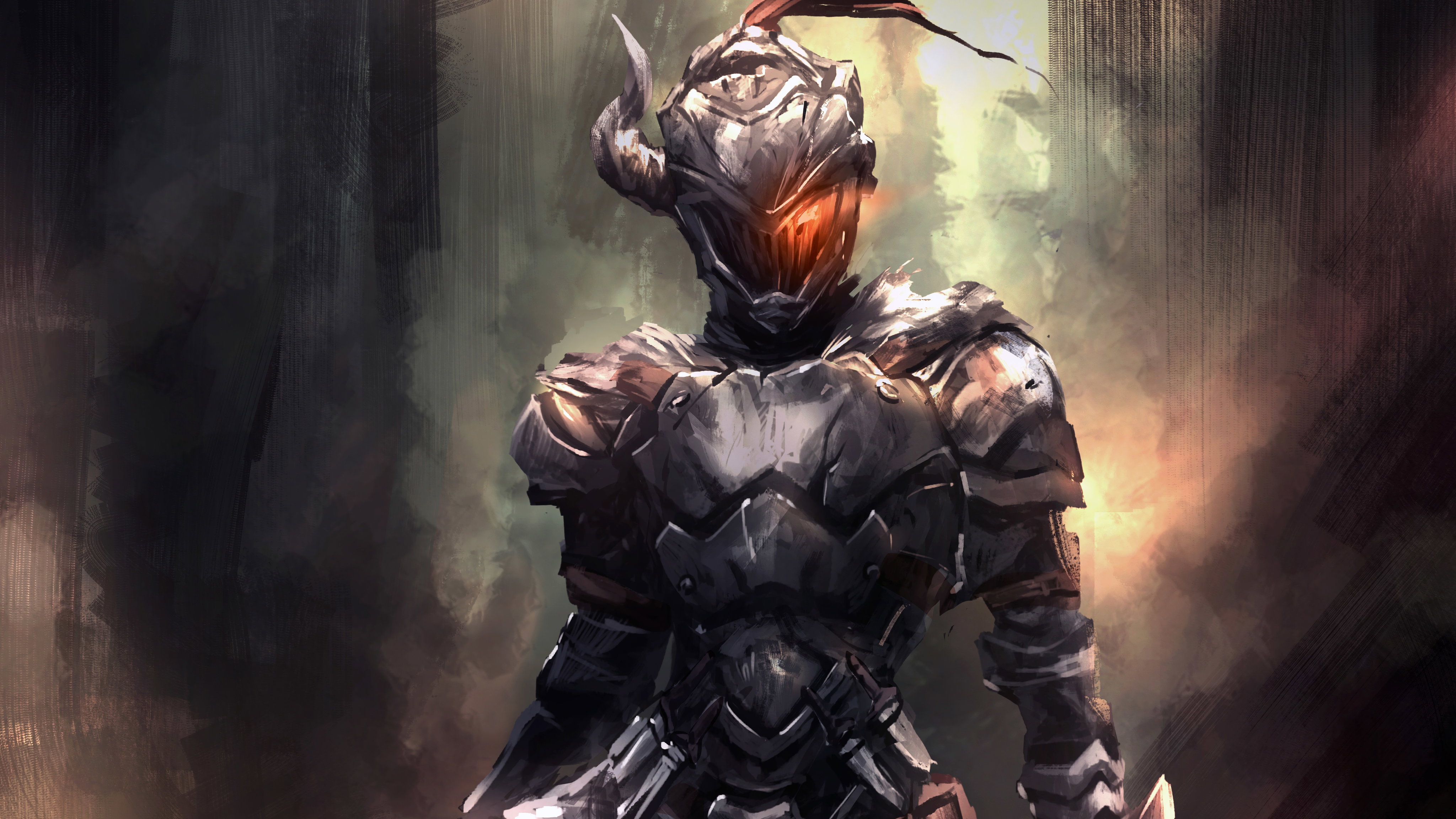
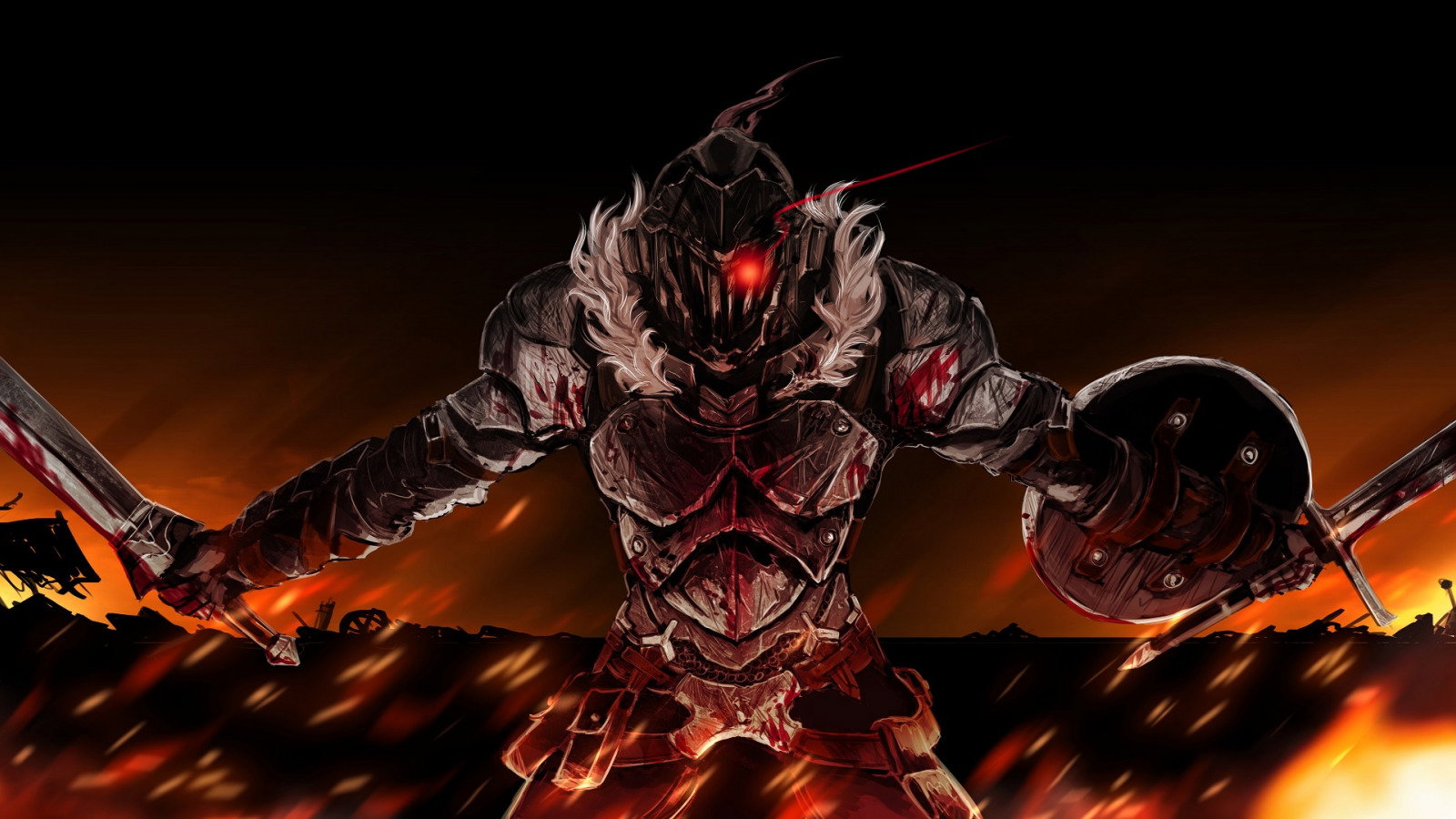
Now about the problems and why I think Goblin Slayer is a mediocre piece of work. First, let's start with the main idea. It's not bad at all - a guy in dirty armor who looks like Doomguy is setting up a genocide of goblins in narrow caves. Sounds good, but it raises another question - how do we make sure that people don't get bored of watching the same thing? The author couldn't answer it, well, he tried by adding new monsters and locations. Did it change the overall picture? - No.
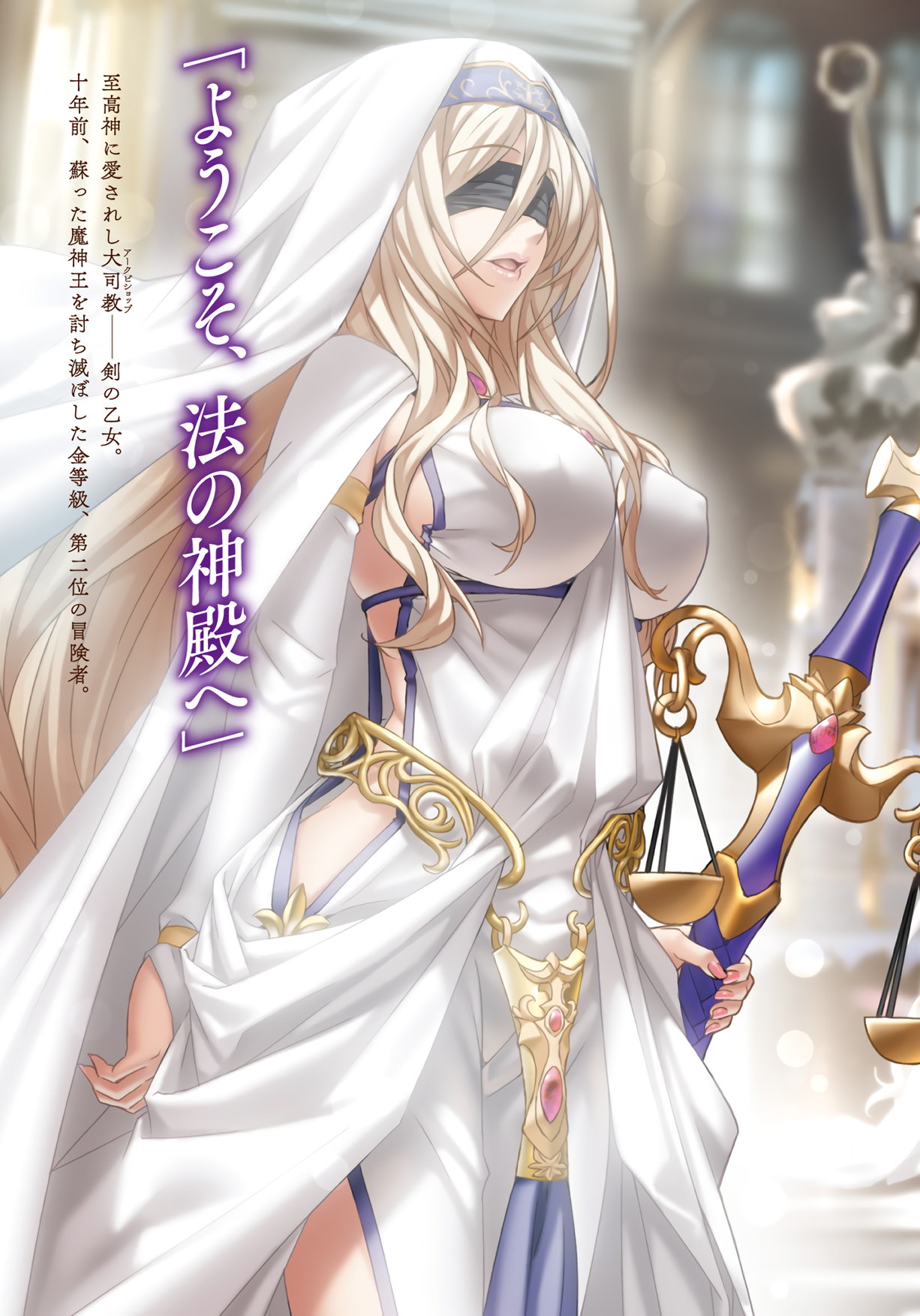
Second, the characters. They're boring as hell. Seriously, it's a 100 level of hackneyed. Clichéd characters and no character development. Okay, they change a little on the "She used to be afraid of blood and goblins, but now she's not afraid to fight" level. As for their characters, they don't change. I also want to note the author's interesting decision regarding the names of the characters. There are no names.
There just aren't any! I understand what he wanted to achieve - the effect of participation and empathy, so that everyone could either come up with their own names for the characters, or put themselves in their place. Did it work? - No. Does it look weird when they address each other "Hey priestess, hey archer, hey shaman"? - Yes.
As for the overall atmosphere of the world, hmmm, let me think, this is probably the most standard fantasy world with a guild of adventurers that has been created in the last 10 years in myriad ways. Goblin Slayer isn't even in the dark fantasy genre, it's just a fantasy world with mass rape, bruh.
The soundtrack and the openning are on a good level, the overall visual design of the anime isn't bad either, some moments are even memorable. Otherwise, everything else is average or low quality. Oh yeah, I almost forgot that there's quite a lot of fanservice here, so keep that in mind and stock up on napkins, my little perverts.
My final score is 6/10, you can watch Goblin Slayer, you might even get some pleasure out of watching it while sipping a beer and having a snack, but that's about all it can do. If you have a choice between watching Goblin Slayer and Tokyo Revengers (I would give them a 7/10 rating), choose Revengers.
You can write your opinion about this anime if it coincides or not with mine, I'm happy to read your comments and answer any questions. :3
10 overrated anime
WARNING!!! All of the following is the personal opinion of the author and does not claim to be absolutely objective. The author of the article has a toxic character and can just criticize a good anime.
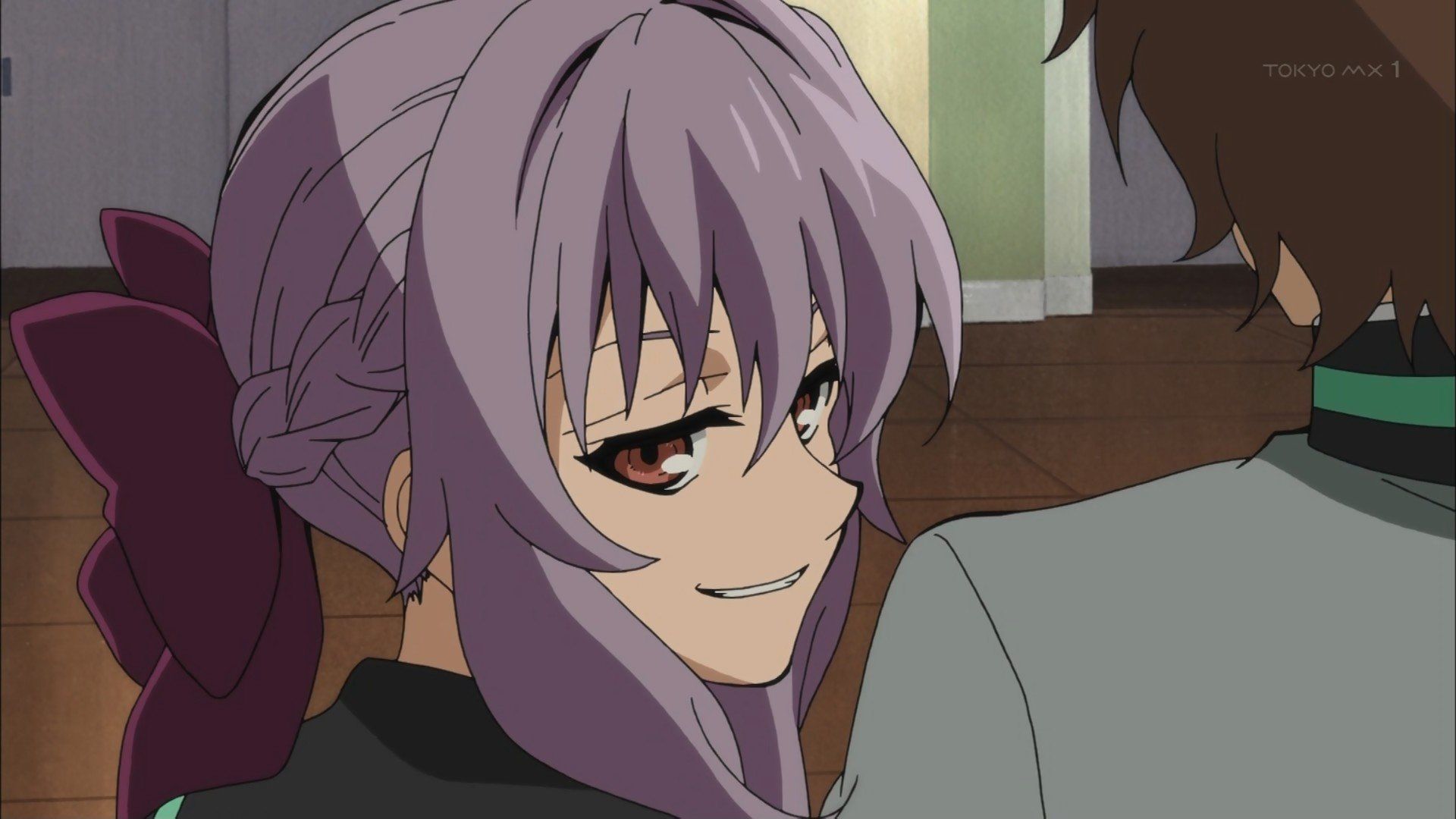
10) Seraph of the End
Let's start with something simpler. Seraph of the End is a story about humans and vampires in a post-apocalyptic world. In itself the anime is pretty good, the story is quite interesting, the characters are charismatic, there are nice fights. But in fact, that's about it. Something outstanding is not. And I often notice this anime series in the list of the best and must-see. But as for me - it's just a good average story, that's all.
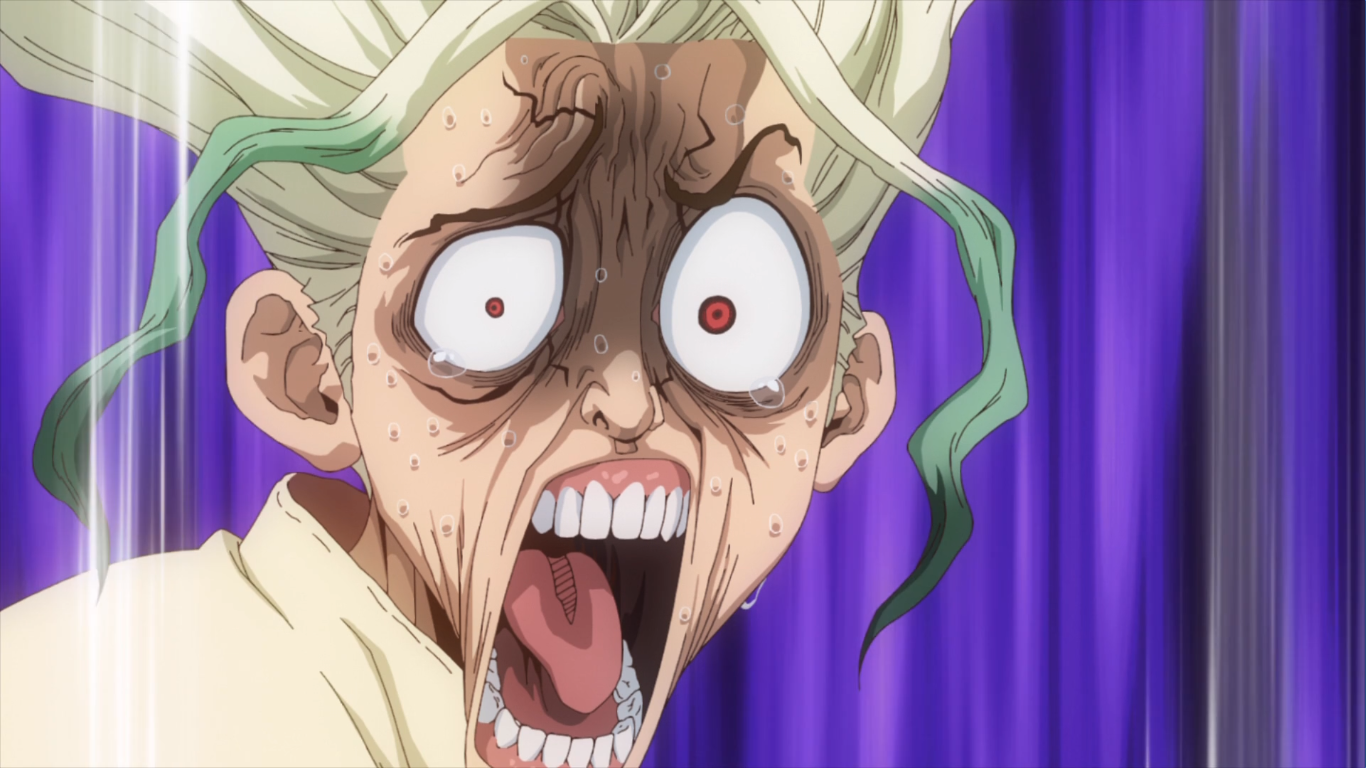
9) Dr.Stone
Look, I'm not a stupid person, but I don't understand much of what's going on out there. All those formulas and inventions are not my forte. But even I, being a person with a liberal arts education, paid attention to the nonsense that is going on on the screen. I understand that maybe some people like paper armor tanks from the Stone Age or a radio with music on a glass gramophone record, and I can agree that it's funny, but when it happens all the time, it's too much.
I'll be honest, I only included it in this selection because its ratings are off the charts compared to the crap I've seen. I was even talking on discord with a friend who understands physics and mechanics, and we were parsing the anime frame by frame. We laughed and cringed a lot.
All in all, I think it's not a bad anime, you can watch it for the sake of the nonsense that goes on there.
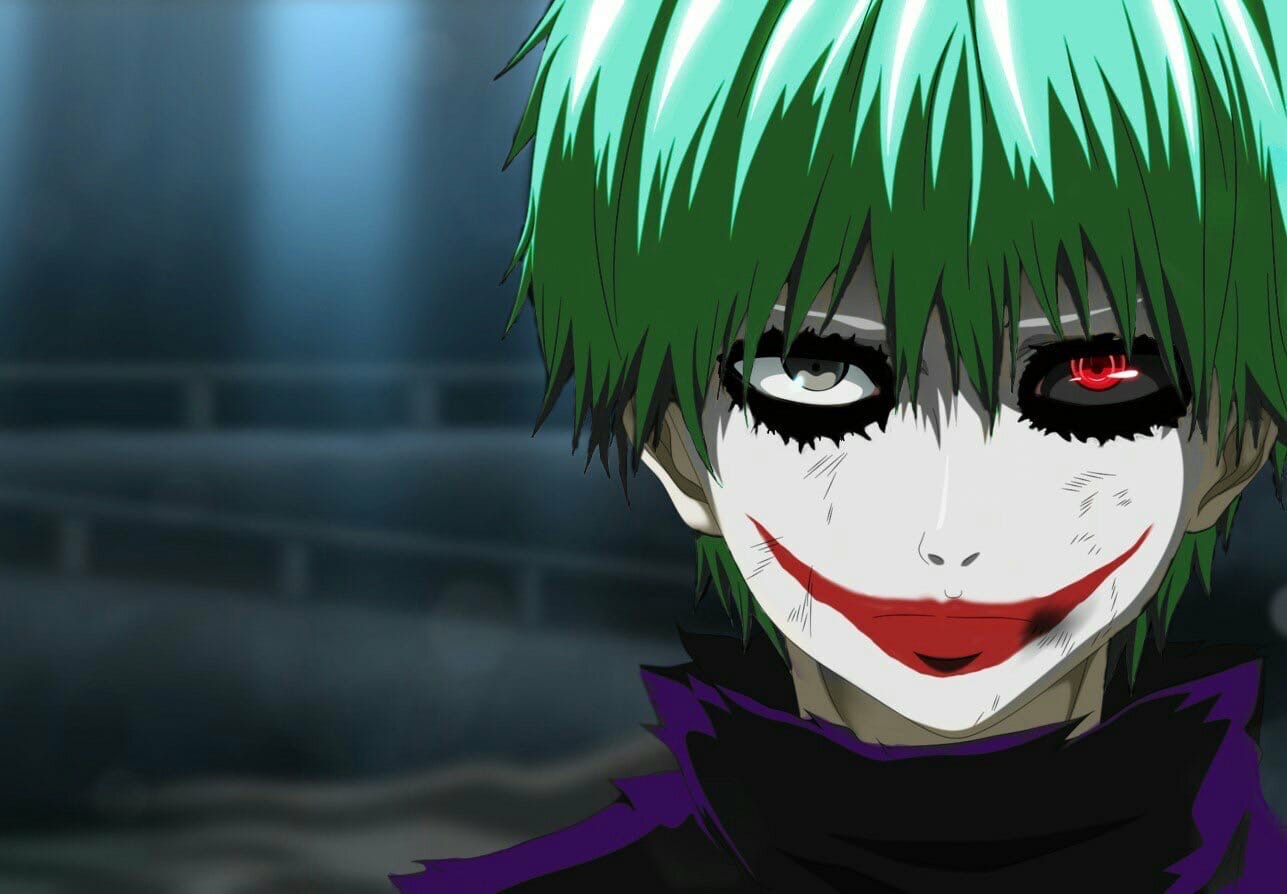
8) Tokyo Ghoul
I'm a Tokyo Ghoul fan. I was when the manga was released back in 2017 (if you've noticed from my avatar), now of course I'm not an active fan, but I still have fond memories. That's if we're talking about the manga.
The anime adaptation sucks, for objective reasons. If season 1 had problems with the narrative, season 2 made everything as weird as possible. The authors of season 2 smoked a joint and decided to come up with their own auteur vision of the plot. Subsequent seasons, on the other hand, were just terrible in terms of drawing and storytelling. I don't recommend watching the anime without reading the manga or you risk ruining your experience.
7) *Demon Slayer: Kimetsu no Yaiba*
This anime has quite a bit of popularity in the anime community, and overall probably even deserves it. The pictures here are great, the action is dynamic, and there are a couple of interesting characters. But that's where the pluses end. Now let's talk about the cons. Let's start with the most important one - the explanation of everything that happens on the screen with the characters' monologues. I kind of watch the anime through my eyes and see who's doing what. The plot turned out to be quite ordinary, except that there are a lot of sudden unreasonable twists and turns. The main character doesn't seem particularly charismatic to me. The anime is not bad, but clearly not the masterpiece it is made out to be.
6) Darling in the **Franxx**
Darling in the **Franxx** is a fairly obvious plagiarism of "Eva. Some scenes are practically frame by frame copied from there. Apart from the fact that our story has obvious problems with the structure of the world, the motivation of the characters, the plot basis, well, personally for me the fights are not very good. I do not want to spend too much time describing the minuses, if you watched it yourself you will understand everything. Frankly, I do not understand how it can be called a masterpiece.
5) *That Time I Got Reincarnated as a Slime*
Now let's talk about perhaps the most popular and beloved Isekai of our time (after Mushoku Tensei, of course). "Slime" was an interesting idea at first, but things started to spoil from the very first episode. I generally like imba characters that get the job done with ease. Except the main hero is kind of just not charismatic (as far as I'm concerned almost everywhere). There are problems in the plot, for example, all the defeated enemies just stick with him and don't even try to take him down. Today we're enemies, tomorrow we're friends. To me, it's a missed opportunity to show the development of relationships between the characters. Yes, and the dialogues sometimes strain me. However, there are some good moments, the clearest example being the middle of the second season. Overall, this is clearly not the best Isekai to date.
4) *Akame ga Kill!*
In this case, I honestly can't even say why the title is considered a masterpiece. It's not bad and I even liked it when I watched it. But just like a good anime that you put on your list of favorites and you don't watch it again. Yes the action is good, there are interesting characters. The plot about the revolution isn't bad. But that's about it. The story is full of silly moments. And first of all the guy in the wrestler's mask is remembered. Write in the comments why you think "*Akame ga Kill!*!" is a masterpiece.
3) Fairy Tail
Fairy Tail is often put on a par with the legendary "three" shōnen. But I have one question for such people: "Are you serious? The anime is extremely passé and hard to watch at times. The characters are very cartoonish and barely develop. The idea of the importance of friendship is only expressed in words. The plot is at times completely illogical and boring. The action is also so-so. Except that the fanservice is not bad. Also worth noting is the constant build-up of drama, but every time out of place. In general, it turned out so-so, and clearly does not deserve its popularity.
2) Neon Genesis **Evangelion**
I've only seen one anime series and I think that's enough. I don't want to fucking watch 20 adaptations of the same show with a slightly different storyline. Eva fans say there's a deeper meaning to it which is beyond the comprehension of the dumbest people in the world. This may be true. Evangelion is full of biblical references and references known only to the author. But you know what. I don't want to dig into all of that. You can pelt me with tomatoes, but I don't want to watch Evangelion anymore. The only thing I like about it is Misato, she's incredible.
1) Sword Art Online
I'll be brief.
How can you watch this garbage? 50% is snot, the other 50% is fanservice. Where did the hundreds of girls who call it a top come from? What's so interesting about SaO? If it's interesting to watch one boy being chased by 6 girls, watch hentai.
Cultural takeover of the world by means of anime
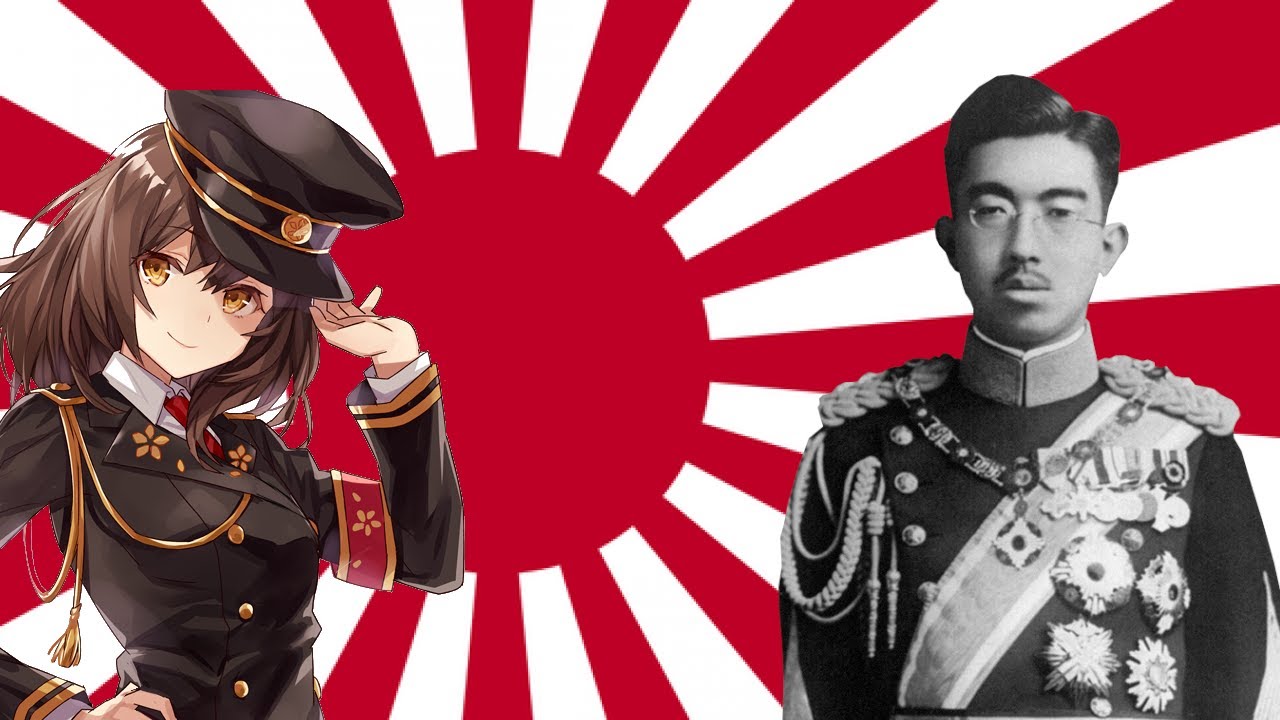
Have you ever wondered about the amazing destiny of Japan? It is a beautiful country with a centuries-old history whose multifaceted aesthetic is admired by many.
Then let me ask you, are you sure you know this particular Japan? Or are you just wearing rose-colored glasses? Let's get to the bottom of this.
Let's go back to the early 20th century. The Civil War and the Meiji Restoration are behind us, modernization is in full swing, so successful that Japan will be able to compete with the European "mastodons" for the next 40 years. Having embraced its new social institutions and technologies, it has also embraced imperialism, a contagion whose destructive nature leaves no one a chance, which is devastating to those around it as well as to the patient himself.
It ended deplorably: two nuclear mushrooms and a massive postwar famine, not to mention the lost colonies.
It would seem that Japan would repeat Germany's fate, but amazingly it not only managed not to repeat it, but also to become the main eastern ally of the United States.
Wtf?! How did this happen?! Very simple...
Anime is Japan's tool for fighting on the world stage and blowing dust in everyone's eyes.
You may think this is nonsense, but think about it. Anime and its accompanying Japanese culture are like hypnotic propaganda, they impose on fans a certain image of Japan that the Japanese government wants to see. Not as an aggressor, but as a misguided friend of the Western world that has been wrong for 50 years, but has now changed. It is now a non-aggressive, developed country with a pop culture of anime. It is this cartoon animation that makes us all think so. FYI, very few people were persecuted and lustrated in Japan after World War II, of course this was primarily due to the need to contain the USSR, but things are a little different now.
The new Japan with anime has become a global cultural hegemon. If you are reading this article, it means that you, like me and many others, have fallen into the net of the damned Japanese. Anime has infiltrated everything from billboards to toys to virtual performers. It has even infiltrated our intimate lives. My God, I've watched so much hentai, read so much. I already remember many of the authors by name!
Finally, anime is a drug that the Japanese government is trying to make us consume. One day we watch anime, the next day we dress up in a dress and put cat ears on our heads and after that we will live in the world of Blade Runner.
I'm afraid it's too late to change things, but we must warn future generations against this plague in the name of human freedom and independence!
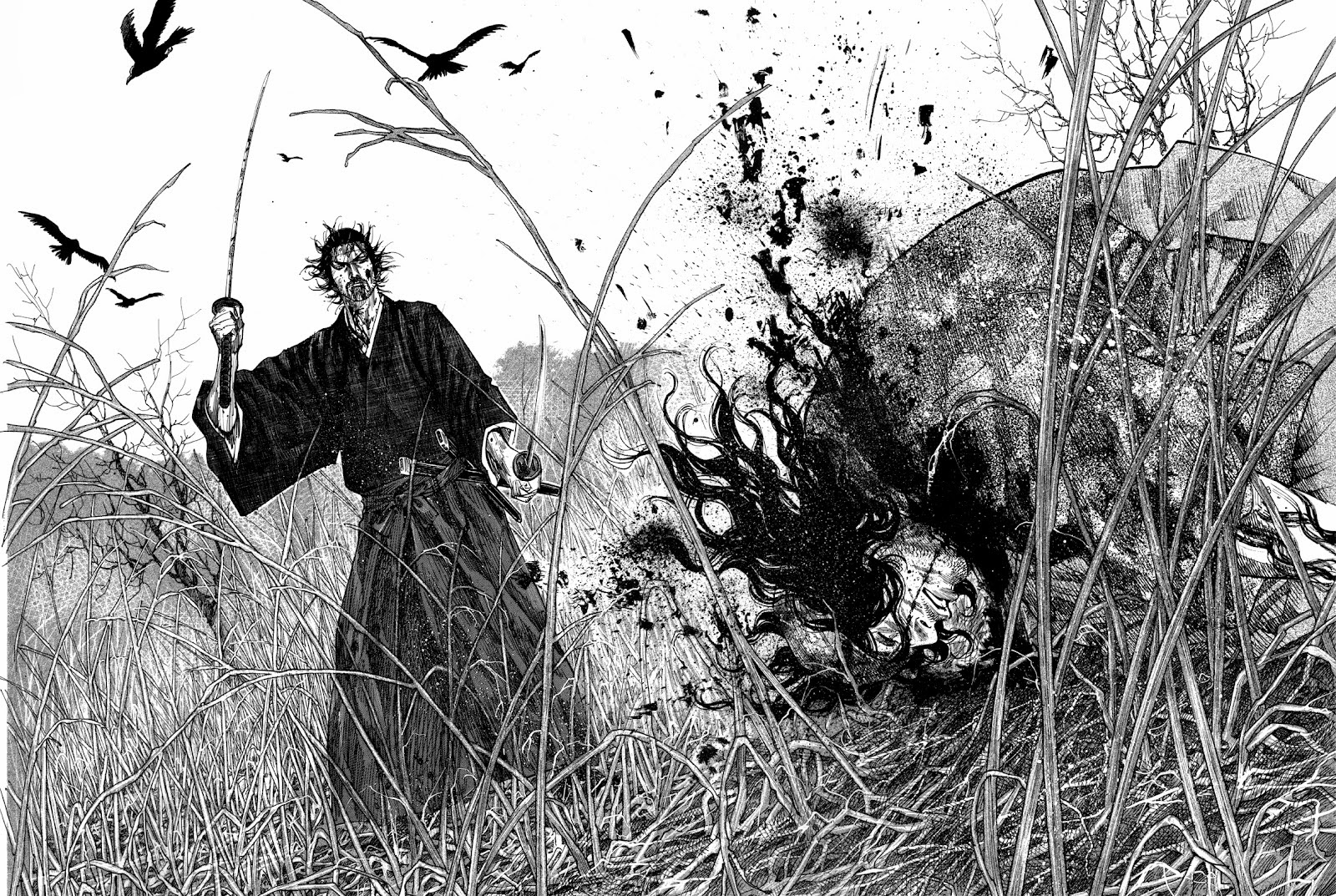
Why you should read Vagabond
Hey you, yeah, you, I'm talking to you. Have you read Vagabond? No?! Then let me tell you why you should!
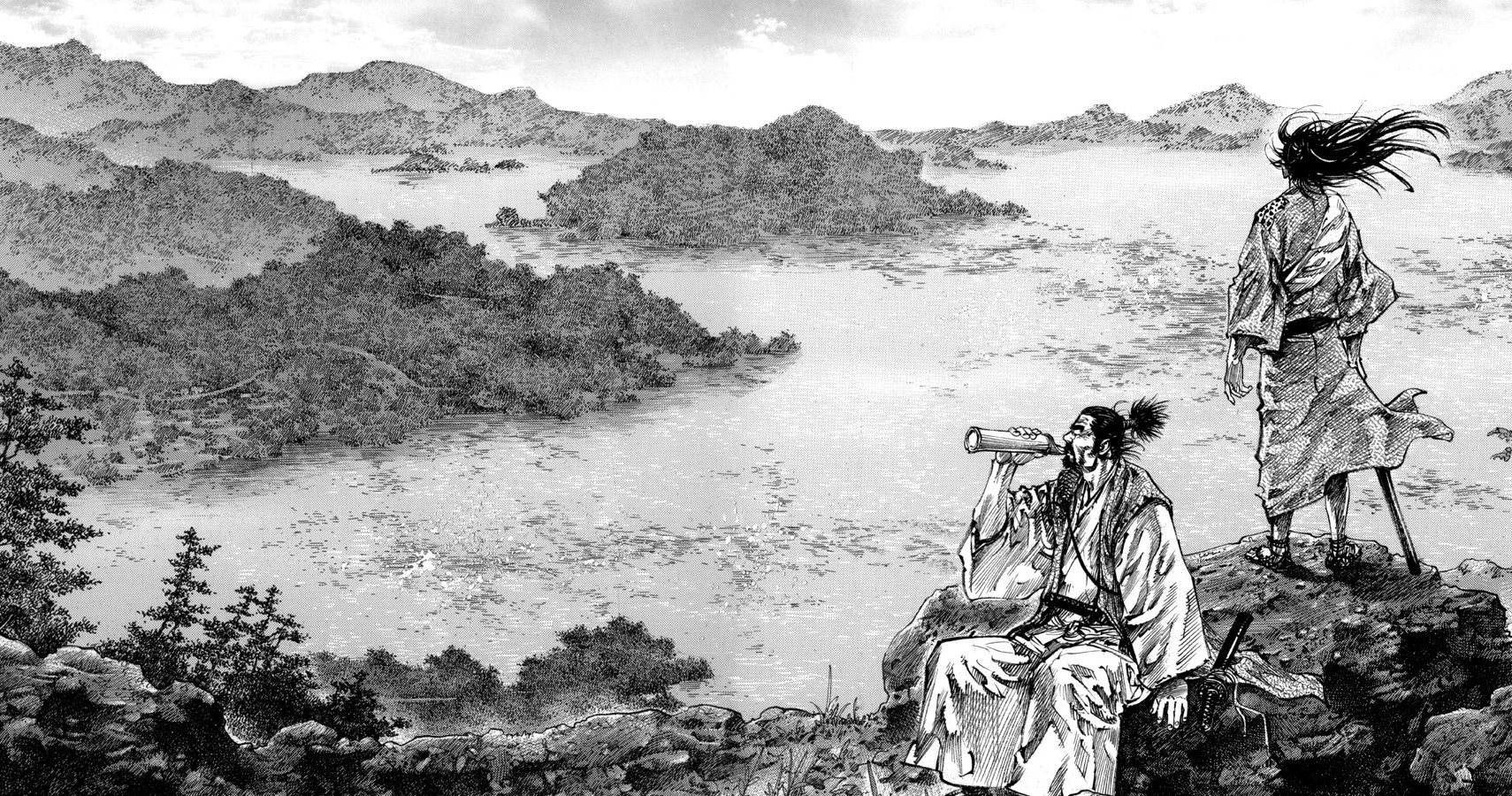
Vagabond is a manga based on the novel by Eiji Yoshikawa about the life of the swordsman Miyamoto Musashi, drawn by Takehiko Inoue. Here's a summary if you're interested.
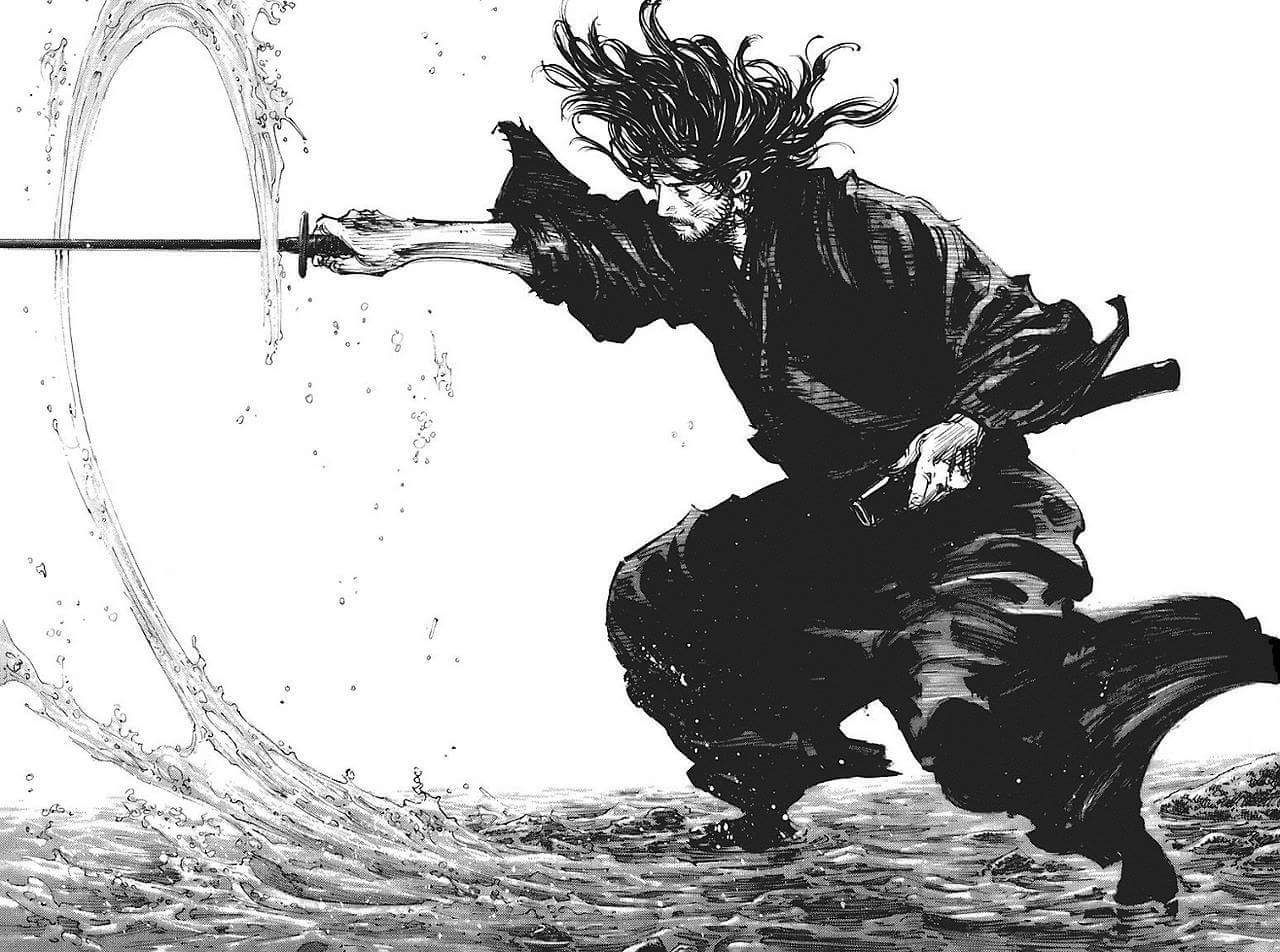
Well, this manga is amazing. The secret of her cuntishness is simple. It has incredibly beautiful drawings, a stylish setting of medieval Japan, interesting characters, and most importantly, the main character is a real historical figure.
Miyamoto devotes his life to the eternal path, slicing sashimi from his enemies for the sake of perfecting his katana wielding skills. He's cool, very cool, and the fact that he destroys crowds of people solely because of his skill, while being a perfectly ordinary mortal man, makes you empathize with him even more.
Anyway, go ahead and read this fucking manga and don't say it's bad, if you don't like it, I, I don't know, will take offense at you. That's it (ಠ╭╮ಠ).
I wish everyone else a pleasant reading (づ。◕‿‿◕。)づ
10 anime filled with ideas and philosophy
Many of us love watching anime. Why? There are different reasons for each of us. Some watch it to kill time, some to relax with a beer, but there are also those who see anime not just as cartoons, but as a real work of art with unique ideas, concepts, and philosophies.
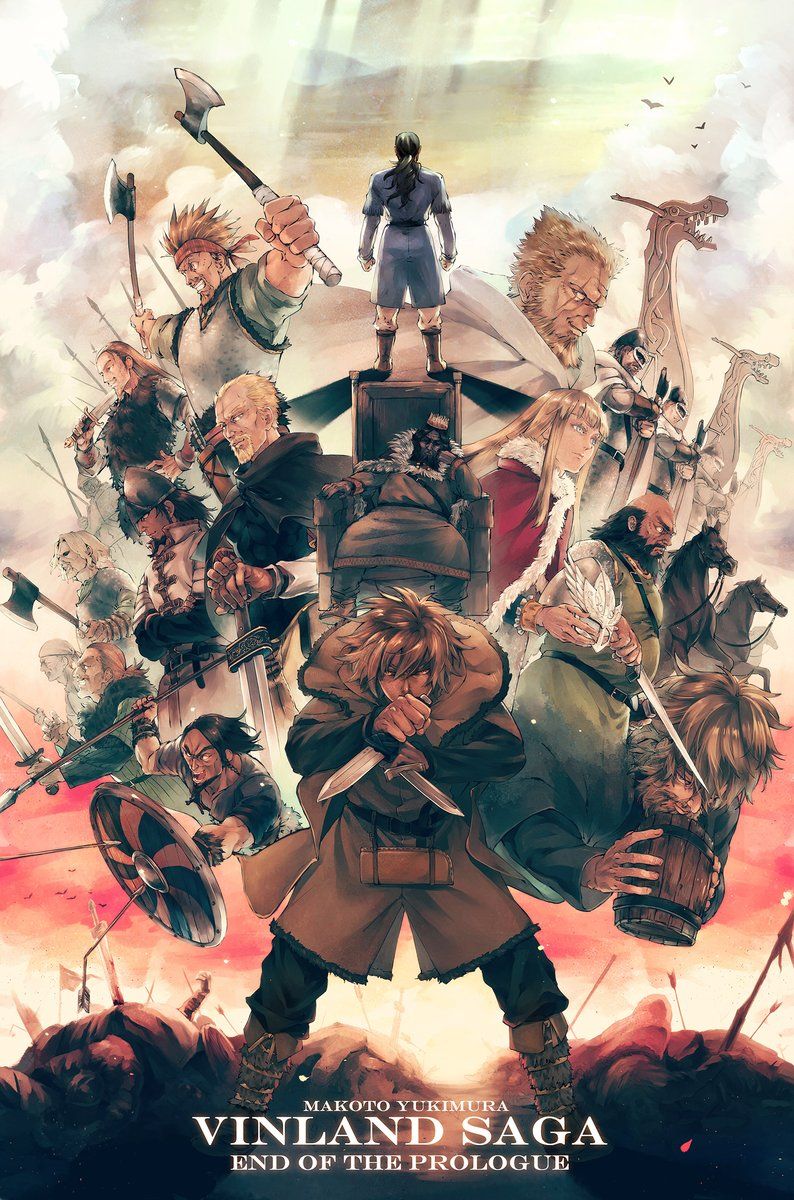
10) Vinland Saga
Introduced to viewers in 2019, Vinland managed to collect a huge amount of positive feedback from critics and viewers. Viewers loved the story of the wanderings of a young Viking obsessed with revenge for his father and his journey to accept his fate.
Makoto Yukimura didn't just describe the story of a Viking in his work but showed the path a person must take to get rid of regrets and the burden of the past. The anime is based on the idea of a cycle of violence and revenge that brings only pain and suffering to those around you and yourself.
This anime is worth its time, if only because of the high quality of the animation and the excellent presentation that does not make you bored.
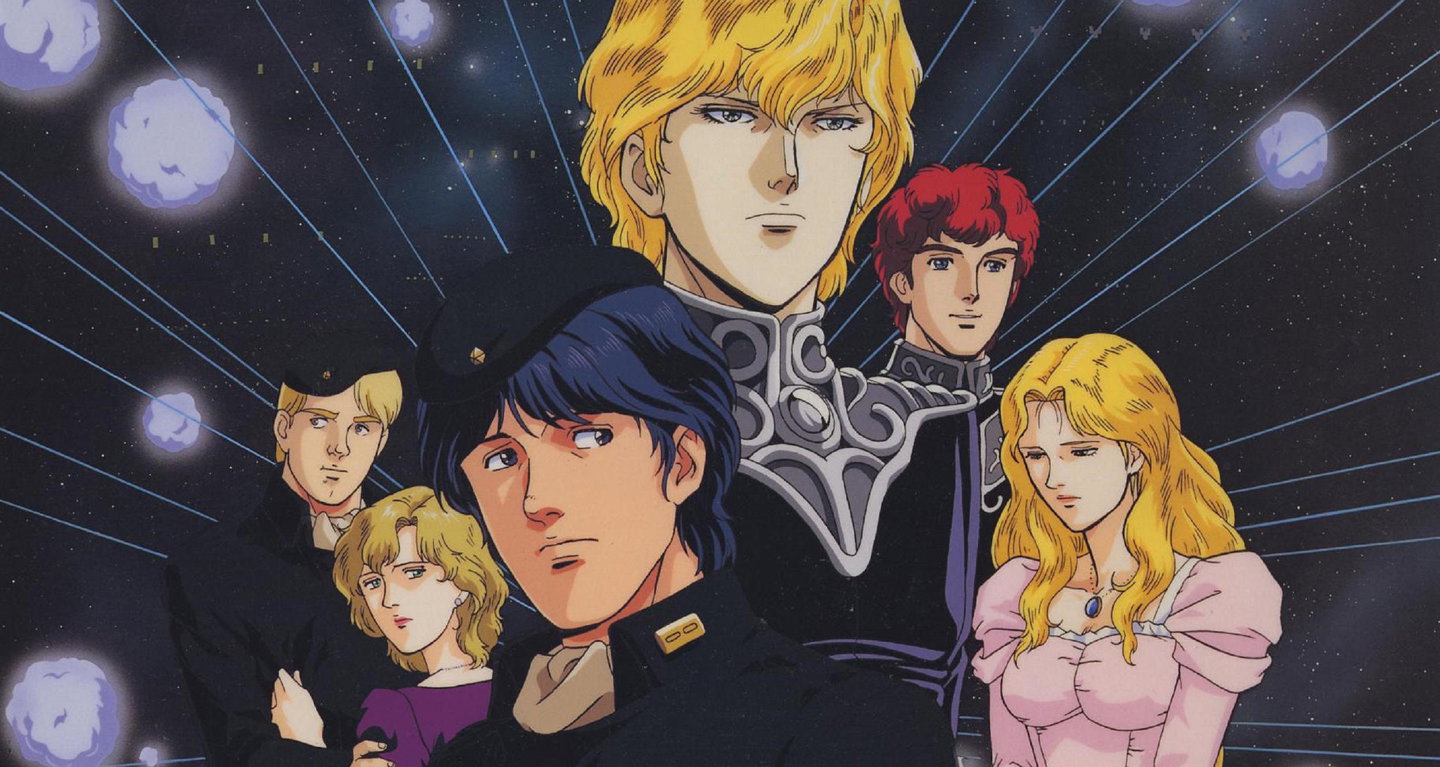
9) Legend of Galactic Heroes
Have you ever wanted to see the world of Star Wars if G.R.R. Martin had written it? If so, I have good news for you, because it exists.
This anime is based on Yoshiki Tanaka's 1982-1987 series of novels. The main characters are Reinhard von Lohengram and Yang Wen-li. Both are talented and promising admirals, but with different motives and views on life and character, they achieve their goals in completely different ways, and fate throws them into completely amazing events.
In this anime, the viewer is struck by the number of thoughts and ideas of the author. From the criticism of different forms of government to the analogies with the great generals of the past, whose fate is repeated by some of the main characters.
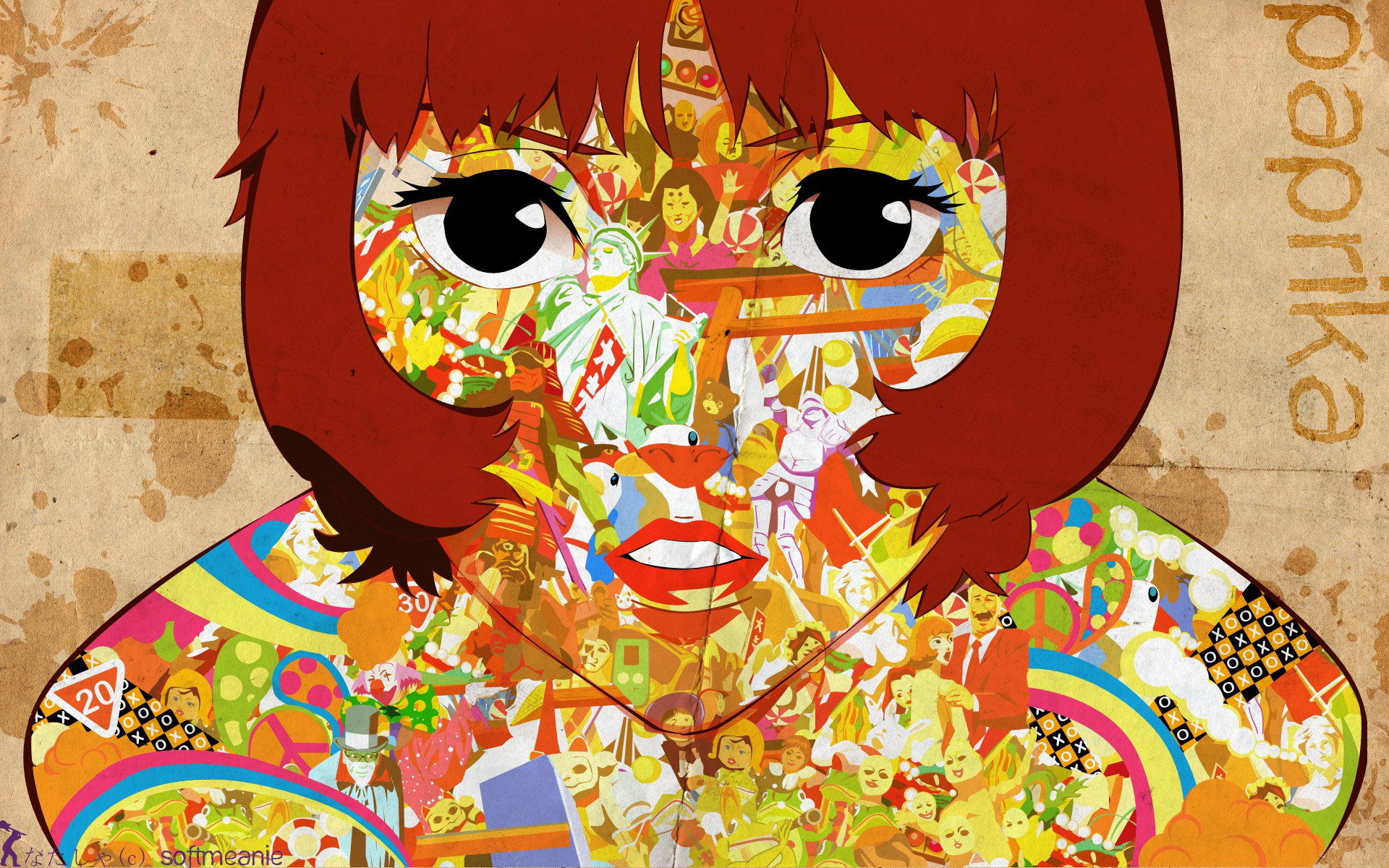
8) Paprika
I think this is one of those anime that after watching it you wonder, What the hell was that?
Paprika is an anime about psychology and detective investigations, with psychology taking up most of the plot.
The anime is about a female psychiatrist who researches dreams and works with a team of scientists to create a device that allows you to go into a controlled sleep, but due to the inattention of the scientists the device is stolen, leading to a series of events that threaten the residents of an entire city.
The main idea of "Paprika" is the visualization of dreams and the experiences that are reflected in them, and the madness and chaos of what is happening on the screen unwittingly plunges the viewer into a kind of delirium.
7) Gurren Lagann
I think after the aforementioned anime you might be wondering."What is Gurren Lagann doing here?! This is a selection of serious anime, not children's cartoons!" Maybe not, but if you've watched it at least once, you'll realize that behind the vivid imagery and action is a gripping plot and characters you can't help but love, and most importantly, it has the right idea .
The story is about two main characters, Simon and Kamina, who live in dirty underground and narrow tunnels and dream of something more than just living all their lives under the dark vaults of the caves, and one day their wish comes true.
Gurren Laggan mostly teaches willpower, self-improvement and personal development, which the author was able to demonstrate flawlessly through the example of the main character, Simon.
6) Devilman: Crybaby
Brutality. Despair. Tears.
These are the three words that came to my mind after watching Devilman. This anime is unprincipled in what it shows. It will make you feel with the characters their pain, fear and despair that comes over you like an avalanche throughout the film.
I won't tell you the plot, but I will tell you one thing. You will be amazed, and you should applaud the way it manages to show the darkest corners of human nature and expose the human masks behind which the real monsters are hiding.
5) Agent Paranoia
Agent Paranoia may not be the most famous anime, especially in the psychological thriller genre, but that doesn't make it any less remarkable.
The plot of the anime revolves around a very strange and somewhat mystical crime. One night a young girl is attacked by a boy wearing gold roller skates and holding a gold curved bat. The police do not believe that some schoolboy could commit such an attack, but soon new victims emerge, and the police have to take up this strange investigation.
Watching the anime, you may wonder what is true and what is fiction. It's not really a detective anime, but an anime about people and how they live their lives and deal with their problems, both physical and psychological, which are really not that bad if you get hit in the face with a metal baseball bat
4) Jin-Roh: The Wolf Brigade
Can a wolf become a man?
An alternate post-war Japan. Instability and chaos reign in the country. Terrorist organizations are appearing, ready to challenge the government, but to counter this threat the government creates special armored units of special forces "Cerberus", ready to unconditionally follow orders and destroy anyone who gets in their way. The protagonist Kazuki Fuse is one of these special forces. He is presented as a cold, lonely and unemotional man who obeys orders without question until one incident occurs. This event turns Fuse's life upside down, and he wonders. "Why am I doing this?"
In this anime you can trace an analogy to the fairy tale of Little Red Riding Hood, only in this story the main character is a wolf. A wolf who wants to become human.
3) **Monster**
This is the case when the monster from fairy tales turns out to be more charismatic than the knight in shining armor.
Tenma, a young and talented Japanese doctor, works in a private clinic in Düsseldorf. He has a promising future--a beautiful fiancée whose son-in-law is the director of the clinic, a talent that allows him to be the best neurosurgeon in his clinic. A happy and cloudless future awaits him, but one day a boy is brought to the clinic with a bullet in his head. Dr. Tenma is going to operate, but the director demands that he operate on the local mayor instead of the boy. The hero goes against this decision and still does the boy's surgery, but the mayor dies. After that, the life of the protagonist goes downhill, but thanks to the mysterious death of the director he manages not only to return, but also to become the director of the clinic himself. However, Tenma soon learns the terrible truth about the boy he saved. He saved not an ordinary boy, but a monster.
This story reveals many ideas throughout the series, but its main idea is a rethinking of the Hippocratic Oath. If human lives are priceless, is it possible to save the one who takes them?
2) Ergo Proxy.
A post-apocalyptic future. People are forced to live under protective domes because the environment is polluted and people cannot survive in it without protective equipment. The city of Romdo is home to humans and AutoReivs, androids created to serve humans, but things in this little world are not going as well as we would like. The autoroids are afflicted with the Cogito virus, which causes them to go insane and commit a series of murders. Inspector Re-L Meyer sets out to investigate these incidents, and as she investigates, she realizes that the government is hiding a terrible secret.
While watching, it is hard not to notice the gigantic number of references, coded phrases and words, allusions and parallels. As an example, the government in "Romdo" is an example of the ideal state described by Plato, and one episode of the anime directly refers to John Everett Millais' painting "Ophelia"
1) Berserk
Berserk is one of the most famous and iconic anime of our time. Its contribution to world culture cannot be overlooked, and many famous authors have taken inspiration from it.
The plot of "Berserk" is the story of two different people who, by the will of fate, meet each other. One of them is Griffith - the leader of a mercenary squad, a talented man in every way, who has all the necessary qualities to realize his ambitions. The other is Guts, someone who was born against fate from a dead woman, someone who has been fighting fate itself all his life for his life. Being people with very different destinies, they become friends, which makes them walk the difficult path from simple soldiers of fortune to heroes of the kingdom. However, it is not the man himself who decides his destiny, for he is not even in control of his will.
The search for self and the journey from slave to leader is the most obvious of the many themes raised in Berserk. For example, Griffith's image echoes in many ways the image of the superhuman created by Friedrich Nietzsche, and the confrontation between man and destiny is what has at all times inspired many people to do great things. That's why Berserk fans love Guts so much.
 @Saigon