 @RasifR
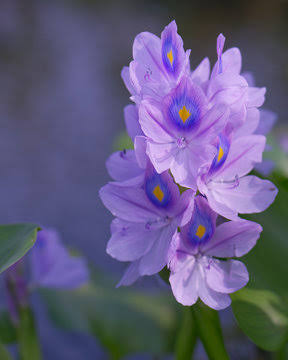
Water hyacinth is one of the most noxious weeds in tropical and subtropical regions, and many attempts have been made to eliminate or control it (see Environmental impact below). Harnessing its considerable productivity is considered as a sustainable and possibly less expensive method of control. Water hyacinth can be used as a vegetable, fodder, green manure, compost and mulch for soil improvement. Much research has been devoted to its use as a feed material for many classes of livestock. In South-East Asia, integrated fish-pig-water hyacinth farming systems have been developed in order to increase global animal production: water hyacinths grown in fish ponds have higher nutritive value (higher protein content) and can be fed to fish and pigs in different forms. Fish and pig manures fertilize fish ponds and provide nutrients to water hyacinth (Yang Huazhu et al., 2001). Animals are usually fed the aerial part (leaves and stems without the roots) or only the leaves, but sometimes the whole plant (root included) is used. Water haycinth can be fed fresh, ensiled or dried but many other processes are used or have been tried, including cooking and fermentation . What do you think about water hyacinths?
No comments yet