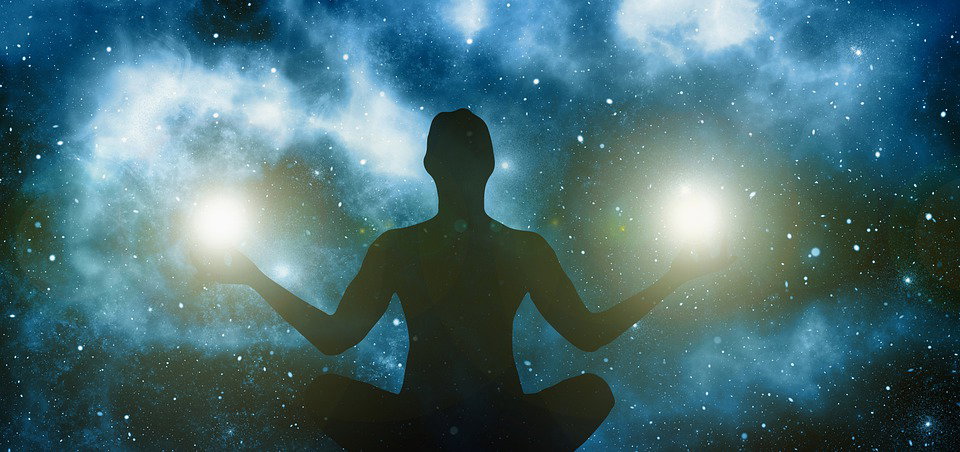
Near Death Experience (NDE)
A near death experience, also known as an NDE, is a phenomenon that has been reported by many people who have come close to death, either through a medical emergency, accident, or other traumatic event. These experiences often involve a sense of peace and spiritual enlightenment, as well as the perception of leaving the body and traveling through a tunnel or other spiritual realm.
There are many different theories about the nature of near death experiences, and some people believe that they provide evidence of an afterlife or a spiritual realm beyond physical death. Others view them as a psychological response to extreme stress or as a result of brain activity during a near-death event.
One of the most common features of near death experiences is the sense of peace and serenity that many people report feeling. This can be accompanied by a feeling of being separated from the body and the physical world, and may include the perception of traveling through a tunnel or other spiritual realm.
Many people who have had near death experiences also report having spiritual or mystical experiences, such as encounters with deceased loved ones, a feeling of oneness with the universe, or a sense of being guided by a higher power. These experiences can be very powerful and transformative, and may lead people to reassess their priorities and values in life.
There is still much that we do not understand about near death experiences, and research on the subject is ongoing. Some studies have suggested that these experiences may be related to changes in brain activity that occur during a near-death event, while others have pointed to the role of psychological and cultural factors.
Despite the lack of scientific consensus on the nature of near death experiences, many people who have had these experiences report that they have had a profound impact on their lives, helping them to find meaning and purpose and to live more fully in the present moment.
The Feeling Of Unconditional Love At Near Death Experience
One common theme reported by many people who have had near death experiences is the feeling of unconditional love. This may take the form of a sense of being surrounded by a loving, caring presence, or a feeling of being completely accepted and valued for who they are.
For some people, the experience of unconditional love during a near death experience can be incredibly transformative, helping them to let go of fear, anger, or other negative emotions and to embrace a sense of peace and acceptance.
There are several theories about why the feeling of unconditional love is often reported during near death experiences. Some researchers believe that it may be related to changes in brain activity or the release of certain chemicals in the body during a near-death event. Others believe that it may be a result of a person's spiritual or religious beliefs, or that it may be a universal human experience that is independent of specific beliefs or cultural contexts.
Regardless of the underlying cause, the experience of unconditional love during a near death experience can be a powerful and life-changing event for many people. It may lead them to reexamine their relationships and priorities, and to focus on cultivating love and compassion in their daily lives.
Life Changing After Coming Back From Death
For many people, the experience of coming back from death or a near death experience can be a life-changing event. It may lead them to reassess their priorities and values, and to make significant changes in their lives.
One common theme reported by people who have survived a near death experience is a sense of newfound appreciation for life. They may feel more grateful for the people and experiences in their lives, and may be more motivated to make the most of their time on earth.
Many people who have survived a near death experience also report feeling a greater sense of purpose and meaning in life. They may feel that they have been given a second chance, and may be more motivated to make a positive impact in the world.
In some cases, the experience of coming back from death may lead people to make significant changes in their lives, such as quitting a job, ending a relationship, or moving to a new location. These changes can be difficult, but for many people, they are necessary in order to live a more fulfilling and authentic life.
Overall, the experience of coming back from death or a near death experience can be a powerful and transformative event that has the potential to change a person's life in significant ways. It may lead them to reassess their priorities and values, and to make changes that bring greater meaning and fulfillment to their lives.
Conclusion
In conclusion, near death experiences are a phenomenon that has been reported by many people who have come close to death. These experiences often involve a sense of peace, spiritual enlightenment, and the perception of leaving the body and traveling through a tunnel or other spiritual realm. While the nature of near death experiences is still not fully understood, they have been reported by people of all ages and cultures, and many people who have had these experiences report that they have had a profound impact on their lives. The experience of unconditional love and a newfound appreciation for life are common themes among those who have survived a near death experience, and these experiences may lead people to make significant changes in their lives in order to live more fully and authentically.
Thank you for reading.
Motivational Speakers As Influencers To Your Success
If you're looking for inspiration, you could do a lot worse than turning to motivational speakers. These speakers – whether they're celebrities, business people, or experts in a certain field – share their stories and offer advice on how to achieve success. Whether it's setting goals, working hard, or taking the time to enjoy life, these speakers have something to say that can help you achieve your goals.
Motivation speakers are a valuable resource for anyone looking to be successful. Motivation speakers provide a platform and an audience to help people achieve their goals and dreams. Motivation speakers share their own experiences, insights, and techniques to help audiences reach their fullest potential. As a result, audience members leave inspired and motivated to take action and achieve their goals.
How Motivation Speakers Influence People To Be Successful
Motivation speakers are the ideal resources for any number of purposes. People can use them to inspire themselves or others, break through difficult situations, cure health problems and addictions, motivate children with specific behaviors or roles in their lives, help people reach money goals and more.
In a typical motivational speech, the speaker generally revolves around one or more of these emphases:
The importance of self-esteem and inner confidence. This may go over traditional content on how to gain strength through goal seeking by focusing on behaviors that reduce risk for things such as drug use, crime, depression etc., which could be immediately relevant to an audience member considering his/her own behavior.
A well known example is Tony Robbins' book "Awaken the Giant Within". In his book, Robbins has broken down each of these points into steps anyone can follow to gain self confidence. - The importance of personal growth and self exploration. Using the tools, techniques and experience that people have gained in their lives to get beyond obstacles you may find yourself on your way to true happiness or perhaps more importantly, fulfillment.
The Impact Of Motivation On Your Future
Motivation can have a significant impact on your future success. If you want to achieve anything in life, you need to have the right motivation. It isn’t easy, and there are a lot of people who claim that it is. However, the truth is that motivation is something that you have to work on every day. There are certain people who seem to be naturally motivated, but that isn’t the case for everyone. In fact, if you’re not constantly working on your motivation, it will eventually fade away and leave you behind. That’s why it is important to have a solid plan for getting motivated and staying motivated throughout your entire journey in life.
**Where to Begin?**
The first key step to reaching your goals is being motivated. The rest will then gradually follow, as you move forward with your plans and continue moving towards that you are aiming for in life. Don’t let any tiny detail stop you from launching yourself into orbit – no matter how small it may seem like at the time! With this understanding, using motivation as a means of achieving success can become much simpler for you to handle during your life as well. The secret is recognizing the type of motivation that will work best for your goals, daily habits and personality.
Plus, you should also choose the motivation that will appeal to you more today than it did yesterday. Hence, you need to make changes in both yourself and the goals you want to become successful. The operative word here is “continuously”, as how else would you be able reach your ultimate goal today than by making a habit of positive changes and gradually progressing towards it?
You can either take one step at a time, or find ways that help you with motivation on daily basis. All in all, this will be the key to reaching your goal, instead of merely thinking about it once or twice a year.
Should You Listen To Motivational Speakers, Rather Than Yourself
Self-doubt is one of the biggest barriers to reaching your goals. It's natural to feel overwhelmed and discouraged at times, but that doesn't mean you have to give up on your dreams. Instead, turn to motivational speakers for inspiration and guidance. These experts have successfully led successful lives, and can share their insights and advice to help you reach your goals. By listening to these speakers, you can learn how to motivate yourself and stay on track, no matter what obstacles come your way.
There is a wide variety of motivational speakers available. Check out these top four motivational speakers to help you stay on track to achieving your dreams:
**Tony Robbins**
Tony Robbins is the world's leading business speaker. His speeches help inspire his audiences to take risks and reach their goals through the power of personal responsibility. Robbins encourages his audiences to live a life of passion and purpose, regardless of what obstacles may come along the way. Robbins has a wide variety of business-related and life-related goals, so finding the right inspirational speaker for you will be easy.
**Les Brown**
Les Brown's message is simple: keep moving forward. Brown is known for his positive and uplifting style of speaking. His motivational talks encourage his audiences to believe that anything is possible. Brown is able to inspire his audiences to believe that, by moving forward and staying positive, they will be able to achieve their goals.
**Eric Thomas**
Eric Thomas is a motivational speaker who provides talks on a wide variety of subjects. His talks are fun and upbeat, and encourage audiences to believe in themselves. Thomas' talks are inspiring and motivating, and he is known to help people overcome any self-doubt they may be experiencing. Thomas has a successful speaking career, and has spoken all over the world.
**Richard Branson**
Richard Branson is one of the most famous businessmen in the world. His speeches are known for their positive and uplifting style. Branson speaks to audiences about breaking the boundaries of what is currently believed to be possible, and the incredible journeys his companies have taken to get to where they are today. Branson shares his success stories and encourages audiences to follow their dreams and reach for the stars.
Finding the right inspirational speaker can be difficult as there is a large selection of motivational speakers. There are many different types of motivational speakers, who each offer a different inspirational style. To find a motivational speaker you are comfortable with, search online for a variety of motivational speakers. You can find speakers that share your interests, and that offer talks in a variety of different styles.
By finding the right motivational speaker, you can take control of your life and get rid of any negative self-doubt that holds you back.
Thank you for reading.
Negative Consequences Of Perfectionism And How To Deal With It
There's a lot of discussion surrounding perfectionism - what it is, how to deal with it, and whether or not it's a good thing. In this post, we'll take a closer look at what perfectionism is, and help you understand whether or not it's a good trait to have. We'll also explore some of the negative consequences of being too caught up in achieving perfection, and provide tips on how to deal with perfectionism in a healthy way.
What Is Perfectionism?
Perfectionism in its most basic form, is the pursuit of excellence. It is an innate quality that pushes us to do our best, and it can be a great asset when it comes to achieving our goals. However, there is a darker side to perfectionism that can have serious consequences for our mental and physical health. When we are constantly driven to achieve the perfect outcome, it can lead to anxiety, stress, and over-work. These negative effects can have a debilitating impact on our overall well-being, and can even prevent us from reaching our full potential.
Is Perfectionism A Good Trait To Have?
Perfectionism, in some sense, can be seen as a good trait to have. After all, it's one of the driving forces that leads us to achieve our goals. However, in the context of relationships and life in general, it can be detrimental. When we are driven by the need to be perfect, we may become overwhelmed and frustrated when things don't go according to plan. We may also become critical of ourselves, which can lead to depression and anxiety. In short, perfectionism can be a double-edged sword.
On the one hand, some people see perfectionism as a sign of hard work and dedication. On the other hand, others see it as a way to put unnecessary pressure on oneself, and end up suffering in the long run. The truth is that it's up to each individual to decide whether or not they see perfectionism as a good trait. The important thing is that you're aware of the negative effects it can have on your life, and learn how to deal with it in a healthy way.
Negative Consequences Of Perfectionism
Perfectionism has a negative impact on both our mental and physical health. It can lead to anxiety, stress, and even depression. Studies have also shown that people who are excessively perfectionistic tend to have lower self-esteem, are more prone to rumination, and are more likely to develop eating disorders. In addition, they are also less likely to be successful in their professional and personal lives because they tend to put too much emphasis on their mistakes and shortcomings.
Even though perfectionism can contribute to a lower quality of life, it is still difficult to overcome. Those who are trying their best to improve should not get discouraged by the fact that they fail or succeed less than those around them. Instead, they should take this deeper personal insight in stride and continue striving towards achieving greater accomplishments moving forward – just as with all other aspects of our lives!
There are countless ways to work on overcoming perfectionism and improving one’s quality of life. The most important thing is to start by identifying the source of the problem, and then make a commitment to practicing self-compassion and resilience in order to successfully overcome it.
How To Deal With Perfectionism In A Healthy Way?
Perfectionism, or the need to be perfect, can be a tough habit to break. But, with a little bit of effort and guidance, you can learn how to deal with perfectionism in a healthy way. Be aware that there’s no such thing as a perfect product, person, or anything else in life. Accept that you are not perfect and work towards improving your skills instead of dwelling on your imperfection.
Also, keep in mind that perfectionism is a learned behavior and can be unlearned. So start by identifying the perfectionism triggers in your life and then working on replacing them with more productive behaviors. With these simple tips in mind, you can start living a more fulfilling and successful life!
**Recognize the triggers for perfectionism in your life.**
Some common triggers for perfectionism in people's lives include feeling overwhelmed, not being complete or satisfied with initial efforts, fearing failure, and trying to achieve an unrealistic goal. Regardless of their form, the common behavioral pattern for someone with perfectionism is that they expect everything to go well and are highly critical. This can make it difficult to let go on anything short of stellar results!
Perhaps one aspect of being a human being isn't so great and that is perfectionism. Almost everyone can relate to the feeling of not being good enough, whether it's your work or a sports team. Being too critical has negative effects on our ability to move forward in life and gets us into setbacks easily due to overthinking mundane tasks.
**Awareness**
The first step towards breaking free from perfectionism tendencies involves accepting the fact that you are perfectly imperfect human beings who often slip up with random or perfectionist tendencies. We see them in ourselves sometimes but we also see them as behaviors from others who have done this before us, and by nature might continue.
The second step is learning to accept that you might fall short of your goals from time to time. This doesn’t mean that you’re a failure, it just means that sometimes you don’t achieve things as quickly as you would like to.
The third step is trying to understand why your perfectionism tendencies exist and what triggers them in particular. At times we may be perfectionistic because we feel like we need to be perfect in order to feel good about ourselves. At other times, we may be perfectionistic because we have a hard time believing that we can make mistakes and that is okay.
All of this will eventually lead to an awareness that we are all fallible human beings and that everyone, even perfectionists, makes mistakes occasionally. That's why you need to be careful not instantly jump into the mess! If a mistake occurs it doesn't make you innately hopeless but just means your efforts have started offstage in front of thousands already performing there perfectly.
**Conclusion**
Perfectionism is a crippling mental disorder that can have a negative impact on our lives in so many ways. From constantly striving for the "perfect" version of ourselves, to continuously setting high standards for ourselves and others, perfectionism can be incredibly draining and take a toll on our mental and physical well-being.
Fortunately, there are ways to overcome perfectionism and start living life to the fullest by recognizing when it's creeping into our thoughts and taking action to address it. We hope that this blog was able to provide you with some helpful insights on the perils of perfectionism, and how to overcome it. Do let us know your thoughts in the comments below!
Different Types Of Stories And How To Write Them
Stories are powerful tools that can engage audiences and inspire action. They can also be used to teach, entertain, and motivate. The ability to tell a compelling story is essential to success in today's competitive world. Storytelling has become a key part of our lives. In fact, it's estimated that over 90% of the information we consume comes from other people through stories. As such, storytelling is now a critical skill for anyone who wants to succeed in any aspects of their lives.
A good story, when properly executed, can draw an audience in and make them crave more information. Even better, a good story can inspire individuals to take action in support of a cause, movement or belief. Unfortunately, many people don't have the skill set needed to create a story. However, anyone can tell a story. With a few basic tools, you can craft your own story and use it to accomplish almost anything.
Different Types Of Stories
There are three different types of stories:
**Fiction uses story to entertain.**
**Non-fiction uses story to educate.**
**Marketing uses story to motivate.**
Fiction uses story to entertain. Most fiction stories are made up lies, rather than historical facts. Although there are no facts, fiction allows you to use elements such as characters, dialogue, scenes, etc. to bring your story to life.
Non-fiction uses story to educate. Non-fiction stories are stories based on facts. The events may have actually happened, rather than being fictional. Non-fiction stories are often used to teach, guide or explain something, for example how to live a healthy lifestyle.
Marketing uses story to motivate. Unlike fiction and non-fiction stories, marketing stories are almost always focused on one specific message. Instead of being entertaining or educating, these stories are meant to motivate readers, viewers or listeners to take some kind of action.
How To Create Your Own Story
The first step to creating your own story is to decide what kind of story you want to tell. In other words, what problem do you want to solve with your story?
You may be called upon to solve many different problems throughout your life. A story can be used to address any problem, from relationship issues to workplace problems to environmental issues. The key is to find the problem that is the most important to you and to tailor your story to address that problem.
For example, if the issue you want to address is relationship problems, your story might focus on a couple that overcome difficulties to get back together. If the issue is workplace problems, your story might address a worker who gets fired and then rises up the corporate ladder. The topic of your story should reflect the issue that is most meaningful to you.
Next, you need to decide on the format of your story. There are three basic ways to organize a story:
**Point of view:** First Person. Speaking in the first person can make your story more interesting. It's easy to relate to a story from the first person, as the reader/viewer is using the same experiences and knowledge as the character in the story. In other words, the reader/viewer can imagine themselves in the story.
**Time:** Using a specific time frame can help you capture the reader's attention. It can also allow you to logically break the story into sections.
**Space:** Using a specific place can lend an air of realism to your story. It can also help you expand the story in later sections.
Now that you have a topic, issue or problem, a format and a basic idea of how you want your story to flow, it's time to start creating your story. There are two basic ways to do this:
**Brainstorming:** In brainstorming, you write down everything that comes to mind about your story. It's okay if the ideas aren't fully developed. That's what brainstorming is for. The point is to give yourself creative freedom and to avoid forcing ideas into the story.
**Plotting:** In plotting, you decide what you want your story to look like. You then write down a detailed outline of the story, connecting the events, ideas and characters together. Plotting is a step by step process and it's important to stay focused. If you try to do too much at once, you may end up with a story that is confusing and hard to follow.
Your final product is a story that you can share with others. Once you are done, you can write your story down, sell it, show it, or keep it to yourself.
That's it for today. I hope it was useful if you want to write a story.
Thank you for reading.
Being Independent In Different Perspectives
The word independence is often used to describe someone who is not dependent on other people, but this is not always the case. One can be independent of a particular person or event without being independent of everything else. Independence can sometimes be achieved by being dependent on one's own abilities and talents, which enables them to live their life in the way they want. This can also mean having enough money and resources to be able to live comfortably without depending on others for help. In in the English language, the definitions of independence are vague and change depending on context. Independence can also be used to describe someone who has achieved a high level of self-sufficiency and autonomy. When someone is independent, it does not necessarily mean that they have no need for other people.
Not Relying On Other People
A lot of people are feeling overwhelmed by how much they have to do in their lives and they don't know how they're going to be able to get everything done. The reality is that we shouldn't rely on other people for our needs and wants. We should be able to take care of them ourselves, or at the very least, do something about them ourselves. If we rely on other people to do everything for us, we will have very little control over our own lives.
When we rely on other people, it often means that we are allowing ourselves to be taken advantage of. If you're not careful, you might wind up in a position where someone else is calling the shots in your life. This could be your parent, your partner, your boss, or even a friend. It can be very easy to fall into a bad routine of depending on someone else for so many things in your life, and we often don't even realize how dependent we are.
It's also important to recognize that we tend to depend on people that we don't even know very well. We tend to think of them as being "nice" or "helpful" to us, when in reality, they are just taking advantage of our good nature. It can actually be dangerous to rely on people you don't know very well, because you might wind up in a situation where someone else can hurt you. Even if someone treats you badly while relying on them, you'll still be at fault, because you were the one who gave them permission to do it.
People who are responsible for our well-being should be people that we trust, and who we know will always look out for our best interests. We shouldn't allow anyone else to take on the responsibility of looking out for us, unless they are willing to do so.
Being Independent By Depending On Our Abilities And Talents
In our day to day lives, we often rely on our physical talents to get us through the day. We rely on our own ability to use our bodies to earn money, or to simply get through a day without injury or harm. We rely on our own ability to think critically and process information, to analyze a situation and solve problems, to create a perfect work of art, or to do almost anything we set our minds to. Our mental abilities are what enable us to interact with the world, and make it more understandable.
Our mental abilities are what make up our personalities, and without them, we wouldn't be able to function in society at all. If your main abilities are in science, engineering, or mathematics, you should value that in ourselves. We shouldn't rely on luck, or on the circumstances around us to enable us to thrive and succeed. It's up to us to make the most of what we have, which includes our mental resources. If one is talented and capable, they should be given opportunities to use those talents, and not be suppressed by society. They should use that talent to be able to create art, create music, sing, act, or to do almost anything else they so desire.
Having Our Own Opinions And Not Relying On Other People's Opinions
It's important to think for ourselves. We shouldn't rely on other people to think for us. We should have the right to think for ourselves and make our own choices about things, and not have them made for us by others. This is especially true when it comes to our opinions on controversial topics. It's also important to be able to express our own opinions, even if they are unpopular or different than what other people believe. This is a right that should be protected in all cultures, and people should be discouraged from suppressing or prohibiting others from expressing their own opinions.
We should think about what we're willing to give up to follow the opinions and beliefs of others. If you're sacrificing your own beliefs and opinions to what others think, you're giving up a lot of yourself. You're allowing other people to determine your beliefs, and you're allowing others to determine what you think. This is a big sacrifice to make for other people. We should think about whether we really want to do this, or whether we're happy giving up our own identity and autonomy for the identity and autonomy of others.
Having The Inherent Right To Take Care Of Ourselves
We tend to think of personal responsibility in a negative way. We think of it as something that we're not entitled to, rather than an inherent right that we should be able to take advantage of. We think of personal responsibility as "recovering from our mistakes." The reality is that personal responsibility is something we have an inherent right to, not something we have to endure.
We need to start thinking of personal responsibility in a much more positive way. We need to start thinking of personal responsibility as the right and ability to take care of ourselves. When we start thinking of personal responsibility in this way, we are able to recognize and take advantage of our own abilities. This is the first step to being self-sufficient, and it's the first step towards becoming the kind of person we want to be.
Thank you for reading.
Treating Your Dreams And Aspirations
How often do you dream about something and then forget about it? Or maybe you've had a dream or goal in mind for years, but never got around to pursuing it. If you want to achieve anything great in life, you'll need to believe in yourself and follow through on your dreams.
Many people don't realize that they can manifest their dreams into reality. They spend their time daydreaming and fantasizing about things they'd love to accomplish. But instead of focusing on those thoughts, they should focus on taking action towards achieving them.
It's important to focus your energy on what you want. You don't want to waste time dreaming about what you would like to happen in life, and then constantly second guess yourself. You need to believe in yourself and confidently pursue your dreams.
Your Dreams As A Child And A Brief Review On Them
You are the sum of your past experiences. Your dreams are the ideas, beliefs, and thoughts which you have acquired from your parents and your own personal experiences. Your dreams are what has shaped you into the person you are today.
When you were a child, your dreams were purely imaginary, nebulous, and without substance. You created worlds and characters in which you acted without limits. These worlds and characters were a reflection of your own desires, and nothing more. You simply wished for things which never actually happened.
As you became older, however, your dreams began to take a concrete form. You began to think more about the future, and started to wonder what it would be like to live in a luxury house, drive a luxury car, or even higher, more extreme dreams. Whatever they may have been, they were all part of your childlike mindset, and they slowly became more real as you thought about what they would be like to have or be.
As you became a teenager, you started noticing the world around you. You started to examine the world through different lenses, and your dreams started to take more of a reality check. It didn't matter what your dreams were anymore, because you were going to have to start dealing with the real world. Your dreams were about to become a lot more real than you ever imagined. You were about to become a lot more responsible.
Pursue Your Dreams
One of the most important aspects of pursuing your dreams is learning the mindset required for it. You need to be proactive and not reactive.
The first step to changing your mindset is to begin tracking your progress towards your dreams. This way, you can see where you've come from, where you're going, and what obstacles might get in your way. You need to make an honest assessment of your current position, and decide where you want to be in the future.
Once you've set your destination, it's time to chart a course. You'll need to decide what actions lead towards you getting there. Does that mean doing everything on your own? Does it mean cooperating with others to make things happen? You need to decide for yourself how much control you have over your life, and how to use that control to the best of your advantage.
There are many aspects to pursuing your dreams. You may already be doing some things, but have no idea what other things you could be doing to move towards your goal. Learning what those other things are, and learning how to do them, is essential to successfully pursuing your dreams.
You have unlimited potential. You possess all of the natural and learned skills required to be successful. There is nothing preventing you from achieving your goals, except yourself.
Manifest Your Dreams
You may have thought of your dreams as something indistinct and impossible. But you know you want to do something with your life. You know you want to make something of your life. You are going to have to start taking action towards those dreams, no matter how impossible they seem. You are going to have to start actively working towards making them a reality.
Your dreams are going to become much more real than they have ever been before. You are going to have to decide what dreams you want, and how you are going to go about manifesting them. How do you manifest your dreams? How do you take action towards making your dreams a reality?
There are many ways in which you can go about your daily life to help you manifest your dreams. You can choose to focus on how you act to help you achieve your goals. You can choose to focus on the actions you take to help you avoid pitfalls and obstacles. Or perhaps you focus on the actions you take to help you get what you want. No matter which path you choose to follow, however, you are going to have to decide what your priorities are.
Treat Your Dreams Seriously
Your dreams are what make you who you are, and they are the things which motivate you to succeed. Without them, you would probably be a mindless existence, going through the motions of life, being content with whatever comes your way. If you don't take your dreams seriously, however, you will never make any progress towards them. You need to treat your dreams as actual, physical things that you are going to accomplish.
If you don't treat them as such, you will never get very far. Dreaming is an important part of the creative process, and part of what makes you who you are. You can't ignore your dreams, or push them to the background. All you are doing is setting yourself up to fail. You need to recognize and make use of them.
To Wrap It Up
Your dreams are a part of you, and they are the driving force behind you getting up in the morning, and staying up at night. You need to take them seriously. You don't need to give up on your dreams simply because they seem impossible. You need to start taking action towards them. You need to start figuring out how you are going to make them happen, and how you are going to get from here to there. Your dreams need to become something that are physical, and something that you can work towards. No longer are they something vague and without substance, something which is purely imaginary and which you are simply told to follow. Your dreams are real things, and you need to start dealing with them in that way. Only then will you be able to start making them a reality.
Thank you for reading.
Forget Convenience And Start To Experience
Living our lives in todays' world is way too convenient despite all the obstacles and hardships we face every day. Life can be tough sometimes and we all try to find the way how we could make our lives just a little bit easier. Just to save some time and energy after a busy day.
Convenience is always in our minds when it comes to living our lives but have you ever thought what if you can actually go ahead and do all those things yourself, what you would just have them done by other people for you. Yes it would most probably be a lot of work for you, and definitely would not be a time and energy saving activity, but here is where the experience comes into place.
You don't know how you could feel until you try. So why not try doing things yourself, because after all, you want to start to experience the satisfaction that comes with completing the tasks, that you would get done by a service otherwise. Would you groom your dog? Would you go out and look for a specific product you are after and spend a half a day looking for it in different shops, instead of just simply order it online? Would you make your own cappuccino at home, instead of having one in a café?
If you answered yes to any of these questions, then you definitely want to give it a go, because you want to start experiencing the fun, that comes with doing things yourself. Life is too short and there is so much for you to experience, so why not start to experience the little things in life? Don't let convenience rule your life, start living it!
Experience Over Convenience
Living a life without any of the convenience that you have grown to depend upon is way too hard. Think about it, in a world where convenience is just a click away, how would you have the time and energy to do all the things that you want to do? And yes it might seem like a very small thing but that's because it is and that's why you should give it a try now doesn't it?
The next time you are about to make a decision, think about how you couldn't live without the convenience that comes along with it. Then think about how much you would miss out on if you skipped that convenience. Think about how it would affect your life if you decided not to have that quick and easy cappuccino that you've been craving all day. Think about how much you would miss out on the fun if you didn't try that new experience that you have always wanted to have. Just think about it.
Then think about the fact that you are already missing out on so many of these experiences and you've had them taken away from you already. Experiencing different things means, that you do something new, you try out something, that you have never done or seen before. By doing that, you are giving up on the convenience.
Convenience might be there, but you definitely want to start experiencing the fun and the satisfaction that comes with it. Stop just living for your daily routine, start living for the every day!
Having A Sense Of Satisfaction
You want to feel like you really accomplished something in your life, no matter how small it might seem to be. You want a sense of satisfaction that comes from doing a task right, from knowing that you put in the effort to complete it. You want to experience the joy of success! You want to know that you are capable of completing all the things that you put your mind to.
You do not want to feel like you are a helpless and worthless individual, who doesn't have a single thing that they can do to make their lives better. You want to experience the pride that you get when someone actually recognizes your ability to do something. You want to know that you are worth your own value and that you are actually worth something. You want to feel like you have a sense of value and that other people see you as an individual worth being acknowledged and being spoken to.
Yes, there is the possibility that you might fail, but that is a part of life and part of the experience. If that happens, just learn from your mistakes and try again. If that doesn't work out, then try something else. But never give up on yourself, and on the value that you actually have.
Giving Up On Convenience
There are so many things in life that make your day go by so much smoother, if only you rely on the convenience that is provided for you. There are so many things that you can actually do yourself, that will save you time and give you a sense of accomplishment. Stop living your life just passing on the opportunities that are given to you, because you lack the motivation or the energy to do so. You lack the will to make an effort and do the things that are within your limits. You lack the strength to pick yourself back up when you fall. And you definitely lack the desire to do so.
Living life is not something you should take lightly. You should live every day as if it were your last. You should never take the value of your life for granted. You should never stop chasing your dreams and never stop exploring the world around you. All of these things are not coming with convenience, but with experiences. You need to start actively seeking out these experiences, and try to make them a part of your life. Experiencing different things not only makes you more active, but also makes you happier and gives you a sense of satisfaction that can't be gotten from just being a couch potato all day long.
What Does Convenience Take Away From Us?
We all need to start thinking about the things that we take for granted everyday. Convenience takes away from us a lot of valuable things in life. We need to start seeking out different experiences so that we can get back the satisfaction that we lose when we choose convenience.
Why should we choose experience over convenience? Because life lasts for a limited amount of time, and we need to do things when we have the time and the opportunity. There are so many things that we can do for ourselves that don't take much effort, at all. But the value that we get out of them is immeasurable. By choosing to rely on convenience, we are limiting ourselves to what we can do, and therefore what we can experience.
The next time you feel like giving up on yourself, give in to the desire to live a more active and satisfying life. Try out new things, go after your dreams, do not let convenience take away new experiences from you. You will feel so much better when you actually feel like you have accomplished something, instead of just existing.
Let go of the chains of convenience. Embrace the freedom of the choices that you have made. Experience the satisfaction that you deserve to have. And live life to the fullest, because it will never happen again.
Thank you for reading.


How Is It Like To Be A Digital Nomad
The world is filled with dreamers who travel the globe in search of adventure, discovering hidden gems, and participating in international cultures. A digital nomad, on the other hand, is a person who spends most of their time working online in order to earn an income. Digital nomads are also known as remote workers, freelancers, independent workers, and work from anywhere.
A good digital nomad is skilled in many different fields, including mobile app development, web design, digital content creation, and programming. Digital nomads are well-traveled, world-savvy, and have an entrepreneurial bent. They may live anywhere in the world, but they prefer remote work and self-employment locations. They take advantage of the flexibility and freedom that the Internet and modern technology afford to work at a pace and in a location that suits them.
Being Independent As A Digital Nomad
A digital nomad needs to be self-sufficient in order to work anywhere in the world. They don't need a big paycheck and a house to survive. They only need a fast internet connection. When they first start out as a digital nomad, it can be overwhelming and hard to keep up with the many online resources that can help them become a successful one. The following are a few of the most well-known and helpful online resources for digital nomads.
**- Remote Working**
For digital nomads, working remotely is extremely helpful. They can work at a pace that is comfortable to them, in a location that they feel comfortable in, and at any time of day. This can be very rewarding and flexible.
**- Freelance Folder**
A great resource for freelancers, independent contractors, and those who just need help in creating a work-from-home space, Freelance Folder can help them find freelance work, and even start their own business. They have articles, how-to videos, workbooks, and a great community of freelance workers and entrepreneurs.
**- Nomad List**
If they're looking for a place to connect with other digital nomads, Nomad List might be their best bet. Founded by a group of remote workers from all over the world, Nomad List is a place for members to post job opportunities, collaborate on projects, and chat in a safe and friendly environment.
**- The Global Digital Nomads Meetup**
(GDNM) is a community of digital nomads. Meetups take place in various cities around the world. They are a great way to connect with other remote workers for friendship and networking. They can also join in the conversation on remote working in the many remote working communities on social media sites. These are great places to get their questions answered and build their own career as a digital nomad.
Having Their Own Schedule
A digital nomad must be able to adapt their schedule in order to work. They need to be able to find a good balance between working and making time for travel, leisure, and hobbies. This can be very challenging for those who are used to having a set schedule and routine. While many workers enjoy this type of predictability and structure, as a digital nomad, they must embrace the fact that their schedule will be more flexible. Even so, it can be hard to find the time and motivation to work as a freelancer or work remotely as a remote worker. It takes a lot of planning and self-motivation to make it work.
**The following are steps that can help them when it comes to scheduling, self-motivation, and planning for a remote working career.**
- Being well-traveled is one of the main requirements for a successful digital nomad. They need to be able to navigate their way around unfamiliar places and work independently when they arrive.
- They must be able to maintain their social life while working remotely. They can't rely solely on their friends and family for social interactions.
- They must be able to find work online since freelancing is most likely their main source of income as a digital nomad.
- They must be well-versed in the many online resources that can help them with their work as a remote worker.
- They must be able to create a work space wherever they decide to go. A room in their house or apartment, a friend's living room, a café, or a hotel room can work just as well.
Enjoying More Freedom Than They Ever Imagined
Even as they struggle with all of these requirements, many digital nomads still find the freedom and adventure that they were looking for when they first started out. It is a lifestyle that allows them to travel, work, and live anywhere in the world at any given time. It is a lifestyle that allows them to take more risks and have more experiences, than they ever thought possible.
They can live anywhere they want, do almost anything they put their mind to, and take advantage of the many opportunities that their flexible schedule affords them. If given the opportunity, many digital nomads may even choose to settle down in one place, and start a full-time business or work on their career.
This is their story. This is their nomadic lifestyle. Can you imagine yourself as a digital nomad? Would you enjoy that lifestyle?
To Wrap It Up
The digital nomad lifestyle requires a certain level of independence and self-motivation to work remotely and travel from place to place. They must be willing to give up a set schedule in order to embrace the freedom and flexibility that is part of this lifestyle. However, it is not impossible to succeed as a digital nomad. It just takes some hard work, determination, and a little luck to get started.
Thank you for reading.
Cherophobia: An Irrational Fear Of Happiness
While many people might think that fear of happiness seems silly, for some it's a very real and debilitating phobia. Cherophobia can manifest itself in many ways, such as an aversion to Christmas or other holidays, parties, and other social events. Those with the phobia may also feel uncomfortable when others are enjoying themselves or display an exaggerated response to good news.
It is an irrational fear of fun or happiness. It is a real and growing phenomenon. The advent of social media and the constant need for people to project an image of perfection has driven some to seek refuge in misery. In a world where "no one understands me" and "I'm just not happy" are popular statuses, it's no wonder that cherophobia is becoming more common. But there is hope. With a little self-awareness and understanding, it is possible to overcome this fear and become ourselves again.
Finding The Source Of Cherophobia
This fear can lead to depression, social withdrawal, and other problems. People with cherophobia may begin to isolate themselves for fear of letting others in. The only way to overcome this fear and accept ourselves again is to start exposing ourselves to the things that make us happy. One step at a time.
In order to take the first step towards overcoming cherophobia, it is important to understand the source of your phobia. What makes you feel the way that you feel? While some people may find certain activities scary or uncomfortable, others may feel anxious when they don't have control over something.
If you are having an anxiety attack, you may be having a reaction to a situation that makes you feel powerless. This is called an anxiety attack. Another thing to consider is your personality. Do you feel more fear when you are in the presence of others, or do you feel more fear alone? Where do you feel most comfortable and able to be yourself? These are all questions you can ask yourself to find the source of your cherophobia.
Once you have identified the source of your cherophobia, you can start to deal with it. To do this, you are going to have to get to know your own fears. Once you feel fear, you can start to understand it, learn to recognize it, and start to expose yourself to the things that make you feel it. In time, this fear will start to subside, and you will feel more comfortable in your own skin. This process of exposing yourself to your fears and learning to live with them can be a very long one, and it may take years to completely overcome your cherophobia. But, with the right mindset and a little self-awareness, you can get there.
What Are The Symptoms Of Cherophobia?
Those with cherophobia may experience a variety of symptoms, including anxiety, worry, panic attacks, and other mental health disorders. One of the most common symptoms of cherophobia is anxiety. Anxiety is a common disorder, and can be a serious medical concern. Those with anxiety constantly worry about things, and are often on high-alert. They are also often exceptionally fearful. Those with cherophobia tend to have a heightened level of anxiety, and this is likely to increase in the presence of fear.
Cherophobia may also cause panic attacks. Panic attacks are a sudden, intense feeling of fear that causes extreme physical symptoms. This is a serious medical condition, and should be treated by a medical professional. Those with cherophobia may also develop an intense feeling of dread. This feeling is separate from the physical symptoms of the disorder, and may cause them to occur without warning.
Finally, some people with cherophobia may suffer from depression. People with depression often feel empty, hopeless, or helpless. They may also have a great deal of trouble accomplishing daily tasks. While depression is a serious mental illness, it is treatable. It can often be managed with therapy, medication, or a combination of both.
Expose Yourself To Your Fears
Exposing yourself to your fears can be very helpful for those with cherophobia. By forcing yourself to do things that you would normally avoid, you will begin to feel more comfortable in your own skin, and you may even start to feel some joy in the process. You can also help those around you by being more accepting of others. Exposing yourself to others, especially those you see as "perfect", can make you feel better about yourself. It may also lead to more acceptance from others, in turn leading to a happier you.
Of course, there are risks to this. By exposing yourself to others, you may become depressed or anxious. While this is a possibility, you may also have a good time. When dealing with cherophobia, you may be inclined to isolate yourself. This is not a good idea. Surrounding yourself with people on a regular basis can help you feel better, even if it's just a little.
With the right mindset, you can expose yourself to your fears without damaging your self-esteem or your relationships. You may worry that others will see you as a "weakling", but that is not true. While you may be afraid of rejection, this is a natural part of growing. Learning to accept your fears and yourself will make you a stronger person.
You may also worry that others won't understand you, or that they'll judge you. While you may be right to be apprehensive, you are only human. Other people may judge you. That is a part of being human. Learning to accept that others will judge you can make you a stronger, more mature you.
How Can You Prevent Cherophobia?
If you are concerned about developing cherophobia, there are a few things you can do to help prevent it. The first is to have self-awareness. By being self-aware, you are more likely to identify symptoms of cherophobia, and you will be better at dealing with them.
Second, you should be honest with yourself. Cherophobia is a fear, and like all fears, it can make you do strange things. You may try to avoid situations that make you feel cherophobic. This is not a good idea, as this will make it more difficult to deal with cherophobia. Instead, you should take a good look at what causes your cherophobia, and work to expose yourself to those things.
You may also want to practice self-care. This is not just for those with cherophobia, but for anyone who is feeling down, anxious, or depressed. Many people use self-care to treat mental illnesses, but it can also help you maintain your mental health. This may include things like meditation, journaling, or spending time with friends and family. With a little self-awareness and practice, you can prevent and overcome cherophobia.
Thank you for reading.
Observe, Learn, Understand And Appreciate The Nature Around Us
In the hustle and bustle of our hectic lives, sometimes it's easy to forget to take a step back and observe the natural world around us. But if we take the time to do so, we can learn a great deal about our surroundings and ourselves.
Mother Nature is an ingenious artist. From the tiniest of creatures to the mightiest of beasts, she has put together an incredible show, that never fails to inspire wonder in all who behold it. And for those who take the time to observe her work more closely, she offers a never-ending wealth of knowledge and understanding. Her handiwork is on display all around us, if only we take the time to look.
Observe
To walk in the world with our eyes wide open and to notice all that is around us, even the smallest things, that may not be noticeable or meaningful to others, is to appreciate all that we have been given. If we look carefully, we can feel much richer than we are. Here I don't mean wealth in material terms.
Everything that surrounds us is for us. Everything we see is tangible. Ours, created for us, to make life sustainable. All we have to do is notice this, stop for a moment and reflect on the wonderful things we are blessed with every day.
If we can appreciate and accept all of this, we are already richer for it. Like an experience of watching the sunrise or the sunset. Whether it's riding the waves of the sea or sitting on a riverbank on a summer afternoon, listening to the birds singing overhead.
We may not know exactly why we have all this, until we take the time to learn more about them. If we knew more, if we studied the nature, flora and fauna around us more deeply, we might see it differently the next time we go for a walk.
Learn
Learning has been part of our lives for centuries. An educated person always sees the world differently. They are different from people who were lazy to learn. They have made something of themselves in life, because they have gained more experience.
People who have studied biology or science about nature don't need to be told how nature works. The layman simply goes out into nature to enjoy it. Don't get me wrong, that's a wonderful thing, but if we are aware of what is happening out there and how nature works, how we live our daily lives in it, then I'm sure we would experience what we experience every day while we are out there differently.
Because day after day we might walk by the same place, see the same thing and think nothing has changed, if that's even what we think. In fact, I think that many things have happened to allow life to continue. We might be surprised at how important the smallest insects are that we think are pests and if we saw a few of them in the kitchen we would squash them. I believe that they all have their role to play and are key to sustaining life.
Understand
The natural world can be a beautiful and calming place. It's also a great place for learning and discovery. Understanding nature around us can help us to better understand the world and our place in it.
Plants and trees for example, have always been an important part of our lives. They provide us with food, oxygen, and shade. Not to mention, they are aesthetically pleasing to look at. Plants are integral for our survival. They improve air quality, reduce noise levels, and help conserve energy.
When we learn about plants, we gain a better understanding of our own world. We learn about the history and evolution of our planet. We come to realize that most of the species on Earth are in perfect harmony with one another. The balance of nature can be an accurate reflection of our own balance of power and responsibility as human beings.
The Earth is full of mysteries and secrets. Plants are a big part of those mysteries. If we really want to be better human beings, we should look deeper into the world around us, through the eyes of our senses. Only then can we truly appreciate our natural world, and learn to love and respect it. The purpose of science is to help human beings understand and explain the natural world around them. We are in the process of learning a lot about the world we live in. Each day, we come to understand new things. Each year, we make a little bit of progress.
Science is a never ending journey. As technology advances, we learn more about the world around us. I believe that there is so much we still don't know. Plants are one of those mysteries. Each tiny piece of knowledge about them is a piece of the puzzle. Once we put all the pieces together, we will be able to understand our natural world better than we have in the past.
Appreciate
One of the first steps to appreciating the nature around us is to know what you we appreciating. What makes us appreciate a tree? Maybe it is the shade it provides from the heat of the Sun, or the way its leaves mirror the movements of the wind. Nature is all around us. It is within us. It is in the air we breathe.
There are many ways to connect with the natural world. There are many things you can do to enjoy and preserve the environment. It is important to make time to appreciate the natural world around us. We don't have to go out and trek across some exotic location to do it. We can do it anywhere, with any time we have. The natural world is something we should want to be a part of. We never know when we will need the things we learn.
Learn to use what you have in your surroundings. The natural world is full of opportunities to be creative. You might learn a new skill, or figure out a way to make something out of nothing. You might come across a new species of plant or animal. Who knows what you will find? If you are willing to look, you are sure to find something that you can use. The natural world is an incredible source of inspiration.
It offers us a way to escape from the problems of the world. It offers us a way to be a part of something bigger than ourselves. The natural world is both mysterious and fascinating. It is full of beauty, and wonder. You just need to open your eyes and your ears to it. You just need to look and listen. And then, you will find everything around you amazing. You will find value in every single thing in the world. And, that will make everything better.
Thank you for reading.
Fast Food Vs. Hearty Home Cooked Meals
There's no doubt that in your fast paced world, the convenience of grabbing a quick meal is appealing. And while fast food options used to be mostly unhealthy, there are now some decent choices. So what's the better choice for your health and your wallet?
There are pros and cons to both fast food and hearty home cooked meals. Fast food is easy to get, typically affordable, and doesn't require any cooking skills. However, fast food is often unhealthy and can be high in calories. Hearty home cooked meals take more time to prepare, but they can be made healthy and low calorie by using fresh ingredients. They can also be cheaper than eating out at a restaurant. Ultimately, the best option depends on the person's preferences and goals.
**Let's look at fast food first. Is there any benefit of consuming this kind of food? If the answer is yes then what could they be?**
To be totally honest with you, I am personally against fast food. I avoid them when I can, however sometimes fast food can be an okay option if you're on a tight schedule. In our busy life there is not always time to cook at home especially weekdays. It is always good to have a backup when you need to feed your family on the go.
Most of fast food chains have started offering healthy options. The most popular one is probably Subway. Other popular chains like KFC and Pizza Hut now have healthier options and other lighter meals. The trick is finding the right one for you. For example, Subway can be expensive if you order two sandwiches or a wrap. However, if you order a larger meal you can eat more for lower cost.
Another benefit of fast food is if you're on a budget. The price of fast food is generally much lower, than a restaurant. Another benefit of fast food is that it is usually available at many places wherever you go you can easily find one. Of course there are cons. Many fast food items are high in fat and calories. It can also make you gain weight if you don't watch your portion size.
Fast food can also be expensive. It can add up to be a rather large amount if you eat there once or more a week. It is also hard to find a fast food place, that serves healthy options, especially in non-grocery districts.
So should you eat fast food? As I said it can be ok sometimes. It can be low on calories, affordable, and convenient. However, it is not the best choice if you are looking for healthy options. It is up to you to decide which is better in your opinion.
**Now let's look at home cooked meals. Is there any benefit of consuming this kind of food?**
I am a big fan of cooking at home even outside on open fire if I can. There are loads of benefits for home cooking besides it is way healthier. Cooking is enjoyable and not to mention, when you cook you shop your ingredients beforehand, so you know what is in your food. People say you are what you eat, so I do my best to eat as healthy as I can. You might spend more money on your shopping, but it is true to say, that you cook in larger amount, that can feed the whole family.
The other benefit is, that you make your meal according to your taste. You are in total control how you make it and how much you make. Another benefit is if you have time you can do batch cooking. Make several kinds of meals and freeze them. When you don't have time or you had a busy day or week and you are not in the mood for cooking, just pick something out of the freezer and your dinner is sorted for that evening.
It is convenient and saves you a lot of time and energy. That way you can have your dinner on your table in just minutes and it will be as fresh as you would have cooked it on that evening. You may have to prepare some additional bit and pieces, but that is not a major thing and it can be ready very quickly.
Of course there are cons as well. If you want to make your lunch or dinner from scratch it can be challenging. Nothing can be more demotivating, than when you open your fridge and you find it empty. And on top on that you have no idea what to cook. Is that familiar? I am sure it is. It happened to me before and honestly quiet often.
Preparing your own meal at home can be very time consuming. Especially when you have to go to the market or the grocery shop first. Preparation take a lot of time too before you actually start cooking. So you made a lot of effort starting with thinking about what to cook, then going to shop, then prepare your ingredients and finally cook. Then you realize, that you spent hours to provide the meal for your family and before you know it, it is all gone. But for sure nothing gives more pleasure, when you see your food you have prepared and cooked is all gone and you fed your family.
Thank you for reading.
Lead image source: Pexels
By Underestimating Yourself, You Only Hinder Your Own Success
The biggest barrier to success is often yourself. People don't achieve their goals, because they underestimate what they are capable of. Everyone has the ability to be successful, but most people never realize their full potential, because they give up too soon or hold themselves back. Self-doubt and a lack of confidence prevent people from reaching their goals. People need to believe in themselves in order to be successful. Believing in yourself is half the battle. You have to think positively and be willing to take risks.
Why Is Underestimating Yourself Bad For You In General?
People who underestimate themselves tend to have a pessimistic outlook on life, are more likely to be lonely, and tend to have less social connections. All of those things are linked to unhappiness and unhappiness is a leading cause of diseases.
Think about the last time you failed at something. How did you feel? What was your story? Some people feel like failures even if their goal was attainable. They feel like they "didn't try hard enough". They also feel like they are "weak" or "lazy" or "don't deserve better". These are all things you have to get rid of if you want to achieve your goals.
Failure is not the end of the world, and it is sometimes the best teacher. If you are struggling, don't think about giving up on yourself. Instead, think about what went wrong, how you could have done better, and what you will do differently next time. Sometimes it takes a failure to find a true path or to realize your own potential.
How do you feel about your goals? Do you have an over-optimistic view of yourself or are you realistic? Most people are too optimistic about themselves. They believe that things will go their way rather than things not going their way.
This can prevent people from being successful in situations where things might not go their way. You have to be willing to fail. Failure will happen, but the goal is to try and try again. It is also really important to surround yourself with people who are optimistic.
What Choice Would You Make?
You have two choices: you can choose to be negative thinking, or you can choose to believe in yourself. Your attitude and outlook on life will greatly determine your success or failure. You can have anything you want in life if you want it badly enough. You can choose to be a positive, optimistic, and "can do" person. You will succeed every time because your confidence will be the key to accomplishing any task.
Or you can choose to be a pessimist, defeatist, or a person who always fails. You will be unable to take advantage of any opportunity, and you will tend to suffer from a lack of confidence. The choice is up to you. You can be a person of action, or a person who just sits on the sidelines.
There is one thing to remember though, your attitude (or pessimism) determines your success, your attitude does not determine your fate. Your attitude determines what you choose to do, not what will happen to you. You are in control.
What Are Some Of The Signs That You're Underestimating Yourself?
You are afraid to ask for help. You don't trust other people and you don't value the help that they can give. You don't like being challenged. You are afraid of failure. You feel anxious around people you don't know. You are afraid of making a mistake. You hold back and don't like sharing your ideas or your thoughts. You have a desire to keep your ideas or thoughts to yourself. You have low self-confidence. You don't think you are good enough to get what you want in life.
All of these signs show, that you don't think you have what it takes. If you recognize any of these signs in yourself, you have to stop that behavior right now. You have to decide that you are going to start acting in a different way. If you are currently not doing any of these things, then you are just not trying hard enough. You are putting in too little effort to get what you want in life. You have been underestimating yourself and now it is time to end that.
How Can You Start To Change Your Mindset?
**Look At Your Past Successes**
One thing that you can do is to look at all the past success you've had in your life. Success is a mindset. It is your way of thinking that allows you to get what you want out of life. The way you see your past success is a good indicator of the way you see yourself. If you look back on past achievements and see how hard you've worked to get them, then you will start to think of yourself as someone who is worth the success that you've had.
You should also start recognizing the sources of your past success. What sets you apart from the people who did not succeed and why did you succeed where they failed? What habits do you have that helped you to succeed? Once you recognize the habits that lead to past success, you can start to incorporate them into your life so that you can continue to succeed.
**Take Action**
Taking action is the first step to changing your mindset. Instead of just thinking about the changes you want to make, you need to put your thoughts into actions. By taking action, you will start to believe that the thoughts you have are real. You will start to think that your mindset is a real, viable one. The next step is to start taking specific actions that will allow you to start to see the changes in your life.
**Don't Think About The Bad**
The first thing you should do is to stop thinking about the bad things that have happened in your life. People have a tendency to hold on to the past too tightly. When you think about the past, you start to lose sight of what is going on now. You start to get caught up in the past too much, dwelling on all of the things that went wrong in the past.
You have to start to forget about the past if you want to make a better future. You have to stop letting the past define you if you want to start living the life that you want. You should look at everything that has happened in your life so far.
Thank you for reading.
Turning An Idea Into A Real Business
You have an idea. It's brilliant, it's unique, and it's going to change the world. But how do you turn that idea into a real thing? It can be a daunting task, but it's not impossible.
Creating a product is hard. It's even harder when you have no idea where to start. That's why so many people never get off the ground. They come up with an idea and think it will take care of itself. But that's not how it works. You need a process, a system that you can follow so your ideas turn into something real.
In the world of business, there are countless entrepreneurs with lofty dreams of starting the next big thing. But for every one who makes it to the top, there are hundreds more who never get beyond that early idea stage. So what separates the successes from the also-rans? Turns out, a lot of it has to do with execution.
Coming Up With An Idea
If you're like most people, you've come up with dozens, if not hundreds of ideas in your lifetime. And not all of them turned out to be good ones. Coming up with an idea is only the first step. Turning that idea into a real, functioning business takes a tremendous amount of work. There are dozens of factors to consider: who are your competitors exactly and what do they offer that you can't? What sort of resources do you have at your disposal? What sort of market are you after?
Once you have all that sorted out, you need a plan for how to turn your idea into a product that people want to buy. The good news is that good ideas don't come that easy. Plenty of people have great ideas, but their ideas are sub-par because they don't do a thorough job of planning out the whole process.
But that's where the real work begins. You need to think about all the steps involved in creating your product, from deciding what you're going to make to how exactly you're going to sell it. There are plenty of great books and blogs out there on the subject, but if you're short on time, there are a few key things to keep in mind.
First of all, be realistic. Nobody is going to drop everything and follow you just because you have a great new idea. In order for your idea to be successful, you're going to need a whole lot of people on board with it.
Secondly, plan your process. If you start off by thinking, "I'm going to make a product, and people are going to buy it for $50,000 a piece," you're not going to end up with a very good plan. You need to consider all of the steps involved in making your product, from design to manufacturing to shipping. Each of these steps is just as crucial as the other steps if not more so.
Finally, be flexible. Business is brutal. Just because you did things a certain way last time doesn't mean you're locked into doing them that way this time. Things change, and if you don't keep your plan on track, your business will suffer.
Be Passionate About You Idea
You should be passionate about your idea. Not every idea is a good one, and yours might just be one of those "bad" ideas. But if it's a good one, you should be passionate about making it a reality. It doesn't have to be a passion that comes easy. In fact, it shouldn't. You should be working at it until your passion for the idea dies down. Why? Because passion leads to energy, and energy leads to work, and work leads to success.
Don't let passion become an excuse to "sleep on it" or take up something else, because you think you're more "talented" at something else. You were probably lucky to have had that idea, and you'll be luckier to have this one. Once you've decided that your idea is good, you need to determine what you're going to make.
What problem are you going to solve for your customers? What need are you trying to fill? What are your resources? Consider all of these things. Once you have a good understanding of what your idea is and what you need to do to make it a reality, you can begin working on your plan: a blueprint of sorts for your idea.
How To Know If Your Idea Is Any Good
Before you take it upon yourself to create the next Facebook or Twitter or whatever next big thing is out there, consider whether it's a good idea. Is it something that people want? Is there a market for it? Is it something that people would pay for? These are all questions you can ask yourself, and you can also consider others: your friends, your family, your coworkers. If no one you ask thinks that it's a good idea, maybe it's not.
If your idea is good but hasn't been done before, that's not a bad thing. But if you think of the hundreds of other things just like it that already exist, you may want to think again. Once you've evaluated your idea, you've got a better idea of whether it's a good one or not. Now you just need to take the next step: deciding how to make it a reality.
Final Thoughts
Now that you think your idea is good, you can start to think about making it a reality. You need to decide whether your idea is something that can be turned into a product, whether it's an innovation that people will want to pay for.
If it's the latter, you'll need a way to get people to pay for it, and you'll need to be comfortable with the business side of things: taxes, marketing, planning, and so on. If it's the former, you're going to need to build a product that people actually want.
Either way, you're going to need a plan. The more detailed the better. Otherwise, you'll end up in the same situation that hundreds of other entrepreneurs find themselves in: stuck.
Thank you for reading.
How Multitasking Helps Developing Your Focus In Life
Multitasking is a skill that almost everyone believes they have - the ability to juggle more than one task at a time and do them all well. And it is a skill that is in high demand, especially in this era of multitasking and constant distractions. What many people don't know, however, is that multitasking can be developed like any other skill.
Multitasking is one of the most efficient ways to get things done. However, for some people, it's a never-ending source of guilt and self-doubt. People often feel like they're not doing any task justice, because they're constantly bouncing between them. That said, it is possible to make multitasking work for you and develop better focus in life. You just need to be strategic about it.
What Is Multitasking?
Multitasking is the practice of engaging in two or more tasks simultaneously. While this can include everything from emailing and instant messaging to texting, watching TV and even doing your own laundry, the common element in all of these activities is that you're doing them while doing something else - or at least intending to do them at the same time.
However, multitasking can also involve switching between two or more tasks without giving adequate attention to either one. This is often the source of much stress and anxiety for those who practice it regularly. How effective you are at multitasking largely depends on the quality and quantity of the time and space you devote to each individual task. The first step for you to become a more effective multitasker is to understand the difference between effective and ineffective multitasking.
**What Is Effective Multitasking?**
In order to be more effective at multitasking, you first need to understand the concept of effective multitasking, also known by the acronym EM. Effective multitasking is a practice of switching rapidly between tasks in a way that allows you to give each individual task your full attention, while also allowing you to connect the dots between your tasks so that you have a sense of the larger whole. If you're really good at it, you don't even notice that you're doing it. It's just a natural part of how you operate.
**What Is Ineffective Multitasking?**
In contrast, ineffective multitasking can be described as the opposite of effective multitasking. As the name suggests, it involves the doing of several things at once. However, you're not making full use of your time and resources, and as a result, the quality of work you produce suffers. In other words, it's a haphazard use of time and energy.
This often occurs when there are too many distractions and interruptions to pay attention to, which can prevent you from doing a task that needs your undivided attention. When this happens, you're not really fully participating in the work or life situation at hand. And as a result, you get less out of the experience.
How Does Multitasking Help In Developing Focus In Life?
The first and most obvious reason why multitasking can help you develop focus is that it saves time. You're able to complete multiple projects at once - and therefore get more work out of your day - because you aren't spending countless hours switching back and forth between tasks.
Another benefit of multitasking is that it reduces the amount of stress you feel by allowing you to take a brief break from whatever you're doing to recharge and refocus. When you're constantly switching tasks and not giving your full attention to any of them, you're not developing focus. This is especially important if you work in an environment where distractions are rampant, like at your computer.
Last, but not least, multitasking allows you to develop a variety of life skills, which cannot be learned in any other way.
How Can You Be More Effective As A Multitasker?
When it comes to being more effective as a multitasker, there are two things to keep in mind. The first is to divide your time and space effectively so that you can give each task your full attention. If you're writing an article, for example, you might create a separate document or a different document tab on your computer to work on that specific project. You could also leave your phone in a different room if you're working remotely so that you can shut out certain noises and distractions.
The second is to take regular breaks between tasks. It is during these time-honored breaks that you can truly switch your focus and recharge your mental batteries. Taking regular breaks also gives you the mental room to reflect on what you've accomplished thus far and what needs to be done next. It also gives you the mental space to connect unrelated tasks, so that you can see the larger picture of what you're trying to accomplish. Taking breaks is also how you preserve your sanity!
When you feel like you just can't take any more with a certain task, take a break. You might be surprised at how much more you can do once you return to the task. In the end, being a more effective multitasker means you'll be able to get more work done and accomplish much more in a day. That's why it's so important that you learn the art of it.
Multitasking Or The Art Of Focus?
Effective multitasking is not a skill that can be learned in a day or a week. It's an art that must be cultivated over time. While some people are naturally good at it, most of us need to put specific practices and strategies in place to become better at it. The good news is that, like most skills, effective multitasking can be improved if you put in the effort to learn how to do it.
If you feel like you're too busy or too distracted to focus on just one thing, effective multitasking can allow you to give that one thing your full attention anyway. When you're distracted, effective multitasking allows you to get back on track and refocus. Even more importantly, effective multitasking allows you to produce work or life experiences that you're truly proud of.
For most of us, however, we're probably more effective if we learn to focus on one thing at a time. So when we're choosing what to focus on, we're also making a choice about how to live our life. Will we choose to focus on one or two things at a time? Will we choose to focus on the big things, or the little things?
It's a decision that everyone has to make, and they're usually not made lightly. But when you think about it, effective multitasking is merely the practice of focusing on the big things, and effective focusing is merely the practice of effective multitasking.
Putting It All Together
So, the next time you find yourself distracted, think about whether you're really focusing on the important things, or whether you're getting sidetracked by a hundred different things. Think about whether you're making full use of your time and resources, or whether you're squandering them away. Then, put a plan in place that commits you to do the things that need to be done. Focus on the big picture, and leave the little things to your effective multitasking.
The Psychology Behind Different Shopping Behaviors And The Four Types Of Shoppers
The psychology behind different shopping behaviors can be interesting to explore. For one, some shoppers are more likely to be influenced by their emotions when making a purchase, while others may be more analytical in their decision-making. Additionally, the way people shop can say a lot about them as individuals. Some shoppers like to take their time and look through every option before making a decision, while others prefer to make quick decisions and move on. Understanding these psychological factors can help retailers create an approach, that resonates with their target consumers.
When it comes to shopping, people can generally be placed into one of four categories: conservatives, maximizers, satisficers, and impulsives. Understanding which category someone falls into can help retailers better understand how to market and sell to them.
What Motivates Us To Buy
The way people act when they are out shopping can be indicative of their personalities and preferences. However, there are certain external factors that can also motivate people to make a purchase, such as the presence of a deal or the promise of a reward.
Promotional offers can have a significant impact on sales, and retailers often try to take advantage of them. The psychology of the offer is interesting to explore, and its impact on the consumer can be hard to quantify. However, it's possible to figure out how certain consumers respond to certain promotional offers and adjust the retailer's marketing and sales strategies based on that information.
The presence of a special promotional event, such as a sale or a limited-time offer, can serve as a strong motivator for shoppers, regardless of their personality or the type of store they visit. The allure of a special event means, that customers will be willing to part with their money, even if they have no immediate need for the product they are purchasing.
Retailers should take advantage of the power of special events. The best promotions are those that are frequent enough that customers can easily miss or ignore them, but rare enough that they stand out in customers' minds. This is why black Friday has become the retail industry's gold rush: the number of people who participate in this specific event each year is much higher than the total number of people who shop on any other day of the year.
For all of these reasons, special events can have a strong influence over consumer behavior.
How Do We Make Purchase Decisions?
The process of how and when we decide to make purchases is an interesting topic in consumer psychology. In general, we are much more likely to buy things when we feel that we have enough time to make the purchase, and the item we're buying fits within our individual value system.
However, the way we make our purchase decisions can be influenced by a range of internal and external factors. Some of these are related to the type of product and purchase being considered, and some are specific to the person making the decision. In order to make a successful sale, it's important to consider how different individuals will respond to different stimuli.
Whether you're the customer or the salesperson, understanding the psychology behind purchase decisions is essential to selling successfully.
What Are The Different Types Of Shoppers?
In this section I will talk about the four main different types of shoppers. Understanding the differences between them is important for retailers looking to reach a larger, more diverse audience. Additionally, retailers can learn about their own customers through understanding different shopping behaviors.
The first type of shopper will be referred to as the "conservatives". These are the people who like to think carefully before making any kind of purchase. They like to be able to remember the last time they purchased an item, what the item cost, and whether they were satisfied with the purchase. These are the people who do not buy things on impulse, and they are sometimes called the "savings and loan" generation.
The second type of shoppers will be called "maximizers". These people are all about maximizing their options. They like to have as many choices as possible, and they enjoy analyzing all of the variables involved in making a purchase decision. These are the people who feel most comfortable when they have learned as much as they can about the item they wish to purchase before making a final decision.
The third type of shoppers will be called "satisficers". These are people who like to have a moderate amount of choice. They like to think through the options available to them, but they don't want to overanalyze every choice. Instead, they settle on a choice when they feel that they have made the best one. These are the people who tend to make decisions based on emotions, rather than logic.
The fourth type of shoppers will be called "impulsives". These are the people who make their decisions quickly, without much thinking at all. Impulsives often end up buying things they didn't intend to buy, and they regret that decision soon afterward. However, they are also more likely to purchase things in the moment, even if they know they don't really need them.
Impulsives are not a stable type of shoppers. They are the least common of the four main types. Additionally, they are more likely to shop on a particular day or at a particular store, rather than being loyal to a particular brand or type of store.
What type of shopper are you?
Thank you for reading!
Having A Longer Break As A Writer
Most of us have been taught that if we want to be successful, we need to work hard and constantly push ourselves. And while this mindset has certainly gotten a lot of people to success, however a growing number of experts are now advocating for a different kind of success, one that's based on taking more breaks and being less productive.
The idea behind this new theory is that success is just a state of being, not an activity. You don't just "have" to do something, you are doing something. And what's more, this state of being is more valuable than anything you might otherwise be doing. In the same way that some people might spend their whole day meditating, some people might spend their whole day shopping. In other words, success is a choice.
In this article I want to talk about being away from writing, types of breaks, why is it important and what to do when you come back.
The Importance Of Taking A Break
If you've ever tried to push yourself to write everyday, then you may know that writing is a process that requires a lot of time, energy, and focus. You need to find a good space to write, and you need to block other distractions out so you can focus.
But is this process of continuous writing the most productive way to write? Probably not. In fact, humans' brains naturally resist being continuously active. Our brains prefer to focus on one thing at a time. This is why we have mental blocks where we can't write for hours straight. Our brains need breaks.
If you think about it, this makes a lot of sense. Imagine you're constantly writing, and you're not taking breaks to let your brain rest and process what it's just written. Eventually your brain will start to rebel, and you'll start to experience mental blocks. The best way around this is to find a writing time that works for your schedule, and to take breaks in between.
So how long does a break need to be? That depends on you. Five minutes of refreshing your mind before writing again, or an hour of checking out social media, or even a full day that is spent doing other, unrelated things. The important thing is that you're not doing the same thing over and over, and you're not forcing yourself to write.
What about longer term breaks? What if you need a month off to do something else entirely? Well, that's awesome! But what about your readers? They need a continuous stream of interesting things to read, right?
The truth is that you're not the only thing that readers need. They need interesting things to read, too, and just as you need time to recharge your batteries, so do they. You can't write every day, nor should you try to. And if you take breaks that are too long, you're just burning yourself out, and this will show up in your writing. But if you space out your breaks appropriately, you can recharge completely and still write tons of content, just by putting in the time.
How To Take The Right Breaks
Now that we've talked about why you need to take breaks, the next step is figuring out exactly when you need to take breaks.
The answer is that it depends. On some days, five minute breaks will refresh you and give you the energy to tackle another task. Other days, an hour break will do the trick. There's no real right answer to this question, just know that every individual is different.
The other thing to keep in mind is that it's okay if you don't do a perfect break. In fact, it can even be helpful to not refresh your mental state all the time.
For example, some days you might write for four hours straight, with only 10 minute breaks in between. On other days, you might write for 4.5 hours straight, with 15 minute breaks every hour. Both of these styles of writing are great, and it's okay if one suits you more than the other.
**Here are some techniques to consider as you take breaks:**
Don't think about writing. You should never, ever think about writing when you're taking a break. If you start to daydream about characters, story ideas, or even just words that you want to use in your writing, then you need to stop. Daydreaming is fine, but as soon as you start to write, you start to lose.
Now, there are definitely days where you're going to want to spend hours writing. Some days, you might spend all day writing. On other days, you might spend most of the day doing other things. Either way, your readers are just as interested in what you have to say, no matter what your writing schedule is.
So when you're taking breaks, do something else. Read a book, watch a movie, play a video game, doodle, write a letter to a friend, or go for a walk.
Coming Back From A Longer Break
You might be wondering about what to do when you come back from a longer break. After all, if you're not going to write, does it even matter if you take a break or not?
The truth is that it does matter. Taking time off helps your brain refocus, and it also gives you a chance to let your ideas coalesce before you return to work. If you go right back into it without any time off, you're probably going to get mental blocks. This isn't because you're trying to be difficult, it's just what happens when your brain is constantly overworked.
However, this doesn't mean that you should write day in and day out. By no means should you try to write as much as you did before, or as much as you will again after a break. Just because you took a month off to do something else, that doesn't mean you should immediately try to write fifty pages. Instead, take the time to get reintroduced to your story, and return to writing with a new perspective.
And of course, don't burn out. It's okay to take breaks, especially if you're struggling to get your head around a problem, but you shouldn't have to take months off of writing if you need a rest.
Taking breaks is a good thing. It can make you a more rounded person, it can help you live life, and it can even make you a better writer. Just make sure you know when to take breaks, and make sure you come back without burning out.
Thanks for reading!
We Don't Appreciate Things Until It Is Gone
There's a truism that's genuinely true: people don't value something until it's gone. It's a hard learned lesson, but one that's hard to reconcile unless we think about the consequences of valuing the things we have.
It's a good idea to try and appreciate the things we have now instead of waiting until they're gone. Too often, we abandon things that we feel we already have, failing to acknowledge the value they actually have to us.
I have a theory about human nature. I think many of us have a hidden desire to do without all the possessions, luxuries, and foibles we take for granted. It's like we're able to identify with that desire on a subconscious level, until the day arrives when we understand we will never be the same.
The Importance Of Appreciation
I think appreciating the things we have, however small or big they may be, can help keep us grounded. It's one thing to desire something and another to be thankful for what you have. Without much justification, you begin to notice the little things in life that others may overlook. You become more mindful of what you have and you don't take it for granted.
I like this idea of being grateful for what you have. As counter-intuitive as it sounds, it's been shown that gratitude can be a powerful emotion. It can even protect against the ill effects of stress. However, most of us learn through experience that it is better to be careful with what you have, because someone else could take it away from you.
That doesn't mean you should live a destitute life though. That's just as bad if not worse. You should try to have a good and happy life, but you can't do that if you're worrying all the time about what you don't have.
It's important to be mindful of that. For me, this has been a journey of learning to appreciate the little things. I'm not the same person I was, five years ago, let alone two. I'd like to think I've become wiser, more well-rounded and more appreciative. But, I probably haven't. That's something I should work on.
There are a lot of things in this world, that I would like to have. But what I really should appreciate are the things that I do have, like my own health and the people who are in my life.
Three Things To Remember About Appreciation
There are three things to remember about appreciating anything.
First, you must focus on the fact that you're appreciating it at all. If you just gave up and stopped caring about something, you'd have let it go. There's no use remembering what you had if you don't even bother to appreciate what you have now.
Second, you must be willing to let go of the thing you're appreciating, eventually. Even the greatest things can be taken away, given enough time. There's no use preserving something that will soon be gone.
Third, the more you use a thing, the more it will eventually cost. Appreciate it now, use it often and it will be gone soon. So, don't take for granted the things that are easy for others to provide.
Let's try to apply that to our lives.
The first thing we should do is to make sure we're appreciating all the things that we have. It would be a shame to waste all the good feelings we have now, only to have them dissipate when we don't even have what we thought we wanted. We already know that we aren't wasting anything; so, why should we wait? We should just go ahead and enjoy every minute of it.
Think of everything that you have right now, and make sure you're allowing yourself to be fully appreciative. Maybe you can't afford that fancy yacht, or fancy a house in Paris instead, but you do have a warm bed to sleep in, you are in relatively good health, you are not hungry or thirsty right now and you have the freedom to do as you wish right now. Make the most of it. You'll only be able to do so much in this world, so enjoy every minute of it while you can.
Now, let's see the other aspect of it. As much as it may sound silly, sometimes you have to actually let go of things, in order to progress. If you cling to something, it will never give you what you want. If you don't let go, you'll never find out. But, you must be willing to let go. You can't force things. It doesn't work like that. Think of something that you've been holding on to, that you really want, that you think you'll never be able to have. Remember, it can be anything. Then, let it go.
You don't necessarily need to throw it away. You can always donate it to charity if you're feeling particularly generous. That's a worthy way to get rid of it. But, you are letting it go. You are recognizing that it is not within your control and you are being merciful to yourself by not acting on that desire. As soon as you give up that attachment, the object of your desire will come to you. You'll know it when you see it. If you follow this process, you'll be surprised how often you'll be surprised by the things that come to you.
Realize, That Everyday Things Could Be Badly Missing Once They Are Gone
There are a lot of things that we cling to, for various reasons. Maybe it's a childhood fear, maybe the familiarity, maybe just our own stubbornness. Whatever the reason, we don't realize how much we're relying on those things, until they're gone. Let's say we just turn on the tap and water flowing out of it, we turn on the light so we don't have to be in the dark. We open our eyes in the morning and see the daylight, we hear what other people are saying to us. All these things are so certain to us, but what we would do if they would just go away all of a sudden.
What would we do? Would we be able to function? Would we even know what to do? We would get used to it, that's what we would do. It would take some time for us to realize that those things were never coming back. But, that time would be less than you think. You can't really know how something will affect you, until it actually happens. You can't know how you'll react, unless you try it. And even then, you won't know for sure.
The point is, you shouldn't take anything for granted. Not the light, not the water, not the sound of other people's voices. You never know when those things might be taken away. It's not that you have to be constantly in fear. It's just that in the back of your mind, you have to be aware of the possibility. That is the main reason why we have to appreciate things we have right now, even if it is the smallest thing in the world or if it is so certain for us to have. Because, even if it is certain that you'll have it, it is possible that it could be taken away from you.
Thank you for reading.

How Are Wealth And Poverty Considered On A Wide Spectrum
The global economy is a fraught system of inequities, but one where the wealthy manage to thrive while the poor and the middle class remain in poverty. This understanding is completely obscured by the wealth-building scheme known as inequality. We have a strange idea of poverty today. On an interpersonal scale, poverty is a social stigma. But on an economic spectrum, it's something we can't even conceptualize. Poverty is becoming a worldwide issue, but what if we could think of poverty in a new way?
It seems obvious that wealthy people and those living in poverty have vastly different lifestyles and the highest way of life on the wealthy side is even more comfortable, than the lowest level to get on the poor end. But that's not how it works. Wealth and poverty is only defined through resources, not as a measure of how well off one lives or how many luxury homes one has.
A wide spectrum is the idea, that there are many different level of poverty and wealth out there. These falls on a wide spectrum, which includes rich and poor levels. A wide spectrum is typically used to describe the spectrum of wealth, poverty, happiness and indifference.
Wealth And Poverty Defined On A Large Scale
If you look at the global economy on a grand scale, you see a few different things. The rich are basically on one end of the spectrum and the poor are on the other. Everything else are in between and there's a certain amount of moving back and forth caused by the nature of the system.
The system itself can be broken down into two basic parts: production, and consumption. Production is the gathering of the primary materials required for human survival and the industry in which humans gather these materials to create useful things. Consumption is the gathering of these materials by humans into useful things for personal use.
The primary materials we produce and consume include food, shelter, clothing and other basic needs. The industry and process in which these are made and used includes agriculture and animal husbandry. The primary output of these are food and animals for consumption.
The relationship between these two parts is an important one. Without a way to produce and consume, humans would not exist. They would all die. It is the purpose of the industry to produce and consume so that humans may survive. On the other hand, humans do not live by producing and consuming. We do not exist to make a living. We exist in order to live.
The important distinction here is between the need for production and the need for consumption. Humans need to produce in order to live. Humans need to consume in order to stay alive and keep the industry running in order for there to be a continuous supply of materials. It is this distinction that determines the role of humans within the system. It is the reason that humans are not the rulers, they are the ruled. When it comes to wealth and poverty, the rulers are the people who are producing and controlling the industries.
So, in summary, the producers and controllers of the industry are the ones who are rich. The people who are participating in the industry in order to stay alive are the ones who are poor. The producers and controllers of the industry are powerful. The people who use the industry in order to stay alive are desperate. The relationship between these groups is an ongoing struggle. There is never any one moment when the status quo is overturned, but the relationship changes over time. There is a constant state of flux between the rulers and the ruled.
Real And Composite Measuring Wealth
How do we measure wealth? The most obvious way is through owning property. But that's not the only way. What about human capital? Is a doctor richer than a farmer? Is a lawyer richer than a brick layer? What about all the intangible things, that human beings need in order to live? For example, are books wealth?
The answer to this seems obvious. Of course they're wealth! A library is a place where you can go and find knowledge! That's the primary purpose of books! Now, there's a good argument against this view: what if all the knowledge is wrong? What if we're better off without it? The answer to that one seems obvious as well. Then there's the objection, that the wealth is merely being hoarded, rather than being used. The notion of hoarding is a strange one. How can something be hoarded if other people can use it?
Is wealth that which others cannot use? Of course not. Wealth is whatever someone else does not have. Someone else cannot use it, because it is their own. Wealth is not merely a matter of people not having something, it's a question of people not having the ability to do something with whatever it is they have. This is the real difference between having wealth and being wealthy. The wealthy have the choice to do something with what they have, the poor do not.
Increasing And Decreasing Life Expectancy
There are a few theories as to why there is such a disparity between the rich and the poor. One theory is that the rich have more opportunities to improve their health. They can do this through better nutrition and by exercising. They can also afford medicine and other medical treatments. Many of these things can lengthen their lifespan. The poor on the other hand must work much harder just to survive. They are forced to walk a fine line between not enough food and too much. They are often sick and have a much lower quality of life than the rich.
A further theory is that the rich have a higher propensity for risky behavior. They can afford higher risk lifestyles. This includes taking more dangerous jobs in order to earn more money. They can also afford higher consumption levels. These things increase the likelihood of an early death.
A third theory is that the rich have a more favorable environment in which to grow up. Their parents can afford a higher standard of living. They can send the children to private schools or pay for nannies. The children of the rich are less likely to grow up with physical or emotional abuse. They can also play an instrument or learn a trade. These things increase the likelihood that the child will become well adjusted and have a longer life.
Of course there are other theories. It is important to note that while these theories are all interesting, they are not mutually exclusive. It is entirely possible for a child to have growing up in a poor household and to also have been neglected in their own upbringing. Still, these theories attempt to explain the disparities, that are seen between the rich and poor.
It is also important to note that these theories are mostly unproven. The fact is that we simply do not know enough about the ways in which our environment influences human behavior. As a result, we must carefully examine our own assumptions and ideologies.
Thank you for reading.
A Glimpse Into The World Of Modern Science
The study of science is an ancient activity, that has been practiced since the dawn of humanity. But the modern science process, from beginning to end, differs from what most of us are used to in various ways. The world has turned into a new dimension. This is because modern science in the 21st century. Nobody could have imagined the incredible discoveries made in the field of science. And it will gradually change the way hundreds of thousands of people think and behave.
Modern science is fascinating. Seeing a scientist in action can be a decisive moment in shaping conversations about nature, culture, and technology we are presently having. A glance at what science has in store for us in the near future. It is not just a science fiction world. It is happening now and it has already been made possible by science.
The Field Of Science
The field of science is made up of people whose job is to observe nature and use the knowledge gained to create and enhance new forms of technology. The science process itself is a method of investigation in which theories are formed to explain the perceived natural phenomenon. These theories are then used to predict new and different observations from nature which can be tested in a repeatable way.
Theories are constantly being revised, challenged and debated. In this way, the scientific method is able to determine the most valid explanation for any given set of observations. Science is not a perfect method of investigation. There are many instances in which scientific laws do not fully explain the behavior of a natural process. Even when a scientific explanation is complete and accurate, there are always aspects of a situation, that are unknown and thus, not scientifically explainable.
It is a mistake to think of science as a set of facts, that can be known with certainty. Facts are the result of observations and experimentation. They are the raw material from which theories are formed.
The Process Of Science
The process of science is something that all scientists go through. But the methods by which they go about their work are not always the same. Science is a human activity that is shaped by the culture in which it is practiced. Therefore, each individual that practices science is shaped by their own experiences and thus the culture in which they live is reflected in their work.
The modern way of doing science is a distinctly western model that was systematically implemented during the enlightenment period. This model heavily emphasizes the use of reason, logic and the scientific method. Other models have been used throughout history, but these other methods are less well known, studied, or supported than the scientific approach.
The scientific method is a system for peer review of work that is both efficient and reliable. The process of peer review encourages criticism and encourages the evaluation of alternative explanations and the correction of mistakes. This process promotes the highest quality of work.
Peer review can be difficult due to the nature of the work. Most research is done in secret and thus it can be hard to get a second person to check the work of a peer. But it is an invaluable part of the process.
The Modern Way Of Doing Science
The modern way of doing science is an efficient and logical way of investigating the world around us. It is the most widely practiced form of science in the world. It is what most people associate with the word science. However, this is not the only way science can be done. There are many other models of science, that have been used throughout history. Each model has its merits and it is important to understand this.
The scientific method is not the only way to go about investigating the natural world. Other methods have been used that emphasize different aspects of the process. For example, some cultures place a greater value on intuition, others feel that creativity and experimentation are more important. These differences in value create a variety of different scientific paradigms, each with their own set of tools and methodologies.
This is why there are so many different types of scientists. Each one uses a different methodology to gain their results. Some are more theoretical, while others are more practical. When it comes to modern science, there are two paradigms that dominate the field: Objectivism and Relativism.
**Objectivism**
The objectivist philosophy holds, that nature and the Universe are made up of discrete objects that have certain inherent properties, which we can study and describe.
All of reality can be described in terms of these objects and their properties. In this way, reality is understandable. There are rules and laws that govern the behavior of everything in the Universe. There are exceptions to these rules, but the Universe as a whole tends to follow these laws.
The objectivist view of science is that there are real things out there in the world that we can study. These objects are the building blocks of nature and the Universe. They are the building blocks of everything that exists.
**Relativism**
The relativist philosophy holds, that there is no universally objective truth. All truth is relative to a particular perspective.
There are many different perspectives that can lead to a valid and true understanding of the world. Truth is not a single, discrete thing that we can point to and say, "This is the definition of truth." Truth is a spectrum that includes many different things, some of which may be closer to being false than others.
The goal of science, then, is not to find one truth, but many different perspectives on truth that can all be valid and true from different angles. When we study nature, for example, we do not study a single reality; we study many different realities, all at once. If we want to understand any one thing, we must study all things.
The Modern Scientific View
The Enlightenment view of nature and the Universe, along with the growth of humanism as a philosophy influenced the modern scientific approach to understanding the world.
The modern, scientific view of the world was developed during the Enlightenment. It emphasizes the use of reason, logic, and experimentation. These values were embraced during a time of great human upheaval and unrest.
The Enlightenment stressed the importance of human individuality and human freedom. It argued that people should not be forced to live by the superstitions and beliefs of the past. Instead, people should be encouraged to use their reason to examine the world around them in order to discover what is real and what is false.
The Backbone Of Modern Science
Reason, logic, and experimentation are all tools for the scientific method that is the backbone of the modern, scientific approach to the world. The modern, scientific perspective is a view of the world that was shaped primarily during the Enlightenment. The values of reason, logic, and experimentation helped people to think outside the traditional, religious paradigms and frameworks.
The scientific method provided a systematic way to organize and apply reason, logic, and experimentation. This process has been used to great effect in the empirical study of the physical and natural world.
However, the modern scientific perspective does not adequately explain the human experience nor does it have a good theory of consciousness. Scientists are working on these problems, but they are not likely to be solved any time soon.
One of the most pressing problems, that the scientific community is currently working on is the nature of consciousness. Simply put, there is no agreement among scientists about what consciousness is or how it relates to the physical world.
Consciousness is one of the most mysterious phenomena in existence. It is the experience of being awake and aware. You are conscious of your surroundings, of your own existence, of the passage of time and many other things.
Most scientists, including the most famous scientists of modern times, have gone so far as to suggest that consciousness is an illusion, or at least does not exist independently of the brain. Other researchers have argued that it is an intrinsic property of the Universe, like energy or matter and is simply another thing, that can be understood through the process of science.
Yet other researchers have argued that there is more to consciousness, than can be explained by these reductionist, scientific models. From this perspective, consciousness is an aspect of reality, that should not be treated as an illusion.
Thank you for reading.
Achieving Great Success By Exceeding Expectations
There are few things people cannot improve upon by just exceeding their own expectations. Expectations are a volatile thing. They can be good or bad, but they're always there, pushing us forward and pushing us back. So just imagine the power you might have when you exceed those expectations. There's something so special about exceeding expectations. When you provide extraordinary value to others, they're compelled to share your work.
Successful people start with a realistic expectation, but also has an understanding of the margin for error and the potential for success. They're not disappointed when their plans don't go as expected, because they knew the risks and understood the potential outcomes. When you exceed others' expectations, you create loyalty and word of mouth. When you exceed your own expectations, you find true freedom.
What Is Exceeding Expectations
Exceeding expectations is a rather grand and all-encompassing phrase. It has a built-in margin of error, and a bit of leeway to work with. When you exceed your own expectations, you are usually pleasantly surprised by the results. When you exceed other people's expectations, it is often a much more intense experience. It's all a matter of perspective. Your own expectations are always there, influencing your thoughts and actions, but the way that they are manifested is up to you.
You can either let them hold you back and keep you within the limits of what is expected of you, or you can use them as a way to challenge yourself and push yourself beyond what is currently thought to be possible. It's also important to understand that you should not be afraid of exceeding your own expectations. There is usually a healthy amount of risk involved in such instances, but the rewards tend to be more substantial. The worst that could happen is that you will not be satisfied with the results, but that is a risk that must be taken with all success.
Why Exceed Expectations
You might be wondering why you would ever want to exceed your own or other people's expectations. There are many reasons, but the most common are as follows.
First, you might want to challenge yourself, and push yourself to do better, than you would if you were doing what everyone else is doing.
Second, you might want to avoid disappointing others, whether it be your family, friends, or potential employers.
Third, you might want to gain the confidence of others, in order to be able to do or have something that is considered to be a great feat or accomplishment.
Finally, you might want to experience the feeling of winning, by doing something that has been considered to be impossible before.
All these reasons are valid, though they differ somewhat in terms of the degree to which they are valued and the type of risk that is involved.
Expectations Influence Success
Your expectations are constantly influencing your thoughts and choices. You can either conform to the expectations of others, or live your own life. You can either fit into the box that society expects of you, or break free and do what you were meant to do. Expectations are like a shadow that follows you around through thick and thin. They come in the form of other people's input, but they also come in the form of your own inner voice. Your own personal expectations are just as powerful as the voices of others.
It takes effort and practice to overcome those voices, that tell you to give up, to settle for a life that is less than what you are capable of achieving. But the effort is well worth it. When you break free from the constraints, that others have for you, you gain a priceless gift. Your own life. You might not always choose the way that your expectations lead you, but they will always be there. You might not always choose the way that you live, but you will always live.
The Value Of Exceeding Expectations
There's nothing simple about exceeding expectations. It requires a certain mindset and a certain willingness to embrace uncertainty and risk. It also requires that you are not afraid of failing. As you will surely do, at least once. But when you do succeed, every ounce of your being feels alive and fulfilled. The world is yours to enjoy and you intend to do just that. When you live a life that exceeds your expectations, it feels like a great accomplishment. You feel like a winner. Even if you do not see the prize, you feel like a winner. Excellence is its own reward.
Life is too short to spend it doing or following expectations. Live your own life, dare to go beyond what the world expects of you, and reap the rewards. People love and praise those who are different, those who do not fit in, those who go against the grain, so you should not be any different. You might not see it now, but you will certainly reap the benefit in the future.
The world rewards those who work hard, those who do things that are valued. It is not the work itself that is valued, but the results. The more that you put into a situation, the greater the reward. It's the principle of effort that is valued. It's the only principle that makes sense. You might not always like the results, but they are always there and they are never unfair. The rewards of excellence will always be yours, no matter how long it takes.
The Benefits Of Exceeding Expectations
When you challenge yourself, you grow, both as a person and as a result. You exercise your mind and stretch your abilities. When you exceed your own expectations, you come away from the experience having learned something, and having grown as a result. You develop and strengthen the part of you that is determined to succeed, no matter what the obstacle. The self-belief that is developed from such occasions tends to be quite inspiring and all-encompassing. You might not always feel it, but you are always in motion towards some sort of greatness. You might not always be able to see it, but you know it's there.
The moment that you stop expecting anything of yourself, is the moment that you will start failing at everything. When you challenge yourself and exceed your own expectations, you are opening the door to a much wider world of possibilities. You are taking the first step towards realizing your dreams. You might not always know your limits, but you always know what is expected of you. When you work to exceed your own expectations, you are building a sense of ease and confidence in your abilities, which tend to carry over into your other endeavors.
When you do not exceed your expectations, you are building the sense of anxiety and tension, which tends to transfer over into all of your other endeavors. Exceeding expectations tends to be associated with positive outcomes, because that is what happens when you do it. Other people's perceptions of you tend to change as a result. If you are seen as a competent and reliable person, people are more inclined to interact with you favorably and that tends to lead to more opportunities to exceed expectations.
Thank you for reading.
The Mindset Of The Successful Relationship
Relationships are a key part of our lives. Relationships are a fluid, living thing that constantly renews, nourishes and challenges us. Relationships are to be nurtured continuously, not thrown away when something better happens to appear. If you're in a successful relationship, it can sometimes be challenging to continuously grow and thrive.
When you find yourself slipping back into your old ways, it's important to shake things up with new ways to think about your relationships. The success of a relationship is often not straightforward and difficult to predict. It requires conscious effort from both sides on a daily basis to maintain that success.
A relationship is not so much an exchange of ideas, but rather an understanding and flow of energy. A relationship is the balance of mutually beneficial effort and it thrives primarily on the effort of both people. When you make that effort, you will find the relationship thriving, on all levels.
Building A Successful Relationship
The foundation of all healthy relationships is mutual respect. The key to having a respectful relationship with another is to be equally respectful of yourselves. When you are disrespectful of others, eventually that respect is not returned and the relationship becomes strained. When you are not respectful of yourself, you set up impossible expectations for others which causes even more problems.
Successful relationships are built on the basis of balance and compromise. You have to give up a little of your own selfish interests, to gain the other person's respect. If you try to force a relationship, without giving up anything to gain their trust, then the relationship will not last and you will have wasted your time.
The next step in building a successful relationship is to value the other person as much as you value yourself. It's easy to let your own insecurities and selfishness cloud your view of others. A balanced relationship is needed for both parties to remain in good health. When one party starts to get too far ahead of the other, then it's time to make adjustments.
The final step in creating a successful relationship is to look beyond the superficial. When you look beyond the surface, you begin to understand the complexities of the other person. It's only through this complexity that you can hope to find commonalities, the things that you can both agree on. When you find these commonalties, you overcome the differences that may exist and have created a healthy relationship of mutual benefit and growth.
Being Open To Solving Problems
A healthy relationship requires both parties to be open to discussing problems and finding solutions that can benefit both of them. If one person is unwilling to compromise, the relationship will suffer. If you only seek to impose your own solutions on the other person, then you will encounter problems.
You have to be able to listen to their solutions and acknowledge the efforts they make towards the solution. You can't just say no to their efforts, because that shuts you out and harms the relationship. You have to understand that you are not always going to get what you want. Sometimes you have to sacrifice what you want for the benefit of the relationship.
You are never going to be able to fully convince another person that you are right, if they don't share your view. While it may be logical and even be the better choice from an individual perspective, it may not be the best choice, if what they want is more important, than what you want. When you find yourself in a position, where you are going to have to choose between what you want and what the other person wants, you have to be willing to walk away from your desires for the sake of the relationship.
You have to remember that you are not special and the other person doesn't need to bend to your will. They are free to choose their own paths and to follow their own happiness. You don't have the right to control them or to own their obedience. You may encounter situations where you feel you have no other choice, than to assert yourself and show dominance.
In these situations, you have to remember to be compassionate in your dominance. You can't just be forceful and bossy, because the other person will then see you as having a domineering and abusive personality. Being assertive and taking charge is one thing, but you still have to be kind in the process.
Having Joy And Wonderful Times
A relationship that is full of joy and wonderful times does not need to be perfect. In fact, it can't be, because life is not perfect. You don't expect a rose garden, you just know that it exudes its own form of beauty. A relationship that brings you happiness is the most important thing in the world. When you and your significant other have joy and wonderful times, these will more than make up for any minor annoyances that may arise. You always want to find the good in others and to look for the good, even in difficult situations. Why should you ever be unhappy?
The way to a happy and successful relationship is to be yourself. If others don't like you, you can't please them. It's as simple as that. No one can change you. No one can control who you are. There are two kinds of people: those who accept you for who you are and those who attempt to change you. The first kind of people you can please by being yourself. This pleases them and pleases you. The second kind of people only bring you more frustration and disappointment. It's better to learn to ignore them and to focus on the people who appreciate you.
The Power Of Connection
It's the power of connection that draws people to each other in the first place. When two people who are similar connect, then there is a flow of energy that is felt by all. They feel good together. A relationship between two individuals is only as strong as the bonds, that are formed between the people in the relationship. It's only through these connections, that you can survive and have a good life.
When your bonds are formed with another person, you have no control over these bonds. You cannot dictate how they are formed and you cannot sever the bonds once they are formed. For the most part, these bonds are irreversible. Once formed, they cannot be broken. People are so predictable though. That's the good thing, at least. You know that when you see someone, they'll act the way they feel. If they are happy and having a wonderful time, then they will be nice to you. If they are feeling down, then they will not be nice to you.
You can't make other people happy, but you can choose how you respond to them. You have the power to decide how kind you are towards others. You can choose to be loving and open, or you can be hateful and shut-off. You can choose to be kind and accepting, or you can choose to be judgmental and condemning. You have the power to choose how you will respond to people. Choose to be loving and kind and be prepared to be loved and cherished in return.
Thank you for reading.
Your Individuality Makes You Different From Other People
Every individual has their own way of functioning in the world that makes them special, but society obstructs it in some way. It's not just an individual's way of living that marks them as special, but also the way they think. There's the way they dress, their interests and their personality. Collectively, society constantly defines who you are and its definitions work to make you all more alike.
It is difficult for us to perceive ourselves as a unique individual. Ask yourself what makes you unique from the rest of the people you know. Some people might think it's their race, their gender, or their height. Others might think it's their occupation, their musical tastes, their hair or their eye color.
Every person is different from other in some way, yet, many people still struggle with embracing their individuality. As a result, they feel like they're not good enough, they are never enough and they're stuck in a perpetual state, that has been described as depression.
What is Individuality?
Your individuality is your singular, unique way of living in the world that separates you from everyone else. The problem is, society often tries to force its view of the world upon you. It does this by telling you that certain things are good or bad for you, or that certain things are appropriate for you to do, or that you should feel a certain way about a given topic. Society robs you of your ability to think for yourself by insisting, that you see the world a certain way.
The good news is, you don't have to let the system dictate how you must live your life. You are free and you are in control. You can choose to let the world tell you how you must live, but you don't have to live that way. You can have a different opinion. You can choose how you will respond to situations and as a result, determine your own destiny.
The process of determining your own path is called discovering your true nature. Your unique path is a direct manifestation of your nature. There is no changing your nature, but there are many ways to direct it. Once you are able to clearly see your path, you are able to more readily navigate the world. Without your unique path, you are lost and unable to function.
Individuality Defined By Your Actions
There are several ways of looking at the ways in which you are different from other people. One is by the way you function in the world. You have your own way of doing things, that is both efficient and effective. This is your nature. It is what you were created to do. Another is by the choices that you have in your life. You didn't have the same opportunities as other people. You didn't grow up in the lap of luxury. You didn't get the best education and thus, you have to work harder to prove yourself. These are all manifestations of your nature, but not all of them are positive ones.
Your natural efficiency in the world might make you good at some things, but it also might make you impatient or uncompassionate. Your innate desire to succeed might make you turn to dangerous means to get what you want. Your ability to self-sufficiency might make you appear cold and distant, or like someone who doesn't care about anything. These are all things that are undesirable and work against you.
You want to be seen as a strong, decisive person who is good at what they do. They might even say you're "good looking", but you have a strong sense of right and wrong and you're not concerned with such superficial things. You're concerned with being a good person. The way you act, the things you value and the way you see the world are all a part of who you are.
Understanding Yourself
There are two parts to discovering your nature. The first is understanding what you are, by grasping at the things that make you different. The second is realizing the fact, that you are different from everyone else.
The former is the more straightforward and in a way, the more important one. You will still be able to function without knowing what you are, but it will be very difficult, to say the least. It's not a good thing when you get depressed, angry, or frightened. It's not a good thing when you take your own life. You need to know who and what you are, for your own sake, if nothing else.
There are a few ways to go about this. You can consider such things as your race, gender, or age. These are all things that you are and there is no changing them. You were born this way. The way you see the world and your place in it, is a direct reflection of your nature.
Another thing that you might consider is the way that you act or speak. These things are a part of how you express your nature. They are not who you are, but they are a part of who you are. Consider the way that you hold a door open for people, or shake your head at someone who tries to cut in line. These are things that you do and there is no changing them. They are a part of who you are.
A slightly more complicated way is to consider your values, or the things that you place importance on. These are things that are a part of who you are, but are not exactly things that others can see. Your values are things that you wish to be true, that you hope will make you a happy and worthwhile person. They are the things that are most important to you.
Once you have considered all of these things, you need to make a connection between them. You need to consider your "flaws" or "weaknesses" and realize the things about yourself that are most opposite to your values and therefore, work against your nature. For instance, if you are a "fast" type of person, and you consider "slowness" to be a value, then you might consider things such as being too conscientious or being too lazy.
Wrap Things Up
Individuals are capable of having a unique perspective on life. This perspective is very different from that of others. One perspective is not inherently better than another. It is simply different. Each one has their own benefits and downsides. One perspective might be more effective in certain situations, but it might not work so well in others.
One additional thing to keep in mind is that it is not only other people that you have to consider. What are the results of a certain action? Do those results coincide with your values? What kind of results are you looking for in your life? Consider the difference between having results, that are desirable and having results, that are desirable for you.
These are all things that you have to consider. There is no one else who can do it for you. This isn't an onerous task, but it is a difficult one. You have to really think about who you are and who you want to be.
The other thing to consider is the fact that the way that you think and act is constantly changing. What worked in the past might not work now and vice versa. What you considered important yesterday might not be as important today. You also have to consider your environment and how it might affect the kind of person you want to be.
Thank you for reading.
Lead image source: https://www.piqsels.com/en/public-domain-photo-zbhkb

Decentralized Finance: Blockchain Technology Will Transform The Future Of Finance
Blockchains are revolutionary, because they allow for the creation of smart contracts/smart transactions, which in turn can be used to create new decentralized autonomous organizations (DAOs). For example, a DAO could be created to fund scientific research or help eliminate poverty. Blockchains also have some profound implications for commerce and business. Blockchain has long been hailed as a disruptive force in the financial sector, but most people still have no idea how it works.
Blockchain Technology In A Nutshell
Blockchain technology is one of the most talked about new technologies today. Although it's been around for a decade, blockchain and its decentralized applications are still mysterious to many people. But what actually is it? It is a distributed ledger system, that enables the storage and access of data in real-time, without it being stored on any central server. The blockchain is like an open public book or platform which everyone can read and write to. The first blockchain was conceptualized by an anonymous person or group known as Satoshi Nakamoto in 2008 with the launch of the genesis block.
What Is Decentralized Finance?
Decentralized finance, also known as DeFi, is an ecosystem, where decentralized applications (dApps) are leveraged to provide financial services on a global scale. This includes applications, that help users better manage their money and control how they spend it.
DeFi is the concept of using a blockchain as a way to create peer-to-peer financial services. The idea is that if you can use blockchains to make payments and store money, why not do other financial tasks in the same way?
A new way of financing and managing investments by using decentralized finance on different blockchains is already here, available to use, by anyone in the world, rather than trusting a third party to hold your assets. You can now keep them yourself or give them to another person for safekeeping.
Blockchain Technology Will Transform The Future Of Finance
Blockchain technology is impossible to ignore. It has the potential to change everything from how we manage our money and personal information, to how we conduct business transactions, record property ownership and even register marriages.
This revolutionary technology is growing in popularity and adoption. The potential ramifications of blockchain on the future of finance are far-reaching, with some even claiming, that it will cause a more drastic change to the financial world, than the internet has.
It is already being used to transform the future of finance, but it has the potential to disrupt many other industries as well. Currently, blockchain technology is mainly known for its use in cryptocurrency, such as Bitcoin or Ether. Blockchain makes it possible for these currencies to be decentralized and secure, cutting out middlemen like banks and governments.
Blockchain technology is poised to change the way our global financial systems are viewed and used. As blockchain continues its journey from fringe technology to a leader in the world of finance, more and more people are beginning to understand that Bitcoin is just one application of this highly scalable, secure technology.
Blockchain Technology Affects The Future Of Finance
Blockchain technology is still in the nascent stage. However, it is a revolutionary technology which will change the future of finance forever. The first and foremost impact of blockchain on financial services is to cut out the middleman from financial transactions. Since its inception, the world has never been the same again. It has opened up many opportunities for people in different fields and has also made it easier for them to achieve their goals.
It also creates a more equitable and secure financial system. It would be key in creating a democratic society as it eliminates corruption and fraud. Blockchain technology is disrupting the financial world. It's a new way to store and send money, but this isn't just some fad, that will fade away like so many other technologies have. Blockchain has real, long-lasting potential to change how we do business with one another.
Thank you for reading.
Lead image source: https://pixabay.com/illustrations/blockchain-technology-exchange-3438501/
5 Inspirational Writer Quotes Every Writer Should Know
Quotes are a great way to learn what your favorite writers thought about writing and the creative process. The best part? Quotes can serve as a source of motivation when you need it most. Writing can be a lonely endeavor, where it's easy to succumb to self-doubt and procrastination.
Everyone has their favorite quote, whether it be from a book, movie or song. Quotes are a great way to inspire yourself and others around you. Here's a list of some of the most inspirational quotes I have come across today. These inspirational writer quotes will help motivate you to keep going, even when the words won't flow.
The secret of becoming a writer is to write. Get used to it! There are so many reasons why you should write every day. Writing every single day is the quickest and most effective way to improve your writing skills. It forces you to think about what you're going to say and it makes sure, that when the time comes to finally publish your work, you have everything ready. Writing every day also trains your brain to think in a more structured manner and isn't that what we all want?
If you want to be really good at writing, then you have to write. It's that simple. Read everything you can get your hands on, practice writing every day and learn from the greats. You fail only if you stop writing. That's a fact. A lot of people start out with good intentions, but they give up before they even get started.
If you're one of those people who has ever said "I can't write" or "I'm not a writer," then I want to challenge that belief for you today. I know deep down in your heart that there is more potential inside of you than what's coming out on the page right now. What made me said this is because you are still here and keep writing.
When first learning to write well, most people are encouraged to follow a few basic rules:
– Read great writers.
– Write often.
– Don't rush it.
But eventually, you have to take those early lessons and formulate your own approach to writing, one that is unique to you as an individual and takes into account your own strengths, weaknesses and preferences. Writing can be hard work; there is no way around that. We have all been there. You sit down to write a blog post and find yourself struggling to get the words out. What is it that makes writing feel so hard? How do you keep your content engaging without having to work too hard?
It is often said that the best writing flows effortlessly from the writer's pen or keyboard, but I'm not sure I agree. While it's true that there are some writers, who sit down and seem to pour words onto the page without thinking about them at all, for me this process is agonizing. When I sit down to write, my first draft comes out in a series of fits and starts, with long breaks between paragraphs as I struggle for what to say next.
Determination is a powerful motivator. It has the power to keep you going during those days, when inspiration might fail to show up for work in the morning. I know that I have had many moments, where I struggled with this dilemma and was not sure about my next step, or if I should even bother taking it at all.
Determination can really be a game changer, when it comes to completing a blog post or any other type of content. It's the quality, that helps people push through in times of hardship and finish their writings even when inspiration is nowhere to be found. In fact, determination is an excellent trait for anyone, who's looking to take their blogging or writing skills to the next level.
Have you ever felt like you're on top of the world one minute and down in the dumps the next? It's a normal phenomenon, that we all experience. Inspiration is an important part of a writer's or blogger's life, but it isn't always easy to come by.
Let not your pen run dry of ink while writing down the thoughts, that flow from within you like water from a fountain. Let them pour out on to the paper and do not be concerned about errors; for a good writer, who takes pride in their work, does not regard such things as errors, but rather as spots on the face of the Sun.
The key is to write without fear or shame. Write like you talk. Write what touches you, moves you, motivates and inspires you. It's okay if you don't really like it - just let it flow!
What I have learned: If we are not being completely honest with ourselves and others while writing, we are doing it wrong. Honesty is the foundation of effective writing in all forms; be direct and let your honesty lead you.
Are you frustrated with your writing? Do you feel like no matter how hard you try, writing just isn’t your thing? Writing skills are something, that many people struggle with. Luckily, there is a solution. By learning the art of editing, anyone can make their writing sound better.
It’s a lot like parenting. You can only get your kids to do what they are capable of doing and you have to be patient. Critique every page as if it were the first time you’ve ever seen it. A great writer is always a good editor. The best writers are master revisers and they know the difference between writing something, that’s okay and writing something that's great.
The art of editing is to be able to read your own work objectively to see what needs changing, cutting out, or adding in order to make it better. Editing requires a critical eye and an open mind. It also requires practice: if you don’t write much, you won’t edit well.
Thank you for reading.
Lead image source: https://www.flickr.com/photos/jkim1/452830868
I know we are all putting great effort into our blogs here, even if it is hard sometimes I thought why not motivate each other. If you are interested to participate just grab these five inspirational quotes from my article or grab any of these available on this site and let your thoughts flow on the page. Write what ever comes to your mind about these quotes. Tag me in your article so I will be notified when published. Good luck! https://smartblogger.com/writing-quotes/
Everything Has Beauty, But Not Everyone Sees It
A quote by a Chinese philosopher, Confucius, states that "Everything has beauty, but not everyone sees it". We live in a world where everyone is different from one another. Everyone's beliefs and values are different. Not only do people have different perspectives of life, they also have differing tastes. A concept of beauty is not just a personal preference, but also something which is different for each individual. A beautiful picture can be significantly different from one person to the other.
Have you ever had a moment with someone, where your immediate connection was so strong and real, that it felt like the world around you disappeared? In those moments, you could feel yourself becoming one with the other person. That feeling is beauty. It's what makes us want to create, live, and love. But how do we find beauty in all facets of life? How can we make our own lives and others' more beautiful? We must understand that everything has beauty; it just depends how we approach it.
What Is Beauty?
To identify the source of the beauty in a particular situation, we need to ask the question: "What is beauty?"
The word, "beauty", has several different definitions. One of the most commonly known usages of the word is in relation to art. When we speak of a work of art being "beautiful", we are referring to its ability to invoke a universal response from the beholder. A painting, a piece of music, or a sculpture can be considered beautiful, if it is pleasing to the eye in such a way, that it makes the beholder feel a certain way.
However, there are many different types of expressions and things which can be considered beautiful by different people. Some people find symmetry, which is the arrangement of shapes or forms, to be quite beautiful. Others may consider a well-chosen wood, or a nature scene, to be beautiful. When we are trying to identify the source of the beauty of something, it is important to be as objective as possible. We must not let our personal preferences and taste affect our consideration.
Beauty Is A Subjective Idea
Beauty is a concept, which is inherently relative. To the individual, a work of art can seem extremely beautiful. To another person, the same work of art could look significantly different. Beauty is only a concept, it has no objective existence. It is merely a way for one person to describe something, in this case, their perception of a work of art, to another person. When we are in the presence of something beautiful, we are human beings and so we feel a very powerful desire to identify the source of the beauty, to find out why it is so pleasing to us.
But it is a human inclination to do this, to try to understand the basis for why something is beautiful, which is why we should not let it consume us. If we are able to find a larger perspective on beauty and all things of the world, one in which we are truly content, then it will be worth the time we spend identifying what is causing what we perceive as beauty.
Everyone Has Different Views On What Is Beautiful
It is important to realize, that what is considered beautiful is highly subjective. So, in considering what constitutes beauty we must consider each individual perspective.
With that in mind, we may now consider the different ways in which something might be considered "beautiful". Something is considered "beautiful" if it evokes a certain response in the beholder. To put it another way, something is considered "beautiful" if it moves the beholder to have a certain set of emotions or sensations. What constitutes a "good" or "bad" reaction or sensation will vary from person to person. But, in general, certain responses are considered more "positive" or "desirable" than others. One of the most basic ways in which something may be considered "beautiful" is if it gives a pleasurable response.
So, if I were to show you a flower, and tell you that it was beautiful, you would probably consider this a rather nice reaction. You would consider this to be a desirable outcome. Therefore, this would be considered to be "beautiful" in this sense. On the other hand, you may find the idea of picking a flower to be naughty. You may consider this a negative response. Therefore, this would not be considered to be "beautiful" in this sense.
It goes without saying that there are many other ways in which something may be considered "beautiful". For example, one may consider something to be beautiful if it is harmonious, or elegant, or if it is well-proportioned or if it is symmetrical. As we consider the different ways in which something might be considered "beautiful", we must also consider the fact that in each of these ways, there are different levels of "excellence".
How To Find Beauty In Everything
We have discussed that there are many ways in which something may be considered "beautiful". Now, here is the final piece to the puzzle: "How do you find beauty in everything?"
With all the different ways in which something may be considered "beautiful", you will never be able to properly catalog or classify everything. However, you don't have to catalog or classify to find beauty in everything. You just have to look. Beauty is found by those who can see it, those who are able to perceive the subtle nuances and differences which others overlook.
The true way to "find" beauty in everything, is to simply look. You may find "physical" beauty all around you. Perhaps the colors of a flower are pretty in your eyes. Or, the shape of a rock formation may be pleasing to your aesthetic sense. There are an infinite number of things which may be considered beautiful by an individual. The only limit is the individual's own imagination. Therefore, to find beauty in everything, one must merely look.
Thank you for reading.

Why Gambling Is Addictive And How To Break The Habit
Gambling is indeed an addictive habit. It can ruin the lives of its victims and it can drive a wedge in their relationships with loved ones. There are many people who find themselves falling into the trap of addiction. The problem with gambling is that it can be easy to get caught up in it and forget about everything else. It can be an extremely expensive habit and people often overlook the negative consequences, that gambling has on their lives.
Dealing with gambling addiction is not easy; it's a tough battle. But you can win, if you put your mind to it. Gambling was never meant to be a way of life and the only way to avoid the pitfalls associated with it is to stop before it gets out of control. Gambling addiction is not a hopeless situation; there are ways to break this addiction that they say has no cure.
Table Of Content
Why Gambling Is An Addictive Habit?
What Are The Risks Of Gambling?
What Are The Causes Of Gambling Addiction?
How Do I Know If I Have A Problem With Gambling?
Common Excuses For Gambling Addicts
How To Break The Habit Of Gambling?
How To Gain Control Over Your Life Again After You've Fallen Into The World Of Gambling
Why Gambling Is An Addictive Habit?
The reasons why gambling is an addictive habit are numerous and can be seen in nearly every gambler. Gambling can be seen as a way to escape from the pressures of everyday life and the way, that some people respond to such a release is by getting hooked. When people get hooked on a certain behavior, they are more likely to repeat it, even if it is not beneficial to them. Repeating the behavior can lead to a snowball effect, where the person is drawn deeper and deeper into the activity.
Gambling can also provide a sense of false security. When people gamble, they feel as if they are in control and they forget about the larger issues in their life. Gambling can create the illusion of having all of the answers. When people lose at gambling, they feel as if they are failures and want to avoid such situations.
Finally, gambling can become a way of life and it is in this state, where it is very difficult to get out of. Most people who get hooked on gambling will tell you, that they wish they could afford to give it up, but they feel as if they cannot. In fact, people who gamble a lot tend to become so engrossed in it, that they forget about everything else.
Gambling is not a healthy activity and it can cause a great deal of harm. People who gamble often wind up in financial difficulty, due to the way in which they spend money when they are gambling. They may also wind up homeless, as they are unable to sustain a gambling habit for very long.
There are a variety of other negative consequences, which can be seen in both winners and losers. However, these negative consequences tend to be more severe for those who suffer repeated losses.
What Are The Risks Of Gambling?
While we have discussed the problems that can arise from gambling, there are also risks. The biggest risk that most people have when they gamble is taking on more debt, than they can handle. The odds of winning are not the same for everyone. For some people, it is very unlikely that they will ever win at gambling.
There are several other risks, that people should be aware of when they gamble. Gambling can lead to emotional breakdowns. It can also lead to psychological problems. Finally, gambling can involve money loss, which is often the cause of arguments between families.
What Are The Causes Of Gambling Addiction?
There are a variety of causes of gambling addiction and one of the main causes is the way in which we socialize. When it comes to gambling, we tend to gamble with those people that we associate with on a regular basis. In other words, we will tend to gamble more with people, that we talk to on a daily basis. This is how bad addictions tend to start.
There are also a variety of ways in which people can get sucked into gambling activities. For some people, gambling can be a way to work off stress. Many people like to relax at the end of the week; many people get this relaxation from gambling.
Finally, there are also the ways in which gambling can be used. Some people gamble to try to get money. Other people gamble to get away from reality. While these activities may seem harmless, they can have extremely negative effects on a person's life.
How Do I Know If I Have A Problem With Gambling?
If you are having a problem with gambling, then you probably already know that. The reality is that many people do not understand how problematic their gambling habits are; some people believe that they never miss a beat. If you have tried to cut down on your gambling, but feel as if you cannot do so, then you should seek out professional help.
While gambling can be fun, it can also be extremely dangerous. If you feel yourself getting drawn in, then you need to stop. You never want to gamble with your future. Make a list of pros and cons of gambling and keep it with you. If you are going to gamble, then you will want to be sure, that it is going to be for the right reasons.
Common Excuses For Gambling Addicts
There are a variety of excuses, that people give for their gambling habits and they tend to be quite common. Some of the more popular excuses are listed below.
**I like to gamble.**
While this may be true, you should not let this be the determining factor as to whether you gamble or not.
**I have a lot of free time on my hands.**
Prioritizing your time instead would be a better option and in your free time you could have some memorable experiences.
I**'m bored.**
Look to have fun instead of having a stressful time, when you lose your hard earned money.
**I don't have enough money to do what I want.**
Prioritize saving your money and spend less on frivolous things.
There are a number of other excuses, that people give for their gambling habits, but these are the ones, that I could think of right now.
How To Break The Habit Of Gambling?
Often times, people who have a gambling habit will try to break the habit on their own. This can lead to increased amounts of difficulty for the individual and may even lead to failure. There are a few things that you can do to help you along the way when trying to break a gambling habit.
First, you should set small goals for yourself. For example, if you decide that you are going to try breaking your gambling habit, then you should set a goal of winning back your money, that you lost the last time you gambled and stop thinking of profits. Instead, you should only be considering your losses and the money that you are still spending on gambling.
You should also work on reducing your losses. When you are in a slump, you should try to cut down on the amount, that you are losing. Once you have cut down on your losses, then you should try to stop playing entirely.
Finally, you should try to ensure, that you are not putting yourself in a situation in which you are in danger of losing everything. If you are having trouble making ends meet, then you should try adjusting your spending habits; you should try to cut back.
If you follow these guidelines, then you stand a good chance of success.
How To Gain Control Over Your Life Again After You've Fallen Into The World Of Gambling Addiction?
Seeking help for your gambling addiction is the first step towards gaining control of your life. While you were addicted, you were not in control. In fact, you were controlled by your addiction. As soon as you realize this, you can start putting things in place to ensure, that you will be in control of your life, from this point forward.
The first thing that you should do is make a list of everything, that you enjoy doing. Go on a journey and find things that you enjoy. You may not realize it, but you are in a rut and lack in certain activities, that you would enjoy.
Once you have gathered these activities together, you should also make a plan for what you are going to do. For example, if you are going to go rock climbing, then you should arrange to have this experience. Once you have done this, then you can begin the process of actually accomplishing your goals.
You might want to consider starting a journal; in this journal, you can write down your thoughts and keep track of your progress. Every time that you complete a task, then you will have a reason to celebrate.
Thank you for reading.
Don’t Judge People By Their Cover
I came across a super interesting true story about a homeless guy ( Vic Kocula) and an actress (Emmy Abrahamson) fell in love each other, then got married. The story follows: On a beautiful sunny day Emmy Abrahamson was sitting on a bench in a park, waiting for her friends, when suddenly Vic approached her and asked her about the time, which was a very strange thing to do, because there was a large clock in front of them on a building. Anyway Emmy answered to Vick's question and he did not waste his time, suddenly sat down next to Emmy.
They started to chat and despite the dirty and smelly homeless guy, Emmy loved his eyes. After ten minute chat Emmy's friends arrived so they had to say goodbye to each other. Vic said to Emmy "Saturday three O'clock the same bench", then he left. There was no contact shared between them and Emmy had five days to decide whether to go back or not. She could not get this guy out of her head so she decided to go back to that bench.
Vic was not there yet. He was about twenty minutes late, then he finally arrived. They felt so comfortable with each other and had a great time together. The only trouble was, that Emmy had to travel back home. Emmy gave him her phone number and at the end she had to leave. From that moment Emmy was not sure if she ever see Vic again.
On a very special day Emmy's birthday her phone rang. It was Vic and he told her, that "I am here now." So Vic got on a train and visited Emmy. That was a one way ticket. They stayed together, married, got children and Vick became more educated.
https://www.youtube.com/watch?v=bEYuNKVW0Ns
Inspired by this story, in this article I want to talk about, that never judge anyone by the look of them.
Introduction
A person’s appearance can be the first thing you notice about them. It might be the only thing you notice about them. We are a visual species and first impressions matter, but they shouldn't always matter. In fact, how someone looks should not even come into play, when analyzing their character or their personality. I’m sure we have all heard the saying "Don’t judge a book by its cover."
We all know not to judge a book by its cover, but when it comes to people, we can't help, but do the same thing. We often make assumptions about others based on their appearances and circumstances. When you first meet someone, do you immediately form an impression?
You may not realize it, but from the moment you meet someone, your brain begins to process information about that person and make a judgment. It’s helpful for survival, because it’s quicker than analyzing every detail of someone, who could be dangerous. We like to think that our assessments are always correct. But sometimes they’re not.
The Way You Look Does Not Define Your Character
Your appearance does matter, but not in the way that you might think. It is a reflection of who you are, but it is not who you are. Your appearance is a reflection of your own personal growth and maturity. For example, someone who is good-looking has likely been pampered and coddled all their life. They are not necessarily a good person. Someone who is un-attractive does not automatically indicate that they are bad.
A wise man once said, "You can't judge the wind by the speed of the feathers." In other words, you can't generalize about a person's virtue based on their outward behavior. You are the product of your own decisions and the environment, that you were in. You are not your appearance, nor are you the circumstances, that you were born into.
You may encounter people, who try to persuade you that your judgment of them is wrong and that you should give them the benefit of the doubt. That is a desirable quality in a person, but not a necessary one. It is a matter of personal choice. Being open-minded is a virtue, but blind-mindedness (assuming you can even be said to be "blind") is not. It is your choice how you will react to people. If you choose to be open-minded, then you should be open-minded, regardless of the consequences.
Be Open Minded
https://www.youtube.com/watch?v=6-l7Cm81Hvw
While it is true that appearances can be deceiving, it is also true that people are often able to deceive others in the same way that they are deceived. Therefore, it is important to be wary of appearances, but you also have a responsibility to yourself to not base your judgment on appearances alone. Never base your appraisal of another person solely on their looks. Never let yourself be blinded by appearances.
How someone appears does not necessarily tell you everything about them, just as a person's character is not always revealed by how they appear. Your own inner values and beliefs are what determine how you see others. If you hold certain values and beliefs, then you will likely project them onto others without even realizing it. The way someone appears to you can't influence this, because it is based on your own preconceptions.
It is only in the rare circumstances, that you would meet someone who is so radically different from your own values, that you would be able to spot them from a distance. That is not the common occurrence that it seems. Being open minded towards other people, not only being polite, but being genuinely curious about them, can only benefit you. If you are curious about someone, then you will have no preconceived notions to hold them back.
Change Your Mindset Towards Others
As you change your mindset towards being more open minded, you will begin to see others more clearly. When you look at people, you will not see only their physical traits, but also their personality. Your attention will be drawn to other things besides their physical appearance. You will be more able to spot important non-verbal cues. You will be more aware of what others are thinking. You will be able to read others better.
You will be able to analyze situations in which you find yourself and make better decisions. Basically, you will have a more "complete" understanding of everything around you and therefore, be less likely to make the kinds of mistakes that you may have made in the past. You will also become more agreeable, because holding an opposite point of view to someone else's will make you appear disagreeable by default.
The more you are around others, the more you will learn about them. You will become more well-rounded and less defined by any one characteristic. However, the more that you try to "open your mind" in this way, the more your mind will resist the change as it tries to keep you in your old ruts. This is not something that can be forced. You simply have to find the proper balance.
Thank you for reading.


The 7 Most Common Empty Promises We All Hear
We hear empty promises all the time. The most common empty promises you hear all the time seem harmless and might even be said to sound like they'd be helpful in some way. But when someone makes you a promise that is likely not going to happen, or at least is highly unlikely, it can lead to disappointment and if this happens repeatedly, it can damage your relationship with that person.
Nearly everyone has at least one go-to line in their repertoire, that they employ when it's convenient. For example, "I'll get right on that" or "You'll be the first to know." The problem is there comes a time when you actually need to deliver on your empty promises. As hard as it may seem, you have to say no to some things and yes to others.
You've probably heard them all and you've probably even used a few of them yourself! But what are the most common empty promises you all hear and how can you better avoid using them? Here's a quick guide to those seven commonly-used empty promises many of you are guilty of overusing.
Before I start with this list I want to just quickly explain why most people fail to deliver their promises.
Reasons Why People Fail To Follow Through
A lot of people make promises, that they never intend to keep. Often times these are made to avoid conflict or avoid a confrontation that might end up being harmful. But when that promise needs to be fulfilled, they end up resenting the other person for putting them in that situation in the first place.
They'll say things like "I'll do it" or "I'll get right on that." And of course, they never do. They might start out doing it, but then they change their mind. Maybe it doesn't sound that important to them and so on.
Then there are people for whom promises are a means of manipulating others. This can be someone who is seeking your help for a specific purpose, or just wanting you to do something on their behalf without really caring about you. They're a lot like the people who don't keep their promises. It's just the nature of the beast.
With that out of the way, let's get to the seven empty promises that you are all too familiar with:
1. "I'll Get Back To You"
You've probably already heard them all before. A common opener for any promise that isn't going to happen is the phrase "I'll get back to you." The person saying it is using it as an opener for their own convenience. Most likely they have no intention of following through with the promise.
**Examples:**
"I'll email you about it."
"I'll have a response for you by the end of the week."
"I'll call you when I'm done."
The reason why they use this opener is because, for whatever reason they feel like imparting, they want your help. They don't really care if you help them or not. It's just a way for them to seek your attention without seeming like they're being needy.
2. "I'll Do It Right Now"
This is a very common promise to hear. A lot of times it'll follow things like "I'll get right on that." The person saying it doesn't intend to follow through with the promise at all. They're just using it as a way to gain your attention and to end the conversation.
**Examples:**
"Let me just go ahead and get that out of the way."
"I'll be looking into it right away."
These are very common in sales conversations and it's no different in the context of keeping your promises. If you need something done and someone says it can be done now then you're better off saying no.
3. "Let's Keep In Touch"
This is a very polite way of saying "I have no intention of doing this." The most common response to this is "Okay, well. I'll just be seeing you then." The other person would be very surprised if they responded in any other way.
**Examples:**
"I'll stop by to see how you're doing."
"I'll send you an email every couple of weeks."
It's very difficult to take this kind of conversation seriously. It serves only to let the other person know where you stand.
4. "We Can Talk About This Later"
This is the typical response to most conversations, that turn into an argument. The person saying it has no intention of keeping the conversation going if they can avoid it.
**Examples:**
"I really need to get going."
"Please, just forget that I even mentioned it."
This is another one of those typical responses that can be used in many other situations. Most likely this person has no intention of following through with the conversation and if they do, it'll be only to make the other person forget that they even brought up the subject.
5. "I Need A Little More Time"
This is a very common response, that is given to just about anything that a person wants to do and everything that is asked of them, that they do not want to do or is not something they feel like doing. Most likely, they are not going to do it. It's not worth arguing about.
**Examples:**
"Just give me a few more days."
"Can't it wait a week?"
Obviously this response is not going to help you at all. It's only intended to put you off without offending the other person. The best thing to do is to change the subject, because it would be a waste of your time to respond to that same old tune over and over.
6. "I'll Pay You"
This is a very strange way of saying "I won't do it." It might be an attempt at negotiating. If so, it's certainly going to fail. The person saying it is not going to change the subject and is probably only going to make things worse.
**Examples:**
"I'll pay you for your time."
"I'll do it for free."
"I'll do it for the company's good."
These are all attempts at making a deal. The trouble is, the other person doesn't really care about any of those things and so they decline. They may be willing to negotiate other things, but not for money and definitely not for your company's good.
7. "I See You Again Soon"
This is another very common way of saying "I don't need to hear from you ever again." It might be an attempt at ending the conversation. The person saying it doesn't want to talk to you anymore.
**Examples:**
"I'll be seeing you."
"Okay, then let's keep in touch."
These are all very common ways of ending a conversation and it's no different in the context of keeping your promises. If someone says goodbye, then you'd better believe that they mean it. They may say it in a joking manner, or with a little frown on their face, but if they mean it, then it's only because they don't have a choice.
Have you heard any of them? Is there any other promises, that you have heard?
Thank you for reading.
Time Management: A Simple Guide How To Get The Most Out Of Your Time
If you're like most people, your days are packed with demands on your time. It can be a real challenge to get things done, especially when it feels like you never seem to have enough hours in the day. Time is one the few things, that no person has enough of. When you have even a little bit of extra time, it can seem impossible to find something productive to do with it. You may be tempted to take a nap or watch television instead, but those activities will not improve your life in any meaningful way. What you need are some small changes to your everyday routine, that will give you more time and energy for the things that matter most. Time is the most precious resource we have, but it's also one of the easiest to waste.
The Common Problems With Time Management
Probably the most common reason people give for why they never seem to have enough time is "no time to do it" and it's really quite simple; we just don't do it. If you are saying "I don't have time to do that" then you are giving yourself a temporary solution to the problem, which does not solve it in the long run. Time has no feelings; it can't "resent" something, that it wasn't responsible for creating in the first place.
Another reason people give for why they don't have enough time is "too busy" and this can be a very difficult excuse to confront especially if you are the one using it. If you find yourself saying "I'm just too busy" then you are really applying the "no time" excuse above. Too busy can be another way of saying "I choose not to spend the time" and the difference between the two is that "I don't have time" is a cop out. You are giving up on the possibility of actually making the time, because you don't think you have the willpower to make it.
Finally, there is the "good enough" reason; this is probably the most common one and it's really the only one that matters. If you are simply too lazy to do something, then you should just find a way to make it so you don't feel lazy. You should just find a way to make the bad habits, bad choices and mistakes worth it. You need to find a way to be happy and satisfied with the life you have; you can't keep on punishing yourself by giving in to your less noble desires.
Why Is It Important To Get The Most Out Of Your Time?
Time is the one constant that we cannot change. No matter how hard we try we cannot get more of it; it is simply a fact of life. What we can do is decide how we will spend it. This is why it is so important to maximize the use of each hour, that we do have. We will never get more time; it will simply be spent in different ways. That means we need to start taking better care of it now. It is important to get the most out of your time, because every minute we are alive is a minute, that could be better spent and we will never get those back.
In order to do this we need to start living a little bit more intentionally. Instead of simply taking each day as it comes, we will start making plans to live them out in the most fulfilling way possible. Even if it means setting aside certain hours for leisure, we will set them aside for that purpose. What matters is that we actually do it.
How To Start Making Time With Priorities
There is a difference between having priorities and making priorities. As soon as we start making our own decisions, we are making time. In order to start making the decisions, that will make your time more valuable you will need to start doing a few things differently.
The very first thing that you need to do is to create an "executive summary" of your life. This should be a list of all the things, that are most important to you. Think about your values, your reason for being, your lifestyle, your beliefs; everything that is most important to you should be included here. When you have finished, print it out and keep it somewhere you can find it. You should also move it over a day so that it is dated for tomorrow. This is so that you don't forget about what is truly important in the ever changing present.
The second thing that you can do is decide what is really important to you tomorrow. What are you going to choose to spend your time on? If you choose television, the internet, or video games, then you are giving up on the things that really matter. You will not have as much time tomorrow, but it is not too late to choose something else.
The third thing that you can do is decide how much time you are going to dedicate to each of these things. You might choose to spend the same amount of time on each, and that would be perfectly fine as well. The only thing that you cannot do is choose to not do any of them at all. This would be the ultimate waste of time and would be very bad for you.
Plan Your Day The Night Before
Maybe you won't be able to control the passage of time, but you can control how you spend it. You should always choose to spend it on things that are more important, than anything else. If you can't give up on it, then you should still make the best out of it. You don't have to go one hundred percent, you just have to go better, than you are right now.
Think about everything, that you are going to do tomorrow, next week and the week after that. Make a list of everything that is going to happen. If you're having a hard time, then write down how you are going to spend the time that you have. You should try to do things, that will stretch the time that you have out as long as possible. Doing things that are unhealthy or that fill the time with unimportant things only stretches it out for a little bit. Remember that you can always change things up, but you can't change time.
Things To Avoid When Using Time Wisely
Doing too much of anything will only make the time you have go by faster. It is only by making the right choices on small things, that you will start to see any difference. Choose your battles; don't overextend yourself. You will only end up feeling worse about everything that you are doing.
**Television**
Television is a dangerous past time. A lot of people spend more time on here, than they should. It is very easy to get sucked into it and be led down a dark path. You can watch the same television show over and over again and still not get a sense of what is going on. People will argue about politics, religion and sometimes the shows themselves. You never learn anything new, you just end up with a bunch of opinions, that are all based on what you have heard. You will only hear news, that makes you nervous, angry and afraid.
**Internet**
The internet is one big black hole, that you could fall into and never get out. You spend hours upon hours a day on here and never know when you are going to get interrupted. You could spend the rest of your life on here, if you let yourself. The internet is a great place to visit, but you should try to keep away from it as much as possible.
**Social Media**
This is yet another way, that you could blow your time. The amount of time that we spend on social media is completely unnecessary. This is something that should be fun and exciting, but instead it is just a way for you to avoid doing other things that you don't want to do. This isn't a bad thing in itself, but it is something that you should keep in check. It is just as bad for your emotional health as it is for your social one.
**Games And Video Games**
This is a common one, and quite frankly a very bad one. Video games and computer games are just a form of escape for a lot of people. They are a quick fix and an easy way out. The problem with them is that they can start to feel like real life. You put all of your time into it and it starts to consume your whole life. You have to take breaks from it in order to really make progress.
Conclusion:
Time management isn’t just a set of strategies for getting more done in your day to day life, it’s a way of looking at life and becoming more productive. Make time for what’s important. Set a schedule and stick to it. Include breaks in your day for relaxation and joy, too! If you follow these tips, you’ll be able to get more things done with less stress.
In this article, I have provided you with some time-management tips, that can help you be more productive. I hope these tips have been helpful!
Thank you for reading.
The Law Of Attraction: Can You Manifest Anything You Desire?
The Law of Attraction is an ancient spiritual concept, that states that your thoughts have the power to create your reality. If you think about a new car, a new house, or a new pet and focus on those thoughts long enough, you'll begin to see it show up in your life as if by magic. But here's the thing: even though it seems like magic when it starts to happen, there is actually no "magical" element involved. The Universe simply responds to what you send out to the Universe.
The Law of Attraction is a universal law, that states that you get what you think about. Your entire being and everything around you is continuously sending out vibrations to the Universe. The Universe responds with similar vibrations back to you. This process forms a vibrational pattern, which attracts your experiences into your life experience!
Do you want to manifest anything you desire?
There have been several people who have claimed, that they can use the Law of Attraction to manifest almost anything they desire. If this is true, why are there still so many people in poverty? Why are there still millions of starving people in the world? Why has no one manifested a cure for cancer or AIDs? How come we don't hear about more lottery winners using the Law of Attraction to win huge sums of money?
What Is The Law Of Attraction?
The Law of Attraction is the belief, that you can attract to your advantage anything that you desire. It is one of the oldest beliefs in many of the world's religions. While the concept may seem simple and easy enough, you will soon see that it's a lot more complicated, than most people realize. You must learn to ignore all the social conventions and the outside pressures, that want to keep you within the status quo if you want to use the power of the Law of Attraction for yourself.
Many spiritual leaders and philosophers over the centuries have described the Law of Attraction in great detail, but they each describe it as a distinct concept with a name. The most well known name for the Law of Attraction is often known as the "Law of Cause and Effect." The concept behind it is that everything that exists has a reason for existing. Everything that happens has a cause. And there is always a cause and effect relationship between what you send out and what you receive. The effect is always what you expect it to be.
Another common name for the Law of Attraction is the "Law of Belief." The idea is that you have to believe in something in order to achieve something. If you don't believe in the process, you will not achieve your goal. This is often times the reason why so many people fail to achieve what they want in life.
The third most common name for the Law of Attraction is the "Law of Faith." The idea is that you have to trust something in order to achieve something. If you don't trust the process, you will not achieve your goal. There are many other names for the Law of Attraction. The reason why there are so many different names is that each one emphasizes a different aspect of the process.
How It Works And Why It Exists
The Law of Attraction works, because of a process known as "vibrational resonance." It works because of a relationship between two things known as "vibration" and "frequency." Vibration is what you transmit to the Universe. It is the frequency at which you exist. Vibration is always going to be at the same frequency as everything else in the Universe.
Everything in the Universe is constantly emitting their own type of vibration. The planets emit a low frequency vibration, trees a medium, and animals a high. Everything is emitting an individual, characteristic vibration. Plants absorb this vibration and reflect back the same exact frequency to the plant. Animals (including humans) are very sensitive to this reflected frequency and tend to lean into it. When an animal leans into a frequency, it begins resonating at that same frequency.
The reason why this is important is that everything is constantly resonating at many different frequencies. These resonations attract things that are similar, and repel things that are different. This process is called "vibration" and it is the basis of the Law of Attraction.
The Law of Attraction exists, because everything is constantly resonating at many different frequencies. It is these differences in vibration, that attract things to one another. A simple example will illustrate this.
If you are standing next to another person and the person is vibrating, you are also vibrating. When your vibrational frequency is the same as that of the other person, you are attracted to each other. You are "resonated" with each other. Because you are resonated with the other person, you stay next to the them. They keep your company, because your vibrations are the same.
The Universe Will Give You What You Want
When you start to use the power of the Law of Attraction, you are putting yourself at the mercy of the Universe. You are essentially saying to the Universe, "Universe I believe I deserve a better life with more happiness. I expect it now." The Law of Attraction is a mysterious pattern of energetic forces, which are beyond the direct control of any one being. While you are putting your faith in the Law of Attraction, you are actually putting your fate in the hands of the Universe.
The Law of Attraction is only one of the many intricate patterns, that make up existence. While it is a very powerful pattern, it is by no means the only one. You must learn to recognize the signs that the Universe is guiding you toward your goal. You must learn to trust the process, even when it seems obscure or weird.
Your Thoughts, Emotions And Actions Create Your Reality
You must learn to think thoughts, feel emotions and take actions that are in harmony with the pattern of the Universe. If you do this, you will be led to your goal with much ease. If you do not, you may be lead to your goal, but it may not be by choice.
You must learn to see the invisible strands, that connect you with everything else in the world. You must learn to see the relationships, that bind all things together. Everything is bound to everything else by the web of relationships. It is in this way, that the Law of Attraction functions. It is the invisible threads that bind everything together, and give each thing what it needs to survive and thrive.
If you wish to use the power of the Law of Attraction for yourself, you must first figure out what you want. What are you aiming toward and why do you want it? Once you know what you want, you will be able to use the Law of Attraction to attract the things you need to make that happen.
You must also understand, that the Law of Attraction is a cumulative pattern. What you are doing now will change the fabric of reality and what you are doing in the future will have repercussions in the present. This is why it is so important to always live your life in a way that is in harmony with the energetic blueprint of the Universe.
The power of the Law of Attraction can be used for good. It all depends on how you are using it. You can use the Law of Attraction to bring beauty, health and prosperity to your entire family.
No matter what you choose to do, you must always do it with integrity. You can not use the power of the Law of Attraction to attract evil, or harm to others. You can only use the power of the Law of Attraction to bring about good and harmony to yourself and others.
Thank you for reading.
 @Peter-Molnar