How can we make meditation a habit for children?
Meditation… I don't think I'm exaggerating if I say it's a topic, a subject, a lifestyle that I won't get tired of writing about. It is much more valuable to make meditation a habit from a young age. I would like to understand meditation sweetly with a story without telling why or how.
A student asks his teacher: “Sir, please tell me what is your secret? How come you are always so happy, peaceful, comfortable, energetic and healthy? How do you do this?”
The teacher answers: “It's simple: I walk while I walk, I eat while I'm eating, I only talk to the person when I'm talking to someone, I work while I'm working, I'm doing yoga when I'm doing yoga… That's all.”
The student replied, “But I do the same: I walk when I walk, I eat when I eat…”
The teacher replies: “This is not true… You think about your work while walking. You think about your vacation while you work. When you are on vacation, you think of your home. When you're at home, you think about yoga. When you do yoga, you think about food. No matter what you do, you are not actually there, your mind is elsewhere and that is why happiness is running away from you. Happiness is right here and now, inside, outside and around you. However, you are not here to experience it.”
That's when the student realized the secret. He would exist in the here and now, discover pure happiness.
Today, we are all busy, regardless of age. Living in the moment in a world order where there is a lot of responsibility, a race against time, comparisons and competition at home, at school, at work, is getting harder and harder to think about the next responsibility or the result of the work we do. However, as a result of this stressful order, our brain structure can be adversely affected.
The good news is that it is possible to fix this situation when we add meditation to our daily routines and make it a habit.
In summary, meditation is a pleasant journey of discovery that many successful business people, athletes, small and big people have experienced at least once, and it is good for all of us. Our journey is an observation between the breath, the mind and the emotions, watching what is happening without judgment. Sometimes we can do this with a video accompaniment, sometimes with just a sound of water, fire, sometimes the sound of frequencies, sometimes a mandala.
So, “Which is right or most effective for me?” When you say that, the answer is that whatever works best for you is the right meditation.


How to discuss difficult topics with children?
The spirit of the time may be pushing us a little these days. When we say never-ending wars and economic crises, children are affected at least as much as we are. However, since they do not yet know the coping mechanisms adults use, it can leave much more permanent traces on them. For this reason, I decided to prepare a guide.
I've compiled answers from key organizations and subject matter experts to very basic questions like 'How to talk to children about difficult topics?' or 'How to teach children to deal with difficult news?' and 'How should you take care of yourself in difficult situations?'. I hope you find it useful when communicating with your own children at home or with your students in your classrooms.
There is a very old Chinese Curse, I don't know, have you ever heard of it? 'May you live in interesting times'. It sounds more like a curse because, the first time I heard it, it sounded like a good wish.
I think we have understood very well what this curse means since the beginning of 2019 (what a coincidence, again with an epidemic originating in China). Just when we said we left the epidemic behind, Russia attacked Ukraine. Of course, it's not just that, it has Syria, Yemen, Nigeria, Ethiopia, Myanmar, Iraq, Afghanistan, Congo, Venezuela, the list goes on (unfortunately). Humanity has been failing in this regard for a long time. Homo Sapiens, Sit Zero!
Do you know that no child born since 2001 has lived in a time without war? Times like this also have unmatched learning potential, alright, but if we just took a breather, it would've been fine among all the lessons.
On the other hand, it is not for us to darken the neck. Since the world was founded, it has existed with both good and bad. It will be a bit of a cliché, but while we don't always have control over what happens, our reaction to events is always in our control.
The issue of children is also very critical at this point. Because if our perspective on life, our reaction mechanisms and our ability to deal with difficult news are established when we are children, it becomes easier to raise healthier and HAPPY individuals.
It's also important to take care of ourselves, because children always look to their families to feel safe and secure. Especially in times of crisis…
You can think of this article as a communication guide with the little ones for difficult times. The recommendations written here have been prepared using information gathered over the years by global organizations and experts working in the field of child and adult psychology.
**What should you pay attention to?**
This section contains useful information especially for parents and teachers. You can apply what you read to your own child, young relatives at home, or if you are a teacher, you can pay attention in your classes.
**Ask and understand first**
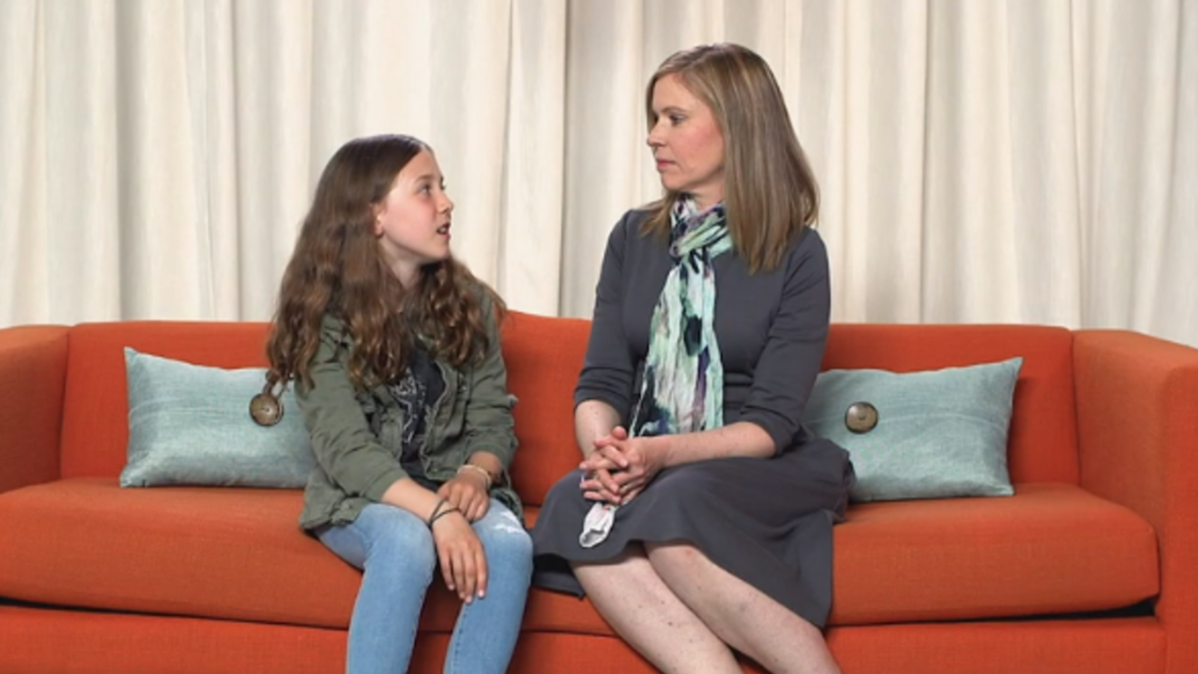
Since children take what they hear, read and see like a sponge and say, 'Even though you are not aware of it, children may already be aware of many things, understand that something is wrong and be worried. So before you start speaking, it is very important to listen and understand thoroughly. This is the first step.
How do we get to the question part? Choose when the child is most comfortable, especially at home or in the classroom, and try to find out exactly what he or she is comfortable hearing at school or at home. Get this information like chatting, not like queries.
**Talk but stay calm**
Then ask them if they have any questions. If they have questions, give them clear, age-appropriate answers, but don't go into too many details. Remember, children have the right to know what's going on in the world, but you also have a responsibility to keep them stress-free (at least until they develop this skill on their own).
Children often get emotional cues from adults. If your facial expression and body language are stressful when talking about a difficult subject, they will perceive this stress more than your words. Try to stay calm. If your eyes are red from crying or your voice shakes when you talk, don't talk about a difficult topic until you're back to normal, for example. Talk after 15 minutes and collect yourself in the meantime.
**Instill safety and confidence**
Emphasize that you are safe, especially when explaining the situation to younger children in a very simple and calm language. This is true for news involving domestic violence or for talk of war. You could say that people are working hard for peace and making an effort to rectify this situation. Especially in school, teachers have a lot of work in this regard.
**Give compassion, not prejudice**
Challenging issues always bring with them prejudice and tension, by their very nature. It can be about a person or it can be about a country. When talking to children, avoid prejudicial expressions whenever possible so they can see the world as a more loving and peaceful place. Avoid phrases like 'bad people', 'dirty people' and 'enemy'. Do not use expressions that are particularly discriminatory or bullying, on the contrary, use it as an opportunity to teach compassion for people in distress. Because this issue can turn into peer bullying at school later on. Teach that everyone has the right to education and safety. Including himself. In the event of a contrary situation, be sure to inform an adult.
**Focus on help**
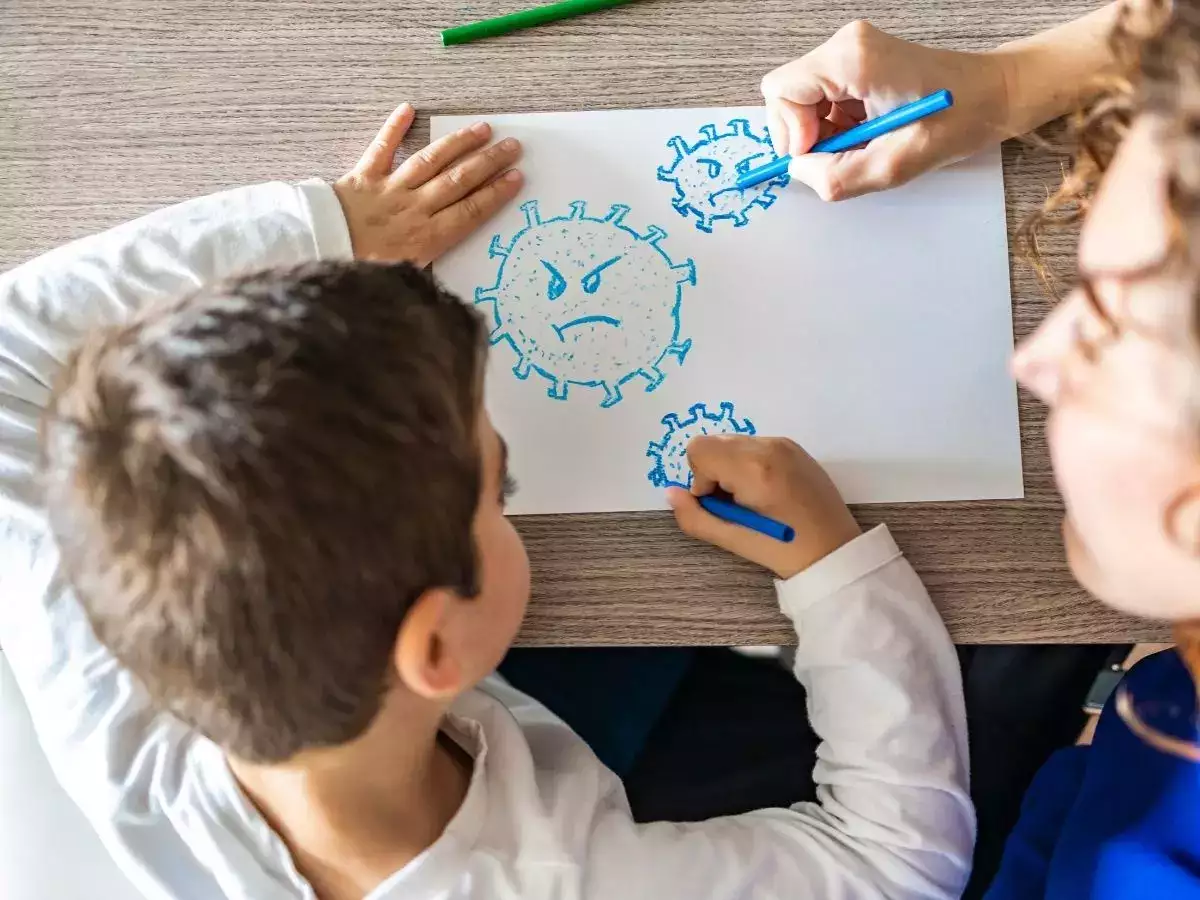
It is very important for children to witness examples of cooperation and kindness. So focusing on that will make a lot of difference. Show your child or students that they can help and contribute to people, no matter how small. Find positive stories, tell them, ask if she would like to contribute. For example, they can write a poem or draw a picture describing their feelings. The subject does not necessarily have to be a refugee issue, but it can also be children who lost their families in the earthquake. The main goal is to give you the ability to deal with compelling news. Taking an action, even if it is small, has a huge psychological effect and teaching this to children should be essential.
**Close the topic carefully**
After discussing a tense topic with the children (at home or in the classroom), be sure to make sure everyone is calm and relaxed (especially the teachers). Never leave a child alone when they are worried or afraid by closing the issue. Make sure to calm down and close the issue by checking it from time to time.
Keep checking what he's hearing at school or at home as new news comes in. Not every child can express their concern in words. If she suddenly starts having stomachaches, headaches, nightmares, or trouble sleeping, keep track of them as well. While very young children suddenly demand more attention or physical closeness (koala mode), teenagers may have brief tantrums or tantrums. If these do not go away after a certain period of time, it may be good to consult a specialist.
While all this is going on, you can also teach children very simple breathing exercises that reduce stress.
Actually, there is a lot more to write, but I hope it will be useful for you to remind the basic points that we all know and to prepare a mini guide. love.
Seven important lessons I learned from a one-and-a-half-year-old
The air is chirping, the smell of bread comes from the oven, the faces of everyone who see us light up. The greengrocer runs after us and offers a date, despite all the cost, and feed the baby the peels.” We are walking like this, standing still, as if it is full. This is the new rhythm of our life.
Our bag is slowly filling up with fruits, cookies, leaves and small toys… The attitude of the shopkeepers reminds me of those tiny temples in India that are in everyone's home. The temples where people leave coconuts, trinkets, palm leaves, and corn every morning despite the absence. Neighborhoods want to offer gifts to the life they see in my baby's eyes, to this amazing potential where a little child has a chance to be everything and everyone. This is actually a respect for my life. A daily homage to life.
We come home, jam in a ceramic bowl is like a mirror. I realize that I never took happiness seriously enough because they always tried to sell it to me for money. They had happiness opened, they wanted me to be happy as I drank, and they made order lists for a happier life. Happiness is overused, shriveled, and I didn't find it cool or deep enough and pushed it into a corner with the back of my hand. What a mistake. However, there are different layers under his commercials, just like the lungs opening, there is a situation where the parts that can be happy learn to let him go. The hazy mind surrendering to alcohol is like shards of glass obsessed with gravity. Nobody taught me happiness. But now I'm watching a 1.5 year old ball of light and I see:
**1. Don't be afraid to take the first step**
Every time we go to the playground, my 19-month-old master picks up a wad of leaves and gives them to everyone he sees in turn, as if he were handing out a brochure. Regardless of his age, those to whom he offers leaves either give him a new leaf, say a nice word or smile. How many friendships, how many laughs, how many beautiful leaves did I miss because I was afraid of rejection? Now I extend my leaves to those I catch my eye. Unfortunately, I cannot step into everyone, it is not possible to reach the level of my master for now. But keep learning.
**2. If they take away the things you love**
Taking a shower with a coffee thermos, bathing with a beanie, going to the park with a small painting hanging on the wall… Making a fuss when you can't do these and pretending that the world's turn depends on bathing with that coffee thermos are the methods my 1.5-year-old master often resorts to. I call them, “Actually, it's a good idea!” with the sentence “Do I have to set limits?” Although I watch with confusion between I hold on tighter to the things I love.
**3. Again, again, again**
Car, car, car, car. Woohoo, woof, woof. Mom, mom, mom, mom, mom. Give the object in your hand, take it, give it again, take it again. Repeat your mistake. Fall, get up, fall, get up. I realized that this is the rhythm of learning. It's always the same refrain until you learn it well. “Again?” Before I say, have some compassion for myself now.
**4. Greet all dogs**
Streets, parks, trees, crows, cats, winds are ours. The dogs are ours too. Every time the little sage sees a dog, he stops and waves to it. I realized that even the most aggressive-looking and vicious ones do not refuse your greeting. Being friendly with dogs is the key to living the streets, parks and life without fear. Hello then!
**5. Shake your head if the music has started**
Right, left, right, left. If there's music, it doesn't matter where you are, what you're doing, whether we're in a rush or not. It can also be in the middle of a crying crisis. If there is music, life starts all over again, the balances are re-established. The tale is told once again. Sometimes I dream that by shaking his head, life hits the "restart" button. Right, left, right, left. How easy it is to start over.
**6. If you can't taste it, don't even trust your dad**
The way to gain a new experience for my master is to put the object that interests him in his mouth, he does not feel himself connected with something that he cannot bite. Now in a new experience, I look at the taste it leaves in my mouth and decide whether I want to try it again.
**7. Seduce them with your smile**
Every day, he meets all kinds of people of all ages, all he does is smile at them. The heaviest doors are opened, the sulkiest faces are illuminated, the climate crisis is stopped, the economy is improving. For just one moment. Just smiling.
We are constantly thinking about what we will teach our children, what we will protect them from, what kind of home we will send them to. Meanwhile, we often don't realize that they just stand there with endless potential to learn the most important lessons of our lives. Perhaps we have misunderstood this fiction. In fact, they are the sages who come to shape us, and we are the students who must open themselves up to learning.
can't it? it can be.
A few activities where you can experience unconditional love as a family
Hello again, can you immediately list the 3 people you love unconditionally? Well, can you quickly list the 5 people you love unconditionally? 10 people? 20 people? Maybe as the number increases, “buts” will start to come into play, some stories from the past will also prove it and it will be difficult to count.
Can you love nature and living things unconditionally?
So, can you love yourself unconditionally?
Do you love yourself unconditionally despite the mistakes, mistakes, failures, losses and negative things you do?
As I say hello to you from these loving days, I come with a few awareness questions in my pocket. Do not rush for answers, give ourselves time to think. Because many of us started to notice issues that require awareness at a late age.
The good news is that our children are starting to gain this awareness at an early age. Needless to say, this is of course possible with children's yoga. With regular yoga practices, the child who knows his feelings, body and himself grows up with self-love and shows his unconditional love to all living things in nature. As I call out to you from a week full of love today, I wanted to make a program full of love for our children. If you are ready, I have a few suggestions…
**1. Love card**
Writing is one of the best ways to express emotions transparently. At the same time, you can prepare a love card using colored paper and colored pencils for fun.
How are we going to do?
Fold an A4 size paper in half. Draw a big heart on the front of the card and write the names of family members on the inside.
Write “I love you under all circumstances” next to each name.
Swap cards and then read aloud. It's that easy..
**2. Love poses**
You can practice the "Open your heart" pose, which is included in the Yoga Diary Yoga and Activity Cards, in pairs. If you haven't received the cards yet, it will be enough to follow the explanation below.
Stand front to back with one big step between you.
Both people should be on the ground and trust each other.
Let the person standing in front lean back slightly, extending their arms to the partner behind them.
The person standing behind, on the other hand, grabs his wife by the wrists, helps her open her chest instead of pulling her back, stretches her.
With this work, you will leave yourself more comfortable as unconditional love and trust increase. Repeat among the whole family and/or among friends, with spouses swapping places.
**3. Love meditation**
All you have to do is find a comfortable and quiet place and open this guided meditation on a suitable device for the whole family to listen to. Also, try holding hands while meditating.
**4. Making cakes and eating mindfulness together**
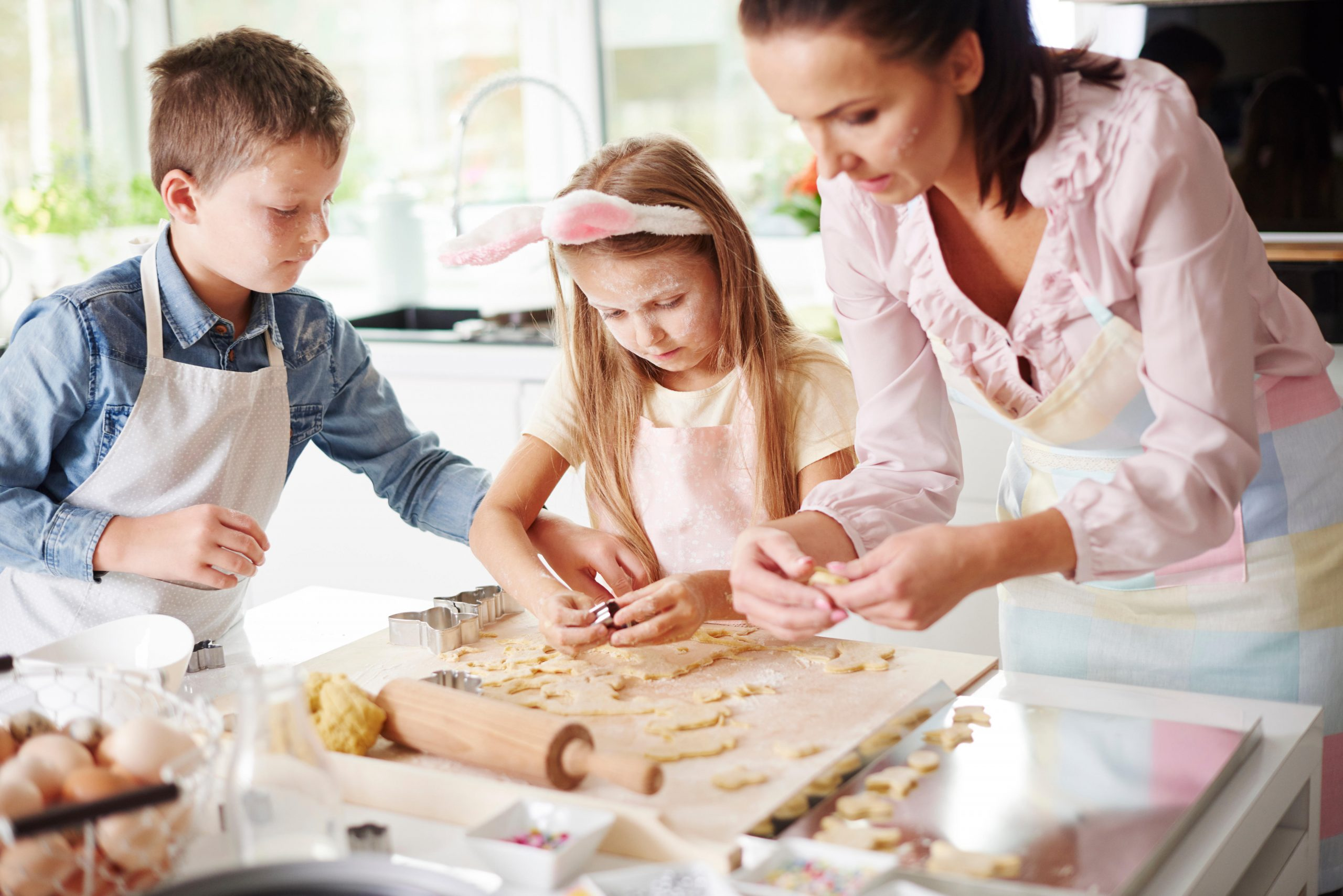
Cooking for your loved ones can be both a practical act and one of the most beautiful indicators of unrequited love. Add your own twist to a simple cake recipe you find online. Make this recipe special for you and your family with the ingredients you add. You can even make it traditional later on. After your cake is baked, eat your cake mindfully using your 5 senses.
I am waiting for the comments from those who applied the suggestions, so I slowly make my way to the kitchen and prepare my cake ingredients.
I wish that you do everything you do with unconditional love and that your love is unconditional, with my love...

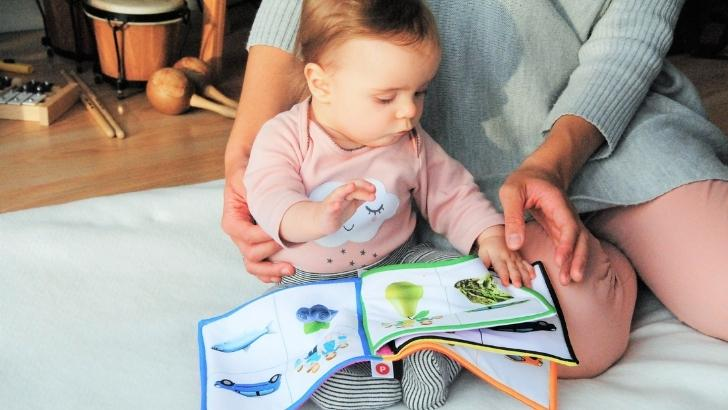
Is it possible to make children love reading in the technology frenzy of our age?
The love of reading is a habit that every parent wishes their child to have. In fact, it is a lifestyle that every adult wants to have. There have been friends around you who complained that they couldn't find a chance to read a book, or parents who said that their children are avoiding reading books… Especially in recent years, technology that has been included in almost every moment of our lives and reading with phones and tablets, which we are used to seeing even in very young age groups, is the vengeance of the age. We can say that it is on its way to becoming. While we, as adults, might prefer to watch a few episodes of TV series instead of reading 5-10 pages of books, it should not be surprising that children choose tablets instead of books... Even though we may seem out of luck in the face of technology, it is not impossible to instill a love of books in children. With the right approach and interesting choices, you can enable your children to acquire the habit of reading from a young age; Remember “The tree bends when it is wet.”
**Be a role model**
Remember that children are very successful observers. No matter what you tell them, they focus more on what you do than what you say. If you want them to make reading a habit, first let them see that it's an ongoing habit of yours. After telling them it's time to read a book, being busy on the phone or spending time on the computer may give the wrong message. In the evening, you can plan a reading time that every family member can attend, and make sure that everyone is interested in their own book. During this time, if possible, muting all technological stimuli for a while will make your job easier. You can perform collective readings as well as individual reading times. From time to time, you can read aloud, read a favorite book and ask everyone in the house to listen. A small theater where you can perform with clothes suitable for the characters in the book can also make the reading time more enjoyable.
**Create a stimulating/encouraging environment**
If you want children to be involved in literacy from a young age, it is very important to provide an encouraging environment. Printed materials such as books, magazines, newspapers, pictures, brochures, catalogues, flyers, posters and similar can help you create a stimulating and supportive environment. Having a separate library, if possible, both in your living room and in your child's room can also support the consolidation of reading habits.
**Offer age-appropriate books**
Especially in early childhood, his works that contain more pictures, less text, and are larger than classical books; help them choose books in the appropriate subject and structure in their later ages. Books that are difficult to understand and not suitable for their age can be the biggest obstacle to children's love of reading. That's why the right choices are of great importance.
**Engage in books without reading**
You can organize the library in your home, dust the bookshelves with your children, and categorize the books according to their colors, sizes, genres or authors and perform an entertaining activity in order to spend free time and spend time without reading with books. In this way, you can create an environment suitable for your children to develop a sense of responsibility and to be more interested in books. Cleaning will also be a bonus to you. 😊
**Let them make their own choices**
It is a well-known fact that tastes are not debatable… From a young age, children also begin to discover their own tastes in every subject; colors, food, clothes, toys, hobbies, books… Let them choose the series of characters they love or the types of stories they enjoy reading. Do book shopping together if possible. Once you're sure you're in an age-appropriate space, let them review the books and buy what they like. In fact, if possible, make book shopping a routine; Set a suitable time for 1-2 books per week or monthly book purchases.
**Gift card**
Today, when it comes to buying gifts for children, toys or technological devices may come to mind first. However, the most useful gift that never goes out of style is books. Of course, buying books as gifts all the time can become boring for children after a point, but there is a formula for transforming this too: gift cards. When you give gift cards to your children from the stationery or bookstore, you can explain that they can buy the book they want with this card. So you can go to the bookstore together, teach them how to use the gift card, while having them choose books that suit their tastes. If you wish, you can even add a little financial literacy and show how much money the balance in the gift card corresponds to and what price range a book can be bought.
 @Parentup