 @Orchidaceae
Psycho- Emotional in Junior Highers *****I don't know why I cry so much and why I get so upset***** *****over things. Sometimes I think l'm getting younger, not***** *****older. -Lauren, age 13*****
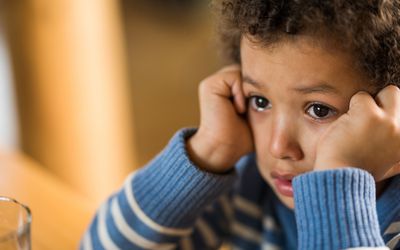
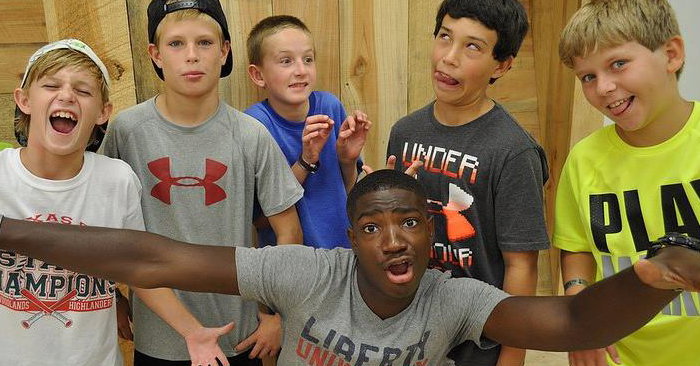
By adult standards junior highers are very emotional people. Because they have acquired the ability to think in a new way, they have also acquired the ability to feel in a new way. They have brand new emotions that are often very intense and completely unpredictable. Junior highers have been known to giggle uncontrollably during the first part of a youth meeting and then become angry or despondent during the second half. And this can occur for no apparent reason. While such behavior is typical, it is important to understand that there really is no such thing as a "typical junior higher" when it comes to emotions. In one junior high youth group you can have kids who are alternately boisterous and loud, quiet and shy, rebellious and mean, outgoing and confident, loving and kind-and they are all normal.
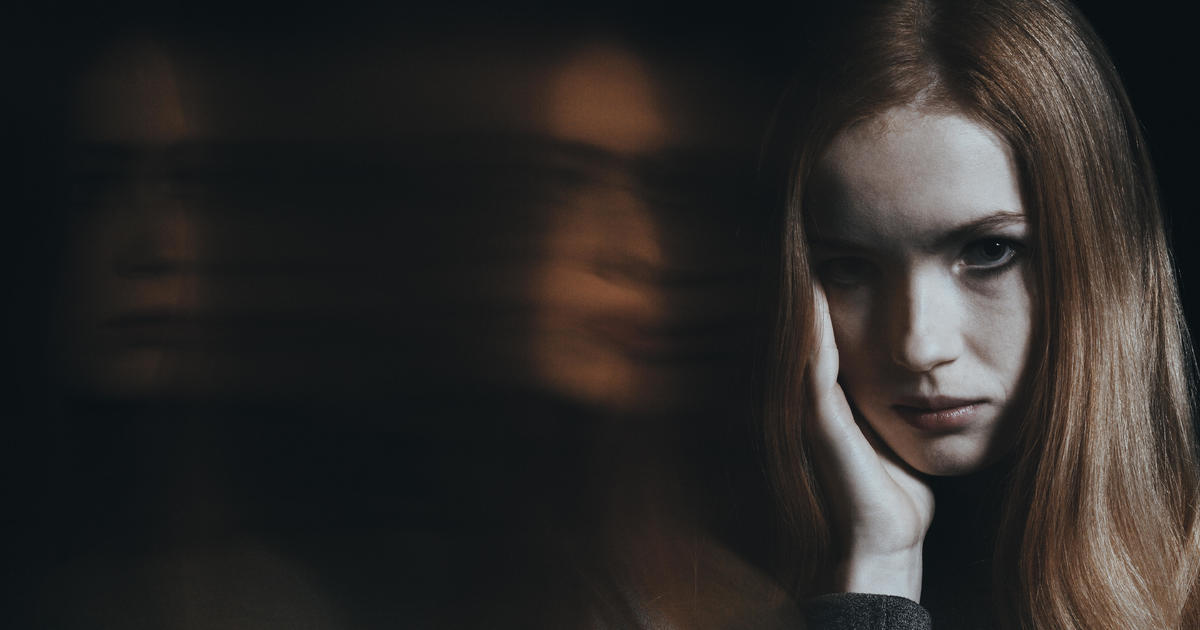
Like the other areas of life that we have discussed earlier in this article, psycho-emotional development has much to do with the transition from childhood to adulthood that is taking place during the early adolescent years. More accurately, psycho-emotional changes are the result of changes taking place in all of the other areas. The child approaches the early adolescent years depending on the same mind body, and social structures that have supported him for 11 or 12 . Then, as if by magic, much that he has come to depend upon begins to change. His body begins to grow and develop. His friends and interests outside the home begin to compete with the security previously found in his family. His view of the world begins to change as hismind devel-ops. And then he finds that his emotions begin to tlip-flop like Mexican jumping beans, due largely to the release of hormones into the body at uneven rates causing temporary chemical imbalances. The young ado-lescent's once stable world suddenly feels like it's made out of Jell-O.
Junior highers are emotional people, but we need to remember that most emotions are positive and not very spectacular. When we think of emotions, we usually think of agitation and excitement. A person who is classified as emotional is sometimes regarded as unstable-as if emotions were strange forces mysteriously arising from the depths to seize the person and place him at their mercy. This extreme view exaggerates the dramatic and disturbing aspects of emotions and fails to acknowledpe that much of an individual's emotional life is calm and constructive. A person can be quite emotional without flying into a rage, crying hysterically, or being silly. Emotions are always present in one form or another, no matter what behavior we are displaying at the moment. All of this is true for junior highers as well as other human beings.
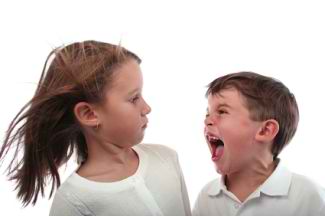
If junior highers experience emotional turmoil, it is the result of turmoil in the physical, social, or intellectual areas of their lives which are changing and growing. Emotions are not foreign intrusions; they are more or less a reflection of what is going on generally in one's life, as well as a reflection of one's maturity. They hardly exist apart from these contexts. This is why it is practically impossible to make predictions about how a group of people will integrate their emotions with their behavior (especially junior highers), since people respond to situations and circumstances in their own way. One person may go through a great deal of emotional stress in a given situation, while another person may have no difficulty at all. Such is the case with junior highers. There are some early adolescents who seem to be sitting on an emotional powder keg, while others are able to take most everything in stride and show an unusual amount of emotional stability and maturity.

Even though emotional development is actually a secondary characteristic of junior highers, their emotional inconsistency and unpredictability cause a good deal of concern and frustration for parents, teachers, and youth workers because a junior highers emotions are likely to be translated into some kind of action. In other words, they don't hide their emotions very well, even though they may try to. If a junior higher is feeling lousy, he will more than likely let you' know in some disruptively creative way, and perhaps he will attempt to make everyone else around him feel lousy, too. One of the real challenges of junior high ministry is learning to understand and respond appropriately to the sometimes erratic and bizarre behavior that junior highers demonstrate from time to time.

*****They don't hide .***** *****their emotions***** *****well. If they feel***** *****lousy, they'll let***** *****you know and***** *****probably in a***** *****disruptively***** *****creative way, too.***** @Orchidaceae
No comments yet