 @Orchidaceae
edited
@Orchidaceae
edited
Behavior That Hides More Than It Reveals

People always wonder how an experienced junior high worker is able to function in what appears to be a state of total confusion. I can remember times when I would invite the pastor of our church to speak briefly to the junior high group, and invariably he would stand before the group and try to quiet the kids down and achieve total silence- unsuccessfully. Frustrated, he would look over in my direction and expect me (plead with me) to do something, when really there was not much that I or anyone else could do. What he needed to do was to proceed and to ignore the ever-present stirring of the crowd. Despite all the noise, he would be heard, even though he might wonder how in the world that might be possible. Rarely can you tell how well you are communicating with a group of junior highers simply by noting the decibel level or by waiting to get positive feedback from the group.

Then there was the time I had spent several weeks studying and discussing the concept of Christian love with my junior high group. We particularly concentrated on what it meant to be the body of Christ and how as Christians we should care for and love each other, to strive for unity and harmony, and so forth. The kids were really into it, and I was confident that the way the group had responded to this material meant that our group was going to be the most loving, harmonious collection of junior highers in town. Unfortunately it wasn't to be. Less than a week later, two of the dominant cliques in the group were at each other's throats again, so one half wouldn't even speak to the other half. It was all I could do to prevent an all-out war. Apparently our study about love didnt make a very deep impression on them, I concluded.

Naturally when things like this happen, you begin to wonder whether you are getting anywhere as a junior high worker or teacher. Normally, you hope that you see results reflected in some kind of positive behavior, but with junior high kids, you just can't count on it. And it rarely has anything to do with how well or how poorly you are doing your job. Learning and growth in junior highers will be taking place even when their behavior seems to indicate otherwise. A junior higher's behavior will many times hide more than it reveals, so you can't really depend on positive behavior to measure your success, failure, or results. You will be disappointed when you do. *****The Value of Patience***** The unpredictability of junior highers predictably generates a good of anxiety for people who work with this age group. It is no easy of anxiety task to adapt to the emotional ups and downs of junior highers week by week .It requires a considerable amount of patience, particularly when the behavior of the group is more negative than positive. The temptation he in such situations is to respond in anger, to punish them in some way, to give them a tongue-lashing, to call in their parents, or to threaten them with whatever might seem appropriate. In my experience as a junior high worker, I can recall times of panic, despair, anger, and my impulsive actions at such times did more damage than good. If you lose your temper, or overreact in a negative way, it rarely accomplishes much. It only reveals an area of weakness that can be exploited by the kids at some later date. There is nothing wrong with being firm and strict and honest about your feelings, but young adolescents need to see maturity and consistency in their adult leaders as much as possible. Junior highers demand almost superhuman standards from the adults around them.

Rather than losing control, it's best to try to be as understanding as possible and relatively good-natured through it all, even when the kids are not cooperating with you. The best advice is to have patience, make as few demands on them as possible, and wait it out. Sometimes it's a good idea to punt-switch gears and move the program or the activity in a new direction. For this reason, it's wise always to have a backup plan.
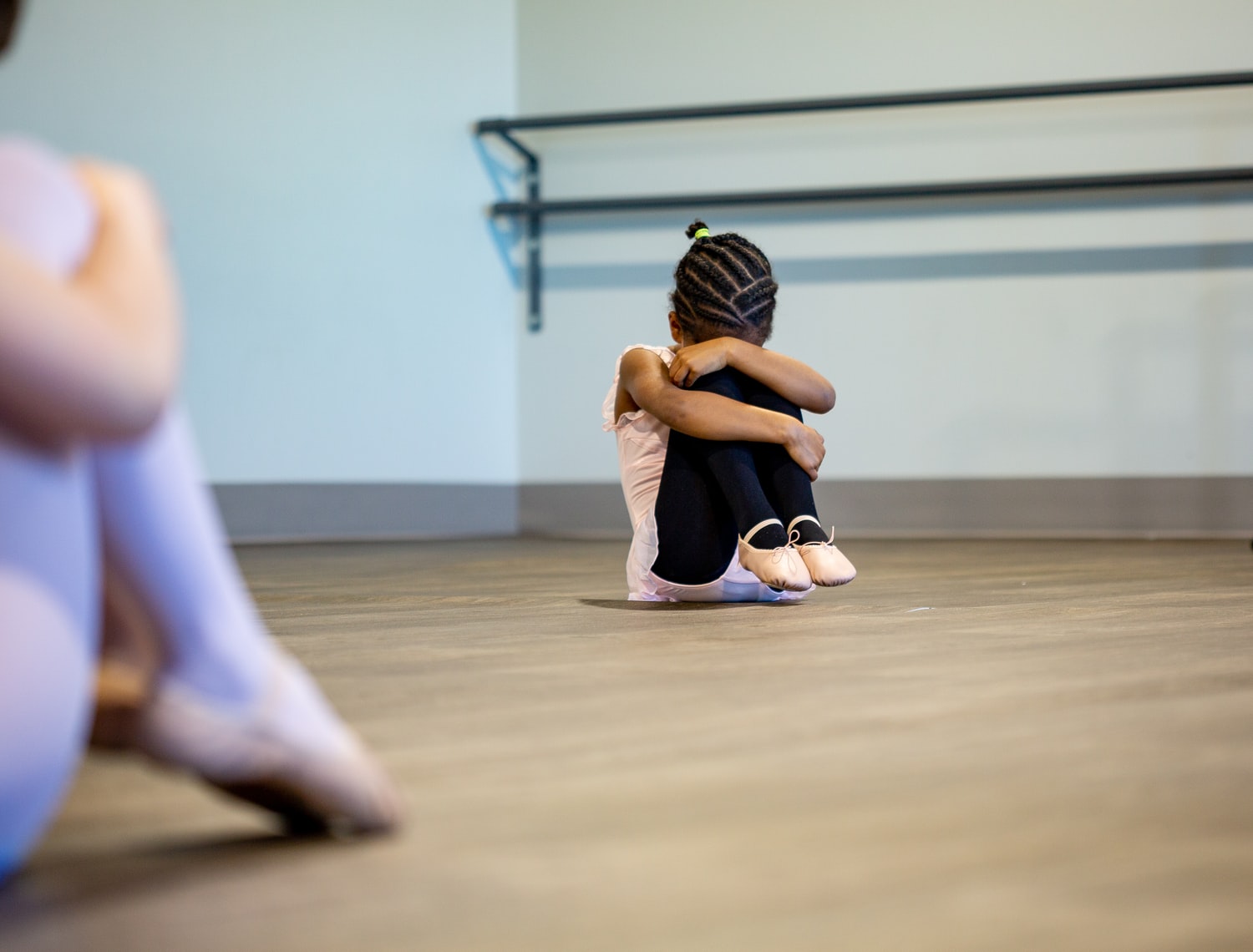
To be patient with junior highers also requires resilience. When young adolescents are angry or distressed, they are prone to attack you verbally. They may tell you off, call you names, or tell you that you're Stupid, or old, or ugly. If you are insecure about yourself or get hurt easily, you could be in trouble. Experienced junior high worker recognize that kids don't usually mean what they say when they emotionally upset. If you can remain calm and refrain from responding in like manner, they will often come back with their apologies, asking for forgiveness. Be sure to give it to them. @Orchidaceae
No comments yet