 @Orchidaceae
more from that month
@Orchidaceae
more from that month
Personality Development by Trial and Error

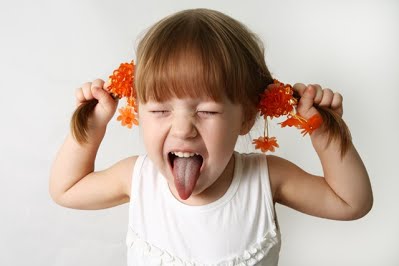
Perhaps the most accurate generalization we can make about the emotions of a junior higher is: you can't make many generalizations about the emotions ofa junior higher. They are completely unpredictable. This helps to set junior highers apart from the rest of the human race. Adults and little children can normally be put into categories without too much difficulty: "She's such a pleasant little girl or "Mr. Jones is a real happy-go-lucky sort of guy." Junior highers, on the other hand, may be pleasant today and holy terrors tomorrow. I have had kids in my junior high groups who were unusually cooper- ative and enthusiastic one week and unexplainably belligerent and disruptive the next. I've also observed aggressive hostility and childlike submissiveness in the same meeting from the same kid. The young person who is talkative and open one moment could suddenly clam up altogether. It's easy to conclude that these might be victims of some strange form of schizophrenia-but they are just being junior highers. These strange shifts in mood and behavior are not limited to individuals; they are also found in groups. It is not uncommon for the dynamics in a group of junior highers to change drastically from one week to the next. A particular lesson plan or program idea may be a Smashing success on a given date with a given group of junior highers, but it could have been a complete flop if you had used it a week or a month earlier. It all depends on the mood of the group. In my own ministry with junior highers I have always had more concern (before a meeting, class, or social event) with the emotional condition of the group (how the kids would respond) than with how many would show up or with how good the program or lesson plan might be. There was always the fear that the group might be wired (wild and crazy) or on a real downer (uncooperative or just plain nasty).
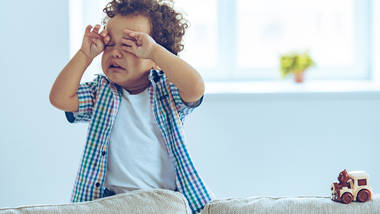
Is there a reasonable explanation for such unreasonable behavior? As it turns out, there is one that makes a lot of sense. it certainly helps us understand what is going on, even if it doesn't alter the situation much. Some psychologists have concluded that early adolescents are essentially "trying on" different personalities for size to see which ones fit them best. They will express a variety of emotions, feelings, attitudes, and temperaments to discover the range of reactions they get from others, especially their peers. If the reaction is favorable, the behavior may be repeated; if it is not, the behavior may be discontinued. This may be an oversimplification, but it does help us get a handle on what's happening. It is consistent with what we know about the primary tasks of early adolescence. Young people are making a transition from childhood to adulthood, and each one is trying to come up with an identity of his or her own. The personality, like the body and the mind, is being shaped during the junior high years, and it is probably in its most unstable period.
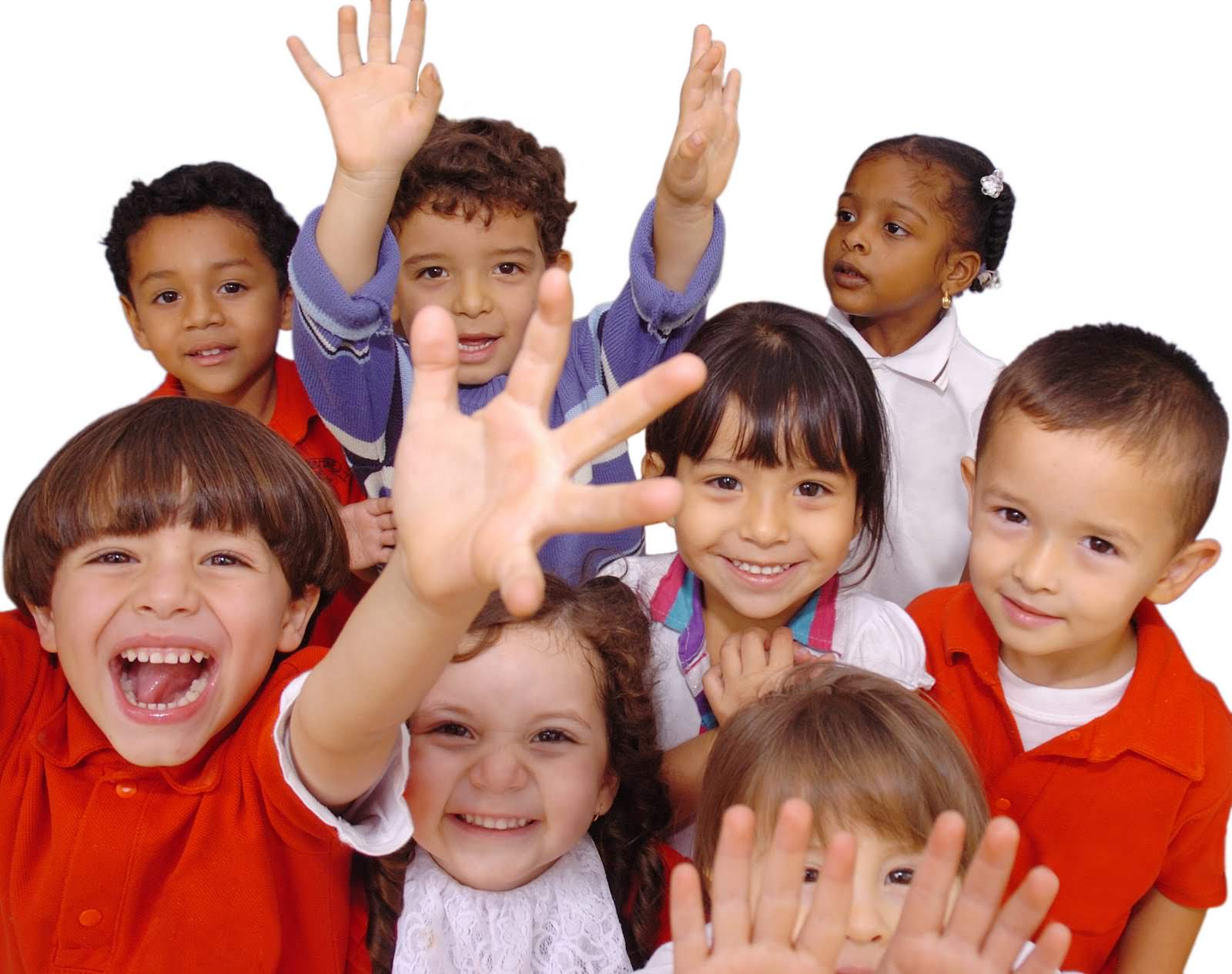
This is why it is not at all unusual for early adolescents to be extroverts one day and introverts the next. They are experimenting in order to discover the personality type they will be most comfortable with as adults. Junior highers may try all sorts of personalities-the class clown, the tough guy, the brain, the teacher's pet, the quiet type, the spoiled brat, the flirt-before their own distinctive personality traits begin to dominate. They don't commit themselves to a particular pattern, that comes in a few years. If junior highers get positive feedback from others by acting a certain way, this behavior will no doubt be continued. Conversely, negative feedback will usually act as a deterrent. Keep in mind, however, that negative feedback from an adult may very well be interpreted as positive feedback to junior highers. Obviously, this tends to complicate things when you are trying to encourage or discourage particular kinds of behavior.
Keep in mind that all of this is quite involuntary. Junior highers aren't actually aware of the subconscious trial-and-error personality- Shaping process they are engaged in. A young adolescent doesn't wake up in the morning and say to himself, "Yesterday I tried my warm and friendly personality; today l'll see how my mean and nasty one goes Over." On the contrary, this happens as part of the natural process of growing up. It's normal and even necessary. @Orchidaceae
No comments yet