 @Mori
more from that month
@Mori
more from that month
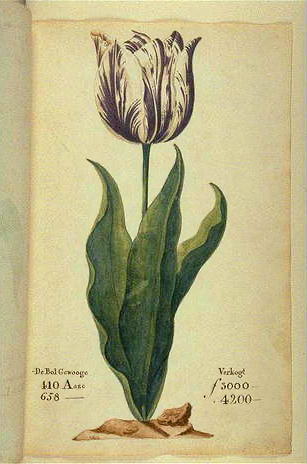
Tulip Bubble 鬱金香效應/Tulpenmanie鬱金香狂熱/The tulip period鬱金香時期 上次提到「胡椒有和黃金等值的年代」時 ( https://noise.cash/post/1r3j20k8 ),有噪友提到「鬱金香」一事。然而比起香料的實用性與在當時的稀有性,鬱金香就是實實在在的炒作罷了。據說有人將比特幣熱潮比喻成鬱金香狂熱?你覺得呢?我覺得NFT有一點那種感覺XD......Last time I wrote a article about "the age when pepper was equivalent to gold" ( https://noise.cash/post/1r3j20k8 ), a noiser replied "Tulpenmanie". However, compared to the usefulness of spices and their rarity at the time, tulips are a real hype. Some people compare the Bitcoin craze with the tulip craze. What do you think? I think NFT is more like it 😂 鬱金香從鄂圖曼帝國傳入歐洲是在16世紀,鬱金香狂熱主要發生在荷蘭。當時有錢的園藝家或植物學者會買鬱金香的球根嘗試改良,主要是因為興趣和栽培。 後來鬱金香被投機人看中而開始哄抬價格賺取利潤,並發生了鬱金香球根搶購潮,導致鬱金香的價格一擲千金,稀有的品種更是昂貴到可換取牛、豬、房產。 不過最後,鬱金香交易演變成預付交易,預收的票據卻不一定能對兌現,導致整個荷蘭鬱金香市場泡沫化。此為世界上最早的泡沫經濟事件。 附帶一提,鄂圖曼曾有個時期叫做鬱金香時期 (1718–1730),因為精英階層和上流社會對鬱金香的喜愛帶來的熱潮,而影響到經濟、商業、藝術風格和建築等等。 Tulips were introduced to Europe from the Ottoman Empire in the 16th century, and Tulpenmanie took place in the Netherlands. At that time, wealthy horticulturists or botanists would buy tulip bulbs for interest and cultivation needs and try to improve them. Later, the tulips began to hype, and speculators raised the price of tulips for profit, which triggered a surge in tulip bulb purchases, leading to skyrocketing tulip prices. Rare varieties of tulips can even be exchanged for cattle, pigs and real estate. But in the end, the tulip transaction evolved into a prepaid transaction, and the notes received in advance could not be cashed, resulting in a bubble in the entire Dutch tulip market. This is the earliest bubble economy event in the world. By the way, there was a period in the Ottoman Empire called the Tulip Period (1718-1730). The high society’s love for tulips has brought an upsurge that has affected the economy, commerce, artistic style and architecture. Pic from wiki : A tulip "the Viceroy" ,《Tulip Book of P. Cos》1637 Dutch. 覺得同事太吵了隨便寫個小故事...
9 comments
土耳其的氣候好像不太適合種鬱金香?
不會啊 他們很適合 土耳其的國花是鬱金香喔
原來如此,漲知識了 本來以為比較適合在溫帶,但地中海好像有點太熱
我覺得藝術品交易就是一個願打一個願挨 沒有人可以量化藝術的價值 所以不像其他貨物可以有明確的價格範圍 只要有人覺得價值高於價格交易就成立了
是阿 但我覺得目前可能NFT剛出來 新玩意兒 所以大家都想分一杯羹 至於有沒有那個價值 真的就是見仁見智了
可能貧窮都限制了我們的想像
就像很多精品的設計也讓人不懂一樣XDD
https://news.ltn.com.tw/amp/news/novelty/breakingnews/1776551 就像這個新聞 根本就是藍白拖 但是價格就差很多
笑了