What Muslims need to do to get back on the world stage.
****I finished a small book today. Although the book is small in terms of pages, it is not small at all in terms of weight. The words have been uttered from a heavier mouth. Which is why it has affected me so much. Professor Dr. There are very few conscious Muslims who have not heard of Nazmuddin Erbakan. This great man is one of the masterminds behind the reawakening of Muslims around the**** `world`****. The name of the book is "Islam and knowledge". Burhan Uddin.****
Muslims will not regain their lost glory until the dream of awakening in their minds is *****awakened. In today's world, Islam has been removed from the minds of Muslims. I was present at a publication function at Darur Rashad Madrasa yesterday. There Mr. Muhtaram Liaquat Ali said an important thing. And that is, the more educated he is in the current education system, the more he forgets Islam. Islamic philosophy disappeared from his heart. All over the world, Western powers have reorganized the education system in such a What Muslims need to do to get back on the world stage.*****
*****that one who studies in a structure will never be able to become a true Muslim unless his family or some other medium helps him to become a Muslim.*****
*****Allama Muhammad Salman Da.ba repeatedly said that the practice of Hadith in Ilm should be Deeni Ma Hawl May, that is, the practice of modern knowledge and science should be ensured in the religious environment. Muslims will lag behind until the practice of modern knowledge and science develops a culture of domination in their own spheres. As it is now, in an environment where only the Qur'an and Hadith are being practiced, Muslims will never be able to lead the world. Modern science has to develop a new style of education in its own environment. Mr. Salman lamented that on the other side, that is, in India, the gathering of Sher-Shayari means Muslims, and on the other side, the gathering of poetry and poetry means Hindus. This means that our concept of knowledge is very limited. Narrowness in our nostrils. We literally practice only the Qur'an and Hadith. In fact, we have forgotten the widespread demand for the practice of the Qur'an and Hadith.*****
*****The subject that I started to discuss, that is, said. Erbakan gave a short speech. What he meant by this discussion to this ummah is that the main source of knowledge is in the hands of Muslims. Since the discovery of the Muslims, the West has pointed to every aspect of how it has enriched itself. He has given every proof that science has been developed by the hands of Muslims. Physics, chemistry, mathematics, geography, medicine, sociology were the exclusive discoveries of Muslims everywhere. From the 6th century to the end of the 14th century, there was no ethnic group near the Muslims in the height of discovery. In the Western world, from the Crusades in the 15th century, they traced the knowledge acquired by the Muslims.***** `Dr. Erbakan proved that it took them hundreds of years to understand many terms, including astronomy.`
`If you want to win, you have to wake up. There is no benefit in chanting the tasbeeh of unity alone. We have to look far. Ummah-centric overall thinking needs to be done. The education system needs to be restructured all over the world`. Western slavery must first be freed from the education system. If we can change the education system, the whole Muslim world will change. Then you will see how Muslims are gradually improving in all branches of science. If this is not done, Muslims will never be freed from the shackles of political slavery and education.
***Finally, I would like to reiterate the words of Mr. Salman Sahib that if modern knowledge and science can be practiced in an environment built in their own way, the leadership of the whole world will once again fall under the feet of Muslims. There is no alternative. Forsaking the pursuit of science for fear of the West is nothing but a suicidal tendency. May Allah Ta'ala grant Muslims the grace to wake up again in the whole world. Amen.***


List of universities in Bangladesh
**Universities in Bangladesh are basically divided into three categories:**
public (government owned), private (privately owned) and international (run by international organizations). Dhaka University, established in 1921, is the oldest university in the country. Chittagong University is the largest university in the country in terms of campus size. Universities of Bangladesh are affiliated to the University Grants Commission; Which is a commission constituted under the Presidential Order of the Government of the People's Republic of Bangladesh (PO No. 10 of 1973).
Most universities focus on general research, combining business education, engineering and technology research topics. There are special courses in seven universities, including two in Islamic education, two in agricultural science, one in health science, one in veterinary science and one in women's education.
**Public University**
There are currently 47 public universities in Bangladesh for the purpose of providing higher education to a large number of students. All these universities, which are run as autonomous institutions, were established with the funding of the government. There are 10 universities in Dhaka division, of which 6 are located in Dhaka city, 2 in Gazipur and 1 in Savar. There are 6 universities in Chittagong division, of which 4 are located in Chittagong, 1 in Chandpur, 1 in Rangamati, 1 in Noakhali and 1 in Comilla. There are 6 universities in Khulna division, of which 4 are located in Khulna, 1 in Jessore and 1 in Kushtia. There are 5 universities in Rajshahi division, of which 2 are located in Rajshahi, 1 in Bogra (latest), 1 in Pabna and 1 in Sirajganj. There are two universities in Barisal division, one in Barisal and one in Patuakhali. There are 2 (latest Habiganj) universities in Sylhet division. There are two universities in Rangpur division, one in Rangpur city and one in Dinajpur. There are 4 universities in Mymensingh division out of which 1 is located in Netrokona district, 1 in Jamalpur district and 2 in Mymensingh district.
**General University**
Bisbabidyalayadakanamabisbabidyalaye promoted [A] [B] established [c] abasthanabisesayitapieicadi manjuraoyebasaitadhaka University [ii], [3] DU 19211921 dhakasadharanahyamoyebasaitarajasahi universities [4] [5] RU 19531953 rajasahisadharanahyamoyebasaitacattagrama University [6] [7] CU 196618 Nov, 1966 cattagramasadharanahyamoyebasaitajahangiranagara University [8] [9] JU 19701970 sabharasadharanahyamoyebasaitaisalami University [10] [11] Evi 19801980 kustiyasadharanahyamoyebasaitakhulana University [1] [13] is very 19911990 khulanasadharanahyamoyebasaitajagannatha University [14] [15] jabi 20051858 dhakasadharanahyamoyebasaitajatiya poet Kazi Nazrul Islam University, [16] [17] jakakanaibi 20052005 mayamanasinhasadharanahyamoyebasaitakumilla University [18] [19] kubi 20062006
kumillasadharanahyamoyebasaitabegama Rokia University [0] [1 ] Berobi 20062006 Rangpur Public Website Bangladesh University of Professionals [22] BUP 20072008 Dhaka Public Website Barisal University [23] Bobby 20112011 Barisal Public WebsiteBindra University [24] Rajganj Public Website Sheikh Hasina University [25] Shehabi 20172020 Netrokona Public Website Bangabandhu Sheikh Mujibur Rahman University Bashmurbi 2020 Kishoreganj Public
1: Administrative building, Khulna University
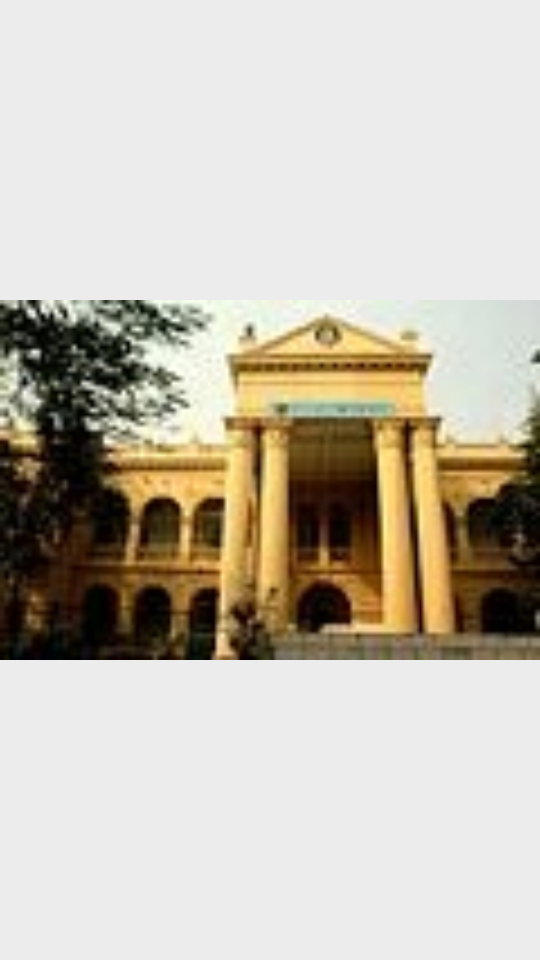
2: Nawab Ali Chowdhury Senate Building, Dhaka University
3: Deans Complex, Rajshahi University
4: University Shuttle Train, Chittagong University
5: Chemistry Building, Jahangirnagar University
6: Jagannath University
**Specialized engineering colleges**
There are 5 engineering colleges under DU and Shabiprabir. From these BSc engineering degree is given.
DU affiliated
Mymensingh Engineering College
Faridpur Engineering College
Barisal Engineering College
Shabiprabi is affiliated
Sylhet Engineering College
RBI affiliate
Rangpur Engineering College
Specialized Textile Engineering Colleges
There are 6 textile engineering colleges under Bangladesh Textile University. From these BSc in Textile Engineering degree is given.
Textile Engineering College, Chittagong
Begumganj Textile Engineering College, Noakhali
Pabna Textile Engineering College, Pabna
Shaheed Abdur Rob Serniabat Textile Engineering College, Barisal
Sheikh Kamal Textile Engineering College, Jhenaidah
Bangabandhu Textile Engineering College, Kalihati, Tangail
Homemade facial scrubber for acne free skin
Afraid to use anything on the skin? Whether the product will be good or not, whether it is original, whether the ingredients used are free from adulteration, many questions come to our mind when we go to buy a product for skin care. What? That's right!
And these questions must be in the head. But in some cases we can get rid of this problem if we want. If you can make them yourself.
But I use to make a lot of things myself. Everything is not always possible to make. But I do as much as I can. I am a little careful in using anything on the face. Because once a problem starts in the face, it sometimes takes a much more horrible form. So it is better to be a little careful beforehand.
Surely more or less all of you use scrubs. I do too. However, I make my own face scrub. Because the ingredients I use are all very good. Brings extra glow to the face. Today I will share with you what my face scrubber is with and how to make it. I hope you will benefit a lot from using it. Let's find out then-
**Materials**
**Coconut oil - 1/3 cup oil**
**Sugar - 1/4 cup**
**Aloe vera gel - 1 tbsp**
**1 green tea bag**
**T-Tree Oil - 5-6 drops**
**How to make-**
First cut the bag of green tea and mix the dried tea with the rest of the ingredients in a container. This scrub was made in a very short time.
If someone wants more scrub or less scrub, pay attention to the amount of sugar. If you give less sugar, you will get less scrub and if you give more, you will get more. However, in this case, keep in mind the amount of coconut oil. If you use a lot of sugar to scrub a lot, give a little more amount of coconut oil.
Every ingredient in this face scrub is much more beneficial for the skin. So let's find out what works.
**Coconut oil**
Coconut oil is a very beneficial ingredient for the skin. Coconut oil enhances skin radiance and acts as a moisturizer. The coconut oil I use is Skin Cafe's "Organic Extra Virgin Coconut Oil". It is 100% natural. You can also use it if you want.
**Sugar**
Sugar works much better on the skin as a scrub. Sugar hydrates the skin and acts as a moisturizer.
**Aloe vera gel**
Everyone knows the benefits of aloe vera gel. Aloe vera gel works a lot more in skin care. I also use aloe vera gel for skin cafes. You can also use if you want.
**Green-T**
It also acts as a skin toner and anti-aging agent. You can use any green tea.
**T-Tree Oil**
One of the things I like most about T-Tree Oil is that it doesn't cause any acne. This tea tree oil is very useful for removing acne.
Understand that you can easily make this face scrub. So you can make your own face scrub if you want. But yes, the important thing is to make sure that the ingredients you are using to make the face scrub are good.
So make your own face scrub and keep your skin much more beautiful, smooth and vibrant.
Indigenous life cycle
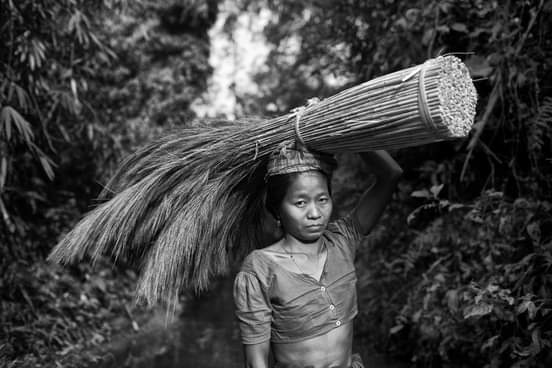
There are about 300 million indigenous peoples in the world. People of such small and big nationalities have been living in Bangladesh for a long time. Their contribution during the war of liberation was glorious. Although they are a minority, their culture is our precious resource.
**What is aboriginal?**
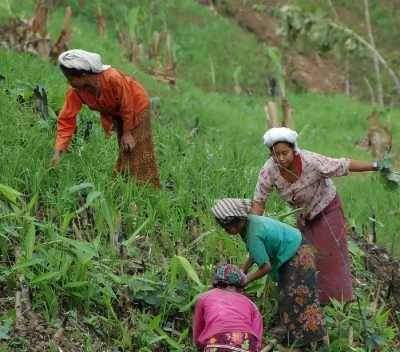
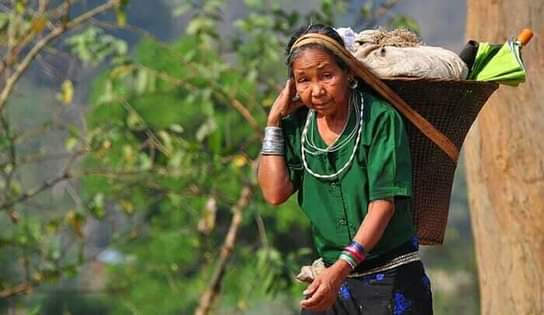
: Indigenous people are the small and big backward ethnic groups with primitive or ancient culture. They do not fully embrace modern civilization but form small societies or groups in their own right and live in or near the forest. Chakma, Khasia, Thanchangya, Garo, Marma, Santal, Tripura, Orano, Munda, Hajong, Koch, Mro, Chak, Rakhine, Manipuri and many other ethnic groups live in Bangladesh. Indigenous peoples who live in deep forests tend to hold on to their own culture. In this sense, the other name of the indigenous people is 'primitive inhabitants' of the world. These indigenous peoples are the forerunners of the advanced peoples of the present world. They are better known as 'tribes' in our Bangladesh.
**Indigenous peoples of different countries of the world**: 300 million indigenous people are living in about 70 countries of the world. Indians, Inuit or Eskimos from the Americas and Canada, Aborigines from Australia, Sami from Northern Europe, and M মাori from New Zealand are among them. In countries like Mexico, Guatemala, Peru, etc., half of the total population is indigenous. Indigenous people make up 70 percent of Bolivia's population. About 60 million indigenous people live in the Philippines. There are 5 crore tribals in India and 1 crore in Myanmar. Privately, about 2 million people of 45 nationalities live in Bangladesh. According to the 1991 census, there are 12 lakh 5 thousand 97 indigenous people of 28 nationalities.
**Classification of Indigenous Peoples of Bangladesh**: Indigenous people of Bangladesh can be divided into two groups on the basis of region: 1. Chittagong Hill Tracts districts and Barisal-Patuakhali region; 2. The rest of Bangladesh.
There are Chakma, Marma, Tripura, Murang, Mro, Kuki, Lusai, Khasi, Banyogi, Thanchangya, Pankho etc. tribals in different districts of Chittagong Hill Tracts, Barisal and Patuakhali. In the rest of the region there are tribals like Santal, Manipuri, Garo, Khasia, Hajong, Munda, Orano etc.
**Indigenous Peoples Life and Culture:** Indigenous peoples are group conscious. They deal with any problems in groups. Their social structure is different. According to the population, each society is divided into small groups. Every party is trying to maintain security.
Indigenous society is governed by its own system of government. Their education system is also their own. However, they also adopt the language and education of the larger society. Some of these societies are maternal. Animal husbandry and agriculture are the main livelihoods of the tribals. Magic, materialism, occupy a large part of their social life. Most of them are Buddhists and Hindus. Some have also converted to Christianity. The responsibility of the government system is vested in persons with special qualities or elders. It is done under the direction of the person responsible for maintaining the discipline of the society. Indigenous songs, stories, legends, varied dances, word of mouth, traditional cultural resources have diversified and enriched our culture. Among the indigenous peoples of Bangladesh, Chakmas, Marmas, Rakhines and Manipuris are relatively advanced in education.
now the most affected people in the world. Indigenous culture is on the verge of extinction in the wake of the spread, development and modernization of colonialism. Indigenous people live in poverty in almost every country. Indigenous peoples who have been integrated into urban society are being discriminated against in language, education and employment. On the other hand, the culture of those who have remained in the homeland is facing a crisis somewhere. The average life expectancy of indigenous peoples in northern Russia is relatively low. Indigenous people in Australia have a five-fold higher unemployment rate. Indigenous people of India live below the poverty line.
**The main problems of the tribals are:**
1. They are being displaced by the acquisition of land and resources;
2. Deprived of basic human rights:
3. The spread of internal colonization is happening;
4. There is disenfranchisement in language, culture, health, education, etc .;
5. They are socially and economically discriminated against;
6.Constitutional non-recognition.
Recognition of indigenous peoples, their right to life, right to land and forest, right to property are long standing demands of indigenous people.
**United Nations and Indigenous Peoples**: The United Nations has been celebrating International Indigenous Day on 9 August every year since 1995. The United Nations has declared 1995-2004 as the International Decade for Indigenous Peoples, pledging to change the situation of indigenous peoples. The goal of this decade is to end all kinds of socio-economic and political problems of the indigenous people and bring them on par with the mainstream population. From 14 to 25 June 1993, at the World Conference on Human Rights in Vienna, leading figures from the indigenous community presented their hopes, aspirations, and the history of their deprivation to the world. It has opened a new horizon. There is a UN Human Rights Complaints Center for Indigenous Peoples to Complain of Human Rights Violations. There is a working group to oversee the rights of indigenous peoples. The UN Working Group is working to review government policy on the human rights of indigenous peoples, to act on the recommendations of indigenous peoples to the UN Human Rights Commission, and to build international public opinion in favor of indigenous peoples. In September 1999, the UN Economic and Social Council established a permanent forum for indigenous peoples. The goal of this forum is to implement various programs adopted for the development of tribals.
Indigenous people are the first children of this soil. Indigenous identity, language and culture are one of our valuable resources. We are their successors. So the heritage, culture, culture of this ethnic group is our pride and pride. Therefore, in order to give all kinds of rights to the tribals, the government of the country as well as all the conscious citizens have to play a bigger role.
Mobile chargers are needed and a good way to know the charger
The phone charger is an important device. Accidents like battery explosions happen from local chargers.
Again, the battery life of the phone depends on it. How fast the phone battery charges will also depend on the charger. So if you want to extend the life of the phone, recognize the real charger.
Do you smell burning after charging your mobile phone? Be careful. There is a problem with your charger. Isn't the charger fake? To avoid such trouble, try it before buying.
A few months ago, an advertisement appeared on TV, showing a man searching for a charger with his phone. But you can't ignore the ad. Today the use of smartphones is so much that whether we are at home or in the office, going for a walk or in a meeting, whenever we see a charger, we put it in charge on our phone. But do you know how much damage these chargers do to your phone?
When charging the phone you do not notice how many volts of power the charger is supplying. But the power supply of all chargers is different. Which is low voltage and which is high again. If you charge the phone with a high voltage charger, it is harmful for the phone, on the other hand, charging with a low voltage charger damages the battery. Therefore, before using any charger, you need to know how many volts of power the charger is supplying and whether you should use it in your phone at all. Are you wondering how to solve this problem? Let me tell you how to get all the information of a charger in your hand.
You need to download the "Ampere" application from the Google Play Store to know the battery information of your smartphone. Once downloaded, first you need to connect the charger provided with your phone and launch the application. In a few seconds you will know how many volts your phone is charging. With this you can know the amount of maximum and minimum volts, amount of battery and temperature. Save a screenshot of this to your phone.
The next time you use another charger, turn on the "Ampere" application first. In a moment you will know how many volts your phone is charging. You can also know the maximum and minimum volts. Instantly compare between the previous screenshot and the information in this new charger.
Remember, a rough charger is a fake. Such a fake charger can cause a smartphone to explode. So be careful when buying a charger. You will see the structural structure. Fake chargers often overheat. There have been incidents of fire from this. Therefore, experts advise not to charge the mobile phone before going to sleep at night. Fake chargers reduce smartphone battery performance and charge holding capacity. Many times shopkeepers or online sellers try to sell fake chargers in various temptations. **What do you recognize a fake charger? Here are some ways:**
**Samsung**: You will find many fake chargers in the market that are suitable for Samsung phones. Read the above articles to recognize this type of charger. It is very difficult to tell the difference between the real and fake chargers of Samsung. You have to understand by looking at the text printed on the charger. If ‘A +’ and ‘Made in China’ are written on the charger, it is more likely to be fake.
**IPhone**: The most fake iPhone charger on the market. These are made in such a way that it becomes difficult to understand the difference between the original iPhone charger. The original charger will say 'Designed by Apple in California'. You can easily tell the difference between the fake charger and the Apple logo. The logo on the fake charger will never be the same as the original. The Apple logo will appear darker on the fake charger. So pay attention to the logo when buying an iPhone charger.
**Xiaomi**: To identify Xiaomi's fake charger, you need to measure the length of the cable. If the cable is less than 120 cm in length or the adapter is large, then the charger should be considered a fake.
**OnePlus**: It is very easy to recognize the original dash charger of OnePlus phone. When the phone is charged, the flash mark will appear. If you see signs of charging the conventional battery instead, you will understand that the charger is fake.
**Huawei**: You will also find fake Huawei chargers in the market. You need JavaScript enabled to view it to identify real and fake Huawei chargers. If the barcode information of the Huawei charger matches the barcode information of the adapter, then it should be understood that the charger is genuine. If you do not understand, you are being cheated with a fake charger.
**Pixel**: Google always provides fast charger with Pixel phone. If the Pixel phone takes a long time to charge, then the charger is a fake.
Google Pixel phone charger charges the phone very fast. If you see that it takes a long time to charge, then it is definitely fake.
Remember, accidents like battery explosions happen from local chargers. Google Pixel phone charger charges the phone very fast. If you see that it takes a long time to charge, then it is definitely fake.
**Other**: If the charger does not fit properly after inserting into the socket, the pins must be assumed to be in the wrong shape. Before buying, you have to verify the name or logo, model, batch number of the manufacturer or brand on the charger. Must have instructions for using the charger safely. The difference between the original and the fake can be understood by looking at the pins of the charger very closely. Charging two or three times a day with a fake charger heats up very quickly. The original charger does not heat up quickly. References:
The importance of multani soil in skin care
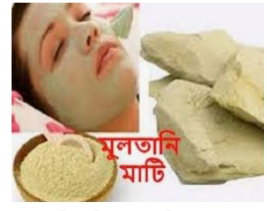
We all want our skin to be beautiful and strong, and for that we have no alternative to makeup, multani soil is very useful for makeup,
**1. Makes the skin shiny**
Pack made of multani soil helps to keep the skin shiny by removing dust and dirt from the skin and enlivening the skin from the inside. Let's talk about Jenny.
**What does it take to make this pack?**
**One tablespoon multani soil**
**One tablespoon of yogurt**
**Yellow**
**2. In case of oily skin**
Multani soil is suitable for skin exfoliation i.e. scrub for all skin, not just oily skin. Below is a face pack that is useful in this case.
**What does it take to make this pack?**
**One tablespoon multani soil**
**Rose water**
**How to make and butter?**
Mix one tablespoon of multani soil with rose water and make a paste and apply it on the face. Then massage with light hands and leave for at least fifteen to twenty minutes and then wash your face with lukewarm water. Then apply gel type moisturizer. However, do not apply this pack more than twice a week.
**How does it help?**
This pack helps to rid the skin of dead cell problems and prevents pores from closing (4).
**3. For dry skin**
Below is a mention of this face pack suitable for dry skin.
What do you need?
One tablespoon multani soil
Honey
How to make and butter?
Mix one tablespoon of multani soil with honey and make a paste and apply it on the face. Then massage with light hands and leave for at least fifteen to twenty minutes and then wash your face with lukewarm water. Then apply a cream type moisturizer. However, do not apply this pack more than twice a week.
**How does it help?**
Helps to keep the skin moist and if you use it twice a week, the skin will become shiny and soft.
**4. To fix Akon's problem**
Below is a useful face pack to solve the problem of acne.
What do you need?
One tablespoon multani soil
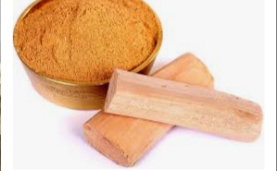
Sandalwood powder or sandalwood oil
Rose water
How to make and butter?
Mix one tablespoon of multani soil with honey and make a paste and apply it on the face. Then massage with light hands and leave for at least fifteen to twenty minutes and then wash your face with lukewarm water. Then apply a cream type moisturizer. However, do not apply this pack more than twice a week.
**How does it help?**
Helps to keep the skin moist and if you use it twice a week, the skin will become shiny and soft.
**4. To fix Akon's problem**
Below is a useful face pack to solve the problem of acne.
What do you need?
One tablespoon multani soil
Sandalwood powder or sandalwood oil
Rose water
How to make and butter?
Mix one tablespoon of multani soil with sandalwood powder or sandalwood oil to make a paste and apply it on the face. Then apply on the affected area and leave it on for at least 15 to 20 minutes and then wash your face with lukewarm water. However, do not apply this pack more than twice a week.
**How does it help?**
Sandalwood contains anti-inflammatory ingredients (5) which are useful in fixing acne. So those who are suffering from acne problems, they must not forget to use this face pack.
**5. To exfoliate the skin**
Using multani soil to exfoliate or scrub the skin will be very beneficial. Mix one cup of oatmeal with one cup of multani soil. You can add neem powder if you want.
. **To remove stains**
Acne mainly affects people in the form of acne scars. Make a paste by mixing tomato juice with multani soil to remove these spots on the skin. Then apply the paste on the face and wait for fifteen to twenty minutes. Then wash your face. In this case, mix 2 teaspoons of multani soil with 2 teaspoons of tomato juice, 1 teaspoon of sandalwood powder and 1 teaspoon of turmeric powder to make the paste. Try to use it twice a week, it can reduce the problem of skin blemishes (1).
. **To keep the skin clean**
Mix a small amount of multani soil with a little milk and then apply the paste on the face. Leave it for ten to fifteen minutes and wash your face well. Use twice a week. The skin will be clean and tidy.
. **Get rid of skin tan**
Take a small amount of leaf yogurt and mix the amount of multani soil in it and then apply the paste on the face. Leave it for ten to fifteen minutes and wash your face well. Use twice a week.
**Some tips for using multani soil**
Don't forget to eat it. Because it is known to block the airways (7). It is only used for skin application.
Always keep multani soil in a mouth closed container. Note that direct sunlight does not fall on this container.
**Keep away from kids.**
Before you start using it, you must check a small part of the skin, so that no problem occurs later.
However, before starting to use Multani soil, consult a dermatologist.
**Disadvantages of Multani soil**
We know that nothing should be overused. In this case too, you should use the same amount of multani soil, never think that using more multani soil will increase its benefits. The above mentions how many times you can use each pack. It is known that if it enters the mouth in any way, it can block the airways (7).
If you know about the properties of Multani soil, then you can understand how healthy it is for your skin and hair. From now on, don't forget to add it to your care routine. Take care of yourself and stay healthy.
**1. Makes the skin shiny**
Pack made of multani soil helps to keep the skin shiny by removing dust and dirt from the skin and enlivening the skin from the inside. Let's talk about Jenny.
What does it take to make this pack?
One tablespoon multani soil
One tablespoon of yogurt
Yellow
**2. In case of oily skin**
Multani soil is suitable for skin exfoliation i.e. scrub for all skin, not just oily skin. Below is a face pack that is useful in this case.
What does it take to make this pack?
One tablespoon multani soil
Rose water
**How to make and butter?**
Mix one tablespoon of multani soil with rose water and make a paste and apply it on the face. Then massage with light hands and leave for at least fifteen to twenty minutes and then wash your face with lukewarm water. Then apply gel type moisturizer. However, do not apply this pack more than twice a week.
**How does it help?**
This pack helps to rid the skin of dead cell problems and prevents pores from closing (4).
**3. For dry skin**
Below is a mention of this face pack suitable for dry skin.
What do you need?
One tablespoon multani soil
Honey
**How to make and butter?**
Mix one tablespoon of multani soil with honey and make a paste and apply it on the face. Then massage with light hands and leave for at least fifteen to twenty minutes and then wash your face with lukewarm water. Then apply a cream type moisturizer. However, do not apply this pack more than twice a week.
How does it help?
Helps to keep the skin moist and if you use it twice a week, the skin will become shiny and soft.
4. To fix Akon's problem
Below is a useful face pack to solve the problem of acne.
What do you need?
One tablespoon multani soil
Sandalwood powder or sandalwood oil
Rose water
How to make and butter?
Mix one tablespoon of multani soil with honey and make a paste and apply it on the face. Then massage with light hands and leave for at least fifteen to twenty minutes and then wash your face with lukewarm water. Then apply a cream type moisturizer. However, do not apply this pack more than twice a week.
**How does it help?**
Helps to keep the skin moist and if you use it twice a week, the skin will become shiny and soft.
4. To fix Akon's problem
Below is a useful face pack to solve the problem of acne.
What do you need?
One tablespoon multani soil
Sandalwood powder or sandalwood oil
Rose water
How to make and butter?
Mix one tablespoon of multani soil with sandalwood powder or sandalwood oil to make a paste and apply it on the face. Then apply on the affected area and leave it on for at least 15 to 20 minutes and then wash your face with lukewarm water. However, do not apply this pack more than twice a week.
How does it help?
Sandalwood contains anti-inflammatory ingredients (5) which are useful in fixing acne. So those who are suffering from acne problems, they must not forget to use this face pack.
**5. To exfoliate the skin**
Using multani soil to exfoliate or scrub the skin will be very beneficial. Mix one cup of oatmeal with one cup of multani soil. You can add neem powder if you want.
. **To remove stains**
Acne mainly affects people in the form of acne scars. Make a paste by mixing tomato juice with multani soil to remove these spots on the skin. Then apply the paste on the face and wait for fifteen to twenty minutes. Then wash your face. In this case, mix 2 teaspoons of multani soil with 2 teaspoons of tomato juice, 1 teaspoon of sandalwood powder and 1 teaspoon of turmeric powder to make the paste. Try to use it twice a week, it can reduce the problem of skin blemishes (1).
. **To keep the skin clean**
Mix a small amount of multani soil with a little milk and then apply the paste on the face. Leave it for ten to fifteen minutes and wash your face well. Use twice a week. The skin will be clean and tidy.
Take a small amount of leaf yogurt and mix the amount of multani soil in it and then apply the paste on the face. Leave it for ten to fifteen minutes and wash your face well. Use twice a week.
Some tips for using multani soil
Don't forget to eat it. Because it is known to block the airways (7). It is only used for skin application.
Always keep multani soil in a mouth closed container. Note that direct sunlight does not fall on this container.
Before you start using it, you must check a small part of the skin, so that no problem occurs later.
However, before starting to use Multani soil, consult a dermatologist.
**Disadvantages of Multani soil**
We know that nothing should be overused. In this case too, you should use the same amount of multani soil, never think that using more multani soil will increase its benefits. The above mentions how many times you can use each pack. It is known that if it enters the mouth in any way, it can block the airways (7).
If you know about the properties of Multani soil, then you can understand how healthy it is for your skin and hair. From now on, don't forget to add it to your care routine. Take care of yourself and stay healthy.
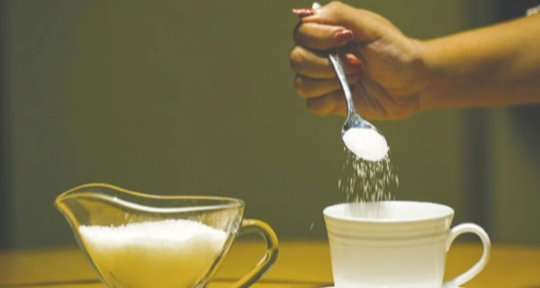
What's wrong with eating sugar, why should we avoid white sugar
Many people love to eat sugar or sweet foods. However, experts say that eating extra sugar is not good for health. Sugar is a small chain of carbohydrates. That means the sugar level is high in sugar. So for those who are prone to diabetes in the family, sugar is harmful.
Also, eating extra sugar increases the chances of weight gain. And those who are overweight are more likely to develop high blood pressure, diabetes and other non-communicable diseases. So it is forbidden to eat sugar or sugary foods.
According to experts, a person can eat three to five teaspoons of sugar a day. But in that case you have to keep an eye on how much carbohydrates are coming from other foods and how much is being consumed. Besides, there are some beneficial aspects of sugar. Sugar provides energy quickly, is beneficial for the skin, helps normalize low blood pressure and relieves depression. So it is better to eat moderate food without eating too much sugar or sweet food.
Can't leave the sugar after hundreds of attempts. When you see sweet things, water comes in your pocket. It becomes difficult to control yourself. There are some people who can't stop eating chocolate. So is this thing, sugar, a kind of addiction? Recently, scientists are giving many interesting information about this. In prehistoric times there was no sugar, instead honey and sweet fruit. They are broken down in different steps and mixed with the blood of the body. Processed sugar (refined sugar) is not. These are absorbed directly into the bloodstream and reach the brain.
Nowadays confectionery is made of concentrated sugar or high fructose syrup and sucrose, they are more intoxicating. Researchers say that sugar does not signal the complete satisfaction of our taste buds, as salt can. After eating a little salt or non-salty food, your taste buds will tell you that you have had enough, and can no longer eat. This is not the case with sugary foods. As a result, you can eat a lot of chocolate bars at once or you may want to eat more after eating a whole packet of sweet cookies. This desire dies shortly after a salty meal. Scientists at the American Heart Institute have noticed that processed sugar or white sugar repeatedly arouses the urge to eat, and if not eaten, it again causes withdrawal (physical reaction after quitting when addicted to a food)! Both of these are drug specialties.
When sugar lovers try to give up sugar, the brain becomes deficient in dopamine (a type of chemical secreted by the brain). As a result, they become depressed, irritable, and in a bad mood. Young children sometimes become hyperactive. However, they say that people are addicted to sugar, people are different, some less, some more.
Now the question is, is white sugar really bad? But why do we say that glucose or sugar is the source of all energy in the body or eating sugar increases intelligence? In fact, the sugar we are talking about here is not white sugar, this sugar means sugar. There is no objection to 50 to 60 percent sugar in a balanced diet. But those sugars have to be complex sugars. What we usually eat every day — rice, bread, cereals, fruits, various vegetables — has a lot of sugar hidden in them. These foods are broken down into glucose after digestion.
From glucose we collect the necessary energy. White sugar but not that. White sugar is sucrose, which does not need to be broken down, dissolves quickly in the blood and increases the amount of sugar in the blood. Our metabolic system cannot handle this sugar because in the past there was no sugar, the source of sugar was grains or fruits and for this reason the metabolic system did not develop in our body in that way. So this extra sugar then starts to accumulate in the body as a kind of fat (triglyceride). So eating white sugar not only increases weight and sugar, it also increases fat. The result is obesity, diabetes, high blood pressure, heart disease, fatty liver and many more. There are other bad aspects besides this. For example, white sugar increases food addiction and appetite, erodes tooth enamel, and it contains a lot of calories but does not have the necessary elements like fiber, vitamins, minerals, etc. These are quite good for complex sugars. So there is no need to eat sugar to get sugar, most of the food around us has sugar. White sugar is nothing more than an added harmful ingredient in that place.
Use of television in Bangladesh
On 25 December 1964, the Dhaka Center of Pakistan Television was inaugurated in what was then East Pakistan. Later, Rampura TV was officially launched in 1986. After the war of liberation, Pakistan Television was transformed into Bangladesh Television on 16 December 1971. The first TV broadcast outside Dhaka was started in 1968 through the Betbunia Earth Satellite Center. The TV station was launched in Chittagong in December 1997. In the beginning, television could be seen only in the houses of rich and affluent people in Bangladesh. But now TV can be seen in middle class and ordinary houses. As a result of the advancement of technology, apart from BTV through satellite, now there is an opportunity to watch programs on different channels in the country and abroad.
**Television requirements:**
In today's world it is important to keep pace with the times. Education, initiation, culture, manners, customs, culture, etc. of different countries of the world can be seen and heard through television. Also-
- Educational programs can be arranged through television to free the nation from the curse of illiteracy.
- Awareness can be raised through television on the development of agriculture.
- Television can be used to expand trade and commerce as well as to promote products and market products.
**Television as a news medium:**
With the advancement of technology, people are advancing to the pinnacle of civilization. Satellite has turned the world into a 'Global Village'. Through this, it is becoming possible to exchange news of every moment of the world. News of any situation, including natural disasters, earthquakes, storms, is available on television from anywhere in the world.
**Television as a means of entertainment:**
We can take television as a medium of diversified entertainment. Through television we get to see programs like literature, music, dance, drama, movies etc. Which is one of the ways to entertain us. People are naturally attracted to sports, entertainment, etc. And we can meet that demand at home through television. For example, we can enjoy various important sports including Olympics, World Cup without going to the playground, and we can enjoy various movies at home without going to the cinema. Besides, the role of television is important in the progress of cultural life of a nation.
**Television in education:**
Television is an important and effective medium for easy and convenient teaching. It is possible to teach many people together hand-in-hand. New doors are also being opened through Discovery, Animal Planet, National Geographic, History etc. channels. Television broadcasts, seminars, debates, etc. spread the knowledge. In addition, the information contained on television can be seen and heard at the same time, which is a suitable medium of education.
**The role of television in other fields:**
Television also has other roles. E.g.-
- To inform the people about the role of government in the development of the country.
- Creating public opinion on any issue.
- Maintain communication with the world.
- To expand the vision.
**Negative side:**
It cannot be said that television has its advantages and disadvantages. There are also some downsides to television. E.g.
* Excessive addiction to TV is harmful to people's physical and mental health.
* Excessive attraction to television keeps young people away from sports. As a result, they have become more interested in watching sports than playing sports.
* Bad programs broadcast on satellite are pushing the youth away from the national history, tradition and culture.
* At the root of the moral degradation and social degradation of the youth is the broadcasting of ugly and gross entertainment programs.
* On the other hand, by creating attraction towards consumer goods, television is pushing the youth towards consumer-oriented life.


3G or third generation or third generation network
The use of information and technology has revolutionized people's lives. The new invention of information and technology has brought the mobile phone in the palm of the hand. Now people can communicate instantly in any part of the world. And 3G network has opened a new direction in the world of mobile phones. As a result, people are able to talk as well as see his pictures, taking high speed internet service. This third generation network or 3G has made communication easier. 3G has revolutionized the world of mobile phones.
**3G key**:
3G is an acronym for Third Generation. The third generation of wireless mobile network technology is called 3G for short. In a word, 3G is a third generation technology service. According to the International Telecommunication Organization (ITU), 3G is a 'mobile video call and mobile broadband internet transporter network.' It is called 3G or third generation mobile telecom network.
**Origin of 3G or history of 3G**
Japan was the first country in the world to successfully launch the first 3G in May 2001. In 1979, the first One G was launched in Japan. After the introduction of 2G technology in Finland in 1991, research and development on 3G networks began in 1992. In 1997, NTT DoCoMo, a Japanese company, started working on a 3G network. In 2001, they successfully launched 3G. Currently, Japan is the only country in the world where 100% 3G is available. Then in 2002 South Korea launched 3G. 3G technology services are currently available in 155 countries around the world.
**Advantages of 3G:**
The benefits of 3G or third generation mobile network are many. There are many more benefits here than on a normal network. For example, 3G technology can be used to make video calls on mobile phones, watch television, and get high speed internet services. Services like e-commerce, e-banking, e-learning, e-health, e-governance and teleconference are also available on this third generation mobile network i.e. 3G.
**The difference between 3G network and 2G network**
There is a lot of difference between 2G or 2nd generation network facilities or 3G or 3rd generation technology. For example, in terms of data flow, 163 kilobytes of data can be exchanged per second in 2G. On the other hand, up to 40 megabytes per second can be exchanged in 3G. Not only voice calls can be made on 2G network, but advanced voice calls as well as video calls and video conferencing can be made in 3G.
In terms of security, the security of 3G network information exchange is stronger than 2G. Besides, in 2G technology, television cannot be seen on mobile. Television can be seen on mobile in 3G technology. Pathfinder GPS is only possible in 3G. Again many applications of all modern smartphones do not run without 3G.
**3G in Bangladesh**
Bangladesh is the third country among the 6 SAARC countries after Sri Lanka and India to launch 3G technology services. It was launched on 14 October 2012 by Teletalk, the state mobile operator of Bangladesh. Then on September 6, 2013, 4 more mobile operators were allowed to launch 3G. And these mobile operator companies are Grameenphone, Robi, Banglalink and Airtel. At present, the popularity of 3G network has increased in Bangladesh. There are about 90 million mobile phone subscribers in Bangladesh. And the mobile operator companies are working to provide better service and third generation network to these customers.
**Features of 3G technology:**
The third generation network i.e. 3G has many features. The International Telecommunication Union (ITU) has mentioned 6 features of 3G technology. These are-
(1) Compatibility
(2) Flexibility
(3) Affordability
(4) Modular design
(5) High data
(6) and security
**Forge has arrived**
In 2001, LTE (Long Term Evolution) was launched in several countries It has been recognized as a Forge technology network. If it is launched, it will revolutionize the world of mobile networks. As a result, the speed of the Internet will increase many times. Here data can be exchanged at speeds ranging from 2 megabytes per second to 40 megabytes. Mobile operators will be able to offer 4G technology or LTE services with a 3G wave allocation license and will not need a separate license.
**Negative aspects of 3G**
There are good and bad aspects to everything. There are also some downsides to 3G technology. For example, as a result of high speed internet facility, children will spend more time with mobile phones, various social networking sites like Facebook, Twitter, MySpace, blogs will want to stay up all the time. The tendency to wake up at night will increase, which can disrupt studies. It can also be addictive to pornographic videos or pornographic images. Besides, 3G smartphones are also much more expensive than ordinary mobiles. The main limitation of 3G technology is that it does not use a wide network band. As a result, it is relatively difficult to provide this service in remote places.
The present world is in the palm of your hand. People can now communicate with people in any part of the world for the benefit of information and technology. And the wonderful discovery of information and technology is the mobile phone. Mobile phones have changed the world. Through 3G technology, people are able to communicate more easily with their loved ones. In addition to talking, watching their pictures, watching television, high-speed internet service, all these sophisticated services are providing 3G and third generation network technology. Bangladesh is not lagging behind in the service of this technology.
Light and its refraction
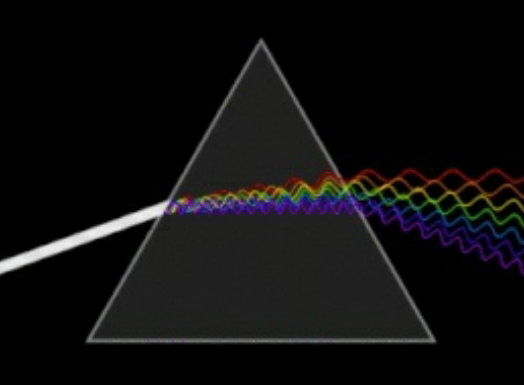
Light is a kind of energy or external cause, which enters the eye and gives rise to the feeling of vision. [1] Light makes the object visible, but it itself is invisible. We do not see the light, but see the illuminated object. Light is a kind of diffused energy. It is a kind of wave. Light travels from one place to another in the form of oblique electromagnetic waves. The speed of light varies with the medium. The speed of light is disproportionate to the density of the medium. The speed of light through zero is the highest, the speed of light is not infinite. The speed of light in space is 29,97,92,454 meters per second or 1,6,000 miles. It is not possible to touch the speed of light in any way. There is no relative speed of light. The speed of light is always equal. Visible light is basically just a small part of the electromagnetic spectrum. Which we see in the rainbow. Light is reflected, refracted, refracted, distorted. Surprisingly, particle religion and wave religion exist at the same time.
**The position of visible light in the electromagnetic spectrum**
Policy editing of light path and format
In 1850, Pierre Fermat gave a policy on light, known as the Fermat principle. According to this principle, "when a ray of light is reflected or reflected on a flat surface according to the law of reflection or refraction, it always follows the shortest path." [3]
We know that if a light ray travels from one point to another distance after being reflected or refracted by a flat surface, the shortest time it takes to reach that distance is the shortest time it takes to reach that distance. Now the principle of the shortest path of light or the minimum time is only applicable to a flat surface. With the exception of the globular surface, the ray of light will travel the shortest or longest path. However, the path of light will always be constant. [3]
**Reflection of light**
LIGHT REFLECTION is the process by which a part of a ray of light passes through a translucent medium and falls under a differential medium.
**Sources of light reflection:**
The incident ray, the reflected ray and the perpendicular drawn to the reflector at the point of incidence are always on the same plane.
The values of angle of incidence and angle of reflection are always the same. [3]
**Refraction of light**
If light is projected diagonally under the separation of two transparent media of different densities, the direction of the beam changes as it enters the second medium. This change in direction is called refraction of light. The law of refraction of light
The perpendiculars drawn between the incident rays, the refracted rays and the point of incidence of the two mediums are always on the same plane.
The ratio (refractive index) of the sine of the incident angle and the sine of the refraction angle is always the same at the difference of two specific media, in the refraction of light of a certain color. [3]
Thus, sin i / sin r = meu
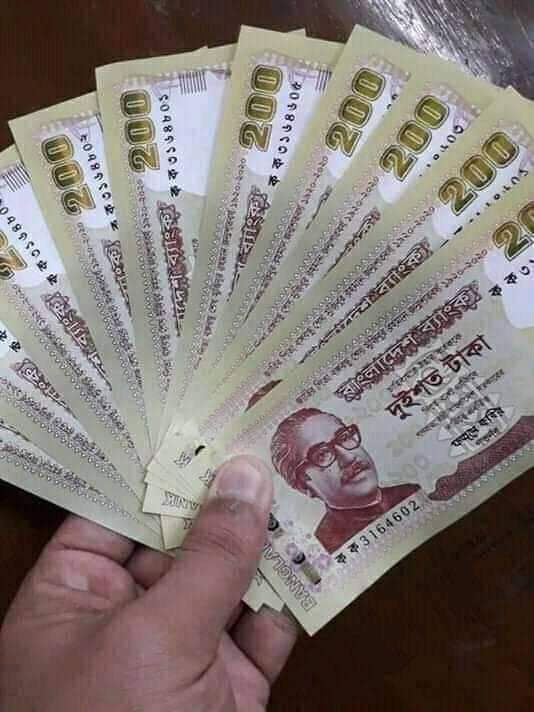
200 taka notes, 4 200 taka notes, 4 commemorative notes and coins on
On the occasion of the birth centenary of Father of the Nation Bangabandhu Sheikh Mujibur Rahman, banknotes worth Tk 200 are coming in the market for the first time on March 16. This information was given in a notification of Bangladesh Bank on Tuesday.
According to the central bank, gold and silver commemorative coins worth Rs 100 and commemorative notes worth Rs 100 and Rs 200 will be available at other branch offices of Bangladesh Bank, including Motijheel office, from March 16. Earlier, they will be released on March 16. On that day, Prime Minister Sheikh Hasina will inaugurate it at the Osmani Memorial Auditorium in the capital. The note will have the same inscription on it as in the case of a conventional bank note, 'will be obliged to give it to the bearer only on demand'.
At present there are 1 Taka, 2 Taka, 5 Taka, 10 Taka, 20 Taka, 50 Taka, 100 Taka, 500 Taka and 1000 Taka notes in circulation.
Commemorative notes worth Rs
Features of Rs. 200 denomination commemorative banknotes
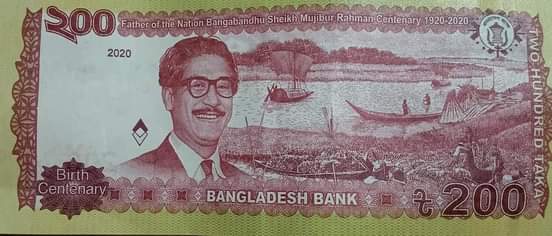
These notes are printed on 100% cotton paper and varnished with UV curing. The commemorative banknote denomination of Rs. 200 signed by the Governor of Bangladesh Bank Fazle Kabir has a portrait of Bangabandhu on the front left side and the denomination notes of '৳ 200' and '200' are printed in the background. Besides, on the upper part of the note is written 'Father of the Nation Bangabandhu Sheikh Mujibur Rahman's birth centenary 1920-2020', in the upper right corner is written '200' in English and in the lower right corner is written 'মূল্য 200' in Bengali. On the right side of the back of the note is a view of the flowing river and river bank of rural Bengal (boat on the river bank, jute fields on the bank and jute loading on the boat). On its left side is a picture of Bangabandhu when he was a minister of the United Front. On the top of the note is written in English ‘Father of the Nation Bangabandhu Sheikh Mujibur Rahman Centenary 1920-2020’ and in the lower left corner is written ‘Birth Centenary’.
In the upper left corner of the note is written '200' in Bengali and in the right corner is 'Bangladesh Bank Monogram' and in the lower right corner is written '৳ 200'. In addition, it is emblazoned with the 'Bangladesh Bank Monogram' and the color of the security thread changes from red to green when the note is moved. The ‘200’ value printed in English in the right corner of the note is printed with high quality security ink so that the color changes from gold to green when the note is moved and a bright bar fluctuates from top to bottom. The Rs 200 commemorative bank note will be used in daily transactions like other bank notes.
Features of commemorative notes worth Rs
The commemorative note, signed by Bangladesh Bank Governor Fazle Kabir, has a portrait of Bangabandhu Sheikh Mujibur Rahman on the left side of the front of the note and 'Bangabandhu's signature design' is printed on the background of the note. The upper part of the note reads 'Father of the Nation Bangabandhu Sheikh Mujibur Rahman's birth centenary 1920-2020' and the lower part 'Mujib Year'. On the right side of the note, the value of the commemorative note is written as '100' in English and 'নিচে 100' in Bengali. In addition, on the left side of the note, there is a vertical denomination of '৳ 100' in English. On the back of the note is a view of the Sundarbans (a view of the river with the Royal Bengal Tiger inside the golpata and sundari trees and the river with sailing boats beside the forest). On the top of the note is written ‘Father of the Nation Bangabandhu Sheikh Mujibur Rahman Centenary 1920-2020’, below is written ‘ONE HUNDRED TAKA’ and ‘BANGLADESH BANK’. In addition, on the top right side of the note, the value of the commemorative note is printed in English as '100' and in the lower left side, the value is denoted as 'বাংল 100' in Bengali and on the right side is printed 'Monogram of Bangladesh Bank'. The commemorative note of Rs 100 has 'Bangabandhu's portrait', '100' and 'Bangladesh Bank's monogram' as watermarks. In addition, the ‘Bangladesh Bank Monogram’ is inlaid and the color of the security thread changes from green to blue when the note is moved and the inner circular design changes from small to large and from large to small / size.
Features gold and silver commemorative coins worth 100 rupees
The gold commemorative coin made of 25 mm diameter and 22 carat gold with a face value of Rs 100 weighs 10 grams and the silver commemorative coin with a face value of Rs 100 with a diameter of 36 mm and made of 925 fine silver weighs 30 grams. Portrait of Bangabandhu Sheikh Mujibur Rahman on the front of both gold and silver commemorative coins, denomination '৳ 100' below the portrait and semicircularly 'Father of the Nation Bangabandhu Sheikh Mujibur Rahman Birth Centenary 1920-2020' and 'Bangladesh Bank Monogram' The line reads 'Centenary 1920-2020' and 'Father of the Nation Bangabandhu Sheikh Mujibur Rahman'.
The gold commemorative coin has been priced at Tk 53,000 including the commemorative box and the silver commemorative coin has been priced at Tk 3,500 including the commemorative box.
The different parts of an ideal plant cell and their function
Although quite small in size and volume, the structure and function of the cell is quite complex. An ideal plant cell consists mainly of two parts - the cell wall and the protoplasm
**Cell wall and cell membrane:** The cell wall is the outer layer of the cell. It is made of inert cellulose and is a unique feature of plant cells. Animal cells have no cell wall. The cell wall gives the cell a certain shape and firmness. The fine elastic, living membrane that surrounds the cytoplasm of a cell is called the cell membrane. The cell membrane controls the movement of substances inside and outside the cell.
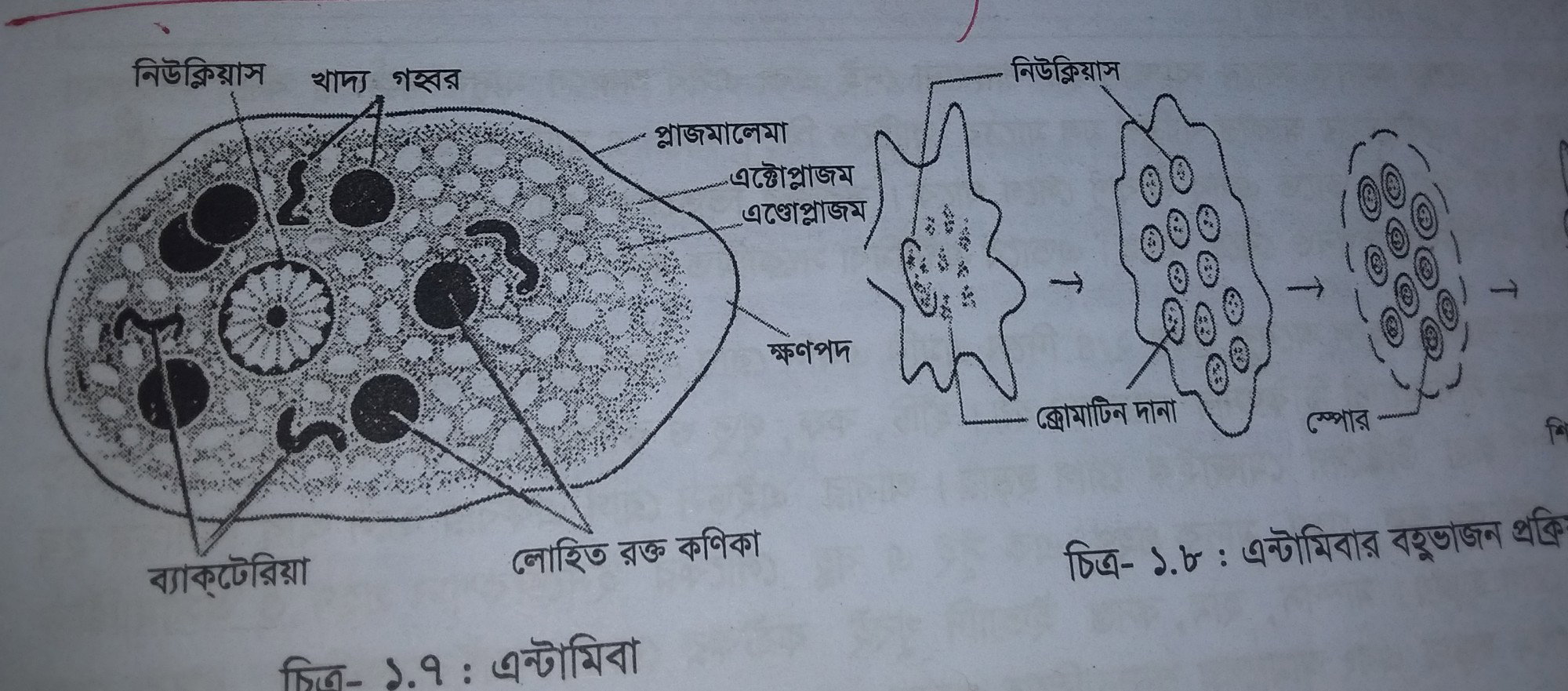
**Protoplasm**: Protoplasm is the main building block of the cell. The water content is about 85 to 95 percent. The nucleus, mitochondria, plastids, etc. are floating or sinking in the protoplasm. Protoplasm is composed of organic matter like carbs, sugars, lipids etc. Among the inorganic substances are minerals and gases dissolved in water. All the work of the cell is done in the protoplasm. It is usually dynamic and capable of reproduction.
**Cytoplasm**: The cytoplasm is the part of the protoplasm that surrounds the nucleus. It is mainly made with meat. The major organs of the cell in the cytoplasm are discussed below
**Mitochondria**: The respiratory organs of mitochondrial cells. The mitochondria are the only source of energy needed to manage the cell's biological function. That is why it is called the powerhouse of the cell. It plays a major role in the management of all oxygen transport and respiratory functions. Mitochondria look round, rod-shaped or thread-shaped. They are scattered in the cytoplasm of plant and animal cells. The mitochondria are made up of two layers. The outer covering is smooth but the inner covering is folded in various ways and hangs on the inside. The hanging folds are called Christie's. Mitochondria contain about 63% protein, 25% lipids and 0.5% RNA. The semi-liquid granular material inside the mitochondria is called matrix.
**Cell cavity**: A cavity filled with fluid surrounded by a single membrane in the cytoplasm is called a cell cavity. Water, organic acids, sugars, mineral salts etc. are stored in the cell cavity. Plant cell cavities are quite large and cover most of the cell space. The cells of animal cells are very small in size but large in number. It acts as a storehouse of cells.
**Plastids**: The organelles that are pigmented or colorless in plant cells are called plastids. Plastids are one of the unique features of plant cells. Due to its presence, the leaves, flowers and fruits of the plant can be seen in a variety of colors. Plastids that contain green chlorophyll are called chloroplasts. The leaves of the plant look green for chloroplasts. Chloroplasts contain chlorophyll. Chlorophyll helps in photosynthesis.
Plastids with colors other than green (red, yellow) are called chromoplasts. It contains a lot of carotene and xanthophyll. Flowers and fruits come in different colors for chromoplasts. And because of this, insects and butterflies are attracted to flowers and pollinate. Colorless plastids are called leukoplasts. It is found in the lower part of the soil of plants (mainland stems). It stores food.
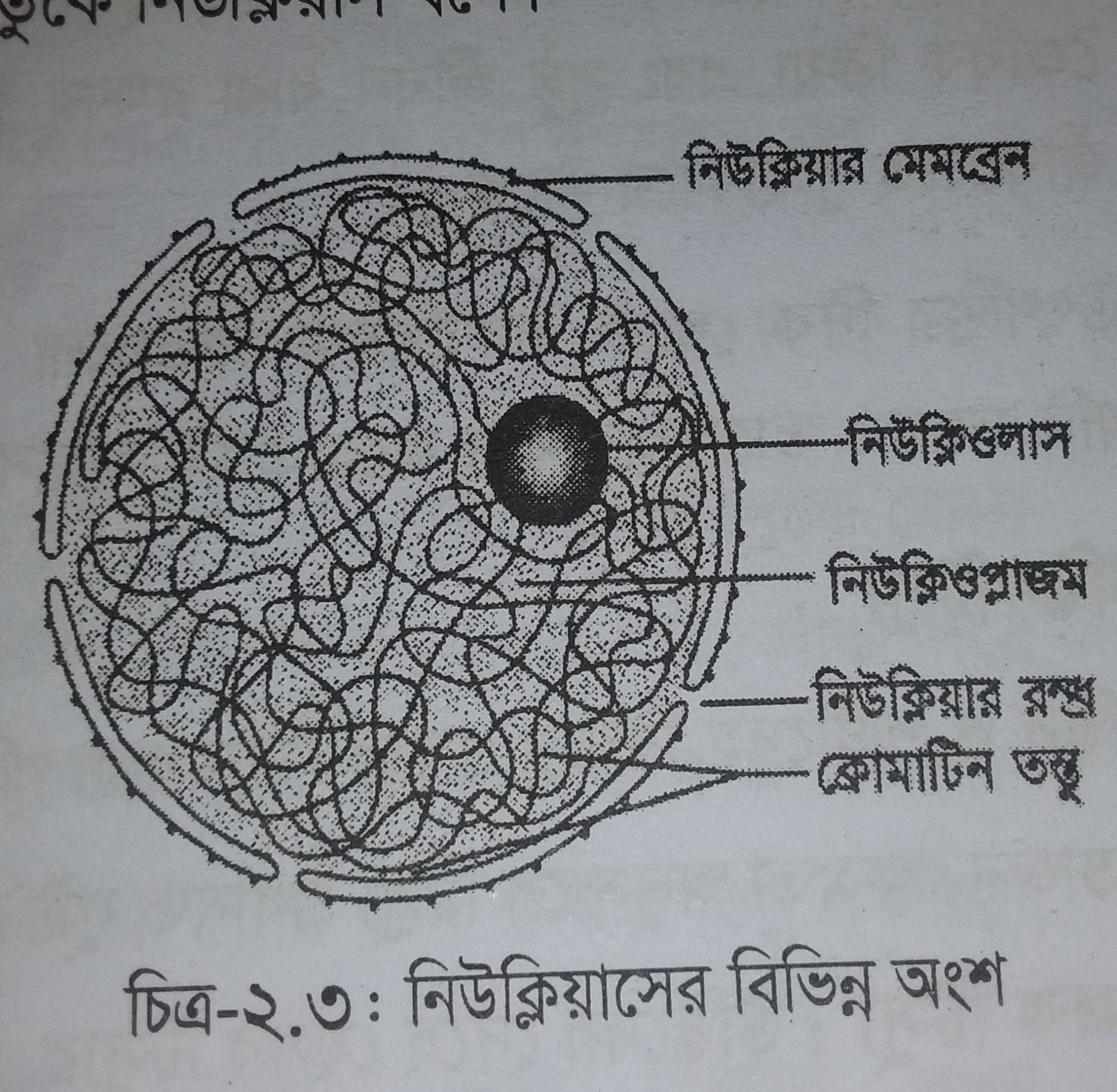
**Nucleus**: The most dense, almost spherical cell organelle of the protoplasm is called the nucleus. The nucleus controls all the biological functions of the cell. The nucleus is separated from the cytoplasm by a fine living covering. This living coating is called nuclear coating. The nucleoplasm is a fluid made of protein inside the nucleus. One or more bright dense spherical objects in the nucleus is called nucleolus. The nucleolus participates in cell division. Some of the long thread-like objects found in the nucleus are chromosomes. Chromosomes are made up of many very fine genes. The chemical component of a gene is DNA. Through genes, various characteristics of an organism, such as body size, volume, color, sex, etc., are transmitted from parents to offspring. That is why chromosomes are called the bearers and carriers of heredity.
The nucleus controls all the biological functions of the cell. Cells cannot survive without the nucleus. That is why it is called the heart of the cell. Each human body cell has 23 pairs of chromosomes. Of these, 22 pairs control the anatomy and biological functions, while the remaining one pair determines the sex of the child. X chromosomes are the two sex-determining chromosomes in the deployed cells of females. But in men, one is X and the other is Y chromosome. During female ovulation, each egg attains one X chromosome along with the other chromosomes. But during male sperm formation, half of the sperm acquires the X chromosome and the other half acquires the Y chromosome. If the X chromosome-carrying sperm fertilizes the egg during pregnancy, the chromosome of the fertilized egg will be X and the child will be a daughter. On the other hand, if the sperm carrying Y chromosome fertilizes the egg, the chromosome of the fertilized egg will be X Y and the child will be a son.
A significant difference between plant cells and animal cells is that plant cells have an inert cell wall made of cellulose outside the plasma membrane but the cell cell has a plasma membrane, not a cell wall. It is also noteworthy that plant cells usually contain plastids, not living cells. As the cavity in the plant cell becomes larger, the nucleus is located on one side of the cell. On the other hand, cell cavities are very small and much larger in number. As a result, the nucleus is in the center of the cell. In plant cells, sugars are stored as starch, but in animal cells, sugars are stored as glycogen. Plant cells do not have centrosomes, but animal cells always have centrosomes.
Benefits of fishery resources and fisheries resources of Bangladesh
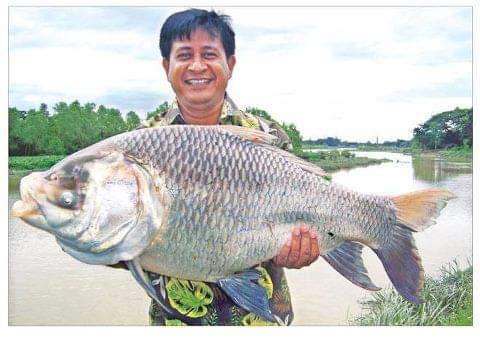
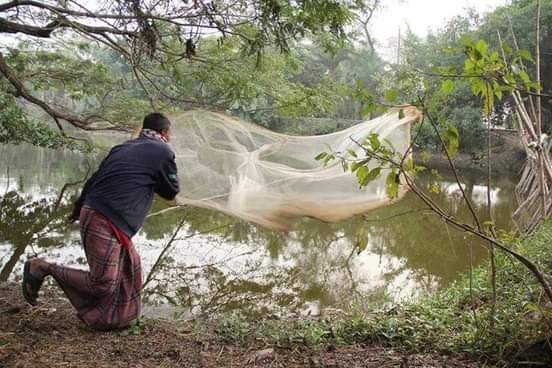
Bangladesh is a riverine country. There are innumerable rivers, canals, beels, haors, ponds, etc. in different parts of this country. These reservoirs are rich in different species of fish. Fish is our favorite food. That is why we are called Bengali in fish and rice. The fish of Bangladesh earns a lot of foreign exchange by meeting the demand of the country and exporting it abroad. Earlier, a lot of fish could be found in this country but now its quantity is decreasing day by day. Therefore, it is necessary to pay attention to these resources by considering socio-economic progress, prosperity, self-employment, etc.
**Fisheries resources of Bangladesh**
Although not developed in the fisheries industry, Bangladesh is rich in fisheries resources. Bangladesh is known as the largest deltaic region in the world. There are different types of fish in different water bodies of riverine Bangladesh. Which makes a huge contribution to our national economy. Large quantities of fish are extracted every year from the inland and marine reservoirs of Bangladesh. About 10 percent of the people of the country make a living directly and indirectly through fishing, marketing and trade. Fisheries are about 5% of the gross national product of Bangladesh. Bangladesh produces a lot of fish every year. According to the report titled The Global Aquacuture Production Statistics for the year 2011 published by the Food and Agriculture Organization of the United Nations (FAO) in 2013, Bangladesh ranks fifth in the production of farmed fish. Annual fish production in Bangladesh is 15,24,000 tons. China is the world's largest producer of farmed fish.
**Types of fish:**
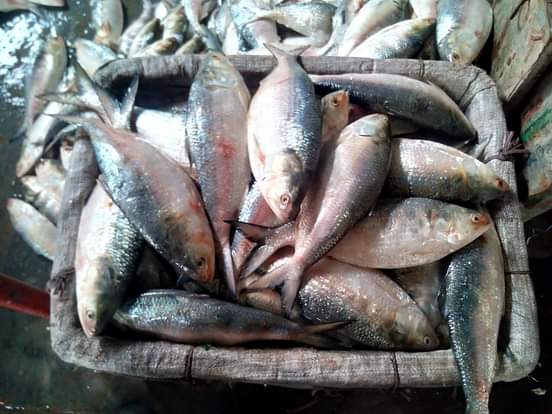
There are two types of fish available in our country. Namely- fresh or freshwater fish and salt water fish. Hilsa is the main marine fish. Hilsa is our national fish. There are also Laksha, Rupchada, Shrimp, Lobster, Shark, Poya, Vetki, Coral, Boal etc. Among the freshwater fish are Rui, Katla, Mrigel, Chital, Ayr, Boal, Pangas, Kalbaish, Shoal, Gajar, Koi, Magur, Mala, Shrimp, Pabda, Tilapia etc.
**Fisheries of Bangladesh:**
Rivers, canals, beels, ponds, haors, estuaries and sea areas of Bangladesh are the main fisheries areas of Bangladesh. About 250 species of fish are found in the fisheries sector of Bangladesh. According to the field of fish production in Bangladesh, they are divided into two parts. (A) Inland fisheries. (B) Marine fisheries. (A) Inland or freshwater.
**Fisheries**
The rivers, canals, beels, ponds, haors, paddy and jute fields and estuaries of Bangladesh are called inland fisheries. The area of inland fisheries is about 1 crore 30 lakh 35 thousand 600 acres and the number of fishermen is about 6 lakh 72 thousand. The following is the production of Bangladesh's internal fisheries sector-
Year 2010-11 2011-12 2012-13 Domestic Fisheries 25.15 lakh metric tons 26.73 lakh metric tons 26.71 lakh metric tons Source: Department of Fisheries, Ministry of Fisheries and Livestock. -
**1) Open water bodies**: There are about 40.25 lakh hectares of open water bodies in Bangladesh. These include rivers and estuaries, Sundarbans, beels, Kaptai Lake, floodplains. In 2012-13, fish production from open water bodies was about 9.53 lakh metric tons.
(**2) Closed reservoirs**: Dighis, ponds, baor ponds etc. of Bangladesh belong to this category of fisheries. There are about 6.41 lakh hectares of closed water bodies in Bangladesh. In 2012-13, the production of fish from closed reservoirs was about 16.28 lakh metric tons.
**Internal Fisheries:**
There are inland fishing centers in different parts of Bangladesh. Such as Dhaka's Sowari Ghat, Kajla, Narayanganj, Munshiganj, Chandpur, Jamalpur, Sirajganj, Pabna, Kishoreganj, Madaripur, Sylhet, Netrokona, Rangamati, Khulna, Patuakhali etc. districts are notable internal fisheries centers of Bangladesh.
**(B) Marine Fisheries**: Bangladesh is very rich in marine fisheries resources. Of the 465 fish species, only 133 have been discovered. Of which 42 species have been included in the trade. Due to the lack of skilled fishermen, capital, necessary equipment, equipment, large ships, etc., it is not possible to fish a large part of the fisheries. The marine fisheries of Bangladesh can be divided into two parts viz.
**1) Coastal Fisheries**: About 632 km in Bangladesh. There are coasts. Although fish farming is not widespread in the coastal areas, unplanned shrimp farming has become widespread.
**(2) Deep sea fisheries:** 320 km from the coast in accordance with international law. Bangladesh's maritime boundaries extend to the deep sea. The deepest part of it is rich in fisheries resources.
**Marine Fisheries Center**
Notable marine fisheries centers in Chittagong region are Teknaf, Maheshkhali, Sandwip, Cox's Bazar, Kutubdia, Sonadia and Hatia, Dubla Island in Sundarbans area, Rangabali, Baishadia etc.
Importance of fisheries resources in the economy of Bangladesh: Fisheries resources are one of the most important resources of Bangladesh. The contribution of fisheries resources to the total national production of the country is about 5 percent. 4.38% in terms of export earnings.
The importance of fisheries resources is highlighted below-
**Fish as food**
It is called Bengali in fish and rice. Without rice and fish, our food is not satisfied. As a result, fish is in the food every day. Fish contains calcium, phosphorus, iron, mineral salts, vitamins A and D.
**Current status of fisheries resources**
Since independence, Bangladesh has earned a lot of foreign exchange by exporting fish. Quality frozen shrimp and fish products are exported from Bangladesh to other developed countries including United States, United Kingdom, Japan, France, Hong Kong, Singapore, Saudi Arabia, Sudan. From which Bangladesh earns a significant amount of foreign exchange. The following is the growth and contribution of GDP from fisheries resources of Bangladesh-
Growth Rate% Year 2011-12 2012-13 Fishery Resources 5.39 5.52 Contribution Rate% Year 2011-12 2012-13 Fisheries Resources 4.39 4.38 Source: Economic Survey of Bangladesh 2013 Problems or Deterioration of Fisheries Industry Being. The following are the reasons for the deterioration of fisheries resources-
- The amount of fishing area is decreasing due to the fall of char in the river. As a result, the number of fish is decreasing.
- People are building houses by filling river canals and beels day by day. As a result, the habitat and reproduction of fish is disrupted.
- A lot of fish die as a result of using a lot of pesticides in the land.
- Due to lack of rain in time, the river water dries up.
- Dimwala and pona fish are being killed unplannedly from the river.
- Fish die due to contamination of water by industrial wastes.
- Many fish rot every year due to lack of necessary measures for conservation.
- Many fish are lost due to marketing difficulties.
**Steps taken for the development of fisheries resources**
Everyone needs to have goodwill for the development of fishery resources in Bangladesh. Fish farming is being severely affected every year due to lack of water. For this, Ganga and Teesta water sharing agreements are needed for proper water supply. Moreover, river dredging has to be done to save water. Eggs and fry should be avoided. We have to move away from fishing with dams in the river. Air-conditioned transport should be arranged for fish conservation. Above all, it is necessary to set up necessary training centers to impart modern rules to the fish traders and to increase the number of fisheries experts.
**Government efforts**
The government is making various efforts to develop fisheries resources. For this the government has set up a separate department. Moreover, fishermen are providing loans on easy terms to buy boats and nets. Large rivers, canals and beels are being settled with the fishermen through the association. Besides, cold storages and harbors have been constructed for fish conservation. Fisheries Research Center and Fisheries Training Center have been set up for the development of fisheries industry. Above all, the government is taking various measures to develop fisheries resources.
We are Bengalis in fish and rice. Therefore, in order to improve the fishery resources, it is necessary to improve these resources keeping in view not only the domestic demand but also the foreign demand. The sincere efforts of all those who need to keep the wheel of the country's economy in motion and turn fishery resources into sustainable resources.
Beauty displays on the beach
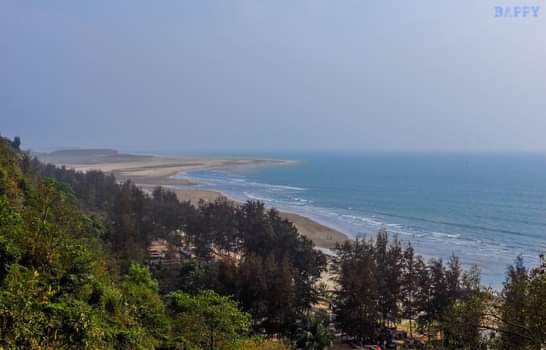
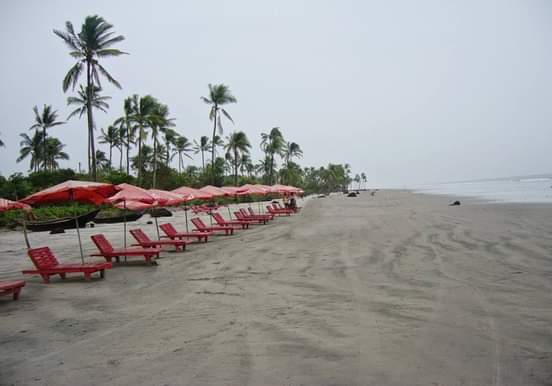
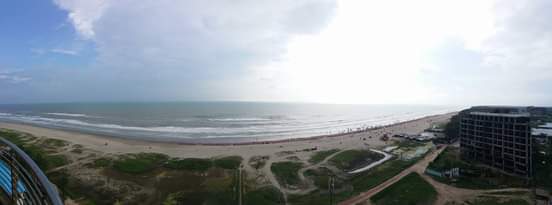
The sea is one of the natural mysteries. There are endless mysteries and wonders hidden behind the vast sea. This beauty is hidden in the vast sands, pebble corals and waves. Although there are beaches all over the southern coast of riverine Bangladesh, two beaches are famous. One is Cox's Bazar, the largest beach in the world, and the other is Kuakata Beach, a wonderful place to watch the sunrise and sunset. So Kuakata beach is the first choice for travel-loving and beauty-loving people. Located in Patuakhali district, this 18 km long foothills of natural beauty is attractive to tourists all year round.
**Imaginary beach:**
I have a strong desire to see the sea since my childhood. After reading stories, poems, novels about the beach and listening to the thrilling descriptions of the teachers, my teenage mind was constantly swayed by various fantasies about the vastness of the sea. The long beach of the ocean, and the vast beach, the terrifying trap of quicksand, the roar of the distant sea, the palm of the blue sea, all the time the eyes of my imagination were searching! All of this blew my mind and encouraged me to travel the sea.
**Kuakata:**
Kalapara thana is the southernmost of Patuakhali district. Kuakata is located in Latachapali union of this police station. This is the only place in Bangladesh where sunrise and sunset can be seen at the same time. The area is inhabited by a small ethnic Rakhine community. The Rakhine occupation is to catch fish from the sea, sell it and dry the fish. The process of drying fish can be seen in Rakhine villages. The area is named after the Kuakata Rakhine. When the Burmese king occupied Arakan State, the homeland of the Rakhine, thousands of Rakhine began to settle on the shores of the Bay of Bengal. They named the place Kansai, which means lucky. After digging a large well and finding fresh water, the area was renamed 'Kuakata'. Kuakata beach is 16 km long and has huge coconut groves, Gangamoti reserve forest and huge Kawar char.
**Kuakata Journey:**
Then I was a tenth class student of Jessore district school. Our teachers decided to go to Kuakata beach for the annual trip from school. I am happy to have that opportunity. On the appointed day, almost all the teachers and students of the school started their journey for the purpose of Kuakata. In the gentle breeze, in the sweet afternoon sun, our car tilted and drove towards Patuakhali via Jessore and Khulna. Ignoring the mild cold, we continue on our way enjoying the joy of travel and the beauty of the moonlit night. Sometimes the romantic and lost day songs of friends and teachers make our night vigil more lively. Then at the end of the long journey we reach the much awaited Kuakata and enjoy the pleasure of seeing the beach.
**Dawn sunrise scene:**
Arriving in Kuakata, we went to the seaside resthouse and tourist hotel to have a light breakfast and tea in the morning to strengthen the body. Then, with the chirping of birds in the early morning, I headed for the beach to watch the morning sunrise. At this time, the gentle breeze of the morning filled our minds with excitement. Just as I was trying to reconcile my imagination with reality, I noticed that the red sun of my imagination was scattering like a bloodbath in the vast expanse of the ocean. We were overwhelmed by the beautiful view of the sunrise. After enjoying the beauty for a while in silence, frozen and serene, we rushed to the next attraction. Someone in a group and someone alone spread around to see the mysterious beauty.
**Midday sunny blue sky**:
As the day progresses, the crowds of local and foreign diverse people increase on the beach. Standing at the confluence of the world's water and land, I continue to enjoy the view of the huge waves crashing on the shore of the beach with fascinated eyes. At twelve o'clock in the afternoon, everyone in the group jumped into the sea bath. Some enjoy the time playing football and playing in the sand. We all picked up some pebbles and sea snails and bathed in the sea. At that time the cook came and informed that lunch was ready. We went to the hotel, changed our clothes and had lunch. Then when everyone took a temporary rest, I went to the room and started writing in my diary the events that had taken place so far.
**Afternoon romance:**
In the afternoon we went for a walk on the beach in the setting sun with some friends. At this time we spent some time taking pictures around and collecting snails and oysters. The twinkling sun on the sand in the afternoon and the variety of visitors made my heart tremble. At that time, the eastern sky was adorned with seven colors and a huge rainbow of light seemed to greet us. Then my mind sang- ‘What a beautiful garland you wore today.’
**Stunning sunset views:**
Lots of visitors flock to see the magnificent sunset view of Kuakata. At this time a pleasant atmosphere was created all around. The blue sea in the red sky in the western sky and the scene of the sun playing hide and seek is a memorable moment for anyone. The scenery of this period is difficult to express in language. There is nothing more beautiful than the sight of the red sun disappearing before the eyes like a huge dish.
**Departure from Kuakata:**
After enjoying the sunrise, noon, afternoon, sunset, our farewell arrived. We were all ready to go back. The mind was swaying with joy and sadness at the same time to see such a wonderful scene and to leave it. We got on the bus and sat in our respective seats. And I waved my hand at the window and said goodbye to Kuakata beach and left for home. The memory of Kuakata remained with him.
Memories chase people back. And if that memory is a mixture of joy and pain, then it leaves a permanent mark on the heart. The deep emotion that Kuakata beach creates in my mind in just one day is truly amazing. The sea with its aesthetic beauty purifies the human mind from all narrowness and superstition and brings peace to the work-weary heart. The sea teaches people generosity, tenderness and love for nature. Kuakata beach trip will be immortalized in my memory, in my heart.
Benefits of various festivals and celebrations in Bangladesh
People celebrate. The day when people specialize, especially realize the power of your humanity. …… Every day people are small and lonely but on the day of festival people are big, on that day they are big together with all the people, on that day they are great by feeling the power of all humanity. ” Rabindranath Tagore
Many festivals come in the religious, social and cultural life of Bengalis on the stage of the colorful debut of the season. The rhythm of festive life, the veil of daily triviality, the movement to expand the horizon of the soul. Bangladesh is as beautiful in different seasons as it is in different festivals. The people of this country get involved in different festivals at different times. So this country can be called the country of festivals. Not only does the festival bring joy to the human mind, but the overall picture of a country also flourishes through various festivals. The various festivals celebrated in our country are the bearers and carriers of our culture and tradition. Through the festival, man transcends the narrow confines of his daily life to the larger realm of reunion. Everyday busyness makes people's life tired, diversified. In this busy life people want a little joy, a little comfort. Different festivals bring this message of joy in life. Almost every month one or another festival is celebrated in Bangladesh. The festivals of this country sometimes cross the borders of the country and have an impact at the international level.
**What is a festival?**
‘Festival’ basically means a joyous occasion. Through the festival we express joy and gain joy. But this is not the only joy. The festival is a way to bring happiness or joy to all in the family, social or communal environment. In that sense, the festival makes everyone happy. The English word ‘festival’ in Bengali means festival. However, the word ‘festival’ is used in a slightly broader sense. It is related to society, the individual or family is secondary here.
**Types of festivals**; There are different types of festivals in Bangladesh. These festivals are an important part of Bengali history and tradition. The festivals of Bangladesh can be mainly divided into several categories. Such as- 1. Religious, II. Social, 3. National and 4. Cultural festival.
**These are discussed in detail below:**
**1. Religious festivals**:
Usually religious festivals are held centering on one religious belief and thought after another. Among the religious festivals of Bangladesh are Eid-ul-Fitr, Eid-ul-Azha, Eid-e-Miladunnabi and Muharram. Durga Puja, Kali Puja, Saraswati Puja of Hindus. Buddhapurnima of the Buddhists. The main religious festival of Christians is Christmas.
**Eid**: Eid is the biggest religious festival of Muslims. Eid means joy, Eid means happiness. Eid comes with the message of joy and reunion. People forget the hatred, the grief. Eid is celebrated very solemnly in Bangladesh. Eid comes twice a year. First comes Eid-ul-Fitr, then Eid-ul-Azha. Muslims fast during the month of Ramadan. The Arabic month of Ramadan is a time of fasting or abstinence. After fasting from the first to the last day of the month of Ramadan, they observe Eid-ul-Fitr on the first day of the month of Shawwal. Eid-ul-Azha is celebrated on the tenth day of the month of Jilhaj. Sacrifice is done on this day. It is called the Eid of Sacrifice. Many also call it the Eid of Sacrifice. The meat of the sacrificial animal was also distributed among the poor relatives. On the day of Eid, everyone wears good clothes. He goes to Eidgah Maidan to perform Eid prayers. After the prayers, they hug each other. On this day everyone organizes a little good food. They share the joy of Eid by eating themselves and feeding the neighbors.
**Muharram:** Muharram is a sad and solemn festival. Muharram is basically the name of the first month of the Hijri year. On the tenth day of this month, Imam Husain, the grandson of the Prophet Muhammad (peace be upon him), was ruthlessly martyred along with his family in the desert of Karbala at the hands of the Ajid soldiers. The commemoration of this tragic event is called Muharram.
Shab-i-Barat: Shab-i-Barat means good night. A big religious festival of the Muslim society. On the night of Shab-i-Barat, Allah the Almighty forgives the sins of His servants and determines the good fortune of the coming year. Therefore, devout Muslims perform these prayers and seek forgiveness from Allah. Charity and prayers are the main theme of this festival. Emotion, excitement, not joy, the essence of the pursuit.
**Durga Puja:** Durga Puja is the biggest religious festival of the Hindu community. This puja is performed in autumn. Saptami, Ashtami, Nabami- Durga Puja is held on these three days. However, the festival on the sixth day before the seventh is called Bodhan and the festival on the ninth day after the ninth is called Vijaya Dashami. A unique form of devotion from enlightenment moves the life of Bengali Hindus. Durga Puja begins in a grand manner on the seventh day. However, on the eighth day, the pomp and joy is the most. Aarti is performed for the goddess at night. The puja performed at the juncture of Ashtami and Nabami is called Sandhipuja. The idol of the goddess is offered on the tenth day. Durga Puja ends with the immersion of the idol of the goddess in the river water. But this farewell is not forever. When the Bengali Hindus go to pay homage to the Goddess, they pray that the Goddess brings this mother form every year and brings good news for all. Shakti, Samya, Maitri are the three ideals of Durga Puja established in the life of Bengali Hindus.
**Rath Yatra**: Rath Yatra is another major religious festival of the Hindu society in Bangladesh. The procession starts from the bathing procession of Jagannath Deva. The idol of Jagannath Deva was taken in a chariot for bathing. Countless devotees followed the chariot. This chariot journey ends in the opposite chariot. This festival is celebrated in different parts of Bangladesh. Apart from these festivals, Hindus also perform festivals like Lakshmi Puja, Saraswati Puja, Kali Puja, Chaitrasankranti, Janmashtami etc.
**Bengali New Year**: Bengali New Year is a major social festival in Bangladesh. This Bengali New Year is a festival of forgetting the sorrows, pains, fatigue and filth of the old days and accepting the new ones. Bengali New Year is the carrier of our culture and tradition. From this point of view, this day is very significant for every Bengali. Bengali New Year is celebrated in almost every region of Bangladesh. A fair was organized on this occasion. Merchants open new accounts on this day and invite those whose names are in the balance-book to pay the balance. Sweets are also provided for them. It is known as Halkhata. The Bengali New Year is celebrated in a grand style in Dhaka, the capital of Bangladesh. The Mars procession was taken out from the Faculty of Fine Arts of Dhaka University. Cultural events are held throughout the day at the base of Ramna. Fairs are also held in different parts of the country.
**Nabanna**: Nabanna is the festival of new paddy. In autumn new paddy grows in the house. At that time, the smell of making cakes fell in the houses of rural Bengal. Various types of pitha-puli are made with new rice.
Poush-Parvan: Poush-Parvan is a cake festival. In the month of Poush, cakes are made in every house in this country. Steamed pitha, chitai pitha, chitai pitha soaked in sweet juice, rasapitha etc. The authentic life of Bengal is celebrated in the festival of eating cakes.
**Importance of festivals:** The significance of festivals in the life of every human being is very deep and wide. We are independent as a Bengali nation. We have our own traditions and culture. A clear identity of this tradition and culture is found through the festival. Our identity is revealed through the festival. There is no sorrow, pain, inertia, filth in the festival. So the festival places the issue of human strength, equality, friendship above all else. There is no difference between people in the joyous festival premises. The image of a gathering of all classes of people without a festival is unimaginable. When there is a festival in the village, all the villages should be united in the joy of the festival. The importance of the festival in establishing secularism is immense. Because people of one community participate in religious festivals of another community. In this way people are liberated from the small boundaries of communalism. The mutual love and camaraderie of the people of different communities further strengthens their social bonds. On the other hand, national festivals awaken our patriotism. The celebration of Independence and Victory Day awakens our patriotic being and shows us our dream of building a new country. For all these reasons, festival is very important.
Festivals bring joy to people's miserable, busy, monotonous life. Gives us a new life by removing fatigue and dirt. So people need festivals in their lives. But keep in mind that the festival does not only mean joy, it does not mean arbitrariness. Due to the influence of western culture, many people in our country are doing whatever they want in the name of festivals. E.g., Thirty First Night, etc. Therefore, special care has to be taken. As a result, many of our festivals are now under threat. We need to re-establish the great values of our festival that have helped us to move forward, to nurture our own culture. If we are all aware of this, one nation, one soul and unity will be formed.
Social responsibility towards the disabled
Human society is made up of diverse elements. There is more diversity among the members of the society. Individual entities exist among the people living in the society. Apart from internal qualities and faults, there are also many differences externally. Some people are tall, some are short, some are fair, some are black and there are many who have no arms, no legs, no vision. Again, many cannot hear or speak. These people are the exception in the society. They are generally called disabled.
People who are outside the normal range of life are disrupted due to physical and mental defects. In other words, those who have difficulty in doing normal activities and thinking in the way of life are called disabled. According to the International Labor Organization (ILO), "a person with a disability is a person whose perceived physical and mental disability lowers the prospect of adequate employment." Disability, as defined by the United Nations, is any obstruction (caused by physical or mental damage) that completely disrupts a person's normal functioning. In other words, a person is said to be handicapped if he or she is forced to lead a normal life due to some negative social attitudes and structural barriers. In general, disability is the inability to do the tasks that ten people can do in their daily life due to their disability, depending on their age, gender, race, culture or social status.
**Number of persons with disabilities**:
According to the United Nations Development Program (UNDP), about 15% of the world's population is disabled in some way. According to a 2013 World Health Organization (WHO) survey, 10 percent of the world's population is disabled. As such, the number of disabled people in Bangladesh is 18 million. Male to female disability ratio is 48: 52. 38 lakh physically handicapped, 42 lakh mentally handicapped, 33 lakh visually impaired, 25 lakh hearing and other handicapped. According to a study conducted by CSID, 40.95 per cent of women and adolescents in the country are victims of disability due to birth defects, while 3.32 per cent are due to misconduct and malpractice. In addition, 55.64 percent of the people became disabled due to various diseases, fever, burns and accidents.
**Social status of persons with disabilities:**
The position of the disabled in the society is highly neglected. People with disabilities are looked down upon everywhere, starting from the family. And like ten normal people, people with disabilities are supposed to enjoy all the social rights, but they are always deprived of it. Relatives keep them away for fear of social status. Their free movement in the society is hindered. They are discriminated against in education, employment, employment, marriage, healthcare, etc. They cannot integrate themselves into society by being victims of various forms of discrimination
**Location of persons with disabilities in the family:**
The social position of any human being is created from the family. This is especially true for people with disabilities. People with disabilities in our country are somehow neglected in the family. But more in some families, less in some families. By accepting the curse of disability due to negligence, they are forced to live a neglected deprived life. The situation of the disabled in poor families is more miserable. Many times they have to go through half a day of starvation. In most families, people with disabilities are considered a burden.
**Responsibilities for persons with** **disabilities:**
People with disabilities are an integral part of our society. It is never possible for society to move forward by leaving them behind in neglect. We have a responsibility to them as part of society. If these responsibilities are fulfilled properly, the disabled will not become a burden of the society but an asset. The responsibilities of the disabled.
**Attitude change**:
The first step in taking care of people with disabilities is to change their attitude towards them. There are many parents who are ashamed to bring their disabled children out and mix with other children. But this kind of mindset changes us
**Social recognition of people with disabilities**:
People with disabilities must be accepted as part of society. People with disabilities must be recognized as an integral part of society as a whole. They should be given importance in enjoying all the opportunities of the society. In each case, they have seized it, despite obstacles we can scarcely imagine. "
**Education system:**
Although 96% of children in Bangladesh are enrolled in primary schools, only 11% of the total children with disabilities get admission in schools. Which is very negligible in the context of time. For this, education for the disabled should be arranged on the basis of disability.
**Medical Responsibilities:**
Most government and private hospitals, even medical institutions like Bangabandhu Sheikh Mujib Medical University, Dhaka Medical College, do not have a sloping path for wheelchairs for the disabled. Which is very sad. It is the social and state responsibility of all of us to make the treatment of the disabled free in all parts of the country, to show them to the doctors in the chambers, to give them the opportunity first.
**Special Allowance for the Disabled:**
In 2009, the Bangladesh government provided a special allowance of Rs. 200 per month for the disabled. But this allowance is much less than at present. So by increasing the amount of this allowance to help the disabled financially
**Help along the way**:
We see various handicapped people on the way. It is our social responsibility to assist the visually impaired in crossing the road, holding the handicapped physically or otherwise. In addition, some other responsibilities are-
- We have to take programs to increase social mass awareness.
- Separate industrial factories should be set up for the employment of persons with disabilities.
- Special facilities for the disabled should be increased in the field of education.
- People with disabilities need to organize suitable sports or cultural events for their entertainment.
- Disability quota should be increased in jobs and other fields.
- Special laws should be enacted for the protection of the disabled and its proper implementation should be done.
People with disabilities are neglected in society and in most cases deprived. The family and economic situation of many is very miserable. The standard of living is very low. As a developing country, it is very difficult to rehabilitate such a large number of people with disabilities. Therefore, all sections of the society, especially the rich, should come forward for the welfare of the disabled.
Minorities and their movements in Bangladesh
Bangladesh is a country of many races, cultures, religions and languages. The large Bengali-speaking population of this country, along with the Bengalis, has long been inhabited by a number of small ethnic groups. They are different from the Bengalis in customs, ceremonies, religion, language, reforms and culture. They are an integral and inevitable part of Bangladesh.
**Indigenous and small ethnic groups**
Aborigines, the English word for aboriginal, comes from the Latin word aborigine which means "from the beginning" meaning the aboriginal people living in a country are called aborigines. Minorities, on the other hand, refer to minorities and relatively backward races or communities living alongside major nations.
**Statistics of small ethnic groups in Bangladesh**
There is disagreement about the actual number of ethnic minorities in Bangladesh. According to the 1991 census, there are 29 small ethnic groups in Bangladesh. Most of them live in different hilly areas of Chittagong Hill Tracts. According to the 2001 census, the total number of tribals in Bangladesh is 3 lakh 64 thousand 85 people. However, according to the data provided by the Bangladesh Indigenous Forum, there are 45 ethnic minorities and a total of more than 20 lakh indigenous people. Notable among the small ethnic groups of Bangladesh are Chakma, Marma, Rakhine, Thanchangya, Manipuri, Garo, Hajong, Santal, Khasia etc. They have been living in the Greater Chittagong Hill Tracts, Mymensingh, Sylhet, Rangpur, Dinajpur, Panchagarh, Rajshahi, Thakurgaon, Cox's Bazar etc. for ages.
**Chakma**:
The Chakmas are the largest ethnic group in Bangladesh. The Chakmas call themselves Changma. They live in the greater Chittagong Hill Tracts, especially in Rangamati, Khagrachhari, Bandarban and other districts. They are again divided into small groups. They have their own social, administrative and judicial system with the king in charge. The king settled the Chakmas' customs, customs, land, revenue management, village quarrels and various other issues. The social system of the Chakmas is patriarchal. As a result, only the sons inherit the ancestral property. Although agriculture is their main livelihood, at present the Chakmas have also found a place in employment and business. Among the indigenous communities, the Chakmas have the highest literacy rate (36.8%). They are Buddhists. Their main religious and social festivals include Maghi full moon, Baishakhi full moon, Buddhist full moon, Kathin Chibar Dan, Madhu full moon, lantern flying etc. One of the biggest festivals of Chakmas is Biju festival.
**Marma**:
The second largest community in terms of majority is the Marma. Although Marmas live in the hill districts, they are mainly residents of Bandarban. They are called Marma because they came from Myanmar. However, the word Marma comes from the word ‘Mraima’. About 1 lakh Marmas live in Bandarban. Like the Chakmas, the responsibility of social justice is in the hands of the king. Despite the patriarchal social system, Marma girls inherit the same ancestral property. They make a living by cultivating zoom, hunting river fish and crabs and making cloth, cigars etc. However, they are rapidly establishing themselves in the field of education, employment, business and other fields. The Marmaras speak their own language but use the Burmese alphabet to write. The Marmaras are Buddhists. Their main religious and social festivals include Buddhist full moon, Kathin Chibar Dan, Wagyoai etc.
**Garo**:
The Garos, one of the smallest ethnic groups in Bangladesh, live in the deep forests of Madhupur in the greater Mymensingh district, the forested areas and the hills of the Garo Hills. Besides, the existence of some Garos can be noticed in Netrokona, Tangail and Sunamganj areas. Anthropologists think they are a branch of the Mongol ethnic group. The Garos prefer to identify themselves as the people of Achchik Mandi. However, those who live in the plains only identify as mandi. The social system of the Garos is matriarchal. The name of the language of the Garos is Achchik Bhasha. However, the language of the Garos living in the plains is different, their language is called Mandi language. The Garos believe in a distinct religion and religious beliefs are at the heart of their cultural festivals and rituals. The biggest religious and social festival of the Garos is the Nabanna or Wangala festival.
**Rakhine**:
The Rakhine community is basically an ethnic group in Myanmar. Rakhines live in parts of the Chittagong Hill Tracts, Rangamati and Bandban districts. Rakhine are commonly known as Mugs. Rakhine are Buddhists. As a result, their main festivals are- Buddha's birth anniversary celebration, Baishakhi full moon, Maghi full moon etc. In addition, the Rakhine celebrate the 3-day Sangrai festival in a very pompous manner. Men like to wear lungi, fatwa and women like to wear lungi, blouse, ornaments and flowers on their head. In Rakhine marriages, it is customary for men to pay dowry.
**Manipuri**:
The Manipuris originate in the Indian state of Manipur. They came and took refuge in greater Sylhet during the Burma-Manipur war. Manipuris are also found in Brahmanbaria and Mymensingh. Due to linguistic and religious differences, the Manipuri community is divided into three separate sub-groups. (1) Bishnupriya, (2) Maitai, (3) Pangan. According to the SIL International statistics of 2003, there are a total of 40,000 Bishnupriya Manipuris and 15,000 Maitai Manipuris in Bangladesh. The culture of Manipuris is very rich and traditional. Especially Manipuri dance is internationally acclaimed. Raspurnima is the biggest festival of Manipuris.
**Hajong**
Among the small ethnic groups of Bangladesh, a significant Hajong community is found in Netrokona district. Ha means soil and rust means insects. In fact, they are named Hajong because of their affinity with agriculture. About 3000 Hajongs live in Bangladesh. They have occupied a significant place in history by leading movements like Hajong Rebellion, Tebhaga Movement etc. Hajongs have their own language. The biggest festival of Hajong is 'Pak Khela' festival. Some of them are followers of Buddhism and some of them are followers of Christianity. Apart from rice, fish and vegetables, young bamboo powder or meowa is their favorite food.
Apart from the mentioned communities, some other small ethnic groups like Tripura, Khyang, Munda, Chuck, Lusai etc. live in Bangladesh.
**At present the condition of small ethnic groups is:**
In the past, these small ethnic groups were oppressed and persecuted in many ways at the hands of the majority, but now the situation has changed. At present, the government is taking various steps including special quotas for small ethnic groups, vocational education assistance and is playing an effective role in making this backward community progress in education and culture. Indigenous communities now make a living not only by farming but also by getting higher education and working in respectable positions. Besides, special facilities are being provided to them in all fields like business, politics, industry-culture etc.
Minority communities living in Bangladesh are citizens of this country. So it is our national responsibility to show respect to them and preserve their culture, history, heritage. At present, if some initiatives are taken, their history, heritage, customs, way of life, etc. need to be researched on a wider scale and appropriate and effective steps should be taken to preserve them.
Today's children are the future of tomorrow
**The teenage poet Sukanta said**
**"I will make this world livable for this child**
**This is my firm commitment to the newborn.** ”
Although the sound of the arrival of a newborn is crying, this cry makes us happy. Transmits happiness in the mind. The children of today will emerge in the future as the leaders of the society and the state. And that is why so much effort is being made to make the world livable so that the future will be built in the hands of children. The child who is ignorant today, ignorant, in the future will be the intellectual or famous great man / woman of the country. The future of the country and the country will be in their hands.
**Who are the children**:
By children we usually mean children aged 5-6 years. However, according to the UN declaration, all boys and girls between the ages of 0 and 18 are children. Only after the age of 18 do they become adults. Of course, we mean children aged 0-12 years. Because we leave the rest in different parts and call them by different names. For example, we have 12 to 18 year olds as teenagers. Again, 17-18 year olds are young people. However, in the eyes of the law, they are all children.
**Responsibilities and duties towards the child**:
People feel genuine love for the baby. Regardless of race, religion, caste, tribe, all people have the same kind of emotion towards the child. Everyone wants to give their child the highest caress, affection, love. But this love alone is not enough for the baby. We all have some responsibilities and duties towards the child. Firstly - to ensure the child's food, clothing, shelter. Second, to ensure the child's education, medical and other rights and facilities. Thirdly, to ensure the socialization of the child. It is our moral duty to raise a child as an honest, devoted and fulfilling human being. Everyone needs to take care of the baby. Because today the children will build the future on the basis of the education that we will build the child, the initiation that we will inculcate. So it is our duty to build a livable, healthy, conflict-free world for children.
**Attitudes towards the baby**:
Earlier it was thought that children were weak. They cannot have opinions or opinions. Even so, owning one is still beyond the reach of the average person. There was a kind of negligence towards them. People's attitudes towards children have changed. Now children are no longer thought to be stupid, but their opinions are taken seriously.
**The situation of children in the world today:**
Although civilization has advanced a lot, the overall condition of children in most countries is very poor except for a few developed countries. Children make up about 25 percent of the world's population. But in different parts of the world, these children are living a horrible life. In various countries in Africa and the Middle East, when a child is supposed to go to school, they are training in weapons. Millions of children around the world are doing various risky jobs. Child labor and child trafficking have become a serious problem around the world. In such a big world, thousands of children are suffering from insecurity. Every day thousands of children around the world are being subjected to physical, mental and sexual abuse.
**Status of children in Bangladesh:**
Poverty-stricken Bangladesh is as backward as the children of this country. The children of our country are always deprived of various opportunities. Many times they can't even enjoy the minimum rights. Even though the government has introduced unpaid primary education for children, not all our children get the light of education. Besides, thousands of children drop out every year due to poverty and hunger despite being admitted to school. Yet most children in rural areas and even large parts of urban areas suffer from malnutrition. Our country cannot ensure the safety of all these children. To take charge of food, clothing, shelter, education and treatment. Again a class of dishonest people is therefore using helpless working children as a tool to earn money. As a result, these children are becoming criminals in their childhood, getting involved in all kinds of horrible activities. Those who are supposed to brighten the face of the country in the future are now sinking into darkness.
**Children are the future of the country:**
The father of the sleeping child is in the heart of all children. Our future depends on the child. Bangabandhu Sheikh Mujibur Rahman was also a child at one time. But the Bengalis got independent, sovereign Bangladesh through his hands. One day he was a child, he became the father of the nation. The child today will be a good citizen of the country in the future. Children have latent talents. We just need to create an environment where they can develop that talent. Maybe we will get future leadership like Bangabandhu, Bhasani or Sher-e-Bangla from among them. A scientist like Jagadish Chanda Basu, a poet-writer like Rabindra-Nazrul, a linguist like Rafiq-Shafiq, a patriotic warrior like Matiur-Hamidur. So those who are the future of the country have to create them as worthy builders of the future.
**International Children's Day and Year**:
International Children's Day is born to give a safe life to neglected, disrespected children, to protect their rights. The pledge of this day is to build a safe world for the child. World Children's Day has been celebrated on the first Monday in October every year since 1953. At present, with the commitment to abide by the UN Convention on the Rights of the Child, UN Children's Day is being observed on November 20 every year. June 12 is being celebrated as World Child Labor Prevention Day. In our country, Bangabandhu's birthday is being celebrated on March 17 as National Children's Day. 1989 was declared the International Year of the Child. The purpose of this Children's Year was to develop the attitude and consciousness of the people towards the welfare of the neglected children in different countries of the world through various programs. Because when children grow up with quality education and good health, we will get our desired future.
**Children's movement in Bangladesh:**
Even in the midst of thousands of crises, Bangladesh has now pledged to pay attention to children and abide by the Convention on the Rights of the Child. That is why institutions like Bangladesh Shishu Academy have been formed in Bangladesh. Which is playing an effective and active role for the development of children. Institutions like Save the Children have been formed privately to ensure the rights, protection and facilities of children. Children's organizations like New Kuri, Shapla Shaluk, Phulkuri, Kanchikachar Mela, Khelaghor have been formed all over the country. Various children's magazines are being published regularly. Various programs suitable for children are being aired on radio and television. Daily newspapers also have special pages for children. As a result, people are now becoming aware of the rights of children and working to keep children safe.
Children are our future. So to ensure a bright future for all, we need to implement child rights. Children will not be protected only by law or by charter. Rather, they must be applied. And all that is needed is sincere effort and goodwill. Children need to be nurtured for a brighter future. We have to make sure that they have a happy childhood.
Chittagong is a beautiful green land in the foothills of the district
‘Jibanananda Das’s Ruposhi Bangla, Kazi Nazrul’s Bangladesh
Rabindranath's Sonar Bangla, the beauty of his Niko is over. '
-Satendranath Dutta
Bangladesh is a wonderful green land of 56 thousand square miles of natural beauty. Sujla Sufla, grain Shyamla It is as if Bidhata has unleashed all the beauty of this country with his own hands. There are innumerable natural and historical places, natural archeological sites, monuments and all kinds of beautiful places in this country. The Chittagong Hill Tracts is one of them. The Chittagong Hill Tracts is a place of great beauty surrounded by mountains and clouds. Nature has decorated the Chittagong Hill Tracts with her own brush strokes. One of the most attractive places for domestic and foreign tourists is the Chittagong Hill Tracts.
**Location**:
Chittagong Hill Tracts consists of 3 districts of Chittagong Division namely Rangamati, Khagrachhari and Bandarban districts. It is preceded by Myanmar, India to the north and the Bay of Bengal to the south. The area of Chittagong Hill Tracts is 13 thousand 295 square kilometers or 5 thousand 130 square miles.
**Historical context**:
Another name of Chittagong Hill Tracts is Jammu Land. Until 180 it was known as 'Karpesh Mahal'. The British then annexed it to Bengal for the convenience of rule. In 1974, the Bangladesh government divided the hill districts into three separate districts. At present these three districts are enjoying the status of semi-autonomous government.
**District Profile of Chittagong Hill Tracts**:
**Bandarban District:**
Bandarban district has an area of 4,489 sq km. Bandarban district consists of 6 upazilas, Rangamati in the north, Bay of Bengal and Myanmar in the south, Myanmar in the east, Cox's Bazar and Chittagong districts in the west. Matamuhuri, conch, rankhiang are the main rivers of Bandarban. Notable places of interest in Bandarban are Bomangaraja's house, Bandarban hill area, Rizuk waterfall, Baktai and Pukurpara springs, Vijay, Keo Kradong and Chimbuk hills. The distance by road from Dhaka to Bandarban district is 336 km.
**Rangamati District**:
Rangamati district is bounded on the north by Khagrachhari, on the south by Bandarban, on the east by the Indian state of Mizoram and on the west by Chittagong district. Area 6 thousand 116 square kilometers. Rangamati district consists of 10 upazilas. Karnafuli conch, Shashalong is a significant river in Rangamati district. Notable places of interest in Rangamati are Green Hills, Chakma King's House, Hanging Bridge, Crooked Mountain Lake, Kaptai Power Station, Hardboard Mill, Chandraghona Paper Mill, Lakes, Springs and Forests. The distance from Dhaka to Rangamati district is 326 kilometers.
**Khagrachhari District**:
Khagrachhari district is bounded on the north by the Indian state of Tripura, on the south by Chittagong and Rangamati, on the east by Tripura, India, and on the west by Chittagong and India. What is the area of Khagrachhari district 2 thousand 699 square. Mr. Khagrachhari district consists of 6 upazilas. Halda, Maini, Bingri, Chingri are notable rivers of Khagrachhari. Notable places of interest in Khagrachhari are the residence of Mograja of Manikchhari, Ramgarh Chabagan, Buddhist monastery, BDR's birth memorial sculpture, Alutila, a green land of beauty.
**Hill District Tourist Places**:
The Chittagong Hill Tracts district is known to all as a source of unobstructed beauty. Kaptai Lake in Rangamati is the main attraction here. The lush green hills around the lake, the azure waters and the natural beauty of the small hills along the shores of the lake have transformed it into an enchanting place for tourists to enjoy endless joy. Located in Bandarban, Vijay is the highest mountain in the country with a height of 1230 feet and the second highest hill is also located in Bandarban which is known as one of the tourist attractions. The Buddhist monastery and the palace of the Chakma king are some of the places of interest here. Khagrachhari's forests, hills and natural springs, Bandarban's Meghta, Shailprapat, Nilgiri and Nilachal tourist spots and Matamuhuri river are some of the most attractive places for tourists.
**Tourism Industry and Chittagong Hill Tracts**:
Bangladesh is a land of natural resources and a country with immense potential for tourism. There is immense beauty spread in this country. This delta of South Asia is rich in natural, historical and cultural resources. Thousands of tourists come to this country every year. Domestic and foreign tourists stay in the green hills of the Chittagong Hill Tracts throughout the year. According to the Bangladesh Bank, the revenue from the tourism sector in 1991 was Tk 245.19 crore. In 2008 it increased to 612 crore 45 lakh 20 thousand rupees. 2% of Bangladesh's GDP comes from this sector. In 2012, 4.3 percent of the total GDP came from this sector. In terms of money, it is about 39 crore and eighty thousand rupees. At present Bangladesh is considered as one of the 10 fastest growing tourism markets in the world.
Surrounded by mountains, the unique beauty of the green forests of Bandarban, Khagrachhari and Rangamati lifts everyone's mind. The immense beauty of the mountain rivers, waterfalls and lakes flowing through the middle of the small and big hills repeatedly touches anyone. Beauty-thirsty tourists are fascinated by the culture, culture and diversity of life of the hill tribes. The pride of Bangladesh is the Chittagong Hill Tracts which is a land of immense natural beauty. In the words of the poet Jibanananda Das-
Amazing view of the sun setting on the river bank
Went to Alamdanga, with my uncle to his father-in-law's house. Shadow Sunibir is a small quiet village - like an artist's skillful brush stroke. The calm river is flowing like a calm village near the village.
After a great meal at noon, I fell asleep. I went out in the afternoon on the way to the village. I once walked along the sweet path of the village to the amazingly beautiful river. The sun then set me west. There are innumerable cashew flowers on the river bank. Seeing the golden flowers in the golden light of the last afternoon sun, it seemed as if they were wearing golden crowns on their heads.
In the light of the last afternoon, the world seems to be tired and exhausted. The water of the river is trembling with a little frosty wind. In the intense calm of the afternoon, the intense roughness of the afternoon blended. It seemed as if the world was looking for a little rest now. The birds are fluttering, their wings fluttering with golden light.
The water of this river is strangely blue. White clouds like combed cotton in the blue sky of autumn. His shadow is in the blue water; At the same time, the crimson glow of the crimson sun - like a magical magic - as if gold was falling all around.
The light seen by the beautiful bride all around. In that light, I see the wonderful form of creation in amazement. As the bright sun, which had been shining brightly all day, said goodbye, it was embarrassing and gentle. The tenderness that is hidden in the midst of horrible beauty is like a replica.
A couple of sailing boats are floating on the river. The Bhatiali song of Majhi's voice is floating from a distant boat - 'Man Majhi tor baitha nere, I can't get out anymore'. The bullock cart is moving along the distant path, returning from the market to Hatur. But how quiet everyone is, everyone is in a hurry to return home. In this golden abirmakha enchanted moment of the evening, everyone is like a silent tapas. There is only the chirping of birds and a faint mechanical sound in the distance. It sounds like the sound of a car moving on a long road.
The sun goes down. For the last time before leaving, the sun seems to be sending some red rays to the earth. It seems that the field on the horizon of this river is a stage. The sun is shining on him from a distance, playing the role of a whimsical but skilled choreographer. The wind of the last afternoon is blowing in the distant trees. The sky behind the coconut trees became golden. I was overwhelmed by the beauty of the last afternoon light. So beautiful So wonderful I do not have the ability to express this beauty in words.
The golden light seen in the particles is slowly disappearing. The color of the earth is now gray. The sun seems to have faded. Slowly the light is dimming. And after a while, the sun will sink in the water of the river. One such evening, Rabindranath wrote:
It's getting late,
Gold-Michelle gray light surrounds.
Boat tied to my middle gang;
The eyes of Astarabi seem to be asking for color.
The sun is now mistaken for a full crescent moon. The crows of the birds have stopped. In the boundaries of the infinite sky that is flying in search of its nest. The golden rays of the setting sun have fallen right on their shoulders. The reflection of the red sun in the river water has gone far away. The familiar world seems much more unfamiliar. I think, today, this is the first time I realized that the moment of sunset came on the earth. The sky has become one with Al.
Once the sun was lost in the river water. It was evening. A noisy day took its toll on the earth. The wild smell of herbs wafted from the bushes; The call of crickets is coming. Pulling the oars, a boat came to the dock. The western sky is now blue. This is a wonderful evening on the banks of the river. Light-dark environment all around. Far away paddy fields, farther away the plants are merging into the dim darkness. The sky seems to be spreading far and wide over the river. The sight of the sky and nature becoming one by pushing the black curtain of darkness is wonderful. It is a strange feeling of stillness in the vast, peaceful and free expanse of nature. Gradually the darkness around became obscure. In the calm background of the river, I felt a kind of pain to lose the amazing beauty I had seen a little earlier. What a wonderful maya, what a deep peace, what an infinite beauty in this light-darkness, this sky-earth! If I hadn't come to the river today and seen that sunset, I would have felt it. I got up with a different feeling. I have to go back now.
Every day the sun rises on the earth, the moment of sunset comes. In urban mechanics, it is never possible to observe it with one's mind and soul. In the city, there is a difference between the sunset between the brick-and-timber buildings and the sunset on the river bank. Today a new horizon is unveiled in front of me. The red color of the sky blended and darkness descended all around. In the light of the firefly, I came back home knowing the path.
Adulterated
Humans are social creatures. Society is for the welfare of the people. People are on the welfare of the society. The good and the bad of the society depend on the good and bad desires of the people. People with humanity. People are inhuman without humanity. Humanity is a great quality of human beings. People are so big because they have this quality. The reason for man's superiority in the animal kingdom is that he gives life in the hereafter. The life that is engrossed in self-satisfaction is selfish. That life is crippled by inhumanity, stigmatized by self-centeredness. The consequences of adulteration of food can be realized only by seeing the consequences of greed for food. It is a heinous crime to cause extreme destruction to human beings by mixing adulterants in the food that people live on.
Adulteration usually means mixing low quality, harmful, useless and unnecessary products in the food. Any food can be considered adulterated if the natural and quality standards are not met.
The news of 'food adulteration' is not new today. Almost every day different news is being printed in the national dailies. Recently, the daily Ittefaq had a headline 'Public health and generation under threat'. So that it is shown: 80 percent in Dhaka, 50 percent of food in the country is adulterated. The main message of the news was that ‘pure food free from adulteration is as rare as golden deer in Bangladesh, especially in the capital Dhaka. Fish, meat, sugar, salt, rice, flour, milk, ghee, sweets, medicines - adulterated everywhere. Even bottled ‘pure’ water called mineral water is adulterated. The most interesting thing is that all these fake and adulterated food items are being sold effortlessly with pure and authentic labels. There is no shortage of promotion and supply of such pure ghee, pure honey, pure milk and pure oil in the market. In fact, the real thing behind all these authentic labels seems to be lost. Recently, it has been reported that fake eggs or fake rice are also being sold in the market. So today, in the violence of fake-adulterated, the word 'authentic' has become a word. Everyone knows that ‘authentic’ is not authentic at all.
Some dishonest businessmen evade income tax. They deceive the people in many ways. Transfers property anonymously. Gives bribes upstairs. Deposits money in foreign banks. Fake foreign currency. They smuggle sugar, baby food, medicines, marijuana, gold, etc. No law is made for them in the country. They are playing tricks on the lives of ordinary people. How many lives are being lost by trapping their leaves. How many young people are getting dark in their lives. Millions of poor people in Bangladesh are constantly eating adulterated food, drink and medicine. Isn't people free from the devastating horror of adulteration? Will the human intellect be obscured in this way? When will the public anger against them be strong? Adulteration is a social crime. That crime has now left the necessary goods of man and entered into his blood. Who knows if it is setting the stage for another catastrophe. Currently adulteration is a deadly disorder. This disorder has engulfed the entire nation. If this situation continues, the future of the nation will soon be plunged into deep darkness. Therefore, we have to protect our society from adulteration at any cost.

Child labor
Thinking about the plight of the children, Sukant had to say in his heart of sorrow - "The blood of the best man to eat". People today are playing with people's lives like greedy animals. Children are not liberated in the state of human greed. A class of selfish people has been making huge profits by employing children in factory work. They are getting their work done by showing thumbs up to the law. Child labor has been around since ancient times. Why should there be this example of humiliation and shamelessness of the human soul even in the civilized countries where people boast of conscience and sense of freedom. The child laborer earns what he earns by working fourteen to four hours a day. Unskilled workers say they have no fixed wages; But unspeakable oppression is inflicted on them. Kicking and whipping have to be endured for the slightest negligence. There may not be time to keep track of the tears of these child laborers in the civilized society of the world. There is no doubt that the cries of these thousands of children and their salty tears have made the world think today.
The number of child laborers below the age of ten is not less in various factories and households in Bangladesh. Recently, under international pressure, the number of workers in the garment industry has been reduced to almost zero. However, a large number of child laborers have to work as boys in hotels and restaurants. Apart from farming, they are also used in fireworks, matches or glass and bead factories. Child laborers were forced into mafia plots in the seaport area. Besides, a class of anti-social people earn a lot of money by using them for theft, snatching, begging etc. For this purpose, a large number of children were abducted and taken to other countries, including neighboring countries, and tortured physically and mentally.
In our country, the number of people living below the poverty line is about 80 percent. In the heat of poverty, they force their children to take child labor scholarships. In addition, the problem of child labor is becoming more complex as a result of the response to equitable distribution with population growth. Political catastrophe, sectarianism, disintegration of refugee life, brutal behavior of unruly parents, etc. are also largely responsible for this problem. Family size is also one of the main reasons for this problem. Where a couple has many children, it does not work unless the children's income is added to support the family, and the problem continues to grow.
Although the Child and Women Abuse Act-1995 was in force in Bangladesh, this problem could not be solved. In fact, real solution to the problem is not possible with law. Problems cannot be solved without proper education and poverty alleviation. Just as the government has to take responsibility for the rehabilitation of child laborers, social welfare agencies have to play a leading role in this regard.
"Child labor is primarily a curse for our nation," said one expert. The main cause of child labor is poverty. Extreme poverty in one part of the country is responsible for this. More legislation is being considered to repeal child labor.
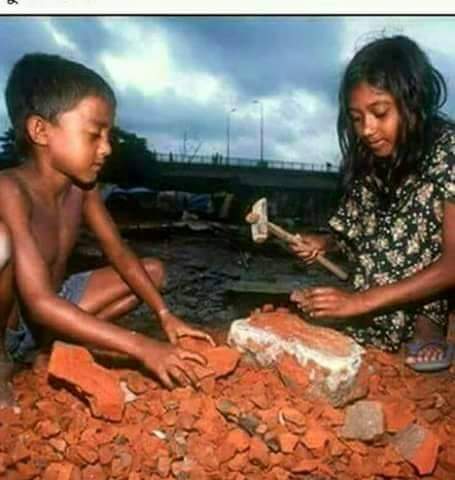

Paddy
Paddy is the main agricultural crop of Bangladesh. Rice is the main food of Bengalis. We derive this rice from rice prepared from rice. In the absence of this, the country is in mourning - famine and epidemics. So no other agricultural product can be compared with rice.
In almost all the countries of the world, more or less paddy is cultivated. Asia and Australia produce the most rice. Our Bangladesh grows a lot of paddy. However, it goes without saying that paddy is not grown at all in winter-prone countries.
According to rice researchers and experts, there are about a hundred varieties of rice. Many of them know the names of more varieties of paddy. In our country, two types of paddy are well known to everyone - Aush (Ashu) and Aman (Haimantika). In addition, a type of paddy called ‘boro’ is also grown. This rice is high yielding and can be cultivated at any time of the year. However, adequate water-irrigation is required for this. This rice is the best friend of the poor. Because it is easily available at a low price.
It is very nice to see the paddy field. When the young rice plant with its sheaf rises to the top of the water, it seems that the earth is covered with a green layer. Then in the month of Ashwin-Kartik, when the paddy ripens, its golden glow in the sunlight does not look amazing! When the wind blows on the paddy field, the wave vibrates from one end of the field to the other. Seeing such a scene, the poet was fascinated and wrote, "In whose country the wind blows on such paddy?"
Rice is made from paddy. There are two types of rice; Namely- Atap and Siddha. The rice that is dried in the sun is called 'Atap rice'. The rice that is boiled and dried is called 'siddha rice'. Earlier, dhemki was prevalent in our villages. At that time paddy was threshed. Nowadays, 'Dhankal' has taken the place of Dhemki.
Paddy is our most essential crop. Rice is the food of most people in the world. No part of the paddy is to be discarded. After threshing the paddy, the dry plants are used as hay as food for cows and buffaloes. After threshing, the husks are used as fuel for bran. The powder that comes out with the husk is called kumra. Ducks, chickens and cows and calves get nutrition by eating this husk. Apart from rice, we make polao, payes, pitha etc. and eat them. It goes without saying how much rice is used in our lives and how much it benefits us.
The rice on which our life depends, there is no advanced method or modern scientific technology in our country to produce rice and protect it from pests. The old-fashioned farming system is still prevalent in our country. The peasantry of this country has not yet received active motivation and education to achieve agriculture in a modern scientific way. They mainly manage their agriculture depending on the natural conditions. Hopefully, the old system is changing, albeit a little. To escape the curse of the Farakka Dam, farmers are increasingly using water in various ways to irrigate, apply fertilizers and pesticides to the land at a higher rate. We believe that scientific methods of cultivation should be more comprehensive and robust for the development of the agricultural system as a whole. If this system can be introduced, the true meaning of the word 'grow more crops' will be proved.

Flowers
Flowers are a symbol of beauty. A person who does not love flowers is either blind or heartless. Bangladesh is a plant rich region due to its favorable topography and climate. In addition, the Himalayas, the monsoon-Malay and Eastern India are the meeting places of the flora, so the number and diversity of species is high here. The people of Bengal, who have lived in the midst of such a rich nature for ages, are naturally botanical and flower-loving, and that is evidenced in the ancient and medieval poetry, folklore and folk songs of Bengal, even in copperplate. The creation of various kinds of flowers here, the smell of the form forgets everyone's mind. So the poet is anxious to smell the flowers and says-
"I can't sleep because of the smell of flowers. I wake up alone."
There are innumerable known and unknown flowers in the forests of Bangladesh. Just as there is an abundance of flowers in this country, so there are different types of flowers grown here with the careful efforts of the people. Moreover, under the supervision of the government's Horticulture Development Board, arrangements have been made for the production of improved varieties of flower seeds and saplings. Again in our hills and forests there are many species of flowers that can be planted in the garden.
Flowers of Bangladesh are the food of pure happiness of the people of this country, the inexhaustible source of happiness and peace. Flower smiles are compared to baby smiles. The flower is said to be a symbol of monolova and beauty - it has become essential in entertainment, necessary festivals, pujas and festivals. Flowers play a very important role in Bengali life in joy and celebration, beauty and pursuit.
Flowers can be classified from different angles. Such as- 1. Garden flowers, 2. Forest flowers. Flowers can also be classified depending on the season. Below is a brief description of them in stages.
Most of the garden plants in this country are foreign. These were brought by kings, nomads, merchants, colonial rulers and their servants. The garden flowers of Bangladesh include many species from China, Japan, Africa and Tropical America besides India, Myanmar and Malay. For convenience of introduction, they can be classified as tree, shrub, creeper, tuber-root and seasonal flower.

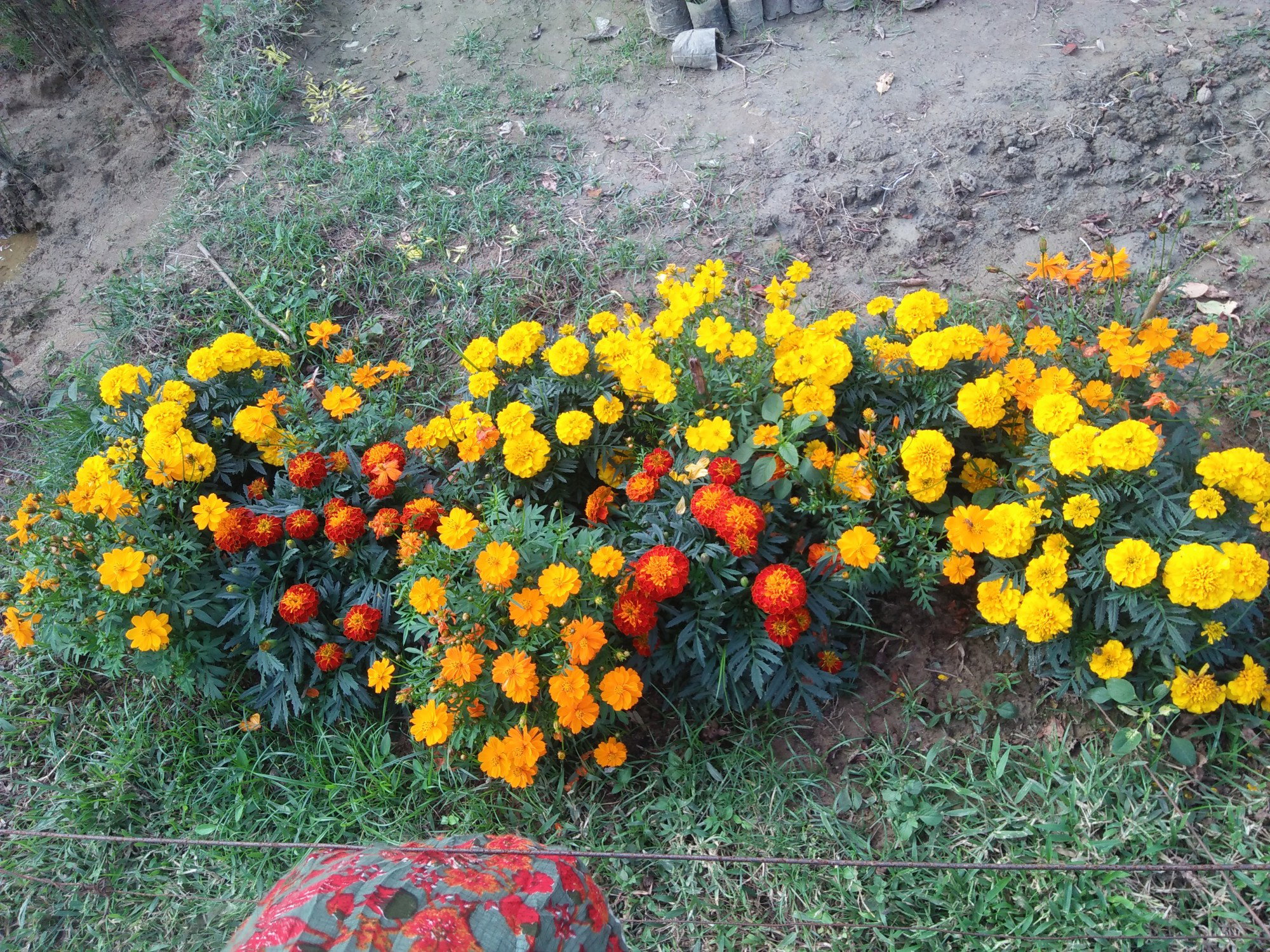
Change yourself
It doesn't take much intelligence or talent to become a great human being, a man is a lifelong legend because of his deeds. Even after death, people still have his victory in their mouths. You are fascinated by the success stories of hundreds of such people. Ever applauded. But you never thought that you could have such a power in yourself. Do you know our main problem? I keep saying, 'Such a brother / sister has so much talent, so much talent, if I had that!' Alas, mankind, if you have such thoughts, why one life, it is not possible to do anything even in a few births.
First of all, change your thinking. We can't do anything new because we don't have time to discover ourselves. Throughout the ages as many great people have done something new, they have discovered themselves, given their time. But what are we doing? We spend all day on Facebook, laughing and talking on the phone, giving wow reactions to someone else's success posts, sharing and forgetting with applause. Need to read at least two new books every week, am I reading? We need to find the latent talent in ourselves and add a new name to the history of success, what are we doing? How to do? We never think these things are for us. We have assumed from birth that others will succeed, we will read his story and clap. Get out of this mess. Find yourself once what is really hidden in you? You will be surprised to see your own strange power.
It is not possible for us to move forward because we see life differently. Hey, you are reading this article, you are thinking while reading this, what a beautiful article! He says in his mind- he wrote correctly, he said correctly. But has it ever occurred to you - I try myself once in a while? I don't try to discover myself once. I have strength in myself, I have two hands like everyone else, an intelligent head. But what have I done in this life?
Who knows the greatest inventor? Surely you think there will be a great scientist. Thomas Alva Edison or Michael Faraday? Thinking wrong. The greatest discoverer is the man who can discover himself. Even if you want to know what strange power you have, find yourself, think of yourself, look at your own identity. Think, what's in it for me? Why am I not successful? What have I done so far?
We forgot to think about ourselves, we forgot to do research. I read all the time with my mobile phone, traveling and YouTube. I don't even think if anyone wants to change the world by doing something new. At the end of these words, you must say, Apu is right. But I don't want to hear it, I want change. Let the revolution come. We humans do not know what we can do and what we can build. Please, know yourself. Give time to your being, think, do research, you have to do something new about yourself.
What do you still think, will not be with me? This thinking must be changed first. Otherwise nothing will really happen to you. Because the moment you think it won't happen to me, I don't have any talent. At that very moment, someone else has become successful and is writing his name in the history of success in colorful words.
Think, I want to do something new. I want to change myself, I want to change the time. Then the world will change. I also have the power, the power to do something new, the power to discover, the power to succeed.

Culture of Bangladesh
From time immemorial, the Bengali nation has gone through many ups and downs as a hidden life force, and that power is its culture. The invincible and invincible cultural power of the Bengalis is at the root of the mischievous vitality with which the Bengalis did not accept in the face of various political storms, in the midst of hundreds of misfortunes like famine, riots and riots.
Now the Bengali culture reveals to us the appearance of a mixed culture, which has been formed by the accumulation of polyester of different races, different religions, different periods, different periods. Its origins can be traced back to the eighth century AD. From this time onwards, the impression of the transformation of non-Aryan culture began to be felt in Bengali culture. Just as Brahmanical and Buddhist influences permeated Bengali culture, so did the currents of Islamic culture. Thus, under the influence and combination of different religions and cultures, Bengali culture has taken a cohesive form, becoming the common resource of all Bengalis irrespective of caste, creed and religion.
The path of Bengali culture has been traversed in two main streams since the Middle Ages. On the one hand, the aristocratic culture directly influenced by the kings and princes, on the other hand, the folk culture created in the style of folk life. The reason why Bengali culture has been able to defend itself in the midst of the rise and fall of various monarchies in this period is because of its deep connection with the land and the people.
In the context of the establishment of the English monarchy in the eighteenth century, a strong wave of European culture came to Bengali culture in the nineteenth century. As a result of acquaintance and connection with Western ideology and modern education, Bengali culture has not been washed away, but has been nourished. And the coordinating feature is the reason. The tide of renaissance has taken place in Bengali culture under European influence. In the nineteenth and twentieth centuries, Derozio, Rammohun, Vidyasagar, Madhusudan, Bankim, Rabindranath, Nazrul and other great thinkers brought a strong flow of innovation in Bengali education, social reform, art and literature. The Bengali nation has been baptized in the mantra of liberalism and greater humanity. Thus, in the twentieth century, one trend of Bengali culture has been the civic culture influenced by the western culture and the other is the rural folk culture which has gone like a fruitful stream.

Hello friends, how are you all? Why don't you like and comment on my post ??
Please stay tuned, everyone subscribe to my account.
I will be by your side and I will subscribe to you.
The two main causes of failure in life are negative attitudes and lack of specific goals.
বিশ্বস্ত বন্ধু হচ্ছে প্রাণরাকারী ছায়ার মতো। যে তা খুঁজে পেলো, সে একটি গুপ্তধন পেলো
অ্যাসিড বৃষ্টি
সহজ কথায়, অ্যাসিড বৃষ্টির পানির সাথে অ্যাসিড মিশ্রিত হয়। কিছু অম্লীয় গ্যাস বায়ুতে মিশ্রিত হয় যেমন সালফার ডাই অক্সাইড, কিছু নাইট্রোজেনের অক্সাইড ইত্যাদি অক্সিজেন এবং বায়ুর আর্দ্রতার সাথে দীর্ঘায়িত প্রতিক্রিয়ায় বিভিন্ন অ্যাসিড তৈরি করে। যখন বৃষ্টি হয় তখন বৃষ্টির জলে দ্রবীভূত হওয়া এই অ্যাসিডগুলি (কিছু স্থগিত করা কণিকা উপাদান সহ) পৃথিবীতে নেমে আসে এবং তলদেশীয় জলাশয়ের মাটি বা জলকে অম্লীয় করে তোলে। অ্যাসিড বৃষ্টিপাত বায়ু দূষণের একটি পরিণতি।
সাধারণত বৃষ্টির পানি কিছুটা অম্লীয়; এই পানি কার্বনিক অ্যাসিড গঠনে বায়ুর কার্বন ডাই অক্সাইড কিছু পরিমাণে দ্রবীভূত হয়। বৃষ্টিপাতের পানির এ জাতীয় সামান্য অম্লতা ক্ষতিকারক নয় কারণ অম্লতা বাতাসে স্থগিত মৌলিক ধূলিকণা দ্বারা কার্যত নিরপেক্ষ হয়।
তবে যদি বাতাসে তুলনামূলকভাবে প্রচুর পরিমাণে অ্যাসিডিক অক্সাইড যেমন সালফার ডাই অক্সাইড, নাইট্রোজেনের অক্সাইড ইত্যাদি থাকে তবে বৃষ্টির জল উপরে বর্ণিত ক্ষতিকারক প্রভাবগুলির জন্য পর্যাপ্ত পরিমাণে অ্যাসিড হয়ে যেতে পারে। তাই অ্যাসিড বৃষ্টিপাত নিয়ন্ত্রণ করা বিশ্বজুড়ে পরিবেশবিদদের কাছে বড় উদ্বেগের বিষয় হয়ে দাঁড়িয়েছে।
ক্ষতিকর প্রভাব
অ্যাসিড বৃষ্টির কিছু ক্ষতিকারক প্রভাব থাকতে পারে
উদ্ভিদ এবং প্রাণীজগৎ; প্রত্নতাত্ত্বিক গুরুত্বের বিল্ডিং এবং স্মৃতিস্তম্ভ।
অ্যাসিড বৃষ্টির ক্ষতিকারক প্রভাবগুলির মধ্যে রয়েছে:
মাটি অ্যাসিডের পরিবর্তে গাছের বৃদ্ধিকে প্রভাবিত করে; মাটির উর্বরতার অবস্থা হ্রাস বা সম্পূর্ণ হারিয়ে যেতে পারে acid অরণ্য এবং অন্যান্য গাছপালাও অ্যাসিড বৃষ্টিতে খারাপভাবে আক্রান্ত হতে পারে।
উত্তর আমেরিকা, কানাডা, ইউরোপ এবং জাপানের বনগুলি অ্যাসিড বৃষ্টিতে আক্রান্ত হয়েছিল। কিছু শাকসব্জির উৎপাদন যেমন মটর এবং শিম, আলু, লালচে ইত্যাদি এসিড বৃষ্টিপাত দ্বারা পাইন বাড়তে পারে; ইউক্যালিপটাস ইত্যাদিও প্রতিবন্ধক হতে পারে।
কিছু প্রাণীর উপর অ্যাসিড বৃষ্টির ক্ষতিকারক প্রভাবও থাকতে পারে। এটি দেখা গেছে যে মথের প্রজনন অ্যাসিড বৃষ্টিতে বাধা দেয়। বিশ্বের অনেক জায়গায় অ্যাসিড বৃষ্টিপাতের ফলে বিভিন্ন ধরণের পাখির সংখ্যা হ্রাস পেয়েছে। ভারতে, ভরতপুর পাখি অভয়ারণ্যের হ্রদের জল বায়ুর সালফার ডাই অক্সাইড গ্যাসের সংস্পর্শে অম্লীয় হয়ে উঠছে; ফলস্বরূপ পরিযায়ী পাখি কম সংখ্যক এই জায়গায় আসছে।

 @Moharani21