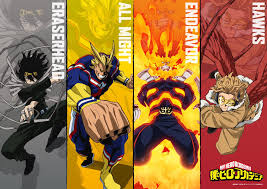
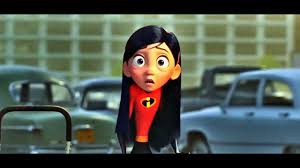
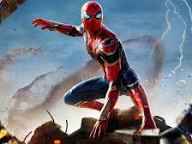
The perks of being a superhero Superheroes are a staple in comic book culture, it's the way to make everyone known that these people are special beings, maybe with superpowers or maybe not, but they are always heroes with a heart of gold who will give anything to save unknown people. This topic follows us from the heroes of Greek mythology who were favored by the gods to fulfill a dangerous mission. But what happens when we see beyond what superhero movies want to show us? Why are they so adored? This archetype was originally created to be an example of what a model citizen should be, given special powers to help the most vulnerable. This is like saying that those powers were given to these people by a divine being because it is they're destiny, because they are special, because he was worthy and it was his destiny. Younger people see heroes as a figure to admire and to follow; it is an analogy of the miracles performed by a god or gods of any religion. This could be seen as Deus ex Machina, but i will talk about this later. Let's talk about what we've been seeing in the media lately about what heroes do in society. Heroes create a stigma that makes them seem like saviors above ordinary people and makes the smallest actions remain unseen, like the charity. In addition to this, it leaves ordinary citizens in an eternal role of victims, it does not matter if you are someone with combat experience or who knows about weapons, your ability is behind the superpowers. This can be seen in an anime and manga series called Boku no hero academia. In this, heroism has become a profession that performs many public tasks and forgets about "common heroes" (policemen, firefighters, rescuers...). In fact, in the universe of this series, powers are so common that "people without powers" suffer discrimination. But the existence of superheroes not only affects civilians, but also the heroes. Many times the use of a power creates expectations about the person. Uncle Ben once said: "With great power comes great responsibility." Because people should be saved with them. But... What happens if a person with powers wants to be an athlete or a singer? He can't because just because he has powers that many times weren't asked for, he must save people he doesn't know and dedicate his life to others because "that's how it is". We have seen examples of characters who just want a normal life. For example: Violeta Parr from The Increíbles. Second: perfection always, a hero has to be blameless. an example to follow, like a god. It also creates the pressure that everyone must be saved even if they cannot be saved, creating a messiah complex that carries the weight of the world where you must live for others regardless of your problems. Some even neglect their relationships. For example: Spiderman leaving Mary Jane for his hero work. Also, living with such an idealized image from others creates the perfect setting for these superhero privileges to be abused. For example: Homelander from The Boys. The society with heroes: In universes where a hero is not common to see there will only be legends of his deeds, but in a society where they are common, there will be standards, taboos, social classes and a whole culture around his image and behavior. And social pressure, obviously. This resonates more with the teenage hero, who aims to be an example for children. Formerly we saw adults being heroes and having their lives under control or directly making heroism their job. For example: Batman or Ironman. But it is not the same for a teenager. The rule now is put 14, 15, and 16-year-olds into double lives where they save citizens from dangerous villains and then come home with a lame excuse. In adolescence there are many difficulties to make their way in the world because a young person will just be getting used to having adult responsibilities, adding school, social life and emotional changes. AND THE PARENTS. An adult will already live alone and have privacy, but a child who lives with his parents would not be able to fulfill his role without his acquaintances being suspicious. Would silly lies really be believed? No, and as I said, adolescence is already very difficult to add the responsibility of saving people. Same for universes where the heroes are public professionals. A teenager should study, have fun, make friends and learn to cope with adult life instead of doing the work of professional adults. This is just a little dislike I have with the teenage hero archetype, but at the same time they are good resources to explore this cliché a little more. Who says you can't make a superhero story in which ordinary life collapses because of heroism? Considering where this idea comes from and how the powers affect the society is a good way to create a new genre of superheroes. What do you think?
+2 more