 @Mictorrani
edited
@Mictorrani
edited
Where the Pepper Grows
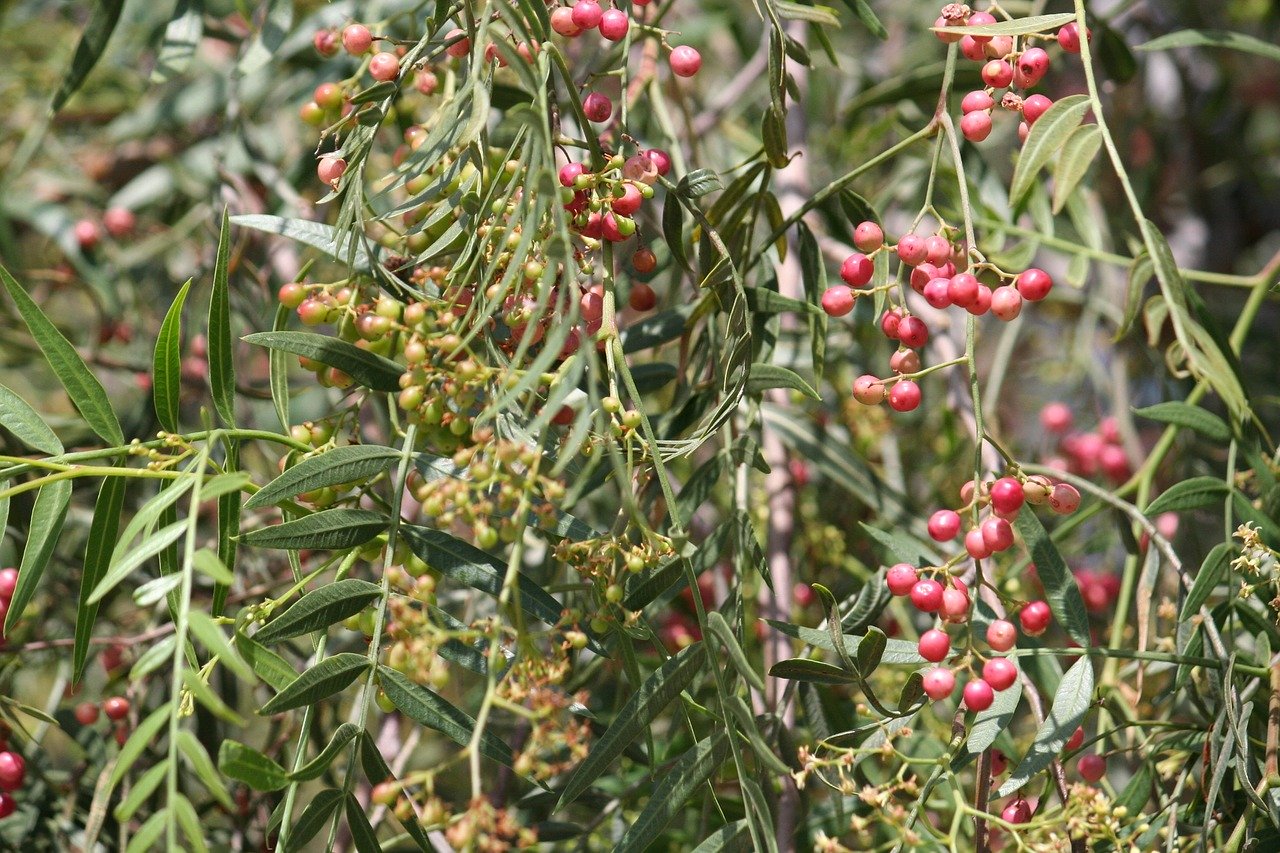
There is an expression in German, Dutch, Swedish, Danish and Polish, where a place “where the pepper grows” is used about a not further defined, bad, hot, distant place – symbolically equivalent to hell or “the end of the world”. These expressions most likely started in German and spread from there. *Bleib doch, wo der Pfeffer wächst!* (Stay where the pepper grows!) *Geh doch dahin, wo der Pfeffer wächst!* (Go to where the pepper grows!) *Irgendwo, wo der Pfeffer wächst.* (Somewhere where the pepper grows.) But is there a real place behind these expressions? Where does ”the pepper grow”? Where is this ”Pfefferland”? We can never be entirely sure of that, but according to most sources this originally referred to Cayenne in Guyane Française, a virtual hell for Europeans in those days, later sometimes to Madagascar.
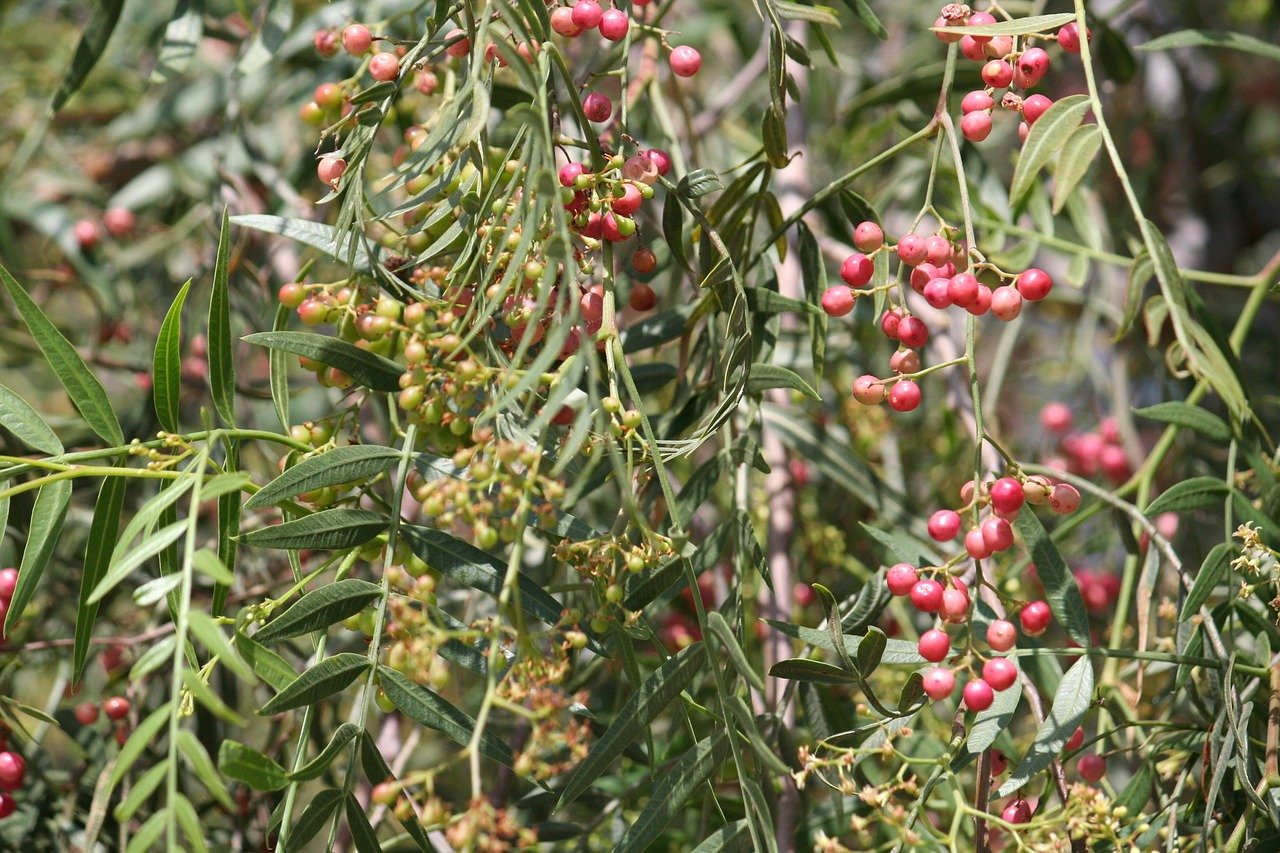
There is a detail to consider, however. Cayenne pepper is not named after the place Cayenne. As a geographical term it is a form of the French name for Guyana, ***Guyane***. The term ***cayenne***, in cayenne pepper, is derived from Tupi***, kyynha***, capsicum. Tupi was the language of the Tupi people; they were and to some extent are an indigenous people of Brazil***.*** Another fact is that a place where the pepper grows was idiomatically referred to in German at least as early as 1512 [Thomas Murner, *Narrenbeschwörung*] while Guyana wasn't colonised by the French until the 1600s. That makes it unlikely that ”wo der Pfeffer wächst” (where the pepper grows) referred to (or was inspired by) the geographical Cayenne. In the end it is not impossible that these expressions are based on the much older knowledge that pepper came from India. Black pepper is ”the black gold of Kerala”, and India can very well have been seen as ”the end of the world” by a 16th century German. If any reader knows about this use of the word "pepper" and "where the pepper grows" in any other language than those mentioned above, please let me know in a comment. Copyright © 2020 Meleonymica/Mictorrani. All Rights Reserved. (If you liked this, please consider leaving a tip, either here or via **CoinTr.ee**) https://cointr.ee/mictorrani If you are interested in words and expressions, join my community ***The Power of Words (4be2)***. https://read.cash/c/the-power-of-words-4be2 You find all my writings on Read.Cash, sorted by topic, *here*. https://read.cash/@Mictorrani/my-available-writings-at-readcash-8faf12d8


20 comments
This expression also exists in Polish, e.g: "uciekł, gdzie pieprz rośnie" (he ran away, where the pepper grows)
Thanks for that information, I didn't know that. It is close to Germany so it is not really surprising if it spread in that direction as well.
Polish is a Slavic and not a Germanic language, but due to the neighbourhood to Germany and close relations (many German settlers inhabited the Kingdom of Poland) many German terms and phrases have been adopted into Polish (and vice versa, e.g. the German word "Grenze"- border, comes from polish word "granica"). I would not be surprised if this expression "where the pepper grows" also exists in the Czech language.
Yes, it is possible, the influence of German is strong there too. Do you have special knowledge about Slavic languages and traditions? You commented on something else also indicating familiarity with Slavic tradition... it was about the Kappa. Anyway, I have updated the article, including the Polish, and added a question to the readers in the end.
Polish is my mother tongue. But I understand something in many Slavic languages (especially in West and East Slavic languages, in South Slavic languages less). I also speak perfect German and some English.
I never knew this before. But maybe because pepper grows on hot places. And those places are far from the area you mentioned. so to them those places are very far and looks like hell in weather. I don't know if that make a sense or i'm just using some twisted philosophy haha. I hope my idea is clear anyway.
I don't think it is too far from the truth. Hot and far away. And remember that back in time it was really far away, most people couldn't even imagine to visit such distant places.
True. when you mentioned that it's an old expression that's what came to my mind. I was also wondering why pepper? It could have been cactus for exemple. But since that saying is very old, then maybe people in that area didn't even know what cactus is at that time or it wasn't as known as pepper.
I'm sure they didn't know about cactus, in any case it was nothing generally known; using it figuratively in the language would hardly have made sense. People must understand it without too much of a problem. Pepper was probably the most exotic thing people in general knew about. Then it is "hot" in the food as well, that can have contributed.
Yeah that's what I thought too. If it wasn't known they won't be using in their language as an expression. That's the conclusion I had anyway.
Of course not.
Very good article,in India mainly pepper is used in Papad manufacturing, Papad is white lentil split thin crackers, and every papad has huge amount of Black pepper.
Yes, but India is also exporting pepper, or at least they were exporting it back in time.
Such good article. Reminds me of history class mixed with a little agriculture.
Nice that you liked it. The mix makes it more enjoying to read.
I've never heard of this expression before. I really enjoy reading your works at times like this when I cannot think of anything to write.
So then what's the expressions in Dutch, Swedish, Danish and Polish?
Danish: Hvor peberet gror (where the pepper grows) Swedish: Där peppar'n växer (where the pepper grows) Polish, e.g. "uciekł, gdzie pieprz rośnie" (he ran away, where the pepper grows) According too comment below by @Telesfor Unfortunately, I don't know the exact expression in Dutch.
How nice of you, thank you! I'll ask somebody for the Dutch...
If you find it, please post it here.