 @MahiRahman
Kazi Nazlul Islam Kazi Nazlul Islam : **Kazi Nazrul Islam** (Bengali: কাজী নজরুল ইসলাম, Bengali pronunciation: [kāzi nôzrul îslām] (listen), 24 May 1899 – 29 August 1976) was a Bengali poet, writer, musician and the national poet of Bangladesh.[2][3] Popularly known as **Nazrul**, he produced a large body of poetry and music with themes that included religious devotion and rebellion against oppression.[4] Nazrul's activism for political and social justice earned him the title of "Bidrohi Kobi" (*Rebel Poet*).[5] His compositions form the avant-garde music genre of Nazrul Geeti (*Music of Nazrul*).[6][7][8][9] https://en.m.wikipedia.org/wiki/Bengali_language https://en.m.wikipedia.org/wiki/Help:IPA/Bengali https://upload.wikimedia.org/wikipedia/commons/e/e5/Bn-%E0%A6%95%E0%A6%BE%E0%A6%9C%E0%A7%80_%E0%A6%A8%E0%A6%9C%E0%A6%B0%E0%A7%81%E0%A6%B2_%E0%A6%87%E0%A6%B8%E0%A6%B2%E0%A6%BE%E0%A6%AE.ogg https://en.m.wikipedia.org/wiki/Bengali_poetry https://en.m.wikipedia.org/wiki/Bengali_literature https://en.m.wikipedia.org/wiki/Music_of_Bengal https://en.m.wikipedia.org/wiki/National_poet https://en.m.wikipedia.org/wiki/Kazi_Nazrul_Islam#cite_note-2 https://en.m.wikipedia.org/wiki/Kazi_Nazrul_Islam#cite_note-3 https://en.m.wikipedia.org/wiki/Complete_Works_of_Kazi_Nazrul_Islam https://en.m.wikipedia.org/wiki/Kazi_Nazrul_Islam#cite_note-4 https://en.m.wikipedia.org/wiki/Kazi_Nazrul_Islam#cite_note-5 https://en.m.wikipedia.org/wiki/Avant-garde_music https://en.m.wikipedia.org/wiki/Nazrul_Geeti https://en.m.wikipedia.org/wiki/Kazi_Nazrul_Islam#cite_note-pmo-6 https://en.m.wikipedia.org/wiki/Kazi_Nazrul_Islam#cite_note-:3-7 https://en.m.wikipedia.org/wiki/Kazi_Nazrul_Islam#cite_note-8 https://en.m.wikipedia.org/wiki/Kazi_Nazrul_Islam#cite_note-9 **Kazi Nazrul Islam**
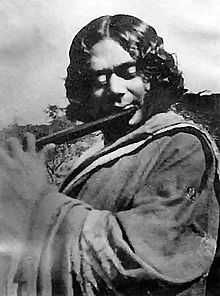
Nazrul in Chattogram, 1926 Native nameকাজী নজরুল ইসলামBorn24 May 1899[1] Churulia village, Asansol, Bengal Presidency, British India (present-day West Bengal, India)Died29 August 1976 (aged 77) Dhaka, BangladeshResting placeCentral Mosque at University of DhakaNicknameBengali: দুখুমিঞা, romanized: *Dukhumiyan*Occupation https://en.m.wikipedia.org/wiki/Kazi_Nazrul_Islam#cite_note-Banglapedia-1 https://en.m.wikipedia.org/wiki/Paschim_Bardhaman_district https://en.m.wikipedia.org/wiki/Bengal_Presidency https://en.m.wikipedia.org/wiki/British_India https://en.m.wikipedia.org/wiki/West_Bengal,_India https://en.m.wikipedia.org/wiki/Dhaka,_Bangladesh https://en.m.wikipedia.org/wiki/University_of_Dhaka https://en.m.wikipedia.org/wiki/Bengali_language https://en.m.wikipedia.org/wiki/Romanization_of_Bengali flutist Poet short-story writer song composer playwright novelist essayist literary translator soldier film actor political activist Language Bengali https://en.m.wikipedia.org/wiki/Bengali_language Urdu https://en.m.wikipedia.org/wiki/Urdu Persian https://en.m.wikipedia.org/wiki/Persian_language Arabic https://en.m.wikipedia.org/wiki/Arabic_language NationalityBritish Empire (1899–1947) Indian (1947–1976) Bangladeshi (1972–1976)Period1922–1942Literary movementBengali RenaissanceNotable works https://en.m.wikipedia.org/wiki/British_Raj https://en.m.wikipedia.org/wiki/India https://en.m.wikipedia.org/wiki/Bangladesh https://en.m.wikipedia.org/wiki/Bengali_Renaissance Notuner Gaan https://en.m.wikipedia.org/wiki/Notuner_Gaan *Bidrohi* https://en.m.wikipedia.org/wiki/Bidrohi *Pralayollas* https://en.m.wikipedia.org/wiki/Pralayollas *Dhumketu* https://en.m.wikipedia.org/wiki/Dhumketu_(half-weekly_by_Nazrul) *Agniveena* *Bandhan Hara* Nazrul Geeti https://en.m.wikipedia.org/wiki/Nazrul_Geeti Notable awards Padma Bhushan (1960) https://en.m.wikipedia.org/wiki/Padma_Bhushan Ekushey Padak (1976) https://en.m.wikipedia.org/wiki/Ekushey_Padak Independence Day Award (1977) https://en.m.wikipedia.org/wiki/Independence_Day_Award SpousePramila DeviChildren4 sons Signature**Military career**Allegiance British EmpireService/branch British Indian ArmyYears of service1917–1920Rank*Havildar* (Sergeant)Unit49th Bengal RegimentBattles/warsFirst World War https://en.m.wikipedia.org/wiki/British_Empire https://en.m.wikipedia.org/wiki/British_Indian_Army https://en.m.wikipedia.org/wiki/Havildar https://en.m.wikipedia.org/wiki/Sergeant https://en.m.wikipedia.org/wiki/Bengal_Regiment https://en.m.wikipedia.org/wiki/First_World_War Born in a Bengali Muslim Kazi family, Nazrul Islam received religious education and as a young man worked as a muezzin at a local mosque. He learned about poetry, drama, and literature while working with the rural theatrical group *Letor Dal*. He joined the British Indian Army in 1917. After serving in the British Indian Army in the Middle East (Mesopotamian campaign) during World War I,[10] Nazrul established himself as a journalist in Calcutta. He criticised the British Raj and called for revolution through his poetic works, such as "Bidrohi" ("বিদ্রোহী", 'The Rebel') and "Bhangar Gaan" ("ভাঙার গান", 'The Song of Destruction'),'as well as in his publication *Dhumketu* ('The Comet'). His nationalist activism in Indian independence movement led to his frequent imprisonment by the colonial British authorities. While in prison, Nazrul wrote the "Rajbandir Jabanbandi" ("রাজবন্দীর জবানবন্দী", 'Deposition of a Political Prisoner').His writings greatly inspired Bengalis of East Pakistan during the Bangladesh Liberation War. https://en.m.wikipedia.org/wiki/Bengali_Muslim https://en.m.wikipedia.org/wiki/Qadi#Indian_subcontinent https://en.m.wikipedia.org/wiki/Muezzin https://en.m.wikipedia.org/wiki/British_Indian_Army https://en.m.wikipedia.org/wiki/Mesopotamian_campaign https://en.m.wikipedia.org/wiki/World_War_I https://en.m.wikipedia.org/wiki/Kazi_Nazrul_Islam#cite_note-10 https://en.m.wikipedia.org/wiki/Calcutta https://en.m.wikipedia.org/wiki/British_Raj https://en.m.wikipedia.org/wiki/Bidrohi_(poem) https://en.m.wikipedia.org/wiki/Dhumketu_(magazine) https://en.m.wikipedia.org/wiki/Indian_independence_movement https://en.m.wikipedia.org/wiki/Bengalis https://en.m.wikipedia.org/wiki/East_Pakistan https://en.m.wikipedia.org/wiki/Bangladesh_Liberation_War Nazrul's writings explored themes such as freedom, humanity, love, and revolution. He opposed all forms of bigotry and fundamentalism, including religious, caste-based and gender-based.Nazrul wrote short stories, novels, and essays but is best known for his songs and poems. He profusely enriched ghazals in the Bengali language He is also known for his extensive use of Arabic and Persian words in his work https://en.m.wikipedia.org/wiki/Caste-based_discrimination https://en.m.wikipedia.org/wiki/Ghazal https://en.m.wikipedia.org/wiki/Arabic https://en.m.wikipedia.org/wiki/Persian_language Nazrul wrote and composed music for nearly 4,000 songs (many recorded on HMV and gramophone records),[20] collectively known as *Nazrul Geeti.* In 1942 at the age of 43, he began to suffer from an unknown disease, losing his voice and memory. A medical team in Vienna diagnosed the disease as Pick's disease,a rare incurable neurodegenerative disease. It caused Nazrul's health to decline steadily and forced him to live in isolation in India. He was also admitted in Ranchi (Jharkhand) psychiatric hospital for many years, Nazrul's family took him to Bangladesh and moved to Dhaka in 1972.They were awarded citizenship of Ganaprajatantri Bangladesh. He died four years later on 29 August 1976 in Bangladesh. https://en.m.wikipedia.org/wiki/HMV https://en.m.wikipedia.org/wiki/Gramophone_record https://en.m.wikipedia.org/wiki/Kazi_Nazrul_Islam#cite_note-20 https://en.m.wikipedia.org/wiki/Vienna https://en.m.wikipedia.org/wiki/Pick%27s_disease https://en.m.wikipedia.org/wiki/Neurodegenerative_disease https://en.m.wikipedia.org/wiki/Ranchi https://en.m.wikipedia.org/wiki/Jharkhand
2 comments
Kazi Nazlul islam is the greatest poem in the Bangladesh. I love his poemes,stories.. he was a really good person. His a one of the best qualityfull person.. we're proud of him & i also love your articles & you
Thnks for you valuable comment.. of course, I'll trying my best & I definitely keep it.. & again thnks to u because of u supporting me.. stay with me..take love