 @Korbencowan
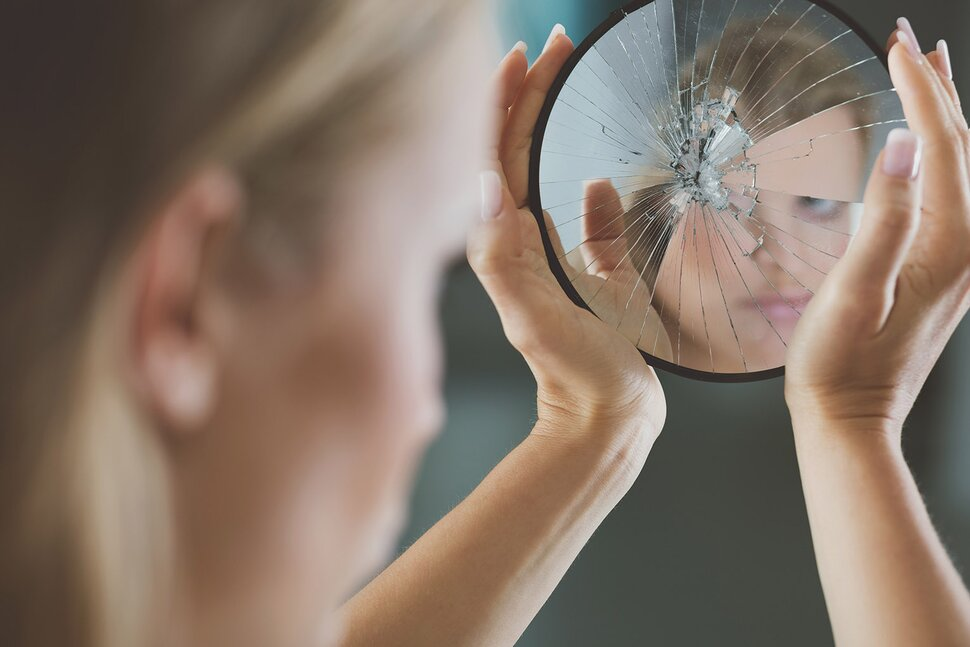
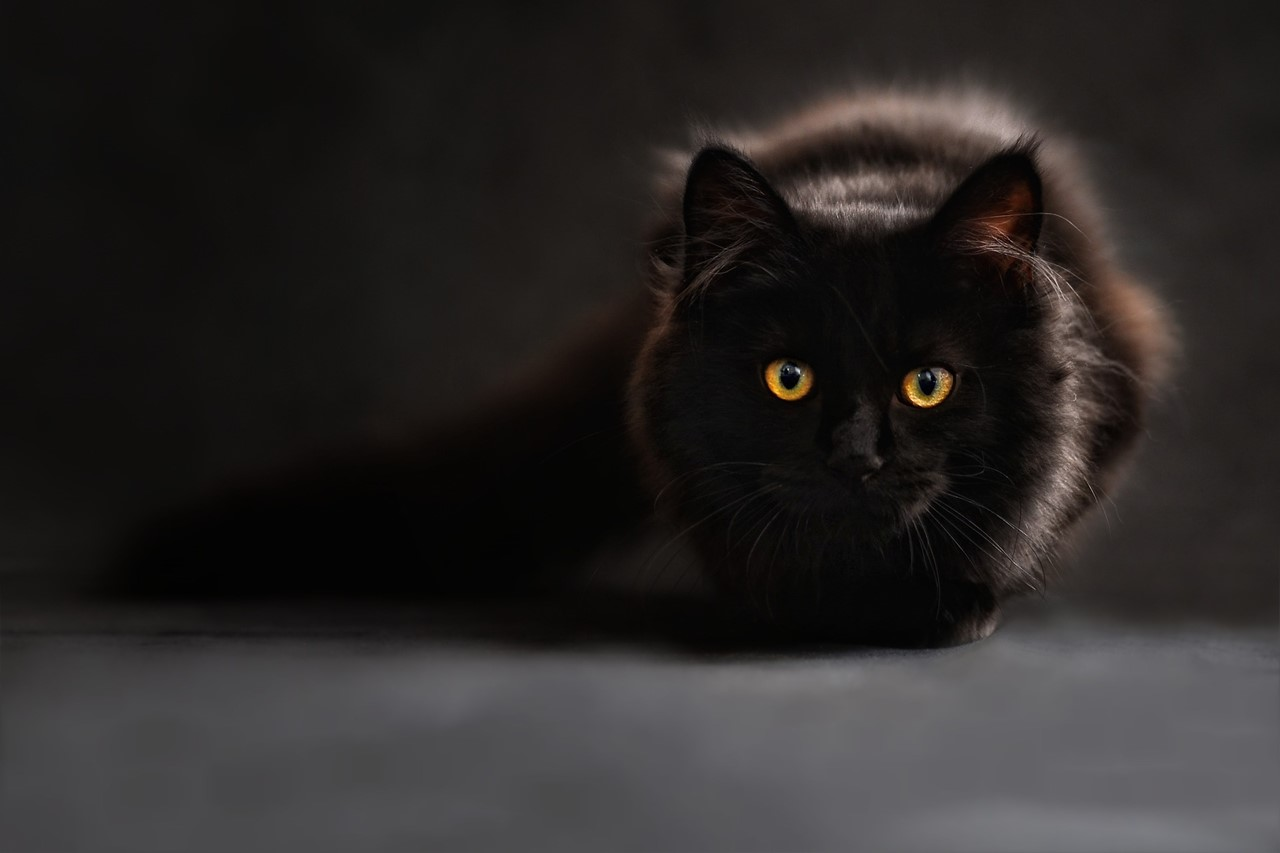
Why are we superstitious? Today, we all know the value of science and rational thinking. So why are we superstitious? According to National Geographic, there is a loss of 800-900 million dollars in the US markets on Friday the 13th. This is because people are superstitious and don't get on airplanes or do the things they usually do on that day. Superstitions are not limited to Friday the 13th being unlucky. The report compiled by Forbes magazine from research results presents striking results. Gallup research company prepared a survey in which people were asked "Are you superstitious?". Accordingly, 25 percent of people said they were superstitious in some way. There are other results from the survey. Accordingly, 24 percent of people knock on wood to protect themselves from the evil eye, 13 percent think it is bad luck to pass by a black cat, 12 percent do not pass under the stairs, 11 percent think it is bad luck to break a mirror, and 9 percent believe that the number 13 is unlucky. A survey conducted by the Harris Poll company shows that 75 percent of people believe in miracles, 44 percent in ghosts, 31 percent in witches and 31 percent in astrology. The National Opinion Research Center, on the other hand, reports that this 31 percent of people who believe in astrology think that astrology is "scientific". However, it is important to remember that astrology is based on interpretation and is different from science. Why are we superstitious? Jane Risen, a behavioral scientist at the University of Chicago, says that superstitions are not just about individuals' mental deficiencies. Many people are superstitious in different ways. It would be unfair to say that all of these people have a mental problem. In fact, several factors can explain why we are superstitious. Nobel laureate Daniel Kahnemann says that lazy thinking is at the root of superstition: "It is easier to believe in superstitions than in compelling thoughts about probabilities." Jane Risen agrees and says that people succumb to superstitions even though they know they are not true. The question is, why do we believe in superstitions? Here are a few possibilities: - Many people are superstitious for fun. There is something fun about believing in something that is not rational. - Superstition is the easiest way to believe that you can control things. When we don't walk under the stairs, we think we are safe and we think we are controlling possible harm. - No one can defend the truth of their superstitions. When our superstitions are questioned, the first thing we all say is, "What's there to lose?" But maybe we have something to gain by getting rid of superstitions. At first glance, superstitions may seem harmless and innocent. The phrase "I have nothing to lose", which we all say, is as false as it is true. For example, if you believe in miracles, this can turn you into a passive person, preventing you from striving for your goals. No matter how harmless it may seem to knock on wood to ward off the evil eye, don't get away from rational thinking.