8 Things To Do When You're Feeling Discouraged
Are you feeling discouraged because your new job or relationship isn't going according to plan? Or maybe you've hit a slump at home and feel down about your latest setback? Maybe you're feeling overwhelmed or stuck in a rut?
Whether you want to change careers, break up with someone, get over a breakup or simply bounce back from a bad day, there is always something within us that stops us from achieving our goals. Struggling with life events or other issues seems to get worse over time. Sometimes, we can’t seem to change anything around us. And we wonder why things continue to go wrong.
Here are 8 simple steps to help you move beyond setbacks and get back on track.
1. Be patient
If you feel discouraged before trying something new, just remember that everything takes practice. You don't have to accomplish things immediately or perfectly at first. Every time you try something new you'll eventually get better. If you're working hard on a project but not seeing results, try re-assessing what you're doing. Sometimes if we give ourselves a little extra time to work on a problem, the solution becomes clearer.
2. Take Calculated risk and Let yourself fail
Whenever possible, weigh the pros and cons of a risky decision and determine whether or not it really benefits you. Even if you are discouraged because it seems difficult or you are likely to fail, sometimes taking a risk can pay off big dividends in the end. Remember that failure doesn’t always mean you did anything wrong. Oftentimes, our expectations of success are unrealistic. That's okay! We learn a lot from our mistakes, and those mistakes often lead to successes later down the road. So if you've failed at something, make sure you use that experience to help you succeed in future endeavors.
3. Think creatively
Many times, we limit our ideas by thinking we need to follow the rules set out by others. When you find yourself feeling stuck, think about what would happen if you were able to break free from those boundaries.
4. Find inspiration
Inspiration can come from many different places. Observe the world around you and notice what inspires you. Seek inspiration from your family, friends, teachers, and coaches.
5. Use humor
Humor helps you deal with problems and situations that make you feel discouraged. Just remember, it should always be short and sweet. Long-winded jokes won't endear you to anyone. Try telling a funny story instead.
6. Think positively
We often think negatively, especially when faced with challenges. However, if we focus on the possible outcomes of a situation, rather than the negative reality, we'll likely come up with some creative solutions. One study found that people who were asked to imagine the best outcome to a given scenario had higher levels of motivation than those who imagined the worst outcome.
7. Remember the power of prayer
Many people believe that God answers prayers when he deems it necessary. Even if you don't believe in God, you still have faith - believing in something bigger than yourself. Prayer is said to be a powerful tool in times of trouble. Make a habit of praying no matter what.
8. Relax
Our minds are constantly thinking about the future or worrying about the past, but relaxing can put us back in the present moment and reduce anxiety. Practicing mindfulness has proven to be effective, as it trains your brain to focus on the here and now, instead of dwelling on the past or future. Meditation, yoga, and deep relaxation all help to relax the body and mind. Whatever method you choose, do it regularly and notice improvements in your mindset.
Setbacks are only temporary. When you hit a roadblock, don't let it consume you. Just get started again and find a solution. Your situation might look dire, but it won't last forever. You'll get back on track eventually. Always remember to appreciate what you already have. Whether you're feeling discouraged because you failed at something, or maybe because you haven't done anything yet, know that you have more good stuff than bad. And that's worth celebrating!
What are your tips for overcoming discouragement? Let me know in the comments below.
8 Ways to Fight Insomnia at Nighttime
Does insomnia get you down? If you struggle with sleepless nights, you’re probably always looking for ways to get some shuteye.
Insomnia is a common sleep disorder where one experiences difficulty falling or staying asleep. There are several reasons why someone may experience insomnia, but one of the most common ones is stress.
Insomnia isn’t always a chronic problem; however, it’s one that can affect anyone. Most people experience insomnia occasionally, but if it becomes a persistent problem, it can negatively impact their daily life. Fortunately, there are things you can do to combat the symptoms so they don’t become worse.
Here are 8 simple tips that will help you fight insomnia and get better rest during the nighttime.
1. Avoid caffeine
Caffeine is known to disrupt normal sleep patterns. Caffeine is a stimulant, which means it keeps your brain alert, causing you to stay awake. Over time, however, the effects of caffeine wear off and we become less sensitive to its stimulating effect. Caffeine is in coffee, colas, chocolates, tea, and sodas. You may have heard of the ‘Jitters’ people get after drinking caffeinated beverages like soda. But, did you know that caffeine actually affects our sleep patterns? If you want to avoid insomnia, go ahead and cut out caffeine entirely.
2. Get some exercise
Exercise stimulates endorphins which help reduce stress and anxiety levels. It gives us something to do instead of sitting around worrying about sleep. Exercise helps get our minds off things. It releases serotonin which makes us feel good. Make sure you choose an activity that you enjoy doing and not just work out to burn calories. You want to enjoy what you do. When choosing activities, try to find ones that make you sweat! Swimming, running, biking, hiking, etc. are all great options. Try to plan ahead to fit in time for exercise. If you have trouble getting going in the morning, try starting later in the day or even at night if you don't mind working out before bed.
3. Practice mindfulness and relaxation techniques
Mindfulness and relaxation techniques are fantastic tools for managing insomnia. Mindfulness means being aware of your present moment, without judgment, and relaxing yourself. Relaxation simply means slowing down your body and breathing. Meditation, deep breathing exercises, yoga, and guided imagery are all ways you can practice mindfulness and relaxation before bed. Be mindful of your breathing and focus on how your breath feels moving in and out of your nostrils. Focus on your feet and then move your attention to your legs, torso, arms, hands, neck, jaw, chin, lips, scalp, eyes, forehead, and finally your head. Repeat this sequence several times. Then take deep breaths and focus on the feeling of oxygen filling your lungs. Continue focusing on your breath throughout the night until you fall asleep. Once you wake up, slowly exhale and return your awareness to your surroundings. Use these methods whenever possible to avoid insomnia.
4. Turn down the lights
If you're having trouble falling asleep, turn down the lights. Dim lights are known to cause melatonin production, which is the hormone responsible for helping us fall asleep. Dimming the lights may seem counterintuitive, but dim lighting actually does wonders for helping you get sleepy.
5. Keep a regular schedule
It's hard to predict when we will fall asleep. Our natural circadian rhythms dictate when we should be sleeping and waking up. But outside factors, like shift work and stress, change our sleep patterns. We recommend trying to keep a consistent bedtime routine. Stick to a set schedule every weeknight and weekend. Set aside specific blocks of time for sleeping each day. Make a ritual out of winding down for bed. Put away your phone and computer, turn off the lights, and prepare for bed. Do whatever it takes to help you relax and get ready for sleep.
You Are Not Alone: Everyone Has Weaknesses
A lot of us struggle with some aspect of our lives. They may be things like relationships, lifestyle, work, or finances. Whatever it is, we’ve probably struggled at some point in life to overcome our weaknesses.
You might be feeling a bit down about your weaknesses.
Maybe you're not sure how to go about overcoming them. Or maybe you've been trying for years and it just hasn't worked out for you.
That's okay! We all have weaknesses, and there are many ways to overcome them. We'll talk about some of these methods in this article, but first, let's look at what a weakness is and why it can be so hard to overcome.
What is a Weakness?
A weakness is simply an area where you do not perform as well as others do. For example, if you're an athlete, then your weakness might be your lack of speed when compared to other athletes. If you're not good at math, then your weakness might be the fact that you find math hard—even though this doesn't prevent you from doing other things well!
The truth is: Everyone has weaknesses. Even the smartest people are sometimes too quick to judge or make snap decisions based on one piece of information. And even the best can fail at times—though they'll probably never admit it!
But here's the thing: A lot of people think they're weak because they're not good at something specific. They think they need to get better at that thing because everyone else seems to be doing so well. But really? So what if they aren't as good? We all have our weaknesses; let's learn from them instead of trying to change ourselves into something we're not! Though some weaknesses are worth overcoming in order to make progress in some aspects of our lives.
Sometimes it can be hard to overcome a weakness - part of why it can be hard to overcome a weakness is because sometimes we get stuck in our heads with negative thoughts like: "I'm bad at math"; "I'm really slow"; etc. These thoughts cause us anxiety about our abilities and we remain stuck in them.
Have you ever felt like you're not as strong as should be in any aspect of life?
We all have weaknesses, it's inevitable. But the question is: how do you overcome them? What can we do to be a better version of ourselves? To help you answer these questions and more, I've put together 6 tips that will help you conquer any weakness that may be holding you back.
1. Identify your weaknesses
Many times we get overwhelmed with our weaknesses and fail to recognize them because they seem to have no endpoint. First, identify what weakness you have. Perhaps it's a lack of confidence in your abilities, poor time management skills, or not having enough money to fund your projects. Whatever your weakness may be, it is important to know what it is. When you know what your weakness is, you're able to work around it.
2. Understand where you fall Short
There's nothing wrong with admitting your weakness. We are not perfect. You should understand where you fall short. Are you lacking knowledge? Do you need to learn how to do something? If so, work towards understanding how to perform certain tasks.
3. Commit Yourself To A Timeline Of Goals
Setting goals is the first step toward accomplishing anything. Once you've identified your weaknesses, commit yourself to work on them over a period of time. Set a realistic target date, then begin working on your goal right away. When you commit yourself to a goal, you put more effort into achieving that goal. A goal without commitment is nothing more than wishful thinking. So, before you begin your journey towards your goal, you need to identify what exactly you want. Write down everything that comes to mind. Start with something simple yet achievable. And once you've accomplished that, move on to the next goal. As long as you keep moving forward, your goal will start coming true.
4. Establish Support Network To Hold You Accountable
After setting a goal, you need to set up some sort of system to make sure you stay on track. Establishing a support team is a great way to help you stay motivated and hold yourself accountable. Your family, friends, colleagues, and even coworkers can all play a role in helping you achieve your goals. The person who holds you accountable doesn't necessarily need to be someone you love or trust; rather it could be anyone. Having someone to check in on you gives you motivation and inspiration to follow through.
5. Challenge Yourself To Push Past Discomfort
To overcome your weakness, you need to challenge yourself to push past discomfort to create change. Whether it means making changes to your diet, workout routine, or spending habits, there are always going to be obstacles and setbacks along the way. But it takes courage to tackle. You should always strive to find ways to improve yourself. If you don't, no matter how hard you try, nothing will improve.
6. Work with people who compliment you
Working with others is a fantastic way to help you overcome your weaknesses. You'll meet different personalities, each bringing different strengths to your team. Working together, you'll be able to share your experiences and ideas. By doing so, you'll be able to build stronger relationships, which will make you feel less alone.
In conclusion - remember, if you want to succeed as an individual, you need to work on overcoming your weaknesses. When you understand your own shortcomings, you'll be better equipped to tackle those issues head-on, and eventually, you'll get closer to being the best version of yourself.
Soar Above the Storm: Tips and tricks for Overcoming emotional stress
Emotional stress is a type of psychological stress that can negatively affect a person's mood, thoughts, and behavior. It is different from physical stress, which is the body's response to a physical demand or threat. Emotional stress can come from many sources, including work, relationships, and life events. When we are under emotional stress, our bodies react just like they do when we are under physical stress. We may have trouble sleeping, lose our appetites, or feel tired all the time. If emotional stress is not managed properly, it can lead to more serious problems such as anxiety and depression.
When it comes to emotional stress, there is no one-size-fits-all definition. Everyone experiences stress in different ways and to different degrees. But what all forms of emotional stress have in common is that they can take a toll on our physical and mental health. There are many different causes of emotional stress. Some common triggers include:
Major life changes (getting married, having a baby, starting a new job, etc.)
Relationship problems
Financial difficulties - worrying about money or a job
Health problems
Workplace stress - feeling overwhelmed by day-to-day tasks
Family conflict
Difficult life events, such as the death of a loved one
It can also be caused by long-term chronic conditions, such as depression or anxiety. No matter what the cause, it is important to find healthy ways to cope with emotional stress.
When we are under emotional stress, we may experience physical symptoms, such as headaches, stomachaches, difficulty sleeping, and fatigue. We may also experience emotional symptoms, such as feelings of sadness, worry, or irritability.
Emotional stress can take a toll on our physical and mental health. It is important to find healthy ways to cope with emotional stress to maintain our well-being. If you are struggling with emotional stress, there are some things you can do to manage it. Here are some tips:
1. You need to understand your emotions.
Emotions are tricky things. We can't control them; we just have to learn how to cope with them. You may feel that you're not allowed to feel certain feelings, but that's only because you have been taught that they are wrong or bad. There's nothing wrong with feeling love, joy, anger, sadness, or any other emotion. They all have their purpose and they are good for you - if you let them! The key here is to accept yourself and what you are going through. Everyone goes through ups and downs in life, and that includes being emotionally upset. Just try to understand where those emotions are coming from instead of trying to ignore them. Acknowledge them, talk to someone about them and try to find ways to manage them.
2. Stop comparing yourself to others
Comparison is a powerful emotion, and it hurts. Comparing ourselves to others makes us feel small - a big difference! When we compare ourselves to others, we often focus on our weaknesses, and that puts us down. Try to avoid comparison altogether. Instead, focus on yourself and your own strengths. Don't forget to celebrate your successes!
3. Think positively
Negative thoughts are okay sometimes, but they can become overpowering. Positive thoughts help us deal with negative emotions and allow us to keep moving forward. Try to think positively about everything. Focus on the positive aspects of situations and people. And always remember to ask yourself what you can do differently next time.
4. Talk to someone you trust about what you are going through. This can be a friend, family member, therapist, or counselor.
5. Identify healthy coping mechanisms that work for you and make sure to use them when you are feeling overwhelmed. Some examples of healthy coping mechanisms include exercise, journaling, and deep breathing exercises.
6. Make sure to take care of yourself both physically and emotionally. Eat healthy foods, get enough sleep, and take breaks when you need them.
7. Seek professional help if your emotional stress is impacting your day-to-day life or if you are having thoughts of harming yourself or others. If you are struggling to cope with your stress on your own, please reach out to a mental health professional for additional support.
Conclusion
Emotional stress is the psychological response to an external stimulus that disturbs a person's normal state of mind. A person can be emotionally stressed by something as simple as a change in their daily routine or as major as the death of a loved one. Emotional stress can also come from physical changes, such as illness or injury. While emotional stress is a normal human reaction to stressful events, it can become overwhelming and have negative consequences on a person's mental and physical health if it is not managed effectively. There are many ways to cope with emotional stress, and it is important to find what works best for you.
Don't Cash in; Cast into Deeper Water
Don't stop after your first victory, keep the forward momentum.
Many people go through life dreaming of being a true champion. They want to win in business, and sports, get into shape or become famous. The problem is, that they often give up too soon after winning forgetting that one of the greatest prizes of victory is the opportunity to do even more. What makes them quit?
A victory is something to celebrate, especially when you worked hard to achieve it. But don't let your success blind you to reality. It takes a lot of time and effort to reach the top. And even more effort to remain at the top. If you relax too early because you have had a taste of victory, you'll only face more setbacks. Only keep the forward moment.
**You have more wins ahead**. The beauty of a life's events is that it's always just beginning. That means each win brings you closer to the ultimate goal-winning the next. And if you don't lose along the way, those victories build toward even bigger ones. Don't quit after a victory. There's still plenty of room to improve and get better.
**Because competition breeds improvement - There is always room to improve over time**. No matter how good you think you are, no matter how long it took to get where you wanted to go, there will always be room for improvement. Don't stop learning and improving just because you think you have arrived. Celebrate your victories and continue moving forward.
**Winning isn't everything**. Winning is indeed fun, and it makes you feel great about yourself. But it's not the only thing that matters. Winning is just a tool to achieve something bigger. If you care about doing the best job possible, then you should care about both short-term results and long-term progress. So stop thinking only about your first victory and focus instead on making every step meaningful.
To remain successful you must set high goals for yourself. When you fail at a goal, reset it and make it bigger. Once you have achieved one success, don't relax go back to your original goal and make it even bigger. Achieving something once can be very rewarding. However, if that achievement becomes an end unto itself, then it will only lead to a sense of complacency instead of empowerment. To avoid this trap, make sure that each victory leads to bigger and better opportunities.
My point is that you should focus on your daily efforts. When you finally win, you will have built an armor of motivation, and confidence, and have your mind and body ready for anything! Make sure you don't let your victory get to your head and quit. Stay humble, stay passionate, and keep going.
6 Steps to Overcoming Pornography Addiction
You may have been struggling with pornography addiction for months, years, decades, or even your entire life. In a world where our phones are always connected, accessing pornographic materials online seems easier than ever before. But just because porn is accessible doesn’t mean you should allow yourself to give in. If you feel overwhelmed by how much time you spend looking at it, then perhaps it’s best to start by acknowledging that yes, you have a problem.
Pornography addiction is a real thing, and the more you struggle with it, the harder it is to overcome. But you can do it! If you've been struggling with pornography addiction, here are 6 steps to help you get started on your path to freedom:
Step 1: Understand Why You’ve Been Drawn To Porn
We know that we shouldn’t judge ourselves, but if you find yourself craving pornography above other things, then it might be worth asking yourself why you think that way. Maybe you’re bored at home, lonely, or generally unhappy. Maybe you crave attention and validation or feel inadequate or insecure. Whatever the root cause of your predicament may be, you now have an opportunity to understand what exactly it is about pornography that keeps you coming back for more. Once you do that, you’ll be able to seek out ways to change your habits.
Step 2: Identify Your Primary Motivation
When we talk about pornography, we often throw around terms like ‘addiction’ and ‘compulsion’ to describe the unhealthy behaviors associated with its use. We could say that people who are addicted to pornography are driven by urges that they cannot control. And while that may be true, many of us do not doubt that we have to take charge of these urges—we need to set boundaries and stop acting upon them. So if you’re going to work on overcoming your pornography problems, it’s important to identify your primary motivation. What’s keeping you trapped? For example, maybe you really want to get laid, or perhaps you’ve promised someone else that you wouldn’t have sex with another person. You need to ask yourself why you’re using pornography in the first place. Are you trying to fill a void in your relationship? Are you using it to prove something to someone else?
Step 3: Set Up Boundaries
Once you’ve identified your primary motivation, you can move forward and create rules for yourself. These rules probably won’t involve complete abstinence; rather, they will likely focus on limiting access to pornographic materials. As long as you make sure to enforce these boundaries consistently, it will become increasingly harder to look at pornography.
Step 4: Find Support
While setting up boundaries is critical to overcoming pornography problems, you still need support along the way. After all, you’re going through a major life transition, and it’s easy to slip back into old patterns if you aren’t getting proper feedback. One great thing about joining a community of like-minded individuals is that you can tap into their support system and gain advice about how to stay strong. You can check out groups created specifically for overcoming compulsive behavior on sites like Sexaholics Anonymous. Or, you can join a group that’s focused on helping others overcome sexual addictions.
Step 5: Change Your Beliefs About Yourself
If pornography began to shape your beliefs about yourself, then you can begin working towards changing those beliefs. For example, if you think that you’re unattractive, then you may come to believe that nobody wants to sleep with you. On the flip side, if you’ve got a positive attitude about yourself, then you may notice that it becomes easier to resist falling for the same temptations again. Even though you may not experience any immediate improvement in your self-esteem, changing your thinking can help improve your outlook over time.
Step 6: Seek Professional Help
If you’ve tried everything to combat your pornography addiction, then it may be time to consider seeking professional counseling. While you don’t necessarily need therapy to beat pornography, it may be helpful to see a therapist who specializes in treating addictive behaviors.
In conclusion, you should make a decision to change. We must decide to change if we want to achieve lasting success. If we don't put forth effort now, we will not succeed later.
How to Stop Being Shy: 4 Tips for Socializing
Shyness is a funny thing, isn't it? It's like the world's most misunderstood condition. Everyone thinks they're shy, but they're not.
We've all been there: you're at a party and everyone is talking to each other... except you. You can't make eye contact with anyone because you feel like everyone is looking at you—even though they aren't. You want to say something witty and funny, but your brain doesn't seem to be working right anymore.
It's frustrating, right? It feels like you're losing control of your life! Like someone else is in charge of your actions, which makes no sense at all.
But there are ways to overcome shyness so that eventually, when people look at you (and they will), instead of thinking "that person is shy!" they'll think "that person has good taste!"
How to Stop Being Shy
Shyness is a real thing. It's not something you can just "get over," and it's definitely not something that will just go away on its own. It is a way of being—it's an attitude, a mindset. Like any other attitude or mindset, it's something you can learn to change.
I've put together this list of 4 tips for overcoming shyness in order to help you on your journey towards becoming less shy and more comfortable around people.
1. Start small
Shy people often feel as though they need to overcome their shyness in one big, overwhelming moment. Instead, start small and let your confidence grow from there. If you take baby steps, you'll find that you're able to tackle bigger things more easily—and before long, you'll be able to handle anything that comes your way!
2. Be yourself
Don't try to pretend like you're someone else just so you can overcome your shyness—that's a recipe for disaster! Instead, use the natural talents and abilities that make up who YOU are as a way of showing others who you really are: through your personality, through your humor, through what makes you unique. The more comfortable people get with seeing who YOU are, the less likely they'll be to judge because of who THEY think YOU are—which means less pressure on them when it comes time for them to meet YOU!
3. Practice self-talk
Try speaking positively about yourself to yourself when you're feeling shy or nervous (like "I'm strong" or "I'm awesome"). It might sound silly, but this kind of positive thinking can make a big difference in how you feel about yourself!
4. Go out of your comfort zone
If you want to overcome your shyness, then going out of your comfort zone is key! By doing this, it will help build up confidence in yourself which will then allow for other social situations to start feeling more natural for you as well as others around them because they will see how much fun it actually is! This can also help build relationships with others better than ever before.
Finally, remember that everyone has their own way of overcoming shyness; everyone has different strategies they use when they feel anxious or nervous around others... so keep trying until you find what works for you. Don't let shyness hold you back from doing what you want to do in life! You can do it!
Putting Off Tomorrow, Today: A Guide to Overcoming Procrastination
You sit down at your desk, ready to get to work. But before you can start, you realize that you need to check your email… and then Facebook… and then Twitter.
An hour later, you still haven't started working, and you're no closer to being productive. Sound familiar? If so, then you're a victim of procrastination. And while procrastination may seem like a harmless habit, it can actually have some serious adverse effects on your life.
In this article, I'm going to teach you how to overcome procrastination and finally start getting things done. So sit down, put on your thinking cap, and let's get started.
Defining Procrastination
You may be familiar with the term "procrastination," but do you know what it actually means? Procrastination is the act of delaying or postponing something that needs to be done. In other words, it's the act of putting off tomorrow, today.
It's a habit that we all indulge in from time to time, but like all bad habits, procrastination can have some serious adverse effects on our lives. For instance, it can lead to stress, anxiety, and even depression. It can also cause us to miss deadlines and reduce our productivity levels.
So how do we overcome procrastination? The first step is to identify the causes of our procrastination. Once we know what's causing us to put things off, we can start taking steps to address the issue.
The Causes of Procrastination
You've probably heard that the best way to achieve success is to start with small goals and gradually work your way up. But what if you can't even get started because you're paralyzed by procrastination?
There are many reasons why people procrastinate, but the main ones are fear of failure, perfectionism, and a lack of discipline. People often put off tasks because they don't want to do them – they're afraid of the work involved, or they think they're not good enough to do them justice.
But remember, Rome wasn't built in a day. And you definitely won't get anywhere if you keep putting things off. So the next time you find yourself staring at a blank screen or an unfinished project, just take a deep breath and start small. You'll be surprised at how much you can get done when you finally stop procrastinating.
The Effects of Procrastination
Stop putting things off. We all know that the longer we wait to do something, the harder it becomes. And yet, we still can't seem to help but procrastinate. Why is that?
There are a few scientific explanations for this behavior. For one, when we put things off, our brain releases a neurotransmitter called dopamine. This neurotransmitter is associated with pleasure, and it's what encourages us to keep indulging in enjoyable activities (like watching cat videos on the internet).
Plus, when we finally get around to doing the thing we've been procrastinating on, our brain rewards us with a rush of endorphins. This "feel-good" sensation gives us a temporary high, and it's what keeps us coming back for more.
So how do we overcome these pesky biological responses? The answer is simpler than you think: just force yourself to do the task at hand. Yes, it will be tough – but it will be worth it in the end.
How to Stop Procrastinating
You're reading this because you want to know how to stop procrastinating, and I applaud you for that. We've all been there – staring at a blank Word document for hours on end or scrolling through Netflix for the umpteenth time instead of doing our taxes.
It's easy to put things off, but it's not so easy to live with the consequences. Procrastination can have some pretty adverse effects on our lives, from decreased productivity to higher levels of stress.
But don't worry, there is hope. Here are a few tips on how to overcome procrastination and start getting things done:
Set realistic goals and deadlines for yourself
Break down big tasks into smaller ones
Find a comfortable and distraction-free workspace
Give yourself incentives to finish tasks
Give yourself incentives to finish tasks
Conclusion
You might be wondering: What's the big deal? I'll just do it tomorrow. Well, procrastination has some pretty nasty side effects, chief among them stress, anxiety, and lower overall productivity. In other words, you're actually doing yourself a disservice by putting things off.
So how can you break the habit of procrastination and start getting things done? There's no one-size-fits-all answer, but there are a few tricks that might help. For starters, try setting realistic deadlines for yourself and break down bigger tasks into smaller, more manageable chunks. And most importantly, don't be too hard on yourself – everyone makes mistakes sometimes. Just keep pushing forward and you'll get there in the end.
Find Inner Peace - 7 ways to Face Your Fears
Fear can be paralyzing. It stops us from reaching our full potential. How can you overcome this obstacle and achieve success? Let’s take a look.
I'm not sure if you've noticed, but there's a big difference between being afraid of something and dealing with it.
When we're faced with a fear, it's natural to want to avoid or run away from the situation. But if we can face our fears, they'll fade away—and so will any anxiety around them.
Overcoming fears is a process that takes time and practice. There are steps you can take to help yourself overcome your fears, but the most important thing is that you stay committed to working through them.
How to Face Your Fears
When we're afraid, we're paralyzed; we cower in the corner and wait for it to happen. But when we face our fears, we step up to the plate—we hit it out of the park! We don't let fear rule our lives anymore. Fear is nothing more than an inconvenience—a nuisance that gets in the way of our dreams and goals.
That's why I want to talk about how to overcome your fears by facing them head-on.
1. Recognize and Acknowledge your Fears
The first step in overcoming your fears is recognizing that they're there and acknowledging what they are: something that scares you. This can be difficult because some of our biggest fears aren't specific or tangible, but rather abstract concepts such as death or failure. But once you acknowledge them, it's easier to work through them by breaking them down into smaller parts and solving one piece at a time until all of them have been solved or replaced by something else entirely.
2. Face Them Head-on
Face them head-on instead of running away from them or avoiding them altogether. You might think that facing your fears means facing danger, pain, or even death—but this isn't true!
3. Take your time
Don't try to rush things along. When we're afraid, our minds start racing and we tend to make bad decisions. Stop yourself and think everything through. Be patient with yourself – it may seem impossible at times, but it will all work out eventually. Remember that you don't have to know right away how to get over those feelings; you just need to keep going and figure it out one day at a time.
4. Do Your Research
If you’re having doubts about something, don't hesitate to do some research and find out what others have done before you. You'll learn a lot from their experiences. Also, if you're not sure whether or not you should do something, just take a step back and re-evaluate your situation. If after doing some thinking, you still feel apprehensive, then it's probably time to stop being afraid.
5. Accept Yourself
It's okay to be afraid sometimes - it's human nature. But remember that nobody else gets to decide who you are or how successful you become. The only person who knows that is you. No one can tell you who you are or what you're capable of unless they've been inside your mind. So listen to your instincts and follow them.
6. Get Help
Sometimes, we just need someone else to talk to. Talking to friends, family, and loved ones always help. But if you really want to know how to overcome your fears, then you need professional help. There are many licensed professionals who specialize in helping people overcome their fears. One example would be a psychologist, therapist, or psychiatrist. These types of specialists understand that everyone fears different things and they use that knowledge to help their clients.
7. Be Positive
Believe in yourself. Believe that you can accomplish anything you set your mind to. Think positively about yourself and your future. Let go of past failures and look forward to success. Don't let negative thoughts hold you back.
While it's true that we can never really know how much we can achieve until we try, I think it's important to remember that there are many reasons why people fail at things. And oftentimes, those reasons are fear-based.
What I mean by this is that sometimes when we face our fears and try something new for the first time, our minds will tell us that we shouldn't be doing it—that it's too hard or too scary or too risky. And because of this, when we do finally get over these barriers and try again (even if it takes five years), our second attempt will be even more successful than the first one!
So how do you overcome your fears? Well… you're going to have to face them! If a task seems insurmountable right now, just remember that tomorrow is another day and that there's always tomorrow!
Getting Over a Heartbreak - 7 Tips for Moving Forward
Heartbreak sucks. There's no way around it.
If you've ever experienced heartbreak, then you probably know what I'm talking about. This dark cloud hangs over us sometimes, preventing us from moving out of our comfort zone and leading to a feeling of hopelessness. We often try to bury our feelings, but they only get bigger.
Here are 7 ways to get back on track:
1. Change Your Thoughts
When you’re going through a breakup, it’s normal to have negative thoughts about yourself and your partner. But if these thoughts become frequent or intense enough to cause some sort of emotional distress or loss of self-esteem, then they might actually be contributing to your heartache. If this is the case, consider changing your thinking patterns to positive ones. You may even want to set some goals for yourself. Positive thinking can help you stay motivated and focused throughout the process.
2. Take A Break
Sometimes, taking a break from certain things — especially relationships — can make a big difference and really improve your perspective. One thing I know helped me get over heartbreak is focusing on my hobbies. When I was dating, working out became less of a priority than spending time with my friends and family, eating junk food, and watching TV. By making those small changes, I was able to focus on myself and find new opportunities to enjoy life more.
3. Meditate
Meditation, whether it’s deep breathing, yoga, or guided visualization, can help clear your mind and allow you to gain clarity on what you need to do at any given moment. As a result, you may feel more confident, relaxed, and capable of dealing with whatever comes your way.
4. Exercise
Exercise releases endorphins, which help lift our moods and give us a sense of well-being. Also, exercise gives us an outlet to channel our emotions and frustrations away from work situations. When we go through a breakup, we tend to withdraw and isolate ourselves, which makes exercise a great way to take care of your body and keep your mental health in check.
5. Listen To Music
Music is an excellent tool for relieving stress and easing tension. Listening to music that reminds you of happier times will help ease the pain. I know that listening to some genre of music during my relationship breakup helped me connect to happy memories and feelings, and it helped me not dwell on the bad parts of the situation.
6. Make Peace With Your Ex
If you haven’t already done so, now would be a good time to talk to your ex and let them know how much you miss them and love them. Even though they don’t have to respond, it will still mean a lot to you if they open up and share their feelings with you. I think it’s important to acknowledge that you two have been apart for a while, but the reality is that you both still love each other and have feelings for the other. Don’t forget that!
7. Learn From Mistakes
Mistakes are inevitable and can happen no matter how careful we try to be. And while we don’t always learn something positive from them, we should remember that mistakes aren’t the end of the world. We just have to pick ourselves back up and continue moving forward, no matter how hard it gets.
Rediscover the Joy of Life: 7 Ways to Help Yourself Through Depression
How can you prevent depression from taking root? What should you look out for?
Depression is a common mental health problem. According to the World Health Organization (WHO), an estimated 3.8% of the population is affected. https://www.who.int/news-room/fact-sheets/detail/depression
Approximately 280 million people in the world have depression and it is a leading cause of disability worldwide and is a major contributor to the overall global burden of disease. - WHO
Depression is characterized by feelings of hopelessness, worthlessness, guilt, low energy levels, restlessness, sleep problems, trouble concentrating, changes in appetite, and thoughts of suicide or death. If left untreated, it can be fatal.
*Read more about depression -* *the symptoms, stages, and recovery steps here.* https://read.cash/@Knowhere/coping-with-depression-symptoms-stages-and-recovery-steps-2e8f2aa0
Many people turn to prescription drugs when they experience these symptoms. But research shows that antidepressants may not always be necessary and even risky. Learn why you shouldn’t rely on medication alone to treat your depression.
More than 300 million prescriptions for antidepressants are written every year around the world. These medications are effective at treating mild to moderate depression, but some patients remain depressed even after taking them.
Some experts say the increase in prescriptions for medication is due to marketing strategies from pharmaceutical companies. There is little evidence that certain types of antidepressants are better than others, and they come with their own risks and side effects. For example, serotonin syndrome (a rare condition where excessive levels of serotonin cause severe problems such as heart attacks, seizures, and breathing difficulties) can occur after using antidepressant medication. Other side effects include sleepiness and agitation.
Antidepressants are often prescribed to cure depression. However, they have side effects such as anxiety, insomnia, dry mouth, nausea, constipation, drowsiness, and sexual dysfunction.
You don't have to take antidepressants or deal with their side effects to get better. While some people respond well to medications, others prefer counseling, exercise, or lifestyle changes to address their symptoms. Some alternative therapies include yoga, meditation, tai chi, music therapy, hypnosis, and acupuncture.
In fact, there are ways to improve mood naturally. By replacing unhealthy activities with healthy ones, you'll see positive changes both mentally and physically.
Here are 7 self-help ways to fight depression:
1. Get enough sleep
Sleep is when our bodies repair themselves and relax fully after a hard day’s work. Lack of sleep can cause a lot of anxiety, stress, and other issues that lead to depression. If you do not get enough sleep, then your body cannot maintain its own balance and equilibrium. To avoid getting depressed, make sure you enough sleep daily.
2. Exercise regularly
Exercise is probably one of the best ways to combat depression. By exercising regularly, we naturally increase our levels of endorphins (the feel-good hormone), serotonin (which makes us happy), and dopamine (a neurotransmitter that controls emotions). Exercise increases blood flow to the brain. In turn, this helps to improve memory and concentration and increases the production of oxygen and glucose in the body. As a result, exercise reduces fatigue and makes you feel less anxious. When you're depressed, exercise can help you feel more energetic. This is partly because exercise releases chemicals called endorphins into your bloodstream. These feel-good hormones make you happier and give you feelings of well-being. People who exercise regularly tend to experience less depression than those who don't.
3. Try meditation
Meditation also works great at alleviating depressive symptoms. It is a great way to improve your mood and reduce the effects of depression. A study published in Psychoneuroendocrinology found that people who meditated experienced significant decreases in anxiety. Researchers believe meditation may work by reducing negative thoughts and increasing positive ones. There are many types of meditation, but mindfulness meditation is the easiest to practice. When we practice mindfulness, we focus on what's happening in the present moment, rather than thinking about the past or worrying about the future. Mindfulness helps us become aware of things around us, including ourselves. We learn how to focus on the here and now, instead of being pulled away by negative thoughts. You can find free apps on Google Play and how-to videos on YouTube that can help guide you through the practice. https://www.ncbi.nlm.nih.gov/pmc/articles/PMC5526744/
4. Social Support
Social support is extremely helpful in overcoming depression. Talking about your problems with friends and family members can be really comforting. You can discuss your concerns by text messaging, over the phone, or even in person. Also, don't be afraid to ask for help if you need it. Remember, you have people around you who love and care about you, and want only the best for you.
5. Focus on the positive
Focus on the things you do enjoy rather than what you don't. Remind yourself how good you feel when you're happy. If you have trouble doing this, spend time journaling about your thoughts and experiences. Find meaning in your daily activities. Take time out each day to reflect upon what's great about your life.
6. Avoid alcohol
Alcohol, both red wine, and beer contain high levels of tannins which bind with iron in your body, making it unavailable to transport oxygen to your cells. Alcohol is known to be a depressant and can lead to insomnia and fatigue. Reduce alcohol intake.
7. Eat right and Drink Plenty of Water
Depression often stems from unhealthy eating habits. Get plenty of fruits and vegetables in your diet. Avoid sugary foods and processed food. Avoid alcohol and caffeine. Water brings oxygen to your cells, keeps your muscles strong, and promotes optimum mental clarity. According to research published in the World Journal of Psychiatry, drinking plain water is associated with decreased risk of depression and anxiety in adults. Water is also good for relaxing the mind and relieving tension. https://www.ncbi.nlm.nih.gov/pmc/articles/PMC6147771/
In the end, recovery requires patience and persistence, but it’s possible.
Disclaimer: This article is for information purpose only and not a substitute for professional or medical advice for anyone experiencing symptoms of depression.
Coping With Depression: Symptoms, Stages, and Recovery Steps
Depression has become a global epidemic, affecting hundreds of millions of people around the world. In fact, according to the World Health Organization (WHO),
Depression is a common mental disorder. Globally, it is estimated that 5% of adults suffer from depression.
Depression is a leading cause of disability worldwide and is a major contributor to the overall global burden of disease.
More women are affected by depression than men.
Depression can lead to suicide.
In addition to suffering from symptoms such as extreme sadness or lack of energy, sufferers often experience anxiety, feelings of guilt or worthlessness, anger, impaired ability to enjoy things you used to enjoy, changes to sleeping habits, appetite changes, inability to concentrate withdrawing from friends, and thoughts of death or suicide. It can cause the affected person to suffer greatly and function poorly at work, at school, and in the family. At its worst, depression can lead to suicide.
Over 700 000 people die due to suicide every year. Suicide is the fourth leading cause of death in 15-29-year-olds. ~ WHO
Stages of Depression
Let's take a look at these four stages of depression:
Stage 1: Origin
Depression originates from internal factors such as genetics, family history, environment, diet, hormones, medical conditions, medication, etc. These factors create a predisposition towards depression that may get triggered under certain circumstances. There are many triggers for depression including life changes, death of loved ones, losing a job, financial problems, relationship issues, etc. If someone has been depressed before, they may experience depression again at any time. When this occurs, people tend to become self-absorbed and isolate themselves. In some cases, the cause of depression is not known.
Stage 2: Establishment
This is the stage where depression starts to settle in and things begin to go downhill. Insecurity and negative emotions start to loom large. You may find yourself feeling sad, apathetic, and lacking in interest. They gradually become a norm. You might start to notice that you're not as excited about the things you once took such pleasure in. Eventually, these feelings could lead to you feeling down and out. Depression is a condition where negative thoughts are constant and unending. Depression begins slowly and worsens over time. You might feel sad, hopeless, guilty, worthless, angry, confused, anxious, irritable, and/or have difficulty sleeping.
3. Lack of Interest in Activities You Once Loved
In the third stage of depression, a person no longer has much interest in anything he or she had previously enjoyed. Depression makes you feel like doing things you love isn't worth it anymore. He or she may lose interest in hobbies, leisure activities, sports, work, or studies. They may even lose interest in eating, sleeping, spending time with friends, family, and loved ones, or engaging in sexual activity with their partner or spouse. In some cases, they may go as far as becoming completely apathetic, making it difficult to recognize what caused their depression to begin with. When you stop enjoying something you once loved, it's difficult to motivate yourself to do it again. Your mind won't allow you to enjoy anything; it's only interested in negative thoughts.
4. Abandonment of Obligatory Activities and General Misery
The fourth stage of depression involves the abandonment of any obligation or duty. They've lost interest in almost everything, including family, friends, and even hobbies they once enjoyed. In fact, they may have given up on the entire idea of happiness altogether. They feel there is nothing left to live for, and they feel worthless. Sometimes, individuals who suffer from depression drop out of school or work. Other times, they stop taking care of their appearance, such as washing their hair. They might neglect their hygiene, start smoking, do drugs, or overeat.
**Here are five quick steps to recovery from depression.**
Step 1: Recognize that something is wrong and be honest about your feelings
Step 2: Get professional help if necessary.
Step 3: Take action.
Step 4: Find a way to overcome the problem.
Step 5: Realize that everything is going to be okay.
Learn more about depression in ways to overcome depression. https://read.cash/@Knowhere/rediscover-the-joy-of-life-7-ways-to-help-yourself-through-depression-53b0a553
Worried about the cost or side effects of antidepressant medications? Here are 7 self-help ways to overcome depression without medication. https://read.cash/@Knowhere/rediscover-the-joy-of-life-7-ways-to-help-yourself-through-depression-53b0a553
Conquering Stage Fright: 8 Effective Tips
Are you afraid of public speaking or performing at parties? What do you say when someone asks you how you do it?
Stage fright or performance anxiety is something that affects almost everyone at some point in their lives. If you've ever felt nervous before performing, either onstage or in front of a group of people, then you probably have experienced stage fright too.
Stage fright happens when nerves overwhelm you before going on stage. It makes you feel anxious, shaky, and even panicky. And because of these overwhelming emotions, you might worry about messing up, forgetting lines, or sounding stupid.
The problem with stage fright isn't that you don't want to perform—it's that you fear you won't be able to do it well. This kind of self-doubt can stop you from taking risks, which is why you might spend years working towards a career you never get to enjoy.
Public speaking isn’t always easy. Even though anyone can give a speech, most speakers get nervous before their big moment. Sometimes even the smallest mishaps can cause someone to freeze up and become anxious.
**Remember That You Are Not Alone**
It’s okay to feel nervous before attending a show or speaking in front of others. Even if you have done this repeatedly over time, it's still possible to get butterflies in your stomach. Anxiety about public speaking can arise for many reasons including fear of failure, fear of looking foolish, or not knowing what to say. Whatever the cause, try these simple tips to help calm yourself down before taking the stage.
1. Find Your Inner Voice
First things first. When you think about speaking in front of people, what do you hear? Maybe it's music; maybe it's the sound of birds chirping or of children laughing. Try to bring your attention back to your inner voice and what you're saying. If you find yourself getting distracted by thoughts of how you look or worrying about something else, bring your focus back to your mouth. Don't worry about what you might miss out on if you don't speak up. It may seem easier just to keep quiet, but you'll regret not doing anything if you give in to those fears.
2. Put Yourself Out There
Don't let shyness hold you back from sharing your message. You may feel anxious about going to a party where you know no one, but if you want to speak about your passion, you've got to take that risk. You're never going to make a difference if you only talk inside your own head. Take your words out into the world. If you're afraid of being judged, start with smaller events, like book clubs, coffee shops, school plays, etc. You'll build confidence with each experience and eventually it won't matter who's watching.
3. Be Prepared
If you can, write down some notes beforehand. You can use them to refer back to if you forget what you were going to share. But even without notes, you should have a general idea of what you were planning to discuss. Write down questions you'd like answered at the end of your speech, too. By asking yourself these kinds of questions ahead of time, they will free up your mind to concentrate on what you actually want to say.
4. Breathe deeply
Try taking slow, deep breaths to calm yourself down. If you get anxious about speaking in front of people, then try to take slow, calm breaths that fill your lungs with oxygen. When you feel stressed out, it’s best to focus on your breathing and not your nerves.
5. Slow Down
While trying to speak fast may seem like the only way to stay relaxed, it’s actually bad for you. Speaking at a rapid pace makes you sound nervous, especially if you have short sentences or stutters. Slow down and speak clearly so that you don’t overthink what you’re going to say.
6. Visualize
If you’re feeling anxious before a speech, then use visualization techniques to help you relax. Try imagining positive things, focusing on how beautiful or amazing you look, or thinking about how much fun you’ll have afterward. These thoughts should help you feel calmer and more confident before you go onstage.
7. Rehearse
Before your big day, practice presenting your work several times. By rehearsing in front of friends, you'll become more familiar with your material. This will help you feel less nervous during your presentation.
8. Use humor
Humor helps people to relax and lowers their arousal levels. In social situations, it's easier to keep calm if you have a good sense of humor about things and yourself. Humor is a great way to make fun of something you're nervous about, like stage fright. Laughter relieves tension and reduces anxiety.
How to Overcome Social Anxiety: 10 Effective Tips
Social anxiety disorder (SAD) affects millions of people. According to the National Institute of Mental Health, women are twice as likely to suffer from SAD than men. Symptoms of SAD include extreme fear of being judged negatively by others, excessive worry that someone will reject them, difficulty initiating conversations, avoiding places where they might encounter people, having physical reactions when exposed to situations that trigger anxiety, and experiencing intense negative thoughts. Social Anxiety Disorder may have its roots in early childhood experiences. Children who experience rejection, bullying, or humiliation tend to internalize these feelings and develop fears about interacting with others. People suffering from social phobia often find themselves unable to interact appropriately with their peers, family members, or coworkers. In some cases, the person's symptoms become debilitating and severely impair daily activities.
Fortunately, some strategies can help you overcome social anxiety. Here are 10 tips to get started.
1. Think positive thoughts
The first step toward overcoming social anxiety is having realistic expectations about what the future holds for you. If you have a poor self-image, then even if things go well in the short term, you will still feel anxious about your abilities. Remind yourself frequently how amazing you already are, especially early in the day, and remind yourself that you’re doing great!
2. Meditate
Meditation is a practice that encourages awareness of the present moment without judgment, distraction, or expectation. Meditation increases concentration and relaxation and helps improve emotional stability and balance. There are many different forms of meditation, including mindfulness meditation, yoga, chanting, and visualization. Find out what works best for you and stick with it; it may take some time to master, but once mastered, you’ll find that meditation becomes part of your daily routine.
3. Stay Calm
Don't let yourself become overwhelmed by how much is going wrong instead of focusing on the positive aspects of your day. When you give into stress and anxiety, you lose control over your emotions and your body reacts accordingly. Take deep breaths and count backward slowly from 10 to 1. If you start to struggle, take a break, then return to the task at hand.
4. Connect
Connecting with people who share similar goals and interests can be a great way to build confidence and develop friendships. Making friends is helpful not only for social interactions but also for providing motivation and d. Being around people who inspire you is a great way to bring positivity and optimism into your life and motivate you to accomplish your goals.
5. Tell Yourself 'I Can'
Tell yourself that you can do something even though you've failed before. Remind yourself that you've already succeeded once today. Every time you tell yourself you can perform a certain action, you increase your confidence level.
6. Talk About Your Fear
Talk about how you feel about a situation. Expressing your fear makes it easier to face it. Talking about your fears can actually decrease anxiety. Ask yourself questions like "How would I react if I didn't know?" "What could I say if my friends asked me what happened?" "Would I still feel nervous without knowing what to expect?" By talking about your concerns, you'll realize that nobody's perfect.
7. Make Time for Fun Activities
Even if you don't like spending time with others, make sure you enjoy yourself. Don't spend every moment of your day worrying about whether you're making everyone else around you uncomfortable. Set aside time for fun. Go out dancing or go hiking. Spend time with your favorite hobby.
8. Don't compare yourself to others
Comparison is the thief of joy. It's hard to feel good about yourself when you're constantly comparing yourself to others who appear to be much happier than you are. Instead of comparing yourself to others, simply concentrate on your own strengths. Focus on what you know you can accomplish and set goals based on that knowledge.
9. Get Plenty Of Sleep And Eat Well
Sleep deprivation causes changes in your mood, so if you aren't getting enough sleep, you are likely to feel depressed. On top of that, poor nutrition contributes to depression and fatigue, so if you're eating poorly, you'll feel even worse. Make sure to eat the right foods, including lots of fruits and vegetables, whole grains, lean protein, and plenty of water.
10. Be Careful About What You Watch
Watching movies and TV shows with characters who deal with social anxiety can actually worsen your own symptoms. Not only does watching these types of programs cause you to worry about your own behavior, but they also reinforce stereotypes that society holds about how people with certain disabilities should behave. Instead, watch films and shows that promote positive messages about people with disabilities.
In conclusion, find someone who understands how difficult it is. Having a friend who understands how difficult social interactions can be is extremely helpful. Having someone to confide in and share experiences with can help you gain confidence and learn strategies to overcome your fears. Lastly, you should focus on the present. Instead of dwelling on past failures, focus on what you're doing right now. Think about how well you're feeling now rather than how you felt before. You'll feel less anxious if you're focused on things you can control and not things you cannot control.
7 Action Steps for Quitting an Addiction
Are you struggling with addiction? Is alcohol or drug abuse destroying your life? If yes, then it is time to get help. How do we overcome them? Is there a way to control ourselves? This article will provide you with some useful advice.
Addiction is characterized by compulsive behavior or substance use despite harmful consequences. There are three types of addiction: Substance abuse, behavioral addiction and compulsive gambling. You can search online to learn more about each type of addiction.
Addiction recovery requires self-awareness, motivation, commitment, and support from family and friends. And finally, it takes a structured approach that focuses on a patient’s mental health. Here are some steps you can take to recover from addiction.
1. Change Your Perspective
Addiction is not simply a physical or psychological condition that can be treated only with medication or therapy. Addiction is a disease of the brain, and understanding how the brain works can help people overcome their addictions. By changing our way of thinking about addiction, we can change our actions. Many who have been addicted to drugs and alcohol do not realize they are still in denial. We have to look at ourselves honestly and say, “I am an addict.” If you want out of the cycle of addiction, then you need to acknowledge the fact that you have a problem and stop denying it.
2. Take Responsibility
This tip may seem simple, but it is actually very effective. When someone says he wants to quit smoking or drinking, we tend to tell him to just stop right away. These things are bad habits; if you try to quit them without changing anything else, your chances of success are slim. You have to change your entire attitude, lifestyle, and environment before you can expect to succeed. Start working toward long-term goals instead of short-term ones.
3. Get Support
It takes a lot of courage to admit that you have a problem. But after you make the decision to seek treatment for your drug and/or alcohol use, you will find that others around you will support you. Family members and friends can be strong allies when you are trying to overcome an addiction.
4. Make Plans
Start making plans now to get help. Talk to your doctor, therapist or clergy member about what steps you should take to kick your addiction to hard drugs and alcohol. Remember, no matter how difficult it may seem to start treatment, you will never be ready until you decide to get help.
5. Find Support Groups
People who struggle with addiction often look for community support groups to help them. A great place to find support groups is online. There are many websites dedicated to helping addicts and recovering alcoholics.
6. Focus On Yourself First
If you are going to get help, you first have to focus on yourself. Without taking care of yourself, you cannot hope to tackle any problems. Don't worry about whether or not your family or friends will understand. It's not realistic to think that everyone else will be supportive. Let go of unrealistic expectations. Instead, work on your own recovery.
7. Choose Your Treatment Method Wisely
When choosing a professional to help you with your drug or alcohol dependency, you have several options. Inpatient treatment programs provide 24 hour supervision. Outpatient treatment offers less intensive care and supervision. Residential care provides even more structure and support. Depending on the type of treatment program you choose, different types of medications might be prescribed.
Addiction is treatable and you can recover if you choose to try. If you suffer from addiction, it’s important to seek and receive professional help.
13 Important Road Safety Tips
Are you driving safely? Have you ever thought about being involved in an accident? Are you aware of the dangers waiting around every corner? Is road safety at the top of your priority list?
Every year, millions die and suffer injuries due to road accidents. In addition to being dangerous, driving without knowledge of the rules can also get you into trouble with police officers.
Road safety should always be a concern. If you want to ensure your safety, then these road safety tips will certainly come in handy.
1. Do not drink alcohol while driving
Not only will drinking alcohol while driving affect your performance behind the wheel, but it puts yourself at higher risk for injury and/or death in a car crash. Alcohol affects your coordination, judgment, reaction time, perception, memory and processing speed. Studies have shown that drivers who consume one alcoholic beverage before driving have an increased accident rate than those who don't. If you're going to drive after consuming alcohol, make sure you plan ahead and have someone else drive safely.
2. Look out for pedestrians
When driving at anytime, look out for pedestrians crossing the road. Be alert and slow down, particularly when approaching intersections. Always leave enough room between your vehicle and the pedestrian to avoid collision. Remember to wear a seatbelt and buckle it tightly.
3. Share the road
Being mindful of the movements of others around you is essential. Make eye contact with drivers when passing them on the left side and pay attention to any vehicles that may be making sudden movements. When merging into traffic, always check first before pulling out onto the highway.
4. Drive defensively
The best way to prevent a car crash involving a pedestrian is to stay focused on the road and keep your hands near the steering wheel. Drivers need to check their blind spots frequently and adjust their mirrors to ensure that they remain aware of surrounding cars, cyclists, and pedestrians.
5. Use headlights
Driving at night requires good lighting. Driving without headlights is illegal in many countries and can result in you being fined or even arrested. Make sure you use high-quality bulbs that will last for several years.
Other Road Safety Tips
6. Always wear a helmet when riding.
7. Make sure you have adequate space between parked cars.
8. Leave children under 12 years in the back seat.
9. Check speed limits around schools before speeding.
10. Avoid using mobile phones whilst driving.
11. Never leave children alone in a vehicle that's unattended
12. Learn to recognize safe stopping distances.
13 Fire Safety Tips to Keep Your Family Safe
There was a fire incident in our neighborhood yesterday. Though no one died the children and their mother got burns before they were rescued from their apartment. They were immediately rushed to the hospital and the fire was put out before it could move into the next building. As at the time of writing this article, no update has been heard regarding the family’s condition. Though no one died, the scars will be there.
Are you aware of the dangers of fire? Most people don’t even realize that fires happen everyday. The best way to prevent fires is to understand their causes, risks, and prevention methods.
Around the world, every year over 6 million fires occur. Many of these fires cause injury or death due to smoke inhalation, burns, and other health concerns. In addition, around 50% of home fires start because of carelessness.
Fires are a common hazard at homes, businesses, places of worship, schools, hospitals, and public buildings. Knowing how to identify potential hazards, how to stop them before they start, and how to respond effectively can save lives and property.
Read along to learn more about preventing fires - and protecting yourself from them.
Fire Safety Tips
Fire Safety Tips seem rather obvious...but don't underestimate the importance of good habits in ensuring everybody's safety. The following tips were gathered via some online research and my own experience. By no means, do I suggest these methods are the only ways to achieve fire safety and security at home. This article presents 13 of my favorite ones.
1. Have a smoke alarm installed in your home. You should have at least one working smoke alarm in each sleeping area, including bedrooms and any enclosed spaces where children may sleep. Smoke alarms should be tested regularly. Replace batteries twice per year. Make sure that your fire extinguisher is fully charged and easily accessible.
2. Know how to use your fire extinguisher properly and keep it stored safely. A dry place in your house is ideal for storing your fire extinguishers.
3. Always use caution! A lit candle can burn a house down. Be cautious about where you place candles. Keep them away from draperies, curtains, rugs, and any combustible materials such as wood furniture and paper products.
4. Be aware of the flammability of materials near your fireplace or stove. Fireplaces and wood stoves often produce embers that carry over onto nearby surfaces. Make sure any wood or coal in these devices is completely extinguished before turning off the appliance.
5. Never store gasoline, propane, heating oil, or natural gas containers above water heaters, boilers, furnaces, or space heaters. These containers pose a risk of explosion if exposed to moisture, extreme temperatures, or both. Use container lids to cover open tanks, and store them in a cool, dark location.
6. Don't leave children unattended near an open flame. Children should not play with matches or lighters. If they do, make sure the match box or lighter is out of reach. Also keep matches and lighters out of sight.
7. Make sure your gas stove is turned off before leaving home. When you're ready to go, turn the tap off first and then shut off the valve.
8. Don't forget about your car! Keep flammable liquids in secure, locked cabinets, and avoid carrying them in your vehicle. Gasoline, kerosene, Coleman fuel, and aerosols can explode or ignite when exposed to high temperatures, sparks, or vibrations.
8. Before taking an ignition source out of your house, put it somewhere safe. Store matches, lighters, and cigarettes in a locked cabinet away from children.
10. Keep fireworks out of reach of young people and pets. Never throw fireworks at others; use only those specifically designed for personal use.
11. If you use barbecue grills indoors, be careful when smoking meat. Grill pans and griddles can cause serious burns if left unattended. Don't hold lit candles or matches under the grill.
12. Cleaning products containing bleach emit toxic fumes that can harm anyone who breathes them in. Whenever possible, clean with non-toxic cleaners.
13. To prevent fires, never add paper towels, cloth napkins, or cotton balls to a hot burner.
14 ways to stay productive while studying abroad?
Studying abroad can be challenging. From language barriers to new living situations, students often experience culture shock and stress. But there are many ways to overcome these challenges – here are 14 tips for staying productive while studying abroad.
1. Stay Organized
If you’re finding yourself getting behind on assignments due to lack of time, don’t forget to try using apps to organize your work. There are plenty of apps out there that will allow you to create reminders for assignments, complete them, check off your gradebook at the end of class, and much more!
2. Take Advantage of Study Groups
When it comes to learning, nothing beats a good ol’ fashioned group study session. While some students prefer to go it alone, others love joining together with classmates for study groups. Make sure to find a study group that works best for you, especially if you’re looking to make connections with other students. Sharing ideas and experiences will only boost your success.
3. Keep Yourself Motivated
Studying abroad can sometimes seem like a big challenge. You may feel overwhelmed with the amount of work ahead of you and not want to do any of it. If this is something you tend to struggle with, then consider keeping yourself motivated. Use apps to track your progress, set a schedule for studying, and always remember what got you here.
4. Turn Off Your Phone When Necessary
With technology changing at lightning speed, we sometimes fail to realize how distracting phones can be. Try turning yours off and putting it away or storing it somewhere. Not only will you get more done without distraction, but you might find that you actually enjoy the free time without the constant urge to check your phone.
5. Eat Healthy & Get Enough Rest
There’s no question about it – eating well and resting enough (or sleeping) are two things that can seriously affect your concentration and performance. When you eat well, you’ll be able to focus and take advantage of opportunities to study. And when you sleep well, your body and mind will be ready for whatever comes your way.
6. Don't Be Afraid To Ask Questions
The internet is full of advice regarding studying abroad. However, not everyone knows exactly what they need to do to make it work for them. That’s why it’s important to ask questions and seek guidance whenever possible. Chances are, someone else has already struggled with the same thing. Getting answers to questions you haven’t thought of before will ensure that you’re prepared to make the most of your experience.
7. Write down everything you learn
You may not know what is useful later, but you'll remember where you heard about it. There's no need to write extensive notes; just jot down important details about class materials and assignments.
8. Stay active.
Even if you don't feel like going out after class, get outside for a 15-minute walk once in a while. Not only does exercise improve focus, but it can help you relax.
9. Be creative
Find some way to use your time creatively. If you're interested in writing, do some research on popular topics and try your hand at blogging. Perhaps you'd like to start a YouTube channel? Maybe you want to make something? Whatever it is, find a project or hobby that you enjoy and let yourself have fun with it!
10. Use technology
When was the last time you felt overwhelmed by all the information at your disposal? Technology has changed our lives forever, and studies show that students who use technology feel less anxious, perform better academically, and generally experience greater success than their peers who rely solely on pen and paper. Don't worry if you aren't tech savvy - classes now offer plenty of online tools that make learning accessible to anyone.
11. Give back
Volunteering helps keep you motivated as well as give others some much needed assistance. Whether it's tutoring younger kids or helping with community events, there is always something to do.
12. Get moving
We've already talked about how exercise can increase productivity - but did you know that walking or running can actually improve memory and concentration as well? Studies have shown that people who jog regularly have improved memory and attention compared to those who don't. So, hit the pavement or the treadmill, and get moving!
13. Connect with people
Learning happens when we connect with others. Students who engage socially tend to be happier, healthier, and more successful than their introverted counterparts. If you haven't met many people in college yet, take advantage of social activities offered by student organizations and clubs around campus.
14. Set goals.
Do you ever wonder what you would accomplish if you had no limits? Well, set a goal for yourself, then go ahead and break it. Just make sure you don't break any major rules along the way - otherwise, you might end up resenting your accomplishment even more than you already do.
10 Tips for a Healthier and Happier Life
How can you live a healthier and happier life?
I won't be wrong to say the way we live today has led us to become less healthy because of the constant stimulation of our senses. Our minds are always working. That’s why some of us start feeling stressed out after a long day at work or school.
Even though exercise is crucial to a happy and healthy lifestyle, a sedentary lifestyle is becoming common these days due to the increase in technological devices like computers, smartphones, and tablets.
Healthy living isn’t always synonymous with thinness or a perfect body. It means being able to enjoy food and drink, exercise regularly without feeling tired, and avoid harmful stressors. Healthy living also includes taking care of our planet and environment. As much as we love to eat junk food, we need to change our ways.
How would YOU describe your lifestyle? Are you leading a healthy and happy life? Or would you say you’re struggling to stick to your fitness goals? If you answered yes to these questions, then you need a change. In fact, research shows that being fit and healthy can increase happiness levels. Let’s take a look at some ways to live a smarter, healthier, and happier life.
Healthy Living
1. Eat Well
Eat foods that make you feel good from the inside out. Food gives us fuel to power our bodies. What you eat should nourish and energize you, not drain you. Focus on eating fresh fruits and vegetables (fruits contain fiber and antioxidants), whole grains, lean protein, nuts, seeds, and oils. Include plenty of water in the mix; drinking at least eight glasses each day is recommended.
2. Drink plenty of water
Staying well-hydrated not only helps keep your skin looking youthful and radiant, but it's also essential for maintaining strong bones and muscles. Aim to drink enough glasses of water each day to stay hydrated. If you're feeling overly thirsty, especially while exercising, then you might want to add a little extra salt to your diet. Salty beverages trigger your thirst mechanism and thus quench your cup. Plus, consuming sodium also boosts your immune system -which means fewer colds and flu.
3. Exercise out regularly
Exercise is an amazing way to improve your well-being. It’s great for building self-confidence and strengthening the body and mind. Even if you’re just walking around the block, exercise creates positive changes in your brain and body. Our brains release endorphins after exertion. Endorphins help us feel happy, energetic, and calm. They lower blood pressure and reduce anxiety. So, start moving! Not sure where to start? Try brisk walking, swimming, biking, running, dancing, or yoga - anything that gets your blood pumping.
4. Get enough sleep
Sleep is essential for our physical and mental well-being. Sleep triggers many hormones that regulate mood, appetite, concentration, and memory. Without enough sleep, our moods may become erratic. Sleep deprivation throws off your hormones and makes you feel irritable, cranky, and tired. As a result, you may find yourself reaching for sugary treats or comfort foods, which could eventually lead to weight gain. On top of that, lack of sleep increases the risk factors for developing diabetes, heart disease, high blood pressure, stroke, obesity, cancer, and depression. Permit yourself to rest. Go to bed early and wake up early. Your body will thank you.
5. Don't smoke or vape
Smoking tobacco products damage your cardiovascular system, shortens your lifespan, and puts you at high risk for heart attacks and stroke. Vaping, on the other hand, doesn't expose you to any harmful chemicals; however, Nicotine is still an addictive drug. Nicotine withdrawal symptoms include fatigue, anxiety, restlessness, headache, and difficulty concentrating. So if you've been smoking or vaping to cope with depression, anxiety, or insomnia, now would be a good time to quit.
Staying Happy
6. Stay Social
Research suggests that loneliness and isolation increase your likelihood of having a major depressive episode. However, spending quality time with friends and family reduces feelings of stress and boosts happiness levels. Engage in activities together, play games, go bowling, or plan a night out - whatever works best for your group of friends.
7. Be Mindful
A simple act of mindfulness helps cultivate awareness about who we are and what we do. We need to slow down and take notice of our surroundings. When we get caught up in doing things, we miss out on being present. Awareness is a powerful tool that cultivates clarity, patience, and compassion.
8. Play Well
Fun is crucial to happiness. Enjoying ourselves is essential for maintaining emotional balance. Make time to laugh, sing, dance, play sports, and connect with others. Happiness comes from making relationships a priority. Reach out to friends and family. Spend time with loved ones. Connect with people who lift you up rather than drag you down.
9. Be Kind
Kindness is a universal language. By showing kindness toward others, we gain respect and encourage reciprocation. We learn to appreciate differences and build empathy. Being kind means treating everyone with dignity and respect. If someone doesn’t deserve it, don’t give it to them. Instead, choose to practice forgiveness and gratitude.
10. Tell the Truth
Honesty is a virtue. Honesty helps us connect with reality. Keeping promises and telling the truth fosters trust and encourages honesty in others. Always say what you mean and mean what you say.
You deserve to enjoy life, and staying healthy helps you achieve that goal. Don't just read through these tips, take action to get started on happier and healthier living today.
5 Essential Email Marketing Performance Metrics You Should Check Often
In today’s digital world, email marketing has never been more important. But what does “good” look like? We’ve compiled a list of essential stats to keep your eyes on to know how effective your email marketing campaign is.
Email marketing is a type of digital communication where emails are sent out to targeted people. Emails are known as “a powerful way to promote products/services”. An email marketing strategy includes things like sending promotional offers out to customers using email lists. Businesses send out these emails to inform their potential customers about their latest promotions, events, and anything else relevant to business. This helps businesses keep their existing clients updated while attracting new ones.
Let’s take a look at some useful email marketing statistics:
Email marketing is used by 1 in 2 media planners. It will continue to grow this year with 22% planning to leverage it for the first time.(HubSpot Blog Research, 2021) https://blog.hubspot.com/marketing/content-and-media-strategy-report?_ga=2.167040637.2116605659.1655405116-782004359.1655405116
Email marketing revenue is estimated to reach almost 11 billion by the end of 2023. (Statista, 2021) https://www.statista.com/statistics/812060/email-marketing-revenue-worldwide/
There are 4 billion daily email users. This number is expected to climb to 4.6 billion by 2025. (Statista, 2021) https://www.statista.com/statistics/812060/email-marketing-revenue-worldwide/
More than 306 billion emails are sent and received each day. (*Statista*, 2021) https://www.statista.com/statistics/812060/email-marketing-revenue-worldwide/
64% of small businesses use email marketing to reach customers. (Campaign Monitor, 2021) https://www.campaignmonitor.com/resources/guides/the-state-of-small-business-marketing/#one
Does email marketing really work? If you don't believe me, aside from the above stats, look at your inbox every day. Most of us open our emails multiple times throughout the day. Emails are also an excellent tool for promoting sales or events. In other words, they're an effective way to promote almost anything!
However, creating an effective email marketing campaign isn't always straightforward. For example, some businesses send too many emails and fail to provide useful information. On the flip side, some businesses send too few and miss out on valuable leads. Email is still considered the best form of communication because it helps build trust and relationships between brands and customers.
Here are 5 essential email marketing campaign performance metrics you should check often**.**
**1. Open Rate**
Open rate refers to the percentage of emails sent by an organization that actually opens. An email marketing service provider can track how many times someone opens your email. It’s calculated by dividing the number of opens by the number of total recipients and multiplying the outcome by 100. This number is then expressed in percentages. A high open rate means that recipients are reading your messages and responding positively. An indication that your email marketing campaigns are working well.
2. Click Through Rate
A click-through rate (CTR) measures the number of people who clicked on your link compared to the total amount of emails you sent. CTR is calculated as the number of clicks received divided by the total number sent. You can then multiply that number by 100 to show a percentage. So, if you had 1,000 emails sent out and 150 people clicked on your links, then the CTR would be 15%. In other words, 15% of people who received your email actually clicked on your link!
3. Unsubscribe Rate
Unsubscribe Rate (UR) is the percentage of people who have opted out of receiving emails from you after they signed up for your list. If 50% of your subscribers unsubscribed after signing up for your list, then UR 50%. Note that email marketers use different terms to measure Unsubscribe Rates including “opt-out rate”, “unsubscribe ratio”, “rate of removal”, and “email opt-out rate”. When calculating a website's Opt-Out Rate, make sure you only count those people who go through the trouble of opting out via the link provided at the bottom of your email, not those who just unsubscribe from your mailing list without any assistance.
4. Spam Rate
Spam Rate (SR) refers to how many messages that were sent to your recipients ended up being labeled as SPAM by their ISPs/mail providers. SR should always be considered alongside your UR since some mail service providers may incorrectly label legitimate emails as SPAM if the UR is high enough. The lower the SR, the better for your business. Spam rates vary widely across industries, so it’s difficult to say exactly what constitutes good or bad. However, there are some general guidelines to follow when crafting your emails. First, avoid using overly aggressive language. Second, make sure your messages are relevant to your subscribers. Third, use clear subject lines and body copy. Finally, test your emails before sending them out.
5. Bounce Rate
Bounce Rate (BR) is the percentage of emails sent to your audience that bounced back before reaching the intended recipient. BR shows what proportion of the total number of emails were lost after being sent. A high BR indicates that your emails aren't getting delivered. Make sure that you're using valid email addresses! You should also ensure that you're sending messages during regular working hours and do not send your emails at times when your customers are likely to be offline.
8 Steps to Start a Blog That Makes Money
Blogging is an excellent way to position yourself in the market and gain exposure. If you have a blog, it's important that you know how to make money from it.
This article will show you how to get started building and monetizing a successful blog. If you want to earn some extra cash from home, then starting a blog might be exactly what you need.
There is no doubt that blogging has become very lucrative over the years. The idea of earning a living at home via writing and sharing interesting information is now becoming a reality. Whether you love writing about DIY projects, parenting, travel, lifestyle or anything else, you can easily turn your passion into a profitable side gig.
Here are the 9 steps to get started blogging.
1. Pick a niche that you're passionate about
Once you have decided what type of content you want to create, your next step should be selecting a niche market. A niche is a group of people who share similar interests and values. If you pick a market that you aren't interested in or don't know anything about, then how do you expect to gain a loyal audience? By choosing a niche that you are passionate about, you'll find yourself drawn to it and eager to learn more. When you have the passion, it's easier to stick to your plan and develop a blog around your passions. And you'll have the added benefit of loving what you're creating.
2. Choose an Appropriate Domain Name
Now that you've chosen your niche, it's time to find a domain name that represents who you are, what you're doing, and provides readers with the information they need. When choosing your domain name, keep in mind that you want it to be short, simple, memorable, and preferably be related to your business. When people search for information, they type keywords into a search engine. And using misspelled words makes your site harder to find. Also, keep in mind that a lot of .com domains are taken so choose one that isn't taken. Or simply use a different extension like .net, .org, etc.
3. Choose a blogging platform
There are many different platforms out there for bloggers. Each platform has its own pros and cons. Before we start any type of business, we want to make sure our choices are well thought out. Choosing a blogging platform (or website builder) should be done carefully and research is necessary. If you're not careful, you could end up with something that's too complicated to use. A good way to choose is to think about how you would operate your own site. I suggest starting off simple until you gain experience. You don't want to learn advanced features if you aren't going to use them. Most platforms offer excellent tutorials online, so it's always best to look at what others have done before creating your own.
4. Setup web hosting
Once you've chosen a platform, you'll need to find a web host that works well with your chosen software. There are many different types of hosts, so you will need to narrow down your options. I recommend choosing a service that provides both shared hosting and WordPress hosting. Shared hosting gives you access to several sites hosted under the same account while WordPress hosting provides the tools to set up your own site. If you're looking for high performance, you might consider VPS hosting instead of shared hosting.
5. Setup your blog
After choosing your domain and hosting, it's time to select a theme. When selecting a theme, look for simplicity along with versatility. You don't want things to be too hard to customize, however, you also don't want them to look boring or old. Once you've chosen your theme, make sure you install it correctly and configure everything properly.
6. Create content that is valuable, useful, and well-written
Blogging is about providing value to others. When you start a blog, you want to make sure that you are providing value for your readers. If you aren’t providing something useful to people, then they won’t stick around long enough to read anything else you write. When writing your posts try not to think about how many followers you have. Instead, focus on providing valuable information to your readers.
7. Promote Your Site Through Social Media
It is now time to start promoting your blog! One effective way is to use social media. There are many different platforms out there, including Twitter, Facebook, LinkedIn, Google+, Instagram, Pinterest, and others. Try to interact with other users and start building relationships with influencers in your niche.
8. Build an Audience for Your Blog
Once you create content that provides value for people, it's time to build an audience. This step requires patience, dedication, and persistence. Building an audience means getting people interested in your niche. While building a following isn't always easy, there are many ways to attract viewers without spending money. In my opinion, it's imperative to start with building an email list. Most bloggers have learned that email lists are a powerful tool for driving traffic and increasing sales. To attract new subscribers, offer incentives to sign up for your list. There are plenty of ways to do this, including discounts to your products, freebies, and contests. Do whatever works best for your niche.
9. Monetize Your Blog
There are lots of different ways to monetize your blog. You can sell products related to your niche, host affiliate programs where readers buy products after clicking through your link and even set up ads.
How to Start an Online Store in 2022 (Step by Step)
Are you ready to start selling your products online? If yes, then it’s time to get started. Selling online has become easier now because of eCommerce platforms. In this post, I'll show you how to create your own online store easily and effectively.
Starting an eCommerce store might sound intimidating at first, but once you get started it becomes easier. There are lots of ways to reach out to customers. The trick is to pick the best way for each customer.
An e-commerce site or online store allows consumers to purchase goods and services from businesses using the Internet. An e-commerce site collects orders from shoppers. Then it sends them products to fulfill those orders. This is usually done through shipping companies. Starting an online store is easy! All you need is a domain name, hosting service, and a shopping cart software package. This guide will teach you everything you need to know to create your own e-commerce website.
1. Choose a Niche
You have decided what type of business you want to start but before you start building your site, you should choose a niche. A niche is a market segment with a unique set of needs and wants. You can find niches by looking at what people search for online. If you're not sure where to begin, try using Google Trends to see what terms are trending right now.
2. Find Products to Sell
Once you've decided on a niche, you need to decide what products to sell. Do you want to create jewelry? Clothing? Toys? Books? Make sure to figure out what the demand for these goods are. Also consider how much competition that product has in the market. How many websites are selling the products you want to sell? This will help you determine whether there's enough demand for your product. To do this, you can use tools like Google Trends to see what people are searching for.
3. Pick a name for Your Brand and Get A Domain Name
Your brand should be unique and memorable. Think about what makes your product different and how you want people to remember your company. You don’t need to have a fancy logo, but you should pick something simple yet attractive. Avoid using generic terms unless your product is specifically marketed towards those words. When you have decided on a name for your business, make sure you get a corresponding domain name.
4. Set up You Online Store
Once you’ve decided on your products, it is time to set up your store. There are several ways to set up your store, but Shopify and WooCommerce are two popular options. Both offer similar features, such as inventory management, shipping, payment processing, and more. They also both allow you to customize your storefront with themes and plugins. I recommend using Shopify since it is free, easy to use, and gives you full control over your website. First, sign up for an account at shopify.com. Then navigate to www.shopify.com/tools/store-creator-kit. Fill out a few questions regarding the products you plan to sell, and you will receive a link to download the store creator kit. Follow the instructions inside, and upload your products. Finally, once you have uploaded your products, click “Create a Product.”
**Creating** a Product Page
Step 1: Choose a product name. This should be something catchy and easy to remember. You can use a domain name generator to find a good one.
Step 2: Add images. These will appear at the top of your product listing. Make sure they're high quality and relevant to your products.
Step 3: Write a description. This is what people see when they click on your product image. It's where you tell them why they should buy your product. This description should include keywords that describe your product.
Step 4: Set prices. Prices vary by product type. You can choose between fixed price, auction, or free.
5. Market Your Online Store
This is where things get interesting. Now that you’ve written a good definition for your product, you need to let others know about your product. You can use several different strategies to reach out to potential customers. You could post about your product on social media sites like Facebook, Twitter, Instagram, LinkedIn, Reddit, Pinterest, and even Google+. Another option would be to write an article about your product and submit it to websites like Buzzfeed, Upworthy, Mashable, and many more. These are just some ideas, but they are great places to start. When you decide how you want to promote your business, make sure you choose a strategy that fits your budget and goals.
7 Tips to Grow Your Audience Blog Every Month
If you are a blogger, then you know that the audience is the most important part of your business. You can have a great blog, but if no one sees it, then what's the point? This is why it is so important to grow your audience.
So how do we get more people to read our blogs? Well, here are some tips:
1. Write Awesome Content That People Want to Read
Writing awesome content is the first step to building an engaged audience. You need to keep your readers entertained, informed, and educated about current events, and make them feel good about themselves. Your goal here should be to write content that solves a problem, entertains, informs, educates, and motivates your audience. If you try to do all five at once, you’ll lose sight of what really matters. Your top priority should be to provide value to your target audience without being annoying!
2. Create A Sustainable Posting Schedule
When I say “consistent and sustainable” I mean something like daily, every other day, weekly, biweekly, or monthly depending on the value you offer and your ability to sustain such the chosen schedule over time. By scheduling your posts ahead of time, it keeps you committed to producing great content regularly, which then helps build trust with your followers. Your readers will feel more comfortable knowing when you're planning to post again, and this will make sticking around easier. Also, it gives you a consistent way to gauge progress. You know that you're making progress when you see a steady increase in views over time. If you only post sporadically, you risk losing credibility and relevance in your community.
3. Make Sure Your Posts Are Relevant and On Topic for Your Audience
You shouldn’t assume that just because your audience is interested in soccer news, they would be interested in everything related to sports. Be selective with what topics you cover. Only discuss those things that appeal to your niche and meet a real need in your audience. Don’t talk about politics if you don’t know anything about them. Don’t get involved in heated arguments about controversial issues if you don’t have any experience with the topic. Keep your posts focused on relevant topics.
If you're trying to appeal to a wide variety of audiences, chances are that many of those different types of readers will go off on entirely different tangents. So you'll need to keep your focus narrow. And if you don't, you could end up losing a lot of potential traffic. Keep in mind that it's not just about being relevant to your own niche, but to your potential audience as well. Consider what topics will interest the people you hope to attract to your blog. What do they care about? What problems do they face? What questions do they have about things like starting a business, getting married, finding love, etc.? Think of ways to address these issues directly, and make sure that everything you say (or link to) falls under that umbrella.
4. Make Sure Your Posts Are Properly Optimized For Search Engines!
When you optimize your posts, you make them easier to find online. Search engine algorithms (SEO) reward sites that receive high traffic with higher rankings. But high rankings aren’t always a good thing. I'm going to assume that you already know how to optimize your site for SEO purposes. But even though you understand how to properly use keywords, titles, descriptions, and meta tags, you may not realize just how important proper title tags are. Title tags are what show up in a user's browser window, and they're arguably the most important thing you can put on your page. After all, it's the first impression that visitors get when they arrive at your site.
5. Comment on Other People's Posts
Commenting on other people’s posts is one of the easiest ways to build up your following. You should only do so when you have something worthwhile to say. Make sure that you add value to the conversation by providing relevant information or insights. If you leave relevant comments on other people’s blogs, you will gain more followers than when you simply post links to them. People who read your comments will see that you are an active reader and commenter. They will also notice that you are interested in what they have written. As a result, they might follow you back.
6. Build an Email List
Create an email list where people can subscribe and receive notifications when new posts are available on your site. Email marketing is one of the best ways for bloggers to build relationships with their readership because it allows them to stay in contact with them on a regular basis without having to spam everyone constantly or spam someone's inbox by accident!
7. Give Away Free Content!
Don't be afraid of giving away good stuff for free—if people love your writing, they'll want more of it! Don't think about the cost—just get the information out there for those who are interested in learning more about the topic or product that you're offering up as an incentive for their support.
7 Ways To Increase Website Traffic
Are you looking forward to driving more traffic to your site? If yes, then these seven tips might help you increase website traffic.
The number of visitors to a site does not necessarily correlate with its success. Even if you get lots of traffic, they may not stay long enough to convert into sales. On the other hand, if you can engage potential customers sooner, you stand a better chance at converting them into buyers.
By using certain tactics, you can improve your chances of attracting quality traffic to your site. And once you start capturing those leads, you'll be able to nurture them and turn them into loyal customers. Today I'm going to share 7 ways to increase website traffic. Let's jump into the details.
1. Email List
A well-developed email list is one of the best ways to increase website traffic. You should always have a way for your visitors to opt-in to your email list. When they sign up, they become subscribers and can get updates about upcoming events and promotions. These emails go directly to their inboxes, making them much less likely to delete them than if they were just sent to spam folders. In addition, these emails look professional and are not generic promotional emails. If people know they will receive information about your business in their inbox, they are much more likely to visit your site.
2. Social Media Presence
The more followers you have on different social media platforms, the more potential customers you have. Your followers are interested in what you post on Twitter or Facebook, and they may share the content with others who follow them. If you want to increase website traffic, make sure you're posting quality content regularly and consistently. Once you have a strong following, use social sharing buttons to help spread the word.
3. Improve your SEO
Search engines pay attention to how relevant your content is to keywords users search for. By optimizing your web pages with keywords, you allow search engine spiders to easily index them. Spiders look at page titles, meta tags, and body text to determine relevance. Optimizing your site with relevant keywords will make it easier for visitors to find your site.
4. Write Guest Posts
Guest posting is a good way to increase website traffic and build relationships with influencers, bloggers, journalists, and others who have a large following of readers. By submitting a guest post you not only expand your reach, but also get noticed by those influential people who could become future followers or even clients. You’ll also find that these connections might lead to interviews, product placement or other opportunities.
5. Use Advertising to Increase Website Traffic
Advertising is another great way to generate website traffic. If you do it right, you can reap major rewards without spending much money. Start small with some Facebook ads, and then use Google Adwords to target high-traffic websites.
6. Target topics with search traffic potential
The main thing to look out for when targeting topics with a lot of search traffic is how many people actually search for what you offer. For example, if I were selling fitness equipment, I would look for keywords related to exercise, fitness, etc. Then, once I knew what types of searches related to my niche I was going after, I would start looking at the competition and see how they ranked.
7. Get More Backlinks
Backlinks are links to your website that exist outside of it. Usually, these links are placed on other websites. People often use tools to build backlinks, but manual backlink generation is still a viable strategy. Search engines look favorably upon high quality external links, so try to find reputable places where you can add a link to your site.
7 Ways to Boost Your Website's Page Rank with No Technical Skills Required
***You don't have to be an expert to improve your site's SEO rankings. In fact, there are many ways to do so even if you're not tech-savvy***.
Search engine optimization (SEO) refers to the methods used to optimize websites to rank higher on search engine results pages (SERPs). SEO focuses on improving the quality and volume of backlinks to your site, optimizing metadata, and using keywords and phrases strategically to maximize exposure.
Google has introduced major changes to its algorithm over the last year. As a result, it's becoming harder to rank well in SERPs. There are several things you can do to improve your ranking, including creating high-quality content, building links from high authority sites, and implementing the latest trends in SEO.
Here are 7 steps that can be taken to increase your visibility on Google and other major search engines.
1. Improve your page loading time
Google looks at many factors before determining how well a website ranks. One thing Google cares about is how fast pages load. If your site takes longer than three seconds to fully load, it’s going to appear less relevant to potential visitors.
You could even use a CDN (Content Delivery Network) to host these images offsite and link to them directly from your site, this would let users access them much quicker while still appearing to be hosted locally on your site.
2. Create high-quality content
When people view your website, they want to know what your business does and how they can benefit from working with you. High-quality content is the best way to attract viewers to your site. This means having relevant and useful information that is interesting to both new and potential customers. You don't need to spend thousands of dollars to get top-notch writing skills - just hire someone who specializes in content creation. There are many freelance writers, bloggers, and even some online courses that can help you learn how to write great copy for your website.
3. Optimize your links
Last, but certainly not least, it’s important to optimize your links. Links to and from your site help Google determine what you do and don’t have on your site. Use keywords in anchor text (the actual text under the link). Make sure those keywords are related to your target audience as well.
For instance, if your business caters to dog owners, try linking to dog-related sites. And if your topic is sports, focus on websites pertaining to the sport you compete in. To find good links, get onto social media and look for people who share similar interests. Then follow their profile links back to their website and leave comments. Eventually, they may become interested enough to mention you in return!
4. Optimize your Site for Mobile Devices
More than 50% of web traffic comes from mobile devices; if your website doesn't load properly on smartphones and tablets, visitors won’t return. If you want people to visit your site, make sure it loads correctly no matter what device they view it on. The best way to do this is by implementing responsive design, using CSS (Cascading Style Sheets) or HTML5, and optimizing your images for high-quality viewing across different screen sizes.
5. Encourage Sharing on Social Media
Social media is a great way to expand audience reach and promote your brand. By encouraging others to share, comment, and interact with your content, you get more exposure, traffic, and engagement than if you were to just passively publish.
6. Use Keywords Appropriately
Keywords allow users to find what they're looking for on your website/blog. Keyword research and analysis become even more important with local businesses. Be sure to include both broad and specific terms in your keyword strategy. You'll get more targeted visitors if you show up at the top of search results pages. Be careful about overusing keywords, though. Search engines place a limit on the number of times a keyword appears on a page to prevent spamming.
7. Create Clean, Focused, and Optimized URLs
The URL (Uniform Resource Locator) is the address of your website and your most valuable digital asset. Make sure it is unique, descriptive, and includes keywords related to your niche. A good URL helps people find your website faster. It helps your customers remember where they’ve been, and it makes them feel comfortable returning to your site.
How to Write a Landing Page: 4 Core Elements Explained
How does a well-written landing page get noticed? In a crowded marketplace, it can be challenging to stand out from the crowd. As such, a good landing page copy should meet certain criteria. What exactly makes a good landing page copy? Let's explore those attributes in detail.
Landing pages have become essential marketing tools in today's competitive digital age. It is an effective way to attract visitors to your site. A landing page is a webpage designed to attract readers or viewers to take some action, usually clicking through to another site or downloading something. The goal of a landing page is to convert visitors into leads and clients. Whether you want to promote a new product or service, get leads, or sell a service or product, a good landing page can increase conversions and sales.
To create a great landing page, you should know the core elements of a successful landing page. In other words, you'll want to include these attributes in every single one of your landing pages:
1. Headline
The headline copy is what appears at the top of your landing page. It's the first thing visitors see and is a great opportunity to make a strong impression. A well-written headline should immediately catch your attention and inspire curiosity. It should be short and descriptive, give some context for the product/service being offered, and provide enough details to understand what the offer entails without reading any further.
Headlines should have a strong focus on the actionable information that your audience wants to know. In order to make sure you create a great headline, think about what makes people excited when they’re searching for a product or service online (i.e. What does a person look for when they’re looking for a new pair of shoes?). Once you find out what those keywords are, write up a short phrase using them. For example – “New and improved shoes! Buy now at Amazon for $9.99.” You want to keep the language brief, yet convey the essence of what you’re offering.
**Here are some tips to help you craft a good headline**:
1) Be specific
2) Use action verbs
3) Include keywords
4) Make sure the headline isn't too long
5) Avoid cliche's
6) Test out different headlines
Your headline should tell potential customers what their experience will be once they get to your landing page. Make sure it gives them a sense of anticipation and excitement.
Write headlines that stand out - this doesn't mean using words like "super" or "awesome". Instead, think about how your product or service makes people happy, or how it solves problems. Think about how you will describe your customer's journey if they choose to engage with you. How do you want to make them feel? Be bold and put yourself out there!
Make sure your title is something that draws them in and makes them want to read more.
2. Description
This is what people read about your product/service, and it’s what they base their buying decisions upon. Descriptions are generally longer than headlines. Use this space to elaborate on the headline, giving potential customers more information about the product or service. Be specific and use actionable language (e.g., “Get 10% OFF today”). Keep descriptions relevant to both the visitor's situation and what they're looking for. Use specific words related to your niche, product, service, or industry and use them often. People don’t want to read generic descriptions, they want to know how your product/service solves their problems. Make sure you write a description that captures what they need to know. If you're not writing the description yourself, hire someone who does!
3. Keywords
Keywords are one of many tactics used in SEO (search engine optimization), and they determine how high up on the search results page a particular website appears. In order to rank highly, you need to incorporate keywords throughout your pages' content. Search engines look at keywords to help identify what kind of site a user might be looking for. Include keywords that are relevant to your product/service and describe what you’re offering. If people search for the keyword they should find your website along the list of results. Search engines consider websites relevant if they have been optimized with the right keywords. Including your target audience in your keyword research will help increase your traffic and sales. Your customers may not always know exactly what they want, so make sure you provide them with options.
4. Call To Action (CTA)
The CTA is the final piece of the landing page puzzle. CTAs are buttons that lead users to actions. These actions could be anything ranging from buying a product, signing up for a newsletter, filling out a contact form, etc. Calls-to-actions are one of the best ways to increase conversion rates. Having them on your landing page will encourage visitors to take action. On top of that, if you have them strategically placed, they will generate even more conversions! It should be clear, concise, and provide a sense of urgency. You could offer free trials, bonuses, a download, or anything else that would entice people to take action now.
For any business, it’s essential for them to have an effective landing page. It’s where they get their first impression of their potential clients and how they interact with them. A good landing page should be captivating and informative. It should make the visitor want to take action right away. To do that it should have a headline that captures attention and explains what value they’re getting from reading the rest of the page. It should then describe the benefits of using their services or products in detail. And very important, don’t forget the call to action button or link.
4 Principles of an Effective Landing Page Copy
Are you struggling to come up with landing page copy ideas for your next campaign? Perhaps you already have a great copy for your sales pages or squeeze pages, but don’t know where to start with landing page copy.
Landing pages are web pages that appear when someone visits your site. They're often used by businesses to promote products and services, and by bloggers to drive traffic to their websites. They are an important tool for marketers who want to increase conversions on their websites. They allow you to send customers directly into your sales process and close deals faster. Landing page copy guides prospects through the sales funnel step by step and encourage them to take action.
Landing page design is often overlooked, but it has a huge impact on conversions and customer experience. Today, we'll reveal five important principles underlying the writing of landing page copy that you can apply for your next campaign.
1. Identify a Problem
As a copywriter, you need to find a problem and solve that problem. When people visit a website, they already have a problem. What do they want to achieve? Do they need information? Do they need products? Do they need answers? If they are looking for something specific, then you know what their problem is. And if not, you still know what their problem is, because they’re here! So, the first step is finding out who or what the visitor wants to achieve at the moment they land on your landing page. Why did they click on your link? Is it because they were searching for a solution to a problem, or was it because they wanted to learn more about your company and your product? Once you know what their problem was, you can start working on solving that problem.
2. Understand the Pain Point
You should understand how your visitors feel when they land on your site. What do they expect to see? How do they want to interact with your product or service? These questions will help you determine what type of message you should deliver to them. You should write content that helps visitors understand what they want. In addition, you should use words that make your readers feel good about themselves and the situation. To achieve this, you must empathize with your reader and put yourself in their shoes. After doing this, you will notice the pain points and problems that your reader faces in his life. Then you can connect with him and show that you care about helping him overcome those problems.
3. Offer a Solution
If you want to convert more people into customers your landing page should offer a solution to the problem you're trying to solve. People visit websites because they want to solve a problem. They want to find out whether your product or service can help them. So, make sure that your landing pages offer solutions to problems. So, if you have a product that solves a specific issue, then let people know about it. Use language that provides value and lets them know how their lives will change if they purchase your product.
4. Communicate the Desired Outcome
Your landing page copy should communicate the exact benefit a visitor will receive once they engage with your offer, whether it be a service or product. Make sure to use words that describe what they will get -- not just the feature of your product. Make sure that your landing page has a clear call to action (CTA). This means that visitors should understand what they will do when they land on your site. It also means that they should know how to contact you.
Write and Convert: 7 Tips for Writing an Effective Landing Page Copy
A landing page is an important tool for online businesses. It’s where visitors come when they click on your website link from another site or social media platform. In this article, we’ll show you how to write an effective landing page copy.
Writing well is a skill that requires practice. In today’s digital marketplace, the ability to write compelling copy has become even more important. That’s because the competition for attention is fierce. What makes a great landing page copy? Good copy brings buyers closer to your offer, helps them form an opinion about your brand, and encourages them to purchase from you.
When creating a landing page, keep in mind that the copy needs to be:
1. Clear
Landing pages have high bounce rates because people don't understand what they're looking at, or what they're supposed to do. Your goal here is to make sure your landing page copy is both simple and easy to read. You want to avoid long sentences and redundant words. Instead, use short sentences that are direct and simple to read.
2. Concise
The second thing you need to consider is how much content you put on your landing page. Landing page copy should be concise and to the point. Your goal should be to provide enough information that the person reading it can grasp the gist of your message, but not so much that s/he gets overwhelmed. Don't let your audience get distracted by unnecessary information. Make sure only relevant information is included. One way to achieve this is to start off with a headline and then expand upon each section of text using bullet points.
3. Engaging
Your landing page copy needs to be engaging. You want people to be interested in reading it - to take action. To do this make sure that the copy is interesting. Remember that visitors are on a mission to find something of value. Give them what they want. Think about your audience and if they'll be bored or excited by what you have to say. Be authentic and honest. Your customers will know if you're trying to oversell or mislead them.
4. Actionable
Landing pages are sales pages. So don't just tell visitors how great your product/service is without giving them the information they need to make a decision. People want answers, not promises. Give them the facts and let them decide. Don't forget to add call-to-actions to your landing page so visitors know how to proceed.
Here are the tips to help you write an effective landing site
1. Single Conversion Goal
Landing pages should always have a singular objective. A landing page should focus only on one action you want visitors to take – whether it’s signing up for email marketing or filling out a contact form. If you make them fill out multiple forms, they might end up leaving without completing what you want them to do. It is vital to ensure you have written content that encourages them to convert their interest into action. You should always be asking yourself – what action do I want my potential customer to take? Then write your content around achieving that specific goal. Make sure everything you put on a landing page aligns with the purpose of the page, and keep it simple!
2. Killer Headline
If you can't think of what to put at the top of your landing pages, then ask yourself who would click on it? Would it catch your attention? What's the first thing that pops into mind when you see it? Make sure you use the right keyword that represents your product or service. Don't just throw keywords into headlines without having a clear understanding of how these words will benefit the reader and help them achieve their goals.
3. Be Specific About Benefits
In order to appeal to everyone, you need to be able to communicate your message clearly. However, you don't want to get lost in a sea of information. Instead, focus on the outcome you're trying to achieve and explain exactly what the benefits of your offer are. Readers love to know why they should act now or buy what they've been reading about. Your landing page copy should provide enough detail to allow buyers to understand exactly how they will benefit from using your product or service.
The more specific you are about the benefits of something, the easier it is to understand. Instead of saying, “your free trial lasts 30 days,” try instead saying, “a free trial of our product provides access to over 50 premium features and guarantees you won’t pay until you’ve tried our solution.” When explaining how something works, use bullet points to give details about what you’re offering.
Tell visitors why they should click
This is what makes landing pages successful. You want people clicking on your links and signing up for services. Your goal should always be to sell something. If you don't have anything to offer them then you'll never close the sale.
Note:
Don't make promises you can't keep - if your product/service doesn't deliver what it says it's going to do, no one will buy from you.
Describe the problem clearly - If you're selling a product, explain exactly what the problem is. When writing about a service, state what the problem is and who is suffering from it.
State what solution you are offering – tell visitors exactly what they are getting for their money.
Explain how much time and effort is involved in purchasing your product/services - Make sure that your audience understands the commitment they need to make before buying.
Give clear instructions and guidance – In case your visitor isn't sure where to start, provide clear step by step instructions.
4. Include Relevant Keywords
Do not underestimate this step. Including relevant keyword(s) helps people who may be searching for your service, product or opportunity find you. When someone searches for a name or phrase, Google, Bing, Yahoo!, or any other search engine pulls websites out of their index that matches those keywords. That means if you want to rank higher in the SERPs (search engine results page), you need to make sure your content contains these relevant keywords. A well-written landing page copy with relevant keywords will help improve your search engine optimization (SEO) ranking, which can lead to higher conversion rates. Make sure the keyword you select is relevant to the content of your landing page and the products/services you offer.
5. Add Images.
Images are powerful, and they work really hard to convince your audience that you are trustworthy and credible. Pictures add personality to any piece of writing. This makes it easier for them to visualize the benefits of using your product or service. In fact, images are even more effective than videos, which is why so many online marketing experts recommend adding at least two to three images to any web page. That said, too many images can actually turn off readers. Keep the number of images to a minimum and try to find visual cues that will explain what your page is all about without distracting from the text.
6. Provide customer testimonials
Customer testimonials can be incredibly powerful. Many companies use testimonials to establish credibility, demonstrate authenticity, and inspire confidence in potential clients. These short snippets of personal experience by real people can be a huge asset to your business. One word of caution: Don't use fake testimonials.
7. Proofread
Don't forget to proofread. A little extra time spent making sure everything is spelled correctly and punctuated properly could save you hours later. And don't worry about being perfect. There are several tools online that can show you where your mistakes are and let you fix them automatically.
Closing Thought
Landing pages that offer compelling value aren’t hard to write, because they focus on what you want your visitors to do - not what you think they should do. A weak call to action is vague. It might say, “Click here!” but don’t tell them why
Copywriting is important because it helps you get your message across and ensures that people understand what you're trying to say. If people don’t understand your messaging, they won’t buy from you. Landing pages are the first place you'll see a company's branding and marketing messages. You should choose colors, font styles, images, and all other aspects to ensure that your landing page stands out among others. A strong copy will encourage visitors to read more, while a weak copy is likely to leave them confused.
Strong copy solves your customers' problems. Weak copy does not. If you're selling something, your copy must clearly tell what benefits your product provides, why the buyer should care, and whether or not it will help them achieve their goals. A poorly written copy may even turn people off before they ever reach the sales funnel. Fortunately, creating a conversion-winning landing page does not require any special skills.
10 Types of Landing Pages to Use on a Website
How would you like to see more traffic and sales from your existing customers? Well, you've come to the right place.
Landing pages (or landing page templates) are often overlooked as a way to increase conversions and get more leads and sales. While they don't always produce incredible results, there are ways to optimize them to generate higher profits.
A landing page is a webpage that contains a single call to action (CTA) – usually a button or link that converts visitors into leads/customers. The goal is to convert site visitors into customers, which means building trust through effective copywriting and design.
Landing pages are one of the most important pages on your website. This type of webpages allows you to capture leads from visitors who land on your website without them knowing they did.
There are dozens of types of landing pages out there. Which one should you choose? In this article we'll take a look at 10 of the commonly used types of landing pages.
1. Lead Capture Landing Page
A lead capture landing page is designed for capturing contact information from potential customers of your site. These pages allow visitors to enter their contact details via forms or simple text boxes. The information collected from these forms is then sent directly to an email provider (email marketing service) where they can be contacted at any time. If people are interested in receiving further information about your company, they may opt to subscribe to your newsletter.
2. Click-Through Landing Page
If someone lands on your website, they probably want to know more about what you have to offer them. A click-through landing page provides a clear call to action to get the visitor to take action with you. By asking the visitor to do something, whether it's signing up for your newsletter, requesting a quote, or making a purchase, you're directing traffic towards the actions you want them to perform.
3. Splash Landing Page
With a splash landing page, there is no call to action. Instead you provide some information about yourself or your business, and let the visitor decide if they would like to find out more about your company. A splash page doesn't ask the visitor to do anything, so they don't feel pressured, which means your branding won't be damaged. This type of landing page offers great exposure for your brand and is ideal for businesses who sell products online.
4. Squeeze Page
A squeeze page is a single-page website that is meant to entice users to enter their information. Once visitors fill out the form they are directed to a thank you page where they are asked to provide their email address. From there they receive a message informing them about upcoming events or promotions.
Squeeze pages are used to build interest among prospective customers. These types of pages are great if you have a product that people might want to purchase. But even if you don't sell anything, there is still a benefit to using a squeeze page. The reason being that visitors who arrive at your site through a squeeze page may be highly interested in what you do offer. Therefore, having a squeeze page increases your chances of getting visitors to signup for your newsletter. A well designed squeeze page will have a clear call to action button that directs web visitors to complete a form that collects personal information. There should also be an optin box to ensure that visitors give you permission before receiving emails from you.
5. Thank You Page
Thank you pages are similar to squeeze pages in that once visitors click submit, they are taken to a thank you page. However, thanks pages tend to be longer than squeeze pages. On a thanks page, you would probably include text describing your service or product. Next, you could include testimonials or case studies that highlight how much people love your product/service. You could also include a link back to your homepage to help drive more traffic.
6. Sales Landing Page
A sales landing page is a unique type of landing page that is created specifically for driving sales. You can find these pages online or in software programs such as Leadpages.com. On a sales landing page, you will likely ask visitors to fill out a questionnaire or upload videos of themselves talking about the problem they were trying to solve when they came to your site. After collecting data from visitors, you then send them to a thank you page that asks them to take some kind of action, such as subscribe to your list.
As a general rule, use a sales landing page for products and services related to direct selling. If you are not sure whether a particular business model fits best with a sales landing page or a regular thank you page, use our free test tool to analyze your marketing strategy.
7. Unsubscribe Page
This is the first type of landing page that you need to create. When someone subscribes to your mailing list they should have the option of being removed from your newsletter if they want to. You may also use this page to keep track of subscriptions and unsubscribes. 8. Coming Soon Page
Your coming soon or pre-launch pages are what will be used to share news about the launch of your business and products. This is the perfect place to tell people about upcoming events and product launches. People will love getting early access to things before everyone else gets the chance. Create an email signup link to get people signed up to find out when the site goes live.
9. Product Page
Your product page is where you showcase everything related to one item or service. These kinds of pages usually feature how the product works, features, size, weight, etc. All of these things are extremely useful when trying to sell your product. A good example of a product page is the Amazon listing page.
10. 404 Page
The 404 page is used to help users who navigate to a webpage that does not exist anymore. This page is often displayed after a user clicks on a website that takes them to a different URL. This helps people know that their request was sent elsewhere.
8 Ways To Fight Poverty In Your Community
Helping others is one of the best things we can do as humans. Read on to learn more about fighting poverty in your community!
Doesn't every community want to live a life free from poverty? Yes, every community does. Unfortunately, this isn't always possible.
While the term poverty has become somewhat of a dirty word over time, the reality is that people can fall into poverty at any given point. This means struggling to provide food, shelter, clothing, and healthcare for your family. Available statistics show that poverty has increased over the years, especially in developing countries like Nigeria. How does it affect us and our communities? What can we do to fight poverty in our community?
Ways To Fight Poverty In Your Community
Poverty is extremely common across Nigeria and other developing countries. The government should focus on creating jobs in low-income areas, providing basic necessities, and offering educational opportunities. Not just the government, individuals also have roles to play in reducing poverty.
Create A Scholarship Fund For Students Who Are Struggling
There are many ways to fight poverty in your community. One of the easiest ways is by creating a scholarship fund for students who are struggling with financial issues. You can start small by asking friends and family members to donate money to help pay for school supplies. If you have a lot of spare cash, consider donating to a local charity that helps people living in poverty.
A scholarship fund provides an incentive to get a good education. When you give money to someone else, they feel obligated to repay you. This creates a positive cycle where people want to help each other out. You’re helping others achieve their dreams and giving them the opportunity to succeed.
Start A Food Drive/Pantry Or Soup Kitchen
Another way to fight poverty in your area is to start a food pantry or soup kitchen. This will allow those who need assistance to receive free food while also providing an opportunity for volunteers to give back to their communities. Food drives are great because you not only bring a fresh supply of food, but you also make a difference in other people's lives. You can also donate canned foods - Canned foods can last a long time and are convenient.
Donate Blankets And Clothing
If you live in a cold climate, consider donating blankets and clothing to local shelters. You can also donate money to charity organizations. These organizations provide services to people who are struggling financially.
Provide Free Medical Care
When a person is sick, they need to be able to afford medicine. If they can’t pay, then they might go without treatment or even worse, try something cheaper. When you provide medical clinics, you create a sense of security among those who need it. If you live in a rural area, there are plenty of ways to provide free medical care to those who need it. You can volunteer at local hospitals, clinics, and nursing homes. You can donate money to organizations that provide free healthcare services. Or, you can start your own nonprofit organization.
Volunteering
There's a lot of things going on in the world today, and often times people don't realize how much we've got going on around us. There are lots of opportunities for us to help out in our community without having to spend money. One thing that many people forget about is volunteering. Volunteerism is the act of giving yourself to help others who need your aid. Many people volunteer their time and effort towards assisting those less fortunate than themselves. These volunteers may give donations, provide medical care, teach classes, collect items or even work at shelters where they help out the homeless. There is great power in volunteering; it not only helps you meet new people, but it also gives you a sense of satisfaction knowing that you have helped someone else.
Provide Shelters
Shelter is a basic need. Some of the poorest people in the world lack shelter. Others choose to live in tents, cars, or abandoned buildings because homes are simply unaffordable. Sometimes, loss of shelter comes as a result of violence (war) and natural disasters, like hurricanes, tornadoes, and floods. Regardless of the cause, everyone deserves a place to call home. If you have the resources, you can give back to the community by providing shelter for the homeless.
***All these ideas are simple ways to help others. Remember, you never know whose struggles you can help until you begin helping.***
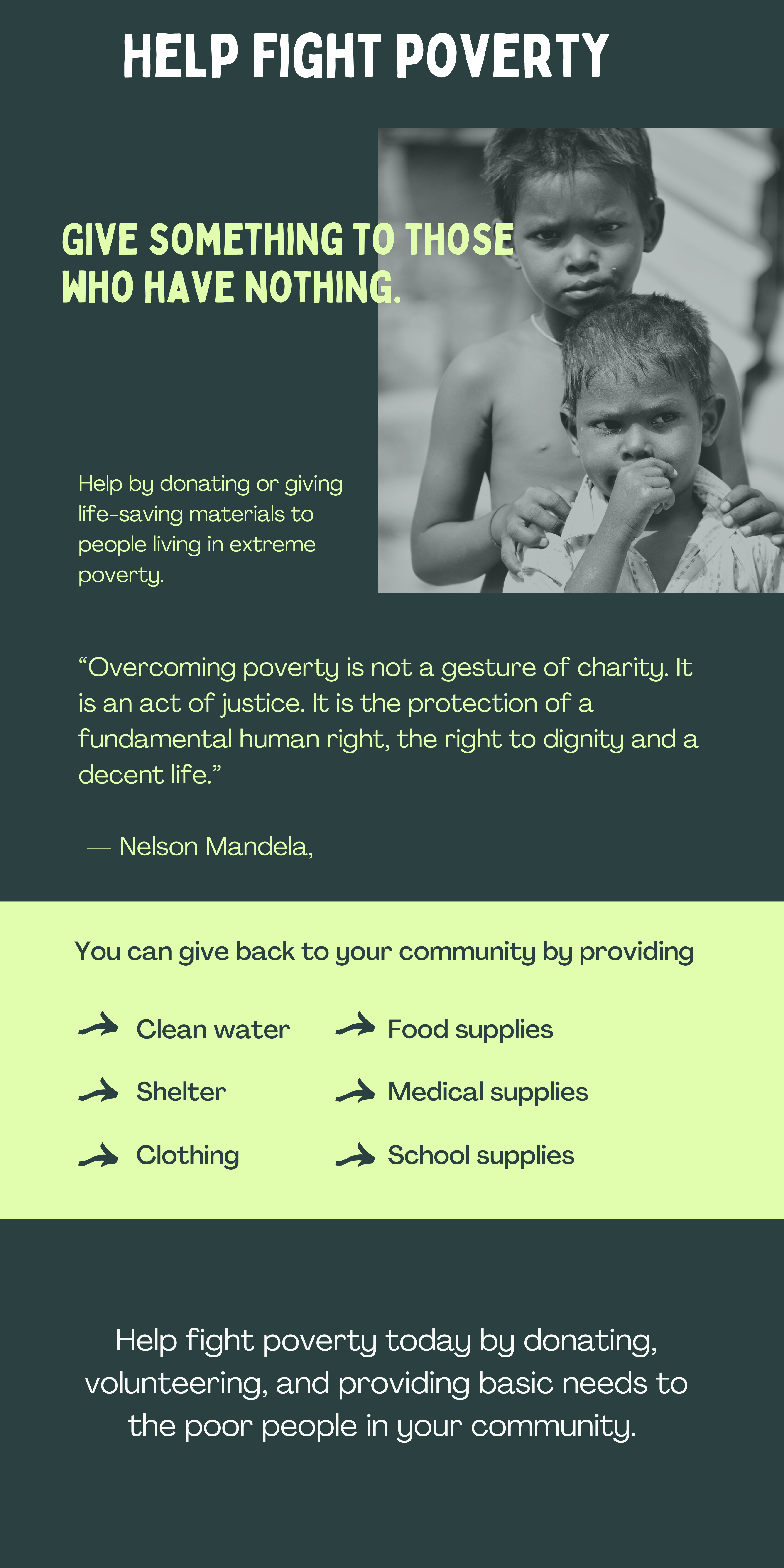
 @Knowhere